
Square Foot Gardening: From Seed to Harvest, A Complete Guide

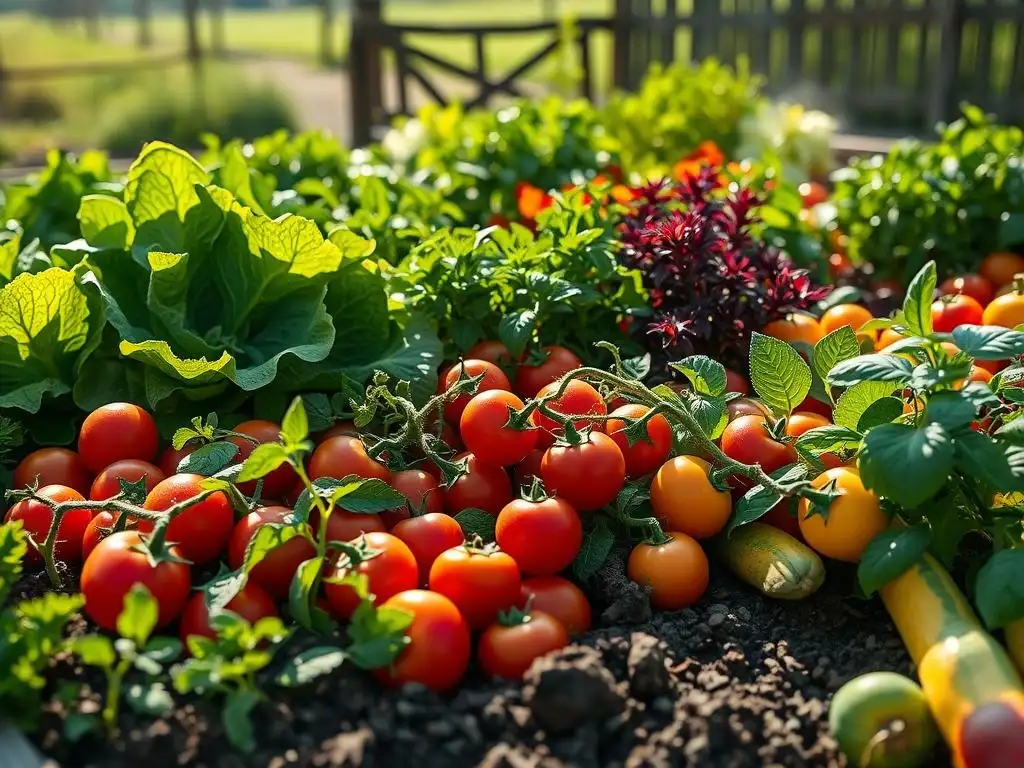
Ready to transform your backyard into a thriving, organic oasis? CultivateYourFood is your guide to unlocking the secrets of sustainable home gardening. We'll equip you with the knowledge and techniques to cultivate your own delicious fruits, vegetables, and herbs. Dive into our Square Foot Gardening complete guide – a comprehensive resource that will take you from seed to harvest, even if you're a complete beginner. Discover how this revolutionary method can maximize your yield and minimize your effort, all while embracing nature's wisdom. Let's get growing!
- Understanding Square Foot Gardening Principles
- Planning Your Square Foot Garden Layout
- Preparing Your Square Foot Garden for Planting
- Planting and Maintaining Your Square Foot Garden
- Harvesting Your Square Foot Garden Bounty
- Advanced Square Foot Gardening Techniques
- Square Foot Gardening Resources and Further Learning
- Frequently Asked Questions
- Final Reflection: Harvesting the Rewards of Space and Sustainability
- Unlock Your Urban Oasis: Grow Your Own Food Today!
Understanding Square Foot Gardening Principles
Square foot gardening is a highly efficient and space-saving method of gardening, perfect for both small urban spaces and larger rural plots. This complete guide will walk you through every step, from initial planning and bed construction to harvesting your bountiful crop. We'll explore the core principles of this intensive gardening technique, highlighting its benefits for sustainable and organic food production.
By the end, you'll have the knowledge and confidence to cultivate a thriving square foot garden brimming with fresh fruits, vegetables, and herbs. This guide focuses on maximizing yield in minimal space, using organic methods and minimizing waste, making it ideal for environmentally conscious gardeners of all experience levels.
We'll cover everything you need to know to implement this innovative approach successfully, transforming your gardening experience and ensuring a rich harvest. This guide is your key to unlocking the potential of square foot gardening, regardless of your available space or prior gardening expertise.
What is Square Foot Gardening? Benefits and Advantages
Square foot gardening (SFG) is an intensive gardening method that maximizes yields in a small space. Instead of planting in traditional rows, you divide your garden bed into one-foot squares. This precise planting allows for optimized spacing and efficient use of resources. Each square is carefully planned to accommodate the specific needs of each plant, preventing overcrowding and promoting healthy growth. The method typically utilizes raised beds, which offer several advantages: improved soil drainage, easier access for planting and weeding, and protection from pests and soil-borne diseases.
The benefits of SFG are numerous:
- Increased Yields: By carefully planning plant spacing, you can dramatically increase the number of plants you can grow in a given area compared to traditional row gardening.
- Space Efficiency: Perfect for small gardens, balconies, or patios.
- Improved Soil Health: Raised beds allow for better soil control and amendment, leading to healthier plants.
- Reduced Weeding: The intensive planting method minimizes weed growth.
- Easy Harvesting: Plants are easily accessible for harvesting.
- Water Conservation: Raised beds retain moisture better than in-ground gardens, reducing the need for frequent watering.
Designing Your Square Foot Garden: Size and Location Considerations
Before you begin building your square foot garden, careful planning is essential. The size of your garden will depend on your available space and the amount of food you wish to produce. Begin by considering the following:
- Space Available: Measure the area where you plan to build your garden. Remember to account for walkways and access.
- Sunlight: Square foot gardens need at least 6-8 hours of direct sunlight per day. Choose a location that receives ample sunlight.
- Water Access: Locate your garden near a water source to make watering easier.
- Soil Drainage: Poor drainage can lead to root rot. Ensure your chosen location has good drainage.
- Accessibility: Choose a location that is easily accessible for planting, weeding, and harvesting.
Consider creating a simple sketch to plan your garden layout, noting the dimensions and the placement of your raised beds. Remember to factor in the height of the raised beds, which will influence the overall size of your gardening space. A well-planned design will ensure the success of your square foot garden.
Choosing the Right Materials: Building Your Raised Beds
The construction of your raised beds is crucial for the success of your square foot garden. Several materials are suitable for building raised beds, each with its own advantages and disadvantages. Consider the following:
- Wood: Cedar, redwood, and pressure-treated lumber are popular choices. Wood is relatively inexpensive and easy to work with, but it requires regular maintenance and will eventually rot.
- Concrete Blocks: Concrete blocks are durable and long-lasting, but they can be more expensive and require more effort to construct. They also tend to retain more heat than wood, which can be a consideration in hot climates.
- Metal: Metal raised beds are durable and long-lasting, but they can be expensive and may require more specialized tools for construction. They also heat up significantly in the sun.
- Recycled Materials: Consider using repurposed materials such as pallets or plastic containers, provided they are safe for food production and meet the necessary structural requirements.
Choosing the right material depends on your budget, available skills, and aesthetic preferences. Regardless of the material you select, ensure the construction is sturdy and provides adequate support for the soil and plants. Remember to consider the longevity of your chosen material and factor in maintenance requirements. A well-constructed raised bed is the foundation of a successful square foot garden.
Planning Your Square Foot Garden Layout
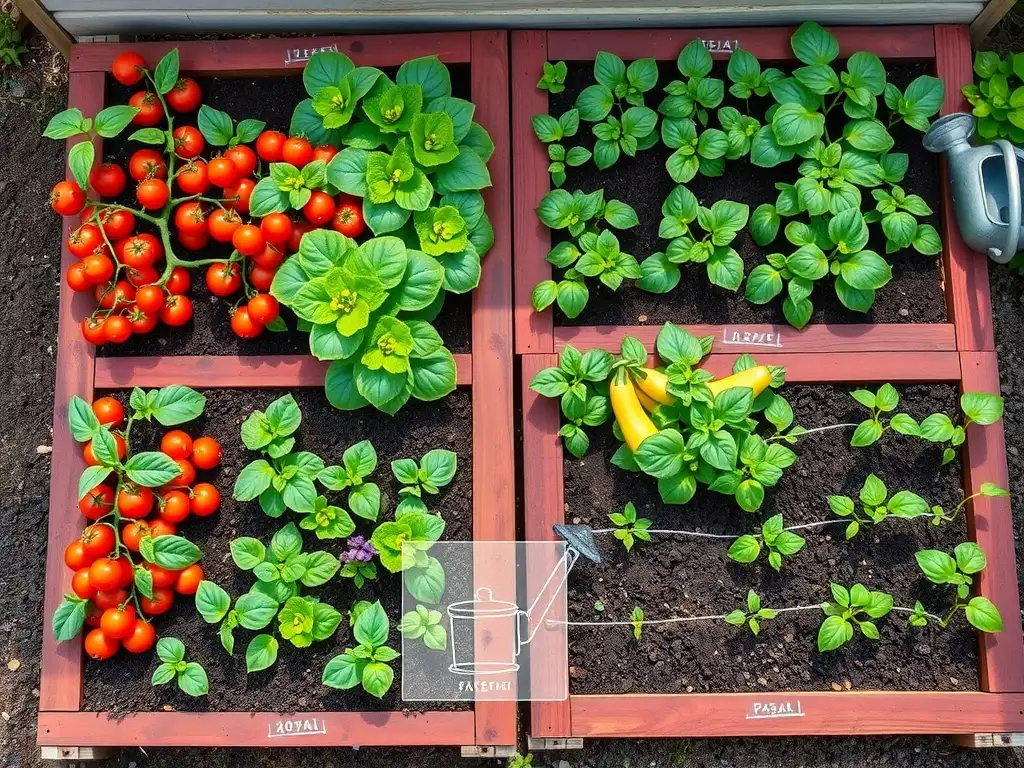
Effective square foot gardening hinges on meticulous planning. Before you even touch a shovel, carefully consider the dimensions of your garden bed and the sunlight it receives. A south-facing location generally provides the most sunlight, crucial for most plants. Remember to account for access – you need easy reach to all parts of your garden for planting, weeding, and harvesting. Consider building raised beds for better drainage and soil control, especially if your soil is compacted or poorly drained. Raised beds also make gardening more ergonomic, reducing strain on your back.
Selecting Suitable Plants for Square Foot Gardening
Choosing the right plants is paramount for a successful square foot garden. Compact varieties are key – sprawling plants waste precious space. Consider dwarf or bush varieties of tomatoes, peppers, and cucumbers. Legumes like bush beans are excellent space-savers, and they also improve soil fertility. When selecting plants, prioritize those that have similar water and sunlight requirements to minimize the need for differential watering and shading. A well-planned planting scheme minimizes competition among plants for resources.
Here's a sample plant list suitable for square foot gardening, demonstrating the concept of efficient space utilization:
| Plant | Spacing (per square foot) | Sunlight Needs | Water Needs |
|---|---|---|---|
| Bush Beans | 4-6 plants | Full sun | Moderate |
| Lettuce | 9-12 plants | Partial shade | Moderate |
| Radishes | 16-20 plants | Full sun | Moderate |
| Dwarf Tomatoes | 1-2 plants | Full sun | High |
| Peppers (bush) | 2-3 plants | Full sun | Moderate |
| Strawberries | 4-6 plants | Full sun | Moderate |
Remember to check the mature size of each plant to ensure they don't overcrowd each other. Careful selection will maximize your yield per square foot. Consider starting seeds indoors 4-6 weeks before the last expected frost for a head start on the growing season.
Maximizing Space: Companion Planting and Crop Rotation in Square Foot Gardens
Square foot gardening allows for efficient companion planting and crop rotation. Companion planting involves strategically placing plants that benefit each other. For example, basil planted near tomatoes is believed to repel tomato hornworms, while marigolds deter nematodes. This synergistic approach promotes healthy growth and reduces the need for pesticides. 🍅🐛❌
Crop rotation is equally important. Rotating crops annually prevents the buildup of soilborne diseases and pests, maintains soil fertility, and reduces the depletion of specific nutrients. For instance, heavy feeders like tomatoes should not be planted in the same square foot the following year. Instead, plant legumes (like beans or peas) which enrich the soil with nitrogen. This sustainable practice is vital for long-term garden health. A well-structured rotation plan can significantly increase your garden's productivity and longevity.
Creating a Detailed Planting Plan: A Step-by-Step Guide
Before you begin planting, create a detailed plan. This involves sketching your square foot garden bed, dividing it into one-foot squares, and then assigning each square to a specific plant. Use a grid system to visualize the arrangement. Consider the mature size of each plant and its sunlight and water needs when making your assignments. This detailed planning minimizes wasted space and maximizes yield.
Here's a step-by-step guide:
- Measure your garden bed: Determine the exact dimensions of your square foot garden.
- Draw a grid: Create a grid on paper, representing each one-foot square in your garden.
- Select your plants: Choose plants with compatible needs, considering their mature size, sunlight, and water requirements.
- Assign plants to squares: Strategically place plants on your grid, ensuring sufficient spacing for each plant to reach its full potential. Consider companion planting and crop rotation principles.
- Create a planting schedule: Note the planting dates for each plant, including when to start seeds indoors (if applicable) and when to transplant seedlings into the garden.
- Label your squares: Once planted, clearly label each square with the type of plant and its planting date. This helps with tracking growth and harvesting.
This methodical approach ensures a well-organized and productive square foot garden. Remember to adjust your plan as needed based on your observations and the actual growth of your plants. Careful planning is the cornerstone of a successful square foot gardening experience.
Preparing Your Square Foot Garden for Planting
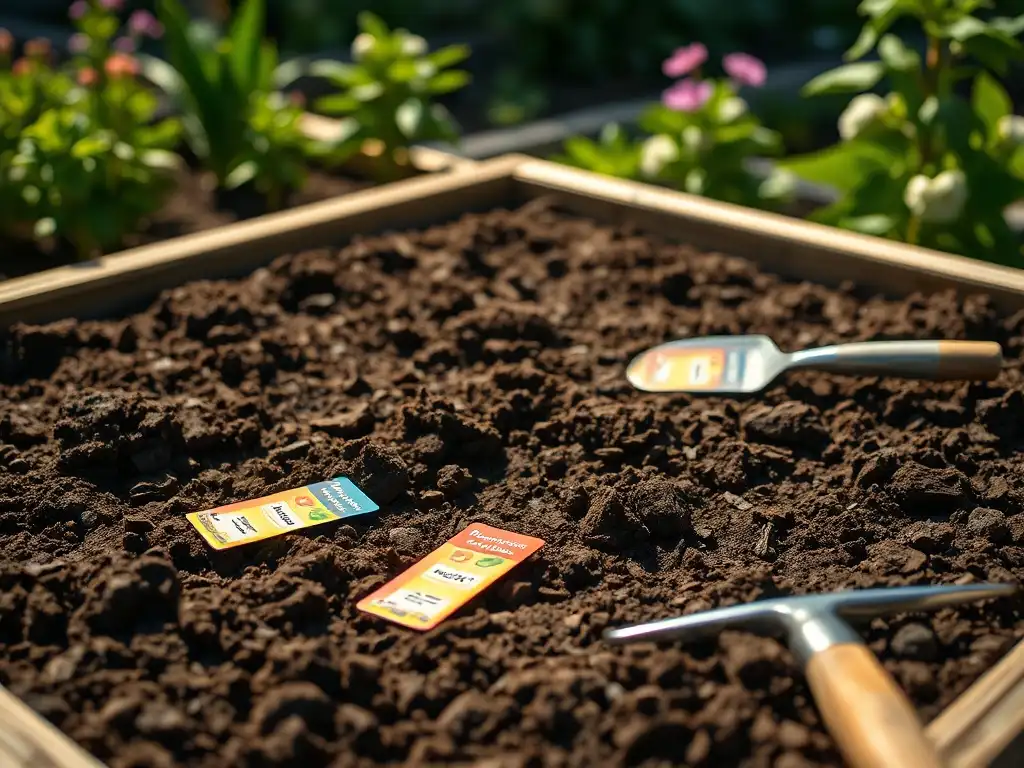
This section details the crucial steps in preparing your square foot garden bed for optimal plant growth. We'll focus on soil preparation, nutrient enrichment, and starting seeds indoors – all vital components for a successful harvest using the square foot gardening method. Mastering these techniques will significantly increase your yield and contribute to a thriving, sustainable garden. Remember, a well-prepared bed is the foundation of a successful square foot garden, maximizing space and resource utilization.
Soil Preparation for Optimal Growth: Choosing the Right Mix
The success of square foot gardening hinges on creating a rich, well-draining soil mix. Forget heavy clay soils – they suffocate roots and hinder growth. Instead, aim for a light, airy blend that retains moisture but allows for excellent drainage. A typical square foot gardening mix often includes a combination of materials designed to provide optimal structure and nutrition.
A good starting point is a 1:1:1 ratio of:
- Compost: Provides essential nutrients and improves soil structure. Mature, well-rotted compost is ideal. Avoid using fresh compost, as it can contain weed seeds and harmful pathogens.
- Coarse Sand: Improves drainage and aeration, preventing compacted soil. Avoid fine sand, as it can compact easily.
- Peat Moss (or Coco Coir): Retains moisture and adds organic matter. Coco coir is a sustainable alternative to peat moss.
You can adjust this ratio based on your specific soil conditions. For example, if your soil is particularly heavy clay, you may need to increase the proportion of sand. Conversely, if your soil is already very sandy, you might increase the amount of compost and peat moss to improve water retention. Remember to thoroughly mix all components before filling your garden bed.
The goal is a consistently uniform blend throughout the bed. This ensures even distribution of nutrients and moisture, promoting healthy root development across all your plants. This is key to maximizing the efficiency of the square foot gardening technique.
Essential Nutrients for Square Foot Gardening: Fertilizers and Amendments
While a good soil mix provides a foundation of nutrients, supplementing with fertilizers and amendments ensures optimal plant health and robust growth. Square foot gardening prioritizes efficient nutrient delivery, maximizing the impact of each plant. Avoid over-fertilizing, as this can damage plants and pollute the environment. Instead, focus on providing a balanced supply of essential nutrients.
Consider these options:
- Compost Tea: A liquid fertilizer brewed from compost, providing readily available nutrients.
- Worm Castings: An excellent source of natural nutrients and beneficial microbes.
- Bone Meal: A slow-release phosphorus source, ideal for root development and flowering.
- Epsom Salts: A source of magnesium, essential for chlorophyll production and overall plant health.
It’s crucial to understand your soil's existing nutrient levels before adding amendments. A soil test can provide valuable insight into what your plants might be lacking. This avoids unnecessary amendment application and ensures efficient resource management. Remember to follow the instructions carefully when using any fertilizer or amendment to avoid damaging your plants. Proper application is key to maximizing the benefits of your chosen method, whether that be liquid or granular application. Sustainable gardening prioritizes soil health, so choose natural and environmentally friendly options whenever possible.
Starting Seeds Indoors: A Guide for Square Foot Gardeners
Starting seeds indoors provides a head start for your square foot garden, resulting in an earlier and more bountiful harvest. This technique allows you to bypass the challenges of direct sowing, particularly for slow-germinating or delicate plants. Properly starting seeds indoors allows for better control over germination conditions, resulting in healthier seedlings.
Here's a step-by-step guide:
- Choose the right seed-starting mix: Use a seed-starting mix specifically formulated for seedlings, providing excellent drainage and aeration. Avoid using garden soil, as it can be too dense and harbor pathogens.
- Select appropriate containers: Use small cells or pots, allowing for easy transplanting without disturbing the roots.
- Sow seeds according to package instructions: Ensure proper spacing and depth for optimal germination.
- Provide adequate light: Seedlings require sufficient light for healthy growth. Use grow lights or a sunny windowsill.
- Maintain consistent moisture: Keep the soil consistently moist but not waterlogged.
- Harden off seedlings before transplanting: Gradually acclimate seedlings to outdoor conditions before transplanting them to your square foot garden. This reduces transplant shock and improves survival rates. This is a crucial step in ensuring a successful transition to your square foot garden.
By following these steps, you can successfully start your seeds indoors, ensuring healthy and vigorous plants ready for transplanting into your prepared square foot garden beds. This method significantly increases the chances of a successful and abundant harvest, maximizing your yield from your limited space. Remember that patience and attention to detail are key to successful seed starting.
Planting and Maintaining Your Square Foot Garden
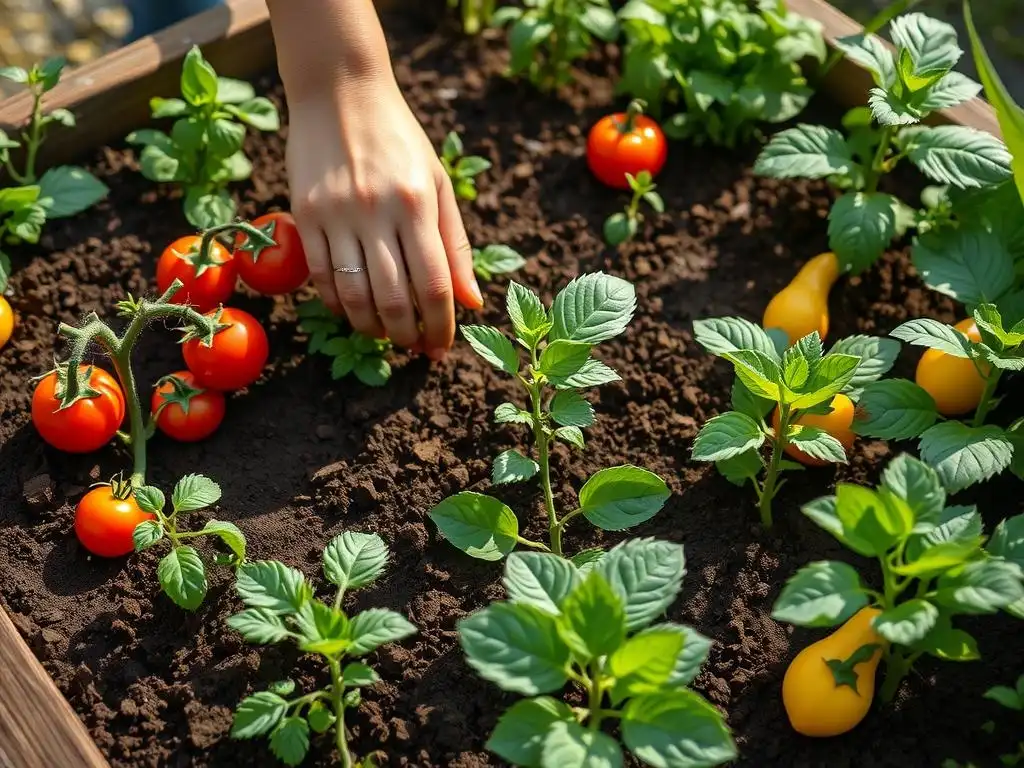
This section delves into the practical aspects of planting and maintaining a thriving square foot garden, focusing on techniques that maximize yield and minimize waste, aligning perfectly with sustainable and organic practices. We'll explore the optimal planting density, the importance of soil health, and efficient watering strategies. Remember, success in square foot gardening hinges on meticulous planning and consistent attention to detail.
Transplanting Seedlings into Your Square Foot Garden Beds
Transplanting seedlings is a crucial step in the square foot gardening method. It allows you to start seeds indoors, giving them a head start on the growing season and protecting them from harsh weather conditions. Successful transplanting hinges on careful handling and proper spacing.
When transplanting, gently remove the seedling from its container, ensuring not to damage the delicate roots. Avoid disturbing the root ball as much as possible. Create a small hole in your prepared square foot garden bed, just large enough to accommodate the root ball. Gently place the seedling in the hole, ensuring the top of the root ball is level with the soil surface. Firmly press the soil around the base of the plant to eliminate air pockets. Finally, water gently to settle the soil and help the seedling establish itself.
Proper spacing is essential for optimal growth and yield. The square foot gardening method emphasizes maximizing space utilization. Consult your seed packet or a reliable gardening resource for recommended spacing for your chosen plants. Remember that overcrowding can lead to competition for resources, resulting in stunted growth and reduced yields. Accurate spacing ensures each plant receives adequate sunlight, water, and nutrients. This meticulous planning is a key element of the square foot gardening approach.
Watering Techniques for Square Foot Gardens: Avoiding Overwatering and Underwater
Efficient watering is critical for the health and productivity of your square foot garden. Both underwatering and overwatering can negatively impact plant growth and overall yield. The goal is to maintain consistently moist soil without saturating it, which can lead to root rot and other fungal diseases. This delicate balance requires careful observation and adjustment based on weather conditions and plant needs.
Overwatering is a common mistake among novice gardeners. It leads to soggy soil, depriving roots of oxygen and creating an environment conducive to fungal diseases. Signs of overwatering include yellowing leaves, wilting, and a musty smell emanating from the soil.
Underwatering, on the other hand, leads to drought stress, resulting in stunted growth and reduced yields. Signs of underwatering include drooping leaves, dry soil, and slowed growth.
To avoid these issues, we recommend using a soaker hose or drip irrigation system. These methods deliver water directly to the roots, minimizing evaporation and ensuring even moisture distribution. Always check soil moisture before watering. Stick your finger a couple of inches into the soil; if it feels dry, it's time to water. Remember that the frequency of watering will vary depending on factors such as weather conditions, soil type, and plant maturity. Regular monitoring and adjusting your watering schedule are essential for maintaining healthy plants.
Here's a helpful table summarizing watering considerations:
| Condition | Soil Moisture | Watering Frequency | Signs |
|---|---|---|---|
| Overwatering | Soggy, saturated | Reduce frequency | Yellowing leaves, wilting, musty smell |
| Underwatering | Dry | Increase frequency | Drooping leaves, dry soil, slow growth |
| Optimal Moisture | Moist, not soggy | As needed | Healthy, vibrant plants |
Weeding and Pest Control in a Square Foot Garden: Organic Solutions
Maintaining a weed-free and pest-free square foot garden is vital for maximizing yields and preserving the health of your plants. The compact nature of square foot gardening makes weeding and pest control relatively straightforward, but consistent vigilance is crucial. We strongly advocate for organic solutions, minimizing the environmental impact and protecting beneficial insects.
Weeding should be done regularly, preventing weeds from competing with your plants for resources. Hand weeding is the most effective and environmentally friendly method. Mulching helps suppress weed growth, conserving moisture and reducing the frequency of weeding. Organic mulch, such as straw or shredded leaves, is ideal.
Pest control in a square foot garden should focus on preventative measures. This includes choosing pest-resistant plant varieties, maintaining proper spacing to promote air circulation, and attracting beneficial insects such as ladybugs and lacewings which naturally prey on common garden pests. If pests do appear, consider using organic pest control methods such as neem oil, insecticidal soap, or diatomaceous earth. These solutions are less harmful to beneficial insects and the environment compared to synthetic pesticides. Remember, a healthy and balanced ecosystem within your garden is your best defense against pests.
Regular monitoring and prompt action are key to preventing infestations. The use of companion planting can also help deter pests naturally. For example, planting marigolds alongside susceptible plants is known to repel certain insects. This holistic approach ensures a healthy and productive square foot garden using sustainable practices.
Providing Adequate Support for Climbing Plants in Square Foot Gardening
Square foot gardening, while efficient for space utilization, presents unique challenges for climbing plants like tomatoes, cucumbers, and beans. These plants need robust support to thrive and prevent sprawling, which can overcrowd your squares and hinder growth. Ignoring this crucial aspect can lead to reduced yields and increased susceptibility to diseases. Proper support ensures optimal sunlight exposure for all parts of the plant, improving fruit production and overall plant health. A well-supported climbing plant is easier to harvest from, too, making the entire process smoother and less frustrating.
One of the most common and effective support methods is using sturdy stakes or cages. For tomatoes, individual stakes driven deep into the ground, slightly taller than the expected plant height, are ideal. Secure the plant's main stem to the stake using soft ties, such as garden twine or strips of cloth, to prevent damage.
Avoid tight bindings that could constrict the stem's growth. For cucumbers and beans, consider using a wire cage or a simple teepee structure made from bamboo or sturdy sticks. These structures provide a broader support system, allowing the plants to climb and spread more naturally.
Another excellent option, especially for larger square foot gardens, is to install trellises. Trellises can be made from a variety of materials, including wood, metal, or even repurposed materials like strong branches. They offer a vertical growing space, maximizing the use of vertical area in your garden. This is particularly beneficial for vining plants like melons and squash, which can become quite extensive. Remember to position the trellis strategically within your square to avoid overshadowing other plants.
Finally, consider the plant's specific needs. Some climbing plants are more delicate than others and might require more frequent adjustments to their support. Regularly inspect your support structures, ensuring they remain stable and that the plants are securely attached. Repair or replace any damaged supports promptly.
Ignoring these details could lead to the plant collapsing under its own weight or becoming damaged by strong winds, drastically reducing your harvest. Careful planning and maintenance of your support system are key components of a successful square foot garden for climbing plants. The investment in time and materials will be richly rewarded with a bountiful harvest.
Harvesting Your Square Foot Garden Bounty
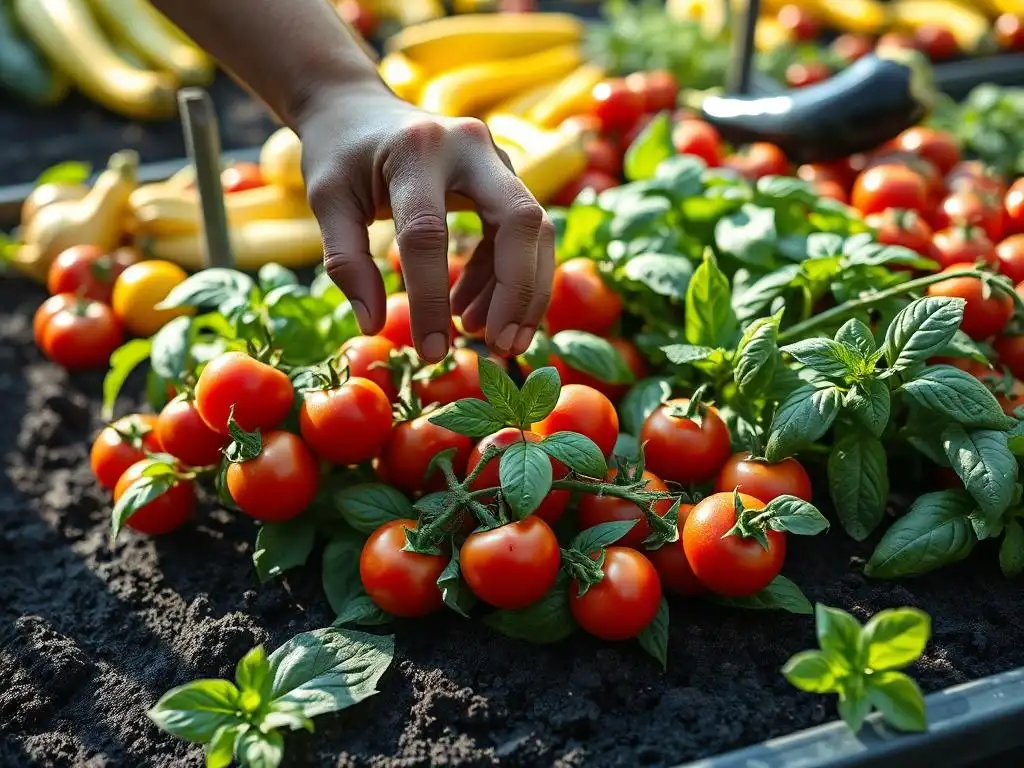
This section focuses on the crucial final stage of square foot gardening: harvesting. Successfully cultivating your crops is only half the battle; understanding when and how to harvest maximizes yield and ensures the best flavor and nutritional value. We'll explore optimal harvest times, efficient harvesting techniques, and effective preservation methods to fully enjoy the fruits (and vegetables!) of your labor. This complete guide will equip you with the knowledge to transition from a thriving square foot garden to a bountiful harvest.
Identifying the Optimal Harvest Time for Different Crops
Knowing when to harvest is paramount. Harvesting too early results in poor flavor and low yield, while harvesting too late leads to tough, woody vegetables or overripe fruit. The optimal harvest time varies significantly depending on the specific crop. Here's a breakdown:
- Leafy Greens (Lettuce, Spinach, Kale): Harvest these when the leaves are fully developed but still tender. For baby greens, harvest at around 4-6 weeks. For mature plants, you can harvest individual leaves as needed, allowing the plant to continue producing. This method is called "cut-and-come-again" harvesting.
- Root Vegetables (Carrots, Radishes, Beets): These are generally ready for harvest when they reach their mature size, typically indicated on the seed packet. Gently pull them from the soil, avoiding damage to the roots. Harvesting root vegetables before frost is crucial to prevent damage.
- Tomatoes: Harvest tomatoes when they're fully colored and slightly soft to the touch. The optimal time for picking is usually in the morning after the dew has dried. Avoid harvesting green tomatoes unless you plan to ripen them artificially.
- Beans (Bush Beans, Pole Beans): Bush beans are ready when the pods are plump and firm. Harvest them regularly to encourage continuous production. Pole beans can be harvested as "string beans" (young and tender) or allowed to mature into dry beans.
- Herbs: Harvest herbs in the morning after the dew has dried. For most herbs, you can harvest leaves by pinching or snipping them, encouraging bushier growth. Some herbs, like dill, are best harvested before they flower.
| Crop | Optimal Harvest Time | Signs of Readiness |
|---|---|---|
| Lettuce | 4-6 weeks (baby), ongoing (mature) | Tender leaves, fully developed |
| Carrots | As indicated on seed packet, before frost | Mature size, firm |
| Tomatoes | Fully colored, slightly soft, morning harvest | Deep color, slight give when gently squeezed |
| Bush Beans | Plump, firm pods | Fully developed pods, firm to the touch |
| Dill | Before flowering | Abundant foliage, before flower formation begins |
Remember to always check the seed packet or consult a reliable gardening resource for specific harvest times for your chosen varieties. Regular observation of your plants is key to recognizing optimal harvest windows. Careful monitoring will help you avoid over-harvesting or letting crops go to waste.
Harvesting Techniques to Maximize Yield and Quality
Proper harvesting techniques are essential to maximizing yield and preserving the quality of your harvest. Rough handling can damage delicate crops and reduce shelf life.
- Use sharp tools: Use sharp shears or knives to cleanly cut herbs and other delicate plants. This prevents bruising and encourages new growth.
- Harvest in the morning: Harvesting in the cool morning hours helps to prevent wilting and preserve quality.
- Handle carefully: Gently remove fruits and vegetables to prevent bruising. Avoid pulling crops from the soil unless necessary.
- Clean your harvest: Remove any soil or debris immediately after harvesting.
- Sort and grade: Separate your harvest into different grades based on size and quality. This helps with storage and marketing (if applicable).
The "cut-and-come-again" method, mentioned earlier, is a great way to maximize the yield of leafy greens and some herbs. By harvesting only what you need and leaving the roots intact, you encourage continuous growth and a longer harvest season. This sustainable approach reduces waste and provides a consistent supply of fresh produce.
Preserving Your Harvest: Storage and Processing Methods
Preserving your harvest ensures you can enjoy the fruits of your labor throughout the year. Numerous methods can be used, depending on the type of crop and your preferences.
- Refrigeration: Many fresh fruits and vegetables can be stored in the refrigerator for a short period. Proper storage techniques, such as using airtight containers, extend their shelf life.
- Freezing: Freezing is an excellent method for preserving many fruits and vegetables. Blanching (briefly boiling) before freezing helps to retain color and texture.
- Canning: Canning is a more involved process but allows for long-term storage. Proper canning techniques are essential to ensure food safety.
- Drying: Drying is ideal for herbs and some fruits and vegetables. This method removes moisture, inhibiting spoilage.
- Pickling: Pickling is a great way to preserve vegetables, adding a unique flavor profile. It requires proper sterilization and acidification to ensure safety.
Choosing the right preservation method depends on your resources, time, and the specific crops you are harvesting. Proper preservation not only extends the lifespan of your produce but also allows you to enjoy the bounty of your square foot garden well beyond the harvesting season. Properly stored and processed produce can provide sustenance and flavor throughout the year.
Advanced Square Foot Gardening Techniques
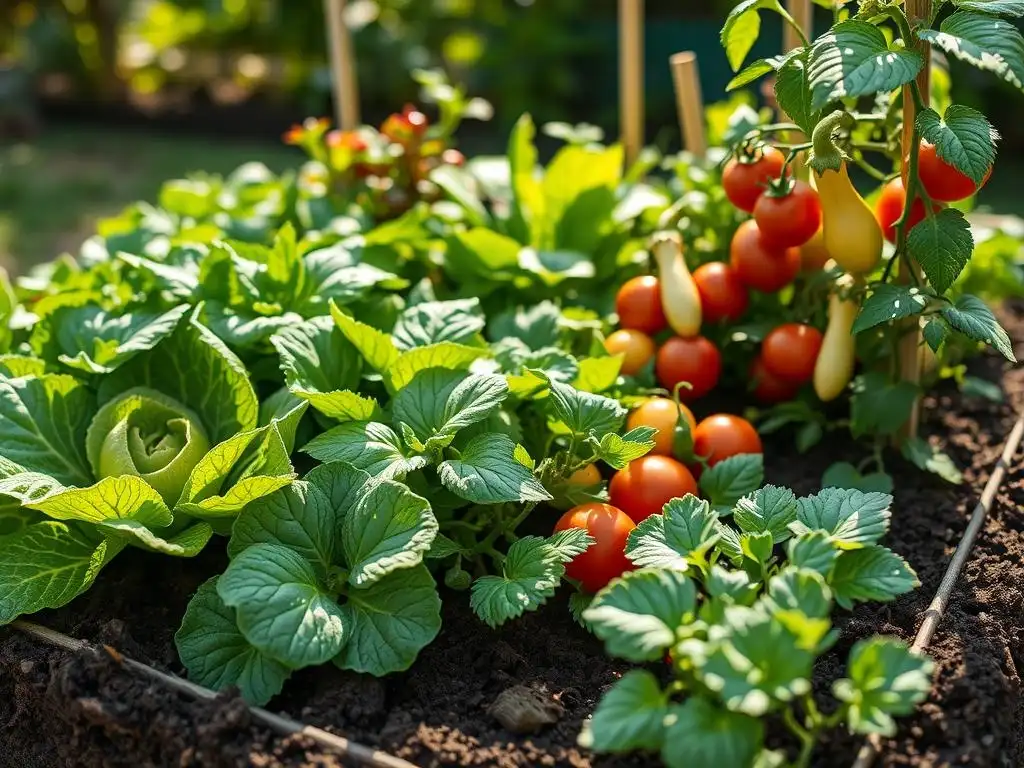
This section delves into more advanced techniques to optimize your square foot gardening experience, moving beyond the basics and focusing on maximizing yields and resilience. We'll explore adapting your approach to diverse climates, troubleshooting common issues, and implementing long-term soil health strategies. Remember, even seasoned gardeners continually refine their methods, so consider this a journey of continuous improvement in your square foot gardening endeavors.
Square Foot Gardening in Different Climates: Adapting Your Approach
Square foot gardening's adaptability is a key strength, but success hinges on understanding your specific climate. Factors like frost dates, average rainfall, and sunlight hours significantly impact plant selection and garden management.
Consider these climate-specific adjustments:
- Cold Climates: Extend your growing season using cold frames, row covers, or even a small greenhouse. Choose fast-maturing varieties and consider succession planting to maximize harvests before the first frost. Soil warming techniques, like covering the soil with black plastic, can also be beneficial. Early spring planting might require protection from late frosts.
- Hot Climates: Prioritize heat-tolerant plants and focus on providing adequate shade and watering, especially during peak sun hours. Mulching helps retain soil moisture and suppress weeds, crucial in hot, dry environments. Afternoon shade might be essential for some plants. Consider using raised beds to improve drainage in areas prone to waterlogging.
- Rainy Climates: Ensure excellent drainage to prevent root rot. Raised beds or well-amended soil with good drainage are crucial. Choose plants that tolerate wet conditions. Consider adding a layer of gravel at the bottom of your beds to help with drainage.
The table below summarizes ideal plant choices for different climate types:
| Climate Type | Ideal Plant Choices | Considerations |
|---|---|---|
| Cold Climate | Lettuce, spinach, kale, radishes, peas, early potatoes | Frost protection, short growing season varieties |
| Hot Climate | Tomatoes, peppers, zucchini, beans, melons, okra | Heat tolerance, sufficient watering, shade protection |
| Rainy Climate | Kale, collard greens, Swiss chard, watercress, taro | Excellent drainage, disease resistance |
Remember to always check the specific needs of the plants you choose, regardless of your climate. Careful observation and adaptation are vital for success in square foot gardening.
Troubleshooting Common Problems in Square Foot Gardens
Even with careful planning, problems can arise in your square foot garden. Here's how to address common issues:
- Pest Infestations: Regular monitoring is key. Use organic pest control methods like companion planting (e.g., basil repels aphids), insecticidal soap, or introducing beneficial insects. Handpicking pests can be effective for small infestations. Consider using row covers to protect seedlings.
- Disease Problems: Ensure good air circulation to prevent fungal diseases. Avoid overcrowding plants. Rotate crops yearly to break disease cycles. Use disease-resistant varieties whenever possible. Proper watering techniques to avoid wetting foliage are critical.
- Nutrient Deficiencies: Regular soil testing is essential. Amend your soil with compost or other organic matter to provide essential nutrients. Use a balanced fertilizer tailored to your plants' needs. Observe plant symptoms – yellowing leaves, for instance, might indicate a nutrient deficiency.
- Weed Control: Mulching is a crucial component of weed suppression. Regular weeding, especially when plants are young, prevents competition for resources. Choose mulches that suppress weeds effectively, like straw or wood chips.
Addressing these issues proactively can significantly improve the health and yield of your square foot garden. Careful observation and prompt action are crucial for successful square foot gardening.
Improving Soil Health: Long-Term Strategies for Square Foot Gardening
Healthy soil is the foundation of a thriving square foot garden. These long-term strategies will enhance soil fertility and structure:
- Composting: Composting kitchen scraps and yard waste provides a rich source of organic matter. This improves soil structure, water retention, and nutrient content. Regularly adding compost enhances soil health over time.
- Cover Cropping: Planting cover crops like clover or rye during fallow periods adds nutrients to the soil, suppresses weeds, and improves soil structure. These crops can be tilled in or left to decompose naturally.
- Soil Amendments: Regularly amending your soil with compost, aged manure, or other organic materials improves soil fertility and structure. Consider soil testing to determine specific nutrient needs.
- Crop Rotation: Rotating crops yearly helps prevent nutrient depletion and reduces the risk of pest and disease buildup. Different plant families have different nutrient requirements and pest susceptibilities.
- No-Till Practices: Minimizing soil disturbance helps maintain soil structure and beneficial soil organisms. Avoid tilling whenever possible, opting instead for methods like adding compost directly to the surface.
By implementing these long-term strategies, you'll create a fertile and resilient soil environment that supports abundant harvests year after year. Investing in soil health is an investment in the long-term success of your square foot garden. Remember, healthy soil equals healthy plants!
Square Foot Gardening Resources and Further Learning
This section delves into the wealth of resources available to further your square foot gardening journey, helping you refine your techniques and connect with a supportive community. From insightful books to vibrant online forums, there's a wealth of knowledge waiting to be explored. Mastering square foot gardening is a continuous process of learning and adaptation, and these resources will prove invaluable along the way.
Recommended Books and Online Resources for Square Foot Gardening Enthusiasts
Expanding your knowledge beyond this complete guide is crucial for maximizing your square foot garden's potential. Several excellent resources provide in-depth information, practical tips, and inspiring examples. These resources offer different perspectives and levels of detail, catering to various learning styles and experience levels.
For beginners, a well-illustrated book focusing on the fundamentals of square foot gardening techniques is highly recommended. Look for books that clearly explain soil preparation, plant spacing, and companion planting within the square foot framework. Many books also include seasonal planting guides tailored to specific climates, which is incredibly helpful for optimizing your yield.
More experienced square foot gardeners might benefit from books that delve into advanced techniques such as:
- Advanced composting methods for square foot gardening: Learning how to create nutrient-rich compost specifically suited to your square foot garden's needs can significantly improve plant health and yield.
- Pest and disease management in a square foot garden: This section often covers organic and sustainable pest control methods, crucial for maintaining a healthy and productive garden without harmful chemicals.
- Year-round square foot gardening: Explore techniques for extending the growing season and achieving harvests throughout the year, even in challenging climates.
Beyond books, online resources offer a dynamic and constantly updated source of information. Websites and blogs dedicated to square foot gardening often feature:
- Detailed plant profiles: Learn about the specific needs of different plants, including ideal spacing, sunlight requirements, and growth habits.
- Community forums and discussions: Connect with other square foot gardeners to exchange tips, troubleshoot problems, and share your successes.
- Video tutorials: Visual learners will appreciate the step-by-step guidance offered in many online video tutorials.
Remember to critically evaluate the information you find online and prioritize resources from reputable sources. Look for evidence-based information and avoid unsubstantiated claims.
Joining the Square Foot Gardening Community: Forums and Support Groups
Engaging with a community of fellow square foot gardening enthusiasts is incredibly beneficial. Sharing experiences, asking questions, and learning from others’ successes and challenges can accelerate your learning curve and provide invaluable support. The feeling of belonging to a like-minded community can also significantly increase your enjoyment and motivation.
Many online forums and social media groups are dedicated to square foot gardening. These platforms offer a space for:
- Asking questions and seeking advice: Don't hesitate to reach out for help when you encounter problems. Experienced gardeners are usually happy to share their knowledge and offer solutions.
- Sharing your successes and challenges: Connecting with others on a similar journey can be incredibly motivating. Sharing your experiences, both positive and negative, helps build a supportive and collaborative environment.
- Finding local resources: Connect with gardeners in your area to exchange seeds, plants, and advice. You might even find opportunities to collaborate on community gardening projects.
Participating in these communities fosters a sense of camaraderie and shared learning. It's a great way to stay updated on the latest techniques and innovations in square foot gardening. The collective knowledge and experience within these groups are invaluable resources for any square foot gardener, regardless of their skill level. Remember to be respectful and contribute positively to the community. Happy gardening! 🌱
Frequently Asked Questions
What is square foot gardening?
Square foot gardening is an intensive gardening method that maximizes space and yield by planting directly into a divided 4x4 foot (or similar) bed filled with a custom soil mix. This allows you to grow a large number of plants in a small area.
What are the benefits of square foot gardening?
Benefits include increased yields in smaller spaces, reduced weeding, improved soil drainage and aeration, and easier access to plants. It's also ideal for beginner gardeners and those with limited space.
What kind of soil mix do I need for square foot gardening?
A well-draining mix is crucial. A common recipe is one-third peat moss, one-third vermiculite, and one-third compost. You can adjust this based on your soil's properties.
How do I plan my square foot garden layout?
Carefully plan the spacing of your plants according to their mature size. Consider companion planting to maximize space and benefit from plant interactions. Use a grid to visualize your planting plan.
What are some common challenges in square foot gardening, and how can I address them?
Pest control and proper watering are key concerns. Use natural pest control methods and monitor soil moisture levels carefully. Mulching can help retain moisture and suppress weeds.
Final Reflection: Harvesting the Rewards of Space and Sustainability
The principles of square foot gardening, once a niche practice, are now more relevant than ever. In a world grappling with climate change, food insecurity, and shrinking urban green spaces, maximizing yield in minimal areas is no longer a hobby; it's a necessity. This method offers a powerful solution, proving that sustainable food production can be accessible to everyone, regardless of space constraints.
The journey from seed to harvest, as detailed in this guide, is more than just a process of growing food; it's a journey of connection. It's about fostering a deeper understanding of the natural world, appreciating the intricate dance between plant and soil, and experiencing the profound satisfaction of nurturing life from its very beginning. The glory of gardening: hands in the dirt, head in the sun, heart with nature. To nurture a garden is to feed not just the body, but the soul.
This quote perfectly encapsulates the transformative power of square foot gardening, extending beyond mere sustenance to a richer, more meaningful engagement with the environment.
Now, consider your own space, however small. Imagine the vibrant tapestry of life you could cultivate, the fresh, homegrown flavors you could savor, and the sense of accomplishment you could harvest. Don't let limited space limit your dreams. Take the knowledge gained from this guide, embrace the principles of efficient planting and mindful cultivation, and embark on your own square foot gardening adventure. The rewards – both tangible and intangible – await.
Unlock Your Urban Oasis: Grow Your Own Food Today!
Thank you for joining us on this journey from seed to harvest! We hope you've gained the confidence and knowledge to transform your space into a thriving garden. Ready to put your new skills to the test?
- Start planning your garden now: Grab a pencil and paper (or open a digital document! ), and sketch out your ideal garden layout. Consider the amount of sunlight your space receives and the types of plants you'd like to grow. Think about how much space each plant will need as it matures.
- Share your gardening plans with our community: Join the CultivateYourFood forum and share your design – we'd love to see your progress and offer support!
- Research different seed varieties – you might consider heirloom tomatoes or a colorful mix of peppers, for example, or perhaps some herbs that complement your favorite dishes.
What are you most excited to grow in your garden this season? Let us know in the comments below!