
Square Foot Gardening vs. Traditional Gardening: Which Method Is Right for You?

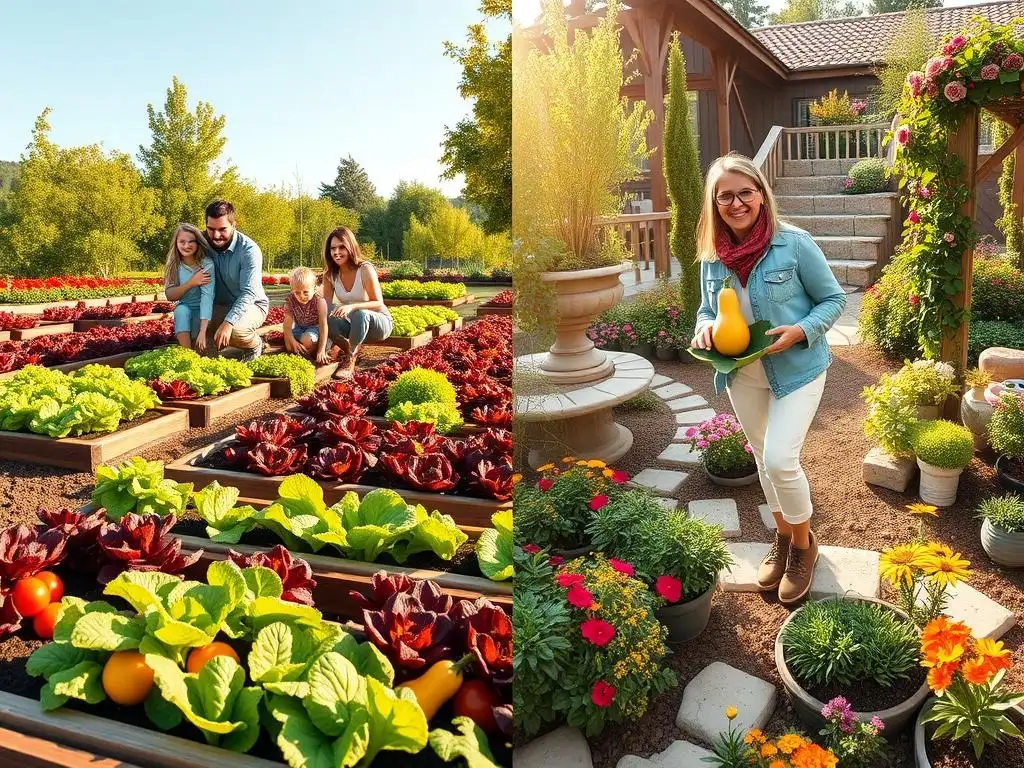
Ready to transform your backyard into a thriving oasis of fresh, organic produce? At CultivateYourFood, we empower you to grow your own food sustainably. Discover the secrets to a bountiful harvest with our expert advice, covering everything from planting to pest control. But first, let's tackle a crucial question: what's the best gardening method for you? Dive into our "Advanced Techniques" section and explore the exciting world of Square Foot Gardening versus traditional methods – find out which approach will best cultivate your green thumb!
- Understanding Your Gardening Needs: Choosing the Best Gardening Method for You
- Square Foot Gardening: A Deep Dive into the Method
- Traditional Gardening: Exploring Established Practices
- Square Foot Gardening vs. Traditional Gardening: A Detailed Comparison
- Choosing the Right Method for Your Needs: The Best Gardening Method for You
- Conclusion: Making an Informed Decision About Your Gardening Approach
- Frequently Asked Questions
- Final Reflection: Cultivating Your Ideal Garden
- Unlock Your Garden's Potential: Which Gardening Style Suits You Best?
Understanding Your Gardening Needs: Choosing the Best Gardening Method for You
Choosing the right gardening method can significantly impact your success and enjoyment. This article compares square foot gardening (SFG) and traditional gardening methods, helping you determine which approach best suits your individual circumstances and goals. Whether you're a seasoned gardener looking to optimize your yield or a beginner taking your first steps into the world of homegrown produce, understanding your specific needs is crucial for selecting the best gardening method for you. We'll explore factors like available space, time commitment, and experience level to guide you toward a rewarding and productive gardening journey.
The ultimate goal is to empower you to cultivate a thriving garden that aligns perfectly with your lifestyle and aspirations, maximizing your harvest while minimizing stress and maximizing the joy of homegrown food. Let's delve into the specifics to discover the perfect fit for your green thumb aspirations! 🎉
Assessing Your Space: Small Space Gardening Solutions
Limited space shouldn't deter you from experiencing the joys of homegrown food. Square foot gardening shines in small spaces, offering a high-yield solution for even the smallest balconies or patios. Traditional gardening, on the other hand, often requires considerably more space. Consider these points:
- Square Foot Gardening: SFG's intensive planting method maximizes yield per square foot. A single 4ft x 4ft bed can produce a remarkable amount of food. This makes it ideal for apartments, townhouses, or anyone with limited outdoor space.
- Traditional Gardening: Traditional row gardening requires significantly more space to achieve comparable yields. Rows need sufficient distance for proper plant growth and access for weeding and harvesting. This method is better suited for larger yards or gardens.
Think about your available space realistically. Measure your area and consider the space needed for walkways and access to plants. A well-planned SFG layout can significantly improve space utilization compared to traditional methods. For example, a small balcony might only accommodate a single 4ft x 4ft SFG bed, whilst a traditional setup might be practically impossible. 📏
Evaluating Your Time Commitment: Time-Efficient Gardening Techniques
Gardening demands time, but the amount varies dramatically between methods. SFG often requires less time than traditional gardening, especially for maintenance tasks.
- Square Foot Gardening: The concentrated planting in SFG simplifies weeding and harvesting. Plants are closer together, reducing the spread of weeds and making harvesting quicker and more efficient. This translates to less time spent on maintenance.
- Traditional Gardening: Traditional gardens often necessitate more time for weeding, watering, and pest control due to the larger area and potentially more sprawling plant growth. Maintaining wider rows requires more effort.
Consider your available time. If you have limited time for gardening, SFG's efficiency could be a significant advantage. However, even with SFG, regular watering and occasional pest checks remain essential. A realistic assessment of your weekly time commitment is crucial before deciding which method suits you best. ⏰
Determining Your Gardening Experience Level: Beginner-Friendly Gardening Methods
Both methods have their learning curves, but SFG is often considered more beginner-friendly due to its organized structure and simplified management.
- Square Foot Gardening: The structured layout of SFG simplifies plant spacing and makes it easier to monitor individual plants' health. The intensive planting allows for a closer observation of growth and potential issues. The clear organization makes it easier for beginners to understand and manage their garden.
- Traditional Gardening: Traditional gardening requires a deeper understanding of plant spacing, soil conditions, and pest management. The larger scale can make it harder for beginners to monitor individual plants and identify problems early on. Experience helps to efficiently manage a larger traditional garden.
If you're a beginner, SFG's simplicity could make your gardening journey less daunting and more rewarding. However, with proper research and guidance, traditional gardening can also be successful for beginners. Start small and gradually expand your garden as your skills and confidence grow. 🌱
Square Foot Gardening: A Deep Dive into the Method
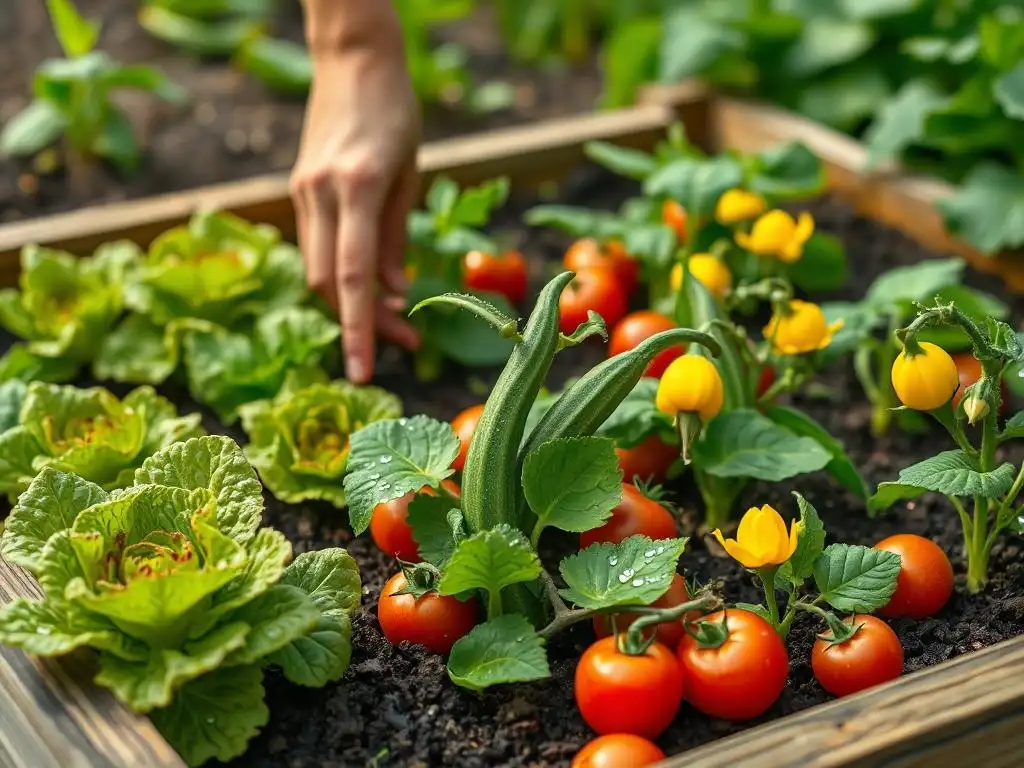
This section delves into the core tenets of square foot gardening (SFG), highlighting its advantages and demonstrating why it's often considered the best gardening method for many, especially those with limited space. We'll explore the method's unique approach to maximizing yield within a confined area, focusing on efficient planting and resource management. The best gardening method is often the one that best suits your individual needs and resources, and SFG offers a compelling alternative to traditional methods.
The Principles of Square Foot Gardening: Maximizing Space and Yield
Square Foot Gardening fundamentally differs from traditional row gardening by focusing on intense planting density within a defined, typically 4' x 4' square raised bed. This intense planting is achieved by dividing each square foot into smaller, one-foot sections. Each section is then planted with a specific number of plants, depending on their mature size.
For example, a large plant like a tomato might occupy an entire square foot, while smaller herbs like basil could have 9 plants per square foot. This efficient use of space is a key factor in determining which gardening method is best for you, especially if you have limited outdoor space.
This method champions the use of well-amended soil. Instead of relying on large expanses of soil, SFG prioritizes creating a rich, fertile planting medium within the raised bed. This is typically achieved through a mixture of compost, topsoil, and other organic matter. This rich soil promotes robust plant growth, leading to higher yields in a smaller area – a significant advantage for those seeking the best gardening method for maximizing space efficiency.
The system also strongly emphasizes careful plant selection and planning. Before planting, gardeners meticulously plan the layout of their beds to maximize plant compatibility and minimize competition for resources. This careful planning, considering plant spacing and growth habits, is crucial for optimizing yields and ensuring successful harvests. Using a planning sheet or grid helps immensely in this pre-planting phase.
Setting Up Your Square Foot Garden: Building Your Raised Beds
Constructing your raised beds is a crucial step in establishing your square foot garden. While the size is typically 4' x 4', you can adapt the dimensions to fit your available space. The height of the bed is also important, generally ranging from 8 to 12 inches. This depth provides ample space for the rich soil mix and allows for better drainage.
Several materials can be used to build your raised beds, including untreated lumber (cedar or redwood are ideal), recycled plastic lumber, or even stacked stones. The choice of material influences both the initial cost and the longevity of your garden. Consider factors like durability, aesthetic appeal, and ease of construction when selecting the best material for your specific needs. Remember that the best gardening method for you isn't just about the plants; it's also about the infrastructure that supports them.
Proper drainage is paramount. Ensure that your chosen location has good drainage to prevent waterlogging, which can harm plant roots. You might need to amend the soil with gravel or other materials to improve drainage if your location is naturally prone to water retention. The success of your square foot garden heavily relies on having well-draining soil and a carefully constructed bed.
Planting and Maintaining Your Square Foot Garden: A Step-by-Step Guide
Planting in a square foot garden involves a systematic approach to maximize space and yield. After preparing your rich soil mix, you'll divide each square foot into sections according to your planting plan. Remember to carefully consider the mature size of each plant when determining how many plants to place in each section. Proper spacing is crucial for preventing overcrowding and promoting healthy growth. This is a key element in determining the best gardening method for you, as it directly impacts yield and ease of maintenance.
Regular maintenance is key to success. This includes regular watering, weeding, and fertilizing. Water deeply and less frequently to encourage strong root systems. Weeding should be done regularly to prevent competition for nutrients and water. You can use organic fertilizers to supplement the nutrients in your soil mix, ensuring your plants receive the necessary nutrients for optimal growth. Consistent maintenance is essential, ensuring your garden thrives and produces bountiful harvests. A well-maintained square foot garden is a testament to the effectiveness of this method as the best gardening method for consistent yields.
Monitoring for pests and diseases is also crucial. Regularly inspect your plants for any signs of pests or diseases. Early detection and intervention are critical to preventing widespread damage. Employ organic pest control methods whenever possible, aligning with the sustainable principles of this website. Protecting your plants from pests and diseases is an essential part of maintaining a healthy and productive square foot garden. The best gardening method for you will always involve proactive pest and disease management.
Traditional Gardening: Exploring Established Practices
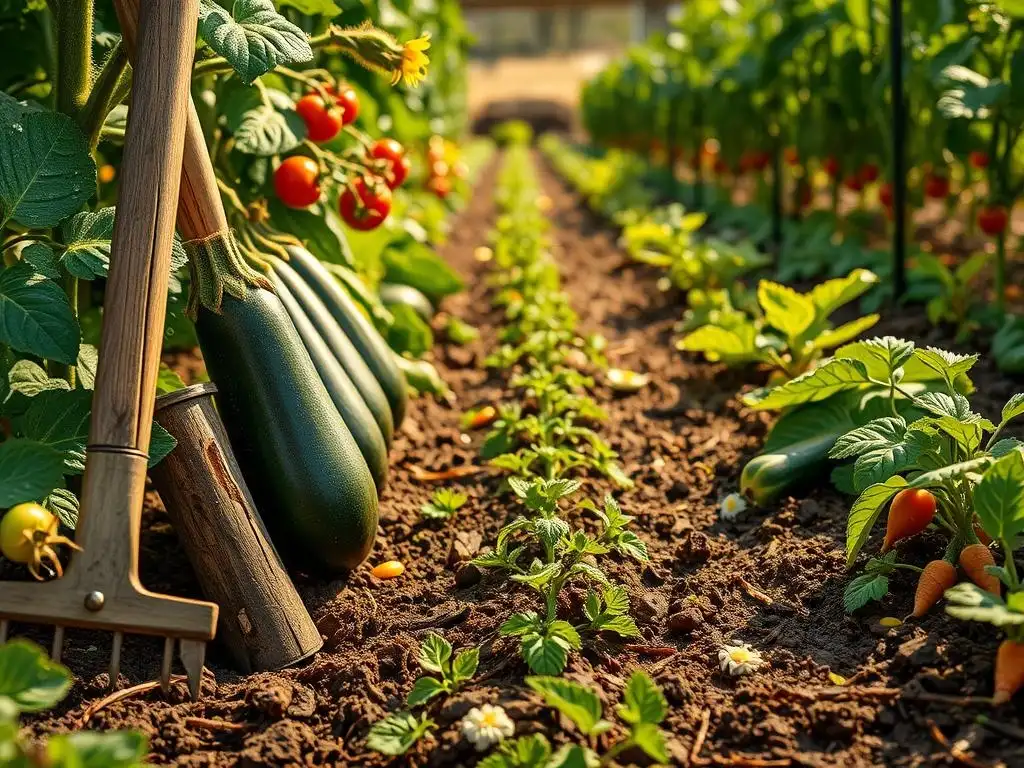
Traditional gardening, a time-honored approach passed down through generations, offers a familiar and often rewarding experience. While it might seem less efficient than some modern techniques, understanding its nuances is crucial for choosing the best gardening method for you. This section delves into the core aspects of traditional gardening, highlighting its strengths and weaknesses. The key difference lies in the approach: traditional gardening typically utilizes larger, less structured beds, whereas square foot gardening emphasizes intensive planting in smaller, precisely organized squares.
Traditional Garden Design and Layout: Planning Your Garden Beds
Planning is paramount in traditional gardening. Unlike the structured grid of square foot gardening, traditional layouts are more flexible, often adapting to the existing landscape and available space. Garden bed design varies widely depending on factors such as sunlight exposure, soil type, and water availability. Many gardeners opt for raised beds to improve drainage and soil quality, especially in areas with heavy clay soil. Others prefer in-ground beds, which require more extensive soil preparation but can be less expensive to establish.
Consider these factors when designing your traditional garden beds:
- Sunlight: Most vegetables need at least six hours of direct sunlight daily. Orient your beds to maximize sun exposure. Observe your garden throughout the day to identify the sunniest spots.
- Water access: Proximity to a water source is crucial for efficient watering, especially during dry spells. Plan your garden beds strategically to minimize the distance you need to carry watering cans or hoses.
- Soil type: Conduct a soil test to determine its composition. Amend the soil as needed to improve drainage, fertility, and structure. Clay soils, for example, benefit from the addition of organic matter like compost to improve aeration. Sandy soils require amendments to retain moisture.
- Accessibility: Design your beds for easy access to all plants. Avoid creating narrow pathways that make tending to your plants difficult.
Soil Preparation and Enrichment in Traditional Gardening
Preparing the soil is a cornerstone of successful traditional gardening. This process, often more labor-intensive than in square foot gardening, involves improving the soil's structure, fertility, and drainage. The goal is to create a rich, nutrient-rich environment that supports healthy plant growth. This typically involves:
- Clearing the area: Remove weeds, rocks, and debris from the garden bed. This ensures that your plants have the space and resources they need to thrive. A thorough clearing prevents competition for nutrients and water.
- Tilling or double-digging: Tilling breaks up compacted soil, improving aeration and drainage. Double-digging, a more intensive method, involves digging two layers deep to loosen the soil and incorporate organic matter.
- Adding organic matter: Compost, manure, and other organic materials significantly enhance soil fertility. These additions provide essential nutrients and improve soil structure, promoting better water retention and aeration. The amount of organic matter depends on your soil's existing condition; a soil test can guide this process.
- Soil testing: Before and after amending, soil testing provides valuable insights into the nutrient levels and pH balance of your soil. This allows for targeted adjustments to ensure optimal growing conditions. Adjustments may include adding lime to raise pH or sulfur to lower it.
Planting and Maintaining a Traditional Garden: Techniques and Considerations
Planting in a traditional garden often involves a more spaced-out arrangement compared to the dense planting of square foot gardening. This approach allows for easier access to individual plants for maintenance tasks. However, it can also lead to less efficient use of space.
Maintaining a traditional garden requires regular attention to several key aspects:
- Watering: Consistent watering is essential, particularly during dry periods. The frequency and amount of water depend on factors such as weather conditions, soil type, and plant needs. Consider using drip irrigation or soaker hoses for efficient water delivery.
- Weeding: Regular weeding is crucial to prevent weeds from competing with your plants for resources. Mulching helps suppress weed growth and conserve soil moisture.
- Pest and disease control: Monitor your plants for signs of pests or diseases. Implement appropriate control measures, prioritizing organic and sustainable methods whenever possible. This might involve using beneficial insects, companion planting, or organic pesticides.
- Fertilizing: Depending on your soil test results and the nutrient requirements of your crops, you may need to supplement with fertilizer. Organic fertilizers, such as compost tea or fish emulsion, are preferred in sustainable gardening practices. Consider side-dressing or top-dressing, applying fertilizer directly to the soil around the plants.
Choosing between traditional and square foot gardening depends on your individual circumstances, preferences, and available resources. Both methods can produce bountiful harvests, but understanding their unique characteristics is key to making the best gardening method for you.
Square Foot Gardening vs. Traditional Gardening: A Detailed Comparison
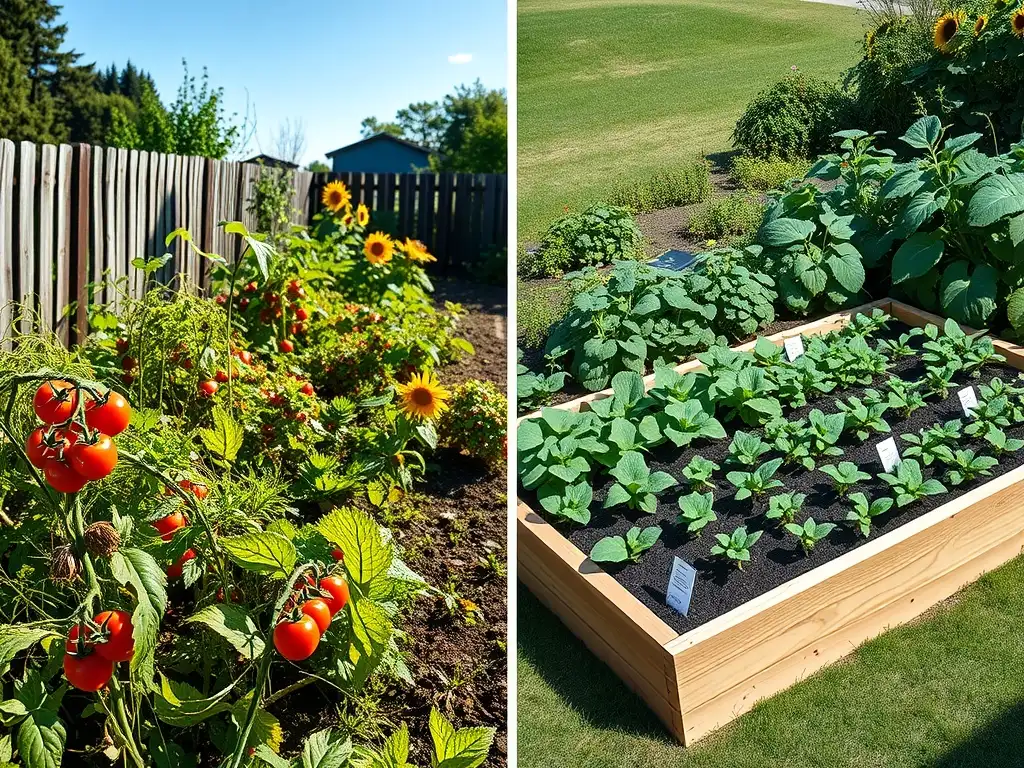
This section delves into a direct comparison of square foot gardening (SFG) and traditional gardening methods, focusing on key aspects that will help you determine which approach best suits your needs and resources. We'll analyze space utilization, time commitment, and yield to provide a comprehensive understanding of each technique's strengths and weaknesses. Finding the best gardening method for you depends heavily on these factors.
Space Utilization: Comparing Space Efficiency in Both Methods
Square foot gardening boasts superior space efficiency compared to traditional row gardening. Traditional methods often lead to wasted space between rows, particularly with sprawling plants. SFG, however, maximizes space by dividing the garden bed into one-foot squares. This allows for denser planting and optimized utilization of the available area.
Consider this example: a 4ft x 8ft garden bed. In a traditional layout, you might only plant rows leaving significant space between them. In an SFG layout, you could plant 32 individual plants in the same area, significantly increasing your yield per square foot.
This makes SFG particularly advantageous for those with limited garden space, such as apartment dwellers or those with small backyards. The compact nature of SFG also reduces the amount of space needed for walkways, further maximizing your planting area. This increased efficiency directly translates to a higher yield for the space occupied, making it a prime contender for the title of "best gardening method for you" if space is a constraint.
The following table illustrates this difference:
| Method | 4ft x 8ft Bed (sq ft) | Approximate Number of Plants (depending on plant size) | Space Efficiency |
|---|---|---|---|
| Traditional | 32 | 8-12 | Low |
| Square Foot | 32 | 24-32 | High |
Time Investment: Analyzing Time Requirements for Each Approach
While the initial setup of an SFG bed might require slightly more planning and preparation than a traditional garden, the long-term time investment can be significantly less. This is particularly true in areas like weeding and watering.
In traditional gardening, weeding often involves working around entire rows of plants, requiring more time and effort. In contrast, SFG's compartmentalized design makes weeding much easier and faster. You address weeds in individual squares, reducing the overall time spent. The compact nature of the plants also minimizes competition for resources, reducing the need for frequent thinning or pruning.
Watering is also more efficient in SFG. The concentrated planting allows for more precise watering, reducing water waste and the time spent watering the entire bed. Furthermore, the use of organic mulch helps retain soil moisture, further minimizing the frequency of watering. This makes SFG a time-saving option, potentially the best gardening method for you if you have limited time for gardening.
Yield and Productivity: Comparing Harvest Potential
The yield from square foot gardening can be surprisingly high, often exceeding that of traditional methods when managed effectively. The concentrated planting allows for more plants per square foot, directly increasing the potential harvest. However, the actual yield depends heavily on several factors, including plant selection, soil quality, and proper plant spacing within each square.
Careful planning is crucial to maximize yield in SFG. Choosing compact varieties and appropriate plant spacing within each square is essential to avoid overcrowding and competition for resources. This requires some upfront research and planning, but the payoff can be substantial. Proper soil preparation and the use of high-quality compost are also vital for optimal growth and yield.
When executed correctly, SFG can yield a surprisingly large harvest considering its space efficiency. This makes it a strong contender for being the best gardening method for you if maximizing yield per square foot is your priority. However, traditional methods, when properly managed, can also provide a substantial harvest, especially with sprawling plants that benefit from more space. Ultimately, the "best" method depends on your individual needs and preferences.
Choosing the Right Method for Your Needs: The Best Gardening Method for You
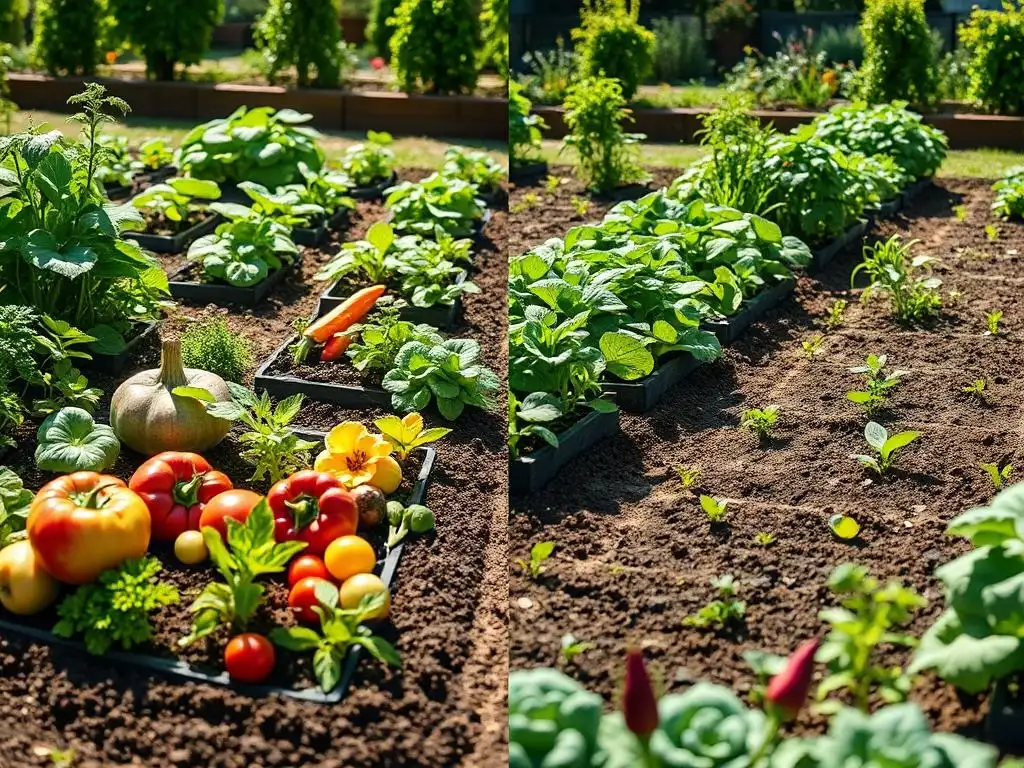
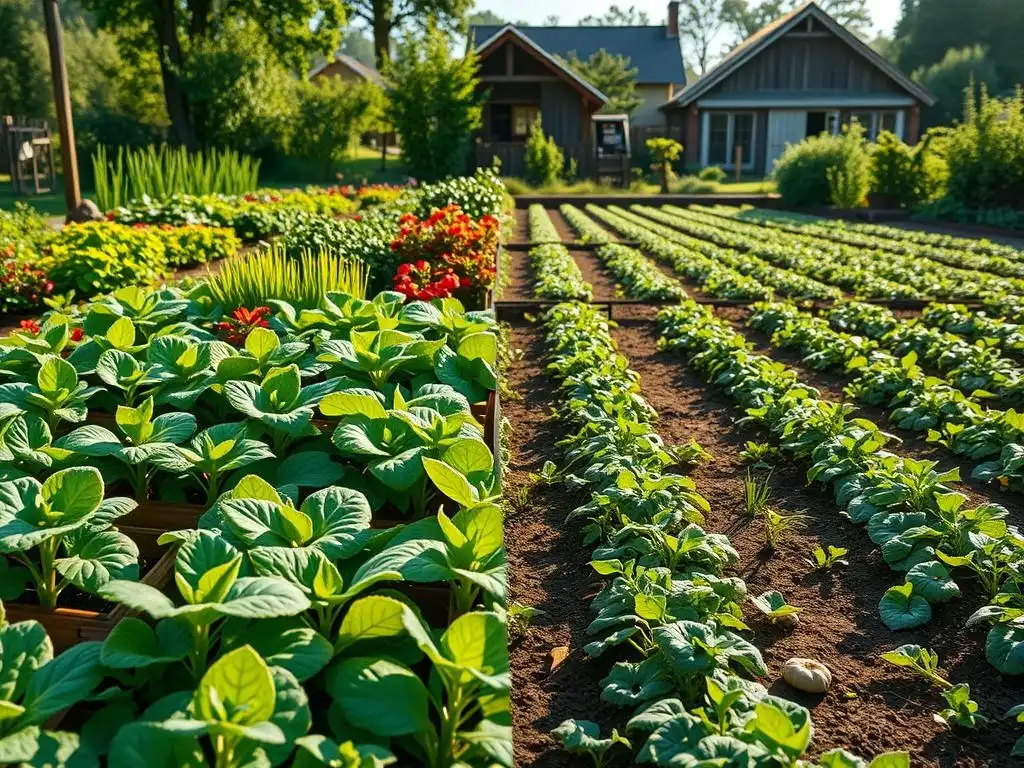
Choosing the best gardening method for you depends heavily on your individual circumstances. There's no single "right" answer, as both square foot gardening (SFG) and traditional gardening offer unique advantages and disadvantages. This section will help you weigh those factors to determine which approach aligns best with your space, lifestyle, and gardening goals. Understanding your needs is the key to maximizing your harvest and minimizing your frustration.
Factors to Consider When Choosing a Gardening Method
Several key factors influence the suitability of SFG or traditional gardening. Consider these points carefully before making your decision. The best gardening method for you will depend on a combination of these aspects:
- Available Space: SFG excels in small spaces, maximizing yield per square foot. Traditional gardening, however, can be adapted to larger or smaller areas, but might require more space for the same yield. Think about the size of your garden area realistically. Do you have a small balcony, a large backyard, or something in between?
- Physical Capabilities: SFG often involves less bending and stooping due to its raised bed design. This makes it a more accessible option for gardeners with mobility limitations. Traditional gardening, especially with in-ground planting, can be more physically demanding.
- Time Commitment: While both methods require time and effort, SFG often involves less weeding and potentially less watering due to the concentrated planting. Traditional gardening, with its wider spacing, may require more time for weeding and maintaining larger areas.
- Gardening Experience: SFG can be easier for beginners to master due to its structured approach to planting. However, experienced gardeners may find traditional methods more adaptable to their specific needs and preferences.
- Climate and Soil Conditions: Both methods can adapt to different climates and soil types, but adjustments may be needed. For example, SFG may require more frequent watering in hot, dry climates. Consider your local climate and soil conditions when choosing your method.
- Budget: The initial investment for SFG might be higher due to the cost of building raised beds. Traditional gardening may have lower initial costs, but ongoing maintenance might become expensive depending on your needs.
Square Foot Gardening: Ideal Scenarios and Limitations
Square foot gardening shines in specific situations. It's particularly well-suited for:
- Small spaces: Apartments, balconies, or small yards benefit greatly from the efficient use of space offered by SFG.
- Beginners: The structured system makes planning and planting straightforward.
- Limited mobility: Reduced bending and stooping make it easier on the body.
- Intensive vegetable production: High yields are possible in a small area, ideal for those wanting a lot of produce.
However, SFG also has limitations:
- Initial investment: Building the raised beds requires materials and effort.
- Less variety: The structured system might limit the range of plants you can grow, especially larger plants.
- Maintenance: While weeding is often less, the concentrated planting can mean more frequent watering and pest monitoring.
- Relatively high cost per square foot: The materials and construction for the beds can be expensive compared to traditional gardening.
Traditional Gardening: Ideal Scenarios and Limitations
Traditional gardening offers flexibility and adaptability, making it suitable for various situations:
- Large spaces: It can be scaled to any size, allowing for a wider variety of plants and layouts.
- Experienced gardeners: The flexibility allows for personalized approaches and experimentation.
- Diverse planting: You can grow a wider array of plants, including those requiring more space.
- Lower initial cost: No need to build raised beds, lowering the initial investment.
Nevertheless, traditional gardening also presents challenges:
- Space requirements: Requires more space to produce the same yield as SFG.
- Weeding: Can be more time-consuming due to wider spacing between plants.
- Physical demands: More bending and stooping may be involved.
- Soil management: Requires careful attention to soil health and fertility to ensure good yields.
Ultimately, the "best" gardening method is the one that best fits your individual needs and preferences. Carefully consider the factors discussed above to make an informed decision and enjoy a successful and rewarding gardening experience! Remember, even experienced gardeners often experiment with both methods to find the optimal approach for their specific circumstances.
Conclusion: Making an Informed Decision About Your Gardening Approach
Choosing the "best gardening method for you" truly depends on your individual circumstances, goals, and available resources. Both square foot gardening and traditional gardening offer unique advantages and disadvantages. There's no single universally superior approach; the ideal method is the one that best suits your needs and lifestyle.
Consider the following factors when making your decision:
- Space Availability: Square foot gardening excels in maximizing yield in limited spaces, making it perfect for small yards, balconies, or even rooftops. Traditional gardening, on the other hand, requires more expansive areas.
- Time Commitment: Square foot gardening can be more labor-intensive initially, requiring careful planning and construction of the raised beds. However, the compact layout often simplifies ongoing maintenance tasks like weeding and watering. Traditional gardening might involve less initial setup but could demand more time for weeding larger areas.
- Physical Capabilities: The intensive nature of square foot gardening, particularly bending and kneeling, might not be suitable for everyone. Traditional gardening can be adapted to minimize physical strain through raised beds or other ergonomic techniques.
- Gardening Experience: Beginners might find square foot gardening's structured approach easier to manage. Experienced gardeners might appreciate the flexibility and customization options of traditional methods.
Embracing Sustainable Practices in Your Chosen Method
Regardless of whether you opt for square foot gardening or traditional gardening, incorporating sustainable practices is crucial for environmental responsibility and long-term garden health. Here are some key considerations:
- Composting: Composting kitchen scraps and yard waste provides nutrient-rich soil amendment for both methods, reducing the need for chemical fertilizers. A well-maintained compost bin is a valuable asset for any gardener.
- Water Conservation: Employ efficient watering techniques like drip irrigation or soaker hoses to minimize water waste. Mulching helps retain soil moisture, reducing the frequency of watering.
- Pest Control: Prioritize natural pest control methods such as companion planting, beneficial insects, and organic pesticides. Avoid relying solely on harsh chemicals that harm beneficial organisms and pollute the environment.
- Soil Health: Regular soil testing helps you understand your soil's nutrient levels and pH, allowing you to tailor your fertilization and amendment strategies accordingly. Healthy soil is the foundation of a thriving garden.
Resources for Further Learning: Expanding Your Gardening Knowledge
To further enhance your gardening skills and knowledge, regardless of the chosen method, consider exploring these additional resources:
- Local Gardening Clubs and Workshops: Connect with experienced gardeners in your community for valuable insights and practical advice. These groups often offer workshops and hands-on learning opportunities.
- Online Gardening Communities and Forums: Engage with a wider network of gardeners online, sharing experiences and seeking solutions to common gardening challenges. Many online platforms offer expert advice and support.
- Books and Publications on Sustainable Gardening: Expand your knowledge base by reading books and articles on organic gardening techniques, pest management, and soil improvement.
- Master Gardener Programs: Many universities and agricultural extension offices offer master gardener programs providing in-depth training in sustainable horticultural practices.
Remember, the journey of cultivating your food is a continuous learning process. Experiment, adapt, and enjoy the rewarding experience of nurturing your own garden, whether it's through square foot gardening or a more traditional approach. The "best" method is the one that brings you the most joy and success in growing healthy, delicious food.
Frequently Asked Questions
What is square foot gardening?
Square foot gardening is a high-intensity planting method where you divide your garden bed into one-foot squares and plant a specific number of plants per square. This maximizes space and yields, making it ideal for small spaces.
How does square foot gardening differ from traditional gardening?
Traditional gardening often uses rows, leading to wasted space between plants. Square foot gardening utilizes every square foot, resulting in a more efficient use of space and resources. It also often emphasizes companion planting.
What are the benefits of square foot gardening?
Benefits include increased yields in smaller spaces, easier weeding and harvesting, and reduced need for fertilizers and pesticides due to efficient spacing and companion planting.
Is square foot gardening suitable for all climates and plants?
While adaptable, the success of square foot gardening depends on your specific climate and plant choices. Careful planning and selection of suitable plants are key for optimal results.
Which gardening method, square foot or traditional, is best for beginners?
Both methods have their learning curves. Square foot gardening's structured approach might be easier for beginners to grasp, but traditional gardening offers more flexibility for experimentation. Consider your space and experience level.
Final Reflection: Cultivating Your Ideal Garden
The choice between square foot gardening and traditional methods isn't just about space; it's about aligning your gardening approach with your lifestyle and goals. Ultimately, the "best" method is the one that fosters the most joy and yields the most rewarding harvest for you. This isn't a competition, but a personal journey of discovery.
The impact of these different gardening styles extends beyond the simple act of growing food. It speaks to our relationship with nature, our commitment to sustainability, and even our personal sense of accomplishment. The glory of gardening: hands in the dirt, head in the sun, heart with nature. To nurture a garden is to feed not just the body, but the soul.
This quote perfectly encapsulates the deeper meaning behind choosing the right gardening method, one that resonates with your own values and brings you a sense of peace and connection.
Consider what truly matters to you: maximizing yield in a small space? Minimizing weeding and maximizing efficiency? Or perhaps embracing the more traditional, sprawling beauty of a larger garden? The information presented in this article is a starting point. Now, take a moment to reflect on your own circumstances, your available resources, and your personal gardening aspirations. Then, choose the method that best suits your needs and embark on your gardening journey with enthusiasm and a heart full of green dreams.
Unlock Your Garden's Potential: Which Gardening Style Suits You Best?
Thanks for exploring square-foot gardening and traditional methods with us! You've gained valuable insights into maximizing your space and yield. Now, it's time to put that knowledge into action.
- Start planning your ideal garden: Sketch out a design—whether it's a vibrant, intensively planted square-foot plot or a sprawling traditional bed—that best fits your space and goals. Consider the sunlight, soil type, and the plants you most enjoy. This is key to a successful garden!
- Share your gardening journey: Tell us (and other CultivateYourFood readers!) which gardening method you've chosen and why! Post a photo of your garden plan or a seedling in the comments below – we'd love to see it!
- Explore additional resources: Learn more about the techniques discussed—check out our other articles on soil preparation and plant selection for even more gardening tips.
Ready to transform your gardening dreams into reality? What's the first step you'll take?