
Unlock Soil Fertility with Hugelkultur: A Deep Dive into Raised Bed Magic

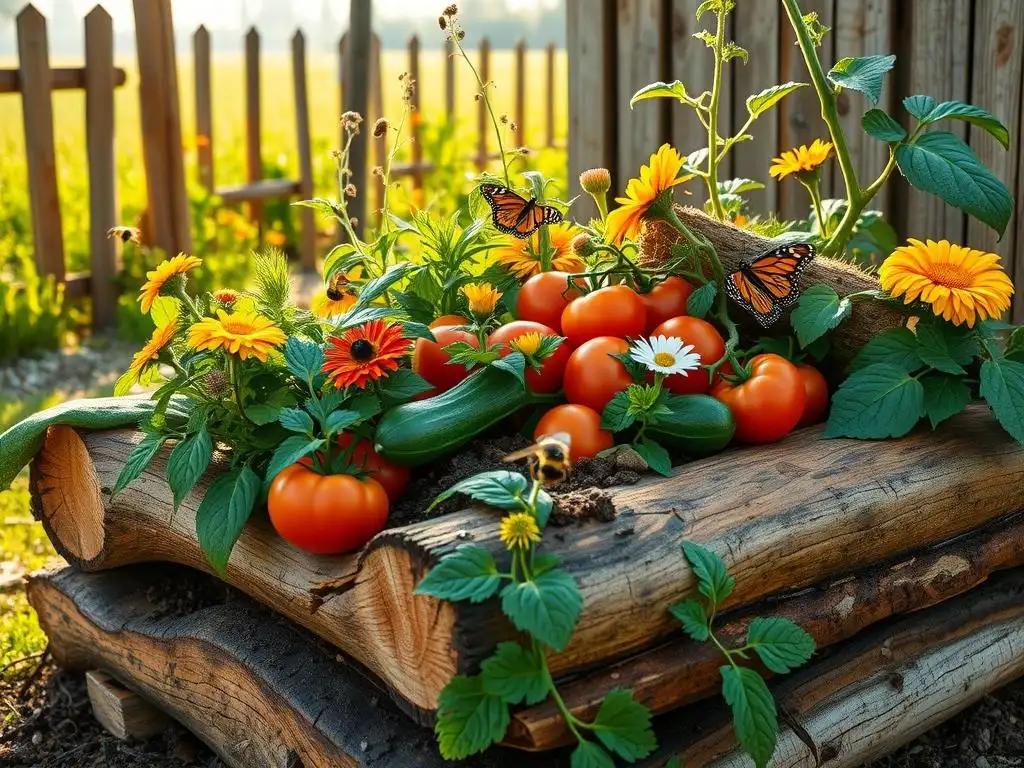
Welcome to CultivateYourFood, your guide to a bountiful and sustainable home garden! Ready to unlock the secrets to incredibly fertile soil and abundant harvests? We're diving deep into Hugelkultur raised bed gardening, an advanced technique that transforms your gardening game. Discover how this ancient method can revolutionize your yields and create a thriving ecosystem right in your backyard. Let's explore the magic together!
- What is Hugelkultur Raised Bed Gardening?
- Planning Your Hugelkultur Raised Bed Garden
- Building Your Hugelkultur Raised Bed
- Planting and Maintaining Your Hugelkultur Garden
- Harvesting from Your Hugelkultur Garden
- Troubleshooting Common Hugelkultur Challenges
- Advanced Hugelkultur Techniques for Experienced Gardeners
- Frequently Asked Questions
- Final Reflection: Cultivating a Legacy of Sustainable Gardening
- Unleash Your Garden's Potential: Grow Bountiful Harvests Now!
What is Hugelkultur Raised Bed Gardening?
Hugelkultur, a German word meaning "hill culture," represents a revolutionary approach to raised bed gardening that leverages the power of decaying wood to create fertile, water-retentive soil. This sustainable and organic gardening technique offers significant advantages over traditional methods, particularly in areas with poor soil quality or limited water resources. This deep dive into Hugelkultur raised bed gardening will explore its core principles, highlight its numerous benefits, and compare it to traditional raised bed gardening, ultimately demonstrating why it's a game-changer for home cultivators seeking to maximize their yields while minimizing their environmental impact.
We'll uncover the secrets to unlocking soil fertility and creating thriving, resilient gardens using this innovative method, perfect for those seeking to cultivate fruits, vegetables, and herbs sustainably. Get ready to transform your gardening experience with the magic of Hugelkultur!
Understanding the Principles of Hugelkultur
Hugelkultur's magic lies in its unique construction. Instead of simply filling a raised bed with soil, Hugelkultur beds incorporate a layer of decaying wood – branches, logs, and even stumps – at the base. This woody layer acts as a slow-release reservoir of nutrients. As the wood decomposes, it releases essential nutrients into the soil, enriching it over time.
Furthermore, the wood's porous nature improves soil aeration and drainage, creating an ideal environment for plant roots. The decaying process also generates heat, accelerating decomposition and warming the soil, enabling earlier planting and extended growing seasons. This process is particularly beneficial in colder climates.
The key is to use a diverse mix of wood sizes and species, ensuring a varied decomposition rate and prolonged nutrient release. Properly constructed, a Hugelkultur bed can maintain its fertility for several years, reducing the need for frequent fertilization. Think of it as a self-fertilizing, self-watering system, working tirelessly to nurture your plants.
Benefits of Hugelkultur for Water Retention and Soil Health
One of the most significant advantages of Hugelkultur is its exceptional water retention capabilities. The decaying wood acts like a sponge, absorbing and retaining significant amounts of water. This is especially crucial during dry spells, reducing the frequency of watering and minimizing water stress on plants. This water retention contributes significantly to improved soil health, creating a consistently moist and fertile environment. The enhanced water retention also helps to regulate soil temperature, preventing extreme fluctuations that can damage plant roots.
Additionally, the decomposition process increases the soil's organic matter content, improving its structure, drainage, and overall fertility. This leads to healthier, more vigorous plants with increased yields. Studies have shown that Hugelkultur beds can significantly reduce water usage compared to traditional methods, making it an environmentally responsible choice for water-conscious gardeners. 🌱
Hugelkultur vs. Traditional Raised Beds: A Comparison
While traditional raised beds offer benefits like improved drainage and weed control, Hugelkultur takes these advantages to a new level. The table below summarizes the key differences:
| Feature | Hugelkultur Raised Bed | Traditional Raised Bed |
|---|---|---|
| Base Material | Layer of decaying wood, branches, logs | Soil, compost, or other organic matter |
| Water Retention | Excellent, due to the wood's absorbency | Moderate, depending on soil type and construction |
| Nutrient Release | Slow and sustained, from decaying wood | Requires regular fertilization |
| Soil Aeration | Excellent, due to the wood's porous nature | Moderate, depending on soil type and construction |
| Soil Temperature | More stable and warmer, due to decomposition heat | More susceptible to temperature fluctuations |
| Long-Term Fertility | High, requiring less frequent fertilization | Lower, requiring more frequent fertilization |
| Construction Time | Initially more time-consuming | Generally quicker to construct |
Hugelkultur, while demanding more initial effort, offers long-term benefits in terms of soil fertility, water conservation, and reduced maintenance. The initial investment of time translates to years of effortless gardening, showcasing the true magic of this innovative technique.
Planning Your Hugelkultur Raised Bed Garden
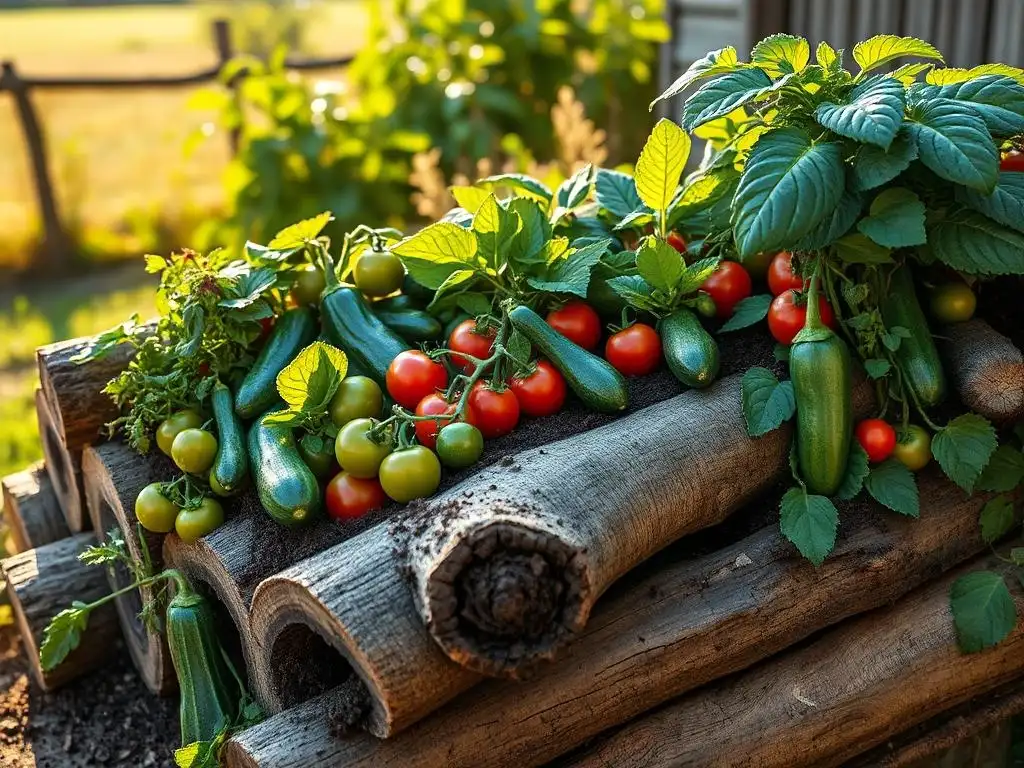
This section focuses on the crucial initial steps for successfully implementing a Hugelkultur raised bed garden, ensuring optimal water retention and soil health. Effective planning minimizes future challenges and maximizes the long-term benefits of this unique gardening method. We'll cover site selection, wood choice, and bed design – all vital components for achieving a thriving Hugelkultur system.
Site Selection and Preparation for Hugelkultur
Choosing the right location is paramount for Hugelkultur success. Sunlight is key; your Hugelkultur bed needs at least six hours of direct sunlight daily for optimal plant growth. Consider the prevailing winds in your area; a sheltered location minimizes wind damage and helps retain soil moisture. Furthermore, proximity to a water source simplifies watering, especially during dry spells. Avoid areas prone to flooding; Hugelkultur, while improving drainage, is not a solution for consistently waterlogged soil.
Before constructing your bed, thoroughly clear the chosen site of weeds, rocks, and debris. This preparation prevents unwanted competition for resources and ensures a stable foundation for your Hugelkultur structure. Consider soil testing to determine its existing nutrient levels. This information will help you tailor your compost and soil amendments to optimize fertility for your chosen plants. A soil test can also reveal potential pH imbalances that need addressing before initiating your Hugelkultur bed. Remember, well-prepared soil is the foundation of a successful Hugelkultur raised bed gardening project.
Choosing the Right Wood for Your Hugelkultur Bed
The type of wood you use significantly impacts the decomposition process and the longevity of your Hugelkultur bed. Avoid treated lumber, as the chemicals can leach into the soil and harm your plants. Instead, opt for untreated hardwood logs, branches, and smaller pieces of wood. Hardwoods decompose slower than softwoods, providing a longer-lasting structure and a more gradual release of nutrients. Examples of suitable hardwoods include oak, maple, and ash.
The size and type of wood pieces also matter. A mix of sizes ensures proper aeration and drainage within the bed. Larger logs form the base for excellent drainage, while smaller branches and twigs fill in gaps, creating a more even decomposition process. Consider the availability of wood in your area; sourcing locally reduces transportation costs and your carbon footprint, aligning with the sustainable principles of Hugelkultur. Proper selection of wood is key to the long-term success of your Hugelkultur raised bed, optimizing nutrient release and structural integrity.
Designing Your Hugelkultur Bed: Size and Shape Considerations
The size and shape of your Hugelkultur bed depend on your available space, the types of plants you intend to grow, and your personal preferences. However, some general guidelines are useful. Consider a height of approximately 1-2 feet; this provides sufficient depth for the wood and soil layers. The length and width are flexible; narrower beds are easier to manage, especially for taller plants, while longer beds can accommodate a greater variety of crops.
Example Bed Dimensions
A good starting point for a beginner might be a bed measuring 4 feet wide and 8 feet long. This provides ample space for various vegetables without becoming overly cumbersome to manage.
The shape, too, is customizable. Rectangular beds are the most common and are easy to build and maintain. However, you could also create curved or meandering beds to enhance the aesthetic appeal of your garden. Remember that accessibility is crucial. Design your bed to allow easy access for planting, weeding, and harvesting. Consider the overall layout of your garden and integrate the Hugelkultur bed seamlessly into the existing design. Careful consideration of size and shape contribute significantly to the practicality and success of your Hugelkultur raised bed gardening project.
Building Your Hugelkultur Raised Bed
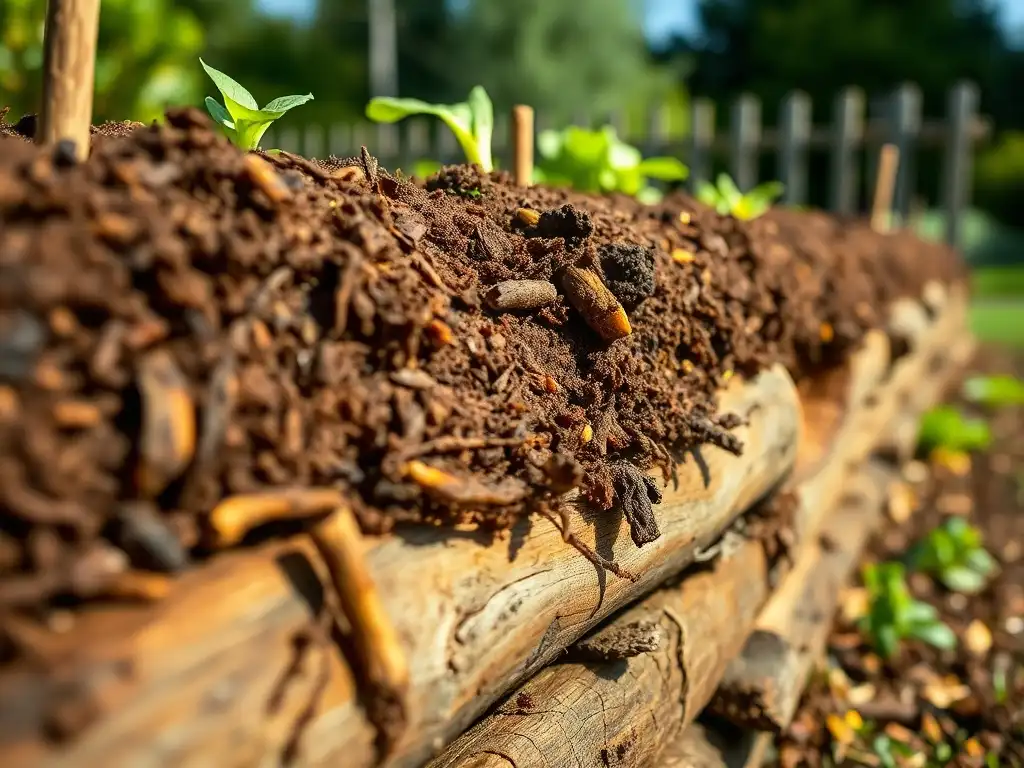
This section delves into the practical aspects of constructing a Hugelkultur raised bed, a technique that maximizes water retention and soil health for thriving plants. We'll explore the material gathering process, the step-by-step construction, and the crucial role of compost and soil integration. Remember, successful Hugelkultur relies on careful planning and execution. Let's get started!
Gathering Materials for Hugelkultur Construction
The beauty of Hugelkultur lies in its use of readily available, often free, materials. This sustainable approach minimizes waste and enhances the bed's long-term benefits. Here's a breakdown of essential materials:
- Woody Materials: This forms the core of your Hugelkultur bed. Aim for a mix of sizes and decay rates. Think:
- Large branches (diameter up to 8 inches) – these provide structural support and slowly decompose.
- Smaller branches and twigs – these fill gaps and offer a wider range of decomposition times.
- Logs – while not strictly necessary, larger logs can accelerate the process in certain areas.
- Stumps – these can be incorporated, but ensure they are relatively small to prevent overly long decomposition times.
- Nitrogen-Rich Materials: These accelerate decomposition and provide crucial nutrients for your plants. Examples include:
- Grass clippings – freshly cut grass is ideal, but avoid using clippings treated with herbicides or pesticides.
- Green manure crops (e.g., clover, alfalfa) – planting these beforehand and incorporating them into the bed enhances nitrogen levels.
- Compost – mature compost adds beneficial microbes and further boosts fertility.
- Carbon-Rich Materials: These balance the nitrogen and provide a long-term source of organic matter. Consider adding:
- Dried leaves – a readily available resource, especially in autumn.
- Straw – adds bulk and improves drainage.
- Sawdust (untreated) – use sparingly, as it can tie up nitrogen initially.
- Soil: Topsoil is essential to provide a suitable growing medium for your plants. Aim for a mix of topsoil and compost for optimal results.
- Optional Materials:
- Cardboard or newspaper (to suppress weeds) – should be placed under the woody material.
- Rocks (for drainage in clay soils) – consider adding a layer at the base, especially in poorly draining areas.
Step-by-Step Guide to Building a Hugelkultur Raised Bed
Building a Hugelkultur bed is a straightforward process. However, careful planning and execution are vital for its long-term success. Here's a detailed step-by-step guide:
- Site Selection: Choose a sunny location with good drainage. Consider the prevailing winds and proximity to water sources.
- Layering: This is the heart of Hugelkultur. Create layers starting with a base layer of cardboard or newspaper to suppress weeds. Then, layer your woody materials, starting with the largest pieces at the bottom and progressively decreasing in size. Intersperse nitrogen-rich materials between the woody layers.
- Moisture Retention: Ensure the layers are well-watered as you build. This helps decomposition and encourages microbial activity.
- Compost Integration: Once the woody core is built, add a generous layer of compost. This provides a rich source of nutrients and beneficial microorganisms.
- Soil Topping: Finish with a layer of topsoil, creating a slightly mounded surface. This will provide a stable growing medium for your plants.
- Planting: Allow the bed to settle for a few weeks before planting. This allows decomposition to begin and the bed to stabilize.
Incorporating Compost and Soil into Your Hugelkultur Bed
The successful integration of compost and soil is crucial for maximizing the benefits of Hugelkultur. This blend provides the necessary nutrients and structure for healthy plant growth. Here's a detailed look:
- Compost's Role: Mature compost is rich in beneficial microbes that break down organic matter and release nutrients. It also improves soil structure, aeration, and water retention. Aim for a well-rotted compost that is dark brown and crumbly. Avoid adding fresh manure as it may contain pathogens harmful to plants.
- Soil Selection: Use a well-draining topsoil that is rich in organic matter. Avoid using compacted or clay-heavy soils, which can hinder drainage and root development. A blend of topsoil and compost creates an ideal growing medium.
- Layer Placement: Compost should be added as a layer above the woody core, providing a nutrient-rich foundation for the topsoil layer. This helps prevent nutrient depletion as the wood decomposes.
- Soil Depth: Aim for a minimum of 6-12 inches of topsoil, depending on the size of the plants you intend to grow. Deeper layers are better for larger plants with deeper root systems.
- Soil Amendments: Consider adding other soil amendments based on your soil test results. This might include things like lime to adjust pH or other organic materials to further improve soil structure and fertility. Remember, a soil test is crucial for understanding the specific needs of your Hugelkultur bed.
This meticulous approach ensures your Hugelkultur raised bed thrives, providing a fertile and water-retentive environment for your plants, embodying the principles of sustainable and organic gardening. Happy gardening! 🌱
Planting and Maintaining Your Hugelkultur Garden
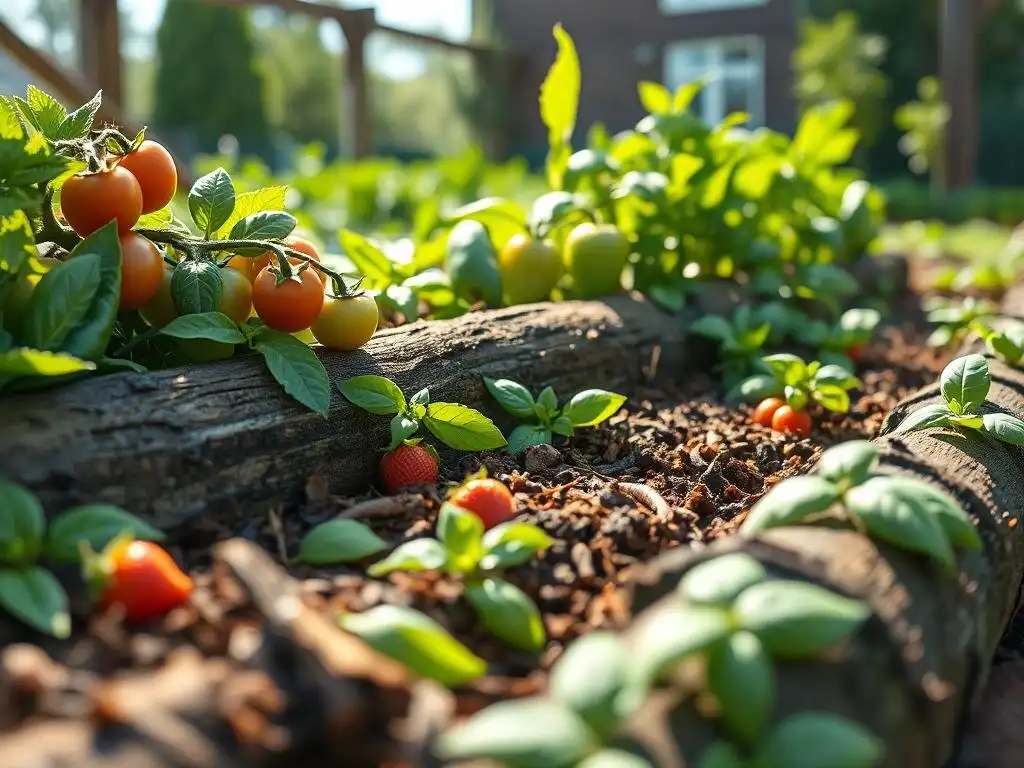
This section delves into the practical aspects of establishing and nurturing your Hugelkultur raised bed garden. Successfully implementing Hugelkultur requires careful plant selection and consistent maintenance to maximize its benefits for water retention and soil health. Remember, the long-term success of your Hugelkultur raised bed hinges on these crucial steps.
Choosing Plants Suitable for Hugelkultur Raised Beds
Hugelkultur's unique properties—excellent drainage and exceptional water retention—make it ideal for a wide range of plants. However, some thrive better than others. Deep-rooted plants, in particular, benefit from the deep moisture reservoir created by the decaying wood.
Consider these factors when selecting plants for your Hugelkultur raised bed:
- Moisture Requirements: Choose plants that tolerate varying moisture levels, as the Hugelkultur bed will retain moisture longer than traditional raised beds. Plants that prefer consistently moist soil might become waterlogged, while drought-tolerant varieties might need supplemental watering during extended dry spells.
- Root Systems: Deep-rooted plants like tomatoes, potatoes, and certain fruit trees will benefit most from the extended root zone provided by the Hugelkultur structure. Their roots can access the moisture and nutrients stored deep within the bed. Conversely, shallow-rooted plants might not fully utilize the Hugelkultur's potential.
- Nutrient Needs: The decaying wood in a Hugelkultur bed slowly releases nutrients over time. While this provides a natural fertilizer source, you may still need to supplement with compost or other organic fertilizers, depending on the specific nutrient requirements of your chosen plants. Nitrogen-fixing plants, such as legumes, can be particularly beneficial in the early stages of Hugelkultur bed development.
Here's a table showcasing examples of plants well-suited for Hugelkultur raised bed gardening:
| Plant Type | Specific Examples | Benefits in Hugelkultur |
|---|---|---|
| Vegetables | Tomatoes, Potatoes, Squash, Peppers | Deep roots access moisture and nutrients; excellent drainage prevents rot |
| Herbs | Rosemary, Thyme, Lavender | Drought-tolerant, benefit from well-drained, nutrient-rich soil |
| Fruiting Plants | Strawberries, Raspberries | Improved water retention supports fruiting; enhanced soil structure |
| Flowers | Sunflowers, Zinnias | Thrives in well-drained soil, beautiful addition to the garden |
Choosing the right plants is a crucial aspect of Hugelkultur raised bed gardening, ensuring a thriving and productive garden.
Planting Techniques for Hugelkultur Gardens
Planting in a Hugelkultur bed differs slightly from traditional raised bed gardening. The decaying wood within the bed creates a unique environment that requires careful consideration.
- Soil Preparation: While the Hugelkultur bed itself provides a fertile environment, adding a layer of compost on top helps to create a more consistent planting medium. This topsoil layer provides a readily available source of nutrients for seedlings.
- Planting Depth: Plant seeds or seedlings at the recommended depth for the specific plant. However, be mindful that the Hugelkultur bed might settle slightly over time, so avoid planting too deeply initially.
- Spacing: Maintain appropriate spacing between plants to allow for adequate air circulation and prevent overcrowding. Overcrowding can lead to increased competition for resources and an elevated risk of fungal diseases.
- Watering: Water deeply and less frequently. The Hugelkultur bed's excellent water retention capabilities mean that less frequent, deeper watering is usually sufficient. Overwatering can lead to root rot.
Remember to adjust your planting techniques based on the specific needs of the plants you've selected. Careful planning and execution of these planting techniques will set the stage for a successful Hugelkultur garden.
Ongoing Maintenance of Your Hugelkultur Raised Bed: Watering and Weeding
Maintaining your Hugelkultur raised bed involves regular watering and weeding to ensure optimal plant growth and prevent the emergence of unwanted plants. The initial establishment phase requires more attention, but ongoing maintenance becomes relatively straightforward.
- Watering: Consistent moisture is crucial, especially during the first growing season. Monitor soil moisture levels regularly, and water deeply when the top few inches of soil feel dry. The frequency of watering will depend on factors such as weather conditions and plant type. Consider using a soaker hose or drip irrigation system for efficient water delivery.
- Weeding: Regular weeding is essential to prevent competition for nutrients and water. Remove weeds promptly to prevent them from becoming established. Mulching the surface of your Hugelkultur bed can help suppress weed growth. This also helps to retain moisture and regulate soil temperature.
- Monitoring: Pay close attention to your plants' growth and health. Address any signs of stress or disease promptly. This proactive approach ensures the long-term health and productivity of your Hugelkultur raised bed garden.
Implementing these maintenance practices guarantees a healthy and productive Hugelkultur raised bed garden for years to come, maximizing the benefits of this innovative gardening technique. The minimal maintenance required after the initial setup makes Hugelkultur an attractive and sustainable option for many gardeners.
Harvesting from Your Hugelkultur Garden
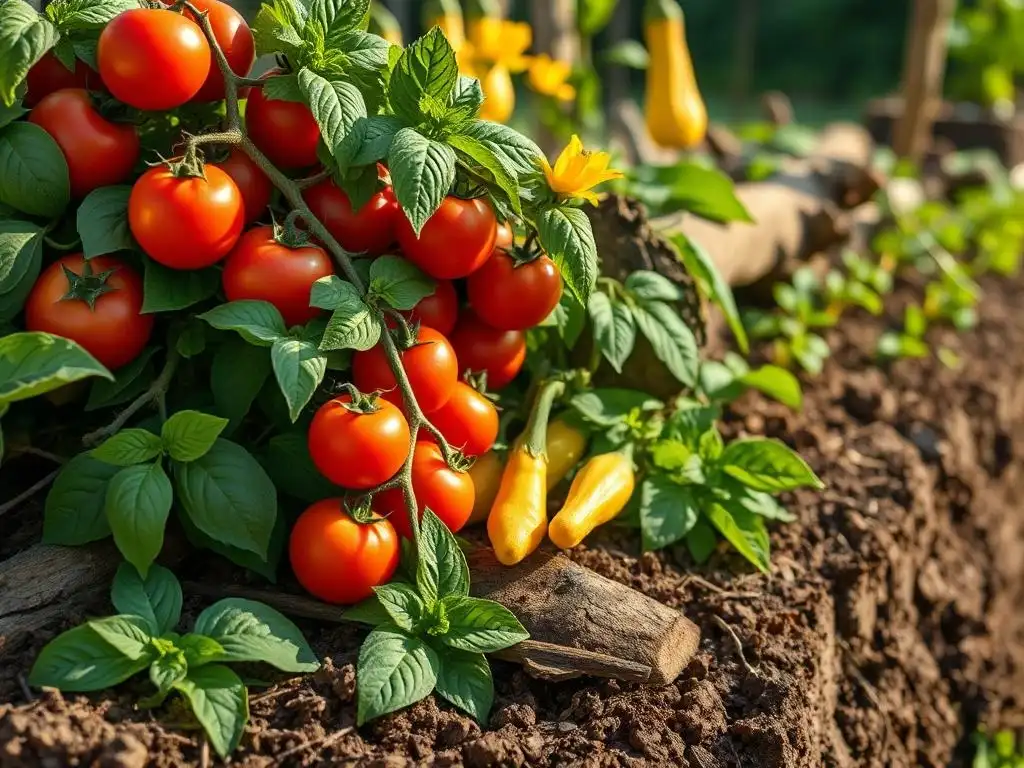
This section focuses on the unique harvesting aspects of Hugelkultur raised bed gardening, a technique known for its exceptional water retention and soil health, contributing to bountiful harvests. Understanding the specific needs of your crops within this system is key to maximizing your yields. Remember, patience and observation are paramount in Hugelkultur gardening. The long-term benefits – improved soil structure, enhanced water retention, and nutrient-rich soil – translate to healthier plants and, ultimately, better harvests.
Harvesting Techniques for Various Crops in Hugelkultur
Harvesting from a Hugelkultur bed isn't drastically different from traditional gardening, but certain nuances exist due to the unique soil composition and decomposition processes. The rich, organic matter within the bed provides consistent moisture and nutrients, leading to potentially faster growth in some cases. However, this also means careful observation is needed to avoid over-harvesting or harvesting too early.
Let's explore some crop-specific harvesting techniques:
- Leafy Greens (Lettuce, Spinach, Kale): Harvest these by cutting outer leaves as needed, leaving the inner leaves to continue growing. This method promotes continuous harvests throughout the growing season. Avoid pulling the entire plant unless you are nearing the end of the growing season.
- Root Vegetables (Carrots, Potatoes, Beets): Timing is crucial here. Harvest when the roots reach their desired size, typically indicated by the plant's maturity. Gently loosen the soil around the roots with a garden fork to minimize damage. The well-drained nature of a Hugelkultur bed often makes harvesting easier than in heavy clay soils.
- Tomatoes: Harvest tomatoes when they reach their full color and are slightly soft to the touch. Regularly check your plants for ripe tomatoes, especially during peak season. The consistently moist soil in a Hugelkultur bed can contribute to larger, juicier tomatoes.
- Vining Crops (Cucumbers, Squash, Beans): Harvest these crops at their peak ripeness, following the recommended guidelines for each specific variety. The support provided by the raised bed structure in Hugelkultur can make harvesting easier, particularly for vining plants that might sprawl on the ground in other systems. Regular harvesting encourages further fruiting.
The table below summarizes optimal harvesting times for selected crops in a Hugelkultur system:
| Crop | Harvesting Time | Notes |
|---|---|---|
| Lettuce | As needed, outer leaves first | Continuous harvest possible |
| Spinach | As needed, outer leaves first | Similar to lettuce |
| Kale | As needed, outer leaves first | Can be harvested throughout the season |
| Carrots | When roots reach desired size | Check for maturity based on variety |
| Potatoes | When plants flower and begin to die back | Dig carefully to avoid damaging the tubers |
| Beets | When roots reach desired size | Similar to carrots |
| Tomatoes | When fully colored and slightly soft | Regular checks essential for optimal harvest |
| Cucumbers | When fully grown and firm | Regular harvesting stimulates further fruiting |
| Squash | When mature and fully colored | Harvesting time varies depending on the type of squash |
| Beans (Bush/Pole) | When pods are fully developed | Harvest frequently to encourage more bean production |
Remember to always use clean harvesting tools to prevent the spread of diseases. Proper handling and storage of your harvested crops will also help ensure their longevity and quality.
Maximizing Yields from Your Hugelkultur Raised Bed
Maximizing yields in your Hugelkultur raised bed requires a holistic approach, encompassing several key practices beyond just the harvesting techniques. The long-term soil fertility and water retention provided by Hugelkultur are foundational to high yields, but optimizing these aspects further enhances productivity.
- Mulching: Applying a layer of mulch, such as straw or wood chips, helps retain moisture, suppress weeds, and regulate soil temperature. This creates an ideal environment for vigorous plant growth. Mulching also helps to maintain the humidity levels that Hugelkultur is known for.
- Nutrient Management: While Hugelkultur provides substantial nutrients, supplementing with compost tea or other organic fertilizers can further boost plant growth and fruit production. Soil testing can help determine specific nutrient deficiencies. Avoid over-fertilizing, which can negatively impact plant health.
- Pest and Disease Control: Regularly inspect your plants for pests and diseases. Implementing integrated pest management (IPM) strategies, such as companion planting or introducing beneficial insects, can help prevent problems before they escalate. Early detection and intervention are key to maintaining healthy crops.
- Crop Rotation: Rotating your crops yearly helps prevent the buildup of soilborne diseases and pests, while also maintaining soil fertility. Different crops have varying nutrient needs, and rotating them ensures the soil remains balanced and productive.
- Proper Spacing: Planting crops at the recommended spacing allows for adequate sunlight, air circulation, and nutrient uptake, resulting in healthier and more productive plants. Overcrowding can lead to competition for resources and reduced yields.
By employing these strategies alongside careful harvesting practices, you can significantly enhance the productivity of your Hugelkultur raised bed and enjoy abundant harvests year after year. Remember that Hugelkultur is a long-term investment in soil health, and the rewards of patient cultivation are significant. Consistent observation and adjustment based on your specific conditions are essential for ongoing success in this rewarding gardening method.
Troubleshooting Common Hugelkultur Challenges
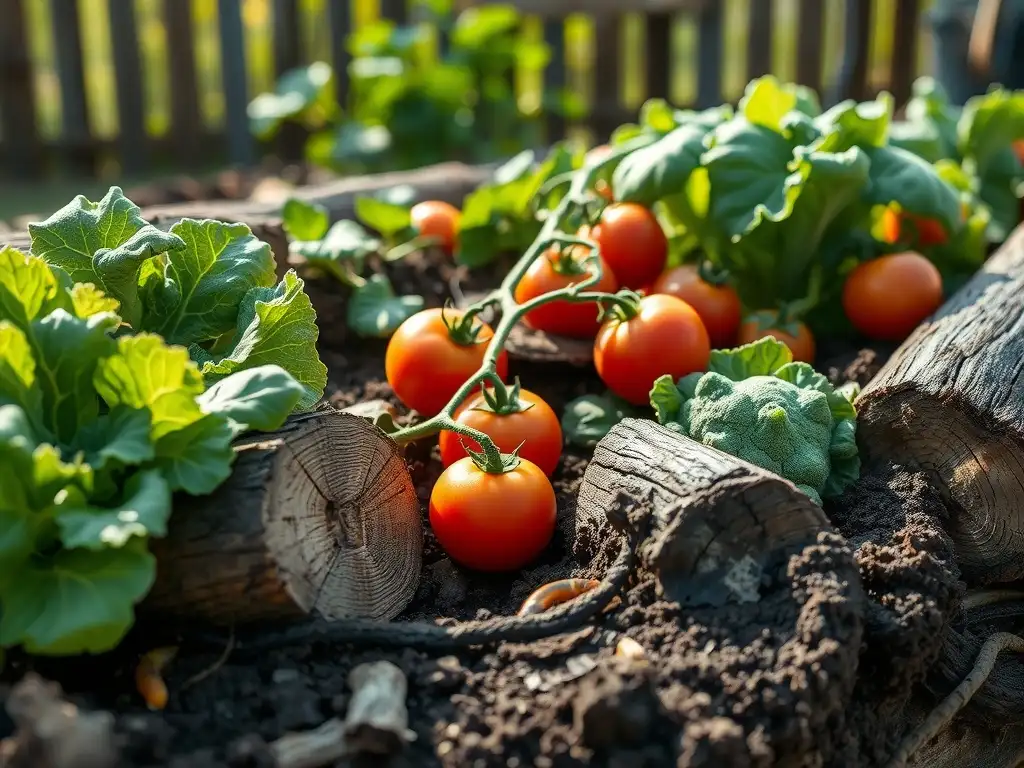
This section addresses common problems encountered when establishing and maintaining Hugelkultur raised beds, offering practical solutions to ensure your garden thrives. Successfully implementing Hugelkultur requires careful planning and ongoing attention, but the rewards of improved soil health and water retention are well worth the effort. Let's delve into some frequently asked questions and their solutions.
Addressing Common Problems in Hugelkultur Raised Beds
One of the most common issues new Hugelkultur gardeners face is uneven decomposition. This can lead to settling of the bed, creating dips and uneven surfaces. To mitigate this, ensure a proper mix of materials. Avoid using solely large, slow-decomposing logs. Incorporate smaller branches, twigs, and even shredded wood to create a more balanced decomposition rate. Additionally, consider layering smaller, faster-decomposing materials like straw and compost closer to the top of the bed. This ensures a more even settling over time.
Another common challenge is weed growth. While the initial wood layer helps suppress weeds, persistent weeds can still emerge, especially from seeds already present in the soil. Thorough weed removal before building the bed is crucial. Furthermore, using a thick layer of mulch on top of the bed helps prevent weed germination. Regular weeding, especially during the early stages of decomposition, is necessary to maintain a weed-free environment.
Finally, some gardeners experience nutrient imbalances. While Hugelkultur beds generally provide a wealth of nutrients through decomposition, monitoring nutrient levels is still important. Regular soil testing can help identify any deficiencies. Addressing these deficiencies through organic amendments, such as compost tea or cover cropping, can ensure the long-term fertility of your Hugelkultur bed.
Pest and Disease Management in Hugelkultur Gardens
The benefits of Hugelkultur extend to pest and disease management. The improved soil health fostered by the method often leads to stronger, more resilient plants, naturally better equipped to withstand pests and diseases. However, proactive management remains essential.
- Beneficial Insects: Encourage the presence of beneficial insects such as ladybugs and lacewings, which prey on common garden pests. Planting companion plants that attract these beneficial insects is a natural and effective approach.
- Crop Rotation: Rotating crops within your Hugelkultur beds helps break pest and disease cycles, preventing the buildup of specific pathogens. This reduces the need for chemical interventions.
- Natural Pest Control: Utilize natural pest control methods such as neem oil or insecticidal soap for targeted pest management. These options pose minimal risk to beneficial insects and the environment.
- Monitoring: Regular monitoring of your plants for signs of pests and diseases is crucial for early detection and intervention. Early detection allows for timely and effective treatment, minimizing potential damage. Early identification is key to successful Hugelkultur raised bed gardening.
Long-Term Sustainability of Hugelkultur Raised Beds
The longevity of a Hugelkultur bed is a significant advantage. Proper construction and maintenance can ensure your bed remains productive for many years, minimizing the need for frequent rebuilding or soil amendment.
| Factor | Impact on Long-Term Sustainability | Mitigation Strategy |
|---|---|---|
| Decomposition Rate | Affects the longevity of the nutrient release and bed structure. | Use a varied mix of wood sizes for balanced decomposition. |
| Soil Fertility | Nutrient depletion can occur over time. | Regular soil testing and organic amendments maintain fertility. |
| Weed Management | Persistent weeds can compete with plants. | Consistent weeding and mulching suppress weed growth. |
| Water Retention | Gradual loss of water retention capacity. | Maintaining a good mulch layer helps retain moisture. |
Maintaining a healthy Hugelkultur bed requires ongoing observation and adjustments. Regular monitoring of soil moisture, nutrient levels, and weed pressure is essential for ensuring the long-term success of your Hugelkultur raised bed gardening project. By proactively addressing these factors, you can enjoy the benefits of this sustainable gardening technique for years to come. Remember, proper planning and consistent care are key to achieving optimal results and reaping the rewards of healthy, productive Hugelkultur beds. 🌱
Advanced Hugelkultur Techniques for Experienced Gardeners
This section delves into more advanced Hugelkultur techniques, moving beyond the basics for those seeking to maximize the benefits of this water-wise and soil-enhancing gardening method. We'll explore strategies for larger-scale projects and integration with other sustainable practices. Mastering these techniques will elevate your Hugelkultur raised bed gardening to a new level of efficiency and productivity.
Creating a Hugelkultur Mound for Larger Gardens
Building a Hugelkultur mound for a larger garden requires careful planning and execution. Unlike smaller-scale projects, the sheer volume of wood and other organic materials necessitates a more structured approach. Consider these key steps:
- Site Selection: Choose a sunny location with good drainage. Assess the soil type; Hugelkultur can improve even poor soils, but proper drainage is crucial to prevent waterlogging. Consider the long-term impact – a large mound is a significant commitment.
- Material Sourcing: For larger mounds, sourcing sufficient wood becomes a major undertaking. Explore partnerships with local arborists or logging companies for sustainably sourced wood waste. Ensure the wood is untreated and free from harmful chemicals. Consider the decomposition rate of different wood types; hardwoods decompose slower, providing longer-term benefits.
- Mound Construction: Unlike smaller mounds, larger ones may benefit from a layered approach. Begin with a base layer of larger logs and branches, followed by progressively smaller pieces. Intermingle layers of organic materials like straw, leaves, and compost to ensure even decomposition and nutrient distribution. The final layer should consist of topsoil, ready for planting. Consider the overall dimensions carefully; a too-steep slope can lead to erosion and instability.
- Water Management: Large Hugelkultur mounds require careful water management. Irrigation systems may be necessary, particularly during dry periods. Consider using soaker hoses or drip irrigation to avoid water runoff and ensure even moisture distribution. Mulching the top layer with organic materials like straw can help retain moisture.
Integrating Hugelkultur with Other Sustainable Gardening Practices
Hugelkultur's benefits are amplified when integrated with other sustainable gardening practices. Consider these synergistic combinations for optimal results:
- Companion Planting: Combining Hugelkultur with companion planting maximizes space utilization and improves plant health. For example, planting nitrogen-fixing plants like beans or clover alongside your main crops can enrich the soil further.
- Permaculture Design: Hugelkultur aligns perfectly with permaculture principles. By incorporating it into a well-designed permaculture system, you can create a self-sustaining and productive garden. Think about swales for water harvesting and windbreaks for protection.
- Composting: The decomposition process within the Hugelkultur mound itself is a form of composting. However, supplementing with regular composting can further enhance soil fertility. Adding finished compost to the top layer before planting provides an immediate boost of nutrients.
- No-Till Gardening: Hugelkultur is inherently a no-till method. This reduces soil disturbance, protecting beneficial soil organisms and preventing erosion. This complements other no-till practices and minimizes the need for soil turning.
Hugelkultur for Specific Climates and Soil Types
The success of Hugelkultur depends on adapting it to your specific climate and soil type. Here's how to optimize its performance in different conditions:
| Climate Type | Considerations | Soil Type | Considerations |
|---|---|---|---|
| Arid/Semi-Arid | Focus on water retention; use larger amounts of water-retaining materials. | Sandy/Gravelly | Focus on water retention; amend with clay or compost to improve water holding. |
| Humid/Subtropical | Ensure good drainage to prevent waterlogging; consider raised beds even higher. | Clay | Improve drainage with organic matter; consider a more shallow Hugelkultur bed. |
| Temperate | Relatively adaptable; adjust materials based on seasonal temperature fluctuations. | Loamy | Generally well-suited; adjust organic matter based on existing fertility levels. |
Remember, careful observation and adaptation are key to successful Hugelkultur raised bed gardening. Experimentation and learning from your experiences will lead to optimal results in your unique environment. The long-term benefits of improved water retention and soil health make it a worthwhile endeavor for any dedicated gardener. 🌱
Frequently Asked Questions
What is Hugelkultur?
Hugelkultur is a gardening technique using buried wood to create fertile, well-drained raised beds. This method improves soil structure and water retention over time, leading to healthier plants.
How does Hugelkultur benefit raised bed gardening?
Hugelkultur beds provide excellent drainage and long-term fertility. The decaying wood acts as a slow-release fertilizer, reducing the need for frequent amendments. It also creates a warmer microclimate.
What type of wood is best for Hugelkultur?
Use hardwoods that are free from chemical treatments or preservatives. Avoid softwoods like pine or cedar as they decompose too quickly. Consider using branches, logs, and even stumps.
What are the steps involved in building a Hugelkultur raised bed?
Start by laying down large branches, then smaller pieces, and finally cover with soil. Ensure adequate drainage and consider the size and placement of your bed. Plant directly into the soil once the wood has partially decomposed.
How long does a Hugelkultur raised bed last?
A well-constructed Hugelkultur bed can last for 5-10 years or even longer, providing a sustainably fertile environment for your plants. The longevity depends on the type and amount of wood used.
Final Reflection: Cultivating a Legacy of Sustainable Gardening
The practice of Hugelkultur, far from being a niche gardening technique, offers a potent solution to the pressing challenges of soil degradation and resource scarcity in modern agriculture. Its ability to create fertile, water-retentive raised beds, while simultaneously reducing waste and enhancing biodiversity, makes it a vital tool for sustainable food production, now more than ever.
Hugelkultur's influence extends beyond the individual garden, impacting the wider conversation around environmental stewardship and responsible land management. It's a testament to the power of simple, nature-inspired solutions to complex problems. The earth laughs in flowers.
– Ralph Waldo Emerson. This quote beautifully encapsulates the joy and abundance that Hugelkultur can bring, not only to our gardens but to our connection with the natural world. The practice encourages a deeper understanding of ecological processes and fosters a sense of responsibility towards the land we inhabit.
Now, consider your own garden, your own patch of earth. What possibilities does Hugelkultur unlock for you? Will you embrace this ancient technique, transforming your gardening practices and contributing to a more sustainable future? The choice is yours, and the rewards – both environmental and personal – are immeasurable. Begin your journey towards richer soil, healthier plants, and a deeper connection with the earth. Start building your Hugelkultur bed today.
Unleash Your Garden's Potential: Grow Bountiful Harvests Now!
Thank you for exploring the world of Hugelkultur! We hope you've discovered the magic of creating incredibly fertile raised beds. Ready to transform your garden?
- Start building your Hugelkultur bed today! Gather your materials and begin constructing your raised bed. Even a small bed can yield impressive results.
- Share your Hugelkultur experience! Tell us about your journey – what challenges did you overcome, and what successes did you celebrate? Inspire others to cultivate their own abundant gardens!
- Experiment with Hugelkultur variations suited to your local environment. What locally sourced materials can you use creatively?
What unexpected benefits will you discover as you unlock the full potential of Hugelkultur in your own garden?