
Unlocking Garden Potential: The Power of Companion Planting

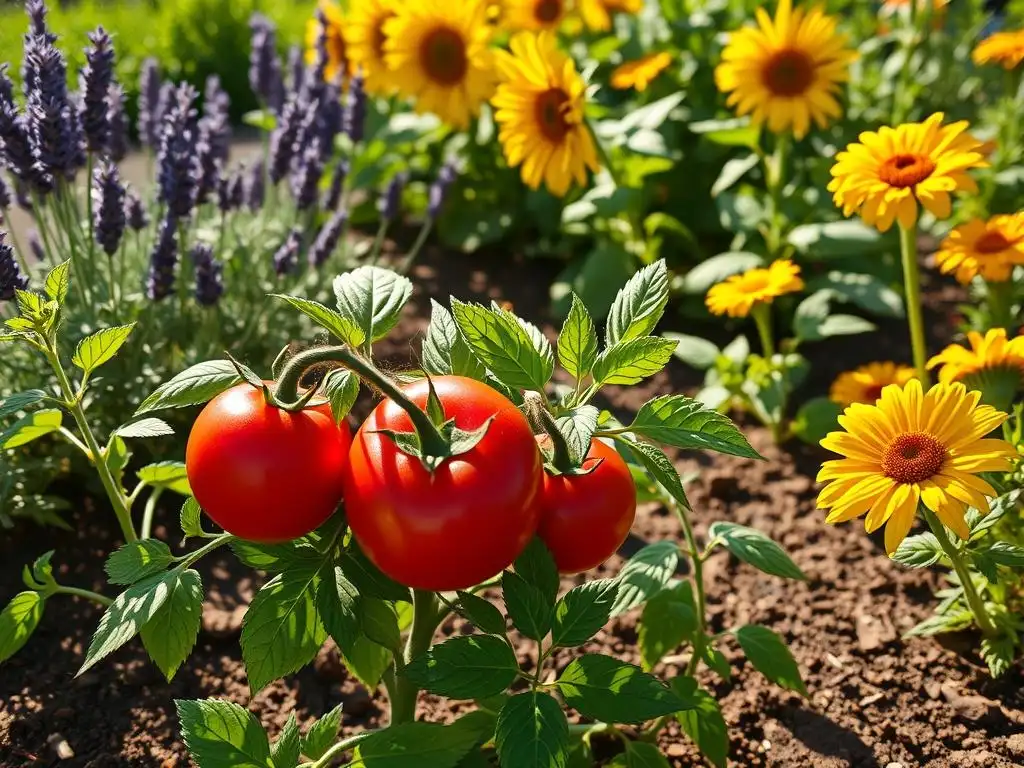
Ready to unlock the secrets to a thriving, sustainable garden? At CultivateYourFood, we believe everyone can grow their own delicious fruits, vegetables, and herbs. Discover the incredible power of best companion plants gardening, an advanced technique that will transform your yield and simplify your gardening journey. Learn how strategic planting can boost growth, repel pests naturally, and create a truly harmonious ecosystem in your own backyard. Dive in and explore the possibilities!
- Understanding the Benefits of Best Companion Plants Gardening
-
Choosing the Right Companion Plants for Your Garden
- Best Companion Plants for Tomatoes: Enhancing Flavor and Production
- Effective Companion Plants for Peppers: Optimizing Growth and Reducing Pests
- Ideal Companions for Leafy Greens: Boosting Growth and Preventing Diseases
- Successful Companion Planting for Root Vegetables: Improving Soil Structure and Yield
- Practical Companion Planting Strategies for Beginners
- Advanced Companion Planting Techniques for Experienced Gardeners
-
Troubleshooting Common Companion Planting Challenges
- Addressing Common Issues: Dealing with Competition and Incompatibility
- Identifying and Resolving Problems: Dealing with Diseases and Pests
- Adapting Strategies: Adjusting Companion Planting Based on Climate and Soil Conditions
- Evaluating Results and Refining Techniques: Measuring Success and Making Improvements
- Harvesting and Maintaining Your Companion Planting Garden
- Frequently Asked Questions
- Final Reflection: Cultivating Harmony in Our Gardens and Lives
- Unlock Your Garden's Secret Power: Plant Now!
Understanding the Benefits of Best Companion Plants Gardening
Companion planting, a cornerstone of sustainable gardening, harnesses the power of nature's synergy to cultivate healthier, more abundant harvests. This practice involves strategically planting certain species together, leveraging their beneficial interactions to enhance growth, improve pest and disease resistance, and even enrich the soil. For home gardeners seeking to maximize their yield and minimize reliance on chemical interventions, mastering the art of companion planting is paramount.
This article delves into the multifaceted advantages of this technique, exploring how carefully chosen plant pairings can unlock your garden's full potential and contribute to a more thriving, eco-friendly growing environment. We'll uncover the secrets behind some of the best companion plants for gardening, highlighting real-world examples and practical strategies to elevate your gardening success. By the end, you'll be equipped with the knowledge and confidence to create a vibrant and productive garden ecosystem that flourishes naturally.
Synergistic Growth: How Companion Plants Boost Yields
Many plants benefit from the presence of specific neighbors. For example, the deep roots of certain plants can improve water and nutrient uptake for shallower-rooted companions. This synergistic relationship leads to increased yields and overall plant vigor.
Consider the classic pairing of basil and tomatoes. Basil is believed to repel tomato hornworms while also improving the overall flavor of tomatoes. Similarly, the nitrogen-fixing properties of legumes like beans and peas enrich the soil, benefiting neighboring plants that require more nitrogen, such as leafy greens.
This positive feedback loop between plants creates a self-sustaining ecosystem, reducing the need for external fertilizers. The precise mechanisms vary depending on the plant combination, but the overall effect is often a noticeable increase in the quantity and quality of the harvest. Accurate data on yield increase varies depending on the specific plants and growing conditions, but studies have shown increases ranging from 10% to 30% in various instances.
Pest & Disease Control: Natural Protection Through Strategic Planting
One of the most compelling benefits of companion planting is its ability to deter pests and diseases naturally. Certain plants release volatile compounds that repel insects or attract beneficial predators. For example, marigolds are known for their ability to repel nematodes and other soil-borne pests, making them excellent companions for many vegetables. Similarly, strong-scented herbs like rosemary and mint can deter aphids and other common garden pests.
This natural pest control reduces or eliminates the need for harmful chemical pesticides, contributing to a healthier and more sustainable garden. The effectiveness of this method depends on the specific pest and the chosen companion plant, but it can significantly minimize pest pressure, leading to healthier plants and higher yields. A well-planned companion planting strategy can significantly reduce the incidence of pest infestations, as demonstrated in various studies showing a decrease of up to 50% in pest damage in some instances.
Improved Soil Health: Enhancing Nutrient Availability with Companion Species
Companion planting also contributes significantly to improved soil health. Certain plants, like legumes, possess the ability to fix atmospheric nitrogen into the soil, enriching it with this essential nutrient. This natural fertilization benefits neighboring plants, reducing the need for synthetic fertilizers. Furthermore, different plants have different root systems, leading to improved soil aeration and water retention.
Deep-rooted plants, for instance, can improve drainage while shallower-rooted plants can help retain moisture. This combined effect leads to a more fertile and healthier soil environment, promoting optimal plant growth and enhancing the overall resilience of the garden ecosystem. The positive impact on soil health is long-term, creating a more sustainable and productive garden environment year after year. Studies have shown that the use of companion planting can lead to a significant improvement in soil organic matter content and nutrient availability, resulting in healthier and more productive soils.
Attracting Beneficial Insects: Supporting Pollinator and Natural Predators
Companion planting isn't just about preventing pests; it's about actively encouraging the natural forces that keep your garden thriving. Many plants attract beneficial insects like ladybugs, lacewings, and hoverflies, which are voracious predators of common garden pests such as aphids, mealybugs, and whiteflies. These beneficial insects act as a natural pest control system, significantly reducing the need for harmful chemical pesticides. This is a cornerstone of sustainable gardening practices, promoting biodiversity and a healthy ecosystem within your garden.
For example, planting dill, fennel, and yarrow near susceptible plants like roses or brassicas will attract beneficial insects that prey on aphids. These plants provide both nectar and pollen for the adults, ensuring their continued presence in your garden. Similarly, planting flowering herbs like borage and calendula provides a valuable food source for beneficial insects, encouraging them to stay and reproduce. This continuous supply of beneficial insects creates a robust defense against pest infestations, minimizing crop damage and maximizing yield.
The impact of attracting beneficial insects extends beyond pest control. Many of these insects are also crucial pollinators, supporting the health and productivity of your flowering plants and fruiting vegetables. Pollinators like bees and butterflies are attracted to a diverse range of companion plants, leading to better fruit set and improved yields. By strategically incorporating these plants into your garden design, you create a symbiotic relationship where beneficial insects thrive, your plants flourish, and your harvest is abundant.
This holistic approach to pest management is a key element of successful and sustainable "best companion plants gardening." Remember that the diversity of beneficial insects is directly correlated to the diversity of plants you attract them with. So, a wide variety of flowering plants is key!
The long-term benefits of this approach are significant. Reduced reliance on chemical pesticides translates to healthier soil, cleaner water, and a safer environment for you, your family, and the beneficial insects that are essential for a thriving garden. By understanding how companion planting attracts and supports beneficial insects, you are investing in a more resilient and productive garden, year after year. This approach to gardening is not only environmentally responsible but also highly effective in achieving a bountiful harvest.
Choosing the Right Companion Plants for Your Garden
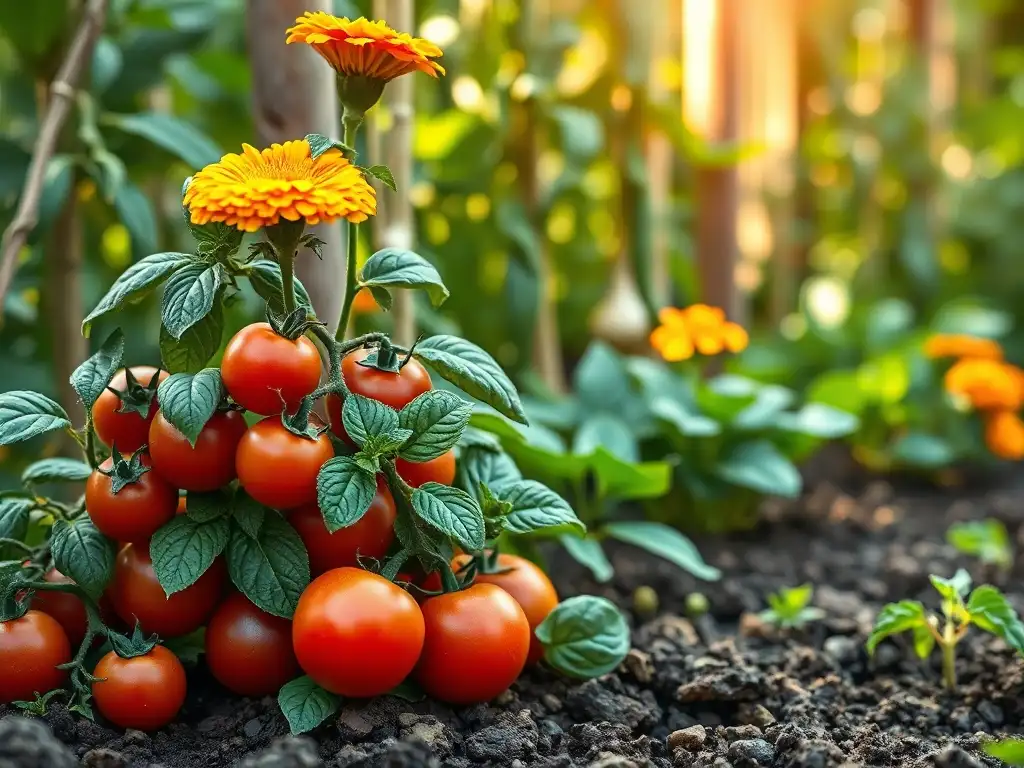
Selecting the best companion plants for your garden requires careful consideration of several factors. Understanding the specific needs and characteristics of your target plants is crucial for successful companion planting. This involves recognizing which plants benefit from proximity to others and which might negatively impact each other's growth. Effective companion planting isn't simply about throwing plants together; it's a strategic approach to optimizing yield, improving plant health, and minimizing pest and disease problems. The principle of synergy is key—creating a harmonious ecosystem in your garden where plants work together to thrive.
Let's explore some examples of successful companion plant pairings. Remember, always research specific plant needs and potential interactions within your local climate and soil conditions. Ignoring these factors can lead to unexpected results, negating the benefits of companion planting. This section focuses on optimizing your garden using the best companion plants gardening techniques.
Best Companion Plants for Tomatoes: Enhancing Flavor and Production
Tomatoes, a cornerstone of many home gardens, benefit greatly from strategic companion planting. Their needs, particularly regarding pest and disease resistance, can be significantly enhanced by selecting the right neighbors. Some of the best companion plants for tomatoes include:
- Basil: This fragrant herb repels tomato hornworms and other pests while enhancing tomato flavor. Studies have shown a noticeable improvement in tomato yield when grown alongside basil. The essential oils released by basil create a protective barrier against common tomato pests.
- Marigolds: These vibrant flowers are known for their pest-repelling properties. They effectively deter nematodes, whiteflies, and other insects that can damage tomato plants. Their bright colors also add visual appeal to your garden.
- Chives: Similar to basil, chives release compounds that repel pests, creating a healthier environment for tomatoes. They also contribute to improved soil health.
- Parsley: Parsley acts as a soil enricher, improving nutrient availability for tomatoes. It also attracts beneficial insects that help control pests.
The benefits extend beyond pest control. The improved soil health resulting from companion planting contributes to healthier, more vigorous tomato plants, leading to improved yields and enhanced flavor. Consider spacing your tomato plants strategically to allow for optimal airflow and sunlight penetration, maximizing the effectiveness of companion planting. Experimentation and observation are key to finding the perfect companion plant combinations for your specific garden environment. Regular monitoring of your plants will help you identify any potential issues and adjust your planting strategy accordingly. Remember, the "best" companion plants can vary based on your location and specific tomato variety.
Effective Companion Plants for Peppers: Optimizing Growth and Reducing Pests
Peppers, like tomatoes, are susceptible to certain pests and diseases. Strategic companion planting can significantly improve pepper growth and reduce the incidence of problems. The following plants are particularly effective companions for peppers:
- Rosemary: This aromatic herb repels whiteflies and aphids, common pests that can damage pepper plants. Its strong scent creates a natural barrier, protecting your peppers from infestation.
- Marigolds (again!): Their effectiveness extends beyond tomatoes; marigolds also deter nematodes and other pests that can affect peppers. Their presence significantly reduces the need for chemical pest control.
- Calendula: Similar to marigolds, calendula deters pests while improving soil health. It also attracts beneficial insects that prey on pepper pests.
- Lettuce: Lettuce thrives in the shade provided by taller pepper plants. This intercropping approach maximizes space utilization in your garden.
The combination of pest deterrence and improved soil health provided by these companion plants results in healthier, more productive pepper plants. Regular watering and fertilization are still important, but companion planting can significantly reduce the need for interventions. Remember to monitor your pepper plants regularly for signs of pests or diseases, and adjust your companion planting strategy as needed. The specific requirements for pepper companion planting may vary depending on the pepper variety and your local climate. Observe your plants and adjust your strategy accordingly for optimal results.
Ideal Companions for Leafy Greens: Boosting Growth and Preventing Diseases
Leafy greens, including lettuce, spinach, and kale, benefit from companion planting that improves growth and disease resistance. Here are some ideal companions:
- Radishes: Radishes help break up compacted soil, improving drainage and aeration for leafy greens. Their rapid growth cycle also helps prevent weed growth.
- Strawberries: Strawberries can be interplanted with leafy greens to maximize space utilization. They require similar growing conditions and don't compete directly for resources.
- Onions: The strong scent of onions repels some pests that affect leafy greens, such as aphids and slugs.
- Nasturtiums: These beautiful flowers deter aphids and other leaf-eating insects, protecting your leafy greens from damage.
The combination of improved soil health, pest deterrence, and space optimization provided by these companion plants leads to healthier, more productive leafy green crops. Careful observation is crucial; you may need to adjust your planting strategy depending on the specific pests and diseases prevalent in your area. Regular weeding and watering are also essential for optimal growth. By carefully selecting companion plants, you can create a thriving ecosystem in your garden, minimizing the need for chemical interventions and maximizing your harvest. Remember, successful gardening often involves continuous learning and adaptation based on your unique garden conditions and experiences.
Successful Companion Planting for Root Vegetables: Improving Soil Structure and Yield
Root vegetables, with their substantial underground growth, benefit greatly from companion planting. The right companions can improve soil structure, deter pests, and ultimately boost your harvest. For example, planting carrots alongside onions or garlic is a classic pairing. Onions and garlic release compounds that repel the carrot rust fly, a significant pest for carrot crops. This natural pest control significantly reduces the need for chemical interventions, aligning perfectly with the sustainable practices championed by CultivateYourFood. Furthermore, the shallow roots of onions and garlic don't compete directly with the deeper-reaching carrots for nutrients and water.
Beyond pest control, certain companion plants can enhance soil health, benefiting all root vegetables. For instance, legumes like beans or peas are nitrogen-fixing plants. They enrich the soil with nitrogen, a crucial nutrient for robust root development. Planting legumes near your root vegetables like beets, parsnips, or turnips provides a natural fertilizer, reducing the need for synthetic nitrogen-based fertilizers. This not only improves the yield but also contributes to a more ecologically sound gardening practice, a core principle of organic cultivation.
The benefits extend beyond nitrogen fixation. Some plants improve soil structure. For example, incorporating plants with deep taproots, such as daikon radish, can help break up compacted soil, improving drainage and aeration. This is especially beneficial for root vegetables that require well-drained soil to prevent rot. The improved soil structure allows for better water penetration and nutrient uptake, leading to healthier and larger root vegetables.
Consider the spatial arrangement. Avoid overcrowding. While companion planting enhances growth, proper spacing remains crucial. Overcrowding can lead to competition for resources, negating the positive effects of companion planting. Researching the mature size of each plant before planting is crucial for maximizing the benefits of this technique. Remember, thoughtful planning is key to successfully implementing companion planting for your root vegetables and achieving a bountiful harvest while nurturing your soil's health. This holistic approach to gardening reflects the CultivateYourFood philosophy of sustainable and organic practices, leading to a thriving garden ecosystem.
Practical Companion Planting Strategies for Beginners
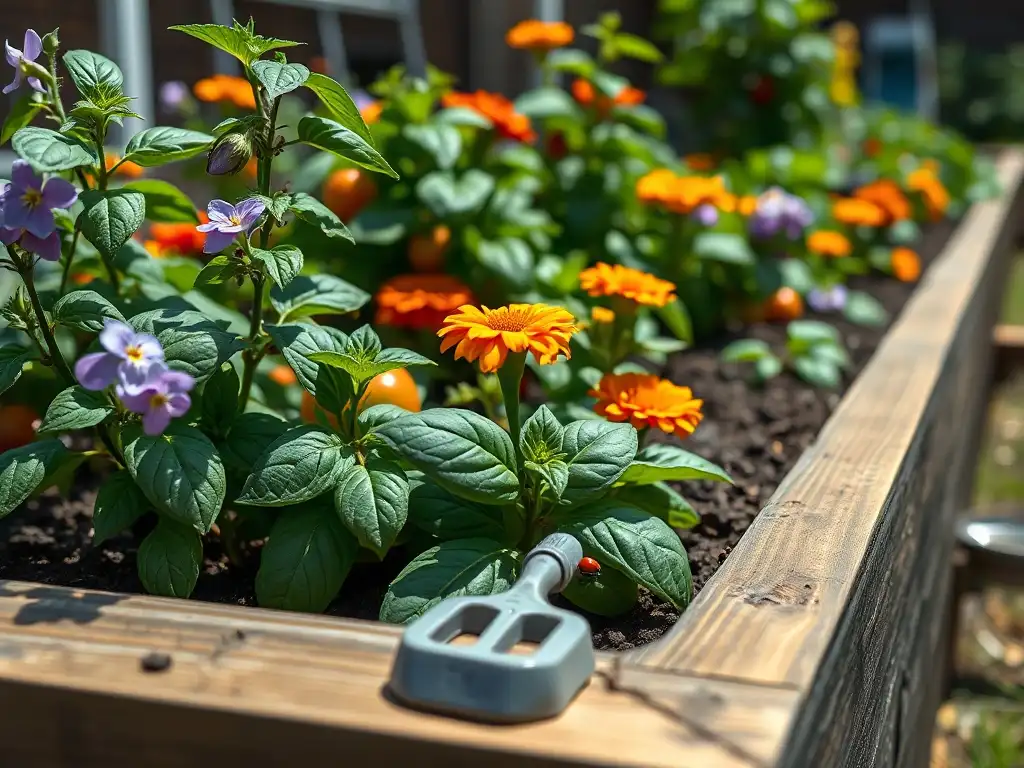
This section delves into the practical application of companion planting, offering actionable steps for beginners to maximize the benefits of this sustainable gardening technique. We'll explore how to strategically plan your garden layout, select the best companion plant seeds or seedlings, and execute the planting process effectively. Remember, the success of companion planting hinges on careful planning and execution.
Choosing the right companions and planting them correctly are crucial steps in achieving a thriving and productive garden. This approach will help you harness the power of nature to improve your yields and reduce pest problems, all while embracing organic and sustainable gardening practices.
Planning Your Garden Layout for Maximum Companion Plant Benefits
Effective companion planting starts with thoughtful garden design. Simply scattering beneficial plants around your garden won't yield optimal results. Instead, consider the specific needs and characteristics of each plant. For example, taller plants can provide shade for more delicate species, while those with deep root systems can access nutrients unavailable to shallow-rooted companions.
Consider these factors when planning your layout:
- Sunlight: Map the sun's path across your garden throughout the day. Sun-loving plants should be placed in full sun, while shade-loving plants need protection from direct sunlight. Consider how the shade cast by taller companion plants might affect shorter ones.
- Spacing: Appropriate spacing is crucial. Overcrowding can lead to competition for resources, negating the benefits of companion planting. Research the mature size of each plant to ensure adequate space.
- Root Depth: Combine plants with different root depths to optimize nutrient uptake. Deep-rooted plants, like carrots, can access nutrients deeper in the soil, while shallow-rooted plants, like lettuce, utilize nutrients closer to the surface. This reduces competition and improves overall soil health.
- Specific Needs: Some plants release allelochemicals that can inhibit the growth of others. Thorough research is essential to identify compatible plant pairings. For instance, basil is known to repel some insects that might harm tomatoes, making them excellent companions.
Here's a sample layout demonstrating effective companion planting:
| Plant | Placement | Companion Plants | Benefits |
|---|---|---|---|
| Tomatoes | Central | Basil, Marigolds, Garlic | Pest control, improved flavor, soil health |
| Carrots | Outer rows | Rosemary, onions | Pest control, improved growth |
| Lettuce | Between tomatoes | Chamomile, Dill | Improved growth, pest deterrence |
| Marigolds | Throughout garden | Most vegetables | Pest control, soil improvement |
This is just a basic example; your layout will depend on the specific plants you choose and the space available. Remember to always refer to reliable sources for information on specific plant pairings.
Selecting and Sourcing High-Quality Companion Plant Seeds or Seedlings
The quality of your seeds or seedlings directly impacts the success of your companion planting efforts. Opting for high-quality, organically grown seeds or seedlings is crucial for a healthy and thriving garden.
- Source: Choose reputable suppliers known for their commitment to organic and sustainable practices. Look for seeds that are clearly labeled with their variety and origin. Avoid seeds that are old or show signs of damage.
- Seed Starting: Starting seeds indoors gives you more control over the growing process and allows you to carefully select the healthiest seedlings for transplanting. This is especially beneficial for delicate companion plants.
- Seedling Selection: When buying seedlings, choose plants that are healthy, vigorous, and free from pests or diseases. Look for plants with strong stems and vibrant green foliage.
Choosing the right seeds or seedlings is just as important as choosing the right companions. Investing in high-quality planting material is an investment in the health and productivity of your entire garden. Consider factors like germination rates and disease resistance when making your selections.
Step-by-Step Guide to Planting Companion Plants in Your Garden
Planting companion plants is a straightforward process, but precision is key to maximizing their benefits. Here's a step-by-step guide:
- Prepare the Soil: Ensure your soil is well-drained, fertile, and amended with organic matter like compost. This provides a nutrient-rich environment for your plants to thrive.
- Planting Depth and Spacing: Plant your companion plants at the recommended depth and spacing for each species. Refer to seed packets or seedling labels for specific instructions. Accurate spacing prevents overcrowding and competition.
- Watering: Water deeply and regularly, especially during dry periods. Consistent watering is crucial for the establishment of your companion plants and their ability to effectively benefit their neighbors.
- Mulching: Apply a layer of organic mulch around your plants to help retain moisture, suppress weeds, and regulate soil temperature. Mulching also contributes to soil health and reduces the need for frequent watering.
- Monitoring and Maintenance: Regularly monitor your plants for signs of pests or diseases. Take prompt action to address any issues and prevent them from spreading. This proactive approach is essential for maintaining a healthy and productive companion planting system. Regular weeding is also crucial.
By following these steps and paying close attention to detail, you can effectively implement companion planting techniques in your garden, creating a thriving ecosystem that enhances the growth and health of your plants, leading to a more bountiful and sustainable harvest. Remember, patience and observation are key to mastering this rewarding gardening practice.
Maintaining Your Companion Planting System for Optimal Results
Maintaining a thriving companion planting system requires consistent attention and proactive care. Success isn't just about initial planting; it's about ongoing observation and adjustments. Regular monitoring is crucial to identify any imbalances or issues early on. For example, if you notice one plant significantly outcompeting another, you might need to thin out the more aggressive species to ensure the others receive sufficient sunlight and nutrients. This might involve strategic pruning or even carefully relocating some plants.
Another crucial aspect of maintenance is ensuring adequate watering. Different plants have varying water requirements. Overwatering can lead to root rot, while underwatering can stunt growth. Pay close attention to the soil moisture levels and adjust your watering schedule accordingly. Consider using a drip irrigation system for a more efficient and targeted approach, minimizing water waste and ensuring consistent hydration. Mulching around your plants can also help retain soil moisture and suppress weeds, reducing the overall maintenance effort.
Pest and disease control are also critical components of maintaining a healthy companion planting system. Regular inspection can help you detect problems early, allowing for prompt intervention. Companion planting itself offers natural pest control benefits, but occasional problems might still arise. Implementing organic pest control methods, such as introducing beneficial insects or using natural sprays, is crucial to avoid harming beneficial insects and pollinators.
Always prioritize preventative measures, such as proper spacing and hygiene, to minimize the risk of pest and disease outbreaks. Regular weeding is also vital, as weeds compete with your plants for resources, potentially impacting their growth and overall health. Remember, a healthy and balanced ecosystem is less susceptible to pests and diseases.
Finally, understand that your companion planting system will evolve over time. What works well in one season may not be as effective in another due to variations in weather conditions and soil health. Therefore, careful observation and adaptation are essential for long-term success.
Keep detailed records of your planting choices, their growth patterns, and any pest or disease issues encountered. This data will be invaluable for optimizing your companion planting strategy in subsequent seasons, allowing you to refine your techniques and achieve even better results. The learning process is continuous, and each season provides valuable lessons for improving your approach.
Advanced Companion Planting Techniques for Experienced Gardeners
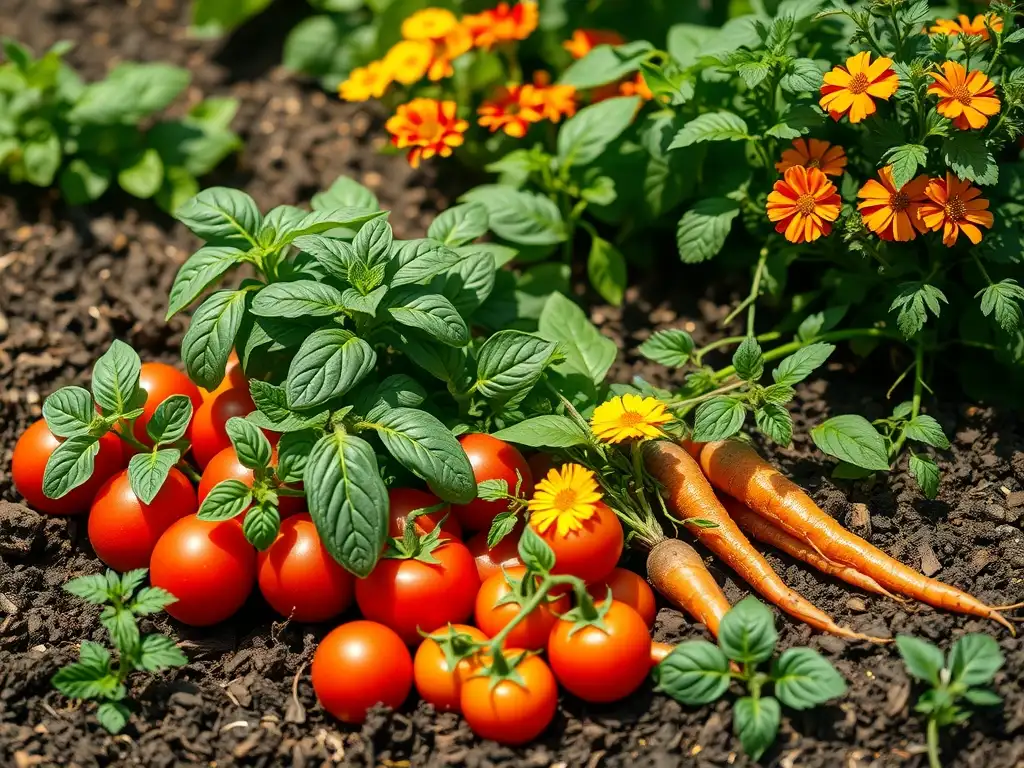
This section delves into sophisticated companion planting strategies for seasoned gardeners aiming to maximize yield and sustainability. We'll explore techniques beyond the basics, focusing on optimizing soil health, pest control, and overall garden ecosystem. These methods require a deeper understanding of plant interactions and garden ecology, but the rewards are significant for those willing to invest the time and effort. Remember, the "best companion plants gardening" are those that best suit your specific garden conditions and goals.
Utilizing Cover Crops as Companion Plants: Improving Soil Health and Fertility
Cover crops aren't just for fallow periods; strategically integrating them into your companion planting scheme can dramatically enhance soil health and fertility. Legumes like clover and vetch are excellent choices. Their nitrogen-fixing capabilities enrich the soil, providing a natural fertilizer for your main crops. For example, planting clover between rows of tomatoes not only improves soil structure but also suppresses weeds, reducing competition for nutrients and water.
Furthermore, cover crops like rye or buckwheat can help prevent soil erosion and suppress weeds, especially during the off-season. Their decaying matter adds organic matter, improving soil drainage and water retention. The key is to select cover crops with appropriate growth cycles that complement your main planting schedule. Timing is crucial—planting them at the right time ensures they decompose sufficiently before your main crops need the space.
Consider the following table to illustrate the benefits of different cover crops:
| Cover Crop | Primary Benefit | Secondary Benefits | Timing |
|---|---|---|---|
| Clover | Nitrogen Fixation | Weed suppression, soil improvement | Spring/Fall |
| Vetch | Nitrogen Fixation | Weed suppression, erosion control | Spring/Fall |
| Rye | Erosion Control, Weed Suppression | Soil improvement, winter protection | Fall/Early Spring |
| Buckwheat | Weed Suppression, Soil Improvement | Attracts beneficial insects, quick growth cycle | Mid-summer/Early Fall |
Careful planning and observation are vital. Monitor soil conditions and adjust your cover cropping strategy as needed. Remember, successful gardening is an iterative process of learning and adaptation.
Implementing Crop Rotation with Companion Planting for Sustainable Gardening
Combining crop rotation with companion planting elevates your gardening to a new level of sustainability. Crop rotation helps prevent the buildup of soilborne pests and diseases, while companion planting enhances pest control and nutrient cycling. For instance, rotating brassicas (cabbage, broccoli, etc.) with legumes not only reduces pest pressure but also replenishes nitrogen levels in the soil. This is a powerful synergy that goes beyond simple companion planting.
Consider a three-year rotation plan:
- Year 1: Legumes (peas, beans) with marigolds (pest repellent)
- Year 2: Brassicas (cabbage, broccoli) with dill (pest repellent and beneficial insect attractant)
- Year 3: Root vegetables (carrots, beets) with onions (pest repellent)
This approach minimizes pest and disease build-up, improves soil fertility, and diversifies your harvest. The careful selection of companion plants within each rotation year further enhances the benefits. Remember to choose companion plants known for their positive interactions with the specific crops you're rotating. Detailed research into the specific needs of each plant within your climate is key to optimizing this approach.
Creating a Diverse Ecosystem: Attracting Beneficial Wildlife to Your Garden
A thriving garden ecosystem is a key element of sustainable and successful gardening. Attracting beneficial wildlife, such as ladybugs, lacewings, and predatory wasps, can significantly reduce the need for chemical pest control. This is achieved by planting a variety of flowers and herbs that attract these beneficial insects. These natural predators can keep pest populations in check, promoting a balanced ecosystem.
For example, planting flowering plants like calendula, yarrow, and borage attracts beneficial insects. These plants provide nectar and pollen, supporting the beneficial insect populations. This creates a natural form of pest control, reducing the need for harmful pesticides.
Consider creating specific habitats within your garden:
- Flower borders: Plant a diverse range of flowering plants to attract a variety of beneficial insects and pollinators.
- Insect hotels: Provide shelter for beneficial insects like ladybugs and lacewings.
- Water features: A small birdbath or a shallow dish of water can attract birds that feed on garden pests.
By creating a diverse and welcoming environment, you encourage a natural balance in your garden, leading to healthier plants and a more sustainable approach to gardening. Remember that this holistic approach to pest control is a long-term investment, but the rewards are a healthier, more vibrant garden.
Using Companion Plants to Control Specific Pests and Diseases
Companion planting offers a powerful, natural way to manage pests and diseases in your garden, reducing or eliminating the need for harmful chemical pesticides. The underlying principle is that certain plants repel or attract specific pests, disrupting their life cycle and protecting your valuable crops. This is particularly beneficial for experienced gardeners seeking to refine their sustainable practices and achieve optimal yields. Understanding the specific pest-plant relationships is key to effective implementation.
For instance, marigolds are renowned for their ability to deter nematodes, microscopic worms that can devastate root systems. Their strong scent disrupts the nematodes' ability to locate and feed on plant roots, protecting vegetables like tomatoes, peppers, and potatoes. Planting marigolds amongst these crops can significantly reduce nematode populations and improve overall plant health. This is a classic example of how strategic placement of companion plants can translate directly into healthier harvests and reduced reliance on chemical interventions.
Another effective strategy involves using basil to control pests like aphids and whiteflies. The aromatic compounds released by basil repel these common garden pests, protecting nearby plants like tomatoes and eggplants. However, it's crucial to note that basil's effectiveness varies depending on the basil variety and the severity of the infestation. While basil can provide significant protection, it may not be sufficient to completely eliminate a severe pest problem. In such cases, integrating basil with other pest control methods, such as regular monitoring and hand-picking, is recommended for a comprehensive approach.
Furthermore, certain plants exhibit a remarkable ability to enhance the resistance of neighboring plants to diseases. For example, calendula, known for its vibrant orange blossoms, is believed to help strengthen the immune systems of nearby plants, making them more resilient to fungal and bacterial infections. The exact mechanisms are still being researched, but the observed benefits are undeniable. Integrating calendula into your planting scheme can contribute to a healthier, more robust garden ecosystem, minimizing the risk of widespread disease outbreaks. This synergistic effect highlights the complexity and potential of companion planting as a multifaceted pest and disease management strategy.
Finally, it's important to remember that the success of companion planting for pest and disease control depends heavily on careful planning and observation. Knowing the specific pests and diseases prevalent in your region and selecting appropriate companion plants is crucial. Regular monitoring of your garden is also essential to assess the effectiveness of your companion planting strategy and make adjustments as needed. This iterative approach, coupled with a deep understanding of plant interactions, is what truly unlocks the power of companion planting for experienced gardeners.
Troubleshooting Common Companion Planting Challenges
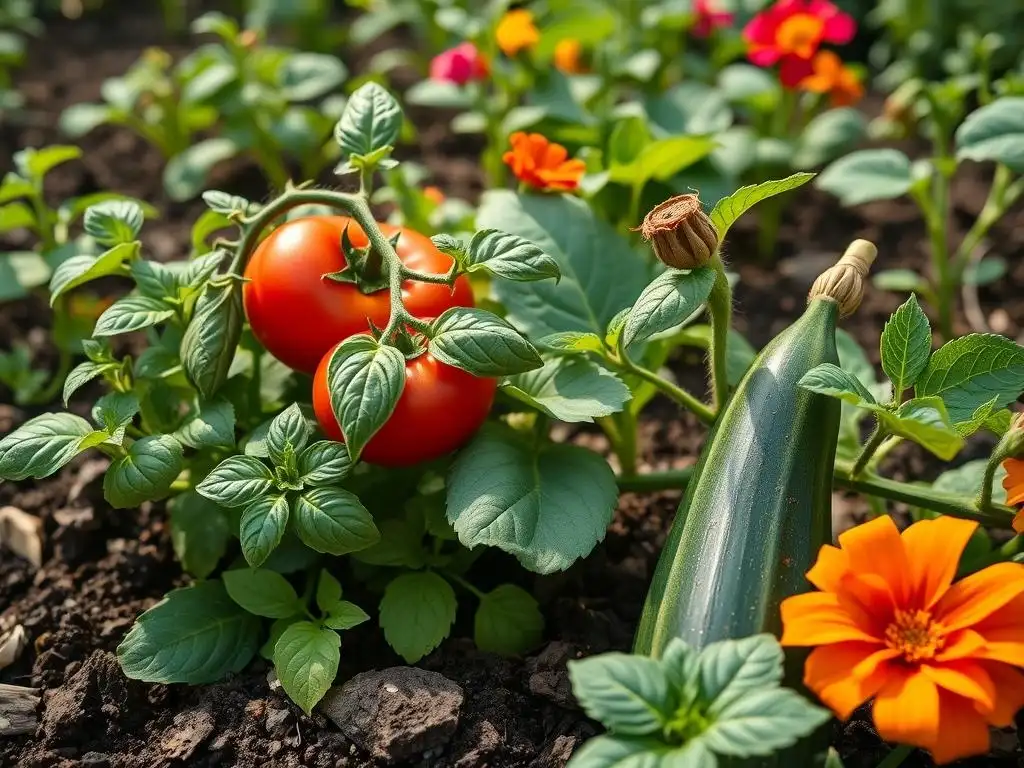
Even with careful planning, companion planting can present challenges. Understanding these potential issues and implementing proactive solutions is key to maximizing the benefits of this gardening technique. This section focuses on identifying and resolving problems to ensure a thriving and productive garden. Finding the best companion plants gardening requires a bit of trial and error, and a proactive approach to problem-solving.
Addressing Common Issues: Dealing with Competition and Incompatibility
One of the most frequent hurdles in companion planting is competition for resources like water, nutrients, and sunlight. Fast-growing plants can overshadow slower-growing companions, depriving them of essential sunlight. Similarly, aggressive root systems can outcompete neighboring plants for water and nutrients. For example, sunflowers, while excellent at attracting beneficial insects, can be quite demanding of resources and may negatively impact smaller plants nearby.
To mitigate competition, careful plant spacing is crucial. Research the mature size of each plant before planting to ensure adequate spacing. Consider staggering planting times; this allows smaller plants to establish themselves before larger, faster-growing companions take over. For instance, planting lettuce between rows of taller tomatoes allows the lettuce to utilize the space and resources efficiently before the tomatoes fully mature.
Incompatibility between certain plant species is another common problem. Some plants release allelopathic chemicals that inhibit the growth of others. For example, walnuts are known to release juglone, a chemical that can be toxic to many plants. Similarly, sage can suppress the growth of some vegetables. Understanding which plants are incompatible is essential for successful companion planting. Careful research and planning are crucial to avoid pairing incompatible species.
Choosing plants with complementary growth habits and resource requirements can minimize competition and incompatibility issues. For instance, combining deep-rooted and shallow-rooted plants can optimize resource utilization. Deep-rooted plants access nutrients from lower soil layers, while shallow-rooted plants utilize nutrients closer to the surface. This strategy promotes efficient resource use and minimizes competition.
Identifying and Resolving Problems: Dealing with Diseases and Pests
While companion planting can attract beneficial insects and deter pests, it's important to be aware that some pairings can inadvertently increase the risk of disease or pest infestations. For instance, planting susceptible plants too close together can facilitate the spread of diseases. Similarly, attracting a particular beneficial insect might also unintentionally attract its predators or prey, potentially disrupting the balance. Choosing disease-resistant varieties can reduce the risk of issues significantly. Careful observation is key for identifying and addressing these problems early on.
Regular monitoring of your garden is essential. Look for signs of diseases or pest infestations, such as wilting leaves, discoloration, unusual spots, or the presence of insects. Early detection allows for prompt intervention, preventing widespread damage. Implementing preventative measures, such as using organic pest control methods, can also minimize the risk of problems. Consider rotating crops yearly to help break pest and disease cycles.
A well-maintained garden is less susceptible to problems. This includes regular weeding to remove competing plants and providing adequate water and nutrients to keep plants healthy and strong. Healthy plants are better equipped to withstand diseases and pests. Organic methods, such as introducing beneficial nematodes or using insecticidal soaps, can provide effective and sustainable pest control without harming beneficial insects or the environment.
Adapting Strategies: Adjusting Companion Planting Based on Climate and Soil Conditions
The success of companion planting is heavily influenced by climate and soil conditions. What works well in one region might not be effective in another. For example, plants that thrive in full sun might struggle in shady conditions, and those that prefer well-drained soil might not flourish in heavy clay. Knowing your local climate and soil type is paramount for selecting appropriate companion plants. Understanding microclimates within your garden is also important, as variations in sun exposure and soil drainage can occur even within a small area.
Soil testing can provide valuable insights into your soil's nutrient levels and pH. This information helps you select companion plants that are well-suited to your specific soil conditions. For instance, if your soil is lacking in nitrogen, you might choose to plant nitrogen-fixing plants like legumes among your other crops. Conversely, if your soil is too acidic, you might choose plants that tolerate acidic conditions.
Adjusting your companion planting strategies based on the season is also crucial. Some plants are better suited for cooler seasons, while others thrive in warmer temperatures. Planning your planting schedule accordingly ensures that your companion plants are thriving at the optimal time.
For instance, cool-season crops like lettuce and spinach can be planted early in the spring or late in the fall, while warm-season crops like tomatoes and peppers are best planted after the last frost. Understanding the specific needs of your chosen plants will lead to better results. Careful observation and adaptation are key to successful companion planting, regardless of location or season.
Evaluating Results and Refining Techniques: Measuring Success and Making Improvements
Evaluating the success of your companion planting strategy is crucial for continuous improvement. It's not just about observing whether your plants are growing; it's about understanding why they are thriving or struggling. A detailed assessment allows you to fine-tune your approach for optimal yields and healthier plants. This involves more than just a casual glance at your garden. A systematic approach is key to unlocking the full potential of companion planting.
One effective method is keeping a detailed garden journal. Record the planting dates, the specific companion plant pairings, the spacing used, and any observations about growth rates, pest infestations, and overall plant health. Note any instances of improved growth or reduced pest activity attributable to the companion plants. Quantify your observations whenever possible. For example, instead of saying "the tomatoes grew better," note the increase in the number of fruits per plant or the average weight of each tomato. Photographs taken at regular intervals can also serve as valuable visual records.
Analyzing your journal entries will reveal patterns and insights. Did certain pairings consistently perform better than others? Were there any unexpected benefits or drawbacks? For instance, perhaps you found that basil repelled aphids on your nearby tomatoes, but also attracted a specific type of beneficial insect. This detailed information is invaluable for future planning. Don't be afraid to experiment with different arrangements and combinations. The beauty of companion planting is the ability to adapt and refine your techniques based on your specific garden environment and plant choices.
Remember, companion planting is a dynamic process, not a static formula. What works wonderfully in one year might need adjustments the next, due to variations in weather conditions, soil composition, or even the specific plant varieties used. Regular evaluation and refinement are essential to maximize the benefits of companion planting and achieve consistently healthy, productive harvests. Consider conducting small-scale trials with different companion plant pairings to compare their effectiveness before implementing them on a larger scale.
This minimizes risk and allows for more controlled observation. By embracing a spirit of continuous learning and adaptation, you'll transform your garden into a thriving ecosystem of mutually beneficial plants. This iterative process is the key to mastering the art of companion planting and achieving truly exceptional results. The "best companion plants gardening" are those that consistently perform well in your garden.
Harvesting and Maintaining Your Companion Planting Garden
This section focuses on optimizing the harvest and long-term health of your companion planting garden, ensuring bountiful yields and sustainable practices. We'll explore best practices for harvesting and maintaining soil fertility, maximizing the benefits of your companion planting strategy. The goal is to achieve the best companion plants gardening experience possible.
Harvesting Techniques for Maximum Yield and Quality
Harvesting your companion plants at the optimal time is crucial for maximizing yield and quality. Different plants have different readiness indicators. For instance, tomatoes are ready when they are deeply colored and slightly soft to the touch, while peppers should be firm and brightly colored. Herbs, like basil, are best harvested before they flower for the most intense flavor. Timing is everything when it comes to reaping the rewards of your companion planting efforts.
The method of harvesting also impacts the plant's overall health and future production. For example, avoid pulling herbs from the ground; instead, use clean shears to cut stems, encouraging bushier growth. Similarly, gently twisting off ripe fruits and vegetables prevents damage to the plant.
To ensure the highest quality produce, harvest in the cool morning hours after the dew has dried. This minimizes moisture loss and helps maintain freshness. Proper storage is equally important. Store herbs in airtight containers in the refrigerator to preserve their flavor and aroma. Tomatoes and other fruits should be stored in a cool, dry place, away from direct sunlight.
Here's a table summarizing optimal harvesting times and techniques for some common companion planting pairs:
| Companion Plant Pair | Harvesting Technique | Optimal Harvest Time | Storage Tips |
|---|---|---|---|
| Tomatoes & Basil | Snip basil leaves regularly; gently twist ripe tomatoes | Summer, throughout growing season | Basil: airtight container, fridge; Tomatoes: cool, dry place |
| Carrots & Onions | Pull carrots; gently pull onions | Late summer/fall | Store in cool, dark, dry location |
| Lettuce & Strawberries | Harvest lettuce leaves as needed; gently pick ripe strawberries | Spring/Summer | Lettuce: refrigerate; Strawberries: refrigerate or use quickly |
Remember, consistent observation and careful harvesting are key to maximizing the benefits of your best companion plants gardening strategy.
Maintaining Soil Health After Harvest: Preparing for the Next Season
After harvesting, maintaining soil health is paramount for future success. Companion planting can enhance soil fertility naturally, but additional steps are beneficial. Leaving plant residues on the soil surface acts as a natural mulch, improving soil structure and suppressing weeds. This "green manure" slowly decomposes, enriching the soil with essential nutrients.
Consider adding compost to replenish nutrients depleted by the previous harvest. Compost, particularly that made from companion plants, is rich in beneficial microorganisms that improve soil health and promote nutrient uptake. A soil test can help determine specific nutrient deficiencies to address effectively.
Another crucial aspect is crop rotation. Rotating crops helps prevent the buildup of pests and diseases and replenishes specific nutrients in the soil. For example, after planting heavy feeders like tomatoes, consider planting legumes like beans or peas in the following season, as they fix nitrogen in the soil. This naturally improves soil fertility and reduces the need for synthetic fertilizers.
Composting Companion Plants for Sustainable Gardening Practices
Composting companion plants is a fantastic way to recycle nutrients and create a rich soil amendment. Many companion plants, such as marigolds and calendula, have natural pest-repelling properties, and their inclusion in your compost pile can deter pests in your next planting season. Their decaying matter also contributes beneficial microbes to the soil.
The process is relatively straightforward. Chop up the plant material into smaller pieces to accelerate decomposition. Layer the plant material with other organic matter like kitchen scraps and brown materials (dried leaves, twigs) to maintain the proper carbon-to-nitrogen ratio. Keep the pile moist, but not soggy. Regularly turning the pile introduces oxygen and speeds up the decomposition process.
Remember to avoid composting diseased or infested plants, as this can spread pathogens. Proper composting practices contribute significantly to sustainable gardening, reducing waste and improving soil fertility—essential for successful companion planting and achieving your goals for "best companion plants gardening". The resulting compost is a valuable resource, enriching your soil and contributing to a thriving and sustainable garden.
Planning for Next Year: Utilizing Lessons Learned and Expanding Your Garden
Planning for the next growing season is crucial for maximizing the benefits of companion planting and achieving even better results. This involves carefully reviewing your successes and failures from the current year. Did certain pairings thrive exceptionally well? Which combinations yielded disappointing results? Keeping detailed records throughout the growing season—a garden journal is invaluable—will allow you to analyze plant growth, yield, and pest resistance. For example, did the basil planted near your tomatoes truly deter tomato hornworms, or did you still need to employ other pest control methods? Honest self-assessment is key.
Analyzing your successes allows you to replicate and expand upon them. If you discovered a particularly effective combination, consider increasing the scale next year. Perhaps you can dedicate a larger section of your garden to that specific pairing. This might involve purchasing more seeds or seedlings, or adjusting your garden layout to accommodate the expansion. Remember to account for the mature size of your plants; overcrowding can negate the benefits of companion planting.
Conversely, understanding your failures is just as important as celebrating your successes. If a specific pairing didn't work as expected, don't be afraid to experiment with different combinations next year. Perhaps the plants were too close together, or the soil conditions weren't ideal. Research alternative companion plants that might better suit the needs of your chosen crops. The beauty of companion planting lies in its flexibility; there's always room for experimentation and refinement. The "best" companion plants are often those that best suit your specific garden conditions and the plants you're growing.
Don't forget the importance of soil health. Analyzing your soil's composition and nutrient levels after the harvest can inform your planting decisions for next year. Soil testing can reveal deficiencies that you can address through amendments or crop rotation. Healthy soil is the foundation of a thriving garden, and it directly impacts the success of your companion planting efforts.
For instance, if your soil is lacking in nitrogen, you might consider planting nitrogen-fixing plants like legumes as part of your companion planting strategy next season. This proactive approach ensures that your garden continues to flourish year after year. Remember, sustainable gardening practices are central to the success of your companion planting endeavors.
Frequently Asked Questions
What are companion plants?
Companion plants are species that benefit each other when planted together. This can involve improved growth, pest control, or increased yields through synergistic interactions. Mutualism is key.
What are some examples of beneficial companion plant pairings?
Many pairings exist! For instance, basil repels insects from tomatoes, while marigolds deter nematodes. Beans fix nitrogen in the soil, benefiting nearby plants.
How does companion planting improve my garden's health?
Companion planting promotes natural pest control, reducing the need for harmful chemicals. It also improves soil health through nitrogen fixation and other beneficial interactions, leading to healthier, more productive plants.
Are there any plants that shouldn't be planted together?
Yes, some plants are incompatible. For example, planting brassicas (like broccoli) near alliums (like onions) is often avoided due to potential negative effects on growth. Researching specific plant pairings is crucial.
Where can I find more information on companion planting for my specific needs?
Our website, CultivateYourFood, offers extensive resources on companion planting, including detailed guides and plant pairing suggestions. Explore our articles and guides to find the best companion plants for your garden!
Final Reflection: Cultivating Harmony in Our Gardens and Lives
The principles of companion planting, far from being a quaint gardening practice, offer a powerful model for understanding symbiotic relationships and maximizing resource efficiency, both in our gardens and in our wider world. This ancient wisdom, rediscovered and refined by modern science, provides a blueprint for creating thriving ecosystems, whether in a small herb patch or a sprawling vegetable garden. The benefits extend far beyond increased yields; they speak to a deeper understanding of interconnectedness and sustainability.
The impact of companion planting extends beyond the bountiful harvests it produces; it fosters a mindful approach to cultivation, encouraging us to observe the subtle interactions within our gardens and learn from the natural world. It reminds us that cooperation, not competition, often yields the most rewarding results. The glory of gardening: hands in the dirt, head in the sun, heart with nature. To nurture a garden is to feed not just the body, but the soul.
This quote perfectly encapsulates the holistic benefits of companion planting, extending its influence beyond the purely practical to the deeply spiritual.
Consider the lessons learned within these pages. Think about the potential for creating a more harmonious and productive environment, not just in your garden, but in your life. Experiment with different companion plant pairings, observe the results, and allow the wisdom of nature to guide you. Embrace the interconnectedness of all things, and discover the joy of nurturing a thriving ecosystem, one carefully chosen plant at a time. Let your garden become a testament to the power of collaboration and the beauty of symbiotic growth.
Unlock Your Garden's Secret Power: Plant Now!
Thank you for exploring the amazing world of companion planting! We hope you've discovered new ways to improve your garden's yield and health. Ready to put your newfound knowledge into practice?
- Design your ideal companion planting layout: Grab a pen and paper, or use your favorite garden planning app, and sketch out your ideal companion pairings. Don't be afraid to experiment with unusual combinations!
- Share your plans and successes: Join the discussion in the comments below and inspire fellow gardeners. Let's build a thriving community together!
- Learn more about organic gardening techniques and plant care tips in our extensive online library.
What exciting companion planting combinations will you try first?