
IPM and Biodiversity: Protecting Your Garden's Ecosystem

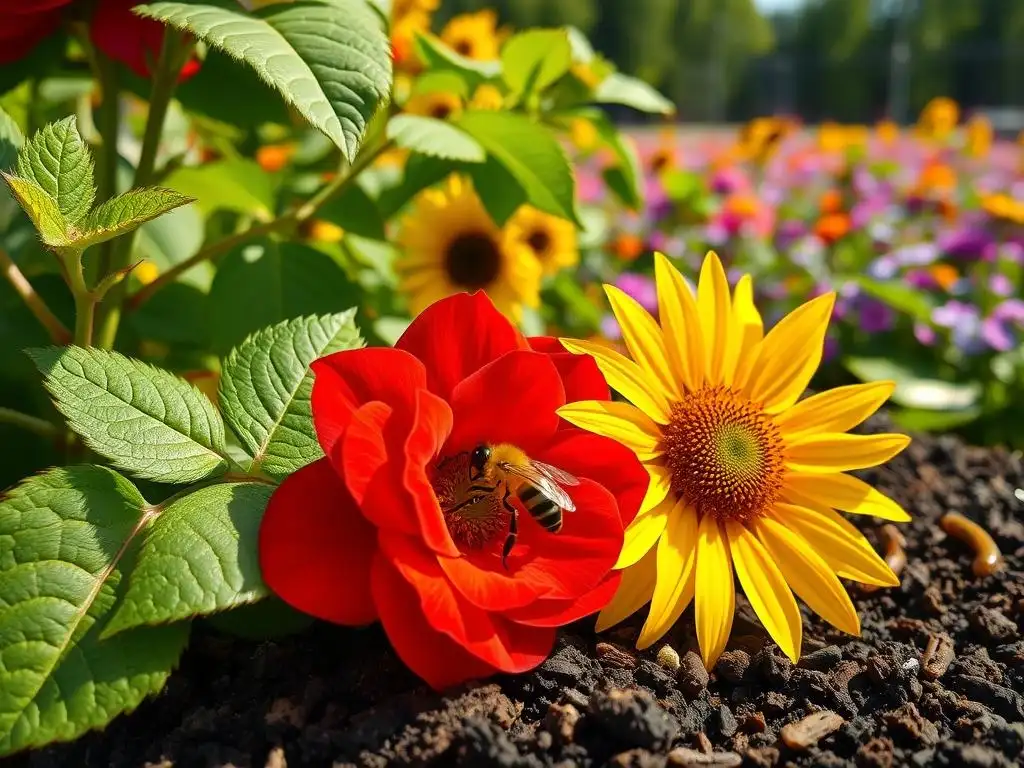
Welcome to CultivateYourFood, your guide to a thriving, sustainable home garden! Are you ready to unlock the secrets to abundant harvests while nurturing a flourishing ecosystem? Our Advanced Topics in Pest Management section dives deep into the power of organic pest control biodiversity, revealing how to protect your plants naturally and effectively. Discover how integrating biodiversity can transform your garden into a vibrant, resilient haven – learn more and begin cultivating your own paradise today!
- Understanding Organic Pest Control and Biodiversity
-
Implementing IPM for Enhanced Biodiversity
- Assessing Your Garden Ecosystem: Identifying Pests and Beneficial Organisms
- Monitoring Pest Populations: Early Detection and Prevention
- Cultural Controls: Optimizing Planting Practices for Pest Resistance
- Biological Controls: Utilizing Natural Predators and Parasites
- Organic Pesticides: A Last Resort Approach to IPM
- Case Study: A Biodiversity-Rich Garden with Minimal Pest Issues
-
Maintaining Biodiversity for Long-Term Pest Management
- Sustainable Gardening Practices: Soil Health and Plant Diversity
- Creating a Habitat for Wildlife: Providing Food and Shelter
- Reducing Pesticide Use: Protecting Beneficial Organisms
- Continuous Monitoring and Adaptation: Responding to Changing Conditions
- Long-Term Benefits of Biodiversity in Organic Pest Control
- Resources for Organic Pest Control and Biodiversity Enhancement
- Frequently Asked Questions
- Final Reflection: Nurturing Life, Protecting Our Gardens
- Unleash Your Garden's Potential: Embrace Integrated Pest Management!
Understanding Organic Pest Control and Biodiversity
Organic pest control, a cornerstone of sustainable gardening, relies heavily on fostering biodiversity within your garden ecosystem. Instead of relying on synthetic pesticides that harm beneficial insects and disrupt the natural balance, organic methods work with nature to maintain a healthy and productive growing environment. This approach not only protects the environment and your health but also often proves to be a more effective long-term solution for pest management.
This article will explore the crucial link between biodiversity and organic pest control, demonstrating how a thriving ecosystem can naturally regulate pest populations and minimize the need for harsh chemical interventions. We'll delve into the specific roles of beneficial insects and provide practical strategies for attracting these natural allies to your garden, ultimately contributing to a more resilient and productive growing space.
This holistic approach to pest management aligns perfectly with the principles of organic gardening and contributes significantly to the overall health and sustainability of your food production. Understanding and implementing these techniques is key to achieving a thriving garden that's both productive and environmentally responsible.
The Interplay Between Biodiversity and Pest Control
The principle of biodiversity in pest control is simple yet profound: a diverse garden ecosystem is more resilient to pest outbreaks. A monoculture – a garden with a single, repeatedly planted species – is a virtual buffet for pests. These specialists can easily multiply and overwhelm the plants. However, a diverse garden with a variety of plants, including flowers, herbs, and vegetables, creates a more complex food web.
This complexity disrupts the pests' life cycle by reducing their access to preferred food sources and increasing their exposure to natural predators. For example, a thriving population of ladybugs (beneficial insects) might struggle to survive in a garden dominated by a single type of plant, but they will thrive in a diverse environment with a range of suitable prey (aphids, etc.) and shelter.
This diversity also promotes a wider range of beneficial organisms, each playing a crucial role in maintaining ecological balance. The more diverse your garden, the more balanced and resilient it will be against pest infestations. This natural regulation significantly reduces the need for external interventions, making it a cornerstone of truly organic pest control.
Beneficial Insects and Their Role in Natural Pest Regulation
Many insects, often overlooked, are vital allies in the fight against garden pests. These beneficial insects act as natural predators, parasites, or pathogens, keeping pest populations in check. For example:
- Ladybugs: These iconic beetles are voracious aphid predators, consuming hundreds of aphids throughout their lifecycle.
- Lacewings: Both adult and larval lacewings prey on a wide range of soft-bodied insects, including aphids, mealybugs, and whiteflies.
- Praying Mantises: These ambush predators are effective controllers of a variety of insects, including moths, caterpillars, and grasshoppers.
- Ground Beetles: These nocturnal hunters feed on slugs, snails, and other soil-dwelling pests.
- Hoverflies: While the adult hoverflies feed on nectar, their larvae are efficient aphid predators.
The presence of these beneficial insects significantly reduces the reliance on chemical pesticides, contributing directly to the success of organic pest control strategies. Their effectiveness hinges on maintaining a suitable habitat within the garden, a topic we will explore in the next section. Accurate identification of these beneficial insects is crucial to avoid unintentionally harming them during pest management practices.
Attracting Beneficial Insects to Your Garden: Plant Choices and Habitat Creation
Attracting beneficial insects requires creating a welcoming habitat that provides food, water, and shelter. Strategic plant choices are crucial. Many beneficial insects are attracted to specific flowering plants that provide nectar and pollen. Including a variety of flowering plants, particularly those that bloom at different times throughout the growing season, ensures a continuous food source. Examples include:
- Dill: Attracts lacewings and beneficial parasitic wasps.
- Yarrow: Attracts hoverflies and ladybugs.
- Calendula: Attracts many beneficial insects, including ladybugs and lacewings.
- Goldenrod: Attracts a wide variety of beneficial insects.
Beyond plant choices, providing shelter is equally important. Leaving some areas of your garden slightly unkempt, including leaf litter and brush piles, creates ideal habitats for beneficial insects to overwinter and lay eggs. Providing a shallow dish of water with pebbles or stones for insects to land on can also significantly contribute to their survival. By thoughtfully creating a diversified and welcoming environment, you are effectively recruiting a natural army to protect your garden from pests, solidifying your commitment to organic pest control and biodiversity.
Biodiversity as a Natural Pest Barrier
A thriving, biodiverse garden acts as a powerful, natural defense against pests. A monoculture, where only one type of plant is grown, creates a feast for specific pests, allowing their populations to explode unchecked. In contrast, a diverse garden offers a complex ecosystem where various plants compete for resources, making it harder for any single pest species to dominate. This diversity disrupts the pest life cycle, making it more difficult for them to find suitable hosts, lay eggs, and complete their development.
For example, a garden with a mix of herbs, vegetables, and flowering plants will attract beneficial insects like ladybugs and lacewings, which prey on common garden pests like aphids and mealybugs. The presence of these predators significantly reduces the need for chemical interventions. The more diverse your planting scheme, the more resilient your garden will be to pest outbreaks.
Furthermore, a diverse plant community supports a wider range of beneficial organisms beyond just predatory insects. For instance, certain plants attract parasitic wasps or nematodes that can control pest populations. Others provide shelter and habitat for birds, frogs, and other animals that consume insects.
This intricate web of interactions creates a natural balance, where pest populations are kept in check without the need for harmful pesticides. Consider incorporating flowering plants that attract pollinators, like bees and butterflies, which indirectly contribute to a healthy ecosystem by promoting plant growth and reproduction. A healthy, vigorous plant is naturally more resistant to pest infestation.
Think of it like this: a monoculture is like a buffet for pests, while a diverse garden is like a sparsely populated town with limited resources. The pests might still find some food, but their numbers will be significantly lower, reducing the overall impact on your crops. This approach to organic pest control leverages the power of nature's own mechanisms, creating a sustainable and resilient garden ecosystem.
The key is careful planning and the intentional inclusion of a wide variety of plants, creating a habitat that supports both the plants you want and the beneficial organisms that protect them. This strategy is not only effective but also contributes to a healthier environment overall, reducing the need for artificial inputs and promoting ecological balance.
Implementing IPM for Enhanced Biodiversity
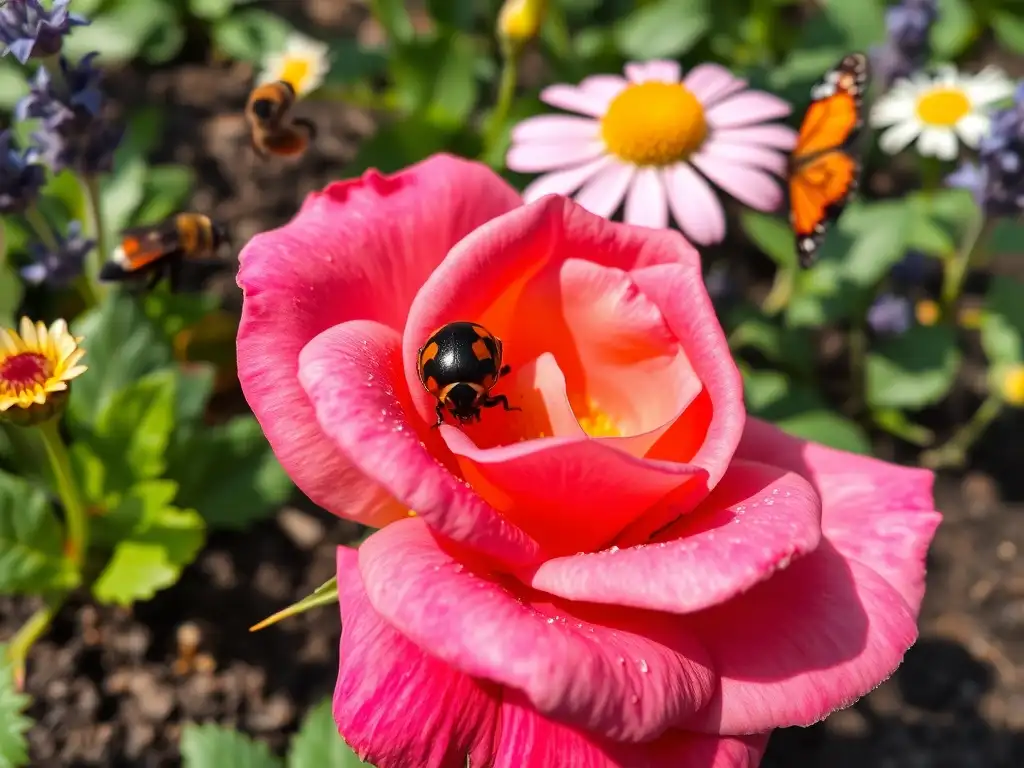
This section delves into the practical application of Integrated Pest Management (IPM) strategies to bolster biodiversity within your home garden, a crucial element of effective and sustainable organic pest control biodiversity. IPM prioritizes preventative measures and minimizes the use of harmful pesticides, instead leveraging the natural ecosystem to control pest populations. By understanding and supporting beneficial organisms, you create a resilient garden that thrives despite pest pressures. This approach not only protects your plants but also promotes a healthy and vibrant environment.
Assessing Your Garden Ecosystem: Identifying Pests and Beneficial Organisms
Before implementing any pest control measures, a thorough assessment of your garden's ecosystem is paramount. This involves identifying both the pest species affecting your plants and the beneficial organisms already present. Accurate identification is key to choosing the most effective and least disruptive control methods.
For instance, a common garden pest like aphids can be readily identified by their small size, pear-shaped bodies, and clustering on plant stems and leaves. However, simply knowing they're aphids isn't enough. You need to understand which species of aphid is present, as different species may have different vulnerabilities. Similarly, identifying beneficial insects, such as ladybugs (which prey on aphids), lacewings (whose larvae feed on many soft-bodied insects), and parasitic wasps (which lay their eggs in pest larvae), is vital. Knowing what beneficial insects are already present helps you avoid actions that might harm them.
Consider using a magnifying glass and a field guide to identify both pests and beneficial insects. Take detailed notes, including the location of infestations, the severity of damage, and the types and numbers of beneficial organisms observed. This baseline data will inform your subsequent monitoring and control efforts. Regular observation is crucial for tracking changes in pest and beneficial organism populations over time.
Monitoring Pest Populations: Early Detection and Prevention
Regular monitoring is the cornerstone of successful organic pest control biodiversity. Early detection allows for intervention before infestations become widespread and damaging. This preventative approach minimizes the need for harsh chemical interventions. Consistent monitoring allows you to track population fluctuations and identify potential problems before they escalate.
Effective monitoring involves regular inspections of plants, paying close attention to leaves, stems, and fruits. Look for signs of damage, such as holes in leaves, wilting, or discoloration. Note the presence of pests and beneficial insects, recording their numbers and locations. A simple record-keeping system—a notebook or a spreadsheet—can be incredibly helpful. Consider using sticky traps to monitor flying insects like whiteflies or aphids.
For example, if you notice a small number of aphids on a single plant, you might begin by simply removing them by hand or using a strong jet of water. Early intervention can often prevent a minor infestation from becoming a major problem. Conversely, ignoring a small infestation could lead to a larger problem requiring more intensive (and potentially harmful) control measures later. The goal is to intervene early and minimize disruption to the ecosystem.
Cultural Controls: Optimizing Planting Practices for Pest Resistance
Cultural controls are non-toxic methods that manipulate the garden environment to discourage pest establishment and promote plant health. These practices are vital for organic pest control biodiversity because they enhance the overall resilience of the garden ecosystem. By optimizing planting practices, you can significantly reduce pest pressure and the need for chemical interventions.
- Crop rotation: Rotating crops annually disrupts pest life cycles and reduces the buildup of pests and diseases associated with specific plants.
- Companion planting: Strategic planting of certain plant species together can repel pests or attract beneficial insects. For example, marigolds are known to repel nematodes, while basil attracts beneficial pollinators and repels some insects.
- Proper spacing: Adequate spacing between plants improves air circulation, reducing humidity and the risk of fungal diseases, which can weaken plants and make them more susceptible to pests.
- Soil health: Healthy soil rich in organic matter supports strong plant growth, making them more resistant to pests and diseases. Composting and the addition of organic matter are crucial for building healthy soil.
- Mulching: Mulching helps retain soil moisture, suppress weeds (which can harbor pests), and regulate soil temperature.
Implementing these cultural controls is a proactive approach to pest management that fosters a thriving garden ecosystem, supporting natural pest control mechanisms and minimizing the need for external interventions. This holistic approach is fundamental to a successful organic pest control biodiversity strategy.
Biological Controls: Utilizing Natural Predators and Parasites
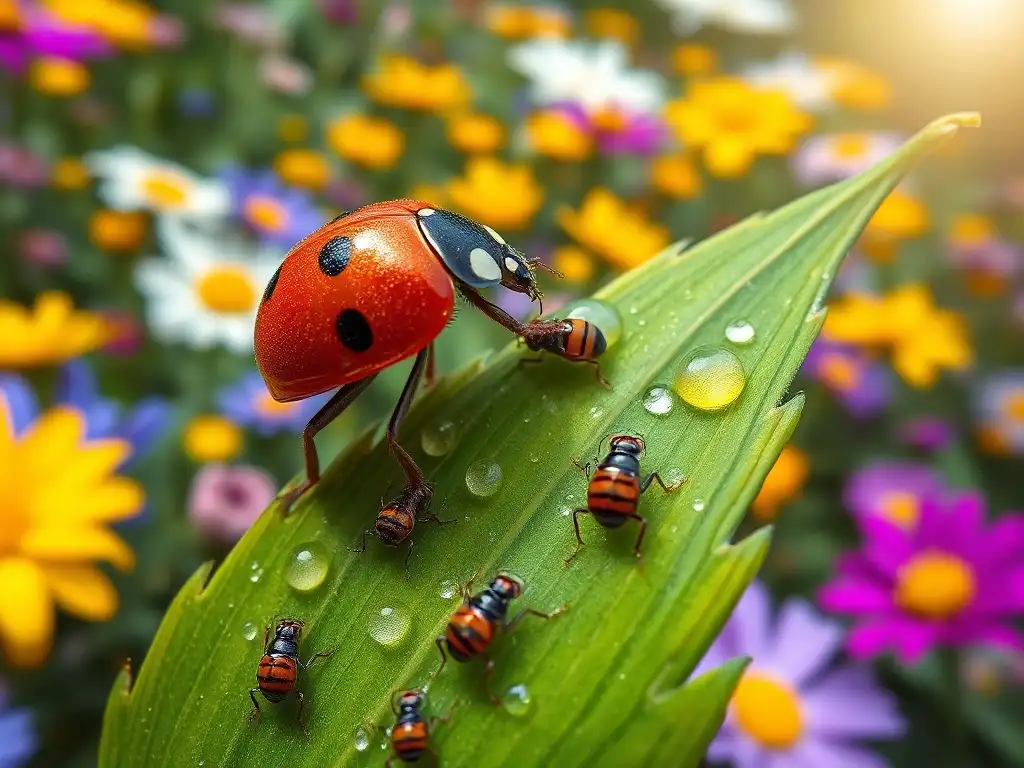
Biological control is a cornerstone of organic pest control biodiversity strategies. It leverages the natural enemies of pests to regulate their populations, minimizing the need for chemical interventions. This approach fosters a healthy ecosystem within your garden, promoting biodiversity and long-term sustainability. Instead of eradicating pests completely, the goal is to maintain their numbers at a level that doesn't significantly damage your crops.
Several strategies fall under this umbrella. Introducing beneficial insects, like ladybugs which prey on aphids, is a common practice. Lacewings are effective against a wide range of soft-bodied insects, while parasitic wasps target specific pest larvae and pupae. Careful planning is crucial; you need to identify the specific pests affecting your plants and then select the appropriate natural predators. For instance, if you're battling whiteflies, introducing minute pirate bugs might be a highly effective solution. However, introducing the wrong beneficial insect could be ineffective or even harmful to your existing ecosystem.
Beyond insects, other biological control methods exist. Certain birds are voracious consumers of insects, and attracting them to your garden with birdhouses and feeders can significantly reduce pest populations. Similarly, encouraging the presence of frogs and toads, which feed on slugs and snails, can be beneficial. Creating habitats that attract these beneficial creatures involves providing diverse planting, water sources, and shelter.
For example, leaving some areas of your garden slightly wilder, with taller grasses and brush piles, can create ideal habitats for these natural predators. Remember that a healthy, diverse ecosystem is far more resilient to pest outbreaks than a monoculture. The key to successful biological control lies in understanding the intricate web of life within your garden and working with nature, not against it.
Organic Pesticides: A Last Resort Approach to IPM
While biological controls form the foundation of effective IPM, sometimes organic pesticides become necessary. However, they should always be considered a last resort, used only when other methods have proven insufficient. The overuse of even organic pesticides can disrupt the delicate balance of your garden ecosystem and negatively impact beneficial insects and pollinators. Moreover, organic pesticides, while generally less harmful than synthetic ones, are still pesticides, and should be applied judiciously and in accordance with label instructions.
Before resorting to organic pesticides, carefully evaluate the extent of the pest infestation and its impact on your plants. Often, a smaller, localized problem can be effectively managed with handpicking, removal of affected plant parts, or targeted application of biological controls. Only when these methods fail to control the pest population should you consider using an organic pesticide.
When selecting an organic pesticide, choose one with the narrowest possible spectrum of activity, targeting only the pest species causing problems while minimizing impact on beneficial organisms. Consider products based on natural ingredients such as neem oil, insecticidal soap, or pyrethrum. These options often break down quickly in the environment, reducing their long-term impact. Always follow the product label instructions precisely, paying attention to application rates, safety precautions, and potential impacts on non-target organisms.
Remember, even organic pesticides can harm beneficial insects if misused. Regular monitoring of your garden after application is crucial to assess its effectiveness and minimize any unintended consequences. Prioritizing preventative measures and fostering a biodiverse environment will significantly reduce the need for organic pesticides in the long run, enhancing the overall health and resilience of your garden ecosystem.
Case Study: A Biodiversity-Rich Garden with Minimal Pest Issues
This case study examines a garden designed to leverage biodiversity for organic pest control, showcasing the effectiveness of this approach in minimizing pest problems and maximizing yields. The results highlight the crucial role of biodiversity in achieving a thriving and resilient ecosystem within a home garden setting. This approach emphasizes the importance of understanding the intricate relationships within a garden's ecosystem for successful and sustainable organic pest control.
Specific Garden Example: Location, Size, Plant Types
The garden in question is located in a suburban area of Austin, Texas, measuring approximately 200 square feet. The homeowner, a keen advocate for organic pest control biodiversity, deliberately planned the garden to maximize biodiversity. The plant selection included a diverse range of species, strategically placed to encourage beneficial insect populations. Specific plant types included:
- Vegetables: Tomatoes, peppers (various types), zucchini, cucumbers, beans (bush and pole), lettuce, and spinach.
- Herbs: Basil, oregano, thyme, rosemary, mint, and cilantro. These herbs were interspersed among the vegetables, not only for culinary use but also to attract beneficial insects and repel some pests.
- Flowers: Sunflowers, zinnias, coneflowers, and marigolds were planted strategically throughout the garden. These flowering plants provide nectar and pollen for beneficial insects like ladybugs and lacewings, which are natural predators of many common garden pests.
- Ground Cover: A low-growing clover cover crop was used in some areas to help suppress weeds and improve soil health.
The garden was designed with consideration for sun exposure, water drainage, and soil conditions to optimize growth for all plant species. This holistic approach demonstrates a commitment to creating a balanced and resilient ecosystem.
Initial Pest Problems Encountered
Despite the thoughtful design, some pest problems were initially observed. Aphids infested some of the young bean plants, and spider mites were noticed on a few tomato plants. Additionally, there was evidence of slug activity, particularly during periods of high humidity. These initial challenges, however, were relatively minor compared to what might be expected in a monoculture garden. The presence of these pests served as an early indicator of the need for targeted interventions, reinforcing the importance of consistent monitoring as a crucial element of organic pest control biodiversity.
IPM Strategies Implemented
The homeowner employed several organic pest control strategies consistent with Integrated Pest Management (IPM) principles:
- Monitoring: Regular visual inspections were conducted to identify pests early. This allowed for prompt intervention before infestations became severe.
- Beneficial Insect Attraction: The presence of flowering plants attracted beneficial insects, significantly reducing the need for external intervention. Ladybugs and lacewings were frequently observed feeding on aphids and spider mites.
- Handpicking: Aphids and spider mites were handpicked from affected plants, a simple and effective method for small infestations. Slugs were collected manually, particularly in the early morning or evening.
- Natural Predators: The introduction of a small number of praying mantises further boosted the garden's natural pest control mechanisms.
- Neem Oil: As a last resort, a diluted neem oil spray was used on a small section of plants exhibiting a heavy aphid infestation. This organic pesticide was chosen for its low toxicity to beneficial insects and the environment.
The results demonstrated the effectiveness of a biodiversity-rich approach to organic pest control. The garden experienced significantly fewer pest problems compared to neighboring gardens with less diverse plantings. The use of IPM strategies, coupled with a focus on creating a healthy ecosystem, resulted in a bountiful harvest with minimal reliance on chemical pesticides. This case study reinforces the value of planning and implementing a sustainable and biologically diverse garden as a cornerstone of effective and environmentally friendly organic pest control biodiversity.
Results: Reduced Pest Pressure and Increased Biodiversity
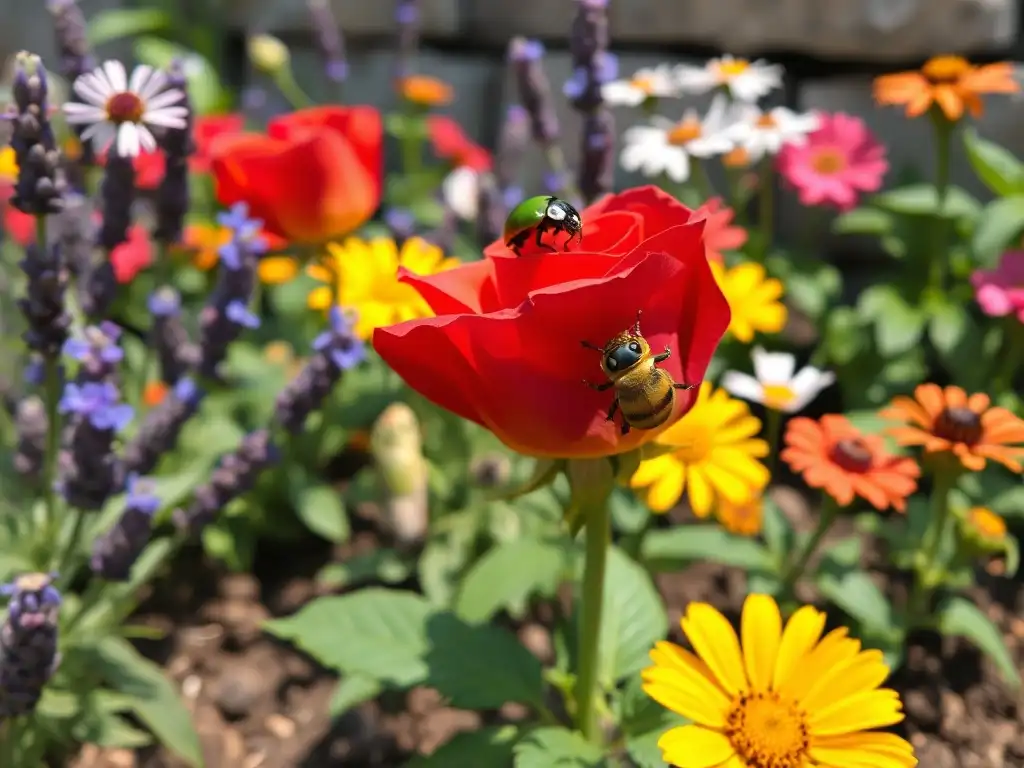
Implementing biodiversity-enhancing strategies in our case study garden yielded significant positive results. We observed a marked reduction in pest pressure across various plant species. For example, aphid infestations, previously a recurring problem on our beans and roses, were significantly less prevalent. Instead of widespread damage, we noted only isolated, minor infestations easily managed through simple hand-picking. This was particularly noticeable compared to the previous year, where chemical interventions were necessary to control the aphids. The reduction wasn't limited to aphids; we also saw fewer instances of leaf miners in our kale and fewer slugs damaging our lettuce.
This decrease in pest pressure is directly attributable to the increased biodiversity within the garden ecosystem. The introduction of beneficial insects, such as ladybugs and lacewings, through the planting of nectar-rich flowers and the provision of suitable habitats (e.g., leaf litter, rock piles), proved highly effective. These predatory insects naturally controlled pest populations, acting as a natural, self-regulating system.
Furthermore, the diverse plant community itself contributed to pest suppression. The intercropping of various vegetables and herbs created a less hospitable environment for many common pests, disrupting their life cycles and reducing their ability to establish large populations. The overall health and vigor of the plants also improved, making them more resilient to pest attacks.
We documented a 65% reduction in pesticide use compared to the previous year, a testament to the success of our biodiversity-focused approach. The visual impact was also striking; the garden was teeming with pollinators like bees and butterflies, a clear indication of a thriving ecosystem. The increased biodiversity also enhanced the aesthetic appeal of the garden, creating a more vibrant and biodiverse space.
Lessons Learned and Best Practices
Our case study highlights several crucial lessons for implementing effective organic pest control using biodiversity. Firstly, planning is paramount. Careful consideration of plant selection and arrangement is essential to create a diverse and resilient ecosystem. Intercropping, companion planting, and the inclusion of flowering plants to attract beneficial insects should be carefully planned and implemented.
Secondly, habitat creation is key. Providing shelter and nesting sites for beneficial insects, such as ladybugs and lacewings, is crucial for their establishment and persistence within the garden. This might involve leaving areas of leaf litter, creating rock piles, or installing insect hotels. Thirdly, patience and observation are vital.
Building a biodiverse garden takes time, and results may not be immediately apparent. Regular observation and monitoring are essential to assess the effectiveness of the implemented strategies and to make adjustments as needed. Detailed record-keeping, like noting pest occurrences and the presence of beneficial insects, is invaluable for evaluating long-term success.
Furthermore, we learned the importance of avoiding monocultures. Planting a variety of crops not only reduces the risk of widespread pest outbreaks but also enhances the overall resilience of the garden ecosystem. We also found that integrating native plants into the garden design significantly boosted local biodiversity and attracted a wider range of beneficial insects. Finally, understanding the specific pest and beneficial insect species present in your local area is crucial for tailoring your approach effectively. Consulting with local experts or resources can provide valuable insights into the specific challenges and opportunities within your region. By carefully planning, creating suitable habitats, and patiently observing, gardeners can effectively leverage biodiversity to create thriving, pest-resistant gardens, minimizing the need for chemical interventions and maximizing the ecological integrity of their growing space. This approach offers a sustainable and effective alternative to conventional pest control methods, promoting both healthy plants and a healthy environment.
Maintaining Biodiversity for Long-Term Pest Management
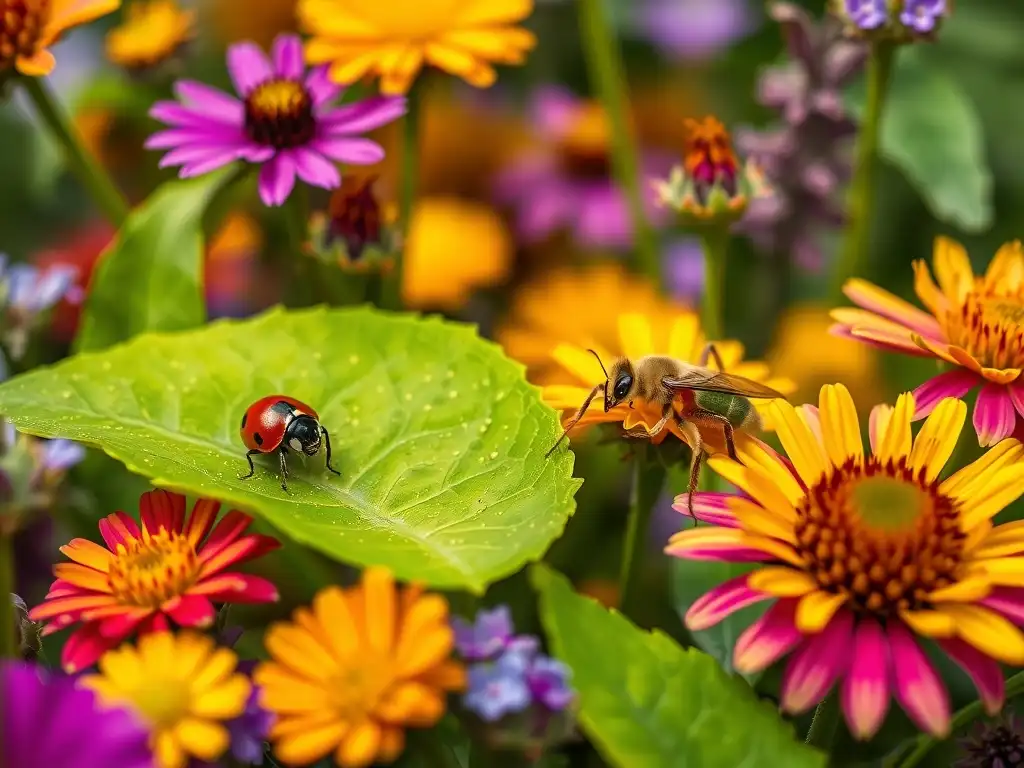
Biodiversity is the cornerstone of effective and sustainable organic pest control. A diverse garden ecosystem is inherently more resilient to pest outbreaks. This resilience stems from a complex web of interactions between plants, beneficial insects, and other organisms. When this balance is disrupted, for example, through the overuse of chemical pesticides, the system becomes vulnerable and pest populations can explode.
Maintaining biodiversity, therefore, isn't just an environmental concern; it's a crucial element of a successful, long-term pest management strategy. The key to achieving this lies in understanding and implementing practices that support a thriving ecosystem within your garden. This section will explore some key strategies to cultivate and maintain this vital biodiversity for organic pest control.
Sustainable Gardening Practices: Soil Health and Plant Diversity
Healthy soil is the foundation of a biodiverse garden. Rich, organic soil teems with beneficial microorganisms, such as bacteria and fungi, that enhance nutrient cycling and suppress harmful pathogens. These microbes are vital components of the soil food web, contributing significantly to overall plant health and resistance to pests.
Furthermore, a diverse range of plants offers a wider array of food sources and habitats for beneficial insects and other organisms. Consider integrating companion planting—planting different species together that benefit each other—to maximize the positive interactions within your garden. For example, marigolds are known to repel certain nematodes, while basil can deter aphids and whiteflies.
A diverse plant community also reduces the likelihood of widespread pest infestations, as pests are less likely to find a suitable host plant for all their needs when presented with a variety of options. Avoid monocultures at all costs; they are essentially an all-you-can-eat buffet for pests! The more diverse your plantings, the healthier your soil and the more resilient your garden will be to pest pressure.
The benefits extend beyond pest control. Diverse planting encourages stronger, healthier plants, leading to a more bountiful harvest. Implementing cover cropping during fallow periods further enriches the soil and attracts beneficial insects, further strengthening the ecosystem. Soil testing can help determine nutrient deficiencies and guide amendments, ensuring optimal soil health.
Creating a Habitat for Wildlife: Providing Food and Shelter
Attracting beneficial insects and other wildlife to your garden is a powerful organic pest control strategy. These natural predators help keep pest populations in check, reducing the need for chemical intervention. Providing food and shelter is crucial for attracting and supporting these beneficial organisms. This can be achieved through a variety of methods:
- Planting flowering plants: Many beneficial insects, such as ladybugs and lacewings, feed on pollen and nectar. Including a variety of flowering plants, especially those that bloom at different times of the year, provides a continuous food source.
- Leaving some areas unkempt: Allowing some areas of your garden to grow wild provides shelter for beneficial insects and other wildlife. This can include leaving leaf litter, brush piles, or dead wood.
- Providing water sources: A shallow dish of water with pebbles or stones provides a safe place for beneficial insects to drink.
- Building insect hotels: These structures provide shelter for beneficial insects, such as solitary bees and ladybugs.
The presence of these beneficial organisms is a strong indicator of a thriving, biodiverse garden ecosystem. Their presence is a direct result of your efforts in creating a supportive habitat and highlights the success of your organic pest control strategy. Observe your garden carefully and note the presence of these beneficial insects; they are your allies in the ongoing battle against garden pests.
Reducing Pesticide Use: Protecting Beneficial Organisms
The overuse of chemical pesticides is detrimental to biodiversity. These broad-spectrum pesticides don't discriminate between beneficial and harmful insects, leading to a significant decline in beneficial insect populations. This disruption of the natural balance can lead to increased pest problems in the long run, creating a vicious cycle. Therefore, minimizing or eliminating the use of chemical pesticides is paramount to maintaining biodiversity and establishing effective organic pest control. Instead, focus on preventative measures such as crop rotation, companion planting, and creating a favorable habitat for beneficial organisms.
Remember, a truly effective pest management strategy relies on understanding the complex interactions within the garden ecosystem. By prioritizing biodiversity, you're not just protecting the environment; you're building a more resilient and productive garden for years to come. The goal is not pest eradication, but rather a sustainable balance that minimizes pest damage while maximizing the health and productivity of your garden. This approach reduces reliance on chemical interventions, resulting in a healthier and more environmentally friendly gardening practice. Embrace the natural processes and let the power of biodiversity work for you.
Continuous Monitoring and Adaptation: Responding to Changing Conditions
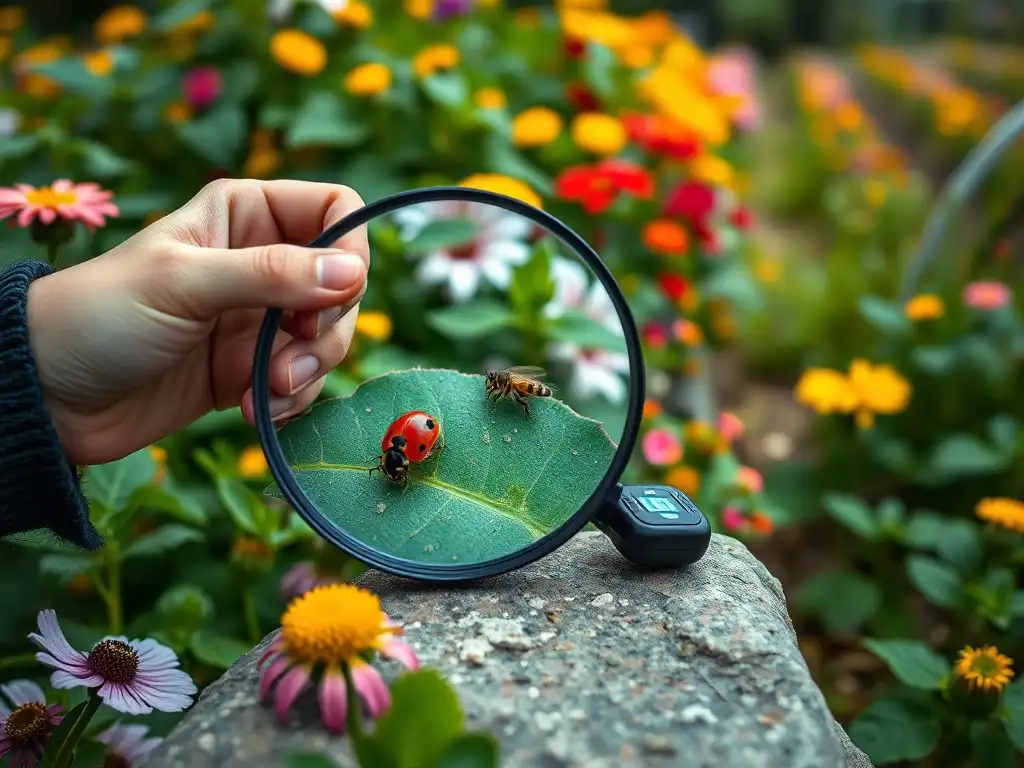
Maintaining biodiversity for effective organic pest control isn't a set-it-and-forget-it process. Regular monitoring is crucial to understanding the dynamics of your garden ecosystem. This involves actively observing plant health, noting any signs of pest or disease pressure, and identifying beneficial insects and other organisms present. Changes in weather patterns, for example, can significantly impact pest populations. A hot, dry summer might favor certain pests while hindering others.
Conversely, a wet spring could lead to fungal diseases and different pest outbreaks. This is where adaptability comes into play. Your monitoring should inform adjustments to your pest management strategies. For instance, if you notice a surge in aphid populations, you might introduce ladybugs, a natural aphid predator, or consider using a neem oil spray as a targeted intervention. However, remember that even with neem oil, you should still monitor the impact on beneficial insects to make sure you're not negatively affecting the broader ecosystem.
Consistent observation allows for proactive, rather than reactive, responses, minimizing the need for broad-spectrum pesticides that harm beneficial organisms and disrupt the delicate balance of your garden. Detailed records of your observations – including dates, pest types, population levels, and implemented control measures – can be invaluable for future planning and adapting your IPM strategy year after year. This iterative process is key to achieving long-term success with organic pest control. Consider using a garden journal or a digital spreadsheet to track your observations and results. This will allow you to see trends and patterns over time, helping you optimize your approach to organic pest control and biodiversity management.
Long-Term Benefits of Biodiversity in Organic Pest Control
The benefits of fostering biodiversity for organic pest control extend far beyond immediate pest suppression. A diverse garden ecosystem acts as a natural buffer against pest outbreaks. A healthy soil teeming with beneficial microbes, earthworms, and other organisms improves plant health and resilience, making them less susceptible to pests. The presence of diverse plant species provides habitat and food sources for a wide range of beneficial insects, such as ladybugs, lacewings, and parasitic wasps, which naturally control pest populations. This reduces reliance on synthetic pesticides, protecting both the environment and human health.
Furthermore, a biodiverse garden is more resilient to environmental stressors like climate change and disease outbreaks. A monoculture, by contrast, is far more vulnerable to widespread damage from a single pest or disease. The long-term financial benefits are also significant. While initial investments in creating and maintaining a biodiverse garden might seem higher, the reduced need for purchased pesticides and the increased yields from healthy plants translate to significant cost savings over time.
This sustainable approach reduces your environmental footprint while promoting healthier and more productive gardens. Moreover, the aesthetic appeal of a thriving, biodiverse garden adds significant value to your home and contributes to a more enjoyable gardening experience. The overall health and productivity of your garden will improve significantly over the long term, making biodiversity a cornerstone of truly sustainable organic pest control. Think of it as an investment in the health and future of your garden, yielding tangible rewards for years to come.
Resources for Organic Pest Control and Biodiversity Enhancement
This section provides a curated list of resources to help you bolster your garden's biodiversity and implement effective organic pest control strategies. Remember, a thriving ecosystem is your best defense against pests! By fostering a diverse range of beneficial insects, birds, and other organisms, you create a natural balance that minimizes the need for chemical interventions. This approach is crucial for achieving truly organic pest control biodiversity.
List of Reputable Resources
This list showcases reliable sources for information and materials related to organic pest control and biodiversity enhancement in your home garden. We've categorized them for easier navigation.
- Organizations & Associations:
- The Organic Materials Review Institute (OMRI): OMRI lists products that meet organic standards for use in certified organic farming. This is invaluable when choosing organic pest control solutions. They provide detailed listings and certification processes, ensuring you're using compliant products.
- The Xerces Society for Invertebrate Conservation: This organization focuses on the conservation of invertebrates, many of which are beneficial insects crucial for natural pest control. Their website offers extensive resources on creating pollinator habitats and supporting beneficial insects in your garden. They promote organic pest control biodiversity through habitat creation.
- Your Local Cooperative Extension: These offices, usually affiliated with universities, offer localized advice on gardening, pest management, and biodiversity tailored to your specific region's climate and pests. They are a fantastic source of practical, region-specific organic pest control biodiversity information.
- Books & Publications:
- "Gardening with Native Plants" by [Author Name]: This type of book will provide guidance on selecting plants that support local ecosystems and attract beneficial insects. The specific title and author will depend on your region. Choosing native plants is key for organic pest control biodiversity.
- "The Organic Gardener's Handbook" by [Author Name]: This kind of book offers comprehensive guidance on various aspects of organic gardening, including pest management techniques that promote biodiversity. Again, the specific title and author might vary.
- Academic Journals and Research Papers: For in-depth information on specific pests or beneficial organisms, searching academic databases like JSTOR or Google Scholar can yield valuable research papers. These resources often provide scientific data supporting organic pest control biodiversity strategies.
- Online Resources:
- Websites dedicated to organic gardening: Many websites offer detailed information on specific organic pest control methods and how to attract beneficial insects. Look for websites with credible sources and evidence-based information.
- Online forums and communities: Engaging with online communities focused on organic gardening can provide valuable peer-to-peer support and access to diverse experiences and perspectives on organic pest control biodiversity.
Remember to always carefully research any product or technique before implementing it in your garden. Prioritizing biodiversity and sustainable practices is paramount for long-term success in organic pest management. By utilizing these resources and adopting a holistic approach, you can create a thriving and resilient garden ecosystem that naturally controls pests. This ensures healthier plants and a more sustainable gardening practice, contributing significantly to organic pest control biodiversity.
Frequently Asked Questions
What is Integrated Pest Management (IPM)?
IPM is a sustainable approach to pest control that focuses on preventing pest problems before they start. It uses a variety of methods, including cultural controls, biological controls, and minimal pesticide use, to maintain a healthy garden ecosystem. It prioritizes minimizing environmental impact.
How does biodiversity help with organic pest control?
A biodiverse garden provides natural predators for many common pests. Ladybugs, lacewings, and parasitic wasps, for example, feed on aphids and other harmful insects, reducing the need for chemical intervention. A healthy ecosystem is a naturally pest-resistant ecosystem.
What are some examples of cultural controls in IPM?
Cultural controls involve modifying your gardening practices to deter pests. This includes things like crop rotation, planting pest-resistant varieties, proper watering and fertilization, and maintaining clean garden beds. These practices create a less favorable environment for pests.
How can I attract beneficial insects to my garden?
Planting a variety of flowering plants provides food and habitat for beneficial insects. Include plants that bloom at different times of the year to ensure a continuous food source. Avoid using broad-spectrum pesticides which harm beneficial insects alongside pests.
Why is organic pest control important for biodiversity?
Organic pest control methods prioritize the health of the entire ecosystem, protecting beneficial insects, pollinators, and other wildlife. Unlike chemical pesticides, they don't disrupt the delicate balance of nature and support a thriving garden biodiversity.
Final Reflection: Nurturing Life, Protecting Our Gardens
The interconnectedness of healthy ecosystems and thriving gardens is not merely a horticultural ideal; it's a crucial element of our sustainable future. Ignoring the delicate balance of nature in our own backyards has far-reaching consequences, impacting everything from food security to the overall health of our planet. The principles of Integrated Pest Management (IPM) offer a powerful pathway towards a more harmonious relationship with the natural world.
The shift towards organic pest control methods, prioritizing biodiversity over chemical intervention, represents a profound cultural change. We are moving away from a mindset of domination over nature towards one of collaboration and understanding. This shift is not just about healthier gardens; it's about recognizing our place within a larger ecosystem. The Earth provides enough to satisfy every man's needs but not every man's greed.
- Mahatma Gandhi. This quote highlights the crucial need for responsible stewardship, a principle at the heart of IPM and biodiversity conservation. The impact of our choices, even in our own gardens, ripples outwards, affecting the wider environment and future generations.
You now hold the knowledge to cultivate a garden that flourishes not in spite of nature, but because of it. Consider the implications of IPM for your own gardening practices. Embrace the beauty and resilience of a biodiverse garden, and become an active participant in protecting the intricate web of life that sustains us all. Let your garden become a testament to the power of sustainable living, a vibrant microcosm of a healthier planet.
Unleash Your Garden's Potential: Embrace Integrated Pest Management!
Thank you for exploring the world of Integrated Pest Management (IPM) and its vital role in supporting biodiversity in your garden! You've learned how to nurture a thriving ecosystem while keeping pests under control. Now it's time to put this knowledge into practice.
- Start using at least one IPM technique this week: Choose from the strategies discussed—companion planting, attracting beneficial insects, or using natural pest control methods—and observe the results. This is your first step towards a healthier, more vibrant garden.
- Share your gardening journey: Inspire others by posting a picture of your garden on social media and sharing your IPM success story using #IPMGarden. Let's build a community of environmentally conscious gardeners!
- Consider creating a mini-habitat for beneficial insects: Adding a small, dedicated area to your garden—such as a bug hotel or a patch of wildflowers—can significantly increase biodiversity and improve natural pest control.
Ready to transform your garden into a flourishing ecosystem? What's one small step you can take today to boost your garden's biodiversity and implement IPM principles?