
IPM for Cucumber Beetles: Strategies for Your Cucurbit Crops

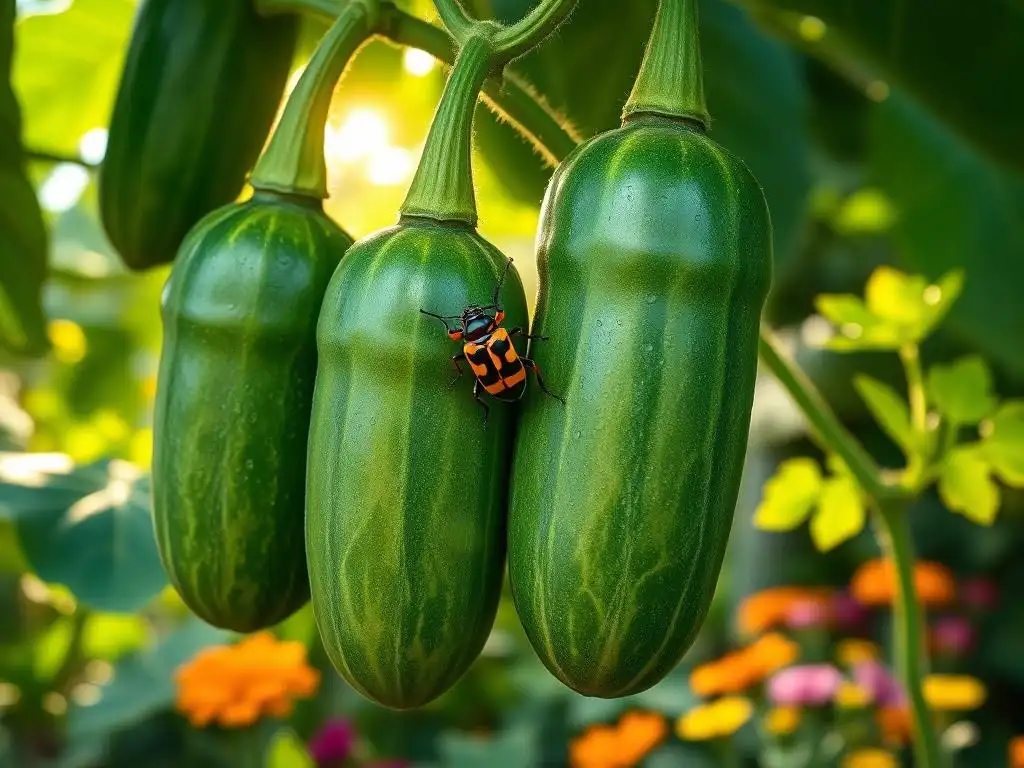
Welcome to CultivateYourFood, your guide to a thriving home garden! Are you ready to unlock the secrets to a bountiful harvest, free from harmful pesticides? Then dive into our Advanced Topics in Pest Management section, where we tackle the challenges of organic gardening head-on. This time, we're focusing on a common nemesis: learn effective organic cucumber beetle control strategies and protect your cucurbit crops – discover how to keep your cucumbers thriving naturally!
- Understanding Cucumber Beetles and Their Impact on Cucurbit Crops
- Implementing Organic Cucumber Beetle Control Strategies: An IPM Approach
- Using Organic Pesticides for Cucumber Beetle Control (When Necessary)
- Monitoring and Prevention: Key to Long-Term Success
- Case Study: Successful IPM Implementation in a Home Garden
- Resources for Further Learning on Organic Cucumber Beetle Control
-
Frequently Asked Questions
- What are cucumber beetles and why are they a problem?
- What is IPM, and how does it apply to organic cucumber beetle control?
- What cultural controls can I use to deter cucumber beetles?
- What are some examples of biological controls for cucumber beetles?
- Are there any organic pesticides effective against cucumber beetles?
- Final Reflection: Cultivating a Sustainable Future, One Cucumber at a Time
- Unleash Your Cucumber's Potential: Beat the Beetles!
Understanding Cucumber Beetles and Their Impact on Cucurbit Crops
Cucumber beetles, the bane of many a home gardener's existence, pose a significant threat to cucurbit crops – including cucumbers, squash, melons, and pumpkins. These tiny pests, with their voracious appetites and disease-carrying capabilities, can decimate a harvest if left unchecked. This article will explore effective, organic cucumber beetle control strategies using Integrated Pest Management (IPM) principles.
We will delve into the identification, life cycle, and damage inflicted by these insects, equipping you with the knowledge to protect your precious cucurbit plants and achieve a bountiful, sustainable harvest. Successfully implementing organic cucumber beetle control is crucial for maintaining the health of your garden and ensuring the safety of your produce. Let's learn how to combat these pests effectively without resorting to harmful chemicals.
Identifying Cucumber Beetles: Striped vs. Spotted
Two main species wreak havoc on cucurbit crops: the striped cucumber beetle ( Acalymma vittatum) and the spotted cucumber beetle ( Diabrotica undecimpunctata howardi). Knowing how to distinguish between them is crucial for targeted pest management.
The striped cucumber beetle is easily identified by its distinctive yellow-green body and three longitudinal black stripes running down its back. They are approximately 1/4 inch long.
The spotted cucumber beetle is similarly sized but has a more yellowish-green to pale green body adorned with eleven black spots (though these can sometimes be difficult to see clearly).
Understanding these subtle differences helps in accurate assessment of the pest population and aids in tailoring control strategies. Accurate identification is the first step in effective organic cucumber beetle control.
Lifecycle of Cucumber Beetles: From Egg to Adult
Understanding the lifecycle of cucumber beetles is essential for effective IPM. The process generally unfolds as follows:
- Eggs: Adult females lay eggs in the soil near the base of cucurbit plants. These eggs are small, oval, and yellowish-white.
- Larvae: After hatching, the larvae feed on roots, causing damage that can stunt plant growth. This root feeding is often overlooked, but contributes significantly to overall plant health.
- Pupae: The larvae eventually pupate in the soil, transforming into adult beetles.
- Adults: Adult beetles emerge and begin feeding on leaves, stems, flowers, and fruits, causing significant damage and transmitting diseases. This is the stage where visible damage is most apparent, often leading gardeners to seek organic cucumber beetle control.
This understanding allows for strategic interventions at various stages of the lifecycle, maximizing the effectiveness of organic control methods. For instance, targeting eggs and larvae through soil management can significantly reduce adult populations.
Damage Caused by Cucumber Beetles: Leaf Damage, Fruit Damage, Disease Transmission
Cucumber beetles cause considerable damage to cucurbit plants in several ways:
- Leaf Damage: Adult beetles feed on leaves, creating holes and skeletonizing foliage. Severe infestations can lead to significant leaf loss, hindering photosynthesis and plant growth. This is often one of the first noticeable signs prompting gardeners to seek organic cucumber beetle control solutions.
- Fruit Damage: Adult beetles also feed on young fruit, causing scarring and blemishes that render the produce unmarketable. The damage can lead to fruit rot and further losses.
- Disease Transmission: Perhaps the most insidious damage caused by cucumber beetles is their role in transmitting bacterial wilt, a devastating disease that can kill cucurbit plants quickly. They act as vectors, carrying the bacteria from infected plants to healthy ones.
The cumulative effect of leaf damage, fruit damage, and disease transmission can significantly reduce crop yields and compromise the quality of the harvest. Therefore, proactive and effective organic cucumber beetle control is paramount for successful cucurbit cultivation.
Economic Thresholds for Cucumber Beetle Infestations
Determining the economic threshold for cucumber beetle infestations is crucial for effective organic cucumber beetle control. This threshold represents the pest population density at which the cost of control measures equals the potential economic loss from the infestation. Simply put, it's the point where intervention becomes financially worthwhile. This threshold isn't a fixed number, however, and varies significantly based on several key factors.
One critical factor is the crop's value. High-value crops, such as those destined for farmers' markets or specialty grocery stores, might justify intervention at lower pest densities than lower-value crops grown for personal consumption. The anticipated market price of the cucurbits directly influences the economic threshold. For example, a farmer expecting high prices for their organic cucumbers might implement control measures at a lower beetle density than one anticipating lower market prices.
Another significant factor is the crop's growth stage. Young seedlings are far more susceptible to damage from cucumber beetles than mature plants. Consequently, the economic threshold is often lower for young plants, requiring earlier intervention to prevent significant yield losses. The vulnerability of seedlings means that even a small number of beetles can cause considerable harm, necessitating prompt action.
Furthermore, the availability and cost of organic control methods play a vital role. If effective and affordable organic control options are readily available, the economic threshold might be set higher, as the cost of intervention is lower. Conversely, if effective organic control is expensive or difficult to implement, the threshold might be lower to justify the investment. The cost-benefit analysis is a critical component in setting the economic threshold.
Finally, the anticipated yield loss due to the infestation is paramount. Accurate estimations of this loss, considering factors like beetle density, crop stage, and environmental conditions, are essential for calculating the economic threshold. This involves careful monitoring of beetle populations and assessment of plant damage throughout the growing season. Detailed record-keeping is crucial for future decision-making and refining the economic threshold for specific situations. Without precise data on yield loss, determining the optimal moment to intervene remains challenging. Reliable yield predictions, coupled with accurate cost estimations of control methods, are essential for informed decision-making.
Implementing Organic Cucumber Beetle Control Strategies: An IPM Approach
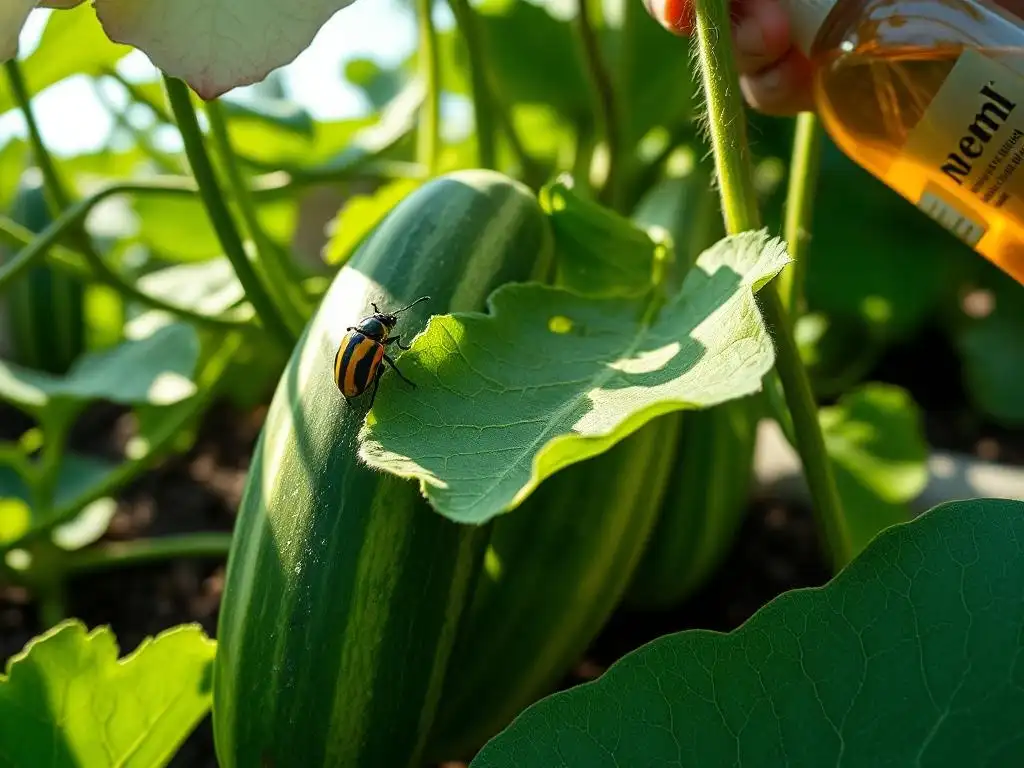
This section delves into the practical application of Integrated Pest Management (IPM) for effectively managing cucumber beetles in your cucurbit crops, focusing on organic and sustainable methods. Remember, the goal of IPM is to minimize pesticide use while maximizing crop protection. This approach prioritizes preventative measures and utilizes a multi-pronged strategy to control cucumber beetle populations effectively. By combining several techniques, you can significantly reduce the reliance on chemical interventions and promote a healthier growing environment. This holistic approach to organic cucumber beetle control is crucial for maintaining soil health and biodiversity in your garden.
Cultural Controls for Cucumber Beetle Management: Crop Rotation, Sanitation, and Mulching
Cultural controls are foundational to any successful IPM program. They focus on manipulating the growing environment to discourage cucumber beetle infestation and improve plant health. Let's explore three key cultural practices:
- Crop Rotation: Rotating your crops annually is a powerful preventative strategy. Cucumber beetles often overwinter in the soil near their host plants. By planting non-cucurbit crops (e.g., legumes, brassicas) in the same area the following year, you disrupt their life cycle and reduce the initial population of beetles in the spring. A well-planned rotation can significantly decrease the risk of infestation.
- Sanitation: Thorough garden cleanup at the end of the growing season is critical. Remove all plant debris, including fallen leaves and stems, as these can harbor overwintering beetles and their eggs. Proper disposal (composting at high temperatures or discarding in sealed bags) prevents the beetles from re-infesting your garden the following year. This diligent sanitation is a crucial aspect of organic cucumber beetle control.
- Mulching: Applying a thick layer of mulch (straw, wood chips, or organic matter) around your cucurbit plants provides several benefits. It acts as a physical barrier, hindering beetle movement and egg-laying. Mulch also helps regulate soil moisture and temperature, creating a less favorable environment for beetle development. Furthermore, it can suppress weed growth, reducing competition for resources and improving overall plant vigor. The type of mulch should be chosen based on your specific climate and soil conditions.
Biological Controls for Organic Cucumber Beetle Control: Beneficial Insects and Nematodes
Biological controls utilize natural predators and parasites to manage pest populations. Several beneficial insects and nematodes can help control cucumber beetles:
- Beneficial Insects: Ladybugs, lacewings, and certain species of parasitic wasps prey on cucumber beetle eggs and larvae. Encouraging their presence in your garden through habitat creation (planting flowering plants that attract them) can significantly reduce beetle populations. This natural approach to organic cucumber beetle control is highly effective and environmentally friendly. Introducing these beneficial insects early in the growing season is key for optimal results.
- Nematodes: Certain species of nematodes are parasitic to cucumber beetles, attacking them at the larval stage. These microscopic worms can be purchased and applied to the soil, providing an effective biological control method. However, the effectiveness of nematodes can vary depending on soil conditions and temperature. Detailed instructions on application and optimal environmental conditions should be carefully followed. [Specific nematode species and application rates pending]
Physical Controls for Cucumber Beetle Prevention: Row Covers and Handpicking
Physical controls offer direct, immediate protection against cucumber beetles. Two effective methods are:
- Row Covers: Floating row covers, made from lightweight fabric, create a physical barrier preventing adult beetles from accessing your plants. These covers must be carefully placed over seedlings and young plants early in the season, providing protection during the most vulnerable stage of growth. Remember to remove the covers for pollination if your plants require insect pollination. This method is especially effective in preventing initial infestations.
- Handpicking: For small gardens or localized infestations, handpicking adult beetles can be a very effective control. This can be done early in the morning or late in the evening when the beetles are less active. Collect the beetles in a container of soapy water to eliminate them. While labor-intensive, this method is highly effective and avoids the use of any chemicals. Consistent handpicking can significantly impact beetle populations, particularly when combined with other IPM strategies. This direct approach to organic cucumber beetle control offers immediate results and provides a good understanding of the pest population dynamics.
Using Organic Pesticides for Cucumber Beetle Control (When Necessary)
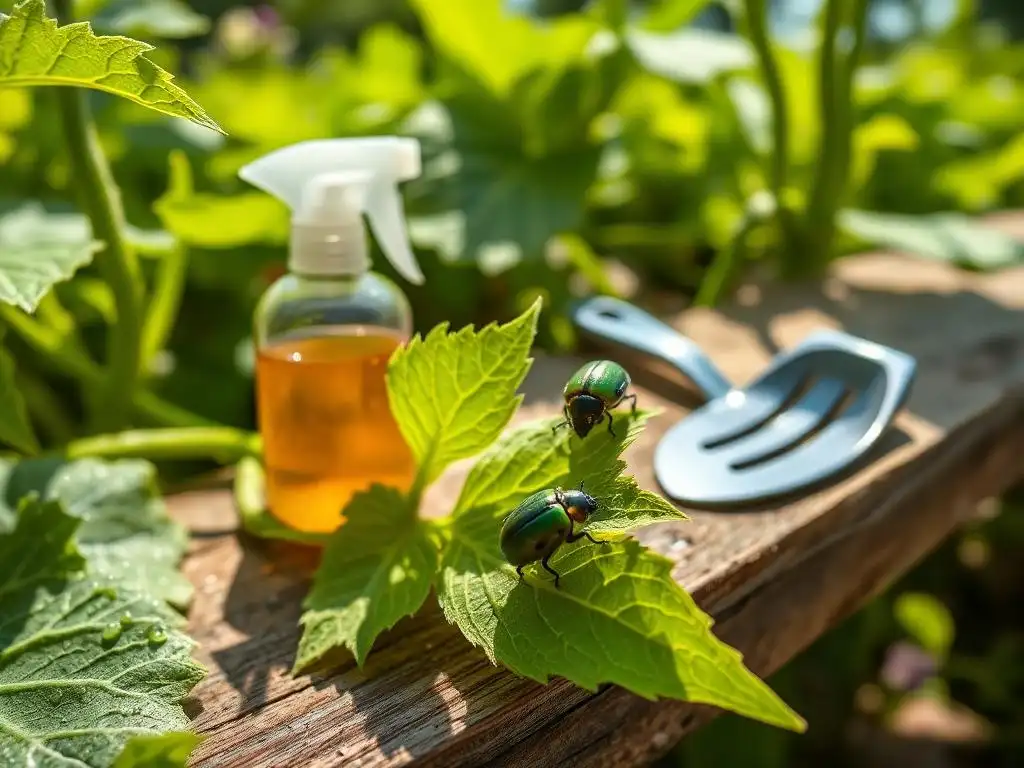
Organic cucumber beetle control relies heavily on preventative measures and cultural practices. However, sometimes a targeted intervention with organic pesticides becomes necessary. This section details how to effectively and safely use organic pesticides as part of an Integrated Pest Management (IPM) strategy, emphasizing that they should only be used as a last resort after other methods have proven insufficient. Remember, the goal is to minimize pesticide use while maximizing its effectiveness against cucumber beetles. The overuse of any pesticide, even organic ones, can disrupt beneficial insect populations and negatively impact the overall health of your garden ecosystem.
Selecting Appropriate Organic Pesticides for Cucumber Beetles
Choosing the right organic pesticide is crucial for effective control and minimizing environmental impact. Several options exist, each with its strengths and weaknesses. Consider the following factors when making your selection:
- Specificity: Look for pesticides targeting specifically cucumber beetles, minimizing harm to beneficial insects like ladybugs and lacewings, which are natural predators of aphids and other cucumber beetle prey. Broad-spectrum pesticides, even organic ones, can disrupt the natural balance of your garden.
- Mode of Action: Understand how the pesticide works. Some work by contact, requiring direct contact with the beetle, while others are systemic, absorbed by the plant and toxic to insects feeding on it. Systemic options might be preferable for hidden infestations.
- Ingredients: Read the label carefully and understand the active ingredients. Some common organic ingredients include neem oil, insecticidal soaps, and spinosad. Choose products with minimal environmental impact and minimal toxicity to humans and pets.
- Formulation: Consider the formulation (liquid, powder, etc.) and its ease of application for your specific needs and garden setup.
| Pesticide Type | Active Ingredient(s) | Mode of Action | Advantages | Disadvantages |
|---|---|---|---|---|
| Insecticidal Soap | Potassium salts of fatty acids | Contact | Safe for beneficial insects, readily available | Requires frequent applications, less effective on heavy infestations |
| Neem Oil | Azadirachtin | Disrupts insect life cycle | Broad-spectrum, relatively safe | Can be messy to apply, may require multiple applications |
| Spinosad | Spinosad | Contact & ingestion | Effective against various insects, relatively safe | More expensive than other options, may harm some beneficial insects |
Remember to always follow the manufacturer's instructions precisely. Over-application can be detrimental and unnecessary.
Safe and Effective Application of Organic Pesticides: Timing and Techniques
Timing and application techniques significantly impact the effectiveness of organic pesticides. Applying pesticides at the right time, using the correct method, and taking necessary precautions are essential to maximize impact and minimize risk.
- Timing: Apply pesticides in the early morning or late evening when temperatures are cooler to minimize evaporation and reduce harm to beneficial insects that are often more active during the hottest parts of the day. Target applications during periods of peak cucumber beetle activity, often coinciding with periods of high humidity and warmth.
- Techniques: Thoroughly cover all plant surfaces, paying close attention to the undersides of leaves where beetles often hide. Use appropriate equipment, such as a hand-held sprayer or a garden hose attachment, ensuring even coverage and avoiding runoff. Avoid spraying during windy conditions to prevent drift onto non-target plants or areas.
- Personal Protection: Always wear protective clothing, including gloves, eye protection, and long sleeves and pants when applying any pesticide, even organic ones. Follow all safety precautions outlined on the product label.
Monitoring Effectiveness of Organic Pesticides: Assessing Impact and Adjusting Strategies
Monitoring the effectiveness of your organic pesticide application is crucial for refining your IPM strategy. Regular monitoring helps determine if the treatment is working and allows for timely adjustments if necessary.
- Regular Inspections: Conduct regular visual inspections of your cucumber plants, checking for the presence of cucumber beetles and assessing the level of damage. Note the number of beetles observed, the extent of leaf damage, and the overall health of the plants. Keep a detailed log of your observations.
- Evaluating Impact: Compare your observations before and after pesticide application to assess its effectiveness. If the beetle population remains high or damage continues, consider adjusting your strategy. This might involve switching to a different organic pesticide, increasing the frequency of applications (while always adhering to label instructions), or incorporating additional IPM tactics.
- Adjusting Strategies: If the organic pesticide isn't working effectively, consider integrating other IPM methods, such as hand-picking beetles, using row covers, or attracting beneficial insects to your garden. Remember, a successful IPM strategy often involves a combination of approaches. Never rely solely on pesticides, organic or otherwise. A holistic approach is key to long-term sustainable organic cucumber beetle control.
Monitoring and Prevention: Key to Long-Term Success

Effective organic cucumber beetle control hinges on a proactive approach that prioritizes monitoring and prevention. Ignoring early signs of infestation can lead to significant crop losses and necessitate more aggressive (and potentially less sustainable) intervention later. This section details crucial steps for early detection and preventative measures to minimize the need for extensive pest control.
Regular Monitoring of Cucumber Beetle Populations: Visual Inspection and Traps
Regular visual inspection is the cornerstone of successful organic cucumber beetle control. Start checking your cucurbit plants (cucumbers, squash, melons, etc.) daily, especially during the early stages of growth when seedlings are most vulnerable. Look for:
- Adult Beetles: These are easily identifiable by their distinctive yellow and black stripes. Focus your attention on the undersides of leaves and near the base of plants where they often congregate.
- Larvae: These small, white grubs feed on roots and can be harder to spot. Carefully examine the soil around the base of your plants.
- Damage: Look for holes in leaves, wilting, and stunted growth – all signs of cucumber beetle activity.
Supplement visual inspections with simple traps. Sticky traps placed near plants can capture adult beetles, providing a quantitative measure of infestation levels. While traps won't eliminate the entire population, they offer valuable data for assessing the effectiveness of your management strategies. For example, a sudden spike in trap captures might indicate a need to intensify preventative measures or consider introducing beneficial insects. Remember to regularly replace sticky traps to maintain their effectiveness.
The frequency of monitoring should increase during periods of warm, humid weather, as this is when cucumber beetle populations tend to explode. Consistent monitoring allows for early detection of infestations, enabling timely intervention before significant damage occurs, a crucial aspect of organic cucumber beetle control.
Preventative Measures to Minimize Cucumber Beetle Infestations: Early Season Practices
Preventing cucumber beetle infestations is far more effective and sustainable than reactive control. Several early-season practices significantly reduce the likelihood of a major problem:
- Row Covers: Using row covers during the early stages of plant growth provides excellent protection from adult beetles. These covers act as a physical barrier, preventing beetles from accessing your plants. Remember to remove the covers once the plants are larger and more robust.
- Crop Rotation: Rotating your cucurbit crops annually helps disrupt the cucumber beetle life cycle, reducing the number of overwintering beetles in your garden. Avoid planting cucurbits in the same location year after year.
- Companion Planting: Certain plants, such as nasturtiums and marigolds, are known to repel cucumber beetles. Planting these companion plants near your cucurbits can help deter beetles from your main crops.
- Clean Up: Thoroughly remove all plant debris and weeds at the end of the growing season. This eliminates overwintering sites for cucumber beetles and reduces the number of beetles present the following year. This is a vital step in organic cucumber beetle control.
Integrating IPM Strategies for Sustainable Cucumber Beetle Management: A Holistic Approach
Organic cucumber beetle control is most effective when integrated pest management (IPM) strategies are employed. IPM emphasizes a holistic approach, combining preventative measures with targeted interventions only when necessary. This minimizes reliance on chemical pesticides, promoting long-term soil health and biodiversity.
Here's how to integrate various IPM components for sustainable cucumber beetle management:
| Strategy | Description | Effectiveness | Sustainability |
|---|---|---|---|
| Monitoring | Regular visual inspection and trapping. | High | Very High |
| Preventative Measures | Row covers, crop rotation, companion planting, clean-up. | High | Very High |
| Biological Control | Introducing beneficial insects (e.g., ladybugs) that prey on cucumber beetles. | Moderate | High |
| Handpicking | Manually removing adult beetles and larvae from plants. | Low | High |
| Natural Insecticides | Using insecticidal soaps or neem oil as a last resort. Always follow label instructions carefully. | Moderate | Moderate |
Remember, the goal of organic cucumber beetle control is to maintain a healthy balance within your garden ecosystem. By combining preventative measures with targeted interventions, you can effectively manage cucumber beetle populations while minimizing environmental impact and ensuring a bountiful harvest. Consistent monitoring and a flexible approach are essential for long-term success.
Case Study: Successful IPM Implementation in a Home Garden
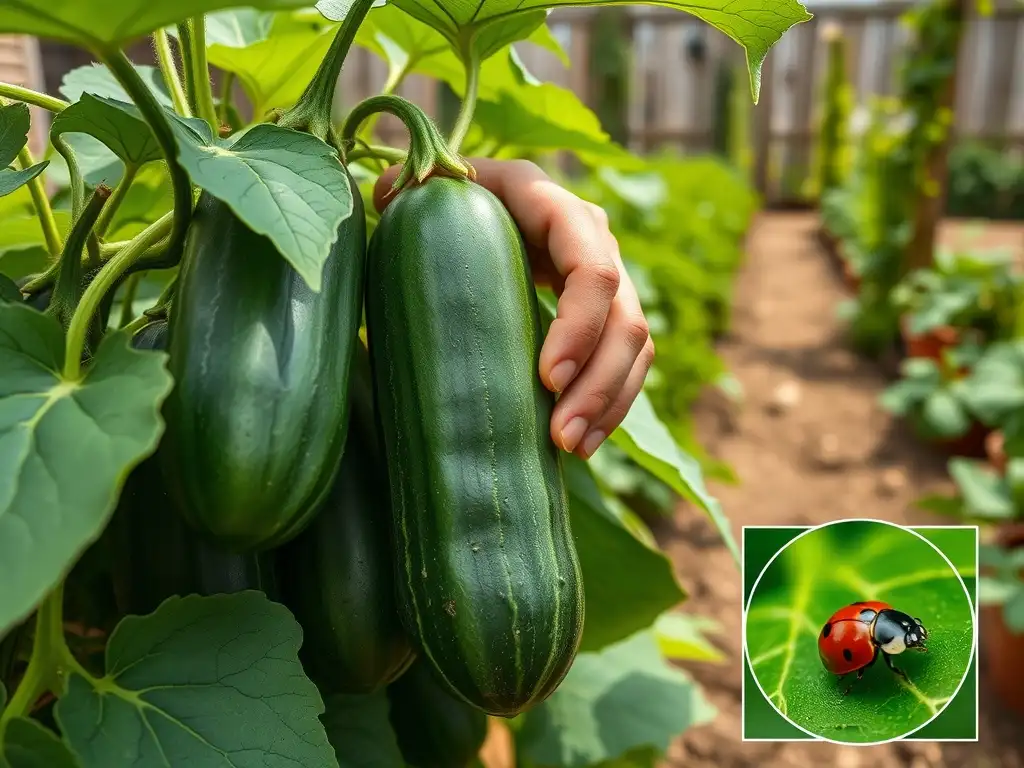
This section details a real-world example of successfully implementing Integrated Pest Management (IPM) strategies to control cucumber beetles in a home garden setting, showcasing effective organic cucumber beetle control. We'll examine the challenges encountered, the solutions implemented, and the positive outcomes achieved through a holistic approach.
Specific Example of a Home Garden
Sarah, an enthusiastic home gardener in rural Vermont, faced a recurring problem with cucumber beetles decimating her cucurbit crops (cucumbers, zucchini, and squash). Previous years saw her resorting to broad-spectrum insecticides, which, while initially effective, led to disruptions in beneficial insect populations and ultimately, less-than-ideal yields. Determined to find a more sustainable solution, Sarah decided to embrace IPM principles for organic cucumber beetle control in her 20x10 foot garden. Her garden, rich in diverse plant life, included companion plants like nasturtiums and marigolds known for their pest-repelling properties.
She also maintained a dedicated compost bin, a crucial element for her soil health and overall garden sustainability. The garden was situated near a small wooded area, which potentially served as a habitat for some beneficial insects and natural predators. Her soil was predominantly clay-based, requiring regular amending with organic matter.
Challenges Faced and Solutions Implemented
Sarah's primary challenge was the persistent presence of cucumber beetles, specifically the striped and spotted varieties. These beetles, notorious for their voracious feeding habits and rapid reproduction, caused significant damage to her young seedlings and developing fruits. Traditional pesticide use had proven unsustainable and environmentally damaging.
Sarah's IPM strategy involved several key steps:
- Monitoring: Regular daily inspection of plants for beetle presence and damage. She meticulously recorded the number of beetles observed and the extent of damage, allowing for timely intervention.
- Cultural Controls: This included planting resistant cucumber varieties, rotating crops annually to disrupt the beetle life cycle, and using row covers to protect seedlings from initial infestations. The row covers were carefully removed during the hottest parts of the day to avoid overheating the plants.
- Mechanical Controls: Hand-picking and removing beetles from plants, particularly during early infestations, proved quite effective. She also used sticky traps strategically placed around her plants to capture and monitor beetle populations.
- Biological Controls: Sarah encouraged beneficial insects by planting a diverse range of flowering plants that attracted ladybugs, lacewings, and other predatory insects that feed on cucumber beetles. She also avoided using any broad-spectrum insecticides that could harm these beneficial insects.
- Botanical Insecticides: As a last resort and only when populations were significantly high, Sarah used neem oil, a naturally derived insecticide, targeting the beetles without harming beneficial insects. She carefully followed the instructions on the product label, ensuring proper dilution and application.
Results Achieved Through IPM Practices
By implementing these integrated pest management strategies, Sarah experienced a significant improvement in her cucurbit yields and overall garden health. Her meticulous record-keeping showed a substantial reduction in cucumber beetle populations compared to previous years. The use of resistant varieties, row covers, and hand-picking minimized early-season damage. The presence of beneficial insects helped to naturally control beetle numbers, reducing the need for chemical interventions.
Importantly, the use of neem oil was infrequent and only as a targeted treatment when necessary. This holistic approach not only controlled the cucumber beetle population effectively but also fostered a thriving garden ecosystem. The increased biodiversity and soil health contributed to healthier plants and higher yields, demonstrating the effectiveness of organic cucumber beetle control using IPM principles. This success story highlights the power of a thoughtful, multi-pronged approach to pest management, paving the way for a sustainable and productive home garden.
Resources for Further Learning on Organic Cucumber Beetle Control
This section provides valuable resources to deepen your understanding of organic cucumber beetle control and sustainable gardening practices for cucurbit crops. Effective management relies on a multifaceted approach, and these resources offer additional information and support. Remember, consistent monitoring and a proactive approach are key to successful organic cucumber beetle control.
Relevant Websites and Publications
Finding reliable information on organic pest control can sometimes feel overwhelming. To help you navigate this, we've compiled a list of reputable websites and publications focusing on organic gardening and Integrated Pest Management (IPM) techniques specifically for cucumber beetles and other cucurbit pests. These resources offer in-depth information on various aspects of organic cucumber beetle control, from identifying the different beetle species to implementing effective preventative measures and treatment strategies.
- University Extension Websites: Many state universities maintain websites with extensive information on local pests and organic control methods. These sites often include research-based articles, fact sheets, and even videos demonstrating best practices. Searching "[your state] university extension organic gardening" will likely yield relevant results. Look for publications specifically addressing cucurbits and their common pests.
- Organic Gardening Magazines and Journals: Several publications are dedicated to organic gardening practices. These often feature articles on pest management, including detailed information on organic cucumber beetle control strategies, and often include reader experiences and tips. Look for articles focusing on IPM and sustainable pest management techniques.
- Online Forums and Communities: Engaging with online communities of organic gardeners can provide a wealth of practical advice and firsthand experiences. Be sure to critically evaluate the information you find, and prioritize advice based on scientific evidence and proven techniques. Remember, sharing your own successes and challenges can also benefit the community.
- Books on Organic Gardening and Pest Control: Investing in comprehensive books on organic gardening and pest management can provide a valuable reference throughout the growing season. Look for books that offer detailed information on Integrated Pest Management (IPM) strategies and specific recommendations for organic cucumber beetle control. Consider books focusing on sustainable agriculture and organic farming practices. These often offer a holistic approach to pest management.
Contact Information for Local Agricultural Extension Offices
Direct access to local expertise is invaluable for effective organic cucumber beetle control. Your local agricultural extension office provides tailored advice based on your specific region's climate, soil conditions, and prevalent pest populations. They can offer personalized recommendations for organic pest control strategies and assist you in developing a comprehensive IPM plan.
To find your local office, a simple online search of "[your state/county] agricultural extension office" should provide contact information. Many offices offer free services, including consultations, workshops, and educational resources. They are a crucial resource for accessing up-to-date information and addressing your specific organic cucumber beetle control challenges. Don't hesitate to reach out; they are there to support your gardening endeavors.
They can also provide information on locally available beneficial insects and other biological control methods, enhancing your organic cucumber beetle control strategy. Remember to mention your specific concerns with cucumber beetles and your interest in organic solutions when contacting them. They can provide tailored guidance on monitoring techniques, preventative measures, and organic treatment options suitable for your local environment.
Frequently Asked Questions
What are cucumber beetles and why are they a problem?
Cucumber beetles are destructive pests that feed on cucurbit plants like cucumbers, squash, and melons. They can transmit diseases, causing significant yield loss and plant damage. Early detection and control are crucial.
What is IPM, and how does it apply to organic cucumber beetle control?
IPM stands for Integrated Pest Management. It's a holistic approach combining various methods like cultural controls, biological controls, and minimal pesticide use to manage pests sustainably. For cucumber beetles, this means using a combination of techniques rather than relying solely on chemicals.
What cultural controls can I use to deter cucumber beetles?
Crop rotation, row covers, and clean-up of plant debris are effective cultural controls. These practices reduce beetle populations and make your plants less attractive. Healthy plants are also more resistant.
What are some examples of biological controls for cucumber beetles?
Beneficial insects like ladybugs and lacewings prey on cucumber beetle eggs and larvae. Introducing natural predators into your garden can help control populations naturally. Consider planting companion plants that attract these beneficial insects.
Are there any organic pesticides effective against cucumber beetles?
Yes, there are several organic pesticides, such as pyrethrin and spinosad, that can be used for cucumber beetle control. Always follow label instructions carefully and consider the impact on beneficial insects before applying any pesticide.
Final Reflection: Cultivating a Sustainable Future, One Cucumber at a Time
The fight against cucumber beetles is far more than a battle for bountiful harvests; it's a crucial element in building resilient and sustainable agricultural practices. Ignoring this pest not only jeopardizes our food security but also contributes to the overuse of harmful pesticides that damage our ecosystems. The choices we make in our gardens, however small they may seem, have a ripple effect on the larger world.
The shift towards Integrated Pest Management (IPM) for cucumber beetles represents a profound change in our relationship with nature. We are moving away from a mindset of domination and control towards one of understanding, collaboration, and respect for the delicate balance of our ecosystems. This approach, focusing on prevention and natural solutions, resonates deeply with my own commitment to environmentally conscious living. The best way to predict the future is to create it.
- Abraham Lincoln. This quote perfectly encapsulates the proactive nature of IPM, urging us to actively shape a future where sustainable agriculture thrives.
Now, I invite you to consider your own gardening practices. Will you embrace the principles of IPM, choosing to nurture your plants and protect them through natural methods? Will you become a steward of your garden, actively contributing to a healthier planet? The journey towards sustainable agriculture begins with a single seed, a single plant, and a commitment to making conscious choices that benefit both our harvests and the environment. Let's cultivate a future where our gardens flourish, not just with cucumbers, but with biodiversity and sustainability.
Unleash Your Cucumber's Potential: Beat the Beetles!
Congratulations on learning about Integrated Pest Management (IPM) for cucumber beetles! You now have the tools to protect your cucurbit crops naturally and effectively. Ready to put your knowledge into practice?
- Implement your IPM plan today! Begin by regularly inspecting your plants for early signs of infestation. Then, implement your chosen preventative and control strategies, prioritizing the least toxic options first.
- Share your experiences: Join our CultivateYourFood community forum and share your successes and challenges. We'd love to hear your stories!
- Consider experimenting with companion planting next season – you might discover a surprisingly effective combination!
What creative pest control method are you most excited to try in your garden?