
The Benefits of Worm Castings for Container Garden Fertilizing

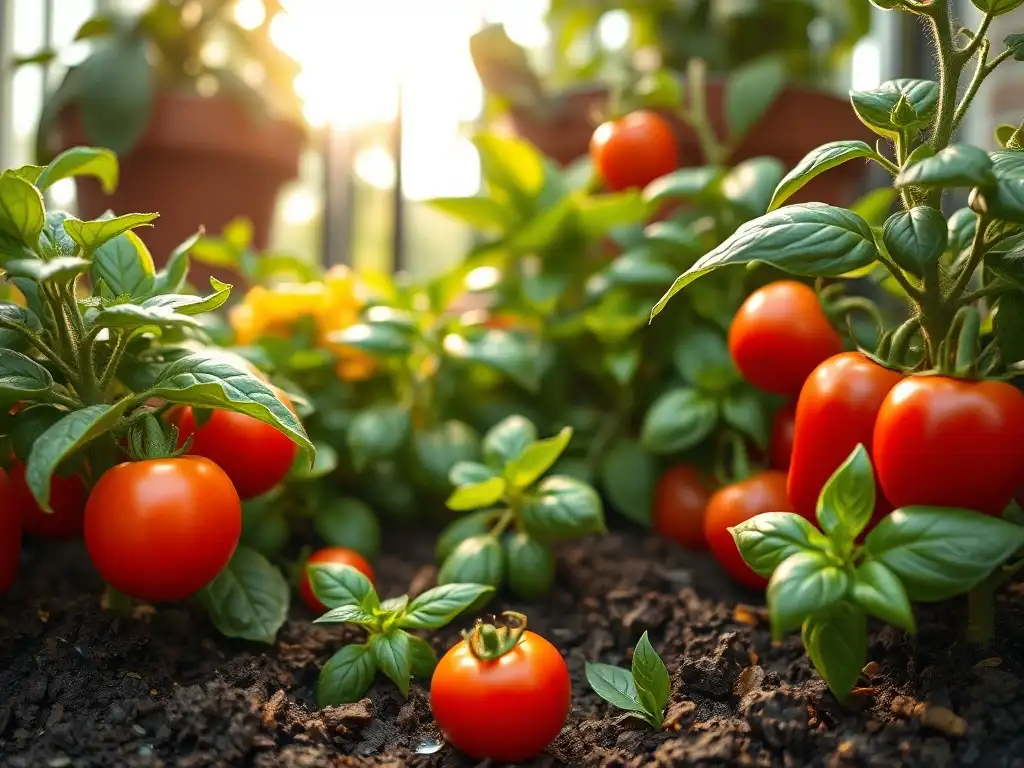
Ready to unlock the secrets to a thriving, sustainable home garden? At CultivateYourFood, we empower you to grow your own delicious fruits, vegetables, and herbs. Discover the incredible impact of worm castings on your container garden—a natural fertilizer that will transform your yields. Learn how this simple yet powerful method can revolutionize your gardening success, and prepare to be amazed by the results! Let's dive into the world of worm castings container garden benefits and get growing!
- Understanding Worm Castings and Their Nutritional Value for Container Plants
- Worm Castings: Enhancing Soil Structure in Your Containers
- Applying Worm Castings to Your Container Garden: Best Practices
- Case Studies: Worm Castings Success Stories in Container Gardening
- Troubleshooting and Common Questions about Using Worm Castings in Containers
- Frequently Asked Questions
- Final Reflection: Cultivating Abundance, One Worm Casting at a Time
- Unleash Your Garden's Potential: Get Growing!
Understanding Worm Castings and Their Nutritional Value for Container Plants
Worm castings, also known as vermicompost, represent a treasure trove of nutrients for your container garden. This natural fertilizer, a byproduct of the composting process carried out by worms, offers a sustainable and highly effective way to nourish your plants, promoting vigorous growth and bountiful harvests. Unlike synthetic fertilizers that can harm soil microorganisms and pollute waterways, worm castings improve soil structure and health, fostering a thriving ecosystem within your containers.
This article delves into the remarkable benefits of using worm castings specifically for container gardening, highlighting their nutritional profile and comparing them to other fertilization methods. We'll explore why worm castings are a top choice for environmentally conscious gardeners seeking vibrant and healthy plants in limited spaces. Choosing to use worm castings is a choice to nurture your plants and protect the environment, making it a winning combination for both your garden and the planet 🌎.
What are Worm Castings?
Worm castings are the excrement of earthworms, specifically those species used in vermicomposting. These aren't just worm poop, however; they're a highly concentrated, nutrient-rich substance. The process of vermicomposting involves feeding worms organic matter like food scraps and yard waste. As worms digest this material, they excrete castings, which are essentially their processed waste.
These castings are teeming with beneficial microorganisms, enzymes, and a wide array of essential nutrients. Unlike raw compost, which can contain pathogens and require further aging, worm castings are ready to use immediately and are incredibly safe for plants. They're a dark, crumbly substance that enhances soil structure, water retention, and aeration – all crucial elements for healthy container gardening. The ease of use and the remarkable benefits make worm castings a favorite among experienced and beginner gardeners alike.
Nutrient Composition of Worm Castings: A Rich Blend for Healthy Growth
Worm castings boast a remarkably balanced nutrient profile, surpassing many commercial fertilizers in terms of both quantity and bioavailability. They contain significant amounts of:
- Nitrogen (N): Essential for leafy green growth.
- Phosphorus (P): Crucial for root development and flowering.
- Potassium (K): Vital for overall plant health and fruit production.
But the benefits extend beyond the "NPK" trio. Worm castings are also rich in:
- Micronutrients: Including iron, zinc, manganese, and copper, all of which are necessary in smaller quantities for healthy plant development.
- Humic and Fulvic Acids: These organic compounds improve soil structure, increase water retention, and enhance nutrient uptake by plant roots. They act as natural chelating agents, making nutrients more readily available to plants.
- Beneficial Microorganisms: Castings are alive with bacteria, fungi, and other beneficial microbes that promote soil health, suppress plant diseases, and improve nutrient cycling. This microbial activity is key to creating a vibrant and resilient root system.
The exact nutrient composition can vary depending on the feedstock used in the vermicomposting process, but generally, worm castings provide a well-rounded and readily available source of nutrients for optimal plant growth. This makes them particularly valuable for container gardens, where the volume of soil is limited, and nutrient replenishment is vital.
Comparing Worm Castings to Chemical and Organic Fertilizers for Container Gardens
Choosing the right fertilizer for your container garden is crucial. Let's compare worm castings to other common options:
| Fertilizer Type | Advantages | Disadvantages | Suitability for Container Gardens |
|---|---|---|---|
| Chemical Fertilizers | Fast-acting, readily available nutrients | Can burn plants if overused, can damage soil structure, environmentally harmful | Less suitable; risk of over-fertilization |
| Organic Fertilizers (e.g., bone meal, seaweed) | Slower release of nutrients, improves soil health | Can be less potent than chemical fertilizers, may require more frequent application | Moderately suitable |
| Worm Castings | Rich in nutrients, improves soil structure, promotes beneficial microbes, environmentally friendly | Can be more expensive than chemical fertilizers, may require larger quantities for significant impact | Highly suitable |
Worm castings offer a superior option for container gardening because they combine the benefits of both chemical and organic fertilizers without their drawbacks. They provide readily available nutrients while simultaneously improving the overall health and fertility of the limited soil volume within containers. This results in healthier, more resilient plants that are better equipped to thrive in the often-challenging environment of a container garden. The long-term benefits of improved soil health are especially valuable in container gardening, where soil replacement is more frequent.
Worm Castings: Enhancing Soil Structure in Your Containers
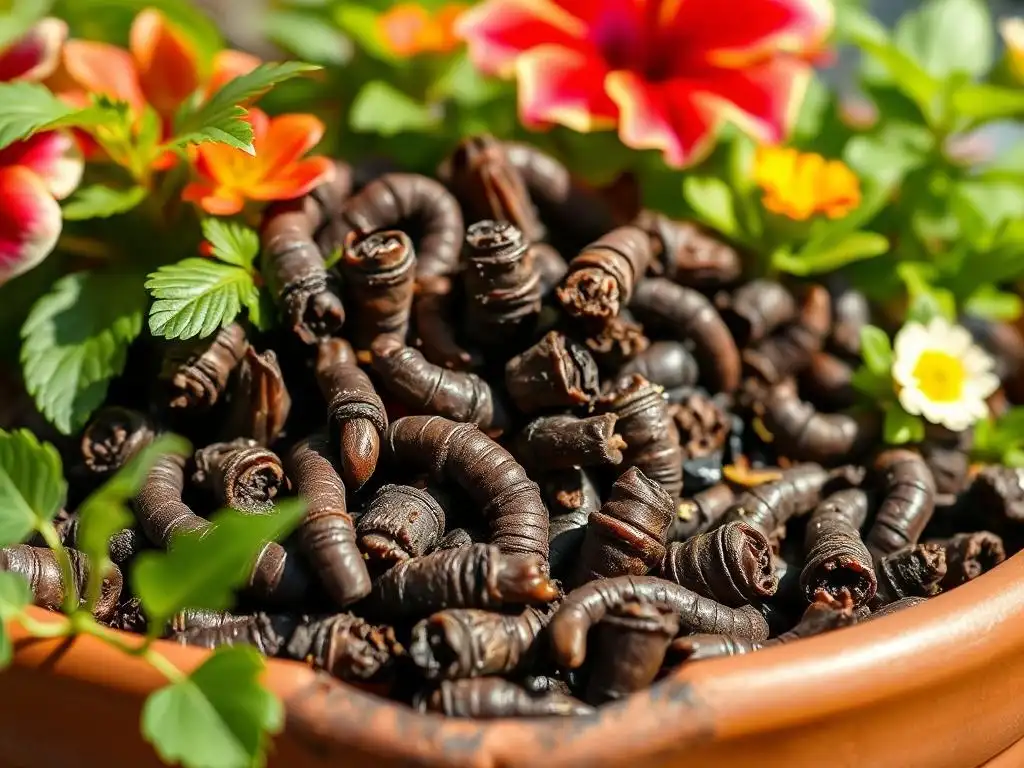
Worm castings, the byproduct of worm composting, are a powerhouse for improving soil structure, especially crucial in the limited environment of container gardening. Their unique properties directly address common container gardening challenges, leading to healthier, more productive plants. Understanding how worm castings impact soil structure is key to unlocking their full potential for your container garden.
This section will delve into the specific ways worm castings improve drainage, water retention, and overall fertility within your containers. Optimizing your soil structure is a foundational step in achieving bountiful harvests, making worm castings an invaluable tool for the environmentally conscious container gardener seeking to maximize "Worm castings container garden benefits".
Improved Drainage and Aeration with Worm Castings
Poor drainage is a common problem in container gardens. Overwatering leads to root rot, a significant impediment to plant growth. However, worm castings work wonders in alleviating this issue. Their granular structure creates numerous small pores within the soil matrix.
These pores allow for better air circulation, preventing waterlogging and promoting healthy root development. This improved aeration is vital, allowing roots to access oxygen efficiently, a critical factor often overlooked in container gardening. Think of it like this: a sponge saturated with water versus a sponge with air pockets – the latter allows for better drainage and prevents stagnation.
Studies have shown that soil amended with worm castings exhibits significantly better drainage compared to unamended soil, reducing the risk of root rot and improving overall plant health. This is especially beneficial for container gardens, where the limited volume of soil increases the risk of waterlogging. The "Worm castings container garden benefits" in this regard are undeniable.
Increased Water Retention Capacity
While improved drainage is essential, it's equally important to maintain adequate moisture levels in your containers, especially during dry periods. Here again, worm castings excel. Despite improving drainage, they also increase the water retention capacity of your potting mix. This is because their porous structure acts like a tiny reservoir, holding onto water molecules and releasing them gradually to the plant roots.
This slow release prevents rapid drying, reducing the frequency of watering and minimizing the risk of underwatering stress. The improved water retention provided by worm castings is particularly beneficial for container gardens, where soil dries out much faster than in the ground. The ability to retain moisture while maintaining excellent drainage is a key advantage that contributes significantly to the overall "Worm castings container garden benefits".
Enhanced Soil Fertility and Nutrient Availability
Worm castings are not just about improving soil structure; they're a rich source of nutrients vital for plant growth. They contain a balanced mix of essential macronutrients (nitrogen, phosphorus, potassium) and micronutrients, providing a slow-release fertilizer that nourishes your plants over time. This slow release is beneficial because it prevents nutrient burn, a common problem with stronger chemical fertilizers.
Furthermore, the organic matter in worm castings improves the soil's cation exchange capacity (CEC), meaning it can hold onto more nutrients, making them readily available to plant roots. The beneficial microbes present in worm castings further enhance nutrient availability by breaking down organic matter and making nutrients more accessible to your plants.
The overall effect is healthier, more vigorous plants exhibiting improved growth rates and higher yields. In essence, worm castings provide a natural and sustainable way to boost the fertility of your container garden, making them a cornerstone of sustainable container gardening practices and a clear contributor to the overall "Worm castings container garden benefits".
Applying Worm Castings to Your Container Garden: Best Practices
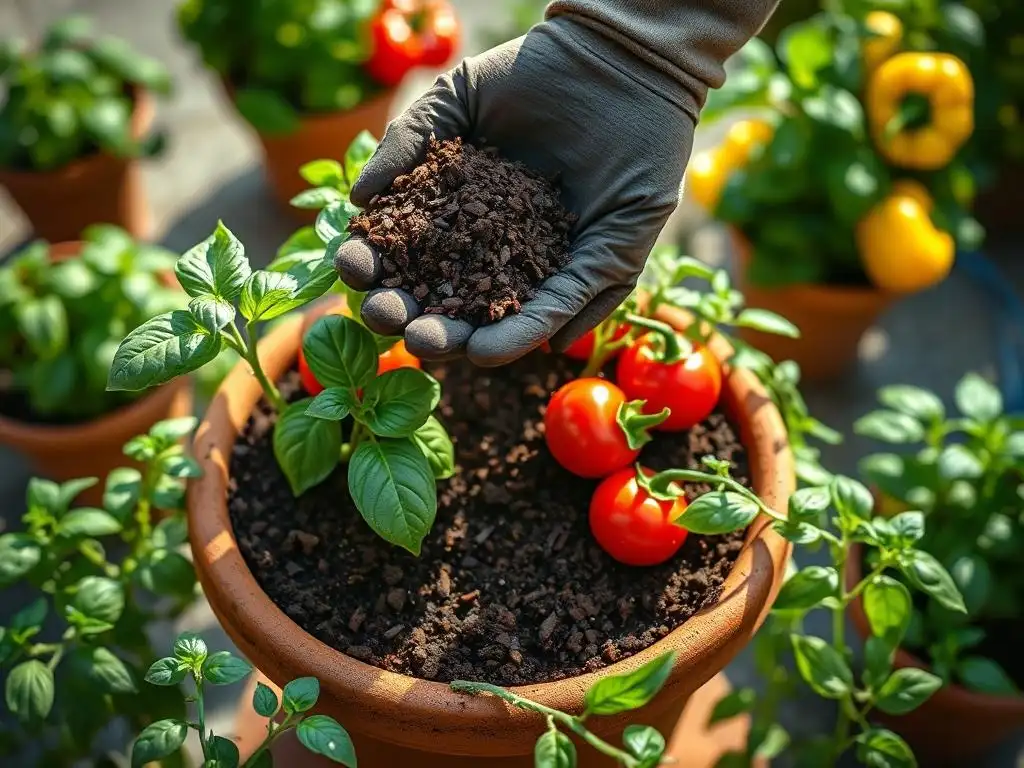
This section details the practical application of worm castings to maximize their benefits in your container garden. Remember, worm castings are a fantastic natural fertilizer, rich in nutrients and beneficial microbes, providing a slow-release feeding system ideal for container gardening where soil volume is limited. Mastering their application will significantly improve your plants' health and yield.
Methods for Incorporating Worm Castings into Container Soil Mixes
There are several effective ways to incorporate worm castings into your container soil mixes, each offering unique advantages depending on your setup and preferences. The key is to ensure even distribution to avoid localized nutrient hotspots that could burn delicate roots.
- Pre-mixing: This method involves thoroughly mixing worm castings into your potting mix before planting. Typically, a ratio of 10-20% worm castings to potting mix works well. For example, for a 5-gallon container, you might add 0.5 to 1 gallon of worm castings. This ensures even nutrient distribution from the start. This is ideal for seedlings and new plantings.
- Topdressing: For established plants, topdressing is a gentler approach. Simply sprinkle a thin layer (approximately ½ inch) of worm castings over the top of the soil, gently working it into the surface. This method avoids disturbing the roots and is perfect for plants already showing strong growth.
- Tea Brewing: Worm castings tea is a potent liquid fertilizer. Steep 1 cup of worm castings in 1 gallon of water for 24-48 hours, then strain and dilute 1:10 with water before applying. This provides a quick boost of nutrients and beneficial microbes directly to the roots. Avoid overwatering when using this method.
Determining the Appropriate Amount of Worm Castings for Different Plants
The ideal amount of worm castings varies based on the plant's nutrient requirements and growth stage. Heavy feeders like tomatoes and peppers benefit from a higher concentration, while more delicate plants like herbs might need less.
| Plant Type | Worm Castings Percentage in Soil Mix | Notes |
|---|---|---|
| Tomatoes, Peppers | 15-20% | Heavy feeders, benefit from higher amounts. |
| Leafy Greens | 10-15% | Moderate feeders, less is more. |
| Herbs (Basil, Mint) | 5-10% | Light feeders, avoid over-fertilizing. |
| Flowers (Annuals) | 10-15% | Varies depending on species. |
Remember to always start with a lower concentration and gradually increase it if needed, observing your plants for signs of over-fertilization (e.g., leaf burn, wilting). It's better to under-fertilize than to over-fertilize, especially with container plants where nutrient runoff can be a problem. Monitoring your plants closely is key to successful worm castings application.
Frequency of Application Based on Plant Needs and Worm Casting Type
The frequency of worm castings application depends on several factors, including the plant's growth stage, the type of worm castings used (e.g., raw vs. composted), and the climate.
Generally, for container gardens, applying worm castings every 4-6 weeks during the growing season (spring and summer) is a good starting point. However, heavy feeders might benefit from more frequent applications (every 2-4 weeks), while slower-growing plants may require less frequent fertilization. In addition, using a high-quality, well-composted worm casting will provide a slower release of nutrients, reducing the frequency needed. Observe your plants carefully; if they show signs of nutrient deficiency (yellowing leaves, stunted growth), you may need to increase the frequency of application.
Conversely, if you see signs of over-fertilization, reduce the frequency. Always remember that consistent monitoring is crucial for optimal plant health and yield. Using worm castings correctly can help you achieve a thriving container garden, enriching the soil and producing healthy, bountiful harvests. 🌱
Case Studies: Worm Castings Success Stories in Container Gardening
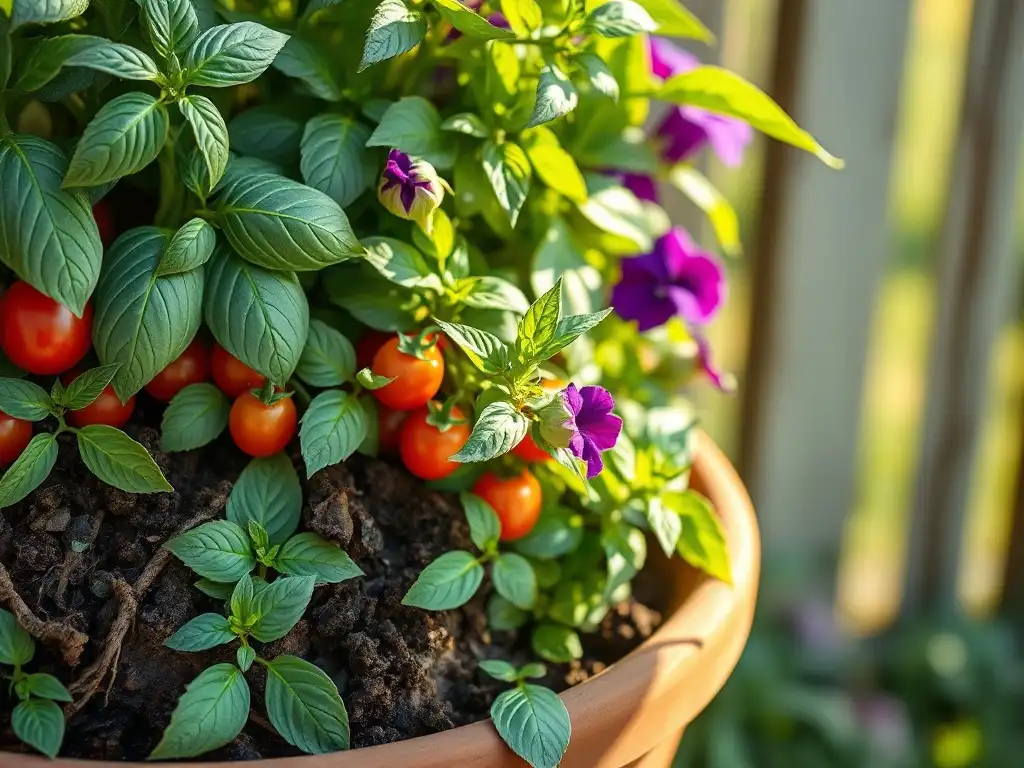
This section presents real-world examples demonstrating the remarkable benefits of using worm castings as a fertilizer for container gardens. These case studies highlight the positive impact on yield, growth, and overall plant health across various plant types. Remember, consistent application and proper soil moisture management are key to maximizing the effects of worm castings. These examples showcase the power of this natural fertilizer in a controlled container environment.
Case Study 1: Increased Tomato Yield Using Worm Castings
A home gardener in California, cultivating cherry tomatoes in 5-gallon containers, reported a significant increase in yield after incorporating worm castings into their soil mix. Initially, using a standard potting mix, the plants produced approximately 2 pounds of tomatoes per plant over the growing season. After amending the soil with 2 cups of worm castings per container at planting and again halfway through the growing season, the yield increased to an impressive 3.5 pounds per plant – a 75% improvement!
🍅 The gardener attributed the increased yield to improved nutrient availability and better soil structure facilitated by the worm castings, resulting in healthier root systems and enhanced nutrient uptake. The tomatoes themselves were also noticeably larger and more vibrant in color. This case study underlines the potential for significantly boosting tomato production in container gardens with the simple addition of worm castings.
Case Study 2: Improved Leafy Green Growth with Worm Castings
A community garden in Oregon, focused on growing a variety of leafy greens (lettuce, spinach, kale) in repurposed plastic containers, conducted a controlled experiment comparing two groups. One group used standard potting mix, while the other incorporated worm castings at a rate of 1 cup per 1 gallon of potting mix. The results were striking: the group using worm castings showed a 30% increase in biomass (total plant weight) and a 20% increase in leaf size compared to the control group.
Furthermore, the plants in the worm casting group exhibited a deeper green color, indicating improved chlorophyll production and overall health. The experiment also noted that the worm castings contributed to better water retention, reducing the frequency of watering needed.
This exemplifies the positive effects of worm castings on the growth and vigor of leafy greens in container gardens, leading to bountiful harvests. The improved water retention is a significant benefit, especially for container gardening, where watering frequency can be challenging.
Case Study 3: Enhanced Herb Flavor and Growth Using Worm Castings
An experienced herb gardener in New York, growing basil, rosemary, and thyme in terracotta pots, found that worm castings significantly enhanced both the flavor and growth of their herbs. By adding a layer of worm castings to the top of the soil and gently mixing it in, the gardener observed a marked improvement in the vibrancy and lushness of the plants. More importantly, the herbs developed a richer, more intense flavor profile, a characteristic often associated with improved nutrient uptake.
The gardener reported a more prolific harvest compared to previous years when they hadn't used worm castings. The improved flavor profile is a crucial point, demonstrating that worm castings not only improve growth but also enhance the quality of the produce, delivering a superior culinary experience. This case study highlights the versatility of worm castings, benefiting both the growth and the organoleptic properties of herbs cultivated in containers.
Troubleshooting and Common Questions about Using Worm Castings in Containers
Worm castings, while a fantastic natural fertilizer, can present some challenges if not used correctly. Understanding potential issues and how to address them is crucial for successful container gardening. This section tackles common problems and offers solutions to ensure your plants thrive. Proper application and understanding your plants' needs are key to maximizing the benefits of worm castings for your container garden.
Addressing Potential Issues: Over-Fertilization and Other Problems
Over-fertilizing, even with a natural product like worm castings, is a real risk. Worm castings are concentrated nutrients; using too much can "burn" your plants' roots, leading to wilting, yellowing leaves, and stunted growth. The symptoms of over-fertilization can mimic those of underwatering or nutrient deficiencies, making diagnosis crucial. Remember, "less is more" often applies when using worm castings.
Start with a smaller amount than recommended, especially for sensitive seedlings or plants. A good starting point is to mix worm castings with your potting mix at a ratio of 1:5 (one part castings to five parts potting mix). Observe your plants closely for any signs of stress. If you notice burning, immediately flush the soil with plenty of water to leach out excess salts. Future applications should be significantly reduced.
Another potential issue is the presence of unwanted organisms in your worm castings. While generally safe, improper composting can introduce pathogens or pests. Always source your worm castings from a reputable supplier to minimize this risk. Inspect the castings before use; discard any that appear moldy or contain visible pests.
Addressing Nutrient Deficiencies Despite Worm Casting Application
Even with regular worm casting applications, nutrient deficiencies can still occur. This can happen due to several factors:
- Inadequate initial soil mix: The base potting mix you use plays a critical role. If your starting soil is already nutrient-poor, even worm castings might not be enough to provide all the necessary nutrients. Ensure you use a high-quality, well-balanced potting mix formulated for container gardening.
- Plant-specific needs: Different plants have different nutrient requirements. While worm castings provide a broad spectrum of nutrients, some plants may have higher demands for specific elements (like phosphorus during flowering or nitrogen for leafy growth). Consider supplementing with other organic fertilizers if necessary, after soil testing.
- Soil pH: The pH of your soil can affect nutrient uptake. Worm castings generally have a neutral pH, but if your soil is too acidic or alkaline, certain nutrients may become unavailable to your plants, regardless of the presence of worm castings. Regular soil testing is recommended to adjust pH as needed.
- Insufficient application: You may simply not be applying enough worm castings. Increase the application rate gradually, observing your plants for improvement. Remember to water thoroughly after applying worm castings to ensure proper nutrient absorption.
Dealing with Pests and Diseases in Worm Castings
While worm castings themselves are generally pest-free, the presence of pests or diseases isn't entirely impossible. Improper composting can lead to the survival of some harmful organisms. Here's how to address potential issues:
- Prevention is key: Source worm castings from reputable suppliers known for their hygienic composting practices. Inspect the castings carefully before use, discarding any that show signs of mold, pests (like fungus gnats), or unusual odors.
- Early detection: Regularly inspect your plants for any signs of pests or diseases. Early detection is crucial for effective treatment.
- Natural pest control: If you encounter pests, consider using natural pest control methods such as neem oil, insecticidal soap, or beneficial nematodes. Avoid harsh chemicals that can harm beneficial organisms in your soil.
- Disease management: If disease is suspected, remove affected plant parts immediately. Improve air circulation around your plants to prevent fungal growth. Consider using a natural fungicide if necessary. Remember that proper watering and soil drainage are critical in preventing many diseases.
Remember that healthy soil is the foundation of healthy plants. While worm castings are a valuable asset, a holistic approach encompassing proper soil preparation, balanced fertilization, and vigilant pest and disease management is essential for successful container gardening.
Frequently Asked Questions
What are worm castings?
Worm castings are the excrement of earthworms, often called worm poop. They are a rich, natural fertilizer packed with nutrients beneficial for plant growth. They improve soil structure and aeration.
Why use worm castings in a container garden?
Container gardens often have limited soil volume, so nutrient-rich amendments like worm castings are crucial. They provide essential nutrients and improve the soil's water retention and drainage, leading to healthier plants.
How do worm castings benefit container garden plants?
Worm castings provide balanced nutrition, promoting stronger root systems, healthier foliage, and increased yields. They also improve the soil's overall structure, aiding in better water and nutrient uptake.
Are worm castings better than chemical fertilizers for container gardens?
Worm castings offer a sustainable and environmentally friendly alternative to chemical fertilizers. They improve soil health, don't burn plants, and provide slow-release nutrients, eliminating the risk of nutrient burn often associated with chemical fertilizers.
How do I incorporate worm castings into my container garden?
Simply mix worm castings into your potting mix before planting. You can also top-dress your plants with a layer of worm castings periodically throughout the growing season to provide a continuous supply of nutrients.
Final Reflection: Cultivating Abundance, One Worm Casting at a Time
The resurgence of interest in sustainable gardening practices, coupled with the increasing popularity of container gardening, makes understanding the power of worm castings more vital than ever. These humble castings aren't just a soil amendment; they represent a pathway to healthier plants, richer harvests, and a more environmentally conscious approach to growing our own food.
The transformative effect of worm castings on my own container garden has been nothing short of remarkable. I've witnessed firsthand the increased vigor and resilience of my plants, their vibrant growth a testament to the nutrient-rich bounty these castings provide. This experience underscores the importance of exploring natural, sustainable solutions for enriching our urban gardens. The earth laughs in flowers.
– Ralph Waldo Emerson. This quote perfectly encapsulates the joy and abundance that can be cultivated through mindful gardening practices, and worm castings are a key ingredient in that process.
Now, consider your own container garden. What small change could you make today to enhance its health and productivity? Will you embrace the power of worm castings and unlock the potential for a thriving, sustainable oasis in your own space? The journey to a more abundant and environmentally friendly garden begins with a single step – a step towards enriching your soil with the incredible benefits of worm castings.
Unleash Your Garden's Potential: Get Growing!
Thank you for exploring the amazing world of worm castings and their benefits for container gardening! You've just learned how these natural powerhouses can transform your plants. Ready to see the difference firsthand?
- Start your own worm composting bin: This is the ultimate way to guarantee a steady supply of nutrient-rich castings and minimize your environmental impact. It's easier than you think!
- Share your container gardening successes (and any questions!) in the comments below: Let's build a thriving community of gardeners passionate about sustainable practices.
- Try a small amount of castings in your favorite container plant: Observe the growth difference and witness the results for yourself! Document your progress to share with others.
Will you be adding worm castings to your container gardening routine? Let's discuss your experiences and tips in the comments!