
The Best Soil Mix for Container Gardens: Water Retention

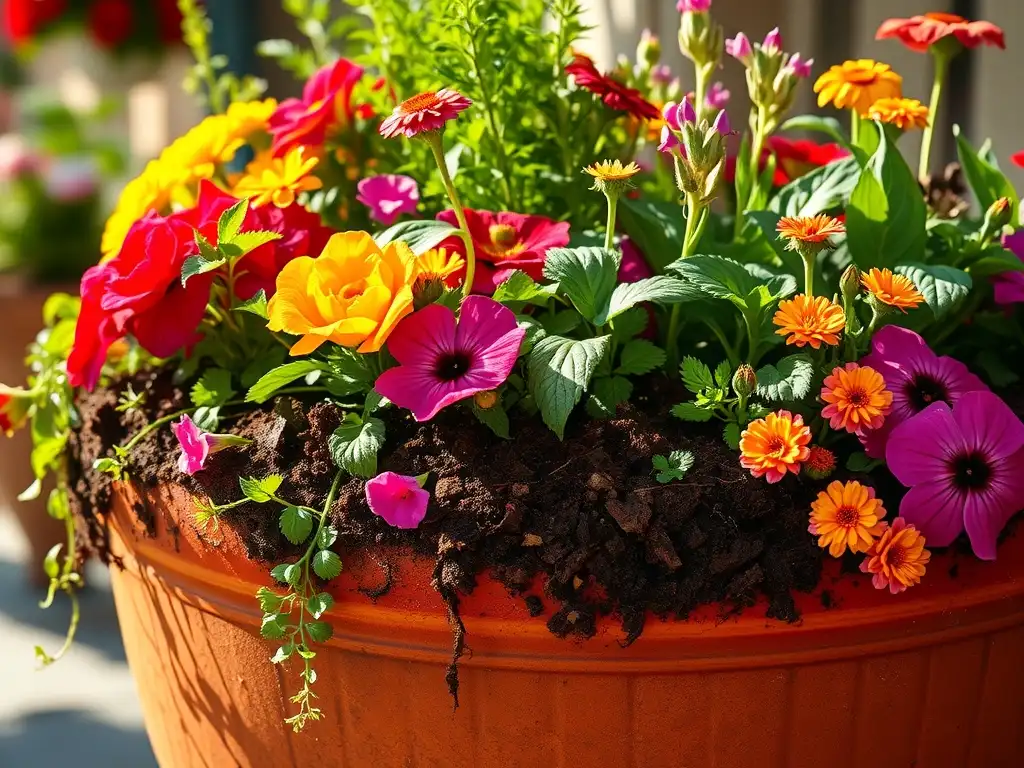
Ready to unlock the secrets of a thriving home garden? At CultivateYourFood, we believe everyone can grow their own delicious and nutritious food. This journey begins with the right foundation, and that's why we're diving deep into the crucial topic of "Best soil mix container garden." Discover how the perfect soil blend ensures optimal water retention, leading to healthier plants and bountiful harvests. Let's cultivate your success together – explore our guide and transform your gardening dreams into reality!
- Understanding Water Retention in Container Gardens
- Choosing the Best Soil Mix for Optimal Water Retention
- DIY Soil Mix Recipes for Container Gardens with Excellent Water Retention
- Maintaining Optimal Moisture Levels in Your Container Garden
- Troubleshooting Common Water Retention Issues in Container Gardens
- Long-Term Soil Health in Your Container Garden
-
Frequently Asked Questions
- What is the best soil mix for container gardening?
- Why is water retention important in container gardening?
- How can I improve water retention in my container garden soil?
- What are the signs of poor water retention in my container garden?
- Are there any soil mixes specifically designed for container gardening that I can buy?
- Final Reflection: Cultivating Success in Your Container Garden
- Unlock Lusher Container Gardens: Take Action Now!
Understanding Water Retention in Container Gardens
Choosing the best soil mix for your container garden is crucial, especially when considering water retention. This article will guide you through selecting the ideal blend to ensure your plants thrive, focusing on the vital balance between proper drainage and sufficient moisture. Successful container gardening hinges on understanding how different soil components interact to retain water effectively, preventing both underwatering and overwatering – two common pitfalls that can severely impact plant health and yield.
We'll explore the key factors influencing water retention, helping you create a flourishing container garden using sustainable and organic practices. Mastering water retention is key to achieving bountiful harvests of fruits, vegetables, and herbs, even in the confines of your home garden.
This guide will help you achieve the perfect soil mix for your container garden, ensuring your plants receive the optimal amount of moisture for healthy growth. Let's delve into the specifics of creating the best soil mix for container gardens that prioritizes water retention.
The Importance of Proper Drainage and Moisture
The success of any container garden, regardless of the plants you choose, is heavily reliant on achieving the right balance between drainage and moisture retention. Poor drainage leads to soggy soil, creating an environment where roots suffocate due to lack of oxygen. This can cause root rot, a devastating condition that quickly kills plants. Conversely, inadequate moisture retention leads to dry, parched soil, causing plants to wilt and struggle to absorb essential nutrients.
The ideal soil mix for container gardening provides a medium that retains enough water to keep the roots consistently moist but also allows for excess water to drain freely, preventing waterlogging. This delicate balance is crucial for healthy root development and overall plant vigor. Think of it like this: your plants need a drink, but they don't want to swim!
Achieving this balance requires careful consideration of the soil components. Too much clay, for instance, will result in poor drainage, while too much sand will lead to rapid drainage and frequent watering needs. The perfect blend will offer a balance that allows for consistent moisture availability while simultaneously preventing root rot. This is crucial for the overall health and productivity of your container garden. This balance is further influenced by factors like the size and material of your containers, and the climate in which you're gardening.
Soil Composition and its Impact on Water Retention
The composition of your soil mix significantly impacts its water retention capacity. A well-balanced mix typically incorporates a combination of materials to optimize both drainage and moisture retention. These commonly include:
- Compost: Provides essential nutrients, improves soil structure, and enhances water retention. Mature compost is ideal, as it's less likely to retain excessive moisture.
- Coco Coir: A sustainable alternative to peat moss, coco coir retains water effectively while offering excellent aeration. It's a great addition for improving drainage and water holding capacity.
- Perlite or Vermiculite: These inorganic materials improve aeration and drainage, preventing waterlogging. They help create pockets of air within the soil, allowing for better oxygen flow to the roots.
- Peat Moss (Use sparingly or consider alternatives): While traditionally used, peat moss extraction has environmental concerns. If used, it should be a minor component of the mix, and sustainable alternatives should be prioritized.
- Worm Castings: These add nutrients and improve soil structure, indirectly contributing to better water retention.
The ratio of these components will vary depending on the specific needs of your plants and the type of containers you are using. For example, plants that prefer consistently moist soil might require a higher proportion of compost and coco coir, while those that prefer slightly drier conditions might benefit from a higher proportion of perlite or vermiculite. Experimentation is key to finding the perfect blend for your unique gardening setup. 🌱
Identifying Your Container Garden's Needs: Sun Exposure and Plant Type
The ideal soil mix isn't a one-size-fits-all solution. Several factors influence the type of soil blend best suited for your container garden, notably sun exposure and the type of plants you're growing.
Plants growing in full sun will dry out more quickly than those in shade, requiring a soil mix that retains moisture more effectively. Conversely, plants in shady areas might benefit from a mix with enhanced drainage to prevent waterlogging. Consider these points:
| Plant Type | Water Retention Needs | Drainage Needs | Soil Mix Suggestions |
|---|---|---|---|
| Tomatoes | High | Moderate | Compost-rich mix with coco coir and perlite |
| Leafy Greens | Moderate to High | Moderate | Balanced mix of compost, coco coir, and vermiculite |
| Herbs (e.g., Basil) | Moderate | Good | Mix with more perlite or vermiculite |
| Succulents/Cacti | Low | Excellent | Primarily inorganic mix (perlite, pumice) |
The type of container also plays a role. Larger containers retain moisture better than smaller ones due to their increased volume and slower rate of evaporation. Dark-colored containers heat up more quickly, leading to faster water evaporation, requiring a mix that retains moisture more effectively. Understanding these factors is crucial for creating a customized soil mix that perfectly meets the needs of your plants and environment. Remember that observing your plants and adjusting your watering schedule as needed is crucial for long-term success.
Choosing the Best Soil Mix for Optimal Water Retention
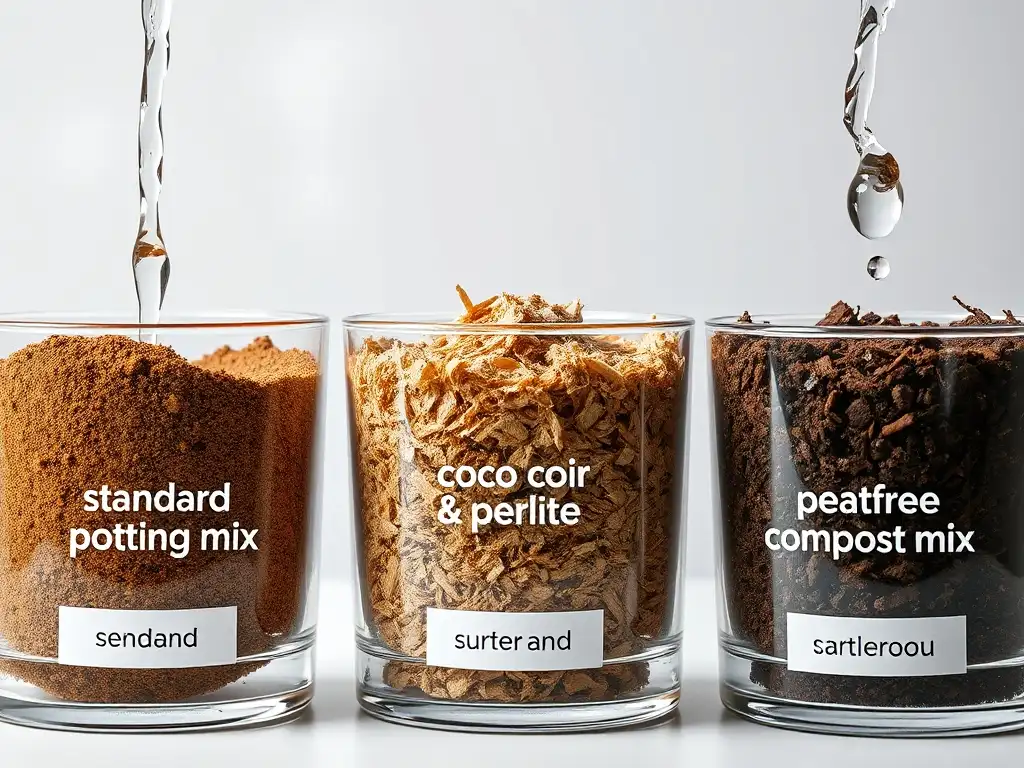
Selecting the best soil mix for your container garden is crucial, especially when considering water retention. Poorly draining soil leads to root rot, while soil that dries out too quickly stresses plants and reduces yields. The ideal blend provides the perfect balance: sufficient moisture for healthy growth, yet with enough drainage to prevent waterlogging.
This section explores how to achieve that balance for optimal results in your container gardening endeavors. Finding the best soil mix for container gardens often involves a bit of experimentation, but understanding the key components is the first step to success. The best soil mix container garden solutions prioritize both water retention and aeration.
Essential Components of a High-Quality Container Soil Blend
A high-quality container soil blend isn't just garden soil from your backyard. It needs specific components to ensure proper water retention and drainage. The best results come from a combination of:
- Peat moss or coco coir: These materials provide excellent water retention. Peat moss, a naturally occurring material, is widely available but its harvesting can impact sensitive ecosystems. Coco coir, derived from coconut husks, is a more sustainable alternative offering similar water-holding properties. The best soil mix container garden often uses a blend of both.
- Perlite or vermiculite: These inorganic additives improve drainage and aeration. Perlite is volcanic glass, while vermiculite is a mica mineral. Both increase porosity, preventing compaction and ensuring that water doesn't become stagnant around the roots. They are crucial for preventing root rot, a common problem in containers.
- Compost: Adding compost provides essential nutrients and further enhances water retention. Well-rotted compost improves soil structure, creating a crumbly texture that holds moisture effectively while allowing for adequate air circulation. The best soil mix container garden uses compost rich in organic matter.
- Worm Castings (optional): These are a fantastic addition, boosting nutrient levels and improving soil structure. Worm castings are essentially worm poop, and they're packed with beneficial microorganisms that enhance plant health. They contribute to better water retention and nutrient uptake.
A good starting point for a balanced mix might be a 1:1:1 ratio of peat moss/coco coir, perlite/vermiculite, and compost. However, you might need to adjust this ratio depending on your specific climate and the plants you're growing. Remember, the best soil mix container garden is one tailored to your specific needs.
Balancing Drainage and Moisture Retention: The Goldilocks Zone
The goal is to find the "Goldilocks zone"—a soil mix that's not too wet and not too dry, but just right. Overly wet soil suffocates roots, leading to root rot and plant death. Conversely, soil that dries out too quickly stresses plants, resulting in wilting, stunted growth, and reduced yields.
Consider these factors when aiming for optimal moisture levels:
- Plant Type: Different plants have different water requirements. Succulents, for example, prefer drier conditions than thirsty vegetables like tomatoes. The best soil mix container garden will vary depending on the plants being cultivated.
- Pot Size and Material: Larger pots retain moisture longer than smaller ones. Terracotta pots are porous and allow for more evaporation than plastic or glazed ceramic pots.
- Climate: In hot, dry climates, you may need a soil mix with higher water retention capabilities than in humid climates. The best soil mix container garden adapts to the local environmental conditions.
Testing your soil is key. After watering, check the moisture level a few hours later. If the soil is already dry, you need a soil mix with better water retention. If it's soggy, you need better drainage. Adjusting the ratio of components is the most effective way to fine-tune your soil's water-holding capacity.
Avoiding Common Mistakes in Soil Selection for Containers
Many common mistakes can hinder your container gardening success. Avoiding these pitfalls will significantly improve your chances of cultivating thriving plants:
- Using garden soil directly: Garden soil is often too heavy and poorly draining for containers. It compacts easily, restricting root growth and leading to waterlogging.
- Ignoring drainage: Failure to incorporate sufficient drainage material (perlite or vermiculite) leads to waterlogged roots and root rot. This is a frequent mistake that can easily be avoided.
- Overwatering: Even with the best soil mix, overwatering can be detrimental. Always check soil moisture before watering, ensuring the top inch or two is dry before adding more water.
- Neglecting fertilization: Container plants need regular feeding because the soil volume is limited. Supplement your soil mix with a balanced fertilizer to provide essential nutrients for healthy growth.
By carefully selecting and preparing your soil mix, paying close attention to drainage and water retention, and avoiding these common mistakes, you'll significantly increase your chances of a bountiful and healthy container garden. Remember, the best soil mix container garden is a result of careful planning and consistent monitoring.
DIY Soil Mix Recipes for Container Gardens with Excellent Water Retention
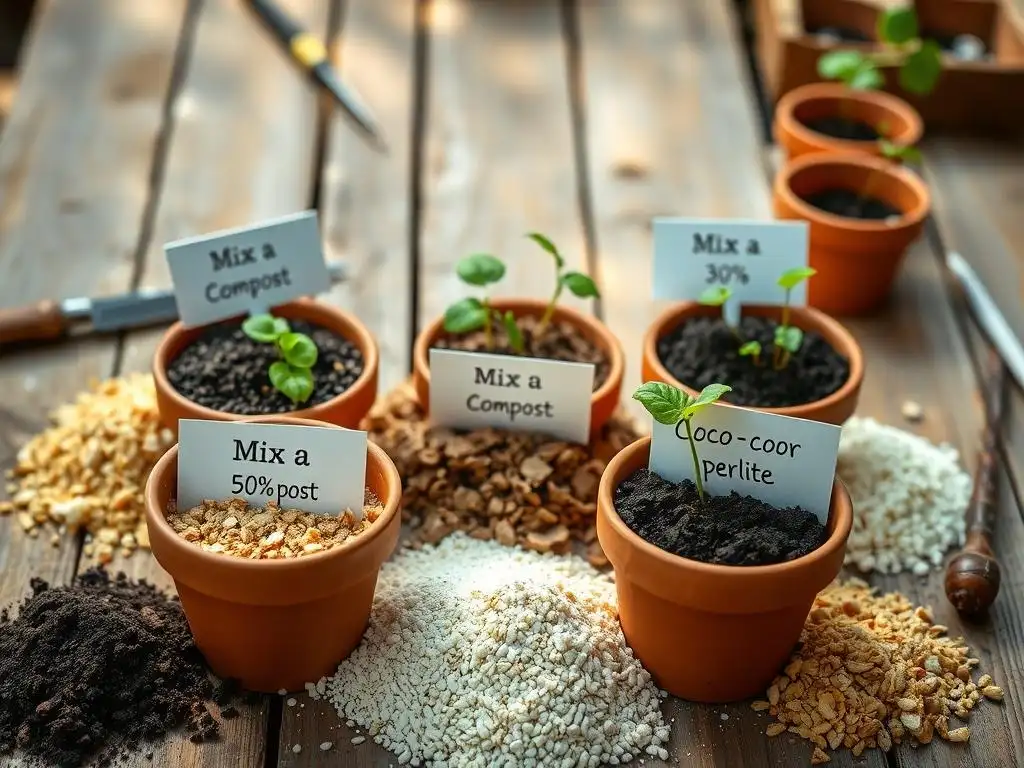
Creating the best soil mix for a container garden hinges on achieving optimal water retention. While commercially available potting mixes exist, crafting your own allows for precise control over ingredients, ensuring the perfect balance for your specific plants and needs. These recipes focus on maximizing water retention while maintaining good drainage to prevent root rot, a common problem in container gardening. Remember, the "best" mix is always tailored to the plant's individual needs.
Recipe 1: A Blend for Vegetables and Herbs Requiring Consistent Moisture
Many vegetables and herbs, such as lettuce, basil, and tomatoes, thrive with consistently moist soil. This recipe prioritizes water retention while ensuring adequate aeration.
This recipe uses a 3:2:1:1 ratio:
- 3 parts Coco Coir: Provides excellent water retention and aeration. It's a sustainable alternative to peat moss.
- 2 parts Compost: Adds essential nutrients and improves soil structure, further enhancing water retention. Ensure your compost is well-rotted and free of weed seeds.
- 1 part Perlite: Improves drainage and prevents compaction, crucial for preventing waterlogging.
- 1 part Vermiculite: Similar to perlite, it aids drainage while offering good water retention capacity. It also helps retain nutrients.
Instructions: Thoroughly mix all ingredients in a large container. Ensure the components are evenly distributed to avoid pockets of compacted soil or excessive drainage in certain areas. You may need to adjust the ratios slightly depending on your specific compost's drainage characteristics. For example, if your compost is very dry, you might increase the coco coir proportion.
Recipe 2: A Mix for Drought-Tolerant Plants in Containers
Drought-tolerant plants, such as succulents and certain herbs like rosemary and thyme, prefer well-draining soil that doesn't retain excessive moisture. This recipe balances water retention with good drainage to prevent root rot while catering to the plants' specific needs.
This recipe employs a 2:2:1:1:1 ratio:
- 2 parts Compost: Provides nutrients and some water retention. Again, ensure it's well-rotted.
- 2 parts Potting Soil: A good quality potting mix forms the base, providing a balance of drainage and retention. Look for a mix specifically designed for containers.
- 1 part Perlite: Enhances drainage, crucial for drought-tolerant plants.
- 1 part Pumice: Adds excellent drainage and aeration, further reducing the risk of overwatering.
- 1 part Coarse Sand: Improves drainage and prevents soil compaction.
Instructions: Mix all ingredients thoroughly. The addition of pumice and coarse sand creates a mix that drains efficiently, preventing waterlogging, which is detrimental to drought-tolerant plants. However, the compost and potting soil still provide sufficient moisture retention to support the plants, especially during periods of less frequent watering.
Recipe 3: A Soil Mix Designed for Root Vegetables in Containers
Root vegetables need loose, well-draining soil to allow for proper root development. This recipe focuses on creating a soil structure that promotes healthy growth and prevents root deformation.
This recipe uses a 2:1:1:1 ratio:
- 2 parts Compost: Supplies essential nutrients and improves soil structure. Well-rotted compost is key for preventing diseases.
- 1 part Coco Coir: Offers good water retention and aeration, promoting healthy root growth.
- 1 part Perlite: Ensures excellent drainage, preventing waterlogging and root rot, common issues for root vegetables.
- 1 part Potting Soil: Provides a base of essential nutrients and improves the overall texture of the soil mix.
Instructions: Mix all ingredients thoroughly. The resulting mix should be loose and friable, allowing for easy root penetration. Avoid over-compacting the soil during planting. This mix provides a good balance of water retention and drainage, crucial for the successful cultivation of root vegetables in containers. Remember to choose containers with adequate drainage holes to prevent water stagnation. Regular monitoring of soil moisture is recommended to avoid both overwatering and underwatering. 🥕
Adjusting Your Recipe Based on Specific Plant Needs
Not all plants have the same water requirements. Some, like succulents, thrive in drier conditions and would suffer from a soil mix that retains too much water. Others, such as tomatoes or leafy greens, appreciate consistently moist soil but are susceptible to root rot if it's waterlogged. Therefore, tailoring your DIY soil mix to the specific needs of your chosen plants is crucial for optimal growth.
For plants that prefer drier conditions, you'll want to increase the proportion of coarse materials in your mix. This could mean adding more perlite, vermiculite, or even coarse sand. The increased drainage will prevent the soil from becoming overly saturated. For example, a succulent mix might consist of 70% potting mix, 20% perlite, and 10% coarse sand. This significantly reduces water retention compared to a mix designed for thirsty plants.
Conversely, plants with high water requirements benefit from a soil mix with increased water-holding capacity. You can achieve this by incorporating more peat moss or coco coir. These materials are excellent at retaining moisture, providing a consistent supply of water to the roots. A good mix for thirsty plants might include 50% potting mix, 30% coco coir, 10% vermiculite, and 10% compost. The compost adds nutrients while the coco coir and vermiculite boost water retention and aeration.
Remember to always research the specific needs of your plants before finalizing your soil mix recipe. Consider factors like the plant's mature size, root system, and native habitat when making adjustments. Observing your plants closely after planting will also help you refine your soil mix recipe over time. If you notice signs of overwatering (yellowing leaves, wilting despite moist soil), you may need to adjust the recipe towards better drainage.
Conversely, if plants are wilting frequently despite regular watering, you may need to increase the water-retaining components. Finding the perfect balance is key to successful container gardening. The process of creating the best soil mix container garden is an iterative one, and learning to adapt to your plants' individual needs is a crucial skill.
Maintaining Optimal Moisture Levels in Your Container Garden
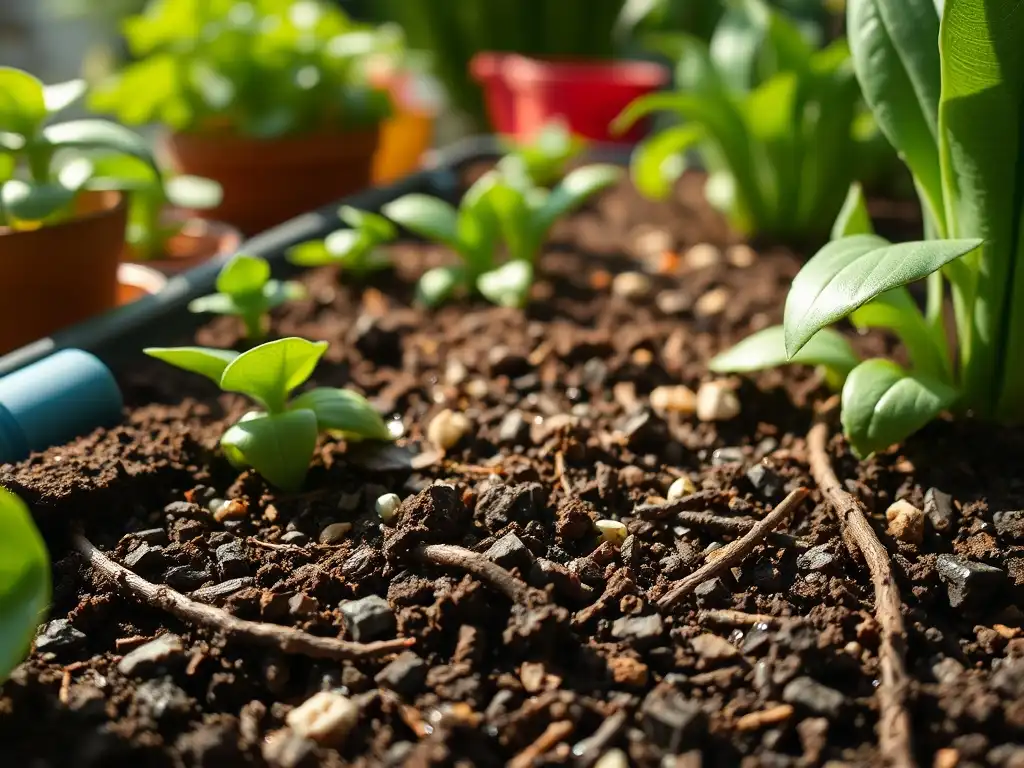
Maintaining the right moisture level is crucial for thriving container gardens. A well-draining yet moisture-retentive soil mix is key, preventing both soggy roots and drought stress. The "best soil mix container garden" isn't a single formula, but rather a balance tailored to your specific plants and climate.
Understanding the principles of water retention in containers allows you to choose and manage your soil effectively, leading to healthier plants and a more bountiful harvest. This section will focus on practical techniques to optimize water retention in your container garden, ensuring your plants receive the hydration they need to flourish. We'll explore effective watering practices, the benefits of mulching, and simple methods for monitoring soil moisture.
Watering Techniques for Container Gardens: Frequency and Depth
Proper watering is paramount in container gardening. Unlike in-ground plants, container plants rely entirely on the limited soil volume within their pots for moisture. Overwatering leads to root rot, while underwatering causes wilting and stunted growth. The frequency and depth of watering depend on several factors, including:
- Pot size and material: Larger pots retain moisture longer than smaller ones. Terracotta pots, being porous, dry out faster than plastic or ceramic pots.
- Plant type: Different plants have different water requirements. Succulents, for instance, require less frequent watering than leafy greens.
- Climate and weather: Hot, sunny days increase evaporation, requiring more frequent watering.
- Soil type: A well-amended soil mix with good water retention properties will require less frequent watering than a poorly draining mix.
Instead of following a rigid schedule, monitor the soil moisture regularly. A simple finger test is effective: stick your finger about an inch into the soil. If it feels dry, it's time to water. Water thoroughly until water drains from the drainage holes, ensuring the entire root system is saturated.
Avoid letting the soil completely dry out between waterings, especially during hot weather. Consistent, moderate watering is better than infrequent, deep watering. Consider using a watering can with a rose head for gentle, even distribution, preventing soil erosion. For larger containers, a soaker hose can be a more efficient method.
Mulching Strategies to Enhance Water Retention
Mulching is a valuable technique for improving water retention in container gardens. A layer of mulch on the soil surface helps to:
- Reduce evaporation: Mulch acts as a barrier, slowing down the rate at which water evaporates from the soil. This is especially beneficial during hot, dry periods.
- Moderate soil temperature: Mulch helps to maintain a more consistent soil temperature, preventing extreme fluctuations that can stress plants.
- Suppress weeds: Mulch helps to suppress weed growth, reducing competition for water and nutrients.
Suitable mulching materials for container gardens include:
- Organic materials: Composted bark, shredded leaves, straw, and coconut coir are excellent choices. They decompose gradually, enriching the soil as they break down.
- Inorganic materials: Small pebbles or gravel can also be used, but they don't offer the same soil-enriching benefits as organic materials.
When applying mulch, leave a small gap around the base of the plant to prevent moisture build-up and potential rot. A layer of 2-3 inches is generally sufficient. Remember to replenish the mulch layer as it decomposes or is washed away. Proper mulching significantly contributes to a healthier and more productive container garden, reducing watering frequency and improving overall plant health.
Monitoring Soil Moisture: Simple Techniques for Success
Regularly monitoring soil moisture is crucial for preventing both overwatering and underwatering. Several simple techniques can help:
- Finger test: As mentioned previously, this is a quick and easy way to assess soil moisture.
- Moisture meter: A soil moisture meter is a handy tool that provides a numerical reading of the soil's moisture content. These meters are readily available at most garden centers.
- Weighing the container: A consistently heavier container indicates adequate soil moisture. Weigh your containers before and after watering to establish a baseline weight. This method is particularly useful for larger containers.
- Observing the plants: Wilting leaves are a clear indication of underwatering, while yellowing leaves or a foul odor can signal overwatering. Pay close attention to your plants' visual cues.
By combining these methods, you can gain a comprehensive understanding of your soil's moisture levels and adjust your watering practices accordingly. Remember that the ideal soil moisture level varies depending on the plant species and environmental conditions. Regular monitoring will help you fine-tune your watering techniques and ensure your container garden thrives. Consistent monitoring, combined with the appropriate soil mix and mulching strategies, will contribute to long-term success in your container gardening endeavors. 🌱
Recognizing Signs of Overwatering and Underwater
Overwatering and underwatering are two common pitfalls in container gardening, both leading to stunted growth and potentially killing your plants. Learning to recognize the signs of each is crucial for maintaining a thriving container garden. The best soil mix for container gardens helps mitigate these issues, but understanding the symptoms is still vital.
Overwatering: The telltale signs of overwatering are often subtle at first, easily mistaken for other problems. Initially, you might see yellowing lower leaves, which can be a symptom of many issues, including nutrient deficiencies. However, in the case of overwatering, these yellowing leaves will often be accompanied by soggy soil that remains wet for extended periods, even days after watering. The soil may have a foul odor, indicative of anaerobic conditions (lack of oxygen).
More severely overwatered plants may exhibit wilting, even though the soil is saturated. This is because the roots are suffocating, unable to absorb water and nutrients. Finally, root rot, a serious fungal disease, can develop, leading to irreversible damage and eventually plant death. Root rot manifests as dark, mushy roots that are easily pulled away from the main stem.
Underwatering: Underwatering presents a different set of symptoms. The most obvious sign is wilting. Leaves will droop and appear limp, a clear indication that the plant needs water. The soil will be dry to the touch, often cracked on the surface.
Leaf edges may start to brown and crisp, and the leaves themselves may become brittle. Unlike overwatering, the soil will be light and crumbly, lacking the heavy, saturated feel of overwatered soil. Severe underwatering can lead to irreversible damage, including leaf drop, stunted growth, and eventually plant death. The plant may struggle to recover even with supplemental watering, especially if the roots have suffered significant damage.
Careful observation and proactive watering are key to preventing underwatering, particularly during hot, dry spells. Choosing the best soil mix for container gardens that retains moisture appropriately can also significantly reduce the risk of underwatering. Remember, the frequency of watering will depend on factors such as the plant type, container size, and environmental conditions.
Troubleshooting Common Water Retention Issues in Container Gardens
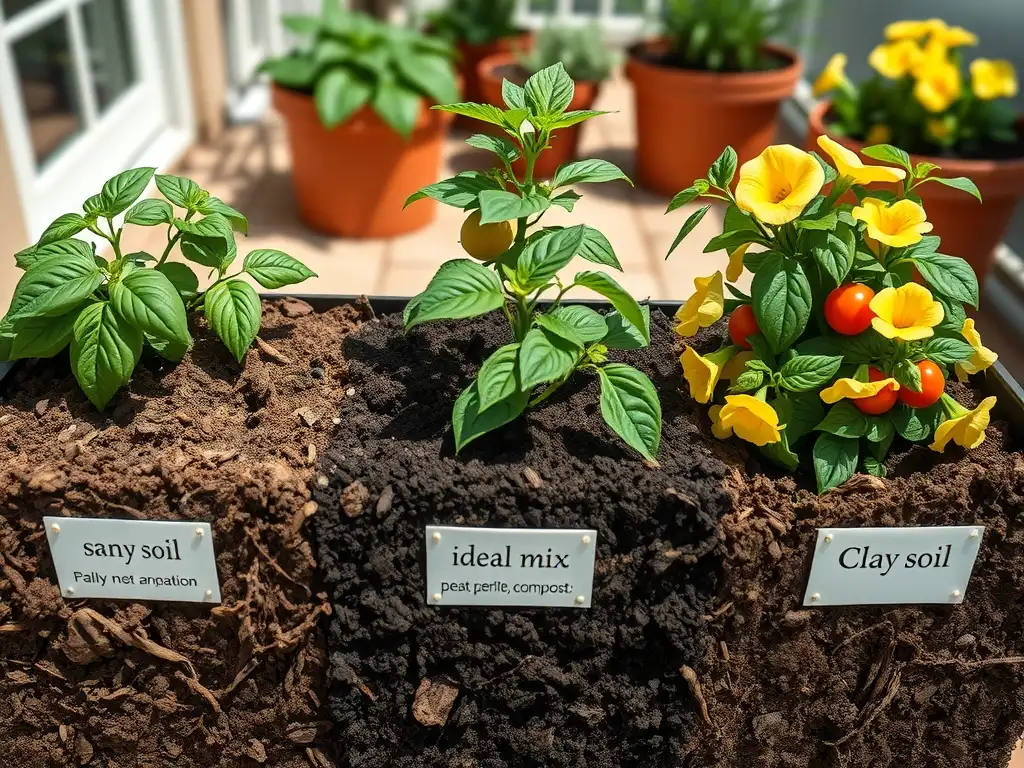
This section delves into practical solutions for common water retention problems encountered when using the best soil mix for container gardening. Achieving optimal moisture levels is crucial for healthy plant growth, and understanding how to address imbalances is key to success. We'll explore strategies to tackle both overly wet and excessively dry conditions, ultimately guiding you towards a thriving container garden.
Dealing with Soggy Soil and Poor Drainage
Soggy soil, a frequent issue in container gardens, often stems from poor drainage. This leads to root rot, a devastating condition that can quickly kill your plants. The culprit is often a poorly chosen potting mix or an improperly designed container. Using a soil mix lacking sufficient perlite or other inorganic components reduces aeration, creating waterlogged conditions.
Several solutions exist to rectify this problem. First, ensure your container has adequate drainage holes. Multiple, generously sized holes are preferable to just one or two small ones. If your container lacks drainage, consider repotting your plants into a suitable alternative.
Next, amend your soil mix. A well-draining mix is crucial. A good starting point is a blend of high-quality potting soil, perlite (around 25-30%), and coco coir (around 10-15%). The perlite improves aeration and drainage, while the coco coir aids in water retention without compromising drainage. Avoid using garden soil directly in containers, as it’s often too dense and retains too much water.
Finally, adjust your watering habits. Water thoroughly only when the top inch or two of soil is dry to the touch. Avoid overwatering, which is a common cause of soggy soil. Consider using a moisture meter to monitor soil moisture levels accurately. This helps prevent both overwatering and underwatering.
Addressing Dry Soil and Wilting Plants
Conversely, dry soil and wilting plants indicate insufficient water retention. This can be due to several factors, including using a potting mix that's too coarse, infrequent watering, or excessive sun exposure. Plants in smaller containers tend to dry out more rapidly than those in larger ones.
To combat dry soil, you can begin by improving your watering techniques. Water deeply and slowly, allowing the water to permeate the entire root zone. Consider using a watering can with a rose head to distribute water evenly. Watering in the morning is often recommended, as this allows the plants to absorb water before the heat of the day leads to evaporation.
Secondly, consider the type of container you're using. Dark-colored containers absorb more heat, causing the soil to dry out faster. Light-colored or terracotta pots can help mitigate this. You can also improve water retention by adding a layer of mulch to the top of the soil. This helps to retain moisture and suppress weeds.
Finally, choose a potting mix that retains moisture effectively. While good drainage is essential, you also need a mix that holds enough water to sustain your plants between waterings. Adding compost to your mix can improve its water-holding capacity. Remember to regularly check your plants for signs of wilting, adjusting your watering schedule as needed based on weather conditions and plant type.
Preventing Nutrient Leaching in Container Gardens
Nutrient leaching, the loss of essential nutrients from the soil due to excessive watering, is a significant concern for container gardeners using the best soil mix container garden. Frequent watering can wash away valuable fertilizers, leaving your plants nutrient-deficient and negatively impacting growth.
To minimize nutrient leaching, use a slow-release fertilizer. These fertilizers release nutrients gradually, reducing the risk of them being washed away with excessive watering. Alternatively, you can opt for more frequent applications of a water-soluble fertilizer at lower concentrations. This approach provides a steady supply of nutrients without overwhelming the plants.
Another effective method is to water less frequently but more deeply. This approach encourages deeper root growth, enabling plants to access nutrients more effectively. Ensure that the water penetrates the entire root zone, rather than just the surface. Avoid overhead watering, as it can lead to more rapid nutrient loss and fungal diseases.
Finally, consider the use of organic matter. Adding compost or other organic materials to your potting mix improves its water retention capacity and its ability to hold onto nutrients. Organic matter also improves soil structure, enhancing overall plant health and reducing nutrient loss. Regularly monitoring your plants for signs of nutrient deficiency will help you adjust your fertilization strategy accordingly. This proactive approach is crucial for ensuring the long-term health and vigor of your container garden.
Long-Term Soil Health in Your Container Garden
Maintaining healthy soil in your container garden is crucial for optimal plant growth and efficient water retention. Unlike in-ground gardens, container gardens require more frequent attention to soil health because the limited volume of soil dries out faster and nutrients are depleted more quickly. Choosing the best soil mix container garden is only the first step; ongoing management is key to long-term success. The "best" soil mix will vary depending on the specific plants you're growing, but the principles of maintaining healthy soil remain consistent.
Composting and Soil Amendments for Improved Water Retention
Composting plays a vital role in improving water retention in your container soil. Adding compost, rich in organic matter, enhances the soil's structure, creating spaces that hold water more effectively. This prevents both waterlogging and rapid drying. The organic matter also improves aeration, allowing roots to breathe and access nutrients more easily.
A good rule of thumb is to incorporate compost into your container soil mix at a rate of 25-50% by volume. This means that for every 1 cubic foot of your base soil mix, you should add between 0.25 and 0.5 cubic feet of well-rotted compost. Don't use fresh compost, as it can harbor pathogens harmful to your plants.
Furthermore, other soil amendments can boost water retention. Coco coir, a sustainable alternative to peat moss, is highly effective at holding water. Perlite or vermiculite can improve drainage and aeration, indirectly helping with water retention by preventing waterlogging. The ideal ratio of these amendments will depend on your climate and the specific plants you are growing. For example, clay-heavy soils might benefit from more perlite to improve drainage, while sandy soils might need more coco coir to increase water retention. Experimentation and observation are crucial to finding the perfect blend for your needs.
Regularly Refreshing Your Container Soil
Even with the best soil mix container garden and diligent amendment practices, your container soil will eventually degrade. Nutrients become depleted, the soil structure can compact, and beneficial microorganisms decline over time. This leads to reduced water retention and overall plant health. To combat this, consider partially refreshing your container soil annually or bi-annually.
This doesn't necessarily mean completely replacing the soil, but rather removing the top few inches of depleted soil and replacing it with fresh compost-amended soil mix. This process helps maintain optimal soil conditions, ensuring consistent water retention and nutrient availability for your plants. The frequency of soil refresh depends on the type of plants and the intensity of their growth. Fast-growing plants will deplete nutrients more quickly, requiring more frequent soil refreshment.
Remember to gently loosen the existing soil before adding the new mix to avoid damaging plant roots. This careful approach minimizes stress on your plants while ensuring the effectiveness of the soil refresh. This simple practice is a significant contribution to long-term container gardening success.
Sustainable Practices for Container Gardening: Reducing Water Waste
Sustainable container gardening goes hand-in-hand with efficient water management. Using the best soil mix container garden is a crucial step, but mindful watering practices are equally important to minimize water waste. Selecting containers that retain moisture, such as terracotta pots, can help reduce watering frequency. However, remember that terracotta pots also dry out faster than plastic ones. Employing mulch on the surface of the container soil helps to retain moisture and suppress weeds, reducing evaporation. Organic mulches, like shredded leaves or straw, also decompose slowly, adding nutrients back into the soil over time.
Furthermore, consider using water-efficient irrigation methods like drip irrigation or soaker hoses. These methods deliver water directly to the roots, minimizing evaporation and runoff. Regularly checking soil moisture levels using a moisture meter or by simply sticking your finger into the soil can help you avoid overwatering, a common problem in container gardening that leads to root rot and water waste. Observing your plants for signs of stress, such as wilting leaves, can also guide your watering decisions.
By combining the right soil mix with smart watering techniques, you can create a thriving and sustainable container garden that conserves water and minimizes environmental impact. This commitment to sustainability ensures a healthier environment and long-term success in your gardening endeavors. 🌱
Frequently Asked Questions
What is the best soil mix for container gardening?
The best soil mix for container gardening is one that provides excellent drainage while retaining enough moisture for healthy plant growth. A good mix often includes a blend of potting soil, compost, and perlite or vermiculite.
Why is water retention important in container gardening?
Water retention is crucial because containers dry out faster than in-ground gardens. Proper water retention prevents plants from wilting and ensures they receive the necessary hydration for optimal growth.
How can I improve water retention in my container garden soil?
You can improve water retention by adding organic matter like compost or coconut coir to your soil mix. These materials help the soil retain moisture without becoming waterlogged.
What are the signs of poor water retention in my container garden?
Signs of poor water retention include wilting plants, even after watering, and dry, crumbly soil that doesn't hold its shape. You may also notice that your plants are frequently thirsty.
Are there any soil mixes specifically designed for container gardening that I can buy?
Yes, many commercial potting mixes are specifically formulated for container gardening and offer good water retention and drainage. Look for mixes that include peat moss, perlite, and composted materials.
Final Reflection: Cultivating Success in Your Container Garden
The quest for the perfect soil mix is not merely a horticultural pursuit; it's the foundation upon which thriving container gardens are built. Finding the right balance of water retention, drainage, and aeration directly impacts the health and productivity of your plants, ultimately determining the success or failure of your gardening efforts. This is especially crucial in today's world, where sustainable gardening practices and maximizing yields in limited spaces are increasingly important.
The journey to understanding optimal soil composition for container gardening has been a fascinating one, revealing the intricate interplay between soil science and practical application. It's a journey that continues, as new materials and techniques emerge. The impact of this knowledge extends beyond the individual gardener; it contributes to a broader understanding of sustainable agriculture and resource management. The glory of gardening: hands in the dirt, head in the sun, heart with nature. To nurture a garden is to feed not just the body, but the soul.
This quote perfectly encapsulates the profound connection between our gardening efforts and our well-being.
Now, consider your own container garden. What adjustments can you make to your soil mix based on the insights shared in this article? Will you experiment with different ratios of components to find the perfect blend for your specific plants and climate? Take the time to observe your plants, understand their needs, and adapt your approach accordingly. The rewards—lush, healthy plants and the satisfaction of nurturing life—are well worth the effort. Embrace the journey of cultivating success, one pot at a time.
Unlock Lusher Container Gardens: Take Action Now!
Thank you for learning about creating the perfect soil mix for your container garden! You've gained valuable insights into water retention, a crucial factor for healthy plant growth. Now, let's put that knowledge into practice.
Here's how to get started:
- Craft your ideal soil blend: Following the discussed ratios, create a soil mix tailored to your container garden's specific needs. Remember to record your recipe for future use!
- Enhance your soil: Experiment with additions like compost or coco coir to optimize your soil's water retention. Share your findings with our community!
- Share your experience: Let's build a thriving community of container gardeners! Post photos of your container gardens and your unique soil blends in the comments below. We'd love to see your successes—and learn from any challenges you encounter.
Ready to transform your containers into vibrant oases? What will you add to your soil mix first to improve its properties?