
Blossom End Rot in Container Gardens: Understanding Calcium Deficiency and Solutions

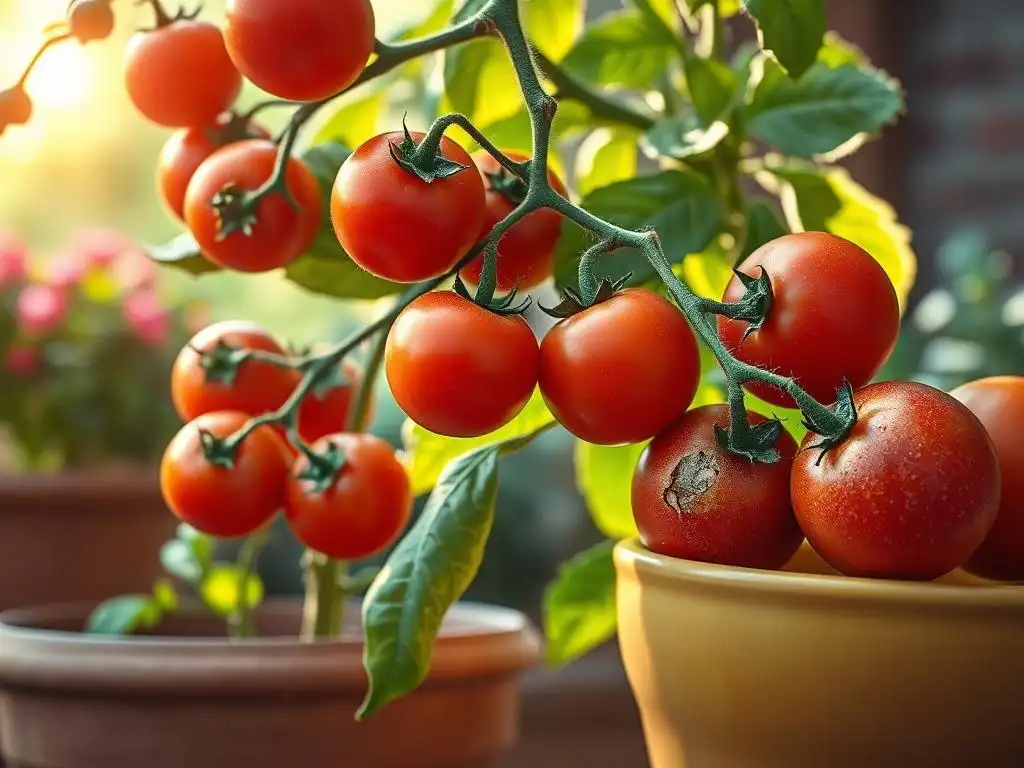
Welcome to CultivateYourFood, your guide to a thriving, sustainable home garden! Are you ready to unlock the secrets to bountiful harvests, even in limited spaces? Then you've come to the right place. This website is dedicated to helping you cultivate your own fruits, vegetables, and herbs organically.
We'll explore everything from planting to harvesting, composting to pest control. But first, let's tackle a common container gardening challenge: how to prevent blossom end rot. Discover the surprising cause and effective solutions in our in-depth article on "Prevent blossom end rot containers" – and get ready to reap the rewards of your own homegrown produce!
- Understanding Blossom End Rot in Container-Grown Plants
- Preventing Blossom End Rot in Your Container Garden
- Effective Treatments for Existing Blossom End Rot
- Preventing Blossom End Rot in Specific Container Plants
- Long-Term Strategies for Healthy Container Plants and Blossom End Rot Prevention
- Frequently Asked Questions
- Final Reflection: Cultivating Healthy Harvests, One Container at a Time
- Unveil Healthier Harvests: Prevent Blossom End Rot Now!
Understanding Blossom End Rot in Container-Grown Plants
Blossom end rot, a frustrating and unsightly condition affecting many fruits and vegetables, can significantly reduce your harvest and leave you wondering what went wrong. This comprehensive guide focuses on preventing blossom end rot specifically in container gardens, a popular but sometimes challenging gardening method. We'll explore the root cause – calcium deficiency – and delve into practical, sustainable solutions to ensure healthy, bountiful harvests from your container-grown plants.
Learning to prevent blossom end rot in containers is crucial for successful container gardening, allowing you to enjoy the fruits (and vegetables!) of your labor without the disappointment of rotting produce. This guide will equip you with the knowledge and strategies to prevent blossom end rot containers, helping you cultivate thriving plants and abundant yields.
Identifying Blossom End Rot Symptoms: A Visual Guide
Blossom end rot typically manifests as a dark, leathery, sunken spot at the blossom end (the bottom) of fruits like tomatoes, peppers, and squash. Initially, a small, water-soaked area appears, gradually expanding and deepening in color to brown or black. The affected area becomes firm and leathery, often cracking. The rest of the fruit may appear healthy, but the rotted portion is inedible.
Early detection is key. Regular inspection of your plants, particularly during fruiting periods, will allow you to catch blossom end rot in its early stages and take corrective action before it spreads. Remember, consistent monitoring is crucial for preventing blossom end rot containers. Look for these telltale signs:
- Dark, sunken lesion: The most obvious symptom.
- Water-soaked appearance (initially): The affected area starts soft and wet.
- Firm, leathery texture (later stages): The rot hardens over time.
- Cracking: The lesion may crack as it expands.
- Uneven ripening: The affected fruit may ripen unevenly, with the blossom end remaining underdeveloped.
Calcium Deficiency: The Root Cause of Blossom End Rot
The primary culprit behind blossom end rot is a deficiency of calcium in the plant. While calcium is readily available in most soils, several factors can hinder its uptake by plants. These include:
- Inconsistent watering: Fluctuating soil moisture levels disrupt calcium absorption.
- High soil pH: Alkaline soils (high pH) reduce calcium availability.
- Excessive soil salinity: High salt concentrations interfere with nutrient uptake.
- Nutrient imbalances: Imbalances in other nutrients, such as potassium and magnesium, can indirectly affect calcium absorption.
- High temperatures: Extreme heat can stress plants, further hindering their ability to absorb calcium.
Understanding these factors is paramount to prevent blossom end rot containers. Addressing these issues proactively is key to ensuring your plants receive adequate calcium.
Why Container Plants are More Susceptible to Blossom End Rot
Container plants are particularly vulnerable to blossom end rot due to several factors:
- Limited soil volume: Containers hold a smaller volume of soil compared to in-ground planting, leading to faster drying and more frequent watering needs. This inconsistent moisture can disrupt calcium uptake.
- Nutrient depletion: The limited soil volume means nutrients are depleted more quickly, potentially creating calcium deficiencies.
- Root restriction: Roots confined to a container may not be able to access sufficient nutrients.
- Higher temperatures: Containers can overheat, especially in direct sunlight, further exacerbating calcium absorption issues.
By understanding these specific challenges faced by container plants, we can implement targeted strategies to prevent blossom end rot containers and cultivate healthy, productive plants. This includes selecting appropriate container sizes, using high-quality potting mixes, and employing regular watering and feeding practices.
Preventing Blossom End Rot in Your Container Garden
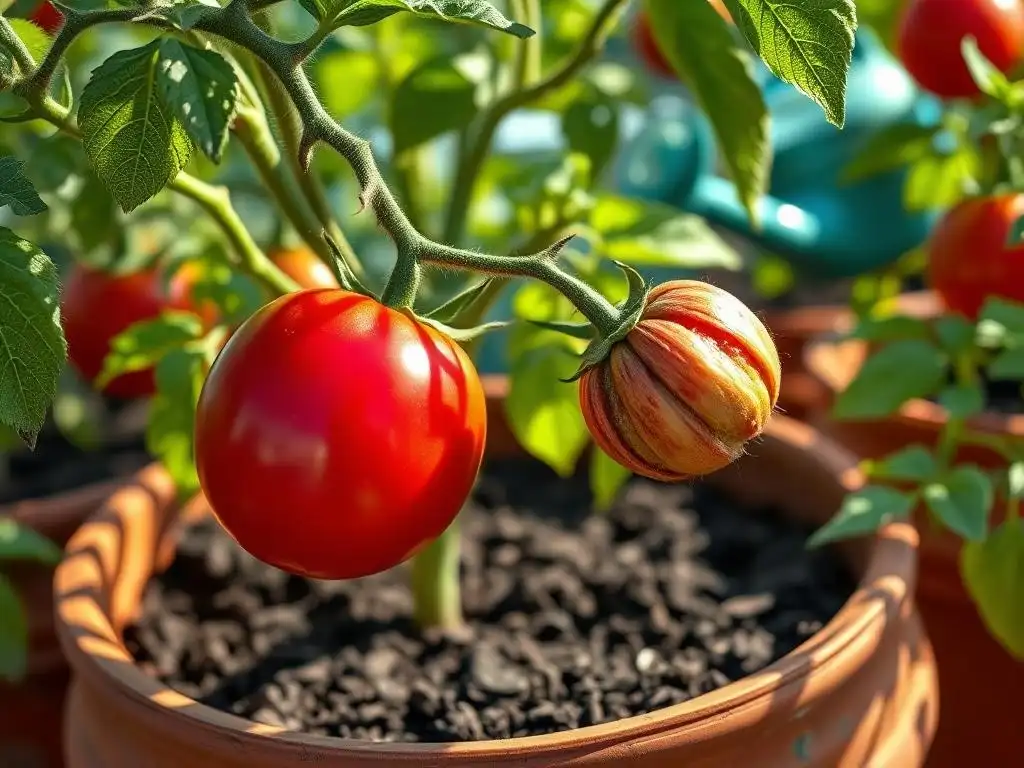
Blossom end rot, a common problem in container gardening, is often a symptom of inconsistent calcium uptake by your plants. Preventing it requires a multi-pronged approach focusing on soil moisture, nutrient balance, and overall plant health. This section details key strategies to effectively prevent blossom end rot and cultivate healthy, thriving plants in containers, helping you achieve a bountiful harvest. This guide focuses on preventative measures to answer the crucial question: "How to prevent blossom end rot containers?"
Maintaining Consistent Soil Moisture: Watering Techniques for Preventing Blossom End Rot
Inconsistent watering is a major contributor to blossom end rot. Fluctuations in soil moisture stress the plant, hindering its ability to absorb calcium. The ideal soil moisture level should be consistently moist, but not waterlogged. Overwatering leads to root rot, further impeding nutrient uptake, while underwatering causes stress that directly impacts calcium absorption.
To prevent blossom end rot through proper watering, follow these guidelines:
- Regular Watering Schedule: Establish a regular watering schedule based on your climate, container size, and plant type. Smaller containers dry out faster than larger ones. Check the soil moisture daily, especially during hot and dry periods. Stick your finger about an inch into the soil; if it feels dry, it's time to water.
- Deep Watering: Instead of frequent shallow watering, water deeply and less often. This encourages deeper root growth, making plants more resilient to drought stress and improving their ability to access calcium from the soil.
- Watering Consistency: Aim for consistent moisture. Avoid letting the soil completely dry out between waterings. This sudden shift in moisture levels can shock the plant and contribute to blossom end rot.
- Mulching: Applying a layer of organic mulch, such as straw or shredded leaves, on top of the soil helps retain moisture, reducing the frequency of watering and maintaining more consistent moisture levels.
Choosing the Right Potting Mix: Essential Nutrients and Drainage
The potting mix you use plays a crucial role in preventing blossom end rot. A well-draining mix is essential to prevent waterlogging, which hinders calcium absorption. Furthermore, the potting mix should provide adequate levels of essential nutrients, including calcium.
Consider these factors when selecting a potting mix:
- Drainage: The potting mix should be well-draining to prevent waterlogging. Avoid using heavy clay-based soils in containers, as they retain too much water. A mix that incorporates perlite, vermiculite, or coco coir will improve drainage.
- Nutrient Content: Check the nutrient content of the potting mix. While a complete fertilizer is beneficial, ensure that the mix contains a sufficient level of calcium. Look for mixes specifically formulated for vegetables or tomatoes, as these often have higher calcium content.
- pH Level: The soil pH also influences calcium availability. A slightly acidic to neutral pH (6.0-7.0) is ideal for calcium uptake. You can test your soil pH using a home soil testing kit and amend accordingly if necessary.
- Organic Matter: Incorporating organic matter, such as compost or aged manure, improves soil structure, drainage, and nutrient retention, all contributing to better calcium uptake.
Optimizing Calcium Levels in Your Soil: Organic and Chemical Methods
Even with proper watering and a good potting mix, additional calcium may be necessary to prevent blossom end rot, particularly in areas with calcium-deficient soil. There are both organic and chemical methods to increase calcium levels:
- Organic Methods:
- Eggshells: Crushed eggshells are a readily available and effective organic source of calcium. Mix them into the potting mix before planting or apply them as a top dressing.
- Gypsum: Gypsum (calcium sulfate) is another readily available organic amendment that improves soil structure and provides calcium. Follow package instructions for application rates.
- Compost: Mature compost is rich in calcium and other essential nutrients. Incorporating compost into your potting mix improves overall soil health and calcium availability.
- Chemical Methods:
- Calcium Nitrate: Calcium nitrate is a readily soluble calcium fertilizer that is quickly absorbed by plants. Follow package instructions for application rates. Be aware that overuse can lead to salt buildup.
- Calcium Chloride: Similar to calcium nitrate, calcium chloride is a soluble source of calcium. However, it can be more prone to salt buildup if overused. Use cautiously and follow package instructions.
Remember to always follow the application instructions on any fertilizer or amendment you use. Over-fertilizing can be detrimental to plant health. Regular monitoring of your plants and soil conditions is key to preventing blossom end rot and ensuring a successful harvest. 🌱
Regular Soil Testing: Monitoring Calcium Levels for Healthy Plants
Regular soil testing is crucial for preventing blossom end rot in container gardens. Unlike in-ground gardens where calcium may be more readily available, container plants rely entirely on the soil you provide. Calcium deficiencies are a primary cause of blossom end rot, so monitoring calcium levels proactively is key to preventing this issue. You can't effectively prevent blossom end rot without understanding your soil's composition.
Soil testing kits are readily available at most garden centers and online retailers. These kits typically involve collecting a soil sample from several locations within your container garden, mixing it thoroughly, and then using the kit's reagents to determine the pH and nutrient levels, including calcium. Different kits offer varying levels of detail; some provide a basic overview, while others offer more comprehensive analyses.
Choose a kit that specifically tests for calcium levels, as this is the most critical element in preventing blossom end rot. Pay close attention to the instructions provided with the kit to ensure accurate results. Inaccurate sampling or improper testing procedures can lead to misleading results and ineffective treatment strategies.
The results of your soil test will provide a quantitative measure of calcium in your soil, usually expressed in parts per million (ppm) or milligrams per kilogram (mg/kg). Compare these results to the recommended calcium levels for the specific plants you are growing. This information can typically be found on seed packets or through online resources. Remember that different plants have different calcium requirements. Tomato plants, for instance, are particularly susceptible to calcium deficiency, requiring higher calcium levels compared to other vegetables.
Consistent soil testing, ideally performed at the beginning and mid-point of the growing season, allows you to monitor calcium levels and adjust your approach accordingly. This proactive approach to soil management is a cornerstone of successful container gardening and significantly reduces the risk of blossom end rot. Regular testing empowers you to make informed decisions about fertilization and soil amendments, ensuring your plants receive the necessary nutrients for healthy growth and abundant yields. Don't just rely on visual cues; regular testing provides the data you need to truly prevent blossom end rot.
Effective Treatments for Existing Blossom End Rot
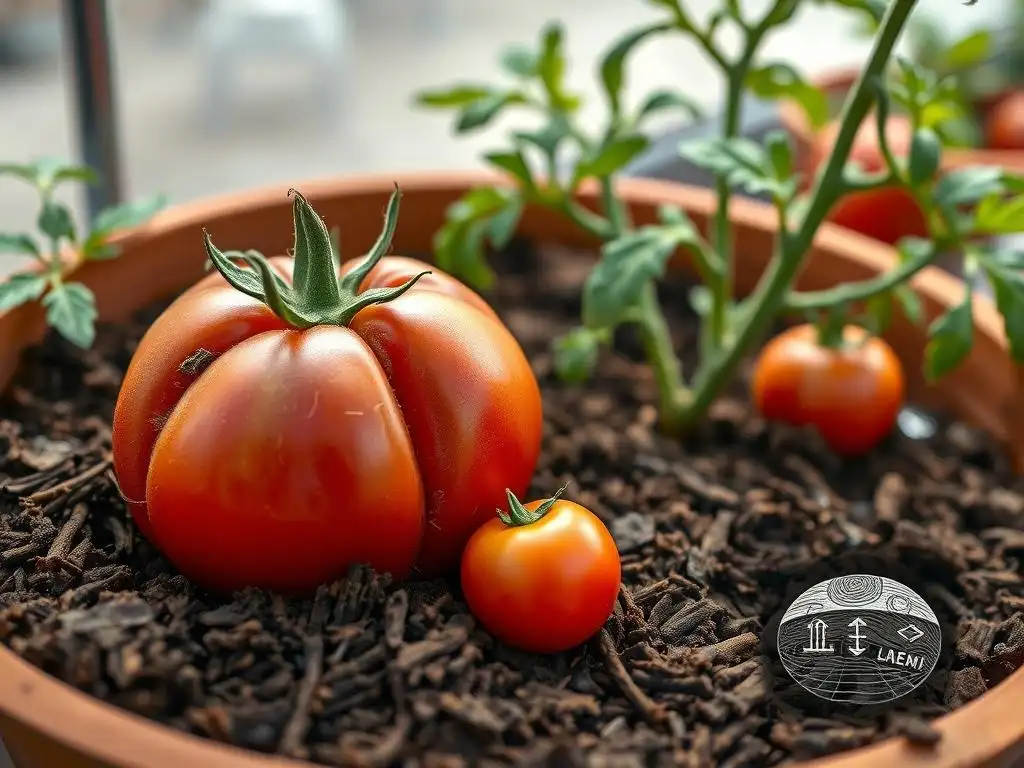
Blossom end rot, while preventable with proactive measures, can still strike even the most diligent container gardener. Once you've identified the tell-tale lesions on your fruits, it's crucial to act swiftly and strategically. Remember, while you can't fully reverse the damage already done, you can mitigate further spread and potentially salvage the remaining harvest. Preventing blossom end rot in containers requires a multi-pronged approach, starting with immediate action and following through with consistent care. This section focuses on effective treatment strategies for blossom end rot already present on your plants.
Immediate Actions to Take When Blossom End Rot Appears
Upon discovering blossom end rot, your first step is to remove and discard any severely affected fruits. Don't compost these; the disease can persist and spread. This prevents the fungus from further infecting healthy parts of your plant. Next, carefully inspect the entire plant, checking both mature and developing fruits. Early detection is key to preventing widespread damage.
A helpful tip is to regularly check your plants, ideally once or twice a week, especially during periods of rapid growth or inconsistent watering. Pay close attention to the base of the fruits – the first sign is often a small, water-soaked spot. You can also take a sample of the affected fruit to your local agricultural extension office for confirmation of blossom end rot and to rule out other issues. Early identification is key to preventing blossom end rot in containers.
Pruning Affected Parts: Saving the Rest of Your Plant
While removing severely affected fruits is crucial, you might be able to save the rest of the plant. Pruning away the affected areas can help prevent the spread of the disease. Use clean, sharp pruning shears to cut away the rotting portions, extending the cut slightly into healthy tissue to ensure you remove all infected material.
Remember to sterilize your shears between cuts with rubbing alcohol or a diluted bleach solution (1 part bleach to 9 parts water) to avoid spreading the disease. After pruning, you might need to provide extra support for the plant, especially if you've removed a significant portion of the foliage.
Organic Solutions for Blossom End Rot Treatment
While there's no "cure" for blossom end rot, several organic treatments can help manage the problem and prevent further outbreaks. These strategies focus on improving the calcium uptake of your plants:
- Calcium Supplement Spray: Apply a foliar spray of a calcium-based fertilizer, following the product's instructions carefully. This provides a direct source of calcium to the plant's leaves, which can then be absorbed. Regular application, perhaps every 7-10 days, can be beneficial.
- Soil Amendment: Amend the soil with a calcium-rich material, like gypsum or eggshells (crushed finely). These materials gradually release calcium into the soil, improving its availability to the plant's roots. However, ensure the soil pH is appropriate for calcium absorption; extremely alkaline or acidic conditions can hinder uptake.
- Improved Watering Practices: Consistent watering is essential. Avoid both overwatering and underwatering, as both can disrupt calcium uptake. Water deeply and regularly, especially during dry periods. A soaker hose or drip irrigation system can provide more even moisture.
- Mulching: Applying a layer of organic mulch around the base of your plants helps retain soil moisture and regulate soil temperature, creating a more favorable environment for calcium absorption.
Remember, consistent monitoring and proactive measures are key to preventing blossom end rot in containers. By combining preventative strategies with effective treatments, you can significantly reduce the impact of this common gardening challenge and enjoy a bountiful harvest. 🍅
Chemical Solutions for Blossom End Rot (If Necessary)
While organic methods are always preferred in sustainable gardening practices like those promoted on CultivateYourFood, in severe cases of blossom end rot, chemical interventions might be considered a last resort. It's crucial to understand that these solutions should only be used after exhausting all organic options and should always be applied according to the manufacturer's instructions. Improper use can harm beneficial insects and soil microorganisms, undermining the very sustainability you're aiming for in your container garden.
One approach involves using calcium-based fertilizers. These are not strictly "chemical" in the sense of being synthetic pesticides, but they do provide a readily available source of calcium that can be quickly absorbed by plants. However, simply applying a calcium-based fertilizer to the soil might not solve the problem if the underlying issue is poor soil drainage or inconsistent watering. The calcium might not be readily available to the plant if the root system is struggling. Therefore, addressing the root cause remains paramount, even when using chemical supplements.
Another approach, though generally discouraged for home gardeners due to potential risks, involves foliar sprays containing calcium chloride. These sprays directly deliver calcium to the plant's leaves, bypassing potential issues with soil absorption. However, these sprays can be easily over-applied, potentially burning the plant’s foliage. Moreover, the effectiveness of foliar sprays is often limited, and they don't address the underlying soil issues contributing to the problem.
Precise application techniques are critical, and a thorough understanding of the plant's needs is essential to avoid unintended negative consequences. Consult with a local agricultural extension office or experienced gardener before using foliar sprays to prevent blossom end rot in your containers. They can offer guidance on safe and effective application methods tailored to your specific situation. Remember that preventative measures, such as proper soil preparation and consistent watering, remain the most effective way to "prevent blossom end rot containers."
Ultimately, while chemical solutions might offer a temporary fix for severe blossom end rot, they are not a sustainable long-term solution. Focusing on soil health, proper watering techniques, and preventative measures remains the best approach for healthy plants and a thriving container garden. The goal is to cultivate a robust environment where plants can naturally access the calcium they need to thrive, negating the need for chemical interventions in the future.
Preventing Blossom End Rot in Specific Container Plants
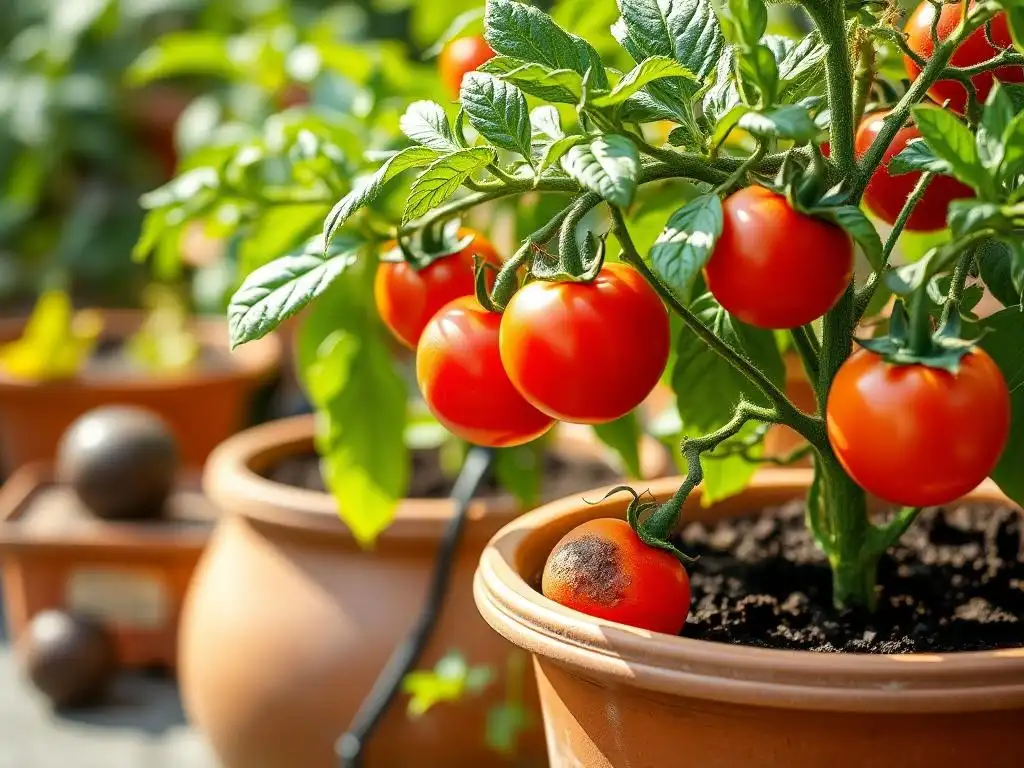
Blossom end rot, a physiological disorder characterized by a dark, leathery spot at the blossom end of fruits, is a common problem in container gardening. While calcium deficiency is the primary culprit, inconsistent watering and extreme temperatures exacerbate the issue. Understanding the specific needs of different plants helps tailor prevention strategies for optimal results. This section will focus on preventing blossom end rot in popular container plants, offering practical solutions for a bountiful harvest. Effective prevention of blossom end rot in containers requires a multi-pronged approach, addressing both soil conditions and environmental factors.
Tomatoes and Blossom End Rot: Specific Considerations
Tomatoes are notoriously susceptible to blossom end rot. Their high calcium requirement, coupled with their relatively shallow root systems in containers, makes them particularly vulnerable to calcium deficiency. Consistent watering is crucial, preventing both drought stress and overwatering, which can hinder calcium uptake.
Several factors contribute to blossom end rot in tomatoes grown in containers:
- Inconsistent Watering: Fluctuations in soil moisture significantly impact calcium absorption. Avoid letting the soil dry out completely, yet prevent waterlogging which restricts root access to nutrients. Aim for consistently moist but not soggy soil.
- High Temperatures and Sun Exposure: Extreme heat can increase transpiration rates, leading to rapid water loss and hindering calcium uptake. Consider providing afternoon shade during the hottest part of the day for containers in direct sunlight.
- Soil pH: A soil pH outside the ideal range (6.0-6.8) can reduce calcium availability. Regular soil testing and amendments are essential for maintaining optimal pH levels.
- Nutrient Imbalance: Excessive amounts of potassium or magnesium can interfere with calcium absorption. Use a balanced fertilizer specifically formulated for tomatoes, following the recommended application rates carefully.
To prevent blossom end rot in container-grown tomatoes, implement the following:
- Use a well-draining potting mix: A high-quality potting mix ensures proper aeration and water drainage.
- Water deeply and regularly: Maintain consistent moisture levels throughout the growing season, avoiding both drought and waterlogging.
- Mulch the soil surface: Mulching helps retain soil moisture and regulate temperature fluctuations.
- Apply a calcium supplement: If blossom end rot appears, consider applying a calcium-based fertilizer or foliar spray. This should be a preventative measure, not just a cure.
- Monitor soil pH: Regular testing helps ensure optimal calcium availability.
Peppers and Blossom End Rot: Prevention Strategies
Peppers, like tomatoes, are susceptible to blossom end rot, although often to a lesser degree. However, the same principles apply in terms of maintaining consistent soil moisture, avoiding extremes in temperature, and ensuring adequate calcium levels.
The prevention strategies for peppers largely mirror those for tomatoes:
- Consistent Watering: Avoid both drought stress and overwatering. Water deeply when the top inch of soil feels dry.
- Balanced Fertilization: Use a balanced fertilizer appropriate for peppers, avoiding excessive potassium or magnesium.
- Appropriate Container Size: Choose containers large enough to support the pepper plant's root system.
- Soil pH Management: Maintain a soil pH within the optimal range (6.0-6.8).
- Mulching: Helps regulate soil temperature and moisture.
The key difference lies in the pepper plant's slightly lower calcium requirement compared to tomatoes. Regular monitoring for early signs of blossom end rot is still crucial for timely intervention. Early detection allows for adjustments in watering and fertilization practices before significant damage occurs.
Other Susceptible Plants and Their Needs
While tomatoes and peppers are commonly affected, other plants grown in containers can also experience blossom end rot. Eggplants, squash, and melons are among the susceptible species. The core principles remain consistent across these plants:
| Plant | Calcium Requirement | Watering Needs | Other Considerations |
|---|---|---|---|
| Eggplant | High | Consistent, avoid extremes | Similar to tomatoes and peppers |
| Squash | Moderate | Regular, well-draining soil | Sensitive to overwatering |
| Melons | Moderate | Consistent moisture | Requires ample space and sunlight |
| Zucchini | Moderate | Consistent moisture | Requires ample space and sunlight |
Preventing blossom end rot in these plants involves carefully monitoring soil moisture, maintaining appropriate nutrient levels, and adjusting watering practices based on weather conditions and plant growth stage. Regular soil testing and proactive calcium supplementation can significantly reduce the risk of this common container gardening problem. Remember that consistent monitoring and preventative care are key to a healthy harvest, regardless of the specific plant.
Long-Term Strategies for Healthy Container Plants and Blossom End Rot Prevention
This section focuses on proactive measures to prevent blossom end rot (BER) in your container garden, emphasizing sustainable practices that build soil health and promote strong plant growth. Addressing calcium deficiency, the root cause of BER, requires a holistic approach extending beyond immediate fixes. Consistent application of these strategies will significantly reduce your risk of encountering this frustrating problem. Remember, preventing blossom end rot in containers is far easier and more rewarding than treating it.
Building Healthy Soil: Composting and Soil Amendments
Healthy soil is the foundation of healthy plants, and this is especially crucial in container gardening where the soil volume is limited. BER is often exacerbated by poor soil quality. Compost plays a vital role in improving soil structure, water retention, and nutrient availability, all contributing to better calcium uptake by your plants. Using high-quality compost rich in organic matter is key. Aim for a compost that's dark brown, crumbly, and smells earthy – not pungent or foul-smelling.
Adding compost regularly, even during the growing season, provides a slow-release source of nutrients, including calcium. Consider incorporating other soil amendments like aged manure or worm castings to further enhance soil fertility and drainage. These amendments improve the soil's ability to hold moisture and nutrients, reducing the frequency of watering and minimizing the risk of calcium leaching, a common cause of deficiency. Regular soil testing can help you determine the precise nutrient levels and guide your amendment choices. A well-balanced soil will support strong root development, leading to healthier plants less susceptible to BER.
Remember, consistency is key. Regularly amending your container soil with compost and other organic matter will create a more resilient growing environment, protecting your plants from calcium deficiencies and other nutrient imbalances.
Choosing the Right Container Size: Root Development and Nutrient Uptake
Container size directly impacts root development and, consequently, nutrient uptake, including calcium. Overcrowding roots restricts their ability to access essential nutrients and water. This can lead to stress, impacting the plant's ability to absorb calcium effectively, thereby increasing the likelihood of blossom end rot. Conversely, a container that's too large can lead to overwatering and poor drainage, further hindering nutrient absorption.
The ideal container size depends on the mature size of the plant. Research the specific needs of your chosen plant species before selecting a container. Ensure the container has adequate drainage holes to prevent waterlogging.
Consider using containers made from breathable materials like terracotta or untreated wood, as these allow for better air circulation around the roots. Plastic containers, while convenient, can retain too much moisture, potentially leading to root rot and exacerbating calcium deficiencies. The right container size ensures sufficient space for root growth and maximizes the plant's ability to uptake nutrients, minimizing the risk of blossom end rot.
Sustainable Container Gardening Practices: A Holistic Approach to Prevent Blossom End Rot
Preventing blossom end rot requires a comprehensive approach that integrates various sustainable gardening practices. These practices work synergistically to create a robust growing environment that supports healthy plants, naturally reducing the risk of nutrient deficiencies. Consistent watering is crucial; avoid both underwatering and overwatering. Aim for consistently moist soil, but avoid waterlogging. Regularly monitor soil moisture levels, and adjust watering accordingly based on weather conditions and plant needs.
Furthermore, employing techniques like mulching helps regulate soil moisture, temperature, and nutrient levels. Mulch also reduces water evaporation and suppresses weeds, minimizing competition for nutrients. Using organic fertilizers, such as seaweed extract or fish emulsion, can provide a balanced supply of nutrients, including calcium, without disrupting the delicate soil ecosystem.
These fertilizers are less likely to burn plants compared to synthetic options. Finally, regular monitoring of your plants for signs of stress or nutrient deficiencies allows for early intervention, preventing minor issues from escalating into serious problems like blossom end rot. A proactive, holistic approach to container gardening will yield healthier plants and significantly reduce your chances of dealing with BER.
Frequently Asked Questions
What is blossom end rot?
Blossom end rot is a physiological disorder affecting fruits and vegetables, primarily caused by a calcium deficiency in plants. It appears as a leathery, dark brown spot at the blossom end of the fruit.
Why does blossom end rot occur in container gardens?
Container plants are particularly susceptible because limited soil volume restricts water and nutrient uptake. Inconsistent watering can also exacerbate calcium deficiency. Poor drainage can also be a contributing factor.
How can I prevent blossom end rot in my container plants?
Maintain consistent soil moisture; avoid both overwatering and underwatering. Ensure your containers have adequate drainage. Use a calcium-rich fertilizer or amend your soil with calcium-rich materials like eggshells or gypsum.
What are the best practices for watering to prevent blossom end rot?
Water deeply and less frequently to encourage deep root growth which improves calcium uptake. Avoid overhead watering, which can lead to fungal diseases. Use a soaker hose or drip irrigation for even moisture distribution.
Can I still eat tomatoes affected by blossom end rot?
You can usually still eat tomatoes affected by blossom end rot, but only the unaffected parts. Cut away the affected area before consuming. The rot is not harmful, but it affects the fruit's quality and taste.
Final Reflection: Cultivating Healthy Harvests, One Container at a Time
Understanding and preventing blossom end rot in container gardens isn't just about saving tomatoes; it's about mastering the art of sustainable container gardening. The seemingly simple issue of calcium deficiency highlights the intricate dance between plant health, soil composition, and our role as cultivators. Ignoring this crucial element can lead to significant losses, emphasizing the importance of proactive care and observation.
The impact of blossom end rot extends beyond the individual plant; it speaks to a broader understanding of our relationship with the natural world. We are not simply passive observers but active participants in the growth and health of our plants. By understanding the nutritional needs of our crops, we gain a deeper appreciation for the delicate balance required for successful cultivation. The glory of gardening: hands in the dirt, head in the sun, heart with nature. To nurture a garden is to feed not just the body, but the soul.
This quote perfectly encapsulates the profound connection between nurturing plants and nurturing ourselves.
Now, consider your own container garden, or even your houseplants. What steps can you take today to ensure your plants receive the calcium they need? Are you regularly checking your soil pH and adjusting watering practices? Remember, preventing blossom end rot is not a one-time fix but an ongoing process of observation, adaptation, and a commitment to understanding the unique needs of your plants. Let the knowledge gained from this article empower you to cultivate not only bountiful harvests but also a deeper connection with the natural world and the rewarding journey of gardening.
Unveil Healthier Harvests: Prevent Blossom End Rot Now!
You've learned how to prevent blossom end rot, a common gardening problem. This knowledge will help you enjoy a more abundant harvest. Ready to put your new skills to the test?
- Prioritize calcium: Proper watering and soil pH are crucial for providing your plants with sufficient calcium. Adjust your watering schedule and test your soil's pH to ensure optimal calcium uptake.
- Consider adding a calcium supplement to your watering routine to boost your plants' nutrition. This can significantly improve your yields!
- Share your experiences and successful techniques with our community in the comments below. What unique solutions have you found effective?
Ready to see healthier, happier plants thriving in your garden?