
Choosing the Right Containers for Your Herbs: Materials, Size, and Drainage

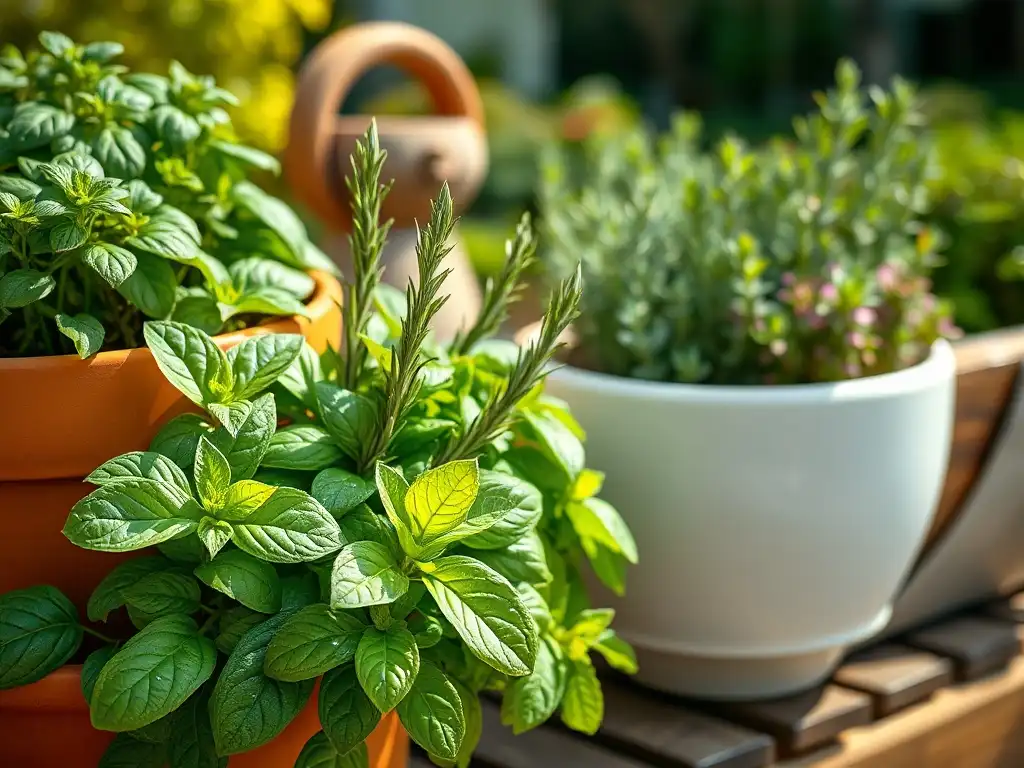
Ready to transform your home into a thriving oasis of fresh herbs? At CultivateYourFood, we empower you to grow your own organic produce, sustainably. Discover the secrets to a bountiful harvest, starting with our expert guide on choosing the best herb planter containers. Learn about the ideal materials, sizes, and drainage systems to ensure your herbs flourish – and prepare to be amazed by the results!
- Understanding the Importance of Choosing the Right Herb Planter Containers
- Best Materials for Herb Planter Containers: A Detailed Comparison
- Ideal Size and Shape of Herb Planter Containers
- Ensuring Proper Drainage in Your Herb Planter Containers
- Choosing the Best Herb Planter Containers for Your Specific Needs
- Frequently Asked Questions
- Final Reflection: Cultivating Growth, One Container at a Time
- Unleash Your Inner Gardener: Nurture Thriving Herbs!
Understanding the Importance of Choosing the Right Herb Planter Containers
Cultivating vibrant and flavorful herbs at home requires more than just sunlight and water; the choice of container plays a crucial role in your success. The "best herb planter containers" aren't just aesthetically pleasing; they are the foundation for healthy herb growth. This guide will delve into the essential factors to consider when selecting containers for your herbs, ensuring optimal growth and a bountiful harvest. From understanding the impact of material and size to mastering proper drainage, we'll equip you with the knowledge to make informed decisions and cultivate thriving herb gardens, no matter your space limitations. Choosing the right container is about more than just looks – it's about creating the perfect environment for your herbs to flourish using sustainable and organic practices, ultimately leading to a more rewarding and fruitful gardening experience. This is a critical step in your journey towards self-sufficiency and enjoying the freshest herbs possible.
Selecting the Best Herb Planter Containers for Optimal Growth
The selection of your herb planter containers significantly impacts your herbs' health and productivity. Several factors must be considered for optimal growth:
- Material: Different materials offer varying benefits and drawbacks. For example, terracotta pots are porous, allowing for good air circulation and preventing waterlogging, but they also dry out more quickly. Plastic containers retain moisture longer, requiring less frequent watering, but can lack sufficient aeration. Choosing the right material depends on your climate, the type of herbs you're growing, and your watering habits. Consider the pros and cons of each material carefully to make an informed decision.
- Size: The size of the container directly relates to the root system development of your herbs. Overly small containers restrict root growth, leading to stunted plants. Conversely, excessively large containers can retain too much moisture, increasing the risk of root rot. Research the mature size of your chosen herbs to select an appropriately sized container. A good rule of thumb is to choose a pot that is at least 12 inches in diameter for most herbs.
- Drainage: Adequate drainage is paramount to prevent root rot, a common problem for herbs grown in containers. Ensure your containers have drainage holes to allow excess water to escape. Without proper drainage, the roots can become waterlogged, leading to disease and plant death. Consider adding a layer of gravel or broken pottery shards at the bottom of the container to further enhance drainage. This simple step can significantly improve the health of your herbs.
Factors Affecting Herb Growth in Different Container Types
Let's examine how specific container types influence herb growth:
The table below summarizes the characteristics of common container materials and their suitability for growing herbs:
| Container Material | Pros | Cons | Suitability for Herbs |
|---|---|---|---|
| Terracotta | Porous, good air circulation, aesthetically pleasing | Dries out quickly, prone to cracking, heavy | Excellent for well-drained areas, regular watering required |
| Plastic | Lightweight, durable, retains moisture | Can overheat in direct sunlight, less aesthetically pleasing | Suitable for various climates, requires less frequent watering |
| Wood | Natural, aesthetically pleasing, good insulation | Requires treatment to prevent rot, can harbor pests | Ideal for herbs that prefer slightly moist conditions |
| Metal | Durable, heat resistant | Can overheat, may rust, can leach chemicals | Use with caution, suitable for specific herbs only |
Understanding these factors ensures you select the best herb planter containers for a thriving, sustainable herb garden. Remember, careful consideration of material, size, and drainage are essential for success in container gardening. Happy growing! 🌱
Best Materials for Herb Planter Containers: A Detailed Comparison
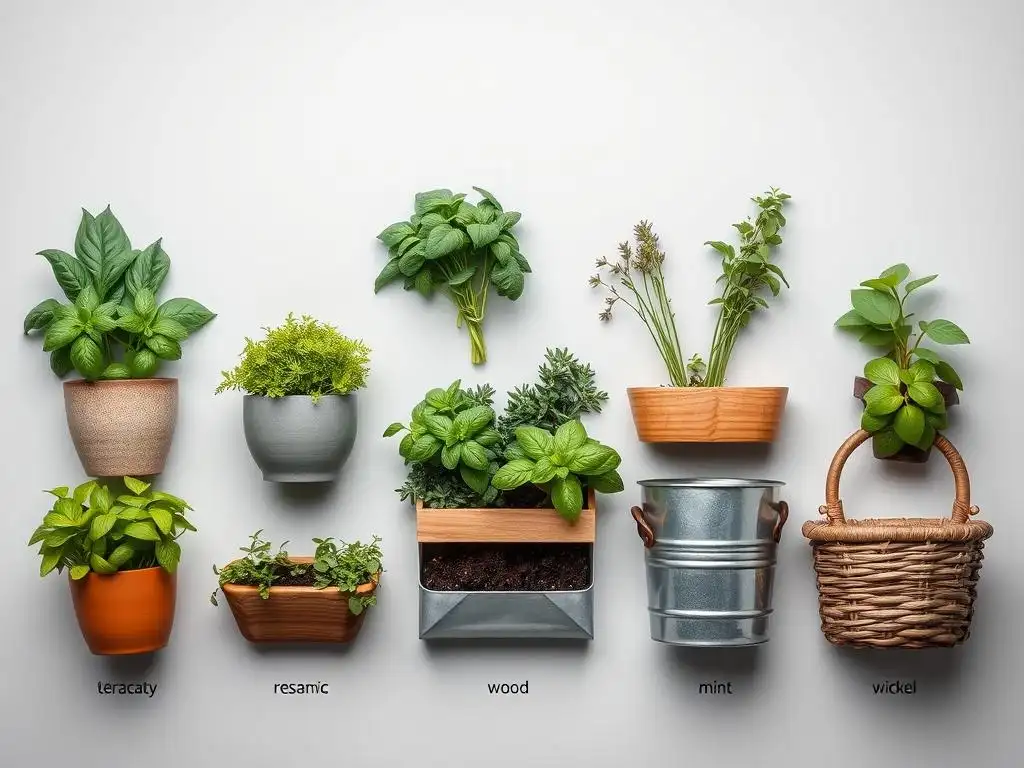
Choosing the right material for your herb planter containers is crucial for the health and growth of your plants. Different materials offer unique advantages and disadvantages regarding water retention, aeration, durability, and aesthetics. Selecting the best herb planter containers depends on your specific needs and preferences. Let's delve into the details of some popular options.
Terracotta Pots: Pros, Cons, and Best Uses for Herbs
Terracotta pots, made from baked clay, are a classic choice for many gardeners. Their porous nature allows for excellent air circulation around the roots, which is beneficial for many herbs that dislike soggy soil. This breathability also helps prevent root rot, a common problem in container gardening.
However, this porosity also comes with a drawback: rapid water evaporation. This means you'll need to water terracotta pots more frequently, especially during hot and dry periods. The constant wetting and drying cycles can also lead to the pots becoming brittle over time, necessitating replacement after a few seasons.
Pros:
- Excellent drainage and aeration
- Promotes healthy root growth
- Adds a rustic, aesthetically pleasing element to your garden
Cons:
- Requires frequent watering
- Can be prone to cracking and breakage
- Can be more expensive than plastic alternatives
Best uses for herbs: Terracotta pots are ideal for herbs that prefer well-draining soil and don't require constant moisture, such as rosemary, thyme, oregano, and lavender. Their porous nature helps to regulate soil temperature, which is beneficial for these sun-loving herbs.
Plastic Pots: Advantages, Disadvantages, and Suitability for Herbs
Plastic pots are a popular choice due to their affordability, durability, and lightweight nature. They come in a wide variety of shapes, sizes, and colors, making them versatile for any garden setting. The non-porous nature of plastic means they retain moisture better than terracotta, reducing the frequency of watering. This is particularly advantageous for busy gardeners or those in climates with limited rainfall.
However, plastic pots can sometimes suffer from poor aeration, leading to waterlogged soil and potential root rot if not properly managed. Additionally, some plastics can degrade over time in harsh sunlight, becoming brittle and less durable. Furthermore, the lack of breathability can lead to higher soil temperatures, which might not suit all herbs.
Pros:
- Lightweight and easy to handle
- Inexpensive and readily available
- Retains moisture better than terracotta
Cons:
- Can lead to poor aeration if not properly managed
- Can degrade in harsh sunlight
- Less aesthetically pleasing than some other materials
Best uses for herbs: Plastic pots are suitable for herbs that tolerate slightly moister conditions, such as basil, mint, parsley, and chives. However, ensure you select pots with drainage holes to avoid waterlogging. Consider using a well-draining potting mix to improve aeration.
Wooden Planters: Choosing the Right Wood and Maintaining Your Planter
Wooden planters offer a natural and aesthetically pleasing addition to any garden. They can add a touch of rustic charm and blend seamlessly with outdoor spaces. However, choosing the right type of wood and understanding the maintenance requirements are crucial for their longevity and to prevent issues with your herbs.
Cedar and redwood are excellent choices due to their natural resistance to rot and decay. These woods contain natural oils that help protect them from moisture damage. However, even these durable woods require proper treatment and maintenance to prevent eventual rot. Untreated wood is prone to warping, cracking and rotting, especially if exposed to frequent moisture.
Pros:
- Aesthetically pleasing and natural look
- Can be very durable if properly treated
- Provides good insulation, helping regulate soil temperature
Cons:
- Requires regular maintenance and treatment to prevent rot
- Can be more expensive than plastic or terracotta
- Untreated wood can leach chemicals into the soil, potentially harming plants.
Best uses for herbs: Wooden planters are a great choice for herbs that prefer consistent moisture but still need good drainage. Ensure the wood is treated appropriately for outdoor use and check regularly for signs of rot or decay. Regularly watering, but avoiding overwatering, is key. Choose a well-draining potting mix to support healthy root growth.
Upcycled Containers: Creative and Sustainable Options for Herb Gardening
Upcycling is a fantastic way to reduce waste and create unique, charming herb planters. Many household items can be transformed into thriving herb gardens, offering a sustainable and budget-friendly approach to container gardening. The key is to choose items that are food-safe, durable, and offer adequate drainage.
For instance, repurposed ceramic pots, while beautiful, require careful consideration of drainage. Adding drainage holes is crucial to prevent root rot, a common problem for herbs grown in containers. You can easily drill holes in the bottom of most ceramic pots using a masonry bit and a drill. Remember to place a layer of gravel or broken pottery shards at the bottom for improved drainage.
Another excellent option is using clean, food-grade plastic containers. These are readily available and often come with built-in drainage holes, simplifying the setup. Yogurt tubs, margarine containers, and even sturdy takeout containers (after thorough cleaning) can all be repurposed. However, be mindful of the material's durability; some plastics may degrade more quickly in sunlight or extreme temperatures. Consider using larger containers for herbs with more extensive root systems, like rosemary or thyme.
Metal containers, such as galvanized steel buckets or tin cans, also offer interesting possibilities. However, rust is a concern, and you'll need to ensure the metal is suitable for food contact and properly sealed to prevent leaching. Also, remember that metal heats up significantly under direct sunlight, potentially harming the delicate roots of your herbs. Consider painting the exterior of your metal containers to help regulate the temperature.
Finally, consider using wooden containers. These often add a rustic charm, but need proper treatment to prevent rot and water damage. Line the interior with a waterproof liner, such as plastic sheeting or a food-safe sealant, to protect the wood and maintain a healthy growing environment for your herbs. Cedar and redwood are naturally resistant to decay and are excellent choices if you plan to use untreated wood.
Remember to always use non-toxic sealants and finishes. Choosing the right upcycled container involves careful consideration of the material's properties and ensuring the safety of your herbs. The rewards of creativity and sustainability are well worth the effort!
Ideal Size and Shape of Herb Planter Containers
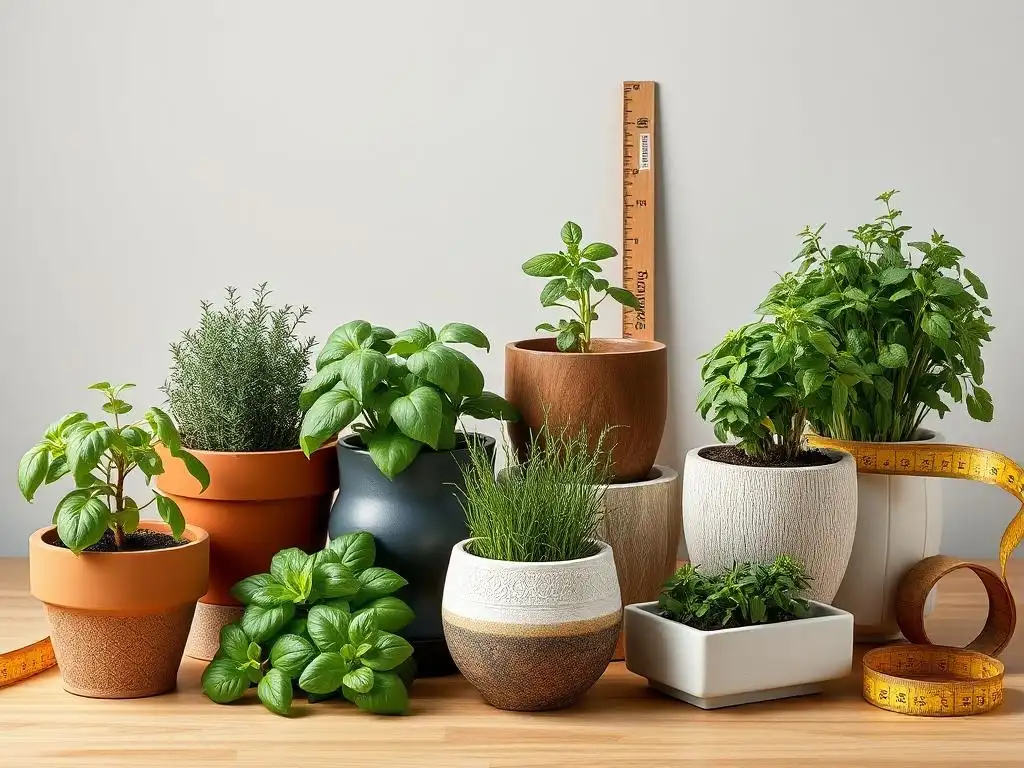
Choosing the right container is crucial for thriving herbs. The "best herb planter containers" aren't necessarily the biggest or fanciest; they're the ones best suited to the specific needs of your chosen herbs. Factors like root system, growth habit, and even the climate play a significant role in determining the ideal size and shape. Let's delve into the specifics.
Choosing the Right Size Based on Herb Type and Root System
Different herbs have different root systems. Some, like basil, have relatively shallow, fibrous roots, while others, such as rosemary, develop deeper, more extensive root systems. Ignoring these differences can lead to stunted growth or even rootbound plants.
- Shallow-rooted herbs (Basil, Cilantro, Parsley): These herbs thrive in shallower containers, typically 6-8 inches deep. A wider container is preferable to ensure sufficient space for top growth. Overly deep containers can lead to soggy soil and root rot.
- Deep-rooted herbs (Rosemary, Thyme, Oregano): These herbs require more depth to accommodate their extensive root systems. Containers at least 12 inches deep are recommended, allowing for ample root development and preventing rootbound conditions. While a wider container is beneficial, depth is the primary concern for these types of herbs.
- Vining herbs (Mint, Creeping Thyme): These herbs can spread rapidly. While depth isn't as critical, choose a container with a larger surface area to accommodate their sprawling growth. Consider containers with a wider base and slightly shallower depth.
Failing to match container size to root system can lead to reduced yields and overall plant health. Always consider the mature size of the herb when selecting your container. A small herb planted in a large container might struggle to develop a robust root system, while a large herb in a small container will become rootbound, leading to poor growth and reduced productivity. Careful consideration of these factors is key to successful herb cultivation.
Optimal Depth for Different Herbs
The depth of your herb planter container directly impacts root development and water retention. Insufficient depth can restrict root growth, leading to stunted plants, while excessive depth can promote waterlogging and root rot. Here's a more detailed look at optimal depths for various herbs:
| Herb | Optimal Depth (inches) | Notes |
|---|---|---|
| Basil | 6-8 | Shallow roots, prefers well-drained soil |
| Cilantro | 6-8 | Short lifespan, shallow roots |
| Parsley | 8-10 | Relatively shallow roots, but needs space |
| Rosemary | 12-15 | Deep roots, drought-tolerant |
| Thyme | 10-12 | Deep roots, prefers well-drained soil |
| Oregano | 10-12 | Deep roots, drought-tolerant |
| Mint | 8-10 (but can spread) | Aggressive grower, needs space to spread |
| Chives | 6-8 | Clumping habit, shallow roots |
Remember, these are guidelines. Adjustments may be needed based on your specific climate and growing conditions. Always monitor your herbs for signs of stress, such as wilting or yellowing leaves, and adjust your watering accordingly. Proper drainage is crucial regardless of the depth; ensure your containers have adequate drainage holes.
The Impact of Container Shape on Air Circulation and Drainage
The shape of your "best herb planter containers" also plays a role in plant health. Proper air circulation is vital for preventing fungal diseases and ensuring healthy root development. Drainage is equally important; poorly draining containers can lead to root rot.
- Round containers: Offer good air circulation, but can sometimes be less stable, especially if top-heavy with larger plants.
- Square or rectangular containers: Offer excellent drainage and stability, particularly for larger herbs. They also maximize space, making them ideal for small patios or balconies.
- Self-watering containers: These containers feature a reservoir at the bottom, providing consistent moisture. While convenient, they also require careful monitoring to prevent overwatering, which can negate the benefits and lead to root rot. Always ensure adequate drainage even with self-watering containers.
Furthermore, the material of the container influences drainage and temperature. Dark-colored containers absorb more heat, potentially causing the soil to dry out more quickly. Light-colored containers reflect sunlight, helping to keep the soil cooler. Consider these factors when selecting the best container for your herbs and your climate. Proper air circulation and drainage are crucial for healthy herb growth, regardless of the container's size or material.
Ensuring Proper Drainage in Your Herb Planter Containers
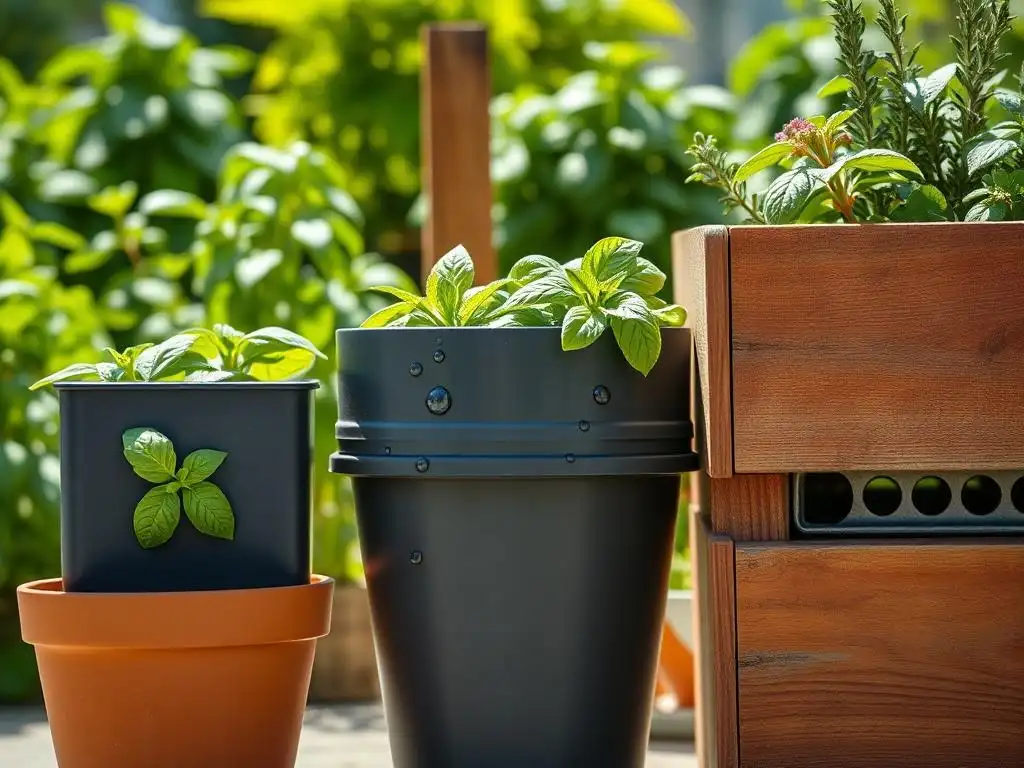
Proper drainage is paramount when selecting the best herb planter containers. Poor drainage leads to soggy soil, which suffocates herb roots and invites fungal diseases like root rot, ultimately killing your plants. Choosing containers with adequate drainage is a crucial step in ensuring healthy herb growth. Let's delve into the specifics of achieving optimal drainage.
The Importance of Drainage Holes and Preventing Root Rot
Drainage holes are essential for preventing root rot, a common problem in container gardening. Root rot occurs when roots are constantly submerged in water, depriving them of oxygen. This anaerobic environment encourages the growth of harmful fungi, leading to root decay and ultimately plant death. The symptoms of root rot include wilting, yellowing leaves, and a foul odor emanating from the soil.
To prevent root rot, select containers with multiple drainage holes in the base. The number of holes depends on the size of the container; larger containers generally require more holes for efficient water drainage. The holes should be of sufficient size to allow for the unimpeded flow of excess water. Don't underestimate the importance of this simple yet crucial feature when choosing your herb planter containers.
Think of it as providing your herbs with a healthy breathing space. A well-drained container is an investment in the long-term health and vitality of your herbs. Consider experimenting with different pot sizes and hole configurations to find what works best for your specific herbs and climate.
Effective Drainage Solutions for Planters Without Holes
While containers with drainage holes are ideal, you might encounter situations where you need to use planters without them. Perhaps you've inherited a beautiful, decorative pot, or you’ve found a unique container that lacks drainage. Don't despair! There are ways to improve drainage even in these scenarios.
One solution is to create your own drainage layer at the bottom of the container. You can use a layer of gravel, broken pottery shards, or even pebbles to create a space for excess water to collect before it reaches the soil. This layer helps prevent the soil from becoming waterlogged. However, it's crucial to ensure that this layer doesn't take up too much space, reducing the volume available for the potting mix. A layer about 1-2 inches thick is usually sufficient.
Another effective strategy is to use a pot within a pot system. Place your herb planter inside a larger, decorative container without drainage holes. The inner pot should have drainage holes, allowing excess water to drain into the outer container. Remember to empty the outer container regularly to prevent water from stagnating. This method allows you to enjoy the aesthetic appeal of a decorative container while ensuring proper drainage for your herbs. This is particularly beneficial for herbs that require consistent moisture but are prone to root rot if overwatered.
Using Potting Mixes Designed for Optimal Drainage
The type of potting mix you use significantly impacts drainage. Heavy clay-based soils retain too much water, increasing the risk of root rot. Opt for a well-draining potting mix specifically formulated for container gardening. These mixes typically incorporate materials like perlite, vermiculite, or coco coir, which enhance aeration and drainage. These amendments improve the soil structure, allowing for better water flow and preventing compaction.
Look for potting mixes labeled as "well-draining" or "for container gardening." Avoid mixes that are primarily peat-based, as these tend to become compacted and retain excessive moisture. A well-draining potting mix is a crucial element in your overall strategy for creating the best herb planter containers for your culinary herbs. The right mix, combined with containers that have appropriate drainage, significantly improves the chances of success in your herb gardening endeavors. Remember, even the best containers won't save your herbs if the soil itself doesn't allow for proper drainage.
Choosing the Best Herb Planter Containers for Your Specific Needs
Selecting the right herb planter containers is crucial for successful home gardening. The "best" container depends heavily on your experience level, available space, and aesthetic preferences. This section will guide you through choosing the ideal container, ensuring healthy herb growth and a beautiful garden. Finding the perfect planter significantly impacts your herb's yield and overall gardening experience. Consider factors like material, size, and drainage to optimize your herb cultivation. Let's explore options to help you find the best herb planter containers for your needs.
Beginner-Friendly Herb Planter Container Options
For novice herb gardeners, simplicity and ease of maintenance are key. Several container types are particularly well-suited for beginners. These options minimize the learning curve, allowing you to focus on nurturing your herbs rather than wrestling with complex container systems.
- Plastic Pots: These are readily available, inexpensive, and lightweight. Their durability makes them a great starting point. Look for pots with drainage holes to prevent root rot – a common problem for beginners. Choose pots with a capacity of at least 1 gallon per herb plant to allow for sufficient root development. Smaller pots may require more frequent watering.
- Self-Watering Containers: These containers incorporate a reservoir to provide a consistent water supply, reducing the frequency of watering. This is especially beneficial for beginners who might forget to water regularly. While slightly more expensive, the convenience and reduced risk of underwatering make them a worthwhile investment.
- Fabric Pots: These breathable containers allow for excellent aeration and drainage, promoting healthy root growth. They are lightweight and easy to move, perfect for adjusting placement as needed. However, they may require more frequent watering than plastic pots due to increased evaporation.
Advanced Options for Experienced Herb Gardeners
Experienced gardeners often seek containers that offer greater control over growing conditions and aesthetic appeal. These options provide more customization and potentially higher yields.
- Terracotta Pots: These classic pots offer excellent drainage and aeration, crucial for many herbs. However, they are more fragile than plastic and require more frequent watering due to their porous nature. Their attractive appearance adds a touch of elegance to any herb garden. Consider using saucers underneath to catch excess water and prevent staining.
- Wooden Planters: Wooden planters, especially those made from cedar or redwood, add a rustic charm. However, they require more maintenance to prevent rot and require proper sealing to protect the wood and prevent leaching of chemicals into the soil.
- Upcycled Containers: Creative gardeners often repurpose old containers, such as galvanized metal buckets or even vintage watering cans. This eco-friendly approach adds unique character to the garden. Ensure any upcycled containers are thoroughly cleaned and free from harmful residues before planting. Proper drainage is critical in these containers.
Container Selection Based on Your Garden Space and Style
The size and style of your container should complement your garden space and personal aesthetic. Consider the following:
| Container Type | Space Requirements | Style | Pros | Cons |
|---|---|---|---|---|
| Small Plastic Pots | Minimal | Modern, Simple | Inexpensive, Lightweight, Easy to Move | Limited Root Space, Frequent Watering |
| Large Plastic Pots | Moderate | Modern, Versatile | Ample Root Space, Less Frequent Watering | Bulky, Less Aesthetically Pleasing |
| Terracotta Pots | Moderate | Rustic, Traditional | Excellent Drainage, Aesthetically Pleasing | Fragile, Frequent Watering |
| Wooden Planters | Moderate to Large | Rustic, Elegant | Aesthetically Pleasing, Durable (with care) | Requires Maintenance, Can Be Expensive |
| Vertical Planters | Small to Moderate | Modern, Space-Saving | Maximizes Space, Unique Aesthetic | Can Be More Difficult to Water Evenly |
| Self-Watering Pots | Moderate | Modern, Convenient | Reduced Watering Frequency, Consistent Moisture | More Expensive |
Remember, choosing the "best" herb planter containers is a personal decision. Consider your experience level, available space, and aesthetic preferences to select the options that will best support your herb garden's growth and thrive. Happy gardening! 🌱
Frequently Asked Questions
What are the best materials for herb planter containers?
Several materials work well, each with pros and cons. Terracotta pots offer excellent drainage but can dry out quickly. Plastic containers are lightweight and retain moisture better, while wood adds a rustic charm but may require more maintenance.
What size container is ideal for herbs?
The ideal size depends on the herb. Smaller herbs like chives thrive in smaller containers (6-8 inches), while larger herbs like basil need more space (10-12 inches or larger). Consider the mature size of your chosen herb.
How important is drainage in herb planter containers?
Drainage is crucial to prevent root rot, a common problem for herbs. Ensure your containers have drainage holes at the bottom or use a pot with a drainage layer of gravel. Good drainage is essential for healthy herb growth.
Can I use recycled containers for planting herbs?
Yes, many recycled containers work well, such as clean plastic food containers or upcycled buckets. Just make sure they have adequate drainage holes and are food-safe if you plan to use them for edibles. Thorough cleaning is essential before planting.
Where can I find the best herb planter containers?
You can find a wide variety of herb planter containers at garden centers, home improvement stores, and online retailers. Consider your budget, desired material, and the size needed for your herbs when making your selection. Look for options that suit your style and gardening needs.
Final Reflection: Cultivating Growth, One Container at a Time
The right container isn't just about aesthetics; it's the foundation for thriving herbs, mirroring the careful cultivation we need in all aspects of our lives. Choosing wisely directly impacts the health and yield of your herbs, a small act with surprisingly large consequences. From the humble basil plant to the robust rosemary bush, the container's material, size, and drainage system are crucial factors determining their success.
The journey of selecting the perfect herb planter has been a surprisingly insightful one. It's highlighted the interconnectedness between seemingly small choices and their larger impact, not just on the plants themselves, but on our relationship with nature and even our own sense of accomplishment. The glory of gardening: hands in the dirt, head in the sun, heart with nature. To nurture a garden is to feed not just the body, but the soul.
This quote resonates deeply, as tending to herbs, even in the simplest container, offers a tangible connection to the natural world and a sense of nurturing growth.
Now, consider your own "containers"—the environments, relationships, and projects that you nurture. What materials are you using? Are they supportive and well-draining, or are they restrictive and hindering your growth? Take a moment to assess your own "containers," and make conscious choices to cultivate a thriving and fulfilling life, just as you would for your beloved herbs. Let the lessons learned from choosing the right planter inspire you to create the ideal environment for your own flourishing.
Unleash Your Inner Gardener: Nurture Thriving Herbs!
Thank you for learning about choosing the perfect containers for your herbs! We hope you feel confident selecting the ideal home for your plants. Ready to put your knowledge into practice?
- Select the perfect pot: The size and material of your pot are crucial for healthy herb growth. Consider the plant's mature size and root system when making your selection. This is key to ensuring healthy growth.
- Share your gardening success: Share this article with fellow gardening enthusiasts and inspire them to cultivate their own thriving herb gardens. Show off your newfound expertise!
- Experiment with different containers: Try using terracotta, wood, or even recycled materials – and let us know which works best for you!
What exciting herb-growing project will you tackle first?