
The Container Garden Planner: Choosing Containers for Maximum Yield

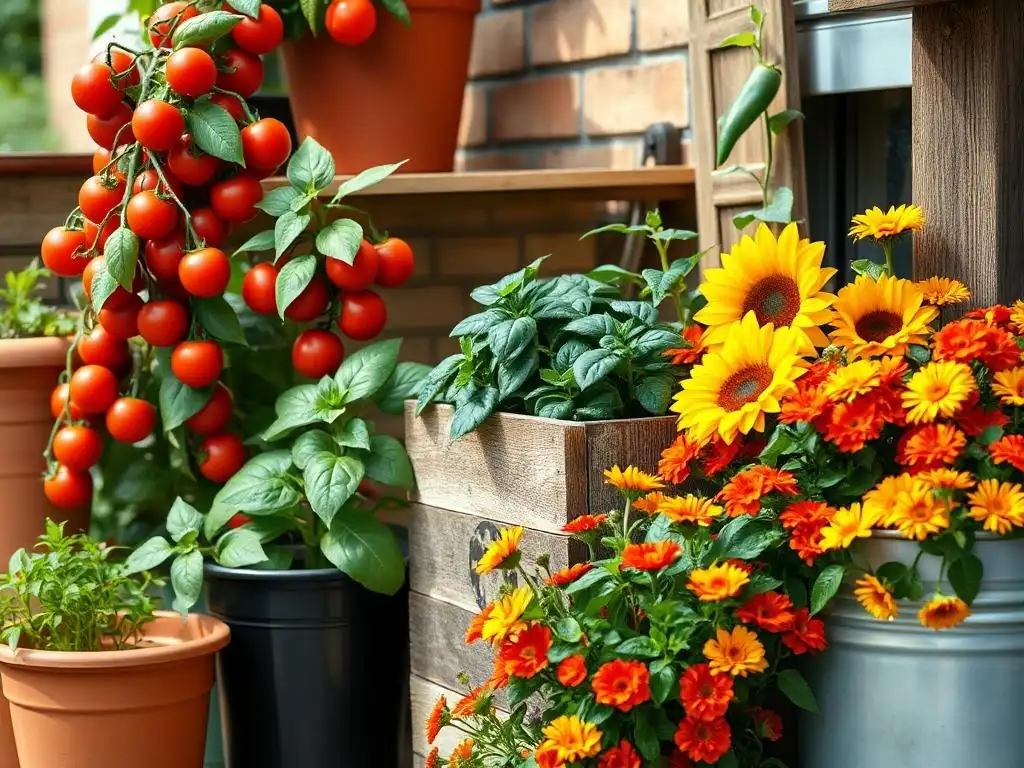
Ready to unlock the secrets to bountiful harvests, even with limited space? At CultivateYourFood, we're passionate about helping you grow your own delicious fruits, vegetables, and herbs organically. This guide dives deep into achieving the best container gardening yields, exploring the crucial role of container selection in maximizing your harvest. Discover the surprising techniques and smart choices that will transform your urban or backyard space into a thriving edible oasis. Let's get growing!
- Understanding Container Size and Plant Needs for Best Container Gardening Yields
- Optimizing Container Placement for Best Container Gardening Yields
- Selecting the Best Container Shapes and Designs for High Yields
- Container Garden Soil Selection: The Foundation for Abundant Harvests
- Advanced Techniques for Boosting Container Garden Yields
- Harvesting and Maintaining Your Container Garden for Continued High Yields
-
Frequently Asked Questions
- What are the best container types for maximizing yields?
- How much space do plants need in containers for optimal growth?
- What type of soil is best for container gardening to achieve high yields?
- How important is sunlight exposure for maximizing yields in container gardening?
- How can I ensure proper watering for optimal yields in my container garden?
- Final Reflection: Harvesting Abundance from Limited Space
- Unleash Your Inner Gardener: Grow More, Worry Less!
Understanding Container Size and Plant Needs for Best Container Gardening Yields
Container gardening offers a fantastic way to grow your favorite fruits, vegetables, and herbs, even if you have limited space. But maximizing yield in containers requires careful planning, starting with choosing the right containers. This article will guide you through selecting containers that optimize plant growth and lead to bountiful harvests, helping you achieve the best container gardening yields possible.
We'll explore the crucial relationship between container size and root systems, the impact of different container materials, and the importance of proper drainage – all key factors in achieving a thriving and productive container garden. Understanding these elements is paramount to success in your sustainable and organic container gardening journey. Let's delve into the specifics to ensure your plants flourish and yield their best!
Matching Container Volume to Root Systems for Optimal Growth
The size of your container directly impacts the growth and yield of your plants. Plants with larger root systems, such as tomatoes and peppers, require significantly more space than herbs like basil or chives. Cramping a plant's roots restricts its ability to absorb water and nutrients, leading to stunted growth and reduced yields. Conversely, choosing a container that's too large can lead to overwatering and wasted resources.
To optimize growth, consider the mature size of your chosen plants. Research the expected root spread for each variety. For example, a compact tomato variety might thrive in a 5-gallon container, while a larger indeterminate variety will need at least 10 gallons, perhaps even more. Root vegetables, like carrots or potatoes, require deep containers to allow for proper root development. Consider the following guidelines:
| Plant Type | Recommended Container Size (Gallons) | Notes |
|---|---|---|
| Bush Beans | 3-5 | Can be grown in smaller containers if spaced appropriately. |
| Tomatoes (determinate) | 5-7 | Choose larger containers for larger varieties. |
| Tomatoes (indeterminate) | 10-15 | Require ample space for vigorous growth. |
| Peppers | 5-7 | Similar to tomatoes, larger varieties need larger containers. |
| Herbs (Basil, Mint) | 2-3 | Smaller containers are suitable for herbs, but ensure adequate drainage. |
| Root Vegetables (Carrots, Potatoes) | 10-15 (deep) | Depth is critical for proper root development. Consider grow bags. |
Remember to always check the specific needs of each plant variety before selecting a container. Choosing the right size from the start will significantly contribute to obtaining the best container gardening yields. Don't underestimate the importance of this initial step!
Choosing the Right Material: Plastic, Terracotta, Wood, and More
The material of your container also plays a significant role in plant health and yield. Different materials retain moisture and heat differently, impacting soil temperature and watering frequency.
- Plastic: Plastic containers are lightweight, inexpensive, and readily available. They retain moisture well, but can overheat in direct sunlight. Dark-colored plastics absorb more heat than lighter colors.
- Terracotta: Terracotta pots are attractive and porous, allowing for excellent aeration. However, they dry out quickly, requiring more frequent watering. This can be advantageous in hot climates, but requires more attention.
- Wood: Wooden containers, such as cedar or redwood, offer a rustic aesthetic. They are durable but require proper sealing to prevent rot and to control moisture retention.
- Metal: Metal containers, while durable, can overheat quickly and may leach substances into the soil. Careful selection is needed, and they may not be suitable for all plants.
The best material for you will depend on your climate, plant choices, and personal preferences. Consider factors like water retention, heat absorption, and durability when making your decision. Experiment with different materials to determine what works best in your specific gardening conditions. This experimentation will be invaluable in your quest for the best container gardening yields.
Assessing Drainage: Essential for Preventing Root Rot and Maximizing Yields
Proper drainage is absolutely critical for successful container gardening. Poor drainage leads to waterlogged soil, which suffocates plant roots and creates the perfect environment for root rot, a devastating fungal disease. Root rot significantly reduces yields and can even kill your plants.
Ensure that your containers have drainage holes in the bottom. If your chosen container lacks drainage holes, drill some before planting. You can also add a layer of gravel or broken pottery shards at the bottom of the container to improve drainage further. This simple step will significantly improve your chances of obtaining the best container gardening yields. Don't compromise on drainage; it's a non-negotiable aspect of successful container gardening. Pay close attention to this detail, and your plants will thank you with a bountiful harvest!
Optimizing Container Placement for Best Container Gardening Yields
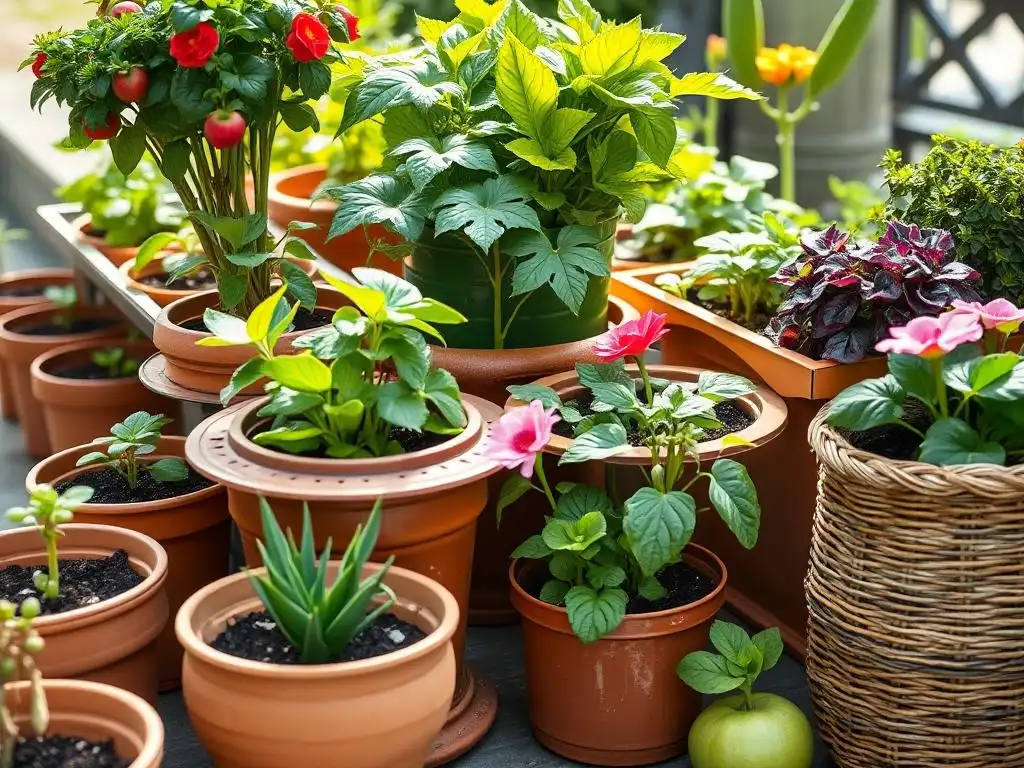
Optimal placement significantly impacts the success of your container garden and contributes directly to achieving best container gardening yields. Careful consideration of sunlight, wind, and water management are crucial factors. Let's delve into each aspect to maximize your harvest.
Sunlight Requirements: Choosing the Perfect Sunny Spot for Your Crops
Sunlight is the lifeblood of most fruits, vegetables, and herbs. Insufficient sunlight leads to weak growth, reduced flowering, and ultimately, lower yields. Most vegetables, like tomatoes, peppers, and cucumbers, require at least 6-8 hours of direct sunlight daily for optimal production. Herbs such as basil and rosemary also thrive in full sun. However, some plants, like lettuce and spinach, prefer partial shade, especially during the hottest part of the day.
To determine the sunniest spots in your garden, observe your yard throughout the day. Note which areas receive the most direct sunlight and for how long. Consider using a sun tracking app or a simple sundial for a more precise measurement. Remember that the amount of sunlight can vary depending on the season and the orientation of your containers.
Here's a table summarizing sunlight requirements for some common container garden plants:
| Plant Type | Sunlight Requirement | Optimal Yield Considerations |
|---|---|---|
| Tomatoes | 6-8 hours | South-facing placement ideal; stake or cage for support |
| Peppers | 6-8 hours | Well-drained soil crucial; protect from strong winds |
| Cucumbers | 6-8 hours | Trellising recommended; regular watering essential |
| Lettuce | 4-6 hours (partial shade) | Avoid intense afternoon sun; consistent moisture |
| Basil | 6-8 hours | Pinch back regularly to encourage bushier growth |
| Rosemary | 6-8 hours | Well-drained soil; drought-tolerant once established |
Understanding these specific needs allows you to strategically position your containers for maximum sunlight exposure, directly impacting your best container gardening yields.
Wind Protection: Shielding Plants from Damaging Winds
Strong winds can significantly damage container plants, leading to wilting, broken stems, and reduced yields. Wind can also dry out the soil more quickly, requiring more frequent watering. Protecting your containers from harsh winds is essential for healthy growth.
Several strategies can help mitigate wind damage. Consider placing your containers in sheltered areas, such as near walls, fences, or hedges. Larger plants can also act as windbreaks for smaller, more delicate ones. For exposed locations, consider using windbreaks such as screens or burlap sacks. You can also group containers together to create a microclimate that offers some protection from the wind.
Remember that even a slight breeze can contribute to water loss through transpiration. Therefore, wind protection is crucial, even on relatively calm days, for maintaining optimal soil moisture and supporting best container gardening yields.
Water Management: Efficient Watering Strategies for Container Gardens
Containers dry out much faster than in-ground gardens because the soil volume is smaller and exposed to the elements. Consistent watering is crucial for maintaining optimal soil moisture and achieving best container gardening yields. However, overwatering can lead to root rot, a common problem in container gardening.
Efficient watering practices are paramount. Water deeply and thoroughly, ensuring the water reaches the bottom of the container. Check the moisture level of the soil regularly by sticking your finger a couple of inches into the soil. If it feels dry, it's time to water. The frequency of watering will depend on factors such as weather conditions, container size, and plant type.
Consider using self-watering containers or adding water-retaining crystals to the potting mix to help retain moisture. Mulching the surface of the soil can also help reduce evaporation. Proper water management, combined with the right sunlight and wind protection, is a key ingredient in achieving best container gardening yields. Consistent monitoring and adjustments are key to success!
Selecting the Best Container Shapes and Designs for High Yields
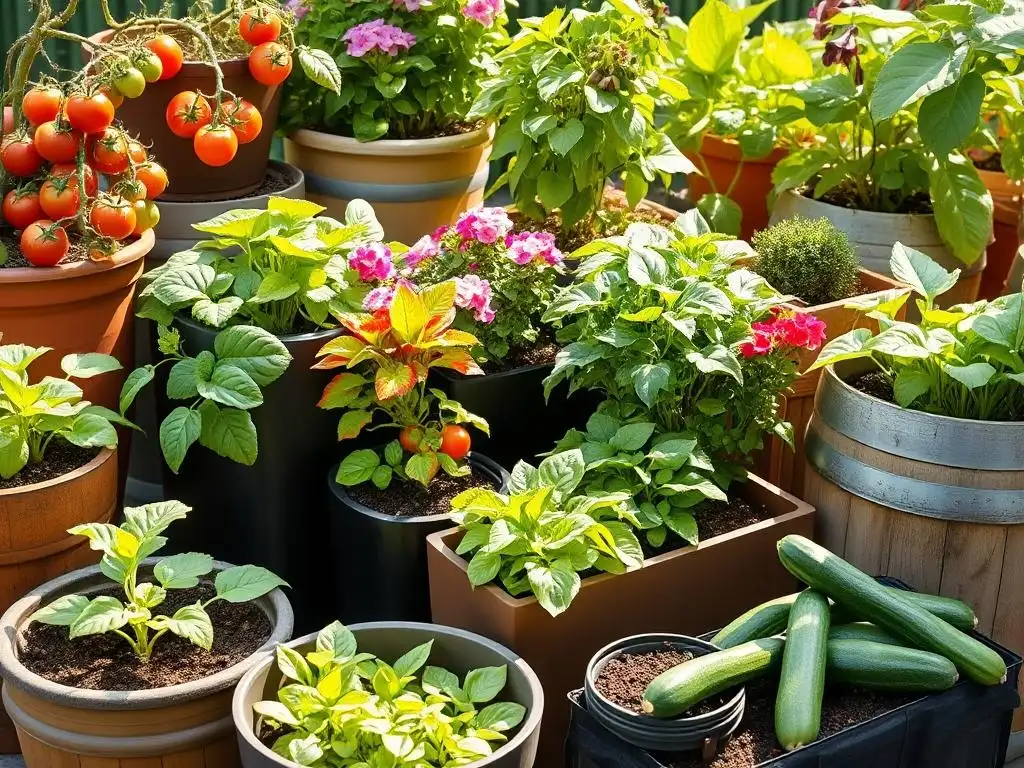
Choosing the right container significantly impacts your container gardening yields. The shape and design directly influence root development, water retention, and ultimately, the amount of produce you harvest. Optimizing these factors is key to achieving the best container gardening yields. Let's explore some popular container shapes and their suitability for maximizing your harvest.
Rectangular and Square Containers: Maximizing Space Efficiency
Rectangular and square containers are excellent choices for maximizing space efficiency, especially in smaller gardens or patios. Their straight sides allow for optimal root growth and prevent circling roots, a common problem in round containers that can stunt plant growth. This translates directly into higher yields.
Consider these points when selecting rectangular or square containers for high-yield gardening:
- Depth: A minimum depth of 12 inches is generally recommended for most vegetables and herbs to accommodate robust root systems. Deeper containers are even better for larger plants like tomatoes or peppers. Think about the mature size of your chosen plants when selecting the depth.
- Width: The width should be proportionate to the depth to ensure even water distribution and prevent the soil from drying out too quickly in the center. A good rule of thumb is to choose a width that allows for adequate spacing between plants, based on their mature size.
- Material: Plastic and wood are both popular choices. Plastic containers are lightweight and easy to move, while wooden containers offer a more aesthetic appeal and can sometimes retain moisture better. However, wooden containers require more maintenance and may need to be replaced more frequently.
Here's a table summarizing the advantages and disadvantages:
| Container Type | Advantages | Disadvantages |
|---|---|---|
| Rectangular | Maximizes space, good root growth | Can be heavier than round containers |
| Square | Maximizes space, good root growth | Can be heavier than round containers |
| Plastic | Lightweight, easy to move, inexpensive | Can degrade over time, less aesthetically pleasing |
| Wood | Aesthetically pleasing, can retain moisture better | Heavier, requires more maintenance, more expensive |
Round Containers: A Classic Choice for Many Plants
Round containers, while seemingly less efficient in terms of space, offer their own advantages, especially for plants with spreading root systems. Their curved shape encourages even root growth and water distribution. Many gardeners find them aesthetically pleasing, adding to the overall appeal of their garden.
However, to maximize yields in round containers, careful consideration of the following is crucial:
- Size Matters: Choose a size appropriate to the plant's mature size. Overcrowding can restrict root growth and reduce yields. Don't be afraid to invest in larger containers for larger plants.
- Drainage: Ensure the container has adequate drainage holes to prevent root rot. Poor drainage is a common cause of reduced yields in container gardening.
- Material Selection: Just like with rectangular containers, plastic and wood are popular options. Consider the weight and maintenance requirements when making your choice. Terracotta pots offer excellent drainage but can dry out quickly, requiring more frequent watering.
Remember, even with round containers, proper planting techniques, such as avoiding overcrowding and providing sufficient nutrients, are crucial for achieving optimal yields.
Hanging Baskets and Vertical Gardens: Space-Saving Solutions for High-Yield Gardening
Hanging baskets and vertical gardens offer innovative space-saving solutions, particularly beneficial for those with limited space. They allow you to cultivate a surprisingly high number of plants in a small area, maximizing your best container gardening yields.
However, these systems require careful planning and maintenance to ensure optimal plant health and yield:
- Plant Selection: Choose plants that thrive in hanging baskets or vertical systems. Trailing plants like strawberries and cascading herbs are excellent choices for hanging baskets. For vertical gardens, consider compact varieties of vegetables and herbs.
- Watering: Hanging baskets and vertical gardens often dry out faster than containers sitting on the ground. Therefore, they require more frequent watering, potentially even daily, especially during hot and dry weather. Consistent moisture is essential for maximizing yields.
- Support: Provide adequate support for the plants, especially as they grow. This is particularly important for climbing or vining plants in vertical gardens. Consider using trellises or other support structures.
- Soil Mix: Use a well-draining soil mix specifically formulated for containers. Avoid using garden soil, as it can compact and restrict root growth. A good quality potting mix will ensure the optimal conditions for successful growth and abundant yields. This is a crucial factor for achieving the best container gardening yields in vertical spaces.
By carefully selecting the right containers and implementing proper gardening techniques, you can significantly increase your harvests, even in limited spaces. Remember, planning and attention to detail are essential components for success in container gardening.
Container Garden Soil Selection: The Foundation for Abundant Harvests
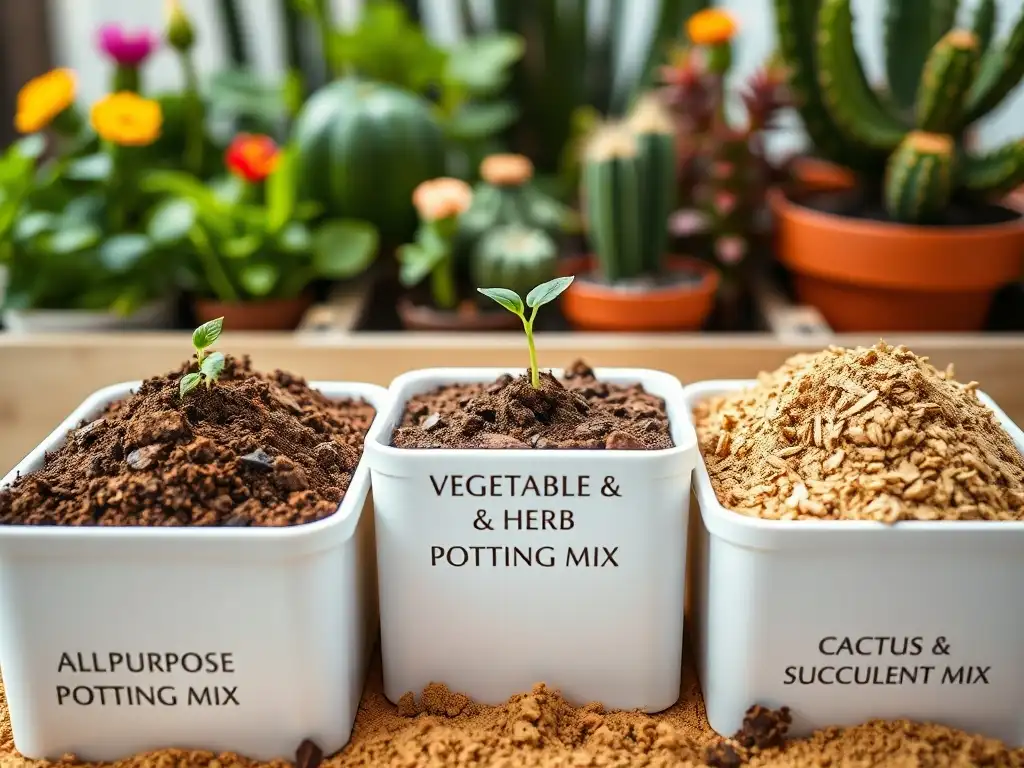
Selecting the right soil is paramount for achieving best container gardening yields. Poor soil translates directly to stunted growth and reduced harvests. Unlike in-ground gardening, where you can often amend existing soil, container gardening requires you to create the perfect growing medium from scratch. This section delves into the crucial aspects of choosing, amending, and managing your container garden soil.
Choosing the Right Potting Mix for Optimal Drainage and Nutrition
The foundation of any successful container garden is a well-draining, nutrient-rich potting mix. Avoid using garden soil directly from your yard; it's too dense and prone to compaction, leading to poor aeration and root rot. A good potting mix should consist of several key components:
- Peat Moss: Provides excellent water retention and aeration.
- Coco Coir: A sustainable alternative to peat moss, offering similar benefits.
- Perlite or Vermiculite: Improves drainage and aeration, preventing waterlogging.
- Compost: Adds essential nutrients and improves soil structure.
The ideal ratio will vary depending on the specific plants you're growing, but a general guideline is a blend of 1/3 peat moss or coco coir, 1/3 perlite or vermiculite, and 1/3 compost. Always check the label of commercially available potting mixes to ensure they meet your needs. Look for mixes specifically formulated for containers, as these are usually lighter and better-draining than those intended for in-ground use. Consider mixes designed for specific plant types (e.g., vegetables, herbs) for optimized nutrient profiles.
Amendments for Improved Soil Structure and Nutrient Retention
Even the best commercial potting mixes can benefit from amendments to further enhance their performance and boost your chances of achieving best container gardening yields. These additions tailor the soil to your specific plants' requirements:
- Worm Castings: These are an excellent source of organic nutrients and beneficial microorganisms, improving soil fertility and plant health. Adding a handful to each container provides a slow-release fertilizer.
- Bone Meal: A natural source of phosphorus, crucial for strong root development and flowering. Use sparingly, as excessive phosphorus can be detrimental.
- Epsom Salts: Provides magnesium, essential for chlorophyll production and overall plant health. A teaspoon per gallon of water, applied monthly, can help prevent magnesium deficiencies.
- Seaweed Extract: A natural liquid fertilizer rich in micronutrients, providing a boost to overall plant vigor and disease resistance.
Remember, less is often more when it comes to amendments. Over-amendment can lead to nutrient imbalances and hinder plant growth. Start with small amounts and adjust based on your plants' needs.
Soil Testing and Nutrient Management for Maximum Yields
Regular soil testing is crucial for ensuring your container plants receive the optimal balance of nutrients for best container gardening yields. While not as readily available as home soil testing kits for in-ground gardens, professional soil testing labs can analyze your potting mix. This service provides a detailed breakdown of nutrient levels, pH, and other important factors. Based on the results, you can adjust your fertilization strategy to ensure your plants thrive.
Consider using slow-release fertilizers to minimize the frequency of feeding. These fertilizers gradually release nutrients over time, reducing the risk of nutrient burn and providing a consistent supply of essential elements. Alternatively, liquid fertilizers can be applied more frequently, allowing for greater control over nutrient levels. Remember to always follow the manufacturer's instructions carefully, and monitor your plants closely for signs of nutrient deficiencies or excesses.
Regular monitoring and adjustment are key to achieving consistent and abundant harvests in your container garden. Using a combination of soil testing, amendment strategies, and precise fertilization will help you grow the healthiest, most productive plants possible. 🌱
Advanced Techniques for Boosting Container Garden Yields
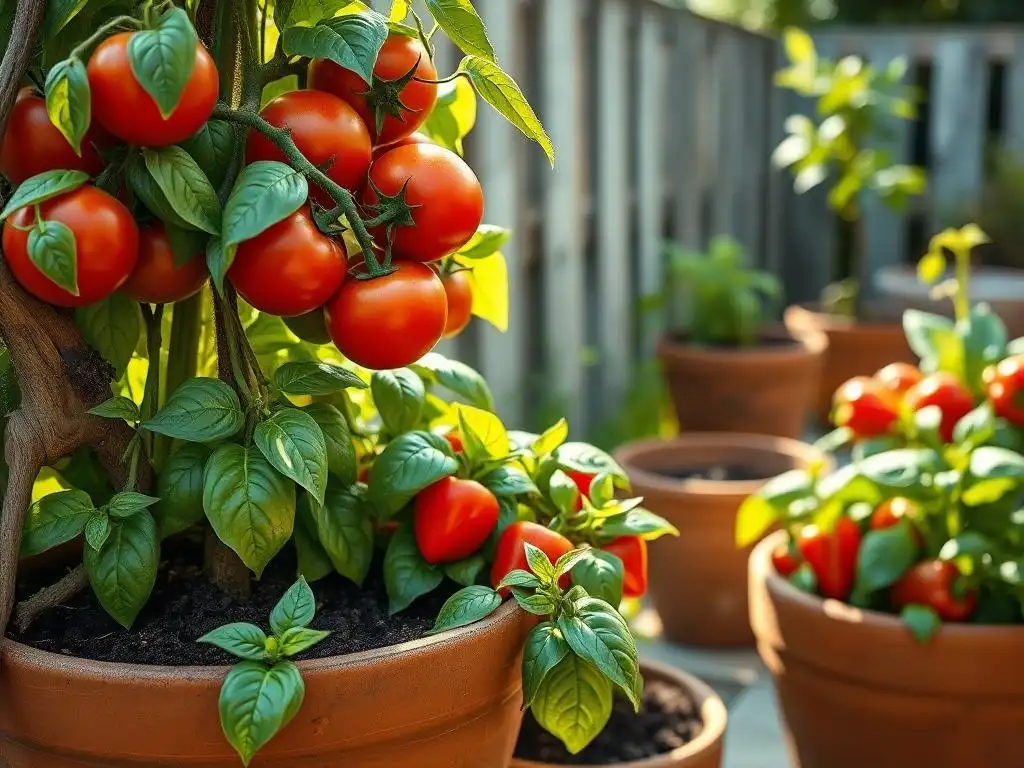
This section delves into advanced techniques that significantly impact the yield of your container garden, going beyond basic planting and watering. Optimizing these aspects ensures you get the best container gardening yields possible. We'll explore strategies for maximizing moisture retention, employing effective fertilization, and implementing proactive pest and disease management. Remember, even small improvements in these areas can lead to a substantial increase in your harvest.
Mulching and Moisture Retention Techniques
Mulching is crucial for maintaining consistent soil moisture in containers, which are prone to drying out faster than in-ground gardens. A good mulch acts as an insulator, preventing rapid evaporation. Several options exist, each with its pros and cons.
- Organic Mulches: These decompose over time, enriching the soil. Examples include straw, shredded leaves, and wood chips. However, they require occasional replenishment. Using straw around delicate seedlings can help protect them from slugs and snails.
- Inorganic Mulches: These are more durable and require less frequent replacement. Examples include pebbles, gravel, and landscape fabric. However, they don't improve soil fertility. Pebbles are particularly useful for drainage around plants that are sensitive to overwatering.
The ideal mulch layer is typically 2-3 inches thick. Avoid piling mulch directly against the stems of your plants to prevent rot. Regularly check soil moisture levels, adjusting watering accordingly. Remember, overwatering can be just as detrimental as underwatering. A moisture meter can be a valuable tool for monitoring soil conditions. Careful observation of your plants—looking for wilting or drooping leaves—is also a key indicator of moisture needs.
Fertilization Strategies for Abundant Harvests
Container gardens require more frequent fertilization than in-ground gardens because nutrients are quickly leached out through drainage. Choosing the right fertilizer and applying it correctly is vital for maximizing best container gardening yields.
Several options exist:
- Liquid Fertilizers: These are easily absorbed by plants and provide a quick boost of nutrients. However, they require more frequent applications. Dilute liquid fertilizers according to the manufacturer's instructions to prevent burning the roots. Regular applications, perhaps every two weeks during the growing season, are often necessary.
- Slow-Release Fertilizers: These release nutrients gradually over time, reducing the frequency of application. They provide a more consistent supply of nutrients, reducing the risk of nutrient deficiencies. However, the initial cost might be higher.
- Compost Tea: This natural fertilizer is rich in beneficial microbes and nutrients. Brewing your own compost tea is a sustainable and cost-effective option, enriching the soil and promoting healthy growth. Compost tea is a fantastic organic alternative to chemical fertilizers.
Regardless of the fertilizer chosen, always follow label instructions carefully. Over-fertilizing can harm your plants, leading to root burn and reduced yields. Regular soil testing can help determine nutrient levels and guide your fertilization strategy. This allows for a tailored approach to nutrient management, maximizing your harvest.
Pest and Disease Management in Containers
Container gardens, while convenient, are also susceptible to pests and diseases. Proactive pest and disease management is essential for achieving best container gardening yields.
Here are some effective strategies:
- Regular Inspection: Regularly inspect your plants for signs of pests or diseases. Early detection is crucial for effective control. Look for unusual discoloration, holes in leaves, or the presence of insects.
- Beneficial Insects: Introduce beneficial insects like ladybugs and lacewings, which prey on common garden pests. These natural predators can help control pest populations without resorting to harmful chemicals.
- Organic Pest Control: Utilize organic pest control methods such as neem oil or insecticidal soap. These are less harmful to beneficial insects and the environment than synthetic pesticides. Always follow the instructions on the product label carefully.
- Disease Prevention: Ensure proper spacing between plants to promote good air circulation and prevent the spread of diseases. Avoid overwatering, which can create conditions favorable for fungal diseases. Rotate your crops annually to break disease cycles. Maintaining healthy plants is the best defense against diseases.
Remember, a combination of these advanced techniques will significantly increase your chances of achieving abundant harvests in your container garden. Careful planning and consistent monitoring are key to success. 🎉
Harvesting and Maintaining Your Container Garden for Continued High Yields
This section focuses on maximizing your harvest and extending the productive life of your container garden. Achieving the best container gardening yields isn't just about planting; it's about a continuous cycle of care and attention. We'll explore key techniques to ensure your plants thrive and produce abundantly throughout the growing season.
Recognizing Signs of Maturity for Optimal Harvesting
Harvesting at the peak of ripeness is crucial for maximizing flavor and yield. Knowing when to pick your produce is a skill honed through observation and experience. Here's a guide to help you identify maturity in various common container garden plants:
- Tomatoes: Look for deep color, a slight give when gently squeezed, and a fragrant aroma. Avoid harvesting green tomatoes unless you plan to ripen them indoors. 🍅
- Cucumbers: Harvest when they reach their desired size and have a firm, smooth skin. Overripe cucumbers will be yellow and seedy.
- Peppers: The color is the primary indicator of ripeness. Sweet peppers typically turn red, orange, or yellow, while hot peppers can range in color from green to red, purple, or even brown.
- Herbs: Harvest herbs just before they flower for the most intense flavor. Pinch off leaves or stems regularly to encourage bushier growth and prevent bolting (going to seed). 🌿
- Leafy Greens: Harvest outer leaves first, leaving the inner leaves to continue growing. Regular harvesting prevents bolting and keeps the plants producing fresh leaves.
Post-Harvest Care and Plant Maintenance
Even after harvest, your plants need care to continue producing. Proper post-harvest maintenance is essential for achieving the best container gardening yields.
Maintaining soil health is paramount. Regular watering, especially during hot and dry periods, is crucial. Consider adding a layer of mulch to retain moisture and suppress weeds. Nutrient depletion is another concern; regular feeding with organic fertilizers or compost tea will replenish essential nutrients, promoting continued growth and fruit production.
Deadheading (removing spent flowers) encourages the plant to focus its energy on producing more fruits or vegetables instead of seeds. Regularly inspecting your plants for pests and diseases is also vital; early detection and treatment can prevent widespread damage and protect your harvest. Remember, consistent care translates directly into higher yields.
Preparing Containers for the Next Growing Season
To ensure your containers are ready for the next growing season and contribute to your best container gardening yields year after year, proper cleaning and preparation are key. This helps prevent the buildup of pests and diseases, promoting healthy growth in the future.
After harvesting, remove all plant debris from your containers. Thoroughly clean the containers with a solution of mild soap and water, paying close attention to any cracks or crevices where pests might hide. Allow the containers to dry completely before storing them in a dry, protected place. Consider sterilizing the containers using a bleach solution (1 part bleach to 9 parts water) if you suspect a significant pest or disease problem. Before replanting, refresh the potting mix.
Old potting mix can become compacted and depleted of nutrients, hindering the growth of new plants. Using fresh, high-quality potting mix ensures your plants have the best possible start. This proactive approach ensures your containers remain productive for years to come. Remember to choose appropriate containers for the next growing season based on the plants you intend to cultivate, keeping in mind the principles of successful container gardening for optimal yields.
Frequently Asked Questions
What are the best container types for maximizing yields?
Choosing the right container is crucial. Larger containers generally provide better yields because they retain more moisture and offer more root space. Consider materials like plastic or fabric pots for optimal results.
How much space do plants need in containers for optimal growth?
The required space varies depending on the plant. Research the mature size of your chosen plants to determine the appropriate container size. Overcrowding will dramatically reduce yields.
What type of soil is best for container gardening to achieve high yields?
Use a high-quality potting mix, not garden soil. Potting mixes are designed for containers and offer better drainage and aeration, vital for healthy root systems and maximum yields.
How important is sunlight exposure for maximizing yields in container gardening?
Sunlight is essential! Most fruits, vegetables, and herbs require at least 6 hours of direct sunlight daily. Consider your garden's orientation and choose sunny locations for your containers.
How can I ensure proper watering for optimal yields in my container garden?
Consistent watering is key. Avoid overwatering or underwatering. Check the soil moisture regularly and water when the top inch feels dry. Consider using a self-watering system for convenience and consistency.
Final Reflection: Harvesting Abundance from Limited Space
The art of container gardening isn't just about aesthetics; it's about maximizing yield in even the smallest of spaces. This is more crucial than ever in a world facing increasing urbanization and a growing need for sustainable food sources. The ability to cultivate a bountiful harvest, regardless of land availability, empowers individuals and communities alike.
The journey of optimizing container gardening yields has profoundly impacted my own approach to cultivation. I've learned that careful container selection, strategic planting, and consistent care are key to success. It's not just about the size of the pot, but the material, drainage, and even the color, all of which play a significant role in plant health and productivity. The glory of gardening: hands in the dirt, head in the sun, heart with nature. To nurture a garden is to feed not just the body, but the soul.
This quote perfectly encapsulates the rewarding experience of nurturing life, even within the confines of a container.
Now, it's your turn. Consider the space you have available, even if it's just a balcony or a small patio. Imagine the vibrant colors and delicious flavors of homegrown herbs, vegetables, and flowers flourishing in your own containers. Don't let limited space limit your dreams of a bountiful harvest. Embrace the challenge, experiment with different container types and plant combinations, and discover the joy of cultivating your own edible landscape. The rewards – both tangible and intangible – are well worth the effort.
Unleash Your Inner Gardener: Grow More, Worry Less!
Thanks for exploring the world of container gardening with us! We hope you feel empowered to create a thriving, bountiful harvest, even in limited spaces. Ready to get started?
- Design your dream container garden! Sketch your ideal setup, considering sunlight, plant needs, and available space. Let your creativity flourish!
- Share your plans! Post photos or descriptions on our CultivateYourFood community forum – we'd love to see your vision and offer support.
- Get creative with your containers! Repurpose buckets, vintage watering cans, or even old boots! The possibilities are endless.
Ready to transform your outdoor space into a productive oasis? What are you most excited to grow in your container garden?