
Container Gardening FAQs: Answering Your Most Common Questions

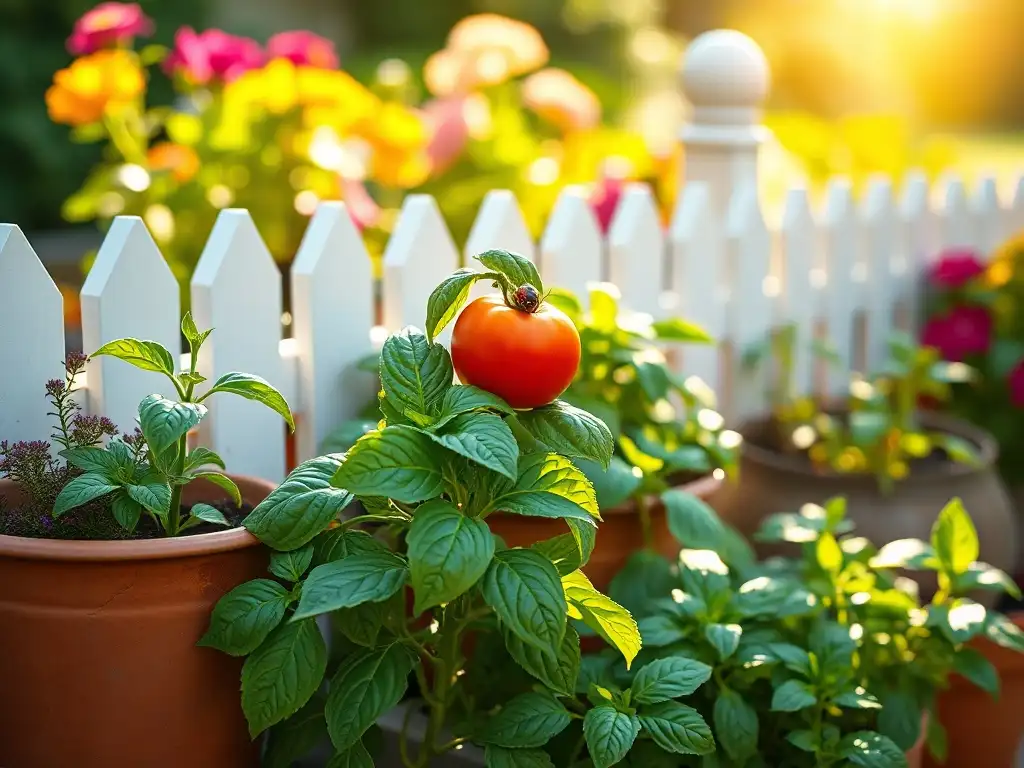
Welcome to CultivateYourFood, your guide to a thriving home garden! Are you ready to reap the rewards of fresh, organic produce, but worried about common pitfalls? Then you've come to the right place. This website is dedicated to empowering you with the knowledge and techniques to successfully grow your own fruits, vegetables, and herbs. Let's dive straight into tackling those container gardening common problems that often hold back even the most enthusiastic gardeners. Discover the solutions and unlock the secrets to a bountiful harvest – read on to learn more!
- Choosing the Right Container Size for Your Plants
- Common Container Gardening Problems and Solutions
- Container Gardening Soil and Planting
- Maintaining Your Container Garden
- Troubleshooting Container Gardening Challenges
- Tips for Successful Container Gardening
-
Frequently Asked Questions
- What are some common problems with container gardening?
- How can I prevent my container plants from drying out too quickly?
- What kind of soil is best for container gardening?
- How do I deal with pests and diseases in my container garden?
- What nutrients do container plants need, and how do I provide them?
- Final Reflection: Cultivating Growth, One Container at a Time
- Unlock Your Green Thumb: Start Container Gardening Today!
Choosing the Right Container Size for Your Plants
Container gardening offers a fantastic way to grow your favorite fruits, vegetables, and herbs, even if you have limited space. But success hinges on selecting the right containers. Choosing containers that are too small can restrict root growth, leading to stunted plants and reduced yields. Conversely, overly large containers can lead to overwatering and wasted resources.
This article addresses common container gardening problems related to container size and helps you avoid them, ensuring a bountiful harvest from your homegrown produce. We'll explore optimal container sizes for various plants, focusing on the crucial relationship between container depth and root development, ultimately helping you master the art of container gardening and overcome common challenges associated with choosing the right containers for your plants. This guide will address many of your container gardening common problems, focusing on achieving healthy plant growth through proper container selection.
Selecting Pots for Vegetables: Considerations and Recommendations
Choosing the right pot size for vegetables is crucial for their healthy growth and yield. Different vegetables have different root systems and space requirements. For example, sprawling vegetables like zucchini or squash need significantly more space than compact ones like lettuce or radishes.
Consider the mature size of the plant: a small tomato plant will eventually need a much larger pot than its initial size suggests. Generally, aim for containers at least 12-18 inches in diameter and depth for most vegetables to allow for adequate root development. Larger vegetables, like tomatoes and peppers, might benefit from containers even larger than this, perhaps 24 inches across and deep.
Remember to consider the type of soil you're using; well-draining soil will allow for better root aeration even in slightly smaller containers, mitigating some of the risks associated with root-bound plants. Using self-watering containers can also help to alleviate some of the challenges associated with smaller container sizes.
Here's a helpful table summarizing recommended container sizes for common vegetables:
| Vegetable | Minimum Container Diameter (inches) | Minimum Container Depth (inches) | Notes |
|---|---|---|---|
| Lettuce | 6-8 | 6-8 | Can be grown in smaller containers initially |
| Radishes | 4-6 | 4-6 | Shallow containers are sufficient |
| Tomatoes | 12-18 | 12-18 | Larger containers yield better results |
| Peppers | 12-15 | 12-15 | Similar to tomatoes |
| Zucchini/Squash | 18-24 | 18-24 | Requires significant space |
| Strawberries | 6-10 | 6-10 | Hanging baskets also work well |
Remember that these are minimum recommendations; larger containers are always preferable, especially in hot climates where the soil can dry out quickly. Proper drainage is key, regardless of container size, to prevent root rot.
Optimal Container Sizes for Herbs and Small Plants
Herbs and smaller plants generally have more modest space requirements than vegetables. However, even small plants benefit from appropriately sized containers. Overcrowding can lead to competition for resources and reduced growth. For most herbs, a 6-8 inch diameter pot is usually sufficient, especially for those that are harvested regularly. However, larger, more vigorous herbs like rosemary or thyme might appreciate a slightly larger container, around 10-12 inches in diameter.
The depth of the container is also important, ensuring that the roots have enough space to grow and access nutrients and water. Using well-draining potting mix is crucial to prevent overwatering, a common problem in smaller containers. Consider the mature size of the plant – a small basil plant will need more space as it grows. Choosing the right container size minimizes the risk of your herbs becoming root-bound and helps them to thrive.
Container Depth and Root Development: A Crucial Factor
Container depth is arguably the most crucial factor when selecting a container, regardless of plant type. Inadequate depth severely restricts root development, leading to stunted growth and reduced yields. Roots need space to explore, absorb nutrients and water, and anchor the plant. A shallow container, even if wide, will quickly become root-bound, limiting the plant's ability to thrive.
The depth should be proportional to the plant's root system. Deep-rooted plants, such as tomatoes and peppers, require deep containers to prevent root circling and ensure healthy growth. For shallow-rooted plants, like lettuce, a shallower container is sufficient.
Consider the mature size of the plant's root system when choosing a container. Always ensure that your chosen container provides sufficient depth for the plant to develop a strong and healthy root system, avoiding common container gardening problems associated with insufficient depth. Remember that good drainage is equally crucial, preventing waterlogging which can damage roots and lead to plant diseases.
Material Matters: Plastic vs. Terracotta vs. Wood Containers
Choosing the right container material is crucial for the success of your container garden. Each material has its own set of advantages and disadvantages regarding water retention, temperature regulation, and durability. Let's delve into the specifics of plastic, terracotta, and wood containers.
Plastic containers are lightweight, inexpensive, and come in a vast array of sizes and shapes. Their smooth surfaces prevent soil from clinging, making them easy to clean. However, they can overheat in direct sunlight, leading to rapid water evaporation and potentially scorching plant roots. This requires more frequent watering, particularly during hot summer months. Furthermore, while durable, they can degrade over time, especially under harsh UV exposure, potentially releasing harmful chemicals into the soil. Consider using recycled plastic containers whenever possible to minimize environmental impact. For example, repurposed food-grade buckets are a sustainable and readily available option.
Terracotta pots, on the other hand, are porous. This porosity allows for excellent drainage and aeration, preventing soggy soil and root rot – a common problem in container gardening. The natural material also offers a certain aesthetic appeal, blending well with most garden settings. However, this same porosity also leads to rapid water evaporation, requiring more frequent watering, even more so than with plastic containers.
Terracotta can also be prone to cracking, especially in freezing temperatures, requiring careful winter storage or protection. The weight can also be a significant factor, especially for larger containers, making them less convenient to move. A practical solution for mitigating rapid water loss is to use a water-retaining gel mixed into the potting soil.
Wooden containers offer a rustic charm and excellent insulation, helping to regulate soil temperature and retain moisture more effectively than plastic or terracotta. They are also biodegradable, making them an environmentally friendly option. However, wood containers require more maintenance. Untreated wood can rot, requiring protective treatments like linseed oil or other wood preservatives. These treatments, however, must be non-toxic to the plants.
Furthermore, wood containers can be more expensive than plastic options and may harbor pests or diseases if not properly treated and maintained. Choosing pressure-treated wood should be avoided, as the chemicals used can leach into the soil and harm plants. Cedar or redwood are naturally resistant to rot and decay, making them excellent choices for long-lasting wooden planters. Proper drainage is also crucial with wooden containers, as they can retain water for longer periods.
Common Container Gardening Problems and Solutions
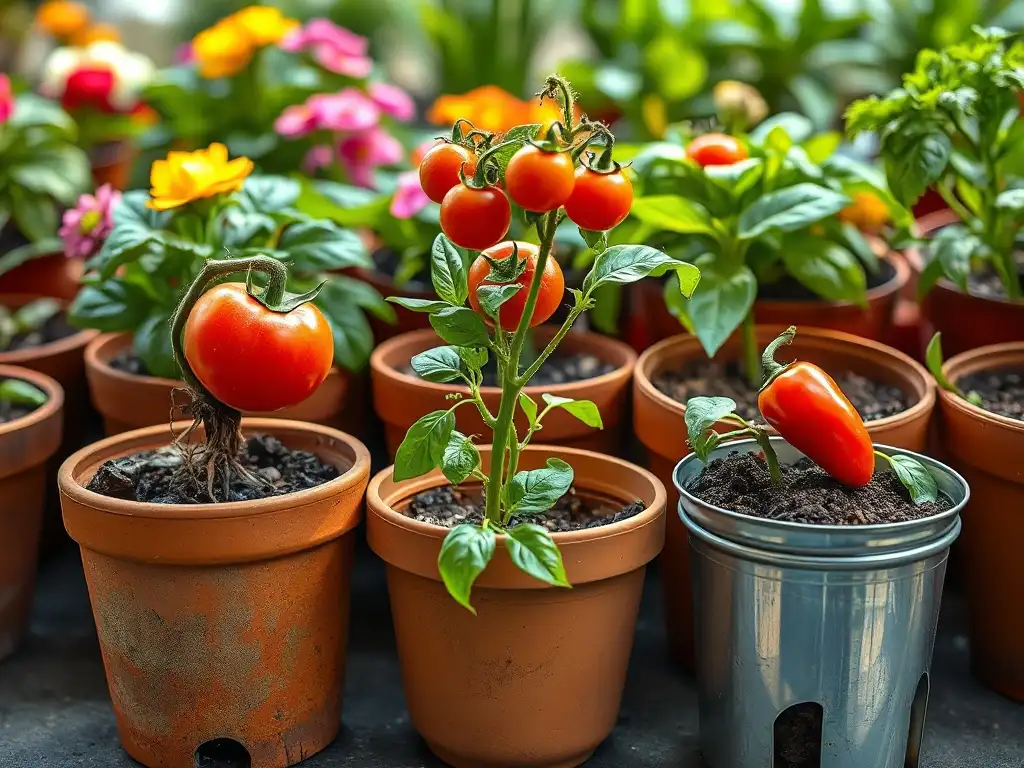
Container gardening, while offering many advantages like space-saving and portability, presents unique challenges. Understanding and addressing these common problems is crucial for successful harvests. This section focuses on some of the most frequently encountered issues and provides practical solutions to ensure your container garden thrives. Effective troubleshooting will significantly improve your chances of cultivating healthy and productive plants, even in limited spaces. Let's delve into some of the most prevalent hurdles faced by container gardeners.
Addressing Drainage Issues in Container Gardens
Poor drainage is a leading cause of plant failure in container gardening. Waterlogged soil suffocates roots, leading to root rot and ultimately, plant death. The severity of drainage problems depends on several factors, including the type of container material, the size and number of drainage holes, and the type of potting mix used.
Several strategies can help improve drainage:
- Choosing the Right Containers: Opt for containers with ample drainage holes. The number and size of holes are critical; more is generally better. Terracotta pots, due to their porous nature, offer excellent drainage compared to plastic or metal containers. However, terracotta pots also dry out faster, requiring more frequent watering.
- Creating Additional Drainage: If your containers lack sufficient drainage holes, you can easily drill additional ones using a drill bit appropriate for the container material. Be cautious when drilling, as cracking the container is a possibility.
- Using a Well-Draining Potting Mix: Avoid using garden soil directly in containers. Garden soil is often too dense and retains too much water. Instead, use a high-quality potting mix specifically formulated for containers. These mixes usually contain components like perlite or vermiculite to enhance drainage and aeration.
- Adding Drainage Material to the Bottom: A layer of gravel or broken pottery shards at the bottom of the container can improve drainage, but it's crucial to note that this alone is insufficient to solve significant drainage problems. The primary focus should remain on adequate drainage holes and a well-draining potting mix.
Poor drainage is frequently cited as one of the top container gardening common problems. Careful selection of containers and potting mix is key to avoid this common pitfall. Regular monitoring of soil moisture and adjusting watering schedules accordingly are vital preventative measures.
Preventing Overwatering and Root Rot in Containers
Overwatering is closely linked to poor drainage and is another significant contributor to plant death in containers. Overwatering leads to root rot, a fungal disease that prevents roots from absorbing water and nutrients. The symptoms of root rot include wilting, yellowing leaves, and a foul odor emanating from the soil.
Here's how to prevent overwatering and root rot:
- Watering Techniques: Water thoroughly until water drains from the drainage holes, but avoid letting the containers sit in standing water. Allow the top inch or two of soil to dry out between waterings.
- Monitoring Soil Moisture: Regularly check the moisture level of the soil using your finger. If the soil feels dry to the touch, it's time to water. Avoid relying solely on a schedule, as watering needs vary depending on weather conditions, container size, and plant type.
- Choosing the Right Container Size: Oversized containers can retain excessive moisture, increasing the risk of overwatering. Choose containers that are appropriately sized for the plant's root system.
- Mulching: A layer of organic mulch on top of the soil can help retain moisture and regulate soil temperature, reducing the frequency of watering.
- Improved Air Circulation: Ensure adequate air circulation around the plants to prevent the build-up of humidity, which can exacerbate fungal diseases.
Overwatering, a frequent entry in lists of container gardening common problems, is largely preventable with careful attention to watering techniques and monitoring soil moisture levels. Regular checks and adjustments are necessary to keep your plants healthy.
Dealing with Nutrient Deficiencies in Container Plants
Container plants are particularly susceptible to nutrient deficiencies because the volume of soil is limited. Nutrients are quickly depleted, requiring regular fertilization. Nutrient deficiencies manifest in various ways, depending on the specific nutrient lacking. For instance, nitrogen deficiency often results in yellowing leaves, while phosphorus deficiency can lead to stunted growth.
Addressing nutrient deficiencies:
- Using a Balanced Fertilizer: Use a balanced liquid fertilizer specifically designed for container plants. Follow the instructions on the fertilizer packaging carefully, as over-fertilizing can damage plants. Consider using slow-release fertilizers for reduced frequency of application.
- Soil Testing: Regular soil testing can help identify specific nutrient deficiencies. Soil test kits are readily available and can provide valuable insights into your soil's composition.
- Composting: Incorporating compost into your potting mix provides essential nutrients and improves soil structure.
- Organic Amendments: Other organic amendments, such as worm castings or seaweed extract, can supply additional nutrients and improve soil health.
- Rotating Crops: Rotating crops can help prevent the depletion of specific nutrients over time.
Nutrient deficiencies are a common problem in container gardening but can be addressed through careful planning and regular fertilization. Knowing the signs of different deficiencies and how to address them will ensure healthy growth. Addressing this common problem early will pay dividends in healthier plants and abundant harvests.
Pest and Disease Control in Container Gardening
Container gardening, while offering many advantages, presents unique challenges when it comes to pest and disease management. The confined environment of a container can quickly become a breeding ground for unwanted insects and fungal infections if not properly monitored and addressed. Unlike in-ground gardening where pests might have a larger area to roam and diseases can spread more slowly, containers concentrate both the plants and the potential problems. This necessitates a proactive and vigilant approach to pest and disease control.
One of the most common problems is aphid infestations. These tiny insects suck the sap from plants, weakening them and causing stunted growth. Regularly inspecting your plants, especially the undersides of leaves, is crucial for early detection. If you spot aphids, you can try a simple solution like a strong spray of water to dislodge them. For more severe infestations, insecticidal soap or neem oil are effective organic options. Remember to always follow the product instructions carefully and apply on a day with little wind to maximize effectiveness and avoid harming beneficial insects.
Another frequent issue is fungal diseases, often triggered by excessive moisture and poor drainage. Fungal infections can manifest as spots on leaves, wilting, or root rot. Proper watering techniques are essential; avoid overwatering and ensure your containers have adequate drainage holes. Good air circulation around plants also helps prevent fungal growth.
If a fungal infection does occur, removing affected leaves and improving drainage are the first steps. In severe cases, a fungicide, preferably an organic one, might be necessary. Always choose a fungicide specifically designed for the type of fungus affecting your plants. Copper fungicide, for example, is effective against many common fungal pathogens.
Beyond aphids and fungal diseases, other pests like spider mites, whiteflies, and slugs can plague container gardens. Spider mites are tiny arachnids that can cause stippling and webbing on leaves. Whiteflies are small, white, flying insects that suck plant sap. Slugs, of course, feast on leaves and stems.
For spider mites, a strong spray of water can help, as can neem oil. For whiteflies, yellow sticky traps can be effective. For slugs, beer traps or diatomaceous earth are organic control methods. Remember that integrated pest management (IPM) is key: combining various methods for a holistic and sustainable approach is more effective than relying on a single solution.
Finally, practicing preventative measures is paramount. Choosing disease-resistant plant varieties, ensuring proper spacing between plants for better air circulation, and maintaining overall plant health through proper fertilization and watering are all crucial aspects of preventing pest and disease problems before they even start. By being proactive and observant, you can create a thriving container garden that is relatively free of pest and disease issues, enjoying a bountiful harvest with minimal intervention.
Container Gardening Soil and Planting
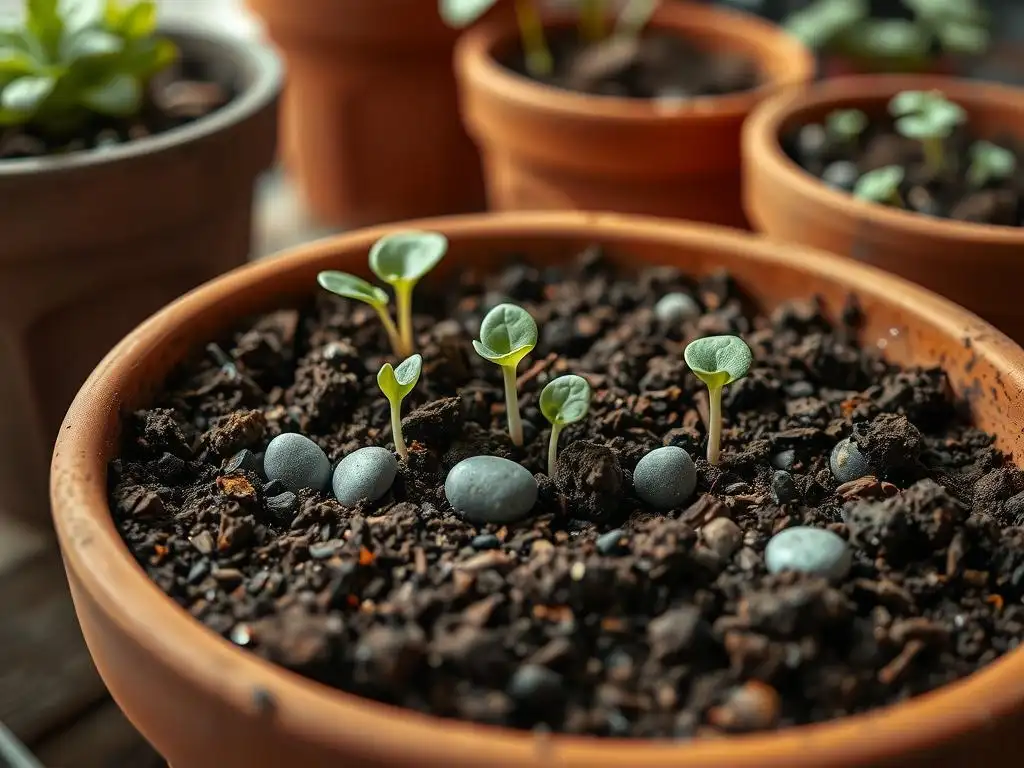
Container gardening, while offering many advantages, presents unique challenges compared to in-ground planting. One of the most crucial aspects is selecting and managing the right soil. Addressing common container gardening problems often starts with understanding the soil's role. Poor soil choices can lead to stunted growth, nutrient deficiencies, and increased susceptibility to diseases – all impacting your harvest.
Selecting the Right Soil Mix for Container Gardening
Choosing the right soil mix is paramount for successful container gardening. Avoid using garden soil directly from your yard; it's often too heavy and compact for containers, leading to poor drainage and root rot. Instead, opt for a well-draining potting mix specifically formulated for containers. These mixes typically contain a blend of peat moss, perlite, vermiculite, and composted bark.
The ideal mix should retain some moisture but allow excess water to drain freely. Think of it like a sponge – it should hold water but not be soggy. You can test the drainage by placing a small amount of the mix in a cup and pouring water over it. The water should drain quickly, leaving the mix moist but not waterlogged. If the water sits on top, the mix is too dense and needs amendment with perlite or vermiculite to improve drainage. This is a crucial step in preventing common container gardening problems like root rot.
Consider the specific needs of your plants when choosing a potting mix. Some plants, like succulents, prefer a more gritty mix with excellent drainage, while others, like herbs, may thrive in a slightly richer, more moisture-retentive mix. Always check the label for recommendations and consider adding organic matter like compost to enhance nutrient content. Regular monitoring of the soil's moisture level is essential, adjusting your watering schedule based on the plant's needs and the weather conditions. Overwatering is a frequent contributor to container gardening common problems.
Proper Planting Techniques for Container Vegetables and Herbs
Once you've chosen the right soil, proper planting techniques are key to establishing healthy plants. Start by selecting containers with adequate drainage holes to prevent waterlogging. The size of the container should be appropriate for the mature size of the plant; overcrowding can lead to competition for resources and increase the likelihood of pest and disease problems.
When planting, gently remove the plant from its nursery pot, carefully loosening any circling roots. This prevents root-bound plants from struggling in their new home. Place the plant in the container, ensuring the top of the root ball is level with the soil surface. Fill the container with the potting mix, gently firming it around the roots to eliminate air pockets. Water thoroughly after planting to settle the soil and encourage root establishment. This is a critical step in avoiding many container gardening common problems.
Consider using a slow-release fertilizer at planting time to provide a steady supply of nutrients throughout the growing season. This minimizes the need for frequent fertilizing, reducing the risk of nutrient burn. Remember to choose a fertilizer appropriate for the type of plant you're growing. Proper planting, combined with appropriate soil selection, significantly reduces the risk of encountering common container gardening problems.
Fertilizing Container Plants for Optimal Growth
Container plants require regular fertilization because nutrients are leached out more quickly from containers than in-ground gardens. The limited soil volume means nutrients are depleted faster. Ignoring this aspect can lead to nutrient deficiencies and stunted growth, contributing significantly to common container gardening problems.
Use a balanced liquid fertilizer diluted to half strength every two weeks, or follow the instructions on the fertilizer packaging. Avoid over-fertilizing, which can burn the plant's roots and hinder growth. Observe your plants closely; signs of nutrient deficiency may include yellowing leaves, stunted growth, or poor flowering.
Different plants have different nutrient requirements; research the specific needs of your chosen plants to ensure you provide the correct balance of nutrients. Consider using organic fertilizers, such as compost tea or fish emulsion, for a more sustainable approach. Addressing these issues proactively will prevent many common container gardening problems and ensure a bountiful harvest.
Maintaining Your Container Garden
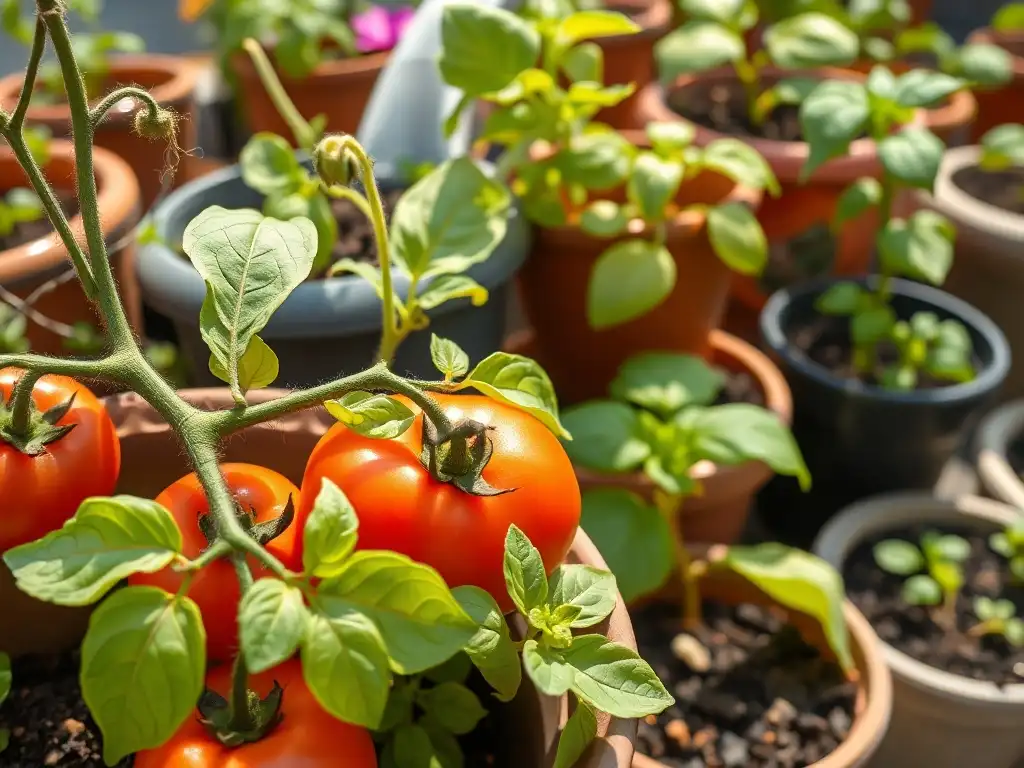
Container gardening, while offering many advantages, demands diligent care to ensure thriving plants and a bountiful harvest. Understanding the unique needs of plants grown in containers is crucial for success. Neglecting even one aspect of maintenance can lead to stunted growth, reduced yields, and ultimately, plant failure. This section addresses key aspects of container garden maintenance, focusing on effective watering techniques, essential tasks, and the rewarding process of harvesting your homegrown produce. Successfully navigating these challenges translates to a flourishing container garden and a continuous supply of fresh, organic produce.
Watering Strategies for Container Plants
Container plants dry out much faster than those planted in the ground. Their limited soil volume means less water retention capacity. Therefore, consistent and appropriate watering is paramount. Overwatering leads to root rot, while underwatering causes wilting and stress. The best strategy involves checking the soil moisture regularly. Instead of following a rigid schedule, assess the need for watering based on the following factors:
- Soil Type: Well-draining potting mixes dry out quicker than heavier soils.
- Container Material: Darker-colored containers absorb more heat, leading to faster evaporation.
- Weather Conditions: Hot, sunny days increase evaporation rates, requiring more frequent watering.
- Plant Type: Different plants have varying water requirements. Succulents need less water than leafy greens.
A simple test involves sticking your finger about an inch into the soil. If it feels dry, it's time to water. Water thoroughly until water drains from the drainage holes, ensuring the entire root system is moistened. Avoid letting your containers sit in standing water, as this promotes root rot.
Consider using a moisture meter for added precision, especially for beginners. Consistent monitoring and adjusting your watering based on observation is key to preventing common container gardening problems related to hydration. Regular watering, tailored to the specific needs of your plants and environmental conditions, is a cornerstone of successful container gardening.
Essential Container Garden Maintenance Tasks
Beyond watering, several other essential tasks contribute to a healthy and productive container garden. These tasks, performed regularly, prevent common container gardening problems and ensure optimal plant health:
- Fertilizing: Container plants require regular fertilization due to the limited nutrient supply in the container's soil. Use a balanced, water-soluble fertilizer diluted to half strength every two weeks during the growing season. The specific fertilizer requirements vary depending on the plant type.
- Weeding: Regular weeding prevents weeds from competing with your plants for water and nutrients. Remove weeds promptly as they appear.
- Pest and Disease Control: Regularly inspect your plants for signs of pests or diseases. Address any issues promptly using organic pest control methods. Early detection is key to preventing widespread infestation.
- Pruning: Pruning encourages healthy growth and increases yields in many plants. Remove dead or damaged leaves and stems regularly. Specific pruning techniques vary by plant type.
- Soil Monitoring: Over time, the soil in containers depletes its nutrients. Consider replenishing soil nutrients with compost tea or other organic amendments every few months.
This proactive approach minimizes the risk of common container gardening problems, fostering vibrant growth and a plentiful harvest. A well-maintained container garden requires consistent attention, but the rewards of fresh, homegrown produce are well worth the effort. The checklist above helps to ensure your plants receive the care they need to thrive.
Harvesting Your Container-Grown Produce
Harvesting your homegrown produce is the culmination of your container gardening efforts. The timing of harvest depends on the specific plant and its maturity. Harvesting at the optimal time ensures the best flavor, texture, and nutritional value. Here are some key considerations:
- Timing: Observe your plants carefully for signs of ripeness. This may involve checking color, size, or firmness, depending on the plant. Harvesting too early results in poor flavor, while harvesting too late may lead to overripe or spoiled produce.
- Technique: Use sharp, clean tools to avoid damaging the plant. For example, use scissors to cut herbs and tomatoes, and carefully pull out root vegetables.
- Storage: Proper storage extends the shelf life of your harvested produce. Store produce in a cool, dry place or refrigerate depending on the type of produce.
Harvesting is a rewarding experience, showcasing the fruits (and vegetables!) of your labor. The satisfaction of enjoying fresh, homegrown produce from your container garden is a testament to your dedication and care. Understanding the optimal harvesting techniques for each plant type ensures you enjoy the highest quality produce from your container garden. Remember that consistent maintenance and careful observation are key to a successful harvest, minimizing the impact of common container gardening problems.
Troubleshooting Container Gardening Challenges
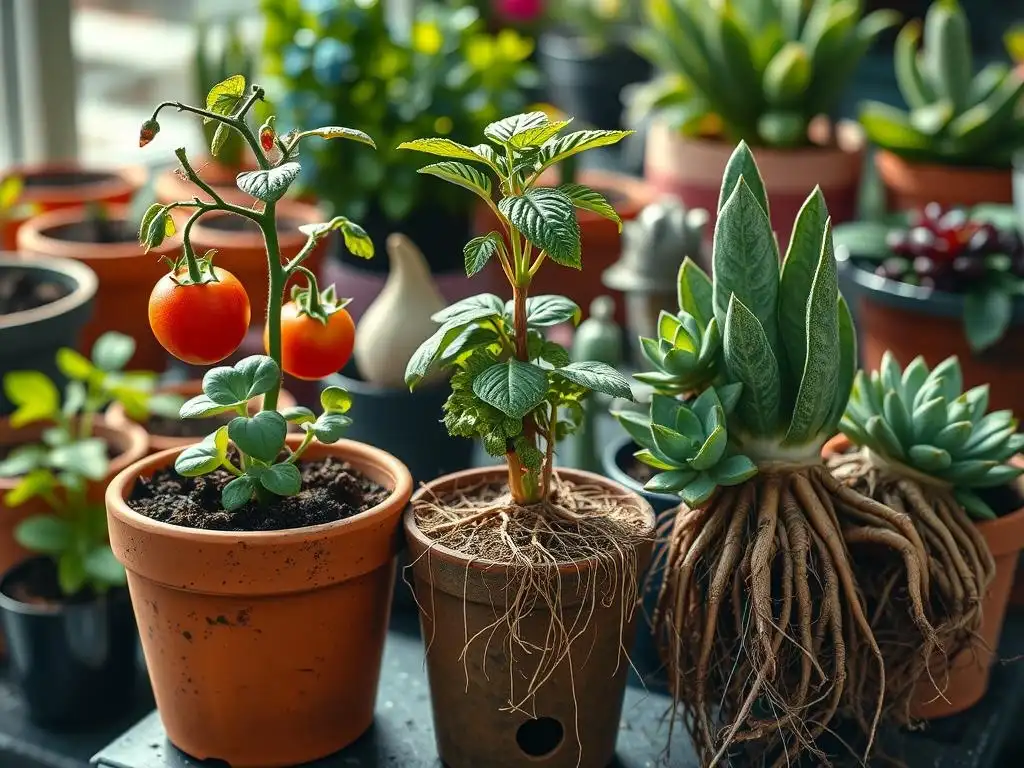
Container gardening offers many benefits, but it also presents unique challenges. Understanding and addressing these issues proactively is crucial for a successful harvest. This section focuses on diagnosing and solving some of the most common problems encountered by container gardeners, helping you cultivate a thriving garden, even in limited space. Successfully navigating these hurdles ensures a bountiful yield and a rewarding gardening experience, furthering your understanding of sustainable and organic container gardening practices.
Diagnosing and Solving Common Container Gardening Problems
One of the most frequent questions from aspiring container gardeners revolves around common problems and their solutions. Let's explore some typical issues and effective strategies to overcome them.
Many problems stem from improper watering. Underwatering leads to wilting, stunted growth, and eventually, plant death. Conversely, overwatering causes root rot, a fungal disease that suffocates roots and prevents nutrient uptake. The key is to find the "Goldilocks" zone – consistently moist but not soggy soil. Regularly checking soil moisture with your finger (inserting it a couple of inches deep) is crucial. Well-draining potting mixes are also essential to prevent waterlogging.
Nutrient deficiencies are another common culprit. Plants in containers rely entirely on the limited amount of soil provided, so nutrient depletion happens more quickly than in-ground gardens. Yellowing leaves often indicate a lack of nitrogen, while purplish leaves might suggest phosphorus deficiency. Regular fertilizing with an organic, balanced fertilizer tailored to your plants' needs is essential. Consider using compost tea or worm castings for a natural boost.
Finally, improper drainage is a major issue. Containers without adequate drainage holes can lead to waterlogged soil, fostering root rot and other diseases. Ensure your containers have sufficient drainage holes and consider adding a layer of gravel or broken pottery shards at the bottom for improved drainage. Choosing the right container material, such as terracotta, which is porous and allows for better airflow, can also help prevent water retention.
Identifying and Addressing Plant Diseases in Containers
Container gardening, while convenient, can increase the risk of plant diseases due to the close proximity of plants and the contained environment. Early detection and prompt action are critical for successful disease management.
One common disease is damping-off, affecting seedlings. This fungal disease causes stems to rot and collapse. Good sanitation practices, such as sterilizing your containers and using sterile potting mix, are key preventative measures. Ensuring proper spacing and good air circulation also helps to minimize the spread of damping-off.
Powdery mildew, a fungal infection, appears as a white, powdery coating on leaves. Improving air circulation by spacing plants appropriately and avoiding overhead watering can help prevent its spread. Organic fungicides, such as neem oil, can also be effective.
Leaf spot diseases, characterized by spots or lesions on leaves, can be caused by various fungi or bacteria. Removing affected leaves promptly and ensuring good air circulation can help control the disease. In severe cases, consider using an appropriate organic fungicide. Regularly inspecting your plants for any signs of disease is crucial for early intervention and preventing widespread infection. Remember to always identify the specific disease before applying any treatment.
Dealing with Pests in Your Container Garden
Pests are a constant threat to container gardens, as they can easily infest confined spaces. Implementing preventative measures and employing effective control strategies are essential for a healthy garden.
Aphids, tiny sap-sucking insects, can quickly infest plants, causing stunted growth and leaf distortion. Regularly inspecting plants for aphids is crucial. Natural predators, such as ladybugs, can help control aphid populations. You can also use insecticidal soap or neem oil as organic pest control options.
Whiteflies, another common pest, also suck plant sap, leading to similar problems as aphids. Sticky traps can be effective in capturing adult whiteflies. Again, neem oil can be a useful organic control method.
Spider mites, microscopic pests, can cause stippling and webbing on leaves. Regularly misting plants can help to control spider mite populations. Strong water spray can also dislodge them. Organic pesticides, such as insecticidal soap, can be used in severe infestations. Remember that early detection and prompt action are key to preventing a major pest infestation. Prevention through healthy plants and robust growing conditions is often the most effective strategy.
Tips for Successful Container Gardening
This section delves into practical advice to maximize your container gardening success, addressing common challenges and offering solutions for thriving plants. We'll explore space optimization, ideal location selection, and extending your growing season. Remember, even small adjustments can significantly impact your harvest.
Maximizing Space and Yield in Your Container Garden
Efficient space utilization is key to successful container gardening, especially if you have limited outdoor space. Think vertically! Consider using trellises or stacking containers to create a multi-layered gardening system. For example, you could plant climbing beans or tomatoes on a trellis placed behind shorter plants like lettuce or herbs. This maximizes the vertical space and allows you to grow a greater variety of plants in a smaller area.
Another effective technique is companion planting. Certain plant combinations can enhance growth and deter pests. For instance, basil planted near tomatoes is said to repel tomato hornworms, while marigolds can repel nematodes. Careful planning of your plant pairings can lead to a more productive and healthier garden.
Here's a table demonstrating some effective companion planting combinations:
| Plant 1 | Plant 2 | Benefits |
|---|---|---|
| Tomatoes | Basil | Repels tomato hornworms, enhances tomato flavor |
| Carrots | Onions | Improves growth of both plants |
| Lettuce | Radishes | Radishes mature quickly, leaving space for lettuce |
| Strawberries | Rosemary | Repels pests, improves strawberry flavor |
Choosing the right size container for your plants is also crucial. Overcrowding can lead to stunted growth and increased competition for resources. Always select containers that are appropriately sized for the mature size of your chosen plants. Remember to check the plant tags for recommended pot sizes. Oversized containers can also lead to overwatering issues.
Choosing the Right Location for Your Container Garden
Sunlight is paramount for successful container gardening. Most vegetables and herbs need at least six hours of direct sunlight daily. Before placing your containers, carefully observe your outdoor space throughout the day to identify areas that receive optimal sunlight. Consider the direction of the sun; south-facing locations generally receive the most sunlight in the Northern Hemisphere.
Another important factor to consider is wind exposure. Strong winds can dry out the soil quickly and damage delicate plants. Choose a sheltered location, perhaps near a wall or fence, to protect your containers from harsh winds. Windbreaks, such as strategically placed shrubs, can also help mitigate wind damage. Observe your garden throughout various weather conditions to identify areas prone to strong winds.
Drainage is also essential. Containers should have adequate drainage holes to prevent waterlogging, which can lead to root rot and other plant diseases. If your containers lack sufficient drainage, you might consider adding a layer of gravel or broken pottery shards at the bottom to improve drainage. This simple step can significantly improve the health of your plants.
Extending the Growing Season with Container Gardening Techniques
Container gardening offers unique advantages for extending the growing season. You can easily move containers to sheltered locations when temperatures drop or bring them indoors during colder months. This allows you to protect your plants from frost and extend their productive life. For example, you can bring herbs and smaller plants indoors to a sunny windowsill during the winter months.
Another technique is using cold frames or cloches. These provide extra protection from frost and allow plants to acclimatize gradually to cooler temperatures in spring and autumn. Cold frames are essentially miniature greenhouses that can be easily constructed or purchased. They create a microclimate that is warmer and more humid than the surrounding environment. Furthermore, using row covers can protect your plants from light frosts.
Protecting your plants from extreme temperatures is crucial. During heatwaves, consider moving containers to a shadier location or providing them with some shade using shade cloth. Similarly, during cold snaps, you can protect your plants by covering them with blankets or frost cloth. These simple measures can make a significant difference in the survival and productivity of your plants. Remember to monitor your plants closely and adjust your techniques as needed to ensure their optimal growth and yield. Proper care will help you enjoy your homegrown produce for a longer period.
Frequently Asked Questions
What are some common problems with container gardening?
Container gardening, while rewarding, presents challenges. Insufficient watering, leading to dryness, and poor drainage, causing root rot, are frequent issues. Nutrient deficiencies also commonly affect plants in containers.
How can I prevent my container plants from drying out too quickly?
Use larger containers to retain more moisture and consider materials like terracotta or plastic, each with different water retention properties. Mulching the soil surface helps reduce evaporation. Regular watering, checking soil moisture frequently, is crucial.
What kind of soil is best for container gardening?
A well-draining potting mix, not garden soil, is essential. Garden soil compacts easily in containers, hindering drainage and root growth. Look for mixes specifically designed for containers, often containing peat moss, perlite, and vermiculite.
How do I deal with pests and diseases in my container garden?
Regular inspection is key. Early detection allows for easier treatment. Use organic pest control methods like insecticidal soap or neem oil. Ensure good air circulation to prevent fungal diseases.
What nutrients do container plants need, and how do I provide them?
Container plants require regular feeding as nutrients are quickly depleted from the limited soil volume. Use a balanced liquid fertilizer diluted to the recommended strength, following the instructions on the packaging. Consider using slow-release fertilizers for less frequent applications.
Final Reflection: Cultivating Growth, One Container at a Time
The ease and accessibility of container gardening belie its profound impact on our relationship with nature and our immediate environment. From urban balconies bursting with vibrant blooms to sprawling suburban patios transformed into edible landscapes, the simple act of nurturing plants in containers is reshaping how we connect with the natural world, even in the most concrete jungles. This accessibility empowers individuals to actively participate in creating beauty and sustenance, regardless of their living situation.
The joy of watching a tiny seed sprout into a thriving plant, nurtured within the confines of a pot, is a deeply personal and rewarding experience. It's a tangible reminder of the power of care and attention, a small act of creation that can bring immense satisfaction. As the poet Mary Oliver so eloquently stated, To pay attention, this is our endless and proper work.
Container gardening, in its simplicity, embodies this sentiment, encouraging us to slow down, observe, and appreciate the intricate processes of life unfolding before our eyes. The challenges, the triumphs – they all contribute to a richer understanding of both the plant and ourselves.
Now, consider your own space. What small corner could you transform? What vibrant colors or delicious flavors could you cultivate? Don't let the perceived complexities of gardening deter you. Armed with the knowledge gained from this guide, you have the power to create your own little oasis, a testament to the beauty and resilience of nature, thriving within the confines of your own container. Begin today. Start small. And watch your garden, and yourself, grow.
Unlock Your Green Thumb: Start Container Gardening Today!
Thank you for exploring the world of container gardening! We hope you're feeling confident and excited about growing your own food, even in a small space. Ready to begin?
- Get started: Choose your favorite herb, vegetable, or flower and start planting! Even a single pot can bring the joy of homegrown produce.
- Share your progress: Snap a picture of your thriving plants and share it on social media using #CultivateYourFood – we'd love to see them!
- Learn more: Explore advanced techniques like choosing the right soil, effective watering strategies, and pest control methods. Many excellent resources are available online.
What challenges and rewards do you anticipate in your container gardening journey?