
Container Gardening Soil for Root Vegetables: Carrots, Radishes, and More

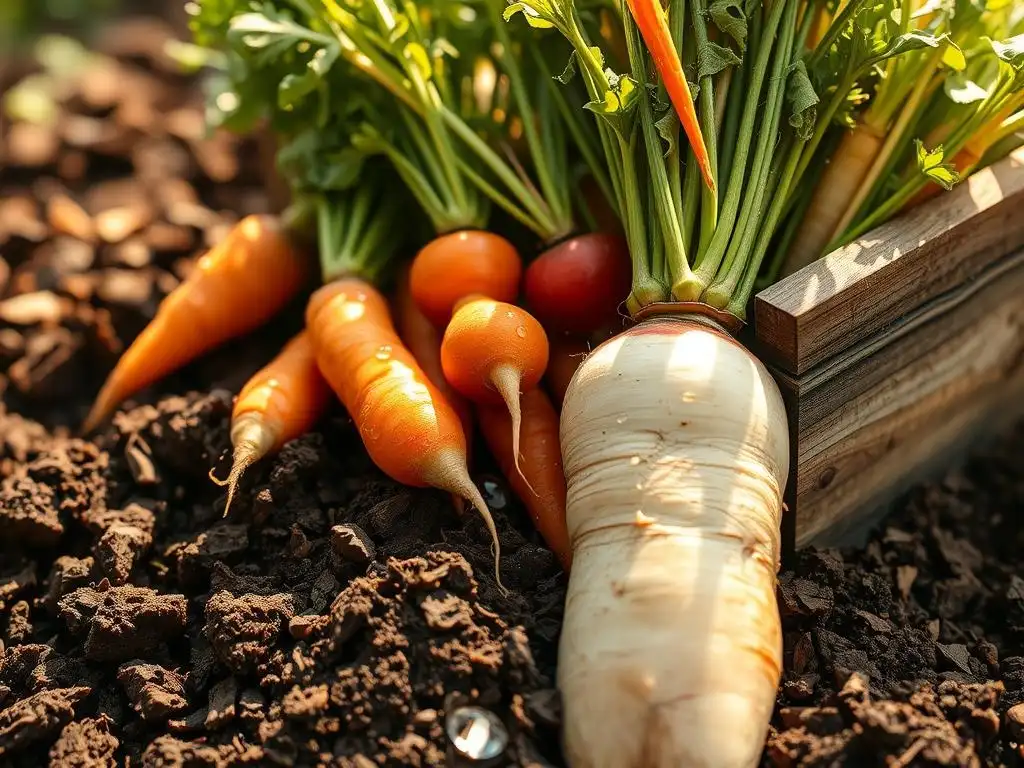
Ready to unlock the secrets to a bountiful harvest right in your backyard? At CultivateYourFood, we empower you to grow your own delicious fruits, vegetables, and herbs using sustainable, organic methods. This journey begins with understanding the foundation of successful gardening: the soil. Discover the crucial role of selecting the best soil for root vegetables like carrots and radishes in our comprehensive guide on container gardening – and prepare to be amazed by what you can cultivate!
- Choosing the Best Soil for Root Vegetables in Containers
- Creating the Ideal Soil Mix for Container-Grown Root Vegetables
- Best Soil Mix Recipes for Root Vegetables: Carrots, Radishes, and Beets
- Tips for Success: Planting and Maintaining Your Root Vegetables in Containers
- Troubleshooting Common Container Gardening Problems with Root Vegetables
- Harvesting Your Bountiful Crop of Root Vegetables
- Organic and Sustainable Practices for Container-Grown Root Vegetables
-
Frequently Asked Questions
- What is the best soil for growing root vegetables in containers?
- Why is drainage so important for root vegetables?
- Can I use regular garden soil for root vegetables in containers?
- What are the benefits of using a container-specific soil mix?
- How often should I water root vegetables grown in containers?
- Final Reflection: Cultivating Success, One Root Vegetable at a Time
- Unlock Your Veggie Patch's Potential: Grow Bigger, Better Roots!
Choosing the Best Soil for Root Vegetables in Containers
Growing delicious and healthy root vegetables like carrots, radishes, and beets in containers requires careful consideration of the soil. Unlike in-ground gardening, container gardening presents unique challenges, particularly concerning soil drainage and nutrient availability. This article will guide you through selecting the best soil for root vegetables in containers, ensuring optimal growth and a bountiful harvest.
We'll explore the specific needs of root vegetables, the ideal soil texture, and the essential nutrients required for healthy development. Choosing the right soil mix is crucial for preventing common problems like stunted growth, root rot, and poor yields, ultimately leading to a more rewarding and successful container gardening experience. This guide focuses on creating a thriving environment for your root vegetables, using sustainable and organic practices to cultivate the highest quality produce.
Understanding Root Vegetable Needs: Deep Soil & Drainage
Root vegetables, by their very nature, require deep, loose soil to allow for proper root development. Unlike leafy greens that thrive in shallower soil, carrots, parsnips, beets, and radishes need ample space to grow long, unhindered roots. Cramped roots lead to misshapen vegetables and reduced yields. Furthermore, excellent drainage is paramount.
Soggy soil is a breeding ground for fungal diseases, leading to root rot, a common problem that can quickly decimate a crop. Therefore, the ideal soil for container-grown root vegetables must be both deep enough and well-draining to prevent waterlogging. Consider using containers that are at least 12 inches deep, preferably deeper for larger root vegetables like carrots. Remember, proper drainage also helps prevent nutrient leaching, ensuring your plants get the nourishment they need.
Soil Texture: The Importance of Loose, Well-Draining Soil for Root Growth
The texture of your soil is critical for the success of your root vegetables. A loose, well-draining soil promotes healthy root growth by allowing for easy penetration and preventing compaction. Heavy clay soils, for example, are notoriously difficult for root vegetables to penetrate, resulting in stunted growth and forked roots. Conversely, sandy soils, while well-draining, may not retain enough moisture and nutrients. The best soil for root vegetables combines the benefits of both, often achieved through a well-balanced soil mix. A good soil mix will typically include a combination of components such as:
- Compost: Adds organic matter, improving drainage and aeration.
- Perlite or Vermiculite: Improves drainage and aeration, preventing compaction.
- Coco coir: Retains moisture and nutrients, offering a good balance.
- Potting mix: Provides a base with essential nutrients.
The exact ratio will depend on the specific components used and the existing soil conditions. Experimentation and observation are key to finding the perfect blend for your specific needs and climate. Remember, the goal is a soil that is loose enough for easy root penetration but firm enough to support the growing plants. Avoid overly compact soil at all costs.
Essential Nutrients for Healthy Root Vegetable Development
Root vegetables are heavy feeders, requiring a consistent supply of essential nutrients throughout their growing season. A balanced soil mix rich in organic matter is crucial for providing these nutrients. While a good quality potting mix provides a foundation, supplementing with organic fertilizers is often necessary, especially for container gardening where nutrient depletion can occur more quickly. Key nutrients to focus on include:
| Nutrient | Importance | Deficiency Symptoms |
|---|---|---|
| Nitrogen (N) | Essential for leafy growth and overall plant vigor. | Stunted growth, pale green leaves |
| Phosphorus (P) | Crucial for root development, flowering, and fruiting. | Stunted growth, dark green leaves, delayed maturity |
| Potassium (K) | Important for disease resistance, water regulation, and overall plant health. | Yellowing of leaf margins, weak stems |
| Calcium (Ca) | Essential for cell wall development and preventing blossom-end rot. | Stunted growth, distorted leaves |
| Magnesium (Mg) | Plays a vital role in chlorophyll production. | Yellowing of leaves between the veins (interveinal chlorosis) |
Regular soil testing can help determine nutrient levels and guide fertilization practices. Remember to use organic fertilizers to maintain the soil's health and avoid harming beneficial microorganisms. Avoid over-fertilizing, as this can lead to nutrient burn and damage to the plants. A balanced approach, combined with regular monitoring and adjustments, will ensure your root vegetables receive the nutrients they need for optimal growth and a delicious harvest. 🥕
Creating the Ideal Soil Mix for Container-Grown Root Vegetables
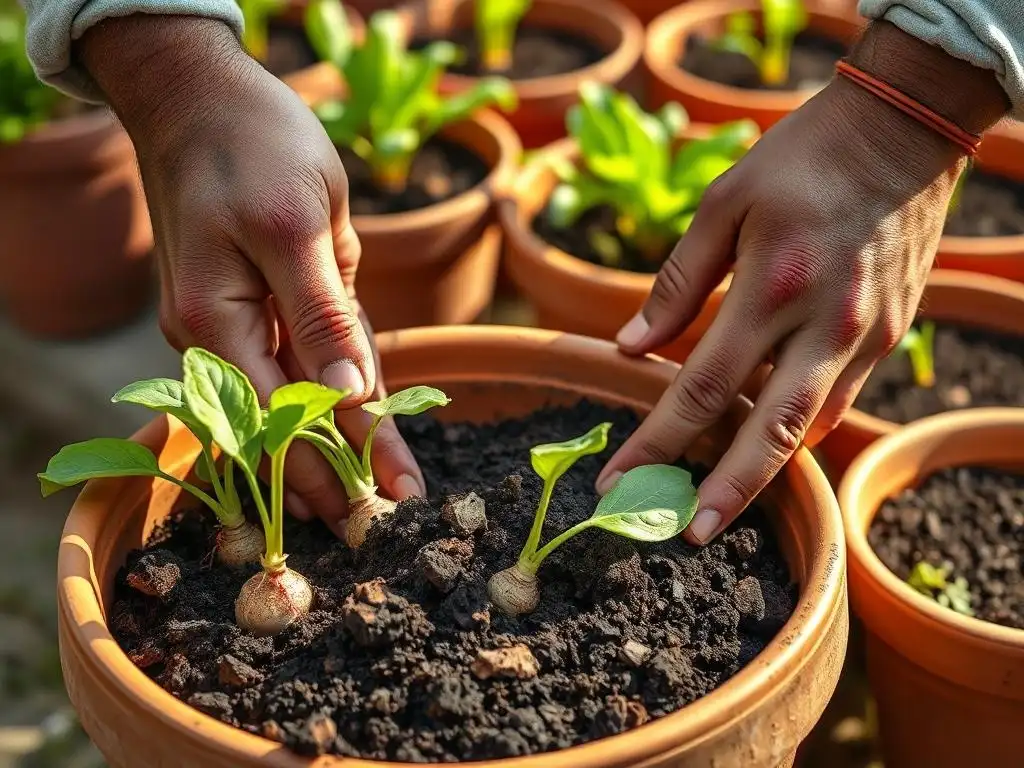
Growing root vegetables like carrots, radishes, and beets successfully in containers hinges on providing them with the perfect soil environment. Unlike in-ground gardening, where roots can explore a vast area, container-grown vegetables are restricted to the volume of their pot. Therefore, crafting a well-draining, nutrient-rich soil mix is crucial for healthy root development and bountiful harvests. The "best soil for root vegetables" in containers prioritizes aeration, water retention, and nutrient availability in a balanced way. This section explores the key elements needed to create such a mix.
Selecting the Right Components: Compost, Peat Moss, Perlite, and More
The ideal soil mix for root vegetables in containers is rarely just one ingredient. A well-balanced blend is necessary to provide the perfect environment for root growth. Let's break down the essential components:
- Compost: Provides essential nutrients and improves soil structure. Mature, well-rotted compost is preferred to avoid introducing weed seeds or pathogens. Aim for a compost that's dark brown and crumbly, indicating complete decomposition. Using homemade compost adds a sustainable and cost-effective element to your gardening practice.
- Peat Moss: Excellent for improving water retention and aeration. Peat moss helps to create a loose, airy soil that allows for easy root penetration, crucial for root vegetables that need space to grow long, unhindered taproots. However, consider sourcing peat moss responsibly, as its harvesting can have environmental impacts.
- Perlite: A volcanic glass that enhances drainage and aeration. Perlite adds lightness to the soil mix, preventing compaction and ensuring that excess water drains away quickly. This is particularly important for root vegetables, as waterlogged soil can lead to root rot and fungal diseases.
- Coco Coir: A sustainable alternative to peat moss, derived from coconut husks. It offers similar water retention and aeration properties, making it a great environmentally friendly choice.
Example Soil Mix Ratio: A good starting point for a container root vegetable mix is a 1:1:1 ratio of compost, peat moss (or coco coir), and perlite. You can adjust this ratio based on your specific climate and soil conditions. For example, in drier climates, you might increase the proportion of peat moss or coco coir to retain more moisture.
Nutrient Considerations: While the base mix provides structure and drainage, you'll also need to ensure adequate nutrient levels. You can supplement with slow-release organic fertilizers or incorporate aged manure into your mix for a natural boost. Regular soil testing can help you fine-tune nutrient levels throughout the growing season.
Achieving Optimal Drainage: Preventing Waterlogging and Root Rot
Proper drainage is paramount for successful root vegetable cultivation in containers. Waterlogged soil creates an anaerobic environment, depriving roots of oxygen and leading to root rot, a devastating condition that can quickly kill your plants. Several strategies ensure optimal drainage:
- Container Selection: Use containers with drainage holes at the bottom. Avoid using containers without drainage, as they'll retain too much water. The size of the drainage holes is also important; they should be large enough to allow for efficient water escape.
- Layer at the Bottom: Place a layer of gravel or broken pottery shards at the bottom of the container before adding the soil mix. This creates a reservoir for excess water and prevents the soil from clogging the drainage holes.
- Soil Mix Composition: As discussed earlier, the inclusion of perlite in your soil mix is crucial for enhancing drainage. Avoid using heavy clay-based soils, which retain too much water.
- Watering Practices: Water deeply but infrequently. Allow the top inch or two of soil to dry out between waterings to avoid overwatering. Consistent monitoring of soil moisture is key. Overwatering is a far more common problem than underwatering, especially for container gardening.
Adjusting Soil pH for Optimal Nutrient Uptake
The pH of your soil significantly impacts the availability of nutrients to your root vegetables. Most root vegetables prefer a slightly acidic to neutral pH range, generally between 6.0 and 7.0. Testing your soil’s pH is essential before planting. You can purchase a soil testing kit at most garden centers.
If your soil pH is too acidic (below 6.0), you can raise it by incorporating lime into the soil mix. If it's too alkaline (above 7.0), you can lower it by adding elemental sulfur. Always follow the instructions on the packaging of any pH adjusting product. Remember to retest the soil after making adjustments to ensure you've achieved the desired pH range. Accurate pH adjustment ensures your plants can readily absorb essential nutrients, contributing to vigorous growth and high yields. Neglecting pH can lead to nutrient deficiencies, impacting the overall health and productivity of your root vegetables.
Best Soil Mix Recipes for Root Vegetables: Carrots, Radishes, and Beets
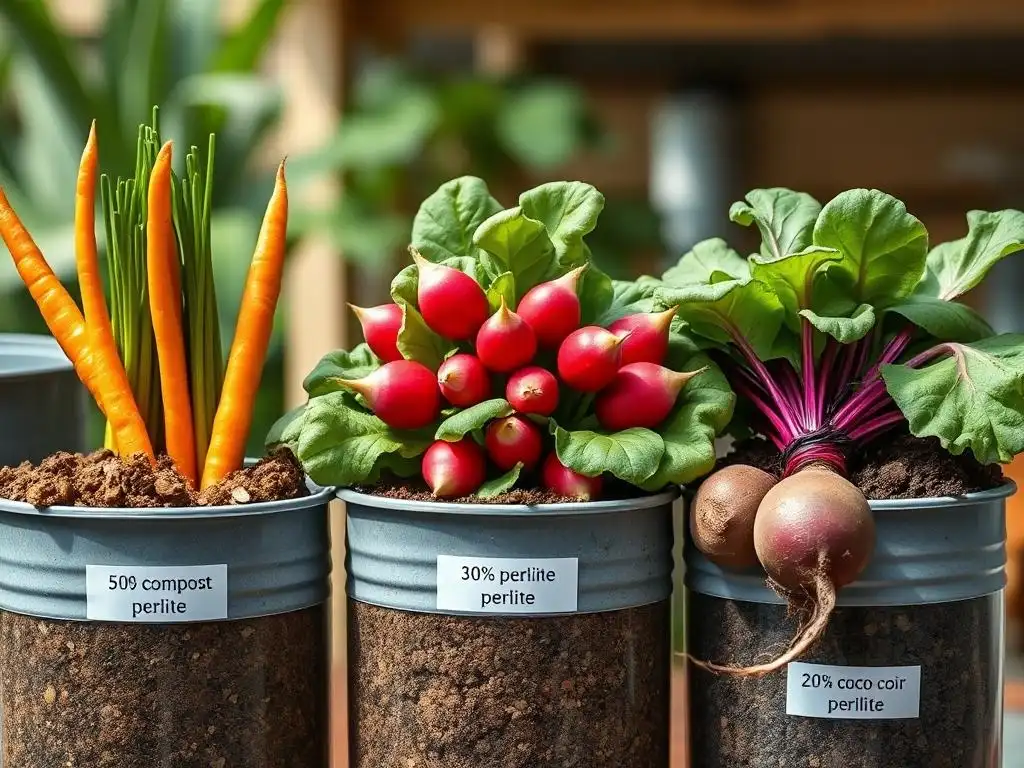
Finding the best soil for root vegetables like carrots, radishes, and beets is crucial for a successful harvest. These crops need loose, well-draining soil to prevent stunted growth and the development of misshapen roots. Compacted soil leads to forked or poorly developed root systems, rendering your harvest less than ideal. This section provides three different soil mix recipes tailored to various needs and growing conditions. Remember, proper soil drainage is paramount for all root vegetables to prevent rot and disease.
Recipe 1: A Basic Soil Mix for Root Vegetables
This recipe provides a foundational soil mix suitable for most root vegetables, including radishes, turnips, and smaller carrots. It prioritizes good drainage and aeration while maintaining sufficient moisture retention.
The ideal mix combines:
- 50% Potting Mix: This provides a base of organic matter and essential nutrients. Look for a high-quality potting mix that's free of weed seeds and disease.
- 30% Perlite or Vermiculite: These amendments enhance drainage and aeration, preventing compaction and ensuring oxygen reaches the roots. Perlite is a volcanic glass, while vermiculite is a mineral that expands when heated. Both are excellent choices.
- 20% Compost: Adding compost boosts the soil's fertility and provides beneficial microbes that improve soil health. Ensure the compost is well-rotted and free of large chunks.
Example: For a 5-gallon container, you'd need approximately:
- 2.5 gallons of potting mix
- 1.5 gallons of perlite or vermiculite
- 1 gallon of compost
This basic mix offers a great starting point for cultivating a wide array of root vegetables. Regular watering and monitoring soil moisture are key to success. Remember to choose containers with drainage holes to avoid waterlogging.
Recipe 2: Enriched Soil Mix for Larger Root Vegetables (Carrots, Parsnips)
Larger root vegetables like carrots and parsnips require a soil mix that's rich in nutrients to support their extensive growth. This recipe builds upon the basic mix by adding extra organic matter for improved fertility.
This recipe uses:
- 40% Potting Mix (high-quality, nutrient-rich)
- 25% Perlite or Vermiculite
- 25% Compost (well-rotted, aged compost is best)
- 10% Coco Coir: Coco coir adds excellent water retention and aeration, further improving the soil structure for larger root development.
The coco coir addition helps retain moisture, crucial for the longer growing season of larger root vegetables. Ensure you thoroughly mix all components to achieve a uniform texture.
Recipe 3: Sandy Soil Mix for Fast-Draining Conditions
In areas with heavy clay soils or excessively wet conditions, a sandier soil mix is beneficial. This mix prioritizes rapid drainage to prevent root rot, a common problem in poorly drained soils.
This mix consists of:
- 60% Potting Mix
- 30% Coarse Sand: Use horticultural sand, not construction sand, as construction sand can contain contaminants harmful to plants. The coarse texture promotes excellent drainage.
- 10% Perlite or Vermiculite: This further enhances drainage and aeration, complementing the coarse sand.
This sandy mix is particularly well-suited for containers placed in locations with limited sunlight or areas prone to waterlogging. While providing excellent drainage, it's crucial to monitor moisture levels more frequently as this mix dries out quicker than the others. Regular, but less frequent, watering is key to success with this recipe. Remember, even with excellent drainage, overwatering can still be detrimental. 🌱
Tips for Success: Planting and Maintaining Your Root Vegetables in Containers
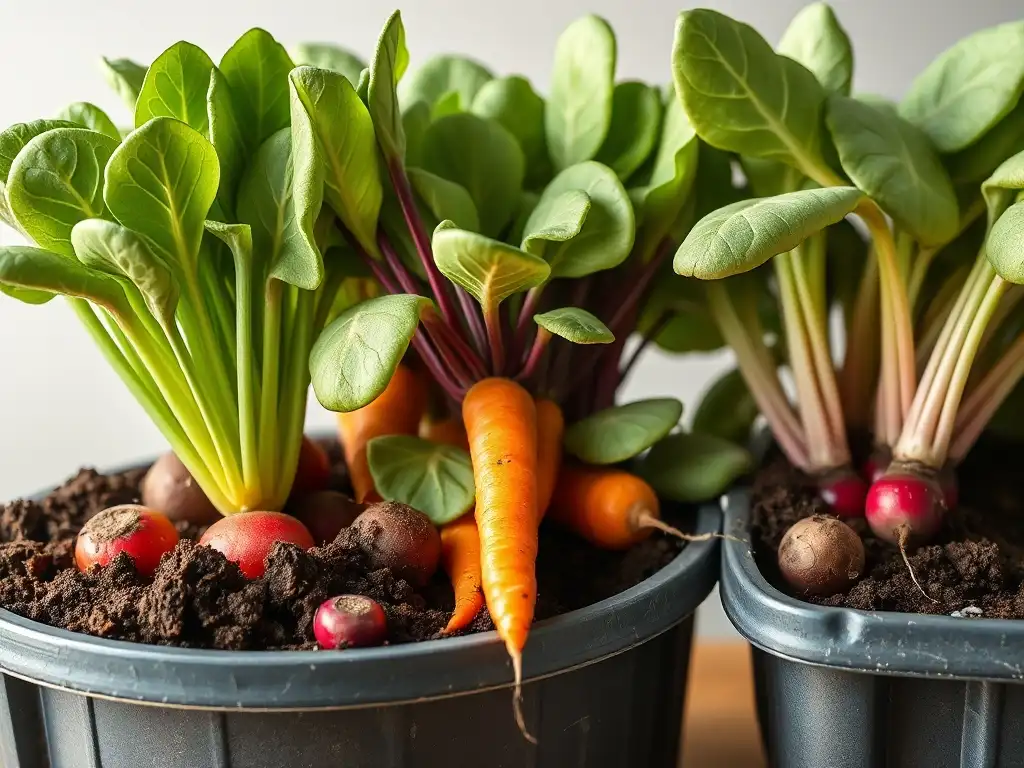
This section focuses on practical advice for successfully growing root vegetables like carrots, radishes, and beets in containers. Achieving optimal growth requires careful consideration of several factors, from selecting the right container to maintaining consistent soil moisture and nutrient levels. Remember, even with the best soil mix, proper care is crucial for a bountiful harvest. The key to success lies in mimicking the conditions these vegetables thrive in naturally, even within the confines of a container.
Container Selection: Size and Material Considerations for Root Growth
Choosing the right container is paramount for healthy root vegetable development. Root vegetables require sufficient depth to allow for unimpeded growth; otherwise, stunted roots and misshapen produce result. For carrots, a minimum depth of 12 inches is recommended, while radishes and beets can tolerate slightly shallower containers (8-10 inches). However, deeper is always better, allowing for more extensive root systems and larger yields.
The material of the container also plays a role. Avoid using recycled plastic containers that may have leached chemicals into the soil. Instead, opt for food-safe plastic containers, untreated wood (cedar or redwood are excellent choices), or ceramic pots. These materials offer better breathability and prevent excessive moisture retention, reducing the risk of root rot – a common problem for root vegetables grown in containers.
Always check for drainage holes to prevent waterlogging. Remember, good drainage is critical for preventing root rot and ensuring your vegetables receive the appropriate aeration. Proper drainage is one of the most important aspects of creating the best soil for root vegetables.
Consider the size of the container relative to the number of plants you intend to grow. Overcrowding will lead to competition for resources, resulting in smaller vegetables. Allow ample space between plants to promote optimal growth.
Planting Depth and Spacing: Optimizing Root Development
Planting depth and spacing are crucial for maximizing yields. Plant seeds or seedlings at the depth recommended on the seed packet. Generally, root vegetables are directly sown; however, some prefer starting seedlings indoors, especially in colder climates.
Spacing depends on the type of vegetable. Carrots need to be spaced about 1-2 inches apart, while radishes can be planted more closely, around 1 inch apart. Beets require slightly more space, about 2-3 inches apart. Proper spacing prevents competition for nutrients and water, leading to larger, healthier roots. Poor spacing is a frequent cause of smaller root vegetables, even with the best soil for root vegetables.
Think of it this way: proper spacing is like giving each plant its own “personal space” in the container, allowing its root system to fully develop without hindrance. This results in better quality and quantity of harvest.
Watering and Fertilizing: Maintaining Soil Moisture and Nutrient Levels
Maintaining consistent soil moisture is crucial for root vegetable growth. Allow the top inch of soil to dry out slightly between waterings, then water deeply until water drains from the bottom of the container. Avoid overwatering, which can lead to root rot. Underwatering, on the other hand, can cause stunted growth and cracked roots. Consistent moisture is key to achieving the best results when using the best soil for root vegetables.
Fertilizing is also essential, especially in containers where nutrients are quickly depleted. Use a balanced, organic fertilizer specifically formulated for vegetables. Avoid using fertilizers high in nitrogen, as this can promote leafy growth at the expense of root development. Follow the fertilizer instructions carefully, as over-fertilizing can damage the plants. A slow-release organic fertilizer is an excellent option, providing a steady supply of nutrients throughout the growing season. Remember that the best soil for root vegetables is only part of the equation; proper fertilization is just as vital.
Remember that consistent monitoring and adjustment are key to success. Regularly inspect your plants for signs of pests or diseases, and take appropriate action as needed. By following these tips and choosing the best soil for root vegetables, you'll be well on your way to a successful harvest! 🥕
Troubleshooting Common Container Gardening Problems with Root Vegetables
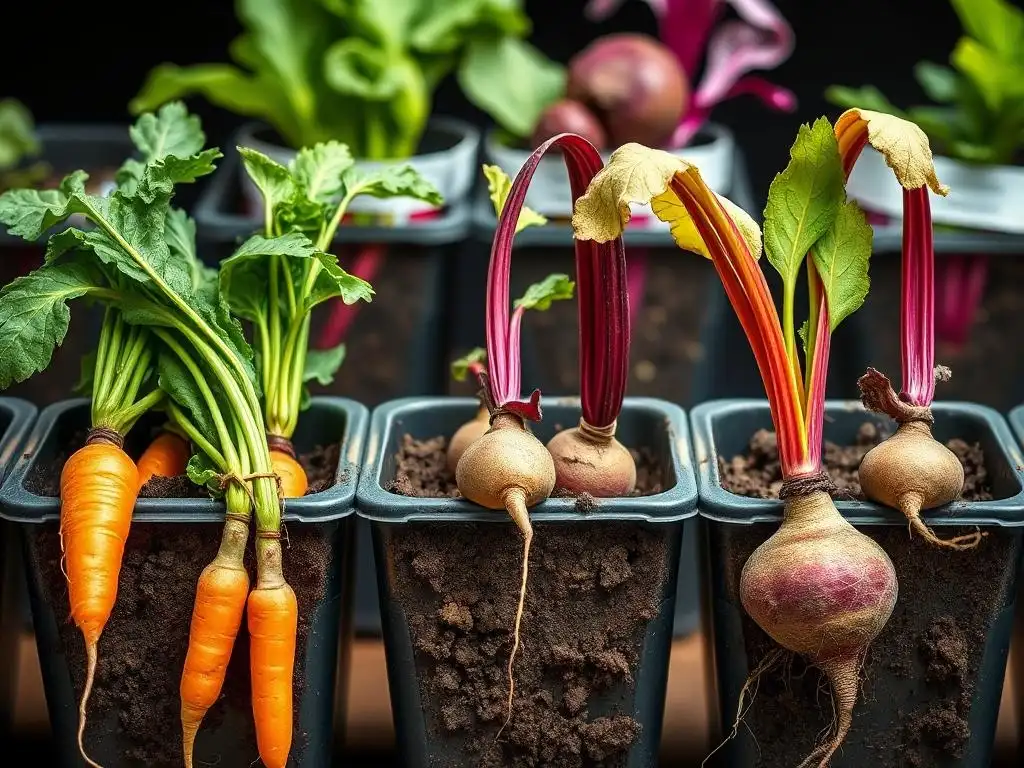
Growing root vegetables like carrots, radishes, and beets successfully in containers requires careful attention to detail. While container gardening offers numerous advantages, it also presents unique challenges that can hinder root development if not addressed properly. This section focuses on troubleshooting common issues, providing practical solutions to maximize your harvest and ensure healthy, vibrant plants. Finding the best soil for root vegetables is only the first step; ongoing care is crucial.
Dealing with Root Rot: Prevention and Treatment Strategies
Root rot, a devastating fungal disease, is a common problem in container gardening, particularly with root vegetables. It thrives in overly moist, poorly draining soil. Prevention is key. Choosing a well-draining potting mix specifically designed for vegetables is paramount. This mix should contain sufficient perlite, vermiculite, or other amendments to improve aeration and drainage. Avoid overwatering; allow the top inch or two of soil to dry out between waterings. Feel the soil; it should be moist but not soggy.
Symptoms of root rot include wilting, yellowing leaves, and a foul odor emanating from the soil. If you suspect root rot, immediately remove the affected plant and dispose of it properly to prevent the spread of the disease. Do not compost infected plants. Sterilize your container thoroughly with a bleach solution (1 part bleach to 9 parts water) before replanting.
Improving soil drainage might involve adding more perlite or switching to a raised bed container design. Remember, a proactive approach, focusing on proper watering and soil selection, is the best defense against root rot. Regularly inspecting your plants for early signs of wilting or discoloration is also crucial for early intervention.
Addressing Nutrient Deficiencies: Identifying and Correcting Problems
Root vegetables are heavy feeders, demanding ample nutrients for optimal growth. Nutrient deficiencies can manifest in various ways, impacting both yield and quality. For example, nitrogen deficiency leads to stunted growth and pale green leaves, while phosphorus deficiency results in poor root development and dark green leaves. Potassium deficiency shows as yellowing and browning of leaf margins.
Regular soil testing is essential to identify potential nutrient imbalances. A simple soil test kit can provide valuable insights into your soil's nutrient composition. Based on the test results, you can amend your soil with appropriate fertilizers. Organic options like compost tea, worm castings, or balanced organic fertilizers are ideal for sustainable container gardening.
Avoid over-fertilizing, as this can harm your plants and contaminate the environment. A balanced approach, combining regular soil testing with targeted fertilization, ensures your root vegetables receive the necessary nutrients for vigorous growth and high yields. Proper soil preparation, including the initial incorporation of organic matter, is essential for long-term nutrient availability.
Pest and Disease Management in Container Gardens
Container gardens, while convenient, can be more susceptible to pest infestations and diseases due to their confined environment. Common pests include aphids, slugs, and snails, while diseases like powdery mildew and leaf spot can also affect root vegetables.
Implementing integrated pest management (IPM) strategies is crucial. This involves a combination of preventative measures and targeted interventions. Regularly inspect your plants for signs of pests or diseases. Handpicking pests, using insecticidal soap for aphids, or employing physical barriers like copper tape for slugs can be effective. For diseases, ensure adequate air circulation to prevent fungal growth. Consider using disease-resistant varieties of root vegetables.
Beneficial insects, such as ladybugs, can help control pest populations naturally. Avoid using harsh chemical pesticides, as they can harm beneficial insects and contaminate the soil. Using diatomaceous earth can be a natural way to control slugs and other insects. Careful monitoring and timely intervention are key to maintaining healthy plants and preventing significant damage. Remember, prevention is always better than cure. 🥕🐛
Harvesting Your Bountiful Crop of Root Vegetables
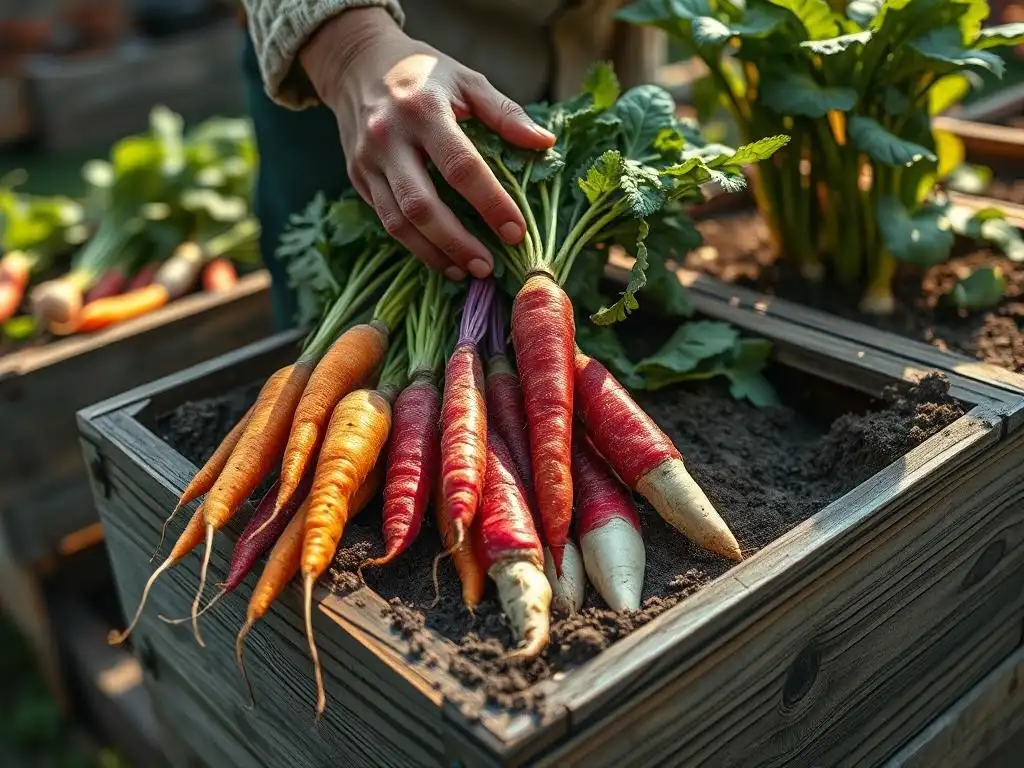
Growing root vegetables in containers offers a rewarding experience, bringing fresh produce directly to your doorstep. However, knowing when and how to harvest these delicate crops is crucial to maximizing yield and quality. This section focuses on the optimal timing and techniques for harvesting your container-grown carrots, radishes, and other root vegetables, ensuring you enjoy the fruits (or rather, roots!) of your labor.
Knowing When to Harvest: Indicators of Maturity for Different Root Vegetables
The key to a successful harvest lies in recognizing the signs of maturity. Different root vegetables reach their peak at varying times, and overlooking these crucial indicators can compromise flavor and texture. Here's a guide to help you determine the perfect harvest moment:
- Carrots: Carrots are typically ready for harvest 70-80 days after sowing, depending on the variety. A good indicator of maturity is the size of the carrot; they should reach the desired diameter for your chosen variety. Avoid leaving them in the ground too long, as this can lead to woody, tough roots. Gently tug on a carrot; if it comes out easily, it's ready. 🥕
- Radishes: Radishes mature much faster than carrots, usually ready for harvest within 20-30 days. Their size is the primary indicator of maturity. Overripe radishes can become pungent and woody. Check for size according to the seed packaging instructions. A slightly firm radish is perfect. 🔴
- Beets: Beetroots are ready for harvest when they reach the desired size, typically 2-3 inches in diameter, about 50-70 days after planting. The leaves will also provide a clue; when the leaves start to yellow, it indicates the beet is nearing maturity. You can gently pull a few beets to check their size and firmness. 🟣
- Parsnips: Parsnips require a longer growing season, usually 100-120 days. They are ready when they reach the desired size and firmness, often indicated by a slightly sweet smell when you pull one from the soil. The leaves will also begin to yellow as they mature. 🌿
| Vegetable | Days to Maturity (approx.) | Maturity Indicators |
|---|---|---|
| Carrots | 70-80 | Desired diameter, easily pulls from soil |
| Radishes | 20-30 | Desired size, firm texture |
| Beets | 50-70 | Desired size, firm texture, yellowing leaves |
| Parsnips | 100-120 | Desired size, firm texture, sweet smell, yellowing leaves |
Remember to always check the seed packet for specific information regarding the variety you've planted, as maturation times can vary. Regularly monitoring your plants and observing these key indicators will help you achieve the best possible harvest.
Harvesting Techniques: Minimizing Damage to Roots
Harvesting root vegetables requires a gentle touch to avoid damaging the delicate roots. Improper techniques can lead to bruised or broken vegetables, reducing their quality and shelf life. Here are some best practices:
- Loosen the Soil: Before attempting to pull out the root vegetables, gently loosen the soil around the plants using a small trowel or your fingers. This will help prevent breakage and make extraction easier.
- Lift Carefully: Gently lift the vegetable from the soil, avoiding harsh pulling or twisting motions. If it resists, loosen the soil further. For larger roots, such as beets or parsnips, consider using a garden fork to carefully lift them out.
- Clean Gently: Once harvested, gently brush off excess soil. Avoid scrubbing vigorously, as this can damage the skin and compromise the quality.
- Handle with Care: Handle harvested root vegetables carefully to avoid bruising or breaking them. Store them properly in a cool, dark, and dry place to maintain freshness.
By following these careful harvesting techniques, you can ensure that your homegrown root vegetables maintain their quality, flavor, and appearance, rewarding you with a delicious and satisfying harvest. Happy harvesting! 🎉
Organic and Sustainable Practices for Container-Grown Root Vegetables
Growing root vegetables like carrots, radishes, and beets successfully in containers hinges on providing the best soil for root vegetables. This means more than just buying a bag of potting mix; it requires a commitment to organic and sustainable practices that nurture healthy plant growth and minimize environmental impact. The soil's structure, nutrient content, and overall health directly affect the yield and quality of your harvest. Let's explore how to achieve optimal soil conditions for thriving root vegetables while upholding sustainable gardening principles.
Composting and Soil Enrichment: Sustainable Practices for Healthy Soil
Sustainable gardening prioritizes soil health. For container-grown root vegetables, this translates to creating a rich, well-draining soil mix amended with organic matter. Composting plays a crucial role. By composting kitchen scraps and yard waste, you create a nutrient-rich amendment that improves soil structure, aeration, and water retention. This is especially important in containers, where the soil volume is limited.
Compost acts as a natural fertilizer, providing essential nutrients for your root vegetables without relying on synthetic chemicals. It also enhances the soil's ability to retain moisture, reducing the frequency of watering – a significant benefit in container gardening. The improved drainage prevents waterlogging, a common problem that can lead to root rot in root vegetables.
A well-balanced compost will contain a mix of "brown" materials (like dried leaves and twigs) and "green" materials (like grass clippings and fruit/vegetable scraps). The ideal ratio varies, but aiming for a roughly equal mix is a good starting point. Turning the compost regularly helps to speed up the decomposition process.
For container gardening, consider using a blend of high-quality potting mix, compost, and perlite or vermiculite to improve drainage and aeration. A typical ratio might be 50% potting mix, 30% compost, and 20% perlite/vermiculite. Always check the soil's pH level; most root vegetables prefer slightly acidic to neutral soil (pH 6.0-7.0). You can adjust the pH using organic methods like adding lime for alkalinity or sulfur for acidity.
Natural Pest Control: Organic Methods for Preventing Pests and Diseases
Maintaining a healthy soil ecosystem is key to preventing pest and disease problems. Strong, healthy plants are less susceptible to infestations. Organic pest control methods for root vegetables in containers focus on prevention and natural remedies, rather than harmful chemical pesticides.
One effective strategy is companion planting. Certain plants repel pests that might attack root vegetables. For example, planting marigolds near your carrots can deter nematodes. Regularly inspecting your plants for signs of pests or diseases is crucial for early intervention. Early detection allows you to address problems before they become widespread.
Natural pest control methods include:
- Beneficial insects: Introducing ladybugs or lacewings can help control aphids and other sap-sucking insects.
- Neem oil: A natural insecticide derived from the neem tree, effective against various pests. Always follow label instructions carefully.
- Diatomaceous earth: A natural powder made from fossilized diatoms, which can help control slugs and snails. Apply it as a barrier around your plants.
- Proper watering techniques: Avoid overhead watering, which can spread diseases. Water at the base of the plants to keep the foliage dry.
- Crop rotation: Rotating your crops each year helps to break pest and disease cycles. Avoid planting the same root vegetable in the same container year after year.
By integrating these organic and sustainable practices, you can cultivate healthy and productive root vegetables in containers, while minimizing your environmental footprint and maximizing your harvest. Remember that consistent observation and proactive management are essential for successful container gardening. The best soil for root vegetables is a dynamic system that requires ongoing attention and care.
Frequently Asked Questions
What is the best soil for growing root vegetables in containers?
The best soil for root vegetables in containers is a well-draining, loose, and rich potting mix. Avoid heavy clay soils which can hinder root development. Amend with compost for extra nutrients.
Why is drainage so important for root vegetables?
Good drainage prevents waterlogging, which can lead to root rot and other diseases. Root vegetables need air circulation around their roots to thrive. Soggy soil suffocates roots.
Can I use regular garden soil for root vegetables in containers?
It's generally not recommended. Garden soil is often too dense and can compact, restricting root growth. Container mixes are designed for better aeration and drainage.
What are the benefits of using a container-specific soil mix?
Container mixes are usually lighter and more airy than garden soil, allowing for better root penetration and oxygen flow. They also often contain added nutrients.
How often should I water root vegetables grown in containers?
Water regularly, keeping the soil moist but not soggy. Check the soil moisture frequently, especially during hot weather. Overwatering is a common problem.
Final Reflection: Cultivating Success, One Root Vegetable at a Time
The quest for the perfect soil blend for root vegetables isn't just about maximizing yield; it's about nurturing the very foundation of a healthy, thriving garden. Choosing the right soil directly impacts the quality and abundance of your harvest, translating to a more flavorful and satisfying culinary experience. This is more relevant than ever as more people seek to grow their own food, connecting with nature and ensuring food security.
The journey of understanding soil composition and its impact on root vegetable growth has been a fascinating one, highlighting the delicate balance between providing adequate nutrients and ensuring proper drainage. It's a testament to the interconnectedness of nature, where even the smallest detail can significantly impact the overall outcome. The earth laughs in flowers.
- Ralph Waldo Emerson. This simple quote encapsulates the joy and reward of nurturing life from the ground up, a process deeply intertwined with the quality of the soil we choose. The impact extends beyond the individual garden, influencing local food systems and our relationship with the natural world.
Now, consider your own garden, or even a single pot on your balcony. What kind of soil are you using? Take this opportunity to reflect on the potential for improvement. Experiment with different soil blends, observe the results, and learn from each harvest. Remember, the journey towards the "best" soil is an ongoing process of learning, adapting, and appreciating the intricate dance between soil, seed, and the gardener's nurturing hand. Embrace the challenge, and watch your root vegetables flourish!
Unlock Your Veggie Patch's Potential: Grow Bigger, Better Roots!
Thank you for learning about creating the perfect soil for your root vegetables! We hope you've gained valuable insights to achieve abundant harvests. Now it's time to put your knowledge into practice.
- Start your root vegetable garden today! Choose your favorite seeds or seedlings and prepare your containers using the techniques discussed. Remember that well-draining soil is essential for success.
- Share your gardening journey! Post photos of your progress on social media using #CultivateYourRoots and tag us @CultivateYourFood. Let's inspire each other!
- Experiment with different soil mixes and share your results! We'd love to hear which mix worked best for you.
What unique challenge will you face in your container garden this season, and how do you plan to overcome it?