
Container Herbs for Culinary Use: Enhancing Your Cooking with Fresh Flavors

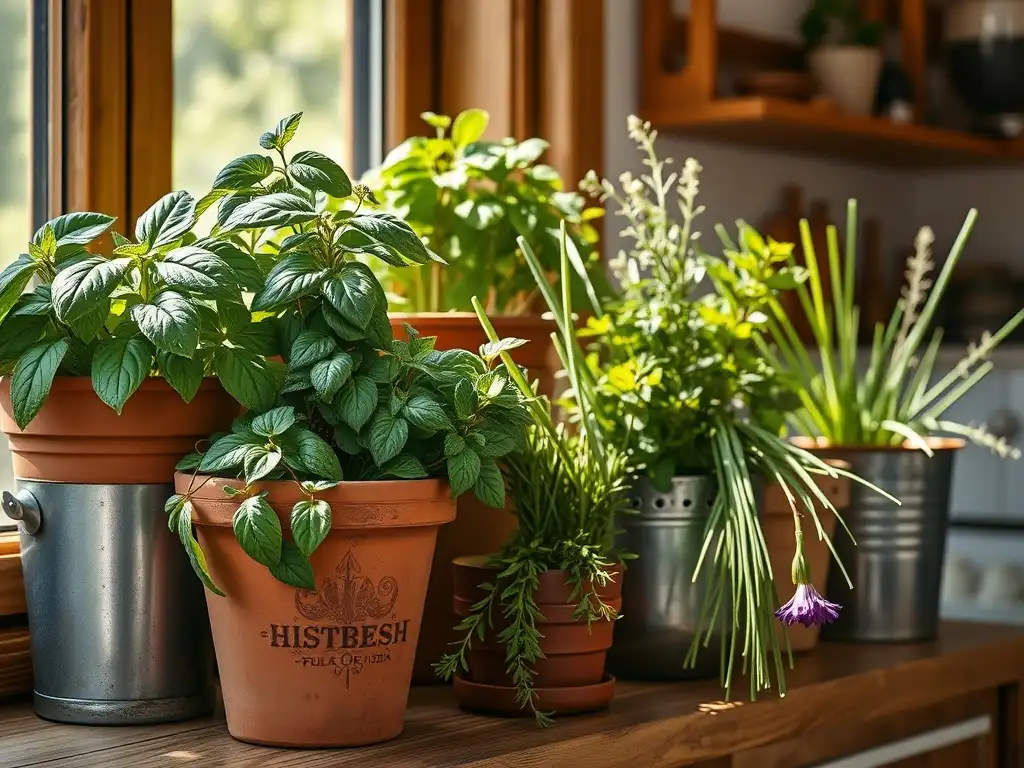
Welcome to CultivateYourFood, your guide to a greener, more flavorful life! Are you ready to transform your kitchen into a vibrant herb garden? Discover the secrets to successfully growing herbs in containers and elevate your culinary creations with the freshest, most aromatic ingredients imaginable. Learn how to cultivate a thriving herb garden, even with limited space, and unlock the endless possibilities of container gardening for culinary use. Let's get started!
Selecting the Right Herbs for Container Gardening and Culinary Use
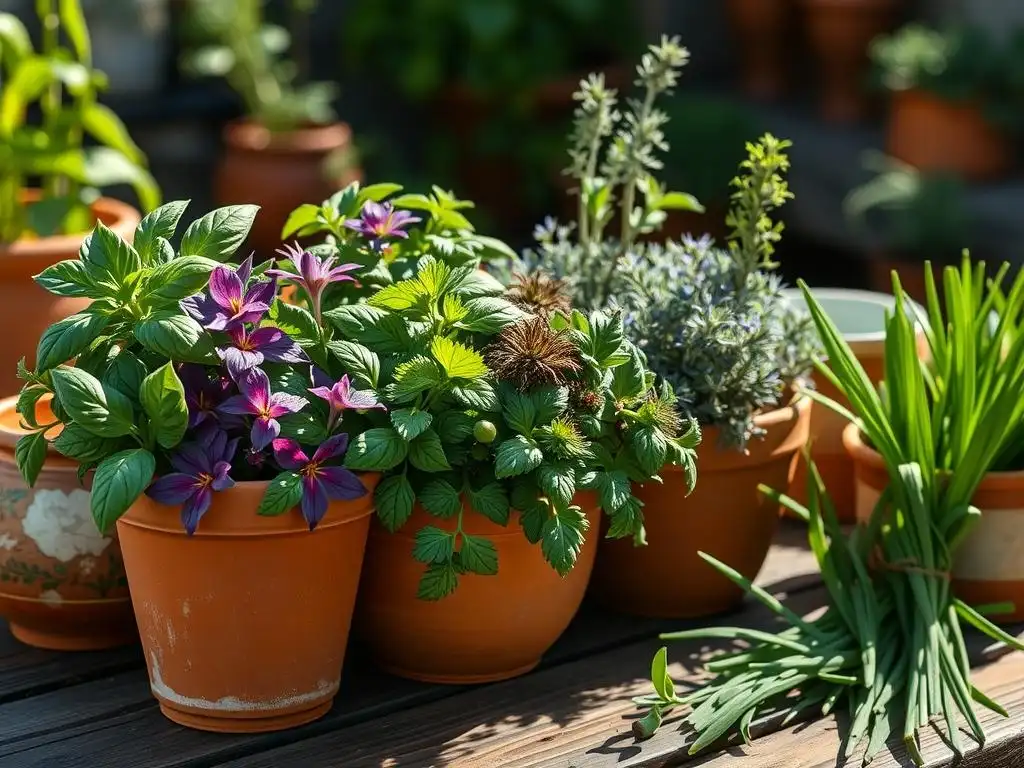
Growing herbs in containers offers a fantastic way to enhance your culinary creations with fresh, vibrant flavors while embracing sustainable gardening practices. This guide delves into the art of selecting the perfect herbs for container cultivation, focusing on those that thrive in pots and complement a variety of dishes. We'll explore optimal container choices, essential care tips, and creative ways to integrate these fragrant additions into your cooking repertoire.
Whether you're a seasoned gardener or just starting out, this comprehensive resource will equip you with the knowledge and confidence to cultivate a thriving herb garden right in your kitchen or backyard. This approach allows for year-round access to fresh herbs, minimizing your environmental footprint and maximizing the flavor of your meals. Let's dive into the exciting world of container herb gardening!
Choosing the Right Herbs for Your Culinary Needs
The first step in creating a successful container herb garden is selecting herbs that align with your culinary preferences and lifestyle. Consider the types of dishes you frequently prepare and choose herbs that complement those flavors. Do you enjoy Italian cuisine? Then basil, oregano, rosemary, and thyme are excellent choices. If you're a fan of Mexican food, cilantro, epazote, and Mexican oregano are must-haves. For those who appreciate Asian flavors, consider lemongrass, Thai basil, and mint.
Below is a table summarizing some popular culinary herbs and their ideal growing conditions:
| Herb | Flavor Profile | Sun Exposure | Water Needs | Container Size |
|---|---|---|---|---|
| Basil | Sweet, slightly peppery | Full sun | Moderate | 6-12 inches |
| Cilantro | Bright, citrusy | Partial sun | Moderate | 6-12 inches |
| Chives | Onion-like, mild | Full sun | Moderate | 6-12 inches |
| Oregano | Earthy, slightly bitter | Full sun | Moderate | 6-12 inches |
| Parsley | Fresh, grassy | Partial sun | Moderate | 6-12 inches |
| Rosemary | Piney, slightly woody | Full sun | Moderate | 12-18 inches |
| Thyme | Earthy, slightly lemony | Full sun | Moderate | 6-12 inches |
| Mint | Refreshing, cool | Partial sun | Moderate | 12-18 inches |
Remember that these are just guidelines; the specific needs of your herbs may vary slightly depending on your climate and growing conditions. Always observe your plants closely and adjust your care accordingly. Don't be afraid to experiment! The beauty of container gardening is that you can easily try different herbs and see what thrives best in your environment.
Selecting the Appropriate Containers for Herb Growth
The choice of container significantly impacts the health and productivity of your herbs. While seemingly insignificant, the right container can make all the difference. Several factors should guide your selection:
- Size: Choose containers that are large enough to accommodate the mature size of the herb, allowing sufficient space for root development. Overcrowding can lead to stunted growth and reduced yield. Smaller herbs like chives and thyme can thrive in smaller pots (6-8 inches), while larger herbs such as rosemary and mint require larger containers (12-18 inches or more).
- Material: Terracotta pots are porous and allow for good drainage, preventing waterlogging. Plastic containers are lightweight and less prone to cracking, but they can retain more moisture. Consider your climate and the herbs you're growing when choosing a material.
- Drainage: Adequate drainage is crucial to prevent root rot. Ensure your containers have drainage holes at the bottom to allow excess water to escape. If your chosen container lacks drainage, create holes yourself.
- Aesthetics: Don't underestimate the importance of the visual appeal of your container herb garden! Choose pots that complement your outdoor space and enhance the overall aesthetic.
Optimizing Container Herb Care for Abundant Harvests
Once you've selected your herbs and containers, providing proper care is essential for a bountiful harvest. This includes:
- Sunlight: Most herbs thrive in at least six hours of direct sunlight per day. However, some herbs, such as mint and parsley, prefer partial shade. Observe your herbs and adjust their location accordingly.
- Watering: Water your herbs regularly, keeping the soil consistently moist but not waterlogged. Overwatering can lead to root rot, while underwatering can cause wilting and stunted growth. Use your finger to check the soil moisture before watering; water thoroughly when the top inch feels dry.
- Fertilizing: Feed your herbs regularly with a balanced fertilizer to promote healthy growth. Use a liquid fertilizer diluted to half strength every 2-3 weeks during the growing season.
- Pest and Disease Control: Regularly inspect your herbs for pests and diseases. Address any issues promptly to prevent widespread damage. Consider using organic pest control methods whenever possible.
This detailed approach to selecting, planting, and caring for your container herbs will result in a thriving and flavorful garden, enriching your culinary experiences with fresh, homegrown goodness. Enjoy the process! 🌿
Frequently Asked Questions
What types of herbs grow best in containers for culinary use?
Many herbs thrive in containers! Basil, mint, chives, oregano, and parsley are excellent choices, offering a variety of flavors for your cooking. Consider your climate and sunlight availability when selecting varieties.
How large of a container do I need for growing culinary herbs?
The size depends on the herb. Larger herbs like mint require at least a 1-gallon container, while smaller herbs like thyme can do well in smaller pots. Ensure adequate drainage to prevent root rot.
What kind of soil is best for growing herbs in containers?
Use a well-draining potting mix, not garden soil. A high-quality potting mix will provide the necessary nutrients and aeration for healthy herb growth. Avoid heavy clay soils.
How much sunlight do container herbs need?
Most culinary herbs need at least 6 hours of sunlight daily. However, some herbs, like mint, might tolerate slightly less sun. Check the specific needs of the herbs you choose to ensure optimal growth.
How often should I water herbs growing in containers?
Water your herbs regularly, keeping the soil moist but not soggy. Check the soil moisture before watering; the frequency will depend on your climate and pot size. Overwatering can be more harmful than underwatering.
Final Reflection: The Bountiful Harvest of Homegrown Herbs
The vibrant, fresh flavors of homegrown herbs are no longer a luxury, but a readily accessible delight for even the smallest urban dweller. This article has explored the simple yet rewarding practice of cultivating culinary herbs in containers, proving that a green thumb isn't a prerequisite for enjoying the superior taste and aroma of basil, mint, or rosemary plucked directly from your own windowsill.
The impact of readily available, fresh herbs extends far beyond the simple enhancement of a dish; it connects us to a deeper appreciation for the natural world and the cyclical nature of growth and harvest. The glory of gardening: hands in the dirt, head in the sun, heart with nature. To nurture a garden is to feed not just the body, but the soul.
This quote perfectly encapsulates the profound satisfaction derived from nurturing life, even in a small container, and the ripple effect it has on our overall well-being. The ease of container gardening, as detailed in this article, makes this connection accessible to everyone, regardless of space constraints.
Now, consider your own kitchen. Imagine the fragrant possibilities: the bright burst of basil in your pesto, the refreshing coolness of mint in your iced tea, the earthy warmth of rosemary on your roasted vegetables. Take the leap!
Choose a sunny spot, select your favorite herbs, and begin your own culinary herb garden. Embrace the simple joy of tending to your plants, and savor the unparalleled flavors that await you. The journey of growing your own herbs is a rewarding one, offering not only delicious food but also a deeper connection to nature and a sense of accomplishment that will enrich your life in countless ways.
Unlock Your Culinary Garden: Grow Flavor, One Herb at a Time
Thanks for exploring the world of container herbs! We hope you're inspired to bring the freshness of homegrown flavor into your kitchen. Ready to get started?
- **Start your herb garden today!** Select your favorite herbs—basil, chives, or rosemary, perhaps—and gather the necessary supplies: pots, soil, and seeds or seedlings. It's your chance to cultivate delicious, homegrown ingredients.
- **Share your herb-growing journey! ** Post a picture of your thriving herb garden on social media using #CultivateYourFood and inspire others. We'd love to see your progress!
- **Experiment with new recipes! ** Try dishes that showcase the vibrant flavors of your homegrown herbs. Share your culinary creations with us—we love hearing about your cooking adventures!
What delicious herb will you grow first?