
Container Vegetable Gardening for Balconies and Patios

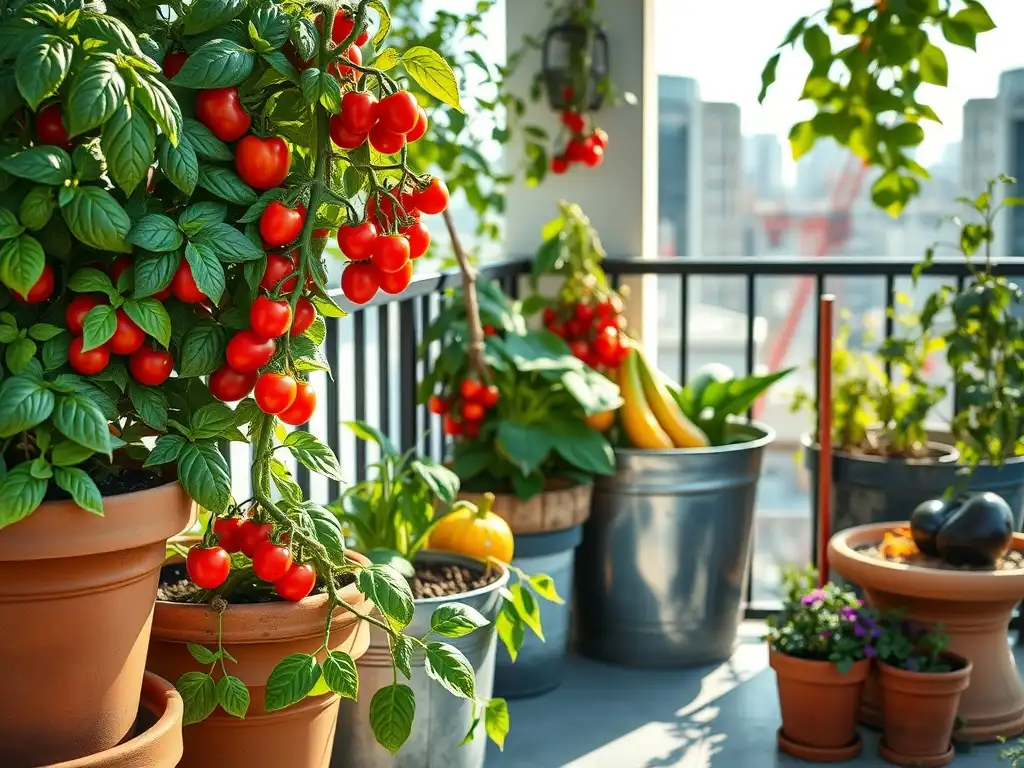
Welcome to CultivateYourFood, your guide to a greener, more flavorful life! Are you dreaming of fresh, homegrown produce but lack a sprawling garden? Then our balcony vegetable gardening guide is your key to unlocking a bountiful harvest, even in the smallest of spaces. Discover sustainable and organic techniques for cultivating fruits, vegetables, and herbs on your balcony or patio – from planting and harvesting to composting and natural pest control. Let's transform your urban oasis into a thriving edible landscape!
- Planning Your Balcony Vegetable Garden
- Planting Your Balcony Vegetable Garden
- Optimizing Sunlight and Shade for Balcony Vegetable Gardening
- Watering Techniques for Container Vegetables on Balconies
- Maintaining Your Balcony Vegetable Garden
- Advanced Balcony Vegetable Gardening Techniques
- Harvesting and Enjoying Your Balcony Bounty
- Frequently Asked Questions
- Final Reflection: Cultivating Community, One Balcony at a Time
- Unleash Your Balcony's Bounty: Grow Your Own Veggies!
Planning Your Balcony Vegetable Garden
Embark on a rewarding journey of cultivating your own fresh produce, even if you only have a balcony or patio! This comprehensive guide provides a step-by-step approach to container vegetable gardening, transforming your urban space into a thriving oasis of flavor. We'll explore the best vegetables for balcony gardening, suitable container options, and essential tools, empowering you to successfully grow a variety of vegetables in limited space using sustainable and organic practices.
This guide will serve as your ultimate resource for achieving a bountiful harvest, no matter how small your outdoor area. Learn how to overcome common challenges and maximize your yield, turning your balcony vegetable gardening dreams into a delicious reality. This "balcony vegetable gardening guide" will equip you with the knowledge and confidence to start your own successful urban garden.
Choosing the Right Vegetables for Balcony Gardening
Selecting the right vegetables is crucial for a successful balcony garden. Not all vegetables thrive in containers, and space is often at a premium. Prioritize compact varieties that don't require extensive root systems. Here's a list of excellent choices:
- Leafy Greens: Lettuce, spinach, kale, and arugula are excellent choices due to their fast growth and relatively small size. Consider varieties specifically bred for containers.
- Bush Beans: These compact bean plants produce a good yield in containers, making them ideal for balconies. Choose dwarf varieties.
- Cherry Tomatoes: These small tomatoes are perfect for containers and produce a plentiful harvest. Look for indeterminate varieties that continue to produce throughout the growing season.
- Peppers: Both bell peppers and chili peppers can be successfully grown in containers, though larger varieties might require larger pots.
- Herbs: Basil, mint, chives, and oregano are excellent choices for container gardening and add flavor to your meals. Remember that mint can be invasive, so choose a container that will prevent it from spreading.
- Radishes: These quick-growing root vegetables are perfect for smaller containers and provide a fast harvest.
- Strawberries: Certain compact strawberry varieties are well-suited for container gardening, offering a delightful treat.
Consider the amount of sunlight your balcony receives when making your selections. Sun-loving vegetables like tomatoes and peppers will require at least 6 hours of direct sunlight daily, while leafy greens can tolerate some shade. Careful planning and selection will maximize your yield and ensure a successful harvest. Remember to check the mature size of each plant to ensure your containers are appropriately sized.
Selecting Suitable Containers for Balcony Vegetable Gardening
The right containers are essential for successful balcony gardening. Consider these factors when making your selection:
- Size: Choose containers that are appropriately sized for the mature size of the plants you've selected. Larger containers generally provide better drainage and retain moisture more effectively. Overcrowding can lead to poor growth and disease.
- Material: Containers made of plastic, terracotta, or wood are all suitable options. Plastic containers are lightweight and inexpensive, while terracotta pots offer excellent drainage but can dry out quickly. Wooden containers add a rustic charm but may require more maintenance.
- Drainage: Adequate drainage is crucial to prevent root rot. Ensure that your containers have drainage holes at the bottom.
- Stability: Choose containers that are stable and won't easily tip over, especially if you are placing them on a balcony railing. Heavier containers may be more stable.
A variety of containers can work: from simple plastic pots to self-watering planters and even repurposed containers like buckets and tubs (ensure they have drainage holes!). The key is choosing containers that are appropriate for the size of your plants and provide adequate drainage.
Essential Tools and Supplies for Container Vegetable Gardening on Balconies
Having the right tools and supplies will make your balcony gardening experience much easier and more successful. Here's a list of essentials:
- Potting Mix: Use a high-quality potting mix specifically designed for containers. Avoid using garden soil, as it can become compacted and poorly drained in containers.
- Watering Can: A watering can with a rose head will help you water your plants gently and evenly.
- Hand Trowel: A hand trowel is essential for planting, transplanting, and weeding.
- Gardening Gloves: Protect your hands while working in the garden.
- Plant Labels: Keep track of what you've planted using plant labels.
- Fertilizer: Use a balanced fertilizer specifically formulated for vegetables. Follow the instructions on the package carefully.
- Pest Control: Have a plan for dealing with common garden pests. Organic pest control options are often preferred for home vegetable gardens.
- Measuring Cups and Spoons: Accurate measurements are important when mixing fertilizer and other soil amendments.
Having these essential tools and supplies on hand will ensure you're prepared for all aspects of your balcony vegetable garden. Remember to prioritize organic and sustainable practices to create a healthy and productive growing environment. Happy gardening! 🥕🍅🌱
Creating the Ideal Growing Medium for Balcony Vegetable Gardening
Choosing the right growing medium is crucial for successful balcony vegetable gardening. Unlike in-ground gardening, where soil composition varies naturally, container gardening requires careful selection of a substrate that provides optimal drainage, aeration, and nutrient retention. A poorly chosen medium can lead to root rot, nutrient deficiencies, and stunted plant growth, directly impacting your harvest. Therefore, understanding the components and their importance is paramount.
One popular and effective option is a well-balanced potting mix. These commercially available mixes typically blend peat moss, perlite, vermiculite, and compost. Peat moss retains moisture, while perlite and vermiculite improve drainage and aeration, preventing waterlogging. Compost adds essential nutrients and beneficial microbes that enhance soil health. However, it's important to note that peat moss is a non-renewable resource, and environmentally conscious gardeners may opt for alternatives.
Eco-friendly alternatives to peat-based mixes include coco coir, a byproduct of coconut processing. Coco coir offers excellent water retention and aeration, and is a sustainable choice. Another option is a homemade mix using composted materials like aged manure, leaf mold, and garden soil. This approach allows for greater control over the composition, but requires more preparation and a good understanding of soil science to achieve the right balance of nutrients and drainage. Remember to avoid using garden soil directly from your yard, as it may contain pests or diseases that can harm your plants.
Regardless of the chosen medium, ensure it is free of weeds and disease. Before planting, consider adding a slow-release fertilizer to provide a consistent supply of nutrients throughout the growing season. This eliminates the need for frequent feeding, simplifying your gardening routine.
The type and amount of fertilizer will depend on the specific vegetables you are growing, so always check the product's instructions and recommendations for your chosen plants. Remember to monitor the moisture level regularly, adjusting your watering schedule as needed to maintain consistently moist but not soggy conditions. Proper soil management is an essential component of a successful balcony vegetable garden, contributing significantly to healthy plant growth and abundant harvests.
Planting Your Balcony Vegetable Garden
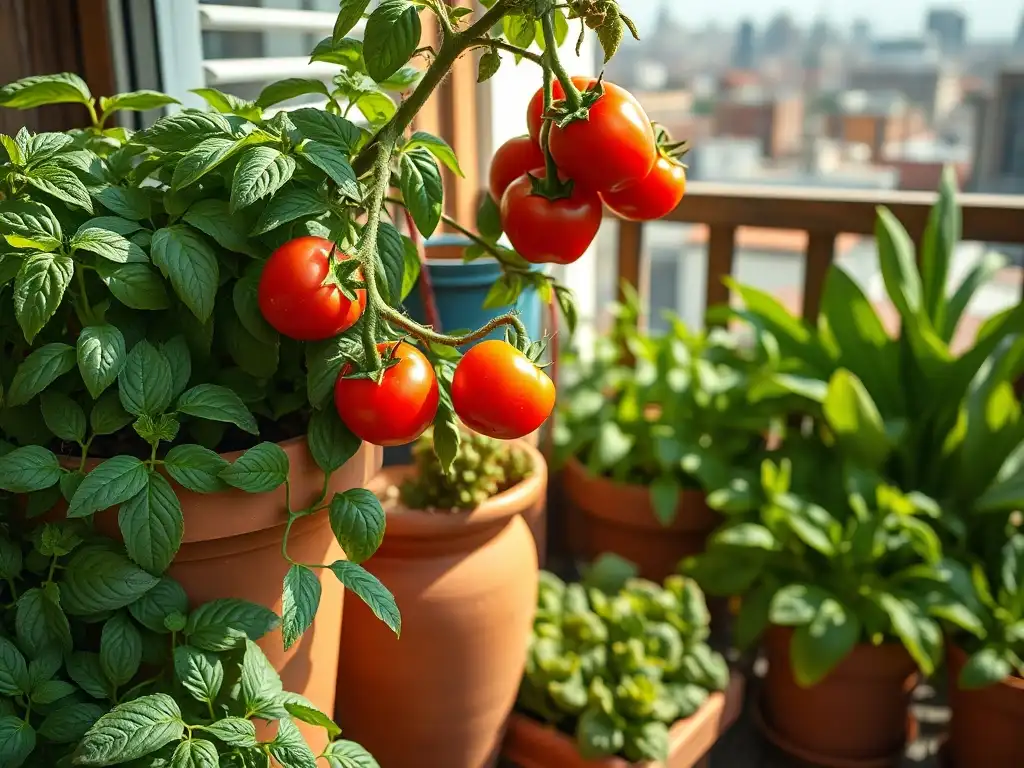
This section provides a comprehensive guide to planting vegetables in containers on your balcony, focusing on maximizing yield and minimizing common pitfalls. A successful balcony vegetable garden requires careful planning and execution, but the rewards of fresh, homegrown produce are well worth the effort. This guide will walk you through the process step-by-step, ensuring you're well-equipped to cultivate a thriving balcony garden.
Step-by-Step Guide to Planting Vegetables in Containers on a Balcony
Planting vegetables in containers on a balcony requires a slightly different approach than traditional in-ground gardening. Here's a step-by-step guide to help you get started:
- Choose the Right Containers: Select containers that are appropriately sized for the vegetables you plan to grow. Larger containers (at least 5 gallons) are generally better, especially for root vegetables and larger plants like tomatoes. Ensure your containers have drainage holes to prevent root rot. Consider using recycled containers like plastic tubs or even repurposed buckets, practicing sustainable balcony gardening.
- Select Your Vegetables: Choose vegetables suitable for container gardening. Compact varieties are ideal for space-saving. Consider cherry tomatoes, bush beans, peppers, lettuce, herbs (basil, mint, chives), and radishes. Research the specific space requirements for each plant before purchasing.
- Prepare the Soil: Use high-quality potting mix specifically formulated for containers. Avoid using garden soil, as it can become compacted and poorly draining in containers. A well-draining potting mix is crucial for healthy root development. You can enhance your soil with compost for added nutrients and improved water retention.
- Planting: Gently remove the seedlings from their starter pots, being careful not to damage the roots. Plant them at the depth indicated on the seed packet or plant tag. Space plants according to their mature size to prevent overcrowding.
- Watering and Fertilizing: Water thoroughly after planting and continue to water regularly, ensuring the soil remains consistently moist but not waterlogged. Use a balanced liquid fertilizer every 2-3 weeks to provide essential nutrients for optimal growth.
- Ongoing Care: Regularly monitor your plants for pests and diseases. Harvest regularly to encourage continued production. Rotate your crops annually to prevent soil depletion. Consider using companion planting techniques to deter pests and improve yields. For example, basil planted near tomatoes can help repel certain pests.
Optimizing Sunlight and Shade for Balcony Vegetable Gardening
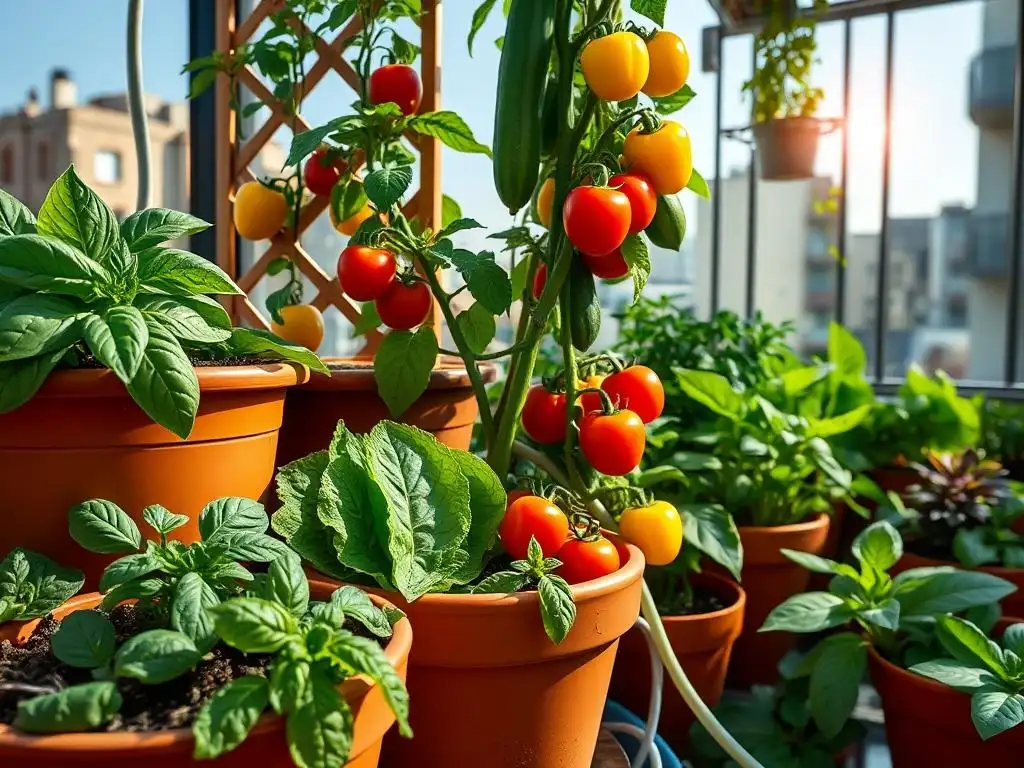
Sunlight is crucial for successful vegetable gardening, regardless of location. Balcony gardens, however, present unique challenges in terms of sunlight exposure. Understanding your balcony's sunlight conditions and choosing the right plants is essential for maximizing yield.
Optimizing Sunlight and Shade for Balcony Vegetable Gardening
The amount of sunlight your balcony receives will dramatically impact your gardening success. Most vegetables require at least 6-8 hours of direct sunlight daily. Before planting, carefully observe your balcony throughout the day to determine the sunniest areas.
- South-facing balconies: Generally receive the most sunlight, ideal for sun-loving vegetables like tomatoes, peppers, and zucchini.
- East-facing balconies: Receive morning sun, which can be beneficial for some plants but might be insufficient for others.
- West-facing balconies: Receive afternoon sun, which can be intense and may require some shade protection for delicate plants.
- North-facing balconies: Receive the least amount of direct sunlight. Choose shade-tolerant vegetables like lettuce, spinach, and certain herbs.
Consider using shade cloth or strategically placing taller plants to provide shade for more delicate vegetables during the hottest parts of the day. Regularly monitoring your plants will help you identify any signs of insufficient or excessive sunlight, allowing for timely adjustments. This careful planning will ensure your balcony vegetable garden thrives.
Watering Techniques for Container Vegetables on Balconies
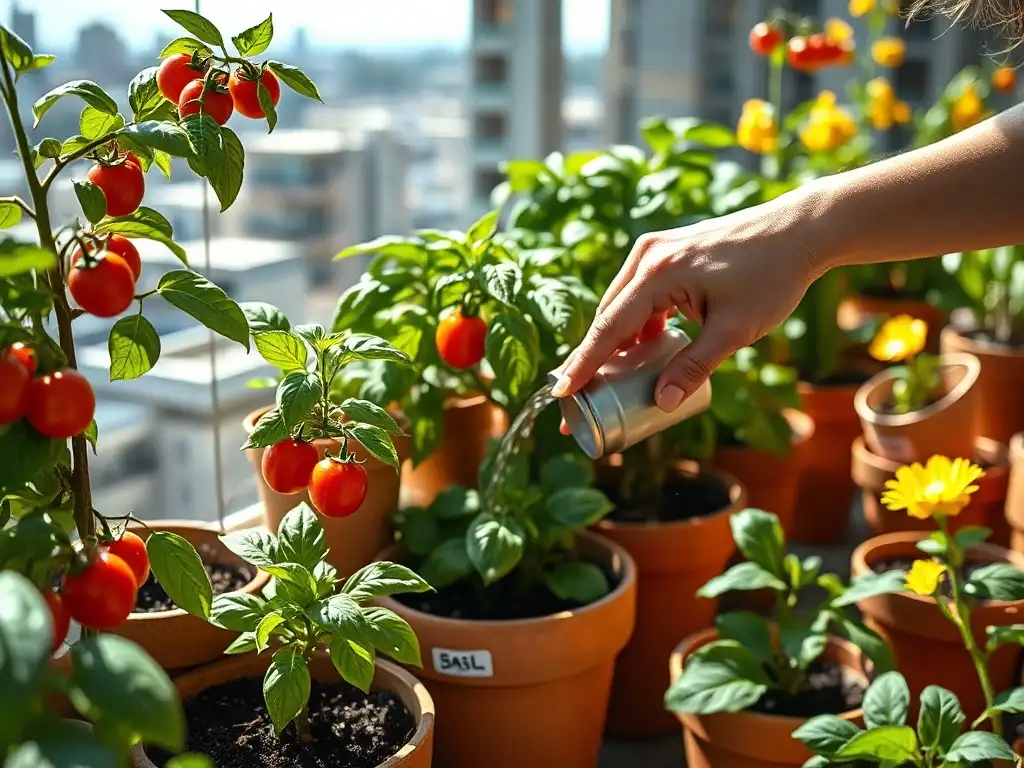
Consistent watering is vital for container gardening, especially on balconies where containers can dry out quickly. Overwatering and underwatering can both negatively impact plant health. This section details effective watering techniques to ensure your balcony vegetable garden receives the optimal amount of moisture.
Watering Techniques for Container Vegetables on Balconies
The key to successful watering is to maintain consistently moist but not soggy soil. Overwatering can lead to root rot, while underwatering can cause wilting and stunted growth. Here are some tips for effective watering:
- Water deeply and less frequently: Instead of frequent shallow watering, water deeply until water drains from the bottom of the container. This encourages deep root growth.
- Water in the morning: Watering in the morning allows the foliage to dry before evening, reducing the risk of fungal diseases.
- Check soil moisture: Before watering, check the soil moisture by sticking your finger a couple of inches into the soil. Water only when the top inch or two feels dry.
- Use a watering can with a rose: A rose attachment helps to distribute water evenly and prevents soil erosion.
- Consider self-watering containers: Self-watering containers can help maintain consistent soil moisture, reducing the frequency of watering.
- Mulching: Applying a layer of mulch on top of the soil can help retain moisture and suppress weeds.
Regularly assess your watering needs based on weather conditions and plant growth stages. During hot, dry periods, you may need to water more frequently. Observe your plants for signs of underwatering (wilting, drooping leaves) or overwatering (yellowing leaves, soggy soil). Adjust your watering schedule accordingly to ensure your balcony vegetable garden thrives. Remember, consistent monitoring and attention to detail are crucial for a bountiful harvest.
Essential Nutrients for Healthy Balcony Vegetable Growth
Providing your balcony vegetable garden with the right nutrients is crucial for healthy growth and bountiful harvests. Unlike in-ground gardens, container gardening requires more attention to fertilization because the soil volume is limited, and nutrients are quickly depleted. Plants grown in containers rely entirely on the nutrients provided in the soil and through supplemental feeding. Ignoring this aspect can lead to stunted growth, poor yields, and increased susceptibility to diseases and pests.
Understanding the three primary macronutrients – nitrogen (N), phosphorus (P), and potassium (K) – is fundamental. Nitrogen promotes leafy green growth, phosphorus is vital for root development and flowering, and potassium strengthens plant stems and improves disease resistance. A balanced NPK ratio is essential, but the specific needs vary depending on the vegetable type. For instance, leafy greens like lettuce require more nitrogen, while fruiting vegetables like tomatoes benefit from a higher phosphorus content.
The secondary macronutrients – sulfur (S), calcium (Ca), and magnesium (Mg) – are also important for overall plant health. Sulfur contributes to chlorophyll production, calcium strengthens cell walls, and magnesium is a key component of chlorophyll. Micronutrients, such as iron, zinc, manganese, copper, boron, molybdenum, and chlorine, are needed in smaller quantities but are equally crucial for various enzymatic processes within the plant. Deficiencies in any of these nutrients can manifest as yellowing leaves, stunted growth, or other visible symptoms.
Choosing the right fertilizer is key. Many options exist, including organic options like compost, worm castings, and seaweed extracts, as well as synthetic fertilizers. Organic fertilizers release nutrients gradually, providing a sustained feed, while synthetic fertilizers offer a quicker, more immediate boost. The best approach often involves a combination of both to provide both immediate and long-term nutrition. Always follow the package instructions carefully to avoid over-fertilizing, which can damage your plants.
Regular soil testing can help determine nutrient levels and guide your fertilization strategy. Home soil testing kits are readily available, providing valuable insights into your soil's composition. Alternatively, you can send soil samples to a professional laboratory for a more comprehensive analysis. This proactive approach ensures that your balcony vegetable garden receives the precise nutrients it needs to thrive, maximizing your yield and ensuring healthy, vibrant plants. Remember to always consider the specific needs of your chosen vegetables when selecting and applying fertilizers. A well-nourished plant is a happy and productive plant!
Maintaining Your Balcony Vegetable Garden
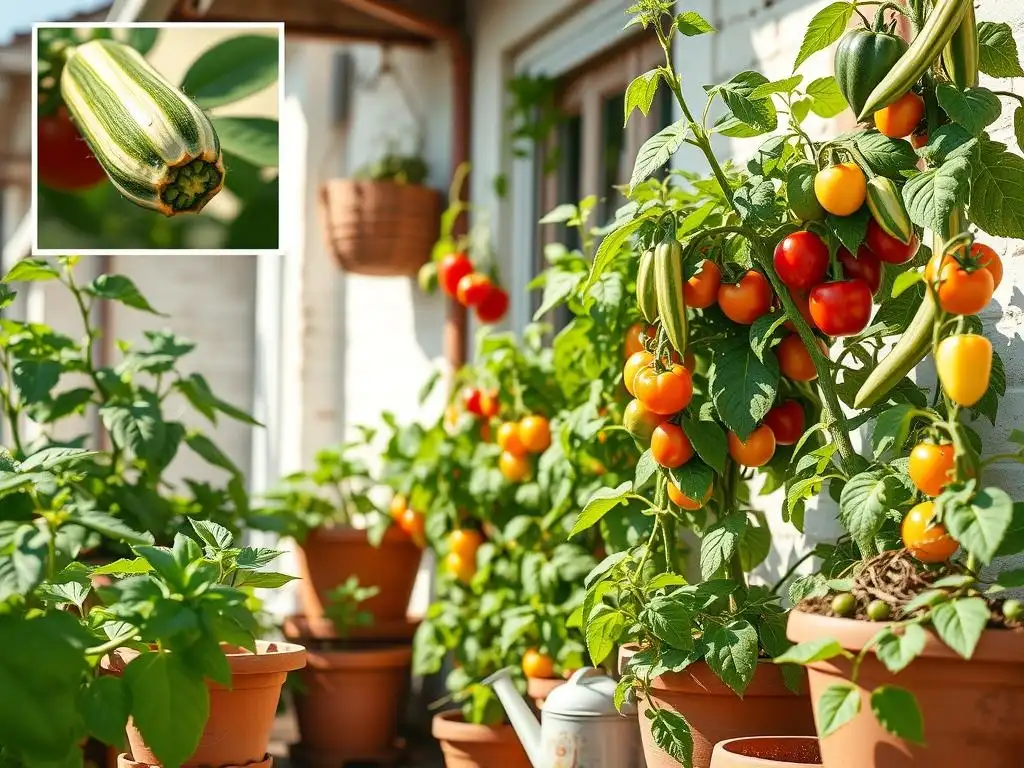
Maintaining a thriving balcony vegetable garden requires consistent attention and proactive measures. This section will equip you with the knowledge and strategies to keep your plants healthy and productive throughout the growing season. Remember, a healthy garden is a happy garden! This guide focuses on providing a robust "balcony vegetable gardening guide" to ensure success.
Balcony Vegetable Garden Pest Control and Prevention
Preventing pest infestations is far easier than dealing with a full-blown outbreak. Regular inspection is key. Look for signs of damage like chewed leaves, holes in fruits, or the presence of insects themselves. Early detection allows for swift intervention, minimizing harm to your plants.
Here are some preventative measures:
- Companion Planting: Strategically planting certain plants together can deter pests. For example, basil is known to repel aphids, while marigolds discourage nematodes. Experiment with different combinations to find what works best for your specific balcony environment.
- Beneficial Insects: Attract beneficial insects like ladybugs and lacewings, which prey on common garden pests. Providing a habitat with flowers that attract them is crucial.
- Natural Pest Control: Consider using natural pest control methods like neem oil or insecticidal soap. These are less harmful to beneficial insects and the environment than chemical pesticides. Always follow the product instructions carefully.
- Physical Barriers: Row covers or netting can protect plants from flying insects and birds. This is particularly useful for delicate seedlings or ripening fruits.
- Hygiene: Regularly remove weeds and fallen leaves to reduce pest hiding places and breeding grounds. Clean your gardening tools regularly to prevent the spread of diseases and pests.
Common Diseases Affecting Container Vegetables and Their Treatment
Container gardening, while offering convenience, can sometimes increase the risk of certain diseases due to the limited space and potential for waterlogging. Identifying and addressing these diseases promptly is crucial for the health of your plants.
| Disease | Symptoms | Treatment | Prevention |
|---|---|---|---|
| Damping-off | Seedling death, rotting stems at soil level | Improve drainage, use sterile potting mix, avoid overwatering. | Use sterile soil and containers, ensure proper drainage. |
| Blight | Brown or black spots on leaves, wilting | Remove affected leaves, improve air circulation, use fungicide (organic if possible). | Ensure good air circulation, avoid overhead watering. |
| Powdery Mildew | White powdery coating on leaves | Use a fungicide (organic options available), improve air circulation. | Ensure good air circulation, avoid overhead watering. |
| Root Rot | Wilting, yellowing leaves, rotting roots | Improve drainage, water less frequently, repot in fresh, well-draining soil. | Use well-draining potting mix, avoid overwatering. |
Remember to always identify the specific disease before applying any treatment. Pictures and resources from reputable gardening sources can aid in accurate diagnosis.
Harvesting Your Balcony Vegetables: Timing and Techniques
Harvesting your balcony vegetables at the optimal time ensures the best flavor and quality. The timing varies depending on the vegetable type and its maturity stage.
- Leafy Greens: Harvest leaves regularly, cutting them just above the soil line to encourage new growth. This method promotes continuous harvesting.
- Tomatoes: Harvest tomatoes when they are fully colored and slightly soft to the touch. Avoid harvesting green tomatoes unless you plan to ripen them indoors.
- Peppers: Harvest peppers when they reach their mature size and color. The color will indicate ripeness – green for some varieties, red, yellow, or orange for others.
- Cucumbers and Zucchini: Harvest these vegetables when they reach the desired size, usually before they become overly large and tough. Regular harvesting encourages more fruit production.
- Herbs: Harvest herbs regularly, pinching off stems or leaves as needed, to promote bushier growth. Many herbs can be harvested multiple times during the growing season.
Proper harvesting techniques are also important. Use sharp, clean tools to avoid bruising or damaging the plants. Be gentle to prevent unnecessary stress on the plant. Harvesting at the right time and using the correct techniques ensures a bountiful and delicious harvest from your balcony vegetable garden. Enjoy the fruits (and vegetables!) of your labor!
Extending the Growing Season on Your Balcony
Extending your balcony gardening season allows you to enjoy fresh homegrown vegetables for a longer period. This is particularly valuable in regions with short growing seasons. Several strategies can help you achieve this. The most effective approach is a combination of techniques rather than relying on a single method.
One key strategy is using protective coverings. Cold frames, simple structures made of transparent plastic or glass, create a microclimate that traps heat and protects plants from frost. These are incredibly beneficial for extending the growing season into early spring and late autumn. You can construct your own cold frame using readily available materials, or purchase pre-fabricated ones. Remember to provide adequate ventilation to prevent overheating and humidity build-up, which can lead to fungal diseases.
Another effective technique involves choosing the right varieties. Some vegetable varieties are naturally more cold-tolerant than others. Look for varieties specifically labelled as "frost-tolerant" or "early maturing." These varieties will withstand cooler temperatures and produce a harvest before the first frosts arrive in autumn or after the last frost in spring. Researching varieties suitable for your specific climate is crucial for success. For instance, certain lettuce varieties can tolerate light frosts, allowing for extended harvests.
The use of row covers is another simple yet effective method. These lightweight fabrics provide protection from frost and wind, while still allowing sunlight and air circulation. Row covers are particularly useful for protecting young seedlings and extending the harvest of more delicate plants. They're easy to install and remove as needed, offering flexibility in managing your balcony garden's microclimate. Remember to remove row covers during warmer days to prevent overheating.
Finally, consider the location of your balcony. A south-facing balcony will receive more sunlight, creating a warmer microclimate, naturally extending the growing season. If your balcony doesn't receive optimal sunlight, supplementary lighting, such as grow lights, can significantly improve plant growth and extend the harvest period.
Grow lights mimic sunlight, providing the necessary light for photosynthesis, even during shorter days. Careful planning and the implementation of these methods can significantly extend your balcony gardening season, providing a bountiful harvest throughout more of the year. Remember to monitor your plants closely and adjust your strategies as needed depending on weather conditions.
Advanced Balcony Vegetable Gardening Techniques
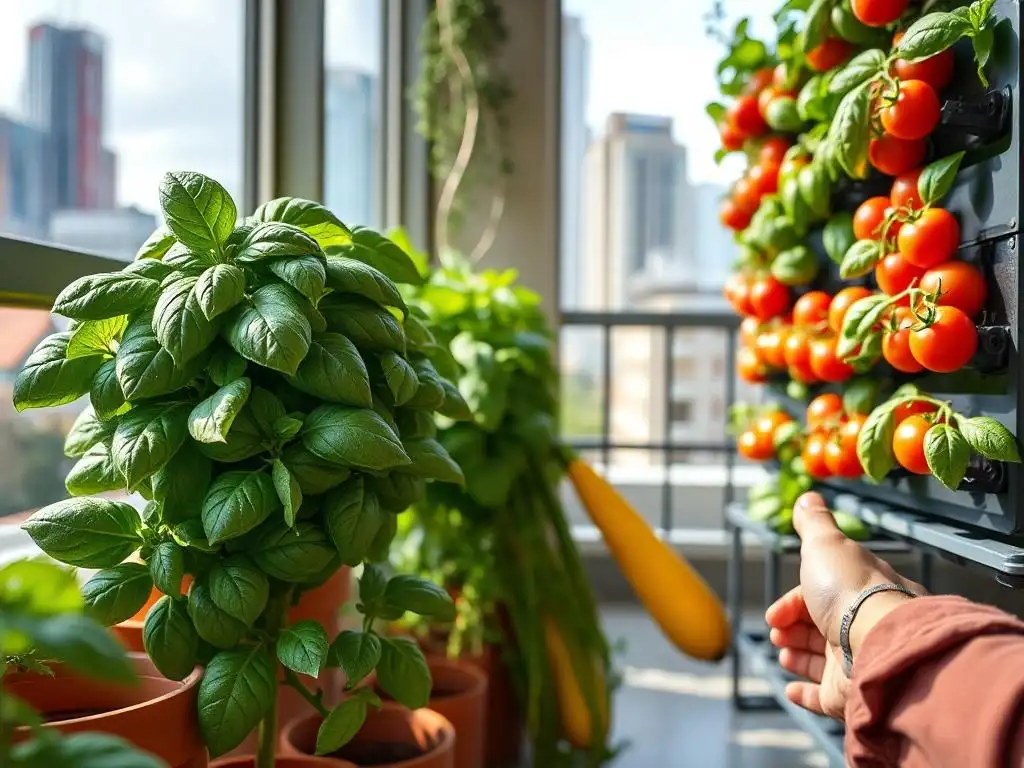
This section delves into advanced techniques to maximize your balcony vegetable garden's yield and efficiency, transforming your small space into a thriving, productive ecosystem. We'll explore strategies beyond the basics, focusing on optimizing space, supporting growth, and enhancing plant health through companion planting. This guide will help you master the art of balcony vegetable gardening, regardless of the size of your outdoor area.
Vertical Gardening for Space-Saving Balcony Vegetable Production
Vertical gardening is a game-changer for balcony vegetable gardening. It allows you to dramatically increase your planting space without expanding your footprint. Think upwards! Instead of relying solely on horizontal space, utilize vertical structures to grow your plants. This is especially crucial for smaller balconies where every inch counts.
Several methods facilitate vertical gardening:
- Hanging Baskets: Ideal for trailing plants like strawberries, tomatoes (certain varieties), and herbs. Ensure adequate drainage and consistent watering.
- Wall-Mounted Planters: These can be custom-built or purchased. They are perfect for herbs, lettuces, and smaller fruiting vegetables.
- Vertical Towers: These innovative systems utilize stacked containers or tubes, maximizing vertical space and providing excellent root support. They're particularly good for tomatoes, peppers, and cucumbers.
- Trellises and Stakes: While not strictly vertical planters, these support climbing plants, directing their growth upwards and off the ground.
Consider these factors when planning your vertical garden:
- Plant Selection: Choose compact, climbing, or trailing varieties best suited for vertical growth. Avoid sprawling plants that require extensive horizontal space.
- Light Requirements: Ensure each plant receives adequate sunlight. South-facing balconies generally offer the most sun. Rotate plants if needed.
- Watering System: Efficient watering is crucial. Consider self-watering systems or drip irrigation to prevent overwatering or underwatering.
- Weight Distribution: Heavy plants require sturdy supports. Ensure your structures can handle the weight of the plants, soil, and water.
Remember, careful planning and plant selection are key to successful vertical balcony gardening. With a little creativity and ingenuity, you can transform your small space into a productive and visually appealing vegetable haven.
Using Trellises and Supports for Climbing Vegetables on Balconies
Climbing vegetables like cucumbers, beans, tomatoes, and peas are perfect for maximizing space on a balcony. However, these plants require support to grow effectively and prevent sprawling, which can lead to reduced yields and increased susceptibility to disease. The right trellis or support system is essential for a successful harvest.
Here's a breakdown of different support options:
- Trellises: These can be simple DIY structures made from wood or bamboo, or commercially available options. They offer vertical support and allow for easy access to the plants.
- Cages: These cylindrical structures provide support for indeterminate tomato plants. They are easy to assemble and readily available at gardening centers.
- Obelisks: These decorative structures add a touch of elegance while providing support for climbing plants.
- Stakes: Simple, yet effective, stakes provide individual support for smaller climbing plants.
When selecting supports, consider:
- Plant Height: Ensure the support is tall enough to accommodate the mature plant's height.
- Strength: The support must be strong enough to hold the weight of the mature plant, especially when laden with fruit.
- Material: Choose durable, weather-resistant materials that will last throughout the growing season.
Properly using trellises and supports significantly improves air circulation around plants, reducing the risk of fungal diseases. This, along with increased sunlight penetration, leads to healthier plants and a higher yield. Consider weaving your plants through the trellis to optimize space and support.
Companion Planting for Balcony Vegetable Gardens: Maximizing Yields
Companion planting is a technique that involves strategically planting different plant species together to improve their growth, health, and yield. Certain plant combinations can deter pests, attract beneficial insects, and improve soil fertility. This is a particularly valuable technique for maximizing productivity in the limited space of a balcony garden.
Here are some beneficial companion plant pairings for your balcony vegetable garden:
| Vegetable | Beneficial Companion | Detrimental Companion |
|---|---|---|
| Tomatoes | Basil, carrots, parsley | Cabbage family |
| Peppers | Basil, onions, marigolds | Potatoes |
| Cucumbers | Nasturtiums, dill | Sage, rosemary |
| Beans | Rosemary, marigolds | Onions, garlic |
| Lettuce | Carrots, radishes | Cabbage family |
Remember that these are just examples, and the effectiveness of companion planting can vary depending on specific cultivars and environmental factors. Research specific pairings for your chosen plants to maximize the benefits.
By understanding and implementing these advanced techniques, you'll transform your balcony into a flourishing vegetable garden, reaping a bountiful harvest despite space limitations. Happy gardening!
Organic Pest Control Strategies for Container Vegetables on Balconies
Balcony vegetable gardening, while rewarding, presents unique challenges regarding pest control. The confined space and proximity to your living area necessitate a careful approach, prioritizing organic methods to protect both your plants and your family's health. Conventional pesticides are not only harmful to beneficial insects and pollinators, but they can also contaminate your food and the surrounding environment. Fortunately, a range of effective organic pest control strategies can safeguard your balcony garden.
One effective strategy is to attract beneficial insects. Ladybugs, lacewings, and praying mantises are voracious predators of common garden pests like aphids and spider mites. Planting flowers that attract these beneficial insects, such as dill, fennel, and yarrow, can significantly reduce pest populations naturally. These flowers provide food and shelter, encouraging beneficial insects to stay and help control pest numbers. Regularly inspecting your plants for beneficial insects can also help gauge the effectiveness of your strategy.
Another crucial element is monitoring for pests early and often. Regularly checking your plants for signs of infestation, such as holes in leaves, wilting, or the presence of insects themselves, allows for early intervention. Early detection allows you to address infestations before they escalate, preventing significant damage to your plants. A simple magnifying glass can be invaluable in identifying small pests and their eggs.
For managing minor infestations, handpicking pests is a simple and effective method. Simply remove pests from your plants and dispose of them in soapy water. This is particularly effective for larger insects or when dealing with small infestations. This method is environmentally friendly and avoids the use of any chemicals.
When dealing with more significant infestations, consider using organic pest control solutions. Neem oil is a widely used organic pesticide derived from the neem tree. It disrupts the life cycle of many insects, acting as both a deterrent and a control agent. Other effective options include insecticidal soaps, which work by disrupting the cell membranes of insects. Always follow the instructions on the product label for best results and to minimize any potential harm to your plants. Remember to apply these solutions in the early morning or evening to avoid harming beneficial insects that are active during the day.
Finally, maintaining healthy plants is crucial for pest resistance. Healthy plants are generally more resilient to pest infestations. Providing adequate sunlight, water, and nutrients ensures strong growth and reduces the plant's susceptibility to pests. Regular fertilization with organic compost tea or other organic fertilizers strengthens the plant's immune system. A healthy plant is your best defense against pests. By combining these preventative measures and organic control methods, you can cultivate a thriving and pest-free balcony vegetable garden.
Harvesting and Enjoying Your Balcony Bounty
This section focuses on the rewarding culmination of your balcony vegetable gardening efforts: harvesting and savoring your homegrown produce. Proper harvesting techniques not only maximize yield but also ensure the continued health and productivity of your plants. A well-timed harvest allows you to enjoy the peak flavor and nutritional value of your vegetables. This "balcony vegetable gardening guide" emphasizes the importance of this final, yet crucial, step.
Storing and Preserving Your Harvested Balcony Vegetables
Harvesting your balcony vegetables at their optimal ripeness is only half the battle. Proper storage and preservation techniques are essential to extend the shelf life of your hard-earned bounty and minimize waste. Different vegetables require different approaches. For example, leafy greens like lettuce and spinach benefit from being stored in airtight containers lined with paper towels in the refrigerator. This helps absorb excess moisture, preventing wilting and rot. These can typically last for a week or so.
Tomatoes, on the other hand, should be stored at room temperature, away from direct sunlight, to allow them to fully ripen. Once ripe, they can be stored in the refrigerator for a few more days. Consider preserving excess produce. Many vegetables, such as tomatoes and peppers, can be easily preserved through canning or freezing.
This allows you to enjoy the fruits (or vegetables!) of your labor even long after the growing season ends. Proper canning techniques are crucial to ensure food safety; research reliable methods before attempting this preservation technique. Freezing is a simpler method, suitable for many vegetables, helping to maintain their nutritional value for extended periods.
| Vegetable | Storage Method | Approximate Shelf Life | Preservation Methods |
|---|---|---|---|
| Leafy Greens | Refrigerated, airtight container | 7-10 days | Freezing |
| Tomatoes | Room temperature, then refrigerated | 3-5 days (ripe) | Canning, Freezing |
| Peppers | Room temperature, then refrigerated | 1-2 weeks | Canning, Freezing, Pickling |
| Zucchini/Squash | Refrigerated | 3-5 days | Freezing |
Delicious Recipes Featuring Your Homegrown Balcony Vegetables
The real reward of balcony vegetable gardening lies in the incredible taste of your homegrown produce. The freshness and flavor are unparalleled compared to store-bought vegetables. Here are a few ideas to inspire you to use your harvest in delicious ways:
- Simple Salad with Homegrown Greens: Toss your freshly picked lettuce, spinach, and herbs with a light vinaigrette. Add some cherry tomatoes from your balcony for extra flavor and color. 😋
- Grilled Zucchini and Peppers: Slice zucchini and peppers and grill them until tender. Drizzle with olive oil and balsamic vinegar for a simple yet flavorful side dish.
- Pasta with Homegrown Tomato Sauce: Create a vibrant and flavorful pasta sauce using your homegrown tomatoes, garlic, and herbs. This is a great way to showcase the unique taste of your balcony-grown tomatoes.
Tips for Extending the Life of Your Balcony Vegetable Garden
To maximize your balcony garden's productivity throughout the growing season, consider these strategies:
- Succession Planting: Plant new seedlings every few weeks to ensure a continuous harvest. Staggering plantings helps you reap a consistent supply of vegetables throughout the season.
- Regular Watering: Consistent moisture is crucial, especially during hot and dry periods. Use a watering can or a drip irrigation system to avoid overwatering and ensure even moisture distribution.
- Pest and Disease Control: Regularly inspect your plants for pests and diseases. Take prompt action using organic pest control methods to prevent infestations from damaging your crops. Early detection and treatment are key.
- Fertilizing: Provide your plants with regular fertilization to replenish nutrients depleted from the soil. Use organic fertilizers to maintain the soil's health and support vigorous growth. A balanced fertilizer is crucial for optimal plant health and yield.
This guide provides a comprehensive overview to help you enjoy a successful and bountiful balcony vegetable garden. Remember, patience and consistent care will reward you with fresh, flavorful vegetables all season long! 🍅🌿
Frequently Asked Questions
What are the best vegetables to grow in containers on a balcony?
Many vegetables thrive in containers! Cherry tomatoes, bush beans, peppers, and leafy greens like lettuce are excellent choices for balcony gardens. Choose compact varieties for best results.
How much sunlight do balcony vegetables need?
Most vegetables require at least six hours of sunlight daily. Consider your balcony's orientation and sun exposure when choosing a location and plant varieties. South-facing balconies generally receive the most sun.
What type of containers are best for balcony vegetable gardening?
Use containers that are at least 12 inches deep to accommodate root growth. Well-draining pots made of plastic, terracotta, or wood are all suitable options. Ensure they have drainage holes to prevent root rot.
What kind of soil is best for container vegetable gardening?
Use a high-quality potting mix, not garden soil. Potting mixes are lighter and better-draining than garden soil, crucial for container gardening success. Consider adding compost for extra nutrients.
How do I protect my balcony vegetables from pests?
Regularly inspect plants for pests. Use organic pest control methods like insecticidal soap or neem oil. Consider using companion planting to deter pests naturally.
Final Reflection: Cultivating Community, One Balcony at a Time
The resurgence of container gardening isn't just a trend; it's a vital response to shrinking green spaces and a growing desire for self-sufficiency. From bustling city centers to quiet suburban patios, the ability to cultivate fresh, healthy food within arm's reach is transforming how we interact with our environment and our food sources. This accessibility empowers individuals to reconnect with nature and take control of their diets, regardless of their living situation.
The impact of accessible gardening extends far beyond the individual harvest. It fosters a sense of community, connecting neighbors through shared experiences and the exchange of tips and seeds. The garden is a place of peace and tranquility, a refuge from the hustle and bustle of daily life.
This sentiment rings truer than ever as more people discover the therapeutic benefits of tending to even a small patch of earth, finding solace and connection in the simple act of nurturing life. The shared joy of harvesting homegrown tomatoes or crisp lettuce strengthens bonds and builds resilience within our communities.
Now, consider your own space. What small corner of your balcony or patio could be transformed into a vibrant, productive garden? Don't let limited space limit your dreams of fresh, homegrown food. Start small, experiment with different varieties, and embrace the learning process. The rewards – both tangible and intangible – are far greater than the initial effort. Let this guide be your springboard to a more connected, sustainable, and delicious life.
Unleash Your Balcony's Bounty: Grow Your Own Veggies!
Thank you for exploring the world of container gardening! We hope you're inspired to grow your own delicious, healthy food, even in limited spaces. Now, let's turn that inspiration into action.
- Start planning your balcony garden today! Sketch out your ideal layout; consider which vegetables you'd most enjoy harvesting. A simple notebook or digital document will work perfectly.
- Share your vision! Post a picture of your balcony or patio on social media using #CultivateYourBalcony—let's inspire each other!
- Try something new! Experiment with an unusual vegetable like shishito peppers or climbing beans. Expand your culinary horizons and have fun with it!
Ready to transform your outdoor space into a thriving food oasis? What will you plant first?