
Growing Mint in Containers: Tips and Tricks for Controlling This Vigorous Herb

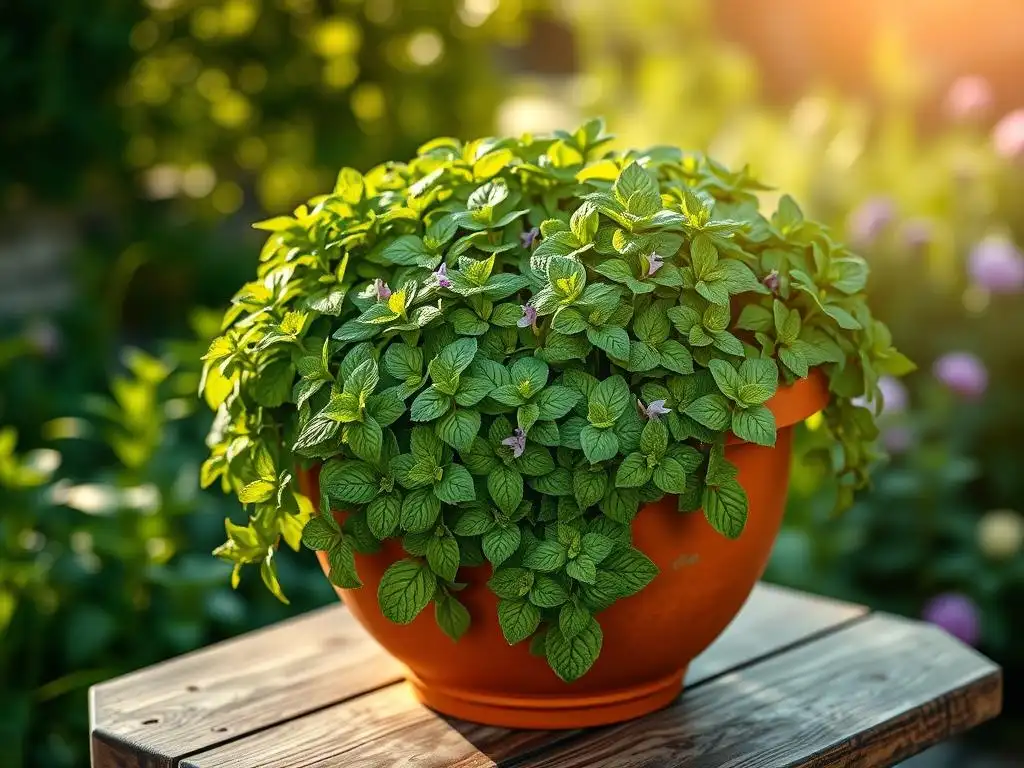
Welcome to CultivateYourFood, your guide to nurturing a thriving garden, sustainably and organically! Are you ready to unlock the secrets of homegrown goodness? We'll equip you with the knowledge and techniques to cultivate your own fruits, vegetables, and herbs. But first, let's tackle a common challenge: controlling vigorous mint container growth. Discover practical strategies and expert tips to keep your mint flourishing without taking over your entire patio – read on to learn more!
- Understanding Mint's Vigorous Growth Habit
- Choosing the Right Container for Mint Control
- Planting Mint in Containers: A Step-by-Step Guide
- Effective Methods for Controlling Vigorous Mint Growth
- Maintaining Healthy Mint Plants in Containers
- Harvesting and Using Your Container-Grown Mint
- Frequently Asked Questions
- Final Reflection: Taming the Green Giant: A Sustainable Approach to Mint Cultivation
- Unleash Your Inner Mint Master!
Understanding Mint's Vigorous Growth Habit
Mint, with its refreshing aroma and culinary versatility, is a popular choice for home gardeners. However, its enthusiastic growth can quickly transform a delightful addition to a container garden into an unruly takeover.
This article delves into the specific challenges of controlling vigorous mint growth in containers, providing practical tips and tricks to keep this potent herb contained and thriving without becoming a garden bully. We'll explore the inherent characteristics of mint that contribute to its rapid spread and offer effective strategies for managing its growth, ensuring a bountiful harvest without sacrificing other plants in your container garden.
Successfully controlling vigorous mint container growth is achievable with the right knowledge and techniques, transforming a potentially problematic herb into a manageable and rewarding addition to your sustainable gardening practices. This guide will equip you with the tools and understanding needed to cultivate a thriving mint plant while maintaining harmony within your container ecosystem.
The Aggressive Nature of Mint: Rhizomes and Runners
Mint's vigorous growth isn't accidental; it's a result of its natural propagation mechanisms. Unlike many herbs that rely solely on seeds, mint spreads aggressively through two primary methods: rhizomes and runners.
- Rhizomes: These are underground stems that grow horizontally, sending out roots and shoots at intervals. Think of them as an underground network constantly expanding the mint's territory. This underground growth makes it incredibly difficult to control mint's spread once it's established.
- Runners (Stolons): These are above-ground stems that grow horizontally along the soil surface, similarly producing roots and new shoots at nodes. These runners can quickly colonize nearby areas, especially in loose, well-draining soil – ideal conditions for mint growth.
Understanding this dual propagation system is crucial for effective control. Simply pulling up visible shoots won't eliminate the underlying rhizome network; new shoots will continuously emerge from the remaining rhizomes. This explains why mint can be so persistent and challenging to manage in a traditional garden setting. The key to controlling vigorous mint in a container lies in preventing the spread of both rhizomes and runners.
Preventing Mint from Taking Over Your Garden
Effective mint control in containers requires a multi-pronged approach, focusing on physical barriers and careful container selection. Here are some key strategies:
| Method | Description | Effectiveness |
|---|---|---|
| Container Choice | Use a deep container with solid sides and a bottom to prevent rhizomes from escaping. Avoid porous containers. | High |
| Root Barriers | Place a physical barrier, such as a strong plastic container (without drainage holes) or a thick plastic liner, within the planting container. | Very High |
| Regular Pruning | Regularly prune back the mint to maintain its size and prevent it from becoming overgrown. Aim for a balanced shape. | Medium |
| Careful Harvesting | Harvest regularly, removing both stems and leaves. This helps control growth and provides you with fresh mint. | Medium |
| Controlled Planting | Plant only a few mint sprigs initially to avoid an immediate explosion of growth. | High |
Remember, consistent vigilance is key. Regularly inspect your mint container for any signs of rhizomes or runners attempting to escape. Early intervention is far more effective than trying to control a large, established mint plant. By combining these strategies, you can enjoy the delightful taste and aroma of mint without the frustration of dealing with its aggressive growth habit. 🌱
Choosing the Right Container for Mint Control
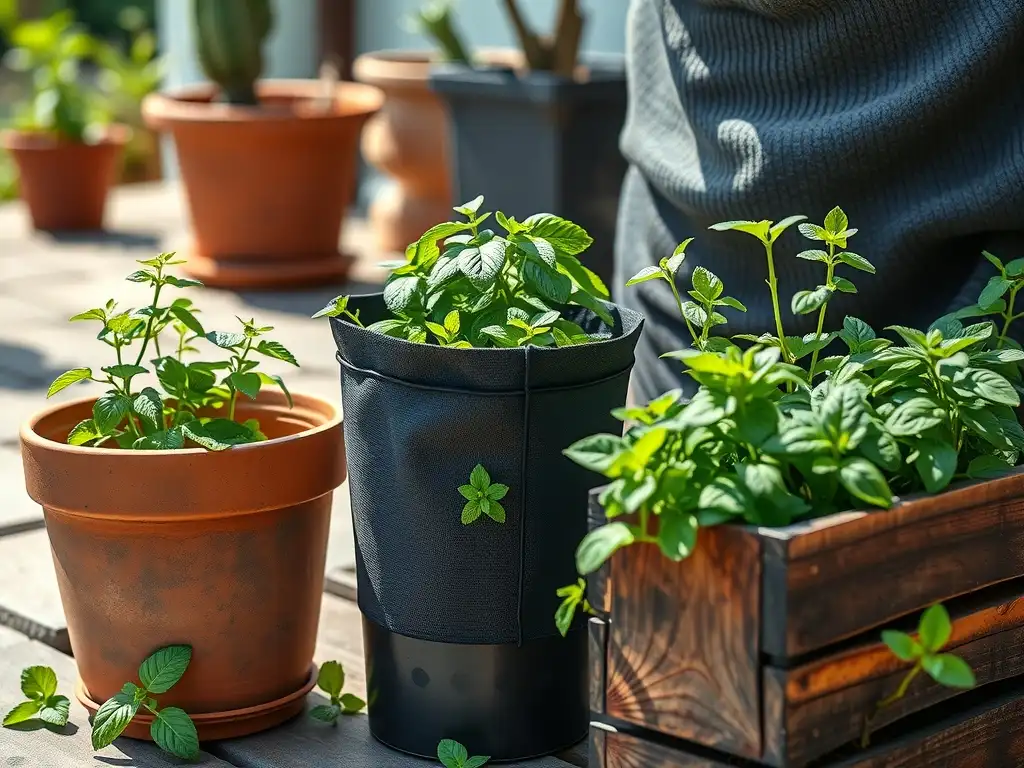
Controlling the vigorous growth of mint is crucial for successful container gardening. The right container plays a vital role in achieving this. Selecting an appropriately sized container with adequate drainage and ventilation is key to preventing the plant from becoming overgrown and unruly. Improper container selection can lead to rootbound plants, waterlogged soil, and ultimately, a less productive mint harvest. Let's delve into the specifics.
Container Size and Material Selection for Mint
The size of your container directly impacts mint's growth. While mint is adaptable, overly large containers encourage excessive spreading, making control more difficult. Aim for a container that's proportionally sized to the mature plant you desire. A 5-gallon container is generally sufficient for a single mint plant, allowing for healthy growth without becoming overwhelmingly large. However, if you want to grow multiple varieties of mint, consider using multiple smaller containers, or a larger container but with physical barriers between the different mint varieties.
Material selection is also important. While terracotta pots offer excellent drainage, they can also dry out quickly, requiring more frequent watering. Plastic containers retain moisture longer, which can be beneficial but also carries the risk of overwatering. Consider the climate and your watering habits when making your choice.
For example, in hot and dry climates, terracotta may be less practical, while in humid environments, plastic might be a better option to prevent root rot. Choosing a container with ample depth is also important, as mint has a relatively extensive root system. Remember, the goal is to control vigorous mint container growth, and the right container is a foundational step.
Drainage and Ventilation: Essential for Healthy Mint Growth
Adequate drainage is paramount for preventing root rot, a common problem with mint grown in containers. Ensure your chosen container has drainage holes at the base. Without proper drainage, excess water can saturate the soil, creating an environment conducive to fungal diseases and stunted growth. This is especially important because mint thrives in moist soil but cannot tolerate waterlogged conditions. Overwatering is a major contributing factor to the need for "Control vigorous mint container growth".
Ventilation is equally crucial. Good airflow around the roots helps to prevent the build-up of moisture and fungal pathogens. Containers with ample drainage holes and good air circulation will support healthy root development and reduce the risk of disease. Consider the material's porosity; some materials allow for better air circulation than others.
For instance, terracotta pots are more porous than plastic, offering better ventilation. Proper drainage and ventilation are not just about preventing disease; they also contribute to a more robust and manageable mint plant, making control of its vigorous growth much easier. Regularly checking the soil moisture levels and adjusting watering frequency accordingly is also vital for managing the plant's growth and preventing problems. This proactive approach is key to successfully controlling vigorous mint in a container.
Planting Mint in Containers: A Step-by-Step Guide
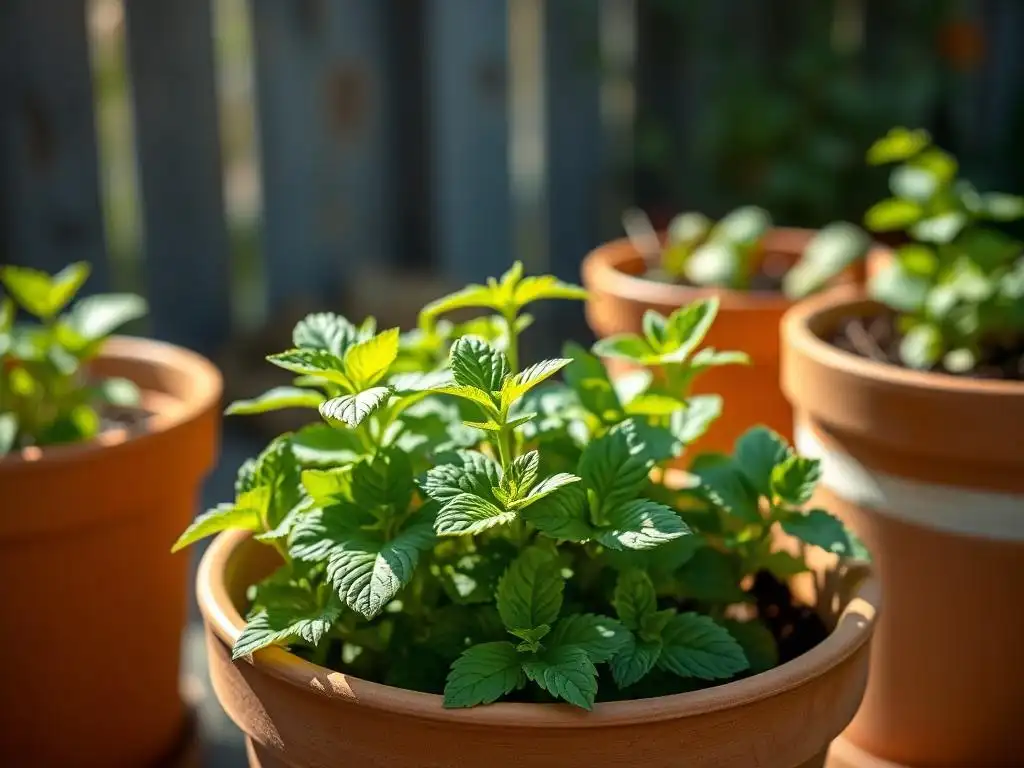
This section details the crucial first steps in successfully growing mint in containers, focusing on techniques to control vigorous mint container growth. We'll cover choosing healthy starter plants, preparing the ideal container and soil mix, and the initial planting and watering process. Remember, proper planting is key to managing mint's robust growth habit.
Selecting Healthy Mint Plants or Cuttings
Choosing healthy starting material is paramount for controlling vigorous mint growth. Weak or diseased plants are more prone to stress, which can lead to uncontrolled sprawling. When selecting mint plants or cuttings, look for the following:
- Vibrant Green Foliage: The leaves should be a rich, deep green, free from discoloration or yellowing. Yellowing indicates potential nutrient deficiencies or disease.
- Firm Stems: Avoid plants with soft, mushy, or wilted stems. These signs suggest root rot or other problems.
- No Pests or Diseases: Carefully inspect the plants for any signs of pests (aphids, spider mites) or diseases (fungal spots, wilting). Infested plants can quickly spread problems throughout your container garden.
- Root System (for plants, not cuttings): If buying a potted mint plant, gently check the roots. A healthy root system will be well-developed, not root-bound, and free from any rot.
For cuttings, select stems that are about 6-8 inches long, with several nodes (the points where leaves grow from the stem). These nodes are where roots will develop. Choose stems that are firm and healthy, exhibiting the same characteristics as a healthy plant. Remember, starting with healthy material is a crucial step in controlling vigorous mint container growth.
Preparing the Container and Soil for Planting
The right container and soil are essential for managing mint's vigorous growth. Mint's aggressive root system needs space but also benefits from containment to prevent it from taking over your garden.
- Container Selection: Choose a container at least 12 inches in diameter and deep enough for the mint's root system to develop. Larger containers are better for controlling vigorous growth, as they provide ample space for the roots without causing root-bound stress. Consider using a container with drainage holes to prevent waterlogging. Containers made of plastic, terracotta, or even repurposed food-grade buckets are suitable choices.
- Soil Preparation: Mint thrives in well-draining, nutrient-rich soil. A good soil mix is crucial for controlling vigorous mint container growth. Avoid heavy clay soils that retain too much water. A balanced potting mix, amended with compost or other organic matter, is ideal. Adding perlite or vermiculite can further improve drainage and aeration. This helps prevent root rot, a common problem leading to weakened plants and uncontrolled spreading.
Properly preparing your container and soil sets the stage for healthy, controlled mint growth. Don't underestimate the importance of these seemingly simple steps! They significantly impact the plant's health and your ability to manage its vigor.
Planting Your Mint and Initial Watering
Once you've selected your mint plants or cuttings and prepared the container and soil, planting is straightforward. However, careful planting techniques contribute significantly to controlling vigorous mint container growth.
- Planting Plants: If using established plants, carefully remove them from their original containers, gently loosening the roots to encourage outward growth. Plant at the same depth as they were previously growing.
- Planting Cuttings: If using cuttings, plant them at a slight angle, burying at least two nodes under the soil. Keep the soil moist and provide bright, indirect light to encourage root development.
- Spacing: Space your mint plants or cuttings appropriately, allowing for adequate growth without overcrowding. Overcrowding can lead to competition for resources and hinder your efforts to control growth.
- Initial Watering: After planting, water thoroughly but avoid overwatering. Overwatering can lead to root rot, weakening the plants and potentially causing uncontrolled growth as they struggle to recover. Allow the soil to dry slightly between waterings.
Consistent, appropriate watering is key to establishing a healthy mint plant and managing its vigorous growth. Remember, a healthy, well-established mint plant is easier to control than a stressed one. By following these steps, you'll be well on your way to enjoying a thriving, yet manageable, mint plant in your container garden. 🌱
Effective Methods for Controlling Vigorous Mint Growth
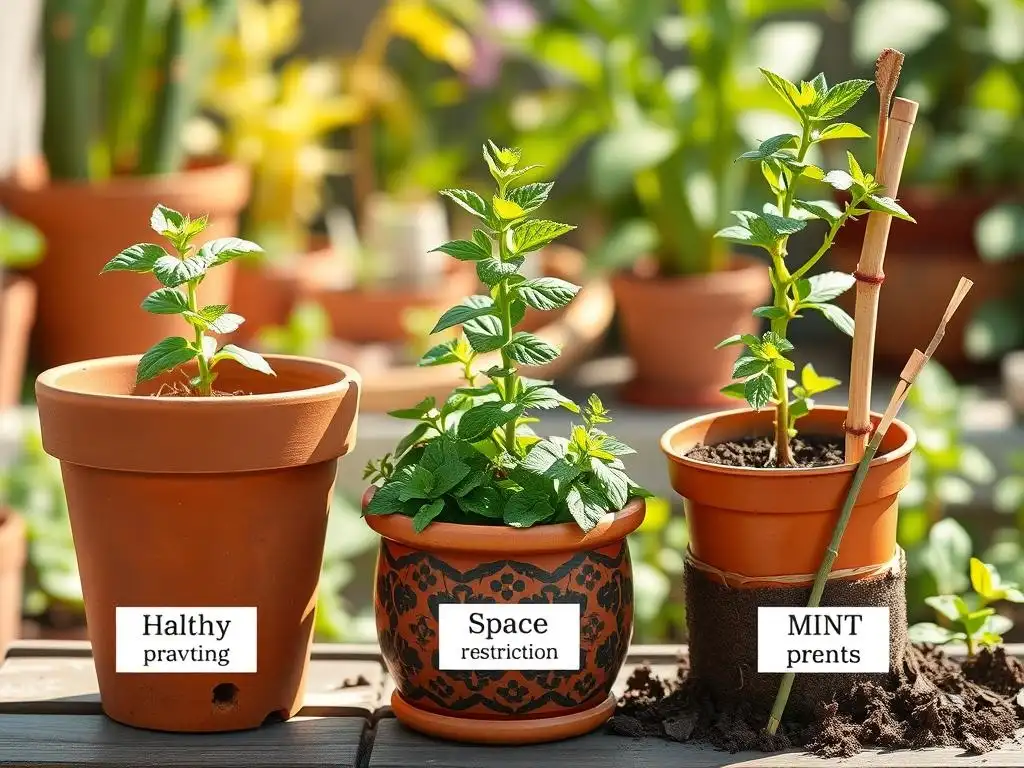
Mint, with its refreshing aroma and culinary versatility, is a popular choice for container gardening. However, its vigorous growth can quickly become overwhelming if not properly managed. Controlling vigorous mint container growth requires a proactive approach, employing techniques that restrict its sprawling roots and abundant foliage. This section details effective strategies to keep your mint thriving while preventing it from taking over your garden space. Understanding these methods will allow you to successfully cultivate this prolific herb in a controlled environment.
Container Size and Root Pruning for Mint Management
Choosing the right container size is crucial for controlling mint's growth. Avoid overly large pots, as these encourage extensive root development. Smaller containers (around 6-12 inches in diameter) will restrict root spread, leading to less vigorous top growth. This method helps to naturally constrain the plant's expansion. Remember that even in smaller containers, regular monitoring is essential.
Furthermore, regular root pruning plays a vital role in managing mint's expansive nature. Every few months, carefully remove the plant from its container. Gently trim approximately one-third of the root mass, focusing on the outer edges. Replant the mint in fresh potting mix, ensuring adequate drainage. This process slows root growth and, consequently, top growth, maintaining a manageable size. Always use clean, sharp pruning shears to minimize the risk of disease. This proactive approach to root management is key to successful container mint cultivation.
Using Root Barriers to Restrict Mint Spread
For a more permanent solution, consider using root barriers. These barriers, often made of durable plastic or metal, are placed in the bottom of the container before planting. They physically restrict the roots from spreading beyond a certain point. This is particularly useful if you intend to keep your mint in the same container for a longer period.
When selecting a root barrier, ensure it's appropriately sized for your container and the mature size of your mint plant. Remember to leave sufficient space for root development within the confines of the barrier to prevent root-bound stress. Several commercially available options exist, or you can create your own using readily accessible materials.
Using a root barrier offers a more hands-off approach to controlling vigorous mint container growth compared to regular root pruning. It’s a highly effective method for preventing the mint from spreading into other areas of your garden, making it an ideal solution for gardeners who are less inclined toward frequent maintenance.
Regular Harvesting to Manage Mint Growth
Regular harvesting is perhaps the simplest and most rewarding method for managing mint's vigorous growth. Frequent harvesting not only provides you with fresh mint for culinary use but also helps control the plant's size and density. Aim to harvest at least once a week, snipping stems just above a leaf node. This encourages bushier growth and prevents the plant from becoming leggy. Regular harvesting reduces the overall biomass of the plant, thereby hindering its expansion. Remember to avoid harvesting more than one-third of the plant at any given time to prevent stressing the plant.
Moreover, consider the timing of your harvests. Harvesting in the morning, after the dew has dried, ensures the mint contains optimal essential oils and flavors. This frequent harvesting, coupled with other control methods, provides a holistic approach to maintaining your mint at a manageable size, ensuring a bountiful supply of fresh herbs while preventing unwanted overgrowth. The consistent removal of leaves and stems can significantly impact the overall vigor of the plant, making it a crucial element in your mint management strategy.
Maintaining Healthy Mint Plants in Containers
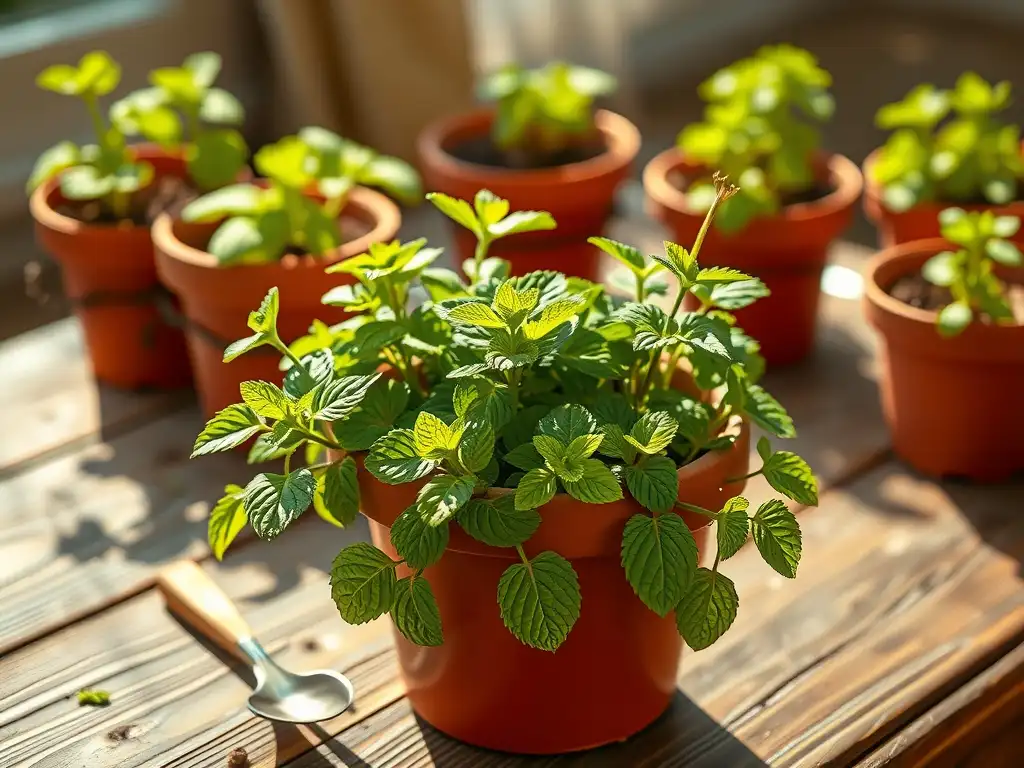
This section focuses on the ongoing care of your mint plants once established in their containers, crucial for controlling their vigorous growth and ensuring a healthy harvest. We'll cover essential aspects like watering, fertilizing, pest control, and overwintering techniques to keep your mint thriving. Remember, consistent attention to these details is key to successfully managing your mint's growth and preventing it from becoming unruly.
Watering and Fertilizing Your Container Mint
Proper watering and fertilization are fundamental to maintaining healthy mint plants. Mint prefers consistently moist soil, but not soggy. Allow the top inch or two of soil to dry out slightly between waterings. Overwatering can lead to root rot, a significant problem for container plants. Underwatering, on the other hand, will result in stunted growth and wilting. The best way to gauge watering needs is to check the soil moisture regularly – use your finger to test the dryness.
Fertilizing your mint is also crucial, especially if you're growing it in a small container. Mint is a relatively heavy feeder. Use a balanced liquid fertilizer diluted to half strength every 2-3 weeks during the growing season (spring and summer). Avoid over-fertilizing, as this can lead to excessive leaf growth at the expense of flavor. A balanced approach ensures optimal growth and flavor.
Consider using an organic fertilizer to align with sustainable gardening practices. Observe your plants closely; if they exhibit signs of nutrient deficiency (e.g., yellowing leaves), adjust your fertilization schedule accordingly. Remember, a happy plant is a productive plant! 🌱
Protecting Mint from Pests and Diseases
While mint is generally resilient, it can still be susceptible to certain pests and diseases. Early detection and prevention are key to maintaining healthy plants. Common pests include aphids, spider mites, and whiteflies. Regularly inspect your mint plants for signs of infestation, such as discoloration, wilting, or the presence of insects.
- Aphids: These tiny sap-sucking insects can quickly infest mint plants. You can often control them with a strong spray of water or by introducing beneficial insects like ladybugs.
- Spider mites: These minuscule pests create fine webbing on the undersides of leaves. Regularly misting your plants can help prevent infestations. If an infestation occurs, consider using insecticidal soap.
- Whiteflies: These small, white insects can also infest mint. Sticky traps can be effective in capturing them.
Disease prevention focuses on providing optimal growing conditions: well-draining soil, adequate spacing between plants to promote air circulation, and avoiding overhead watering which can promote fungal diseases. If you notice signs of disease, promptly remove affected leaves or stems to prevent further spread. Remember, proactive pest and disease management is vital for controlling vigorous mint growth and maintaining healthy plants.
Overwintering Mint in Containers
In colder climates, overwintering your container mint is essential to protect it from freezing temperatures. The method you choose depends on your climate and the hardiness of your specific mint variety.
- Bringing indoors: For milder climates, you may simply bring your mint containers indoors to a cool, bright location. Reduce watering during the winter months.
- Protecting outdoors: In areas with mild winters, providing some protection can suffice. A simple cold frame or covering the container with mulch can help insulate the plant.
- Root division & propagation: Before winter sets in, you can divide your mint plant and propagate new plants, preserving its vigor for the next growing season. This also helps control the overall size of the plant.
Remember, proper overwintering techniques are crucial for maintaining healthy and vigorous mint plants year after year. Appropriate care during the dormant season will ensure a bountiful harvest in the spring. This proactive approach contributes greatly to controlling vigorous mint container growth.
Harvesting and Using Your Container-Grown Mint
This section focuses on maximizing your mint harvest while ensuring the plant's continued health and vigor. Controlling vigorous mint growth in containers isn't just about pruning; it's about harvesting strategically to encourage bushier growth and maintain optimal flavor. Remember, consistent harvesting is key to preventing your mint from becoming unruly and overtaking its container.
Harvesting Techniques for Optimal Mint Flavor and Growth
The best time to harvest mint is in the morning after the dew has dried. The essential oils responsible for mint's distinctive aroma and flavor are most concentrated at this time. Avoid harvesting when the plant is stressed by heat or drought, as this can negatively impact both the yield and quality of the leaves. Here's a breakdown of effective harvesting techniques:
- Pinch Harvesting: For young, tender leaves, simply pinch off the top few sets of leaves. This encourages bushier growth from the base and prevents the plant from becoming leggy. This method is ideal for ongoing maintenance and regular use of fresh mint. Think of it as a gentle "haircut" for your mint plant.
- Cutting Harvesting: For a larger harvest, use sharp, clean scissors or pruning shears to cut stems about 1-2 inches above a leaf node. This encourages new growth from the nodes and prevents the plant from becoming overly sparse. Remember to cut at an angle to facilitate water runoff and prevent disease.
- Selective Harvesting: Don't strip the plant bare! Always leave some leaves behind to allow for photosynthesis and continued growth. A good rule of thumb is to harvest no more than one-third of the plant's foliage at any one time.
Here's a table summarizing the different harvesting methods and their benefits:
| Harvesting Method | Best For | Benefits | Considerations |
|---|---|---|---|
| Pinch Harvesting | Ongoing use | Encourages bushier growth, easy to do | Best for young plants, smaller harvests |
| Cutting Harvesting | Larger harvests | Promotes strong new growth from nodes | Requires sharp tools, ensures clean cuts |
| Selective Harvesting | Maintaining balance | Prevents plant stress, ensures continued growth | Crucial for long-term health and productivity |
Remember, consistent, smaller harvests are preferable to infrequent, large harvests for maintaining control and optimal flavor. This strategy is crucial for controlling vigorous mint container growth.
Preserving and Storing Freshly Harvested Mint
Once you've harvested your mint, preserving it correctly is crucial to maintaining its freshness and flavor for as long as possible. There are several methods to consider, each with its own advantages and disadvantages:
- Refrigeration: The simplest method is to store fresh mint in a sealed plastic bag in the refrigerator. To maximize freshness, gently pat the leaves dry before storing. This method typically keeps mint fresh for up to a week.
- Freezing: Freezing mint preserves its flavor and aroma well. Blanch the leaves briefly in boiling water, then plunge them into ice water to stop the cooking process. After drying, you can store the leaves in freezer bags or ice cube trays with water or oil for later use in smoothies or cocktails.
- Drying: Air drying is a great way to preserve mint for longer periods. Hang small bunches upside down in a cool, dark, and well-ventilated area. Once completely dry (usually 1-2 weeks), store the leaves in airtight containers in a cool, dark place. Dried mint retains its flavor for several months.
Proper preservation techniques are vital for maximizing the use of your harvest and extending the enjoyment of your homegrown mint. This is another important step in the ongoing process of controlling vigorous mint container growth, as it encourages more frequent harvests. By combining strategic harvesting with effective preservation, you can enjoy the delicious flavor of your mint all year round.
Frequently Asked Questions
How do I control the vigorous growth of mint in a container?
Mint is a fast-growing herb. To control its growth, regular pruning is crucial. Consider using a container with a barrier to prevent root spread.
What is the best type of container for growing mint?
Choose a large container with drainage holes. A container with a barrier, such as a plastic pot within a larger pot, will prevent the roots from spreading uncontrollably. Consider the size of the mature plant.
What are some sustainable methods for controlling mint growth?
Regular harvesting is a natural and sustainable method. Pruning back stems encourages bushier growth and prevents rampant spreading. You can also compost the trimmings.
How often should I prune my mint plant in a container?
Prune your mint regularly, at least every 2-3 weeks. This will keep the plant compact and prevent it from becoming overwhelming. Pinch back the growing tips to encourage bushier growth.
Can I use mint cuttings to propagate new plants?
Yes, mint is easily propagated from cuttings. Simply take stem cuttings and place them in water or directly into soil. This is a great way to increase your mint supply without buying new plants.
Final Reflection: Taming the Green Giant: A Sustainable Approach to Mint Cultivation
The relentless growth of mint, often celebrated, can quickly become a challenge for even the most seasoned gardener. Successfully managing its vigorous spread, particularly in containers, requires careful planning and consistent attention, as this article has demonstrated. But the rewards of fresh, homegrown mint far outweigh the effort, offering a taste of nature's bounty right at your doorstep.
The journey of cultivating mint, from tiny sprig to overflowing pot, mirrors our own personal growth – a constant need for nurturing, pruning, and redirection to achieve a balanced and fulfilling outcome. The best way to appreciate your work is to give it away.
This sentiment, while not directly about mint, speaks to the joy of sharing the fruits of our labor, be it a bountiful harvest of mint or any other achievement. The act of controlling mint's growth, therefore, becomes a metaphor for managing our own ambitions and ensuring sustainable progress.
Now, consider your own "vigorous growth" areas – those aspects of your life that, if left unchecked, could overwhelm you. What strategies can you borrow from the world of mint cultivation to bring balance and purpose to these areas? Embrace the challenge of controlled growth, not as a limitation, but as an opportunity for mindful cultivation and the harvesting of abundant rewards. Start small, learn from your successes and failures, and savor the sweet taste of your own well-managed achievements.
Unleash Your Inner Mint Master!
Thank you for exploring the world of container-grown mint! We hope you've learned how to successfully cultivate this vigorous herb and enjoy its fresh flavor all season long. Now it's time to put your new knowledge into practice.
- Get Growing! Choose your favorite mint variety and begin planting today. Even a small pot can yield a surprisingly abundant harvest. Remember the tips on soil drainage and sunlight for optimal results!
- Share your mint-growing journey! Post a photo of your thriving plants on social media using #CultivateYourMint to inspire others.
- Experiment with different mint varieties and recipes. Try a refreshing mint mojito or infuse your water with its invigorating leaves.
Ready to experience the joy of homegrown mint? How do you enjoy this versatile herb?