
Growing Peppers in Containers: The Perfect Soil Mix for Heat and Flavor

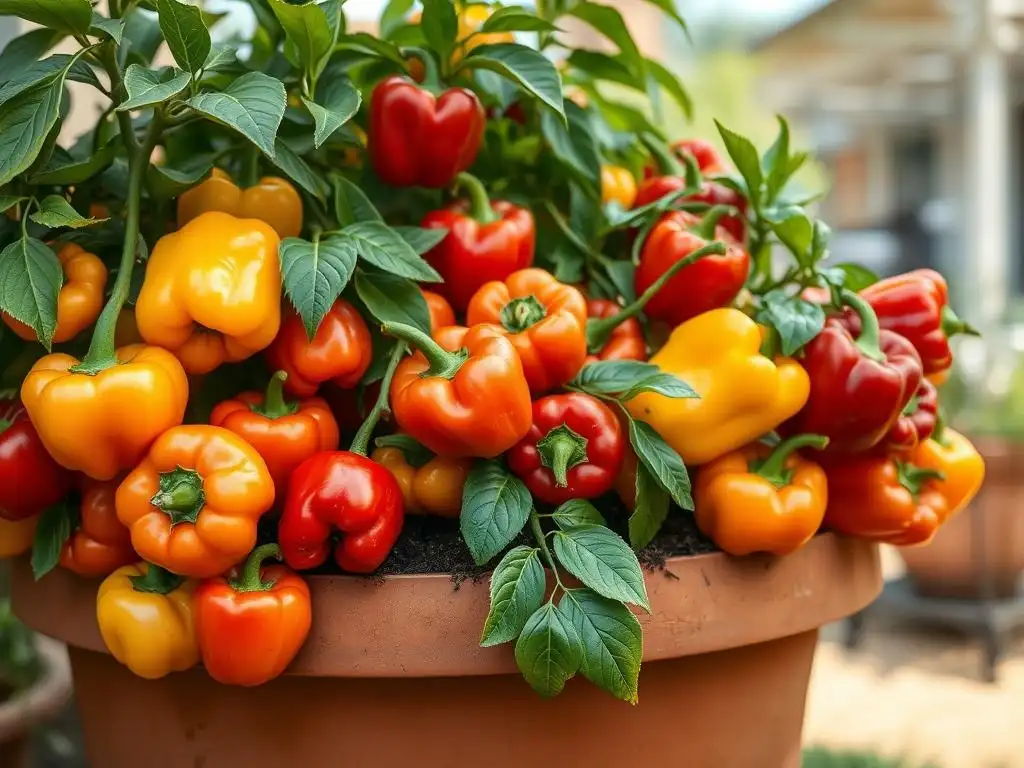
Ready to unlock the secrets to juicy, flavorful peppers bursting with sunshine? At CultivateYourFood, we guide you through the rewarding world of homegrown goodness. Discover the perfect soil mix for container-grown peppers – crucial for achieving abundant harvests – and learn how to cultivate your own vibrant peppers using sustainable, organic methods. Dive into our expert guide on the best pepper container soil mix and transform your patio or balcony into a thriving pepper paradise.
- Understanding the Needs of Pepper Plants in Containers
- Crafting the Ideal Pepper Container Soil Mix: A Recipe for Success
- Step-by-Step Guide: Preparing Your Pepper Container Soil Mix
- Maintaining Your Pepper Soil Mix for Continued Success
- Troubleshooting Common Pepper Growing Problems in Containers
- Harvesting and Enjoying Your Delicious Homegrown Peppers
-
Frequently Asked Questions
- What is the best soil mix for growing peppers in containers?
- Why is drainage so important when growing peppers in containers?
- What kind of compost should I use for my pepper plants?
- How much perlite or vermiculite should I add to my pepper soil mix?
- Can I use garden soil for growing peppers in containers?
- Final Reflection: Cultivating Flavor, One Pot at a Time
- Unlock Your Pepper Power: Grow Juicy, Flavorful Peppers This Season!
Understanding the Needs of Pepper Plants in Containers
Growing vibrant, flavorful peppers in containers requires a deep understanding of their specific needs. Unlike their in-ground counterparts, container-grown peppers rely entirely on the soil mix you provide for essential nutrients, proper drainage, and overall plant health. This article will guide you through creating the best pepper container soil mix, ensuring your peppers thrive and produce a bountiful harvest of delicious fruits. We'll explore the crucial components of a successful soil blend, focusing on nutrient richness, drainage capabilities, and the ideal container size for optimal growth.
Achieving the perfect balance of these factors is key to unlocking the full potential of your pepper plants and enjoying a season brimming with spicy delights. This guide will help you cultivate not just peppers, but also your green thumb! 🌶️
Essential Nutrients for Abundant Pepper Harvests
Peppers are heavy feeders, demanding a soil mix rich in essential nutrients for robust growth and fruit production. A well-balanced blend should contain a mix of organic matter to provide slow-release nutrients and improve soil structure. The ideal mix should include:
- Compost: Provides a diverse range of nutrients and improves soil aeration. Aim for a well-rotted compost to avoid burning the delicate pepper roots.
- Coco Coir: This excellent soil amendment retains moisture while also promoting good drainage, a crucial aspect of container gardening.
- Vermiculite: Improves aeration and water retention, contributing to a consistently moist but well-drained environment.
- Perlite: Another excellent amendment that enhances drainage and prevents compaction, ensuring the roots can breathe.
The precise ratio of these components will depend on your specific climate and the type of pepper you're growing. However, a good starting point might be a 3:2:1:1 ratio of compost, coco coir, vermiculite, and perlite, respectively. Remember to test your soil's pH level; peppers prefer a slightly acidic to neutral pH range (6.0-7.0). Regular soil testing and supplemental feeding with a balanced fertilizer will ensure your peppers receive all the nutrients they need throughout the growing season. Failing to provide adequate nutrients will result in stunted growth and a reduced harvest.
The Importance of Drainage in Container Pepper Growing
Proper drainage is paramount for healthy pepper plants grown in containers. Poor drainage can lead to root rot, a devastating condition that can quickly kill your plants. Excess moisture suffocates the roots, preventing them from absorbing essential nutrients and oxygen. The soil mix components we discussed above — coco coir and perlite in particular — are crucial for promoting excellent drainage.
Consider these additional tips to ensure optimal drainage:
- Use containers with drainage holes: This is non-negotiable. Containers without drainage holes will inevitably lead to waterlogged soil.
- Avoid overwatering: Water thoroughly but only when the top inch of soil is dry. Overwatering is a common mistake that can easily be avoided.
- Choose the right container material: Terracotta pots offer excellent drainage, while plastic containers retain more moisture. Choose the material that best suits your climate and watering habits.
Remember, a well-drained soil mix is not a guarantee against overwatering. Careful monitoring of your plants and the soil moisture level is crucial for preventing root rot and ensuring your peppers thrive.
Choosing the Right Container Size for Pepper Plants
The size of your container significantly impacts the growth and yield of your pepper plants. Choosing a container that's too small will restrict root development, leading to stunted growth and reduced fruit production. Conversely, a container that's too large can lead to overwatering and other problems.
Here’s a general guideline:
| Pepper Type | Recommended Container Size (Gallons) |
|---|---|
| Bell Peppers | 5-7 |
| Jalapeños | 3-5 |
| Serrano Peppers | 3-5 |
| Hot Peppers (e.g., Habaneros) | 3-5 |
Remember that these are just guidelines. Larger containers may be necessary depending on the specific variety of pepper and your growing conditions. Always prioritize a container with adequate drainage holes, regardless of size. The right size container, combined with the perfect soil mix, sets the stage for a successful and abundant pepper harvest.
Crafting the Ideal Pepper Container Soil Mix: A Recipe for Success
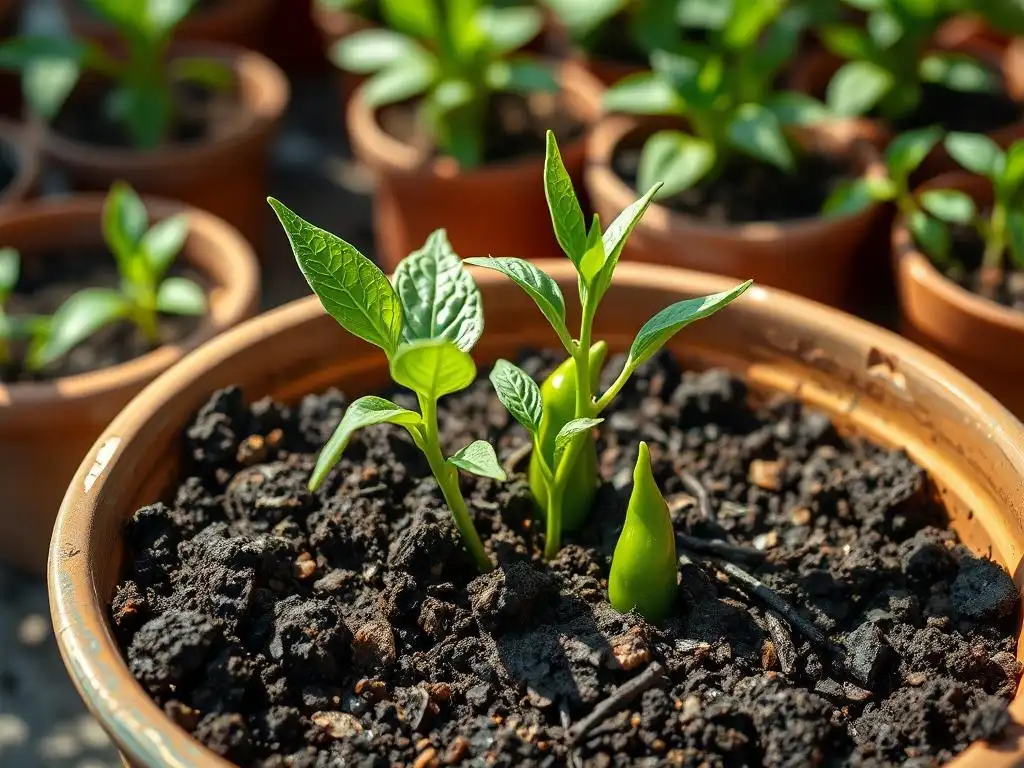
This section dives deep into creating the best pepper container soil mix, focusing on the specific needs of pepper plants for optimal growth and abundant harvests. We'll explore the crucial components, their roles, and how to combine them for a thriving pepper patch in your containers. Remember, the right soil is paramount for healthy, flavorful peppers.
Base Ingredients: Selecting High-Quality Components
The foundation of your pepper container soil mix lies in choosing high-quality, well-draining base ingredients. Avoid using garden soil directly from your yard, as it often contains pathogens and may be too dense for containers. Instead, opt for a commercial potting mix specifically designed for vegetables or herbs. These mixes typically incorporate peat moss, coco coir, or a blend of both, providing excellent water retention while maintaining good aeration.
Look for mixes that are labeled as "sterile" to minimize the risk of introducing diseases or pests to your precious pepper plants. A good quality potting mix will be light and fluffy, easy to work with, and feel slightly moist but not soggy. Consider the volume of your containers when purchasing; larger containers will naturally require more soil.
The ideal base mix should have a balanced pH level, ideally between 6.0 and 7.0, which is suitable for most pepper varieties. Checking the pH of your chosen potting mix before use is advisable, using a simple soil testing kit readily available at most garden centers. Adjusting the pH, if necessary, can be done with readily available soil amendments.
Enhancing Drainage: The Role of Perlite and Vermiculite
Excellent drainage is crucial for preventing root rot, a common problem in container-grown peppers. Overwatering is a significant risk, especially with peppers that require consistently moist but not waterlogged soil. To enhance drainage and aeration, we incorporate amendments like perlite and vermiculite.
- Perlite: This volcanic glass is lightweight and porous, providing excellent aeration and drainage. It helps prevent compaction and ensures that water doesn't become stagnant around the roots. A typical ratio is around 20-30% perlite by volume.
- Vermiculite: Similar to perlite, vermiculite is a mineral amendment that improves drainage and aeration. However, it also retains moisture, offering a slightly different benefit. It's excellent at holding onto nutrients, making them gradually available to the pepper plants. A similar percentage to perlite (20-30%) is usually sufficient.
The addition of perlite and vermiculite creates a well-balanced soil mix that prevents both waterlogging and dryness, providing the perfect environment for healthy pepper root development. The combination improves the overall structure, allowing for better oxygen circulation around the roots, which is vital for healthy growth and nutrient uptake.
Adding Organic Matter: Compost and its Benefits for Peppers
Integrating organic matter, such as compost, is essential for enriching your best pepper container soil mix. Compost provides a wealth of nutrients, improves soil structure, and enhances water retention. It also fosters beneficial microbial activity, boosting overall plant health and resilience.
Using well-rotted compost is key; fresh compost can contain pathogens and may even burn delicate pepper seedlings. A good rule of thumb is to use compost that has been aged for at least six months. Aged compost is dark, crumbly, and smells earthy rather than pungent. Adding about 10-20% compost by volume to your mix will significantly improve its quality.
The benefits of adding compost are numerous:
- Nutrient-rich: Compost provides a slow-release source of essential nutrients, promoting vigorous growth and abundant fruiting.
- Improved water retention: Compost helps retain moisture, reducing the frequency of watering and minimizing stress on the pepper plants.
- Enhanced drainage: While retaining moisture, compost also improves drainage by creating a more porous soil structure.
- Beneficial microbes: Compost introduces beneficial microorganisms that improve soil health and help protect plants from diseases.
By combining these carefully selected components, you'll create a soil mix that provides the perfect environment for your peppers to thrive, leading to a bountiful harvest of flavorful peppers. Remember to adjust the ratios based on your specific needs and the type of pepper you are growing. Happy gardening! 🌶️
Boosting Nutrients: The Power of Worm Castings and Bone Meal
Worm castings and bone meal are fantastic additions to your pepper container soil mix, providing a slow-release boost of essential nutrients. Worm castings, the byproduct of composting worms, are a rich source of organic matter teeming with beneficial microorganisms. These microorganisms improve soil structure, aeration, and water retention – all crucial for healthy pepper plants. They also provide a balanced array of macronutrients (nitrogen, phosphorus, and potassium) and micronutrients, promoting vigorous growth and abundant fruit production. Using worm castings ensures your peppers receive a consistent supply of nutrients throughout their growing season, reducing the need for frequent chemical fertilizers.
Bone meal, on the other hand, is a natural source of phosphorus, a nutrient vital for robust root development and abundant flowering and fruiting in pepper plants. Phosphorus is particularly important during the flowering and fruiting stages, contributing to larger yields and flavorful peppers. While bone meal releases nutrients more slowly than some chemical fertilizers, this slow release is beneficial, preventing nutrient burn and ensuring a steady supply of phosphorus for your peppers.
Remember to incorporate both worm castings and bone meal into your mix at the recommended rates – usually a few cups per cubic foot of soil – to avoid over-fertilizing. Over-fertilization can lead to problems such as leaf burn and reduced fruit production. The key is balance and moderation.
Always follow the package instructions for the specific brands you choose. Observe your plants closely; if you notice signs of nutrient deficiency or excess, adjust your feeding strategy accordingly.
Adjusting pH for Optimal Pepper Growth
Peppers thrive in slightly acidic to neutral soil conditions, with a pH range ideally between 6.0 and 7.0. Soil pH significantly impacts nutrient availability; if the pH is too high or too low, your pepper plants may struggle to absorb essential nutrients, even if those nutrients are present in the soil. This can lead to stunted growth, yellowing leaves (chlorosis), and reduced yields.
To ensure your pepper container soil mix falls within the optimal pH range, you might need to adjust it. Testing your soil's pH using a reliable soil testing kit is the first crucial step. These kits are readily available at most garden centers and online. Once you've determined your soil's pH, you can take steps to adjust it.
If your soil is too alkaline (high pH), adding organic matter like peat moss or composted pine bark can help lower the pH. These materials naturally acidify the soil over time. Alternatively, elemental sulfur can be incorporated into the soil to lower the pH more quickly. However, sulfur should be used cautiously and according to package instructions, as excessive amounts can harm plants.
If your soil is too acidic (low pH), you can raise the pH by adding lime. Ground limestone is a common and effective amendment for increasing soil pH. Again, follow the package instructions carefully to avoid over-liming, which can lead to nutrient imbalances and harm your pepper plants.
Remember that adjusting soil pH is a gradual process; it may take time to see significant changes. Regular soil testing is essential to monitor the pH and make further adjustments as needed throughout the growing season. A consistent pH level within the ideal range will help ensure your peppers thrive and produce a bountiful harvest of flavorful peppers.
Step-by-Step Guide: Preparing Your Pepper Container Soil Mix
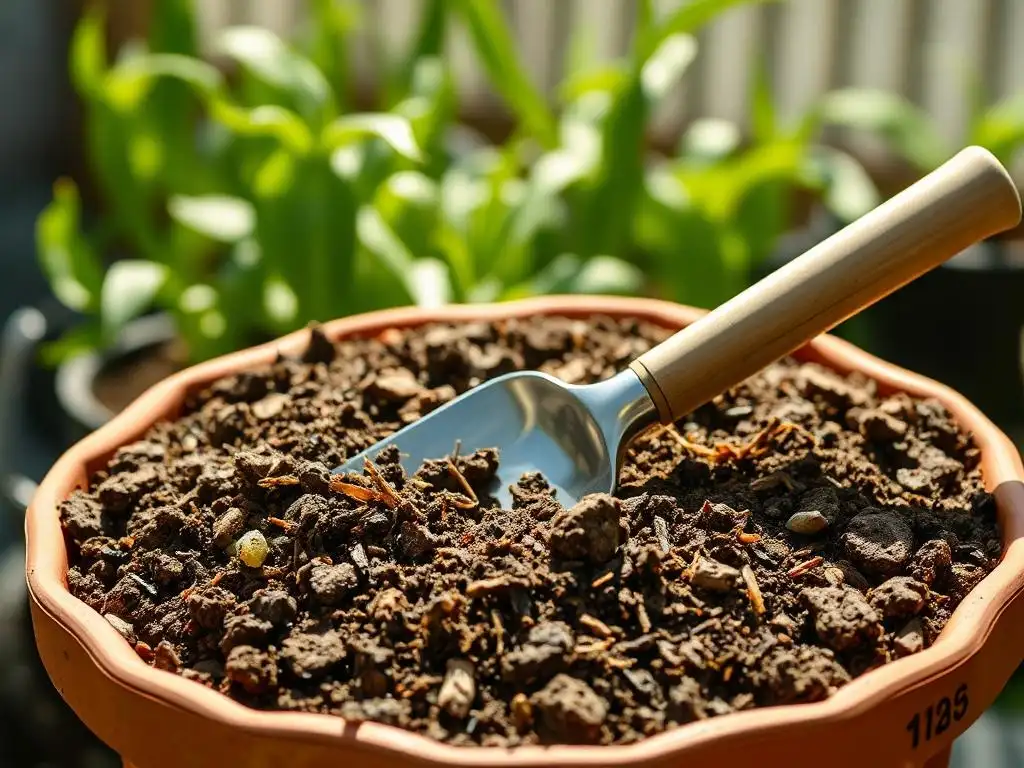
This section details the precise steps for creating the best pepper container soil mix, ensuring optimal growth and a bountiful harvest of flavorful peppers. Remember, using the right soil mix is crucial for healthy pepper plants, as it directly impacts drainage, aeration, and nutrient availability – key factors for thriving peppers. This recipe focuses on achieving the perfect balance for container gardening, enhancing your chances of success with this rewarding endeavor.
Step 1: Gathering Your Ingredients
Before you begin, gather all your ingredients. Accuracy in measuring is essential for achieving the ideal soil structure. Here's what you'll need for a 5-gallon container:
- 2 parts High-Quality Potting Mix: Look for a mix specifically designed for containers, free of disease and weed seeds. Read the label carefully; some potting mixes are better suited for certain plants than others. A good potting mix provides excellent drainage and aeration, crucial for preventing root rot in peppers.
- 1 part Compost: Well-rotted compost provides essential nutrients and improves soil structure. Avoid using fresh compost, as it can contain harmful pathogens. Aged compost is the key ingredient for enriching your soil mix.
- 1 part Perlite or Vermiculite: These amendments improve drainage and aeration, preventing the soil from becoming waterlogged. Perlite is a volcanic glass, while vermiculite is a mineral. Both effectively increase air pockets in the soil, allowing for better root growth. Choose the one that best suits your budget and availability.
- 1/2 part Coco Coir (Optional): Coco coir, derived from coconut husks, adds water retention and organic matter to the mix. It’s a sustainable alternative to peat moss and helps create a consistently moist environment. This is optional, but highly recommended for consistent moisture retention, especially crucial in hot climates.
Remember to use clean, sanitized containers to prevent the introduction of diseases or pests into your precious pepper soil.
Step 2: Combining the Dry Ingredients
Once you've gathered your ingredients, the next step involves carefully combining the dry components. This process ensures an even distribution of nutrients and amendments throughout the mix. Here's how to proceed:
- Begin by spreading the high-quality potting mix evenly in a large container or wheelbarrow. A large container offers ample space for thorough mixing.
- Next, add the compost, ensuring it is distributed evenly over the potting mix. Avoid clumping.
- Then, incorporate the perlite or vermiculite. Even distribution is key for uniform drainage and aeration throughout the entire soil volume.
- If using coco coir, add it as the final dry ingredient, gently mixing it in with the other components.
Thorough mixing at this stage prevents pockets of concentrated compost or amendments, contributing to a consistently fertile and well-draining pepper soil mix.
Step 3: Adding Water Gradually and Mixing Thoroughly
The final step involves adding water gradually and mixing until you achieve a uniformly moist, crumbly consistency. Avoid overwatering at this stage. Here's the recommended procedure:
- Begin by adding small amounts of water, approximately one cup at a time, to the dry ingredient mix.
- Use a garden trowel or your hands to gently mix the water into the dry ingredients. Avoid over-mixing, as this can damage the soil structure.
- Continue adding water and mixing until the soil is evenly moist but not soggy. The soil should feel moist to the touch but should not clump together when squeezed. The ideal consistency is similar to a damp sponge – it should hold its shape but not be overly wet.
- Once you’ve achieved the desired consistency, allow the mix to sit for a few minutes. This allows the water to fully saturate the ingredients and ensures the soil is evenly hydrated before planting. This step is crucial for optimal root development and reduces the risk of transplant shock.
By following these steps, you'll create the best pepper container soil mix to nurture your plants to maturity, ensuring a bountiful harvest of delicious, homegrown peppers. Remember, consistent moisture is key for pepper plants, so monitor the moisture levels regularly and water as needed. Enjoy the process and the rewards of your hard work!
Step 4: Checking for Proper Moisture and Drainage
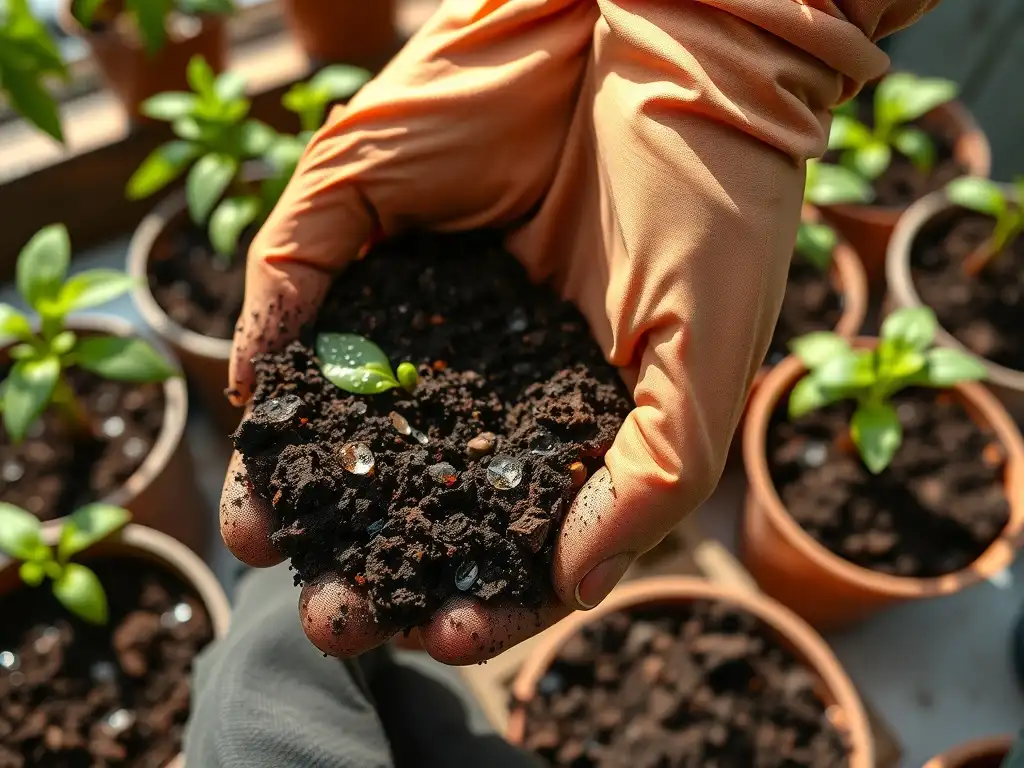
After thoroughly mixing your components, it's crucial to assess the moisture and drainage capabilities of your best pepper container soil mix. A well-draining mix prevents root rot, a common problem for peppers grown in containers. To check, grab a handful of the soil and gently squeeze it. It should hold its shape slightly but not be overly compacted or soggy. If it's too dry, lightly mist it with water and remix.
If it's too wet, add a small amount of perlite or vermiculite to improve drainage. The ideal consistency is akin to a damp sponge – it retains moisture but allows excess water to drain freely. You can further test drainage by placing a small amount of the mix into a sieve and pouring water over it. The water should drain through relatively quickly, leaving behind a moist but not waterlogged soil.
Poor drainage can lead to fungal diseases and stunted pepper growth, significantly impacting your harvest. Remember, the goal is to achieve a balance: a soil mix that retains enough water to keep your plants hydrated but also allows for sufficient aeration to prevent root suffocation. This careful attention to moisture and drainage is a key aspect of creating the best pepper container soil mix for optimal plant health and abundant yields. Neglecting this step can lead to significant problems down the line, so take your time and ensure the mix is just right.
Step 5: Planting Your Pepper Seedlings or Transplants
With your perfect best pepper container soil mix prepared, it's time to plant your pepper seedlings or transplants. Carefully remove your pepper seedlings from their starter pots or nursery containers. Gently loosen any circling roots to encourage outward growth. This is especially important for transplants that might have become root-bound. For seedlings started from seeds, handle them with extreme care as their delicate roots are easily damaged.
Dig a hole in your prepared container soil slightly larger than the root ball of your pepper seedling or transplant. Place the seedling or transplant into the hole, ensuring the top of the root ball is level with the soil surface. Avoid planting too deeply, as this can lead to stem rot. Gently backfill the hole with the remaining soil mix, ensuring there are no air pockets around the roots. Firmly press the soil around the base of the plant to provide support.
After planting, water gently but thoroughly, ensuring the entire root ball is moistened. Avoid overwatering, as this can lead to root rot. Observe your plants closely in the following days and weeks, adjusting watering as needed based on the soil moisture level and weather conditions. Planting with care is crucial to the success of your pepper plants, ensuring a healthy and productive growing season. Remember, consistent monitoring and care will significantly contribute to your pepper plants thriving in their new container home.
Maintaining Your Pepper Soil Mix for Continued Success
Maintaining the ideal soil conditions for your container-grown peppers is crucial for a bountiful harvest. The "best pepper container soil mix," while initially perfect, requires ongoing attention to ensure it remains fertile and well-drained throughout the growing season. Neglecting this aspect can lead to stunted growth, poor fruit production, and increased susceptibility to diseases. Let's delve into the key practices for keeping your pepper soil mix thriving.
Regular Watering Techniques for Container Peppers
Consistent watering is paramount for healthy pepper plants. Overwatering leads to root rot, while underwatering causes wilting and stress, impacting fruit development. The frequency of watering depends on several factors, including temperature, sunlight exposure, container size, and the type of soil mix used. A well-draining mix like the one recommended in this guide will reduce the risk of overwatering, but careful monitoring is still essential.
Aim for consistently moist, but not soggy, soil. Check the soil moisture regularly by inserting your finger about an inch into the soil. If it feels dry, it's time to water. Water thoroughly until water drains from the drainage holes, ensuring the entire root ball is moistened. Avoid letting the soil completely dry out, especially during hot and sunny periods. Consider using a moisture meter for more precise measurements, especially for beginners. Consistent, moderate watering is key to preventing extreme fluctuations in soil moisture, which can shock the plants. Remember that smaller containers dry out faster than larger ones.
Fertilizing Container-Grown Peppers for Optimal Growth
Even the "best pepper container soil mix" will eventually deplete its nutrients, especially when supporting actively growing pepper plants. Regular fertilization is vital for providing the necessary nutrients for vigorous growth and abundant fruit production. Peppers are heavy feeders, requiring a balanced fertilizer rich in potassium (K) for robust fruit development.
A slow-release granular fertilizer applied at planting time provides a steady supply of nutrients throughout the early stages of growth. Supplement this with liquid feedings every 2-3 weeks during the active growing season (spring and summer). Use a water-soluble fertilizer specifically formulated for vegetables, following the package instructions carefully. Over-fertilizing can be as harmful as under-fertilizing, potentially burning the roots.
Observe your plants closely; signs of nutrient deficiency (yellowing leaves, stunted growth) may indicate a need for additional feeding. Consider a soil test to determine the precise nutrient levels in your soil and tailor your fertilization strategy accordingly. Remember to always water your plants before applying fertilizer to prevent root burn.
Monitoring Soil Moisture and Adjusting Watering Accordingly
Monitoring soil moisture is a crucial aspect of successful pepper cultivation in containers. The ideal soil moisture level should be consistently moist but never waterlogged. Overwatering can lead to root rot and fungal diseases, while underwatering can cause wilting and stress, impacting fruit set and quality. Different soil mixes retain moisture differently. For instance, a mix heavy in clay will retain moisture longer than one with a higher proportion of perlite or vermiculite.
Several methods can be used to monitor soil moisture:
- Finger test: Insert your finger about an inch into the soil. If it feels dry, it's time to water.
- Moisture meter: A moisture meter provides a more precise measurement of soil moisture levels.
- Weight check: Lift the container; a lighter container indicates dry soil.
Adjust your watering schedule based on these observations. During hot, sunny periods, you'll likely need to water more frequently. Conversely, during cooler, cloudy weather, watering can be reduced. Pay close attention to the weather forecast and adjust your watering accordingly. Always water thoroughly, ensuring that water drains from the drainage holes to prevent waterlogging. Remember that consistent monitoring and adjustment are key to achieving optimal soil moisture levels for healthy pepper growth. Consistent monitoring prevents both overwatering and underwatering, ensuring your plants thrive.
Identifying and Addressing Nutrient Deficiencies
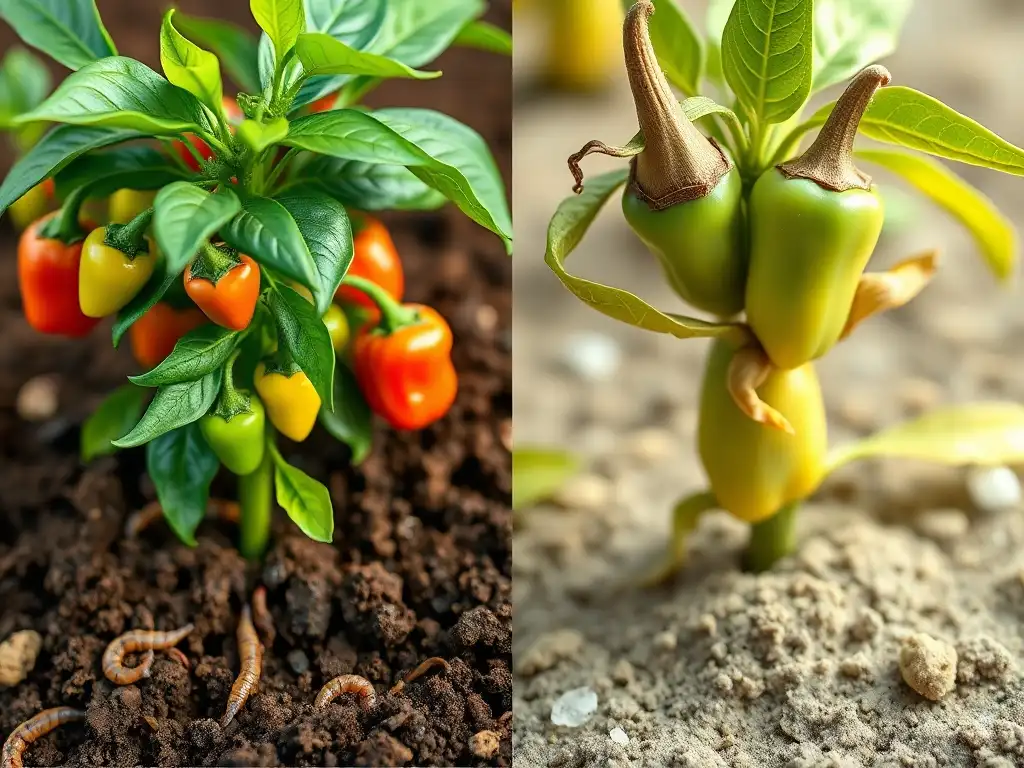
Nutrient deficiencies can significantly impact your pepper plants' growth and yield. Recognizing the signs early is crucial for intervention. Pepper plants, like many fruiting vegetables, are heavy feeders, demanding a consistent supply of essential nutrients. A deficiency can manifest in various ways, often subtly at first. For example, a nitrogen deficiency might show itself as pale green or yellowish leaves, particularly on older, lower leaves.
The plant's overall growth will be stunted. Phosphorus deficiency, on the other hand, can lead to dark green leaves with a purplish hue, especially on the underside. Flowering and fruiting might be reduced. Potassium deficiency typically presents as leaf scorching or browning, starting at the leaf margins and progressing inward. These deficiencies can be exacerbated by using poor quality soil or neglecting regular fertilization.
Addressing these deficiencies requires a multi-pronged approach. Firstly, regular soil testing is vital. This allows you to pinpoint the specific nutrient lacking in your soil mix. Soil testing kits are readily available, providing a quantitative measure of your soil's nutritional composition.
Secondly, choosing the right fertilizer is paramount. A balanced, slow-release fertilizer designed for vegetables is ideal. Look for formulations with an NPK ratio that suits your peppers' needs (e.g., 10-10-10 or a slightly higher phosphorus content during flowering and fruiting). Thirdly, apply the fertilizer according to package instructions, avoiding over-fertilization which can damage your plants.
Finally, consider using organic amendments like compost tea or worm castings to improve the overall soil health and nutrient availability. These organic materials enhance the soil structure and provide beneficial microbes that aid in nutrient uptake. Remember that prevention is always better than cure, ensuring your initial soil mix is rich in nutrients is key to avoiding deficiencies. Regular monitoring and timely intervention are crucial for maintaining healthy and productive pepper plants.
Preventing Soil-Borne Diseases in Container Peppers
Soil-borne diseases are a significant threat to container-grown peppers, as the limited soil volume increases the risk of pathogen build-up. These diseases, caused by fungi, bacteria, or other microorganisms, can cause wilting, root rot, and even plant death. Preventing these diseases requires proactive measures, starting with selecting disease-resistant pepper varieties. Many seed catalogs and nurseries provide information on disease resistance ratings.
Choosing appropriate varieties can significantly reduce your risk. Furthermore, sterilizing your containers and potting mix before planting is crucial. This can be achieved by using a bleach solution (diluted appropriately) or by baking the soil in the oven at a low temperature for a prolonged period. This process eliminates many harmful pathogens present in the soil.
Another critical preventative measure is practicing good sanitation. Remove and destroy any infected plant material promptly. Avoid overwatering, as this creates a humid environment favorable for many soil-borne pathogens. Ensure proper drainage to prevent waterlogging, which suffocates roots and makes them susceptible to disease. Rotating your crops annually helps to break the disease cycle, as pathogens often build up in the soil when the same crop is grown repeatedly in the same location.
Avoid planting peppers in containers where other plants have suffered from soil-borne diseases previously. Finally, consider using beneficial soil microbes. Mycorrhizal fungi, for instance, can enhance root health and make plants more resistant to diseases. By incorporating these preventative measures into your container gardening routine, you can significantly reduce the risk of soil-borne diseases and ensure healthy, productive pepper plants. Remember, a healthy soil environment is the cornerstone of healthy plants.
Troubleshooting Common Pepper Growing Problems in Containers
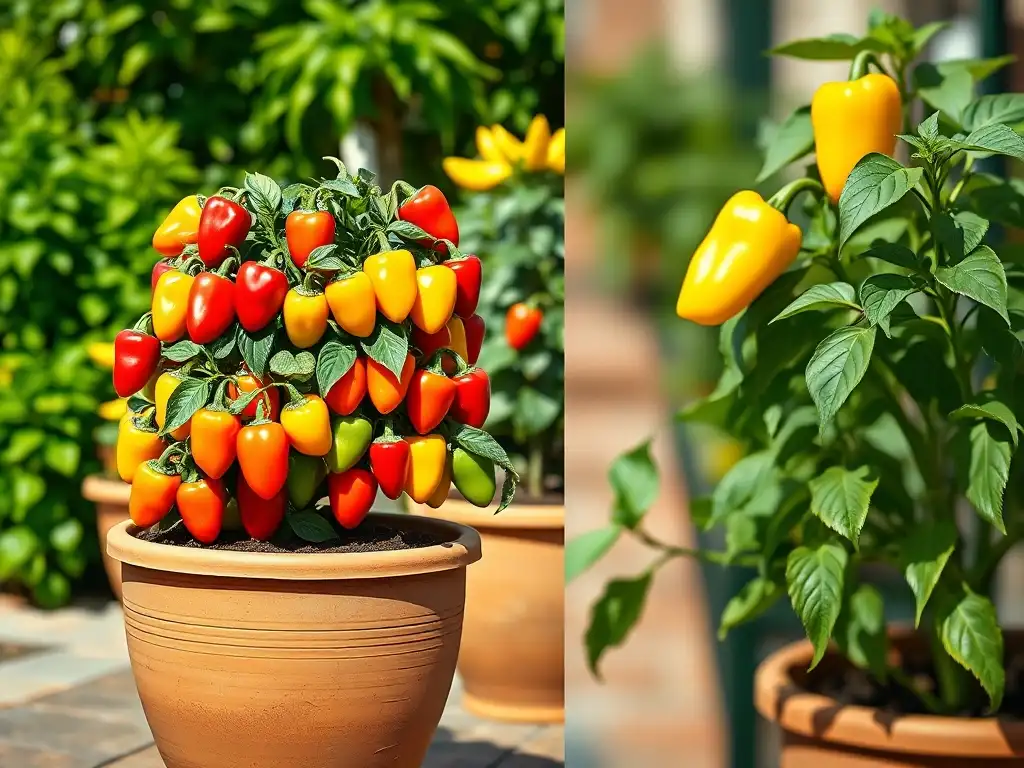
Growing peppers in containers offers a rewarding experience, bringing the vibrant colors and flavors of fresh peppers right to your doorstep. However, container gardening presents unique challenges that require attention to detail. Successfully cultivating healthy, productive pepper plants requires understanding and addressing potential problems proactively. This section focuses on common issues and effective solutions to ensure a bountiful harvest. Finding the best pepper container soil mix is only the first step; proper care and attention are crucial for success.
Dealing with Root Rot in Pepper Plants
Root rot, a devastating disease caused by various soilborne fungi, is a significant threat to container-grown peppers. Overwatering is the primary culprit, creating a waterlogged environment ideal for fungal growth. Symptoms include wilting, yellowing leaves, and a foul odor emanating from the soil. Prevention is key. Using a well-draining soil mix, such as one incorporating perlite or vermiculite, is crucial. Ensure your containers have adequate drainage holes to prevent water accumulation.
The best approach is a combination of preventative measures and early intervention. Here's a breakdown:
- Prevention:
- Choose a well-draining container with ample drainage holes.
- Use a soil mix specifically formulated for containers, avoiding heavy clay soils.
- Water only when the top inch of soil feels dry to the touch.
- Avoid overhead watering, which can lead to excess moisture on the leaves.
- Ensure good air circulation around the plants.
- Treatment:
- If root rot is suspected, carefully remove the plant from its container.
- Inspect the roots; severely affected roots will be brown and mushy.
- Remove any affected roots with clean, sharp pruning shears.
- Repot the plant in fresh, sterile potting mix.
- Consider using a fungicide, following label instructions carefully. This should be a last resort, prioritizing preventative measures.
Early detection and prompt action are vital in saving your pepper plants from root rot. Regular monitoring and careful watering practices are your best allies. Remember, a healthy root system is the foundation of a thriving pepper plant.
Addressing Nutrient Deficiencies in Container Peppers
Container gardening presents unique challenges regarding nutrient availability. Peppers are heavy feeders, requiring consistent fertilization to produce abundant fruit. Nutrient deficiencies manifest in various ways, affecting plant growth and yield. Identifying the deficiency is crucial for providing the right remedy.
Here's a table summarizing common nutrient deficiencies and their symptoms:
| Nutrient Deficiency | Symptoms | Corrective Action |
|---|---|---|
| Nitrogen (N) | Stunted growth, pale green leaves | Apply a balanced fertilizer or a nitrogen-rich supplement |
| Phosphorus (P) | Dark green leaves, poor flowering and fruiting | Apply a phosphorus-rich fertilizer |
| Potassium (K) | Yellowing and browning of leaf margins | Apply a potassium-rich fertilizer |
| Magnesium (Mg) | Yellowing between leaf veins | Apply Epsom salts (magnesium sulfate) |
| Iron (Fe) | Yellowing of young leaves, while veins remain green | Apply a chelated iron supplement |
Regular soil testing can help proactively identify potential nutrient imbalances before they become visible. Using a slow-release fertilizer can maintain a consistent nutrient supply throughout the growing season. Remember, the best pepper container soil mix should be supplemented with appropriate fertilizers to ensure optimal plant health.
Preventing and Managing Common Pepper Pests and Diseases
Container-grown peppers are susceptible to various pests and diseases. Early detection and appropriate management strategies are essential to protect your plants and ensure a successful harvest. Proactive measures can significantly reduce the risk of infestation.
Here are some common issues and their management:
- Aphids: These small, soft-bodied insects suck sap from leaves, causing stunted growth and leaf curling. Control methods include insecticidal soap, neem oil, or introducing beneficial insects like ladybugs.
- Spider mites: These tiny pests create fine webs on leaves and suck plant sap. Regularly inspect plants for webs and use insecticidal soap or neem oil if necessary. Increasing humidity can help to deter spider mites.
- Blossom-end rot: This physiological disorder results from calcium deficiency, often exacerbated by inconsistent watering. Consistent watering and ensuring adequate calcium in the soil are crucial for prevention.
- Bacterial leaf spot: This disease causes dark spots on leaves. Remove infected leaves promptly and ensure good air circulation to prevent spread.
Regularly inspect your pepper plants for any signs of pests or diseases. Early detection and prompt action are crucial for effective management. A healthy plant, grown in the best pepper container soil mix, is more resilient to pest and disease pressure. Remember that preventative measures, such as maintaining good sanitation and providing optimal growing conditions, are your best defense against problems.
Harvesting and Enjoying Your Delicious Homegrown Peppers
This section focuses on the crucial final stages of your pepper-growing journey: harvesting, storing, and preserving your flavorful bounty. Getting this right ensures you maximize the enjoyment of your hard work and the deliciousness of your homegrown peppers. Remember, the best pepper container soil mix only gets you so far; proper harvesting and preservation techniques are key to a truly rewarding experience.
Recognizing the Signs of Ripe Peppers
Knowing when to pick your peppers is paramount for optimal flavor and texture. The timing varies depending on the pepper variety, but generally, peppers are ready for harvest when they've reached their full size and characteristic color. Don't rely solely on the days-to-maturity listed on seed packets, as growing conditions can significantly impact ripening time.
Here's a breakdown of what to look for:
- Color: This is the most obvious sign. Check the pepper's color against descriptions on the seed packet or plant tag. For example, a red bell pepper will transition from green to a deep, vibrant red. Similarly, jalapeños often progress from green to red, yellow, or even orange, depending on the variety.
- Firmness: A ripe pepper will feel firm to the touch, not soft or mushy. Avoid picking peppers that are overly soft, as they may be past their prime.
- Size: Peppers generally reach their full size before they fully ripen. Compare your growing peppers to pictures of mature peppers online or in reference books. Once they've reached their expected size, closely monitor their color change.
Remember, some pepper varieties, like certain ornamental peppers, are harvested before they fully ripen for their unique visual appeal. Always check the specific requirements for your pepper type.
Proper Harvesting Techniques for Optimal Flavor
Harvesting peppers correctly is crucial for preserving their flavor and extending their shelf life. Here's a step-by-step guide:
- Use sharp, clean tools: A sharp pair of pruning shears or a small knife is ideal. Cleanliness prevents the spread of diseases.
- Cut, don't pull: Always cut the pepper from the stem, leaving a small portion of the stem attached. Pulling can damage the plant and reduce future yields.
- Handle with care: Avoid bruising the peppers during harvesting. Gently place them in a container to prevent damage.
- Harvest regularly: Frequent harvesting encourages the plant to produce more peppers. Aim to harvest ripe peppers every few days. This is particularly important for high-yielding varieties.
Following these simple steps will ensure you harvest peppers at their peak flavor, maximizing the reward from your "best pepper container soil mix". It's a simple process that has a big impact on the quality of your harvest.
Storing and Preserving Your Harvested Peppers
Proper storage and preservation techniques are essential to extend the shelf life of your harvested peppers and maintain their quality. Here are a few methods:
| Storage Method | Description | Shelf Life | Best for |
|---|---|---|---|
| Refrigerator | Store peppers in a plastic bag in the refrigerator crisper drawer. | 1-2 weeks | Bell peppers, milder varieties |
| Freezing | Blanch peppers briefly, then freeze in airtight containers or freezer bags. | Several months | Most varieties |
| Pickling/Canning | Preserve peppers by pickling or canning them in jars. | Several months to years | Many varieties, especially hot peppers |
| Drying/Dehydrating | Dry peppers using a food dehydrator or by air drying in a warm, dry place. | Several months to years | Hot peppers, especially |
Remember to always prioritize food safety when preserving peppers. Ensure proper sterilization of jars and containers when canning or pickling. Improper preservation can lead to spoilage or health risks. Enjoy the fruits (or should we say vegetables?) of your labor! 🌶️
Frequently Asked Questions
What is the best soil mix for growing peppers in containers?
The best soil mix for container-grown peppers is a well-draining, rich blend. A good option is a mix of high-quality potting soil, compost, and perlite or vermiculite to improve drainage and aeration.
Why is drainage so important when growing peppers in containers?
Peppers are susceptible to root rot if their roots sit in soggy soil. Good drainage prevents this by allowing excess water to escape, ensuring healthy root development and optimal growth.
What kind of compost should I use for my pepper plants?
Use a well-rotted compost that's free of weed seeds and pests. This provides essential nutrients and improves soil structure for better water retention and aeration. Avoid using fresh compost.
How much perlite or vermiculite should I add to my pepper soil mix?
Aim for a ratio of roughly one part perlite or vermiculite to two parts potting mix and one part compost. This ensures excellent drainage while retaining enough moisture. Adjust according to your specific potting mix.
Can I use garden soil for growing peppers in containers?
It's generally not recommended to use garden soil directly in containers. Garden soil is often too heavy and can compact, leading to poor drainage and suffocation of roots. Use a dedicated potting mix instead.
Final Reflection: Cultivating Flavor, One Pot at a Time
The quest for the perfect pepper-growing soil isn't just about achieving plump, vibrant fruits; it's about unlocking the full potential of these fiery delights in the confines of your own container garden. The right soil mix is the cornerstone of success, directly impacting the flavor, yield, and overall health of your pepper plants. This isn't just a gardening tip; it's a pathway to a richer, more flavorful harvest.
The journey of discovering the ideal soil blend has been a deeply rewarding one, highlighting the intricate relationship between soil composition and plant health. It's a testament to the power of observation and experimentation, reminding us that even the smallest details can make a world of difference. The glory of gardening: hands in the dirt, head in the sun, heart with nature. To nurture a garden is to feed not just the body, but the soul.
This quote perfectly encapsulates the joy and satisfaction derived from nurturing these plants, a connection that extends beyond the simple act of growing food.
Now, consider your own gardening journey. What have you learned about nurturing your plants? What experiments will you undertake to refine your own soil mix and unlock even greater flavor in your peppers? Don't be afraid to experiment, to adjust, and to discover the unique blend that works best for your environment and your plants. The path to the perfect pepper is paved with experimentation and a deep appreciation for the natural world. Embrace the challenge, and savor the rewards.
Unlock Your Pepper Power: Grow Juicy, Flavorful Peppers This Season!
Thank you for learning how to create the perfect soil mix for your container-grown peppers! You're now ready to cultivate delicious, vibrant peppers bursting with flavor. Ready to put your knowledge into practice?
- Craft your perfect pepper soil mix today! Gather the ingredients and create a custom blend tailored to your pepper plants' needs. This is key to abundant harvests.
- Share your pepper-growing success! Post a picture of your thriving pepper plants on social media using #CultivateYourFood. Let's inspire others!
- Experiment with different pepper varieties to discover your new favorites.
What exciting pepper variety will you grow first, and what will make your soil blend unique?