
Growing Potatoes in Containers: A Unique Method

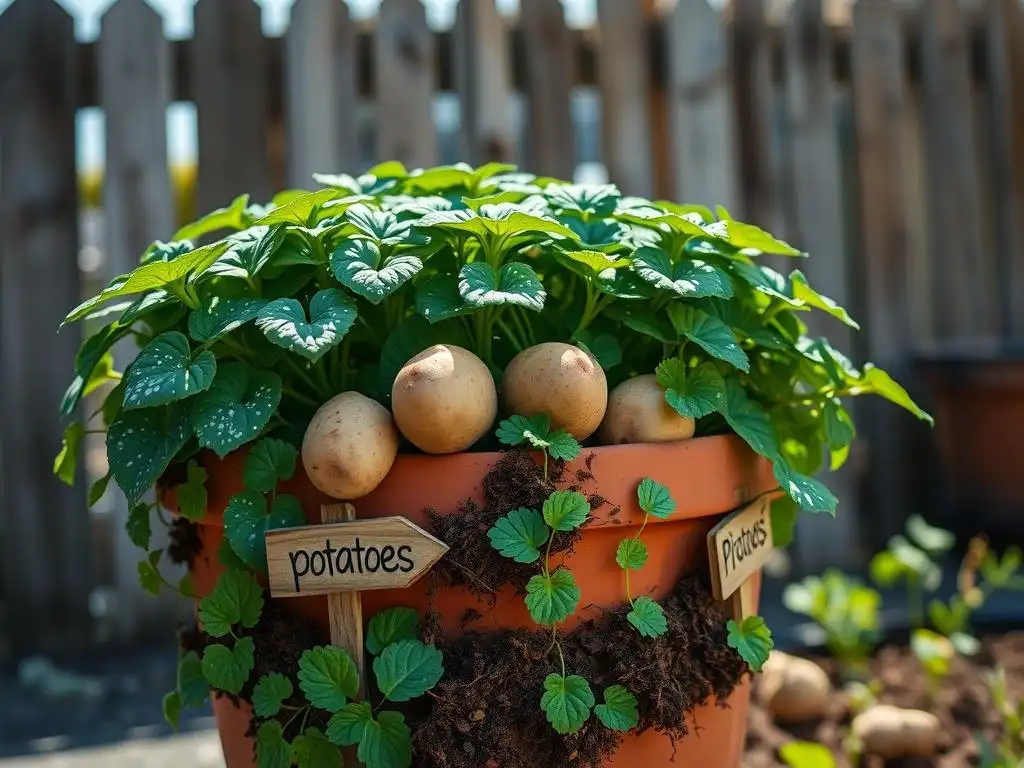
Welcome to CultivateYourFood, your guide to a greener, more fulfilling life through homegrown goodness! Are you ready to experience the unparalleled satisfaction of harvesting your own potatoes, even without a sprawling garden? Our Container Potato Gardening Guide unlocks the secrets to a bountiful harvest, right on your patio or balcony. Discover sustainable and organic techniques for planting, nurturing, and harvesting, transforming your space into a thriving ecosystem. Let's delve into the fascinating world of container gardening – your journey to fresh, homegrown potatoes starts now!
- Choosing the Right Container for Potato Gardening
- Selecting the Best Potato Variety for Container Gardening
- Preparing Your Container for Potato Planting
- Planting Potatoes in Containers: A Detailed Guide
- Caring for Your Container Potatoes
- Harvesting Your Container-Grown Potatoes
- Troubleshooting Common Problems in Container Potato Gardening
- Maximizing Your Potato Harvest in Containers
- Frequently Asked Questions
- Final Reflection: Harvesting the Bounty of Small-Space Gardening
- Unleash Your Inner Spud Whisperer: Grow Amazing Potatoes!
Choosing the Right Container for Potato Gardening
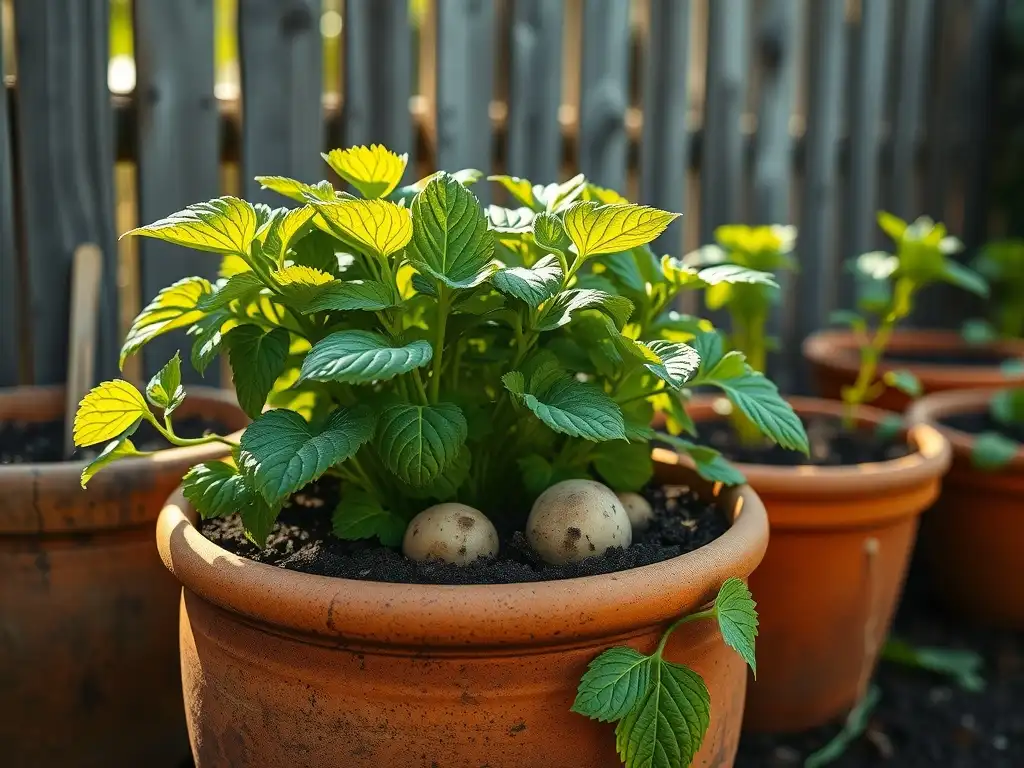
Container potato gardening guide is becoming increasingly popular as more people discover the joys and convenience of homegrown produce, even with limited space. This guide will delve into the specifics of successfully cultivating potatoes in containers, focusing on sustainable and organic practices aligned with the CultivateYourFood ethos. We'll explore the crucial aspects of container selection, ensuring proper drainage, and even adapting existing containers to create the perfect environment for a bountiful potato harvest.
Forget sprawling potato fields; let's unlock the secrets to a thriving potato patch right on your patio, balcony, or even windowsill! This method offers a fantastic alternative for those without access to traditional garden plots, providing a rewarding and space-saving way to enjoy fresh, homegrown potatoes. We’ll cover everything from choosing the right container to harvesting your delicious crop, making this your complete guide to container potato gardening.
Selecting the Ideal Size and Material for Container Potato Growing
Choosing the right container is paramount for successful container potato gardening. Potatoes need ample space for their tubers to develop, so selecting the appropriate size is crucial. Generally, you should aim for containers with a minimum capacity of 5 gallons (approximately 19 liters), but larger containers (10-20 gallons or even more) will yield a significantly larger harvest. The depth is equally important; aim for at least 12 inches (30 cm) to allow for sufficient root and tuber growth.
Regarding material, food-grade plastic containers are a popular choice due to their affordability and durability. However, other options include large fabric grow bags (which offer excellent aeration), and even repurposed containers like large buckets (ensure they're clean and food-safe). Remember to always check for any potential leaks before planting.
Consider the weight of the container when full of soil and potatoes; you'll need to ensure it's stable and won't tip over easily. Larger, heavier containers may require additional support, especially on elevated surfaces. A well-chosen container is the foundation for a successful harvest!
Ensuring Proper Drainage for Healthy Potato Plants
Proper drainage is absolutely essential for healthy potato plants. Potatoes are susceptible to root rot if their roots sit in waterlogged soil. Therefore, your chosen container must have drainage holes. If your container lacks drainage holes, you'll need to drill some – ensuring they are sufficiently large to allow excess water to escape freely.
Consider placing a layer of gravel or broken pottery shards at the bottom of the container before adding soil; this will further improve drainage and aeration. Avoid containers with sealed bottoms at all costs. Overwatering is a common mistake among novice container gardeners, and inadequate drainage exacerbates this problem. Monitor the soil moisture regularly – the soil should be moist but not soggy.
Allow the top inch or two of soil to dry out slightly between waterings. Remember, it’s always better to underwater slightly than to overwater. The health of your potato plants directly depends on this crucial aspect of container gardening. Proper drainage is a simple yet effective preventative measure against many common potato plant ailments.
Modifying Existing Containers for Optimal Potato Growth
Repurposing existing containers can be a cost-effective and sustainable way to grow potatoes. However, you might need to modify them to ensure optimal growing conditions. For example, if you're using a large plastic bucket, you'll need to drill drainage holes in the bottom. Similarly, if using a wooden container, make sure it's treated to prevent rot and that it’s sufficiently deep for adequate root development.
You can line wooden containers with landscape fabric to help retain moisture while still allowing for good drainage. Remember to always prioritize food safety when repurposing containers. Thoroughly clean and sanitize any used containers before planting to avoid introducing diseases or pests.
Consider adding additional support structures such as trellises or stakes, especially for larger potato varieties, to keep the plants upright and prevent them from becoming overcrowded. Modifying existing containers not only saves money but also showcases a commitment to sustainable gardening practices, a key principle of CultivateYourFood. With a little creativity and attention to detail, you can transform almost any suitable container into a thriving potato-growing environment.
Selecting the Best Potato Variety for Container Gardening
Choosing the right potato variety is crucial for successful container potato gardening. Not all potatoes are created equal when it comes to thriving in confined spaces. This section will guide you through selecting varieties best suited for container cultivation, focusing on yield, size, and disease resistance – key factors for maximizing your harvest in a limited environment. This comprehensive guide will help you become a master of container potato gardening. Remember, selecting the right variety is the first step towards a bountiful harvest.
High-Yielding Potato Varieties Suitable for Containers
High yields are paramount in container gardening where space is at a premium. Certain potato varieties are renowned for their prolific nature, even when grown in containers. These high-yielding varieties compensate for the smaller growing area by producing a larger number of potatoes per plant. Consider these options for maximizing your potato production:
- 'Yukon Gold': This popular variety is known for its creamy, buttery texture and high yield, making it a great choice for container gardening. Its relatively early maturity also helps maximize the growing season.
- 'Red Pontiac': A classic red-skinned potato, 'Red Pontiac' is another high-yielding variety that performs well in containers. It's a versatile potato, suitable for various culinary applications.
- 'Kennebec': This all-purpose potato boasts a high yield and excellent storage capabilities, making it a practical choice for those aiming for a longer-lasting harvest.
It's important to note that even high-yielding varieties will benefit from optimal growing conditions, including sufficient sunlight, well-draining soil, and regular watering. Remember to choose certified seed potatoes to ensure disease-free plants and a healthy harvest. Careful attention to these details will help you achieve a substantial yield even within the constraints of a container.
Compact Potato Varieties Ideal for Limited Space
Space is often the biggest constraint in container gardening. Fortunately, several compact potato varieties are specifically bred for smaller spaces, minimizing the need for large containers while still providing a satisfying harvest. These varieties are perfect for balconies, patios, or small gardens where space is limited.
- 'Carola': This early-maturing variety produces a good yield of small to medium-sized potatoes, ideal for containers. Its compact growth habit makes it a perfect fit for restricted spaces.
- 'Finn': Another compact variety, 'Finn', produces abundant small, round potatoes. Its early maturity is a significant advantage, allowing for multiple harvests within a single growing season.
Choosing a compact variety reduces the need for extremely large containers, making container potato gardening more manageable and less resource-intensive. Remember that even compact varieties require adequate spacing and proper fertilization to ensure healthy growth and a good yield. Proper soil drainage is also crucial to prevent root rot, a common issue in container gardening.
Disease-Resistant Potato Varieties for Container Cultivation
Disease resistance is a vital consideration for all gardeners, but it's especially important in container gardening, where plants are often closer together, increasing the risk of disease spread. Selecting disease-resistant varieties can significantly reduce the need for chemical interventions, aligning with sustainable and organic practices.
- 'Ranger Russet': Known for its resistance to several common potato diseases, including late blight and Verticillium wilt, 'Ranger Russet' is a reliable choice for container gardening.
- 'Superior': This early-season variety offers resistance to several diseases and produces a good yield of round, white potatoes.
By choosing disease-resistant varieties, you minimize the risk of crop failure and reduce the need for chemical treatments, promoting a healthier and more environmentally friendly approach to container potato gardening. Regular inspection for signs of disease is still crucial, even with disease-resistant varieties, allowing for early intervention if necessary. Prevention remains key to a successful and healthy harvest. 🥔
Preparing Your Container for Potato Planting
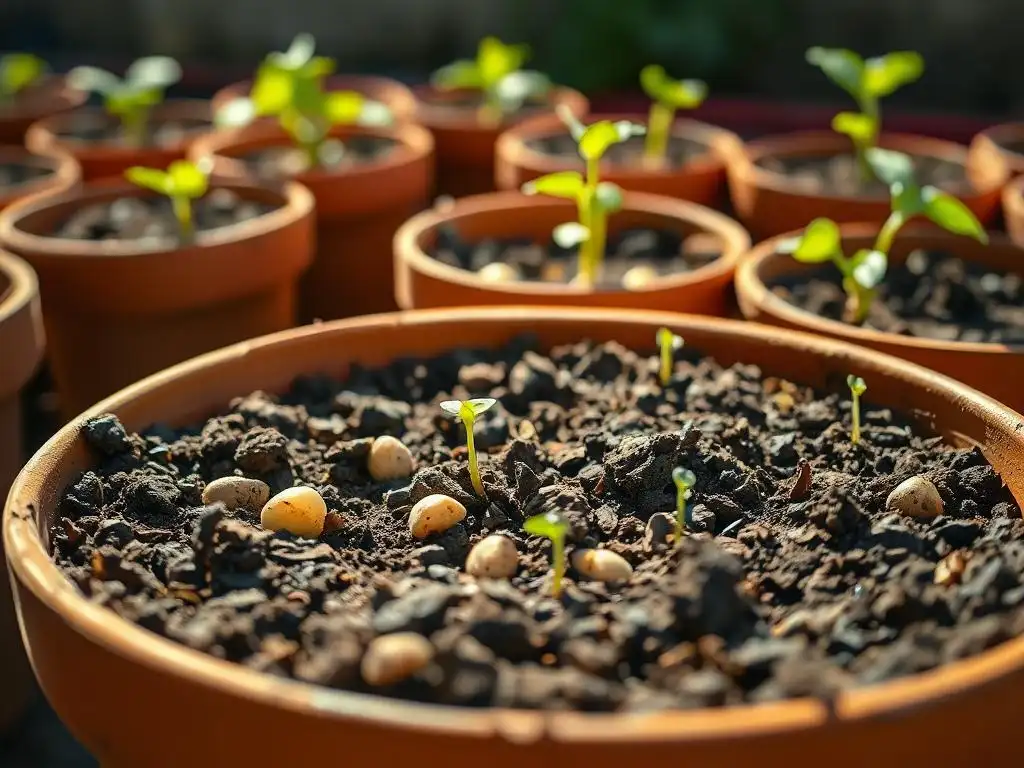
This section details the crucial first steps in your container potato gardening journey. Successfully growing potatoes in containers hinges on selecting and preparing the right container. This "Container potato gardening guide" emphasizes the importance of proper preparation for a bountiful harvest.
Step-by-Step Guide to Preparing the Container for Potatoes
Choosing the right container is paramount for successful container potato gardening. Avoid using containers smaller than 15 gallons; potatoes need ample space for their root systems to develop. Larger containers, even 20-30 gallons, are even better, especially for larger potato varieties. Here's a step-by-step guide:
- Container Selection: Opt for containers made of durable, food-safe materials like plastic, wood (treated for rot resistance), or even large fabric grow bags. Ensure the container has drainage holes to prevent waterlogging, a common cause of potato rot. Consider the weight of the filled container – you'll need to be able to move it easily.
- Cleaning the Container: Before planting, thoroughly clean your chosen container to remove any dirt, debris, or potential pests from previous uses. Wash it with warm soapy water, rinse thoroughly, and allow it to dry completely. This helps prevent the spread of diseases.
- Drainage Hole Check: Inspect the drainage holes to ensure they are adequately sized and unclogged. If necessary, enlarge the holes slightly using a drill or other suitable tool. Good drainage is essential for healthy potato growth. Poor drainage can lead to root rot and reduced yields.
- Adding a Layer for Drainage: Place a layer of gravel or broken pottery shards at the bottom of the container. This enhances drainage and prevents the soil from becoming compacted, ensuring proper aeration for the potato roots. This layer should be approximately 2-3 inches thick.
- Pre-Planting Inspection: Before adding soil, give your container one final inspection. Ensure there are no cracks or damage that could compromise the structural integrity of your container and potentially affect drainage or water retention.
Essential Soil Requirements for Container Potato Gardening
The soil you use is critical for a successful potato harvest. Potatoes thrive in well-drained, loose soil rich in organic matter. Avoid heavy clay soils that retain too much water. Here's what to consider:
- Soil Type: A well-balanced potting mix is ideal. Look for mixes specifically designed for vegetables, ensuring they are light and airy. Avoid using garden soil directly from your yard, as it may contain pests or diseases.
- pH Level: Potatoes prefer a slightly acidic to neutral pH level, ideally between 5.5 and 7.0. You can test your soil's pH using a home testing kit readily available at most gardening centers. Adjust the pH if necessary using lime (to raise pH) or sulfur (to lower pH).
- Soil Depth: Ensure you have sufficient soil depth. The soil should be deep enough to accommodate the potatoes as they grow, typically at least 12-18 inches. This depth is crucial to allow for ample tuber development.
- Soil Drainage: Remember, good drainage is paramount. The soil should not become waterlogged. If you are concerned about drainage, you can add perlite or vermiculite to improve aeration and water drainage. These materials are readily available at most garden centers.
Adding Organic Compost for Nutrient-Rich Potato Soil
Enriching your potato soil with organic compost is key to maximizing your yield and promoting healthy growth. Compost provides essential nutrients, improves soil structure, and enhances water retention. Here’s how to incorporate compost:
- Compost Type: Use well-rotted compost that is free of weeds and other debris. Avoid using fresh compost, as it may contain pathogens that can harm your potato plants.
- Compost Amount: Mix the compost thoroughly with your potting mix. A ratio of approximately 25-50% compost to potting mix is a good starting point. The exact amount will depend on the quality of your potting mix and the nutrient content of your compost.
- Incorporation Method: Gently mix the compost into the potting mix to ensure even distribution. Avoid overmixing, as this can damage the soil structure. A simple hand-mixing technique works well for smaller containers.
- Benefits of Compost: Adding compost provides a slow-release of nutrients, reducing the need for chemical fertilizers. It also improves soil structure, promoting better aeration and drainage, and helps retain moisture, reducing the frequency of watering. The increased organic matter also supports a healthy soil microbiome, which helps to protect your plants against diseases. Using organic compost is a cornerstone of sustainable container potato gardening. 🥔
Planting Potatoes in Containers: A Detailed Guide
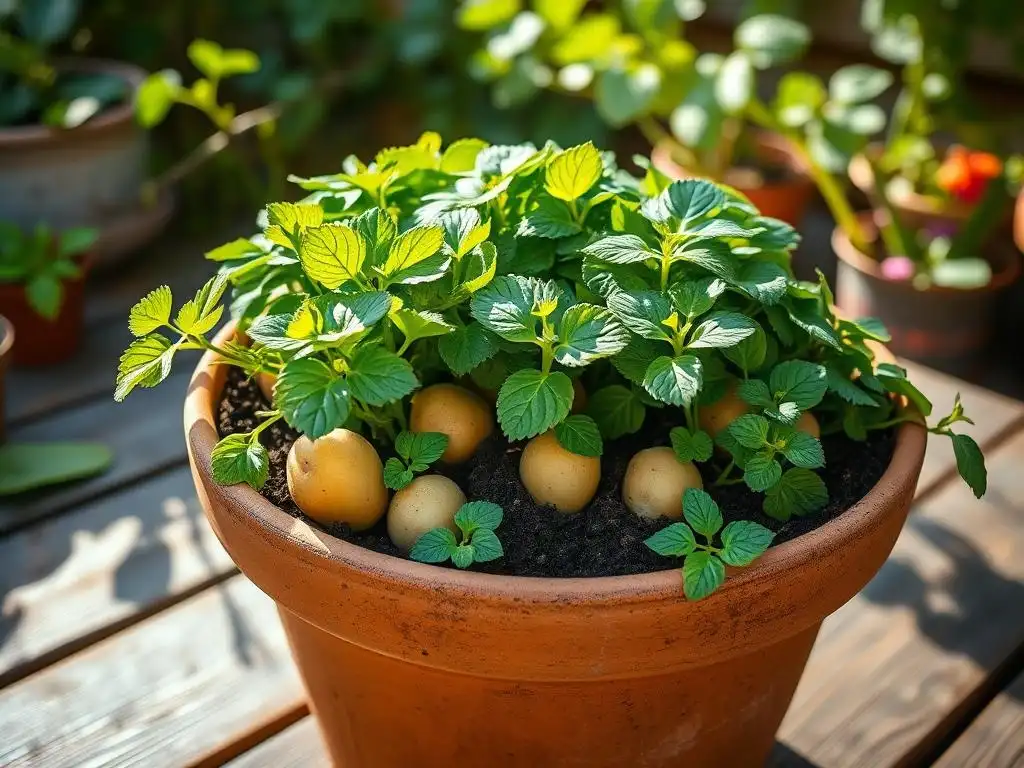
This section delves into the specifics of planting potatoes in containers, offering a comprehensive guide for successful container potato gardening. We'll cover optimal planting techniques to maximize your yield and ensure healthy growth, focusing on maximizing space and utilizing resources efficiently. This detailed approach will help you become a pro at container potato gardening, even if you're a beginner. Remember, successful container potato gardening hinges on meticulous planning and execution.
Planting Seed Potatoes: Depth and Spacing for Optimal Growth
Choosing the right seed potatoes is crucial for a bountiful harvest. Select certified disease-free seed potatoes, preferably those that are firm and show no signs of sprouting or decay. The size matters too; aim for seed potatoes that are approximately 2-3 inches in diameter. Larger seed potatoes will produce more plants, but smaller ones can still be effective if you're working with limited space.
The depth at which you plant your seed potatoes significantly impacts their growth. Generally, plant your seed potatoes at a depth of 4-6 inches, ensuring the eyes (the "buds" from which sprouts emerge) face upwards. This allows for easy sprouting and prevents the potatoes from rotting. Plant them deeper in sandy soil and shallower in heavier clay soil. This adjustment accounts for the different drainage properties of various soil types.
Spacing is equally important. Overcrowding leads to competition for resources, resulting in smaller potatoes and reduced yields. The recommended spacing depends on the size of your container and the variety of potato you are growing. For most varieties, a spacing of 12-18 inches between seed potatoes is ideal. In smaller containers, you might need to adjust this spacing accordingly. For example, in a 10-gallon container, you might plant only 2-3 seed potatoes, while a 20-gallon container could comfortably hold 4-6.
Here's a helpful table summarizing ideal planting depths and spacing:
| Soil Type | Planting Depth (inches) | Spacing (inches) | Seed Potato Size (inches) |
|---|---|---|---|
| Sandy | 6 | 18 | 2-3 |
| Clay | 4 | 12 | 2-3 |
| Well-draining loam | 5 | 15 | 2-3 |
Remember to always check the specific recommendations for your chosen potato variety, as requirements may vary. Careful consideration of these factors will significantly improve your chances of a successful container potato harvest.
Using Sprouted Seed Potatoes for Faster Growth
While not strictly necessary, using sprouted seed potatoes can give you a head start on the growing season. Sprouting involves placing your seed potatoes in a cool, dark, and slightly humid environment (like a cardboard box lined with damp newspaper) for 2-4 weeks before planting. This allows the eyes to begin sprouting, leading to faster and more vigorous growth once planted.
This pre-sprouting technique can be particularly beneficial in shorter growing seasons or when aiming for an early harvest. However, be gentle when handling sprouted seed potatoes to avoid damaging the delicate sprouts. Remember that sprouted potatoes are more susceptible to damage, so handle them with care during planting. The slightly increased effort is usually rewarded with faster growth and potentially a larger yield. Careful observation of your seed potatoes during the sprouting phase will help you identify any signs of rot or disease before planting, preventing potential problems later on.
Utilizing Growing Bags for Container Potato Gardening
Growing bags offer a lightweight and portable alternative to traditional containers for potato gardening. These bags, typically made from breathable fabric, provide excellent drainage and aeration, which are crucial for potato growth. The fabric allows for air circulation around the roots, reducing the risk of rot and disease. This feature is particularly important in container gardening, where the risk of waterlogging is higher.
Choosing the right size growing bag is crucial. For a single potato plant, a 10-gallon bag is sufficient. Larger bags allow for more plants and a potentially larger yield. Remember to select a bag made from a durable, UV-resistant material to ensure longevity. The fabric should be strong enough to withstand the weight of the soil and the growing potato plants.
When planting potatoes in growing bags, follow the same depth and spacing guidelines as with traditional containers. Ensure the soil is well-draining and amend it with compost or other organic matter to improve its fertility and water retention. Growing bags are an excellent option for container potato gardening, offering a convenient and efficient way to grow your own potatoes. Their portability makes them ideal for small spaces or patios, and their breathability contributes to healthier plants. The ease of use and benefits for potato growth make growing bags a popular choice among container gardeners.
Caring for Your Container Potatoes
This section delves into the crucial aspects of caring for your potato plants thriving in containers. Successfully growing potatoes in containers requires diligent attention to detail, particularly concerning watering, fertilization, and pest management. This guide will provide you with the knowledge to cultivate a bountiful harvest, even in a limited space. Remember, consistent care is key to maximizing your yield and enjoying delicious, homegrown potatoes.
Watering Techniques for Container Potato Plants
Proper watering is paramount for healthy container potato plants. Unlike potatoes grown in the ground, those in containers dry out much faster. The key is to maintain consistently moist, but not waterlogged, soil. Overwatering can lead to root rot, a devastating condition for your potato plants. Underwatering, on the other hand, will stunt growth and reduce yields.
Here's a breakdown of effective watering techniques:
- Frequency: Aim to water your container potatoes daily, or at least every other day, during hot, dry weather. Check the soil moisture by inserting your finger about an inch into the soil. If it feels dry, it's time to water. In cooler, wetter periods, you may need to water less frequently.
- Amount: Water deeply until water drains from the drainage holes at the bottom of the container. This ensures the entire root system receives adequate moisture. Avoid letting the container sit in standing water, as this promotes root rot.
- Method: Use a watering can with a rose head to gently water the soil around the base of the plants, avoiding wetting the foliage. This helps prevent fungal diseases. Consider using a self-watering system or drip irrigation for a more efficient and consistent watering approach.
- Monitoring: Regularly check the soil moisture level, especially during periods of extreme heat or drought. Adjust your watering schedule accordingly. Observe your plants for signs of wilting, which is a clear indication of insufficient water.
Essential Fertilizer and Nutrient Management for Container Potatoes
Container potato gardening requires a thoughtful approach to fertilization. The limited soil volume in containers means nutrients are depleted more quickly than in the ground. Providing your plants with the right nutrients is crucial for healthy growth and a substantial potato harvest.
Here's a guide to essential fertilizer and nutrient management:
- Soil Choice: Start with a high-quality, well-draining potting mix specifically formulated for vegetables. These mixes often contain added nutrients to provide a good start.
- Organic Fertilizers: Opt for organic fertilizers, aligning with sustainable gardening practices. Compost tea, aged manure, and bone meal are excellent choices. These release nutrients slowly, providing a steady supply to your plants throughout the growing season.
- Balanced Fertilizer: A balanced fertilizer (e.g., 10-10-10) can be used as a supplement to organic options. Follow the package instructions carefully to avoid over-fertilizing, which can damage your plants.
- Side-Dressing: Consider side-dressing your potato plants with additional fertilizer halfway through the growing season. This provides a boost of nutrients during the critical tuber development phase. Gently work the fertilizer into the soil around the base of the plants, being careful not to damage the stems.
Protecting Your Container Potatoes from Pests and Diseases in Containers
Containerized potatoes are susceptible to various pests and diseases, just like their counterparts grown in the ground. However, the contained environment can sometimes exacerbate these issues. Proactive pest and disease management is crucial for a successful harvest.
Here are some key strategies for protection:
- Pest Monitoring: Regularly inspect your potato plants for signs of pests, such as aphids, potato beetles, and spider mites. Early detection is key to effective pest control.
- Natural Pest Control: Employ natural pest control methods whenever possible. Introduce beneficial insects like ladybugs, which prey on aphids. Use insecticidal soap or neem oil to control pests organically. Avoid harsh chemical pesticides, which can harm beneficial insects and contaminate your harvest.
- Disease Prevention: Ensure good air circulation around your plants to prevent fungal diseases. Avoid overhead watering, which can promote fungal growth. Choose disease-resistant potato varieties whenever possible.
- Crop Rotation: Rotating your potato crops annually helps to break the cycle of pests and diseases. Avoid planting potatoes in the same container or location year after year.
By following these guidelines, you can significantly reduce the risk of pest and disease infestations and cultivate healthy, thriving potato plants in your containers. Remember, prevention is always better than cure. 🥔
Harvesting Your Container-Grown Potatoes
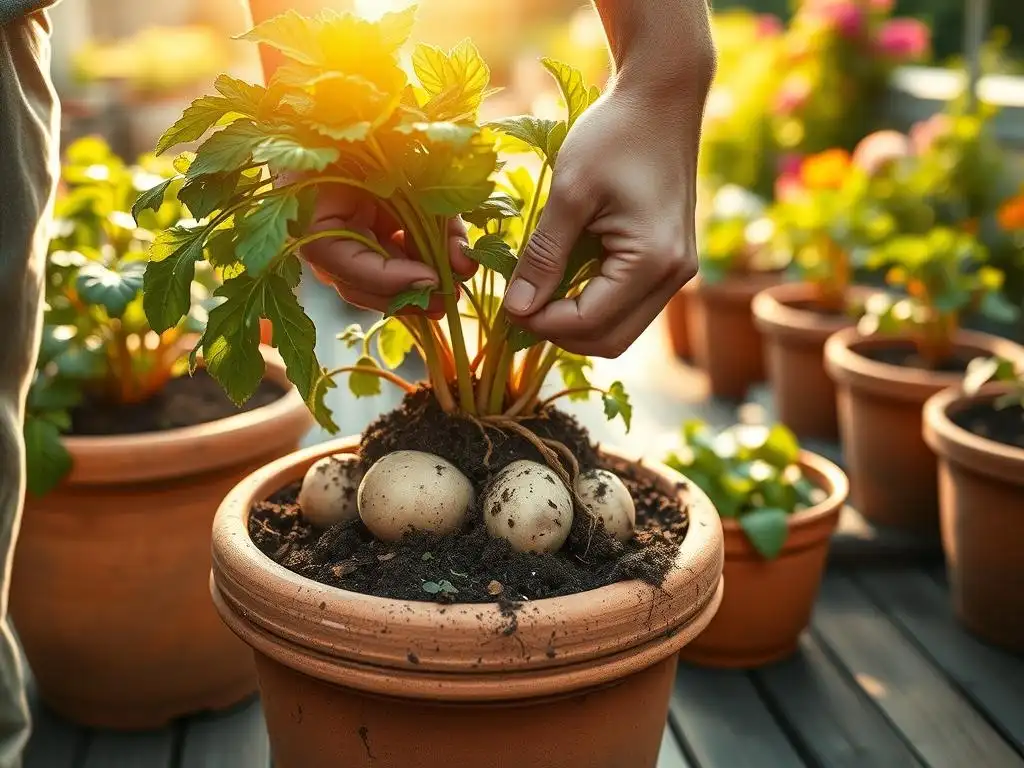
This section focuses on the crucial final step in your container potato gardening journey: harvesting. Getting the timing right is key to enjoying a bountiful harvest of flavorful, healthy potatoes. This guide provides a comprehensive "Container potato gardening guide" to help you harvest your crop successfully, minimizing damage and maximizing storage life.
Identifying the Signs of Mature Potatoes Ready for Harvesting
Knowing when your potatoes are ready is paramount. Premature harvesting results in small, underdeveloped potatoes, while leaving them in the ground too long can lead to rotting and reduced quality. Several key indicators signal that your potatoes are ready for harvest.
The most obvious sign is the plant's foliage. As the growing season progresses, the potato plant's leaves will begin to yellow and wither. This natural senescence is a strong indicator that the tubers beneath the soil are maturing. However, don't solely rely on this; some varieties may yellow prematurely due to stress.
Another reliable indicator is the plant's stems. As the potatoes mature, the stems will begin to brown and die back. This is a clear signal that energy is being redirected from above-ground growth to tuber development. Observe the stems carefully; a significant browning and wilting is a good cue.
Finally, you can conduct a test harvest. Gently dig up a few potatoes from the edge of your container to assess their size and maturity. If they are firm, well-sized, and have reached your desired size, it's likely the rest are ready too. Remember to carefully refill the hole to minimize disturbance to the remaining plants. This test harvest is an invaluable part of any container potato gardening guide.
Harvesting Techniques to Prevent Damage to Potatoes and Plants
Once you've identified that your potatoes are ready, gentle harvesting techniques are crucial to avoid damaging the tubers and the plant itself. Rough handling can lead to bruising, cuts, and increased susceptibility to disease during storage.
Begin by carefully removing the top few inches of soil from your container, using a trowel or small hand rake. This will reveal the potatoes closer to the surface. Avoid using sharp tools that might puncture the potatoes.
Gently loosen the soil around each potato using your fingers or a small garden fork. Work carefully to avoid damaging the delicate skin of the potatoes. Remember, even small scratches can compromise their storage life.
Once the potatoes are free from the soil, carefully lift them out of the container, supporting their weight to prevent bruising. Place the harvested potatoes gently in a basket or container. Don't pile them on top of each other.
After harvesting, inspect the potatoes for any damage. Discard any bruised, damaged, or diseased potatoes immediately to prevent the spread of infection. This careful approach is a cornerstone of any effective container potato gardening guide.
Storing and Preserving Your Harvested Container Potatoes
Proper storage is essential to maximize the shelf life of your container-grown potatoes. Improper storage can lead to sprouting, rotting, and a significant reduction in quality.
Allow the freshly harvested potatoes to cure for 7-10 days in a cool, dark, and well-ventilated area. This allows the skin to toughen, reducing the risk of damage and disease. Avoid direct sunlight, as it can cause greening and make the potatoes bitter.
After curing, store your potatoes in a cool, dark, dry place with good air circulation. A temperature between 45°F and 50°F (7°C and 10°C) is ideal. Avoid storing potatoes in sealed containers, as this can promote moisture buildup and rotting.
Consider using a breathable container, such as a mesh bag or a cardboard box with ventilation holes. This ensures proper air circulation and prevents the potatoes from becoming overly moist. Proper storage significantly extends the shelf life of your harvest, making your container potato gardening a truly rewarding experience. This information completes our comprehensive container potato gardening guide.
Troubleshooting Common Problems in Container Potato Gardening
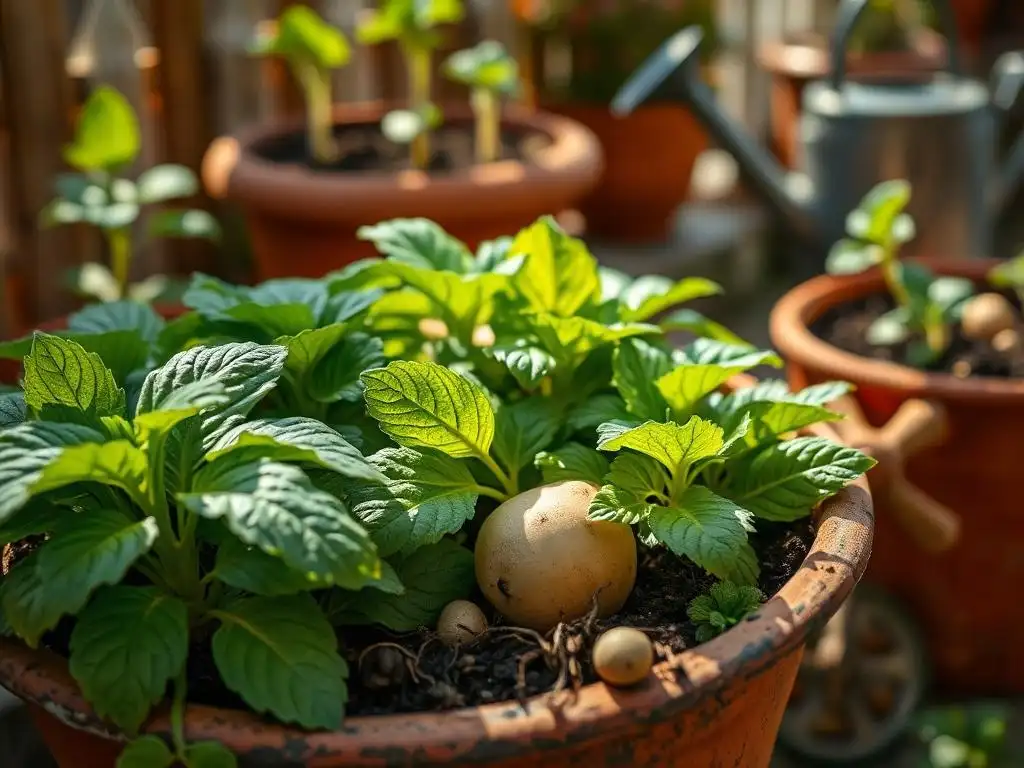
This section offers solutions to common challenges faced when growing potatoes in containers, providing a comprehensive container potato gardening guide to help you overcome these hurdles and achieve a bountiful harvest. Remember, proactive monitoring is key to successful container potato gardening.
Dealing with Common Potato Diseases in Containers
Potato plants, even in containers, are susceptible to various diseases. Early detection and appropriate action are crucial for preventing widespread infection and saving your crop. Here's a breakdown of common diseases and their management:
- Early Blight ( Alternaria solani): This fungal disease manifests as dark brown spots on leaves, which can eventually lead to defoliation. Good air circulation is essential to prevent this. Regularly inspect your plants, and remove and destroy any infected leaves immediately. Consider using copper-based fungicides as a preventative measure, or if infection occurs, follow label instructions carefully. Avoid overhead watering to minimize leaf wetness, a condition that favors fungal growth.
- Late Blight (Phytophthora infestans): This devastating disease can quickly wipe out your potato crop. It starts with dark brown lesions on leaves and stems, spreading rapidly under cool, damp conditions. Unfortunately, once late blight takes hold, chemical intervention is often necessary. Consult your local agricultural extension office for recommended fungicides and application guidelines in your region. Prevention is critical; choose blight-resistant varieties whenever possible. Ensure adequate spacing between plants for better air circulation.
- Verticillium Wilt: This soilborne fungal disease causes wilting and yellowing of leaves. Unfortunately, there's no cure for Verticillium wilt once it's established. Prevention is key. Ensure you use disease-free seed potatoes and well-draining potting mix. Crop rotation is also crucial to prevent the build-up of this pathogen in your container gardening setup.
Managing Pests Affecting Container-Grown Potatoes
Container potato gardening, while offering many benefits, also presents challenges in pest control. Here are some common pests and effective management strategies:
| Pest | Description | Management Strategies |
|---|---|---|
| Colorado Potato Beetle | Yellowish-brown beetle with black stripes; larvae are orange with black spots | Handpicking, insecticidal soap, neem oil. Regular monitoring is crucial for early detection and effective control. |
| Aphids | Small, soft-bodied insects that suck plant sap | Insecticidal soap, neem oil, ladybugs (biological control). Strong water spray can dislodge aphids. |
| Flea Beetles | Tiny beetles that jump when disturbed; cause small holes in leaves | Row covers, insecticidal soap, diatomaceous earth. Keeping the soil consistently moist can help deter flea beetles. |
Remember to always follow label instructions carefully when using any pesticides or insecticides, prioritizing organic and sustainable pest control methods whenever possible. Regularly inspect your plants for signs of pest infestation.
Addressing Nutrient Deficiencies in Container Potato Plants
Potatoes are heavy feeders, requiring a consistent supply of nutrients for optimal growth and yield. Nutrient deficiencies can manifest in various ways, impacting the overall health and productivity of your plants.
Nutrient deficiencies often show up as discoloration or changes in leaf growth. For example:
- Nitrogen Deficiency: Leaves will appear pale green or yellow, especially older leaves. Growth will be stunted. Supplement with a balanced fertilizer high in nitrogen.
- Potassium Deficiency: Leaves may show browning and scorching at the edges. Supplement with a fertilizer rich in potassium.
- Phosphorus Deficiency: Stunted growth, dark green leaves, and poor flowering are indicative of phosphorus deficiency. Address this with a phosphorus-rich fertilizer.
Regular soil testing can help you identify and address nutrient imbalances proactively. Using a high-quality potting mix specifically formulated for vegetables at the start is crucial. Consider using compost tea or liquid seaweed fertilizer as a natural way to supplement nutrients throughout the growing season. Remember to follow the instructions on the fertilizer packaging to avoid over-fertilizing, which can harm your plants. Monitoring your plants closely for any signs of deficiency is key to a successful harvest.
Maximizing Your Potato Harvest in Containers
This section delves into practical strategies to boost your potato yield when growing in containers. Remember, even though space is limited, you can still achieve a bountiful harvest with the right techniques. A successful container potato gardening guide emphasizes maximizing the available space and resources.
Tips for Increasing Potato Yields in Containers
Optimizing your container potato gardening involves several key steps. Firstly, choose the right container. Larger containers (at least 15-20 gallons) are crucial for robust potato growth. Think about using sturdy plastic containers or even repurposed wooden barrels. Ensure they have ample drainage holes to prevent waterlogging, a common problem that can significantly impact yields.
Secondly, select high-yielding potato varieties. Certain potato varieties are better suited for container gardening than others. Research varieties known for their compact growth habit and high yield in limited spaces. Consider early-maturing varieties to maximize your harvest within a shorter growing season.
Thirdly, provide adequate nutrients. Potatoes are heavy feeders. Use a high-quality potting mix specifically formulated for vegetables, enriched with compost or other organic matter. Supplement with regular feeding using a balanced liquid fertilizer, following the manufacturer's instructions carefully. Avoid over-fertilizing, which can harm the plants.
Finally, monitor for pests and diseases. Regularly inspect your plants for signs of pests or diseases. Address any issues promptly using organic pest control methods to prevent significant yield loss. Early detection and intervention are key to maintaining healthy plants and maximizing your potato harvest. A proactive approach to pest and disease management is a cornerstone of any successful container potato gardening guide.
Techniques for Extending the Growing Season for Container Potatoes
Extending the growing season allows you to maximize the yield of your container potatoes. This can be achieved through several methods. The first is starting seeds indoors. Begin planting your seed potatoes indoors several weeks before the last expected frost. This gives your plants a head start, allowing them to establish themselves before being transplanted outdoors. You can even consider using a grow light to supplement natural light, particularly beneficial in low-light conditions.
Another technique is using row covers. Row covers or cloches protect young potato plants from frost and cool temperatures, extending the growing season at both ends. They create a microclimate, which is particularly beneficial during spring and fall. This allows you to plant earlier and harvest later, increasing your overall growing period.
Finally, consider the use of cold frames. Cold frames provide a more controlled environment than row covers, offering even better protection against temperature fluctuations. They are particularly useful in regions with short growing seasons. A cold frame can significantly extend the time your potato plants are actively producing tubers. A well-managed cold frame can be a game-changer for extending the growing season, as highlighted in any comprehensive container potato gardening guide.
Utilizing Companion Planting for Improved Potato Growth in Containers
Companion planting leverages the synergistic relationships between different plant species to improve the overall health and productivity of your garden. In container potato gardening, certain companion plants can help deter pests, improve soil health, and even enhance the growth of your potatoes.
For instance, planting marigolds around your potato plants can repel nematodes and other harmful insects. Marigolds release compounds that are toxic to many common garden pests. This reduces the need for chemical pesticides, aligning with sustainable gardening practices.
Another excellent companion plant is chamomile. Chamomile is known to improve soil health and attract beneficial insects that help control pests. Its calming properties also contribute to a more peaceful gardening experience.
Finally, garlic is a powerful companion plant known for its pest-repelling properties. Planting garlic near your potatoes can deter many common potato pests, contributing to a healthier and more productive crop. Careful planning and selection of companion plants can significantly enhance the success of your container potato gardening, as emphasized by a thorough container potato gardening guide.
Frequently Asked Questions
What size container do I need for container potato gardening?
You'll need a container at least 18 inches deep and as wide as possible to accommodate potato growth. Larger containers are better for a bigger harvest. Consider using a heavy-duty plastic or fabric container.
How many seed potatoes do I need per container?
The number depends on the container size, but generally, you can plant 2-3 seed potatoes in a large container (18 inches deep or larger). Space them appropriately to allow for growth.
What type of soil is best for growing potatoes in containers?
Use a well-draining potting mix, not garden soil. Amend it with compost for added nutrients. Avoid heavy clay soils, which can retain too much water.
How often should I water my container potatoes?
Keep the soil consistently moist, but not soggy. Water deeply when the top inch of soil feels dry. Adjust watering frequency based on weather conditions and container size.
When can I harvest my container potatoes?
You can start harvesting new potatoes about 8-10 weeks after planting, depending on the variety. The full harvest is usually ready 3-4 months after planting, when the plants start to flower and die back.
Final Reflection: Harvesting the Bounty of Small-Space Gardening
The limitations of traditional gardening are no longer a barrier to enjoying fresh, homegrown potatoes; container gardening offers a revolutionary approach to food production, accessible to everyone, regardless of space. This method, once considered unconventional, is rapidly gaining popularity as urban dwellers and those with limited land rediscover the joys and rewards of cultivating their own food. The ease and flexibility of container potato gardening are transforming how we think about food security and personal connection to nature.
The impact of container gardening extends beyond the simple act of growing potatoes. It represents a broader shift in our relationship with food, fostering a deeper appreciation for the origins of our meals and encouraging a more sustainable lifestyle. The miracle of the potato is that it is so simple, yet so profound.
This quote, while not directly about container gardening, perfectly captures the transformative power of growing your own food, no matter the scale. It's a reminder that even small actions can have significant impacts, both personally and environmentally. The accessibility of this method is democratizing food production, allowing individuals to participate in a process often relegated to larger farms.
Now, consider your own space. Do you have a sunny balcony, a small patio, or even just a windowsill? Imagine the satisfaction of harvesting your own potatoes, knowing exactly where they came from and how they were grown. This isn't just about the potatoes themselves; it's about nurturing a connection to the earth, embracing a more sustainable lifestyle, and experiencing the simple joy of watching something grow from a tiny seed to a bountiful harvest. Take the first step today; start small, learn, and enjoy the fruits (or should we say, potatoes?) of your labor.
Unleash Your Inner Spud Whisperer: Grow Amazing Potatoes!
Thank you for joining us on this journey into the world of container-grown potatoes! You've now learned the secrets to a bountiful harvest, even in limited spaces. Ready to begin?
- Start planting your potatoes today! Get those seed potatoes in the ground (or your containers!). Remember the advice we shared about proper spacing and soil preparation.
- Share your potato-growing journey with our community on social media using #CultivateYourSpuds. Let's inspire each other!
- Explore more unique container gardening techniques on our website – you might be surprised by the variety of plants you can successfully grow!
Ready to experience the joy of harvesting your own homegrown potatoes? What are your expectations for this container gardening project—any challenges or anticipated triumphs?