
Harvesting Herbs from Containers: Timing and Techniques for Peak Flavor

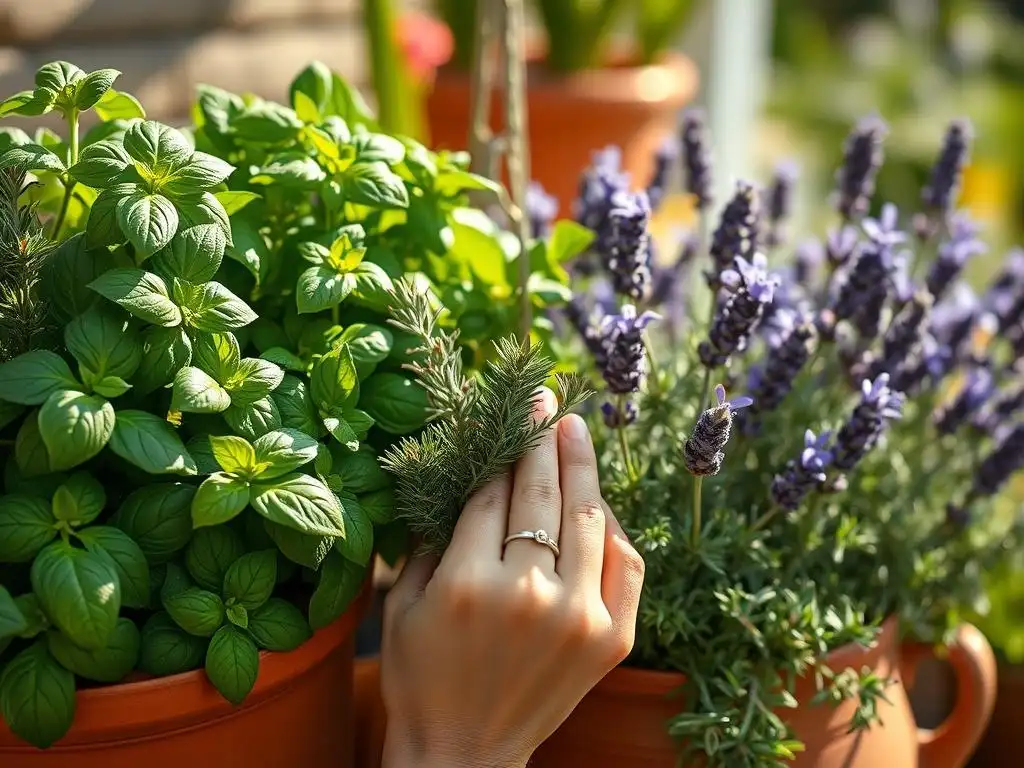
Welcome to CultivateYourFood, your guide to a thriving home garden! Ready to unlock the secrets to bountiful harvests? Discover the perfect moment to harvest your container herbs and maximize their flavor with our expert guide on " Harvest container herbs best time." Learn the techniques that will transform your herbs from simple plants into culinary delights. Let's cultivate a greener, more flavorful future, together.
- Understanding the Optimal Harvest Time for Container Herbs
- Techniques for Harvesting Herbs from Containers
- Preserving the Flavor of Harvested Container Herbs
- Common Container Herb Harvesting Mistakes and How to Avoid Them
- Harvesting Specific Container Herbs: A Detailed Guide
- Troubleshooting Common Container Herb Growing Issues Affecting Harvest
- Maximizing Your Container Herb Harvest: Tips and Tricks for Abundant Yields
- Planning Your Container Herb Harvest Calendar for Year-Round Enjoyment
- Frequently Asked Questions
- Final Reflection: The Bountiful Harvest: From Container to Kitchen
- Unlock Your Herb Garden's Full Potential!
Understanding the Optimal Harvest Time for Container Herbs
Harvesting your herbs at the perfect moment is crucial for unlocking their maximum flavor and aroma. This guide focuses on harvesting herbs grown in containers, addressing the unique considerations of this gardening method. We'll explore the ideal maturity stages for various herbs, the visual cues signaling peak flavor, and how different herb varieties influence optimal harvest times. Mastering these techniques ensures you consistently enjoy the freshest, most flavorful herbs from your container garden, maximizing your yield and enhancing your culinary creations.
Learning the best time to harvest container herbs will significantly improve your overall gardening experience and the quality of your home-cooked meals. This detailed guide will equip you with the knowledge to harvest your herbs at their peak, ensuring you consistently enjoy the best flavor and aroma possible. Let's delve into the specifics of harvesting your container-grown herbs for optimal flavor and culinary success! 🌱
Identifying the Right Maturity Stage for Harvesting Container Herbs
The optimal time to harvest container herbs depends heavily on the specific plant and its growth stage. Generally, you should harvest herbs before they flower. Flowering diverts energy away from leaf production, resulting in a less flavorful and potentially bitter harvest. However, some herbs, like flowering chives or dill, are specifically harvested for their flowers, adding a unique flavor dimension to your dishes.
Here's a breakdown of maturity stages for common container herbs:
| Herb | Optimal Harvest Stage | Visual Cues |
|---|---|---|
| Basil | Young, tender leaves; before flowering begins | Bright green leaves; no visible flower buds |
| Cilantro/Coriander | Before flowering; young leaves are most flavorful | Bright green leaves; delicate texture |
| Mint | Young leaves; pinch off tips to encourage growth | Bright green leaves; vigorous growth |
| Parsley | Mature leaves; can be harvested repeatedly | Deep green leaves; strong stems |
| Rosemary | Young shoots; can be pruned to shape the plant | Needle-like leaves; woody stems |
| Thyme | Young shoots; can be pruned to shape the plant | Small, fragrant leaves; woody stems |
Remember to always use clean, sharp scissors or pruning shears to avoid damaging the plant. Harvesting regularly encourages bushier growth and prevents the plant from becoming leggy or flowering prematurely.
Harvesting Container Herbs: Visual Cues for Peak Flavor
Beyond the growth stage, visual cues can help you pinpoint the perfect harvest moment. Look for:
- Vibrant color: Deep, rich green leaves usually indicate peak flavor. Avoid harvesting leaves that are yellowing or browning.
- Firm texture: Leaves should be firm to the touch, not wilted or limp.
- Strong aroma: Rub a leaf gently between your fingers. A strong, pleasant aroma indicates optimal flavor.
- Absence of pests or diseases: Inspect the leaves carefully before harvesting. Discard any leaves showing signs of damage or disease.
By paying attention to these visual cues, you'll be able to select the most flavorful and aromatic leaves for your culinary creations. Remember to harvest in the morning after the dew has dried, to avoid introducing moisture that could lead to spoilage.
The Impact of Herb Variety on Harvest Time: A Guide for Container Gardening
Different herb varieties have varying growth rates and ideal harvest times. Some herbs, like basil, are fast-growing and can be harvested frequently, while others, such as rosemary, are slower-growing and require less frequent harvests. Understanding these differences is key to maximizing your herb yield and flavor.
For example, some fast-growing varieties like Italian basil are ready for harvest in as little as 6-8 weeks, while slower-growing varieties might take longer. Similarly, different mint varieties have slightly different growth characteristics, impacting the optimal harvest timing. Always refer to the specific instructions on the seed packet or plant tag for the most accurate information on your chosen variety. Careful observation and attention to detail are key to success in harvesting container herbs at their peak flavor. Remember, consistent monitoring and mindful harvesting will ensure a bountiful and flavorful harvest throughout the growing season.
Techniques for Harvesting Herbs from Containers
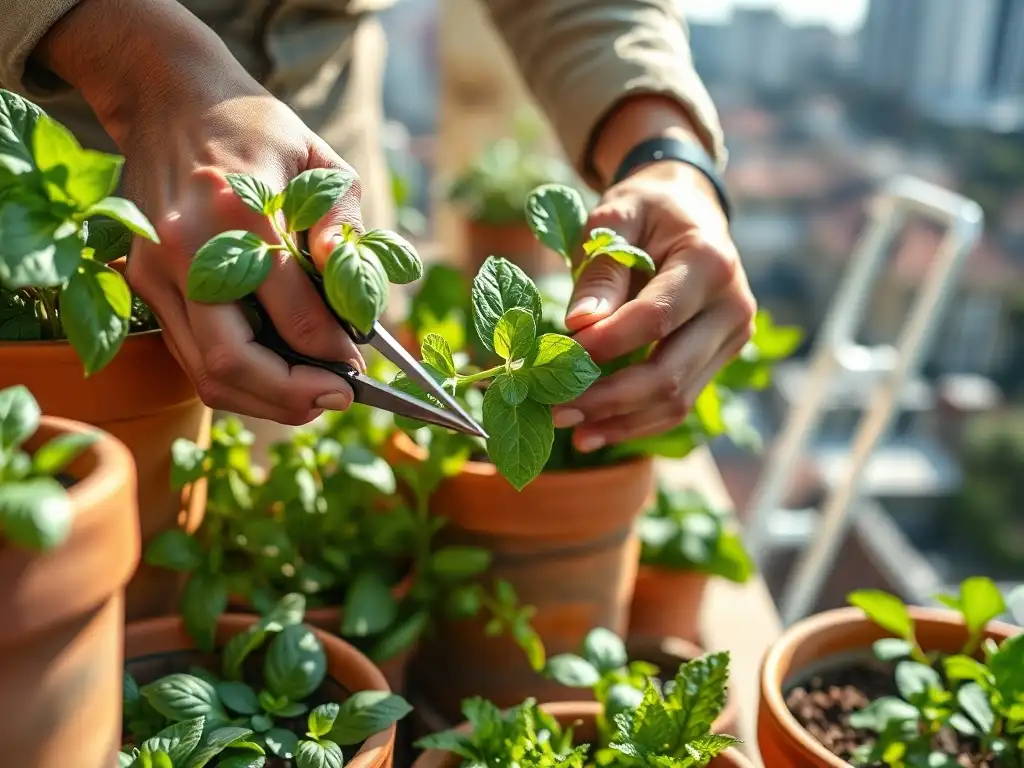
This section details the best practices for harvesting herbs grown in containers, focusing on maximizing yield and preserving plant health for a continuous harvest. Remember, the goal is to harvest container herbs at the best time for optimal flavor and to promote regrowth. This ensures a sustainable and abundant supply of fresh herbs throughout the growing season.
Gentle Harvesting Techniques to Preserve Plant Health
Harvesting herbs gently is crucial for the long-term health and productivity of your container plants. Rough handling can damage the plant, leading to reduced yield and potentially disease. Consider these techniques:
- Use sharp, clean shears or scissors: This ensures a clean cut, minimizing damage to the stem and reducing the risk of disease transmission. Avoid pulling or tearing the herbs, which can damage the root system and weaken the plant. A clean cut promotes quicker healing and better regrowth.
- Harvest in the morning: After the morning dew has dried, but before the midday sun becomes intense, is the ideal time to harvest. The essential oils in the herbs are most concentrated at this time, resulting in the most flavorful harvest. The plant is also less stressed during the cooler morning hours.
- Harvest selectively: Don't strip the plant bare! Instead, harvest only what you need, leaving enough foliage for the plant to photosynthesize and continue growing. Aim to harvest no more than one-third of the plant at a time, allowing for healthy regrowth. For example, with basil, pinch off the top sets of leaves, encouraging bushier growth. With rosemary, prune back selectively to maintain shape and promote new growth.
- Pinch back flowering stems: While some herb flowers are edible, allowing your herbs to flower can reduce their leaf production. Regularly pinching back flower buds encourages the plant to focus its energy on leaf growth, providing a more abundant harvest. This is particularly important for herbs like mint and basil.
- Support your plants: For taller herbs in containers, consider providing support to prevent damage during harvesting. This is especially important for herbs that are prone to flopping over, such as chives or oregano. This also protects the fragile stems and leaves from being accidentally broken during the harvest.
Using Clean Tools for Harvesting Container Grown Herbs
Maintaining clean harvesting tools is paramount to preventing the spread of diseases and pests among your container herbs. Dirty tools can harbor pathogens that can quickly infect your plants, leading to reduced yields and potentially killing your plants.
- Sterilize your tools before each use: A simple solution of 1 part bleach to 9 parts water can effectively sterilize your shears or scissors. Soak them for a few minutes before rinsing thoroughly with clean water. Alternatively, you can wipe them down with rubbing alcohol.
- Inspect your tools regularly: Check your tools for any signs of damage or rust. Replace damaged tools to prevent injury to your plants and ensure a clean cut. Regular maintenance ensures the longevity of your tools and enhances their effectiveness in preventing disease spread.
- Store your tools properly: Keep your tools clean and dry when not in use. Store them in a safe place, away from moisture and dirt, to prevent rust and the accumulation of pathogens.
Avoiding Over-Harvesting: Tips for Sustainable Herb Production in Containers
Over-harvesting can significantly stress your herb plants, leading to reduced yields, stunted growth, and even plant death. Sustainable harvesting practices are key to ensuring a continuous supply of fresh herbs from your containers.
- Monitor your plants closely: Pay attention to the overall health and growth of your herb plants. If you notice signs of stress, such as wilting or yellowing leaves, reduce the frequency and amount of your harvests.
- Rotate harvesting locations: Don't always harvest from the same spots on the plant. This allows different parts of the plant to recover and ensures even growth. This also helps to prevent the spread of disease. Rotating harvesting locations mimics the natural process of a plant, promoting overall health.
- Fertilize regularly: Container plants require regular fertilization to compensate for the limited soil volume. Use a balanced, organic fertilizer to provide the nutrients your herbs need for robust growth and abundant harvests. This ensures that the plants have the resources to recover quickly from harvesting.
- Water appropriately: Consistent watering is crucial, especially during dry periods. Ensure that the soil remains moist but not waterlogged, as this can lead to root rot. Proper watering helps the plants recover from the stress of harvesting. Adjust watering based on weather conditions and plant needs.
By following these techniques, you can ensure a bountiful and sustainable harvest of delicious, flavorful herbs from your container garden, maximizing your yield and enjoying fresh herbs throughout the growing season. Remember, consistent monitoring and gentle handling are key to achieving the best results when harvesting container herbs at the best time.
Preserving the Flavor of Harvested Container Herbs
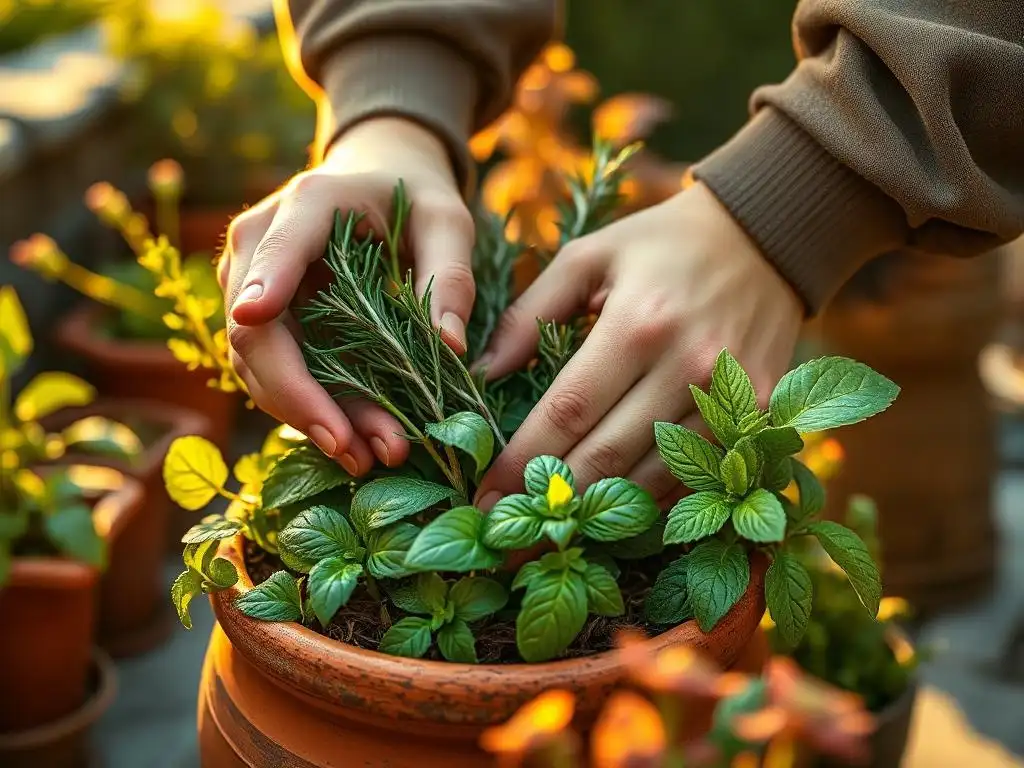
Harvesting herbs at the optimal time is only half the battle; preserving their vibrant flavor and aroma is equally crucial. Improper storage can quickly lead to wilting, browning, and a significant loss of those delicate, essential oils that give herbs their unique character. This section focuses on extending the shelf life and maintaining the peak flavor of your precious container-grown herbs. Knowing the best time to harvest is key, but understanding how to store them afterwards is equally important for maximizing the "harvest container herbs best time" experience.
Proper Storage Techniques for Maximizing Herb Freshness
The most effective method for preserving freshly harvested herbs is to treat them like cut flowers. Immediately after picking, gently rinse your herbs under cool water to remove any dirt or debris. Then, using a sharp knife or scissors, trim the stems at a 45-degree angle to promote water absorption. This simple step significantly improves hydration and longevity.
Next, place the herbs in a glass of fresh, cool water, just as you would with a bouquet of flowers. Choose a vase or container that's tall enough to support the stems without crowding the leaves. Avoid placing the herbs in direct sunlight or near a heat source, as these conditions will accelerate wilting. Change the water daily, ensuring the stems remain submerged. With proper care, you can expect your herbs to remain fresh for up to a week, sometimes longer depending on the type of herb and environmental conditions.
Here's a helpful table summarizing storage times for some common herbs using this method:
| Herb | Approximate Fresh Storage Time (Days) |
|---|---|
| Basil | 3-5 |
| Cilantro | 3-4 |
| Parsley | 5-7 |
| Mint | 5-7 |
| Rosemary | 7-10 |
| Thyme | 7-10 |
Remember, even with this method, herbs will eventually lose some of their freshness. Using them within the recommended timeframe will guarantee you enjoy the best possible flavor and aroma.
Drying Herbs Harvested from Containers: Methods and Tips
Drying herbs is a fantastic way to preserve them for longer periods, often extending their usability for several months. This method concentrates the flavors, making dried herbs exceptionally potent. There are several methods to choose from, each with its own advantages and disadvantages.
One popular method is air drying. This involves bundling small bunches of herbs together and hanging them upside down in a cool, dark, and well-ventilated area. Avoid direct sunlight, as it can bleach the color and diminish the essential oils. This process typically takes 1-3 weeks, depending on the humidity and the type of herb. Once the herbs are completely dry and brittle, carefully strip the leaves from the stems and store them in airtight containers in a cool, dark place.
Another effective technique is using a food dehydrator. This method offers more precise control over temperature and airflow, resulting in faster drying times and a more consistent outcome. Follow the manufacturer's instructions for your specific dehydrator model. Generally, the drying process should be slow and steady to preserve the herbs' flavor and color.
No matter which method you choose, always remember to start with clean, fresh herbs harvested at their peak. Proper drying techniques ensure your herbs retain their characteristic aroma and flavor, extending the enjoyment from your "harvest container herbs best time" far beyond the initial harvest.
Freezing Herbs from Containers: A Step-by-Step Guide for Long-Term Storage
Freezing is an excellent option for preserving herbs, especially those with a higher water content like basil and cilantro. Freezing helps retain the herbs' color, texture, and a surprising amount of flavor, although some subtle changes are expected. However, freezing can sometimes alter the texture slightly, making them better suited for use in sauces, soups, or stews rather than as a fresh garnish.
To freeze herbs successfully, follow these steps:
- Blanch (Optional): For some herbs, a quick blanch (submerging in boiling water for 30 seconds, then immediately plunging into ice water) can help retain color and prevent enzymatic browning. This step is particularly beneficial for herbs like basil.
- Chop: Finely chop the herbs.
- Portion: Divide the chopped herbs into small, freezer-safe containers or bags. Using ice cube trays is a great way to portion herbs for easy use later.
- Freeze: Place the containers or bags in the freezer. Once frozen, you can transfer the ice cube portions to a larger freezer bag for longer-term storage.
Remember to label and date your containers for easy identification. Properly frozen herbs can last for up to 6-12 months, providing a convenient and flavorful way to enjoy your homegrown bounty long after the "harvest container herbs best time" has passed. 🎉
Common Container Herb Harvesting Mistakes and How to Avoid Them
Harvesting container herbs at the optimal time is crucial for maximizing flavor and yield. However, even experienced gardeners can fall prey to common mistakes that compromise the health and productivity of their herb gardens. Understanding these pitfalls and implementing preventative measures is key to enjoying a bountiful harvest of flavorful herbs year after year. This section details some prevalent errors and offers practical solutions to ensure your container herbs thrive.
Over-harvesting and its effects on your container herbs
Over-harvesting is a surprisingly common mistake, especially with enthusiastic home gardeners eager to enjoy the fruits (or rather, herbs!) of their labor. Taking too much, too soon, can severely stress your plants, hindering their growth and potentially leading to their demise. Think of it like this: you wouldn't expect a fruit tree to produce a bumper crop if you stripped it bare every few days. Herbs are similar.
The impact of over-harvesting manifests in several ways:
- Reduced growth: Plants require energy to produce new leaves and stems. Excessive harvesting deprives them of this energy, resulting in stunted growth and a lower overall yield in the long run. Imagine a basil plant; if you constantly harvest the top leaves, it struggles to produce new growth.
- Stressed plants: Repeatedly removing large portions of the plant weakens its overall health, making it more susceptible to pests, diseases, and environmental stress. A weakened plant is more vulnerable to the "harvest container herbs best time" dilemma because it can't recover efficiently.
- Loss of flavor: While seemingly counterintuitive, over-harvesting can actually negatively affect the flavor of your herbs. A stressed plant may produce smaller, less flavorful leaves.
- Plant death: In extreme cases, aggressive over-harvesting can lead to the death of the plant. This is particularly true for smaller container plants where the root system has limited space and resources.
To avoid over-harvesting, follow these guidelines:
- Harvest selectively: Instead of stripping the entire plant, harvest only the outer leaves, leaving the younger, inner leaves intact to continue growing.
- Use the "pinch and snip" method: For many herbs like rosemary and thyme, pinching off small amounts regularly encourages bushier growth. For others, like basil, use sharp scissors to cleanly snip leaves.
- Rotate harvest points: Don't always harvest from the same areas. Allow different parts of the plant time to recover and grow.
- Observe your plants: Pay close attention to your plants' growth rate and adjust your harvesting accordingly. If growth seems slow, reduce the amount you harvest.
Neglecting proper cleaning and sanitation of harvesting tools
Cleanliness is paramount when harvesting herbs, particularly if you intend to store them for later use. Dirty or contaminated tools can introduce diseases and bacteria to your plants, potentially leading to spoilage and compromising the quality of your harvest.
The consequences of using unclean tools include:
- Disease transmission: Dirty tools can spread diseases from one plant to another, especially if you've been working with infected plants previously.
- Contamination: Soil, debris, and other contaminants on your tools can introduce unwanted bacteria or fungi to your herbs.
- Reduced shelf life: Contaminated herbs are more likely to spoil quickly, reducing their usability and wasting your harvest.
To ensure your tools are clean:
- Wash before and after use: Thoroughly wash your scissors, knives, or other tools with warm soapy water before and after each harvesting session.
- Sanitize regularly: Periodically sanitize your tools with a diluted bleach solution (1 part bleach to 9 parts water) to kill any lingering bacteria or fungi.
- Keep tools sharp: Sharp tools make clean cuts, minimizing damage to the plant and reducing the risk of disease transmission. Dull tools cause bruising which can invite disease.
Improper storage leading to premature herb spoilage
Even after harvesting, the care doesn't stop. Improper storage techniques can lead to rapid spoilage, rendering your precious herbs unusable. Proper storage is essential to preserve their flavor, aroma, and nutritional value.
The following storage mistakes can lead to herb spoilage:
- Storing herbs improperly: Simply bunching herbs together and leaving them on the counter will lead to wilting and rapid decay.
- Overcrowding containers: Overcrowding prevents proper air circulation, leading to moisture build-up and the growth of mold or bacteria.
- Not using the correct storage method: Different herbs have different storage requirements. Some benefit from being stored in water, others in damp paper towels, while others prefer to be frozen.
To maximize the shelf life of your harvested herbs:
- Proper drying: For long-term storage, many herbs benefit from air drying in a cool, dark, well-ventilated area.
- Refrigeration: For short-term storage (a few days), refrigerate herbs wrapped in damp paper towels or stored in airtight containers.
- Freezing: Freezing herbs preserves their flavor and aroma for longer periods. Blanch before freezing for optimal results. Consider using ice cube trays for individual portions.
By avoiding these common mistakes and following best practices, you can significantly improve the quality and quantity of your container herb harvest, ensuring you consistently enjoy the freshest and most flavorful herbs possible. Remember, consistent attention and care are key to maximizing the benefits of your container herb garden, leading to a superior experience with the "harvest container herbs best time" aspect of your gardening journey. 🌱
Harvesting Specific Container Herbs: A Detailed Guide
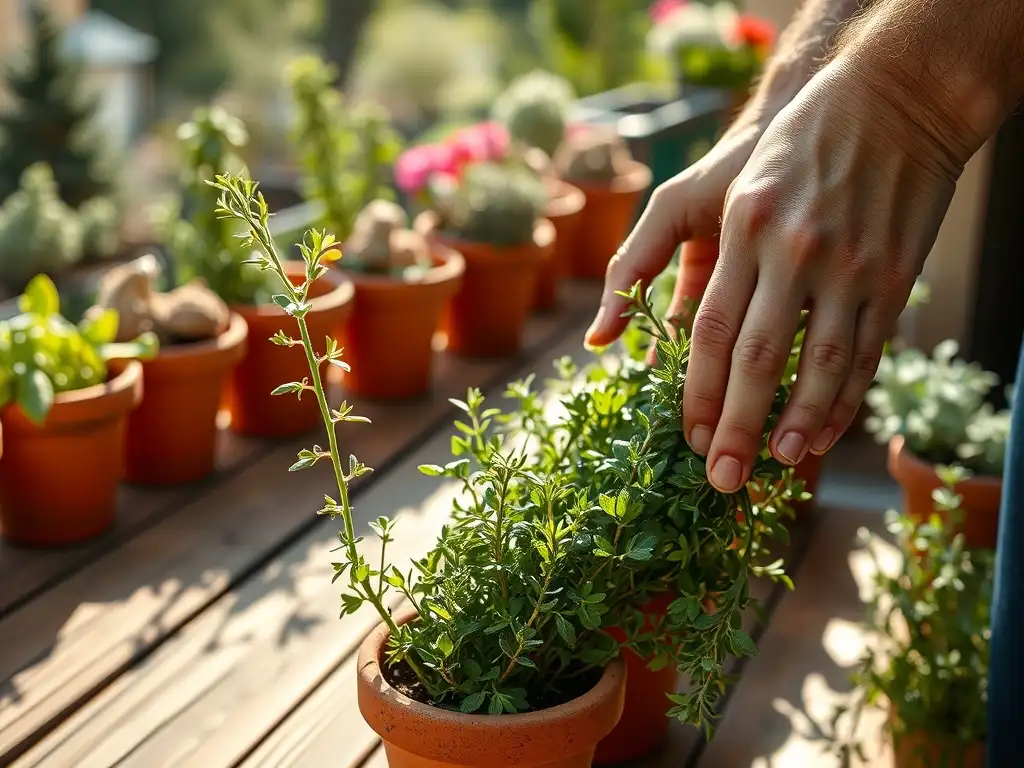
This section dives deep into the specifics of harvesting popular herbs grown in containers, focusing on optimal timing and techniques to maximize flavor and plant health. Remember, the "harvest container herbs best time" is generally when the herb reaches its peak flavor profile, which varies depending on the species and growing conditions. Always prioritize gentle handling to avoid damaging your precious plants.
Harvesting Basil from Containers: Timing and Techniques for Best Flavor
Basil, with its vibrant aroma and versatility, thrives in containers. For the best flavor, harvest basil leaves regularly. This encourages bushier growth and prevents the plant from prematurely bolting (going to seed). The ideal time to harvest basil is in the morning, after the dew has dried but before the sun gets too intense. This minimizes water loss and ensures the essential oils are at their most concentrated.
The most common method is to pinch or cut individual leaves or small stems just above a leaf node. Avoid removing more than one-third of the plant's foliage at any one time to allow for continued growth. A sharp pair of scissors or pruning shears is ideal for clean cuts, minimizing the risk of disease.
Here’s a helpful table summarizing the optimal harvesting techniques for basil:
| Harvesting Method | Description | Advantages | Disadvantages |
|---|---|---|---|
| Pinching | Removing leaves by hand, pinching off at the stem | Simple, quick, minimal tools required | Can be less precise, may damage stems if done roughly |
| Cutting | Using scissors or shears to cut stems | Clean cuts, less risk of stem damage, more precise | Requires tools |
Remember, consistent harvesting of basil is key to maintaining its flavor and promoting vigorous growth. Regularly removing flowers also helps extend the plant’s productive life.
Harvesting Mint from Containers: A Guide to Preventative Measures
Mint, a vigorous grower, quickly spreads. Container growing is crucial for managing its invasive nature. Harvesting mint involves preventing its rampant growth while maintaining its flavor. Harvesting should occur when the leaves are fully developed and fragrant, typically in the morning. Unlike basil, you can be more aggressive with mint harvesting, as it readily regenerates.
The key to successful mint harvesting is knowing when and how much to take, preventing the plant from becoming overgrown and leggy.
You can cut stems back by about one-third to one-half their length. This encourages bushier growth and prevents the plant from becoming woody. Consider using a sharp knife or shears for cleaner cuts, preventing damage and disease. Regularly removing flowers will also focus the plant’s energy on leaf production, leading to a more abundant harvest. It's crucial to consider preventative measures against pests and diseases. Inspect regularly for signs of infestation.
The following are preventative measures to consider when growing mint in containers:
- Proper spacing: Ensure adequate spacing between mint plants to prevent overcrowding and improve air circulation.
- Well-draining soil: Avoid waterlogged conditions, a breeding ground for fungal diseases.
- Regular monitoring: Regularly check for pests and diseases and take prompt action if any are detected.
Harvesting Rosemary from Containers: Techniques for Maintaining Plant Health
Rosemary, a woody perennial herb, requires a slightly different approach to harvesting compared to basil and mint. The "harvest container herbs best time" for rosemary is typically during the late spring or early summer, when the plant is actively growing. You can harvest rosemary sprigs throughout the growing season, but avoid taking too much at once, as it can stress the plant.
Harvesting rosemary involves carefully snipping or cutting sprigs. Use sharp pruning shears or scissors to make clean cuts, preventing damage and minimizing the risk of disease. Avoid removing more than one-third of the plant's foliage at any given time. Remember to cut just above a leaf node or stem joint to encourage new growth. Proper pruning also helps maintain the plant's shape and prevents it from becoming leggy.
Proper pruning is key to maintaining the health and vigor of your rosemary plant. Consider these tips for optimal rosemary care:
- Regular pruning: Prune rosemary regularly to encourage bushy growth and prevent it from becoming leggy.
- Deadheading: Remove spent flowers to prevent seed production and encourage more leaf growth.
- Watering: Water rosemary regularly, especially during dry spells, but avoid overwatering.
By following these guidelines, you can effectively harvest your container herbs at their peak flavor, ensuring a bountiful supply for your culinary creations while maintaining the health and vitality of your plants. Remember, consistent harvesting and proper care are essential for maximizing your herb yield throughout the growing season.
Harvesting Thyme from Thyme Containers: Optimizing Yield and Flavor
Thyme, a hardy and aromatic herb, thrives in containers, offering a consistent supply of flavorful leaves for culinary use. Knowing the best time to harvest thyme from containers is crucial for maximizing both yield and flavor intensity. Unlike some herbs that benefit from frequent, small harvests, thyme generally responds better to less frequent, more substantial harvests.
The optimal time for harvesting thyme is just before the plant flowers. This is typically in late spring or early summer, depending on your climate and the specific thyme variety. At this stage, the essential oil concentration in the leaves is at its peak, resulting in the most potent and flavorful harvest. However, allowing a few flowers to bloom can also be beneficial, as it can encourage continued growth and a second harvest later in the season. Observe your thyme plants carefully; the appearance of flower buds is a clear signal that it's time to harvest.
When harvesting, use sharp shears or pruning scissors to cut back about one-third to one-half of the plant's growth. Avoid pulling or snapping off stems, as this can damage the plant and reduce future growth. Clean cuts promote healthy regrowth, ensuring a plentiful supply of thyme throughout the growing season. Cutting back the plant also encourages bushier growth, leading to a more abundant yield in subsequent harvests.
Remember to harvest thyme on a dry day, preferably in the morning after the dew has dried. This allows the harvested thyme to dry more quickly and reduces the risk of mold or rot. Harvesting wet thyme can also compromise its flavor and aroma. Proper harvesting techniques are essential for preserving the quality and longevity of your homegrown thyme.
Another important aspect is the method of harvesting. For continuous harvesting, you can selectively prune individual stems, leaving the rest of the plant to continue growing. This allows for a gradual and consistent supply of fresh thyme. For a larger harvest, you can prune back more aggressively, but remember to leave enough foliage to allow the plant to recover and regrow.
A balanced approach ensures both a substantial harvest and the long-term health of your thyme plants. Over-harvesting can weaken the plant and reduce its productivity in the long run. Therefore, a mindful and sustainable harvesting strategy is essential for optimal results.
Troubleshooting Common Container Herb Growing Issues Affecting Harvest
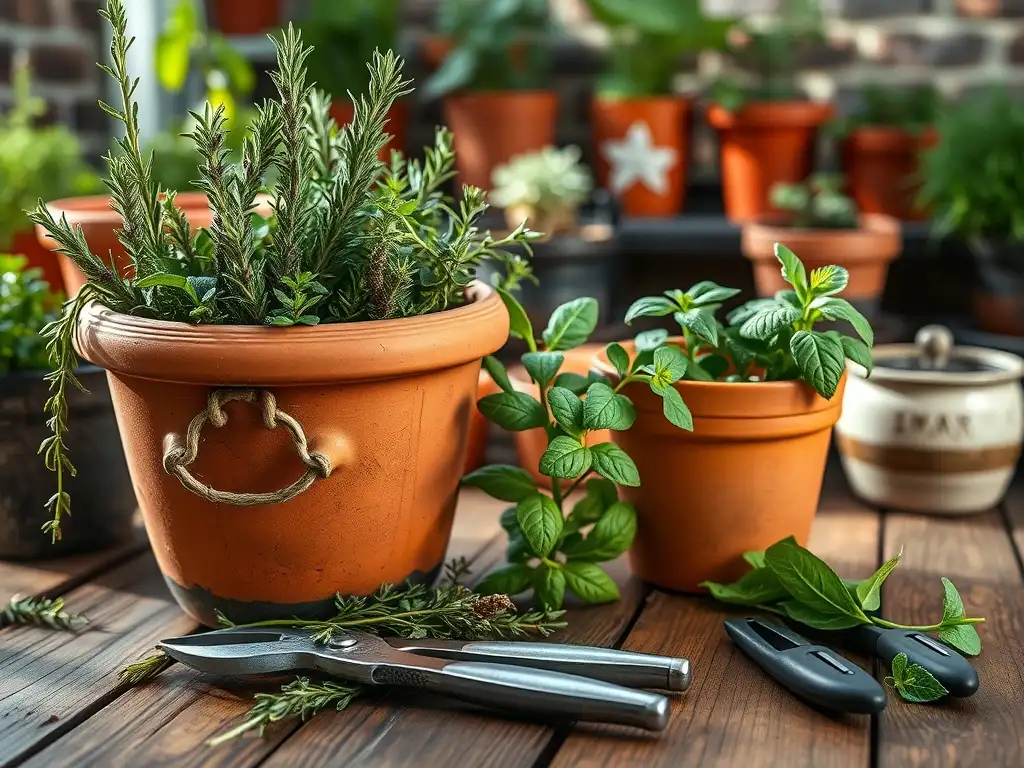
This section addresses common problems encountered when growing herbs in containers that directly impact harvest timing and yield. Understanding these issues and implementing preventative measures or effective solutions is crucial for maximizing your herb harvest and enjoying peak flavor. Mastering these techniques will ensure you get the best possible results from your container herb garden, improving your chances of a bountiful harvest each time.
Dealing with Pests and Diseases Affecting Herb Yield
Pests and diseases can significantly reduce herb yields and compromise the quality of your harvest. Early detection and appropriate action are key to minimizing damage. Common pests include aphids, spider mites, and whiteflies. These tiny creatures suck the sap from your herbs, causing stunted growth and wilting. Diseases like fungal leaf spots and root rot can also wreak havoc, leading to leaf discoloration, wilting, and even plant death.
Effective pest management begins with preventative measures. Regularly inspect your plants for signs of infestation. Consider using beneficial insects like ladybugs, which are natural predators of aphids. For more severe infestations, insecticidal soap or neem oil can be effective, but always follow label instructions carefully. Good air circulation around your plants helps prevent fungal diseases.
Ensure your containers have adequate drainage to avoid root rot. Rotating your herbs yearly helps prevent the buildup of pests and diseases in the soil. Remember that organic pest control methods are crucial for maintaining a healthy and sustainable container herb garden, aligning with the principles of "Harvest container herbs best time" for optimal flavor and quality. Proper sanitation, including cleaning and sterilizing your containers between uses, is also critical.
Tip: A simple solution to prevent many pest problems is to regularly mist your herbs with a strong spray of water to dislodge many pests.
Addressing Nutrient Deficiencies in Container Grown Herbs
Container-grown herbs are particularly susceptible to nutrient deficiencies because the soil volume is limited. This means the nutrients are quickly depleted, especially if you're harvesting frequently. Recognizing the signs of nutrient deficiencies is essential for timely intervention. Yellowing leaves can indicate a lack of nitrogen, while purple leaves might signal phosphorus deficiency. Stunted growth and pale leaves can suggest a general lack of essential nutrients.
To prevent nutrient deficiencies, start with high-quality potting mix specifically designed for herbs. Regular feeding with a balanced liquid fertilizer, diluted to half strength, is crucial, especially during the growing season. Always follow the instructions on the fertilizer packaging carefully.
Consider using organic fertilizers, such as compost tea or worm castings, to enrich the soil and promote healthy growth. A soil test can help determine specific nutrient deficiencies, allowing you to address them effectively. By ensuring your herbs receive the necessary nutrients, you'll significantly improve their growth rate and yield, optimizing the timing for your "Harvest container herbs best time" strategy.
| Nutrient Deficiency | Symptoms | Solution |
|---|---|---|
| Nitrogen | Yellowing leaves, stunted growth | Apply nitrogen-rich fertilizer |
| Phosphorus | Dark green or purplish leaves | Apply phosphorus-rich fertilizer |
| Potassium | Yellowing leaf margins | Apply potassium-rich fertilizer |
| Magnesium | Yellowing between leaf veins | Apply magnesium sulfate (Epsom salts) |
Recovering from Over-Harvesting: Revitalizing Your Container Herbs
Over-harvesting can stress your herbs, leading to reduced yields and potentially harming the plants. While regular harvesting is essential, it's important to do it sustainably. Striking a balance between harvesting and allowing the plants to recover is key to long-term productivity.
After heavy harvesting, give your herbs a bit of a break. Reduce or temporarily stop harvesting to allow the plants to regrow. Provide supplemental nutrients using a balanced liquid fertilizer. Ensure adequate watering and maintain optimal growing conditions. Consider pruning to encourage bushier growth and more abundant harvests in the future.
Pruning also helps prevent the plants from becoming leggy and encourages new growth. Remember, patience is key; with proper care, your herbs will recover and reward you with another bountiful harvest. Following a sustainable harvesting strategy will ensure that you get the best possible results from your container herb garden, allowing you to continue to enjoy the fruits (or rather, herbs!) of your labor, reaping the rewards at the "Harvest container herbs best time." This thoughtful approach will also help you to plan out your harvests more effectively in the future.
Maximizing Your Container Herb Harvest: Tips and Tricks for Abundant Yields
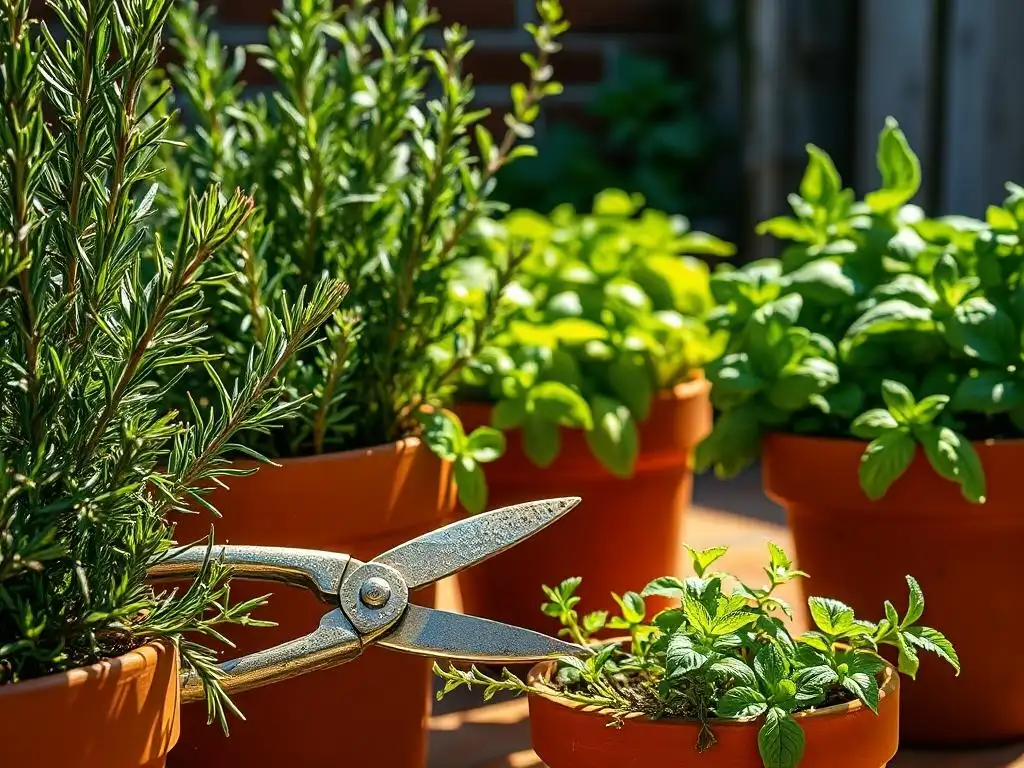
This section focuses on practical strategies to boost your container herb harvest, ensuring you get the most out of your gardening efforts. Optimizing your harvest isn't just about when you harvest, but also about how you cultivate your herbs leading up to that point. Remember, the "harvest container herbs best time" is inextricably linked to the care you provide throughout the growing season.
Sunlight and Watering for Optimal Herb Growth in Containers
Sunlight is crucial for robust herb growth. Most herbs thrive in at least six hours of direct sunlight daily. However, the intensity of sunlight and specific herb needs vary. For instance, delicate herbs like cilantro might appreciate some afternoon shade to prevent scorching, while robust herbs like rosemary can tolerate full sun. Observe your plants; wilting leaves indicate insufficient water, while yellowing leaves might suggest overwatering or nutrient deficiencies.
Consistent watering is equally vital. Container plants dry out faster than those in the ground, so regular monitoring is key. The "best time" to water is typically in the morning, allowing the foliage to dry before nightfall, thus reducing the risk of fungal diseases. Water deeply, ensuring the soil is thoroughly moistened but not waterlogged.
Consider using a moisture meter to gauge soil moisture levels and avoid both underwatering and overwatering. Remember, the frequency of watering will depend on factors such as temperature, humidity, and the type of container used – terracotta pots dry out faster than plastic ones. Adapting your watering schedule to these factors is paramount for maximizing your harvest.
Choosing the Right Containers for Herb Cultivation
Container selection significantly impacts herb growth and yield. The size, material, and drainage of your container directly influence the plant's access to water, nutrients, and oxygen. Larger containers generally provide more space for root development, leading to healthier, more productive plants. However, excessively large containers can retain too much moisture, potentially leading to root rot.
- Material: Terracotta pots offer excellent drainage but dry out quickly, requiring more frequent watering. Plastic pots retain moisture longer, reducing watering frequency but increasing the risk of overwatering if not carefully monitored. Consider the climate and your watering habits when making your selection.
- Drainage: Adequate drainage is essential to prevent root rot. Ensure your containers have drainage holes to allow excess water to escape. You can add a layer of gravel or broken pottery shards at the bottom of the container to further improve drainage.
- Size: Choose containers that are appropriately sized for the mature size of your chosen herbs. Overcrowding restricts root growth and diminishes yields. A general rule of thumb is to select containers that are at least 12 inches in diameter for most herbs.
The right container choice contributes significantly to achieving a bountiful harvest, making it a crucial aspect of optimizing your "harvest container herbs best time" strategy.
Soil Selection for Successful Container Herb Gardening
The soil you choose is as crucial as the container itself. Using a high-quality potting mix specifically formulated for containers is essential. Avoid using garden soil directly in containers, as it can compact easily, hindering drainage and root growth. A good potting mix will be well-draining, aerated, and rich in organic matter.
Consider these factors when selecting your soil:
| Feature | Description | Impact on Harvest |
|---|---|---|
| Drainage | The ability of the soil to allow excess water to drain away. | Prevents root rot, ensuring healthy root development and optimal nutrient uptake. |
| Aeration | The amount of air spaces in the soil. | Promotes healthy root growth and nutrient uptake. |
| Organic Matter | The presence of decomposed plant material, providing nutrients and improving soil structure. | Enhances nutrient retention, improves water retention, and supports microbial activity. |
| pH Level | The acidity or alkalinity of the soil. Most herbs prefer a slightly acidic to neutral pH. | Impacts nutrient availability, affecting the overall health and productivity of the plant. |
Investing in a premium potting mix pays dividends in terms of healthier plants and a more abundant harvest, improving your chances of achieving optimal results when it's the "harvest container herbs best time." Remember, healthy soil translates directly to a successful harvest.
Planning Your Container Herb Harvest Calendar for Year-Round Enjoyment
Planning is key to enjoying a continuous supply of fresh herbs from your container garden, especially when aiming for that perfect "harvest container herbs best time." A well-structured harvest calendar allows you to maximize yields and savor peak flavor throughout the year. This isn't just about knowing when to harvest; it's about understanding the growth cycles of your chosen herbs and strategically planning your plantings to ensure a succession of harvests.
Seasonal Considerations for Harvesting Container Herbs
The timing of your herb harvest is significantly influenced by the season. Different herbs thrive in different temperatures and light conditions. For instance, basil, a warm-weather herb, flourishes in the summer months and will likely bolt (go to seed) if exposed to prolonged cold temperatures. Conversely, rosemary and thyme are more cold-hardy and can often withstand cooler temperatures, extending their harvest window into the fall and even, in some milder climates, into winter.
Understanding these seasonal variations is crucial for creating a successful harvesting schedule. Consider these factors:
- Sunlight: Ensure your containers receive adequate sunlight, adjusting their placement as the seasons change to maximize sun exposure. Southern exposure is ideal for most herbs during the cooler months, while a slightly shaded position might be preferable during the hottest parts of the summer.
- Temperature: Monitor ambient temperatures closely. Protect tender herbs like cilantro and parsley from frost with covers or by moving containers indoors during cold snaps. Conversely, herbs like mint can tolerate a broader temperature range.
- Water Requirements: Water needs vary depending on the season. Increase watering frequency during hot, dry periods and reduce it during cooler, wetter months. Overwatering can lead to root rot, so well-draining containers are crucial.
Here's a sample seasonal guide for harvesting common container herbs:
| Herb | Spring Harvest | Summer Harvest | Autumn Harvest | Winter Harvest (depending on climate) |
|---|---|---|---|---|
| Basil | Limited | Abundant | Decreases significantly | Minimal to none |
| Chives | Moderate | Moderate | Moderate | Limited |
| Cilantro | Moderate | Abundant | Decreases significantly | Minimal to none |
| Parsley | Moderate | Moderate | Moderate | Limited |
| Rosemary | Limited | Moderate | Moderate | Often possible |
| Thyme | Limited | Moderate | Moderate | Often possible |
| Mint | Moderate | Abundant | Moderate | Often possible |
Remember, these are guidelines. Your actual harvest times might vary depending on your specific location, microclimate, and the variety of herb you're growing. Careful observation of your plants is essential.
Creating a Rotating Harvest Schedule for Continuous Supply
To ensure a continuous supply of fresh herbs, implement a rotating harvest schedule. This involves planting successive crops of herbs throughout the growing season. For example, you could plant a batch of basil in spring, a second batch in early summer, and a third in mid-summer. This staggered planting ensures a continuous harvest, even as earlier plantings mature and go to seed.
This strategy also applies to herbs with varying growth rates. Fast-growing herbs like cilantro need to be replaced more frequently than slower-growing herbs like rosemary. Plan your plantings accordingly. Consider using different-sized containers to accommodate the various needs of your herbs. Larger containers will generally provide more space for root development and allow for larger harvests.
The key to a successful rotating harvest schedule is meticulous planning and observation. Pay close attention to the growth cycle of your herbs and adjust your planting schedule as needed.
Think of it like a relay race—as one batch of herbs finishes its productive phase, the next is ready to take over. This technique will keep your container garden vibrant and productive all year round, providing you with a constant supply of fresh herbs for your culinary creations. This careful planning will ensure you're always experiencing the best time to harvest container herbs, maximizing your yield and flavor. 🌱
Frequently Asked Questions
What is the best time to harvest container herbs for optimal flavor?
The best time to harvest container herbs is generally in the morning, after the dew has dried but before the heat of the day. This is when the essential oils are most concentrated, resulting in the best flavor.
How often should I harvest my container herbs?
Harvesting frequently, ideally every few days to a week, encourages bushier growth and prevents plants from becoming leggy or flowering prematurely. This ensures a continuous supply of fresh herbs.
What is the correct technique for harvesting container herbs?
Use clean, sharp shears or scissors to cut stems just above a leaf node. Avoid pulling herbs out by the roots. This method ensures clean cuts and promotes healthy regrowth.
Can I harvest all parts of my container herbs at once?
It depends on the herb. Some herbs, like basil, benefit from frequent harvesting of leaves only. Others, like rosemary, can have entire sprigs harvested. Always check your specific herb's needs.
How do I store freshly harvested container herbs?
For immediate use, store herbs loosely in a plastic bag in the refrigerator. For longer storage, consider drying them or freezing them in ice cube trays with water or oil. This helps preserve their flavor and aroma.
Final Reflection: The Bountiful Harvest: From Container to Kitchen
The art of harvesting herbs from containers isn't just about timing; it's about nurturing a connection with nature, right in your own backyard (or windowsill!). This simple act, often overlooked, unlocks a world of vibrant flavors and aromatic delights, transforming everyday meals into culinary masterpieces. The abundance available, even in limited space, is truly remarkable.
The impact of container gardening on our relationship with food is profound. It fosters a deeper appreciation for the origins of our ingredients, reminding us of the intricate dance between nature and nurture. The glory of gardening: hands in the dirt, head in the sun, heart with nature. To nurture a garden is to feed not just the body, but the soul.
This quote perfectly encapsulates the enriching experience of growing your own herbs, connecting us to a simpler, more sustainable way of life, one snip of fresh basil at a time.
Now, consider your own culinary landscape. Will you embrace the challenge of cultivating your own herb garden, even in a small space? Imagine the satisfaction of snipping fresh rosemary for your roast chicken, or adding a handful of vibrant mint to your summer cocktails, knowing you nurtured those flavors from seed to plate.
This isn't just about harvesting herbs; it's about harvesting a deeper connection with the food you eat and the world around you. Start small, experiment with different varieties, and savor the journey. The rewards are far greater than just peak flavor; they're a harvest for the soul.
Unlock Your Herb Garden's Full Potential!
Thank you for exploring the art of harvesting herbs! We hope you feel confident in maximizing the flavor and freshness of your herbs. Ready to put your new knowledge into practice?
- Time your next harvest for peak flavor: Use our tips to determine the ideal time to harvest each herb for the most intense taste and aroma. This will significantly enhance your cooking!
- Share your bounty: Snap a picture of your freshly harvested herbs and share it on social media using #CultivateYourFood – let's inspire others to grow their own!
- Experiment with different harvesting techniques: Try the various methods described in the article and see which works best for your herbs and cooking style. You might even discover a new favorite!
What's your favorite herb to harvest, and what new technique are you most excited to try?