
The Importance of Drainage: Choosing the Right Soil for Container Plants

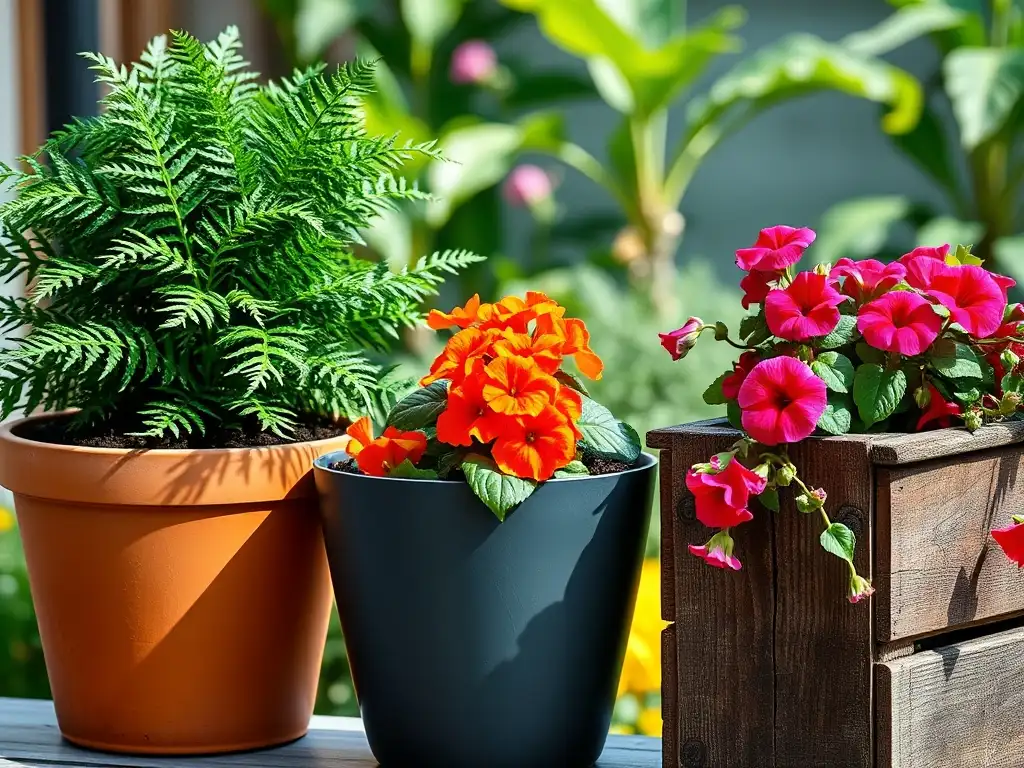
Ready to unlock the secrets of a thriving home garden? At CultivateYourFood, we believe everyone can grow their own delicious and healthy produce. This journey starts with understanding the fundamentals, and that's why we're diving deep into the crucial topic of soil drainage. Discover which containers are best suited for optimal plant health, and learn how to select the perfect soil for your flourishing harvest with our guide on "Best soil drainage container plants." Let's cultivate a greener, healthier future, one plant at a time!
- Understanding Drainage Needs for Container Plants
- Best Soil Drainage for Container Plants: Key Considerations
- Best Soil Mixes for Container Plants with Excellent Drainage
- Improving Drainage in Existing Containers
- Maintaining Optimal Drainage Over Time
- Frequently Asked Questions about Drainage and Container Plants (FAQ)
-
Frequently Asked Questions
- What is the most important factor to consider when choosing soil for container plants?
- Why is good drainage so crucial for container plants?
- What type of soil is best for container plants with regards to drainage?
- How can I improve drainage in my existing container plant soil?
- What are some signs that my container plants have poor drainage?
- Final Reflection: Cultivating Success: The Right Soil, the Right Growth
- Unleash Your Green Thumb: Grow Thriving Container Plants!
Understanding Drainage Needs for Container Plants
Choosing the right soil is paramount for successful container gardening. While many factors contribute to a thriving plant, proper drainage sits at the very top of the list. This article delves into the critical importance of soil drainage for container plants, exploring the consequences of poor drainage and providing guidance on identifying and addressing drainage issues.
We'll discuss why selecting a soil blend with excellent drainage is key to preventing common problems and ensuring the long-term health and productivity of your container garden. Mastering soil drainage is a fundamental step towards cultivating vibrant and bountiful harvests in your homegrown vegetable, fruit, and herb garden, regardless of your experience level. This guide will equip you with the knowledge to select the best soil drainage for container plants, ensuring your plants thrive and your gardening experience is rewarding.
Choosing the right soil mix is crucial for achieving optimal drainage and overall plant health, helping you achieve the best results in your container garden. This is especially important when considering the keyword "Best soil drainage container plants" and its relevance to container gardening practices.
Why Proper Drainage is Crucial for Healthy Container Plants
Proper drainage is essential for the health and vitality of container plants. Unlike plants grown in the ground, container plants are confined to a limited volume of soil. This means that excess water cannot easily drain away, leading to a number of problems. Poor drainage can result in waterlogged soil, which deprives plant roots of essential oxygen. Roots require oxygen for respiration, a process vital for nutrient uptake and overall plant growth. Without sufficient oxygen, roots begin to suffocate, leading to root rot and other detrimental conditions.
Furthermore, well-drained soil allows for proper aeration, promoting beneficial microbial activity in the soil. These microbes play a crucial role in nutrient cycling and overall soil health. A well-aerated soil environment also facilitates healthy root development, enabling plants to establish a strong root system that can efficiently absorb water and nutrients. In essence, proper drainage is not just about preventing waterlogging; it's about creating an ideal soil environment that supports optimal root growth and overall plant health. The benefits extend to minimizing the risk of diseases, pests, and nutrient deficiencies, contributing to a thriving and productive container garden.
The Consequences of Poor Drainage: Root Rot and Other Issues
The most significant consequence of poor drainage is root rot. Root rot is a devastating fungal disease that attacks plant roots, causing them to decay and die. Symptoms of root rot include wilting, yellowing leaves, and stunted growth, even when the soil appears moist. This is because the roots are unable to absorb water and nutrients, despite the soil's apparent moisture content. Root rot can quickly kill a plant, making proper drainage a critical preventative measure.
Beyond root rot, poor drainage can lead to other issues such as:
- Nutrient deficiencies: Waterlogged soil can prevent plants from accessing essential nutrients.
- Salt buildup: Excess salts can accumulate in poorly drained soil, further stressing the plants.
- Pest and disease problems: Poor drainage creates a favorable environment for many plant pests and diseases.
- Reduced flowering and fruiting: Plants struggling with poor drainage will often produce fewer flowers and fruits.
Addressing drainage issues promptly is essential to prevent these problems and maintain the health of your container plants. Choosing the right soil mix with appropriate drainage properties is the first and most important step in preventing these issues. Regular monitoring of your plants and soil moisture levels is equally important.
Identifying Signs of Poor Drainage in Your Containers
Identifying poor drainage early on is critical to preventing serious damage to your plants. Several telltale signs can indicate drainage problems:
- Water standing in the container saucer: This is a clear indication that the drainage holes are clogged or insufficient.
- Soggy or waterlogged soil: The soil should feel moist but not overly wet or saturated to the touch.
- Wilting plants despite watering: Wilting even with adequate watering suggests that the roots cannot access water because of poor drainage.
- Yellowing or browning leaves: This can be a symptom of root rot or other issues caused by poor drainage.
- Foul-smelling soil: A musty or unpleasant odor from the soil often indicates the presence of decaying organic matter due to waterlogging.
If you observe any of these signs, take immediate action to improve drainage. This may involve repotting the plant in a container with better drainage, amending the soil with materials to improve aeration, or adjusting your watering habits. Regular monitoring of your container plants and soil conditions is key to preventing drainage problems and ensuring the success of your container garden. 🌱
Best Soil Drainage for Container Plants: Key Considerations
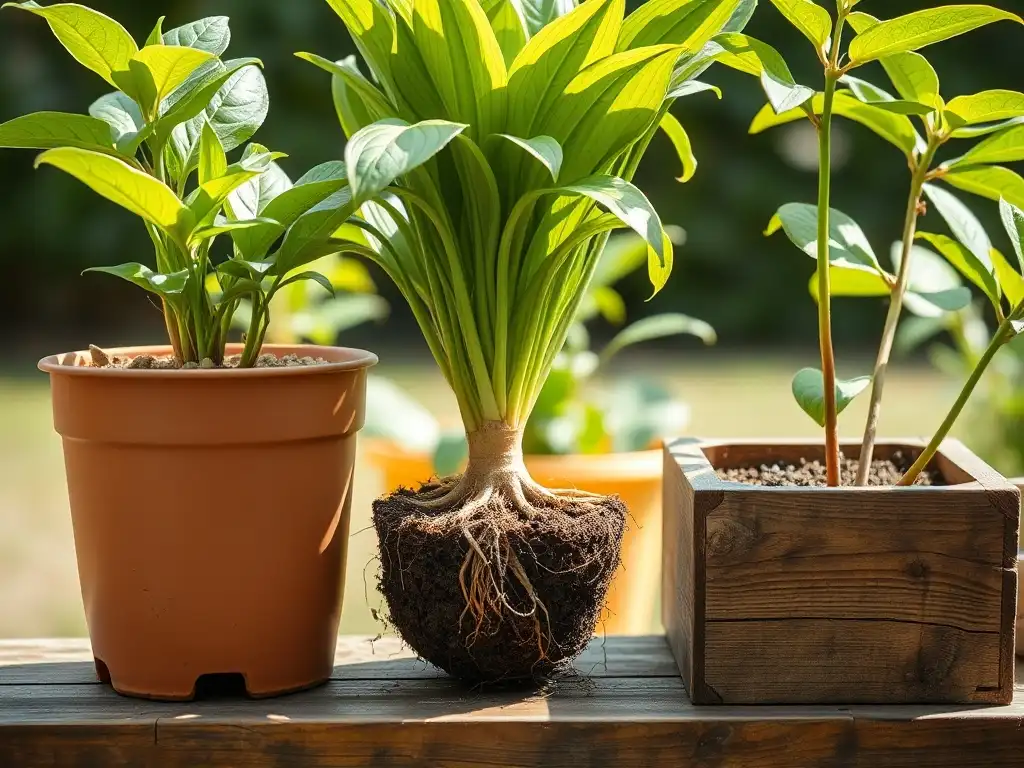
Choosing the right soil is paramount for the success of your container garden. Poor drainage leads to root rot, a common killer of container plants. This section focuses on achieving optimal drainage in your containers, ensuring healthy and thriving plants. We'll explore the crucial elements contributing to excellent drainage, enabling you to select the best soil drainage container plants deserve. Remember, the goal isn't just drainage; it's a balance between drainage and moisture retention – a sweet spot that nurtures healthy root systems.
Selecting the Right Soil Texture for Optimal Drainage
Soil texture significantly impacts drainage. Clay soils, for instance, are notoriously poorly drained, holding water tightly and suffocating roots. Sandy soils, on the other hand, drain exceptionally well, but can dry out too quickly, requiring more frequent watering. The ideal texture for container plants is a loam – a balanced mix of sand, silt, and clay. This combination provides excellent drainage while retaining enough moisture to keep roots hydrated.
To illustrate, let's compare the water retention capacity:
| Soil Type | Water Retention | Drainage Rate | Ideal for Container Plants? |
|---|---|---|---|
| Sandy Loam | Moderate | Fast | Yes, with frequent watering |
| Silty Loam | High | Moderate | Yes, but amend for drainage |
| Clay Loam | Very High | Slow | No, requires significant amendment |
| Sandy Soil | Low | Very Fast | Requires frequent watering, prone to drying out |
| Clay Soil | Very High | Very Slow | Not ideal without significant amendment |
A well-draining loam allows for efficient water percolation, preventing waterlogging, which is crucial for preventing root rot. Consider using a soil test kit to determine your existing soil's texture and adjust accordingly. Amendments like perlite or vermiculite can improve drainage in heavier soils.
The Role of Organic Matter in Improving Drainage
While soil texture is key, the inclusion of organic matter is equally crucial for enhancing drainage. Organic matter, such as compost, peat moss, or coco coir, doesn't just improve drainage; it also boosts soil structure and aeration. This is because organic matter creates spaces within the soil matrix, allowing water to move freely. Think of it as creating tiny channels for water to flow through, preventing water from becoming stagnant.
The benefits extend beyond drainage. Organic matter also improves water retention, creating that crucial balance we mentioned earlier. It acts like a sponge, holding onto some water while allowing excess water to drain away. This is especially important in container gardening, where the soil volume is limited. Adding organic matter is a simple but effective way to improve the overall health and productivity of your container plants. Aim for a soil mix that's roughly 30-40% organic matter for optimal results.
Balancing Drainage with Moisture Retention: Finding the Sweet Spot
Achieving the perfect balance between drainage and moisture retention is the ultimate goal. Overly draining soil will lead to frequent watering and potential nutrient leaching, while poorly draining soil will suffocate roots. The key is to create a soil mix that provides both excellent drainage and sufficient moisture retention.
Several strategies can help achieve this balance:
- Use a well-draining potting mix: Start with a high-quality potting mix specifically formulated for containers. These mixes typically include a blend of peat moss, perlite, and vermiculite, providing a good balance of drainage and moisture retention.
- Amend heavy soils: If using garden soil, amend it with perlite, vermiculite, or coarse sand to improve drainage. This helps break up compacted soil and create air pockets, allowing water to move more freely.
- Layer your containers: For containers with poor drainage, consider creating a drainage layer at the bottom using gravel or broken pottery shards. This helps prevent waterlogging.
- Monitor watering habits: Regularly check the moisture level of your soil. Don't overwater, as this can lead to root rot. Allow the top inch of soil to dry out slightly between waterings.
By carefully considering soil texture, incorporating organic matter, and employing appropriate techniques, you can create the ideal environment for your container plants to thrive. Remember, achieving the best soil drainage container plants require is a crucial step towards a successful and bountiful container garden. 🌱
Best Soil Mixes for Container Plants with Excellent Drainage
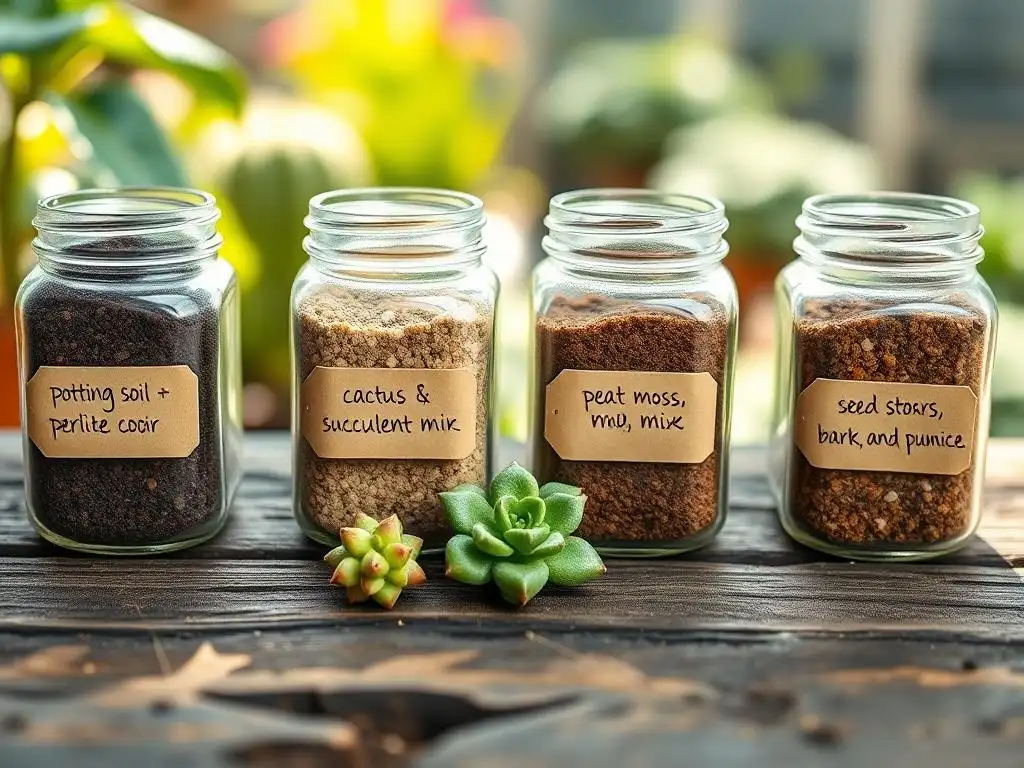
Choosing the right soil is paramount for successful container gardening. Poor drainage leads to root rot, a common killer of container plants. This section focuses on achieving optimal drainage in your container garden to ensure healthy, thriving plants. We'll explore creating your own custom blend, selecting pre-made commercial mixes, and incorporating drainage-enhancing amendments. Finding the best soil drainage for container plants is key to your gardening success.
Creating a Custom Soil Blend for Superior Drainage
Creating a custom soil blend allows for precise control over drainage and other properties. A well-draining mix typically involves a combination of organic matter for nutrient retention and inorganic materials for aeration and drainage. A good starting point is a ratio of 1 part peat moss, 1 part perlite, and 1 part compost. This provides a balance of water retention and drainage.
However, the ideal ratio will depend on the specific plant's needs and the type of container used. Clay pots, for example, tend to dry out faster than plastic containers, requiring a mix that retains moisture slightly better. Conversely, plants that prefer drier conditions, such as succulents, will benefit from a mix with a higher proportion of inorganic materials.
Consider these additions to further enhance drainage:
- Coco coir: A sustainable alternative to peat moss, coco coir offers excellent water retention while still promoting good drainage.
- Worm castings: These improve soil structure and drainage while adding valuable nutrients.
- Coarse sand: While not as effective as perlite or pumice, coarse sand can help improve drainage, particularly in heavy clay soils. However, be mindful that some sands can compact over time.
Remember to thoroughly mix the components to ensure even distribution. Always test the drainage by watering a small amount of the mix and observing how quickly it drains. Adjust the proportions as needed to achieve the desired drainage rate. Proper drainage is critical for preventing root rot and ensuring healthy plant growth. This is a crucial aspect of achieving the best soil drainage for container plants.
Commercial Potting Mixes: Choosing the Right One for Drainage
While creating a custom blend offers ultimate control, many gardeners find pre-made commercial potting mixes convenient. However, not all commercial mixes are created equal. Carefully examine the label for information on drainage. Look for mixes specifically designed for containers or those explicitly mentioning good drainage properties.
Some commercial mixes are designed for specific plant types, like cacti and succulents, which require exceptionally well-draining soil. Others may be formulated for moisture-loving plants, implying better water retention and potentially less drainage.
When choosing a commercial mix, consider these factors:
- Ingredients: Look for mixes containing perlite, vermiculite, or other inorganic materials that enhance drainage. Avoid mixes that are primarily peat moss, as these can become waterlogged.
- Texture: The mix should be light and airy, not heavy and compacted. A well-draining mix will feel loose and crumbly.
- Reviews: Check online reviews to see what other gardeners have experienced with the mix's drainage performance.
Remember to always check the drainage by performing a simple test before planting. This will help you determine if the mix is suitable for your specific needs and plants. Choosing the right commercial mix is a simple way to achieve best soil drainage for container plants.
Adding Drainage Materials: Perlite, Vermiculite, and Pumice
Perlite, vermiculite, and pumice are common amendments used to improve soil drainage. They are lightweight, porous materials that increase aeration and prevent compaction. They are inorganic, meaning they do not decompose and improve drainage over time.
- Perlite: A volcanic glass that expands when heated, creating a lightweight, porous material. It's excellent for improving drainage and aeration.
- Vermiculite: A mineral that expands when heated, creating a flaky material that holds moisture but also allows for good drainage. It's a good option for plants that need some moisture retention.
- Pumice: A volcanic rock that is very porous and lightweight. It's an excellent choice for improving drainage in heavy clay soils or for plants that need exceptional drainage.
The amount of amendment you add will depend on the existing soil's drainage and the plant's needs. A general guideline is to add 20-30% of the amendment by volume to your soil mix. However, you may need to adjust this based on your observations. Adding these materials is a straightforward way to optimize best soil drainage for container plants. Remember to always mix thoroughly to ensure even distribution throughout the container.
Improving Drainage in Existing Containers
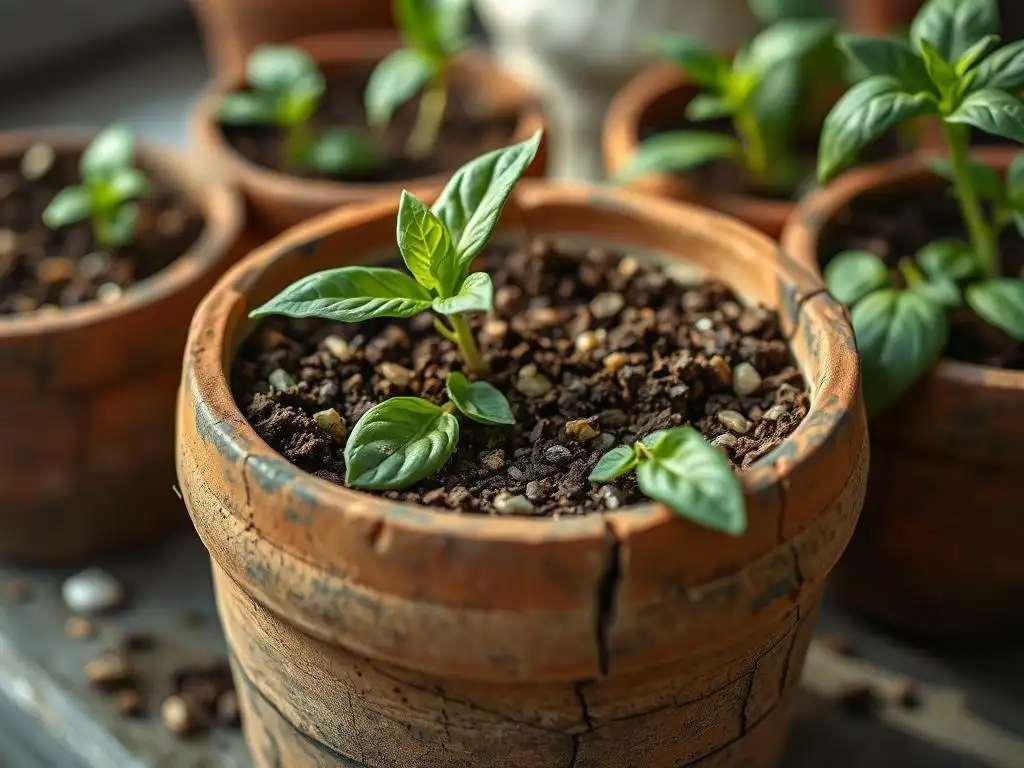
This section focuses on practical solutions for enhancing drainage in containers already in use, addressing the crucial keyword phrase "best soil drainage container plants" by offering actionable advice. Poor drainage is a common problem leading to root rot and plant death, so improving existing setups is vital for successful container gardening. We'll explore several methods to rectify drainage issues without necessarily replacing the entire container and soil mix.
Assessing Your Current Container Setup and Soil
Before attempting any improvement, a thorough assessment is crucial. Start by examining your container itself. Are there drainage holes? If so, how many? Are they adequately sized (at least 1/4 inch in diameter)? Clogged drainage holes are a primary culprit, often caused by accumulated fine soil particles or decaying organic matter.
Check for any blockages using a thin wire or tool. Next, inspect the soil. Is it compacted? Does it retain excessive water after watering? A simple test involves watering thoroughly and checking the soil's moisture level after an hour.
If the soil remains waterlogged, drainage needs improvement. The type of soil also matters; heavy clay soils drain poorly compared to well-draining mixes like those containing perlite or vermiculite. Record your findings; this information guides your subsequent actions. For example, a container with few small holes and heavy clay soil will require more significant intervention than one with sufficient holes and a loam-based mix. Remember, proper assessment directly impacts the success of your drainage improvement strategy.
Repotting Plants with Poor Drainage: A Step-by-Step Guide
Repotting is often the most effective solution for severely impaired drainage. This involves carefully removing the plant from its current container, inspecting its roots, and transplanting it into a container with improved drainage and a suitable soil mix.
Here's a step-by-step guide:
- Gentle Removal: Gently loosen the soil around the plant's root ball. Tap the container's sides to help release the plant. Avoid pulling forcefully, as this can damage the roots.
- Root Inspection: Carefully examine the roots. Look for signs of root rot (dark, mushy roots). If present, trim away the affected portions using clean, sharp pruning shears.
- New Container Selection: Choose a container with adequate drainage holes, preferably larger than the previous one to allow for root growth.
- Soil Preparation: Use a well-draining potting mix specifically formulated for container gardening. These mixes often include perlite, vermiculite, or other amendments to improve aeration and drainage. Avoid using garden soil directly, as it tends to compact.
- Planting: Place a layer of gravel or broken pottery shards at the bottom of the new container for added drainage. Add a portion of the potting mix, carefully place the plant in the center, and fill the remaining space with the soil, gently firming it around the roots. Avoid burying the plant too deeply.
- Watering: Water thoroughly after planting, allowing excess water to drain completely.
Adding Drainage Layers to Existing Containers
For containers without significant drainage issues but with room for improvement, adding drainage layers is a viable option. This approach is particularly useful for containers where repotting is impractical or undesirable.
This involves adding materials to the bottom of the container to improve water flow. Suitable materials include:
- Gravel: Provides excellent drainage and aeration. Use small to medium-sized gravel to avoid clogging drainage holes.
- Broken Pottery: Creates air pockets and improves drainage. Ensure the pieces are small enough to prevent blockage.
- Perlite or Vermiculite: These lightweight materials enhance drainage and aeration within the soil itself, complementing the bottom layer.
The amount of drainage material needed depends on the container's size and the existing soil's drainage capacity. Generally, a layer approximately 1-2 inches thick is sufficient. Remember to use a well-draining potting mix, even when employing drainage layers. This multi-pronged approach maximizes the benefits and helps ensure your container plants thrive. This strategy, combined with the right soil, addresses the core concern of "best soil drainage container plants" directly.
Maintaining Optimal Drainage Over Time
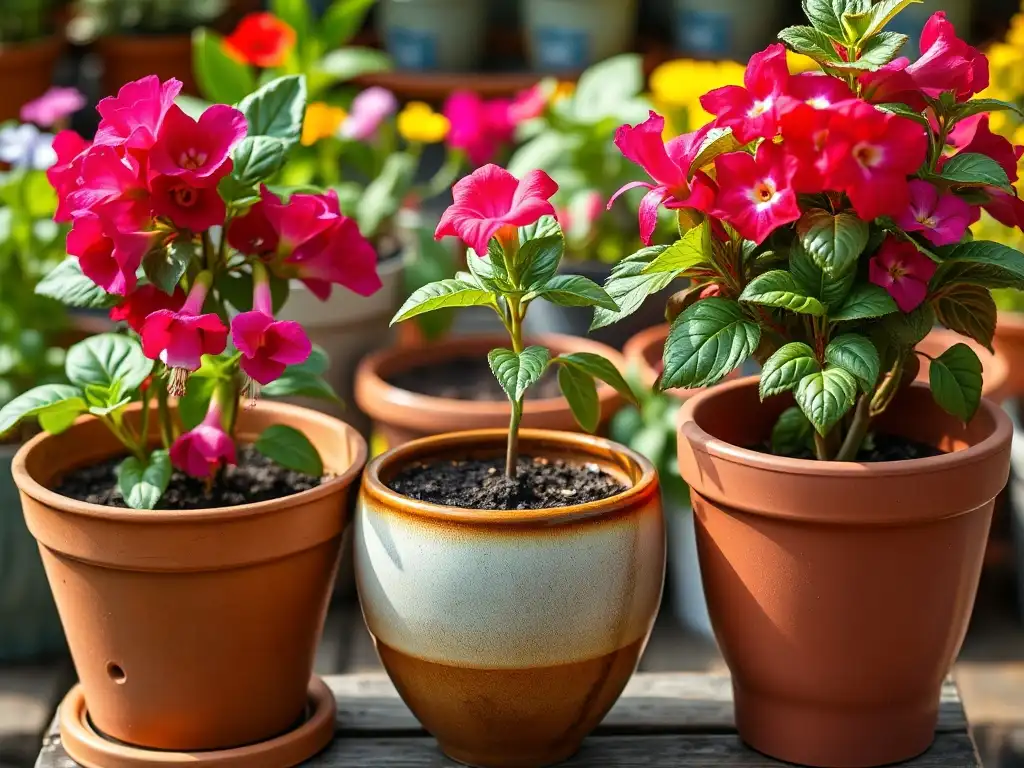
Maintaining optimal drainage in your container plants isn't a one-time task; it's an ongoing process crucial for healthy growth. Over time, soil can compact, leading to poor drainage and potentially harming your plants. This section will explore practical strategies to ensure your containers continue to provide the best possible environment for your plants' root systems, even as the seasons change. We'll focus on techniques to address this crucial aspect of "best soil drainage container plants."
Watering Techniques for Containers with Good Drainage
Proper watering is paramount for maintaining good drainage. Overwatering, even in containers with excellent drainage, can lead to root rot. The key is to water deeply but infrequently, allowing the soil to dry slightly between waterings. Don't just sprinkle the top; aim for thorough saturation. The best way to check moisture levels is to insert your finger about an inch into the soil. If it feels dry, it's time to water.
For smaller containers, you might water more frequently than larger ones, as they dry out faster. Consider using a watering can with a rose head for even distribution, preventing water from running directly down the sides of the pot and leaving the soil dry. Observing your plants for signs of wilting (drooping leaves) or overly saturated soil (water pooling at the bottom) can help you fine-tune your watering schedule. Remember, consistency is key! Regular, deep watering promotes strong root growth and prevents the soil from becoming waterlogged, a common problem that hinders drainage.
Preventing Soil Compaction and Maintaining Drainage
Soil compaction reduces air pockets, hindering drainage and root respiration. To prevent this, consider these strategies:
- Choose the right potting mix: Opt for a well-draining mix specifically designed for containers. These mixes usually contain a blend of peat moss, perlite, vermiculite, and composted bark, providing excellent aeration and drainage. Avoid using garden soil directly in containers, as it tends to compact more readily.
- Avoid overwatering: As mentioned previously, overwatering contributes significantly to soil compaction. Consistent, moderate watering is far better than infrequent, heavy soakings.
- Periodically top-dress your containers: Every few months, gently remove the top inch or two of soil and replace it with fresh potting mix. This helps to aerate the soil and prevent compaction. Think of it as a mini-soil rejuvenation.
- Use raised beds or elevated containers: If you're using heavier clay soils, consider elevated containers or raised beds to improve drainage and prevent waterlogging. This allows for better air circulation around the roots.
Recognizing and Addressing Drainage Problems in Established Plants
Even with preventative measures, drainage issues can arise in established plants. Recognizing the signs early is crucial for corrective action.
Signs of poor drainage include:
- Yellowing or wilting leaves: While initially this might indicate underwatering, in plants with established root systems, it could also signal root rot due to poor drainage and waterlogging.
- Soggy soil: Water constantly pooling at the bottom of the pot is a clear indication of poor drainage.
- Fungal growth: The appearance of mold or fungus on the soil surface or around the base of the plant signals excessive moisture and poor aeration.
If you observe these symptoms, take immediate action:
- Check the drainage holes: Ensure the drainage holes aren't clogged with debris. Clean them if necessary.
- Repotting: If the problem persists, carefully repot the plant into a fresh, well-draining potting mix. This allows you to inspect the roots and remove any damaged or rotting portions.
- Improve aeration: Gently loosen the soil around the plant's roots to improve air circulation. You can use a small trowel or even your fingers to carefully work the soil.
- Adjust watering: Reduce the frequency and amount of watering. Remember, less is often more when it comes to avoiding waterlogged soil.
By diligently following these tips, you can ensure your container plants thrive, enjoying the benefits of optimal drainage and reaping a bountiful harvest. Remember, consistent attention to detail is key to achieving the best results for your "best soil drainage container plants." 🌱
Frequently Asked Questions about Drainage and Container Plants (FAQ)
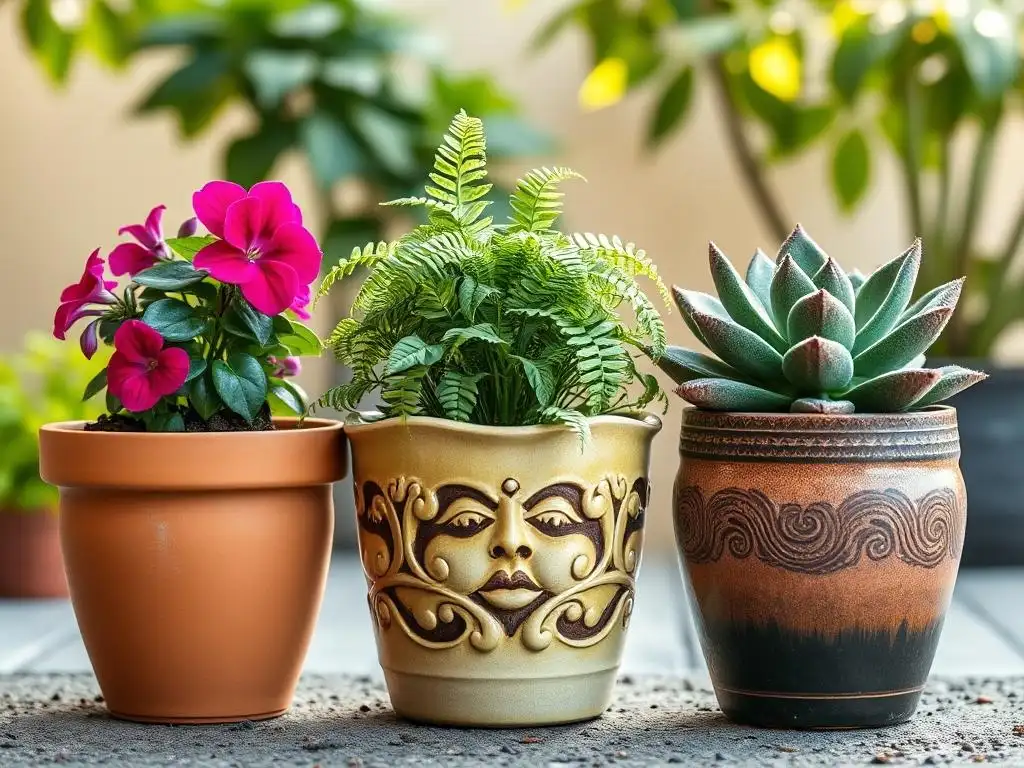
This section addresses common concerns regarding soil drainage and its impact on the health of your container plants. Understanding these issues is crucial for achieving optimal growth and maximizing your harvest, regardless of whether you're growing tomatoes, herbs, or vibrant flowers. Proper drainage is paramount for the success of your "best soil drainage container plants" strategy.
What are the signs of overwatering?
Overwatering is a common problem for container gardeners, especially beginners. It can lead to root rot, a devastating condition that can quickly kill your plants. Several telltale signs indicate overwatering:
- Yellowing leaves: While yellowing can have other causes, yellowing lower leaves, especially when accompanied by other symptoms, is a strong indicator. The plant is struggling to absorb nutrients due to soggy roots.
- Wilting: Ironically, overwatered plants can wilt. This occurs because the waterlogged soil prevents the roots from accessing oxygen, hindering their ability to uptake water effectively. It's different from wilting due to underwatering; overwatered plants often feel heavy and soggy.
- Mushy stems: Stems that are soft, mushy, or dark colored are a clear sign of root rot, a direct consequence of poor drainage and excessive moisture.
- Foul odor: A pungent, unpleasant smell emanating from the soil suggests bacterial or fungal growth, a common result of consistently waterlogged conditions.
- Mold or fungus: Visible mold or fungus on the soil surface or around the base of the plant is another warning sign that your drainage system needs improvement. This indicates a stagnant, damp environment ripe for pathogens.
Remember, preventing overwatering is far easier than dealing with its consequences. Regularly checking the soil moisture with your finger is crucial; if the top inch or two feels consistently wet, it's time to reduce watering. Choosing a well-draining potting mix is also key to preventing this common issue in your "best soil drainage container plants".
How often should I water container plants?
The frequency of watering container plants depends on several factors:
- Pot size and material: Smaller pots dry out faster than larger ones; terracotta pots dry out more quickly than plastic ones.
- Plant type: Different plants have different water requirements; succulents need less frequent watering than leafy greens.
- Climate and weather: Hot, sunny conditions require more frequent watering than cool, shady conditions.
- Soil type: A well-draining potting mix will need more frequent watering than a poorly draining one. Selecting the right mix is a crucial step toward achieving the "best soil drainage container plants".
There's no magic number; instead of adhering to a rigid schedule, check the soil moisture regularly. Insert your finger about an inch or two into the soil. If it feels dry, it's time to water. Water thoroughly until water drains from the drainage holes, ensuring the plant receives adequate hydration without becoming waterlogged.
Consider using moisture meters for a more precise measurement, especially if you're unsure of your soil's moisture level. Consistent monitoring and attention to your plants' individual needs are paramount.
Can I improve drainage in clay pots?
Clay pots, while aesthetically pleasing, can sometimes present drainage challenges. Their porous nature allows for evaporation, but can also lead to rapid water loss, requiring more frequent watering. More importantly, they can be prone to waterlogging if not managed carefully. Here are a few ways to improve drainage in clay pots:
- Add a layer of gravel or broken pottery shards: Creating a layer of drainage material at the bottom of the pot before adding soil improves water flow and prevents the soil from becoming compacted.
- Use a well-draining potting mix: This is crucial regardless of your pot material. A mix specifically designed for containers, rich in perlite or vermiculite, will enhance drainage significantly. Choosing the "best soil drainage container plants" mix is essential for success.
- Ensure drainage holes are unobstructed: Check regularly to ensure that drainage holes aren't clogged with debris. Clean them if necessary to maintain optimal drainage.
- Avoid overwatering: Even with improved drainage, overwatering can still be problematic. Monitor soil moisture carefully and adjust watering accordingly.
By implementing these strategies, you can optimize drainage in your clay pots and create a healthier environment for your container plants. Remember, proactive management is key for achieving the "best soil drainage container plants" results, regardless of the container you choose.
What about self-watering containers?
Self-watering containers offer a convenient solution for maintaining consistent soil moisture, which can be particularly beneficial for plants sensitive to fluctuating water levels. However, even with self-watering containers, proper drainage remains crucial. These containers typically incorporate a reservoir at the bottom, but they still need drainage holes to prevent waterlogging. Without these holes, excess water can accumulate in the reservoir, leading to root rot and other drainage-related issues, even with the automated watering system.
The reservoir is designed to supplement watering, not replace the necessity of well-draining soil. Think of it as a supplemental water source to help maintain a consistent moisture level, not a replacement for good drainage. Choosing a potting mix with excellent drainage characteristics is still paramount, even when using a self-watering container. The soil still needs to allow for proper aeration and prevent the roots from sitting in constantly saturated conditions.
The self-watering feature helps reduce the frequency of watering, but it doesn't eliminate the risk of overwatering if the soil itself doesn't drain efficiently. Therefore, selecting a well-draining soil mix remains a vital aspect of successful container gardening, regardless of the type of container used. The best soil drainage for container plants, even in self-watering pots, is still achieved through the careful selection of a suitable potting mix.
How do I choose a potting mix for specific plants?
Choosing the right potting mix for specific plants requires understanding their individual needs. Some plants, like succulents and cacti, thrive in extremely well-draining soil that's almost sandy in texture, to prevent root rot. These plants are adapted to arid environments and require minimal moisture retention. On the other hand, moisture-loving plants, such as ferns and many tropical varieties, need a potting mix that retains more moisture but still allows for adequate drainage to prevent waterlogging. A good starting point is to research the specific plant's native habitat.
Plants originating in dry climates generally prefer well-draining mixes, while those from humid regions will benefit from mixes that retain more moisture. Furthermore, consider the plant's root system. Plants with shallow, fibrous root systems may need a lighter, airier mix, while plants with deeper roots might tolerate a slightly denser mix. You can also amend standard potting mixes to suit specific plant needs. For instance, adding perlite or vermiculite to improve drainage in a mix intended for moisture-loving plants, or adding peat moss to improve moisture retention in a well-draining mix for drought-tolerant plants.
Always prioritize a potting mix that offers excellent drainage, even for moisture-loving plants, to prevent root rot. The key is to find the balance between moisture retention and drainage that best suits each individual plant's requirements. Careful observation of your plants' response to the soil mix will help you fine-tune your approach over time. Remember, the best soil drainage for container plants is specific to the plant itself.
Frequently Asked Questions
What is the most important factor to consider when choosing soil for container plants?
The most important factor is soil drainage. Poor drainage leads to root rot and plant death. Choose a well-draining potting mix, not garden soil.
Why is good drainage so crucial for container plants?
Good drainage prevents waterlogging, which suffocates roots and deprives them of oxygen. It also helps prevent the buildup of harmful salts and fungal diseases.
What type of soil is best for container plants with regards to drainage?
A well-draining potting mix, often containing peat moss, perlite, or vermiculite, is ideal. Avoid using heavy clay soils which retain too much water.
How can I improve drainage in my existing container plant soil?
Add amendments like perlite or coarse sand to improve drainage. You can also ensure your containers have sufficient drainage holes.
What are some signs that my container plants have poor drainage?
Signs include yellowing leaves, wilting even after watering, and a musty odor emanating from the soil. You might also see fungal growth on the soil surface.
Final Reflection: Cultivating Success: The Right Soil, the Right Growth
Choosing the right soil for container plants isn't just about aesthetics; it's the cornerstone of thriving growth and a vibrant garden. Poor drainage leads to root rot, stunted growth, and ultimately, the demise of your beloved plants. This seemingly small detail holds the key to unlocking the full potential of your container garden.
The impact of proper drainage extends far beyond the individual plant; it reflects a broader understanding of the interconnectedness of life. We often overlook the fundamental needs of the living things we nurture, focusing on the visual appeal rather than the underlying health. The glory of gardening: hands in the dirt, head in the sun, heart with nature. To nurture a garden is to feed not just the body, but the soul.
This quote beautifully captures the essence of responsible plant care, highlighting the deep connection between our actions and the flourishing of life around us. Understanding soil drainage is a crucial step in fostering this connection.
Now, consider your own "containers"—your projects, relationships, even your personal growth. What are the "drainage systems" in place to prevent stagnation and allow for healthy development? Take a moment to reflect on the areas of your life where you might need to improve "drainage," to let go of what hinders your progress and nurture what allows you to flourish. Just as the right soil empowers plants, identifying and addressing these areas will empower you to cultivate a life of abundance and vitality.
Unleash Your Green Thumb: Grow Thriving Container Plants!
Thanks for exploring the world of container gardening with us! You've learned the secrets to selecting the perfect soil for healthy plants. Ready to put your knowledge into practice?
- Craft your ideal soil blend: Use the tips from the article to create a custom soil mix tailored to your plants' needs. Experiment and have fun mastering the art of soil mixing!
- Share your results: We'd love to see your thriving container garden. Share photos of your plants on social media using #CultivateYourSoil. We're eager to see both your successes and any challenges you encounter!
- Explore more resources: Deepen your gardening expertise with our guides on selecting the right container plants and effective watering techniques, available on our website.
What's the most exciting plant you'll be potting? Let's discuss in the comments below!