
Leggy Container Plants: Causes and How to Encourage Bushier Growth

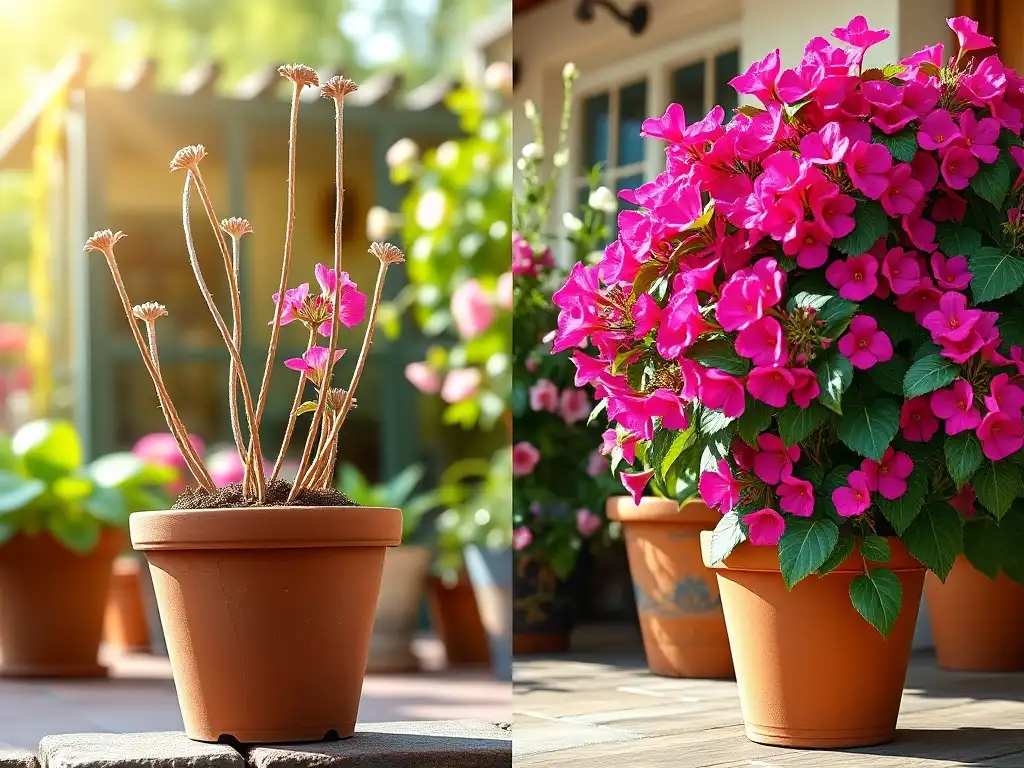
Welcome to CultivateYourFood, your guide to growing thriving fruits, vegetables, and herbs organically at home! Are your container plants reaching for the sky, looking more like spindly vines than lush specimens? Learn how to fix leggy container plants and unlock the secrets to bushier, healthier growth in our expert guide on Container Gardening. Discover the surprising causes behind this common problem and practical solutions to transform your plants from leggy to lovely. Let's cultivate abundance together!
- Understanding Leggy Growth in Container Plants
-
Diagnosing Your Leggy Plants: Identifying the Culprit
- Assessing Light Levels Using a Light Meter
- Checking for Nutrient Deficiencies: Soil Testing and Visual Inspection of Leaves
- Evaluating Watering Habits: Signs of Overwatering and Underwater in Basil
- Examining Root Bounding in a Potted Rose
- Insufficient Light: A Common Culprit for Leggy Herbs
- Overwatering and Its Impact on Tomato Plants
-
Fixing Leggy Container Plants: Practical Solutions
- Increasing Light Exposure for Bushier Growth of Coleus
- Adjusting Watering Practices for Optimal Plant Health of Marigolds
- Repotting and Root Pruning Techniques for Leggy Lavender
- Applying Fertilizer to Promote Healthy, Compact Growth of Begonias
- Pruning Techniques to Encourage Bushiness: Pinching and Heading Back
- Using Growth Regulators to Control Plant Height: Paclobutrazol and Daminozide
-
Preventing Leggy Growth in Future Container Plants
- Choosing the Right Container Size for Your Plants Based on Root System
- Selecting Appropriate Plant Varieties for Container Gardening: Sun vs. Shade
- Maintaining Proper Spacing Between Plants in Containers: Optimizing Air Circulation
- Creating a Consistent Watering Schedule Based on Plant Needs and Soil Type
- Providing Adequate Nutrients Through Balanced Fertilization Using a Slow-Release Fertilizer
-
Maintaining Healthy, Lush Container Plants: Ongoing Care
- Regular Monitoring of Plant Health: Visual Inspection and Pest Checks
- Addressing Pests and Diseases Promptly: Integrated Pest Management Strategies
- Seasonal Adjustments to Care Practices: Watering and Fertilizing Adjustments
- Continued Monitoring for Leggy Growth Prevention: Regular Trimming and Pruning
- Frequently Asked Questions
- Final Reflection: Cultivating Abundance: Beyond the Leggy Plant
- Unleash Your Plant's Full Potential!
Understanding Leggy Growth in Container Plants
Leggy plants, characterized by tall, weak stems and sparse foliage, are a common frustration for container gardeners. This unsightly growth habit significantly impacts the aesthetic appeal of your plants and can even compromise their overall health and productivity. This comprehensive guide delves into the primary causes of leggy growth in container plants, focusing on factors easily controlled by the home gardener.
We'll explore the underlying reasons behind this issue and provide practical, actionable solutions to encourage bushier, more robust growth, ultimately helping you achieve thriving, beautiful container gardens. By understanding the environmental and nutritional factors that contribute to leggy plants, you can take preventative measures and effectively “fix leggy container plants,” ensuring your efforts yield healthy and visually appealing results. We'll cover everything from light and nutrient deficiencies to improper watering techniques, equipping you with the knowledge to cultivate vibrant container gardens year after year.
Insufficient Light and its Effects on Plant Growth
Insufficient light is a leading cause of leggy growth in container plants. Plants instinctively reach towards light sources, a phenomenon known as phototropism. When a plant doesn't receive enough sunlight, its stems elongate excessively as it strives to capture more light. This results in weak, spindly stems with widely spaced leaves. The severity of leggy growth directly correlates with the intensity and duration of light deprivation. Plants requiring full sun (6-8 hours of direct sunlight daily), such as tomatoes and peppers, will exhibit much more pronounced leggy growth in shady conditions compared to shade-tolerant plants.
The impact of insufficient light extends beyond mere aesthetics. Weak, leggy stems are more susceptible to damage from wind and rain, and the reduced leaf surface area limits the plant's ability to photosynthesize effectively, impacting its overall health and fruit or flower production. To counteract this, ensure your container plants receive the appropriate amount of sunlight based on their specific light requirements. Regularly rotate your containers to ensure even light distribution to all sides of the plant. Consider supplemental lighting, especially during winter months or for plants placed in low-light areas.
Nutrient Deficiencies Leading to Leggy Growth in Geraniums
Nutrient deficiencies, particularly nitrogen deficiency, can also contribute significantly to leggy growth. While nitrogen is essential for overall plant growth, a deficiency can lead to weak stems and pale, yellowing leaves, making the plant appear leggy. Geraniums, for example, are particularly susceptible to this issue. A geranium suffering from nitrogen deficiency will exhibit elongated internodes (the spaces between leaf nodes) and overall weak growth, even if it receives adequate light.
Other nutrient imbalances can also lead to similar effects. Phosphorus deficiency can hinder root development, leading to poor nutrient uptake, which can manifest as leggy growth. Similarly, a lack of potassium can weaken the plant's structure, making it more prone to leggy development. Regular soil testing and the application of a balanced, slow-release fertilizer, tailored to the specific needs of your plants, can prevent nutrient deficiencies and promote healthier, bushier growth. Consider using organic fertilizers for a sustainable approach to plant nutrition.
The Impact of Improper Watering on Petunia Stem Elongation
Improper watering practices can also contribute to leggy growth. Overwatering, leading to soggy soil and root rot, can weaken the plant's root system, hindering nutrient uptake and resulting in weak, leggy stems. Conversely, underwatering can also stress the plant, causing it to prioritize survival over vigorous growth, potentially resulting in leggy growth as it attempts to conserve resources. Petunias, for example, are known to become leggy under both overwatering and underwatering conditions.
The ideal watering strategy involves maintaining consistently moist but not waterlogged soil. Allow the top inch or two of soil to dry out slightly between waterings, then water thoroughly until water drains from the drainage holes. Use well-draining potting mix to prevent waterlogging. Observing your plants carefully for signs of wilting or overwatering is crucial for adjusting your watering schedule accordingly. Remember that the watering needs of plants vary depending on factors such as temperature, humidity, and plant type.
Overcrowding and its Role in Promoting Leggy Growth in Impatiens
Overcrowding is a significant contributor to leggy growth in many container plants, and impatiens are no exception. When impatiens are planted too close together, they compete fiercely for resources like sunlight, water, and nutrients. This competition forces the plants to stretch upwards, searching for access to these essential elements. The result is tall, spindly stems with sparse foliage, a classic sign of leggy growth. The lower leaves often die off due to lack of light penetration to the lower parts of the plant, further exacerbating the leggy appearance.
Imagine a container with ten impatiens crammed into a space suitable for only three or four. Each plant will struggle to obtain sufficient sunlight, leading to etiolation – a process where the plant's stems become abnormally long and thin as they reach for light. This is particularly problematic for impatiens, which are naturally bushy and compact when given adequate space. The lack of sufficient nutrients also plays a crucial role; if the roots are competing for limited resources in the soil, the plant will prioritize height over robust growth, leading to a weaker, leggy structure.
Furthermore, poor air circulation in an overcrowded container can increase the risk of fungal diseases. These diseases can weaken the plants, making them even more susceptible to leggy growth. The damp, humid environment created by overcrowding provides the perfect breeding ground for pathogens, leading to a vicious cycle of disease, weakened growth, and ultimately, leggy plants. Therefore, proper spacing during planting is crucial for preventing leggy impatiens and promoting healthy, robust growth.
A well-spaced impatiens planting allows each plant to receive ample sunlight, water, and nutrients, resulting in a bushier, more compact plant with vibrant blooms. This ensures that your impatiens thrive and avoid the unsightly leggy appearance. Remember to always check the plant's specific spacing requirements before planting to avoid overcrowding.
Diagnosing Your Leggy Plants: Identifying the Culprit
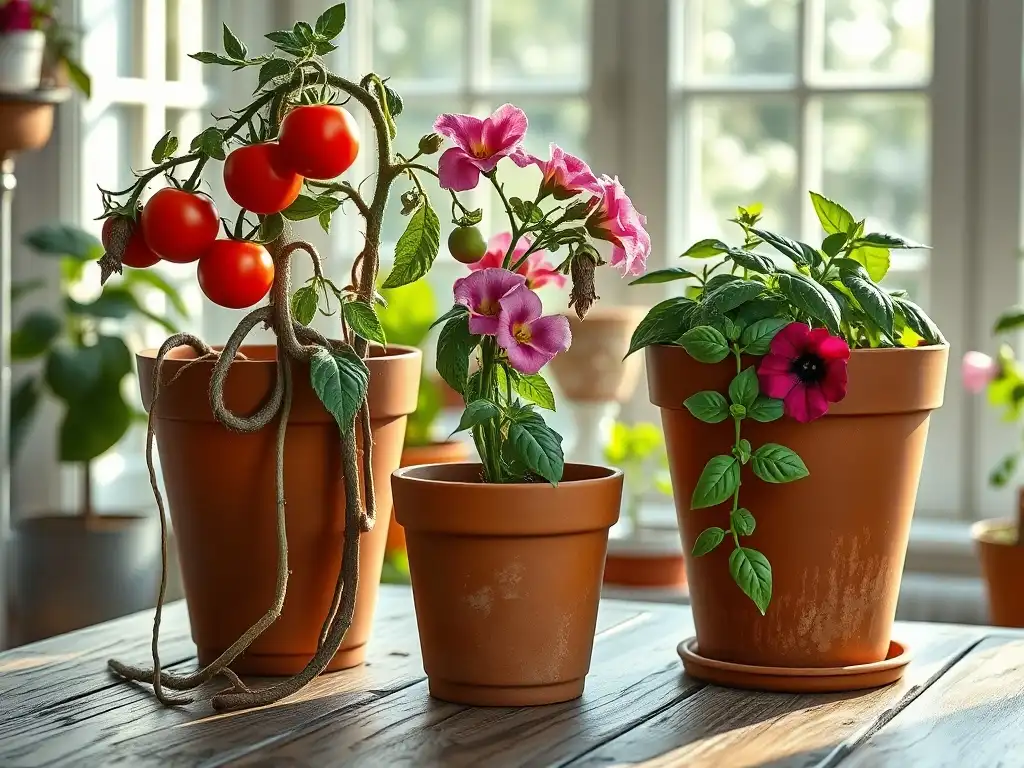
Leggy plants, characterized by long, weak stems and sparse foliage, are a common frustration for container gardeners. Fixing leggy container plants requires a systematic approach to pinpoint the underlying cause. Often, the problem stems from an imbalance in light, nutrients, or watering. Let's explore how to diagnose the issue and get your plants back on track. Remember, a healthy plant is a happy plant, and understanding the root cause—pun intended—is crucial for successful remediation.
Assessing Light Levels Using a Light Meter
Insufficient light is a primary culprit behind leggy growth. Plants reach towards light sources, resulting in elongated stems and weak foliage as they stretch for more sunlight. To accurately assess light levels, a light meter is invaluable. These inexpensive tools measure the amount of photosynthetically active radiation (PAR) available to your plants, expressed in micromoles per square meter per second (µmol/m²/s).
A light meter provides objective data, eliminating guesswork. Ideally, most fruiting vegetables and herbs need at least 6-8 hours of direct sunlight daily, though this can vary by species. Using the light meter, measure the PAR levels at different times of the day and in various locations where your containers are placed. Note the readings carefully and compare them to the recommended light requirements for your specific plant type. For example, basil, known for its sun-loving nature, will exhibit significant legginess in low-light conditions. A reading consistently below 500 µmol/m²/s might indicate insufficient light for many herbs and vegetables.
Remember to take multiple readings at different times of the day to account for variations in sunlight intensity. Documenting your findings will help you understand the light environment your plants are experiencing and make informed decisions about relocation or supplemental lighting.
Checking for Nutrient Deficiencies: Soil Testing and Visual Inspection of Leaves
Nutrient deficiencies can also contribute to leggy growth. Plants struggling to access essential nutrients will prioritize upward growth in a desperate attempt to reach better resources. A combination of soil testing and visual inspection of leaves is crucial for diagnosing this problem.
Soil testing kits are readily available and provide valuable insights into the nutrient composition of your potting mix. These kits typically test for macronutrients like nitrogen (N), phosphorus (P), and potassium (K), as well as micronutrients such as iron, zinc, and manganese. Compare your test results to the recommended nutrient levels for your plant species. Deficiencies in any of these nutrients can lead to weak, leggy growth.
Beyond soil testing, carefully examine your plant's leaves. Nutrient deficiencies often manifest as specific visual symptoms. For instance, nitrogen deficiency may cause pale green or yellow leaves, while phosphorus deficiency might result in stunted growth and dark green, sometimes purplish leaves. Consult a reliable guide that details the visual symptoms of various nutrient deficiencies to accurately identify any potential issues. Addressing these deficiencies through appropriate fertilization will promote bushier, healthier growth.
Evaluating Watering Habits: Signs of Overwatering and Underwater in Basil
Improper watering practices are another common cause of leggy plants. Both overwatering and underwatering can stress plants, leading to elongated stems and reduced foliage density. Basil, a popular herb, is particularly sensitive to these imbalances.
Overwatering: Overwatering suffocates roots, preventing them from absorbing nutrients and water efficiently. This stress leads to weak, leggy growth. Signs of overwatering include yellowing lower leaves, wilting despite moist soil, and a musty odor emanating from the soil. The soil itself will feel soggy and heavy.
Underwatering: Underwatering deprives plants of essential water, causing them to become stressed and leggy as they reach for moisture. Signs of underwatering include dry, brittle soil, wilting leaves that don't recover after watering, and leaf drop. Basil, in particular, will show signs of stress quickly with underwatering. Its leaves will become droopy and may curl.
To avoid these issues, establish a consistent watering routine tailored to your plant's needs and the environmental conditions. Water deeply but infrequently, allowing the top inch or two of soil to dry out between waterings. Use your finger to check soil moisture before watering; avoid overwatering by letting the soil dry slightly before rewatering. Careful observation and adjustment will help you maintain the optimal moisture levels for healthy, bushy growth. Consistent and proper watering is essential for fixing leggy container plants and preventing future problems.
Examining Root Bounding in a Potted Rose
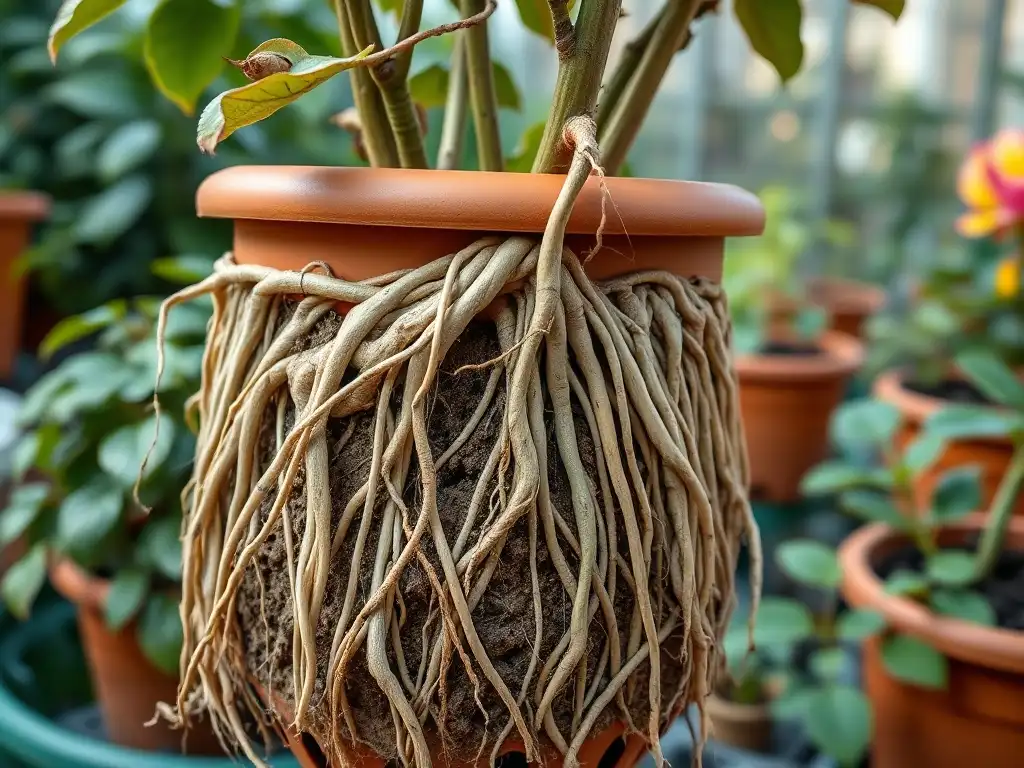
Root-bound roses are a common cause of leggy growth. When a rose's roots become tightly packed within their container, they struggle to absorb sufficient water and nutrients. This nutrient deficiency forces the plant to prioritize upward growth, resulting in long, weak stems and sparse foliage—the hallmark of a leggy plant. The rose, in essence, is reaching for better conditions.
You can identify root-bound roses by carefully inspecting the root system. Gently remove the rose from its pot and examine the roots. If you see a dense, tightly intertwined mass of roots circling the rootball, with little to no soil visible, this is a clear indication of root bounding. The roots may even appear to be growing in circles, a classic sign of being confined within the pot.
Furthermore, the rootball itself might be significantly larger than the pot's diameter, further emphasizing the constrained environment. Addressing this involves repotting the rose into a larger container with fresh, well-draining potting mix, ensuring ample space for root expansion. This provides the rose with the resources it needs to develop a healthy, robust root system, ultimately leading to bushier, healthier growth. Remember to handle the roots gently during repotting to avoid damaging them further.
Insufficient Light: A Common Culprit for Leggy Herbs
Many herbs, especially those that thrive in full sun, become leggy when deprived of adequate light. In a container garden setting, this often occurs when plants are placed in shaded areas or indoors near windows that don't receive sufficient direct sunlight. The plant stretches towards the light source, resulting in weak, elongated stems and sparse foliage. For example, basil, a sun-loving herb, will quickly become leggy if kept indoors in low light conditions.
Its stems will become excessively long and thin, with leaves spaced far apart. Similarly, rosemary, known for its woody stems, will exhibit a weaker structure and fewer leaves when light is limited. To fix this issue, ensure your herbs receive at least six hours of direct sunlight per day.
If indoor growing is necessary, consider using grow lights to supplement natural sunlight. Rotating your containers regularly can also help ensure even light distribution to all sides of the plant, preventing uneven growth and leggy development. Carefully monitoring your herbs' light exposure is crucial for maintaining their health and preventing legginess.
Overwatering and Its Impact on Tomato Plants
Overwatering is a frequent cause of leggy growth in container-grown plants, especially tomatoes. Excessive moisture suffocates the roots, preventing them from absorbing oxygen efficiently. This stress leads the plant to prioritize upward growth in a desperate attempt to reach better conditions. The plant's energy is diverted from developing strong stems and lush foliage into producing long, weak stems.
This is often accompanied by yellowing leaves and a generally unhealthy appearance. Consider a tomato plant growing in a poorly draining container. The saturated soil creates anaerobic conditions around the roots, inhibiting their ability to function properly. The plant's growth becomes stunted, and the stems become leggy and spindly as the plant struggles to survive.
Proper watering techniques are essential. Allow the top inch or two of soil to dry out between waterings, and ensure your containers have adequate drainage holes to prevent waterlogging. Adjust your watering schedule based on weather conditions and the plant's needs, avoiding overwatering which can lead to leggy growth and other problems.
Fixing Leggy Container Plants: Practical Solutions
Leggy container plants, characterized by long, weak stems and sparse foliage, are a common frustration for home gardeners. This often stems from an imbalance between the plant's growth and its available resources. Successfully fixing leggy plants involves understanding the underlying causes and implementing targeted solutions. This section explores practical approaches to encourage bushier, healthier growth in your container plants, focusing on specific examples to illustrate effective techniques. The key to fixing leggy container plants is often a combination of adjustments rather than a single solution.
Increasing Light Exposure for Bushier Growth of Coleus
Coleus, known for their vibrant foliage, are susceptible to legginess when deprived of sufficient sunlight. Insufficient light triggers etiolation, a process where plants become elongated and pale as they stretch towards a light source. To address this, gradually increase light exposure. If your Coleus is currently in a low-light location, moving it to a brighter spot—ideally receiving at least six hours of indirect sunlight daily—will significantly improve its growth habit.
Avoid sudden, drastic changes in light intensity, as this can shock the plant. Instead, introduce it to more light gradually over several days or weeks. Monitor the plant for signs of stress such as wilting or leaf burn. If you notice any of these, reposition the plant to a slightly less sunny location.
Consider supplementing natural sunlight with artificial grow lights, especially during winter months or in areas with limited sun exposure. This will provide the consistent light levels needed for optimal Coleus growth and prevent legginess. Remember to rotate your Coleus regularly to ensure even light distribution around the plant. This will prevent one side from becoming overly etiolated.
Adjusting Watering Practices for Optimal Plant Health of Marigolds
Overwatering or underwatering can both contribute to leggy growth in Marigolds. Overwatering leads to root rot and weakens the plant, causing it to stretch towards the light in search of energy. Underwatering, on the other hand, stresses the plant, resulting in stunted growth and elongated stems as it tries to conserve water.
The ideal watering strategy for Marigolds is to allow the top inch or two of soil to dry out between waterings. This allows for adequate aeration around the roots and prevents waterlogging. Water deeply, ensuring that the water reaches the bottom of the container and drains out the drainage holes. Avoid letting the pot sit in standing water, as this can lead to root rot.
Monitor the soil moisture regularly, especially during hot and dry periods. Use your finger to check the moisture level before watering. Adjust your watering schedule based on the weather conditions and the plant's needs. During periods of intense heat, you may need to water more frequently. Conversely, during cooler, wetter periods, you may need to water less. Proper watering, balanced with appropriate light and nutrients, is crucial for preventing leggy Marigolds and promoting compact, bushy growth.
Repotting and Root Pruning Techniques for Leggy Lavender
Lavender, often grown in containers, can become leggy due to rootbound conditions. As the roots fill the container, they lack space to grow, resulting in weak, top-heavy growth. Repotting into a larger container with fresh soil provides the roots with more space to expand, encouraging bushier growth. However, simply repotting isn't always sufficient.
Root pruning, a technique that involves trimming back a portion of the root system, is often necessary for severely rootbound Lavender. This stimulates new root growth and encourages a more compact plant structure. When repotting, gently remove the plant from its current container. Carefully loosen the root ball using your fingers or a small trowel, removing some of the outer roots. Avoid damaging the central root system.
Repot the Lavender into a container slightly larger than the previous one, using fresh, well-draining potting mix. Water thoroughly after repotting and place the plant in a sunny location. Regularly monitor the plant's growth and adjust watering as needed. By combining repotting with root pruning, you can effectively rejuvenate leggy Lavender and promote robust, healthy growth. This process, while requiring some effort, is often crucial for restoring vigor to mature Lavender plants. Remember to use clean, sharp pruning shears to minimize the risk of disease.
Applying Fertilizer to Promote Healthy, Compact Growth of Begonias
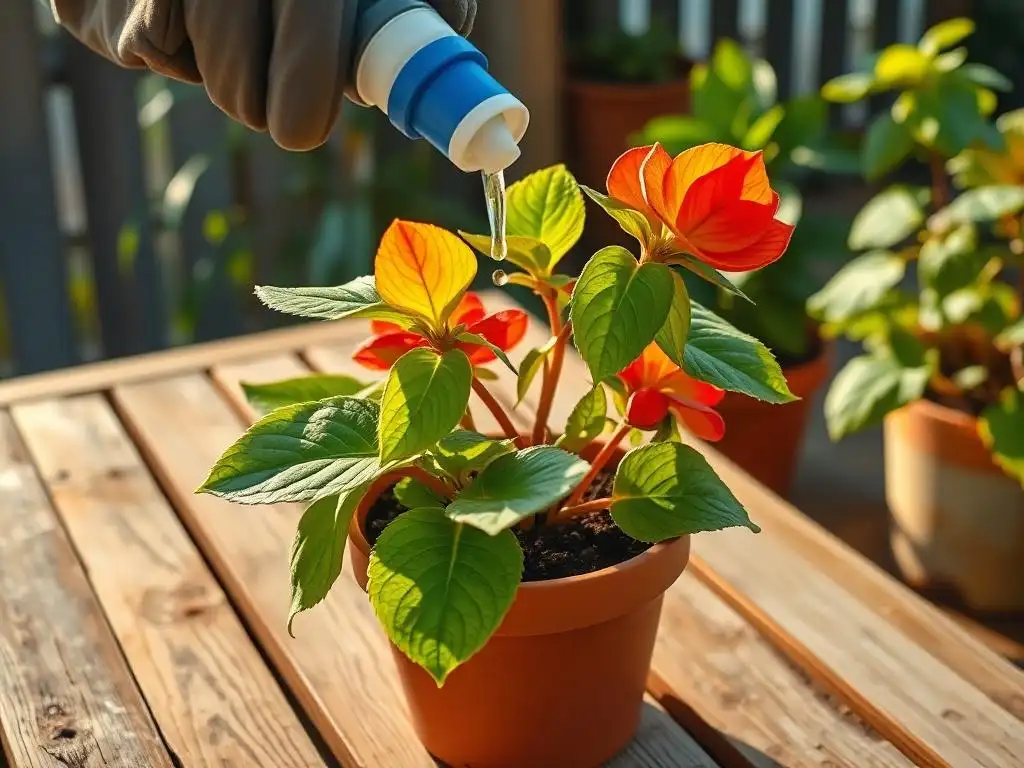
Begonias, with their vibrant blooms and delicate foliage, are susceptible to legginess if not properly fertilized. Leggy begonias are often a result of insufficient nutrients, causing them to stretch towards light sources in a desperate search for sustenance. To counteract this, a balanced, slow-release fertilizer is crucial. Avoid fertilizers high in nitrogen, as this can exacerbate the problem by promoting excessive stem growth at the expense of flower and leaf development.
Instead, opt for a fertilizer with a higher phosphorus and potassium ratio (e.g., a 10-30-10 formula). This will encourage robust root development and abundant flowering, resulting in a bushier, more compact plant. Remember to follow the instructions on the fertilizer packaging carefully, avoiding over-fertilization which can also damage the plant.
For container-grown begonias, applying a liquid fertilizer every two to three weeks during the growing season can provide a consistent supply of essential nutrients. Observe your plants closely; if they show signs of nutrient deficiency (pale leaves, stunted growth), adjust your fertilization schedule accordingly. Using a fertilizer specifically formulated for flowering plants will further enhance the results, promoting a more compact and floriferous growth habit.
Pruning Techniques to Encourage Bushiness: Pinching and Heading Back
Pruning is a fundamental technique in container gardening to manage plant size and encourage bushier growth. For leggy container plants, pinching and heading back are particularly effective. Pinching involves removing the growing tip of a stem, usually by hand, just above a leaf node. This stimulates the plant to produce lateral branches, leading to a fuller, more compact shape.
This is best done regularly, perhaps every few weeks during the growing season, to maintain the desired shape and prevent legginess from recurring. Heading back involves cutting back a stem more significantly, usually by one-third to one-half of its length. This is a more drastic pruning method, typically used for plants that have become severely leggy or need a significant reshaping. It's crucial to use sharp, clean pruning shears to prevent the spread of disease.
When heading back, cut just above a leaf node or a bud to encourage new growth from that point. Both pinching and heading back can be used on a variety of container plants, including herbs, vegetables, and flowering plants. Experiment with different pruning techniques to determine the most effective approach for your specific plant and desired outcome. Remember to always remove any dead or diseased stems as part of your pruning routine to maintain plant health and vitality.
Using Growth Regulators to Control Plant Height: Paclobutrazol and Daminozide
Growth regulators are chemical compounds that can influence plant growth and development. For leggy container plants, they can be a powerful tool to control height and promote bushier growth. Two commonly used growth regulators are paclobutrazol and daminozide. Paclobutrazol is a plant growth retardant that inhibits gibberellic acid synthesis, thereby reducing stem elongation and promoting more compact growth. It's often applied as a foliar spray or drench, and the dosage will vary depending on the plant species and the desired effect.
Always follow the manufacturer's instructions carefully, as incorrect application can damage the plant. Daminozide, another growth regulator, acts similarly by inhibiting gibberellic acid, resulting in shorter, more compact plants. Both paclobutrazol and daminozide are effective in controlling the height of various plants, including those grown in containers. However, it's important to note that these are chemical interventions, and their use should be carefully considered.
Organic gardening practices generally prioritize natural methods for controlling plant growth. If you are committed to organic container gardening, explore alternative methods such as pinching, heading back, and selecting compact plant varieties before resorting to chemical growth regulators. Always prioritize plant health and safety when using any chemical treatment. Improper application can lead to phytotoxicity and harm the plant.
Preventing Leggy Growth in Future Container Plants
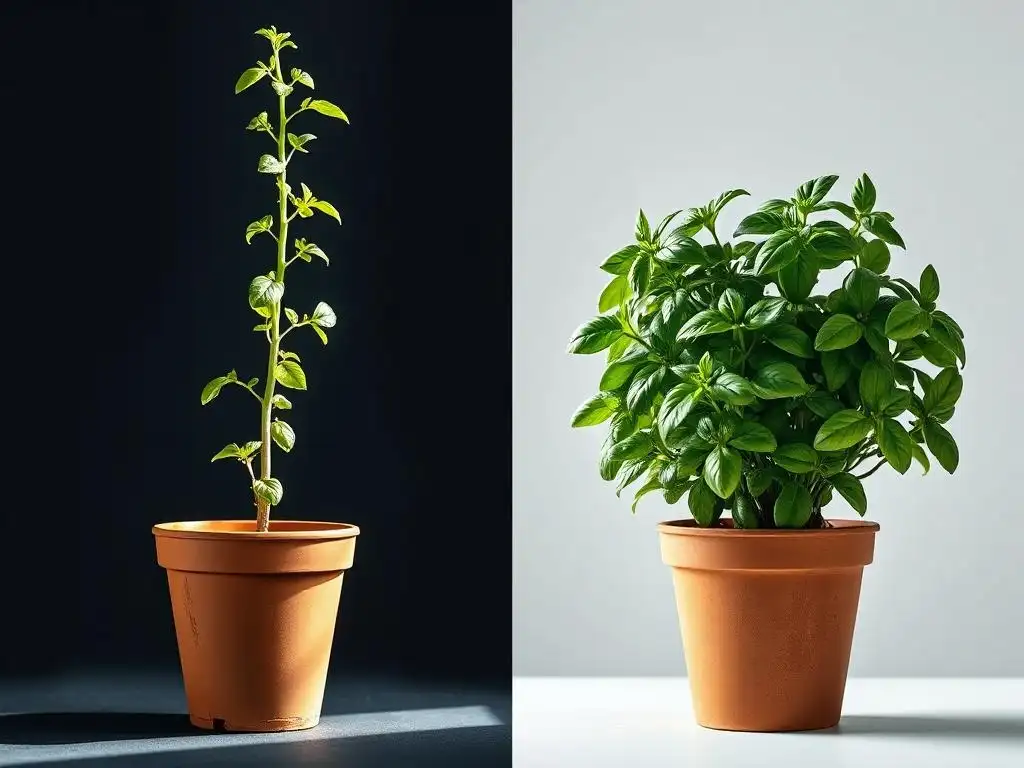
Leggy plants, characterized by long, spindly stems and sparse foliage, are a common problem in container gardening. Understanding the underlying causes and implementing preventative measures is key to cultivating healthy, bushy plants. This section focuses on proactive strategies to avoid leggy growth from the outset, ensuring your container plants thrive. We'll explore container size, plant selection, and spacing – all crucial factors in preventing this issue and achieving a "Fix leggy container plants" solution before it even arises.
Choosing the Right Container Size for Your Plants Based on Root System
One of the most significant factors contributing to leggy growth is improper container size. Plants with root systems confined to small containers often become leggy as they stretch towards light and nutrients, unable to establish a robust root structure. The ideal container size depends heavily on the mature size of the plant's root system. For instance, a tomato plant, known for its extensive root system, requires a significantly larger container than a small herb like thyme.
Consider these guidelines when selecting containers:
- Root-bound plants: If you notice roots circling the bottom of the pot (a clear sign of root-bound plants), it's time for a larger container. Repotting into a slightly larger pot will allow the roots to spread and the plant to develop a stronger, bushier structure. This is a vital step in fixing leggy growth in existing plants, but even more important for preventing it in new ones.
- Container depth: Depth is crucial for taproot plants (like carrots or parsnips). Insufficient depth will restrict root growth, leading to top-heavy and leggy plants.
- Drainage: Adequate drainage is paramount. Poor drainage can lead to root rot, further stressing the plant and promoting leggy growth. Always choose containers with drainage holes.
Selecting Appropriate Plant Varieties for Container Gardening: Sun vs. Shade
Plant selection plays a critical role in preventing leggy growth. Choosing varieties suited to the amount of sunlight your container receives is essential. Plants placed in insufficient light will stretch towards the sun, resulting in leggy growth. Conversely, plants that need full sun placed in shade will struggle to thrive and may exhibit leggy characteristics as they try to reach optimal lighting conditions.
Here's a breakdown of sun requirements and their impact on plant growth:
| Plant Type | Sun Requirements | Impact of Incorrect Light Levels |
|---|---|---|
| Sun-loving plants (e.g., tomatoes, peppers) | Full sun (6-8 hours) | Leggy growth in shade; potential scorching in excessive sun. |
| Partial-sun plants (e.g., zinnias, impatiens) | 4-6 hours of sun | Leggy growth in shade or excessive sun. |
| Shade-loving plants (e.g., ferns, hostas) | Shade or dappled shade | Leggy growth in full sun; etiolation (pale, weak stems) in shade. |
Remember to carefully research the specific light requirements of each plant variety before planting. This careful selection is a crucial part of any successful "Fix leggy container plants" strategy.
Maintaining Proper Spacing Between Plants in Containers: Optimizing Air Circulation
Overcrowding is a major contributor to leggy growth. When plants are too close together, they compete for resources like sunlight, water, and nutrients. This competition forces them to stretch upwards, resulting in weak, spindly stems. Adequate spacing ensures each plant receives sufficient light and air circulation.
Consider these points for optimal spacing:
- Air Circulation: Good air circulation prevents fungal diseases and minimizes humidity, reducing the risk of leggy growth.
- Sunlight: Ensure each plant receives enough direct sunlight. Overcrowding creates shade, forcing plants to stretch for light.
- Root System: Consider the mature size of each plant's root system when planning spacing. Allow ample room for root development.
- Plant Type: Some plants, such as trailing varieties, might tolerate closer spacing than upright plants.
Proper spacing is not just about preventing leggy growth; it's a vital aspect of healthy plant development and overall container garden success. By carefully planning spacing, you're proactively addressing a common cause of leggy plants and significantly contributing to a successful harvest. This is a key element in any comprehensive approach to "Fix leggy container plants".
Creating a Consistent Watering Schedule Based on Plant Needs and Soil Type
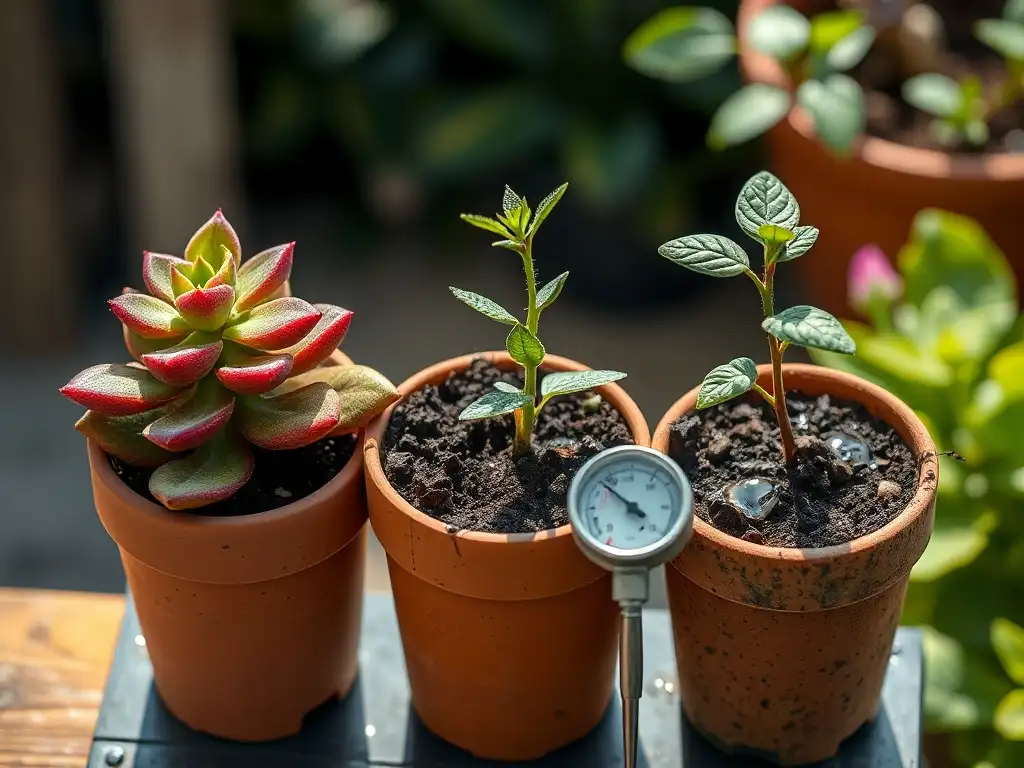
Inconsistent watering is a major culprit behind leggy growth. Overwatering leads to weak, stretched stems as the plant struggles to access sufficient oxygen. Underwatering, conversely, forces the plant to prioritize survival, resulting in spindly growth as it reaches for sunlight and moisture. Establishing a consistent watering schedule tailored to your specific plants and soil is crucial for preventing this issue.
Different plants have different water requirements. For example, succulents require infrequent, deep watering, while herbs like basil prefer consistently moist (but not soggy) soil. Understanding your plant's individual needs—researching its specific water preferences before planting is key. Moreover, the type of soil you use plays a significant role. Well-draining potting mixes prevent waterlogging, a common cause of leggy growth. Heavy clay soils retain water much longer than sandy loam, requiring less frequent watering.
Monitoring soil moisture is essential. Don't rely solely on a schedule; instead, check the soil's moisture level regularly using your finger. Stick your finger about an inch into the soil—if it feels dry, it's time to water. Water thoroughly until water drains from the bottom of the container, ensuring the roots receive sufficient hydration.
Avoid letting the soil completely dry out between waterings, especially for plants with high water requirements. Consistent moisture encourages robust, compact growth, preventing leggy stems. Remember, preventing leggy growth is a proactive approach, not a reactive one; consistent monitoring and adjustment to your watering schedule based on your plant's needs and the weather is vital.
Providing Adequate Nutrients Through Balanced Fertilization Using a Slow-Release Fertilizer
Nutrient deficiencies can also contribute to leggy growth. Plants starved of essential nutrients will stretch towards light sources in a desperate attempt to access energy, resulting in weak, spindly stems. Providing adequate nutrients through balanced fertilization is therefore crucial for promoting bushy growth. The best approach is to use a slow-release fertilizer.
Slow-release fertilizers, unlike their fast-release counterparts, gradually release nutrients over an extended period. This prevents nutrient burn, a common problem with fast-release fertilizers that can damage roots and further contribute to leggy growth. Opt for a balanced fertilizer with a ratio such as 10-10-10 or a formulation specifically designed for the type of plant you are growing. Always follow the instructions on the fertilizer packaging carefully, as over-fertilizing can also be detrimental to plant health.
The frequency of fertilization depends on the type of fertilizer and the plant's growth stage. For slow-release fertilizers, applying it once every few months is usually sufficient. However, regular observation of your plants is key. Signs of nutrient deficiency, such as yellowing leaves or stunted growth, indicate a need for supplemental feeding.
It’s also important to note that over-fertilization can lead to excessive vegetative growth, making plants even leggier. Therefore, a balanced and considered approach, guided by observation of your plants’ health, is crucial for preventing leggy growth and fostering healthy, robust growth. Remember, a happy, well-fed plant is less likely to become leggy!
Maintaining Healthy, Lush Container Plants: Ongoing Care
This section focuses on proactive measures to prevent leggy growth and maintain the overall health and bushier appearance of your container plants. Preventing leggy growth isn't just about fixing a problem; it's about establishing a robust foundation for healthy plant development from the start. Regular care and attention are key to achieving this goal.
Regular Monitoring of Plant Health: Visual Inspection and Pest Checks
Regular visual inspections are crucial for early detection of problems, including the onset of leggy growth. Aim for at least a weekly check, more frequently during periods of rapid growth (spring and summer). Look closely for signs of stress, such as yellowing leaves, wilting, or unusual growth patterns. Pay close attention to the spacing of leaves along the stems – increased spacing is a primary indicator of leggy growth. Simultaneously, conduct thorough pest checks. Many pests weaken plants, indirectly contributing to leggy growth by diverting energy from healthy development.
A simple magnifying glass can help identify tiny insects. Common culprits include aphids, spider mites, and whiteflies. Note the location and extent of any infestation. A detailed record of your observations can help you track progress and identify recurring issues. For example, you can use a simple notebook or a dedicated gardening app to log your findings, including dates, affected plants, and observed symptoms. This detailed approach is essential for effective pest management and prevention of future leggy growth occurrences. Remember, early detection is key to preventing major problems and ensuring your plants thrive.
Addressing Pests and Diseases Promptly: Integrated Pest Management Strategies
Once you've identified pests or diseases, prompt action is vital to prevent further damage and maintain plant vigor. Integrated Pest Management (IPM) is a holistic approach that prioritizes preventative measures and minimizes the use of chemical pesticides. IPM strategies often begin with non-toxic methods:
- Physical removal: Manually removing pests, such as aphids, with a strong spray of water or by wiping them off with a cloth.
- Natural predators: Introducing beneficial insects, like ladybugs, which feed on common plant pests.
- Neem oil: A natural insecticide derived from the neem tree, effective against a range of pests.
- Insecticidal soap: A less toxic alternative to chemical pesticides, targeting soft-bodied insects.
Only resort to chemical pesticides as a last resort and always follow label instructions carefully. Remember to choose products that are safe for beneficial insects and pollinators. The overuse of chemical pesticides can disrupt the natural balance of your garden ecosystem, potentially leading to further problems in the long run. By prioritizing IPM, you not only address immediate issues but also promote the long-term health and resilience of your container plants, preventing future leggy growth caused by stressed plants. A healthy plant is much less likely to become leggy.
Seasonal Adjustments to Care Practices: Watering and Fertilizing Adjustments
The needs of your container plants change throughout the year, necessitating adjustments to your watering and fertilizing routines. During the warmer months, plants require more frequent watering due to increased evaporation. However, avoid overwatering, which can lead to root rot and other problems that weaken plants and contribute to leggy growth. Check the soil moisture regularly by inserting your finger a couple of inches into the soil; water only when the top inch feels dry.
Likewise, fertilization needs vary seasonally. Spring and summer are periods of vigorous growth, requiring more frequent feeding. Use a balanced liquid fertilizer diluted to half strength, following the manufacturer's instructions. Reduce fertilizing frequency in autumn and winter as plant growth slows. Over-fertilizing can also lead to leggy growth, as plants prioritize leaf production over root development. A well-balanced nutrient supply, tailored to the specific needs of the plant and the season, is key to healthy, compact growth. Proper watering and fertilization practices are essential components in the successful prevention and fixing of leggy container plants.
Continued Monitoring for Leggy Growth Prevention: Regular Trimming and Pruning
Regular monitoring is crucial in preventing leggy growth in your container plants. Even after addressing initial leggy issues, consistent observation is key to maintaining a bushy and healthy plant. Think of it like regular check-ups at the doctor; it's preventative maintenance. Leggy growth often creeps back if not addressed proactively. You should aim to inspect your plants at least once a week, paying close attention to their overall shape and the spacing between leaves.
One of the best ways to prevent a plant from becoming leggy is through regular trimming and pruning. This isn't about drastic cuts, but rather consistent shaping and removal of any excessively long or weak stems. By pinching back the growing tips, you encourage the plant to branch out, creating a fuller, bushier appearance. This technique is particularly effective for herbs and many flowering plants. Remember to use sharp, clean pruning shears to avoid damaging the plant. Dirty shears can spread diseases, which is the last thing you want for your precious container plants.
The frequency of pruning will depend on the plant species. Fast-growing plants, such as basil, may require more frequent pinching (every few weeks), while slower-growing plants might only need pruning a couple of times per growing season. Always research the specific needs of your plants. For instance, some plants, like certain types of roses, benefit from more significant pruning in late winter or early spring to encourage new growth. Others, like lavender, may only need minor shaping throughout the growing season. Over-pruning can be detrimental, so a light touch and research are vital.
Beyond trimming, regular pruning also helps to remove any dead, diseased, or damaged leaves or stems. This improves air circulation around the plant, reducing the risk of fungal diseases, which can weaken the plant and contribute to leggy growth. Removing spent flowers also encourages the plant to focus its energy on producing new growth rather than seeds, leading to a healthier and bushier plant.
This process, often called deadheading, is a simple yet effective way to keep your container plants looking their best while preventing leggy growth. Remember, a little regular maintenance goes a long way in maintaining healthy and vibrant container plants. 🌱
Frequently Asked Questions
What causes leggy container plants?
Leggy growth is often caused by insufficient sunlight. Plants stretch towards light sources, resulting in weak stems and sparse foliage. Lack of essential nutrients can also contribute.
How can I prevent leggy growth in my container plants?
Provide ample sunlight – at least six hours daily for most plants. Ensure your containers have well-draining soil rich in nutrients. Regular pruning can also encourage bushier growth.
What is the best way to prune leggy container plants?
Pinch back or cut back long, spindly stems to encourage branching. Focus on removing the top growth to stimulate lateral bud growth. Use clean, sharp pruning shears.
Can I use fertilizer to fix leggy container plants?
While fertilizer helps, it won't fix the problem alone. Balanced fertilization is crucial, but addressing light and pruning issues is key. Over-fertilizing can worsen the problem.
What types of container plants are most prone to becoming leggy?
Fast-growing plants and those that naturally reach for light are more susceptible, including herbs like basil and vegetables like tomatoes. Proper care is crucial for these plants.
Final Reflection: Cultivating Abundance: Beyond the Leggy Plant
The struggle with leggy container plants isn't just an aesthetic issue; it's a reflection of our relationship with the natural world, a reminder that even in controlled environments, understanding the needs of living things is paramount. Ignoring the subtle signs of distress in our potted companions can lead to disappointment, but learning to address these issues empowers us to nurture thriving, vibrant growth.
The journey from leggy stems to lush foliage is a microcosm of broader challenges we face in cultivating balance and health, whether in our gardens or our lives. The seemingly simple act of providing the right light, water, and nutrients mirrors the deeper need for mindful attention and care in all aspects of our existence. The glory of gardening: hands in the dirt, head in the sun, heart with nature. To nurture a garden is to feed not just the body, but the soul.
This quote beautifully captures the essence of the connection between nurturing plants and nurturing ourselves.
Now, take a moment to consider your own "leggy" areas – those aspects of your life that feel stretched thin, lacking in fullness. What adjustments can you make to bring balance and vibrancy? Perhaps it's dedicating more time to a neglected hobby, seeking support in a challenging area, or simply taking a moment to appreciate the beauty of the present. Embrace the lessons learned from our leggy plants, and cultivate a life as lush and fulfilling as the healthiest container garden.
Unleash Your Plant's Full Potential!
Thank you for learning how to cultivate bushier, more vibrant container plants! You now have the knowledge to address leggy growth and foster thriving greenery. Ready to apply your new skills?
- Prune your plants: Pinch back leggy stems to encourage branching and a fuller shape. This is the most effective way to immediately address legginess.
- Optimize their light: Evaluate your plants' current light exposure and adjust accordingly. Generally, more sunlight (but avoid direct, scorching sun) promotes bushier growth.
- Share your results (or ask questions!): Tell us about your experience—what worked best for you, or what challenges you're still facing. We'd love to see your flourishing plants!
What technique will you try first to encourage bushier growth in your container plants?