
How to Maximize Your Harvest in Container Gardens

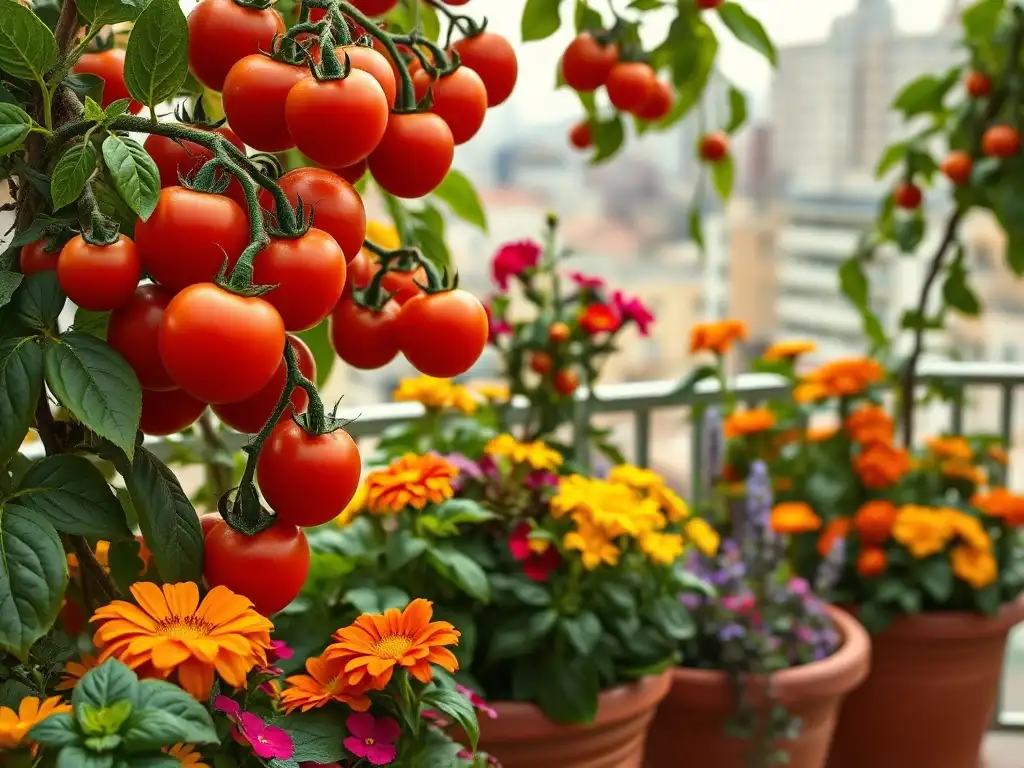
Welcome to CultivateYourFood, your guide to a thriving, sustainable garden, right in your backyard! Are you ready to unlock the secrets to a bountiful harvest, even in limited space? Discover how to maximize your container garden harvest with our expert advice on organic gardening techniques, from planting to pest control. Let's cultivate a greener, healthier future, one delicious harvest at a time.
- Choosing the Right Container for Abundant Growth
- Optimizing Soil for Maximum Yield
- Planting Techniques for Bumper Crops
- Essential Container Gardening Care for a Rich Harvest
- Harvesting Your Bountiful Container Garden
-
Advanced Techniques for Maximizing Container Garden Yields
- Utilizing Vertical Gardening Space
- Implementing Companion Planting for Pest Control and Growth Enhancement
- Utilizing Trellises and Support Structures for Climbing Plants
- Implementing Crop Rotation for Soil Health and Pest Management
- Utilizing Trellises and Support Structures for Optimal Space Utilization
- Implementing Companion Planting Strategies for Enhanced Growth and Pest Control
- Frequently Asked Questions
- Final Reflection: Reaping the Rewards of Small-Space Gardening
- Unlock Your Bountiful Container Garden!
Choosing the Right Container for Abundant Growth
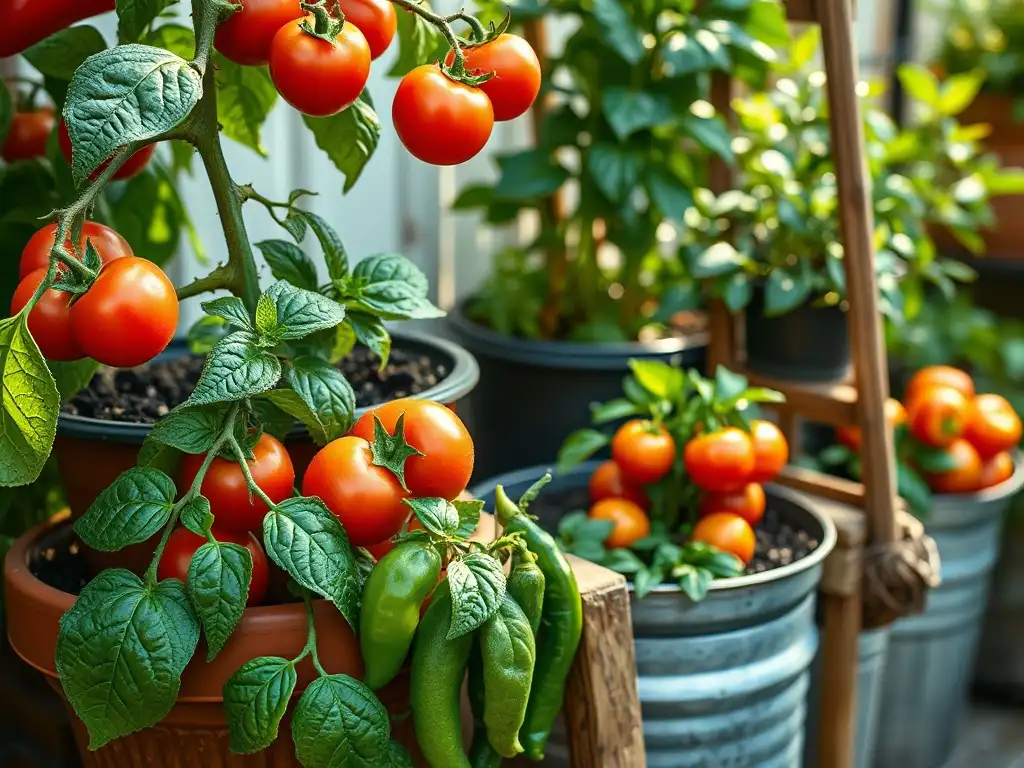
Container gardening offers a fantastic way to grow your own fruits, vegetables, and herbs, even if you have limited space. This guide focuses on maximizing your yield in container gardens, employing sustainable and organic methods to cultivate a bountiful harvest. We'll explore key factors influencing plant growth, from selecting the perfect container to optimizing soil conditions and implementing effective pest control strategies.
By following these tips, you can significantly increase your harvest and enjoy the freshest, most flavorful produce possible, all while contributing to a more sustainable lifestyle. Learning how to maximize your container garden harvest is key to reaping the rewards of homegrown goodness.
Selecting Optimal Container Size for Vegetable Types
Choosing the right container size is crucial for maximizing your harvest. Different vegetables have varying root systems and space requirements. Cramming a large plant into a small pot restricts root growth, leading to stunted development and reduced yields. Conversely, using excessively large containers wastes valuable space and resources. The following table provides guidelines for container sizes based on common vegetable types:
| Vegetable Type | Recommended Container Size (Gallons) | Notes |
|---|---|---|
| Tomatoes (indeterminate) | 5-10+ | Larger containers support greater yields; consider self-watering options |
| Tomatoes (determinate) | 3-5 | Smaller varieties require less space. |
| Peppers | 3-5 | Well-draining soil is essential. |
| Cucumbers | 5-10 | Choose vining varieties suitable for containers. |
| Zucchini | 5-10 | Requires ample space for root and vine development. |
| Lettuce | 1-3 | Can be successfully grown in smaller containers. |
| Herbs (basil, parsley) | 1-3 | Smaller containers are ideal. |
Remember to consider the mature size of the plant when selecting a container. Always err on the side of slightly larger rather than too small to avoid restricting root growth.
Material Matters: Plastic vs. Ceramic vs. Wood
The material of your container can significantly impact plant health and yield. Each material has its own advantages and disadvantages:
- Plastic: Lightweight, inexpensive, and readily available. However, they can overheat in direct sunlight, potentially damaging roots. Darker-colored plastics retain heat more than lighter colors. Choosing a lighter color plastic pot helps mitigate this risk.
- Ceramic: Excellent at retaining moisture, which can be beneficial in dry climates. However, they are heavier, more expensive, and can be prone to cracking. They also tend to dry out more slowly, which can lead to root rot if not properly managed.
- Wood: Aesthetically pleasing and can provide excellent insulation, preventing extreme temperature fluctuations. However, wood containers can rot over time and may require more frequent replacement. Untreated wood can leach tannins into the soil, potentially affecting plant growth, so using pre-treated, rot-resistant wood is recommended.
The best material for you depends on your budget, climate, and aesthetic preferences. Consider the pros and cons carefully before making a selection.
Drainage and Aeration: Crucial for Root Health
Proper drainage and aeration are critical for healthy root development and preventing root rot. Stagnant water suffocates roots, hindering nutrient uptake and leading to disease. Ensure your containers have adequate drainage holes. You can enhance drainage further by adding a layer of gravel or broken pottery shards to the bottom of the container before filling it with potting mix. Additionally, well-aerated soil promotes healthy root growth and nutrient absorption.
Choosing a high-quality potting mix with good drainage properties is essential. Consider amending your potting mix with perlite or vermiculite to improve aeration and drainage. Regular watering, ensuring the soil is consistently moist but not waterlogged, is also crucial for maintaining optimal root health and maximizing your harvest. 🥕
Optimizing Soil for Maximum Yield
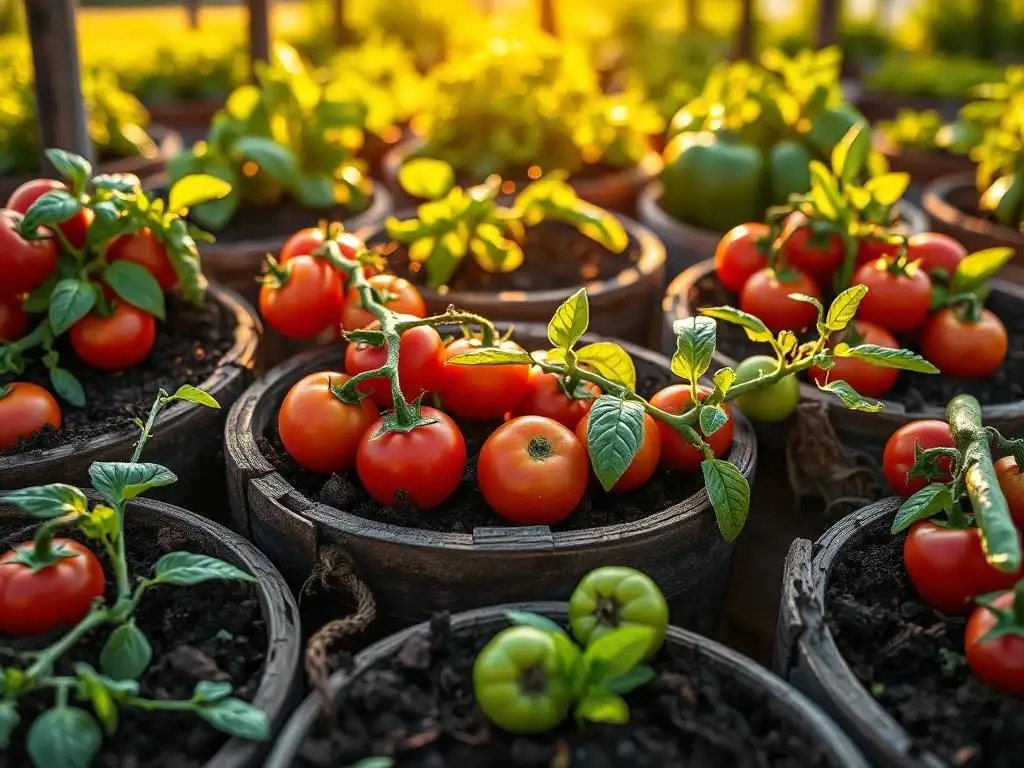
Maximizing your container garden harvest hinges significantly on providing your plants with the optimal growing medium. Unlike in-ground gardening, container gardening requires meticulous attention to soil composition because the plants are entirely reliant on the limited volume of soil within the container. This section details crucial steps to optimize your soil for maximum yield, ensuring your vegetables thrive and produce bountiful harvests. We'll explore selecting the right potting mix, enriching it with organic matter, and maintaining the correct pH levels.
Selecting the Perfect Potting Mix for Vegetables
Choosing the right potting mix is paramount for success in container gardening. Avoid using garden soil directly from your yard; it's often too dense and can compact, hindering drainage and root development. Instead, opt for a high-quality, well-draining potting mix specifically formulated for vegetables. Look for mixes containing peat moss, coir (coconut fiber), vermiculite, and perlite. These components provide excellent aeration, water retention, and drainage – crucial factors for healthy root growth and nutrient uptake. A good potting mix will feel light and airy, not heavy and clumpy.
Many commercial potting mixes are available, but you can also create your own custom blend. A good starting point is a 1:1:1 ratio of peat moss, vermiculite, and perlite. You can adjust this ratio based on your specific needs and the type of vegetables you are growing.
For instance, plants that prefer more moisture might benefit from a slightly higher proportion of peat moss or coir. Remember to always check the drainage – if water sits on top of the soil for an extended period, it's a sign that your mix is too dense and needs amendment. This can lead to root rot and significantly reduce your harvest.
Enriching Your Soil with Organic Matter
While a good potting mix provides a solid foundation, enriching it with organic matter further boosts its nutrient content and improves its overall structure. Organic matter, such as composted manure, worm castings, or aged compost, acts as a slow-release fertilizer, providing essential nutrients to your plants throughout the growing season. It also improves soil aeration, water retention, and drainage – all contributing to a healthier root system and a larger harvest.
Adding organic matter is best done at the time of planting. Thoroughly mix it into the potting mix before placing your seedlings or seeds in the container. A general guideline is to incorporate about 20-30% organic matter by volume into your potting mix. However, always follow the instructions on the packaging of your chosen organic amendment. Overdoing it can lead to nutrient imbalances or poor drainage. Regular top-dressing with compost throughout the growing season can also provide a continuous supply of nutrients and help retain soil moisture. This practice helps to maximize the yield and maintain healthy plant growth.
Maintaining Soil pH for Optimal Nutrient Absorption
Soil pH plays a crucial role in nutrient availability. Most vegetables thrive in a slightly acidic to neutral pH range (6.0-7.0). However, different vegetables have slightly different preferences. Testing your soil pH is essential to ensure your plants can readily absorb the nutrients you provide. You can purchase a simple soil pH testing kit from most garden centers.
If your soil pH is too high (alkaline) or too low (acidic), you can adjust it using readily available materials. To lower pH (increase acidity), you can add elemental sulfur or aluminum sulfate. To raise pH (increase alkalinity), you can add lime. Always follow the instructions on the product packaging carefully, as incorrect application can harm your plants.
Regular monitoring and adjustments throughout the growing season will ensure your plants receive the optimal pH for nutrient uptake, leading to a maximized container garden harvest. Remember that consistent monitoring and adjustment are key to a successful and abundant harvest. Using a pH meter can provide more precise measurements than testing kits.
Planting Techniques for Bumper Crops
Maximizing your container garden harvest hinges on employing effective planting techniques. This section delves into crucial strategies to ensure your plants thrive and yield abundant produce. From starting seeds indoors to mastering transplanting and spacing, these techniques are key to achieving a bumper crop in your container garden. Remember, even small adjustments can significantly impact your final yield. Let's explore how to optimize your planting process for maximum results.
Seed Starting Indoors for a Head Start
Starting seeds indoors gives your plants a significant head start, allowing them to establish strong root systems before the outdoor weather is suitable for planting. This is particularly advantageous for crops with longer growing seasons. To maximize success, consider these factors:
- Choose the right seed starting mix: Avoid using garden soil, as it can be too dense and retain too much moisture, leading to damping-off (a fungal disease that kills seedlings). A specialized seed starting mix provides optimal drainage and aeration.
- Use appropriate containers: Small, individual cells or peat pots are ideal for seed starting, as they prevent root disturbance during transplanting. Avoid overcrowding seedlings.
- Maintain consistent moisture and temperature: Seedlings need consistently moist soil, but not soggy. Use a moisture meter to check the soil frequently. Maintain a warm temperature, typically between 65-75°F (18-24°C), for optimal germination.
- Provide adequate light: Seedlings require 12-16 hours of light per day. Supplementary grow lights are crucial, especially during the shorter days of spring. Rotate containers regularly to ensure even light exposure.
- Harden off seedlings before transplanting: Gradually acclimate seedlings to outdoor conditions over 7-10 days before transplanting them into their final containers. This prevents shock and improves survival rates. Start with a few hours of outdoor exposure and gradually increase the time each day.
Transplanting Seedlings: A Gentle Approach
Careful transplanting minimizes stress on your seedlings, ensuring a smooth transition to their permanent containers. Here's how to do it right:
- Choose the right time: Transplant seedlings on a cloudy day or in the late afternoon to reduce stress from intense sunlight.
- Prepare your containers: Ensure your containers have adequate drainage holes and are filled with nutrient-rich potting mix.
- Handle seedlings gently: Avoid damaging the roots during transplanting. Gently loosen the root ball and carefully place the seedling in the new container, ensuring the top of the root ball is level with the soil surface.
- Water thoroughly: After transplanting, water thoroughly to settle the soil around the roots and help the seedlings establish themselves.
- Provide support (if needed): Some plants, like tomatoes, require staking or caging for support as they grow. Provide support as soon as you transplant them to avoid damaging the roots later.
Proper Spacing for Maximum Sunlight and Air Circulation
Adequate spacing between plants is vital for maximizing your harvest. Overcrowding leads to competition for resources like sunlight, water, and nutrients, resulting in smaller yields and increased susceptibility to diseases. Consider these guidelines:
| Plant Type | Recommended Spacing (inches) | Notes |
|---|---|---|
| Tomatoes | 18-24 | Depends on variety; larger varieties need more space. |
| Peppers | 12-18 | Spacing may vary depending on plant size. |
| Lettuce | 6-8 | Can be planted more closely for succession planting. |
| Herbs (basil, etc.) | 6-12 | Spacing depends on the specific herb type. |
Remember to always check the specific spacing recommendations for each plant variety you're growing. Proper spacing ensures each plant receives sufficient sunlight and air circulation, promoting healthy growth and maximizing your harvest. Improper spacing can lead to reduced yields and increased pest problems. 🌱
Essential Container Gardening Care for a Rich Harvest
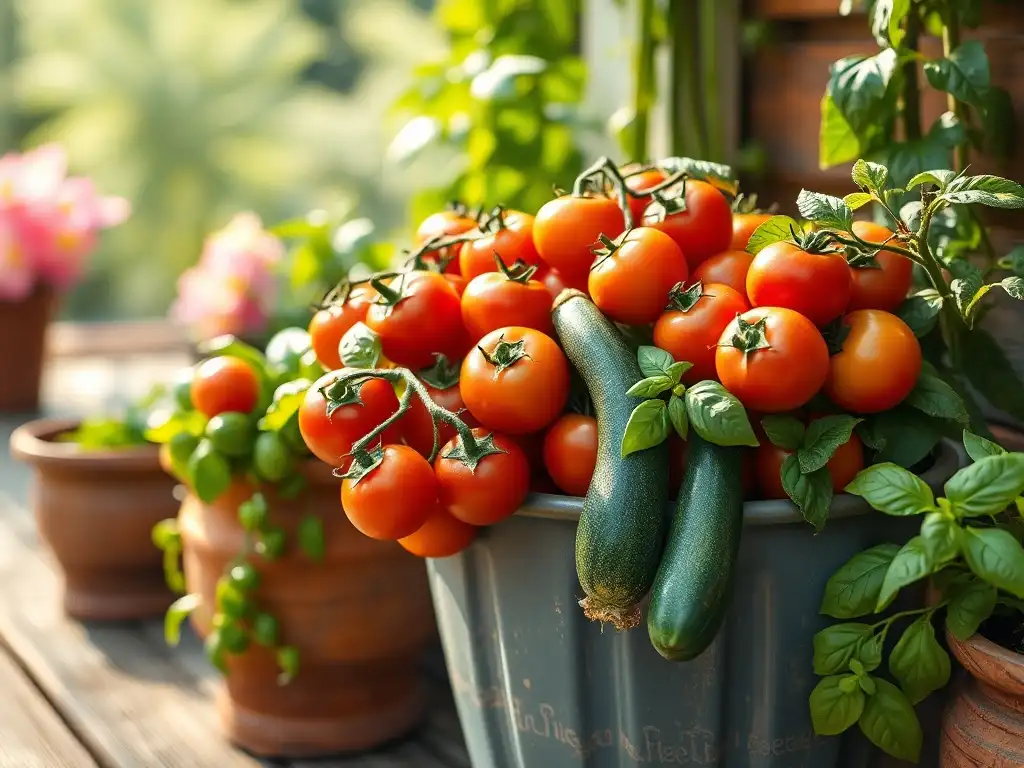
Maximizing your container garden harvest requires diligent attention to several key aspects of plant care. This section focuses on the crucial elements that will significantly impact the size and quality of your yield, helping you achieve a bountiful harvest from your containers. Remember, even small adjustments can make a big difference in the overall success of your container gardening efforts. Let's dive into the specifics.
Watering Strategies for Consistent Growth
Consistent moisture is paramount for thriving container plants. Unlike in-ground gardens, containers dry out much faster, demanding a more attentive watering schedule. Overwatering can lead to root rot, while underwatering stunts growth and reduces yields. The best approach is to monitor the soil moisture regularly. Stick your finger about an inch into the soil; if it feels dry, it's time to water.
Water deeply, ensuring the water penetrates the entire root ball. Avoid shallow watering, which only wets the top layer of soil and encourages shallow root growth. Consider using a watering can with a rose head for gentle, even watering. For larger containers, a soaker hose can be highly effective. The frequency of watering will depend on several factors including:
- Container size and material: Larger, porous containers (like terracotta) dry out faster than smaller, less porous ones (like plastic).
- Climate: Hot, sunny climates require more frequent watering than cooler, shadier ones.
- Plant type: Different plants have different water requirements. Research the specific needs of your chosen plants.
A good rule of thumb is to water thoroughly in the morning, allowing the plants to dry slightly before nightfall to minimize fungal diseases. This helps prevent the leaves from staying wet overnight, which is a breeding ground for many plant pathogens. 💧
Fertilizing Your Container Garden for Abundant Yields
Container gardens have limited soil volume, meaning nutrients are depleted more quickly than in larger garden beds. Regular fertilization is therefore crucial for maximizing yields in container gardening. Using the right fertilizer and applying it correctly will ensure your plants have the nutrients they need to flourish.
Choose a balanced fertilizer with a NPK ratio (Nitrogen, Phosphorus, Potassium) suitable for your plants. Many commercial fertilizers are formulated specifically for vegetables or flowering plants. Look for options that are organic and slow-release to avoid burning your plants. You can also opt for homemade compost tea, which provides a gentle, natural boost of nutrients.
The frequency of fertilization depends on the specific fertilizer used, the type of plants, and their growth stage. Always follow the instructions on the fertilizer packaging carefully. Over-fertilizing can be just as harmful as under-fertilizing, leading to nutrient burn and potentially killing your plants. Consider using a liquid fertilizer every 2-3 weeks during the growing season, or a slow-release granular fertilizer at the beginning of the season. Remember to always water thoroughly after fertilizing to prevent salt buildup in the soil. 📈
Pest and Disease Control in Container Gardens
Container gardens are susceptible to pests and diseases, just like any other garden. However, their contained environment can sometimes make these issues more concentrated. Early detection and preventative measures are essential for protecting your harvest.
Regularly inspect your plants for signs of pests or diseases. Look for unusual discoloration, wilting, holes in leaves, or insects. Early detection allows for prompt intervention, preventing widespread infestation. Consider using natural pest control methods whenever possible, such as:
- Beneficial insects: Ladybugs and lacewings are natural predators of many common garden pests.
- Neem oil: A natural insecticide effective against a wide range of pests.
- Diatomaceous earth: A natural insecticide that dehydrates insects.
- Companion planting: Planting certain plants together can deter pests. For example, basil is known to repel many insects.
For diseases, ensure good air circulation around your plants by spacing them appropriately. Avoid overhead watering, which can promote fungal diseases. If a disease does occur, remove affected plants immediately to prevent its spread. Remember to always prioritize preventative measures; a healthy plant is less susceptible to pests and diseases. 🐛
Supporting Climbing Vegetables for Optimal Growth
Climbing vegetables like cucumbers, tomatoes, beans, and peas can significantly maximize your container garden harvest, but only if given the proper support. Untrained vines will sprawl, shading each other and hindering fruit production. Providing adequate support encourages upward growth, maximizing sunlight exposure for each fruit and increasing overall yield. Think of it as giving each plant its own personal sunbathing spot!
Several support systems are effective for container gardening. For tomatoes, sturdy cages are ideal. These provide a framework for the plant to climb and keep the weight of the fruit distributed evenly, preventing breakage. Look for cages made of durable metal or heavy-duty plastic to withstand the weight of a mature plant. Choose a size appropriate to your container and tomato variety; a compact tomato will need a smaller cage than an indeterminate variety that continues to grow throughout the season. Regularly check the cage for stability, especially after strong winds or heavy rains.
Beans and peas, on the other hand, often benefit from trellises. These can be as simple as a few stakes tied together with twine or more elaborate structures purchased from garden centers. The key is to provide a strong, vertical support system that allows the vines to climb easily. Training the plants regularly, gently guiding the vines to wrap around the trellis, is crucial for maximizing yield. Neglecting this step can lead to tangled vines and reduced fruit production.
Cucumbers, depending on the variety, can also be trained on trellises or cages. However, they may require more frequent tying or support adjustments as they grow rapidly. Remember that the weight of the cucumbers themselves will put stress on the supporting structure, so sturdy materials are essential. Regular inspection and reinforcement will prevent the entire structure from collapsing under the weight of a successful harvest.
Finally, consider the height of your support structure in relation to the size of your container and the maturity height of your climbing vegetables. A support system that's too short will restrict growth, while one that’s too tall might become unstable. Planning ahead, considering both the plant's mature size and the available space, is crucial for a bountiful harvest. Proper support isn’t just about maximizing yield; it’s about preventing damage to your plants and ensuring a healthy, productive growing season. A little extra attention to support translates to a lot more produce at harvest time.
Harvesting Your Bountiful Container Garden
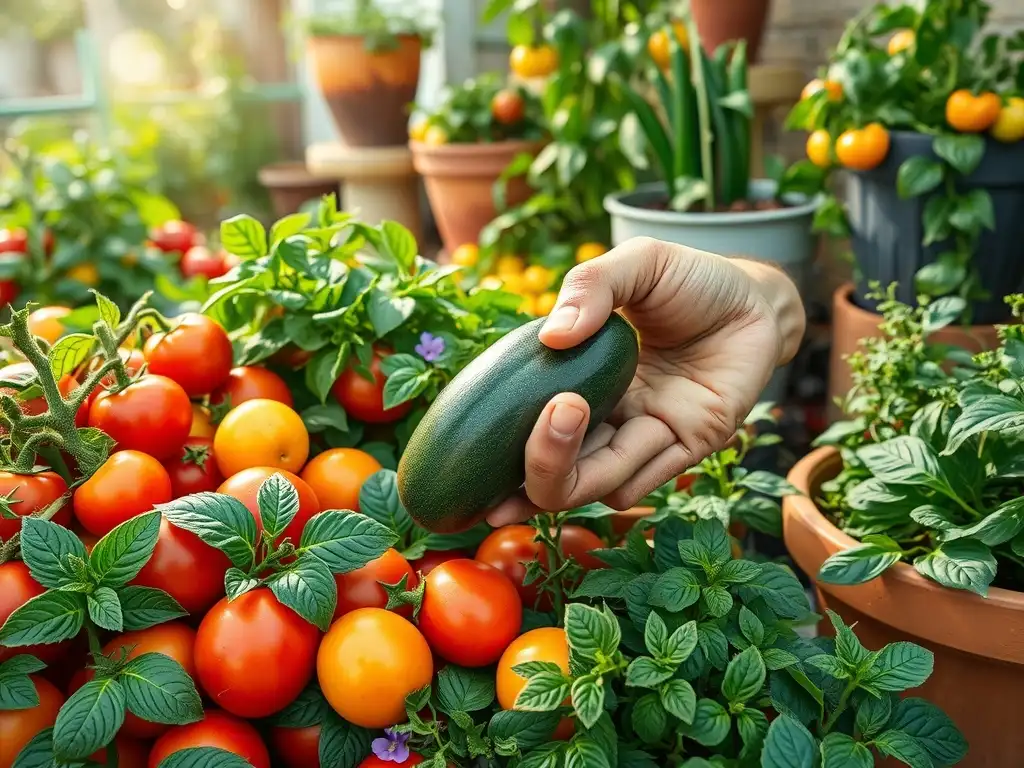
This section focuses on maximizing your harvest from container gardens by understanding when and how to harvest your vegetables, and extending your harvest season through strategic planting. Proper harvesting is crucial not only for enjoying the peak flavor of your produce but also for encouraging continued growth and a more abundant yield. Let's explore the key steps involved in maximizing your container garden harvest.
Recognizing Signs of Ripeness in Different Vegetables
Knowing when your vegetables are ready for picking is paramount to maximizing your yield. Harvesting too early results in smaller, less flavorful produce, while waiting too long can lead to overripe, spoiled vegetables. The signs of ripeness vary depending on the type of vegetable. Here's a guide to recognizing ripeness in some common container-grown vegetables:
- Tomatoes: Look for deep, rich color consistent with the variety. The tomato should yield slightly to gentle pressure. Avoid harvesting green tomatoes unless you plan to ripen them indoors. 🍅
- Cucumbers: Cucumbers are ready when they've reached their mature size and have a firm, smooth skin. They should feel heavy for their size.
- Zucchini & Summer Squash: These are best harvested when young and tender, typically 6-8 inches long. Their skin should be smooth and their flesh should be easily pierced with a fingernail.
- Peppers: Peppers are ripe when their color matches the mature color for the variety (e.g., red, yellow, green). They should feel firm and plump.
- Beans: Snap beans are ready when they're plump and tender, before the pods become tough and stringy. Pole beans can be harvested at various stages, depending on preference.
- Lettuce: Harvest lettuce when it has reached the desired size and leaf shape. You can harvest individual leaves as needed or cut the entire head at once.
Proper Harvesting Techniques to Avoid Damage
Gentle harvesting techniques are crucial for preserving your plants and encouraging further growth. Rough handling can damage the plant, reducing future yields. Here are some important considerations:
- Use sharp tools: Use clean, sharp knives or shears for harvesting. This prevents crushing or bruising the produce and minimizes damage to the plant.
- Harvest in the morning: Early morning harvesting is ideal as plants are more hydrated, and the produce is less likely to be damaged during handling.
- Support the plant: When harvesting heavy vegetables like tomatoes, always support the plant to prevent accidental damage to the stems or branches.
- Avoid pulling: Instead of pulling vegetables from the plant, always use a cutting tool to detach them cleanly. This preserves the plant's integrity and promotes continuous growth.
- Remove damaged produce: Regularly remove any damaged or diseased fruit or vegetables to prevent the spread of disease and improve overall plant health.
Extending the Harvest Season with Successive Planting
Successive planting is a key strategy to maximize your container garden harvest over an extended period. This involves planting new crops at regular intervals, ensuring a continuous supply of fresh produce throughout the growing season.
Here's how to implement successive planting:
- Plan your planting schedule: Choose varieties with different maturity times to ensure a continuous harvest.
- Start seeds indoors: Starting seeds indoors gives you a head start on the growing season and allows you to plant multiple crops in succession.
- Use fast-growing varieties: Opt for fast-growing vegetable varieties to quickly replace harvested crops and maximize your yield in a shorter time frame.
- Consider the spacing: Ensure adequate spacing between plants to avoid overcrowding and promote healthy growth. Overcrowding can reduce yields.
- Regular monitoring: Keep a close eye on your plants' growth and adjust your planting schedule as needed. This allows for optimal harvest timing and maximized yields.
By following these techniques, you can significantly improve your chances of maximizing your container garden harvest, enjoying fresh, homegrown produce throughout the season, and experiencing the immense satisfaction of a truly bountiful harvest! 🥕 🌶️ 🌿
Preserving Your Harvest: Canning, Freezing, and Drying
Maximizing your container garden harvest isn't just about growing abundant vegetables; it's also about preserving that bounty for enjoyment throughout the year. Proper preservation techniques ensure you can savor the fruits (and vegetables!) of your labor long after the growing season ends. Let's explore some popular methods for preserving your container garden harvest.
One of the most traditional methods is canning. Canning involves sealing food in airtight jars after processing it with heat to destroy harmful bacteria and enzymes. This method is particularly well-suited for high-acid foods like tomatoes, pickles, and jams, which are commonly grown in container gardens. Successfully canning requires meticulous attention to detail, including proper jar sterilization, accurate processing times based on altitude, and careful sealing to prevent spoilage.
Improper canning techniques can lead to botulism, a serious and potentially fatal illness, so thorough research and adherence to established guidelines are crucial. Many excellent resources, including government publications and experienced canners' guides, offer step-by-step instructions and safety precautions for various canning methods, such as water bath canning and pressure canning. Learning the nuances of canning is a valuable skill for any serious home gardener aiming to maximize their harvest.
Another popular method for preserving your container garden harvest is freezing. Freezing is a relatively simple method that works well for many fruits and vegetables, including berries, peas, beans, and herbs. Blanching (briefly boiling) vegetables before freezing helps to inactivate enzymes that can lead to loss of quality and flavor. Proper packaging is also key to preventing freezer burn, which can affect the texture and taste of your frozen produce.
Using airtight containers or freezer bags removes as much air as possible to minimize freezer burn. Freezing is a convenient method for preserving food because it retains much of the nutritional value and requires less processing time than canning. However, it's important to note that the texture of some fruits and vegetables might change slightly after freezing and thawing.
Finally, drying is a time-tested method for preserving food, especially herbs and certain fruits. Air drying, sun drying, and using a food dehydrator are all effective ways to remove moisture from your harvest, inhibiting the growth of microorganisms that cause spoilage. Dried herbs retain their flavor and aroma well, making them a convenient addition to cooking throughout the year. Similarly, dried fruits, such as tomatoes, can be used in sauces, stews, and other dishes.
Drying is a low-energy preservation method, making it a sustainable choice for maximizing your container garden harvest while minimizing your environmental impact. However, proper drying requires careful attention to prevent mold and maintain the quality of the produce. Good air circulation and appropriate humidity levels are crucial for successful drying.
Advanced Techniques for Maximizing Container Garden Yields
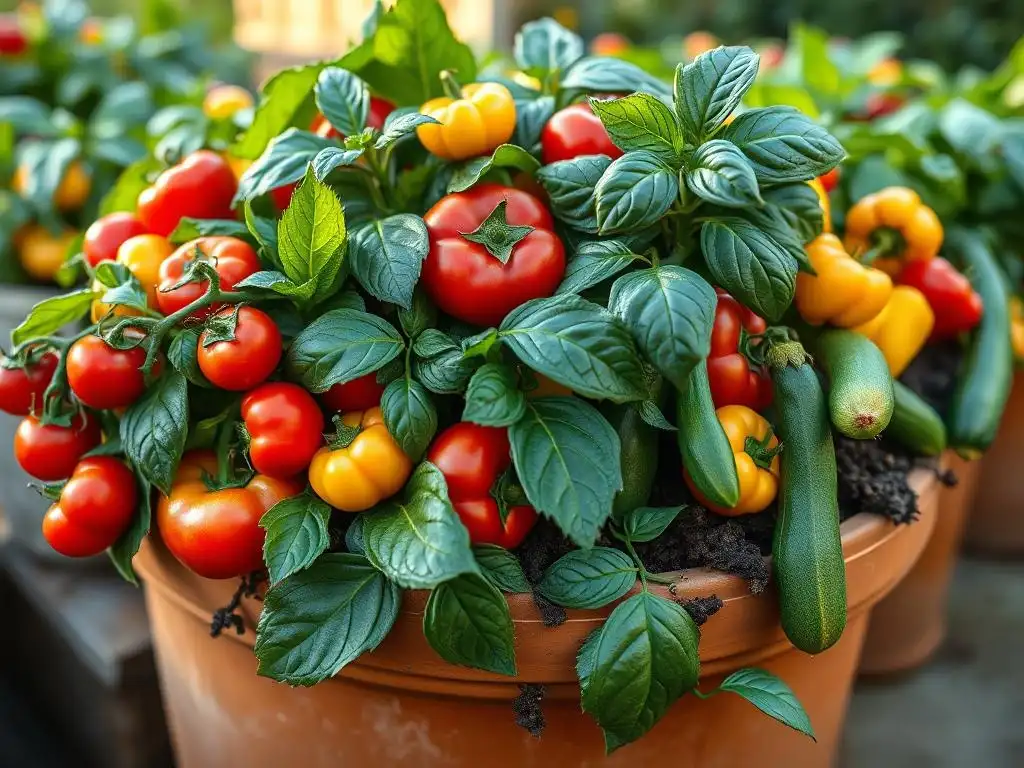
This section delves into advanced techniques to significantly boost your container garden harvest, going beyond basic planting and watering. We'll explore strategies to optimize space utilization, leverage beneficial plant interactions, and provide crucial support for climbing varieties. Mastering these techniques will transform your container garden from a hobby into a thriving, productive food source. Remember, maximizing your container garden harvest is about strategic planning and thoughtful execution.
Utilizing Vertical Gardening Space
Vertical gardening is a game-changer for maximizing yields in limited spaces. Instead of relying solely on horizontal growth, we can utilize the vertical dimension to dramatically increase the number of plants you can cultivate. Think upwards! This technique is particularly beneficial for maximizing your container garden harvest of space-intensive crops like tomatoes, cucumbers, and beans.
Several methods exist for implementing vertical gardening. Consider these options:
- Stackable planters: These tiered systems allow you to stack multiple containers vertically, creating a compact and efficient growing space. This approach is ideal for smaller patios or balconies. You can even build your own using readily available materials like wooden pallets.
- Hanging baskets: These are perfect for trailing plants like strawberries and cascading herbs. They maximize air circulation, reducing the risk of fungal diseases, and often receive more sunlight than plants at ground level.
- Wall-mounted planters: These can be custom-built or purchased, offering a space-saving solution for vertical gardening. They are especially effective for herbs and smaller, less sprawling vegetables.
The key to success with vertical gardening is selecting appropriate plant varieties. Choose compact or climbing varieties designed for vertical growth. Regular pruning and training are also essential to maintain plant health and maximize yield. Proper watering is crucial; vertical systems can dry out more quickly than traditional containers.
Implementing Companion Planting for Pest Control and Growth Enhancement
Companion planting leverages the synergistic relationship between different plant species. Certain plant pairings can deter pests, attract beneficial insects, improve soil health, and even enhance the growth and yield of neighboring plants. This organic approach can significantly contribute to maximizing your container garden harvest while minimizing the need for chemical pesticides.
Here are a few effective companion planting combinations:
| Plant 1 | Plant 2 | Benefits |
|---|---|---|
| Marigolds | Tomatoes | Repels nematodes and other pests; improves soil health. |
| Basil | Tomatoes | Repels insects, improves tomato flavor. |
| Chives | Carrots | Repels carrot root flies. |
| Lettuce | Radishes | Radishes mature quickly, leaving space for lettuce. |
| Nasturtiums | Many vegetables | Deters aphids and whiteflies. |
Remember that companion planting effectiveness varies depending on your specific climate and growing conditions. Research pairings appropriate for your region and the plants you are growing. Careful planning and observation are key to maximizing the benefits of companion planting.
Utilizing Trellises and Support Structures for Climbing Plants
Many high-yielding vegetables, such as cucumbers, beans, and tomatoes, are climbing plants. Providing adequate support structures is crucial for maximizing their yield and preventing damage. A well-designed trellis or support system allows these plants to grow vertically, maximizing space and improving airflow, which helps prevent fungal diseases. This is another essential aspect of maximizing your container garden harvest.
Several support structures can be implemented:
- Trellises: These can be as simple as a stake driven into the ground or as elaborate as a custom-built structure. Choose a trellis material that is strong enough to support the weight of the mature plants.
- Cages: These cylindrical structures provide support for indeterminate tomato varieties and other climbing plants. They are readily available commercially or can be constructed from readily available materials.
- Obelisks: These elegant structures provide a focal point in your garden while offering support for climbing plants.
Regardless of your chosen support system, ensure it is robust enough to handle the weight of the mature plant, especially when laden with fruits or vegetables. Regularly train the plants to climb the support structure to prevent them from sprawling and hindering growth. This careful management is fundamental to achieving a bountiful harvest.
Implementing Crop Rotation for Soil Health and Pest Management
Crop rotation is a cornerstone of sustainable gardening, and it's especially crucial for maximizing yields in container gardens where soil volume is limited. Rotating crops prevents the depletion of specific nutrients and helps control pests and diseases. Imagine planting heavy feeders like tomatoes one year, which deplete soil potassium, followed by lighter feeders like leafy greens the next year, which require less potassium and might even add some back into the soil. This prevents nutrient imbalances that can lead to stunted growth and reduced yields.
Furthermore, rotating crops disrupts the life cycle of many common garden pests and diseases. Many pathogens and insect pests are specific to certain plant families. For example, continuous planting of members of the Solanaceae family (tomatoes, peppers, eggplants) can lead to a build-up of soilborne diseases like verticillium wilt. By rotating to a different plant family, like legumes (beans, peas) or brassicas (broccoli, kale), you significantly reduce the risk of these diseases impacting your subsequent crops. This minimizes the need for chemical pesticides and promotes a healthier growing environment, essential for maximizing your harvest.
Consider a three-year rotation plan. Year one could feature heavy feeders such as tomatoes and peppers. Year two, you might plant legumes to fix nitrogen in the soil, improving its fertility. Year three could consist of light feeders like lettuce and spinach, further balancing the soil's nutrient profile. Remember to amend your soil with compost annually to further enhance its health and fertility, creating an optimal environment for healthy plant growth.
Proper composting also helps to control pests and diseases by increasing beneficial microbial activity in the soil. This holistic approach to soil management is critical for achieving a truly maximized container garden harvest. Don't underestimate the power of this simple yet effective technique! It's a key strategy in maximizing your container garden harvest.
Utilizing Trellises and Support Structures for Optimal Space Utilization
Vertical gardening is a game-changer for container gardening, especially when aiming to maximize yields. Utilizing trellises, stakes, or other support structures allows you to grow vining plants like cucumbers, beans, and tomatoes vertically, significantly increasing the amount of produce you can grow within a limited space. Instead of sprawling across the surface, these plants climb upward, freeing up valuable horizontal space for other crops.
For example, a single tomato plant in a large container can easily yield several pounds of tomatoes when properly supported by a sturdy cage or trellis. Without support, the plant will spread out, potentially shading other plants and reducing the overall yield. Similarly, climbing beans can utilize vertical space to produce a substantial amount of beans in a small footprint, far exceeding the yield achievable if allowed to sprawl on the ground.
The choice of support structure depends on the specific plant and your available space. Simple stakes work well for individual plants, while trellises are ideal for vining plants that need more support. You can even create your own DIY trellises using readily available materials like bamboo poles or repurposed wood.
Careful planning and selection of support structures are therefore crucial for optimizing space utilization and maximizing the yield of your container garden. This simple addition can dramatically improve your harvest! Remember, vertical space is often underutilized in container gardening, and maximizing its use is key to boosting your overall yield.
Implementing Companion Planting Strategies for Enhanced Growth and Pest Control
Companion planting, the art of strategically placing different plant species together to benefit each other, is a highly effective technique for boosting yields in container gardens. Certain plant combinations enhance growth, deter pests, or attract beneficial insects, resulting in healthier plants and a more abundant harvest. For instance, planting basil near tomatoes is a classic example. Basil is said to repel tomato hornworms, while the tomatoes provide shade for the basil, which prefers partial shade.
Another effective combination involves planting marigolds amongst your vegetables. Marigolds are known for their pest-repelling properties and can help deter nematodes and other soilborne pests, protecting your vegetables from damage. Similarly, planting nasturtiums near your vegetables can help attract aphids away from your preferred plants. Remember, careful research is essential to ensure you're pairing compatible plants that won't compete for resources or negatively impact each other's growth.
However, companion planting isn't a magic bullet; success depends on careful planning and observation. Not all plant combinations are beneficial, and some might even be detrimental. It's crucial to research specific plant pairings to ensure compatibility before implementing them in your container garden. Understanding the specific needs and characteristics of each plant is essential for successful companion planting. This strategy, when implemented correctly, can contribute significantly to a maximized container garden harvest. By carefully selecting your plant companions, you can create a synergistic environment that boosts overall productivity.
Frequently Asked Questions
What is the best way to choose containers for a container garden?
Choose large containers that allow for sufficient root growth. Consider material (terracotta dries out faster than plastic), and ensure they have adequate drainage. Larger containers retain moisture better.
How much sunlight do container garden plants need?
Most vegetables and herbs need at least six hours of sunlight daily. Pay attention to the specific light requirements of your chosen plants. South-facing locations usually receive the most sun.
What type of soil is ideal for container gardening?
Use a well-draining potting mix, not garden soil. Potting mixes are specifically formulated for containers and provide better aeration and drainage than garden soil which can become compacted. Amend with compost for extra nutrients.
How often should I water my container garden?
Water frequently, especially during hot and dry periods. Check the soil moisture regularly; it should be moist but not soggy. The frequency will depend on the size of your container, the weather, and the type of plant.
How can I prevent pests and diseases in my container garden?
Practice good sanitation, removing weeds and diseased plants promptly. Use organic pest control methods like neem oil or insecticidal soap. Healthy plants are less susceptible to pests and diseases.
Final Reflection: Reaping the Rewards of Small-Space Gardening
The principles of maximizing your container garden harvest aren't just about bigger yields; they're about cultivating a deeper connection with your food and fostering a more sustainable lifestyle. In a world increasingly concerned with food security and environmental impact, the ability to grow your own produce, even in a limited space, becomes a powerful act of self-sufficiency and resilience.
The impact of container gardening extends far beyond the bountiful harvest itself. It's a journey of learning, observation, and adaptation, teaching us patience and respect for the natural world. It's about understanding the delicate balance between sun, soil, and water, and the profound satisfaction of nurturing life from seed to table. The glory of gardening: hands in the dirt, head in the sun, heart with nature. To nurture a garden is to feed not just the body, but the soul.
This quote perfectly encapsulates the transformative power of tending to even a small patch of earth.
Now, consider your own space. What small corner, balcony, or patio could become a vibrant oasis of fresh herbs, vegetables, or flowers? Don't let the limitations of space deter you; embrace the challenge of maximizing your potential. Start small, experiment with different techniques, and savor the joy of harvesting your own homegrown bounty. The rewards, both tangible and intangible, are far greater than you might imagine.
Unlock Your Bountiful Container Garden!
Thank you for learning how to maximize your harvest from container gardens! We hope you've gained valuable insights to grow more delicious food in less space. Now it’s time to put your knowledge into action.
- Plan your next planting cycle now! Reflect on which vegetables thrived and which could use improvement. Use this knowledge to choose suitable varieties and optimize your container setup for even bigger yields next season.
- Share your successes and challenges with our community on the CultivateYourFood forum. Let's learn from each other and grow together!
- Consider experimenting with a new vertical gardening technique; you might be surprised by how much more you can grow.
What exciting gardening project will you tackle next to boost your container garden harvests?