
Nutrient Deficiencies in Container Gardens: Spotting Symptoms and Organic Solutions

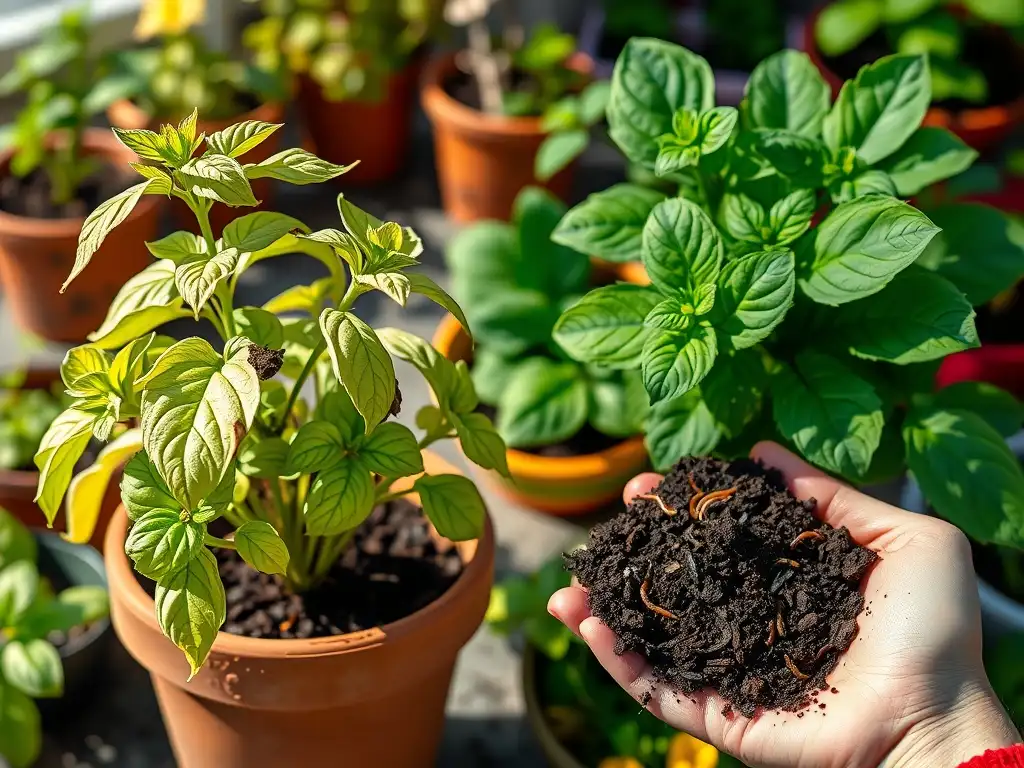
Welcome to CultivateYourFood, your guide to a thriving, sustainable home garden! Are you ready to unlock the secrets to bountiful harvests, even in limited space? We'll help you nurture your green thumb with expert advice on everything from planting to pest control. Discover practical solutions to common problems, starting with our insightful article on Organic container garden fixes – learn how to identify and address nutrient deficiencies, ensuring your plants flourish. Let's cultivate a greener, healthier future, together!
- Recognizing Nutrient Deficiency Symptoms in Your Container Garden Plants
-
Organic Solutions for Nutrient Deficiencies in Container Gardens
- Composting for Nutrient-Rich Container Soil
- Using Organic Fertilizers to Boost Container Plant Nutrition
- Applying Natural Mulch to Improve Soil Health and Nutrient Retention
- Implementing Cover Cropping Techniques for Enhanced Soil Fertility in Containers
- Utilizing Organic Soil Amendments to Correct Specific Nutrient Deficiencies
-
Preventing Nutrient Deficiencies in Container Gardens: Proactive Strategies
- Choosing the Right Organic Potting Mix for Your Container Garden
- Regular Soil Testing for Container Gardens: Monitoring Nutrient Levels
- Implementing a Balanced Organic Fertilization Schedule for Container Plants
- Water Management Techniques to Optimize Nutrient Uptake in Containers
- Optimizing Light and Air Circulation to Promote Healthy Plant Growth in Containers
- Case Study: Remediating Nutrient Deficiencies in a Tomato Container Garden
- Frequently Asked Questions
- Final Reflection: Cultivating Health, One Container at a Time
- Unveil Your Garden's Potential: Thriving Plants, Naturally
Recognizing Nutrient Deficiency Symptoms in Your Container Garden Plants
Cultivating a thriving container garden brimming with healthy fruits, vegetables, and herbs requires more than just sunlight and water. Understanding and addressing nutrient deficiencies is crucial for achieving optimal yields and maintaining the vibrancy of your plants. This article serves as your comprehensive guide to identifying common nutrient deficiencies in container gardens and employing effective, organic solutions to restore your plants to their full potential.
We'll explore the telltale signs of nitrogen, phosphorus, and magnesium deficiencies – three of the most prevalent nutrient shortcomings in container gardening – and provide practical, sustainable strategies to remedy these issues, ensuring a bountiful and healthy harvest. Mastering these techniques will elevate your container gardening skills and contribute to a more sustainable and productive growing experience. This guide focuses on organic solutions, aligning perfectly with the ethos of CultivateYourFood and helping you achieve your goal of a flourishing, organically-managed container garden.
Let's delve into the specifics, arming you with the knowledge to diagnose and treat nutrient deficiencies effectively. Remember, early detection is key to preventing significant damage and ensuring the long-term health of your plants.
Identifying Nitrogen Deficiency in Container Plants
Nitrogen (N) is a vital macronutrient essential for robust plant growth, impacting leaf development and overall vigor. A nitrogen deficiency often manifests as a general yellowing or chlorosis of the older leaves, starting at the bottom of the plant and gradually progressing upwards. The yellowing is typically uniform across the leaf surface, unlike other deficiencies which might show distinct patterns. In severe cases, the leaves may become stunted, pale green, or even completely yellow and eventually wither.
- Visual Symptoms: Pale green or yellowing leaves, particularly on older, lower leaves. Stunted growth, reduced leaf size. Leaves may appear thin and fragile.
- Organic Solutions:
- Compost Tea: A rich source of readily available nitrogen. Brewing compost tea and applying it to your plants can provide a significant boost.
- Cover Crops: Planting nitrogen-fixing cover crops (such as clover or beans) in your garden can naturally replenish nitrogen levels in the soil. These crops can be incorporated into the soil as green manure.
- Organic Nitrogen Fertilizers: Products like blood meal, cottonseed meal, or alfalfa meal offer a slow-release source of nitrogen that benefits your plants without harsh chemicals. Always follow the recommended application rates on the product packaging.
Spotting Phosphorus Deficiency Signs in Containers
Phosphorus (P) plays a critical role in root development, flowering, and fruiting. Phosphorus deficiency symptoms often appear as a dark green or purplish-blue discoloration on the older leaves. The leaves might also exhibit a slightly bronze or reddish hue. Growth may be stunted, and flowering and fruiting can be significantly reduced. Unlike nitrogen deficiency, the discoloration is often uneven and concentrated in specific areas of the leaf.
- Visual Symptoms: Dark green, purplish-blue, or bronze discoloration on older leaves. Reduced flowering and fruiting. Stunted root growth. Poor overall plant vigor.
- Organic Solutions:
- Rock Phosphate: A natural, slow-release phosphorus fertilizer that gradually provides phosphorus to your plants over time. It's a sustainable and environmentally friendly option.
- Bone Meal: Another excellent organic source of phosphorus, bone meal provides slow-release nutrients that benefit your plants.
- Compost: Mature compost is a good source of phosphorus and other essential nutrients. Regularly adding compost to your container garden improves soil structure and nutrient availability.
Magnesium Deficiency Symptoms in Container Gardens: A Visual Guide
Magnesium (Mg) is essential for chlorophyll production, impacting the plant's ability to photosynthesize. Magnesium deficiency typically presents as interveinal chlorosis, meaning that the leaf veins remain green while the tissue between the veins turns yellow. This yellowing often starts on the older leaves and progresses upwards. The leaves may also become brittle and curl. In severe cases, the leaves may die.
- Visual Symptoms: Yellowing between leaf veins (interveinal chlorosis), particularly on older leaves. Leaf margins may curl or become necrotic (brown and dead). Brittle leaves.
- Organic Solutions:
- Epsom Salts: A readily available and inexpensive source of magnesium. Dissolving Epsom salts in water and applying it as a foliar spray or to the soil can effectively address magnesium deficiency.
- Dolomitic Limestone: This soil amendment contains both magnesium and calcium, improving soil structure and providing magnesium to your plants. It's a slower-release option compared to Epsom salts.
- Compost and Manure: Both are naturally rich in magnesium and other essential nutrients, improving overall plant health and preventing nutrient deficiencies.
Remember that accurate diagnosis often requires considering multiple factors. Always observe your plants closely, noting the specific patterns of discoloration and growth characteristics to determine the underlying cause of the problem. By implementing these organic solutions, you'll be well on your way to cultivating a thriving and healthy container garden.
Potassium Deficiency in Container Plants: How to Recognize It
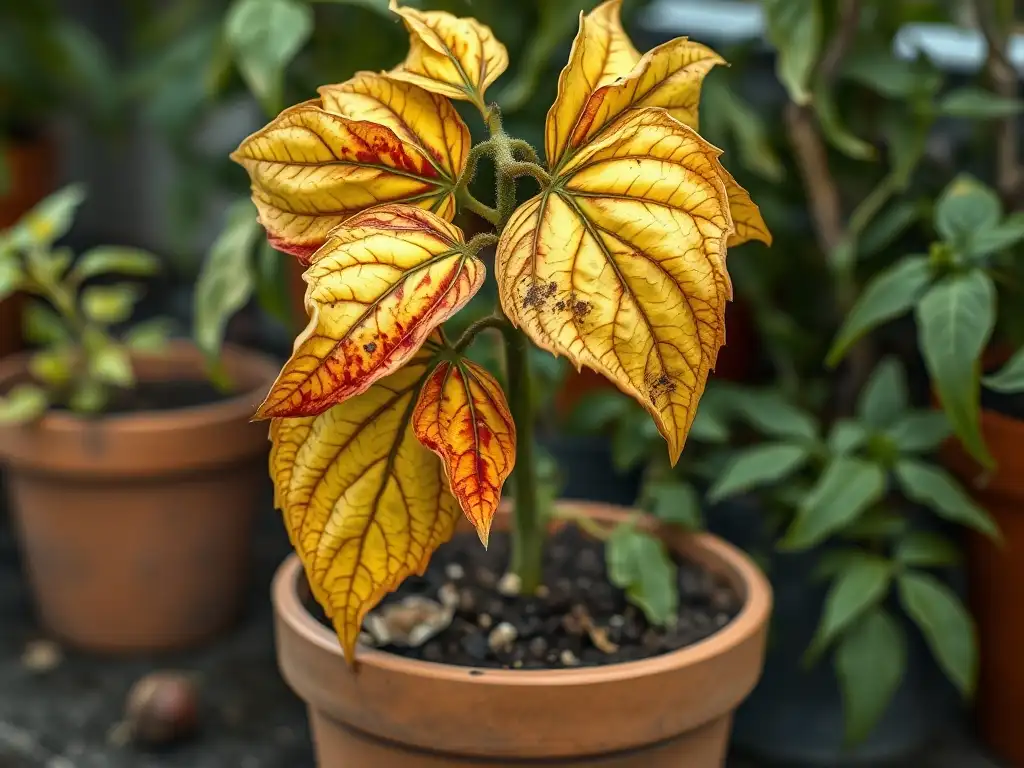
Potassium (K) is a crucial macronutrient for strong plant growth and overall health. A potassium deficiency in your container garden can manifest in several ways, often impacting the plant's ability to withstand stress and disease. Early symptoms might be subtle, appearing as slightly yellowed or scorched leaf margins, particularly on older leaves. These margins may become brown and crispy, eventually leading to leaf curling and dieback.
The overall plant growth will be stunted, and the stems may appear weak and spindly. Fruit production can also be significantly affected, with smaller, poorly developed fruits or a reduced yield. Unlike nitrogen deficiency, which typically affects younger leaves first, potassium deficiency primarily shows up on mature foliage. This is because potassium is relatively immobile within the plant.
It's important to distinguish potassium deficiency from other issues. For instance, similar symptoms can arise from drought stress or excessive salinity. Therefore, careful observation and consideration of other environmental factors are vital for accurate diagnosis.
For example, if your plants are experiencing similar symptoms only after a period of extreme heat and limited watering, the problem is most likely drought stress and not a potassium deficiency. However, if the symptoms persist even with adequate watering and consistent environmental conditions, a potassium deficiency is a likely culprit. Furthermore, potassium deficiency often presents alongside other nutrient imbalances, such as a magnesium deficiency, making a comprehensive soil test particularly helpful for accurate identification and treatment.
Diagnosing Other Micronutrient Deficiencies in Your Container Crops
While macronutrients like nitrogen, phosphorus, and potassium are essential in larger quantities, micronutrients are equally important, albeit needed in smaller amounts. Deficiencies in these trace elements can cause a range of symptoms, often impacting specific plant processes. Diagnosing these deficiencies can be trickier, as symptoms can overlap and be less obvious than those of macronutrient deficiencies. For instance, iron deficiency (Fe) often presents as interveinal chlorosis (yellowing between leaf veins) in young leaves, while manganese (Mn) deficiency can cause similar symptoms, but potentially with brown spots or necrotic areas.
Zinc (Zn) deficiency can lead to stunted growth and small, deformed leaves. Boron (B) deficiency can affect flower and fruit development, causing misshapen or aborted blooms and fruits. Copper (Cu) deficiency can lead to wilting and dieback of shoots. Molybdenum (Mo) deficiency can cause chlorosis and leaf curling, particularly in legumes.
Accurate diagnosis often requires a combination of visual observation, knowledge of the plant's specific needs, and potentially a soil test. Different plants have different sensitivities to micronutrient deficiencies, and understanding these specific needs is key. For example, while many plants show signs of iron deficiency as interveinal chlorosis, some plants may show uniformly yellow leaves, making diagnosis more challenging. A soil test can reveal precise micronutrient levels, helping pinpoint the exact deficiency.
However, even with a soil test, visual observation is still crucial for confirming the diagnosis and ruling out other potential causes. Remember, addressing underlying soil health issues, such as poor drainage or compacted soil, is often just as important as correcting specific nutrient deficiencies. Using organic methods to improve soil structure and fertility can prevent many micronutrient deficiencies before they even arise. This proactive approach is vital for sustainable and healthy container gardening.
Organic Solutions for Nutrient Deficiencies in Container Gardens
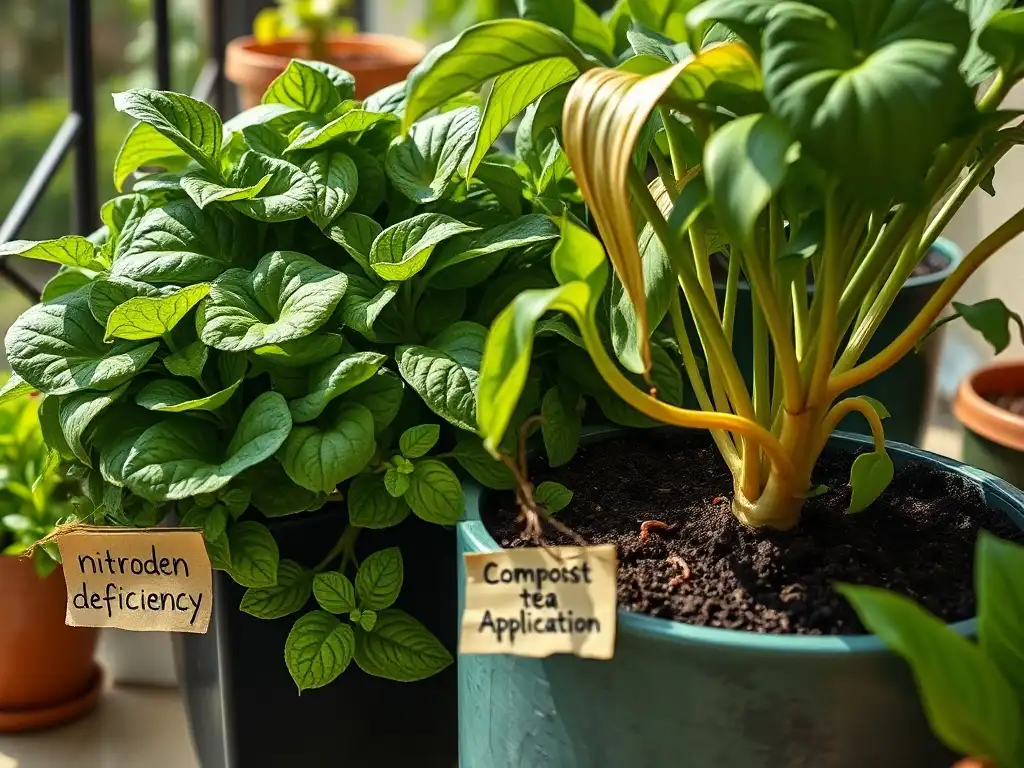
Nutrient deficiencies in container gardens are a common problem, often stemming from the limited soil volume and the rapid depletion of nutrients. Fortunately, addressing these deficiencies doesn't require resorting to harsh chemical fertilizers. Instead, a range of organic solutions can effectively nourish your plants and promote healthy growth, aligning perfectly with sustainable and organic container gardening practices. This section explores some of the most effective organic methods to revitalize your container garden and achieve bountiful harvests. We'll focus on practical techniques that any home gardener can easily implement, contributing to your overall organic container garden fixes strategy.
Composting for Nutrient-Rich Container Soil
Composting is the cornerstone of organic gardening, and it's particularly crucial for container gardening. Container plants rely heavily on the nutrients present in their limited soil volume. Compost provides a slow-release source of essential nutrients, improving soil structure, water retention, and overall soil health. The benefits extend beyond simply providing nutrients; compost also introduces beneficial microorganisms that enhance nutrient uptake and suppress soilborne diseases.
Creating your own compost is a rewarding process. You can use kitchen scraps (fruit and vegetable peels, coffee grounds, eggshells), yard waste (grass clippings, leaves), and other organic materials. Ensure a proper carbon-to-nitrogen ratio for optimal decomposition. A good mix typically involves brown materials (carbon-rich) like dried leaves and straw, and green materials (nitrogen-rich) like grass clippings and food scraps. Regularly turning the compost pile speeds up decomposition.
High-quality compost acts as a natural fertilizer. When you amend your container soil with compost, you're not just adding nutrients; you're improving the soil's overall quality, making it easier for plants to access those nutrients. This is key for thriving organic container gardens. Aim for a compost-rich soil mix, ideally making up at least 30-50% of the total volume. This will provide a sustained release of nutrients, minimizing the frequency of additional fertilization. Remember, consistent composting is a vital part of your long-term organic container garden fixes.
Using Organic Fertilizers to Boost Container Plant Nutrition
While compost provides a foundational source of nutrients, supplementing with organic fertilizers can offer targeted support during periods of rapid growth or when specific nutrient deficiencies are observed. Several options exist, each offering unique benefits:
- Seaweed Extract: This natural liquid fertilizer is rich in micronutrients and growth hormones, promoting strong root development and overall plant vigor. It's particularly helpful during transplanting and for boosting immunity against diseases.
- Fish Emulsion: Derived from fish processing, fish emulsion is a potent source of nitrogen, phosphorus, and potassium, crucial for healthy plant growth and flowering. It's a readily available option known for its effectiveness.
- Worm Castings (Vermicompost): This highly concentrated compost, produced by worms feeding on organic matter, is exceptionally rich in nutrients and beneficial microorganisms. It's considered a premium organic fertilizer, offering a complete nutrient profile.
- Bone Meal: A good source of phosphorus, bone meal is especially beneficial for flowering and fruiting plants. It provides a slow-release source of this essential nutrient.
The application method varies depending on the fertilizer. Always follow the product instructions carefully. Remember to water thoroughly after application to prevent fertilizer burn. Regular soil testing can help determine specific nutrient needs and guide your fertilizer choices. This allows for targeted interventions, ensuring your organic container garden fixes are efficient and effective.
Applying Natural Mulch to Improve Soil Health and Nutrient Retention
Mulching is a valuable practice for both in-ground and container gardens. In containers, it helps retain moisture, suppress weeds, and regulate soil temperature. Crucially, mulch also helps prevent nutrient leaching, keeping essential nutrients within reach of your plants. Organic mulches like straw, shredded leaves, wood chips, or cocoa hulls offer numerous benefits.
Applying a layer of mulch (2-3 inches) on the surface of your container soil provides insulation, preventing rapid temperature fluctuations that can stress plants. This is particularly important during hot summer days and cold nights. The mulch also reduces evaporation, conserving water and minimizing the frequency of watering, which is especially helpful for organic container gardening. The decomposition of the mulch gradually releases nutrients into the soil, further enriching it over time.
Choosing the right type of mulch depends on your plants' needs and the aesthetic of your container garden. For example, cocoa hulls offer a visually appealing dark brown color, while straw provides a more rustic look. Proper mulch application is another significant aspect of your overall organic container garden fixes plan.
By incorporating these organic solutions—composting, organic fertilizers, and natural mulching—you can effectively address nutrient deficiencies, promote healthy plant growth, and cultivate a thriving organic container garden. Remember that consistent monitoring and careful observation of your plants are crucial for early detection of nutrient problems and prompt application of organic fixes. This approach guarantees a sustainable and environmentally friendly path to a successful harvest.
Implementing Cover Cropping Techniques for Enhanced Soil Fertility in Containers
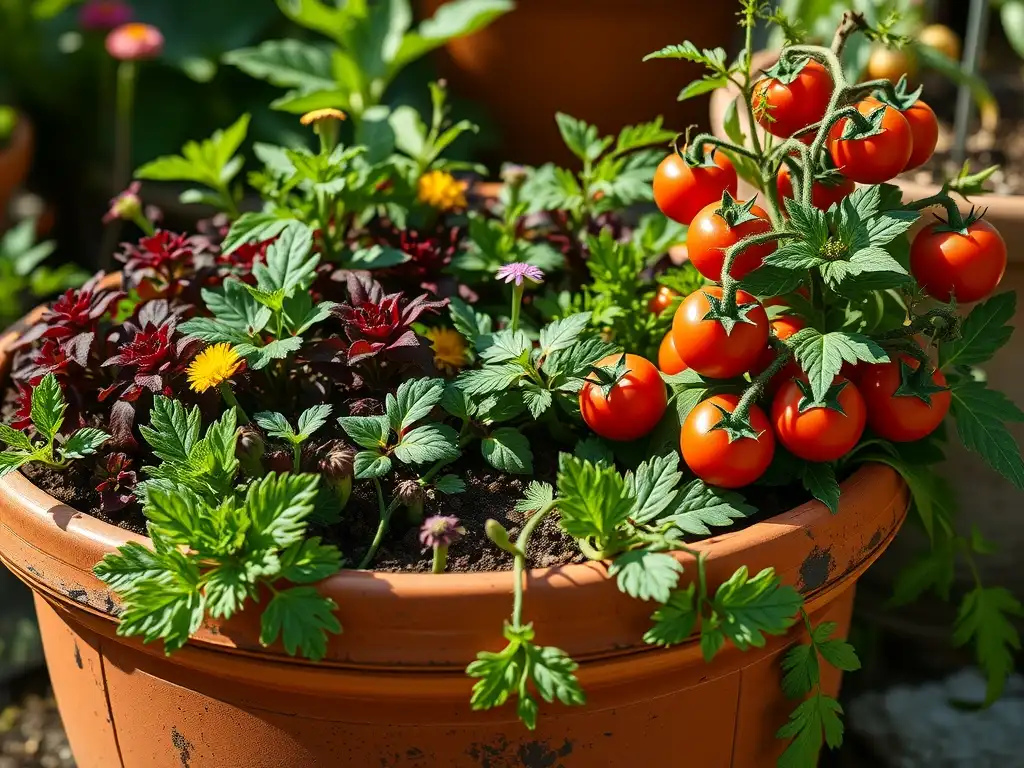
Cover cropping is a powerful organic technique to improve soil health in container gardens, even within the limited space. Unlike larger gardens, container cover cropping requires careful planning and selection of appropriate species. Fast-growing, low-growing plants are ideal, minimizing competition with your main crops. Legumes like clover or fava beans are excellent choices, as they fix nitrogen in the soil, enriching it with this essential nutrient often lacking in container environments.
These plants can be grown between plantings or even directly in the container alongside your main crop, provided there's enough space and sunlight. Remember to incorporate the cover crop into the soil before it flowers to maximize its nutrient contribution. This can be done by simply chopping and dropping the plants directly into the soil, allowing them to decompose and release their nutrients.
Another strategy involves using fast-growing, non-legume cover crops like buckwheat or oats to suppress weeds and improve soil structure. These plants can help break up compacted soil, improving drainage and aeration, critical factors for healthy root systems in containers. After a few weeks of growth, simply chop and incorporate them into the soil as well. This process helps improve soil tilth and prevent nutrient runoff, a significant issue with container gardening.
The key is to choose cover crops with short growth cycles, ensuring they don't overshadow or compete with your primary plants. Regularly assess your soil's needs and rotate cover crop types to maintain diverse microbial activity and nutrient levels. Careful monitoring and adaptation will allow you to use cover cropping successfully in your container garden, enhancing soil health and minimizing the need for synthetic fertilizers. You'll notice healthier, more vibrant plants as a result of this organic approach.
Utilizing Organic Soil Amendments to Correct Specific Nutrient Deficiencies
Organic soil amendments offer a targeted approach to correcting specific nutrient deficiencies in container gardens. Different amendments address different needs. For instance, if your plants exhibit signs of nitrogen deficiency (yellowing leaves, stunted growth), you can amend your soil with compost, aged manure, or blood meal. Compost, a staple in organic gardening, improves overall soil fertility and provides a balanced supply of nutrients.
Aged manure, rich in nitrogen and other essential nutrients, provides a slow-release fertilizer boosting plant growth. Blood meal, a more concentrated source of nitrogen, can provide a quicker boost but should be used cautiously and sparingly. It's crucial to follow package instructions and avoid over-application to prevent burning your plants' roots.
For phosphorus deficiencies (dark green leaves, poor root development), bone meal is an excellent organic choice. It releases phosphorus slowly, providing a consistent supply over time. Rock phosphate, another option, also supplies phosphorus but is less readily available to plants, requiring a longer time to break down. Potassium deficiencies (yellowing leaf margins, weak stems) can be addressed with wood ash (ensure it's from untreated wood), kelp meal, or banana peels.
Wood ash is rich in potassium, while kelp meal provides a broad spectrum of nutrients including potassium. Banana peels, a readily available household waste, are a surprising source of potassium and other beneficial minerals. Remember to bury them deeply to prevent attracting pests.
When dealing with micronutrient deficiencies (various symptoms depending on the deficient micronutrient), consider using seaweed extract, which is a rich source of micronutrients. It helps plants absorb nutrients more efficiently, boosting their overall health and resilience. Always conduct a soil test to determine the precise nutrient deficiencies before applying any amendments, allowing for a more targeted and efficient approach.
Over-amendment can be as detrimental as deficiency, so proceed cautiously and observe your plants closely after applying any amendments. By understanding the specific needs of your plants and utilizing the appropriate organic amendments, you can maintain healthy and productive container gardens. This ensures sustainable and environmentally friendly practices are at the heart of your gardening efforts.
Preventing Nutrient Deficiencies in Container Gardens: Proactive Strategies
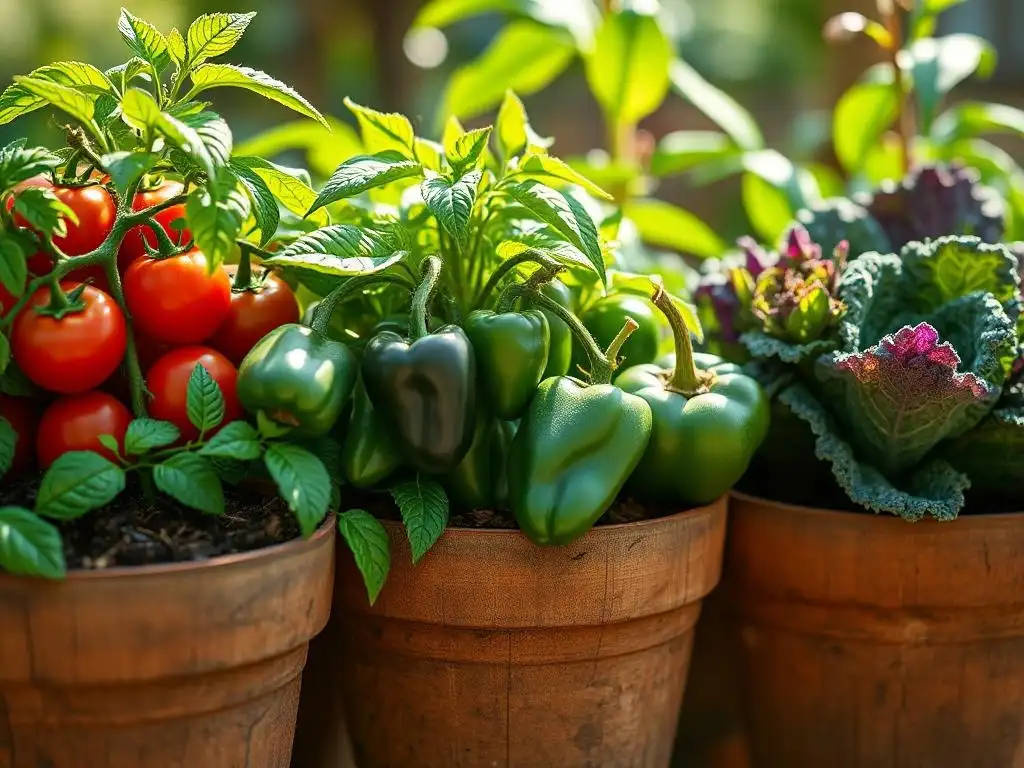
Nutrient deficiencies in container gardens are a common problem, often stemming from the limited soil volume and rapid nutrient depletion. However, proactive measures can significantly reduce the risk and ensure healthy, thriving plants. By focusing on prevention, you'll avoid the need for emergency fixes later in the growing season, saving you time, effort, and ultimately, healthier plants. This section outlines key strategies for preventing nutrient deficiencies and promoting robust growth in your organic container garden. Remember, prevention is the best "organic container garden fix."
Choosing the Right Organic Potting Mix for Your Container Garden
The foundation of a healthy container garden lies in the quality of the potting mix. Using a pre-mixed, high-quality organic potting mix is crucial. Avoid using garden soil directly, as it's too dense and can compact easily within containers, restricting root growth and oxygen flow. Look for mixes specifically designed for containers, often labeled as "potting mix" or "seed starting mix." These mixes typically contain a blend of peat moss, coco coir, vermiculite, and compost, providing excellent drainage, aeration, and a balanced initial nutrient supply.
A good organic potting mix should be light and airy, allowing for optimal root respiration. It should also retain some moisture without becoming waterlogged. The inclusion of compost provides essential organic matter, improving soil structure and slowly releasing nutrients over time. Choosing a mix with a good balance of these components ensures a healthy start for your plants and minimizes the risk of early nutrient deficiencies. Consider using a mix enriched with beneficial microbes for further enhancement of soil health. This proactive approach significantly reduces the need for frequent fertilization later on.
Regular Soil Testing for Container Gardens: Monitoring Nutrient Levels
Regular soil testing is essential for proactive nutrient management in container gardens. Unlike in-ground gardens, containers have limited soil volume, leading to rapid nutrient depletion. Testing allows you to monitor nutrient levels throughout the growing season, identifying potential deficiencies before they significantly impact plant health. You can purchase home soil testing kits, providing a simple and convenient way to check pH levels and the availability of essential macronutrients (nitrogen, phosphorus, potassium) and micronutrients (iron, manganese, zinc, etc. ).
Soil testing kits typically involve adding a soil sample to a solution and comparing the color change to a provided chart. While these kits may not provide the precise levels of each nutrient, they offer a valuable indication of overall soil health and potential deficiencies. Regular testing, ideally every 4-6 weeks, allows for timely adjustments to your fertilization schedule, preventing nutrient stress and ensuring optimal plant growth.
This is a key aspect of organic container garden fixes, acting as early warning for potential problems. Remember to always follow the instructions provided with your chosen soil testing kit for accurate results.
Implementing a Balanced Organic Fertilization Schedule for Container Plants
Once you understand your soil's nutrient levels, you can develop a balanced organic fertilization schedule. This is crucial for preventing deficiencies and promoting vigorous growth throughout the season. Organic fertilizers, such as compost tea, fish emulsion, seaweed extract, and worm castings, provide a slow-release source of nutrients, reducing the risk of nutrient burn and minimizing environmental impact. These fertilizers are rich in essential nutrients and beneficial microorganisms, improving soil structure and overall plant health.
A balanced approach involves applying fertilizer regularly, following the instructions on the product label. Avoid over-fertilizing, as this can lead to other problems. It's often better to apply smaller amounts more frequently than large amounts less often. Consider using a combination of different organic fertilizers to provide a wider range of nutrients.
For example, you might alternate between a nitrogen-rich fertilizer (like compost tea) and a potassium-rich fertilizer (like seaweed extract). This strategy, combined with regular soil testing, ensures that your container plants receive the nutrients they need for healthy, productive growth. This is a critical element of effective "organic container garden fixes," ensuring your plants receive consistent nutrition throughout their growing cycle. 🌱
Water Management Techniques to Optimize Nutrient Uptake in Containers
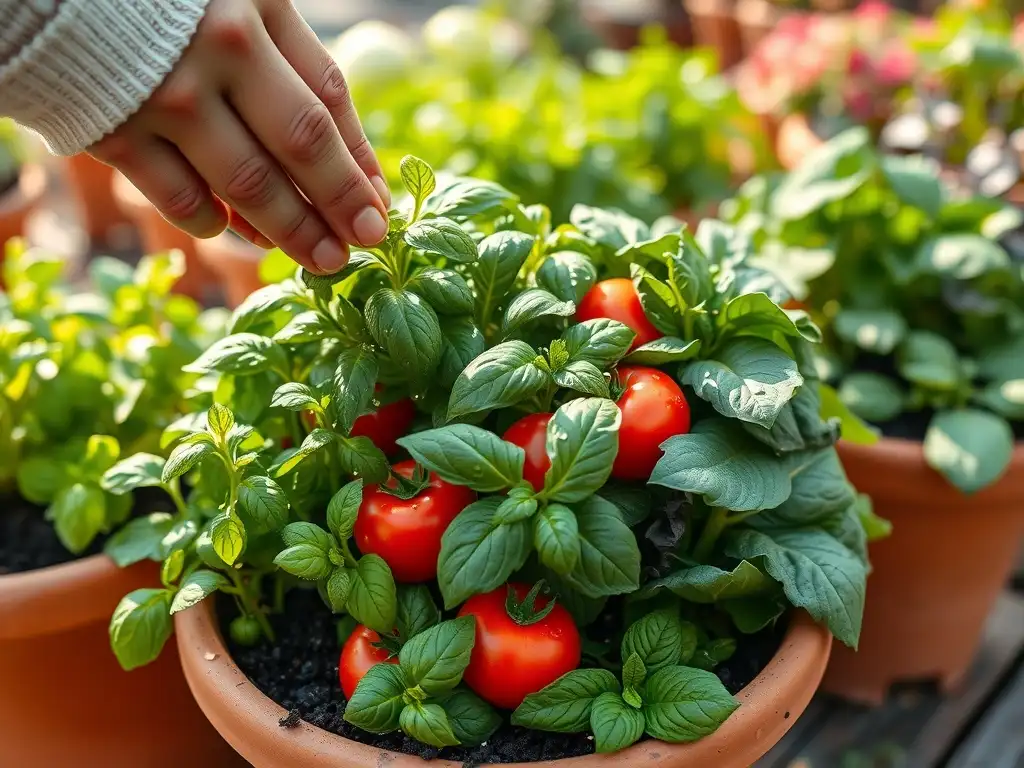
Proper watering is crucial for nutrient uptake in container gardens. Overwatering can lead to root rot, preventing nutrient absorption, while underwatering stresses plants, hindering their ability to access available nutrients. The key is to find the "Goldilocks" zone – not too much, not too little. This requires careful observation and adjustment based on several factors.
First, consider the type of container. Dark-colored containers heat up faster than light-colored ones, leading to more frequent watering. Similarly, porous containers like terracotta pots dry out more quickly than plastic or glazed ceramic pots. The size of the container also plays a significant role; smaller containers dry out faster than larger ones. Understanding these differences is essential for tailoring your watering schedule.
Secondly, monitor the soil moisture. Don't rely solely on a schedule; instead, check the soil regularly using your finger. Insert your finger about an inch into the soil. If it feels dry, it's time to water. Avoid letting the soil completely dry out, as this can shock the plant and hinder nutrient uptake. Conversely, avoid soggy soil, which can suffocate roots.
Finally, consider the plant's needs. Different plants have different water requirements. Some, like succulents, prefer drier conditions, while others, like leafy greens, need consistently moist soil. Research the specific needs of the plants you're growing to optimize your watering strategy. Using a moisture meter can also be a helpful tool, particularly for beginners, to gauge soil moisture levels more accurately. Remember, consistent monitoring and responsive watering are key to preventing nutrient deficiencies related to improper water management in your organic container garden fixes.
Optimizing Light and Air Circulation to Promote Healthy Plant Growth in Containers
Sufficient sunlight and proper air circulation are essential for healthy plant growth and nutrient uptake in container gardens. Plants need light for photosynthesis, the process that converts sunlight, water, and carbon dioxide into energy and nutrients. Inadequate light can lead to weak, leggy growth and nutrient deficiencies, as plants struggle to produce the energy necessary for nutrient absorption.
The amount of sunlight your plants need varies depending on the species. Some plants thrive in full sun (at least 6 hours of direct sunlight daily), while others prefer partial shade or even full shade. Carefully research the light requirements of each plant before planting. Rotate containers regularly, especially if they are in a less-than-ideal location, to ensure even light exposure. This is especially important for preventing uneven growth and nutrient deficiencies.
Adequate air circulation is equally important. Good airflow prevents the buildup of humidity, which can lead to fungal diseases and other problems that can hinder nutrient uptake. Stagnant air can also increase the risk of pest infestations. To improve air circulation, ensure there's enough space between plants and containers.
Avoid overcrowding, as this restricts airflow. Consider using fans to gently circulate the air, particularly in enclosed spaces like balconies or patios. This is particularly beneficial in humid climates, helping to maintain ideal growing conditions and thus, supporting healthy nutrient uptake in your organic container garden. By providing optimal light and air circulation, you’re actively supporting your plants' ability to absorb nutrients efficiently, contributing significantly to overall plant health and reducing the need for extra organic container garden fixes.
Case Study: Remediating Nutrient Deficiencies in a Tomato Container Garden
This case study details the diagnosis and treatment of nutrient deficiencies in a tomato plant grown in a container, showcasing practical applications of organic container garden fixes. We'll explore the symptoms, implement organic solutions, and monitor the plant's recovery, providing a clear example of how to address common issues in container gardening.
Initial Diagnosis of Nutrient Deficiency in Tomatoes
Our subject is a determinate tomato cultivar, 'Celebrity', planted in a 15-gallon container filled with a commercial potting mix. After approximately six weeks of growth, the plant exhibited several tell-tale signs of nutrient deficiency. The lower leaves displayed interveinal chlorosis—yellowing between the leaf veins—a classic symptom of several deficiencies, most commonly nitrogen or iron. Furthermore, the leaves were noticeably smaller than expected for this growth stage, and some exhibited marginal necrosis (browning and dying of leaf edges), hinting at a potential potassium deficiency. The overall growth was stunted compared to other similarly aged plants in the garden.
To confirm the suspicion of nutrient deficiencies, a simple soil test was conducted using a home testing kit. The results revealed low levels of nitrogen (N), potassium (K), and slightly lower than optimal levels of iron (Fe). This confirmed the visual diagnosis and provided specific targets for remediation. The soil pH was slightly acidic (6.0), which while not ideal for optimal nutrient uptake, wasn't a major contributing factor in this case. Remember, regular soil testing is crucial for proactive organic container garden fixes.
Implementing Organic Solutions to Address Deficiency
Based on the soil test results, a multi-pronged organic approach was implemented to address the identified deficiencies. Rather than relying on synthetic fertilizers, which can harm beneficial soil microbes and potentially pollute water sources, organic amendments were used.
- Nitrogen Boost: A compost tea was prepared using well-rotted compost, aerated for 24 hours to stimulate microbial activity. This tea was applied weekly to the soil around the tomato plant, providing a slow-release source of nitrogen and beneficial microbes. Additionally, a side dressing of aged chicken manure was added, providing a further sustained release of nitrogen.
- Potassium Enhancement: A liquid seaweed extract, known for its rich potassium content and other beneficial micronutrients, was applied bi-weekly. This provided a readily available source of potassium to address the deficiency quickly.
- Iron Chelate: While the soil pH wasn't extremely low, an organic iron chelate was applied to improve iron uptake. Iron chelates are designed to make iron more bioavailable to plants, even in slightly acidic conditions. This was applied as a foliar spray, directly to the leaves, for quicker absorption.
The application schedule was carefully followed, and the soil moisture was consistently maintained. Overwatering or underwatering can exacerbate nutrient deficiencies. Careful attention was paid to the plant's overall health, looking for signs of improvement or any other developing issues.
Monitoring Progress and Results: Documenting Recovery
Following the implementation of the organic solutions, the tomato plant's health improved steadily. Within two weeks, the interveinal chlorosis in the lower leaves began to diminish, replaced by a healthier green color. New growth appeared more vigorous, with larger leaves and a stronger stem. The marginal necrosis also began to recede.
After four weeks, the plant showed a significant recovery. The new leaves were a healthy dark green, indicating sufficient nitrogen uptake. The growth rate significantly increased, and the plant started to flower and set fruit. The overall size and vigor were comparable to healthy, similarly aged plants. Regular soil testing after 6-8 weeks would be beneficial to determine if the initial nutrient levels have been successfully corrected.
This allows for fine-tuning of the organic container garden fixes, if needed. The success of this case study underscores the effectiveness of organic approaches in addressing nutrient deficiencies in container gardens, promoting both plant health and environmental sustainability. This highlights the importance of regular monitoring and adjustments for optimal plant health, proving that consistent care leads to successful organic container gardening. 🌱
Frequently Asked Questions
What are common nutrient deficiencies in container gardens?
Container gardens are prone to deficiencies in nitrogen, phosphorus, and potassium, leading to yellowing leaves, stunted growth, and poor flowering/fruiting. Addressing these deficiencies quickly is crucial for plant health.
How can I tell if my plants have a nutrient deficiency?
Look for visual clues like yellowing leaves (chlorosis), discoloration, stunted growth, or unusual leaf shapes. Comparing your plants to healthy examples can also be helpful. Specific deficiency symptoms vary depending on the lacking nutrient.
What are some organic solutions for nutrient deficiencies?
Use organic fertilizers like compost tea, worm castings, or seaweed extract. Consider soil testing to pinpoint specific needs. You can also use cover crops to improve soil health in the long run.
How often should I fertilize my container garden?
The frequency depends on the plant's needs, the type of fertilizer, and the soil's composition. A general guideline is to fertilize every 2-4 weeks during the growing season, but always follow product instructions.
Can I prevent nutrient deficiencies in my container garden?
Yes! Start with high-quality potting mix, amend it with compost, and use slow-release organic fertilizers. Regular watering and monitoring are also key to preventing nutrient deficiencies and ensuring healthy growth.
Final Reflection: Cultivating Health, One Container at a Time
The health of our container gardens directly mirrors the health of our planet; neglecting one inevitably impacts the other. Understanding nutrient deficiencies isn't just about bountiful harvests; it's about fostering a sustainable and resilient approach to gardening, crucial in a world facing increasing environmental challenges. Ignoring the subtle signs of plant distress can lead to diminished yields and ultimately, a less vibrant ecosystem, both in our containers and beyond.
The journey of learning to identify and address nutrient deficiencies has been a deeply rewarding one, teaching me the interconnectedness of soil health, plant vitality, and our own responsibility as stewards of the environment. The glory of gardening: hands in the dirt, head in the sun, heart with nature. To nurture a garden is to feed not just the body, but the soul.
This quote perfectly encapsulates the holistic nature of container gardening, highlighting the profound connection between our actions and the flourishing of life around us. The impact extends beyond the individual plant; it's about creating a mini-ecosystem that thrives, a microcosm of a healthier world.
Now, it's your turn. Take a closer look at your own container gardens. Observe your plants carefully, learn to recognize the subtle signs of nutrient imbalance, and embrace the power of organic solutions. By nurturing the health of your plants, you are not only contributing to a more sustainable future but also enriching your own connection with the natural world. Let's cultivate a future where healthy plants and a healthy planet go hand in hand.
Unveil Your Garden's Potential: Thriving Plants, Naturally
Thank you for learning about nutrient deficiencies and organic solutions for your container garden! You've gained valuable knowledge to cultivate healthier, happier plants. Ready to put this knowledge into action?
- Prioritize your plants' needs: Carefully examine your plants. Identify any deficiencies based on the symptoms you've learned, and create a plan to address them using organic methods.
- Share your experience: Tell us about your experience addressing nutrient deficiencies in your container garden. What techniques proved most effective?
- Enhance your soil naturally: Research various organic soil amendments to improve your container garden's nutrient profile. Experiment with different options in your next planting!
Ready to transform your container garden into a thriving ecosystem? What's the first nutrient deficiency you plan to address?