
The Perfect Match: Pairing Container Styles with Plant Types

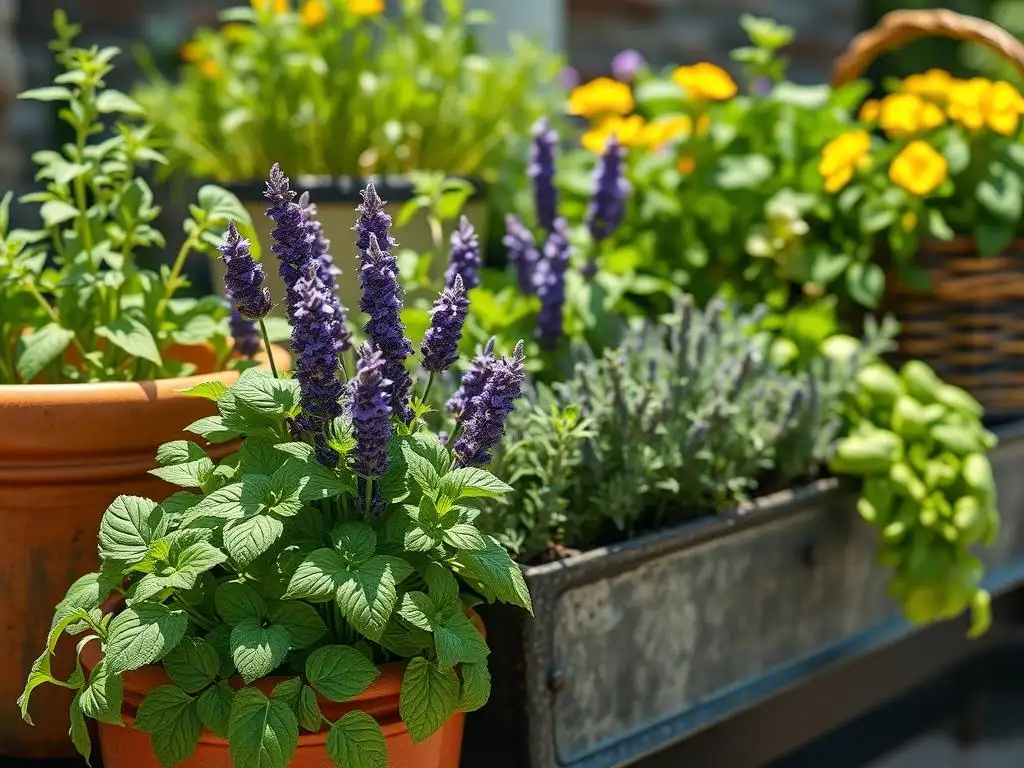
Ready to transform your balcony, patio, or even windowsill into a thriving organic garden? At CultivateYourFood, we're passionate about helping you grow your own delicious fruits, vegetables, and herbs. But with so many options, choosing the right container can feel overwhelming. Discover the secrets to success in our latest article, "The Perfect Match: Pairing Container Styles with Plant Types," where we delve into finding the best container for herbs and other plants, ensuring a bountiful harvest. Let's get growing!
-
Choosing the Best Container for Herbs: Material Matters
- Terracotta Pots for Aromatic Herbs: Benefits and Considerations
- Plastic Pots for Herb Gardening: Pros, Cons, and Best Uses
- Wooden Containers for Herbs: Aesthetics and Practicality
- Metal Containers for Herbs: Stylish Options and Potential Drawbacks
- Upcycled Containers for Herb Gardening: Creative and Sustainable Choices
- Selecting the Right Size Container for Herb Growth
- Optimizing Drainage and Soil for Containerized Herbs
- Best Container for Herbs: Considering Sunlight and Location
- Maintaining Your Herb Containers for Long-Term Success
- Frequently Asked Questions
- Final Reflection: Cultivating Harmony: Container and Herb Partnerships
- Unleash Your Green Thumb: Perfect Plant-Pot Partnerships!
Choosing the Best Container for Herbs: Material Matters
Choosing the right container is crucial for successful herb gardening. The material you select significantly impacts drainage, aeration, temperature regulation, and even the aesthetic appeal of your herb garden. This guide will explore the best container for herbs, focusing on the most popular materials and their suitability for various herb types. We'll delve into the nuances of each material, helping you make informed decisions to cultivate thriving, aromatic herbs in your home garden.
Selecting the perfect container isn't just about aesthetics; it's about creating the ideal environment for your plants to flourish, maximizing their growth and yield. This article will help you understand the specific needs of different herbs and how to match them with the optimal container type for a bountiful harvest. Let's explore the world of container gardening and discover the perfect match for your herbs! 🌱
Terracotta Pots for Aromatic Herbs: Benefits and Considerations
Terracotta pots, made from baked clay, are a classic choice for herb gardening. Their porous nature allows for excellent drainage and aeration, preventing waterlogged soil that can lead to root rot – a common problem for many herbs. This breathability also helps regulate soil temperature, preventing extreme fluctuations that can stress delicate plants. Many aromatic herbs, such as rosemary, thyme, and lavender, thrive in well-drained, slightly dry conditions, making terracotta pots an excellent choice.
However, terracotta pots also have drawbacks. Their porous nature means they dry out quickly, requiring more frequent watering, especially during hot and dry periods. This can be a double-edged sword; while beneficial for drainage, it necessitates consistent monitoring of soil moisture to avoid dehydration. Furthermore, terracotta pots can be fragile and prone to cracking, especially in freezing temperatures.
Therefore, it's essential to protect them during winter or bring them indoors if you live in a colder climate. Careful consideration of these factors is key to successfully using terracotta pots for your herb garden. For example, using saucers under the pots can help retain moisture and prevent water from splashing onto surfaces.
Plastic Pots for Herb Gardening: Pros, Cons, and Best Uses
Plastic pots offer a more affordable and durable alternative to terracotta. They are lightweight, easy to handle, and resistant to cracking and breaking, making them a practical choice for beginners or those with limited space. Their non-porous nature means they retain moisture better than terracotta, reducing the frequency of watering. This is particularly beneficial for herbs that prefer consistently moist soil, such as basil and mint. The wide variety of shapes, sizes, and colors available also allows for creative customization of your herb garden.
However, plastic pots can have drawbacks. Their lack of porosity can lead to waterlogging if not properly managed, potentially causing root rot if drainage holes are insufficient or blocked. Furthermore, some plastics can degrade over time, releasing harmful chemicals into the soil. Opting for high-quality, food-safe plastics is crucial.
Additionally, plastic pots can become excessively hot in direct sunlight, potentially stressing the plants. Choosing lighter-colored pots or providing some shade can mitigate this issue. For example, using plastic pots for herbs that prefer more consistently moist conditions, like cilantro, can be a great solution, provided you monitor the moisture levels carefully.
Wooden Containers for Herbs: Aesthetics and Practicality
Wooden containers offer a rustic charm and blend seamlessly into many garden settings. They can add a touch of elegance and sophistication to your herb garden. However, they require more care and maintenance than plastic or terracotta pots. Wood is susceptible to rot and insect infestation if not properly treated and maintained. Choosing weather-resistant wood, such as cedar or redwood, is crucial. Furthermore, wooden containers often require more frequent watering, as they tend to dry out more quickly than plastic pots. This is due to the wood’s ability to absorb moisture.
Despite these challenges, wooden containers can be a beautiful and functional addition to a herb garden. Proper sealing and treatment are essential to extend their lifespan and prevent rotting. Regular inspection for signs of damage or insect infestation is also recommended. The aesthetic appeal of wooden containers makes them a popular choice for those who prioritize visual appeal in their gardening endeavors. Choosing a well-constructed, treated wooden container can provide a long-lasting and attractive home for your herbs, provided you take the necessary steps to maintain it effectively.
Metal Containers for Herbs: Stylish Options and Potential Drawbacks
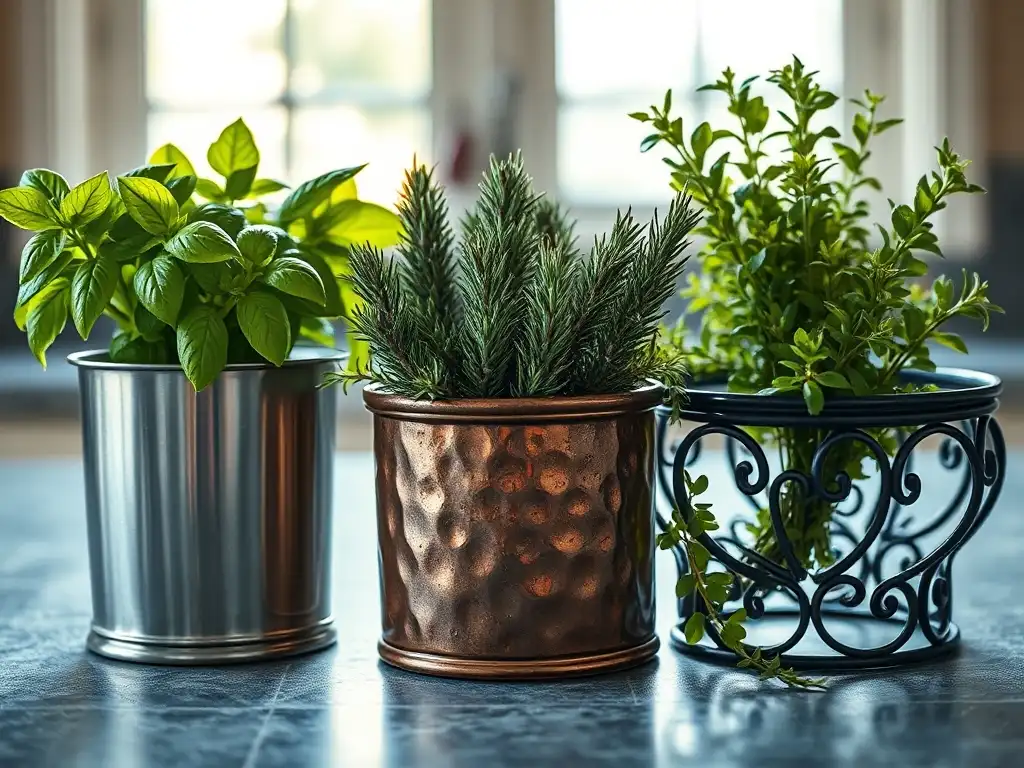
Metal containers, such as galvanized steel, copper, or aluminum pots, offer a sleek and modern aesthetic that can elevate the look of any herb garden. Their durability is also a significant advantage; they can withstand harsh weather conditions better than many other materials, making them a practical choice for outdoor herb gardens, even in areas with extreme temperatures or frequent rainfall. The thermal properties of metal can be beneficial, helping to regulate soil temperature to a certain degree. However, this can also be a drawback in intense heat, potentially leading to rapid soil drying and requiring more frequent watering.
Furthermore, the weight of metal containers can be both a benefit and a drawback. While their weight provides stability, preventing them from tipping over easily, it also makes them more difficult to move and rearrange. This is particularly relevant when considering the optimal sun exposure for different herbs throughout the day. Finally, some metals, especially those that aren't treated or coated properly, can react with the soil, potentially affecting the pH and impacting the health of your herbs.
For example, untreated copper can leach into the soil, which might be toxic to certain plants in high concentrations. Therefore, choosing food-safe, coated metal containers is crucial for successful herb gardening. Regular cleaning is also recommended to prevent the buildup of algae and other microorganisms. The longevity of metal containers, while appealing, is only guaranteed if proper care is taken to address potential rust or corrosion.
Upcycled Containers for Herb Gardening: Creative and Sustainable Choices
Upcycled containers represent a fantastically sustainable and often cost-effective solution for growing herbs. The possibilities are virtually endless; old watering cans, tea tins, repurposed buckets, and even creatively modified ceramic pots can all be used to create a unique and charming herb garden. This approach aligns perfectly with the principles of sustainable gardening, minimizing waste and reducing the environmental impact associated with producing new containers.
Moreover, upcycling adds a unique character to your herb garden, creating a personalized and visually interesting space. Using different sizes and shapes of upcycled containers adds visual interest and allows you to tailor the growing space to specific herb needs. For instance, a larger container could be ideal for basil, while smaller ones might be perfect for chives or thyme.
However, using upcycled containers requires careful consideration. Before using any container, it’s essential to thoroughly clean and sanitize it to remove any residual chemicals, pesticides, or bacteria that could harm your herbs. Additionally, ensure the container has adequate drainage holes to prevent root rot, a common problem in poorly draining containers. Some upcycled materials might not be suitable for all herbs.
For example, a container that previously held chemicals should never be used for edible plants. Careful selection and preparation are key to ensuring the success of your upcycled herb garden, transforming discarded items into thriving, fragrant additions to your kitchen. The creative possibilities are endless, allowing for a truly personalized and environmentally conscious gardening experience.
Selecting the Right Size Container for Herb Growth
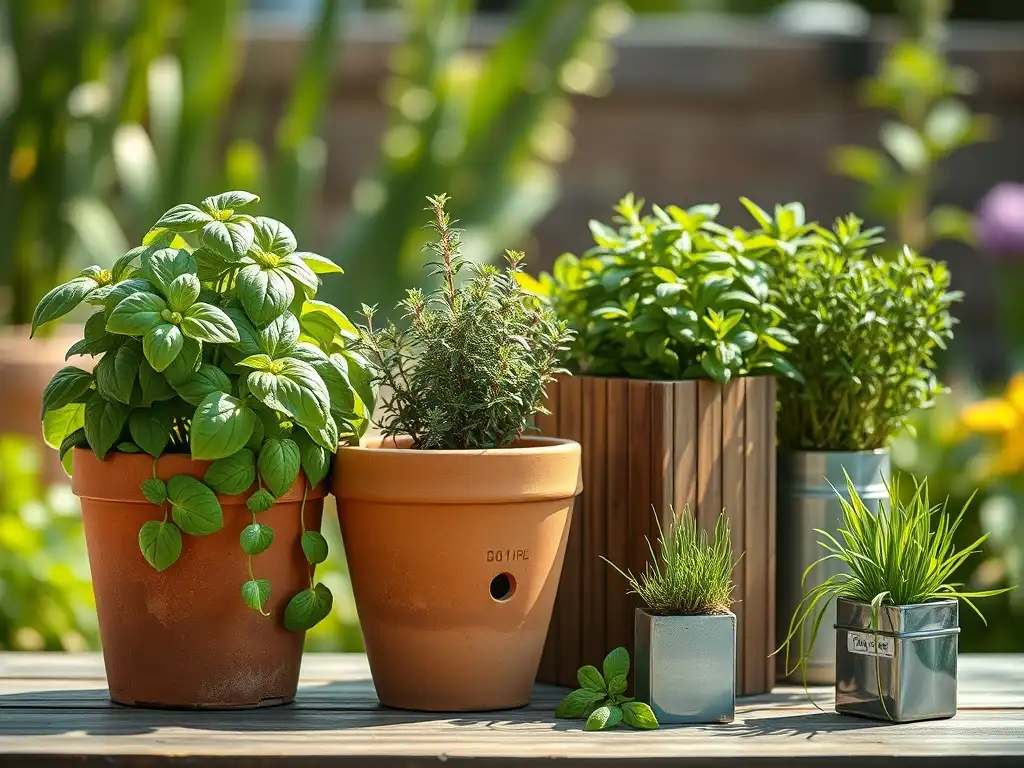
Choosing the right container is crucial for successful herb gardening. The size directly impacts the plant's health, yield, and overall lifespan. While the phrase "best container for herbs" is often used, the ideal size isn't universal; it depends heavily on the specific herb and its growth habit. Overcrowding leads to stunted growth and increased susceptibility to diseases, while under-potting forces frequent repotting, disrupting the plant's root system. Finding the sweet spot optimizes growth and minimizes stress.
Container Size and Herb Variety: A Detailed Guide
The size of your container should directly correlate with the mature size of your herb. Fast-growing herbs like basil and cilantro need more space than slower-growing varieties like thyme or rosemary. Here's a general guideline:
| Herb Type | Recommended Pot Size (Diameter) | Notes |
|---|---|---|
| Basil | 10-12 inches | Needs ample space for its rapid growth and bushy nature. |
| Cilantro | 8-10 inches | Relatively short-lived, but still benefits from adequate space. |
| Parsley | 10-12 inches | Can grow quite large, especially curly parsley. |
| Thyme | 6-8 inches | Compact grower, thrives in smaller containers. |
| Rosemary | 12-15 inches or larger | Can become quite large and woody; larger containers are preferable. |
| Mint | At least 12 inches, ideally larger | Very vigorous grower; needs significant space to prevent overcrowding. |
Remember that these are guidelines. Always check the mature size of your specific herb variety for the most accurate sizing information. Over-potting isn't detrimental, but under-potting will severely limit growth and potentially kill your plant. Consider using pots with drainage holes to prevent root rot. 🌱
Root Development and Container Capacity: Avoiding Root Bound Herbs
Root-bound herbs are a common problem stemming from insufficient container size. When roots circle the bottom of the pot, they become constricted, hindering nutrient and water uptake. This leads to stunted growth, yellowing leaves, and reduced yield. The resulting stress weakens the plant, making it more vulnerable to pests and diseases.
To avoid this, ensure your container provides ample space for root development. Regularly check your herbs for signs of root-binding, such as circling roots visible through drainage holes or significantly slowed growth despite adequate watering and fertilization. Repotting into a larger container is usually necessary to remedy this situation. This is particularly important for herbs with extensive root systems.
Choosing the Right Depth for Different Herb Types
While diameter is important, depth is equally crucial. Deep containers benefit herbs with taproots, while shallower containers suffice for those with fibrous root systems. Deep containers also provide more space for soil volume, crucial for moisture retention and nutrient availability. For instance, rosemary, with its taproot, benefits significantly from a deeper pot to accommodate its root growth.
Conversely, herbs like basil or mint which have shallower root systems will thrive in containers with a less deep profile. Consider this aspect when choosing the best container for herbs, as depth impacts the overall health and productivity of the plant. Always consider the mature root system of the specific herb. Failing to do so can lead to stunted growth and plant stress.
Assessing Your Space and Choosing Appropriate Container Sizes
Choosing the right size container is crucial for healthy herb growth. Overcrowding leads to stunted growth, competition for resources, and increased susceptibility to diseases. Conversely, excessively large containers can lead to overwatering and poor drainage. The ideal container size depends on several factors, primarily the mature size of the herb you intend to plant. A small herb like thyme will thrive in a relatively small pot, while a larger herb like rosemary will need significantly more space.
Consider the mature root system of your chosen herb. Researching the specific herb's growth habits before selecting a container is essential. For instance, basil, with its relatively shallow root system, does well in shallower containers, while mint, with its more extensive and vigorous root growth, benefits from deeper pots to prevent root-bound conditions. Root-bound herbs exhibit stunted growth, yellowing leaves, and reduced yields.
Your available space is another key factor. If you have limited space on a balcony or patio, smaller containers are a practical choice. However, if you have ample space in a garden or larger outdoor area, you have more flexibility to choose larger containers. Remember to consider the weight of the container when it's filled with soil and the plant; larger, heavier containers might be less suitable for elevated locations. Smaller pots are easier to move around for sun exposure or protection from harsh weather conditions.
Think about the overall aesthetic you want to achieve. While functionality is paramount, the visual appeal of your herb garden shouldn't be ignored. A well-planned arrangement of different-sized containers can create a visually pleasing and productive space. Match the size and style of your containers to your overall garden design.
For example, terracotta pots offer a rustic charm, while sleek modern planters add a contemporary touch. The best container for herbs isn't just about size; it's about finding the perfect balance between functionality and aesthetics. Consider the weight and ease of moving the containers, especially if you plan to rotate them to optimize sunlight exposure or protect them from adverse weather conditions. This is especially important for larger containers.
Optimizing Drainage and Soil for Containerized Herbs
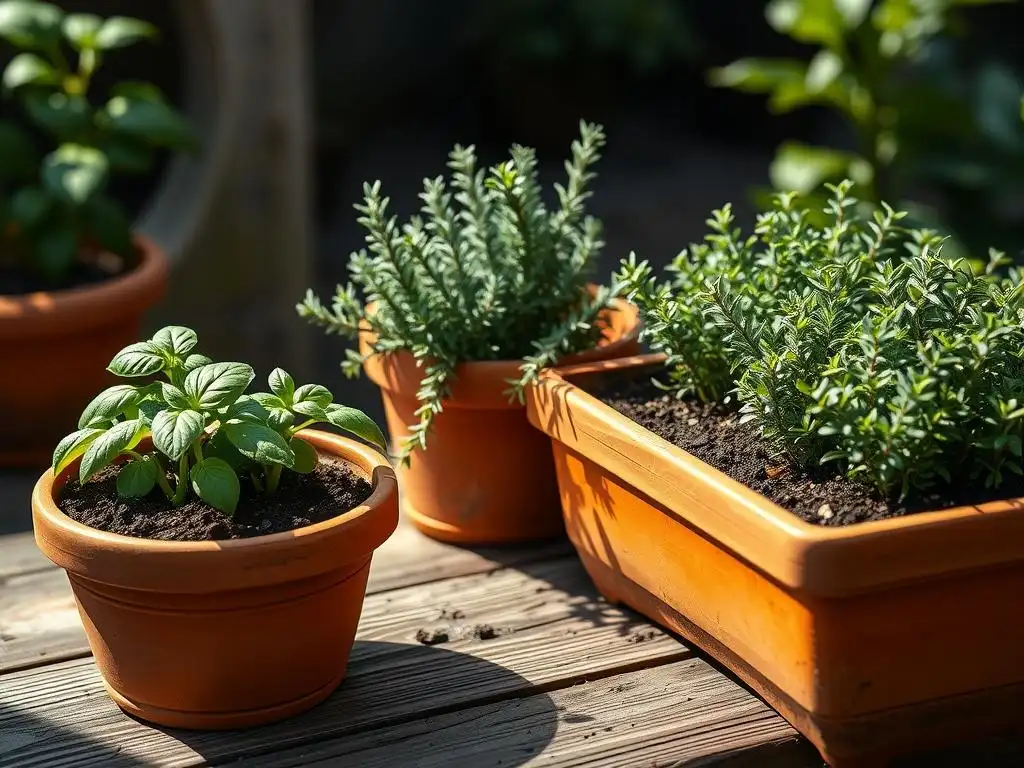
Choosing the right container is only half the battle when it comes to successfully growing herbs. Optimal drainage and well-selected soil are crucial for healthy herb growth, especially in containers where water retention can easily lead to problems. This section focuses on the essential aspects of creating the perfect environment for your thriving herb garden, addressing drainage solutions and soil selection tailored to container gardening. Finding the best container for herbs involves more than just aesthetics; it's about providing the ideal growing conditions.
Drainage Solutions for Different Container Materials
The material of your container significantly impacts drainage. Poor drainage can lead to root rot and fungal diseases, quickly killing your precious herbs. Let's explore some common container materials and how to optimize drainage for each:
- Terracotta Pots: These are naturally porous, offering excellent drainage. However, they also dry out faster, requiring more frequent watering. To enhance drainage further, consider placing a layer of broken terracotta shards or gravel at the bottom of the pot before adding soil. This creates an air pocket that prevents water from becoming stagnant.
- Plastic Pots: Plastic pots are less porous than terracotta, so drainage holes are essential. Ensure the holes are adequately sized and not blocked by soil or debris. You might also consider adding a layer of gravel for improved drainage, particularly in larger containers.
- Wooden Planters: Wooden containers can be beautiful, but they often require extra attention to drainage. Line the bottom with a waterproof liner (such as plastic sheeting) before adding gravel and soil. This prevents the wood from absorbing too much moisture and rotting, while still allowing for adequate drainage. Regularly inspect wooden planters for signs of decay.
- Metal Containers: While stylish, metal containers can heat up quickly in direct sunlight, potentially damaging roots. Ensure adequate drainage holes and consider using a liner to prevent rust and improve insulation.
Remember, regardless of the container material, always check for adequate drainage by pouring water into the container and observing how quickly it drains. Slow drainage indicates a need for improvement. Proper drainage is a key factor in determining the best container for herbs.
Soil Selection for Optimal Herb Growth in Containers
The soil you choose is as important as the container itself. Herb roots need well-aerated, nutrient-rich soil that drains easily. Avoid using garden soil directly from your yard, as it's often too heavy and can compact in containers, hindering drainage. Instead, opt for a well-draining potting mix specifically formulated for containers.
A good potting mix will typically contain a blend of:
- Peat Moss: Retains moisture but also allows for good aeration.
- Perlite or Vermiculite: Improves drainage and aeration, preventing compaction.
- Compost: Adds essential nutrients and improves soil structure.
You can enhance your potting mix further by adding:
- Worm Castings: A natural fertilizer rich in nutrients.
- Coco Coir: A sustainable alternative to peat moss that retains moisture well.
The ideal soil pH for most herbs ranges from 6.0 to 7.0. A soil test kit can help you determine your soil's pH and adjust it if necessary. Choosing the right soil is a crucial step in selecting the best container for herbs.
Preventing Waterlogging and Root Rot in Herb Containers
Waterlogging, where the soil remains saturated, is a common problem in container gardening and a significant threat to herb health. It leads to root rot, a devastating fungal disease that can quickly kill your plants. Here are some strategies to prevent waterlogging and root rot:
- Choose the Right Size Container: Select containers appropriately sized for your herbs. Overly large containers retain more moisture, increasing the risk of waterlogging.
- Monitor Soil Moisture: Regularly check the moisture level of your soil before watering. Stick your finger a couple of inches into the soil; if it feels dry, it's time to water.
- Use Saucers Carefully: While saucers can catch excess water, they can also contribute to waterlogging if not emptied regularly. Ensure any excess water drains away promptly.
- Improve Drainage: As discussed previously, ensure your containers have adequate drainage holes and consider adding a layer of gravel for improved drainage.
- Avoid Overwatering: Overwatering is a major culprit in waterlogging. It's better to underwater slightly than to overwater. Signs of overwatering include yellowing leaves, wilting, and a foul odor emanating from the soil. 💦
By carefully considering drainage, soil selection, and watering practices, you can significantly reduce the risk of waterlogging and root rot, ensuring your herbs thrive in their containers. This careful attention to detail will help you find the best container for herbs and achieve a bountiful harvest.
Maintaining Proper Soil Moisture Levels for Healthy Herbs
Maintaining the right soil moisture is crucial for thriving herbs in containers. Overwatering leads to root rot, a common killer of herbs, while underwatering results in wilting and stunted growth. The ideal soil moisture level is consistently moist but not soggy. You should be able to stick your finger about an inch into the soil; if it feels dry, it's time to water. If it feels completely saturated, you need to allow the soil to dry out a bit before watering again.
Different herbs have slightly different water requirements. For example, basil, known for its love of moisture, needs more frequent watering than rosemary, which prefers drier conditions. Observe your herbs closely; their appearance will be your best guide. Wilting leaves are a clear sign of underwatering, while yellowing leaves and a foul odor from the soil often indicate overwatering.
Consider using a moisture meter to monitor soil moisture levels more precisely, especially if you're a beginner. These tools are readily available and can take the guesswork out of watering, helping you avoid both extremes. Remember that the type of container also affects watering frequency. Terracotta pots, being porous, dry out faster than plastic or ceramic ones. Therefore, you'll need to water herbs in terracotta pots more often.
Always water deeply enough to thoroughly saturate the root ball, allowing excess water to drain out completely. This prevents waterlogging and ensures that the roots receive sufficient hydration. Avoid letting your herb containers sit in standing water, as this can also lead to root rot. Proper watering, combined with well-draining soil, is a cornerstone of successful herb gardening in containers. Regular monitoring and adjustments based on weather conditions and the specific needs of your herbs will ensure their health and vitality.
Best Container for Herbs: Considering Sunlight and Location
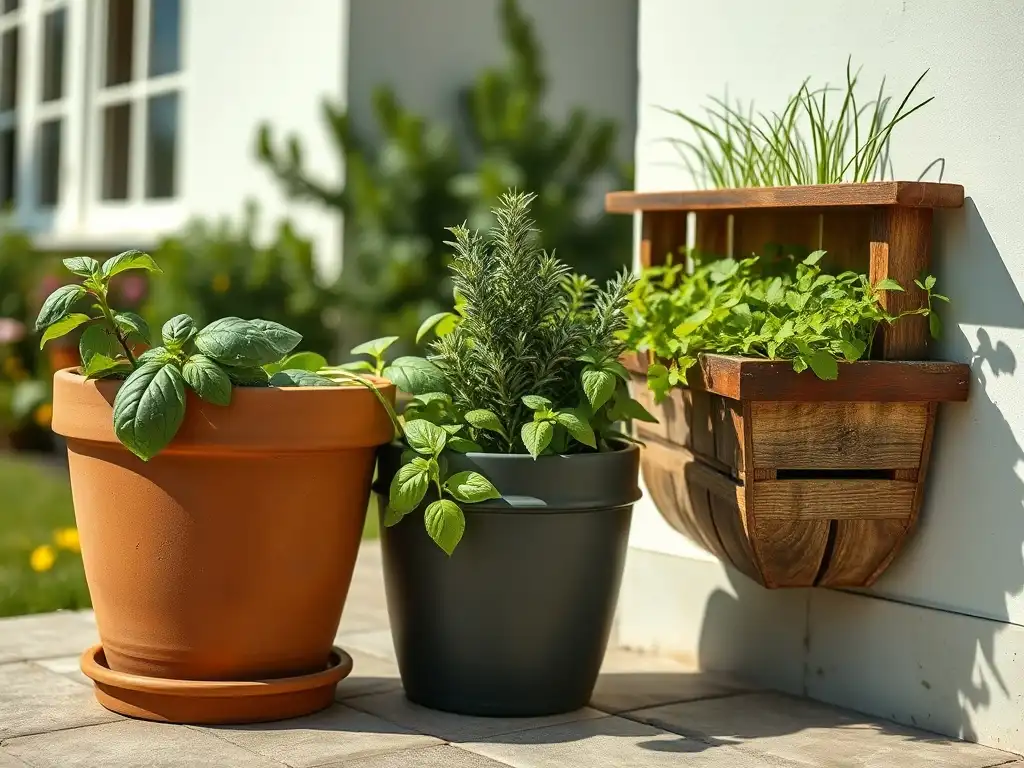
Choosing the right container for your herbs is crucial for their growth and overall health. While the material of the container (terracotta, plastic, etc.) plays a role, equally important is considering the sunlight needs of your specific herbs and how you'll position your containers to optimize their sun exposure and protect them from harsh weather. This section focuses on maximizing your herb garden's success by selecting and placing containers strategically. Finding the best container for herbs involves more than just aesthetics; it's about understanding the plants' needs.
Sunlight Requirements for Different Herb Varieties
Sunlight is a fundamental factor influencing herb growth. Different herbs have varying sunlight requirements, ranging from full sun to partial shade. Understanding these needs is essential for selecting the appropriate container placement.
Here's a breakdown of some popular herbs and their sunlight preferences:
| Herb | Sunlight Requirement | Notes |
|---|---|---|
| Basil | Full sun (6-8 hours) | Needs ample sunlight for optimal flavor and growth. |
| Rosemary | Full sun (6-8 hours) | Tolerates dry conditions and thrives in intense sunlight. |
| Thyme | Full sun (6-8 hours) | Drought-tolerant and loves sunny, well-drained locations. |
| Parsley | Partial shade (4-6 hours) | Prefers less intense sunlight to avoid scorching. |
| Mint | Partial shade (4-6 hours) | Can tolerate more sun, but partial shade prevents wilting. |
| Cilantro | Partial shade (4-6 hours) | Prefers cooler temperatures and indirect sunlight. |
| Chives | Full sun to partial shade (4-8 hours) | Adaptable to various light conditions. |
Remember, these are guidelines. The actual sunlight your herbs receive may vary depending on your geographic location, time of year, and the presence of shading structures. Always observe your plants for signs of stress (wilting, yellowing leaves) and adjust their position accordingly. For example, a south-facing window might provide too much intense sunlight for parsley, while a north-facing location might not give basil enough light.
Positioning Containers for Optimal Sun Exposure
Once you understand the light requirements of your herbs, strategically positioning your containers becomes paramount. The best container for herbs is useless if it's not placed correctly. Consider these factors:
- Orientation: South-facing locations generally receive the most sunlight. East-facing locations receive morning sun, while west-facing locations get afternoon sun. North-facing locations usually receive the least amount of direct sunlight.
- Sunlight Intensity: Consider the intensity of the sunlight. Some herbs, like basil, thrive in intense sunlight, while others, such as parsley, prefer milder light. You might need to adjust the positioning throughout the day or use shade cloths during peak sun hours for sensitive herbs.
- Container Placement: Containers can be placed on patios, decks, balconies, or even windowsills. Ensure adequate spacing between containers to allow for proper air circulation and prevent overcrowding. Consider using plant stands to elevate containers and improve air circulation.
Careful observation is key. Regularly check your herbs for signs of insufficient or excessive sunlight. Adjust the position of your containers as needed to ensure optimal growth. This might mean moving containers throughout the day or using shade sails to filter intense sunlight.
Protecting Herbs from Harsh Weather Conditions
Even with ideal sunlight, herbs need protection from harsh weather conditions. The best container for herbs offers protection from the elements. Here are some strategies:
- Wind Protection: Strong winds can damage or desiccate herbs. Place containers in sheltered areas, such as behind walls or fences, or use windbreaks to minimize wind exposure.
- Temperature Fluctuations: Extreme temperatures, both hot and cold, can stress herbs. During heat waves, consider providing shade or moving containers to a cooler location. In colder climates, protect herbs from frost by moving them indoors or covering them with frost cloth.
- Rain Protection: While some rain is beneficial, excessive rain can lead to root rot. Consider using containers with drainage holes or placing them under awnings or overhangs during heavy rainfall. Poor drainage in a container can be just as damaging as too much sun.
Regularly inspect your herbs for signs of weather damage. Take proactive steps to protect them from harsh conditions to ensure healthy growth and a bountiful harvest. This proactive approach will help you maximize your herb yield and enjoy fresh herbs throughout the growing season. 🪴
Adapting Container Placement Based on Seasonal Changes
The ideal placement for your herb garden containers isn't static; it changes with the seasons. Sunlight intensity and temperature fluctuate dramatically throughout the year, impacting your herbs' growth and overall health. Understanding these seasonal shifts and adjusting accordingly is crucial for maximizing your herb yield and ensuring their longevity.
For instance, during the scorching summer months, the intense afternoon sun can easily scorch delicate herbs like basil or cilantro. To mitigate this, consider moving your containers to a location that receives morning sun and afternoon shade. This could involve simply shifting them a few feet or relocating them entirely to a sheltered spot under a tree or pergola. Observe your herbs carefully; wilting leaves are a clear sign of too much sun.
Conversely, during the shorter, colder days of autumn and winter, you might need to increase your herbs' sun exposure. Many herbs, particularly hardy varieties like rosemary and thyme, benefit from as much sunlight as possible during these periods to maintain their growth and prevent legginess. You might need to move containers to a sunnier spot in your garden or even bring them closer to a south-facing window if you're growing them indoors.
Spring presents a unique challenge. While the sun's intensity is less than summer, it's still important to monitor your herbs' response to the increasing hours of daylight. Tender herbs may still be susceptible to frost, requiring protection on chilly nights. Consider using a cloche or moving them indoors until the danger of frost has passed. As the season progresses, you can gradually adjust their location to optimize their sun exposure.
Remember to consider not just the amount of sunlight, but also the direction. The best container for herbs might vary based on the prevailing wind direction. During strong winds, the plants might get damaged and the soil might dry out faster. In such cases, you might need to reposition them to a more sheltered location.
Regular observation and adjustment are key to success in container gardening. This flexibility ensures your herbs thrive regardless of the time of year. By paying attention to these seasonal changes and adapting your container placement, you'll be well on your way to cultivating a bountiful and flavorful herb garden.
Maintaining Your Herb Containers for Long-Term Success
Growing herbs successfully in containers requires more than just selecting the right pot; it demands consistent maintenance to ensure healthy plants and a thriving garden. Neglecting proper care can lead to reduced yields, disease, and ultimately, a shorter lifespan for your herb containers. This section focuses on key maintenance practices to maximize the longevity and productivity of your herb containers, helping you achieve the best container for herbs possible.
Cleaning and Sanitizing Herb Containers
Regular cleaning and sanitizing are crucial steps in preventing the spread of diseases and pests from one growing season to the next. Failing to do so can harbor pathogens in the soil and container itself, impacting the health of future plantings. For example, a seemingly innocuous fungal infection left untreated in a terracotta pot could decimate a subsequent basil crop.
Cleaning should be done at the end of each growing season, or whenever you notice significant soil buildup or signs of disease. Begin by removing all remaining soil and plant debris. Then, thoroughly wash the container using a solution of warm water and mild dish soap. A stiff brush can help remove stubborn dirt. For particularly dirty containers, consider using a pressure washer (low pressure setting to avoid damage).
Sanitization is equally vital. After washing, rinse the container well and then apply a sanitizing solution. A simple solution of 1 part bleach to 9 parts water is effective, but ensure you rinse thoroughly afterwards to remove any residual bleach, which can harm plants. Alternatively, you can use a commercial plant sterilizer following the product instructions. Allow the container to air dry completely before storing or reusing. This meticulous cleaning process significantly contributes to having the best container for herbs year after year.
Replacing Soil and Preventing Disease
Even with diligent cleaning, the soil in your herb containers should be replaced regularly. Over time, soil loses its nutrients and can become compacted, hindering root development and plant growth. Furthermore, repeated use can accumulate disease-causing organisms, even after sanitizing. Replacing the soil is a proactive measure to ensure optimal growing conditions and prevent disease.
The frequency of soil replacement depends on the type of soil used and the type of herbs grown. As a general guideline, aim to replace the soil annually, or at least every other year. When choosing replacement soil, opt for a well-draining potting mix specifically formulated for herbs. Avoid using garden soil directly, as it can be too heavy and retain too much moisture, leading to root rot.
Adding compost to your potting mix can provide essential nutrients and improve soil structure. Regular soil replacement is a key component in maintaining the health of your herbs and keeping your containers in top condition for years to come. This is especially important when striving for the best container for herbs.
Extending the Life of Your Herb Containers
The lifespan of your herb containers depends largely on the material they're made from. Terracotta pots, while beautiful, are porous and can be prone to cracking with freeze-thaw cycles. Plastic containers are more durable but can degrade over time, especially if exposed to harsh sunlight. Wooden containers, while aesthetically pleasing, require regular maintenance to prevent rot and insect infestation.
To extend the life of your containers, store them properly during the off-season. Clean and dry containers thoroughly before storing them in a cool, dry place, protected from extreme temperatures and moisture. For wooden containers, consider applying a wood sealant annually to protect against moisture damage.
For terracotta pots, storing them upside down can help prevent water from accumulating and causing cracking. By following these simple steps, you can significantly extend the useful life of your herb containers, saving money and contributing to a more sustainable gardening practice. This proactive approach ensures you always have the best container for herbs at your disposal.
Sustainable Practices for Container Herb Gardening
Sustainable practices are crucial for long-term success in container herb gardening. They minimize environmental impact while maximizing the health and productivity of your herbs. This involves thoughtful choices regarding materials, water usage, and soil management.
One key aspect is selecting eco-friendly containers. Recycled plastic pots are a readily available and affordable option, significantly reducing the demand for new plastic production. Alternatively, consider using repurposed containers like cleaned-out food cans (ensure they're food-safe and won't leach chemicals) or even upcycled wooden crates. Remember to always check for any potential leaching of harmful substances into the soil before planting. The best container for herbs, from a sustainability perspective, balances durability with minimal environmental impact.
Water conservation is another cornerstone of sustainable herb gardening. Using a watering can instead of a hose reduces water waste and allows for more precise watering, targeting the soil directly and avoiding unnecessary wetting of leaves, which can encourage fungal diseases. Consider installing a drip irrigation system for larger setups to further optimize water usage. Regularly checking soil moisture with your finger before watering prevents overwatering, a common problem that leads to root rot and ultimately, plant death. Efficient watering practices not only save water but also contribute to healthier plants.
Finally, responsible soil management is essential. Composting food scraps and yard waste creates nutrient-rich soil amendments, reducing reliance on commercially produced fertilizers. This homemade compost improves soil structure, water retention, and nutrient availability, fostering healthy herb growth. Using organic fertilizers further enhances sustainability by avoiding the use of synthetic chemicals that can harm beneficial soil organisms and contaminate water sources.
Choosing organic options ensures a healthier environment for your herbs and the surrounding ecosystem. The best container for herbs isn't just about the container itself; it's about the entire system you create around it. By prioritizing sustainable practices, you can create a thriving herb garden that's both productive and environmentally responsible.
Frequently Asked Questions
What is the best container for growing herbs?
The "best" container depends on the herb type and your space. Larger herbs like rosemary thrive in larger pots, while smaller herbs like chives do well in smaller containers. Consider material, drainage, and size.
What type of material is best for herb containers?
Terracotta pots offer excellent drainage but can dry out quickly. Plastic is lightweight and durable, while wood adds a rustic charm but may require more maintenance. Choose a material that suits your needs and climate.
How important is drainage for herb containers?
Excellent drainage is crucial to prevent root rot, a common problem for herbs. Ensure your container has drainage holes or use a pot with a liner that allows for proper water flow.
What size container should I use for my herbs?
The ideal size depends on the herb's mature size. Choose a container that's slightly larger than the plant's root ball, allowing room for growth. Overly large containers can lead to overwatering.
Can I grow herbs successfully in any type of container?
While many containers work, some are better suited than others. Avoid containers that retain too much moisture, as this can harm the herb's roots. Proper drainage is key to success, regardless of the container type.
Final Reflection: Cultivating Harmony: Container and Herb Partnerships
The art of pairing the right container with the right herb isn't just about aesthetics; it's about fostering thriving growth and maximizing your harvest. Choosing the wrong pot can lead to stunted growth, root rot, and ultimately, a disappointing yield. This seemingly simple act of selection directly impacts the success of your herb garden, highlighting the crucial interplay between container and plant.
The impact of thoughtful container selection extends beyond the individual plant; it influences the overall aesthetic of your garden space, reflecting your personal style and creating a harmonious environment. A garden is a friend you can always visit.
This quote perfectly encapsulates the joy and connection we find in nurturing our plants, and the right container enhances that experience, transforming a simple herb garden into a personal sanctuary. The careful consideration of material, size, and drainage speaks volumes about the care and attention you invest in your green companions.
Consider the lessons learned within these pages. Think about your own herb garden, or the potential for one. What containers are you currently using? Do they truly complement the needs of your herbs? Take this opportunity to reassess your approach, to select containers that not only look beautiful but also actively support the health and vitality of your plants. Let this guide inspire you to cultivate a truly thriving and harmonious herb garden, one perfect pairing at a time.
Unleash Your Green Thumb: Perfect Plant-Pot Partnerships!
Thanks for joining us on this exploration of the wonderful world of plant and pot pairings! We hope you've gained valuable insights into maximizing your plants' growth and aesthetic appeal. Ready to put your new knowledge into practice?
- Design your dream container garden: Grab a pen and paper, or open your favorite design app, and sketch out your ideal container garden based on the tips and plant suggestions we've discussed. Consider using unusual containers—a vintage teapot, perhaps?
- Share your progress: Show us your thriving container gardens! Use #CultivateYourFood on social media to connect with other gardening enthusiasts and inspire others.
- Experiment with a new combination this week: Choose a plant and container combination from the article that you haven't tried before, and document your experience. We'd love to hear about your results!
What unique plant and container combination are you most excited to try? Let's discuss in the comments!