
Potting Mix for Herbs: A Detailed Guide to Growing Flavorful Plants in Containers

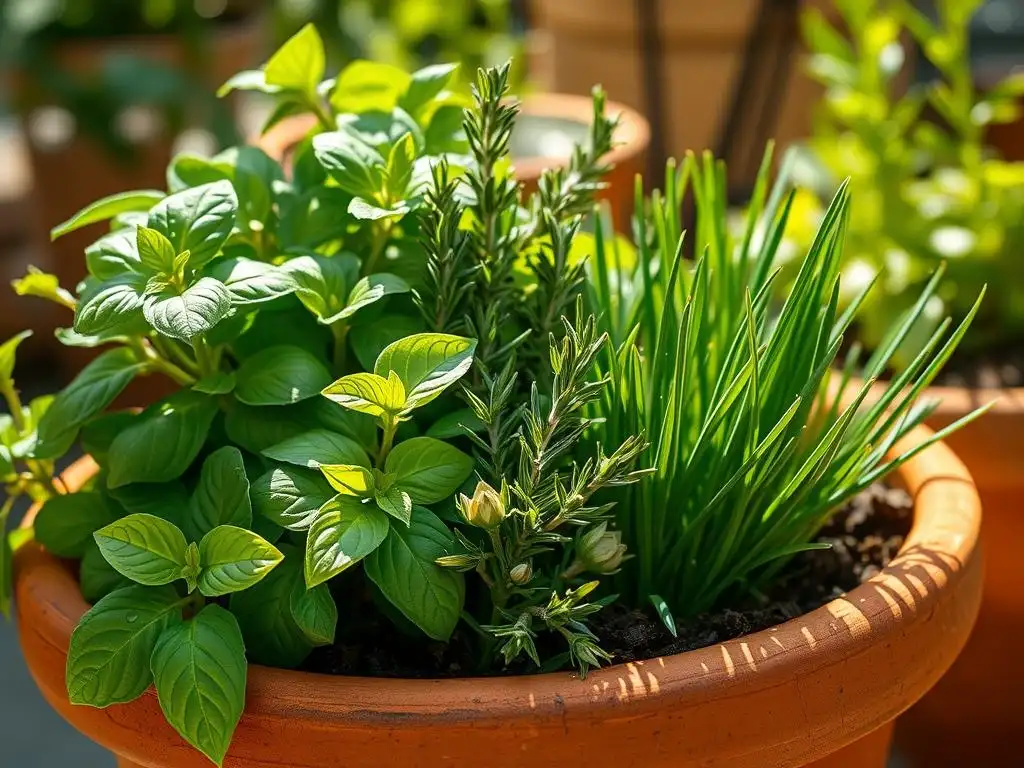
Welcome to CultivateYourFood, your guide to a greener, more flavorful life! Are you ready to transform your balcony or backyard into a thriving oasis of herbs, fruits, and vegetables? We'll show you how, with practical advice and sustainable techniques. Discover the secrets to success with our in-depth article on finding the best potting mix for herbs in containers, a crucial step toward abundant harvests. Let's cultivate your culinary dreams together!
- Understanding the Needs of Herb Plants
- The Best Potting Mix for Herbs in Containers
- Creating Your Own Custom Herb Potting Mix
- Troubleshooting Common Potting Mix Issues
- Tips for Success: Maximizing Herb Growth in Containers
- Maintaining Your Herb Container Garden
- Harvesting and Enjoying Your Homegrown Herbs
- Frequently Asked Questions
- Final Reflection: Cultivating Flavor, Cultivating Connection
- Unleash Your Inner Herb Gardener!
Understanding the Needs of Herb Plants
Growing vibrant and flavorful herbs in containers requires a deep understanding of their specific needs. Unlike garden soil, potting mixes must be carefully formulated to provide the ideal environment for healthy root development and nutrient uptake. This detailed guide will explore the essential components of a high-performance potting mix specifically designed for herbs grown in containers, focusing on achieving optimal growth while adhering to sustainable and organic practices.
We'll delve into the crucial aspects of nutrient content, drainage, aeration, and the selection of organic and sustainable potting mixes, ultimately helping you cultivate the best-tasting herbs possible in your home garden. Choosing the right potting mix is paramount for success; a poorly chosen mix can lead to stunted growth, nutrient deficiencies, and even plant death. This guide will empower you to make informed decisions, ensuring your herbs thrive and reward you with an abundance of fresh flavor.
The ultimate goal? To help you achieve the best results when searching for the "best potting mix herbs containers".
Essential Nutrients for Optimal Herb Growth
Herbs, like all plants, require a balanced diet of essential macronutrients and micronutrients for optimal growth. Macronutrients, needed in larger quantities, include nitrogen (N), phosphorus (P), and potassium (K), often represented as the NPK ratio on fertilizer packaging. Nitrogen promotes leafy growth, phosphorus encourages root development and flowering, and potassium contributes to overall plant health and disease resistance.
The ideal NPK ratio for herbs can vary depending on the specific herb and growth stage, but a balanced ratio like 10-10-10 or a slightly higher nitrogen content for leafy herbs is often recommended. Micronutrients, such as iron, manganese, and zinc, are also vital, even in smaller amounts, playing critical roles in various enzymatic processes. A good quality potting mix will contain a blend of organic matter that slowly releases these nutrients over time, minimizing the need for frequent fertilization.
Deficiencies in any of these nutrients can lead to yellowing leaves, stunted growth, or reduced flavor and aroma in your herbs. Understanding these nutrient needs is crucial for selecting a potting mix that provides sustained release and avoids over-fertilization, which can damage your plants. 🌿
Soil Drainage and Aeration for Healthy Roots
Proper drainage and aeration are paramount for healthy herb root systems. Compacted soil restricts air circulation, leading to oxygen deprivation (suffocation) and potentially root rot. Well-draining potting mixes contain a blend of materials that allow excess water to escape while retaining sufficient moisture for plant growth. Common components that enhance drainage and aeration include perlite, vermiculite, and coco coir.
Perlite is a volcanic glass that adds porosity, while vermiculite is a mineral that improves water retention and aeration. Coco coir, a sustainable alternative to peat moss, offers excellent water retention and aeration properties. The ideal mix should allow water to drain freely within minutes of watering, preventing waterlogging and promoting strong, healthy roots.
Poor drainage can lead to various problems, including root rot, fungal diseases, and nutrient deficiencies. The balance between drainage and water retention is key, and choosing the right mix is crucial for preventing these issues and ensuring your herbs thrive. 💧
Choosing Organic and Sustainable Potting Mixes for Herbs
When selecting a potting mix for your herbs, prioritize organic and sustainable options. Organic potting mixes are made with natural ingredients, free from synthetic fertilizers and pesticides, resulting in healthier plants and a more environmentally friendly approach to gardening. Look for mixes that utilize compost, coco coir, and other renewable resources. Avoid mixes containing peat moss, as its harvesting contributes to habitat destruction.
Sustainable practices also involve reducing the need for frequent fertilization and watering. A high-quality organic potting mix will provide a slow-release of nutrients, reducing the reliance on supplemental fertilizers. By selecting a sustainable and organic potting mix, you contribute to environmental protection and ensure that your herbs are grown in a healthy and natural environment.
Choosing an appropriate potting mix is a key step towards successfully growing flavorful herbs in containers, aligning with the principles of sustainable and organic gardening. Remember, the "best potting mix herbs containers" is the one that best meets the specific needs of your herbs and your gardening philosophy. ♻️
The Best Potting Mix for Herbs in Containers
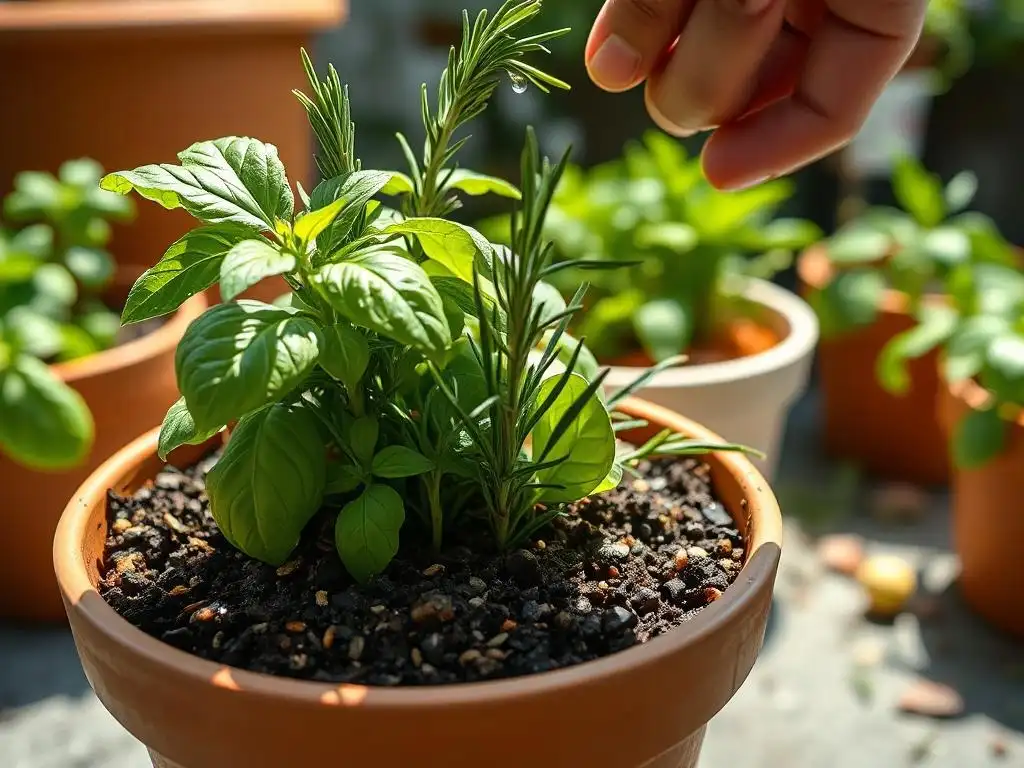
Growing vibrant, flavorful herbs in containers requires a potting mix specifically tailored to their needs. Unlike garden soil, which can be dense and retain too much water, the ideal potting mix for herbs offers excellent drainage, aeration, and water retention – a delicate balance crucial for healthy root development and optimal growth.
This section delves into the specifics of creating the perfect environment for your herb garden, focusing on what constitutes the "best" potting mix for container-grown herbs. We'll explore key characteristics, compare different mixes, and review commercially available options to help you choose the best option for your culinary herb collection.
Key Characteristics of Ideal Herb Potting Mixes
The best potting mix for herbs prioritizes several key characteristics. First and foremost is drainage. Herbs, especially those susceptible to root rot (like basil and mint), need well-draining soil to prevent waterlogging. Poor drainage leads to soggy roots, which become susceptible to fungal diseases and ultimately kill the plant. A good mix will allow excess water to drain quickly, preventing water retention around the roots.
Secondly, aeration is vital. The mix should contain sufficient air pockets to allow for proper oxygen exchange within the root system. This promotes healthy root growth and nutrient uptake, leading to vigorous plant growth and abundant harvests. Components like perlite or vermiculite contribute significantly to improved aeration.
Thirdly, the potting mix should offer sufficient water retention. While excellent drainage is crucial, the mix should also retain enough moisture to keep the roots hydrated between waterings. This prevents the herbs from wilting and ensures consistent growth. Peat moss, coco coir, and composted materials contribute to the water-holding capacity of the mix.
Finally, the mix should be lightweight and easy to work with. This is particularly important when planting in containers, as heavy mixes can make handling and transplanting more difficult. A lightweight mix also reduces the overall weight of the container, which can be beneficial for hanging baskets or raised garden beds. The ideal balance of these characteristics ensures healthy, thriving herbs. Remember, a poorly chosen mix can significantly impact your harvest!
Comparing Different Potting Mixes for Herbs: A Detailed Analysis
Let's compare three common potting mix components and their impact on herb growth:
| Component | Drainage | Aeration | Water Retention | Weight | Notes |
|---|---|---|---|---|---|
| Peat Moss | Good | Moderate | Excellent | Moderate | Can be acidic; consider pH adjustment for sensitive herbs. |
| Coco Coir | Excellent | Excellent | Good | Moderate | Sustainable alternative to peat moss; requires less frequent watering. |
| Perlite/Vermiculite | Excellent | Excellent | Poor | Light | Improves drainage and aeration; adds no nutrients. |
Using these components, we can create different potting mix blends. For example, a blend of 50% coco coir, 25% perlite, and 25% compost will provide excellent drainage, aeration, and moderate water retention, suitable for most herbs. A mix heavier on peat moss might be suitable for herbs that prefer consistently moist soil, while a mix with a higher percentage of perlite would be ideal for herbs grown in very hot and sunny conditions.
Experimentation and observation are key to finding the perfect blend for your specific needs and climate. Always monitor your plants closely for signs of overwatering or underwatering.
Commercial Potting Mix Reviews
Several commercial potting mixes are marketed specifically for herbs. However, [Specific commercial potting mix reviews pending]. It's crucial to carefully read the label and consider the ingredients listed. Look for mixes that emphasize good drainage and aeration while still providing adequate water retention. Avoid mixes with high levels of fertilizers, as this can burn the delicate roots of young herb seedlings.
Ultimately, the best commercial mix for your needs will depend on the specific herbs you’re growing and your local climate. Consider experimenting with different brands to find what works best for your herb garden. Remember to always check the pH level of the mix and adjust if necessary to ensure optimal growth for your chosen herbs. 🌱
Creating Your Own Custom Herb Potting Mix
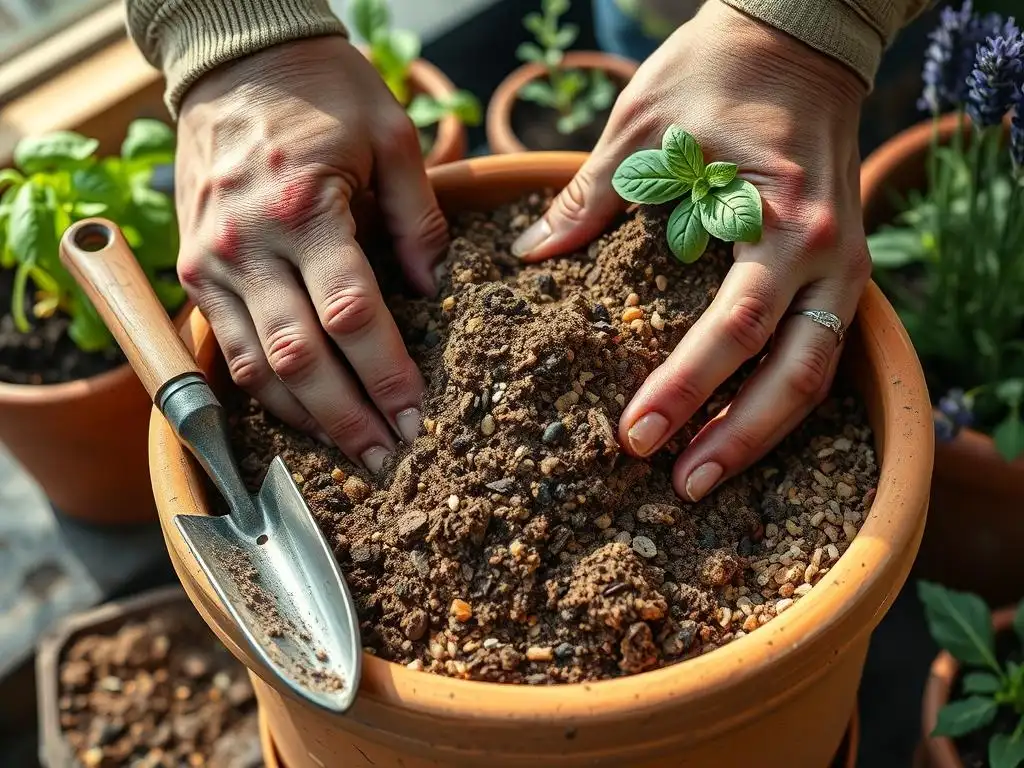
Choosing the best potting mix for your herbs significantly impacts their growth and flavor. While commercial mixes are readily available, creating your own custom blend offers superior control over ingredients and ensures a healthier growing environment for your aromatic plants. This empowers you to tailor the mix to the specific needs of your herbs, optimizing drainage, aeration, and nutrient retention.
A well-crafted potting mix is crucial for thriving herbs in containers, contributing significantly to the overall success of your container garden. This section will guide you through creating a superior potting mix specifically designed for herbs grown in containers, positioning it as the "best potting mix herbs containers."
DIY Potting Mix Recipe for Herbs: A Step-by-Step Guide
This recipe provides a balanced blend of ingredients to create a superior potting mix for herbs. Remember to always use organic materials whenever possible to promote healthy plant growth and avoid introducing harmful chemicals into your garden.
Here's a simple, yet effective recipe:
- 2 parts Coco Coir: Provides excellent water retention and aeration. Its lightweight nature is ideal for container gardening.
- 1 part Perlite: Improves drainage and prevents compaction, crucial for preventing root rot in herbs.
- 1 part Compost: Adds essential nutrients and beneficial microorganisms to support healthy growth. Ensure your compost is well-rotted and free of weed seeds.
- 1/2 part Worm Castings: Provides a slow-release source of nutrients, enhancing overall plant health and vigor.
Step-by-Step Instructions:
- Thoroughly mix all ingredients in a large container. Use a shovel or garden trowel to ensure even distribution.
- Check the moisture level. The mix should be moist but not soggy. Adjust the amount of coco coir or perlite as needed to achieve the desired consistency.
- Test the drainage. Fill a small container with the mix and add water. The water should drain freely, without leaving the mix waterlogged.
- Your custom herb potting mix is now ready to use!
Sourcing Organic Ingredients for Your Herb Potting Mix
The quality of your ingredients directly impacts the quality of your potting mix and, ultimately, the health of your herbs. Sourcing organic materials is paramount for sustainable and organic gardening practices.
- Coco Coir: Opt for certified organic coco coir to ensure it's free from harmful chemicals and pesticides. Look for brands that prioritize sustainable harvesting practices.
- Perlite: While perlite itself isn't organic, it's an inert material and generally considered safe for organic gardening. Choose a reputable brand to guarantee high quality.
- Compost: Creating your own compost is the best way to ensure its quality and organic composition. However, if you don't have the means to compost, purchase high-quality, certified organic compost from a local supplier. Avoid composted materials that may contain weed seeds.
- Worm Castings: Worm castings are a fantastic addition to any potting mix. You can purchase them online or from local garden centers. Look for brands that emphasize sustainable worm farming practices.
Remember to always check the labels of your purchased ingredients to ensure they meet your organic gardening standards. Prioritizing organic materials significantly contributes to the "best potting mix herbs containers" you can create.
Adjusting Your Mix for Specific Herb Varieties
Not all herbs have the same needs. Some prefer well-draining soil, while others thrive in slightly moister conditions. Adjusting your custom potting mix based on your specific herb varieties will optimize their growth.
| Herb Type | Potting Mix Adjustment | Rationale |
|---|---|---|
| Basil, Rosemary | Maintain the base recipe; ensure excellent drainage. | These herbs are susceptible to root rot in overly wet conditions. |
| Mint, Parsley | Slightly increase coco coir content for better moisture retention. | These herbs prefer consistently moist soil but still need good drainage. |
| Thyme, Oregano | Slightly increase perlite content for improved aeration. | These herbs prefer well-aerated soil to prevent fungal diseases. |
By carefully considering these adjustments, you can create a truly customized potting mix that helps each herb variety reach its full potential, ensuring a bountiful and flavorful harvest. This attention to detail elevates your homegrown herbs, making your container garden a source of pride and delicious culinary ingredients. 🌱
Troubleshooting Common Potting Mix Issues
Growing vibrant herbs in containers relies heavily on selecting and managing the right potting mix. While choosing the best potting mix for herbs in containers is crucial, even the best mix can present challenges. This section addresses common issues and provides solutions for maintaining healthy herb growth. Proper soil management is key to achieving a bountiful harvest of flavorful herbs.
Dealing with Overwatering and Poor Drainage in Herb Pots
Overwatering is a frequent problem for container-grown herbs. Poor drainage exacerbates this, leading to root rot and other issues. The telltale signs include wilting despite moist soil, yellowing lower leaves, and a foul odor emanating from the pot. To prevent this, ensure your containers have adequate drainage holes. A minimum of one, preferably several, strategically placed holes at the bottom is essential.
Furthermore, consider the type of potting mix you're using. A mix that retains too much water, lacking sufficient perlite or other amendments for aeration, will contribute to overwatering problems. Adding perlite or coarse sand to your potting mix can significantly improve drainage. The ideal mix should be moist but not soggy; you should be able to stick your finger a couple of inches into the soil and feel it slightly damp, not wet.
Another crucial aspect is the frequency of watering. Avoid a rigid watering schedule; instead, check the moisture level of the soil before watering. Water thoroughly when the top inch or two of soil feels dry. Don't let the soil completely dry out, but avoid constantly keeping it saturated. A well-draining potting mix combined with mindful watering practices will drastically reduce the risk of overwatering. Remember, underwatering is far easier to remedy than overwatering.
Identifying and Addressing Nutrient Deficiencies in Herbs
Nutrient deficiencies manifest in various ways, often affecting the color and vigor of your herbs. Yellowing leaves, stunted growth, and discoloration are common indicators. The specific deficiency depends on the lacking nutrient.
For instance, a nitrogen deficiency often shows up as pale green or yellow leaves, particularly on older leaves. Phosphorus deficiency might result in stunted growth and dark green, sometimes purplish leaves. Potassium deficiency can cause leaf margins to brown and scorch. Magnesium deficiency can present as yellowing between the leaf veins.
Addressing these deficiencies requires targeted fertilization. A balanced, slow-release fertilizer specifically formulated for herbs is recommended. Follow the package instructions carefully, as over-fertilizing can be just as harmful as under-fertilizing. Alternatively, consider using organic fertilizers like compost tea or worm castings, which provide a gentler and more sustainable approach to nutrient supplementation. Regular soil testing can help you identify specific deficiencies and tailor your fertilization strategy accordingly. Remember, prevention is key: starting with a nutrient-rich potting mix can significantly minimize the risk of nutrient deficiencies.
The potting mix itself can contribute to the development of various diseases in herbs. Poorly composted materials can harbor pathogens, while a mix that retains too much moisture creates an ideal environment for fungal diseases. Common diseases include root rot, damping-off (affecting seedlings), and various leaf spots.
Preventing these diseases begins with using a high-quality, sterile potting mix. Avoid using garden soil directly in your containers, as it can introduce pathogens and pests. Ensure proper drainage to prevent waterlogged conditions that promote fungal growth. Practice good sanitation by cleaning your pots and tools before reusing them. Proper spacing between plants also improves airflow, reducing the risk of fungal diseases.
If you suspect a disease, isolate the affected plant to prevent its spread. Remove any severely affected parts of the plant. You might need to consider replacing the potting mix entirely if the disease is widespread. In severe cases, consulting a gardening expert or local agricultural extension office is advisable. Remember, a proactive approach to disease prevention is far more effective than trying to cure an established infection. Choose your potting mix wisely, maintain proper drainage, and practice good sanitation for healthy, disease-free herb plants.
Tips for Success: Maximizing Herb Growth in Containers
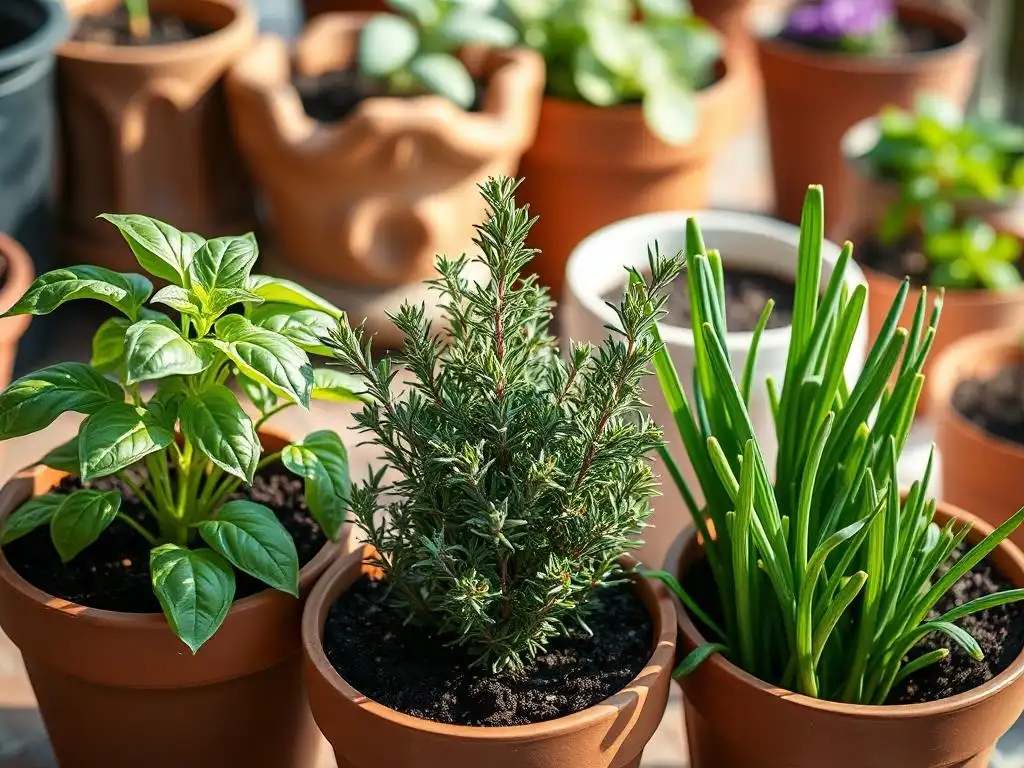
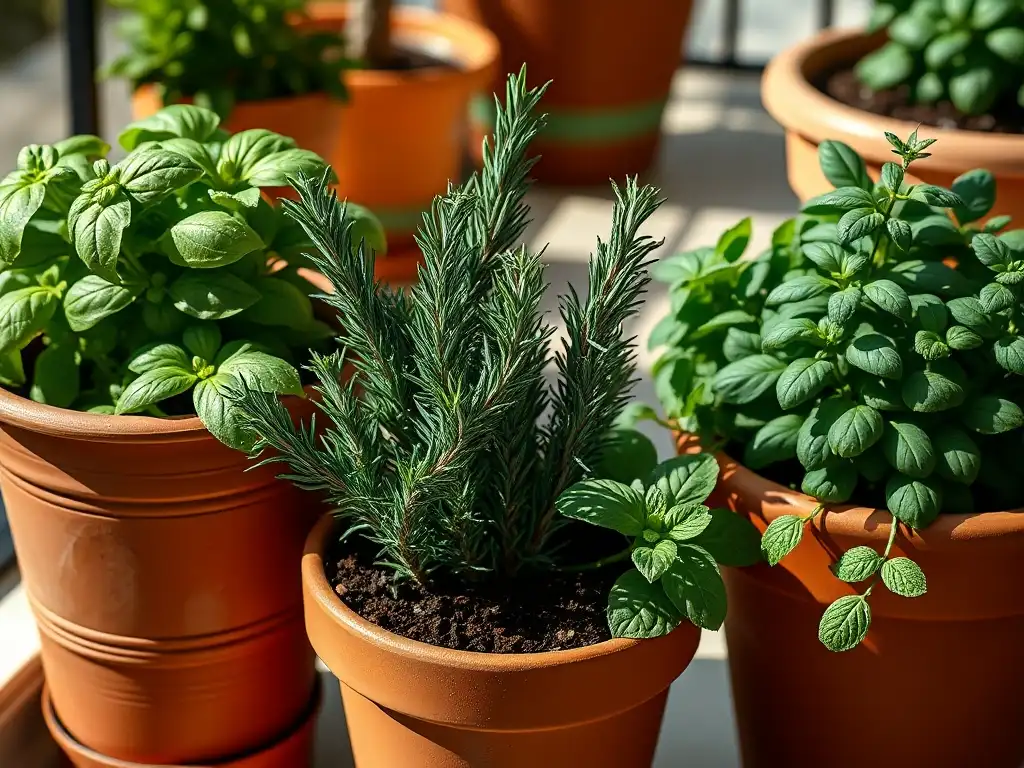
This section focuses on optimizing your herb gardening success, building upon the foundation of choosing the best potting mix for herbs in containers. We'll delve into crucial aspects beyond soil selection to ensure vibrant, flavorful herbs thrive in your containers. Remember, the right potting mix is only one piece of the puzzle!
Container Selection for Optimal Herb Growth
Choosing the right container is just as important as selecting the perfect potting mix for your herbs. The container's size, material, and drainage significantly impact your herbs' health and growth. Let's explore these factors in detail:
- Size Matters: Select containers large enough to accommodate the mature size of your chosen herbs. Overcrowding restricts root development, leading to stunted growth and reduced yields. For example, a small basil plant might thrive in a 6-inch pot initially, but will quickly outgrow it, requiring repotting into a larger 10-inch or even 12-inch container as it matures. Consider the mature spread of the herb as well, ensuring ample space for foliage development.
- Material Matters: Terracotta pots offer excellent drainage but can dry out quickly, requiring more frequent watering. Plastic pots retain moisture longer, potentially reducing watering frequency but increasing the risk of overwatering if not properly managed. Consider your climate and watering habits when selecting a material. Well-draining materials are crucial to prevent root rot, a common problem for container-grown herbs.
- Drainage is Key: Adequate drainage holes are absolutely essential. Without them, excess water can accumulate, leading to waterlogged soil and root rot. Ensure your containers have multiple, generously sized drainage holes to allow for efficient water runoff. You can even add a layer of gravel or broken pottery shards at the bottom of the container to further improve drainage.
Watering Techniques for Container-Grown Herbs
Proper watering is critical for healthy herb growth. Overwatering and underwatering are both equally detrimental. Consistent moisture is key, but soggy soil is a recipe for disaster. Here's a breakdown of effective watering techniques:
- The "Finger Test": Before watering, stick your finger about an inch into the soil. If the soil feels dry, it's time to water. If it's still moist, wait a day or two before checking again. This prevents overwatering, which is a common mistake.
- Watering Deeply: When you do water, water deeply until water drains out of the drainage holes. This ensures the entire root system is adequately hydrated. Shallow watering only wets the top layer of soil, leaving the roots dry.
- Water at the Base: Avoid overhead watering, which can lead to fungal diseases. Instead, water gently at the base of the plant, avoiding wetting the foliage.
- Adjust for Weather: Watering frequency depends on factors like temperature, sunlight, and wind. Hot, sunny days will require more frequent watering than cooler, cloudy days. Observe your herbs closely and adjust your watering schedule accordingly. Remember, the best "potting mix for herbs in containers" won't compensate for improper watering.
Fertilizing Your Herbs for Abundant Yields
While the best potting mix for herbs in containers provides essential nutrients initially, your herbs will eventually need supplemental feeding for optimal growth and yield. Here's how to fertilize effectively:
- Choose the Right Fertilizer: Opt for a balanced, slow-release fertilizer specifically formulated for herbs. Avoid fertilizers high in nitrogen, which can promote leafy growth at the expense of flavor. A balanced NPK ratio (e.g., 10-10-10) is generally suitable.
- Follow Package Instructions: Always follow the manufacturer's instructions carefully regarding application rates and frequency. Over-fertilizing can be just as harmful as under-fertilizing, potentially burning the roots and damaging your plants.
- Consider Organic Options: Organic fertilizers, such as compost tea or worm castings, provide slow-release nutrients and improve soil structure. They are a sustainable and environmentally friendly choice. These organic options can significantly enhance the quality of your "best potting mix for herbs in containers."
- Monitor for Nutrient Deficiencies: Observe your herbs closely for signs of nutrient deficiencies, such as yellowing leaves or stunted growth. If you notice any deficiencies, adjust your fertilization strategy accordingly. Consult a gardening resource or expert for specific advice. This proactive approach will help you achieve abundant harvests. 🌿
Maintaining Your Herb Container Garden
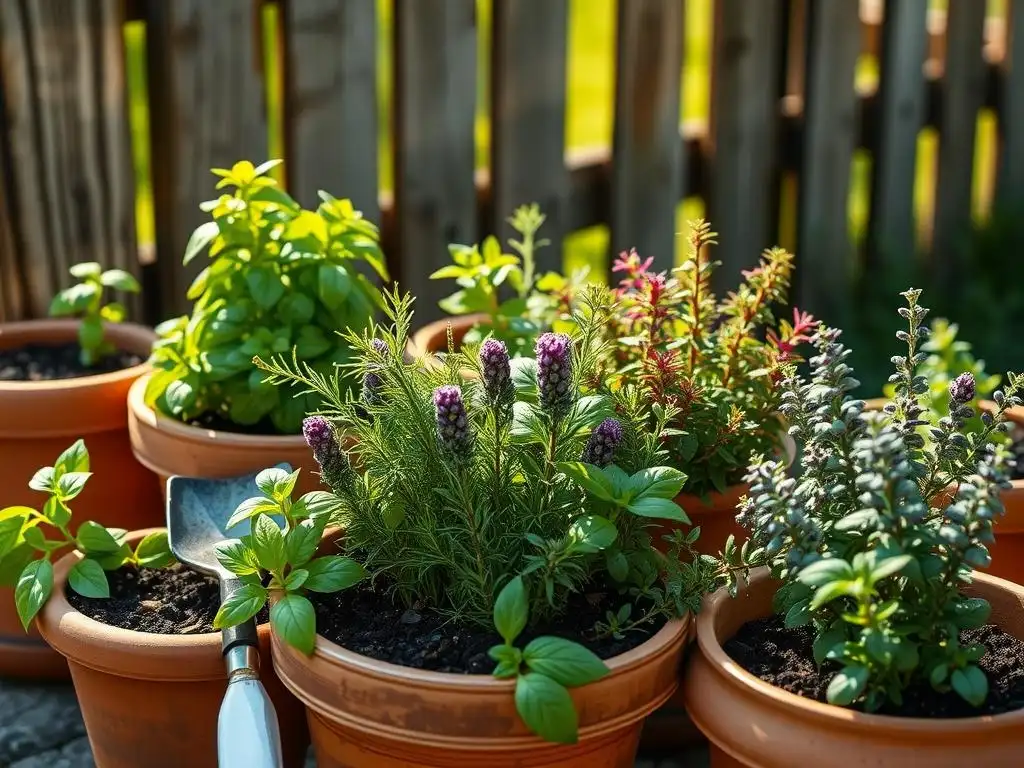
Maintaining a thriving herb garden in containers requires consistent attention and care. While choosing the best potting mix for herbs in containers is crucial initially, ongoing maintenance is key to long-term success. This section focuses on essential practices to keep your herbs healthy and productive throughout the growing season and beyond. We'll explore refreshing your potting mix, pest and disease prevention, and winterizing your containers.
Regular Potting Mix Refreshing and Repotting
Over time, potting mixes break down, losing their structure and essential nutrients. This degradation impacts drainage and aeration, leading to root rot and stunted growth. Regular refreshing or repotting is crucial for maintaining healthy herbs. For annual herbs, like basil and cilantro, consider refreshing the top inch or two of the potting mix every few weeks with fresh, high-quality mix. This provides a renewed supply of nutrients and improves aeration around the roots.
For perennial herbs, like rosemary and thyme, repotting is typically needed every 1-2 years. Signs that repotting is necessary include:
- Slowed growth despite adequate watering and sunlight.
- Roots circling the bottom of the pot (root-bound).
- Poor drainage, leading to soggy soil.
Repotting involves gently removing the herb from its container, carefully loosening the roots, and placing it in a larger pot with fresh potting mix. Ensure proper drainage by using pots with drainage holes and adding a layer of gravel or broken pottery shards at the bottom. Remember to choose a potting mix specifically formulated for herbs, ensuring optimal drainage and nutrient content.
This will help maintain the best environment for your herbs to thrive. The frequency of repotting depends on the herb's growth rate and the size of the original container. Faster-growing herbs in smaller pots will require more frequent repotting.
Pest and Disease Prevention in Container Herbs
Container herbs are susceptible to various pests and diseases, particularly when conditions are not optimal. Prevention is key. Maintaining good air circulation around plants by spacing them appropriately and avoiding overhead watering can significantly reduce the risk of fungal diseases.
Here's a breakdown of common issues and preventative measures:
| Pest/Disease | Symptoms | Prevention |
|---|---|---|
| Aphids | Small, sucking insects; yellowing leaves | Regular inspection, insecticidal soap, introducing ladybugs (beneficial insects) |
| Spider Mites | Fine webbing on leaves; stippled leaves | Increase humidity, insecticidal soap, neem oil |
| Root Rot | Wilting, yellowing leaves; mushy roots | Well-draining potting mix, avoid overwatering |
| Fungal Leaf Spots | Brown or black spots on leaves | Good air circulation, avoid overhead watering, remove affected leaves |
Regularly inspect your herbs for any signs of pests or diseases. Early detection allows for swift intervention and prevents widespread infestation or infection. Consider using organic pest control methods whenever possible, minimizing the impact on the environment and your herb's flavor. Remember that healthy plants are less susceptible to pests and diseases. Providing the right amount of sunlight, water, and nutrients is fundamental to their resilience.
Winterizing Your Herb Container Garden
For many herbs, winter presents significant challenges. Frost and freezing temperatures can severely damage or kill your plants. Winterizing your herb container garden involves several key steps to protect your herbs from harsh weather conditions.
- Relocating Indoor: Bring your containers indoors to a sunny, south-facing windowsill or a bright, indoor location. This will provide sufficient light for continued growth. Monitor the temperature and humidity levels and adjust accordingly. Consider using grow lights to supplement natural light, especially during shorter winter days.
- Pruning and Cleaning: Before moving your herbs indoors, prune away any dead, damaged, or diseased stems and leaves. This helps prevent the spread of disease and encourages healthier growth in the spring. Clean the pots to remove any accumulated debris.
- Watering Adjustment: Reduce watering frequency during winter, as the plants’ growth slows significantly. Overwatering can lead to root rot. Allow the top inch of soil to dry out before watering again.
- Protecting Outdoors (If applicable): If you choose to leave some hardier herbs outdoors, protect them from frost and freezing temperatures by covering them with frost cloth or moving them to a sheltered location. Mulching around the base of the plants can also help insulate the roots and protect them from freezing.
Proper winterization ensures your herbs survive the cold months and return with renewed vigor in the spring. By taking these steps, you can enjoy fresh herbs throughout the year, maximizing the benefits of your container herb garden. Remember to adapt your winter care strategy according to the specific needs of each herb.
Harvesting and Enjoying Your Homegrown Herbs
This section focuses on maximizing the yield and quality of your homegrown herbs, ensuring you get the most flavor from your container gardening efforts. We'll cover the optimal harvesting times, techniques for different herb types, and methods for preserving your bounty. Choosing the best potting mix for herbs in containers is only half the battle; knowing when and how to harvest is crucial for a truly rewarding experience.
Knowing When to Harvest Your Herbs for Peak Flavor
The timing of your herb harvest significantly impacts flavor and aroma. Generally, harvesting herbs just before they flower results in the most intense flavor profiles. However, this timing varies depending on the herb. For example, basil should be harvested regularly, even before it shows signs of flowering, to encourage bushier growth and prevent it from becoming bitter. Conversely, rosemary and thyme can be harvested more selectively, even after flowering, although the flavor might be slightly less intense.
Here's a quick guide to optimal harvest times for common herbs:
| Herb | Optimal Harvest Time | Notes |
|---|---|---|
| Basil | Regularly, before flowering, pinching back frequently | Improves bushier growth and prevents bitterness. |
| Chives | Harvest when leaves are 6-8 inches tall, cutting back by ⅓ | Can be harvested repeatedly throughout the growing season. |
| Cilantro | Harvest before flowering, as the plant becomes bitter. | Flowers reduce the desirable flavor. |
| Mint | Harvest before flowering, cutting stems back by ⅓. | Vigorous grower; frequent harvesting encourages bushier growth. |
| Oregano | Harvest before flowering, or after flowering for a milder flavor. | Flowers can be left for aesthetic purposes. |
| Parsley | Harvest outer leaves as needed; avoid cutting too close to the base. | Allows for continuous growth. |
| Rosemary | Harvest selectively, even after flowering. | Tough plant; tolerates more aggressive pruning. |
| Thyme | Harvest selectively, even after flowering. | Similar to rosemary, can be pruned more aggressively. |
Remember to always use clean, sharp scissors or shears to avoid damaging the plants. Harvesting in the morning, after the dew has dried, is ideal as the essential oils are most concentrated at this time. This simple step ensures you get the most out of your hard work and enjoy the superior taste of your homegrown herbs.
Proper Harvesting Techniques for Different Herb Types
Different herbs respond differently to harvesting. Some, like basil and mint, benefit from frequent pinching back, while others, like rosemary and thyme, can tolerate more aggressive pruning. Using the right technique ensures healthy growth and a continuous supply of flavorful herbs.
- Pinching: This technique involves removing the top sets of leaves on young plants, stimulating bushier growth. This works particularly well for basil, mint, and oregano. It's a gentle method that encourages branching and prevents leggy growth.
- Cutting: For herbs like chives, parsley, and cilantro, simply cut stems back to about one-third of their height. This allows for continued growth from the base of the plant.
- Pruning: Herbs like rosemary and thyme can handle more aggressive pruning. You can trim back branches to shape the plant and encourage new growth. This technique is best done in late winter or early spring.
Using the correct method ensures that your herb plants stay healthy and continue to produce abundant yields throughout the growing season. Remember to always use clean, sharp tools to avoid spreading disease.
Preserving and Storing Your Harvested Herbs
Preserving your harvested herbs extends their deliciousness and allows you to enjoy the fruits (or rather, leaves!) of your labor throughout the year. Several methods exist, each with its own advantages:
- Air Drying: This is a simple method ideal for herbs like rosemary, thyme, and oregano. Bundle small bunches and hang them upside down in a cool, dry, dark place for 1-2 weeks. Once completely dry, crumble the leaves and store them in airtight containers.
- Freezing: Freezing preserves the color and flavor of many herbs, especially basil and parsley. Chop the herbs finely and store them in freezer-safe bags or containers.
- Oil Infusions: Infusing herbs in oil creates flavorful additions to cooking. Submerge clean, dry herbs in a high-quality oil (olive oil is popular) and store in a cool, dark place for several weeks.
Proper storage is crucial to maintaining the quality of your preserved herbs. Airtight containers in a cool, dark, and dry place are best. With careful preservation, you can savor the taste of your homegrown herbs for months to come, even after the growing season ends. This adds another layer of satisfaction to your container gardening journey, ensuring a continuous supply of fresh flavors for your culinary creations.
Frequently Asked Questions
What is the best potting mix for herbs grown in containers?
A well-draining potting mix is crucial for herbs. Look for a blend specifically designed for containers, often containing peat moss, perlite, and vermiculite. Avoid using garden soil, as it can be too dense and retain too much moisture.
How do I ensure proper drainage in my herb containers?
Drainage holes are essential to prevent root rot. Choose containers with ample drainage holes, and consider adding a layer of gravel or broken pottery shards at the bottom for extra drainage.
What are the benefits of using a specialized herb potting mix?
Specialized mixes often contain nutrients tailored to the needs of herbs, promoting healthy growth and flavor. They also usually provide excellent aeration and drainage, crucial for preventing common herb problems.
Can I make my own potting mix for herbs?
Yes! A simple DIY mix combines compost, peat moss, and perlite. Ensure the mix is well-draining and not too heavy. Experiment with ratios to find what works best for your herbs and climate.
How often should I repot my herbs?
Most herbs benefit from repotting every 1-2 years, or when the roots become root-bound. This ensures they have enough space to grow and access to fresh nutrients. Use a slightly larger container each time.
Final Reflection: Cultivating Flavor, Cultivating Connection
The art of growing herbs in containers isn't just about producing flavorful additions to your meals; it's about fostering a deeper connection with nature, right in your own backyard (or windowsill!). This detailed guide has explored the nuances of selecting the best potting mix for your herb garden, emphasizing the crucial role of drainage, aeration, and nutrient content in achieving thriving, aromatic plants. The impact of a well-chosen potting mix extends far beyond simply healthy growth; it's the foundation upon which a flourishing, rewarding experience is built.
The simple act of nurturing a herb garden, watching tiny seedlings transform into vibrant, fragrant plants, has a profound and lasting impact. It's a tangible reminder of the cyclical nature of life and the rewards of patience and care. The glory of gardening: hands in the dirt, head in the sun, heart with nature. To nurture a garden is to feed not just the body, but the soul.
This quote perfectly encapsulates the emotional resonance of cultivating herbs, a connection that transcends the purely practical benefits of fresh, homegrown flavor. The process itself becomes a meditative practice, a source of calm and satisfaction in an often-hectic world.
Now, consider your own space. Do you have a sunny windowsill, a balcony, or a patio yearning for a touch of green? I invite you to take the knowledge gained from this guide and embark on your own herb-growing adventure. Choose the best potting mix for your specific needs, select your favorite herbs, and experience the joy of nurturing life from seed to harvest. The fragrant bounty you reap will be a testament not only to your green thumb, but also to the enriching power of connecting with the natural world, one pot of herbs at a time.
Unleash Your Inner Herb Gardener!
Thank you for exploring the world of container herb gardening! We hope you're now confident in creating the perfect potting mix for your herbs. Ready to get started?
- Craft your ideal herb potting mix: Using the recipe and tips from this article, create a custom blend and watch your herbs flourish! This is key to their success.
- Share your herb gardening journey: Show off your thriving herbs and your amazing potting mix on social media using #CultivateYourHerbs. Let's inspire others!
- Learn more: Explore our other articles on container gardening to further expand your gardening expertise.
What herb will you grow first using your freshly made potting mix? Let us know in the comments below!