
Pruning Container Herbs: Encouraging Bushier Growth and Higher Yields

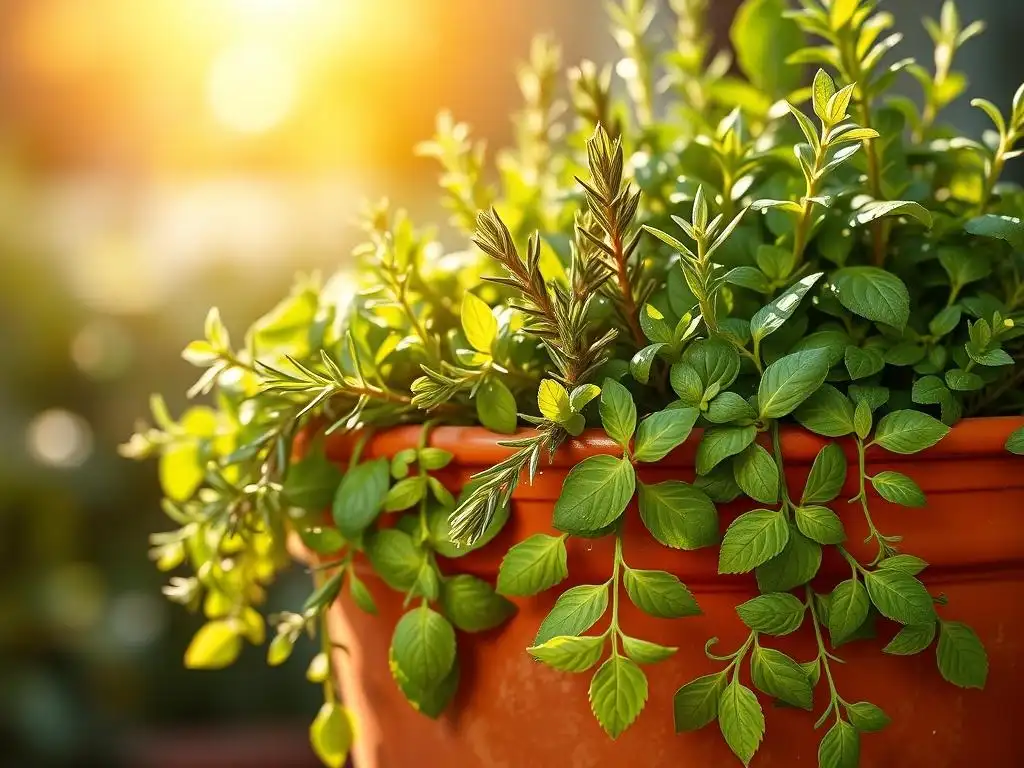
Ready to unlock the secrets to a bountiful harvest from your own backyard? At CultivateYourFood, we're passionate about helping you grow delicious, organic fruits, vegetables, and herbs. This is especially true for our container gardening enthusiasts! Learn how strategic pruning can transform your herb garden, boosting growth and maximizing yields – discover the art of pruning container herbs for yield and watch your kitchen garden flourish. Let's get started!
- Understanding the Benefits of Pruning Herbs in Containers
- Essential Tools for Pruning Container Herbs
-
When and How to Prune Different Types of Container Herbs
- Pruning Basil for Optimal Growth and Flavor
- Pruning Rosemary to Maintain Shape and Encourage Flowering
- Pruning Mint to Control Spread and Promote New Growth
- Pruning Chives for Continuous Harvest and Bushier Plants
- Pruning Parsley for a Lush and Abundant Crop
- Adapting Pruning Techniques for Different Herb Varieties
- Pruning Techniques for Increased Yields in Container Herbs
- Troubleshooting Common Pruning Mistakes
- Maintaining Healthy Container Herbs After Pruning
- Harvesting Your Abundant Herb Crop After Pruning
- Frequently Asked Questions
- Final Reflection: The Bountiful Harvest of Careful Pruning
- Unleash Your Herb Garden's Full Potential!
Understanding the Benefits of Pruning Herbs in Containers
Growing herbs in containers offers a delightful way to enjoy fresh, flavorful additions to your culinary creations, all while beautifying your patio or balcony. However, unlike their counterparts flourishing in sprawling garden beds, herbs confined to pots require a bit more attention to maintain their health, vigor, and productivity. This is where pruning plays a crucial role.
Pruning container herbs isn't just about tidying up; it's a vital practice that significantly impacts the plant's overall health, yield, and aesthetic appeal. By understanding the benefits and employing the right techniques, you can transform your container herbs from scraggly specimens into lush, productive plants bursting with flavorful leaves.
This guide will delve into the specific techniques for pruning various container herbs to maximize their yield and encourage bushier growth, all while adhering to sustainable and organic practices. We'll explore how pruning directly addresses common challenges faced by container-grown herbs, ultimately leading to a more bountiful and rewarding harvest.
Improved Air Circulation and Reduced Disease Risk in Container Herbs
Container-grown herbs, especially those densely packed, are susceptible to fungal diseases and pest infestations due to poor air circulation. Damp, stagnant air creates the perfect breeding ground for pathogens. Pruning helps to alleviate this by:
- Thinning out overcrowded foliage: Removing excess leaves and stems allows for better airflow between branches, reducing humidity and the risk of fungal growth. This is particularly important during humid weather conditions.
- Removing dead or diseased leaves and stems: Promptly removing affected parts prevents the spread of disease to healthy portions of the plant. This proactive approach is key to maintaining a thriving herb garden. Early detection and removal are crucial!
- Improving light penetration: Better air circulation also leads to improved light penetration, promoting healthier growth and reducing the chances of fungal infections that thrive in shady, damp environments.
Consider this example: A rosemary bush in a small pot, left unpruned, becomes dense and shaded. This leads to lower leaves yellowing and dropping due to lack of light and increased humidity. Regular pruning allows for air and light to reach all parts of the plant, preventing such issues. We recommend pruning rosemary by approximately one-third of its overall size, twice a year.
Maximizing Light Penetration for Healthier Herb Growth
Light is essential for photosynthesis, the process by which herbs produce their energy and flavorful compounds. In containers, competition for sunlight can be fierce, particularly if plants are crowded. Pruning strategically maximizes light penetration to all parts of the plant, leading to:
- Increased leaf production: When light reaches all leaves, they are able to photosynthesize more efficiently, resulting in a greater number of leaves and, consequently, a higher yield.
- Enhanced essential oil production: Many herbs are valued for their essential oils, which contribute to their flavor and aroma. Adequate light is crucial for optimal essential oil production. Studies show that plants receiving more sunlight produce higher concentrations of these desirable compounds.
- Prevention of leggy growth: Leggy growth, characterized by long, weak stems and sparse foliage, is often a sign of insufficient light. Pruning encourages bushier growth, ensuring that all parts of the plant receive adequate sunlight.
For optimal light penetration, consider pruning techniques like pinching back the tips of stems to encourage branching. This creates a more compact plant with a larger surface area exposed to sunlight. This is especially effective for herbs like basil and mint.
Encouraging Bushier Growth Through Strategic Pruning Techniques
Pruning is not just about removing unwanted growth; it's a powerful tool to shape and encourage bushier growth, leading to a fuller, more attractive, and ultimately more productive plant. Different pruning techniques can be employed depending on the herb and the desired outcome. These include:
- Pinching: This involves removing the topmost sets of leaves, stimulating the growth of lateral buds and resulting in a bushier plant. This is ideal for herbs like basil, oregano, and thyme.
- Shearing: This technique involves trimming the plant evenly across its top, creating a more formal shape and promoting denser growth. This is suitable for herbs like rosemary and lavender.
- Cutting back: This involves removing larger portions of the plant, often to rejuvenate older plants or to control their size. This method is used less frequently, but can be essential for larger herbs or those that have become overgrown.
The frequency of pruning depends on the specific herb and its growth rate. Some herbs, like basil, benefit from frequent pinching, while others, like rosemary, require less frequent but more substantial pruning. Always use clean, sharp tools to prevent the spread of diseases. Remember, consistent pruning will reward you with healthier, bushier plants that produce a greater yield of flavorful herbs. 🌿
Increased Yield and More Abundant Harvests from Container Herbs
Pruning your container herbs isn't just about aesthetics; it's a crucial technique for maximizing your harvest. By strategically removing certain parts of the plant, you're essentially redirecting its energy. Instead of focusing on producing seeds or simply growing taller, the plant concentrates its resources on producing more leaves, flowers, and stems – the parts you actually harvest. This leads to a significantly increased yield, providing you with a more abundant supply of fresh herbs throughout the growing season.
Think of it like this: a single, unpruned basil plant might produce a decent amount of leaves, but several smaller, pruned basil plants will collectively produce a far greater quantity. This is because pruning encourages bushier growth, leading to more branching and therefore, more leaf production. The increased airflow from pruning also helps prevent fungal diseases, further contributing to a healthier and more productive plant. For example, a rosemary plant pruned regularly will produce significantly more usable stems than an unpruned counterpart, leading to a far richer supply of this popular herb for culinary use.
The difference is often dramatic, especially when comparing plants of similar size and age. Regular pruning ensures a continuous cycle of new growth, leading to a longer harvest period and a higher overall yield of your favorite herbs. This is particularly important for container gardening, where space is often limited; maximizing yield per square inch is key. Don't be afraid to prune generously – your herbs will reward you with a bounty of flavorful leaves and stems.
Essential Tools for Pruning Container Herbs
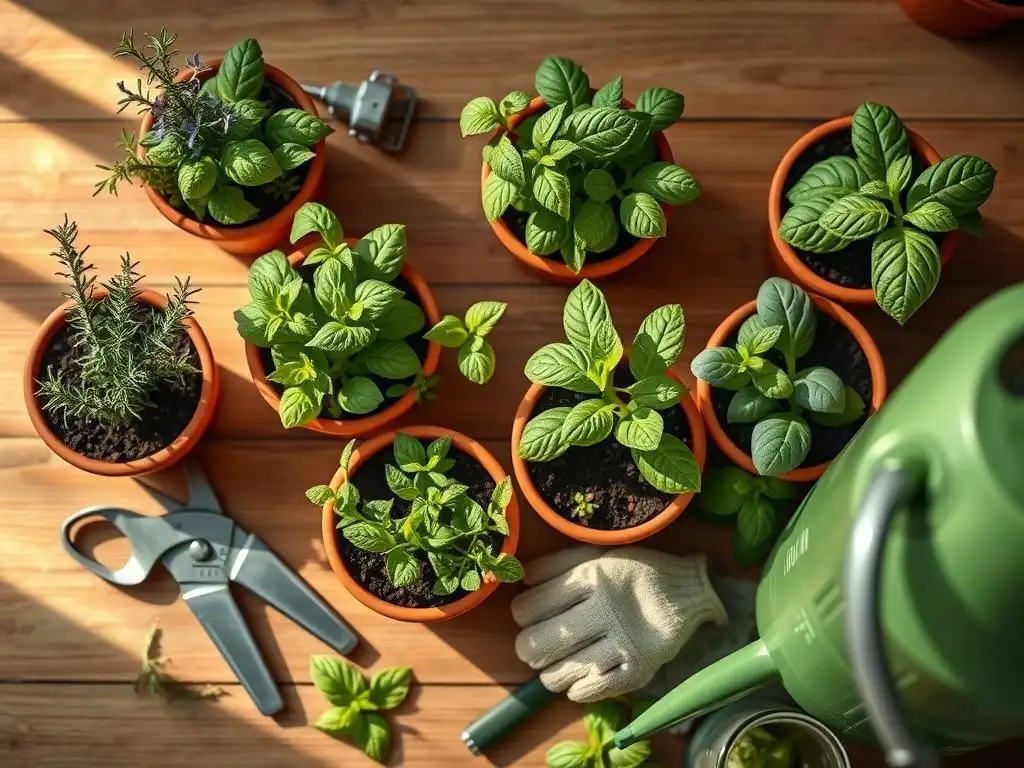
Pruning your container herbs effectively requires the right tools. Choosing the appropriate instruments and maintaining their cleanliness are crucial steps in ensuring healthy plant growth and maximizing your harvest – ultimately achieving your goal to prune container herbs for yield. Neglecting this aspect can lead to stunted growth, disease, and reduced yields. Let's delve into the specifics.
Selecting the Right Pruning Shears for Different Herb Types
The type of pruning shears you use significantly impacts the quality of your pruning and the health of your herbs. Different herbs have varying stem thicknesses and textures, requiring specific tools for optimal results.
For delicate herbs like chives and dill, small, sharp scissors or fine-tipped shears are ideal. These prevent crushing or damaging the thin stems. Using larger shears on these plants can result in significant injury, leading to wilting and potentially killing the plant.
On the other hand, heartier herbs such as rosemary and lavender benefit from sturdier bypass pruners. These pruners, with their sharp blades that pass each other, create a clean cut, minimizing damage and promoting healthy regrowth. Avoid anvil pruners on woody herbs as they tend to crush the stems.
Finally, for larger, woodier herbs like oregano or thyme that have become quite established, consider using loppers or hand saws for thicker branches. These tools provide the necessary power to make clean cuts without damaging the plant. Always ensure your tools are sharp – dull blades crush and tear, increasing the risk of disease.
Remember: A sharp tool is a safe tool. Regular sharpening of your pruning shears is essential for clean cuts and preventing the spread of disease.
Sterilizing Your Pruning Tools for Preventing Disease Transmission
Sterilizing your pruning tools is a critical yet often overlooked step in container herb pruning. Failing to sanitize your tools can easily spread diseases between plants, significantly impacting your yield and the overall health of your herb garden. The goal is to prune container herbs for yield without inadvertently harming your plants.
Several methods effectively sterilize pruning shears:
- Isopropyl alcohol (70%): Wipe the blades thoroughly with a clean cloth soaked in isopropyl alcohol. Allow to air dry completely before using.
- Bleach solution: Mix a solution of one part bleach to nine parts water. Dip the blades briefly (avoid prolonged submersion as it can damage the tools), then rinse thoroughly with clean water and allow to air dry.
- Boiling water: Submerge the metal parts of your shears in boiling water for a few minutes. Allow to cool before use.
The frequency of sterilization depends on the number of plants you're pruning and the presence of any diseases. It's advisable to sterilize your tools between pruning different plants, especially if you suspect any disease presence. This meticulous approach ensures a healthy and productive herb garden.
Using a Small Trowel for Root Pruning
While pruning above-ground growth is essential for maximizing yield, sometimes root pruning is necessary for container-grown herbs, particularly those that have become root-bound. Root-bound herbs exhibit stunted growth and reduced yields despite adequate above-ground care. Root pruning encourages new root growth, leading to improved nutrient and water uptake, directly impacting your ability to prune container herbs for yield.
A small, sharp trowel is the perfect tool for this task. Gently loosen the roots around the perimeter of the root ball, removing a portion of the outer roots. Be careful not to damage the main root system. After root pruning, repot the herb in fresh, well-draining potting mix to allow for ample root expansion. This process, while slightly more involved, can significantly improve your herb's health and productivity. Remember to sterilize your trowel before and after the procedure to prevent disease transmission. This helps maintain the overall health of your herb garden and contributes to a higher yield.
When and How to Prune Different Types of Container Herbs
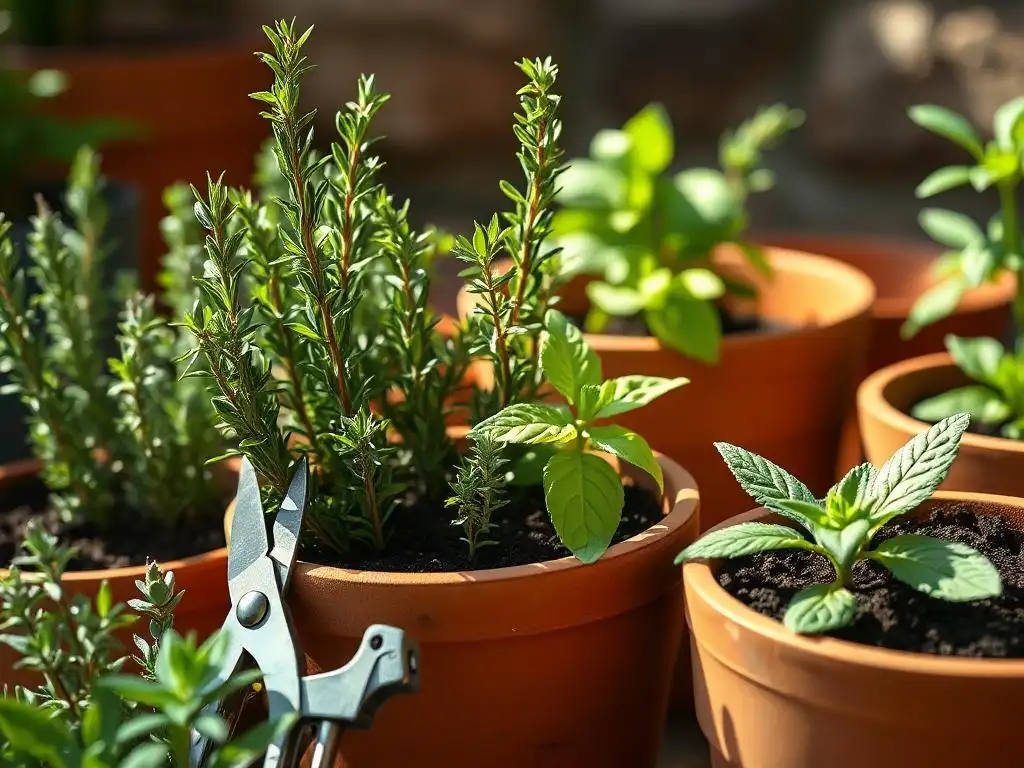
Pruning your container herbs isn't just about aesthetics; it's a crucial step in maximizing yield and promoting healthy, vigorous growth. The timing and technique vary depending on the herb, so understanding the specific needs of each plant is key to success. This section will guide you through the optimal pruning practices for several popular container herbs, helping you achieve a bountiful harvest and lush, vibrant plants. Proper pruning, alongside other sustainable practices, is vital for a successful harvest when you prune container herbs for yield.
Pruning Basil for Optimal Growth and Flavor
Basil, a culinary favorite, benefits greatly from regular pruning. Pinching back the growing tips encourages bushier growth, preventing leggy stems and maximizing leaf production. The best time to prune basil is during the growing season, typically from spring through summer.
Aim to pinch off the top 1-2 sets of leaves above a node (the point where leaves emerge from the stem). This stimulates the growth of new shoots from the nodes below, resulting in a fuller, more productive plant. Don't be afraid to prune liberally; basil is resilient and responds well to frequent pinching. Regular pruning also improves air circulation, reducing the risk of fungal diseases. Removing spent flowers is also important; this redirects the plant's energy towards leaf production instead of seed production. This technique is especially important if your goal is to prune container herbs for yield.
Remember to use clean, sharp scissors or pruning shears to avoid damaging the stems. You can even use your fingernails for very young plants. The leaves you remove can be used in pesto, salads, or other dishes, minimizing waste and maximizing the benefits of your pruning efforts. Harvesting and pruning go hand-in-hand when you aim to prune container herbs for yield.
Pruning Rosemary to Maintain Shape and Encourage Flowering
Rosemary, with its woody stems and fragrant needles, requires a slightly different pruning approach than basil. While pinching back tips can still promote bushier growth, rosemary benefits more from shaping and selective pruning to maintain its desired form. The best time to prune rosemary is after its main flowering period, typically in late spring or early summer.
Focus on removing any dead, damaged, or crossing branches. You can also lightly trim the tips of the stems to encourage bushier growth and to maintain the plant's shape. Avoid heavy pruning, as this can damage the plant. For container-grown rosemary, regular light pruning is preferable to one heavy pruning session. Overly aggressive pruning can lead to a decline in flowering, which is something to avoid if you prune container herbs for yield. A well-maintained rosemary bush is far more likely to deliver a generous harvest of fragrant leaves.
Pruning Mint to Control Spread and Promote New Growth
Mint is a vigorous grower, known for its rapid spread. In containers, this can be both a blessing and a curse. While its vigorous growth ensures a plentiful supply of leaves, uncontrolled spread can overwhelm the container and potentially choke other plants. Pruning mint regularly is essential for managing its growth and maintaining a healthy plant. The best time to prune mint is throughout the growing season, as needed.
Regularly cutting back the stems, ideally to about 6 inches above the soil line, encourages the growth of new shoots from the base. This prevents the plant from becoming leggy and promotes a bushier, more productive plant. Remember to remove any flower stalks as they appear, as flowering can reduce leaf production. The cuttings can be used to propagate new plants, extending your mint supply even further.
You can also consider using a container with a barrier to prevent the roots from spreading uncontrollably, making it easier to prune container herbs for yield. This is especially important when you aim to prune container herbs for yield. Careful pruning and containment will guarantee a steady and abundant supply of this versatile herb.
Pruning Chives for Continuous Harvest and Bushier Plants
Chives, with their delicate, onion-like flavor, are a popular addition to many dishes. Pruning chives correctly is key to maximizing yield and encouraging bushier growth within your container garden. The best time to prune chives is after their first flush of growth in spring or early summer. Simply cut the stalks back by about one-third to one-half their length, using sharp, clean scissors or shears.
This encourages new growth from the base of the plant, leading to a more abundant harvest throughout the growing season. Avoid cutting too close to the ground, as this can damage the plant and reduce future growth. Regular pruning, every few weeks during the active growing season, will ensure a continuous supply of fresh chives. Remember to always use clean tools to prevent the spread of diseases.
Furthermore, consider fertilizing your chives regularly with a balanced organic fertilizer to support vigorous growth and abundant harvests. This will ensure you get the maximum yield from your container-grown chives and improve their overall health. Neglecting this crucial step may lead to weaker plants with significantly reduced yields.
Pruning Parsley for a Lush and Abundant Crop
Parsley, a culinary staple, benefits greatly from strategic pruning. Unlike chives, parsley doesn't respond well to frequent, heavy pruning. Instead, focus on selective pruning to maintain its shape and encourage new growth. Pinch off or cut individual stems that are becoming leggy or flowering.
Flowering diverts energy from leaf production, reducing the overall yield. Regularly removing flower stalks redirects the plant's energy towards leaf growth, creating a fuller, more productive plant. Aim to prune parsley throughout the growing season, removing any yellowing or damaged leaves as well. This maintains the plant's health and aesthetics.
Moreover, ensure your parsley receives sufficient sunlight and moisture; these factors greatly influence its growth and yield. A well-drained potting mix is essential to prevent root rot, a common problem for container-grown herbs. With proper care and selective pruning, you can cultivate a lush and abundant parsley crop in your container. Remember, a little bit of pruning goes a long way in maintaining a healthy and productive parsley plant.
Adapting Pruning Techniques for Different Herb Varieties
Different herbs have different growth habits and respond to pruning in various ways. While the techniques described above work well for chives and parsley, you'll need to adapt your approach depending on the specific herb. For example, rosemary and thyme benefit from light pruning to maintain their shape and prevent them from becoming woody. Over-pruning can harm these herbs and reduce their yield.
Conversely, basil thrives on regular pinching back, which encourages bushier growth and prevents it from becoming too tall and leggy. Mint, a vigorous grower, requires more aggressive pruning to control its spread, especially in containers. Regular harvesting of mint leaves also acts as a form of pruning. Always research the specific needs of each herb variety before pruning.
Consider consulting gardening guides or online resources dedicated to specific herb types for detailed pruning instructions. By understanding the individual needs of your herbs, you can tailor your pruning techniques for optimal growth and yield, ensuring a thriving and productive herb garden in your containers. This nuanced approach is crucial for maximizing your harvest and maintaining the health of your diverse herb collection. Remember, careful observation and adaptation are key to successful container herb gardening.
Pruning Techniques for Increased Yields in Container Herbs
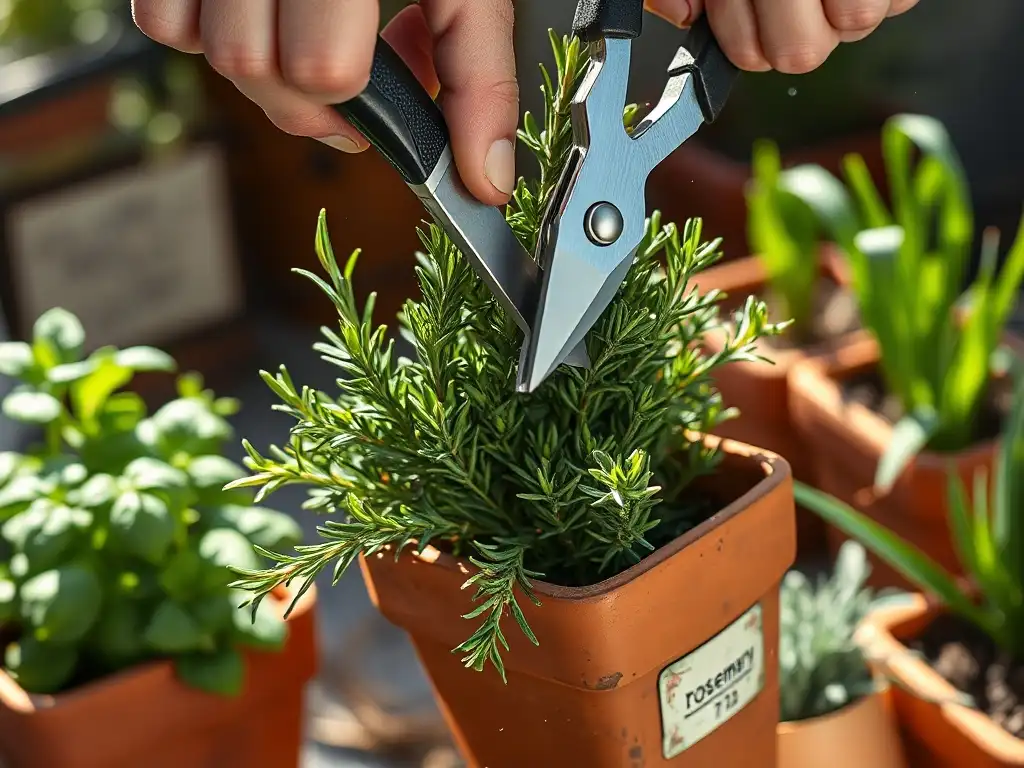
This section delves into specific pruning techniques to maximize yield and encourage bushier growth in your container herbs. Remember, the goal is to stimulate new growth and prevent your herbs from becoming leggy and unproductive. Proper pruning for container herbs is crucial for maintaining healthy, vibrant plants that reward you with abundant harvests. This detailed guide will help you master the art of pruning your container herbs for optimal yield.
Pinch Pruning: A Simple Technique for Promoting Bushiness
Pinch pruning is the easiest and most common method for maintaining compact and bushy herb growth. It involves removing the growing tip of a stem, just above a node (the point where leaves or branches emerge). This simple action signals the plant to divert energy into developing lateral branches instead of focusing solely on vertical growth. The result? A fuller, bushier plant with more leaves and, consequently, a higher yield.
This technique is particularly effective for herbs like basil, oregano, and thyme. For example, if your basil plant is starting to get leggy with long, sparse stems, regularly pinching off the top few inches of each stem will encourage multiple new shoots to emerge from the lower nodes, creating a much bushier and more productive plant. Aim to pinch back approximately 1/4 to 1/3 of the stem's length. You can use your fingers for this, or small, sharp scissors for cleaner cuts.
Here’s a visual guide to pinch pruning:
     Stem
      |
      |
  ----o---- Pinch here!
      |
      |
    Node
Regular pinching, ideally every 1-2 weeks during active growth, is key to maintaining a bushy shape and maximizing yield. Don't be afraid to pinch frequently; the plant will quickly recover and produce even more leaves. Remember to compost the pinched-off tips to enrich your soil! This simple act of pinch pruning significantly contributes to improved yields when you prune container herbs for yield.
Tip Pruning: Encouraging Lateral Branching and Increased Leaf Production
Tip pruning is a slightly more precise method than pinch pruning. Instead of simply pinching off the tip, you use sharp pruning shears or scissors to make a clean cut just above a node. This allows for more controlled removal of stems and promotes even more vigorous branching than pinch pruning. It's particularly useful for herbs that tend to become leggy or have sparse foliage.
Tip pruning is especially beneficial for herbs like rosemary and lavender, which can become woody and less productive if left unpruned. By carefully removing the tips of long stems, you encourage the growth of shorter, bushier branches, leading to a denser plant with more flowering and leaf production. This technique is best performed in early spring or late summer, depending on the herb's growth cycle. For rosemary, for instance, a light tip pruning in early spring followed by a more significant pruning after flowering in summer can significantly improve yield and overall plant health.
The ideal time to prune will depend on your specific herb and the climate. Observing your plants closely is crucial to determine the optimal timing for tip pruning to maximize results. This careful approach to tip pruning directly impacts your ability to prune container herbs for yield.
Hard Pruning: Revitalizing Overgrown or Leggy Herbs
Hard pruning, as the name suggests, involves significantly reducing the size of the plant. This drastic measure is usually reserved for overgrown or leggy herbs that have become unproductive or have lost their shape. It's a more aggressive technique, but it can be highly effective in rejuvenating older plants and encouraging new growth.
Hard pruning involves cutting back a significant portion of the plant's stems, sometimes up to half or even more, depending on the herb and its condition. This is often done in late winter or early spring, before new growth begins. The goal is to remove old, woody stems and encourage the plant to produce fresh, vigorous growth from the base. Hard pruning is particularly useful for herbs like sage and mint, which can become woody and unproductive over time.
| Herb | Hard Pruning Recommendation | Timing |
|---|---|---|
| Sage | Cut back by 1/3 to 1/2 | Late winter/early spring |
| Mint | Cut back severely to the base | Late winter/early spring |
| Rosemary | Cut back by 1/4 to 1/3 | After flowering |
Remember to use clean, sharp pruning shears to prevent the spread of disease. After hard pruning, ensure your herbs receive adequate water and nutrients to support the new growth. While it seems drastic, hard pruning is a valuable tool for revitalizing older plants and ensuring continued high yields. It’s a key element in effectively pruning container herbs for yield. This technique, though more aggressive, is vital in maximizing your harvest over the long term.
Root Pruning: Managing Root Bound Container Herbs to Improve Growth
Root pruning is a crucial technique for maximizing the yield of herbs grown in containers. Container-grown herbs, unlike their in-ground counterparts, are susceptible to becoming root-bound. This means their roots become densely packed, circling the inside of the pot and preventing further expansion. This restriction on root growth directly impacts the plant's ability to absorb water and nutrients, ultimately limiting its size and the quantity of herbs it produces. Root-bound herbs often exhibit stunted growth, yellowing leaves, and reduced flowering and fruiting.
To address root-bound herbs and encourage bushier growth leading to a higher yield, root pruning becomes necessary. This involves carefully removing a portion of the root system to stimulate new root growth and break the cycle of restricted expansion. It's best performed during the plant's dormant period, typically late winter or early spring, before new growth begins. However, if you notice severe root-binding during the growing season, a gentle root pruning might be necessary to alleviate immediate stress.
The process itself requires careful handling. First, gently remove the herb from its container. Loosen the root ball, avoiding harsh pulling that can damage the plant. Use a sharp, clean knife or pruning shears to trim away the outer, circling roots. Aim to remove approximately one-third to one-half of the root mass, focusing on the dense, compacted areas. Avoid cutting into the central root system. After pruning, repot the herb into a larger container with fresh, well-draining potting mix. This provides the plant with ample space for new root development and improved nutrient uptake, directly contributing to increased yields.
Remember, root pruning is a surgical procedure. It's crucial to use clean tools to prevent the spread of disease. Avoid over-pruning, as this can severely stress the plant and hinder its recovery. After root pruning, water the plant thoroughly and provide it with adequate sunlight and nutrients to support its recovery and encourage vigorous new growth.
Proper watering and fertilization are key to maximizing the benefits of root pruning and achieving a substantial increase in your herb harvest. Consistent monitoring for signs of stress after the procedure is also important, allowing for timely intervention if needed. Properly executed root pruning is a powerful tool in the arsenal of any container herb gardener seeking to increase their yields.
Troubleshooting Common Pruning Mistakes
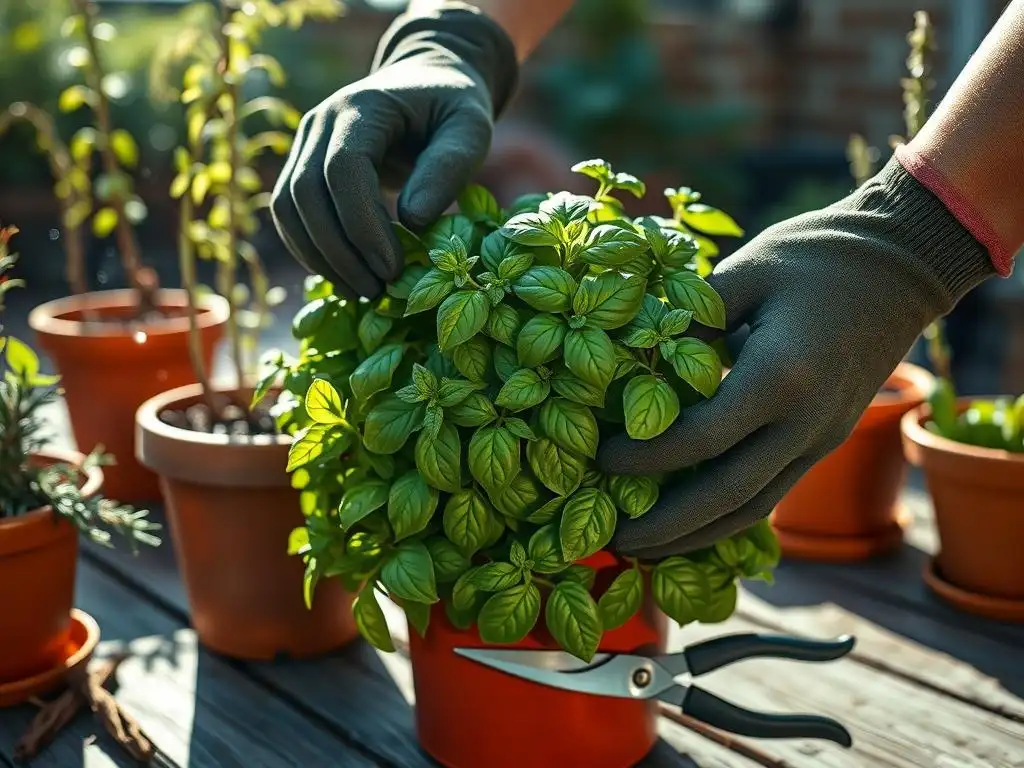
Pruning container herbs for yield can significantly boost your harvest, but improper techniques can lead to setbacks. Understanding and avoiding common mistakes is crucial for success. This section focuses on identifying and rectifying these issues, ensuring your herb plants thrive and produce abundantly. Let's delve into some frequent problems and their solutions.
Avoiding Over-Pruning and Damaging Your Herb Plants
Over-pruning is a significant pitfall for many home gardeners. It's easy to get carried away, aiming for a perfectly shaped plant, and inadvertently removing too much foliage. This weakens the plant, reducing its ability to photosynthesize and potentially leading to stunted growth or even death. Remember, the goal is to encourage bushier growth and higher yields, not to decimate your herb's leaf mass.
To avoid over-pruning, always remember the "one-third rule." Never remove more than one-third of the plant's total growth at any one time. This allows the plant to recover and continue producing new growth without experiencing significant stress. For example, if your rosemary plant is 12 inches tall, you should prune no more than 4 inches at a time.
Furthermore, focus your pruning efforts on shaping the plant and removing dead or diseased stems, rather than indiscriminately cutting back healthy growth. Use sharp, clean pruning shears to make precise cuts, minimizing damage to the plant's tissues. A clean cut heals faster and reduces the risk of infection.
Consider the specific needs of each herb. Some herbs, like basil, respond well to frequent, light pruning, while others, like lavender, prefer less frequent, more substantial pruning. Research the specific pruning requirements of your chosen herbs to tailor your approach for optimal results. This tailored approach will ensure you prune container herbs for yield effectively without causing harm.
Dealing with Pests and Diseases After Pruning
Pruning, while beneficial, can sometimes inadvertently create entry points for pests and diseases. Fresh cuts offer vulnerable access to your herb plants. Therefore, post-pruning care is essential to prevent infestations and infections. Prompt identification and treatment are key to maintaining the health of your plants.
One common issue is the increased risk of fungal infections. The open wounds left by pruning can be entry points for fungi, leading to rot or other diseases. To prevent this, always use clean, sharp pruning shears to minimize the size and number of wounds. Avoid pruning during wet weather, as this increases the risk of fungal spores settling on the fresh cuts. After pruning, consider applying a fungicide, following the manufacturer's instructions carefully. This is a preventative measure to safeguard your plants against fungal attacks.
Insects can also be attracted to the new growth that often follows pruning. Regularly inspect your plants for signs of pests, such as aphids, spider mites, or whiteflies. Early detection is crucial for effective pest control. If you find pests, consider using organic pest control methods, such as insecticidal soap or neem oil, to protect your herbs. Remember to always follow the label instructions and consider the safety of any method used, particularly if you intend to consume the herbs.
Recognizing Signs of Nutrient Deficiency After Pruning
Pruning stimulates new growth, and this rapid growth requires an adequate supply of nutrients. If your plants are deficient in essential nutrients, they may exhibit signs of stress or poor growth after pruning. Recognizing these signs is crucial for taking corrective action and ensuring your plants continue to thrive. Nutrient deficiencies can manifest in various ways, and understanding these symptoms is vital for successful gardening.
A common sign of nutrient deficiency is discoloration of the leaves. For example, yellowing leaves might indicate a lack of nitrogen, while purplish leaves could suggest a phosphorus deficiency. Other symptoms include stunted growth, wilting, or leaf drop. These symptoms can be subtle, so regular monitoring of your plants' health is essential.
To address nutrient deficiencies, conduct a soil test to determine the precise nutrient levels in your growing medium. Amend the soil with appropriate fertilizers or organic matter to replenish depleted nutrients. Compost is an excellent source of organic matter, providing a slow-release of essential nutrients and improving soil structure.
Choosing a fertilizer specifically formulated for herbs will ensure your plants receive the optimal balance of nutrients. Regular fertilization, especially after pruning, will ensure your plants have the necessary resources for vigorous growth and a bountiful harvest. Remember, healthy soil is fundamental to healthy plants, and adequate nutrition is crucial for maximizing yield after pruning your container herbs.
Maintaining Healthy Container Herbs After Pruning
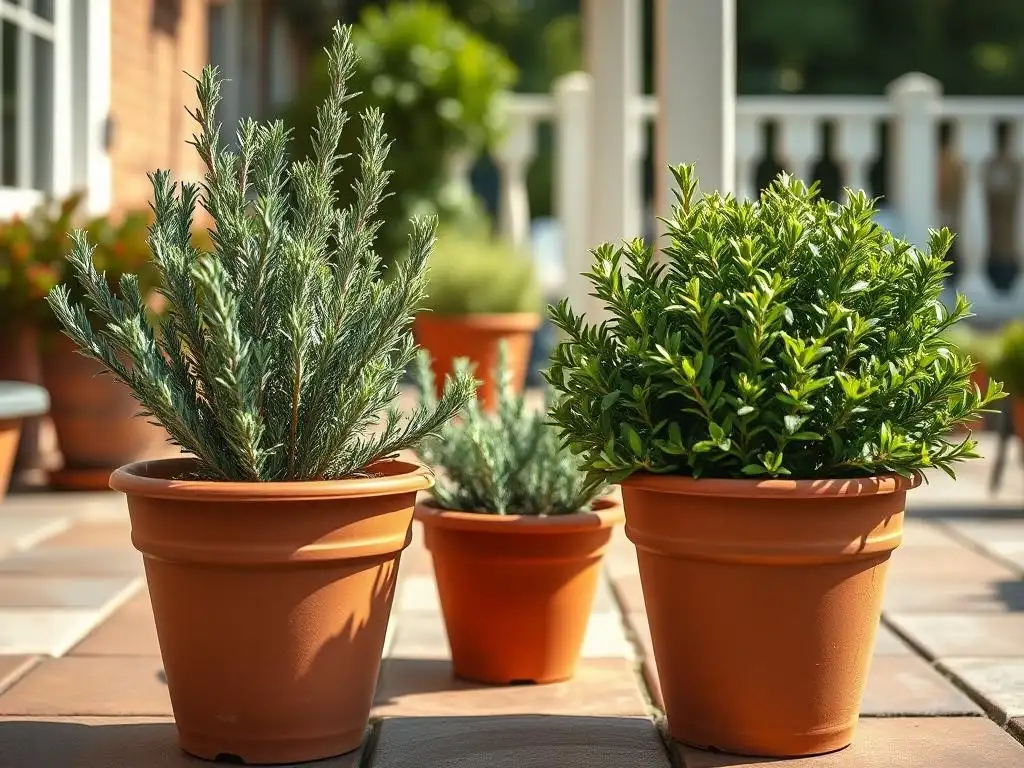
Pruning your container herbs, while crucial for maximizing yield and promoting bushier growth, requires careful post-pruning care to ensure the plants thrive and don't experience setbacks. Neglecting this crucial step can undo the benefits of pruning, leading to stunted growth or even plant death. This section focuses on the essential post-pruning maintenance techniques for optimal results in your herb garden. Remember, the goal is to prune container herbs for yield, and proper aftercare is key to achieving that goal.
Watering and Fertilizing Your Pruned Herbs
Pruning stimulates new growth, increasing the plant's demand for water and nutrients. Immediately after pruning, avoid overwatering, as this can lead to root rot, especially in containers with poor drainage. Instead, water thoroughly but only when the top inch of soil feels dry. Consistency is paramount; aim for regular, moderate watering rather than infrequent, deep soakings. The frequency will depend on factors like temperature, sunlight exposure, and the type of herb. For example, basil, a thirsty herb, requires more frequent watering than rosemary, which is more drought-tolerant.
Following pruning, your herbs will benefit from a boost of nutrients to support the new growth. Use a balanced, organic liquid fertilizer diluted to half strength. Avoid over-fertilizing, as this can burn the roots and negatively impact growth. Apply the fertilizer according to the product instructions, paying close attention to the recommended dilution ratio.
A good rule of thumb is to fertilize every two to three weeks during the growing season. Consider using a slow-release fertilizer for a more consistent nutrient supply throughout the growing period. This approach minimizes the risk of nutrient burn and ensures a steady supply for robust growth, directly contributing to your goal of pruning container herbs for yield.
Protecting Your Herbs from Extreme Temperatures and Weather Conditions
Container herbs are particularly vulnerable to extreme temperatures and harsh weather conditions. Following pruning, when the plants are recovering and producing new, tender growth, this vulnerability is amplified. Protect your herbs from intense sunlight by providing shade during the hottest parts of the day, especially in summer. This can be achieved using shade cloth, moving containers to a less sunny location, or simply adjusting the placement of other plants to offer natural shade.
Similarly, protect your herbs from frost and freezing temperatures during colder months. Bring your containers indoors to a frost-free location, or cover them with a frost blanket or row cover. Sudden temperature fluctuations can stress the plants and impact their ability to recover after pruning. Pay close attention to weather forecasts, and take proactive measures to protect your herbs from any extreme weather events. These proactive steps will help you successfully prune container herbs for yield by ensuring the plants remain healthy and productive.
Monitoring for Pests and Diseases After Pruning
Pruning can sometimes weaken plants, making them more susceptible to pests and diseases. Regularly inspect your herbs for any signs of infestation or disease. Common herb pests include aphids, spider mites, and whiteflies. Signs of disease can include wilting, leaf discoloration, or unusual spots or lesions on the leaves. Early detection and prompt action are crucial for preventing widespread damage.
Consider implementing preventative measures, such as introducing beneficial insects like ladybugs, or using organic pest control methods such as neem oil or insecticidal soap. Avoid using harsh chemical pesticides, which can harm beneficial insects and contaminate your herbs. Remember, a healthy plant is more resilient to pests and diseases, so proper watering and fertilization, as discussed earlier, are essential components of pest and disease prevention. By carefully monitoring your herbs and addressing any issues promptly, you can ensure a healthy harvest and successfully prune container herbs for yield.
Harvesting Your Abundant Herb Crop After Pruning
Pruning your container herbs isn't just about shaping; it's a crucial step in maximizing your harvest. By strategically removing certain stems and leaves, you encourage bushier growth and ultimately, a more abundant yield. But the benefits don't stop there. Proper pruning also improves air circulation, reducing the risk of fungal diseases, and ensures that your herbs receive adequate sunlight.
This section focuses on harvesting the bounty you've nurtured through careful pruning, ensuring you get the most out of your efforts. We'll explore optimal harvesting times and methods to preserve your delicious herbs for longer enjoyment. Remember, the goal is to prune container herbs for yield, and harvesting is the final, rewarding step in that process.
Optimal Harvesting Times for Maximum Flavor and Yield
The timing of your herb harvest significantly impacts both flavor and yield. Harvesting at the right time ensures you capture the peak of their aromatic oils and nutrients. Generally, the best time to harvest most herbs is in the morning, after the dew has dried but before the intense midday sun. This is when the essential oils are most concentrated, resulting in the most flavorful harvest. However, specific herbs may have slightly different optimal times.
For example, basil, known for its delicate flavor, is best harvested just before flowering. Harvesting basil before it flowers ensures the leaves retain a more tender texture and a sweeter, less intense flavor. Conversely, rosemary and thyme, known for their woody stems, can be harvested throughout the growing season, even after flowering, although the flavor might be slightly more intense.
Regular harvesting, even small amounts, often stimulates new growth, leading to a higher overall yield throughout the growing season. Think of it as a "harvest-and-grow" cycle that maximizes your herb production. Remember to always use clean, sharp shears or scissors to avoid damaging the plant.
| Herb | Optimal Harvesting Time | Notes |
|---|---|---|
| Basil | Before flowering | More tender leaves, sweeter flavor |
| Rosemary | Throughout growing season | Flavor may intensify after flowering |
| Thyme | Throughout growing season | Flavor may intensify after flowering |
| Chives | Harvest leaves as needed | Frequent cutting encourages new growth |
| Parsley | Harvest outer leaves as needed | Avoid cutting into the heart of the plant |
| Mint | Pinch back stems regularly | Encourages bushier growth and prevents flowering |
Methods for Harvesting Different Types of Herbs
The method you use for harvesting depends heavily on the type of herb and its growth habit. Some herbs, like chives and parsley, can be harvested by simply snipping off individual leaves or stems as needed. Others, like basil and mint, benefit from a more strategic approach. For bushier growth, consider pinching back the tips of stems, encouraging new growth points. This method works particularly well with herbs that tend to become leggy.
For herbs with woody stems, such as rosemary and thyme, you might harvest by cutting back entire stems. This encourages new growth from the base of the plant and helps maintain a compact shape. Always leave enough foliage to ensure the plant's health and continued growth. Avoid harvesting more than one-third of the plant at any one time. Remember to use clean, sharp tools to minimize the risk of disease transmission. Proper technique is key to pruning container herbs for yield and maintaining healthy plants.
Preserving Your Harvested Herbs for Longer Shelf Life
Once you've harvested your precious herbs, proper preservation is key to extending their shelf life and ensuring you can enjoy their flavor for weeks to come. Several methods can help you achieve this.
- Refrigeration: Many herbs, especially those with higher moisture content like basil and parsley, can be stored in the refrigerator. Wrap them loosely in a damp paper towel and place them in a plastic bag to maintain freshness. They'll usually last for about a week this way.
- Freezing: For longer storage, freezing is an excellent option. You can freeze herbs whole, chopped, or pureed in ice cube trays for easy portioning. Freezing helps preserve the herbs' flavor and aroma, allowing you to use them later in soups, stews, or sauces.
- Drying: Air drying is a traditional method that works well for many herbs, such as rosemary, thyme, and oregano. Bundle small bunches of herbs and hang them upside down in a cool, dark, and well-ventilated area. Once completely dried, store them in airtight containers away from light and moisture. Dried herbs retain their flavor for several months.
Remember, preserving your herbs not only extends their use but also maximizes the yield from your careful pruning efforts. By following these methods, you can enjoy the fruits (or rather, herbs!) of your labor for much longer. This careful attention to detail is a significant part of successfully pruning container herbs for yield.
Frequently Asked Questions
How often should I prune my container herbs for optimal yield?
Regular pruning is key! Aim for pruning every 2-3 weeks during the growing season to encourage bushier growth and prevent legginess. This stimulates new growth and increases yields.
What is the best way to prune container herbs to increase yield?
Pinch or cut back stems just above a leaf node or set of leaves. This encourages lateral branching, leading to more leaves and ultimately, a higher harvest. Avoid cutting into woody stems.
Which herbs benefit most from pruning for increased yield?
Many herbs respond well to pruning, but basil, rosemary, thyme, and oregano are particularly good candidates. These herbs readily produce new growth after pruning, resulting in a bountiful harvest.
What should I do with the pruned herb cuttings?
Don't throw them away! You can use them to flavor dishes, add to homemade herbal teas, or even propagate new plants by starting cuttings in water or soil.
Can over-pruning harm my container herbs?
Yes, over-pruning can stress the plant, potentially hindering growth. Start with small, regular prunings and observe your herbs' response. Adjust your pruning schedule accordingly to avoid stressing your plants.
Final Reflection: The Bountiful Harvest of Careful Pruning
The art of pruning container herbs isn't merely a gardening technique; it's a pathway to maximizing your harvest and nurturing vibrant, healthy plants. Understanding the principles of pruning, as explored throughout this article, directly translates to a more abundant and flavorful yield in your own kitchen garden, no matter how limited your space. This isn't just about aesthetics; it's about actively participating in the life cycle of your herbs and reaping the rewards of your efforts.
The impact of mindful pruning extends beyond the individual plant; it’s a reflection of our relationship with nature and the food we consume. We are actively shaping the growth of our herbs, influencing not only their size and shape but also the quality and quantity of their yield. This act of cultivation fosters a deeper appreciation for the process of growing food, connecting us more intimately with the source of our meals. The glory of gardening: hands in the dirt, head in the sun, heart with nature. To nurture a garden is to feed not just the body, but the soul.
This quote beautifully captures the essence of what we've explored – a connection that goes beyond mere productivity.
Consider the herbs thriving on your windowsill or patio. What small adjustments can you make today to encourage bushier growth and a more plentiful harvest? Take a moment to observe your plants, identify areas needing attention, and apply the pruning techniques discussed. Embrace the process, learn from each snip, and watch as your herbs flourish, rewarding you with an abundance of fresh, flavorful ingredients for your culinary creations. The journey of nurturing your herbs is a continuous learning experience, and the rewards are both tangible and deeply satisfying.
Unleash Your Herb Garden's Full Potential!
Thank you for learning about pruning your container herbs! You now have the knowledge to significantly increase your herb harvests. Ready to apply this new expertise?
- Prune your herbs today! Use sharp shears to remove any leggy or flowering stems, promoting bushier growth and extending the harvest season.
- Share your pruning successes (or questions!) with the CultivateYourFood community in the comments below. Let's learn from one another!
- Experiment with different pruning techniques—you may be surprised by the results!
What pruning technique will you try first to maximize your herb yield this season?