
Secrets of Successful Container Gardening: The Importance of Potting Mix

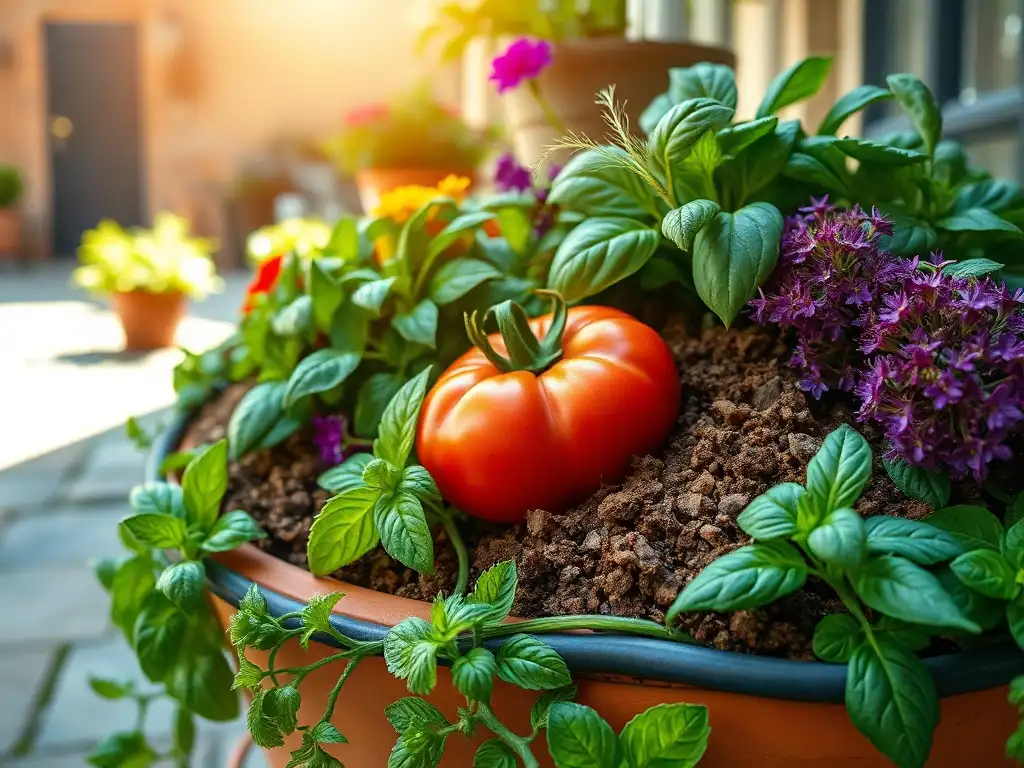
Ready to unlock the secrets to a bountiful harvest, right in your backyard? At CultivateYourFood, we empower you to grow your own fruits, vegetables, and herbs organically. This journey begins with understanding the foundation of successful container gardening: the best potting mix. Discover why choosing the right mix is crucial and learn how to select the perfect blend for vibrant growth in our comprehensive guide on "Best Potting Mix for Container Gardening." Let's cultivate your food, together!
- Understanding the Best Potting Mix for Container Gardening
- Choosing the Right Potting Mix for Your Container Garden
- Troubleshooting Common Container Gardening Problems with Potting Mix
- Sustainable and Organic Potting Mix Options for Container Gardening
- Maintaining Your Container Garden's Potting Mix for Optimal Growth
- Frequently Asked Questions
- Final Reflection: Cultivating Success, One Pot at a Time
- Unleash Your Green Thumb: Grow Bountiful Container Gardens!
Understanding the Best Potting Mix for Container Gardening
Choosing the right potting mix is paramount for successful container gardening. Unlike in-ground planting where soil structure is naturally diverse and rich, container gardening demands a specialized mix that caters to the unique needs of plants confined to pots. This article delves into the secrets of selecting the best potting mix for container gardening, focusing on why standard garden soil falls short and what constitutes an ideal blend for thriving plants.
We'll explore the crucial components – air, water, and nutrients – and identify the essential ingredients that make a high-quality potting mix the foundation of your container gardening success. Mastering this aspect is key to achieving bountiful harvests of fruits, vegetables, and herbs, all while embracing sustainable and organic practices. Choosing the right potting mix is a crucial step towards achieving a thriving container garden and is often overlooked by novice gardeners.
This guide will help you understand why a specialized mix is crucial and how to select the best one for your needs. Let's get started!
Why Standard Soil Doesn't Work in Containers
Standard garden soil, while suitable for in-ground planting, often proves disastrous in containers. This is primarily due to several key factors:
- Poor Drainage: Garden soil tends to compact easily, leading to waterlogging and root rot. The lack of adequate drainage in containers can suffocate plant roots, preventing them from accessing essential oxygen. 💦
- Excessive Weight: Garden soil is significantly heavier than a well-composed potting mix, making containers cumbersome and difficult to move. This is especially problematic for larger containers. 🏋️♂️
- Nutrient Imbalance: Garden soil's nutrient content can be unpredictable and may not provide the consistent, balanced nutrition needed for optimal plant growth in containers. Nutrients can also leach out quickly in containers. 📉
- Pest and Disease Risk: Garden soil may harbor pests and diseases that can easily infest your container plants, leading to significant problems. 🐛
The consequences of using standard garden soil in containers often include stunted growth, yellowing leaves, wilting, and ultimately, plant death. A well-draining, lightweight, and nutrient-rich potting mix is essential to overcome these challenges and cultivate healthy, vibrant plants.
The Ideal Potting Mix Composition: Air, Water, and Nutrients
The ideal potting mix achieves a perfect balance of three crucial elements: air, water, and nutrients. Each plays a vital role in plant health and growth:
- Air: Sufficient air pockets are essential for root respiration. A compacted mix restricts oxygen flow, leading to root suffocation. The correct mix will allow for adequate aeration. 💨
- Water: The potting mix should retain enough moisture to keep the roots hydrated without becoming waterlogged. This requires a balance between water retention and drainage. 💧
- Nutrients: Plants need a steady supply of essential nutrients for healthy growth. A high-quality potting mix provides a balanced blend of nutrients to support this need, at least initially. 🌱
The proportions of these elements vary depending on the specific plant and the type of container, but achieving this balance is critical for success. A mix that is too dense or too airy will negatively impact plant health.
Essential Ingredients of a High-Quality Potting Mix
A superior potting mix typically includes a blend of several key ingredients:
- Peat Moss: Provides excellent water retention and aeration.
- Coco Coir: A sustainable alternative to peat moss, offering similar properties.
- Perlite: Improves drainage and aeration.
- Vermiculite: Retains moisture and provides nutrients.
- Compost: Adds organic matter and nutrients.
The specific ratios of these ingredients can vary depending on the manufacturer and the intended use. However, look for a mix that clearly lists these components and avoids unnecessary fillers. Reading reviews and comparing different mixes can help you choose the best option for your container garden. Remember that supplementing with organic fertilizers throughout the growing season will often be necessary to ensure optimal nutrition.
Choosing the Right Potting Mix for Your Container Garden
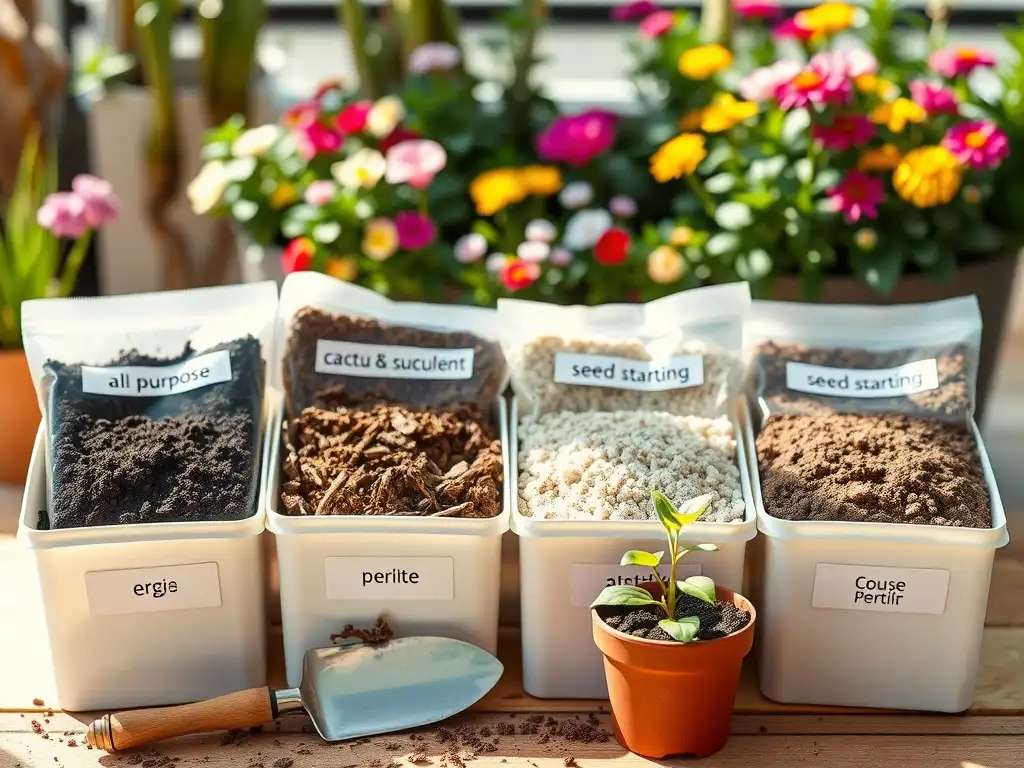
Selecting the best potting mix is crucial for thriving container gardens. Unlike garden soil, which contains heavy clay and potentially compacted earth, a high-quality potting mix provides the ideal balance of aeration, drainage, and water retention necessary for healthy root development in containers. The wrong mix can lead to root rot, nutrient deficiencies, and ultimately, plant failure. This section will guide you through selecting the perfect potting mix for various plants, ensuring your container garden flourishes. Finding the best potting mix for container gardening requires careful consideration of your specific plant needs.
Selecting Potting Mix Based on Plant Type: Herbs, Vegetables, and Flowers
Different plants have varying needs regarding soil composition and drainage. For example, herbs like basil and oregano prefer well-draining soil to prevent root rot, a common issue in containers. Vegetables, especially those with shallow root systems like lettuce and radishes, benefit from a lighter, airy mix that allows for easy water penetration. Flowers, on the other hand, often need a mix that retains moisture better, particularly during dry periods. The ideal potting mix should cater to these specific requirements. Consider these factors when choosing a potting mix:
- Drainage: Essential for preventing root rot. Look for mixes that include perlite or vermiculite to improve aeration and drainage.
- Water Retention: Crucial for supplying plants with adequate moisture, especially in hot climates. Peat moss and coconut coir help retain moisture.
- Nutrient Content: A good potting mix provides essential nutrients for plant growth. Look for mixes that include compost or other organic matter.
- pH Level: Different plants prefer different pH levels. Check the packaging for pH information and select a mix appropriate for your plants.
Here's a quick comparison table illustrating the ideal potting mix characteristics for different plant types:
| Plant Type | Drainage | Water Retention | Nutrient Content | pH Level |
|---|---|---|---|---|
| Herbs (Basil, Oregano) | Excellent | Moderate | Moderate | Slightly acidic |
| Vegetables (Lettuce, Radishes) | Good | Moderate | High | Slightly acidic to neutral |
| Flowers (Petunias, Geraniums) | Good | High | Moderate to High | Slightly acidic to neutral |
Choosing the right mix significantly impacts the success of your container garden. Don't underestimate the importance of selecting a potting mix tailored to your specific plants' needs. Remember, a happy plant starts with a happy root system! 🌱
Best Potting Mix for Tomatoes in Containers
Tomatoes are heavy feeders and require a well-draining, nutrient-rich potting mix to thrive in containers. A mix specifically designed for vegetables or tomatoes is ideal. Look for mixes containing:
- Peat Moss: Provides excellent water retention and aeration.
- Perlite or Vermiculite: Enhances drainage and prevents compaction.
- Compost: Adds essential nutrients and improves soil structure.
Avoid mixes that are too heavy or dense, as these can lead to waterlogging and root rot. Consider adding a slow-release fertilizer to the potting mix at planting time to provide sustained nutrition throughout the growing season. Regular feeding with a balanced liquid fertilizer will also be beneficial. Proper drainage is paramount; ensure your containers have adequate drainage holes to prevent water buildup. Using a high-quality potting mix specifically formulated for tomatoes significantly increases the chances of a bountiful harvest.🍅
Best Potting Mix for Peppers in Containers
Similar to tomatoes, peppers benefit from a well-draining, nutrient-rich potting mix in containers. A good mix will include components similar to those recommended for tomatoes: peat moss for moisture retention, perlite or vermiculite for drainage, and compost for added nutrients. However, peppers are slightly less demanding than tomatoes in terms of nutrient requirements. Therefore, a mix with a slightly lower nutrient content might suffice.
Over-fertilizing can lead to excessive vegetative growth at the expense of fruit production. As with tomatoes, ensure your containers have ample drainage holes to prevent waterlogging and root rot. Selecting a potting mix formulated for vegetables or a general-purpose potting mix amended with compost will provide peppers with the optimal growing environment.🌶️
Best Potting Mix for Leafy Greens in Containers
Leafy greens, with their shallow root systems and relatively fast growth cycles, thrive in a potting mix that's light, airy, and drains well. A mix that's too dense can lead to waterlogging, causing root rot and ultimately killing your plants. Conversely, a mix that's too loose might not retain enough moisture, resulting in wilting and stunted growth. Finding the sweet spot is key to successful container gardening with leafy greens.
The ideal potting mix for leafy greens in containers should prioritize excellent drainage and aeration. Look for mixes that contain a high percentage of peat moss or coco coir, which are excellent at retaining moisture while still allowing for good air circulation around the roots. Perlite or vermiculite are valuable additions, enhancing drainage and preventing compaction. These components create a porous structure that prevents water from becoming stagnant, a major cause of fungal diseases in leafy greens like lettuce and spinach.
Consider adding a small amount of compost to your potting mix. Compost provides essential nutrients and improves the soil structure, leading to healthier, more vibrant plants. However, avoid using overly rich compost, as this can lead to excessive vegetative growth at the expense of the harvest. A balanced approach is essential.
For example, a mix containing 50% peat moss, 25% perlite, 20% coco coir, and 5% compost would be a good starting point for many leafy greens. Remember to always check the pH level of your potting mix; leafy greens generally prefer a slightly acidic environment (pH 6.0-6.8). Regular monitoring and adjustments, if needed, are crucial for optimal growth. Using a soil testing kit can be invaluable in this process.
Ignoring these details can mean the difference between a bountiful harvest and a disappointing one. The right potting mix truly is the foundation for success. Don't underestimate the impact of choosing the perfect blend for your leafy greens.
Troubleshooting Common Container Gardening Problems with Potting Mix
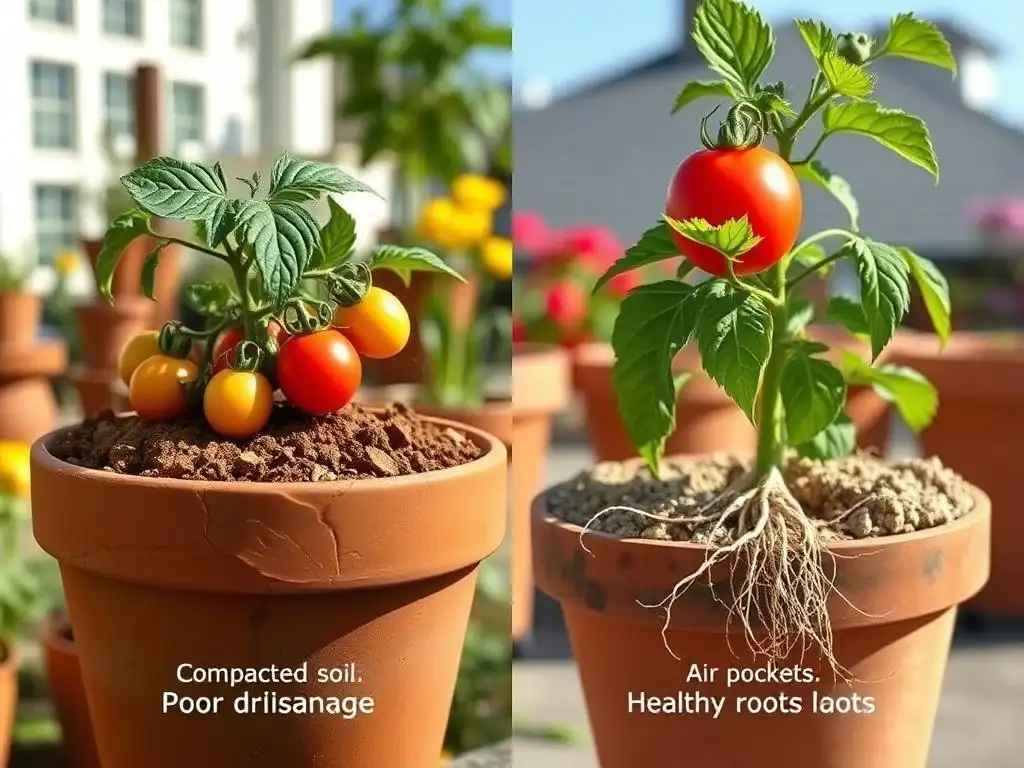
Container gardening, while rewarding, presents unique challenges. Choosing the right potting mix is crucial to avoid common pitfalls. A poorly chosen mix can lead to a range of problems, directly impacting the health and yield of your plants. Let's explore some frequent issues and how to address them using the best potting mix for container gardening. Selecting the best potting mix often means understanding your plant's specific needs and the properties of different mixes.
Dealing with Overwatering and Poor Drainage
Overwatering is a frequent problem in container gardening, often exacerbated by poor drainage in the potting mix. Using a mix that retains too much moisture creates soggy conditions, leading to root rot and other fungal diseases. Symptoms include yellowing leaves, wilting despite adequate watering, and a foul odor emanating from the soil.
To combat this, select a potting mix specifically designed for good drainage. Look for mixes that incorporate components like perlite, vermiculite, or coco coir. These materials increase aeration and prevent waterlogging. Furthermore, ensure your containers have adequate drainage holes to allow excess water to escape.
Consider adding a layer of gravel or broken pottery shards to the bottom of the pot to further enhance drainage. Regularly check the moisture level of the soil before watering; only water when the top inch or two feels dry to the touch. This prevents the soil from becoming waterlogged, a crucial step for success in container gardening using the best potting mix.
Remember, the best potting mix for container gardening is one that balances moisture retention with excellent drainage. Experimenting with different mixes and observing your plants' responses is key to finding the perfect blend for your specific needs and climate. A well-draining mix is a fundamental aspect of preventing overwatering problems.
Addressing Nutrient Deficiencies in Your Potting Mix
Container plants rely entirely on the nutrients present in their potting mix. Unlike plants in the ground, they don't have access to a larger reservoir of nutrients in the surrounding soil. Nutrient deficiencies can manifest in various ways, including stunted growth, yellowing leaves (chlorosis), and reduced flowering or fruiting. This is especially true if you are using a low-quality or inexpensive potting mix.
To prevent nutrient deficiencies, choose a potting mix enriched with essential nutrients. Look for mixes specifically formulated for container gardening that contain a balanced blend of nitrogen (N), phosphorus (P), and potassium (K), along with micronutrients. You can also supplement with slow-release fertilizers or liquid feeds throughout the growing season. Regular soil testing can help identify specific nutrient deficiencies, allowing for targeted supplementation.
Here's a table summarizing common nutrient deficiency symptoms:
| Nutrient | Deficiency Symptoms |
|---|---|
| Nitrogen (N) | Stunted growth, pale green or yellow leaves |
| Phosphorus (P) | Dark green leaves, stunted growth, poor flowering |
| Potassium (K) | Yellowing and browning of leaf margins |
| Magnesium (Mg) | Yellowing between leaf veins (interveinal chlorosis) |
Regular monitoring and proactive nutrient management are essential aspects of successful container gardening, ensuring your plants receive the optimal nutrition for healthy growth. Using the best potting mix for container gardening is a crucial first step in this process.
Preventing Soil-Borne Diseases in Container Gardens
Soil-borne diseases, caused by fungi, bacteria, or other pathogens, can severely impact the health of your container plants. These pathogens thrive in moist, poorly drained soils, making proper potting mix selection crucial for disease prevention. Symptoms can vary but often include wilting, root rot, leaf spots, and overall plant decline.
To minimize the risk of soil-borne diseases, use a sterile potting mix. Avoid reusing old potting mix, as it may harbor pathogens. Ensure your containers are clean before planting. Good drainage is also essential in preventing the conditions that favor disease development. Proper watering practices, avoiding overwatering, are also vital.
Furthermore, consider incorporating beneficial microbes into your potting mix. These microbes can help suppress the growth of harmful pathogens, promoting a healthier root environment. The best potting mix for container gardening will often be one that prioritizes disease resistance. Investing in a high-quality, sterile mix is a critical step in protecting your plants and ensuring a successful growing season.
Sustainable and Organic Potting Mix Options for Container Gardening
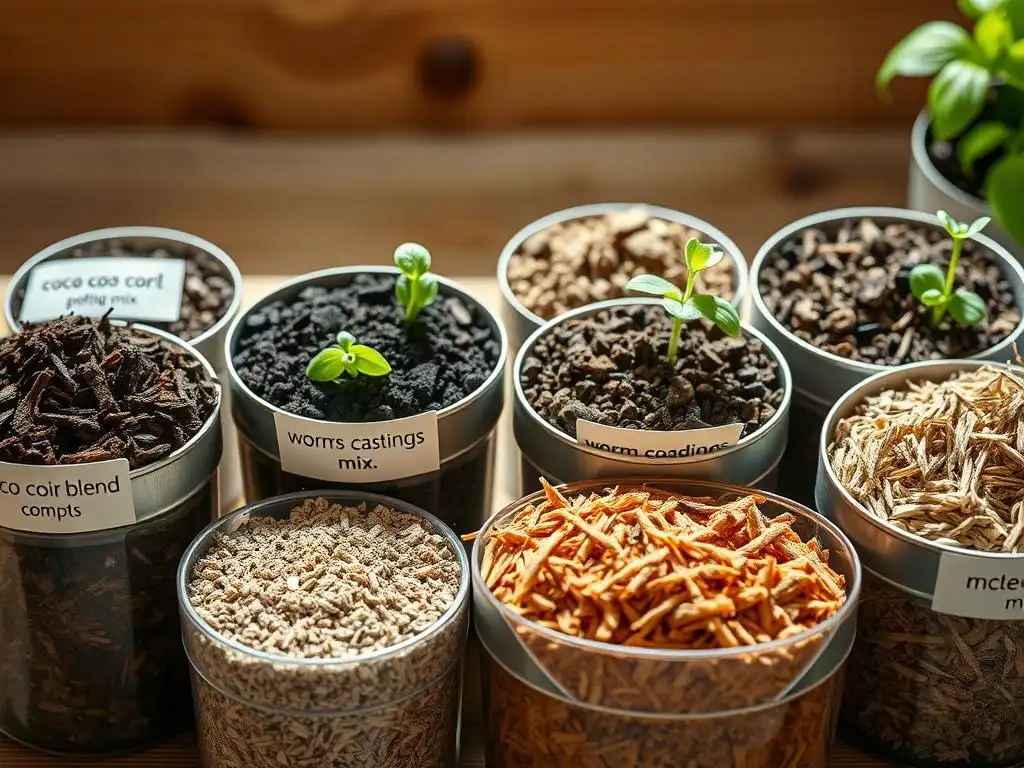
Choosing the right potting mix is paramount for successful container gardening, especially when aiming for sustainable and organic practices. A poorly chosen mix can lead to poor drainage, nutrient deficiencies, or even root rot, ultimately hindering plant growth and yield. The "best potting mix container gardening" isn't a single product, but rather a blend of components that meet your specific plant needs and aligns with your commitment to environmentally friendly gardening.
This section explores various options, focusing on those that prioritize sustainability and organic methods. We'll delve into both DIY options and commercially available mixes that meet these criteria. Remember, the ideal mix balances aeration, water retention, and nutrient availability – a trifecta crucial for thriving plants.
Making Your Own Organic Potting Mix: A Step-by-Step Guide
Creating your own organic potting mix offers unparalleled control over ingredients and ensures you're using materials free from harmful chemicals and pesticides. This provides a truly sustainable approach to container gardening. Here’s a recipe for a basic, yet effective, organic potting mix:
Ingredients:
- 2 parts compost: Mature, well-rotted compost provides essential nutrients and improves soil structure. Ensure it's free of weed seeds and pathogens.
- 1 part coco coir: This sustainable alternative to peat moss retains moisture well, enhancing water retention without becoming waterlogged.
- 1 part perlite: This volcanic glass adds crucial aeration, preventing compaction and improving drainage. Avoid using vermiculite unless you’re certain it’s sourced sustainably, as its mining can be environmentally damaging.
- 1 part worm castings (optional): These add a slow-release boost of nutrients and beneficial microbes to your mix.
Instructions:
- Thoroughly mix all ingredients in a large container. A wheelbarrow or large plastic tub works well.
- Ensure the mix is evenly blended. You should be able to easily crumble it in your hand.
- Test the drainage. A handful of the mix should drain readily when squeezed gently. Adjust the perlite or coco coir if necessary.
- Before using, gently moisten the mix with water, ensuring it’s evenly hydrated but not soggy.
This recipe provides a foundation; you can customize it based on the specific needs of your plants. For instance, adding extra compost might benefit heavy feeders, while increasing perlite might be necessary for plants that prefer well-draining soil. Remember to always source organic and sustainable ingredients whenever possible. The benefits extend beyond the plants themselves, contributing to a healthier environment.
Sourcing High-Quality, Sustainable Potting Mixes
While making your own mix offers maximum control, purchasing pre-made organic potting mixes is a convenient alternative. However, careful selection is crucial. Look for mixes explicitly labeled as "organic," "sustainable," or "peat-free." Read the ingredient list carefully, avoiding mixes containing peat moss (unless sustainably harvested), chemical fertilizers, or pesticides. Opt for brands committed to sustainable sourcing and environmentally responsible practices.
Consider the following factors when choosing a commercial mix:
| Feature | Description | Ideal Characteristics |
|---|---|---|
| Ingredients | The components of the mix (e.g., compost, coco coir, perlite). | Organic, sustainably sourced, free from peat moss, chemical fertilizers, and pesticides. |
| Water Retention | The mix's ability to hold moisture. | Good water retention without becoming waterlogged. |
| Aeration | The mix's ability to allow air circulation to the roots. | Excellent drainage and aeration. |
| Nutrient Content | The level of essential nutrients present in the mix. | Balanced nutrient profile, potentially with slow-release organic fertilizers. |
| Sustainability | The environmental impact of the mix's production and sourcing. | Certified organic, peat-free, made with recycled materials, and from companies with eco-friendly practices. |
By carefully considering these aspects, you can confidently select a sustainable and high-quality potting mix that optimizes the health and growth of your container-grown plants, leading to a bountiful and environmentally conscious harvest. 🌱
Maintaining Your Container Garden's Potting Mix for Optimal Growth
Even the best potting mix for container gardening will eventually degrade. Maintaining its quality is crucial for the long-term health and productivity of your plants. Over time, the mix can compact, nutrients deplete, and beneficial microbes can decline, hindering your plants' ability to thrive. Proactive maintenance ensures your containers continue to provide the ideal environment for robust growth and bountiful harvests. This section focuses on practical strategies to keep your potting mix performing at its peak, maximizing your container gardening success. We'll explore techniques to revitalize your soil and ensure your plants receive the optimal nutrition they need.
Repotting and Refreshing Your Container Plants
Repotting isn't just for young plants; it's a vital step in maintaining healthy container gardens. As plants grow, they consume nutrients and their root systems can become crowded, leading to stunted growth and reduced yields. Repotting provides fresh, nutrient-rich soil and gives roots more space to expand. The frequency depends on the plant species and its growth rate. Fast-growing plants like tomatoes and zucchini may require repotting every few months, while slower-growing herbs may only need it annually.
Here's a step-by-step guide to repotting:
- Assess the plant: Carefully examine your plant. Are the roots circling the bottom of the pot (root-bound)? Is the growth noticeably stunted? These are clear signs it's time for a larger container.
- Choose the right pot: Select a pot only slightly larger than the current one (about 2-3 inches in diameter). Avoid drastic increases in size, as this can lead to overwatering.
- Prepare the new pot: Place a layer of fresh potting mix at the bottom of the new container for better drainage.
- Gentle removal: Gently remove the plant from its current pot. If the roots are tightly bound, loosen them carefully.
- Planting: Place the plant in the new pot, ensuring the top of the root ball is level with the soil surface.
- Fill and water: Fill the remaining space with fresh potting mix, leaving about an inch of space at the top. Water thoroughly.
While repotting is ideal, you can also refresh the top layer of the potting mix without fully repotting. This is particularly useful for plants that don't need a larger pot but show signs of nutrient depletion. Simply remove the top inch or two of old mix and replace it with fresh, high-quality potting mix, ensuring a gradual transition for your plants. This "top-dressing" method helps maintain nutrient levels and improves soil structure without the upheaval of a complete repotting. Consider this a valuable maintenance technique for your best potting mix container gardening strategy.
Regular Feeding and Soil Amendments for Container Plants
Container plants rely heavily on supplemental feeding, as the limited soil volume quickly depletes nutrients. Regular fertilization is crucial for vigorous growth and abundant harvests. Choose a balanced, slow-release fertilizer specifically formulated for container plants. Follow the package instructions carefully, avoiding over-fertilization, which can harm your plants. Use a liquid fertilizer every 2-4 weeks, alternating with a slow-release granular fertilizer every 2-3 months for sustained nutrient release.
Beyond fertilizers, soil amendments can significantly enhance the quality of your container potting mix. Compost, for instance, adds vital organic matter, improving drainage, aeration, and nutrient retention. Adding a small amount of compost when repotting or top-dressing provides a slow and steady release of nutrients and beneficial microorganisms. Consider adding vermiculite or perlite to improve aeration and drainage, especially in clay-heavy soils. These amendments prevent compaction and ensure your plants have access to sufficient oxygen and water.
Remember, consistent monitoring and proactive adjustments are key to maintaining optimal soil conditions for your container garden. Regularly checking the moisture level and nutrient content of your potting mix, combined with these maintenance techniques, will contribute significantly to achieving your container gardening goals and experiencing the rewards of healthy, thriving plants – a true testament to your best potting mix container gardening skills! 🌱
Frequently Asked Questions
What is the best potting mix for container gardening?
The best potting mix for container gardening is one that's lightweight, well-draining, and rich in organic matter. Avoid using garden soil, as it's too dense for containers. Look for mixes specifically designed for containers.
Why is choosing the right potting mix so important?
The right potting mix ensures proper drainage, preventing root rot and other problems. It also provides essential nutrients for healthy plant growth and good aeration for strong root development.
How often should I replace my potting mix?
You should replace your potting mix annually, or even more frequently if you notice salts building up or the mix becoming compacted. This ensures your plants continue to receive adequate nutrients and drainage.
Can I use homemade potting mix for container gardening?
Yes, you can! A homemade mix might consist of peat moss, perlite, and compost. However, ensure it has the right balance of drainage and nutrients; otherwise, a pre-mixed commercial product is often easier.
What are the signs that I need to replace my potting mix?
Signs you need new potting mix include poor drainage, plants wilting despite watering, salt build-up on the soil surface, and a generally compacted or depleted-looking mix.
Final Reflection: Cultivating Success, One Pot at a Time
The right potting mix isn't just a detail; it's the foundation upon which thriving container gardens are built. Choosing wisely directly impacts plant health, growth, and ultimately, the joy derived from your green space, no matter how small. Ignoring this crucial element can lead to stunted growth, disease, and ultimately, a disappointing gardening experience.
The impact of proper potting mix extends far beyond the individual plant; it speaks to a larger appreciation for the interconnectedness of nature and our role in nurturing it. We often underestimate the power of seemingly small choices, but as the saying goes, The greatest things are done by a series of small things brought together.
This rings especially true in container gardening, where the limited space necessitates a heightened awareness of each element, from sunlight to soil composition. My own journey into container gardening has taught me the profound satisfaction of witnessing a plant flourish, a direct result of careful attention to detail, starting with the potting mix.
Now, consider your own gardening aspirations. What kind of container garden do you envision? What plants will you nurture? Take the time to research and select the best potting mix for your specific needs and climate. Remember, the journey of successful container gardening begins with a single, well-informed decision – the choice of your potting mix. Embrace the process, learn from each experience, and watch your green oasis thrive.
Unleash Your Green Thumb: Grow Bountiful Container Gardens!
Thanks for exploring the world of successful container gardening with us! You've now learned the secrets to choosing the perfect potting mix for thriving plants. Ready to put this knowledge into action?
- Choose the right potting mix: Visit your local garden center and select a mix tailored to your plants' specific needs. Remember what you learned about drainage and aeration! Look for a mix that's well-draining but retains enough moisture.
- Share your container gardening successes (and challenges!) with our community in the comments below. Let's grow together!
- Experiment with different potting mixes to find what works best in your unique gardening environment. This will help you become a more confident and successful gardener.
What exciting new plants will you cultivate in your improved container garden this season?