
How to Use Mulch to Conserve Water in Container Gardens

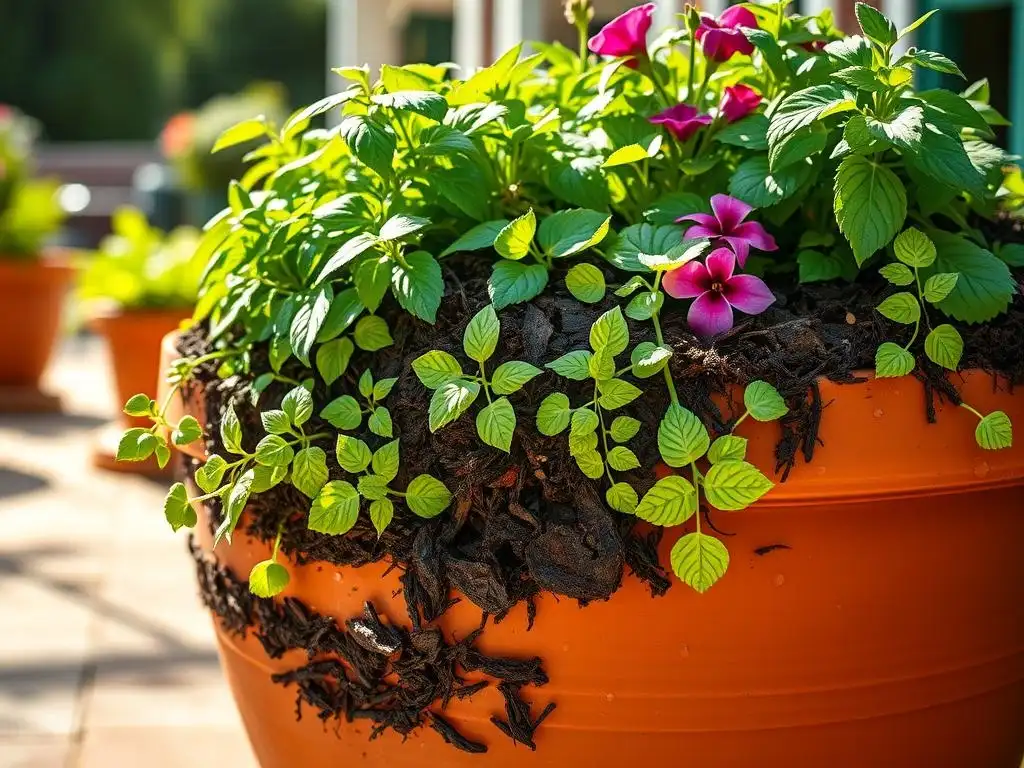
Welcome to CultivateYourFood, your guide to growing a thriving, sustainable garden at home! Ready to unlock the secrets to bountiful harvests and vibrant plants? We'll show you how, and we're starting with a game-changer for container gardening: discover the incredible power of mulch for water conservation. Learn how this simple technique can dramatically reduce your watering needs and help your container plants flourish. Dive into our article on "Mulch for Container Water Conservation" and get ready to transform your gardening game!
- Understanding the Benefits of Mulch for Container Water Conservation
- Choosing the Right Mulch for Your Container Garden
- Applying Mulch Effectively in Container Gardens
- Mulch and Container Garden Types: Specific Applications
- Troubleshooting Common Mulch Issues in Containers
- Maximizing Water Conservation with Mulch and Other Techniques
- Choosing Water-Wise Plants for Container Gardens
- Long-Term Benefits of Mulch for Sustainable Container Gardening
- Frequently Asked Questions
- Final Reflection: Nurturing Life, One Mulched Container at a Time
- Unlock Your Container Garden's Water-Wise Potential!
Understanding the Benefits of Mulch for Container Water Conservation
Container gardening offers a fantastic way to grow your own fruits, vegetables, and herbs, even with limited space. However, one of the biggest challenges is maintaining adequate moisture levels, especially during hot and dry periods.
This article delves into the crucial role of mulch in conserving water within your container gardens, exploring its effectiveness in reducing evaporation, improving soil moisture retention, and preventing soil erosion – all while promoting sustainable and organic practices in line with the CultivateYourFood ethos. We'll explore practical applications and demonstrate how strategically using mulch can significantly reduce your watering needs and contribute to healthier, more thriving plants.
Learning to effectively use mulch for container water conservation will not only save you time and water but also contribute to a more environmentally conscious gardening approach. This is particularly relevant for those seeking environmentally friendly solutions for their container gardens, aiming for healthier plants, and looking to minimize water waste.
Reduced Evaporation: How Mulch Minimizes Water Loss
Mulch acts as a natural barrier, significantly reducing water loss through evaporation. The layer of mulch on top of the soil in your containers creates a shaded environment, preventing direct sunlight from reaching the soil surface. This drastically slows down the rate at which water evaporates from the soil, keeping it moist for longer periods. The effectiveness of this method depends on the type of mulch used; organic mulches like straw, shredded leaves, or wood chips are particularly effective due to their ability to retain moisture.
Studies have shown that using a 2-3 inch layer of organic mulch can reduce evaporation by up to 70%, resulting in substantial water savings. This translates to less frequent watering, saving you time and effort while conserving a precious resource. Think of it as a natural insulator for your container's soil.
Improved Soil Moisture Retention: Keeping Your Plants Hydrated Longer
Beyond reducing evaporation, mulch helps improve the soil's ability to retain moisture. Organic mulches, in particular, enhance the soil structure, adding organic matter that improves water infiltration and retention. This means the soil can absorb and hold more water, making it available to the plant roots over a longer period. The improved soil structure also reduces runoff, ensuring that the water you do apply is effectively absorbed by the soil and not lost.
This is especially beneficial in containers, where the soil volume is limited, and the risk of drying out is higher. The result is healthier, more vigorous plants that are less prone to wilting, even during periods of limited rainfall or high temperatures. This translates to healthier, more productive plants, reducing the need for supplemental watering.
Preventing Soil Erosion: Protecting Your Valuable Container Soil
Container gardens, especially those located outdoors, are susceptible to soil erosion, particularly during periods of heavy rainfall or strong winds. The mulch layer acts as a protective shield, preventing the soil from being washed or blown away. This is crucial because losing soil means losing valuable nutrients and compromising the plant's ability to thrive.
By keeping the soil intact, mulch helps maintain the soil's structure and fertility, ensuring your plants have access to the nutrients they need for optimal growth. A stable soil environment also prevents the need for frequent soil replenishment, reducing waste and the need for additional resources. The consistent protection offered by mulch is an important factor in maintaining a healthy container garden.
Choosing the Right Mulch for Your Container Garden
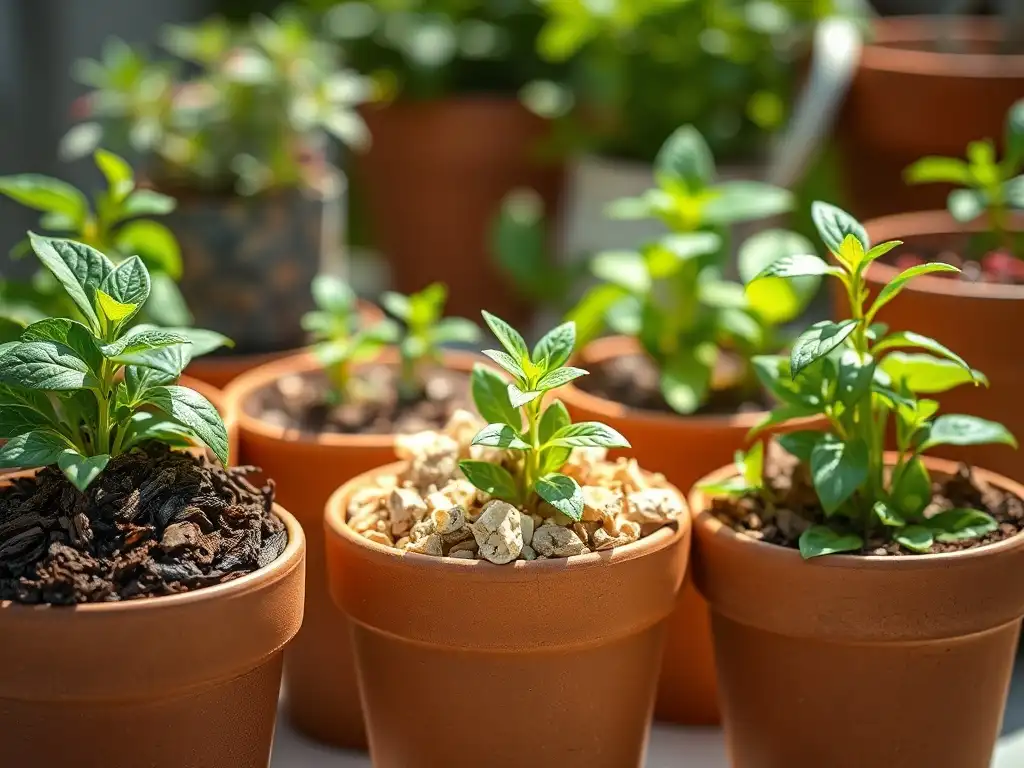
Selecting the appropriate mulch is crucial for effective water conservation in your container garden. The type of mulch you choose will directly impact its effectiveness in retaining moisture and suppressing weeds. The best mulch for "Mulch for container water conservation" will depend on several factors, including the type of plants you're growing, the size of your containers, and your personal preferences regarding aesthetics and maintenance. We'll explore both organic and inorganic options to help you make an informed decision.
Remember, the goal is to find a mulch that provides excellent water retention while also promoting healthy plant growth. Improper mulch selection can lead to issues such as waterlogging or insufficient moisture, negatively affecting your plants. Consider the pros and cons carefully before making your choice.
Organic Mulches: Benefits and Best Options for Container Gardening
Organic mulches, derived from natural materials, offer several advantages for water conservation in container gardening. They decompose slowly, enriching the soil with nutrients as they break down. This process improves soil structure, increasing its water-holding capacity. Furthermore, organic mulches help regulate soil temperature, preventing extreme fluctuations that can stress plants and lead to increased water loss through transpiration.
Some excellent organic mulch choices for container gardens include:
- Shredded Bark: Provides excellent water retention and weed suppression. It's readily available and relatively inexpensive. However, it can become compacted over time, reducing its effectiveness.
- Compost: A fantastic option, offering both water retention and nutrient enrichment. It's ideal for improving soil health and promoting vigorous plant growth. However, it may require more frequent replenishment due to faster decomposition.
- Straw: A lightweight option that provides good insulation and weed suppression. It's less effective at water retention than bark or compost but is a good choice for plants that prefer drier conditions.
- Grass Clippings: A readily available and free option (if you mow your own lawn! ), but be sure they are free of herbicides or pesticides. They decompose quickly, requiring more frequent replenishment.
The table below summarizes the key characteristics of these organic mulches:
| Mulch Type | Water Retention | Weed Suppression | Nutrient Content | Decomposition Rate | Cost |
|---|---|---|---|---|---|
| Shredded Bark | Excellent | Excellent | Low | Slow | Moderate |
| Compost | Good | Good | High | Moderate | Moderate to High |
| Straw | Moderate | Good | Low | Moderate | Low |
| Grass Clippings | Moderate | Moderate | Moderate | Fast | Low |
Remember to avoid using diseased or weed-infested plant material as mulch, as this can introduce problems into your container garden.
Inorganic Mulches: Exploring Alternatives for Water Conservation
Inorganic mulches, unlike their organic counterparts, don't decompose. This means they offer long-lasting weed suppression and water retention. However, they don't improve soil fertility. Popular inorganic mulch options include:
- Pea Gravel: Provides excellent drainage while also helping to retain moisture by moderating soil temperature. It's visually appealing and lasts for many years.
- Lava Rock: Similar to pea gravel in its properties, offering good drainage and temperature regulation. It's a bit heavier than pea gravel.
While inorganic mulches are effective for water conservation, they lack the nutrient-enriching benefits of organic mulches. Consider supplementing with a balanced fertilizer to ensure your plants receive adequate nutrients. The longevity of inorganic mulches can also be a factor to consider; while they last longer, they will eventually need to be replaced. The aesthetics of inorganic mulches might also be a factor in your decision.
Mulch Depth: Finding the Right Balance for Optimal Water Retention
The depth of your mulch layer is crucial for effective water retention. Too little mulch won't provide sufficient insulation or weed suppression, while too much can lead to waterlogging and root rot.
A general guideline is to apply a layer of mulch 2-3 inches deep. However, this can vary depending on the type of mulch used and the size of your containers. For smaller containers, a slightly thinner layer might be preferable to avoid restricting root growth or causing drainage issues. Larger containers can generally handle a slightly thicker layer. Always ensure adequate drainage holes in your containers to prevent waterlogging regardless of the mulch depth.
Regularly monitor the moisture level of your soil and adjust your watering schedule accordingly, even with mulch in place. Observe your plants closely for signs of overwatering or underwatering. Adjust the mulch depth and watering schedule as needed to maintain optimal soil moisture for your specific plants and container size. Careful observation and adaptation are key to successful container gardening.
Applying Mulch Effectively in Container Gardens
This section details the practical application of mulch in your container gardens for optimal water conservation. We'll explore the preparation process, the application technique, and the ongoing maintenance required to maximize the benefits of mulch for container water conservation. Remember, properly applied mulch acts as a natural insulator, reducing evaporation and keeping your plants happy and hydrated.
Preparing Your Containers for Mulching
Before applying mulch, ensure your containers are properly prepared. This simple step significantly improves the effectiveness of your mulch and prevents issues down the line. Start by inspecting your containers for any cracks or drainage problems. Cracks can lead to water loss, negating the benefits of mulch. Ensure adequate drainage holes exist to prevent waterlogging, which can harm your plants' roots. Poor drainage can also lead to the mulch becoming waterlogged and less effective.
Next, thoroughly clean your containers. Remove any weeds, debris, or old mulch residue. This prevents the introduction of pests or diseases and provides a clean base for your new mulch layer. Consider lightly scrubbing the containers with a mild soap solution, rinsing thoroughly afterward. Allow the containers to completely dry before proceeding to the next step.
Finally, consider the type of container material. Dark-colored containers absorb more heat than light-colored ones, potentially leading to faster water evaporation. If using dark containers, a thicker layer of mulch might be beneficial. This added insulation helps to moderate soil temperature and reduce evaporation.
Remember, proper preparation is key to successful mulch application and effective container water conservation. Taking these steps ensures that your mulch will perform its job optimally, saving you water and time in the long run.
Applying the Mulch
Applying mulch correctly is crucial for maximizing its water-retention capabilities. The type of mulch you choose will influence the application method. Organic mulches, like shredded bark, straw, or coconut coir, are excellent choices for their water-holding capacity and nutrient contribution to the soil. Inorganic mulches, such as pebbles or gravel, also help with water conservation but don't offer the same nutritional benefits.
For organic mulches, aim for a layer approximately 2-3 inches deep. A thinner layer may not provide sufficient insulation, while a thicker layer could potentially suffocate your plants or impede drainage. Spread the mulch evenly around the base of your plants, leaving a small gap between the mulch and the stems to prevent rot.
When using inorganic mulches, a slightly thinner layer might suffice, perhaps 1-2 inches. These mulches primarily function as a barrier to reduce evaporation, and a thicker layer may be less effective and potentially more visually overwhelming. Again, distribute evenly around the base of your plants.
Regardless of the type of mulch, avoid compacting the material. Loose mulch allows for better air circulation, preventing the buildup of moisture and promoting healthy root growth. Gently rake the mulch to ensure an even distribution and a uniform layer. This careful application ensures that your mulch works efficiently to conserve water in your container gardens.
Maintaining Your Mulch Layer
Maintaining your mulch layer is essential for continuous water conservation. Over time, mulch can decompose, compact, or be washed away, reducing its effectiveness. Regularly check your mulch layer and replenish it as needed.
For organic mulches, you'll likely need to add more mulch every few months, depending on the type of mulch and weather conditions. Decomposition rates vary, and heavier rainfall can wash away some of the material. Monitor the depth of your mulch and add more to maintain the desired 2-3 inch layer.
Inorganic mulches generally require less frequent maintenance. However, occasional replenishment might be necessary if pebbles or gravel are displaced or washed away. Regularly inspect the layer and add more material as needed to maintain consistent coverage.
Weeding is another crucial aspect of mulch maintenance. Weeds compete with your plants for water and nutrients, negating the water-saving benefits of mulch. Regularly remove any weeds that emerge through the mulch layer. This ensures that your plants receive the maximum benefit from the water-conserving properties of the mulch. Consistent maintenance of your mulch layer is key to long-term water conservation in your container gardens. This sustained effort translates to healthier plants and a more efficient use of your water resources.
Mulch and Container Garden Types: Specific Applications
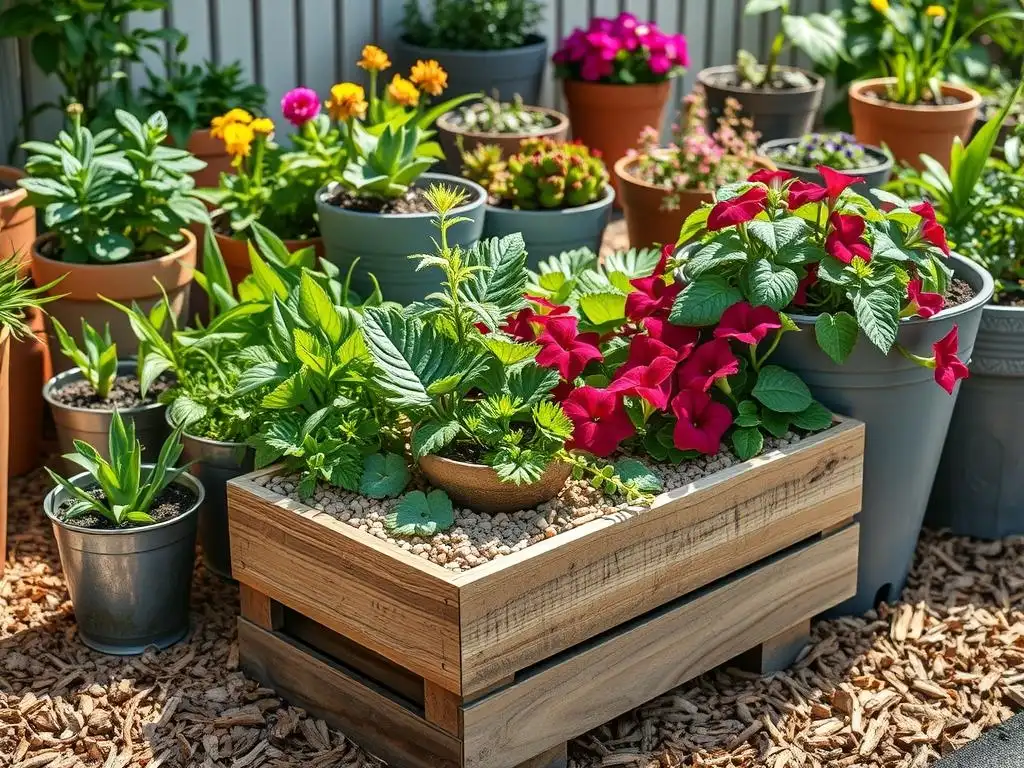
Choosing the right mulch for your container garden is crucial for effective water conservation. Different plants have different needs, and the type of mulch you select should complement those needs. Ignoring these nuances can lead to either insufficient moisture retention or potential issues like fungal growth due to overly moist conditions.
This section will delve into the specifics of mulching for various types of container gardens, focusing on optimizing water retention and plant health. The key is to find the balance between effective moisture retention and good air circulation around the roots. Remember, "Mulch for container water conservation" is a key strategy for successful container gardening.
Mulching for Herb Containers
Herbs, known for their aromatic leaves and culinary uses, often prefer well-drained soil. Over-mulching can lead to root rot, especially for delicate herbs like basil or cilantro. For herb containers, a thin layer (approximately 1-2 inches) of lightweight mulch, such as straw, shredded leaves (ensure they are fully decomposed to avoid introducing pests or diseases), or even pine needles, is ideal. These materials allow for sufficient air circulation while helping to retain some moisture, reducing the frequency of watering. Avoid using heavy mulches like wood chips, as these can compact the soil and hinder drainage.
Consider the specific needs of your herbs. For example, rosemary, a drought-tolerant herb, might require less mulch than basil, which prefers consistently moist soil (but not soggy!). Regularly monitor the soil moisture levels to adjust your mulching strategy accordingly. Remember to pull back the mulch slightly from the base of the plant stems to prevent rot. The goal is to conserve water without compromising the health of your precious herbs. 🌿
Mulching for Vegetable Containers
Vegetable containers often require a more robust mulching strategy due to the higher water demands of many vegetables. However, the type of mulch still needs careful consideration. For instance, tomatoes and peppers, which prefer well-drained but consistently moist soil, benefit from a slightly thicker layer of mulch (2-3 inches) than leafy greens like lettuce. Organic mulches like shredded bark, cocoa hulls (ensure they're pesticide-free! ), or composted manure can provide excellent water retention and also enrich the soil as they decompose.
It's crucial to avoid mulching directly against the stems of vegetable plants to prevent diseases. Maintain a small gap between the mulch and the plant base. Regularly inspect your containers for signs of pest infestation or disease, as the mulch can provide a habitat for some pests. A well-maintained mulch layer is a key component of successful vegetable container gardening, contributing significantly to "Mulch for container water conservation" strategies. 🍅
Mulching for Fruiting Plants in Containers
Fruiting plants in containers, such as dwarf citrus trees or strawberries, often have higher water requirements than herbs or some vegetables. Therefore, a thicker layer of mulch (3-4 inches) might be necessary. However, choosing the right mulch is vital to prevent root rot and ensure proper drainage. Well-rotted compost, along with a layer of shredded bark or wood chips, offers excellent water retention and soil enrichment.
The benefits of mulching extend beyond water conservation; it also helps to regulate soil temperature, protecting the roots from extreme heat or cold. This is especially important for fruiting plants, as temperature fluctuations can affect fruit production. For dwarf fruit trees, consider using a mulch that also helps suppress weeds, reducing competition for water and nutrients. Careful consideration of mulch type and depth is paramount to achieving optimal results for your fruiting container plants. 🍓 Remember to check the soil moisture regularly to fine-tune your mulching strategy and ensure the continued health and productivity of your plants.
Troubleshooting Common Mulch Issues in Containers
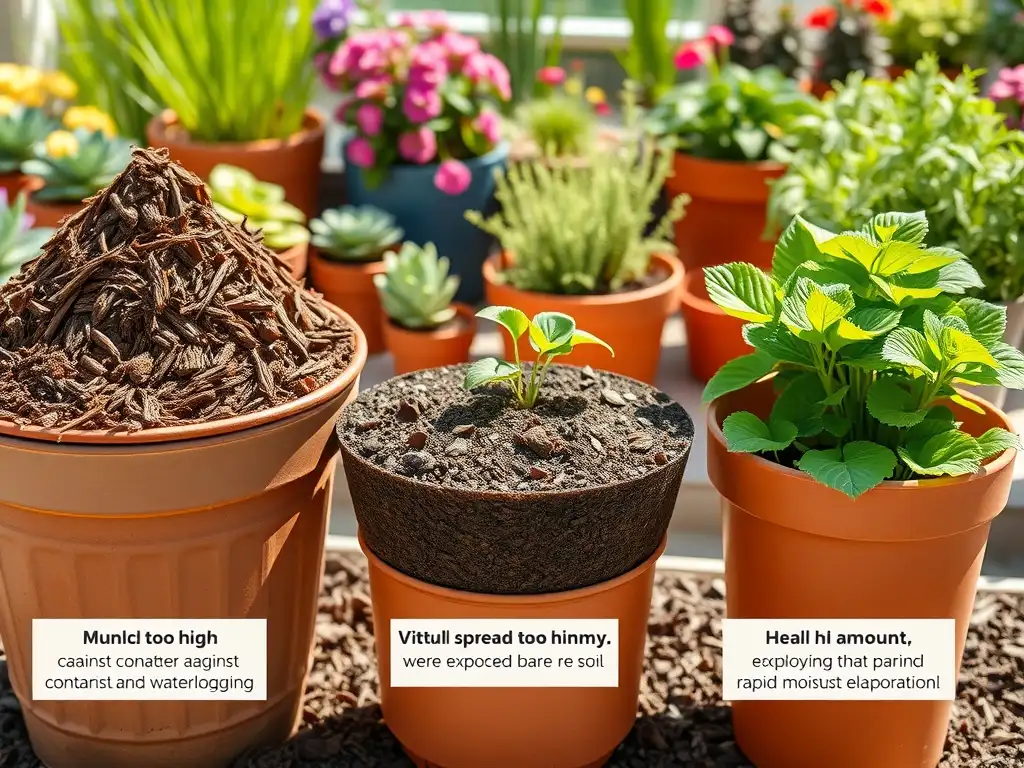
Using mulch for container water conservation offers significant benefits, but like any gardening practice, it's not without its potential challenges. Understanding and proactively addressing these issues is key to maximizing the effectiveness of your mulch and ensuring healthy plant growth. This section focuses on common problems and their solutions, ensuring your container garden thrives.
Dealing with Pests and Diseases Associated with Mulch
Mulch, while beneficial, can sometimes harbor pests and diseases if not managed correctly. Improperly composted mulch might introduce unwanted organisms into your containers. For example, using mulch contaminated with fungus gnats can lead to infestations that damage your plants' roots. Similarly, slugs and snails often find refuge in damp mulch, feeding on tender plant leaves.
To mitigate these risks, always use high-quality, well-composted mulch. Avoid using mulch from unknown sources or that exhibits signs of mold or pests. Regularly inspect your mulch for signs of infestation. Early detection is crucial. For example, if you spot fungus gnats, you can address the issue promptly with beneficial nematodes, which prey on the larvae.
Consider using diatomaceous earth (DE) as a natural pest control method. DE is a fine powder made from fossilized algae; it acts as a desiccant, dehydrating soft-bodied pests like slugs and snails. Scatter a thin layer of DE around your plants, ensuring it makes contact with the pests. Remember to reapply after watering or rainfall.
| Pest/Disease | Symptoms | Prevention | Treatment |
|---|---|---|---|
| Fungus Gnats | Small flying insects, wilting plants | Use well-composted mulch, avoid overwatering | Beneficial nematodes, insecticidal soap |
| Slugs and Snails | Chewed leaves, slime trails | Diatomaceous earth, beer traps | Handpicking, slug pellets (use cautiously) |
| Root Rot | Yellowing leaves, wilting, root decay | Well-draining mulch, avoid overwatering | Remove affected plants, improve drainage |
| Damping-off (seedlings) | Seedling death, rotting stems | Sterilize potting mix, avoid overwatering | Fungicide (as a last resort) |
Implementing these preventative measures and prompt treatments will significantly reduce the risk of pest and disease problems associated with your mulch, ensuring a healthy and productive container garden. Remember, proactive monitoring is key to successful mulch management.
Preventing Mulch from Becoming Waterlogged
Waterlogged mulch is a common problem, especially in containers with poor drainage. Excess moisture creates an anaerobic environment, leading to root rot and other plant diseases. The goal is to maintain a balance – enough moisture to retain water but not so much that it becomes stagnant.
Choosing the right type of mulch is crucial. Avoid using heavy mulches that compact easily, hindering drainage. Instead, opt for lighter mulches like shredded bark or straw, which allow for better air circulation and water percolation. The depth of your mulch layer is also important. A layer that's too thick can impede drainage. Aim for a layer approximately 2-3 inches deep.
The type of container itself impacts drainage. Ensure your containers have adequate drainage holes to prevent water from accumulating at the bottom. You might even consider adding a layer of gravel or broken pottery shards at the base of the container to improve drainage before adding your potting mix and mulch. Regularly check the moisture level of your mulch and adjust your watering schedule accordingly.
Overwatering is a major culprit in waterlogged mulch. Allow the top inch or two of mulch to dry out slightly between waterings. You can use a moisture meter to help gauge the moisture level. Using mulch for container water conservation is effective, but mindful monitoring and appropriate practices are vital to avoid waterlogging and maintain a healthy environment for your plants.
Maximizing Water Conservation with Mulch and Other Techniques
Mulch for container water conservation is a game-changer for urban and suburban gardeners. Its effectiveness stems from its ability to moderate soil temperature, reduce evaporation, and suppress weeds. By preventing rapid temperature fluctuations, mulch helps retain soil moisture for longer periods, reducing the frequency of watering.
This is particularly crucial in container gardens, where the smaller soil volume dries out much faster than in-ground plantings. The reduction in evaporation is significant; studies have shown that a 2-3 inch layer of mulch can decrease evaporation rates by up to 70%, leading to substantial water savings over the growing season. Moreover, the suppression of weeds further contributes to water conservation, as weeds compete with your plants for precious moisture and nutrients.
Combining Mulch with Efficient Watering Practices
Effective mulch for container water conservation isn't just about applying mulch; it's about integrating it into a broader water-wise gardening strategy. Simply adding mulch without considering other factors won't yield optimal results. Here's how to maximize its impact:
- Deep, infrequent watering: Instead of frequent shallow watering, water deeply and less often. This encourages deeper root growth, making plants more drought-tolerant. Deep watering ensures the moisture reaches the mulch layer, creating a reservoir of water that plants can access over time. The frequency will depend on factors like weather, plant type, and container size, but generally aim for watering thoroughly when the top inch or two of soil is dry.
- Water at the base of plants: Avoid overhead watering, which leads to increased evaporation and can spread diseases. Use a watering can with a rose or a soaker hose to direct water directly to the soil at the base of the plants. This minimizes water loss to evaporation.
- Monitor soil moisture: Regularly check the soil moisture level using your finger or a moisture meter. This helps you determine when your plants actually need watering, preventing overwatering, which can lead to root rot.
- Mulch type matters: Different mulches have varying water retention capacities. Organic mulches like shredded bark, wood chips, and straw decompose over time, improving soil structure and water retention. Inorganic mulches like pebbles or gravel offer less water retention but provide excellent weed suppression. Choose the mulch that best suits your plants' needs and your climate.
- Container material: The material of your container also affects water retention. Dark-colored containers absorb more heat, leading to faster evaporation. Light-colored containers reflect sunlight, keeping the soil cooler and reducing evaporation.
Choosing Water-Wise Plants for Container Gardens
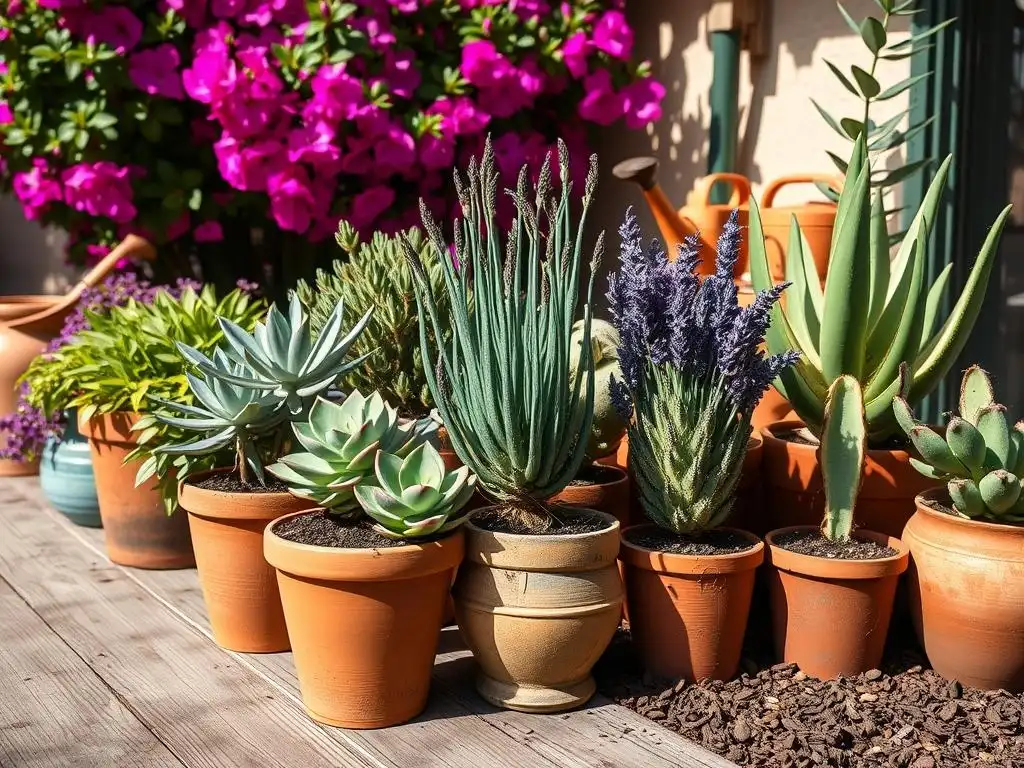
Selecting drought-tolerant plants is another key aspect of successful mulch for container water conservation. Certain plants are naturally more water-efficient than others. Choosing these plants minimizes the overall water demand of your container garden, reducing the burden on your watering schedule and further enhancing the benefits of the mulch.
Water-Wise Plant Selection for Containers
Here's a table highlighting some excellent choices for water-wise container gardening, categorized by plant type:
| Plant Type | Example Plants | Water Needs | Notes |
|---|---|---|---|
| Herbs | Rosemary, Lavender, Thyme | Low | Very drought-tolerant, thrive in well-drained soil |
| Succulents | Sedum, Echeveria, Sempervivum | Very Low | Extremely drought-tolerant, need minimal watering |
| Flowers | Gazania, Dianthus, Salvia | Moderate to Low | Choose varieties known for drought tolerance |
| Vegetables | Peppers, Tomatoes (certain varieties), Zucchini | Moderate | Select varieties bred for heat and drought tolerance |
Remember that even drought-tolerant plants benefit from proper watering, especially during establishment. Mulch helps extend the time between waterings, but regular monitoring is still crucial to ensure your plants thrive. The right combination of mulch, efficient watering practices, and water-wise plant selection creates a powerful synergy, resulting in a thriving container garden that conserves water effectively. 🌱
Long-Term Benefits of Mulch for Sustainable Container Gardening
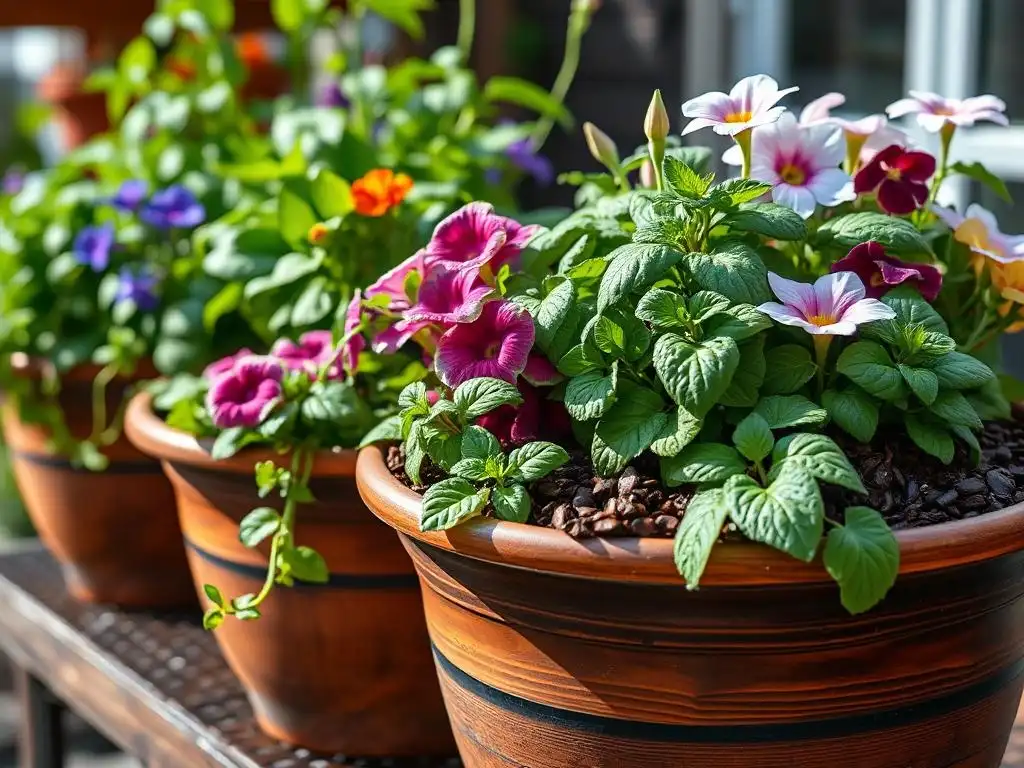
Mulch offers significant long-term advantages beyond immediate water conservation in container gardening. Its impact extends to improving soil health, suppressing weeds, and enhancing the overall aesthetic appeal of your container garden, contributing to a more sustainable and rewarding gardening experience. These benefits are crucial for the long-term success and productivity of your container plants, making mulch a valuable investment for any dedicated cultivator. Let's delve into the specifics.
Improved Soil Health: Enhancing Nutrient Availability and Microbial Activity
Mulch plays a vital role in improving the overall health of your container soil. By acting as a protective layer, it shields the soil from extreme temperature fluctuations, preventing rapid drying and preserving valuable moisture. This temperature regulation promotes the growth of beneficial microorganisms, which are essential for nutrient cycling and decomposition. These microbes break down organic matter within the mulch, releasing vital nutrients that are readily absorbed by your plants.
The organic matter in the mulch, such as shredded leaves or composted materials, also improves soil structure. It increases the soil's water retention capacity, meaning your plants have better access to water even during dry spells. This enhanced water retention is especially critical in containers, where the soil volume is limited and prone to drying out quickly.
Furthermore, the improved soil structure enhances aeration, allowing roots to breathe and grow more effectively. This leads to healthier, more vigorous plants that are better equipped to withstand environmental stresses. The resulting increase in nutrient availability translates directly into healthier, more productive plants, reducing the need for supplemental fertilizers and promoting sustainable growing practices.
Reduced Weed Growth: Minimizing Competition for Water and Nutrients
One of the most significant advantages of using mulch for container water conservation is its ability to suppress weed growth. A thick layer of mulch acts as a physical barrier, preventing weed seeds from germinating and establishing themselves. This reduces competition for water and nutrients between your desired plants and unwanted weeds. Weeds are notorious water thieves, quickly depleting soil moisture and leaving your container plants thirsty. By reducing weed pressure, mulch contributes significantly to water conservation efforts.
The impact on water conservation is directly measurable. Studies have shown that areas mulched with organic materials can experience a reduction in water usage by up to 50% compared to unmulched areas. 1 This translates to significant water savings, especially in container gardens where water loss through evaporation is a major concern. This reduction in water usage also minimizes the frequency of watering, saving you time and effort while contributing to a more sustainable gardening practice. In addition to water conservation, reduced weed growth minimizes the need for herbicides, aligning with environmentally friendly gardening techniques.
Enhanced Aesthetics: Creating a Visually Appealing Container Garden
Beyond its practical benefits, mulch significantly enhances the aesthetic appeal of your container garden. A well-chosen mulch can add visual interest and create a more polished and professional look. The variety of mulches available, from dark cocoa bean hulls to vibrant colored stones, allows you to customize the look of your containers to match your personal style and the overall design of your outdoor space. This aesthetic improvement contributes to a more enjoyable and rewarding gardening experience.
Consider the visual impact of a neatly mulched container garden versus one with bare soil exposed. The mulch creates a clean, uniform appearance, hiding unsightly soil and enhancing the overall beauty of your plants. Furthermore, certain types of mulch, like decorative bark chips, can add texture and depth to your container garden, creating a more dynamic and visually engaging space.
The improved aesthetics contribute to a more satisfying gardening experience, motivating you to maintain your container garden and reap its rewards for years to come. This makes mulch a valuable investment not only for its practical benefits but also for its ability to transform your container garden into a beautiful and inviting oasis.
1 [Specific data pending on reduction of water usage with mulch]
Frequently Asked Questions
What is the primary benefit of using mulch in container gardening?
Mulch helps conserve water in containers by reducing evaporation from the soil surface. This means you'll water less frequently, saving you time and water.
What types of mulch are best for container water conservation?
Organic mulches like shredded bark, straw, or coconut coir are excellent choices. They retain moisture and improve soil structure. Avoid using mulch that's too heavy or compact.
How much mulch should I use in my containers?
Apply a 2-3 inch layer of mulch, leaving a small space between the mulch and the plant stems to prevent rot. Adjust the depth based on your container size and mulch type.
Does mulch affect the soil temperature in containers?
Yes, mulch helps moderate soil temperature, keeping it cooler in the summer and warmer in the winter, creating a more stable environment for your plants' roots.
Can I use any type of mulch for my containers?
While many mulches work, avoid using heavy, clay-like mulches that can compact the soil and hinder drainage. Also, avoid using fresh wood chips, which can sometimes rob the soil of nitrogen.
Final Reflection: Nurturing Life, One Mulched Container at a Time
The simple act of adding mulch to your container gardens offers a powerful solution to water conservation, a critical issue in our increasingly arid world. This seemingly small change can drastically reduce water usage, contributing to a healthier environment and a more sustainable lifestyle for everyone. The impact extends beyond individual gardens, influencing community water resources and our collective responsibility towards responsible gardening practices.
The shift towards mindful water usage in gardening is not merely a trend; it's a necessary adaptation to changing climates and growing resource scarcity. The earth provides enough to satisfy every man's needs but not every man's greed.
- Mahatma Gandhi. This quote underscores the importance of our approach to resource management, reminding us that conscious choices, like mulching, can make a significant difference in our impact on the planet. The beauty of this practice lies in its simplicity and effectiveness, making it accessible to every gardener, regardless of experience.
Now, consider your own container gardens. Imagine the vibrant, thriving plants, watered less frequently yet bursting with life, thanks to the protective layer of mulch. Take the time to implement this simple yet profound technique. Observe the difference it makes in your watering schedule, in the health of your plants, and in your own connection to the natural world. Let this be a starting point for a more sustainable and fulfilling gardening journey, one where conservation and beauty flourish together.
Unlock Your Container Garden's Water-Wise Potential!
Thanks for exploring the world of water-wise container gardening! You've learned how simple adjustments can significantly improve plant health while conserving water. Now let's put your knowledge into practice.
- Start mulching today! Applying organic mulch will transform your container gardens. You'll quickly notice a difference in how often you need to water and the overall health of your plants.
- Share your success! Post a picture of your newly mulched containers on social media using #CultivateYourFood – let's inspire others to conserve water and improve their gardening!
- Experiment with different mulches to find what works best for your plants and personal preferences.
Ready to see the amazing results of mulching in your own container garden? Which plant will you pamper with a fresh layer of mulch first?