
Vertical Container Gardening for Vegetables: Maximizing Space

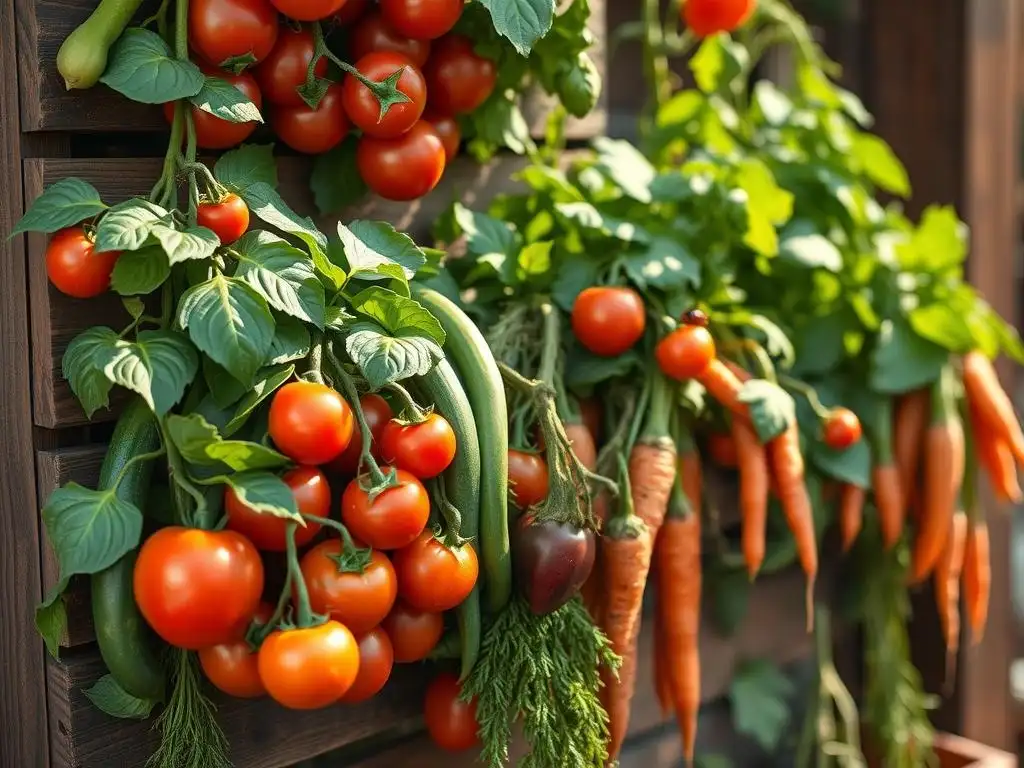
Welcome to CultivateYourFood, your guide to a greener, more flavorful life! Are you dreaming of fresh, organic produce but short on space? Then discover the secrets to maximizing your harvest with vertical vegetable garden space saving techniques. Learn how to transform even the smallest balcony or patio into a thriving oasis, brimming with delicious fruits, vegetables, and herbs. Prepare to be amazed by what you can cultivate – let's get growing!
- Understanding the Benefits of Vertical Vegetable Gardening for Space Saving
- Planning Your Vertical Vegetable Garden: Choosing the Right System
- Building Your Vertical Vegetable Garden: Step-by-Step Guide
- Planting and Maintaining Your Vertical Vegetable Garden: Tips and Tricks
- Troubleshooting Common Issues in Vertical Vegetable Gardening
- Harvesting and Enjoying the Fruits (and Vegetables!) of Your Labor
- Expanding Your Vertical Vegetable Garden: Future Planning and Expansion
- Frequently Asked Questions
- Final Reflection: Harvesting the Potential of Vertical Space
- Unlock Your Urban Harvest: Grow More, Worry Less!
Understanding the Benefits of Vertical Vegetable Gardening for Space Saving
Vertical vegetable gardening offers a revolutionary approach to cultivating your favorite produce, especially valuable for those with limited outdoor space. This innovative technique allows you to maximize yield while minimizing the footprint of your garden, making it an ideal solution for urban dwellers, apartment residents, and anyone looking to optimize their gardening space. This article explores the significant advantages of vertical vegetable gardening, focusing on its space-saving capabilities and the increased productivity it offers, making it the perfect answer for the keyword "Vertical vegetable garden space saving".
We'll delve into practical strategies for implementing vertical gardens in various settings, from small balconies to cramped urban environments. By the end, you'll understand how to transform even the smallest space into a thriving, productive vegetable patch using sustainable and organic practices. Let's begin by examining the key benefits this method provides.
Increased Yield in Limited Spaces: Maximizing Your Vertical Vegetable Garden
Vertical gardening dramatically increases the amount of produce you can grow in a confined area. Instead of sprawling plants competing for horizontal space, vertical systems allow plants to grow upwards, utilizing vertical space efficiently. This translates to a significantly higher yield per square foot compared to traditional gardening methods.
For example, a single square meter of ground space can accommodate only a few sprawling tomato plants. However, using a vertical system like a trellis or stacked containers, you can cultivate many more plants within the same area, leading to a substantial increase in your harvest. This is especially important for those with limited land or who are growing vegetables in containers on balconies or patios.
The increased density of plants also allows for companion planting, further boosting yields and promoting healthy growth. Consider the impact of interplanting fast-growing lettuces with slower-growing tomatoes – a space-saving strategy that maximizes yield and utilizes resources efficiently.
Consider this example: A standard 4'x4' raised bed might yield approximately 10 heads of cabbage. However, by using a vertical system like a tower garden in the same space, you could potentially grow upwards of 30 heads of cabbage, representing a 300% increase in yield! This significant boost in productivity is a core advantage of vertical vegetable gardening, particularly relevant for those aiming to maximize their harvests in small spaces. Moreover, the increased density allows for better utilization of sunlight, further contributing to increased yield.
Saving Valuable Garden Space: Vertical Gardening Solutions for Small Yards and Balconies
Vertical vegetable gardening is a game-changer for those with limited outdoor space. Small yards, balconies, and even patios can be transformed into productive vegetable gardens using vertical systems. This approach is particularly beneficial for urban gardeners, apartment dwellers, and homeowners with limited land. Several options exist, including wall-mounted planters, hanging baskets, trellises, and vertical stacking systems. These solutions allow you to create a vibrant and productive garden without sacrificing precious ground space.
Think about the possibilities: a small balcony can become a flourishing herb garden with hanging baskets, while a narrow backyard can accommodate a tall trellis for climbing beans or cucumbers. Even a windowsill can be utilized with small, self-watering planters. The adaptability of vertical gardening allows you to tailor your garden to your specific space constraints, making it an incredibly versatile and practical solution for maximizing your garden potential.
The key is to choose systems that are appropriate for the size and type of vegetables you intend to grow, ensuring optimal plant health and maximized yield. Careful planning and the selection of suitable compact plant varieties are essential for success.
Vertical Gardening and Urban Farming: Growing Vegetables in Apartments and Condos
The rise of urban farming has highlighted the importance of space-efficient gardening techniques. Vertical gardening is a perfect fit for this movement, allowing apartment and condo dwellers to grow their own food, regardless of their lack of traditional gardening space. With innovative vertical gardening systems, even the smallest balconies or windowsills can be transformed into mini-farms, providing fresh, healthy produce year-round (depending on climate and chosen plants).
This not only contributes to a healthier lifestyle but also fosters a deeper connection with nature and the food we consume. Furthermore, urban vertical gardens can contribute to a more sustainable and environmentally friendly lifestyle, reducing the carbon footprint associated with transporting food over long distances.
Many vertical gardening systems are designed specifically for indoor or balcony use, offering features like self-watering capabilities and built-in lighting to compensate for limited sunlight exposure. These systems are often compact and aesthetically pleasing, fitting seamlessly into modern living spaces. Growing your own vegetables in an apartment or condo not only provides fresh produce but also offers a rewarding and therapeutic hobby, contributing to a more balanced and fulfilling lifestyle. 🌱 The possibilities are endless, from compact herb gardens to small-scale vegetable farms, all within the confines of your urban dwelling.
Planning Your Vertical Vegetable Garden: Choosing the Right System
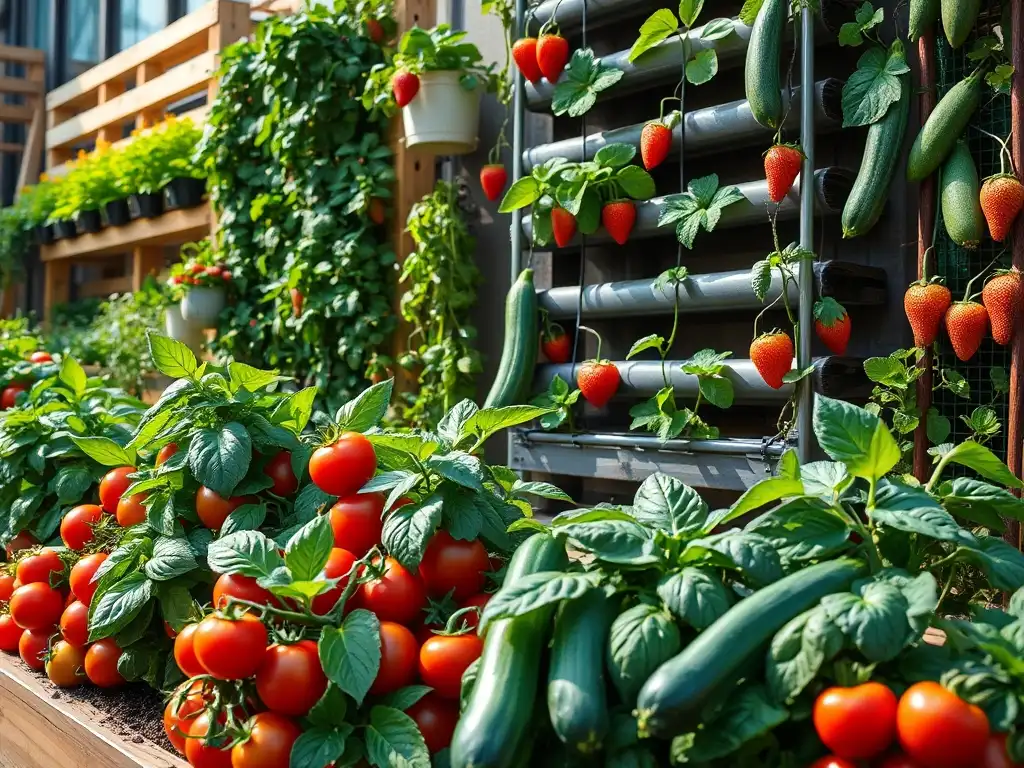
This section focuses on the initial steps crucial for successfully implementing a vertical vegetable garden, maximizing space and yield. We'll delve into the selection of appropriate systems and essential setup considerations for a thriving, space-saving vertical vegetable garden. Proper planning translates directly into a bountiful harvest and a simpler gardening experience. Remember, choosing the right system is the cornerstone of your "vertical vegetable garden space saving" strategy.
Selecting the Best Vertical Gardening Systems for Vegetables
Many vertical gardening systems cater to vegetable cultivation. The optimal choice depends on your available space, budget, and the types of vegetables you intend to grow. Let's examine some popular options:
- Wall-mounted planters: These systems are ideal for smaller spaces and offer excellent vertical space utilization. They come in various materials, including wood, plastic, and metal, each with its own advantages and disadvantages concerning durability, water retention, and cost. For instance, wooden planters offer a rustic aesthetic but require regular maintenance to prevent rot, while plastic options are lightweight and low-maintenance but might not be as aesthetically pleasing.
- Hanging baskets: Perfect for trailing vegetables like strawberries or cucumbers, hanging baskets provide a unique and visually appealing way to cultivate plants. However, they require careful watering to prevent drooping and may not be suitable for all vegetable types. Consider the weight of the basket when full and ensure adequate support.
- Tower gardens: These self-contained systems typically use a central reservoir to deliver nutrients directly to the plants via tubes. Tower gardens offer excellent space efficiency and can accommodate a variety of vegetables, but they require a higher initial investment and careful monitoring of nutrient levels.
- Vertical stacking planters: These systems allow you to stack multiple levels of planters, significantly increasing planting space in a limited footprint. However, ensuring proper watering and drainage across all levels is crucial to prevent root rot and ensure optimal plant health. Selecting materials that are lightweight yet durable is paramount here, for ease of maintenance and to prevent structural damage.
Consider these factors when making your selection:
| System Type | Pros | Cons | Space Efficiency | Maintenance Level | Initial Cost |
|---|---|---|---|---|---|
| Wall-mounted planters | Space-saving, aesthetically pleasing | Can be heavy, requires sturdy wall support | High | Medium | Medium |
| Hanging baskets | Unique, ideal for trailing vegetables | Requires careful watering, weight limitations | High | Medium | Low |
| Tower gardens | Efficient, controlled nutrient delivery | High initial cost, requires monitoring | Very High | Medium-High | High |
| Vertical stacking | Increased planting space | Requires careful watering and drainage | Very High | High | Medium-High |
Choosing the right system is key to your success. Careful consideration of these factors will ensure your vertical vegetable garden thrives.
Essential Considerations for Vertical Vegetable Garden Setup
Beyond choosing the system, several factors significantly impact the success of your vertical vegetable garden. These include:
- Sunlight: Vegetables require ample sunlight. Carefully assess the amount of sunlight your chosen location receives throughout the day. Most vegetables need at least 6 hours of direct sunlight. South-facing walls or areas with minimal shade are ideal. Consider supplementing with grow lights if necessary, especially in low-light conditions.
- Watering System: A reliable watering system is critical. Vertical gardens can dry out quickly, particularly during hot weather. Consider using self-watering planters, drip irrigation, or a regular watering schedule to maintain consistent moisture levels. Overwatering can lead to root rot, while underwatering stunts growth, so finding the right balance is crucial.
- Drainage: Excellent drainage is essential to prevent waterlogging and root rot. Ensure your chosen system has adequate drainage holes and that the soil is well-draining to prevent water accumulation. Consider adding a layer of gravel or pebbles at the bottom of your containers to further improve drainage.
- Support Structures: For climbing vegetables such as tomatoes or beans, providing adequate support is crucial. Trellises, stakes, or netting can help plants grow vertically and prevent them from sprawling. Consider the size and growth habit of your chosen vegetables when selecting support structures.
Remember, proper setup minimizes issues later on. Careful planning now means a more successful and less stressful growing season.
Choosing the Right Vegetables for Vertical Gardening: Space-Saving Variety Selection
Not all vegetables are equally suited to vertical gardening. Choosing compact, climbing, or trailing varieties maximizes space utilization.
- Climbing Vegetables: These are excellent choices for vertical gardening, including tomatoes (especially determinate varieties), cucumbers, beans (bush beans are less suitable), and peas. These plants naturally grow upwards, making them ideal for trellises or other vertical supports.
- Trailing Vegetables: Strawberries, trailing herbs such as thyme and oregano, and some types of peppers can cascade beautifully from hanging baskets or wall-mounted planters. Their trailing nature allows for efficient use of vertical space.
- Compact Vegetables: Choose compact varieties of vegetables like lettuce, spinach, and radishes for wall-mounted planters or stacked systems. These smaller plants require less space and mature quickly, allowing for multiple harvests throughout the growing season.
Avoid large, sprawling vegetables like pumpkins or watermelons, which require significant horizontal space and are not suitable for vertical gardening. Careful plant selection is crucial for maximizing space and yield in your "vertical vegetable garden space saving" setup. Planning your planting is as important as planning your structure.
Building Your Vertical Vegetable Garden: Step-by-Step Guide
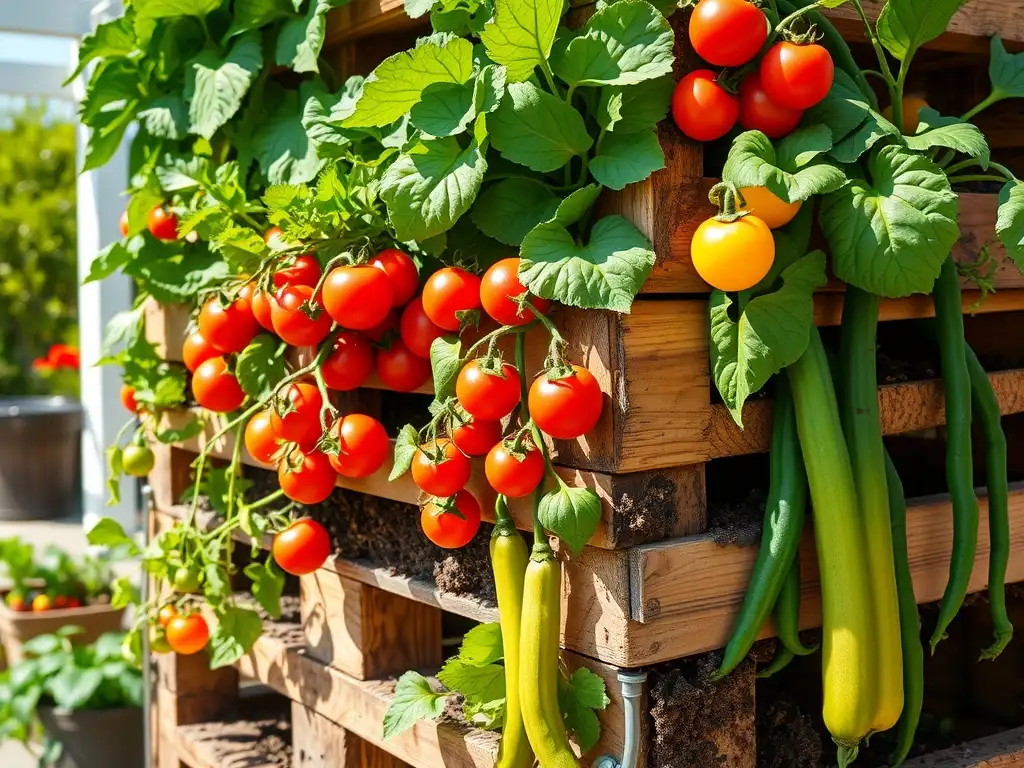
This section provides a practical, step-by-step guide to building your own vertical vegetable garden, maximizing space and yield in even the smallest of areas. We'll explore different construction methods, focusing on DIY solutions and pre-made systems, all designed for efficient vertical vegetable garden space saving.
Constructing a DIY Vertical Vegetable Garden: Pallet Garden
Pallet gardens offer a rustic charm and are surprisingly easy to construct. Repurposing old pallets is an environmentally friendly way to practice sustainable gardening, reducing waste and adding a unique aesthetic to your outdoor space. Here's how to build one:
- Source and Prepare Your Pallet: Find a sturdy, untreated wooden pallet. Ensure it's free of any chemical treatments that could harm your plants. Clean it thoroughly, removing any loose wood or debris. Sand down any rough edges for safety.
- Create Planting Pockets: Line the gaps between the pallet slats with landscape fabric. This prevents soil from falling through while allowing for drainage. You can secure the fabric with staples or zip ties.
- Fill with Soil: Use a high-quality potting mix suitable for vegetables. Avoid using garden soil directly, as it can be too heavy and compact for vertical gardening. Fill each compartment generously, leaving a little space below the top for watering.
- Plant Your Vegetables: Choose compact vegetable varieties best suited for vertical gardening. Consider cherry tomatoes, strawberries, herbs like basil and mint, or leafy greens like lettuce. Plant according to the spacing recommendations on the seed packets.
- Watering and Maintenance: Water regularly, ensuring the soil doesn't dry out completely. Regularly check for pests and diseases, addressing any issues promptly. A drip irrigation system can significantly improve water efficiency in a vertical pallet garden.
This method provides excellent vertical vegetable garden space saving, allowing you to grow a variety of vegetables in a relatively small footprint. Remember to rotate your crops annually to maintain soil health and prevent disease buildup. Consider adding a layer of mulch on top of the soil to help retain moisture and suppress weeds.
Constructing a DIY Vertical Vegetable Garden: PVC Pipe System
PVC pipes offer a more structured and customizable approach to vertical gardening, particularly beneficial for maximizing vertical space. This method is ideal for growing vining plants like cucumbers, beans, and tomatoes.
- Gather Materials: You'll need PVC pipes (various diameters), PVC connectors (elbows, tees, and caps), drill, drill bits, and strong zip ties or cable ties.
- Assemble the Structure: Cut the PVC pipes to your desired lengths. Use the connectors to create a vertical structure, allowing for multiple planting levels. Consider adding a base for stability.
- Create Planting Pockets: You can use various methods to create planting pockets. One option is to drill holes along the pipes, large enough to accommodate your plant pots or fabric grow bags. Alternatively, you can use fabric grow bags secured to the pipes.
- Install and Plant: Secure the structure to a wall or fence for support. Place your plants in the prepared pockets, ensuring adequate spacing.
- Irrigation: Consider integrating a drip irrigation system for efficient watering, crucial for plants growing vertically. This minimizes water waste and ensures consistent moisture. This method is an excellent illustration of vertical vegetable garden space saving principles.
This PVC pipe system allows for a highly customizable vertical garden, adapting to various plant sizes and your available space. Regular inspection and maintenance are crucial, as the PVC pipes could potentially degrade over time, especially under direct sunlight.
Assembling Pre-made Vertical Gardening Systems for Vegetables: Self-Watering Vertical Planter
Pre-made vertical gardening systems offer convenience and often incorporate features like self-watering capabilities, simplifying maintenance and improving water efficiency. These systems are available in various materials, sizes, and designs, catering to different needs and aesthetic preferences.
When choosing a pre-made system, consider the following:
- Material: Durable materials like recycled plastic or treated wood are preferred for longevity.
- Size and Capacity: Select a system that fits your available space and the number of plants you intend to grow.
- Water Reservoir: Self-watering systems with a sizeable reservoir minimize the frequency of watering.
- Drainage: Ensure the system has adequate drainage to prevent waterlogging, which can harm the plants.
- Ease of Assembly: Choose a system with clear instructions and easy assembly.
Investing in a good quality pre-made system can streamline the process of creating a vertical vegetable garden, especially for beginners. The added benefit of self-watering features significantly contributes to vertical vegetable garden space saving by reducing water waste and labor. Remember to always follow the manufacturer's instructions for assembly and maintenance. Regularly check the water level in the reservoir and ensure proper drainage to prevent root rot. This approach combines practicality with efficient use of space, allowing even those with limited gardening experience to successfully cultivate vegetables vertically.
Planting and Maintaining Your Vertical Vegetable Garden: Tips and Tricks
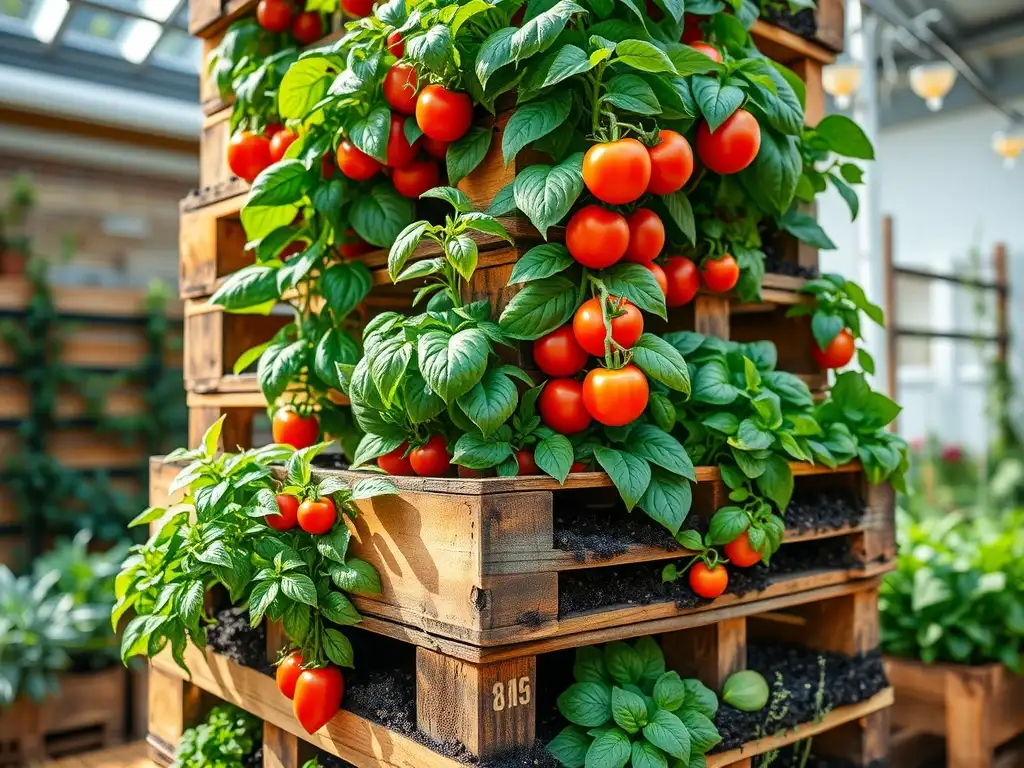
This section delves into the practical aspects of establishing and nurturing a thriving vertical vegetable garden, focusing on maximizing yield and minimizing resource consumption. We'll explore optimized planting techniques, efficient watering and fertilization strategies, and organic pest and disease control methods, all crucial for successful vertical vegetable gardening. Remember, a well-planned and maintained vertical vegetable garden can significantly improve your "vertical vegetable garden space saving" efforts.
Planting Techniques for Vertical Vegetable Gardens: Optimizing Growth
Successful vertical vegetable gardening hinges on choosing the right plants and employing effective planting techniques. Space is at a premium, so selecting compact and vining varieties is key. Consider these options:
- Compact Vegetables: Bush beans, cherry tomatoes, peppers (especially smaller varieties), and certain lettuce types are ideal for vertical systems. Their smaller stature minimizes overcrowding and maximizes sunlight penetration.
- Vining Vegetables: Cucumbers, zucchini, and climbing beans are perfect for trellises or vertical stacking systems. Their climbing habit allows them to utilize vertical space efficiently.
- Spacing and Support: Proper spacing is essential. Overcrowding leads to competition for resources, hindering growth. Ensure adequate spacing between plants based on their mature size. Providing sturdy support structures—trellises, stakes, or hanging baskets—is vital for vining plants to thrive.
- Soil Selection: Use a well-draining potting mix specifically formulated for containers. Avoid using garden soil directly, as it can compact and impede drainage in vertical systems. Consider adding compost for improved soil structure and nutrient content. This helps maximize your "vertical vegetable garden space saving" strategy by ensuring healthy plant growth within the limited space.
- Seed Starting vs. Transplants: Starting seeds indoors can provide a head start, especially for slower-growing varieties. However, using transplants might be more convenient for some vegetables. Choose the method that best suits your time constraints and plant choices. Consider the specific needs of each plant when deciding between seed starting and using transplants to boost your vertical vegetable garden's productivity.
Watering and Fertilizing Your Vertical Vegetable Garden: Efficient Techniques
Efficient watering and fertilization are crucial for maximizing yields in a vertical vegetable garden. The limited soil volume in vertical systems requires careful management of water and nutrients.
- Watering Strategies: Vertical gardens dry out faster than in-ground gardens. Regular monitoring is crucial. Consider using a drip irrigation system or a self-watering planter for consistent moisture delivery. Avoid overhead watering, which can lead to fungal diseases. Consistent watering is key to maximizing your "vertical vegetable garden space saving" potential.
- Fertilization Techniques: Use a balanced liquid fertilizer diluted to half strength, applied every 1-2 weeks during the growing season. This ensures plants receive the necessary nutrients without over-fertilizing. Over-fertilization can burn delicate roots and negatively impact growth. Regularly check the soil pH to ensure optimal nutrient uptake. Consider using organic fertilizers, such as compost tea, to align with sustainable gardening practices.
- Water Retention: Adding water-retaining polymers to your potting mix can help reduce watering frequency and prevent the soil from drying out too quickly. This is especially beneficial in hot, sunny climates. This is crucial for maximizing your "vertical vegetable garden space saving" outcome.
Pest and Disease Control in Vertical Vegetable Gardens: Organic Solutions
Vertical gardens, while space-saving, can be susceptible to pests and diseases. Employing preventative measures and organic control methods is crucial.
- Preventative Measures: Choose disease-resistant varieties whenever possible. Ensure good air circulation to prevent fungal diseases. Regularly inspect plants for signs of pests or diseases. Early detection is key to effective control. These preventative measures are crucial for maximizing your "vertical vegetable garden space saving" results while minimizing losses due to pests and diseases.
- Organic Pest Control: Introduce beneficial insects, such as ladybugs, to control aphids and other pests. Use insecticidal soap or neem oil for targeted pest control. Avoid broad-spectrum insecticides, which can harm beneficial insects and pollinator populations.
- Disease Management: Practice crop rotation to prevent the buildup of soilborne pathogens. Remove and destroy infected plants promptly. Ensure good sanitation practices to prevent the spread of diseases. This is critical for maintaining the health of your vertical vegetable garden, furthering your "vertical vegetable garden space saving" efforts.
Remember, consistent monitoring and proactive management are key to a successful and productive vertical vegetable garden. By implementing these techniques, you can optimize your space and enjoy a bountiful harvest, further enhancing your "vertical vegetable garden space saving" experience.
Harvesting Your Vertical Vegetable Garden: Maximizing Yields
Harvesting your vertical vegetable garden requires a slightly different approach than harvesting from traditional in-ground gardens. The proximity of plants and the unique structure of vertical systems necessitate careful consideration to avoid damage and maximize your yield. Regular harvesting is key; not only does it encourage continued production, but it also prevents overcrowding and the spread of diseases.
One crucial aspect is understanding the maturity stages of your chosen vegetables. For instance, cherry tomatoes are ready for harvest when they turn a deep red, while zucchini should be picked when they are still relatively small and tender, usually around 6-8 inches long. Overripe zucchini can become tough and less flavorful. Similarly, leafy greens like lettuce and spinach should be harvested selectively, picking outer leaves to allow inner leaves to continue growing. This method ensures a continuous supply throughout the growing season.
The timing of your harvest also impacts yield. The best time to harvest most vegetables is in the morning after the dew has evaporated but before the midday sun becomes too intense. This helps prevent wilting and damage to delicate leaves or fruits. Moreover, harvesting during cooler periods preserves the freshness and quality of your produce. Remember, consistent harvesting prevents your plants from putting all their energy into producing large, mature fruits or vegetables at the expense of smaller, immature ones, thus maximizing the overall yield.
Consider using appropriate harvesting tools to minimize damage. Sharp scissors or pruning shears are ideal for harvesting leafy greens and herbs, while a small knife or harvesting shears are beneficial for harvesting fruits and vegetables like tomatoes, peppers, and cucumbers. Avoid pulling plants or fruits forcefully, as this can damage the plant and reduce future yields. Gentle handling is crucial for preserving both the plant's health and the quality of your harvest.
Finally, don't forget to properly store your harvested vegetables. Proper storage techniques, such as refrigeration or preserving methods like canning or freezing, will extend the shelf life of your produce, allowing you to enjoy the fruits (and vegetables) of your labor for longer. This careful attention to detail, from the initial planting strategy to the final harvest and storage, is crucial to maximizing the yield from your vertical vegetable garden and truly experiencing the rewards of your "vertical vegetable garden space saving" efforts.
Troubleshooting Common Issues in Vertical Vegetable Gardening
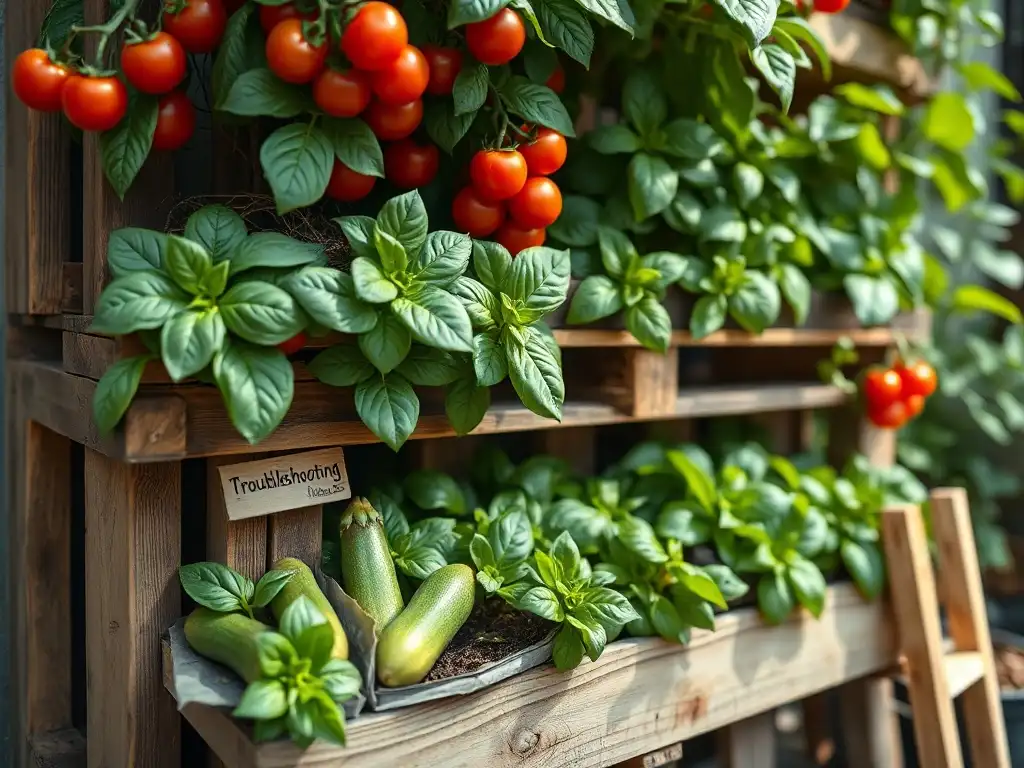
Vertical vegetable gardening, while offering significant space-saving advantages for "Vertical vegetable garden space saving," presents unique challenges. Successfully cultivating a thriving vertical garden requires careful planning and proactive problem-solving. This section addresses common issues and provides practical solutions to help you maximize your yield and enjoy a bountiful harvest. Understanding these potential pitfalls will empower you to prevent problems before they arise, leading to a more successful and rewarding gardening experience.
Addressing Common Problems in Vertical Vegetable Gardens: Water Drainage Issues
Poor water drainage is a frequent problem in vertical gardens, especially those utilizing repurposed containers or systems without built-in drainage. Standing water leads to root rot, a devastating condition that can quickly kill your plants. The symptoms of root rot include wilting, yellowing leaves, and a foul odor emanating from the soil. Preventing root rot requires careful attention to several factors:
- Container Selection: Choose containers with drainage holes. If using containers without drainage, drill holes yourself, ensuring adequate drainage. Consider using a layer of gravel or broken pottery shards at the bottom of the container to further improve drainage.
- Watering Techniques: Avoid overwatering. Check the soil moisture before watering. Water thoroughly when the top inch of soil feels dry, allowing excess water to drain completely. Consider using a self-watering system for more consistent moisture delivery without overwatering.
- Soil Selection: Use a well-draining potting mix specifically formulated for containers. Avoid using heavy clay soils which retain too much water. Adding perlite or vermiculite to your potting mix can improve drainage and aeration.
- Mulching: A thin layer of organic mulch on the surface of the soil can help to retain moisture while preventing the soil from becoming waterlogged.
Addressing Common Problems in Vertical Vegetable Gardens: Overcrowding and Air Circulation
Overcrowding is another common issue in vertical gardens. Plants need adequate space to grow and develop properly. Cramped conditions lead to reduced air circulation, increasing the risk of fungal diseases and pest infestations. Here's how to prevent overcrowding:
- Plant Spacing: Carefully research the mature size of your chosen vegetables before planting. Provide sufficient spacing between plants to allow for growth. Follow recommended spacing guidelines provided by seed packets or plant tags.
- Plant Selection: Choose compact or dwarf varieties of vegetables suitable for vertical gardening. These varieties are bred to be smaller and more suitable for confined spaces.
- Pruning and Thinning: Regularly prune or thin out plants to improve air circulation and prevent overcrowding. Remove any dead or diseased leaves promptly.
- Air Circulation Strategies: Strategically position your vertical garden to maximize airflow. Avoid placing it in areas with poor air circulation, such as enclosed patios or shaded areas. Consider using fans in enclosed spaces to improve air circulation, especially during periods of high humidity.
Addressing Common Problems in Vertical Vegetable Gardens: Insufficient Light Exposure
Vertical vegetable gardens often require more light than traditional ground-level gardens, particularly those placed against walls or in shaded areas. Insufficient light leads to weak, leggy growth and reduced yields. To ensure your plants receive enough sunlight:
- Sunlight Analysis: Before installing your vertical garden, carefully assess the amount of sunlight the location receives throughout the day. Most vegetables require at least six hours of direct sunlight daily.
- Garden Placement: Choose a sunny location for your vertical garden. South-facing locations generally receive the most sunlight in the Northern Hemisphere.
- Supplemental Lighting: If sunlight is limited, consider using supplemental lighting, such as grow lights, to supplement natural sunlight. LED grow lights are energy-efficient and effective.
- Plant Selection: Choose vegetables that tolerate partial shade if your location receives less than six hours of direct sunlight. However, even shade-tolerant vegetables will benefit from as much sunlight as possible. Remember that even small differences in light exposure can significantly impact the success of your vertical vegetable garden, especially for "Vertical vegetable garden space saving" solutions.
Harvesting and Enjoying the Fruits (and Vegetables!) of Your Labor
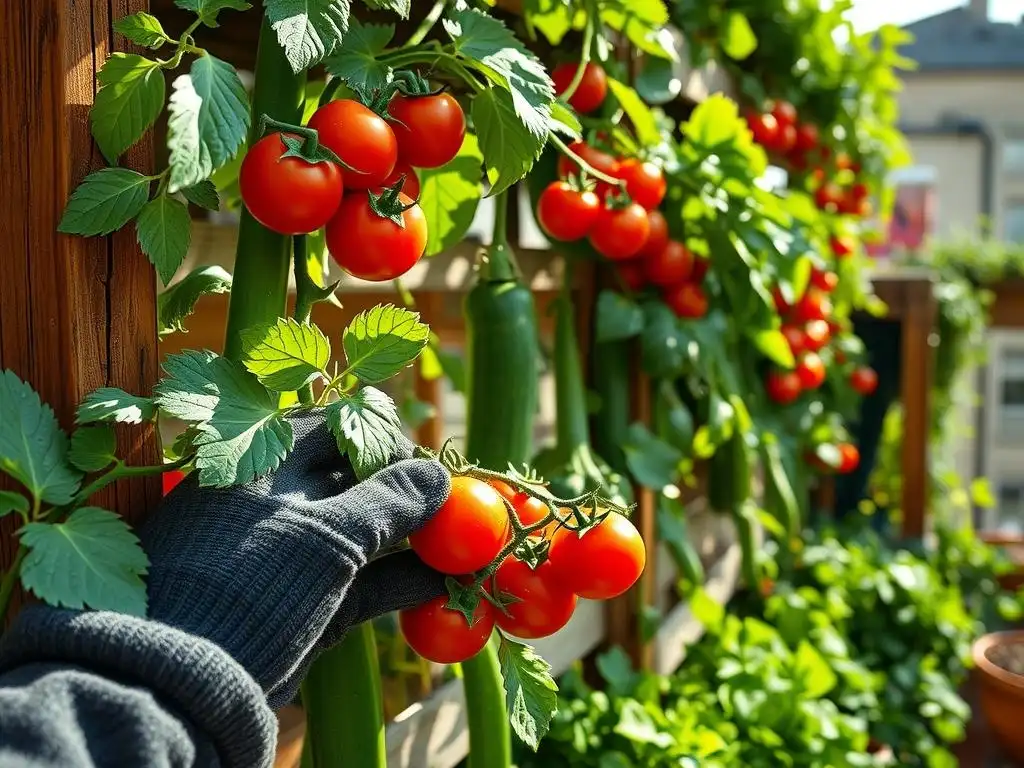
This section focuses on the rewarding culmination of your vertical vegetable gardening efforts: harvesting and preserving your delicious bounty. Successfully cultivating a vertical vegetable garden requires planning and consistent effort, but the joy of harvesting fresh, homegrown produce makes it all worthwhile. Efficient harvesting techniques and smart preservation methods will ensure you maximize the enjoyment and lifespan of your hard work, contributing to a truly sustainable and rewarding gardening experience. Let's explore the best practices for reaping the rewards of your vertical vegetable garden.
Harvesting Techniques for Vertical Vegetable Gardens: Timing and Methods
Harvesting from a vertical vegetable garden requires a slightly different approach than traditional ground-level gardening. The accessibility of your plants, often stacked vertically, demands careful consideration. Timing is key to ensuring optimal flavor and nutritional value. For example, harvesting leafy greens like lettuce and spinach should be done when the leaves are young and tender, typically before they reach full maturity. This can be achieved through a process called "successive harvesting," where you pick outer leaves regularly, allowing inner leaves to continue growing.
Here's a breakdown of effective harvesting methods:
- Leafy Greens: Harvest outer leaves as needed, using clean, sharp scissors or a knife to avoid damaging the plant's base. This method promotes continuous growth and a longer harvest period. Avoid pulling entire plants unless you're preparing to replant.
- Tomatoes and Peppers: Harvest these fruits when they reach their characteristic color and firmness. Gently twist or cut the fruit from the vine, leaving a short stem attached.
- Beans and Peas: Harvest beans and peas before they become overripe and lose their sweetness. Snap beans are typically harvested when they are young and tender, while peas are ready when the pods are plump and full.
- Root Vegetables (if applicable): If your vertical garden includes root vegetables grown in individual containers, carefully lift the plants from their containers to harvest the roots. Make sure to handle them gently to avoid damaging them.
Remember to always use clean tools to prevent the spread of disease. Regular harvesting, even if it's just a small amount, encourages continued growth and prevents overcrowding. This also helps maintain the overall health and productivity of your vertical garden, making it a truly space-saving and efficient system.
Preserving Your Vertical Garden Harvest: Storage and Processing
Once you've harvested your delicious vegetables, the next crucial step is preservation. Proper storage and processing techniques will extend the shelf life of your produce and allow you to enjoy your homegrown goodness throughout the year. This aspect plays a significant role in realizing the full benefits of your vertical vegetable garden, optimizing its space-saving qualities by allowing you to utilize your harvest over a longer period.
Here are some effective preservation methods:
- Refrigeration: Many vegetables, like leafy greens, beans, and peppers, can be stored in the refrigerator for several days. Properly washing and drying them before storing is essential to prevent spoilage.
- Freezing: Freezing is a great way to preserve vegetables for longer periods. Blanching (briefly boiling) vegetables before freezing helps retain their color, texture, and nutrients.
- Canning: Canning is a more involved process but allows for long-term storage. This method requires specific equipment and knowledge of safe canning practices to prevent foodborne illnesses.
- Drying: Drying is a simple and effective method for preserving herbs and some vegetables, like tomatoes and peppers. Air drying or using a dehydrator will remove moisture, preventing spoilage.
The choice of preservation method depends on the type of vegetable and your personal preferences. However, a combination of methods can help you maximize the utilization of your vertical garden's yield and minimize food waste. Proper preservation not only extends the enjoyment of your "Vertical vegetable garden space saving" solution but also contributes to a more sustainable and less wasteful lifestyle. The planning and effort invested in preserving your harvest directly reflects the success and sustainability of your vertical gardening project.
Expanding Your Vertical Vegetable Garden: Future Planning and Expansion
This section focuses on strategically planning the growth and expansion of your vertical vegetable garden to maximize "vertical vegetable garden space saving" over time. Careful consideration of several factors will ensure your system remains efficient and productive as your gardening ambitions grow.
Expanding Your Vertical Garden System: Adding More Growing Space
As your gardening confidence increases, you'll likely want to expand your vertical vegetable garden. There are several ways to achieve this without sacrificing the efficiency of your existing setup. One popular method is modularity. Design your initial system with expansion in mind.
Consider using standardized units or components that can be easily added to your existing structure. For example, you could build your initial vertical garden with three identical 4ft x 2ft units. Later, you could simply add another identical unit, seamlessly integrating it into your existing system. This modular approach minimizes disruption and maximizes "vertical vegetable garden space saving".
Another approach involves utilizing unused vertical space. Do you have a tall fence or a blank wall? These can easily be adapted to support additional vertical growing structures. Simple trellis systems or hanging planters can be attached, adding significant growing area without consuming valuable ground space. Remember to consider the weight capacity of your chosen support structure and select plants accordingly. Heavier plants, like tomatoes, require sturdier support than lighter herbs.
Consider also the height of your current setup. Can you add another level? Adding a second tier to an existing structure is often simpler and less expensive than building a completely new system. This vertical expansion directly addresses the core need for "vertical vegetable garden space saving".
Finally, don't underestimate the power of vertical stacking. Small, compact plants can be successfully stacked on top of larger plants, maximizing space utilization. For instance, you could place lettuce or spinach plants underneath taller tomato or pepper plants. This layered approach is highly effective for maximizing yield within a limited footprint.
Adapting Your Vertical Garden to Seasonal Changes: Year-Round Growing
Extending your growing season is key to maximizing the benefits of vertical gardening. Adapting your system to seasonal changes is crucial for year-round productivity. This requires careful planning and consideration of microclimates within your garden.
One crucial factor is sunlight exposure. As seasons change, the angle and intensity of sunlight alter. You might need to adjust the positioning of your vertical garden to ensure optimal sun exposure throughout the year. This could involve moving the entire structure or simply shifting individual plant containers.
Temperature fluctuations also significantly impact plant growth. During colder months, consider using protective coverings such as row covers or even small greenhouses to protect your plants from frost and cold winds. Conversely, during hotter months, you may need to provide additional shade to prevent overheating. This could involve using shade cloth or strategically positioning the garden to minimize direct sunlight during peak hours.
Another important consideration is water management. Water requirements vary depending on the season and plant type. During drier periods, you may need to increase watering frequency or install a drip irrigation system to ensure adequate moisture. Conversely, during wetter periods, you may need to adjust your watering schedule to prevent overwatering and root rot.
Proper watering is crucial for optimal plant health and yield. Careful monitoring and adjustment are vital to successful year-round vertical gardening, maximizing the impact of "vertical vegetable garden space saving". Regularly assess your plants' needs and adjust your strategies accordingly to optimize their growth and your harvest.
Frequently Asked Questions
What is vertical container gardening?
Vertical container gardening is a space-saving method of growing vegetables, herbs, and fruits using vertical structures like walls, trellises, or hanging planters. This technique maximizes yield in limited areas. It's perfect for small gardens or balconies.
How does vertical gardening save space?
Vertical gardening utilizes height instead of ground space, allowing you to grow significantly more plants in a smaller area compared to traditional gardening methods. This is particularly beneficial for urban or apartment dwellers.
What vegetables are best suited for vertical gardening?
Many vegetables thrive in vertical systems! Vining plants like tomatoes, cucumbers, and beans are excellent choices. Other suitable options include smaller varieties of peppers, strawberries, and herbs.
What materials are needed for a vertical vegetable garden?
You'll need containers (pots, hanging baskets, etc.), growing medium, support structures (trellises, stakes), and your chosen vegetable plants. Consider using recycled materials for sustainability.
Are there any challenges associated with vertical gardening?
While rewarding, vertical gardening requires more frequent watering due to quicker drying of the soil. You might also need to provide extra support for heavy plants to prevent damage. Proper planning and maintenance are key.
Final Reflection: Harvesting the Potential of Vertical Space
The quest for sustainable food production in increasingly urbanized environments is driving a renewed interest in vertical gardening, and the space-saving benefits are undeniable. This innovative approach isn't just a trend; it's a practical solution offering a pathway to fresh, homegrown vegetables even in the smallest of spaces. From compact balconies to tiny backyards, vertical gardening empowers individuals to reclaim their environment and cultivate their own food.
The impact of vertical gardening extends beyond the individual, fostering a deeper connection with the food we consume and promoting a more sustainable lifestyle. It's a tangible demonstration of how we can adapt and innovate to meet the challenges of modern living. The miracle isn't that I finished. The miracle is that I had the courage to start.
– John Bingham. This quote resonates deeply because starting a vertical garden, however small, is a testament to our capacity for change and our commitment to a healthier future. The visual appeal and the sense of accomplishment further contribute to its growing popularity, making it a rewarding endeavor for both seasoned gardeners and enthusiastic beginners.
Now, consider your own space. What unused vertical area could you transform into a thriving vegetable garden? Imagine the satisfaction of harvesting your own tomatoes, peppers, or herbs, knowing you've maximized your space and minimized your environmental impact. Take the first step today. Research the best vertical gardening methods for your specific needs, gather your materials, and begin cultivating your own little piece of edible paradise. The rewards, both tangible and intangible, are well worth the effort.
Unlock Your Urban Harvest: Grow More, Worry Less!
Thank you for exploring the world of vertical gardening! We hope you're excited about the possibilities for maximizing your space and yield. Ready to get started?
- Begin planning your vertical garden now! Consider factors like sunlight, the types of plants you'll grow, and the space available. A well-thought-out plan is the foundation for a successful harvest.
- Share your design ideas with our community on social media using #VerticalHarvest – let's inspire each other!
- Learn more about companion planting and organic pest control to further optimize your vertical garden's success. We have many helpful articles available.
What vertical gardening technique are you most eager to try?