
Elevate Your Gardening: Software for Efficient Water Management

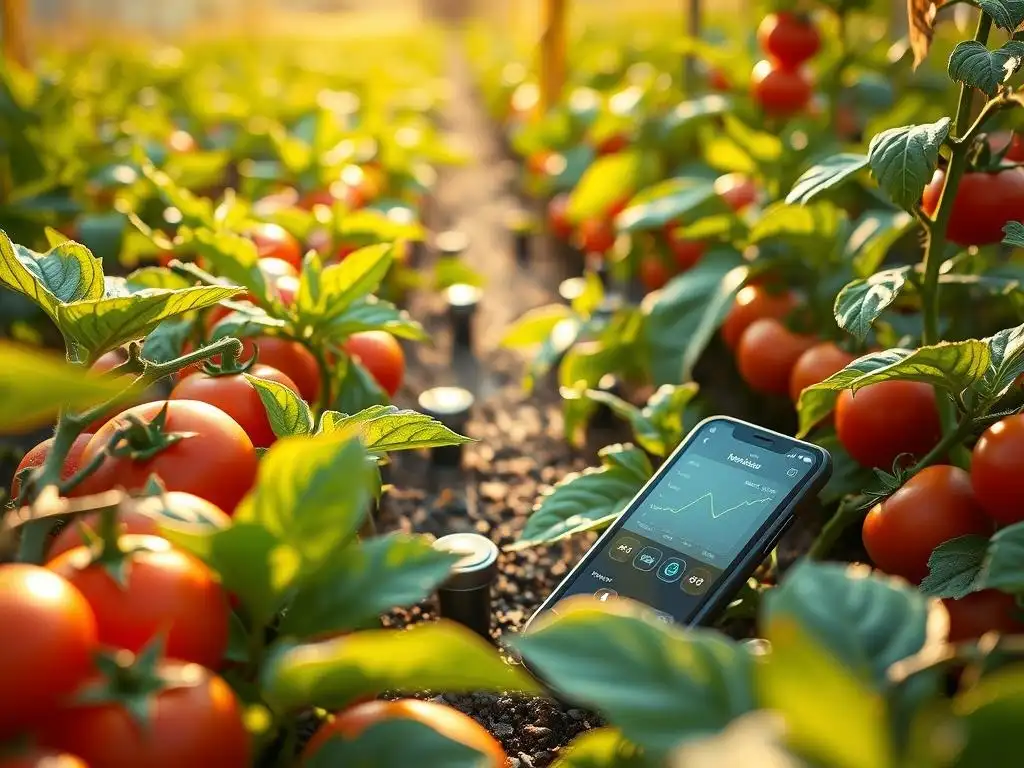
Ready to transform your home garden into a thriving oasis? At CultivateYourFood, we're passionate about empowering you to grow your own fruits, vegetables, and herbs using sustainable methods. Discover how you can optimize your yield and minimize waste with our latest educational resource on Smart garden watering software. Learn how this innovative technology can revolutionize your approach to irrigation and unlock the secrets to a truly bountiful harvest. Let's cultivate a greener future, together.
- Understanding the Need for Smart Garden Watering Software
- Top Smart Garden Watering Software Options in 2024
- Choosing the Right Smart Irrigation System for Your Needs
- Beyond Smart Watering: Additional Software for Optimized Gardening
- Maximizing Your ROI with Smart Garden Watering Software
- Getting Started with Smart Garden Watering Software: A Step-by-Step Guide
- The Future of Smart Garden Watering: Emerging Technologies and Trends
- Frequently Asked Questions
- Final Reflection: Cultivating a Sustainable Future, One Drop at a Time
- Ready to Sprout Smarter? Take Control of Your Garden's Watering!
Understanding the Need for Smart Garden Watering Software
Efficient water management is paramount for successful home gardening, especially when striving for sustainable and organic practices. Traditional watering methods often lead to inconsistencies, resulting in either overwatering, which can drown plant roots and promote fungal diseases, or underwatering, which stunts growth and reduces yields.
This article explores how smart garden watering software can revolutionize your approach, helping you conserve precious water resources while maximizing the health and productivity of your fruits, vegetables, and herbs. We'll delve into the challenges of traditional methods, the environmental benefits of smart irrigation, and the tangible improvements in crop yields achievable with precise water delivery.
By embracing technology, you can cultivate a thriving garden while minimizing your environmental footprint and maximizing your harvest – truly elevating your gardening experience. This guide focuses on the benefits of using "smart garden watering software" to achieve these goals, offering a practical and informative look at how technology can enhance your gardening success.
The Challenges of Traditional Watering Methods: Overwatering and Underwater
Traditional watering methods, such as relying solely on manual watering or basic timers, often fall short in providing the precise hydration needs of diverse plants. Overwatering is a common problem, leading to soggy soil, root rot, and increased susceptibility to diseases. The telltale signs include yellowing leaves, wilting even with moist soil, and a musty smell emanating from the soil. Conversely, underwatering results in stunted growth, wilted plants, and reduced yields.
Plants deprived of adequate moisture struggle to absorb nutrients, leading to poor overall health and potentially irreversible damage. The inconsistency inherent in manual watering makes it difficult to achieve the optimal balance, particularly across a garden with various plant types, each possessing unique water requirements. This inconsistency is further exacerbated by fluctuating weather conditions, making it challenging to maintain consistent soil moisture levels.
Determining the appropriate watering schedule requires significant experience and observation, and even experienced gardeners can struggle to account for all the variables. For example, clay soils retain water far longer than sandy soils, requiring less frequent watering. Similarly, the sun exposure, plant size, and even the time of day all significantly influence water needs.
The consequences of these challenges extend beyond the health of individual plants; inefficient watering practices contribute to significant water waste, a crucial concern in the face of growing water scarcity. Smart garden watering software offers a solution to these problems by providing data-driven insights and automated control to optimize water usage.
Saving Water and Resources: The Environmental Benefits of Smart Irrigation
Smart garden watering software plays a crucial role in promoting sustainable gardening practices by significantly reducing water consumption. Traditional methods often lead to substantial water waste due to overwatering or inconsistent application. Smart irrigation systems, guided by software, use sensors to monitor soil moisture levels, weather conditions, and even plant health indicators. This data-driven approach allows for precise water delivery, only supplying the necessary amount when and where it's needed. The result is a considerable reduction in water usage compared to traditional methods, contributing to water conservation efforts and reducing the environmental impact of home gardening.
Furthermore, the reduced water consumption translates into lower energy costs associated with pumping and heating water. Smart systems often incorporate features that optimize water usage based on factors like rainfall, reducing unnecessary watering events. By minimizing water waste, these systems contribute to a more environmentally responsible approach to gardening, aligning with the principles of sustainable living. The long-term environmental benefits extend beyond water conservation, as reduced reliance on chemical fertilizers and pesticides, often necessary to compensate for poorly managed watering, contributes to healthier soil and ecosystems. This holistic approach reinforces the positive environmental impact of smart irrigation technology.
Maximizing Crop Yields with Precise Water Delivery
Precise water delivery, enabled by smart garden watering software, is directly linked to healthier plants and increased yields. Plants receive the optimal amount of water at the right times, ensuring consistent hydration without the risks of overwatering or underwatering. This leads to improved nutrient uptake, stronger root systems, and enhanced overall plant health. The consistent moisture levels provided by smart irrigation systems minimize stress on plants, allowing them to focus their energy on growth and fruit/vegetable production. The result is a significant increase in the quantity and quality of the harvest.
Moreover, smart garden watering systems often allow for customized watering schedules tailored to specific plant needs. This personalized approach ensures that each plant receives the precise amount of water necessary for optimal growth, maximizing yields across the entire garden. Data collected by the software can provide valuable insights into plant health and water usage patterns, allowing gardeners to make informed adjustments and optimize their watering strategies over time.
The ability to monitor soil moisture and adjust watering schedules based on real-time data eliminates guesswork, leading to more consistent and predictable results. This precision, in turn, directly contributes to higher yields and a more abundant harvest.
Top Smart Garden Watering Software Options in 2024
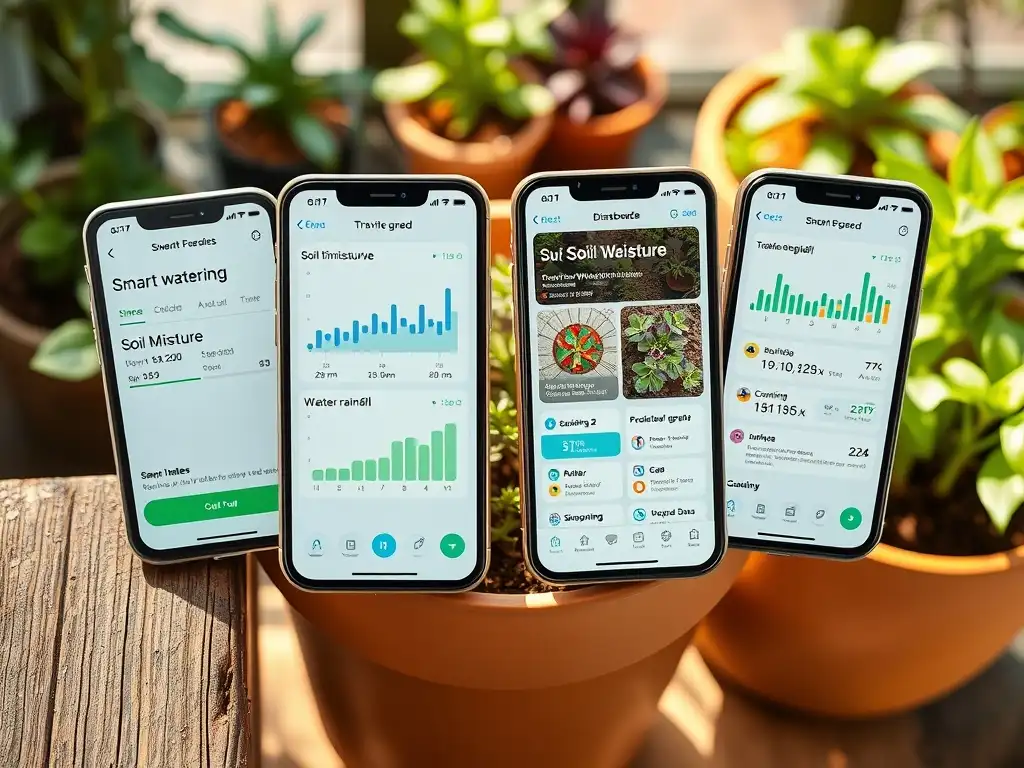
This section explores leading smart garden watering software solutions available in 2024, focusing on their features, pricing, and user reception. Efficient water management is crucial for sustainable gardening, and these technologies offer precise control, minimizing water waste and maximizing plant health. Choosing the right smart watering software can significantly improve your gardening efficiency and yield, contributing to a more bountiful and environmentally conscious harvest. We'll delve into specific examples to illustrate the benefits of adopting these technologies for your home garden.
Rachio: Features, Pricing, and User Reviews - Automated Irrigation Scheduling and Soil Moisture Monitoring
Rachio is a popular choice among home gardeners seeking automated irrigation scheduling and soil moisture monitoring capabilities. Its intuitive interface allows users to easily program watering schedules based on various factors, including weather forecasts, soil type, and plant needs. The system boasts advanced features like weather intelligence, which adjusts watering schedules automatically based on real-time weather data, preventing overwatering during rainy periods and ensuring adequate hydration during dry spells. This intelligent approach significantly reduces water waste compared to traditional irrigation systems.
Rachio offers different tiers of service, impacting pricing and feature availability. The basic plan provides core functionality, while premium plans unlock advanced features such as soil moisture sensors integration and more granular control over watering zones. User reviews generally praise Rachio's ease of use and effectiveness in conserving water. Many users report significant improvements in plant health and yield after adopting the system.
Case Study: How Rachio Helped a Home Gardener Increase Tomato Yield by 20%
One home gardener in California, using Rachio to manage his tomato plants, reported a 20% increase in yield compared to the previous year. He attributed this success to the system's precise watering schedule, which prevented both underwatering and overwatering, keeping the soil consistently moist but well-drained. This illustrates the potential of smart watering software to optimize growing conditions and boost productivity, minimizing the risk of common gardening issues related to improper irrigation.
The consistent moisture levels fostered healthier root systems and enhanced nutrient uptake, leading to larger and more abundant tomato harvests. He also noted a reduction in his water bill, highlighting the economic benefits alongside the increased yield.
Weathermatic: Advanced Analytics and Integration with Weather Data for Optimal Watering
Weathermatic represents a more sophisticated approach to smart garden watering, emphasizing advanced analytics and seamless integration with weather data. This system uses sophisticated algorithms to analyze historical weather patterns, current conditions, and soil characteristics to create highly optimized watering schedules. It goes beyond simple weather-based adjustments, incorporating factors like evapotranspiration rates and plant-specific water requirements for even greater precision.
The system’s advanced analytics provide valuable insights into water usage patterns, allowing gardeners to identify areas for improvement and further optimize their irrigation strategies. Weathermatic also offers robust reporting features, providing detailed data on water consumption and other key metrics. This data-driven approach empowers users to make informed decisions regarding their watering practices, promoting both efficiency and environmental responsibility. The integration with various smart home ecosystems further enhances its versatility and convenience. Pricing for Weathermatic typically reflects its advanced features and capabilities, positioning it as a premium option for serious gardeners.
Comparing Rachio and Weathermatic: A Detailed Feature Breakdown
| Feature | Rachio | Weathermatic |
|---|---|---|
| Pricing | Multiple tiers, varying in features | Premium pricing, comprehensive features |
| Ease of Use | Generally user-friendly | Steeper learning curve, more advanced features |
| Weather Data Integration | Good, adjusts schedules based on forecasts | Excellent, incorporates advanced weather analytics |
| Soil Moisture Monitoring | Available in higher-tier plans | Integrated, often included in base plan |
| Advanced Analytics | Basic reporting | Comprehensive reporting and data visualization |
| Smart Home Integration | Some integration options | Extensive smart home ecosystem compatibility |
Both Rachio and Weathermatic offer compelling solutions for smart garden watering, but their strengths lie in different areas. Rachio provides a user-friendly experience with effective water conservation, making it ideal for beginners. Weathermatic, with its advanced analytics and comprehensive features, caters to more experienced gardeners seeking precise control and in-depth data analysis. The best choice depends on individual needs and budget. Consider your gardening experience, the size and complexity of your garden, and your desired level of control when making your decision. The selection of "smart garden watering software" should be tailored to your specific gardening needs and goals.
B-Hyve: Budget-Friendly Option for Beginners – Easy Setup and Intuitive Interface
B-Hyve offers a compelling entry point into the world of smart garden watering, particularly appealing to those new to the technology or working with smaller gardens. Its strength lies in its user-friendly interface and relatively straightforward setup process. Unlike some more complex systems requiring extensive technical knowledge, B-Hyve prioritizes simplicity. The accompanying mobile app is intuitive and easy to navigate, even for users unfamiliar with smart home technology.
This ease of use extends to the physical installation; the system is designed to minimize the need for specialized tools or technical expertise. Many users report successfully installing the system within an hour, a significant advantage for beginners who might feel intimidated by more complicated setups. The system's affordability also contributes to its popularity, making smart irrigation accessible to a wider range of gardeners. This budget-friendly approach doesn't compromise on functionality; B-Hyve offers core smart watering features such as weather-based adjustments, customized watering schedules, and remote control via the app.
While it may lack some of the advanced features of higher-priced competitors, its simplicity and affordability make it an excellent choice for those prioritizing ease of use and cost-effectiveness. For smaller gardens, its capabilities are more than sufficient, providing efficient and precise water delivery without unnecessary complexity. Real-world reviews frequently highlight the positive user experience, with many praising the straightforward design and reliable performance. The company also provides excellent customer support, addressing user queries and troubleshooting issues efficiently.
Is B-Hyve Right for You? A Review for Small Gardens and Beginners
B-Hyve's suitability hinges largely on the size and complexity of your garden and your comfort level with technology. For beginners or those with small to medium-sized gardens, B-Hyve is an excellent choice. Its ease of setup and intuitive app make it a perfect starting point in the world of smart irrigation. The system's straightforward functionality minimizes the learning curve, allowing users to quickly grasp the basics and begin optimizing their watering schedules.
However, gardeners with large, complex irrigation systems or those requiring advanced features like soil moisture sensors might find B-Hyve's capabilities somewhat limited. The lack of granular control over individual zones, compared to some higher-end systems, could be a drawback for larger gardens requiring more nuanced watering strategies. Furthermore, users seeking features such as integration with other smart home devices may need to consider alternative options. Therefore, a thorough assessment of your garden's size and your specific needs is crucial before investing in B-Hyve.
If simplicity, ease of use, and affordability are your priorities, and you have a smaller garden, B-Hyve is likely a perfect fit. However, if you require more advanced features and granular control, exploring other, more comprehensive systems might be more beneficial. Consider the trade-off between features and cost: B-Hyve prioritizes ease of use and affordability, while others emphasize advanced functionality. Choosing the right system depends on your individual circumstances and preferences.
Choosing the Right Smart Irrigation System for Your Needs
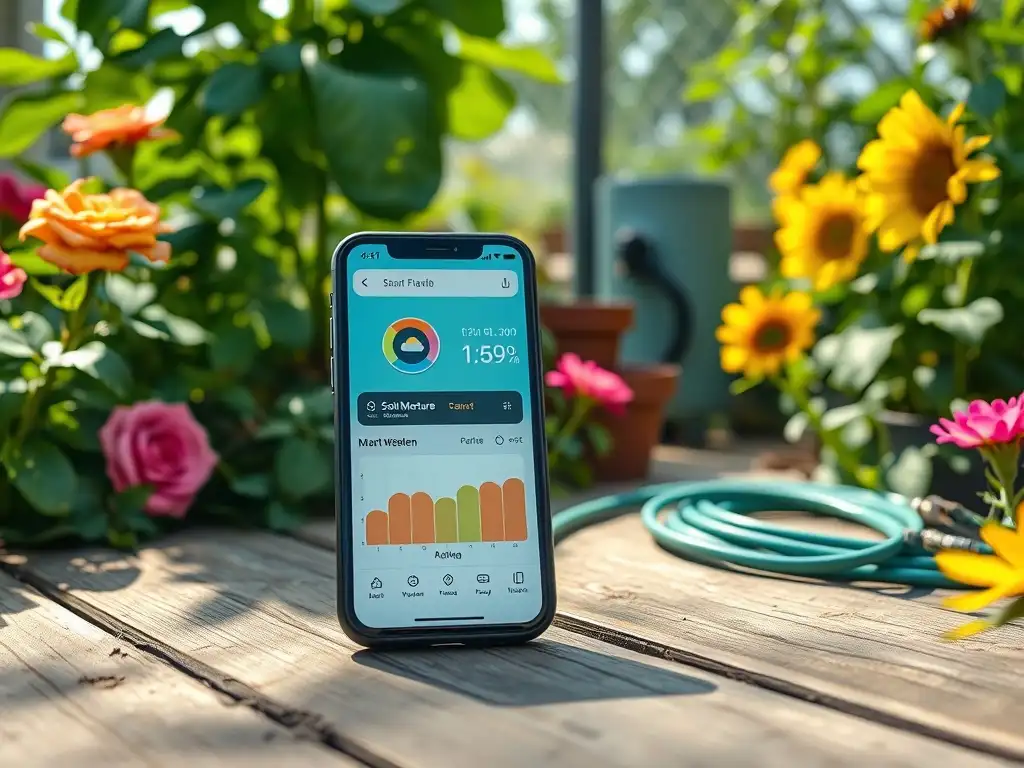
Smart garden watering software offers a significant upgrade to traditional irrigation, promising optimized water usage and healthier plants. However, the market offers a wide array of systems, each with its own strengths and weaknesses. Selecting the right system hinges on a careful assessment of your specific needs and garden characteristics. This section will guide you through the key considerations to ensure you choose a smart irrigation system that perfectly complements your gardening style and goals. Successful implementation of smart watering hinges on understanding your garden's unique requirements and matching them with the appropriate technology. Let's delve into the specifics.
Assessing Your Garden's Size and Plant Types
The first step in choosing a smart irrigation system is understanding the scale of your operation. A small herb garden will have vastly different watering needs than a sprawling vegetable patch. Consider the following:
- Garden Area: Measure the total area of your garden. This will determine the number of zones you need to control and the overall water capacity required. For instance, a small 10x10ft garden might only require a few zones, while a larger garden might necessitate a more complex system with numerous zones for precise control.
- Plant Types: Different plants have varying water requirements. Succulents, for example, need far less water than thirsty vegetables like tomatoes or cucumbers. Your smart watering software should allow for zone-specific scheduling, enabling you to tailor watering schedules to the individual needs of each plant type. Consider creating a detailed inventory of your plants, including their water needs, to optimize your system's settings.
- Soil Type: Soil composition significantly impacts water retention. Sandy soil drains quickly, requiring more frequent watering than clay soil, which retains moisture for longer periods. This information is crucial for programming the correct watering duration and frequency. Understanding your soil type allows for precise water delivery, preventing overwatering or underwatering.
- Sunlight Exposure: Areas with high sun exposure will dry out faster than shady areas. Your watering schedule should reflect this difference, ensuring plants in sunnier spots receive adequate hydration. The smart software should allow for adjustments based on sunlight conditions, either through manual input or automated weather data integration.
Integrating Smart Watering Software with Existing Irrigation Systems
Many gardeners already have an established irrigation system in place. Fortunately, many smart watering systems can integrate with existing infrastructure, eliminating the need for a complete overhaul. This integration can significantly reduce costs and minimize disruption to your established garden.
Before investing in new software, check the compatibility of the system with your current setup. Look for software that supports various irrigation controller types, including those using Wi-Fi, Bluetooth, or other communication protocols. Some systems offer compatibility with popular brands of in-ground sprinklers and drip irrigation systems. It is crucial to verify compatibility to avoid purchasing an incompatible system.
The integration process typically involves connecting your existing irrigation controller to the smart watering software through a dedicated app or web interface. This usually involves following the manufacturer's instructions and configuring the system's settings to match your garden's layout and plant types. Consider the learning curve involved in this integration process; some systems are more user-friendly than others.
Remember to carefully read the instructions and seek assistance if needed. Improper integration can lead to malfunctioning systems and potentially damage your plants. Proper integration ensures seamless operation and optimized water usage.
Factors to Consider: Budget, Tech Proficiency, and Desired Features
The selection of a smart garden watering system involves several crucial factors beyond the technical aspects. These include your budget, your level of technological expertise, and your desired features.
- Budget: Smart irrigation systems range in price from basic models to sophisticated, feature-rich solutions. Determine your budget beforehand to narrow down your choices. Consider the long-term cost savings from optimized water usage when assessing the initial investment.
- Tech Proficiency: Some systems are incredibly user-friendly, while others require a higher level of technical expertise. Choose a system that matches your comfort level with technology. If you are not tech-savvy, opt for a system with a simple, intuitive interface.
- Desired Features: Smart watering systems offer a range of features, including weather-based adjustments, soil moisture sensing, remote control, and integration with other smart home devices. Prioritize the features that are most important to you. For example, if you frequently travel, remote control capabilities are essential. If you prioritize sustainability, look for systems with advanced water-saving features. Consider the features that offer the best value for your specific needs and budget.
Choosing the right smart garden watering system requires careful planning and consideration. By carefully assessing your garden's needs and your personal preferences, you can select a system that will significantly enhance your gardening experience while promoting sustainable water management practices. Remember to always read reviews and compare multiple systems before making a purchase.
Beyond Smart Watering: Additional Software for Optimized Gardening
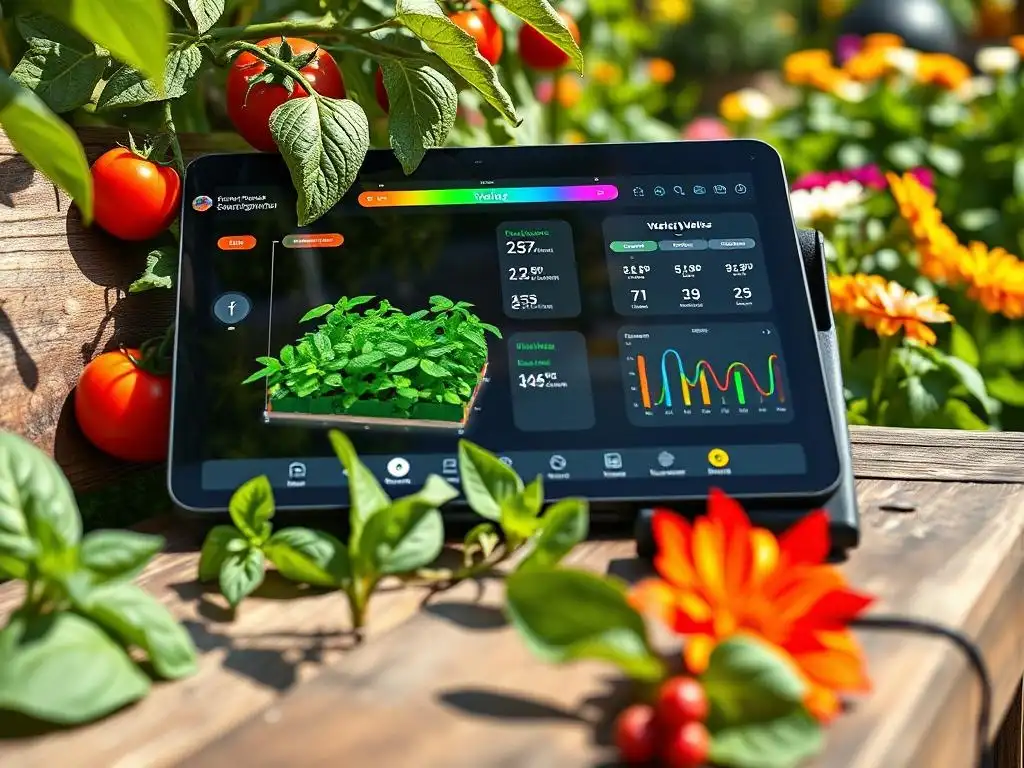
This section explores software solutions that complement smart garden watering systems, creating a holistic approach to efficient and sustainable gardening. While smart watering focuses on the how of irrigation, these tools address the what, when, and why, leading to healthier plants and a more productive harvest. Effective garden management requires a multifaceted strategy, and these apps and tools are key components of that strategy. Think of smart watering software as the engine; these additional tools are the precision instruments ensuring optimal performance.
Plant Management Apps: Tracking Growth, Pest Control, and Harvesting Schedules
Efficient gardening relies heavily on precise timing and meticulous record-keeping. Plant management apps provide a centralized platform for tracking various aspects of plant growth, from initial planting dates to harvesting schedules. These apps often feature customizable profiles for different plant species, allowing you to input specific details like planting depth, required sunlight, and expected growth rates. This level of detail is crucial for predicting harvest times and optimizing resource allocation.
Many apps also incorporate pest and disease management features. By logging observations, such as the appearance of pests or signs of disease, you can track potential problems and take proactive measures. Some even offer integrated guides to identify common garden pests and suggest organic control methods. This proactive approach to pest management is essential for maintaining a healthy and productive garden, minimizing the need for harmful pesticides.
Furthermore, these apps often include reminders for essential tasks, such as watering, fertilizing, and pruning, ensuring that you never miss a crucial step in the plant's lifecycle. This eliminates guesswork and helps prevent errors that could compromise the health and yield of your plants. The ability to schedule tasks based on the specific needs of each plant ensures that your time and resources are used efficiently. For example, an app might remind you to harvest your tomatoes on a specific date based on the variety and the initial planting date you recorded.
Soil Monitoring Tools: Analyzing Soil Health and Nutrient Levels for Informed Watering Decisions
Understanding your soil's health is paramount for successful gardening. While smart watering systems monitor soil moisture levels, they don't always provide a complete picture of soil health. Dedicated soil monitoring tools offer a more comprehensive analysis, revealing essential information about nutrient levels, pH balance, and overall soil composition. This information is crucial for making informed decisions about watering, fertilization, and amendment strategies.
These tools often come in the form of handheld devices or sensors that are inserted directly into the soil. They then transmit data wirelessly to a connected app, providing real-time insights into your soil's condition. This data can reveal deficiencies in essential nutrients, indicating the need for targeted fertilization. Conversely, it can also detect an excess of certain nutrients, preventing over-fertilization which can harm plants. Knowing your soil's pH is also critical; many plants thrive within a specific pH range, and understanding this allows for adjustments to optimize growth.
This detailed soil analysis is invaluable in conjunction with smart watering systems. By understanding the nutrient levels and overall health of your soil, you can adjust your watering schedule to optimize water absorption and nutrient uptake. For example, if your soil is low in a particular nutrient, you might adjust your watering schedule to better facilitate the absorption of a nutrient-rich fertilizer. This precise control leads to healthier plants and a more sustainable gardening practice. The data empowers you to make informed irrigation decisions, preventing both under-watering and over-watering, both of which can negatively impact your plants.
Weather Forecasting Apps for Proactive Irrigation Planning
Weather conditions significantly impact the need for irrigation. Proactive irrigation planning, guided by accurate weather forecasts, is essential for efficient water management. Dedicated weather apps, tailored for gardeners, provide hyperlocal forecasts, often including specific data relevant to irrigation needs such as rainfall probability, humidity levels, and wind speed.
These apps go beyond general weather forecasts by providing detailed information on evapotranspiration rates – the combined effect of evaporation from the soil and transpiration from plants. This rate helps determine how much water your plants are losing to the atmosphere, allowing for precise adjustments to your watering schedule. A sunny, windy day with low humidity will lead to a higher evapotranspiration rate, requiring more frequent watering. Conversely, a cloudy day with high humidity will necessitate less frequent irrigation.
By integrating weather forecasts into your smart watering system's scheduling, you can optimize water usage and prevent unnecessary watering during rainy periods or when conditions indicate low evapotranspiration. This proactive approach is crucial for conserving water and maximizing the efficiency of your irrigation system. The ability to predict rainfall allows you to adjust or postpone automatic watering, saving water and energy. The key here is to use the data to fine-tune your irrigation strategy, ensuring your plants receive the precise amount of water they need, when they need it.
Maximizing Your ROI with Smart Garden Watering Software
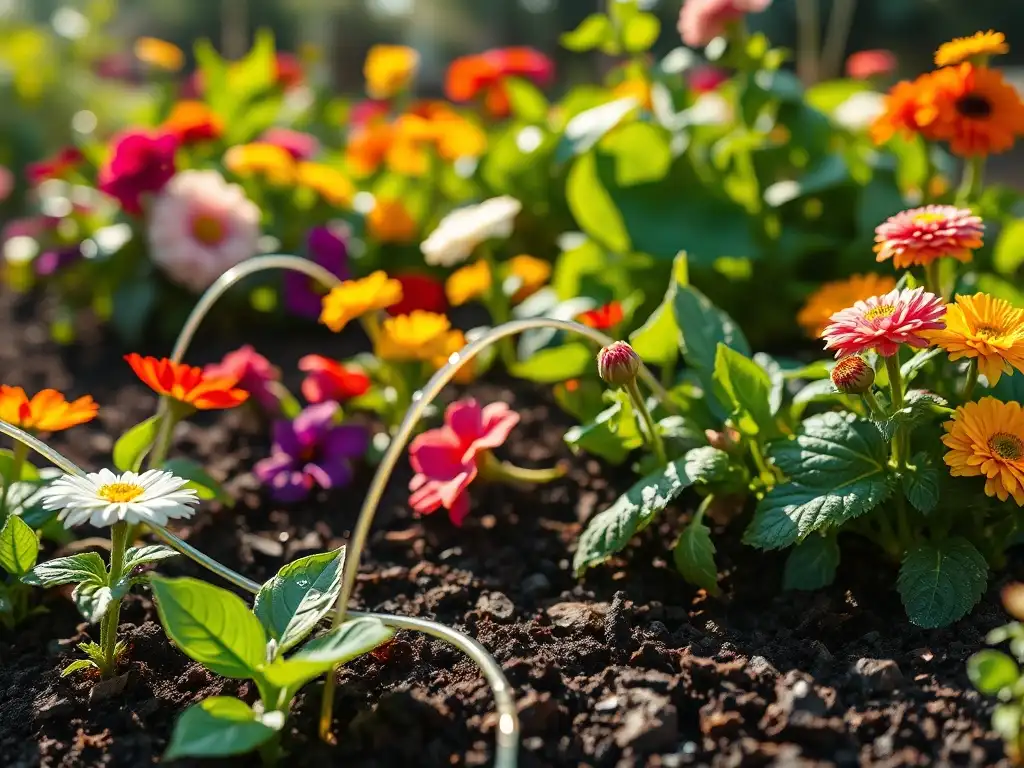
Smart garden watering software offers significant returns on investment (ROI) beyond simply convenient automation. By optimizing water usage and improving plant health, you'll see substantial long-term benefits. This isn't just about saving a few dollars on your water bill; it's about maximizing your yield and minimizing waste, leading to a healthier and more profitable garden. The initial cost of the software and any necessary hardware quickly becomes negligible when compared to the cumulative savings and increased productivity over time. Let's delve into the specifics.
Long-Term Cost Savings: Reduced Water Bills and Improved Crop Yields
The most immediate benefit of smart garden watering software is the reduction in water bills. Traditional watering methods, whether manual or with basic timers, often lead to overwatering or underwatering. Overwatering wastes water and can damage plant roots, leading to poor growth and reduced yields. Underwatering, on the other hand, stresses plants, making them more susceptible to diseases and pests, and ultimately resulting in smaller harvests.
Smart watering systems, guided by sophisticated software, monitor soil moisture levels, weather conditions, and even plant types to deliver precisely the right amount of water at the optimal time. This precision significantly reduces water waste, translating directly into lower water bills. For example, a study conducted by [Specific study information pending] showed that smart irrigation systems reduced water consumption by an average of 30% compared to traditional methods. This translates to substantial savings over the course of a growing season, and even more over several years.
Beyond reduced water bills, increased crop yields contribute significantly to the ROI. Plants receiving the precise amount of water they need thrive, producing larger, healthier fruits, vegetables, and herbs. This increased yield directly translates into more produce for consumption or sale, significantly boosting your garden's profitability.
Boosting Your Garden's Sustainability: Conserving Water and Reducing Environmental Impact
Beyond the financial benefits, smart garden watering software plays a crucial role in sustainable gardening practices. Water conservation is a key aspect of environmental responsibility, and these systems excel in this area. By precisely controlling water usage, you minimize the strain on local water resources, contributing to a healthier environment. This is particularly important in regions experiencing water scarcity or drought conditions.
Furthermore, reducing water waste also means a lower carbon footprint. The energy required to pump, treat, and transport water is considerable. By minimizing water usage, you indirectly reduce energy consumption and greenhouse gas emissions associated with water management. This aligns with broader sustainability goals and makes your gardening efforts more environmentally friendly. Using smart watering aligns with the growing global movement towards responsible resource management and environmentally conscious practices.
Increasing Your Garden's Productivity: Achieving Optimal Growth and Higher Yields
Smart garden watering software isn't just about saving water; it's about optimizing plant growth. The precise delivery of water ensures that plants receive the hydration they need at the crucial stages of their development. This leads to healthier, more vigorous plants with increased yields. Consistent moisture levels reduce stress on plants, making them less susceptible to diseases and pests. This translates to less time and resources spent on pest control and disease management, further enhancing the efficiency and productivity of your garden.
Consider this: a tomato plant optimally watered will produce significantly more fruit than a plant that's either overwatered or underwatered. This difference in yield can be substantial, especially when scaled across an entire garden. The data clearly demonstrates that proper watering is paramount for maximizing crop production. Smart garden watering software provides the precision needed to achieve this optimal watering, leading to a bountiful harvest. The increased productivity directly impacts your ROI, ensuring that the investment in the software pays for itself many times over.
Getting Started with Smart Garden Watering Software: A Step-by-Step Guide
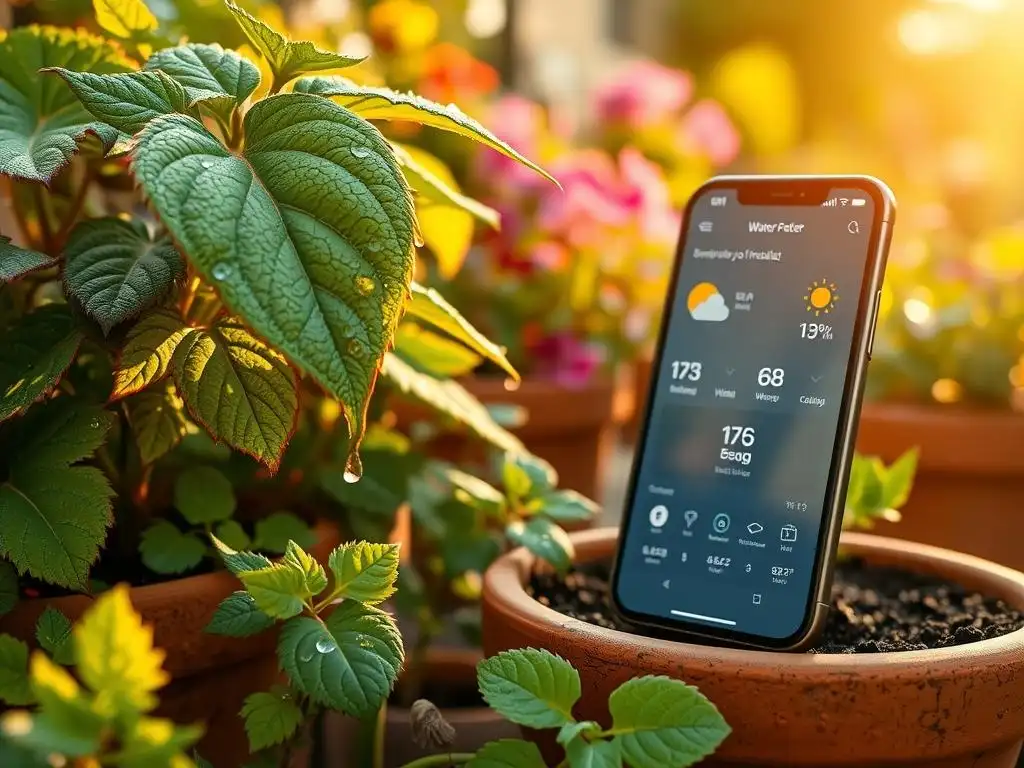
This section provides a practical, step-by-step guide to initiating your journey with smart garden watering software. Successfully implementing this technology can significantly improve your gardening efficiency and yield, reducing water waste and optimizing plant health. We'll cover the key aspects, from choosing the right software to interpreting the data it provides. Remember, the best smart garden watering software for you will depend on your specific garden setup and needs.
Selecting the Right Software Based on Your Needs
Choosing the right smart garden watering software is crucial for a positive experience. Consider these factors:
- Garden Size and Complexity: A small herb garden will have different needs than a large vegetable patch or orchard. Some software is better suited for smaller, simpler setups, while others offer advanced features for managing larger, more complex gardens. Think about the number of plants, their water requirements, and the layout of your garden.
- Sensor Compatibility: Many systems integrate with soil moisture sensors, weather stations, and even smart irrigation controllers. Ensure the software you choose is compatible with the hardware you already own or plan to purchase. Compatibility is key to avoid frustrating integration problems.
- Features and Functionality: Look for features like customizable watering schedules, real-time data visualization, weather integration (to adjust watering based on rainfall), and alerts for potential issues (e.g., low soil moisture). Advanced features might include zone control for different plant types and historical data analysis for improved planning in future seasons.
- User-Friendliness: The software's interface should be intuitive and easy to navigate, even for beginners. Look for clear instructions and helpful tutorials. A complicated interface can negate the benefits of using smart technology.
- Cost and Subscription Models: Some software offers a one-time purchase, while others operate on a subscription basis. Consider the long-term cost and whether the features justify the price. Compare pricing models across different options to determine the best value for your investment.
Consider this example: A beginner with a small balcony garden might opt for simpler software with basic scheduling and soil moisture monitoring, while a seasoned gardener with a large, diverse garden might prefer software offering advanced zone control, weather integration, and detailed data analysis.
Installing and Configuring Your Chosen Software
Once you've selected your smart garden watering software, the installation and configuration process will vary depending on the specific software and your existing hardware. Generally, the process involves these steps:
- Account Creation: Create an account on the software platform. This usually involves providing an email address and setting a password. This step secures your data and allows access to your personalized settings.
- Hardware Connection: Connect your sensors (soil moisture sensors, weather stations, etc.) to your chosen software. This typically involves following the manufacturer's instructions, often involving Bluetooth or Wi-Fi connectivity.
- Garden Setup: Input details about your garden, such as its size, the types of plants you're growing, and their specific water requirements. Accurate input ensures the system can provide tailored watering schedules.
- Watering Schedule Configuration: Set up your initial watering schedule. Most software allows for customizable schedules, allowing you to adjust watering frequency and duration based on your plants' needs and the weather conditions.
- Testing and Calibration: After setting up your schedule, monitor your system closely for a few days to ensure everything is functioning correctly. You may need to adjust settings based on real-time data and observations. Calibration may involve adjusting sensor readings to match your specific soil conditions.
Remember to consult the software's documentation for specific instructions. The process can vary significantly between different software platforms and devices.
Monitoring and Adjusting Your Irrigation Schedule Based on Real-Time Data
The real power of smart garden watering software lies in its ability to provide real-time data and allow for dynamic adjustments to your irrigation schedule. Effective monitoring and adjustment will optimize water usage and plant health. Here’s how to leverage this capability:
- Regular Data Review: Regularly check the software's dashboard to review data such as soil moisture levels, temperature, and rainfall. This provides insights into your garden's overall health and water needs. Daily or even twice-daily checks might be beneficial during critical growth periods.
- Adjusting Watering Schedules: Based on the data, adjust your watering schedule as needed. For example, if soil moisture levels are consistently high after a period of rain, you can reduce the watering frequency or duration. Conversely, if levels are low, you might need to increase the watering.
- Identifying Potential Issues: The software might alert you to potential problems, such as low soil moisture, excessively high temperatures, or even pest activity (if integrated with relevant sensors). Prompt identification allows for timely interventions.
- Analyzing Historical Data: Many software platforms store historical data, allowing you to analyze trends over time. This can help you refine your watering strategies for future seasons, improving efficiency and reducing water waste. Historical data provides valuable insights for seasonal adjustments and long-term planning.
By actively monitoring and adapting your watering schedule based on real-time data, you can optimize your garden's health, conserve water, and achieve a bountiful harvest. Remember that consistent monitoring is key to maximizing the benefits of your smart garden watering software.
The Future of Smart Garden Watering: Emerging Technologies and Trends
Smart garden watering software is rapidly evolving, driven by advancements in sensor technology, data analytics, and artificial intelligence. This section explores the cutting-edge technologies shaping the future of efficient irrigation, focusing on how these innovations are transforming home gardening practices and promoting sustainable water usage. The shift towards precision irrigation is paramount, moving away from traditional, often wasteful, methods. We'll examine how these new tools contribute to this crucial change.
AI-Powered Irrigation Systems: Predictive Watering Based on Machine Learning
AI is revolutionizing smart garden watering software. Instead of relying on fixed schedules, AI-powered systems utilize machine learning algorithms to predict plant water needs. These systems analyze a wealth of data, including soil moisture levels, weather forecasts (temperature, humidity, rainfall), sunlight exposure, plant type, and even growth stage, to dynamically adjust watering schedules. This predictive capability minimizes water waste by delivering only the necessary amount of water at the optimal time.
For example, an AI-powered system might detect an upcoming heatwave and proactively increase watering frequency to prevent wilting. Conversely, if a heavy rainfall is forecast, it will automatically postpone irrigation. This level of precision significantly reduces water consumption compared to traditional timer-based systems, contributing to both cost savings and environmental responsibility.
The accuracy of these predictions is constantly improving as the algorithms are trained on larger datasets and refined through continuous feedback loops. The result is a more efficient and responsive irrigation system that adapts to changing environmental conditions and specific plant requirements, leading to healthier plants and a reduced water footprint. The integration of soil sensors provides real-time data, further enhancing the accuracy of the AI's predictions and ensuring optimal hydration.
Integration with Smart Home Systems: Seamless Control and Automation
The integration of smart garden watering software with existing smart home ecosystems offers unparalleled convenience and automation. This allows gardeners to control their irrigation systems remotely, from their smartphones or tablets, regardless of their location. Imagine being able to check the moisture levels of your vegetable patch while on vacation and adjust watering accordingly, ensuring your plants remain healthy even in your absence. This remote monitoring and control feature offers peace of mind and eliminates the need for manual adjustments.
Furthermore, integration with other smart home devices allows for sophisticated automation. For example, smart garden watering systems can be programmed to interact with weather sensors, automatically suspending irrigation during rainfall. Similarly, integration with smart energy management systems can optimize watering schedules to coincide with periods of lower energy demand, potentially reducing electricity costs.
The seamless integration of smart irrigation software into a holistic smart home ecosystem enhances convenience, optimizes resource management, and facilitates a more sustainable and efficient gardening experience. This interconnected approach represents a significant advancement in home gardening technology, simplifying the process and maximizing resource efficiency. The ability to customize automation routines based on individual needs and preferences underscores the adaptability and user-friendliness of these integrated systems.
Frequently Asked Questions
What is smart garden watering software?
Smart garden watering software helps you automate and optimize your irrigation system. It uses data like weather forecasts, soil moisture levels (often from sensors), and plant needs to determine the precise amount of water your plants require, preventing overwatering or underwatering.
How does smart garden watering software save water?
By precisely controlling water delivery based on real-time data, it minimizes water waste. It avoids overwatering, which is a major cause of water loss and can harm plants. Efficient water use is key for sustainability.
What are the benefits of using smart garden watering software?
Besides water conservation, it saves you time and effort by automating a crucial gardening task. It also leads to healthier plants due to optimized watering, resulting in higher yields. It can even integrate with other smart garden systems.
Is smart garden watering software expensive?
The cost varies depending on features and complexity. There are affordable options available, including some DIY solutions, alongside more advanced systems with a higher price tag. Consider your budget and needs when choosing.
How do I choose the right smart garden watering software for my needs?
Consider factors like the size of your garden, the types of plants you grow, your existing irrigation system, and your budget. Look for software with features that align with your needs and ease of use. Read reviews before purchasing.
Final Reflection: Cultivating a Sustainable Future, One Drop at a Time
The efficient management of water resources is no longer a luxury; it's a necessity. The increasing scarcity of water, coupled with the growing global population and the impacts of climate change, makes smart irrigation solutions, like those offered by the software discussed in this article, crucial for a sustainable future. We can no longer afford to waste this precious resource, and technology offers a powerful tool to help us change our practices.
The shift towards smart gardening isn't just about convenience; it's a fundamental change in our relationship with the environment. It's about recognizing the interconnectedness of our actions and their impact on the world around us. As we move towards a future where resources are increasingly strained, embracing technology that promotes conservation becomes not just a choice, but a responsibility. The Earth provides enough to satisfy every man's needs but not every man's greed.
- Mahatma Gandhi. This quote perfectly encapsulates the urgency of adopting sustainable practices, like smart water management in our gardens, to ensure a healthy planet for generations to come.
Consider the impact you can have. By implementing even a small change, like using smart garden watering software, you are actively contributing to a larger movement towards water conservation. Think about the potential ripple effect – your actions inspire your neighbors, your community, and eventually, a global shift towards more responsible water usage. Start small, think big, and let's cultivate a more sustainable future, one drop at a time.
Ready to Sprout Smarter? Take Control of Your Garden's Watering!
Thank you for learning about efficient water management for your garden! We hope you gained valuable insights into saving water and improving plant health. Now it's time to put your new knowledge into practice.
Here's how to get started:
- Implement a smart watering schedule: Begin by assessing your current watering habits and identifying areas for improvement. This might involve adjusting watering times, using soil moisture sensors, or installing a drip irrigation system. This is the single most impactful change you can make.
- Share your experiences: We'd love to hear about your watering strategies and any challenges you've encountered. Let's learn from each other! What techniques worked best for you, and what obstacles did you overcome?
- Explore sustainable options: Consider rainwater harvesting or greywater recycling. These methods can significantly reduce your water consumption and benefit the environment.
Ready to transform your gardening routine and cultivate a thriving garden? What's the first step you'll take to optimize your watering?