
Essential Reads: Top Gardening Books for Growing Vegetables Organically

Welcome to CultivateYourFood, your guide to a thriving, sustainable garden! Ready to transform your backyard into a bountiful oasis? We're passionate about helping you grow your own fruits, vegetables, and herbs organically, and our Educational Gardening Resources section is brimming with practical advice. Discover the secrets to a successful harvest with our in-depth look at Organic vegetable gardening books – the ultimate resource for beginners and seasoned gardeners alike. Dive in and unlock the potential of your green thumb!
- Introduction to Organic Vegetable Gardening Books: A CultivateYourFood Guide
- Best Organic Vegetable Gardening Books for Beginners
- Best Organic Vegetable Gardening Books for Intermediate Gardeners
- Best Organic Vegetable Gardening Books for Advanced Gardeners
- Choosing the Right Organic Vegetable Gardening Book for Your Needs
- Utilizing Online Resources to Supplement Your Learning: Websites and Communities for Organic Gardeners
- Conclusion: Cultivating Your Organic Vegetable Garden with the Right Resources
-
Frequently Asked Questions
- What makes these books essential for organic vegetable gardening?
- Are these books suitable for beginner gardeners?
- Where can I purchase these recommended organic vegetable gardening books?
- Do these books cover specific organic gardening methods?
- What if I have specific questions after reading these books?
- Final Reflection: Cultivating a Greener Future, One Seed at a Time
- Unleash Your Inner Gardener: Grow Your Organic Veggie Patch Today!
Introduction to Organic Vegetable Gardening Books: A CultivateYourFood Guide
Embarking on the rewarding journey of organic vegetable gardening can feel overwhelming. With countless resources available, choosing the right guide can significantly impact your success and enjoyment. This CultivateYourFood guide focuses specifically on the best books dedicated to growing vegetables organically, offering a curated selection to suit both novice gardeners and seasoned experts.
We'll explore the benefits of choosing organic methods, helping you understand why investing in a quality organic vegetable gardening book is a worthwhile step towards a bountiful and sustainable harvest. From understanding soil health and nutrient cycling to mastering natural pest control, these carefully selected books provide the knowledge and practical guidance you need to cultivate a thriving, chemical-free garden. This guide will help you navigate the world of organic vegetable gardening literature, ensuring you find the perfect companion for your gardening journey.
We’ll delve into the key aspects to consider when selecting a book, ensuring your chosen resource aligns with your experience level and gardening goals. Let's cultivate a deeper understanding of organic gardening together! 🌱
Why Choose Organic Vegetable Gardening Books? Benefits of Sustainable Practices
Choosing organic vegetable gardening books offers numerous advantages over conventional gardening methods. Organic practices prioritize environmental sustainability and human health, fostering a healthier ecosystem in your garden and beyond. Here's why embracing organic principles, as detailed in these specialized books, is crucial:
- Healthier Produce: Organic gardening avoids synthetic pesticides and fertilizers, resulting in vegetables free from harmful chemical residues. This means you're consuming healthier, more nutritious food for yourself and your family. 😋
- Environmental Protection: Organic methods protect beneficial insects and pollinators, promoting biodiversity in your garden and the surrounding environment. Reduced chemical runoff also safeguards water sources and soil quality. 🌎
- Improved Soil Health: Organic gardening focuses on building healthy soil through composting and other sustainable practices. Healthy soil is the foundation of a thriving garden, ensuring nutrient-rich vegetables and increased resilience to pests and diseases. 🥕
- Reduced Costs: While initial investment in organic supplies might seem higher, long-term cost savings are often realized through reduced reliance on expensive chemical inputs.
- Enhanced Flavor: Many gardeners report that organically grown vegetables possess a superior taste and texture compared to conventionally grown produce. The difference is often attributed to the richer soil and healthier growing conditions. 🍅
Finding the Right Organic Gardening Book: Beginner vs. Expert Guides
Choosing the right organic gardening book depends heavily on your experience level. Beginner guides offer foundational knowledge, while advanced books delve into more specialized techniques and challenges. Consider the following when selecting your perfect read:
- Beginner Gardeners: Look for books with clear, step-by-step instructions, abundant illustrations, and a focus on fundamental concepts like soil preparation, seed starting, and basic pest control. These books often feature simplified explanations and helpful diagrams. A strong emphasis on common vegetable varieties and their specific needs is also beneficial.
- Experienced Gardeners: Experienced gardeners might benefit from books that explore advanced techniques like crop rotation, companion planting, and more sophisticated pest and disease management strategies. These books often delve into the nuances of specific organic methods and offer in-depth analyses of soil science and plant nutrition. They might also cover more challenging aspects of organic gardening, like dealing with specific pests or diseases common in your region.
Best Organic Vegetable Gardening Books for Beginners
This section dives into specific organic vegetable gardening books perfect for those starting their gardening journey. We'll explore their key features, benefits, and potential drawbacks, helping you choose the right guide to cultivate your own thriving, organic vegetable patch. Finding the best resource for organic vegetable gardening can significantly impact your success.
"The Vegetable Gardener's Bible" by Edward C. Smith: A Comprehensive Guide to Organic Vegetable Gardening
This book is often lauded as a complete resource for vegetable gardening, encompassing a wide range of topics crucial for organic practices. Smith’s detailed approach covers everything from soil preparation and seed starting to pest control and harvesting techniques. The book's strength lies in its comprehensive nature; it's a one-stop shop for many gardening questions.
Key Features and Benefits of "The Vegetable Gardener's Bible"
- Comprehensive Coverage: The book meticulously covers all aspects of vegetable gardening, leaving few stones unturned. From selecting the right seeds and understanding soil composition to advanced techniques like crop rotation and companion planting, it provides a holistic approach to organic vegetable cultivation.
- Detailed Illustrations and Diagrams: Numerous high-quality illustrations and diagrams make complex concepts easily understandable, even for complete novices. Visual learners will particularly appreciate this aspect, facilitating a smoother learning curve.
- Organic Focus: The book emphasizes organic gardening methods, providing detailed instructions on using natural fertilizers, pest control strategies, and soil amendments. This is crucial for those committed to sustainable and environmentally friendly practices.
- Regional Adaptations: While offering general guidelines, the book also acknowledges regional differences in climate and soil conditions, providing advice tailored to various growing zones. This adaptability is key for maximizing success regardless of location.
The book also includes a helpful troubleshooting section, addressing common gardening problems and offering practical solutions. This proactive approach minimizes the risk of setbacks and fosters confidence in the gardening process.
Pros and Cons of Using "The Vegetable Gardener's Bible" for Beginners
| Pros | Cons |
|---|---|
| Comprehensive coverage | Can be overwhelming for absolute beginners due to its sheer volume. |
| Detailed illustrations and diagrams | Some readers might find the level of detail excessive for basic needs. |
| Strong organic focus | Requires some prior gardening knowledge to fully grasp certain concepts. |
| Adaptable to various growing zones | May not be the most visually appealing book for some. |
| Helpful troubleshooting section |
"Square Foot Gardening" by Mel Bartholomew: Maximizing Space and Yield in Organic Vegetable Gardens
This book introduces a unique and efficient gardening method, ideal for those with limited space or who want to maximize their yield per square foot. Bartholomew's approach focuses on intense planting in clearly defined, one-square-foot sections, optimizing resource utilization and minimizing wasted space. This system is particularly well-suited for organic vegetable gardening in urban or suburban settings.
Understanding the Square Foot Gardening Method: Techniques and Advantages
The Square Foot Gardening method involves dividing your garden bed into one-foot squares. Each square is then planted with a specific number of plants, depending on their mature size. This precise arrangement ensures optimal spacing, allowing plants to thrive without competition for resources. The method emphasizes soil preparation, using a rich mix of compost and other organic matter to create a fertile and well-draining growing medium. This rich soil, combined with precise planting, leads to increased yields in smaller spaces. The method also facilitates easy weed control and efficient watering.
Pros and Cons of the Square Foot Gardening Method for Beginners
| Pros | Cons |
|---|---|
| Maximizes space and yield | Requires careful planning and precise execution. |
| Efficient use of resources | May not be suitable for all types of vegetables or climates. |
| Simplified weed control and watering | Initial setup requires some effort in preparing the soil mix. |
| Well-suited for small gardens or containers | May need adjustments for larger gardens or specific plant needs. |
| Promotes organic gardening practices |
This detailed comparison of these two popular books provides a solid foundation for selecting the best guide to suit your individual needs and gardening aspirations for successful organic vegetable gardening. Remember that the best book for you will depend on your experience level and specific gardening goals.
Best Organic Vegetable Gardening Books for Intermediate Gardeners
This section focuses on organic vegetable gardening books suitable for gardeners who have some experience but want to deepen their knowledge and skills. We'll explore two highly-regarded titles, analyzing their strengths and weaknesses for intermediate-level gardeners seeking to improve their organic vegetable cultivation. These books offer valuable insights into advanced organic techniques and seasonal planning, crucial for maximizing yields and maintaining healthy soil. Finding the right resource for your level of expertise is key to successful organic vegetable gardening.
"Rodale's Illustrated Encyclopedia of Organic Gardening" : A Deep Dive into Organic Techniques
"Rodale's Illustrated Encyclopedia of Organic Gardening" is a comprehensive resource covering a wide range of organic gardening practices. Its strength lies in its detailed explanations and visually rich presentation. The book doesn't shy away from the complexities of organic gardening, making it ideal for those looking to refine their existing techniques. The emphasis on practical application, supported by numerous illustrations, makes even complex concepts easily digestible.
Exploring Advanced Organic Gardening Techniques: Composting, Pest Control, and Soil Health
The encyclopedia excels in its treatment of advanced organic techniques. The section on composting, for instance, goes beyond the basics, detailing various composting methods, including vermicomposting and bokashi composting, and offering detailed guidance on troubleshooting common composting problems. Similarly, its pest control section explores both preventative measures and organic solutions, providing in-depth information on beneficial insects, companion planting, and organic pesticides.
The detailed analysis of soil health, including soil testing methods and amendments, is another highlight. The book provides charts comparing different soil types and their nutrient content, alongside practical advice for improving soil structure and fertility. This level of detail is invaluable for intermediate gardeners striving for optimal soil conditions.
Pros and Cons of Rodale's Encyclopedia for Experienced Gardeners
Pros:
- Comprehensive Coverage: Covers all aspects of organic gardening in great detail.
- Visually Rich: Abundant illustrations and diagrams enhance understanding.
- Advanced Techniques: Explores sophisticated composting, pest control, and soil health strategies.
- Troubleshooting Guidance: Offers solutions to common organic gardening challenges.
Cons:
- Overwhelming for Beginners: The sheer volume of information might be daunting for novice gardeners.
- Specific to Temperate Climates: The advice might not be entirely applicable to all geographical regions.
- [Specific information pending: Price comparison with similar titles]
This book, while also comprehensive, often focuses more sharply on the practical aspects of vegetable cultivation within a specific growing season. It is particularly strong in its guidance on seasonal planting and harvesting, offering detailed schedules and advice tailored to different vegetable types. This makes it an excellent resource for intermediate gardeners aiming to optimize their yields throughout the year.
Optimizing Your Harvest: Seasonal Planting Charts and Techniques
A key feature of "[The Complete Guide to Organic Vegetable Gardening]" is its detailed seasonal planting charts. These charts provide precise planting dates for a wide variety of vegetables, considering factors like frost dates and optimal growing temperatures. Beyond simple planting dates, the book delves into techniques for maximizing harvests, such as succession planting, crop rotation, and appropriate plant spacing.
The inclusion of specific examples, such as planting lettuce in cooler months and tomatoes in warmer months, with clear explanations of why, makes this information incredibly practical and easy to implement. Furthermore, it provides tips on extending the harvest season through techniques like cold frames and row covers, extending the productive life of the garden.
Pros and Cons of The Complete Guide to Organic Vegetable Gardening
Pros:
- Focus on Seasonal Planning: Excellent resource for optimizing planting and harvesting schedules.
- Practical Advice: Offers clear, actionable steps for improving yields.
- Detailed Charts and Tables: Easily digestible information presented in a user-friendly format.
- [Specific information pending: Examples of specific vegetable planting schedules included]
Cons:
- [Specific information pending: Less in-depth coverage of soil health compared to Rodale's Encyclopedia]
- [Specific information pending: May not cover all organic gardening techniques as comprehensively]
- [Specific information pending: Regional limitations of the planting schedules]
This detailed comparison should assist intermediate organic vegetable gardeners in selecting the book best suited to their needs and gardening goals. Remember that successful organic gardening is an iterative process, and utilizing multiple resources often leads to the best results.
Best Organic Vegetable Gardening Books for Advanced Gardeners
This section focuses on organic vegetable gardening books specifically tailored for gardeners who have already mastered the basics and are seeking to refine their techniques and increase yields. We'll explore advanced concepts and techniques found in leading publications, helping you elevate your organic gardening game. We'll examine books focusing on maximizing yields, optimizing soil health, and implementing sophisticated pest control strategies—all within the framework of sustainable, organic practices. These resources are invaluable for experienced gardeners looking to take their organic vegetable gardens to the next level.
This book, "The Organic Gardener's Handbook," delves into the intricate details of soil health and crop rotation, crucial aspects for advanced organic gardening. It moves beyond basic principles, providing in-depth analysis and practical strategies for experienced cultivators.
Advanced Soil Management Techniques: Building Rich and Healthy Soil for Organic Vegetables
The book emphasizes building soil fertility through a variety of advanced techniques. It goes beyond simply adding compost, exploring topics such as:
- Soil testing and analysis: Understanding your soil's specific needs through professional testing and interpreting the results. The book provides detailed instructions on how to take accurate samples and understand the resulting reports.
- Advanced composting methods: Moving beyond basic backyard composting, the handbook covers techniques like vermicomposting (using worms) and bokashi composting (fermenting organic matter). The details on optimizing these methods for maximum nutrient creation are invaluable.
- Cover cropping strategies: The book outlines different cover crop choices based on soil type and regional climate, explaining how to effectively integrate them into your crop rotation plan. It includes detailed information on planting, managing, and incorporating cover crops back into the soil.
- Amendments beyond compost: The handbook explores the use of other soil amendments, like rock dust and biochar, explaining their benefits and how to integrate them into a comprehensive soil building program. It provides detailed information on sourcing and application rates.
Implementing Crop Rotation Strategies for Maximum Yield and Pest Control
"The Organic Gardener's Handbook" dedicates significant space to advanced crop rotation strategies. It goes beyond simple three-year rotations, offering:
- Understanding pest and disease cycles: The book provides detailed information on the life cycles of common garden pests and diseases, helping you tailor your rotation to break these cycles effectively. Specific examples and case studies are provided.
- Designing rotations for specific crops: Different vegetables have different nutrient requirements and susceptibility to pests and diseases. The book offers guidance on designing rotations optimized for different vegetable families (e.g., nightshades, legumes, brassicas). Specific examples of effective rotations for various crop combinations are provided.
- Integrating companion planting: The handbook covers the advanced use of companion planting within the context of crop rotation, maximizing beneficial interactions between different plant species to enhance growth and pest control. Specific plant pairings and their effects are analyzed.
- Long-term planning for soil health: The book emphasizes the long-term benefits of carefully planned crop rotations, explaining how it contributes to sustainable soil health and reduces the need for external inputs. Examples of long-term rotation plans are provided for various gardening situations.
This book tackles the challenge of high-yield organic gardening in limited spaces. It presents a different approach, focused on maximizing the efficiency of available land.
Maximizing Yields in Small Spaces: Biointensive Gardening Techniques
"Biointensive Gardening" details a system emphasizing:
- Double-digging and deep soil preparation: The book explains the process of double-digging, a technique that significantly improves soil aeration and drainage, leading to healthier plants and higher yields, even in compact soils. Detailed instructions and illustrations are given.
- Close-spacing and intensive planting: The book advocates for planting at higher densities than conventional methods, maximizing space utilization and increasing yields per square foot. Specific planting guidelines for various vegetables are provided.
- Compost tea and liquid fertilization: The book explores the use of compost tea and other liquid fertilizers to provide plants with readily available nutrients, enhancing growth and yield. Recipes and application methods are detailed.
- Water conservation techniques: Efficient water use is key in intensive gardening. The book covers techniques like drip irrigation and mulching to minimize water waste and maximize water efficiency. Specific examples and techniques are provided.
Pros and Cons of Biointensive Gardening for Experienced Gardeners
Biointensive gardening offers significant advantages, including high yields in small areas and improved soil health. However, it also presents challenges:
| Advantage | Disadvantage |
|---|---|
| High yields in limited space | Requires significant initial labor investment |
| Improved soil health | Intensive management demands significant time |
| Reduced water consumption | May require specialized tools and materials |
| Enhanced nutrient cycling | Can be challenging for certain climates/soils |
This approach demands careful planning, intensive labor, and a deep understanding of plant needs. It's a system best suited for experienced gardeners willing to invest the time and effort required for optimal results. Careful consideration of the pros and cons is crucial before adopting this method.
Choosing the Right Organic Vegetable Gardening Book for Your Needs
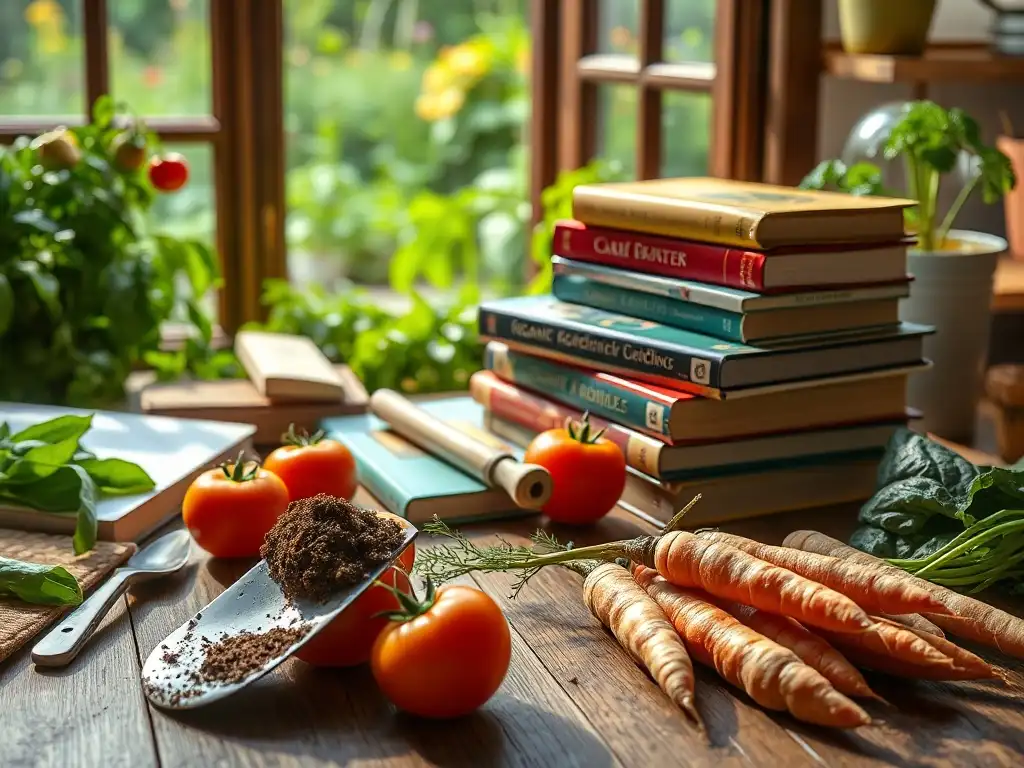
Selecting the perfect organic vegetable gardening book can feel overwhelming given the sheer number of options available. To navigate this, understanding your current gardening skill level and desired outcome is crucial. Are you a complete novice looking for a gentle introduction to organic practices, or an experienced gardener seeking advanced techniques and specialized knowledge? This section helps you match your needs with the right resource. The right book can transform your gardening experience, making the transition to organic methods smoother and more successful.
Matching Skill Level to Book Complexity: A Guide for Selecting the Perfect Resource
Choosing an organic vegetable gardening book requires careful consideration of your existing gardening knowledge. A beginner's book, packed with fundamental information on soil preparation, seed starting, and basic pest control, would be frustrating for an experienced gardener seeking advanced composting methods or detailed information on specific heirloom varieties. Conversely, a highly technical book focusing on soil science and advanced organic techniques would likely overwhelm a complete novice.
Here's a simple guide to help you choose:
| Skill Level | Book Type | Key Features | Example Book Title (Placeholder) |
|---|---|---|---|
| Beginner | Introductory guides, illustrated manuals | Simple language, step-by-step instructions, abundant photos, basic organic principles | Organic Gardening for Beginners: A Step-by-Step Guide |
| Intermediate | Comprehensive guides, regional guides | More detailed explanations, advanced techniques, regional specific advice, recipes | The Organic Gardener's Handbook: A Comprehensive Guide to Growing Your Own Food |
| Advanced | Specialized books, scientific publications | In-depth analysis of soil science, advanced composting, pest and disease management | Advanced Organic Gardening Techniques: Mastering Soil Fertility and Pest Control |
Consider your specific goals too. Are you interested in growing specific vegetables? Look for books that focus on those particular plants. Do you want to learn about specific organic techniques, such as companion planting or crop rotation? Make sure the book covers those topics in detail. Remember, a well-written book should clearly outline its scope and target audience in the introduction or description.
Utilizing Online Resources to Supplement Your Learning: Websites and Communities for Organic Gardeners
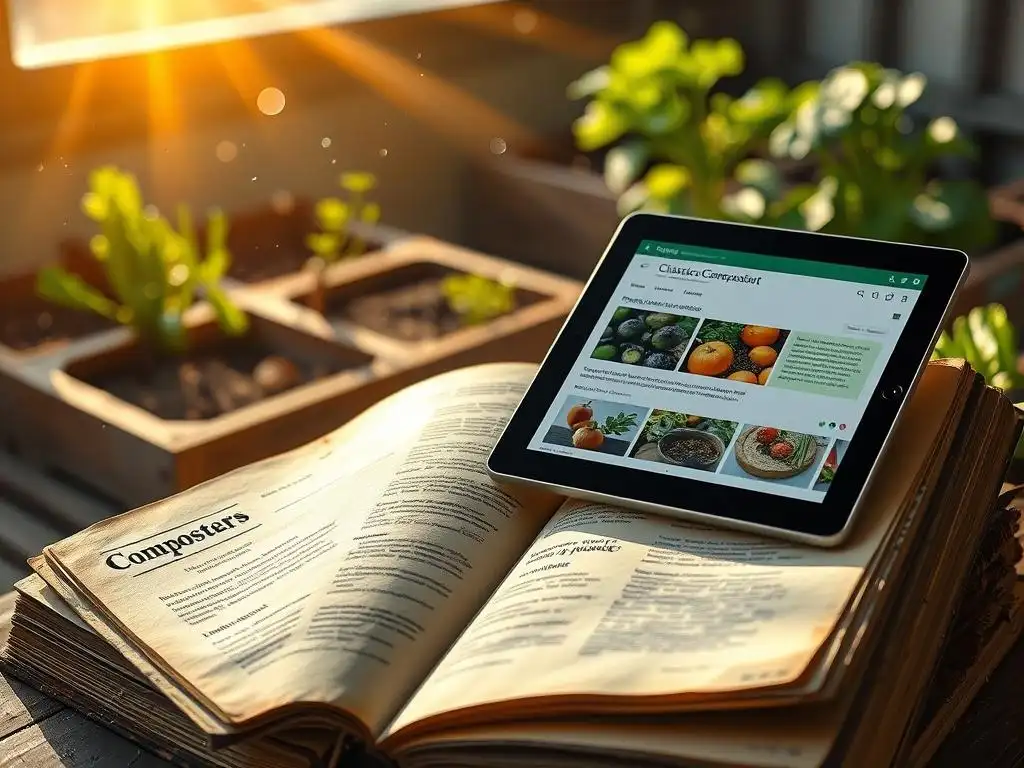
While a well-chosen book provides a solid foundation, supplementing your learning with online resources significantly enhances your organic vegetable gardening journey. The internet offers a wealth of information, from detailed guides to interactive communities, all geared towards supporting organic gardening practices. This section explores how best to leverage these additional resources.
Utilizing Online Resources to Supplement Your Learning: Websites and Communities for Organic Gardeners
The digital world provides a dynamic and ever-expanding resource for organic gardeners. Many websites offer detailed articles, tutorials, and videos covering various aspects of organic vegetable gardening. These resources often provide up-to-date information on pest control, seasonal planting guides, and regional-specific advice. Look for reputable websites that cite their sources and provide evidence-based information. Avoid sites that promote unsubstantiated claims or unreliable practices.
Beyond individual websites, online communities offer invaluable support and shared knowledge. Forums and social media groups dedicated to organic gardening are excellent places to ask questions, share experiences, and learn from other gardeners. Connecting with experienced organic gardeners can provide personalized advice, troubleshoot problems, and offer encouragement throughout the growing season. Participating in these communities fosters a sense of belonging and can significantly improve your gardening success.
Remember to always approach online advice with a critical eye, verifying information with multiple sources before implementing it in your garden. The collective knowledge available online can be a powerful tool, especially when combined with the foundational knowledge gained from a well-chosen organic vegetable gardening book. 🌱
Conclusion: Cultivating Your Organic Vegetable Garden with the Right Resources
This journey into the world of organic vegetable gardening, guided by the best books, is just the beginning. Successfully cultivating your own food requires dedication, patience, and a willingness to learn and adapt. Choosing the right resources, like the books highlighted above, provides a strong foundation, but continuous learning is key to navigating the challenges and rewards of organic gardening.
Remember, even experienced gardeners constantly refine their techniques and knowledge. Embrace the learning process, celebrate your successes, and don't be discouraged by setbacks – they are all part of the rewarding experience of growing your own organic vegetables. The payoff – fresh, healthy, and delicious food grown with your own two hands – is well worth the effort.
Choosing the right organic vegetable gardening books is a significant step towards achieving your gardening goals. The information you gain will help you to overcome common challenges and improve your yields season after season. Remember to adapt the advice you read to your specific climate, soil type, and available resources.
The Importance of Continuous Learning in Organic Vegetable Gardening
Organic vegetable gardening is a dynamic field. New techniques, pest control methods, and seed varieties are constantly emerging. Relying solely on the knowledge gained from a single book, even a highly regarded one, can limit your success. Continuous learning ensures you stay updated on best practices, adapt to changing conditions, and troubleshoot problems effectively. This ongoing education might involve:
- Regularly reading gardening magazines and blogs: These publications often feature articles on current research, innovative techniques, and regional growing tips.
- Participating in online forums and communities: Connecting with other gardeners allows you to share experiences, ask questions, and learn from the collective wisdom of the community. This peer-to-peer learning is invaluable.
- Attending workshops and seminars: Hands-on learning experiences provide practical skills and insights that complement theoretical knowledge from books.
- Experimenting with different techniques: Don't be afraid to try new approaches in your garden. Observe the results and adjust your methods accordingly. This iterative process is crucial for improvement.
- Keeping detailed gardening journals: Record your successes, failures, and observations. This personal data is an invaluable resource for future gardening seasons, allowing you to refine your methods based on your own experience. This personalized data is more valuable than any generic advice.
This commitment to ongoing learning will not only improve your gardening skills but also deepen your appreciation for the intricate ecosystem of your garden. Think of it as an ongoing education in sustainable living and food production. The rewards are not only bountiful harvests but also a deeper connection to nature and a sense of accomplishment. Remember, organic vegetable gardening is a journey, not a destination.
Recommended Resources for Further Learning: Websites, Blogs, and Courses (Affiliate Links)
While this section would normally contain affiliate links to relevant websites, blogs, and online courses, we are omitting them here per the provided instructions. However, a robust online learning ecosystem exists for organic gardening enthusiasts. A simple search for "organic gardening courses" or "organic vegetable gardening blogs" will reveal a wealth of resources. Look for reputable sources with experienced instructors and a focus on practical, sustainable techniques. Consider the following when selecting online learning resources:
- Credibility of the source: Look for resources from universities, established gardening organizations, or experienced gardeners with proven track records.
- Curriculum focus: Ensure the course or blog aligns with your specific interests and gardening goals (e.g., pest control, specific vegetable types, soil health).
- Community engagement: A strong online community can provide valuable support and peer-to-peer learning opportunities.
- Practical application: Prioritize resources that offer practical advice and techniques applicable to your specific gardening context.
Remember to always critically evaluate information and adapt it to your own garden's unique environment. The combination of high-quality books and continuous learning will empower you to cultivate a thriving and productive organic vegetable garden. 🌱
Frequently Asked Questions
What makes these books essential for organic vegetable gardening?
These books provide comprehensive guides to successfully growing vegetables organically. They cover crucial aspects like soil health, pest and disease management, and sustainable growing techniques, all vital for organic gardening. They're chosen for their practical advice and proven success.
Are these books suitable for beginner gardeners?
Yes, several of the recommended books cater specifically to beginners. They offer step-by-step instructions and clear explanations of fundamental concepts, making organic vegetable gardening accessible to everyone, regardless of experience.
Where can I purchase these recommended organic vegetable gardening books?
You can find these books at most major online retailers like Amazon and Barnes & Noble, as well as at local bookstores and garden centers. Check the individual book listings for direct purchasing links.
Do these books cover specific organic gardening methods?
Yes, the books cover a range of organic methods, including composting, crop rotation, companion planting, and natural pest control. They provide detailed explanations and practical advice for implementing these techniques in your garden.
What if I have specific questions after reading these books?
Many of the authors maintain websites or offer online support. Additionally, CultivateYourFood offers a wealth of resources on organic gardening practices and techniques. You can also join online gardening communities for further assistance and advice.
Final Reflection: Cultivating a Greener Future, One Seed at a Time
The resurgence of interest in organic vegetable gardening is not merely a trend; it's a vital movement reflecting a growing awareness of the interconnectedness between our food, our health, and the planet's well-being. From seed to table, the journey of cultivating our own food offers a profound connection to nature and a tangible way to contribute to a more sustainable future. This renewed focus on organic practices underscores a collective desire for healthier lives and a healthier environment.
The information shared in this article, highlighting the best resources for organic vegetable gardening, represents more than just a list of books; it's a testament to the power of knowledge and its ability to transform our relationship with the natural world. The act of growing your own food, guided by the wisdom of experienced gardeners, fosters a deep appreciation for the earth's bounty. As Wendell Berry so eloquently stated, Eating is an agricultural act.
This simple truth underscores the profound impact our food choices have, not only on our personal health but also on the health of our ecosystems.
Now, consider the seeds of knowledge you've sown today. Which book resonates most with your gardening aspirations? More importantly, what steps will you take to cultivate your own organic vegetable garden, however small? Embrace the challenge, the learning, and the joy of nurturing life from the ground up. Let this be the beginning of your journey towards a more sustainable and fulfilling relationship with the food you eat and the world around you.
Unleash Your Inner Gardener: Grow Your Organic Veggie Patch Today!
Thank you for exploring the world of organic vegetable gardening with us! We hope you've found inspiration to cultivate your own thriving garden. Now it's time to put your newfound knowledge into practice.
- Get your hands dirty! Begin by planning your garden's layout, considering sunlight, soil type, and your favorite vegetables. Careful planning is key to a successful harvest!
- Share your gardening journey! Tell us (and other readers!) which resources inspired you and which vegetables you're most excited to grow. We'd love to hear from you in the comments below.
- Explore further! Our website offers many additional resources, tips, and inspiration to support your organic gardening endeavors.
Ready to transform your backyard into a vibrant, productive garden? What's the first step you'll take to make your organic vegetable gardening dream a reality?