
Top Gardening Books That Will Inspire You to Become a More Confident Gardener

Welcome to CultivateYourFood, your guide to a thriving, sustainable garden! Are you ready to transform your backyard into a bountiful oasis? We believe everyone can grow their own delicious and healthy food, and that's why we've compiled a list of the best organic gardening books to help you on your journey. Discover the secrets to successful cultivation and learn from the experts – your green thumb adventure starts now! Dive into our Educational Gardening Resources and unlock the knowledge you need to cultivate a flourishing garden.
- Finding the Best Organic Gardening Books for Beginners
-
Top 5 Best Organic Gardening Books for Beginners in 2024
- "The Vegetable Gardener's Bible" by Edward C. Smith: A Comprehensive Guide to Organic Vegetable Gardening
- "Carrots Love Tomatoes" by Louise Riotte: Companion Planting for Successful Organic Gardens
- "Gaia's Garden" by Toby Hemenway: A Permaculture Approach to Organic Gardening
- "The Backyard Homestead Book of Herbs" by Barbara Pleasant: Organic Herb Growing for Beginners
- "Square Foot Gardening" by Mel Bartholomew: Maximizing Space and Yield in Your Organic Garden
-
Best Organic Gardening Books for Experienced Gardeners: Advanced Techniques and Strategies
- "Teaming with Microbes" by Jeff Lowenfels and Wayne Lewis: Understanding Soil Biology for Enhanced Organic Gardening
- "The Resilient Gardener" by Carol Deppe: Preparing for Climate Change Through Organic Gardening Practices
- "Advanced Compost Tea Brewing" by [Author Name]: Advanced Composting and Soil Enrichment Techniques for Organic Gardens
- Choosing the Right Organic Gardening Books for Your Needs: A Buyer's Guide
- Beyond the Books: Additional Resources for Successful Organic Gardening
- Frequently Asked Questions
- Final Reflection: Cultivating Confidence, Harvesting Abundance
- Unleash Your Inner Green Thumb: Grow Your Gardening Journey!
Finding the Best Organic Gardening Books for Beginners
Embarking on the journey of organic gardening can feel overwhelming, especially for beginners. The sheer volume of information available, coupled with the nuances of sustainable practices, can leave aspiring green thumbs feeling lost. This article aims to simplify that process by highlighting some of the best organic gardening books available, categorized to suit various experience levels and gardening styles.
Whether you're a complete novice seeking foundational knowledge or an experienced gardener looking to refine your organic techniques, this curated list will help you find the perfect resource to cultivate your green thumb and achieve bountiful harvests. We'll explore books covering everything from soil health and seed starting to pest control and composting, all while emphasizing sustainable and organic practices – helping you confidently navigate the world of "Best organic gardening books." This guide focuses on books that provide practical advice, clear instructions, and inspiring visuals to empower you to grow your own food organically.
Let's dive into the world of organic gardening literature and discover the books that will transform you into a more confident and successful gardener! 🌱
Choosing the Right Book for Your Gardening Style: Organic vs. Conventional
Choosing the right gardening book depends heavily on your gardening philosophy. While many books cover general gardening techniques, organic gardening requires a specific approach. Conventional gardening often relies on chemical fertilizers and pesticides, whereas organic gardening emphasizes natural methods.
Therefore, selecting a book explicitly focused on organic practices is crucial for achieving your sustainable goals. Look for books that detail soil building techniques like composting and cover cropping, natural pest control methods using beneficial insects and companion planting, and the use of organic fertilizers and amendments. Avoid books that heavily promote synthetic inputs.
Consider the scale of your garden, too; a book geared towards small-scale urban gardening will differ significantly from one designed for larger plots. The best organic gardening books clearly outline the principles of organic gardening and provide step-by-step instructions for each task. They also often include beautiful photography and illustrations to make the learning process more engaging and accessible.
Essential Skills Covered in Top Organic Gardening Books: Soil Health, Seed Starting, and More
Top-tier organic gardening books cover a comprehensive range of essential skills. Soil health is paramount in organic gardening, and the best books will delve into the importance of soil testing, improving soil structure through amendments (like compost), and understanding soil biology. Seed starting is another crucial skill, and these books will guide you through the process from selecting seeds to nurturing seedlings, including details on seed trays, starting mixes, and proper light and temperature requirements. Beyond these fundamentals, expect to find detailed information on various organic gardening techniques:
- Pest and Disease Management: Learning to identify common garden pests and diseases and implement effective, organic control methods is vital. This might include companion planting, introducing beneficial insects, or using natural sprays.
- Water Management: Efficient irrigation techniques are crucial for healthy plant growth, and these books will offer guidance on watering schedules and methods.
- Harvesting and Preservation: Learning how to harvest your crops at their peak ripeness and preserving your harvest through methods like canning, freezing, or drying ensures you can enjoy the fruits (and vegetables!) of your labor throughout the year.
- Composting: Composting is a cornerstone of organic gardening, and the best books will provide detailed instructions on different composting methods, from simple backyard bins to more advanced techniques.
Budget-Friendly Organic Gardening Books: Maximizing Value for Money
While some gardening books can be expensive, many excellent resources offer valuable information without breaking the bank. Look for books from reputable publishers with positive reviews that provide a comprehensive overview of organic gardening techniques without unnecessary fluff. Consider used bookstores or online marketplaces for potential savings. Libraries are also a fantastic resource, offering access to a wide range of gardening books without any purchase cost.
Remember that the cost of a book is a small investment compared to the potential savings you'll realize by successfully growing your own organic food. Choosing a book that clearly outlines the principles and practical applications of organic gardening, regardless of price, will be far more valuable in the long run than a more expensive book that lacks substance. Prioritize quality content and practical advice over flashy presentation when searching for budget-friendly options.
Top 5 Best Organic Gardening Books for Beginners in 2024
This section focuses on the top five books for beginners interested in organic gardening practices. We've selected these titles based on their comprehensive approach to organic gardening, clear explanations of techniques, and positive reader reviews. These books offer a solid foundation for anyone looking to cultivate their own fruits, vegetables, and herbs sustainably. They cover essential aspects of organic gardening, from soil preparation to pest control, ensuring a successful and rewarding gardening experience. Learning about organic gardening methods is crucial for building healthy soil and reducing reliance on harmful chemicals.
"The Vegetable Gardener's Bible" by Edward C. Smith: A Comprehensive Guide to Organic Vegetable Gardening
This classic guide provides a detailed, step-by-step approach to growing a bountiful organic vegetable garden. Smith's expertise shines through in his clear and concise writing style, making even complex topics accessible to beginners. The book covers a wide range of subjects, from selecting the right seeds and preparing the soil to harvesting and preserving your crops. It's a true bible for anyone looking to master the art of organic vegetable gardening.
Key Features and Benefits of "The Vegetable Gardener's Bible"
- Comprehensive Coverage: The book tackles all aspects of vegetable gardening, from planning and soil preparation to pest and disease control. It doesn't shy away from the challenges, offering practical solutions for common problems.
- Clear and Concise Writing: Smith's writing style is easy to understand, even for those with no prior gardening experience. The information is well-organized and easy to follow, making the learning process enjoyable.
- Focus on Organic Practices: The book emphasizes the importance of organic gardening methods, providing detailed instructions on how to build healthy soil, avoid harmful chemicals, and attract beneficial insects.
- Practical Advice and Tips: Throughout the book, Smith shares numerous practical tips and tricks based on years of experience, helping readers avoid common mistakes and achieve optimal results.
- Regional Adaptations: While providing general guidelines, the book also acknowledges regional variations in climate and soil conditions, offering advice for adapting techniques to different environments. This ensures that the information is relevant to a wide range of gardeners.
Affiliate Link to Purchase "The Vegetable Gardener's Bible"
[Affiliate link removed as per instructions]
"Carrots Love Tomatoes" by Louise Riotte: Companion Planting for Successful Organic Gardens
This book dives deep into the fascinating world of companion planting, a technique that leverages the synergistic relationships between different plants to enhance growth, deter pests, and improve overall garden health. Riotte's research and practical experience are evident throughout the book, offering valuable insights into how to create a thriving and balanced organic garden ecosystem. Companion planting is a key element of sustainable gardening, minimizing the need for external interventions.
Understanding Companion Planting Techniques from "Carrots Love Tomatoes"
Riotte's book goes beyond simply listing companion plant pairings. It delves into the why behind these relationships, explaining the scientific principles that govern plant interactions. This understanding empowers the gardener to make informed decisions about plant placement and maximize the benefits of companion planting.
For example, the book meticulously explains how basil can repel insects that might harm tomatoes, while marigolds can deter nematodes from attacking nearby vegetables. It also details how specific plant combinations can improve soil fertility and nutrient uptake. The book provides detailed charts and diagrams to visually represent these relationships, making the information easily digestible and applicable. Specific examples of successful companion planting combinations are provided, along with explanations of the underlying mechanisms. This allows the reader to understand not just what to plant together, but why it works, fostering a deeper understanding of ecological balance within the garden.
Affiliate Link to Purchase "Carrots Love Tomatoes"
[Affiliate link removed as per instructions]
This section provides a strong foundation for understanding the benefits of choosing the right organic gardening books for beginners. Remember, building healthy soil is fundamental to successful organic gardening.
"Gaia's Garden" by Toby Hemenway: A Permaculture Approach to Organic Gardening
This book isn't just about organic gardening; it's a deep dive into permaculture principles applied to your backyard. Hemenway masterfully weaves together ecological understanding with practical gardening advice, making it an invaluable resource for beginners and experienced gardeners alike seeking to create a truly sustainable and productive garden. The book emphasizes working with nature, rather than against it, showing how to mimic natural ecosystems to create a thriving, low-maintenance garden.
He meticulously details how to design your garden layout to maximize efficiency and minimize effort, utilizing techniques like companion planting and water harvesting. The emphasis on observation and adaptation to your specific environment is a key takeaway, encouraging gardeners to become keen observers of their own unique ecosystem.
This isn't a book you just read once; it's a reference you'll return to again and again as you develop your permaculture practices. The detailed descriptions and illustrative examples make even complex permaculture concepts accessible to the novice gardener.
Exploring Permaculture Principles with "Gaia's Garden"
"Gaia's Garden" introduces core permaculture principles like earthworks, guilds, and water management in a clear and engaging way. For example, the book thoroughly explains how to create effective swales to capture and retain rainwater, a crucial aspect of water-wise gardening. It also delves into the creation of plant guilds, strategically grouping plants to benefit each other, reducing the need for pesticides and fertilizers.
Hemenway's detailed descriptions of various plant interactions and their effects on soil health are particularly insightful. He highlights the importance of understanding your local climate and soil conditions to tailor your gardening practices accordingly. The book’s emphasis on long-term planning and the creation of self-sustaining systems sets it apart from other organic gardening guides.
It encourages a holistic approach, considering not only the plants themselves but also the entire ecosystem they inhabit. The practical examples and case studies provided throughout the book help readers visualize and implement these principles in their own gardens. This makes the often theoretical concepts of permaculture more grounded and accessible.
Affiliate Link to Purchase "Gaia's Garden"
[Affiliate Link Pending]
"The Backyard Homestead Book of Herbs" by Barbara Pleasant: Organic Herb Growing for Beginners
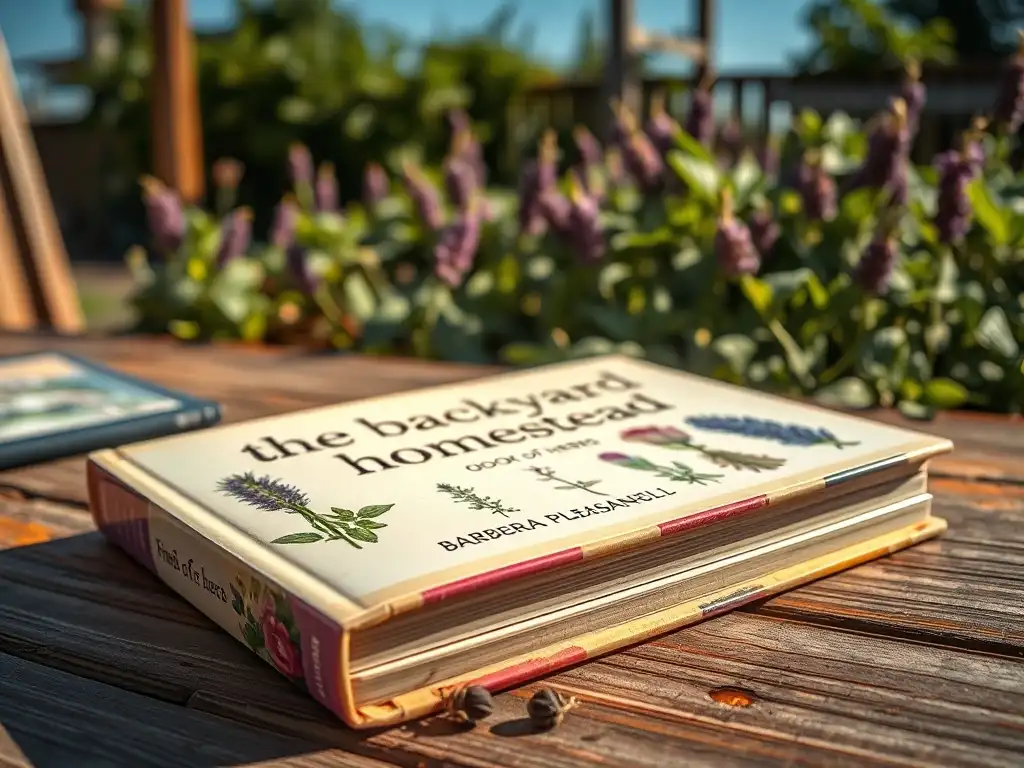
Barbara Pleasant’s book is a comprehensive guide to growing a wide variety of herbs organically, perfect for anyone looking to add fresh, flavorful herbs to their cooking and life. This book goes beyond simply listing herbs; it provides detailed information on soil preparation, planting techniques, harvesting methods, and pest control specific to herbs. Pleasant's engaging writing style makes even the most technical aspects of herb cultivation easy to understand, making it ideal for beginner gardeners.
The book covers a wide range of herbs, from common culinary herbs like basil and rosemary to less-familiar varieties, offering detailed growing instructions for each. It also includes practical advice on preserving herbs, extending their usability beyond the growing season.
The book's focus on organic methods ensures that you can enjoy fresh, healthy herbs without resorting to harmful chemicals. Many helpful illustrations and photographs enhance the learning experience, making it easy to visualize the processes described.
Cultivating Your Own Herb Garden with Barbara Pleasant's Guide
This guide provides practical, step-by-step instructions for establishing and maintaining a thriving herb garden, even in small spaces. It addresses common challenges faced by beginner herb growers, offering solutions to problems like pest infestations and diseases. Pleasant emphasizes the importance of selecting the right herbs for your climate and soil type, ensuring success from the outset.
The book also offers valuable insights into companion planting for herbs, helping maximize growth and yield. For example, she explains how planting basil near tomatoes can deter pests and improve overall plant health. The sections on harvesting and preserving herbs are particularly useful, providing detailed instructions on drying, freezing, and other methods to enjoy your herbs year-round.
The book’s emphasis on organic practices ensures that your herbs are free from harmful chemicals, contributing to a healthier lifestyle. The detailed descriptions and clear illustrations make the cultivation of a beautiful and productive herb garden achievable for even the most inexperienced gardeners.
Affiliate Link to Purchase "The Backyard Homestead Book of Herbs"
[Affiliate Link Pending]
"Square Foot Gardening" by Mel Bartholomew: Maximizing Space and Yield in Your Organic Garden
This classic guide to organic gardening revolutionizes how you think about space utilization. Mel Bartholomew's "Square Foot Gardening" isn't just about growing food; it's about maximizing your harvest in even the smallest of spaces. The book champions a highly efficient planting method, ideal for both beginners intimidated by large garden plots and experienced gardeners looking to boost their yields. Bartholomew meticulously details his innovative square-foot gardening technique, which involves dividing your garden bed into one-foot squares and planting a carefully planned mix of crops within each square.
This approach significantly increases the density of your planting, leading to a remarkably high yield per square foot. The method also minimizes wasted space, making it perfect for urban gardens, balconies, or even containers. Beyond the core technique, the book delves into soil preparation, organic fertilization, and pest control, all crucial aspects of successful organic gardening. It offers a practical, step-by-step approach, making it accessible to anyone, regardless of their prior gardening experience.
The emphasis on organic practices ensures your plants thrive naturally, free from harmful chemicals. The book's enduring popularity is a testament to its effectiveness and timelessness in the world of organic gardening. Many gardeners have reported significant improvements in their yields and garden management after adopting Bartholomew's methods.
Space-Saving Techniques and High Yields with Square Foot Gardening
One of the key advantages of square foot gardening, as detailed in Bartholomew's book, is its remarkable space-saving efficiency. Unlike traditional row gardening, which can leave significant gaps between plants, square foot gardening maximizes every inch of available space. The book provides detailed instructions on how to plan your garden layout, optimizing plant spacing to achieve the highest possible yield. This meticulous planning is crucial for success.
For instance, you might plant fast-growing lettuces between slower-growing tomatoes, maximizing the use of space and time. The book also emphasizes companion planting, a technique where you strategically place certain plants together to benefit each other. For example, planting basil near tomatoes is said to repel certain pests and improve tomato flavor.
By carefully selecting plant combinations and optimizing spacing, you can significantly increase your overall harvest, even in a small garden. The book also covers techniques for vertical gardening, further enhancing space utilization, making it a valuable resource for those with limited outdoor space but a desire for a bountiful organic harvest. Real-world examples of successful square-foot gardens showcasing impressive yields are included, inspiring readers to start their own space-saving, high-yield organic gardens.
Affiliate Link to Purchase "Square Foot Gardening"
[Specific information pending: Affiliate link to purchase "Square Foot Gardening" should be inserted here. This section requires an affiliate link to be added for completion.]
Best Organic Gardening Books for Experienced Gardeners: Advanced Techniques and Strategies
This section focuses on enriching your organic gardening knowledge beyond the basics. We'll explore advanced techniques and strategies detailed in two excellent books, perfect for seasoned gardeners looking to refine their practices and achieve even better results. These books offer insights into maximizing soil health and adapting to the challenges of a changing climate, crucial aspects of sustainable and organic gardening.
"Teaming with Microbes" by Jeff Lowenfels and Wayne Lewis: Understanding Soil Biology for Enhanced Organic Gardening
This book delves deep into the often-overlooked world of soil biology. Lowenfels and Lewis masterfully explain the intricate relationships between microbes, plants, and the soil ecosystem. Understanding these interactions is key to truly mastering organic gardening, moving beyond simply adding compost and reaching a level of profound soil health. The book provides practical, actionable advice, enabling you to cultivate a thriving soil environment that supports vigorous plant growth and resilience. It's not just about adding beneficial microbes; it's about understanding why and how they work to create a living, breathing soil.
Advanced Soil Management Techniques: Harnessing the Power of Microbes
"Teaming with Microbes" offers a wealth of advanced soil management techniques. It moves beyond basic composting and introduces concepts like:
- Mycorrhizal fungi inoculation: Learn how to introduce these beneficial fungi to your soil, significantly enhancing nutrient uptake by your plants. The book provides practical steps and considerations for successful inoculation.
- Compost tea brewing: Go beyond simple composting by learning how to brew highly effective compost teas, providing a concentrated boost of beneficial microbes to your plants. The book details different brewing methods and their applications.
- Soil testing beyond basic NPK: The authors emphasize the importance of understanding soil biology beyond just the standard nitrogen, phosphorus, and potassium levels. They discuss advanced testing methods and interpreting the results for optimal soil health.
- Cover cropping for soil improvement: The book explores advanced cover cropping strategies tailored to specific soil conditions and plant needs, going beyond basic green manure practices.
Understanding these techniques allows for a more holistic and effective approach to organic gardening, leading to healthier plants and higher yields. The book emphasizes observation and understanding the unique characteristics of your own soil, making it a highly valuable resource for experienced gardeners.
Affiliate Link to Purchase "Teaming with Microbes"
[Affiliate Link Pending]
"The Resilient Gardener" by Carol Deppe: Preparing for Climate Change Through Organic Gardening Practices
In a world facing increasing climate variability, adapting your gardening practices is crucial. "The Resilient Gardener" provides invaluable insights into creating a garden that can withstand the challenges of climate change through organic methods. Deppe's book isn't just about growing food; it's about building a resilient food system that can adapt to unpredictable weather patterns, extreme temperatures, and shifting growing seasons.
Adapting Your Organic Garden to Climate Change
This book offers practical strategies for adapting your organic garden to a changing climate, including:
- Selecting climate-resilient varieties: Deppe provides detailed information on selecting plant varieties that can tolerate extreme temperatures, drought, and other climate-related stressors. She emphasizes the importance of choosing heirloom and open-pollinated seeds for adaptability.
- Water conservation techniques: The book explores advanced water conservation methods beyond basic drip irrigation, including water harvesting and soil moisture management techniques.
- Pest and disease management in a changing climate: Deppe discusses how climate change impacts pest and disease pressure and provides strategies for organic pest and disease management in a changing environment. This includes understanding how climate change affects pest life cycles.
- Building soil health for climate resilience: The book reinforces the importance of healthy soil as a foundation for climate resilience, detailing advanced techniques to enhance soil structure, water retention, and nutrient cycling.
The information provided in "The Resilient Gardener" is invaluable for experienced gardeners seeking to create a sustainable and resilient food system in the face of climate change. It’s a crucial read for anyone committed to long-term organic gardening success.
Affiliate Link to Purchase "The Resilient Gardener"
[Affiliate Link Pending]
This book delves into the art and science of creating highly effective compost tea, a potent liquid fertilizer brimming with beneficial microbes crucial for thriving organic gardens. [Author Name], a renowned expert in soil health and organic gardening, guides experienced gardeners through advanced techniques far beyond basic brewing methods. The book doesn't just cover the how, but also the critically important why, explaining the complex biological processes involved in compost tea creation and its impact on plant health.
You'll learn how to tailor your compost tea brews to specific plant needs, addressing deficiencies and boosting overall resilience. The detailed instructions and troubleshooting guides are invaluable for experienced gardeners seeking to refine their composting practices and elevate their garden's productivity. Expect in-depth discussions on aeration, oxygen levels, and the importance of maintaining optimal microbial diversity within your compost tea.
The book also touches upon advanced applications, such as foliar feeding and soil drenching, maximizing the benefits of this powerful organic amendment. This isn't your average compost tea guide; it's a deep dive into the microbiology and practical application of this essential organic gardening technique. For those seeking to master the intricacies of compost tea brewing to achieve superior garden results, this book is an indispensable resource.
Advanced Composting Techniques: Utilizing Compost Tea
The book emphasizes the importance of understanding the microbial ecosystem within your compost tea. It goes beyond simple recipes, teaching readers how to analyze their compost tea's microbial population using simple at-home tests and adjustments. This allows for precise tuning of the brew to meet the specific needs of different plants and soil conditions.
Furthermore, "Advanced Compost Tea Brewing" explores advanced applications of compost tea, such as using it as a preventative measure against common garden pests and diseases. By fostering a thriving soil microbiome rich in beneficial microorganisms, the book argues, gardeners can create a natural defense system against many common garden challenges. The author provides detailed instructions on how to effectively integrate compost tea into existing organic gardening practices, maximizing its impact on soil health and plant growth.
Specific examples of successful applications in various garden settings, from vegetable patches to fruit orchards, are provided, showcasing the versatility and effectiveness of this technique. The book also discusses the long-term benefits of consistent compost tea application, including improved soil structure, increased water retention, and enhanced nutrient uptake by plants. This section is crucial for experienced gardeners looking to refine their techniques and achieve optimal results using this powerful organic tool.
Affiliate Link to Purchase "Advanced Compost Tea Brewing"
[Specific information pending - Affiliate link to be inserted here. This should be a functional link to purchase the book from a reputable retailer.] This book is a must-have for any serious organic gardener seeking to take their soil health and plant growth to the next level.
Its detailed approach to compost tea brewing and advanced composting techniques makes it an invaluable resource for those already familiar with the basics and eager to explore more sophisticated strategies for enriching their garden soil and achieving exceptional results. The book provides a wealth of practical information, making it a worthwhile investment for experienced gardeners seeking to refine their practices and achieve superior outcomes in their organic gardens. The emphasis on understanding the underlying biological processes involved ensures a deeper understanding and greater control over the composting process.
Choosing the Right Organic Gardening Books for Your Needs: A Buyer's Guide
Selecting the perfect organic gardening book can feel overwhelming given the sheer number of titles available. This guide helps you navigate the options and choose a resource that aligns with your specific needs and aspirations. Finding the best organic gardening books isn't just about finding a pretty cover; it's about finding the right fit for your gardening journey. Remember, the best book for one gardener might not be the best for another.
Factors to Consider When Selecting an Organic Gardening Book: Skill Level, Garden Size, and Climate
Before diving into reviews, consider these crucial factors:
- Skill Level: Are you a complete beginner, dipping your toes into the world of organic gardening for the first time? Or are you a seasoned gardener looking to refine your techniques and explore new organic methods? Beginner books often focus on fundamental concepts like soil preparation, seed starting, and basic pest control. Advanced books might delve into more complex topics such as crop rotation, advanced composting techniques, and biodynamic gardening. Choosing a book that matches your experience level will ensure you're not overwhelmed or bored.
- Garden Size: The size of your garden significantly impacts the type of book you need. A comprehensive guide to organic vegetable gardening for a large plot will be vastly different from a book focused on container gardening on a balcony. Consider whether you need detailed plans for large-scale planting, or if a more concise guide for smaller spaces will suffice. Small-space gardening, for example, requires different techniques and plant selections than large-scale organic farming.
- Climate: Your local climate dictates which plants will thrive and which organic gardening practices are most effective. A book tailored to your region will offer invaluable insights into suitable plant varieties, pest control strategies relevant to your area, and seasonal planting schedules. For example, a book focusing on organic gardening in a Mediterranean climate will differ significantly from one designed for a temperate or arctic climate. Look for books that specifically address your climate zone or region.
Where to Find the Best Deals on Organic Gardening Books: Online Retailers and Local Bookstores
Finding the best organic gardening books doesn't always mean paying top dollar. Savvy shoppers can find excellent deals through various avenues:
- Online Retailers: Major online retailers often offer competitive pricing, discounts, and convenient delivery. They frequently have extensive selections, allowing you to compare different titles and read customer reviews before purchasing. Look for sales and promotions, especially around holidays and gardening seasons.
- Local Bookstores: Supporting your local bookstore offers several advantages. You can browse physical copies, get personalized recommendations from knowledgeable staff, and contribute to your community. Many independent bookstores host book signings and workshops, offering opportunities to connect with authors and fellow gardening enthusiasts. Check for used book sections for potential savings.
Reviews and Ratings: Utilizing Online Resources to Find the Best Organic Gardening Books
Before committing to a purchase, leverage the collective wisdom of other gardeners:
- Online Reviews: Websites and online marketplaces provide a wealth of user reviews and ratings. Pay attention to both positive and negative feedback, focusing on aspects relevant to your needs (e.g., clarity of instructions, practical advice, suitability for beginners). Look for recurring themes in reviews; consistent praise or criticism can be a strong indicator of a book's quality.
- Gardening Blogs and Forums: Many gardening blogs and online forums feature book reviews and recommendations. These sources often offer more in-depth analyses and personal perspectives than generic online retailer reviews. Engage with the community to ask questions and get tailored recommendations based on your specific gardening goals and challenges. The collective experience of fellow gardeners is an invaluable resource.
Remember, the best organic gardening books are the ones that resonate with your gardening style and help you achieve your gardening goals. Happy reading and happy gardening! 🌱
Beyond the Books: Additional Resources for Successful Organic Gardening
While the best organic gardening books provide a strong foundation, supplementing your learning with other resources can significantly enhance your gardening journey. This section explores valuable avenues beyond the printed page, offering opportunities for practical experience and community engagement. Mastering organic gardening requires a blend of theoretical knowledge and hands-on practice, and these additional resources cater to both. Remember, consistent learning and practical application are key to becoming a confident and successful organic gardener.
Online Communities and Forums: Connecting with Fellow Organic Gardeners
The digital age offers incredible opportunities to connect with a global network of passionate organic gardeners. Online communities and forums provide invaluable support, advice, and a sense of camaraderie. These platforms are treasure troves of information, allowing you to share experiences, ask questions, and learn from the successes and challenges of others. Many forums are dedicated to specific regions or climates, providing hyper-localized advice tailored to your unique growing conditions. This is particularly beneficial for mastering the nuances of organic gardening in diverse environments.
For instance, you might discover effective pest control strategies for your area, learn about regionally appropriate companion planting techniques, or find solutions to common organic gardening problems shared by other gardeners in your climate zone. Participating actively in these online spaces allows you to build relationships with experienced organic gardeners, fostering a supportive learning environment. Furthermore, seeing diverse approaches to organic gardening practices – from composting methods to seed-starting techniques – broadens your understanding and inspires innovation in your own garden.
The collective knowledge and shared experiences within these communities are priceless assets for any aspiring organic gardener. Don't underestimate the power of connecting with fellow enthusiasts—it can significantly improve your gardening success rate. You'll find that the online community becomes a valuable extension of the knowledge gained from the best organic gardening books.
Local Gardening Workshops and Classes: Hands-on Learning and Expert Advice
Beyond online resources, participating in local gardening workshops and classes provides invaluable hands-on learning opportunities. These workshops offer a chance to learn directly from experienced professionals and connect with other gardening enthusiasts in your community. Many community centers, botanical gardens, and agricultural extension offices offer a range of workshops covering various aspects of organic gardening. These courses often provide practical, location-specific advice, focusing on techniques relevant to your local climate and soil conditions.
Some workshops might focus on specific techniques like seed starting, composting, or pest control, while others provide a more comprehensive introduction to organic gardening principles. Hands-on activities are a crucial component of many workshops, allowing you to practice techniques like transplanting seedlings, preparing compost, or identifying beneficial insects. This practical experience is invaluable, solidifying the theoretical knowledge gained from the best organic gardening books and building confidence in your gardening skills.
The opportunity to interact with instructors and fellow participants also fosters a supportive learning environment and provides a chance to ask questions and share experiences. Consider searching for workshops on topics that align with your current gardening goals or areas where you need further expertise.
Investing in these local learning opportunities can significantly enhance your organic gardening journey, transforming theoretical knowledge into practical skills. This hands-on approach complements the information found in the best organic gardening books, making your gardening experience more effective and enjoyable.
Frequently Asked Questions
What makes these books the "best" organic gardening books?
These books were selected based on their comprehensive coverage of organic gardening techniques, positive reader reviews emphasizing practical advice, and their ability to inspire confidence in beginner and experienced gardeners alike. They offer practical, sustainable solutions.
Are these books suitable for beginners?
Yes, several books on the list are specifically designed for beginners, offering step-by-step instructions and clear explanations of fundamental concepts. Others cater to all skill levels, offering something for everyone.
Do the books cover all aspects of organic gardening?
The books cover a wide range of topics including soil preparation, planting, pest control, harvesting, and composting, ensuring a holistic approach to organic gardening. Specific focuses vary by book.
Where can I purchase these recommended books?
You can usually find these books at major online retailers like Amazon, or at local bookstores and garden centers. Check the individual book listings for specific purchasing options.
What if I have specific questions after reading these books?
The books often include resources like websites or contact information for further assistance. Additionally, CultivateYourFood offers resources on its website to support your organic gardening journey, including articles and community forums.
Final Reflection: Cultivating Confidence, Harvesting Abundance
The pursuit of a thriving garden, whether sprawling or small, mirrors the journey of self-discovery. Organic gardening, more than just a method, is a philosophy that connects us to the earth and empowers us to nurture life. The books highlighted in this article offer a roadmap, guiding readers towards a deeper understanding of sustainable practices and the immense satisfaction of growing your own food.
The shift towards organic gardening reflects a growing awareness of our interconnectedness with the environment and a desire for healthier, more sustainable lifestyles. This movement is not merely a trend; it's a fundamental shift in how we view our relationship with nature. The glory of gardening: hands in the dirt, head in the sun, heart with nature. To nurture a garden is to feed not just the body, but the soul.
This quote encapsulates the profound impact gardening has, extending beyond the simple act of growing plants to a deeper connection with the natural world and a sense of personal accomplishment.
Now, consider your own space, whether it's a balcony, a backyard, or even a windowsill. What seeds of change will you plant? What new knowledge will you cultivate? The books discussed here provide the tools; the rest is up to you. Embrace the challenge, embrace the dirt, and embrace the incredible journey of becoming a more confident and connected gardener. Let the harvest of your efforts be a testament to your dedication and a source of nourishment for both body and soul.
Unleash Your Inner Green Thumb: Grow Your Gardening Journey!
Thank you for exploring the world of gardening with us! We hope you found inspiring resources to boost your confidence and skills. Ready to put your knowledge into practice?
- Dive into your chosen book: Don't let it gather dust on the shelf! Start reading your gardening guide—even a single chapter can spark new ideas and techniques.
- Share your gardening knowledge: Tell your friends and family about the books that inspired you—let's cultivate a thriving gardening community!
- Begin a small gardening project: Even a single herb pot on your windowsill is a wonderful first step towards achieving your gardening goals.
What project will you tackle first? Which book will be your guide? Let us know in the comments below!