
The Art of Grafting: How to Create MultiFruit Trees at Home

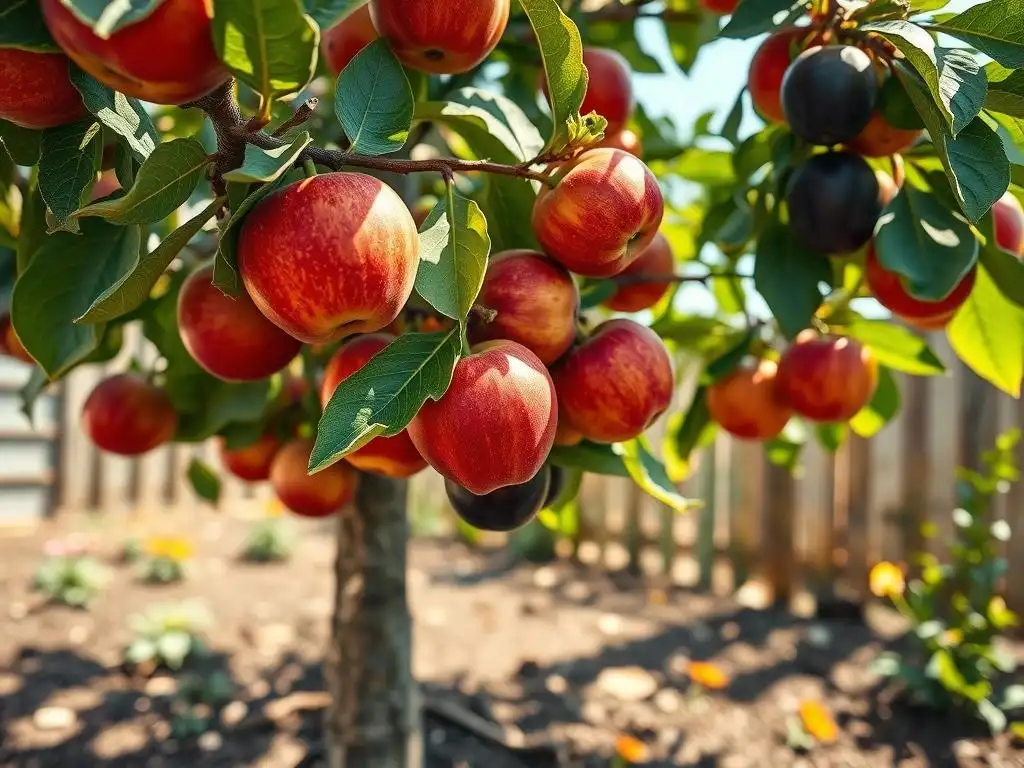
Welcome to CultivateYourFood, your guide to growing a thriving, sustainable garden! Ready to unlock the secrets of bountiful harvests and transform your backyard into a vibrant oasis? We'll show you how, starting with our comprehensive Grafting fruit trees home guide. Discover the fascinating art of grafting and learn how to create your own multi-fruit trees, yielding a delicious variety of fruits from a single plant. Intrigued? Let's delve into the world of homegrown goodness!
- Understanding Grafting Fruit Trees: A Home Gardener's Guide
-
Step-by-Step Guide to Grafting Fruit Trees at Home
- Preparing the Rootstock: Cleaning and Cutting Techniques
- Preparing the Scion: Selecting and Preparing the Grafting Wood
- Common Grafting Techniques for Fruit Trees: Whip and Tongue, Cleft Graft
- Securing the Graft Union: Wrapping and Protecting the Graft
- Aftercare for Your Newly Grafted Fruit Tree: Watering, Protection, and Monitoring
- Advanced Grafting Techniques for Fruit Tree Enthusiasts
- Troubleshooting Common Grafting Problems: Callus Formation, Graft Failure
- Tips for Successful Grafting: Timing, Environmental Factors, and Best Practices
- Harvesting and Maintaining Your MultiFruit Tree
- Resources and Further Learning on Grafting Fruit Trees
- Frequently Asked Questions
- Final Reflection: The Enduring Legacy of the Grafted Tree
- Unleash Your Inner Orchard: Grow Your Own Multi-Fruit Wonder!
Understanding Grafting Fruit Trees: A Home Gardener's Guide
Grafting fruit trees is a fascinating and rewarding horticultural technique that allows home gardeners to cultivate multiple fruit varieties on a single tree. This practice, deeply rooted in agricultural history, offers a pathway to increased yields, greater variety, and a more efficient use of space in your home orchard. This comprehensive guide will walk you through the process of grafting fruit trees at home, equipping you with the knowledge and skills to create your own multi-fruit marvels. We'll cover everything from understanding the basics of grafting to selecting the appropriate rootstock and scion, ensuring you have the tools and understanding to achieve successful grafts and enjoy the fruits – quite literally – of your labor. This guide will empower you to transform your home gardening experience, offering a unique and productive approach to fruit cultivation. Let's delve into the art of grafting and unlock the potential of your home orchard!
What is Grafting and Why Graft Fruit Trees?
Grafting is a horticultural technique where the tissues of two different plants are joined together, so that they grow as one. In the context of fruit trees, it involves connecting a desirable scion (a cutting containing buds from a mature fruit-bearing branch) to a rootstock (the root system of a different tree). The scion provides the fruiting characteristics – the type of fruit, its flavor, and size – while the rootstock provides the foundation, influencing factors like tree size, disease resistance, and overall hardiness.
Why would you graft fruit trees? There are several compelling reasons:
- Increased Variety: Imagine a single tree producing apples, pears, and cherries! Grafting allows you to combine multiple fruit varieties on one tree, maximizing space and minimizing the number of individual trees needed.
- Improved Fruit Quality: By selecting superior scions, you can improve the quality of the fruit produced, increasing size, flavor, and overall yield.
- Disease Resistance: Rootstocks can be chosen for their resistance to specific diseases or pests, thus protecting the entire tree, including the grafted scion.
- Controlled Tree Size: Different rootstocks influence the mature size of the tree. This is especially beneficial for smaller gardens where space is limited. You can choose dwarfing rootstocks to keep your multi-fruit tree manageable.
- Enhanced Productivity: A well-executed graft can result in earlier fruiting and higher yields compared to growing individual trees from seed.
Benefits of Grafting Fruit Trees at Home: Increased Variety and Yield
The benefits of grafting fruit trees extend beyond simply combining different fruit varieties. Home gardeners can experience a significant increase in both the variety and yield of their harvest. Consider this: a small backyard might only accommodate two or three standard-sized fruit trees. However, through grafting, you can fit several different fruit varieties onto a single tree, maximizing your harvest from a limited space. This is particularly useful for urban or suburban gardeners with limited land.
Furthermore, the yield can be substantially higher. A well-maintained multi-fruit tree can produce a greater quantity of fruit than several smaller, individual trees. This increased yield translates to more fresh fruit for your family, more for preserving, and even the possibility of sharing your bounty with friends and neighbors. The satisfaction of harvesting a diverse and abundant crop from your own grafted tree is unparalleled!
Choosing the Right Rootstock and Scion for Your MultiFruit Tree
Selecting the appropriate rootstock and scion is crucial for a successful graft. The choice depends on several factors, including the desired tree size, the climate, the soil conditions, and, of course, the fruit varieties you want to grow. Careful consideration of these factors will greatly influence the long-term health and productivity of your multi-fruit tree.
- Rootstock Selection: Consider factors such as disease resistance, cold hardiness, and mature tree size when choosing a rootstock. Some rootstocks promote dwarfing, ideal for small gardens, while others lead to larger, more vigorous trees.
- Scion Selection: The scion should be from a healthy, high-yielding, and disease-free branch of the fruit variety you want to grow. Ensure the scion wood is mature but not overly woody. Using scions from a known source is highly recommended to maintain fruit quality and consistency.
- Compatibility: Not all rootstocks and scions are compatible. Some combinations will not graft successfully, leading to failure. Researching compatible combinations for your desired fruit varieties is essential before beginning the grafting process. Consult reputable horticultural resources or nurseries for guidance on compatible rootstock and scion pairings. Careful planning in this phase will significantly increase your chances of success.
Essential Tools and Materials for Successful Grafting
Grafting fruit trees successfully hinges on having the right tools and materials at hand. Improper tools can lead to imprecise cuts, increasing the risk of graft failure. Similarly, using substandard materials can compromise the graft union's strength and overall success rate. Let's delve into the specifics:
First, you'll need a sharp grafting knife. A sharp blade is crucial for clean, precise cuts – this minimizes damage to the plant tissues and promotes a strong union between the scion (the cutting) and the rootstock (the base plant). Avoid using dull knives; they'll crush the tissues, hindering the healing process and potentially leading to infection.
A budding knife, with its thinner blade, is particularly useful for smaller grafts. Consider investing in a high-quality knife designed specifically for grafting, as these are often more durable and easier to maintain sharpness. Regularly honing your knife is essential for optimal performance and to prevent damage to the plant.
Next, you'll need grafting tape or rubber bands. This material is used to securely bind the scion to the rootstock, holding them together while the graft union heals. Several types of grafting tape are available, each with its pros and cons.
Some are biodegradable, eliminating the need for removal later, while others offer superior strength and durability. Rubber bands can also be used, but they need to be checked regularly to ensure they're not cutting into the bark and restricting blood flow. The choice of tape or band depends largely on the type of graft being performed and personal preference.
Grafting sealant or wax is another crucial element. This protects the graft union from drying out, infection, and harsh environmental conditions. A good quality sealant will create a waterproof barrier, promoting callus formation and healing. Several types of grafting sealants are available, including those formulated specifically for fruit trees. Applying the sealant carefully and completely is important to maximize its effectiveness.
Finally, you should consider having some rubbing alcohol handy for sterilization. Cleanliness is paramount in grafting to prevent the introduction of pathogens that could infect the graft union and compromise the success of the operation. Sterilizing your knife before each cut is a simple yet highly effective way to maintain a sterile environment. Cleanliness extends to the preparation of both the scion and the rootstock. This will substantially improve the chances of a successful graft. Remember, a small investment in quality tools and materials will significantly increase your chances of success in grafting your fruit trees.
Step-by-Step Guide to Grafting Fruit Trees at Home
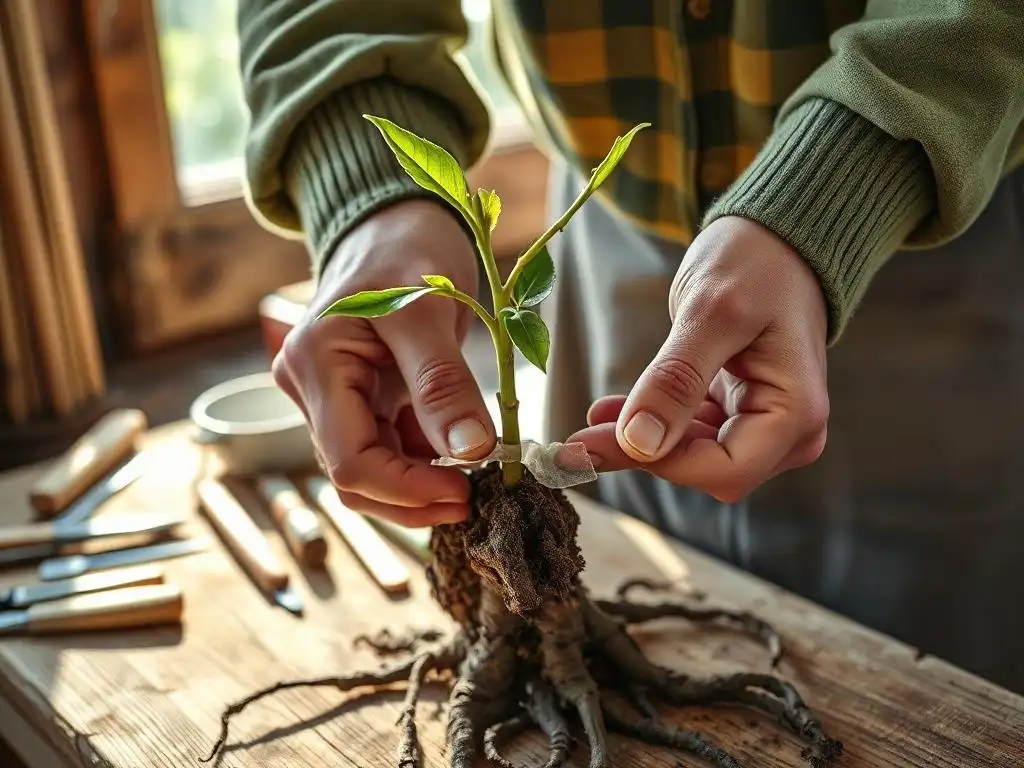
This section provides a detailed, practical guide to grafting fruit trees at home, focusing on techniques suitable for beginners. Mastering this skill allows you to create multi-fruit trees, maximizing yield and variety in your home orchard. This guide will walk you through the process, from preparing the rootstock and scion to executing common grafting techniques. Remember, success in grafting relies on precision and cleanliness.
Preparing the Rootstock: Cleaning and Cutting Techniques
The rootstock is the base of your grafted tree, providing the root system and overall vigor. Choosing a healthy, disease-free rootstock is crucial for a successful graft. Before starting, ensure your tools are sharp and sterilized to prevent the transmission of diseases. A solution of bleach and water (1:9 ratio) is an effective sterilizing agent.
The preparation involves several key steps:
- Selecting the Rootstock: Choose a young, vigorous rootstock of a compatible species. For example, you might use a hardy apple rootstock for grafting different apple varieties. The rootstock should be approximately pencil-thickness.
- Cleaning the Rootstock: Thoroughly clean the rootstock to remove any dirt, debris, or diseased tissue. A gentle scrub with a soft brush and water is usually sufficient.
- Cutting the Rootstock: Make a clean, precise cut at a 45-degree angle, creating a smooth, flat surface. The length of the cut should be approximately 1-2 inches, depending on the size of the rootstock and the grafting technique you'll be using. The cut must be free of ragged edges or splinters. A sharp grafting knife is essential here. Using a dull knife will damage the cambium layer, hindering the graft's success.
- Maintaining Moisture: Keep the cut surface of the rootstock moist until grafting to prevent desiccation. You can wrap the rootstock in a damp cloth or place it in a sealed plastic bag.
Preparing the Scion: Selecting and Preparing the Grafting Wood
The scion is the cutting from the desired fruit tree variety that will be grafted onto the rootstock. Selecting a healthy, vigorous scion is just as important as choosing a good rootstock. The scion should be from the previous year's growth and free from disease or damage.
Here's a breakdown of the preparation:
- Scion Selection: Choose a scion with several well-developed buds. The scion wood should be dormant, collected in late winter or early spring before bud break.
- Scion Cutting: Cut the scion into sections, each containing 2-3 buds. Make a clean, angled cut at the base of each scion, mirroring the angle of the rootstock cut. The length of the angled cut should match that of the rootstock cut, ensuring a tight fit during grafting.
- Protecting the Scion: Similar to the rootstock, it's crucial to keep the scion cuttings moist and protected from drying out. Storing them in a damp cloth or sealed bag is recommended.
Common Grafting Techniques for Fruit Trees: Whip and Tongue, Cleft Graft
Several grafting techniques exist, each with its advantages and disadvantages. Two common and relatively easy methods for home gardeners are the whip and tongue graft and the cleft graft.
- Whip and Tongue Graft: This technique involves making a sloping cut on both the rootstock and scion, then creating a tongue-like projection on each to interlock them. This creates a larger surface area for contact and promotes better union. It's best suited for rootstocks and scions of similar diameter. The precision required makes it slightly more challenging than the cleft graft for beginners.
- Cleft Graft: This method is suitable for larger rootstocks and smaller scions. A vertical split is made in the rootstock, and the scion, with a wedge-shaped cut, is inserted into the split. The cleft graft is often used for bridging gaps in damaged trees or for grafting larger scions onto thicker rootstocks. It's generally considered easier for beginners than the whip and tongue graft due to less precise cutting requirements.
| Grafting Technique | Difficulty Level | Rootstock/Scion Diameter | Best For |
|---|---|---|---|
| Whip and Tongue | Intermediate | Similar diameters | Young trees, precise matching |
| Cleft Graft | Beginner | Dissimilar diameters | Larger rootstocks, bridging gaps |
Remember, regardless of the technique chosen, meticulous attention to detail, clean tools, and proper aftercare are essential for successful grafting. Accurate cuts and a tight fit between the scion and rootstock are key to a successful union and the creation of your thriving multi-fruit tree. 🍎🌳
Securing the Graft Union: Wrapping and Protecting the Graft
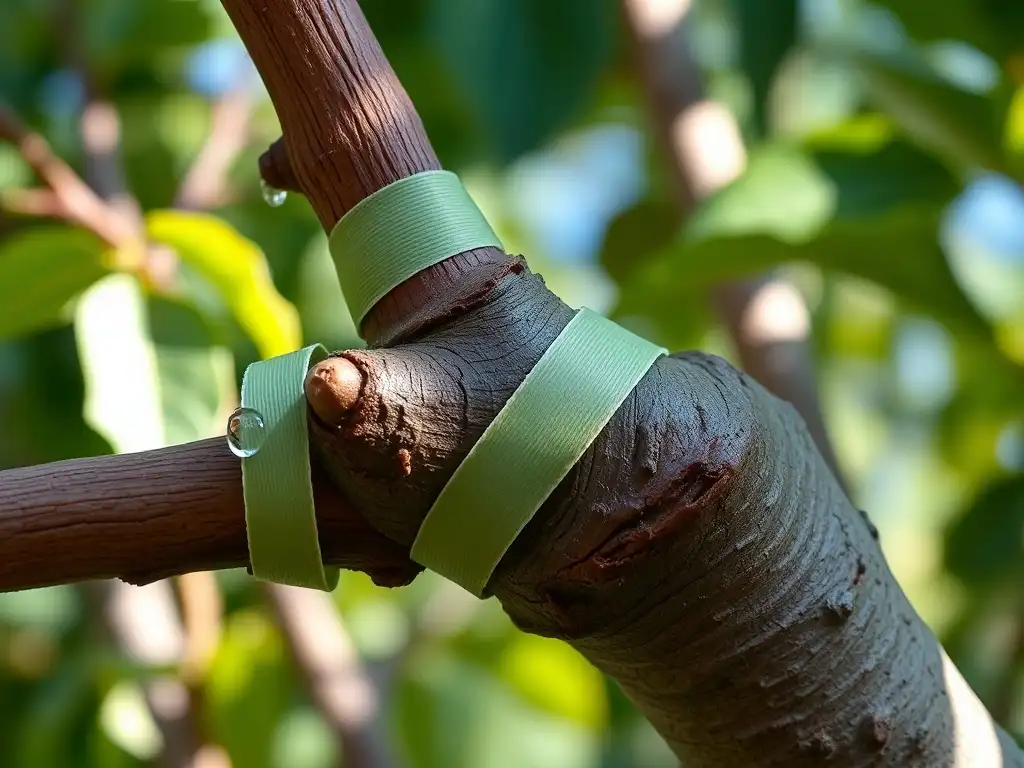
After successfully joining the scion and rootstock, securing the graft union is crucial for successful grafting. This prevents the joint from separating and allows for proper healing. We'll use grafting tape or specialized grafting sealant. Grafting tape, typically a flexible plastic material, is wrapped tightly around the graft union, ensuring firm contact between the scion and rootstock.
Avoid wrapping too tightly, which could restrict the flow of sap and hinder growth. The tape should be applied smoothly, overlapping slightly with each wrap to create a waterproof barrier. Remember to leave the top bud of the scion exposed to allow for growth.
Several methods exist for securing the graft union beyond simple tape. For example, some gardeners prefer using grafting clips, which offer a more secure mechanical hold, particularly useful for larger grafts. These clips provide support and prevent movement during the healing process. Another approach involves using a grafting sealant, a specialized paste that acts as a protective barrier against moisture loss and disease.
This sealant creates an airtight seal, further enhancing the chances of successful grafting. Applying the sealant carefully over the graft union and tape creates an impermeable layer, shielding the delicate tissues from environmental stress. The choice between grafting tape, clips, or sealant often depends on personal preference and the specific type of graft performed.
However, a combination of methods often proves most effective, providing both mechanical support and a protective barrier against the elements. For instance, you might use grafting clips for initial support and then seal the union with grafting compound for added protection against pathogens and moisture loss. This layered approach is often favored by experienced gardeners.
Aftercare for Your Newly Grafted Fruit Tree: Watering, Protection, and Monitoring
Post-grafting care is paramount to the success of your endeavor. The newly grafted tree requires careful attention to ensure proper healing and growth. Consistent watering is key, especially during dry periods. Aim for moist, but not waterlogged, soil. Overwatering can lead to root rot, while underwatering can stress the tree and hinder the healing process. The frequency of watering will depend on factors such as climate, soil type, and the size of the tree. Regularly check the soil moisture by inserting your finger a few inches into the ground; if it feels dry, it's time to water.
Protecting the graft from extreme weather conditions is also vital. Harsh sunlight, strong winds, and sudden temperature fluctuations can damage the delicate graft union and impede healing. Consider providing shade during the hottest parts of the day, especially during the initial weeks after grafting. This can be achieved by using shade cloth or strategically placing the tree in a sheltered location.
Furthermore, protecting the graft from pests and diseases is essential. Regularly inspect the graft union for any signs of damage or infection. Prompt treatment with appropriate organic pesticides or fungicides can prevent serious issues. Monitor the growth of the scion; it should begin to sprout new leaves and shoots within a few weeks.
If growth is stunted or appears unhealthy, investigate potential problems such as insufficient watering, pest infestation, or disease. Consistent monitoring allows for early intervention, maximizing the chances of a successful graft. Remember, patience is key; the healing process takes time, and the results of your grafting efforts will be evident over several months. With diligent care, you'll be well on your way to enjoying the fruits—quite literally—of your labor!
Advanced Grafting Techniques for Fruit Tree Enthusiasts
This section delves into more complex grafting methods beyond the basics, providing a deeper understanding for experienced home gardeners looking to expand their grafting skills and achieve more intricate results in their multi-fruit tree projects. Mastering these techniques can significantly enhance the success rate and variety of your grafted trees. This guide will equip you with the knowledge to tackle advanced grafting, aligning perfectly with your goals of cultivating a bountiful and diverse home orchard using a "Grafting fruit trees home guide" approach.
Advanced Grafting Methods: Inarching, Bridge Grafting, and Budding
Beyond the common whip and tongue or cleft grafting methods, several advanced techniques offer unique advantages. Let's explore three: inarching, bridge grafting, and budding.
Inarching involves grafting a scion onto a rootstock while both are still growing independently in the ground. This method is particularly useful for rejuvenating damaged trees or creating a strong union between two different varieties. The process involves carefully notching both the rootstock and scion, aligning the cambium layers, and securely binding them together. Success depends heavily on maintaining consistent moisture and preventing the graft union from drying out. Patience is key, as the union may take several months to fully heal.
Bridge grafting is a specialized technique used to repair damaged or girdled trees. This method involves inserting scions above and below the damaged area to bridge the gap and restore the flow of nutrients and water. Multiple scions are typically used to increase the chances of success. The success rate hinges on the careful selection and preparation of the scion wood and the precise placement of the grafts within the damaged area. This technique requires a higher level of skill and precision compared to other grafting methods.
Budding, also known as T-budding, is a simpler, yet effective method that uses a single bud from the scion instead of a whole cutting. This allows for the grafting of many scions from a single source, making it efficient for large-scale propagation. A T-shaped incision is made in the rootstock, and the bud is carefully inserted under the bark.
The union is then wrapped securely to prevent desiccation. Budding is most successful during the dormant season or when the rootstock is actively growing. The success of budding relies on precise placement of the bud and ensuring the cambium layers make good contact.
Troubleshooting Common Grafting Problems: Callus Formation, Graft Failure
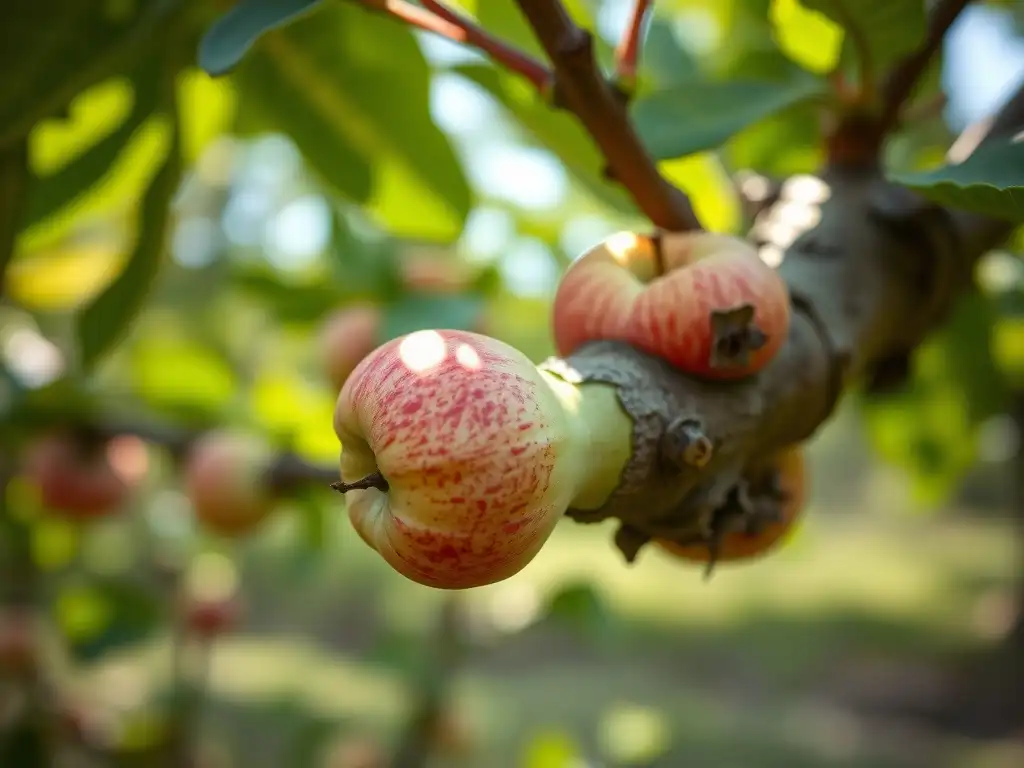
Even with meticulous preparation and execution, grafting can encounter challenges. Understanding common problems and their solutions is crucial for success.
Troubleshooting Common Grafting Problems: Callus Formation, Graft Failure
Callus Formation: Insufficient callus formation indicates a lack of proper union between the scion and rootstock. This often stems from improper alignment of the cambium layers or insufficient binding, leading to drying and failure. Addressing this requires ensuring perfect cambium contact and using appropriate binding materials to maintain moisture. Regularly checking the graft union for signs of drying is essential. If the graft appears dry or the union isn't forming properly, additional binding or grafting compound might be necessary.
Graft Failure: Complete graft failure can result from various factors, including incompatible rootstock and scion combinations, improper grafting techniques, disease, or pest infestation. Careful selection of compatible varieties is paramount. Using clean, sharp tools to minimize damage during the grafting process is also crucial. Promptly addressing any signs of disease or pest infestation is essential to prevent further damage and failure.
| Problem | Cause | Solution |
|---|---|---|
| Poor Callus | Misaligned cambium, insufficient binding | Ensure precise cambium alignment, use proper binding and grafting compound. |
| Graft Failure | Incompatible varieties, disease, pests | Select compatible varieties, use clean tools, manage disease and pests. |
| Drying of Graft | Exposure to sun or wind | Provide shade and protection from wind during the healing process. |
Tips for Successful Grafting: Timing, Environmental Factors, and Best Practices
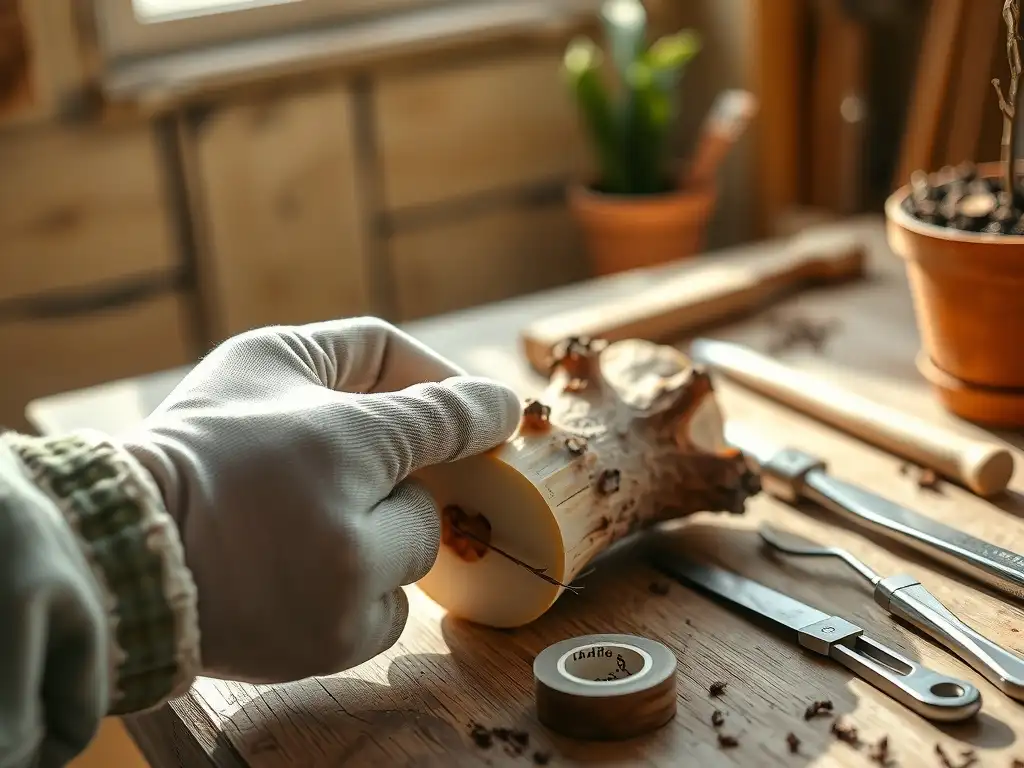
Successful grafting requires attention to detail and understanding of the environmental conditions and optimal timing.
Tips for Successful Grafting: Timing, Environmental Factors, and Best Practices
Timing: The ideal time for grafting varies depending on the fruit tree species and the climate. Generally, the best time is during the dormant season (late winter or early spring) when the tree is not actively growing but sap flow has begun. This allows the graft union to heal before the onset of active growth. For some species, summer grafting may be possible, but it requires more attention to moisture and protection. Knowing the specific requirements for your chosen varieties is crucial.
Environmental Factors: Temperature and humidity play significant roles in graft success. Warm temperatures and moderate humidity promote faster callus formation and healing. Extreme temperatures or dry conditions can lead to desiccation and graft failure. Providing shade and protection from wind is essential, especially during the early stages of healing. Monitoring weather conditions and adjusting protection as needed is crucial.
Best Practices: Using sharp, clean tools is crucial to prevent the spread of diseases and ensure a clean cut. Properly aligning the cambium layers of the scion and rootstock is essential for successful union. Securely binding the graft union prevents movement and drying. Applying grafting compound further protects the union from desiccation and disease.
Regularly monitoring the graft union for signs of drying, disease, or pest infestation is essential for timely intervention. Remember, patience and attention to detail are key to successful grafting. With practice and careful observation, you can master this art and create stunning, productive multi-fruit trees in your home orchard. 🌳
Harvesting and Maintaining Your MultiFruit Tree
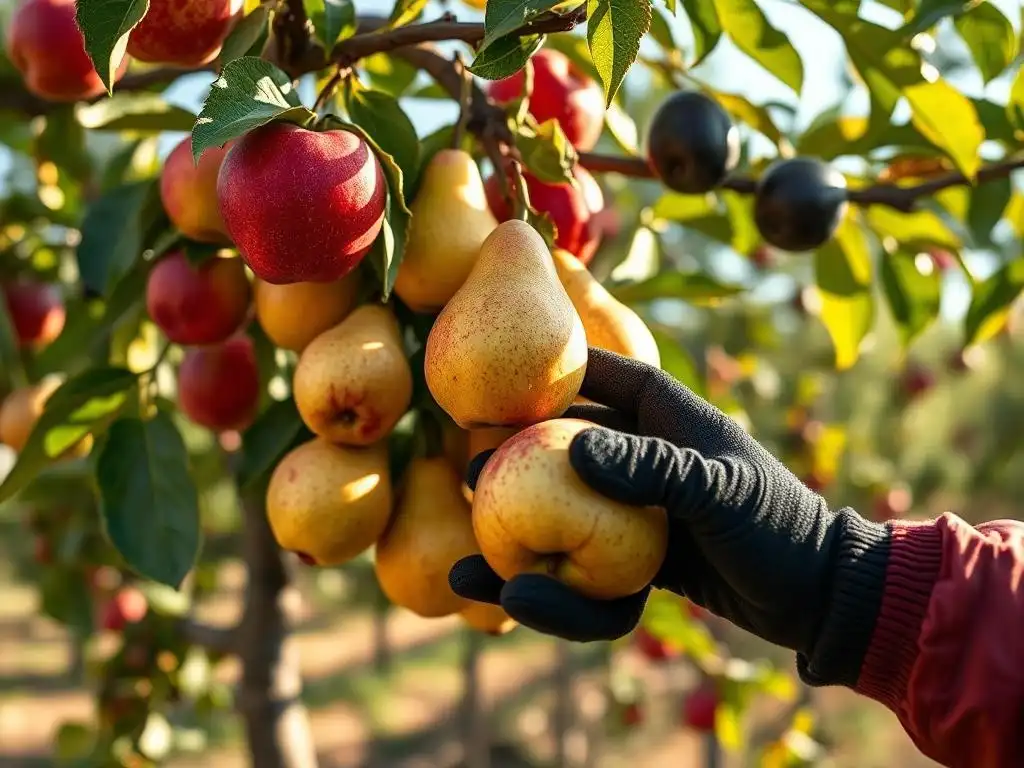
When to Expect Fruit from Your Grafted Tree
The time it takes for your grafted fruit tree to bear fruit depends on several factors: the rootstock used, the scion variety, and the overall health of the tree. Generally, you can expect fruit within 2-5 years of grafting. However, some vigorous rootstocks might produce fruit sooner, while others, or certain scion varieties, might take longer. Patience is key! For example, a dwarf rootstock grafted with an early-maturing apple variety like 'Honeycrisp' might produce fruit within two years, whereas a standard rootstock grafted with a late-maturing pear variety could take five years or more.
Careful selection of rootstock and scion is crucial for optimizing the fruiting timeline. Keep meticulous records of your grafting projects—including the rootstock and scion varieties and the grafting date—to better track the fruiting timeline for future reference. This detailed record-keeping will contribute to your success as a home fruit grower. 🍎
You'll know your grafted tree is ready to bear fruit when you see flower buds forming in the spring. The appearance of these buds signals the impending arrival of fruit. The number of flowers and the size of the buds can also indicate the potential yield for that season. Observing this carefully year-on-year allows you to refine your grafting techniques and anticipate future harvests.
Pruning and Maintaining Your MultiFruit Tree for Optimal Growth
Regular pruning is essential for maintaining the health and productivity of your multi-fruit tree. Pruning helps to shape the tree, remove dead or diseased branches, and encourage strong growth. The best time to prune is during the dormant season, typically late winter or early spring, before new growth begins. This timing minimizes stress on the tree and allows it to focus its energy on fruit production. Pruning techniques vary slightly depending on the type of fruit tree and its overall shape. Remember to use sharp, clean pruning shears to avoid damaging the branches.
Here's a basic pruning guide:
- Remove dead, damaged, or diseased branches: These branches consume energy without contributing to fruit production.
- Thin out crowded branches: This improves air circulation and sunlight penetration, reducing the risk of diseases and pests.
- Shape the tree: Maintain a balanced structure to prevent overcrowding and ensure that all parts of the tree receive adequate sunlight.
- Remove suckers: These are shoots that grow from the rootstock below the graft union. Removing them prevents competition with the scion wood and ensures that the desired fruit varieties thrive.
Pruning is a vital aspect of grafting fruit trees home guide, allowing for greater control over the tree’s growth, and contributing significantly to the overall health and productivity of your multi-fruit tree. Regular pruning, even if minimal, is better than none at all.
Long-Term Care of Your Grafted Fruit Tree: Pest and Disease Management
Even with careful grafting and pruning, your multi-fruit tree is still susceptible to pests and diseases. Regular inspection is crucial for early detection and treatment. Common pests include aphids, scale insects, and borers. Diseases such as powdery mildew, fire blight, and apple scab can also affect fruit trees. Implementing an integrated pest management (IPM) strategy is essential for sustainable and organic pest and disease control. This strategy involves a combination of preventative measures and targeted treatments, minimizing the use of harmful chemicals.
Here are some IPM strategies:
- Monitor regularly: Inspect your tree regularly for signs of pests and diseases. Early detection is key to effective management.
- Use natural pest control methods: Consider using insecticidal soap, neem oil, or beneficial insects like ladybugs to control pests organically.
- Practice good sanitation: Remove fallen leaves and fruit to reduce the overwintering sites for pests and diseases.
- Water appropriately: Avoid overwatering, which can create conditions favorable for fungal diseases.
- Provide adequate nutrition: A healthy tree is more resistant to pests and diseases. Use organic fertilizers to provide essential nutrients.
By following these guidelines, you can ensure the long-term health and productivity of your multi-fruit tree, maximizing your homegrown harvest year after year. Remember, a proactive approach to pest and disease management is far more effective than reactive treatment. This comprehensive approach to care is a crucial element in a successful grafting fruit trees home guide.
Resources and Further Learning on Grafting Fruit Trees
This section provides valuable resources to deepen your understanding and skills in grafting fruit trees, empowering you to cultivate a thriving multi-fruit orchard at home. We'll explore recommended books and online resources, highlight the benefits of connecting with local gardening communities, and showcase successful grafting projects from the CultivateYourFood community. Mastering the art of grafting takes time and practice, so utilizing these resources will significantly enhance your success.
Recommended Books and Online Resources on Fruit Tree Grafting
Finding reliable information on grafting techniques is crucial for achieving successful results. While many online articles offer basic instructions, a deeper understanding requires access to authoritative sources. Here are some recommended resources:
- Books: Look for books specifically focused on fruit tree propagation and grafting. Titles often include phrases like "Fruit Tree Grafting Techniques," "Practical Guide to Fruit Tree Propagation," or "The Complete Book of Grafting." These books typically offer detailed illustrations and step-by-step instructions, covering various grafting methods and addressing common challenges. Pay attention to the author's credentials and the publication date to ensure the information is up-to-date and reliable. A good book will provide in-depth explanations of scion selection, rootstock compatibility, and aftercare.
- Online Resources: Many reputable university extension websites offer excellent information on fruit tree grafting, including videos and detailed guides. Search for "[your state/region] extension fruit tree grafting" to find resources specific to your location. Reputable gardening forums can also be a valuable source of information, providing access to experienced gardeners who can answer specific questions and offer advice. However, always critically evaluate the information you find online and prioritize sources backed by research and expertise. Remember to cross-reference information from multiple reliable sources to ensure accuracy.
Local Gardening Clubs and Expert Advice on Grafting Techniques
Connecting with your local gardening community offers invaluable benefits for aspiring fruit tree grafters. Local gardening clubs often host workshops and demonstrations on grafting techniques, providing hands-on learning opportunities. These events offer a chance to learn from experienced gardeners, ask questions, and share experiences. Furthermore, many clubs have experienced members who are willing to mentor beginners, offering personalized guidance and support throughout the grafting process.
The social aspect of joining a club is equally important. Sharing experiences and learning from others can significantly accelerate your progress and increase your chances of success. Networking with fellow gardeners can also lead to access to resources like scion wood from rare or unusual fruit tree varieties. Participating in such activities fosters a sense of community and provides ongoing support for your grafting endeavors. This collaborative environment is incredibly valuable for both beginners and experienced gardeners alike.
CultivateYourFood Community Success Stories
The CultivateYourFood community is a treasure trove of inspiring success stories related to home fruit tree grafting. Members regularly share their experiences, successes, and challenges, creating a valuable resource for those starting their grafting journey. We encourage you to explore the community forums and connect with fellow gardeners to learn from their experiences and gain insights into various grafting methods and their effectiveness.
Here's what you can expect to find in our community:
- Detailed accounts of successful grafting projects: Learn from others' successes by reviewing detailed accounts of their grafting projects, including the types of fruit trees used, the grafting methods employed, and the results achieved. This provides real-world examples to guide your own efforts.
- Discussions on common challenges and solutions: Engage in discussions on common challenges encountered during the grafting process, such as incompatibility issues, disease prevention, and aftercare. Learn from others' mistakes and successes to avoid common pitfalls.
- A supportive and collaborative environment: Connect with a supportive community of like-minded individuals who share a passion for sustainable gardening. Share your own experiences, ask questions, and receive valuable feedback from experienced gardeners.
By actively participating in the CultivateYourFood community, you’ll gain valuable insights, inspiration, and support in your journey to master the art of grafting fruit trees. Remember to always share your own successes and challenges to help others learn and grow within our community. 🥂
Frequently Asked Questions
What is grafting, and why would I want to graft fruit trees?
Grafting is a horticultural technique where you join the scion (a cutting from a desired fruit tree variety) to a rootstock (an established tree). This allows you to grow multiple fruit varieties on a single tree, saving space and potentially increasing yield. It's also a way to propagate desired traits like disease resistance.
What tools do I need for grafting fruit trees?
You'll need a sharp grafting knife, grafting tape or sealant, and potentially a grafting clamp. Cleanliness is crucial, so ensure your tools are sterilized. You might also find a budding knife helpful for certain grafting methods.
When is the best time to graft fruit trees?
The ideal time for grafting depends on the type of fruit tree and your climate. Generally, late winter or early spring is best, before the trees begin active growth. This allows the graft to heal and grow successfully.
What are some common grafting techniques for fruit trees?
Several techniques exist, including whip and tongue, cleft grafting, and bark grafting. The best method depends on the size of the scion and rootstock. Research the best technique for your chosen fruit trees and skill level.
How do I care for a grafted fruit tree after grafting?
After grafting, protect the graft union from the elements and pests using grafting tape or sealant. Water regularly and provide appropriate fertilization to support the healing and growth of the new scion. Regular monitoring for signs of disease or pests is crucial.
Final Reflection: The Enduring Legacy of the Grafted Tree
The art of grafting fruit trees isn't merely a horticultural technique; it's a testament to human ingenuity and our enduring desire to cultivate abundance. In a world increasingly concerned with sustainable food sources and biodiversity, the ability to grow multiple fruit varieties on a single tree offers a powerful solution, both practical and symbolic. This simple act of joining disparate branches holds the potential to revolutionize home gardening and contribute to a more resilient food system.
The impact of grafting extends far beyond the immediate harvest. It represents a connection to generations past, a continuation of ancient practices refined over centuries. The fruit tree, like the human being, is a composite of many things, a story told in wood and bark and blossom.
This quote speaks to the layered history embedded within each grafted tree, a living testament to the interconnectedness of nature and human endeavor. The practice continues to evolve, with new techniques and hybrid varieties constantly emerging, demonstrating the enduring fascination and potential of this age-old art.
Consider the possibilities: a single tree bearing the sweetness of peaches, the tartness of plums, and the crispness of apples, all thriving in your own backyard. This isn't just about increased yield; it's about fostering a deeper connection with the natural world, understanding the intricate processes of life, and experiencing the profound satisfaction of nurturing something beautiful and bountiful. Embrace the art of grafting, and let your own multi-fruit tree become a symbol of creativity, resilience, and the enduring power of human connection with nature.
Unleash Your Inner Orchard: Grow Your Own Multi-Fruit Wonder!
Thanks for exploring the fascinating world of fruit tree grafting with us! You've gained the knowledge to cultivate a unique and bountiful harvest. Ready to put your new skills to the test?
- Start grafting now! Gather your tools and budding scions—the most rewarding part begins now. Experiment with different fruit combinations to create your dream multi-fruit tree. For example, you could combine apples, pears, and plums for a truly diverse harvest.
- Share your progress! Post pictures on social media and inspire others to start their own grafting adventures. Use the hashtag #CultivateYourMultiFruitTree.
- Join our online community! Connect with other enthusiastic gardeners in our online forum. Learn from their experiences and share your own successes and challenges.
What exciting fruit combinations will you create in your own orchard? Will it be a symphony of apples, cherries, and peaches, or perhaps a more exotic blend? The possibilities are endless!