
The Art of Harvesting Kiwi: Identifying the Right Moment

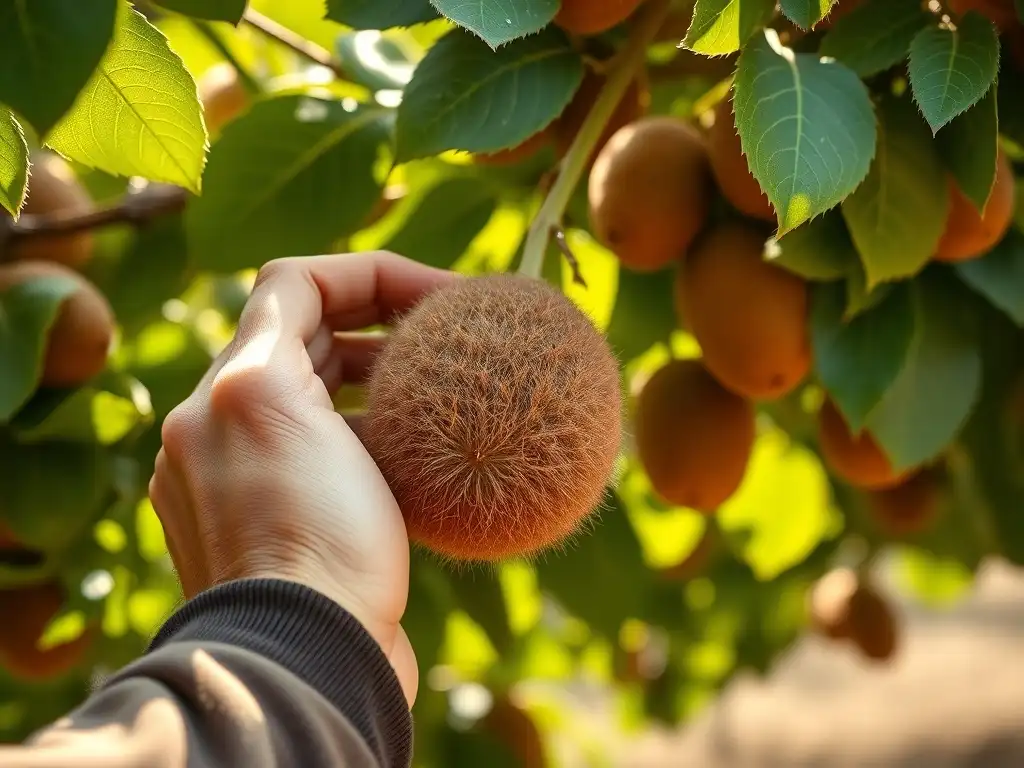
Ready to unlock the secrets of a bountiful harvest? CultivateYourFood is your guide to growing vibrant fruits, vegetables, and herbs organically. But first, let's delve into the art of perfectly timed harvests. Discover the subtle cues that signal when your kiwi fruit is ready for picking, ensuring maximum flavor and sweetness. Learn the precise techniques for harvesting kiwi fruit in our comprehensive guide, "Harvesting kiwi fruit perfectly," and transform your homegrown harvest from dream to delicious reality. Explore our Fruit Tree Care section to uncover more tips and tricks!
- Understanding Kiwi Fruit Ripening: Key Indicators for Optimal Harvesting
- Timing Your Kiwi Harvest: Seasonal Considerations and Regional Variations
- Harvesting Kiwi Fruit: Techniques for a Successful and Damage-Free Harvest
- Determining the Perfect Ripeness for Consumption and Storage
- Preserving Your Harvest: Extending the Shelf Life of Harvested Kiwi Fruit
- Troubleshooting Common Issues During Kiwi Fruit Harvesting
- Maximizing Your Kiwi Harvest: Tips for Abundant and Healthy Yields
- Frequently Asked Questions
- Final Reflection: The Sweet Spot of Harvest – A Legacy of Patience and Precision
- Unlock Your Kiwi Harvest: Taste the Sweet Success!
Understanding Kiwi Fruit Ripening: Key Indicators for Optimal Harvesting
Harvesting kiwi fruit perfectly is an art that balances patience with precision. Knowing exactly when to pick your kiwi fruit can significantly impact its flavor, texture, and overall quality. This guide delves into the intricacies of kiwi ripening, providing you with the knowledge and techniques to achieve a harvest of perfectly ripe, delicious kiwifruit, maximizing the rewards of your homegrown efforts.
We'll explore the visual cues, the tactile test, and even the aromatic signals that indicate your kiwis are ready for picking, ensuring you enjoy the sweetest, most flavorful harvest possible. This detailed approach will empower you to confidently harvest your kiwi fruit at its peak, yielding a bounty to savor and enjoy. Let's embark on this journey to perfectly timed kiwi harvesting!
Visual Cues: Color Changes and Skin Texture in Kiwi Harvesting
The visual aspects of kiwi fruit ripening provide crucial clues for determining harvest readiness. While the exact color variations depend on the specific kiwi variety you're growing (some varieties are brown, others green), the overall change is a significant indicator. Look for a shift from a predominantly bright, vibrant green (or brown, depending on the variety) to a duller, softer hue. This color change often accompanies a subtle shift in skin texture.
A mature kiwi will exhibit a slightly softer, less firm skin compared to an unripe fruit. The skin might also develop a slight blush or even some brown spots – these are not necessarily signs of spoilage but rather indicators of ripeness, especially in brown varieties. However, be cautious; significant bruising or deep brown spots are signs of damage and indicate the fruit should not be harvested.
Here's a helpful table summarizing the visual cues:
| Kiwi Variety | Unripe Color | Ripe Color | Texture Change |
|---|---|---|---|
| Green Kiwi | Bright, vibrant green | Dull, softer green | From firm to slightly yielding |
| Brown Kiwi | Light brown | Deep, rich brown | From firm to slightly yielding |
| Hayward | Bright green | Dull, brownish-green | Softer, less shiny |
Remember to examine several kiwis on the vine to get a representative sample. Don't rely on a single fruit to make your harvesting decision. The goal is to find the sweet spot between fully ripe and overripe.
Assessing Kiwi Fruit Firmness: The "Give" Test for Harvest Readiness
While visual cues offer valuable insights, the "give" test provides a crucial tactile confirmation of kiwi fruit maturity. Gently squeeze the kiwi between your thumb and forefinger. An optimally ripe kiwi will offer a slight, gentle resistance, a subtle “give” that indicates the fruit's internal pressure is at its peak. It shouldn't be rock-hard, nor should it be overly soft or mushy. The ideal firmness provides a balance between structural integrity and the development of sugars and flavors.
This test, combined with visual observation, ensures a more accurate assessment of ripeness. Practice the "give" test on several kiwis to refine your sense of what constitutes the perfect ripeness for your specific variety. Remember, a little practice will turn you into a kiwi-harvesting expert!
The Role of Aroma in Determining Kiwi Fruit Maturity for Harvesting
While less frequently used than visual and tactile assessments, the aroma of a ripening kiwi can provide valuable information. As the fruit matures, it develops a characteristic sweet, slightly musky fragrance. This aroma intensifies as the kiwi reaches its peak ripeness. Sniffing the fruit near the stem can be particularly effective, as this area often concentrates the aroma.
However, rely on the aroma as a supplementary test, not the primary indicator. While a strong, pleasant aroma is a positive sign, its absence does not necessarily mean the kiwi is unripe. Combine this aromatic assessment with the visual and tactile tests for the most accurate determination of harvest readiness. This multifaceted approach ensures you pick your kiwifruit at the optimal moment, guaranteeing a delightful harvest.
Timing Your Kiwi Harvest: Seasonal Considerations and Regional Variations
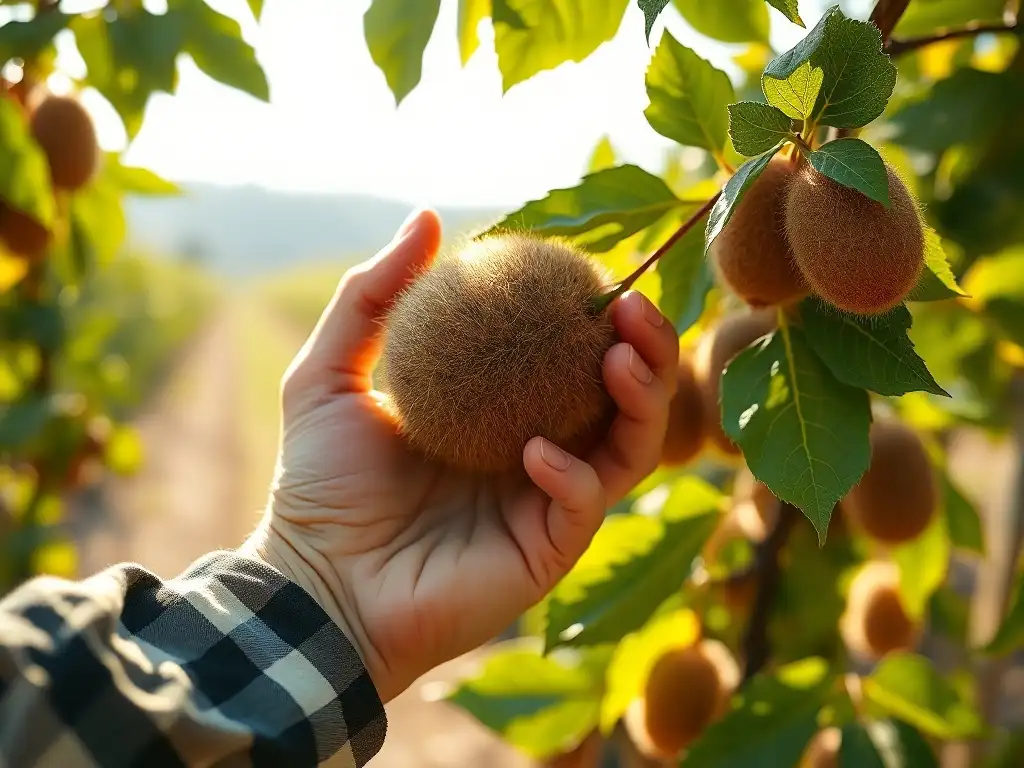
Harvesting kiwi fruit perfectly requires a keen understanding of seasonal variations and regional differences. While general guidelines exist, the ideal harvest time is heavily influenced by your specific location and the microclimate of your growing area. Factors such as sunlight exposure, soil type, and even altitude can significantly affect the ripening process.
For example, kiwifruit grown in warmer, sunnier regions may ripen faster than those in cooler, shadier areas. This can result in a harvest window that's several weeks apart for growers just a few hundred miles from each other. Therefore, focusing solely on calendar dates for harvesting is insufficient; observation and understanding of your specific growing conditions are crucial for achieving peak flavor and quality.
Harvesting Kiwi Fruit in Different Climates: Adapting to Local Conditions
The climate plays a pivotal role in determining the optimal harvesting time for kiwi fruit. In warmer climates, such as parts of California or the Mediterranean, the fruit may ripen earlier, potentially as early as late September or October. Conversely, in cooler regions like the Pacific Northwest, harvesting might not commence until November or even December. The following table illustrates this regional variability:
| Region | Typical Harvest Window | Factors Affecting Ripening |
|---|---|---|
| Mediterranean | September - October | Hot, dry summers |
| California | October - November | Variable microclimates |
| Pacific Northwest | November - December | Cooler, wetter climate |
| New Zealand | April - June (Southern Hemisphere) | Mild, temperate climate |
Understanding these regional differences is paramount for achieving perfectly ripened kiwi fruit. Ignoring these variations can lead to premature harvesting (resulting in tart, unripe fruit) or overripe fruit (leading to mushiness and reduced shelf life). Local agricultural extension offices or experienced local growers can provide invaluable insights into the ideal harvest timing specific to your region. Careful observation of your own plants and the fruit itself is also essential.
The Impact of Growing Conditions on Kiwi Fruit Ripening and Harvesting Time
Beyond regional climate, several growing conditions significantly influence kiwi fruit ripening and the ideal harvesting time. Soil fertility, for instance, directly impacts fruit development and sugar accumulation. Well-drained, fertile soil generally produces sweeter, better-quality kiwi fruit that ripens more evenly. Conversely, nutrient-deficient soil can lead to smaller, less flavorful fruit with a delayed ripening period. Similarly, the amount of sunlight a kiwi vine receives plays a crucial role.
Sufficient sunlight is essential for photosynthesis and sugar production, directly affecting the fruit's sweetness and ripeness. Kiwi vines need at least 6-8 hours of direct sunlight daily for optimal fruit production. Insufficient sunlight can delay ripening and reduce overall yield. Proper irrigation is equally important; consistent moisture levels, without overwatering, promote healthy growth and timely ripening. Overwatering can lead to root rot and negatively impact fruit quality.
Determining the Optimal Harvest Window for Your Specific Kiwi Variety
The specific kiwi variety you are growing plays a significant role in determining the optimal harvest window. Different varieties have varying ripening times and characteristics. For example, 'Hayward' kiwifruit, a popular variety, generally ripens later than other varieties. Understanding the specific characteristics of your kiwi variety is essential for accurate harvesting. This information is typically available from the nursery where you purchased the plant or through online resources dedicated to kiwi cultivation. The best approach involves a combination of techniques:
- Visual cues: Observe the fruit's color. Most kiwi varieties will change color from green to a brownish hue as they ripen. However, color alone isn't always a reliable indicator of ripeness.
- Manual testing: Gently squeeze the fruit. Ripe kiwifruit will yield slightly to gentle pressure but won't be overly soft or mushy.
- Taste testing: Harvest a small sample of fruit and taste test them. This provides the most reliable way to gauge ripeness.
- Consult resources: Refer to your nursery's information or online guides for your specific kiwi variety to get a general idea of the harvest period.
By combining these methods and considering your specific local climate and growing conditions, you can accurately determine the optimal harvest window for your kiwi fruit, ensuring you enjoy perfectly ripened fruit, maximizing your "Harvesting kiwi fruit perfectly" experience.
Harvesting Kiwi Fruit: Techniques for a Successful and Damage-Free Harvest
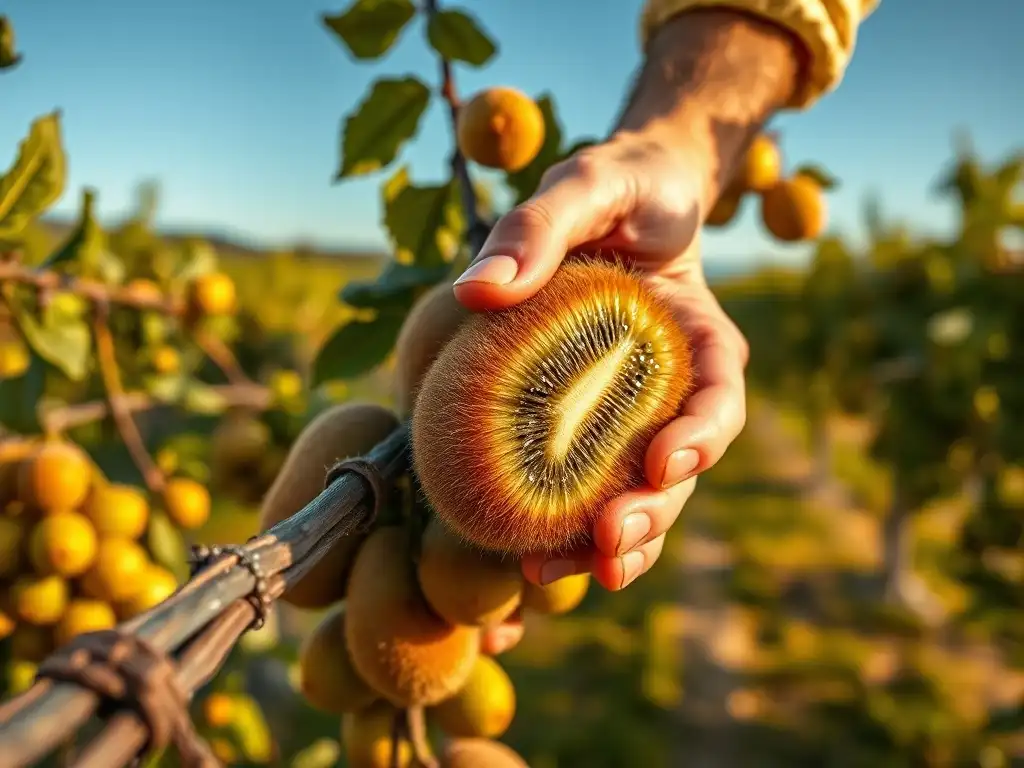
This section delves into the practical aspects of harvesting kiwi fruit, focusing on methods that ensure a high-quality yield while minimizing damage to the fruit. Successfully harvesting kiwi fruit perfectly relies heavily on gentle handling and the use of appropriate tools. Ignoring these crucial steps can lead to significant losses due to bruising, premature ripening, and overall reduced shelf life. We'll explore techniques to optimize your harvest and extend the enjoyment of your homegrown kiwi.
Gentle Handling: Minimizing Bruises During Kiwi Fruit Harvesting
Bruising is a significant concern during kiwi fruit harvesting. Even minor impacts can compromise the fruit's quality, leading to rapid deterioration and reducing its market value (or your enjoyment!). Therefore, gentle handling is paramount throughout the entire process. The delicate skin of the kiwi is easily damaged, and bruises can act as entry points for pathogens.
Several strategies can minimize bruising:
- Use soft containers: Employ soft, padded containers or baskets to collect the harvested kiwi fruit. Avoid hard plastic bins or buckets that can cause impact damage. Think cushioned totes or even repurposed fabric bags.
- Avoid dropping fruit: Lift the fruit carefully from the vine, avoiding any sudden drops or jarring movements. Always support the weight of the fruit to prevent damage.
- Careful placement: Place harvested kiwi gently into the containers, avoiding piling them on top of each other. A single layer is ideal, especially for larger harvests. If stacking is unavoidable, use soft dividers or padding between layers.
- Avoid squeezing: Refrain from squeezing or unnecessarily handling the fruit. Even gentle pressure can leave subtle bruises that may not be immediately visible but will impact the fruit's longevity.
- Harvest at optimal ripeness: While we'll discuss optimal ripeness in other sections, harvesting at the ideal stage reduces the need for rough handling to detach the fruit from the vine.
The Use of Specialized Tools for Kiwi Fruit Harvesting
While harvesting kiwi fruit can be done by hand, specialized tools can significantly improve efficiency and reduce the risk of damage. The right tools ensure a clean cut, minimizing stress on the fruit and the vine. Consider these options:
| Tool | Description | Benefits | Considerations |
|---|---|---|---|
| Sharp Pruning Shears | Small, sharp shears specifically designed for pruning. | Clean cuts minimize damage to both fruit and vine. | Regular sharpening is crucial for clean cuts. |
| Fruit Picker (Long-handled) | A long-handled tool with a small basket or cup at the end for picking fruit. | Allows harvesting from higher branches without ladders, reducing risk of injury. | Choose a lightweight but sturdy model. |
| Gloves | Protective gloves to prevent scratches and thorns from damaging your hands. | Protects hands and improves grip while picking the fruits. | Opt for gloves that provide good dexterity. |
The use of these specialized tools dramatically reduces the chances of bruising and enhances the overall harvesting process. Remember to clean and maintain your tools regularly to ensure they remain effective and prevent the spread of disease.
Post-Harvest Care: Protecting Harvested Kiwi Fruit from Damage
Post-harvest handling is equally critical to preserving the quality of your kiwi fruit. Even with careful harvesting, improper handling after picking can lead to spoilage. Here's how to protect your precious harvest:
- Immediate cooling: After harvesting, immediately cool the kiwi fruit to slow down ripening and reduce enzymatic activity. Refrigeration is ideal, but a cool, shaded area can suffice for short periods.
- Proper packaging: Use breathable packaging to prevent moisture buildup and condensation, which can lead to rot. Avoid airtight containers. Small, ventilated boxes or shallow baskets are good options.
- Gentle transport: Handle the packaged kiwi with care during transportation to avoid jarring or shaking. Avoid stacking heavy items on top of the containers.
- Regular inspection: Regularly inspect the kiwi fruit for any signs of damage or spoilage. Remove any damaged fruit promptly to prevent the spread of rot. The early detection of rot is essential for preventing the spread of diseases. A single rotten kiwi can quickly contaminate an entire batch.
By following these post-harvest guidelines, you can significantly extend the shelf life of your harvested kiwi fruit, ensuring you can enjoy the fruits of your labor for longer. Remember, careful handling throughout the entire process from vine to table is key to harvesting kiwi fruit perfectly.
Determining the Perfect Ripeness for Consumption and Storage
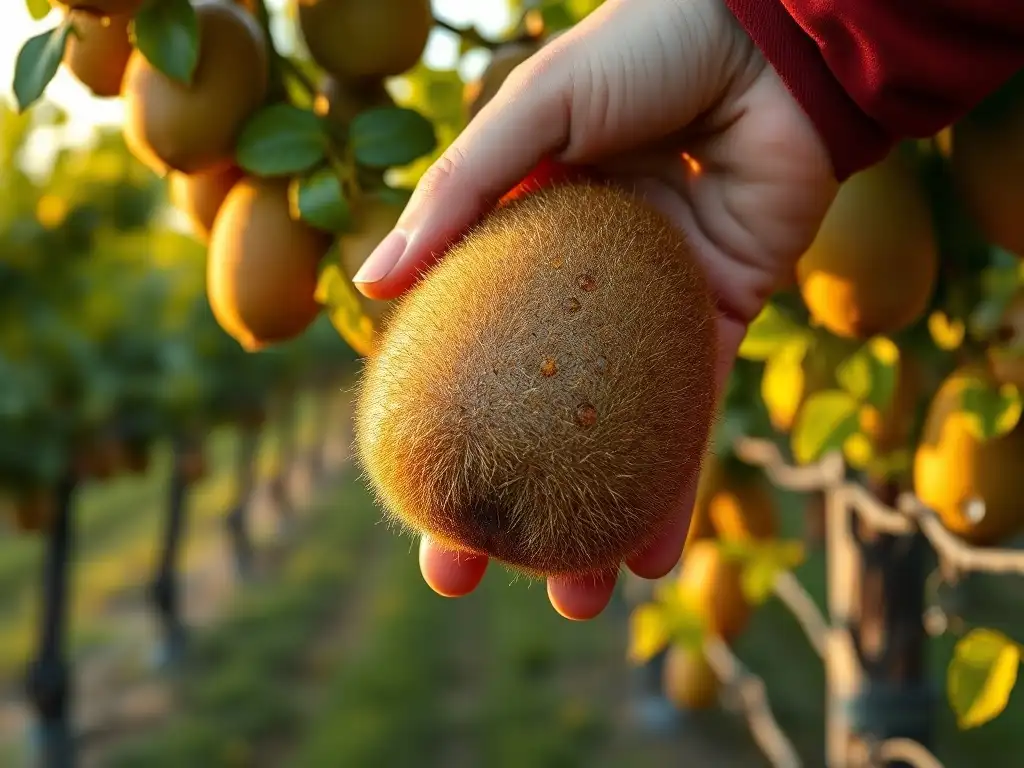
Harvesting kiwi fruit at the optimal ripeness is crucial for both flavor and storage life. Unlike some fruits that ripen significantly after harvest, kiwifruit continues to ripen slowly post-harvest, making precise timing essential. The ideal time is when the fruit shows a balance between firmness and slight give when gently squeezed. This indicates the sugars have developed sufficiently, while the fruit still possesses enough structural integrity to withstand handling and transportation.
Several factors contribute to determining ideal ripeness. Firstly, consider the variety of kiwi. Some varieties naturally ripen earlier or later than others. Secondly, climate plays a crucial role. Warmer temperatures accelerate ripening, meaning kiwifruit in warmer regions might reach optimal ripeness sooner. Finally, individual fruit variation exists; even within the same plant, some fruits might ripen slightly ahead of others.
We can use a simple visual cue as well; the color of the fruit is a good indicator, though not definitive. Most kiwi varieties transition from a firm, greenish-brown color to a softer, browner hue as they ripen. However, relying solely on color can be misleading, as some varieties have a naturally darker skin even when underripe. Therefore, the squeeze test remains the most reliable method.
To ensure consistent harvest quality, consider implementing a sampling system. Randomly select a few fruits from different parts of the vine and perform the squeeze test. This approach provides a representative picture of the overall ripeness level and helps determine the best time for a full harvest. Remember, a slight give under gentle pressure is the sweet spot for harvesting kiwi fruit perfectly.
Ripening Kiwi Fruit After Harvest: Techniques and Considerations
Even perfectly harvested kiwi fruit will continue to ripen. Understanding how to manage this post-harvest ripening is vital for maximizing flavor and minimizing waste. The primary factor influencing post-harvest ripening is temperature. Cooler temperatures (around 0-5°C or 32-41°F) significantly slow down the ripening process, extending the shelf life. Conversely, warmer temperatures accelerate ripening.
Several methods can be employed to control the ripening process:
- Refrigeration: Storing harvested kiwi fruit in the refrigerator is the most common and effective method for slowing down ripening. Ensure that the fruits are not bruised or damaged before refrigeration.
- Controlled Atmosphere Storage (CAS): This advanced technique involves precisely controlling the levels of oxygen, carbon dioxide, and nitrogen within the storage environment. CAS is primarily used for large-scale commercial storage and allows for significantly extended shelf life. However, it is less practical for home growers.
- Ethylene Control: Ethylene is a natural plant hormone that accelerates ripening. Reducing exposure to ethylene can help slow down the ripening process. This is often achieved by storing kiwifruit in sealed containers to limit ethylene buildup.
Proper post-harvest handling is critical. Avoid bruising or damaging the fruit, as this can lead to accelerated spoilage. Gentle handling is key to maintaining quality and extending shelf life. Remember to consistently monitor the ripening process and consume or further store the fruit according to its stage of ripeness.
Storing Harvested Kiwi Fruit: Best Practices for Maintaining Quality
Proper storage techniques are essential for preserving the quality and extending the shelf life of harvested kiwifruit. The goal is to slow down the ripening process without compromising flavor or texture. The ideal storage environment balances temperature and humidity.
Here's a breakdown of best practices:
| Storage Method | Temperature (°C) | Temperature (°F) | Humidity (%) | Shelf Life (Weeks) | Notes |
|---|---|---|---|---|---|
| Refrigerator | 0-5 | 32-41 | 90-95 | 2-4 | Best for short-term storage; monitor for ripening. |
| Controlled Atmosphere | -1 to 0 | 30-32 | 90-95 | 4-8 | Primarily for commercial use; requires specialized equipment. |
| Cool, dark place | 10-15 | 50-59 | 70-80 | 1-2 | Less effective than refrigeration; suitable for short-term, immediate use. |
Remember that even with optimal storage, kiwifruit will eventually ripen and become overripe. Regular monitoring is key to consuming the fruit at its peak flavor and avoiding waste.
Identifying Overripe Kiwi Fruit: Signs and Handling
Recognizing overripe kiwi fruit is crucial to prevent spoilage and waste. Overripe kiwifruit will exhibit several noticeable characteristics:
- Soft Texture: The fruit will feel extremely soft and almost mushy when gently squeezed.
- Darkened Skin: The skin will be significantly darker than when ripe, often appearing almost black or very dark brown.
- Loss of Firmness: The fruit will lack the slight firmness associated with ripe kiwifruit.
- Changes in Aroma: A fermented or slightly off-putting odor may be present.
If you encounter overripe kiwifruit, don't immediately discard it! While not ideal for eating fresh, overripe kiwi can be used in various culinary applications:
- Smoothies: The soft texture of overripe kiwi makes it perfect for blending into smoothies.
- Jams and Jellies: Its intense flavor adds depth to jams and jellies.
- Sauces and Compotes: Overripe kiwifruit can be cooked into delicious sauces and compotes.
By understanding the signs of overripeness and exploring alternative uses, you can minimize food waste and maximize the value of your harvest. Proper harvesting and storage, combined with awareness of overripeness, ensures you enjoy the best quality kiwi fruit throughout the season. Remember, the key to harvesting kiwi fruit perfectly is a combination of careful observation, gentle handling, and appropriate storage techniques.
Preserving Your Harvest: Extending the Shelf Life of Harvested Kiwi Fruit
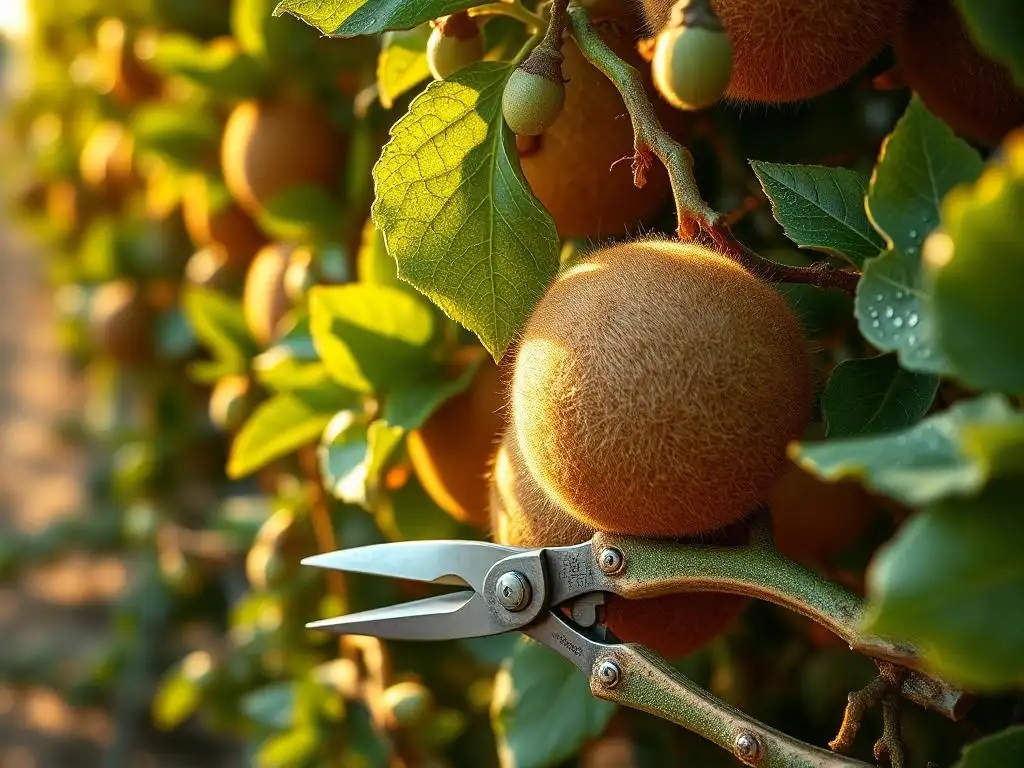
Harvesting kiwi fruit perfectly is only half the battle. Proper preservation ensures you can enjoy the fruits of your labor (literally!) for weeks, even months, after harvesting. The methods you choose will depend on your preferences and the quantity of kiwi you've harvested. Knowing how to extend the shelf life of your kiwi is crucial for minimizing waste and maximizing enjoyment. Let's explore some effective preservation techniques.
Freezing Kiwi Fruit: A Guide to Proper Freezing Techniques for Long-Term Storage
Freezing is an excellent method for preserving kiwi fruit, allowing you to enjoy their delicious flavor long after the harvest season ends. To freeze kiwi effectively, follow these steps for optimal results:
- Select ripe but firm kiwi: Avoid overripe or damaged fruit. Slightly underripe kiwi will ripen further during freezing, resulting in a slightly softer texture.
- Wash and peel: Thoroughly wash the kiwi under cold running water. Peel the fruit using a vegetable peeler or a paring knife.
- Prepare for freezing: You can freeze kiwi whole, sliced, or pureed. For whole freezing, simply place the peeled kiwi in a single layer on a baking sheet lined with parchment paper. Freeze until solid (about 2-3 hours). Once frozen solid, transfer the whole kiwi fruits to a freezer-safe bag or container. For sliced kiwi, follow the same process, arranging slices in a single layer to prevent sticking. For pureed kiwi, blend the peeled fruit until smooth and then pour into ice cube trays or freezer-safe containers.
- Proper labeling and storage: Label each container with the date of freezing for easy tracking. Store frozen kiwi in a freezer at 0°F (-18°C) for up to 12 months for optimal quality. Remember that freezing does slightly alter the texture of the fruit, making it slightly softer upon thawing.
Making Kiwi Fruit Jam or Jelly: Preserving the Harvest Through Delicious Recipes
Transforming your bountiful kiwi harvest into delicious jam or jelly is a rewarding experience. This method not only preserves the fruit but also creates a delectable spread for toast, pastries, or yogurt. While specific recipes vary, the general process involves:
- Preparing the fruit: Wash, peel, and chop the kiwi into small pieces. The smaller the pieces, the faster they will cook and break down, resulting in a smoother jam or jelly.
- Cooking with pectin: Pectin is essential for setting the jam or jelly properly. Follow your chosen recipe carefully, as the amount of pectin needed will vary depending on the recipe and the type of pectin used (liquid or powdered).
- Adding sugar and other ingredients: Sugar helps to preserve the jam or jelly and adds sweetness. Many recipes incorporate additional flavors like lemon juice for acidity and zest, or spices like cinnamon or ginger for warmth.
- Sterilizing jars: Before filling the jars with your homemade jam or jelly, sterilize them to ensure a longer shelf life and prevent spoilage. This usually involves boiling the jars in water for a set amount of time.
- Processing: Once filled, process the jars in a boiling water bath to create a vacuum seal, further extending their shelf life.
Other Methods for Preserving Harvested Kiwi Fruit
Beyond freezing and making jam, other methods exist, although they may not offer as long a shelf life:
- Refrigeration: Ripe kiwi can be stored in the refrigerator for about a week. However, storing them in the refrigerator before they are fully ripe can hinder their ripening process. Choose ripe but firm kiwi for refrigeration.
- Dehydration: Dehydrating kiwi creates a chewy, concentrated snack. This method significantly extends shelf life but alters the texture and moisture content of the fruit. Proper drying is crucial to prevent spoilage.
- Canning: Similar to jam-making, canning involves processing kiwi in sterilized jars to create a shelf-stable product. However, canning requires more specialized equipment and knowledge of safe canning procedures. Improper canning techniques can lead to spoilage and potential foodborne illnesses. Always follow tested and reliable canning recipes to ensure safety.
Remember, proper harvesting and immediate preservation are crucial steps in enjoying your homegrown kiwi fruit for as long as possible. Experiment with these methods to find the perfect way to savor the deliciousness of your harvest throughout the year. Happy preserving! 🥝
Troubleshooting Common Issues During Kiwi Fruit Harvesting
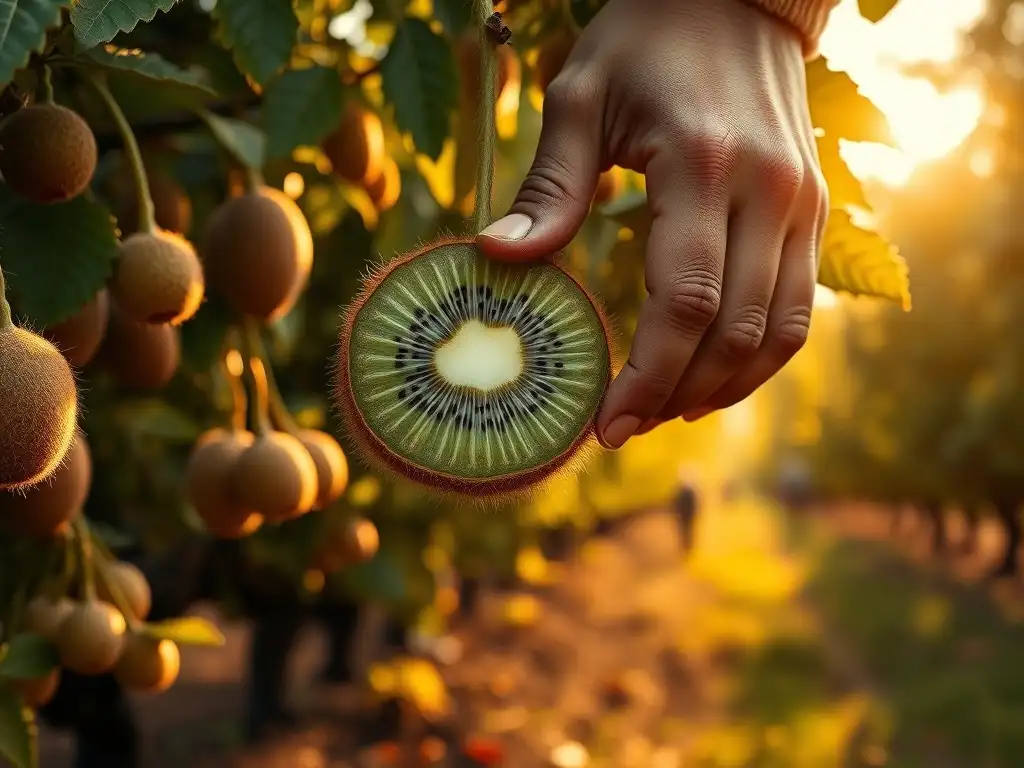
Harvesting kiwi fruit perfectly requires attention to detail and a keen eye for ripeness. However, several challenges can arise during the harvest, impacting both the quality and quantity of your yield. Understanding these potential problems and implementing preventative measures is crucial for maximizing your harvest. This section focuses on common issues encountered during kiwi fruit harvesting and offers practical solutions for a successful harvest.
Dealing with Premature Ripening or Underripe Kiwi Fruit
Premature ripening and underripe fruit are two common pitfalls in kiwi fruit harvesting. Premature ripening, often caused by extreme heat or inconsistent watering, results in soft, mushy fruit that lacks flavor and doesn't store well. Conversely, harvesting underripe kiwis yields fruit that's hard, sour, and lacks the characteristic sweetness. Careful monitoring and timely intervention are key to avoiding these issues.
Several factors contribute to premature ripening. High temperatures can accelerate the ripening process, leading to fruit that's ready for harvest before it's fully developed. Inconsistent watering, where the plant experiences periods of drought followed by excessive watering, can also stress the plant and trigger premature ripening. Similarly, nutrient deficiencies can weaken the plant, making it more susceptible to premature fruit ripening.
On the other hand, underripe kiwi fruit is often a result of harvesting too early. The ideal time for harvesting is determined by the variety of kiwi and its specific ripening characteristics. However, general indicators include a slight softness to the fruit and a change in color from firm green to a slightly browner hue. A simple test involves gently squeezing the fruit; if it yields slightly to pressure, it's likely ripe. Using a refractometer to measure the soluble solids content can also provide a precise measure of ripeness.
To mitigate these issues, consider the following:
- Consistent Watering: Maintain a regular watering schedule, ensuring the soil remains consistently moist but not waterlogged.
- Temperature Management: Provide shade during particularly hot periods, especially in areas with intense sunlight. Consider using shade cloth or strategically planting taller plants to provide natural shade.
- Nutrient Management: Conduct regular soil testing to identify and address any nutrient deficiencies. Amend the soil with appropriate fertilizers according to the test results.
- Careful Monitoring: Regularly inspect the fruit for signs of ripeness, paying close attention to color, firmness, and size. Harvest fruit individually as it reaches optimal ripeness rather than harvesting all at once.
Addressing Pest and Disease Issues Affecting Kiwi Fruit Harvesting
Pest and disease problems can significantly reduce the yield and quality of your kiwi fruit harvest. Several pests and diseases can attack kiwi vines, affecting fruit development, causing premature fruit drop, and rendering the harvested fruit unmarketable. Identifying and managing these issues promptly is vital for a successful harvest.
Common pests include:
- Kiwi vine weevil: These weevils feed on the roots and can severely damage the plant.
- Leaf-rollers: These insects roll up the leaves, hindering photosynthesis and overall plant health.
- Scale insects: These small insects suck sap from the plant, weakening it and reducing fruit production.
Common diseases include:
- Phytophthora root rot: This fungal disease attacks the roots, causing wilting and ultimately killing the plant.
- Botrytis fruit rot: This fungal disease causes brown, rotting spots on the fruit, making them unmarketable.
Effective pest and disease management requires a multi-pronged approach:
- Preventive measures: This includes selecting disease-resistant varieties, maintaining good sanitation practices (removing infected leaves and fruit), and providing optimal growing conditions.
- Biological control: Introducing beneficial insects or using microbial pesticides can help control pest populations.
- Chemical control: In severe cases, targeted application of appropriate pesticides or fungicides may be necessary, always following label instructions carefully. Organic options should be prioritized whenever possible. Regular monitoring and early intervention are crucial for minimizing the impact of pests and diseases.
Preventing Damage During Harvesting and Handling of Kiwi Fruit
Careful harvesting and handling techniques are essential to prevent damage and maintain the quality of your kiwi fruit. Bruising, cuts, and other physical damage can reduce shelf life and impact the fruit's appearance and flavor. These issues can significantly reduce the marketability of your harvest.
Several strategies can minimize damage during harvesting:
- Use appropriate tools: Employ sharp, clean pruning shears or harvesting scissors to prevent crushing or tearing the fruit.
- Gentle handling: Handle the fruit gently, avoiding dropping or squeezing.
- Proper packaging: Use appropriate containers and cushioning materials to protect the fruit during transport and storage. Consider using padded containers or wrapping individual fruits in soft material.
- Careful sorting: Sort the harvested fruit according to size and ripeness to facilitate efficient storage and marketing. Remove any damaged or diseased fruit to prevent spoilage.
- Efficient timing: Harvest during cooler parts of the day to minimize stress on the fruit and reduce the risk of damage.
By implementing these simple yet effective strategies, you can significantly reduce the incidence of damage during harvesting and handling, ensuring a high-quality and marketable kiwi fruit harvest. Careful attention to detail at every stage, from harvesting to packaging, is essential for maximizing both quantity and quality of the final product.
Maximizing Your Kiwi Harvest: Tips for Abundant and Healthy Yields
This section focuses on maximizing your kiwi harvest through sustainable practices. Achieving a bountiful and healthy kiwi fruit yield requires a holistic approach, encompassing proper pruning, effective nutrient management, and robust pest and disease control. Remember, "Harvesting kiwi fruit perfectly" isn't just about the picking; it starts long before the fruit even ripens.
Proper Pruning Techniques to Enhance Kiwi Fruit Production
Proper pruning is crucial for maximizing kiwi fruit production. It involves removing unwanted growth to direct the plant's energy towards fruit development. Untrained kiwi vines can become unruly, leading to reduced yields and difficulties in harvesting. The goal is to create a well-structured canopy that maximizes sunlight penetration and airflow, reducing the risk of disease.
Several pruning techniques are employed depending on the age and vigor of the vine. Young vines require training to establish a strong framework, typically using a trellis system. This involves selecting strong shoots and tying them to the trellis wires, forming a desired shape. Regular pinching of new growth encourages branching and fruiting. Established vines require annual pruning to remove dead, diseased, or unproductive wood. This also includes thinning out crowded branches to improve air circulation and sunlight penetration.
Think of it as a delicate balance: too little pruning and the vine becomes overcrowded, impacting fruit size and quality. Too much pruning and you risk removing potentially productive branches. The ideal approach involves a careful assessment of the vine's condition and the application of appropriate techniques. Careful observation and experience are key to mastering this crucial aspect of "Harvesting kiwi fruit perfectly".
For example, a well-pruned vine might yield 20% more fruit compared to an unpruned vine of the same age and variety. This increased yield directly translates into a more abundant and profitable harvest. Regular pruning also makes the picking process easier and safer, ensuring you can "harvest kiwi fruit perfectly" with minimal effort.
Nutrient Management for Optimal Kiwi Fruit Growth and Harvest
Nutrient management plays a vital role in ensuring optimal kiwi fruit growth and a successful harvest. Kiwi vines are heavy feeders and require a balanced supply of essential nutrients throughout their growing cycle. Soil testing is crucial to determine existing nutrient levels and identify any deficiencies. This allows for a tailored fertilization plan, avoiding unnecessary inputs and environmental impact.
A balanced fertilizer containing nitrogen, phosphorus, and potassium is typically recommended. Nitrogen promotes vegetative growth, phosphorus supports root development and flowering, and potassium enhances fruit size and quality. However, the specific nutrient requirements vary depending on the soil type, vine age, and overall growth conditions. Over-fertilization can lead to excessive vegetative growth at the expense of fruit production, while under-fertilization can result in smaller, lower-quality fruit.
Organic fertilizers, such as compost and well-rotted manure, provide slow-release nutrients and improve soil structure. This aligns perfectly with the sustainable practices advocated by CultivateYourFood. These methods not only boost fruit production but also contribute to healthier soil ecosystems, enhancing the overall sustainability of your kiwi cultivation. Proper nutrient management is critical for achieving those perfectly ripe kiwis and achieving optimal “Harvesting kiwi fruit perfectly”.
Pest and Disease Control Strategies for a Healthy Kiwi Fruit Crop
Pest and disease control are crucial for maintaining the health and productivity of your kiwi vines. Early detection and intervention are key to preventing significant yield losses. Regular monitoring for signs of pests and diseases allows for timely application of appropriate control measures.
Common pests include aphids, mites, and vine weevils. These can be controlled through a combination of biological, cultural, and chemical methods. Biological control involves introducing natural predators, such as ladybugs or lacewings, to control pest populations. Cultural practices, such as proper pruning and sanitation, can also help reduce pest pressure. Chemical control should be used as a last resort and only when necessary, always choosing environmentally friendly options.
Similarly, various fungal and bacterial diseases can affect kiwi vines. These can be managed through preventative measures such as proper sanitation, providing adequate air circulation, and selecting disease-resistant varieties. If disease does occur, timely intervention with appropriate fungicides or bactericides may be necessary. Remember, a healthy vine is essential for achieving a successful harvest; preventative care contributes significantly to “Harvesting kiwi fruit perfectly”. A proactive approach to pest and disease management contributes significantly to a healthy and productive kiwi orchard, resulting in a higher yield of quality fruit.
Frequently Asked Questions
How do I know when my kiwi fruit is ready for harvesting?
The best time to harvest kiwi fruit is when they've reached their full size and the skin changes color, usually from green to brown. Gently squeeze the fruit; it should feel slightly soft but not mushy.
What is the ideal time of year to harvest kiwi fruit?
The harvesting season for kiwi fruit typically falls between late autumn and early winter, usually from October to December in many regions, depending on the specific variety and your climate.
How do I harvest kiwi fruit without damaging the plant or the fruit?
Harvest kiwi fruit by gently twisting them off the vine. Use clean pruning shears if necessary to cut the stem, avoiding bruising the fruit. Handle the fruit carefully to prevent damage.
Can I store harvested kiwi fruit? And how long?
Yes, kiwi fruit can be stored. For optimal freshness, store them in the refrigerator for up to two to three weeks. Avoid storing them with ethylene-producing fruits that can speed up ripening.
What should I do with my harvested kiwi fruit?
You can eat them fresh, use them in smoothies, jams, pies, or even ferment them into delicious kiwi fruit wine. The possibilities are endless!
Final Reflection: The Sweet Spot of Harvest – A Legacy of Patience and Precision
The art of harvesting kiwi fruit perfectly isn't just about picking the fruit at its peak ripeness; it's about understanding the delicate balance between nature's timing and the farmer's expertise. This seemingly simple act holds profound implications for the quality, taste, and ultimately, the success of the entire kiwi fruit industry, impacting everything from consumer satisfaction to the economic viability of farms.
The journey from blossom to perfectly ripe fruit is a testament to the enduring power of patience and observation. It's a process that demands a deep understanding of the plant's life cycle, the nuances of the climate, and the subtle cues that signal readiness. The reward of patience is always sweet.
This adage perfectly encapsulates the essence of kiwi harvesting, where the wait for the optimal moment yields a fruit of unparalleled flavor and texture. The impact of this careful process extends beyond the individual fruit; it shapes the reputation of growers, influences consumer perception, and contributes to the overall sustainability of kiwi cultivation.
Now, consider your own harvests, whether literal or metaphorical. What are you patiently nurturing? What are the subtle signs you're learning to recognize that signal readiness? Take a moment to reflect on the importance of timing and precision in your own pursuits. Embrace the art of waiting, the joy of observation, and the sweet reward of a perfectly timed harvest – in whatever form it may take.
Unlock Your Kiwi Harvest: Taste the Sweet Success!
Thanks for exploring the world of kiwi harvesting! We hope you feel confident in identifying the perfect time to pick your juicy fruit. Ready to apply your newfound knowledge?
- Check your kiwi vines for ripe fruit: Use the tips we shared to carefully assess your kiwis. A gentle squeeze will help you determine ripeness.
- Share your harvest: Snap a picture of your perfectly ripe kiwis and share it on social media – tag us @CultivateYourFood! Let's celebrate this delicious success together.
- Consider trying a new kiwi variety next year to discover even more flavors!
Now, tell us: What's your favorite way to enjoy freshly harvested kiwis?