
The Benefits of Columnar Fruit Trees: Compact Varieties for Limited Areas

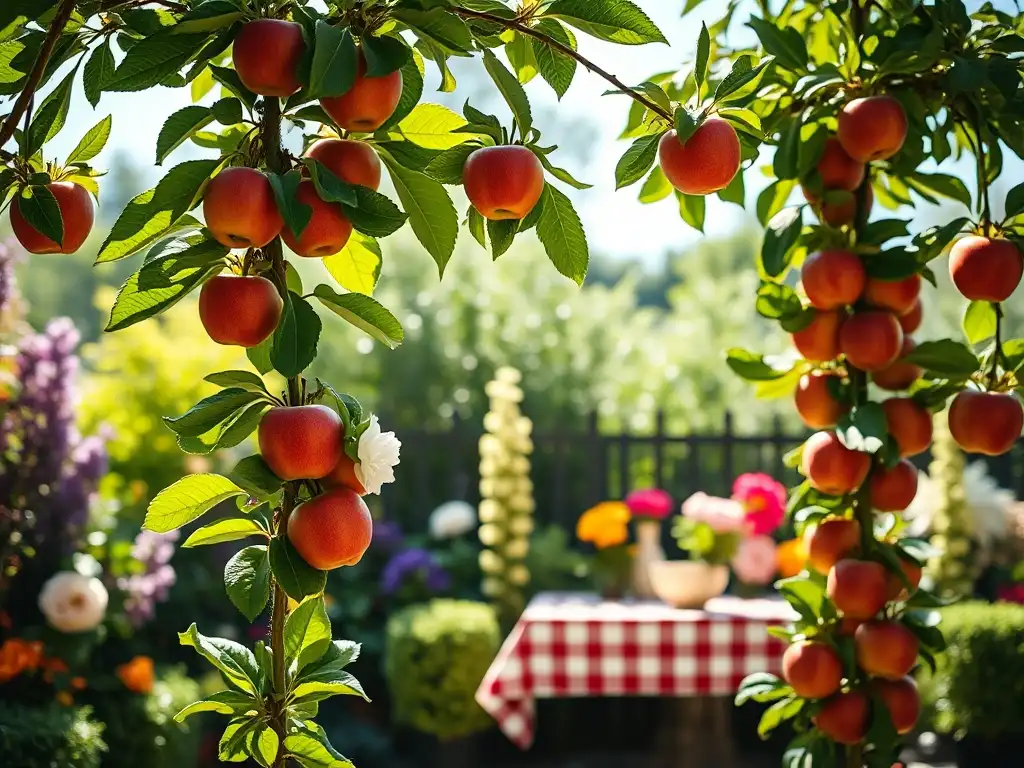
Welcome to CultivateYourFood, your guide to a greener, more fruitful life! Are you dreaming of fresh, homegrown produce but short on space? Then discover the exciting world of columnar fruit trees – the perfect solution for maximizing yields in even the smallest gardens. Learn how these compact varieties can transform your backyard into a bountiful orchard, and unlock the secrets to sustainable and organic gardening. Let's cultivate your food, together!
- Understanding Columnar Fruit Trees for Small Spaces
- Space-Saving Solutions: Maximizing Yields in Limited Areas
- Cultivating Columnar Fruit Trees: A Comprehensive Guide
- The Rewards of Growing Columnar Fruit Trees: Abundant Yields in Small Spaces
- Frequently Asked Questions
- Final Reflection: Harvesting Abundance in Small Spaces
- Unlock Your Urban Orchard: Grow More in Less Space!
Understanding Columnar Fruit Trees for Small Spaces
Cultivating your own fruit can be incredibly rewarding, but space limitations often deter aspiring home gardeners. Traditional fruit trees require significant room to spread their branches and roots, making them unsuitable for smaller yards, patios, or even balconies. However, a clever solution exists for those yearning for homegrown apples, pears, or plums without sacrificing precious square footage: columnar fruit trees.
This comprehensive guide explores the advantages of these compact varieties, detailing their characteristics and diverse selection to help you determine if they're the right fit for your small space gardening ambitions. We’ll delve into what makes them unique, highlighting their size, growth habits, and the various types available, empowering you to make an informed decision about incorporating these space-saving wonders into your garden.
Choosing the right columnar fruit tree can transform a limited area into a bountiful orchard, proving that even the smallest space can yield a delicious harvest. Let's explore the world of compact fruiting!
What are Columnar Fruit Trees?
Columnar fruit trees are a unique type of fruit tree characterized by their naturally narrow, upright growth habit. Unlike their sprawling counterparts, these trees grow vertically, resembling columns rather than spreading branches. This slender profile is a result of a naturally occurring genetic mutation or specific grafting techniques.
This vertical growth habit makes them ideal for small spaces, allowing you to enjoy the fruits of your labor even with limited yard space. They produce fruit along the central leader, resulting in a surprisingly high yield despite their compact size. Think of them as miniature versions of your favorite fruit trees, perfectly suited for containers, small gardens, or even rooftop gardening.
The ease of maintenance and impressive yield-to-space ratio make them an increasingly popular choice among urban and suburban gardeners alike. They are a fantastic option for those who want the benefits of homegrown produce without the commitment of a large, traditional fruit tree.
Characteristics of Columnar Fruit Trees: Size and Growth Habit
One of the most appealing aspects of columnar fruit trees is their manageable size. Mature heights typically range from 6 to 12 feet, with a width rarely exceeding 1 to 2 feet. This significantly reduces the space required compared to standard fruit trees, which can reach heights of 20 feet or more and spread considerably wider.
Their growth habit is characterized by a central leader with short, densely packed side branches that grow almost directly upwards, maintaining the columnar shape. This unique growth pattern not only saves space but also simplifies pruning and harvesting. Because the fruit is concentrated along the central leader, reaching and picking the fruit is much easier than with a larger, more spread-out tree.
This makes them particularly suitable for individuals with mobility limitations or those who prefer low-maintenance gardening. The compact size also allows for greater planting density, meaning you can fit more trees into a smaller area.
Columnar Fruit Tree Varieties: A Diverse Selection
While the compact nature is a defining feature, columnar fruit trees offer a surprising diversity in terms of fruit type and variety. You can find columnar versions of many popular fruit trees, including apples, pears, plums, cherries, and even some less common varieties. This wide selection allows you to choose trees that produce your favorite fruits, adapting your small-space orchard to your tastes. Each variety will have its own specific fruiting period and chilling requirements, so it’s crucial to select varieties suited to your local climate.
Consider factors such as the number of chill hours needed and the anticipated harvest time when making your selection. Choosing the right variety ensures a successful and bountiful harvest, tailored to your specific needs and preferences. The availability of diverse columnar fruit trees ensures that everyone, regardless of space constraints, can enjoy the pleasure of cultivating their own fruit.
Choosing the Right Columnar Fruit Tree for Your Garden
Selecting the perfect columnar fruit tree for your small space garden requires careful consideration of several factors. The first and most important is climate. Columnar trees, while generally hardy, still have specific temperature and chill hour requirements. For example, a variety suited to a zone 6 climate will likely struggle in a zone 2 winter.
Before purchasing, check the tree's hardiness zone to ensure it's compatible with your local conditions. Failure to do so could result in poor fruit production or even tree death. Consult your local agricultural extension office or a reputable nursery for guidance on suitable varieties for your area. They can provide invaluable insights based on regional microclimates and specific soil conditions.
Next, consider the size of your space. While columnar trees are known for their compact growth habit, they still require adequate space for their root systems to develop properly. A mature tree, even a columnar one, can reach heights of 8-12 feet, and their root spread can extend several feet beyond the drip line.
Measure your planting area carefully and choose a variety that will comfortably fit without overcrowding neighboring plants or structures. Overcrowding can lead to poor air circulation, increasing the risk of fungal diseases and reducing fruit yield. Remember to factor in future growth when making your decision.
Another crucial factor is sunlight requirements. Columnar fruit trees, like most fruit-bearing plants, need ample sunlight for optimal growth and fruiting. Most varieties need at least 6-8 hours of direct sunlight per day. Before planting, carefully assess the amount of sunlight your chosen location receives throughout the day.
If the area is shaded for a significant portion of the day, you may need to reconsider your planting location or select a sun-tolerant variety. Insufficient sunlight will significantly impact fruit production and overall tree health. Observe the sunlight patterns in your garden throughout the day to identify the most suitable spot.
Finally, think about the type of fruit you desire. Columnar varieties are available for various fruits, including apples, pears, plums, cherries, and more. Consider your personal preferences and what fruits you enjoy eating. Do you prefer sweet apples or tart cherries? Choosing a variety that aligns with your taste preferences will enhance your gardening experience and ensure you enjoy the fruits of your labor. Research different columnar fruit tree varieties to find one that produces your favorite type of fruit. Remember to check the tree's maturity time to understand when you can expect your first harvest. 🍎
Space-Saving Solutions: Maximizing Yields in Limited Areas
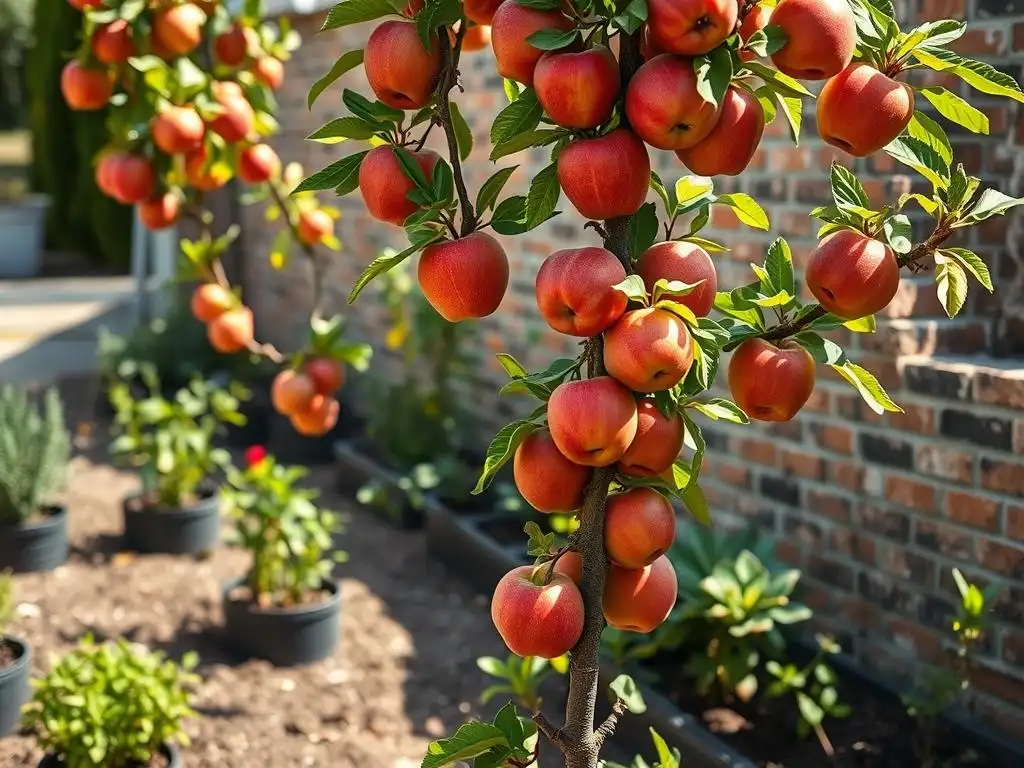
Columnar fruit trees represent a revolutionary approach to fruit cultivation, particularly beneficial for those with limited space. These unique trees, characterized by their slender, columnar growth habit, offer a significant advantage over traditional, sprawling varieties. Their compact nature allows for higher planting density, maximizing yield per square foot.
This makes them ideal for small gardens, patios, balconies, and even container gardening, bringing the joy of fresh, homegrown fruit to urban and suburban environments alike. The efficient use of space offered by columnar fruit trees directly addresses the challenges faced by many home gardeners seeking to cultivate fruit in "columnar fruit trees small spaces." This section will delve into the specifics of utilizing these trees to optimize yield in limited areas.
Columnar Fruit Trees vs. Traditional Fruit Trees: A Comparison
The key difference between columnar and traditional fruit trees lies in their growth habit. Traditional trees develop a wide, spreading canopy, requiring ample space for root development and branch expansion. This often necessitates significant spacing between trees, limiting the number of plants that can be accommodated in a given area. Columnar fruit trees, on the other hand, grow vertically, resembling tall, slender columns. This drastically reduces their footprint, allowing for much closer planting.
| Feature | Columnar Fruit Tree | Traditional Fruit Tree |
|---|---|---|
| Growth Habit | Vertical, columnar | Spreading, wide canopy |
| Space Required | Minimal, ideal for small spaces | Extensive, requires large areas |
| Yield per Area | High, maximizes fruit production per square foot | Lower, limited by spacing requirements |
| Maintenance | Generally easier, less pruning required | More intensive pruning and shaping often needed |
| Pollination | May require cross-pollination, depending on variety | Often self-pollinating or easily cross-pollinated |
This compact nature translates to significant advantages. For example, a 10 x 10 foot area might only accommodate one or two traditional apple trees, while it could easily fit five to seven columnar apple trees, potentially producing a far greater harvest. This increased yield per unit area is crucial for maximizing production in small gardens and urban settings. The reduced need for extensive pruning also simplifies maintenance, making columnar fruit trees a particularly attractive option for busy gardeners.
Planting Columnar Fruit Trees in Small Gardens, Patios, and Containers
Planting columnar fruit trees is relatively straightforward, regardless of whether you're working with a small garden, patio, or container. Proper soil preparation is key for success. Choose a location that receives at least six hours of sunlight daily. Well-draining soil is essential; amend heavy clay soils with compost or other organic matter to improve drainage and aeration. When planting in containers, select large pots (at least 15 gallons) with ample drainage holes. Use a high-quality potting mix formulated for fruit trees.
Planting depth should be consistent with the root ball. After planting, water thoroughly to settle the soil. Regular watering, especially during dry periods, is crucial for establishing the young tree. Mulching around the base of the tree helps retain moisture, suppress weeds, and regulate soil temperature. For container-grown trees, regular fertilization is necessary to provide the nutrients needed for optimal growth and fruit production. Remember to choose varieties suitable for your climate and growing conditions. Careful selection ensures a bountiful harvest even in "columnar fruit trees small spaces."
Optimizing Space: Planting Strategies and Arrangements for Columnar Trees
The versatility of columnar fruit trees allows for creative planting strategies to maximize space utilization. Consider these arrangements:
- Linear Planting: Plant trees in a straight line along a fence, wall, or pathway. This creates a visually appealing and space-efficient fruit "hedge."
- Grid Planting: Arrange trees in a grid pattern for a more densely packed planting scheme. This works well in larger, but still limited, spaces.
- Alternating Varieties: Plant different varieties of columnar fruit trees to ensure cross-pollination and maximize fruit production. Consider alternating self-fertile and cross-pollinating varieties for optimal results.
- Container Gardening: Utilize large containers to grow columnar fruit trees on patios, balconies, or rooftops. This expands the possibilities for fruit cultivation even in the most confined spaces. Proper drainage is especially critical in container planting.
Careful planning and selection are crucial for maximizing the benefits of columnar fruit trees in small spaces. By understanding their growth habits and employing effective planting strategies, you can transform even the smallest areas into productive fruit orchards, successfully addressing the needs of those seeking to cultivate fruit in "columnar fruit trees small spaces."
Cultivating Columnar Fruit Trees: A Comprehensive Guide
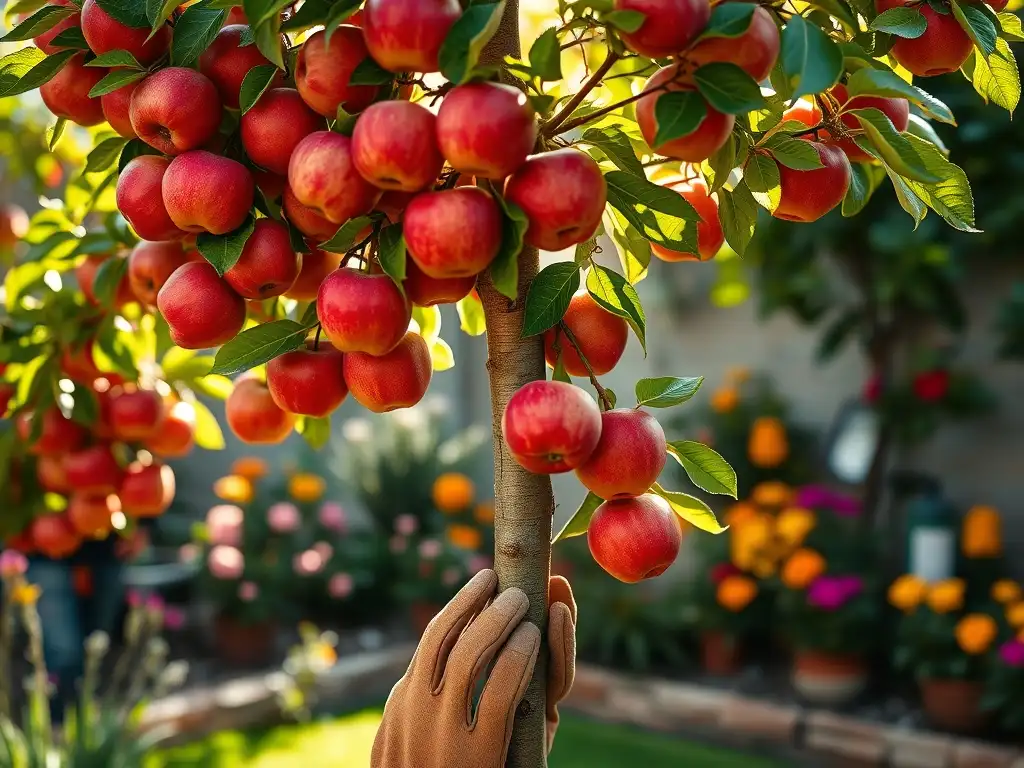
This section delves into the practical aspects of growing columnar fruit trees, focusing on techniques that maximize yield and health within the constraints of small spaces. Columnar fruit trees, ideal for "columnar fruit trees small spaces" situations, offer a unique opportunity to enjoy fresh fruit even in limited garden areas. Their naturally narrow growth habit minimizes the need for extensive pruning and training, making them a manageable choice for both novice and experienced gardeners.
Planting and Aftercare: Essential Steps for Success
Successful cultivation of columnar fruit trees begins with proper planting. Choose a location that receives at least six hours of direct sunlight daily. Well-drained soil is crucial; amend heavy clay soils with compost to improve drainage and aeration. Dig a hole twice as wide as the root ball, ensuring the top of the root ball is level with the surrounding ground. Gently loosen the roots before planting to encourage healthy growth.
After planting, water deeply and thoroughly to settle the soil around the roots. Regular watering, especially during dry spells, is vital, particularly in the first growing season. Mulching around the base of the tree with organic material like straw or wood chips helps retain moisture, suppress weeds, and regulate soil temperature. This is especially important for young trees and helps conserve water, a key aspect of sustainable gardening.
The first few months are critical for establishing a strong root system. Avoid over-fertilizing, as this can damage young trees. A balanced, slow-release fertilizer applied according to package directions is sufficient. Regularly inspect your trees for pests and diseases. Early detection is key to preventing widespread problems and ensuring a healthy harvest. Early signs of issues, like leaf discoloration or unusual insect activity, should prompt further investigation and appropriate action.
Watering and Fertilizing Columnar Fruit Trees
Consistent watering is essential for the optimal growth and fruiting of columnar fruit trees. Aim for deep, infrequent watering rather than shallow, frequent watering. This encourages deep root growth, making the tree more drought-tolerant in the long run. The frequency of watering will depend on factors like weather conditions, soil type, and the tree's age. Check the soil moisture regularly by inserting your finger a few inches into the soil; if it feels dry, it's time to water.
Fertilizing should be done strategically to support fruit production without excessive vegetative growth. Use a fertilizer formulated for fruit trees, following the manufacturer's instructions carefully. Over-fertilizing can lead to excessive leaf growth at the expense of fruit production. A soil test can help determine nutrient deficiencies and guide your fertilization strategy. Consider using organic fertilizers like compost tea or aged manure to boost soil health and provide essential nutrients in a sustainable manner. Remember to water well after fertilizing to prevent fertilizer burn.
Pruning Techniques for Columnar Fruit Trees: Maintaining Shape and Size
Pruning columnar fruit trees is primarily focused on maintaining their upright shape and removing dead, damaged, or diseased branches. Unlike traditional fruit trees, extensive pruning to shape the tree is generally unnecessary. However, regular pruning helps to improve air circulation, sunlight penetration, and fruit production.
The best time to prune is during the dormant season (late winter or early spring), before new growth begins. Use sharp, clean pruning shears to make clean cuts, avoiding ragged edges that can invite disease. Remove any branches that are dead, diseased, or crossing each other. Thinning out overcrowded branches can improve air circulation and sunlight penetration, leading to healthier fruit production.
You can also remove suckers or water sprouts that grow from the base of the tree or along the main stem. These suckers compete with the main branches for nutrients and water and detract from the tree's overall shape. By following these guidelines, you can ensure your columnar fruit trees remain healthy, productive, and aesthetically pleasing, even in the most compact of spaces.
Pest and Disease Management for Compact Fruit Trees

Columnar fruit trees, despite their size advantage for small spaces, are still susceptible to common fruit tree pests and diseases. Effective pest and disease management is crucial for a healthy and productive harvest. Regular monitoring is key; early detection allows for timely intervention, preventing widespread infestation or infection. Look for signs like leaf discoloration, unusual spots, wilting, or the presence of insects.
One effective strategy is preventative care. This includes choosing disease-resistant varieties whenever possible. Many nurseries now offer columnar fruit trees bred for increased resistance to specific common problems in your region. Proper spacing also improves air circulation, reducing the humidity that favors fungal diseases. Maintaining a clean orchard floor by regularly removing fallen leaves and fruit minimizes overwintering sites for pests and pathogens.
Organic pest control methods are often preferred by home gardeners committed to sustainable practices. These methods include introducing beneficial insects like ladybugs to control aphids or using insecticidal soap for softer-bodied pests. For fungal diseases, copper fungicides or neem oil can be effective, but always follow label instructions carefully. Consider using horticultural oil to suffocate overwintering eggs and larvae.
Remember that organic options may require more frequent applications compared to synthetic pesticides. Always carefully research the best organic solutions for the specific pests and diseases prevalent in your area. Local agricultural extension offices can provide invaluable guidance on regionally appropriate pest and disease management.
Harvesting Your Columnar Fruit Trees: Timing and Techniques
Harvesting your columnar fruit trees is a rewarding experience, but timing is crucial for optimal flavor and quality. The ideal harvest time varies depending on the specific fruit variety and your local climate. Generally, you'll need to monitor the fruit's color, size, and firmness. For example, apples will typically change color from green to their mature shade (red, yellow, or a combination), and will feel firm but not hard to the touch. Similarly, plums will soften slightly as they ripen, and their color will deepen.
Harvesting techniques are straightforward but require a gentle touch to avoid damaging the delicate branches. Use pruning shears or sharp scissors to carefully cut the fruit from the branch, leaving a small stem attached. Avoid pulling the fruit, as this can damage the tree and reduce future yields. For easier access, you might use a small stepladder or extendable picker for higher branches. Remember that the compact nature of columnar trees makes harvesting relatively easy compared to larger, sprawling trees.
Once harvested, handle the fruit gently to prevent bruising. Store the fruit appropriately, depending on the type; some fruits like apples and pears are best stored in a cool, dark place, while others might need refrigeration. Proper post-harvest handling ensures that you enjoy the fruits of your labor for as long as possible. Proper storage can extend the enjoyment of your harvest significantly, providing fresh fruit for weeks.
The Rewards of Growing Columnar Fruit Trees: Abundant Yields in Small Spaces
Columnar fruit trees, also known as columnar apple trees, represent a revolutionary approach to fruit tree cultivation, especially beneficial for those with limited space. Their unique, upright growth habit – resembling a column – allows for significantly higher planting density compared to traditional, sprawling trees. This means you can enjoy a bountiful harvest of delicious fruits even if your garden is small.
This makes them an excellent choice for urban gardens, patios, balconies, and even large containers. The compact nature of these trees simplifies harvesting, pruning, and overall maintenance, making them an ideal option for both beginner and experienced gardeners looking for efficient space utilization. Many varieties are self-pollinating, further simplifying the planting process and eliminating the need for multiple trees to ensure fruit production.
Enjoying Fresh, Homegrown Fruit: The Taste and Quality Difference
There's an undeniable satisfaction in biting into a sun-ripened, homegrown fruit. The taste difference between a supermarket apple and one picked fresh from your own columnar tree is significant. Homegrown fruits often possess a superior flavor profile, enhanced by the absence of pesticides and ripening on the branch. The sweetness, juiciness, and overall aromatic experience are often unmatched.
Furthermore, you have complete control over the growing process, allowing you to select varieties known for their exceptional taste and tailor your growing practices to optimize flavor development. This translates to a richer, more rewarding experience, exceeding the simple act of consuming fruit; it becomes a connection to the natural world and the fruits of your labor. Consider the joy of sharing these superior fruits with family and friends – a gift from your garden.
Environmental Benefits: Sustainable Gardening with Compact Trees
Columnar fruit trees contribute to sustainable gardening practices in several ways. Their compact size minimizes the need for extensive land use, making them an environmentally responsible choice for urban and suburban settings. Reduced land use translates to less need for fertilizers, pesticides, and water, contributing to a lower environmental footprint.
Growing your own fruit also reduces the carbon emissions associated with transporting fruits over long distances, further enhancing the sustainability of your gardening practices. Choosing disease-resistant varieties further minimizes the need for chemical interventions, promoting a healthier garden ecosystem. This holistic approach to sustainable gardening aligns perfectly with the principles of environmentally conscious living.
Long-Term Benefits and Cost Savings: A Wise Investment for Home Gardeners
While the initial cost of a columnar fruit tree might be slightly higher than that of a standard fruit tree sapling, the long-term benefits and cost savings are substantial. Their compact size requires less space for planting and maintenance, reducing labor costs. The high yield from a relatively small tree ensures a larger harvest per square foot compared to traditional trees.
This translates to a higher return on investment in terms of the quantity and quality of fruit produced. The reduced need for pesticides and fertilizers further cuts down on expenses, making columnar fruit trees a financially sound choice for home gardeners seeking both delicious fruits and long-term cost savings. Moreover, the aesthetic appeal of these trees adds value to your property, representing a wise investment for years to come.
Frequently Asked Questions
What are columnar fruit trees?
Columnar fruit trees are unique varieties that grow in a narrow, upright column shape, unlike traditional spreading trees. This makes them ideal for small spaces.
How much space do columnar fruit trees need?
They require significantly less space than standard fruit trees. A mature tree might only need 2-3 feet of space, depending on the variety.
What types of fruit can I grow as columnar trees?
Many popular fruits are available as columnar varieties, including apples, pears, plums, and cherries. Check your local nursery for availability.
Are columnar fruit trees as productive as standard trees?
While they produce smaller yields than larger trees, they still offer a substantial harvest considering their size and space requirements.
How do I care for columnar fruit trees?
Care is similar to standard fruit trees, including regular watering, fertilization, and pruning. However, pruning focuses on maintaining the central leader and removing suckers.
Final Reflection: Harvesting Abundance in Small Spaces
The demand for sustainable and space-saving gardening solutions is surging, and columnar fruit trees are leading the charge. These compact powerhouses offer a compelling alternative to traditional fruit trees, allowing even urban dwellers to experience the joy of homegrown harvests. Their efficiency and adaptability make them a vital tool in the fight for food security and environmental responsibility in increasingly crowded landscapes.
The impact of these trees extends beyond the individual garden; they represent a shift in our relationship with food production. We are witnessing a growing movement towards localized food systems, and columnar fruit trees play a significant role in making this vision a reality. They empower individuals to reclaim control over their food sources, fostering a deeper connection to nature and the origins of our sustenance. The best way to find yourself is to lose yourself in the service of others.
– Mahatma Gandhi – While not directly about gardening, this quote speaks to the rewarding nature of growing your own food and contributing to a more sustainable future.
Consider the possibilities: a vibrant cherry tree gracing your balcony, a productive apple tree thriving in your small backyard. You, too, can contribute to a more sustainable and resilient food system. Embrace the compact elegance of columnar fruit trees and cultivate not just fruit, but a deeper connection to the earth and the bounty it provides. Start small, start now, and experience the transformative power of growing your own food, no matter the size of your space.
Unlock Your Urban Orchard: Grow More in Less Space!
Thanks for exploring the world of compact columnar fruit trees! You've discovered how to maximize your harvest even with limited space. Ready to get started?
- Begin your compact orchard today: Research and select the perfect columnar fruit tree varieties for your climate and available space. Consider your favorite fruits and the amount of sunlight your garden receives. Choosing varieties well-suited to your local conditions will ensure a bountiful harvest.
- Share your gardening journey! Tell us about the tree variety you chose and post a picture on social media using #CultivateYourFood. Let's inspire each other!
- Dive deeper: Explore other space-saving gardening techniques on our site to create your ultimate food-producing haven.
What delicious fruits will you be growing this year?