
The Best Organic Practices for Healthy Fruit Trees

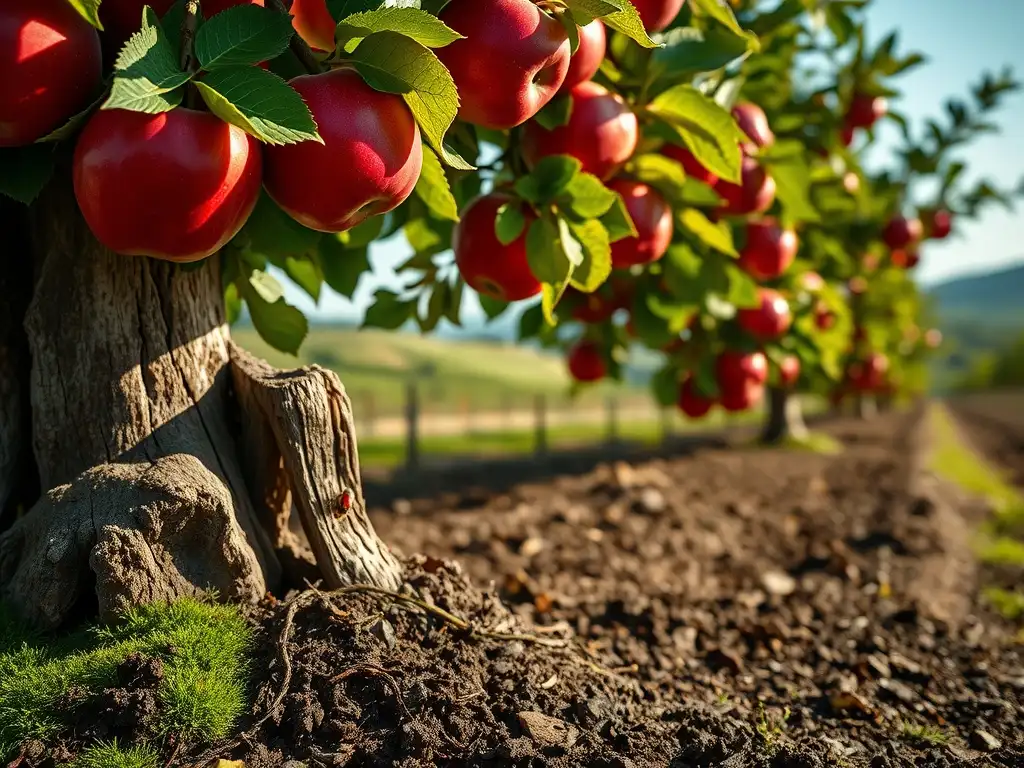
Welcome to CultivateYourFood, your guide to a thriving home garden! Are you ready to unlock the secrets to bountiful harvests? We're passionate about helping you grow your own delicious fruits, vegetables, and herbs using sustainable and organic methods. Discover the key principles behind healthy and productive plants, starting with our expert advice on Organic fruit tree care tips—because a happy tree means a sweeter reward. Let's cultivate a greener, healthier future, together!
- Understanding Organic Fruit Tree Care: A Foundation for Success
- Implementing Effective Organic Pest Control for Fruit Trees
- Organic Practices for Fruit Tree Disease Prevention
- Optimizing Soil Health for Organic Fruit Tree Growth
- Harvesting and Maintaining Your Organic Fruit Trees
- Long-Term Organic Fruit Tree Care Strategies
-
Frequently Asked Questions
- What are the essential organic fertilizers for fruit trees?
- How do I control pests organically on my fruit trees?
- When is the best time to prune my organic fruit trees?
- What are the signs of nutrient deficiencies in my organic fruit trees?
- How can I improve the soil health for my organic fruit trees?
- Final Reflection: Cultivating a Healthier Future, One Fruit Tree at a Time
- Unlock Your Orchard's Potential: Grow Healthier Fruit!
Understanding Organic Fruit Tree Care: A Foundation for Success
Growing healthy and productive fruit trees organically requires a holistic approach, focusing on soil health, pest prevention, and sustainable practices. This guide delves into the best organic practices to ensure your fruit trees thrive, yielding abundant harvests while respecting the environment. We'll explore key aspects of organic fruit tree care, from selecting the right soil and disease-resistant varieties to providing essential nutrients without resorting to harmful chemicals.
Mastering these techniques will not only improve the health and yield of your trees but also contribute to a more sustainable and environmentally friendly food system. By following these organic fruit tree care tips, you'll be well on your way to enjoying delicious, healthy fruit for years to come. Remember, organic fruit tree care is a journey, not a destination – continuous learning and adaptation are key to long-term success.
Choosing the Right Organic Soil for Fruit Trees
The foundation of healthy organic fruit tree growth lies in the soil. Fruit trees require well-drained, fertile soil rich in organic matter. Avoid heavy clay soils that retain too much water, leading to root rot. Similarly, sandy soils drain too quickly, leaving the roots susceptible to drought. Ideal soil should have a good balance of sand, silt, and clay, offering both drainage and water retention.
To improve your soil's organic content, incorporate generous amounts of compost. Compost provides essential nutrients, improves soil structure, and enhances water retention. Aged manure is another excellent organic amendment, adding valuable nutrients and beneficial microorganisms. Consider conducting a soil test to determine its pH level and nutrient content.
Adjust the pH if necessary using organic methods like adding lime for acidic soils or sulfur for alkaline soils. Remember, healthy soil is the cornerstone of successful organic fruit tree cultivation. Regular soil testing and amendment will ensure your trees have the ideal environment for robust growth and plentiful fruit production. A healthy soil ecosystem teeming with beneficial microbes is crucial for nutrient uptake and disease resistance.
Selecting Disease-Resistant Fruit Tree Varieties
Choosing disease-resistant fruit tree varieties is crucial for minimizing the need for chemical interventions. Many fruit tree varieties have been bred for resistance to common diseases like fire blight, powdery mildew, and various fungal infections. Researching locally adapted varieties is key, as certain diseases are more prevalent in specific regions. Your local agricultural extension office or a reputable nursery can provide valuable advice on disease-resistant varieties suitable for your area and growing conditions.
Consider the specific challenges presented by your local climate and soil type. Some varieties might be more resistant to certain diseases but less tolerant of extreme temperatures or specific soil conditions. Prioritizing disease resistance from the start is a proactive approach that significantly reduces the need for future interventions, simplifying your organic fruit tree care routine. By selecting disease-resistant varieties, you'll spend less time battling diseases and more time enjoying the fruits of your labor. This preventive measure is a cornerstone of sustainable and efficient organic fruit tree management.
Essential Organic Nutrients for Healthy Growth
Organic fruit tree fertilization focuses on providing essential nutrients through natural sources. Avoid synthetic fertilizers, which can disrupt soil ecosystems and harm beneficial microorganisms. Instead, use organic fertilizers like compost tea, aged manure, and bone meal. These provide a slow-release of nutrients, ensuring a consistent supply throughout the growing season.
Compost tea, a liquid fertilizer brewed from compost, is rich in beneficial microbes that enhance nutrient uptake and soil health. Aged manure provides a balanced mix of essential nutrients, while bone meal is an excellent source of phosphorus, crucial for root and fruit development. Avoid over-fertilizing, as this can lead to excessive vegetative growth at the expense of fruit production. Observe your trees carefully, paying attention to their growth patterns and overall health.
Adjust your fertilization strategy as needed based on the trees' specific requirements and the results of soil testing. A balanced nutrient program is essential for achieving optimal fruit production and maintaining the long-term health of your organic fruit trees. Remember that healthy soil naturally provides many nutrients, so organic fertilization should supplement, not replace, the soil's natural contribution.
Implementing Effective Organic Pest Control for Fruit Trees
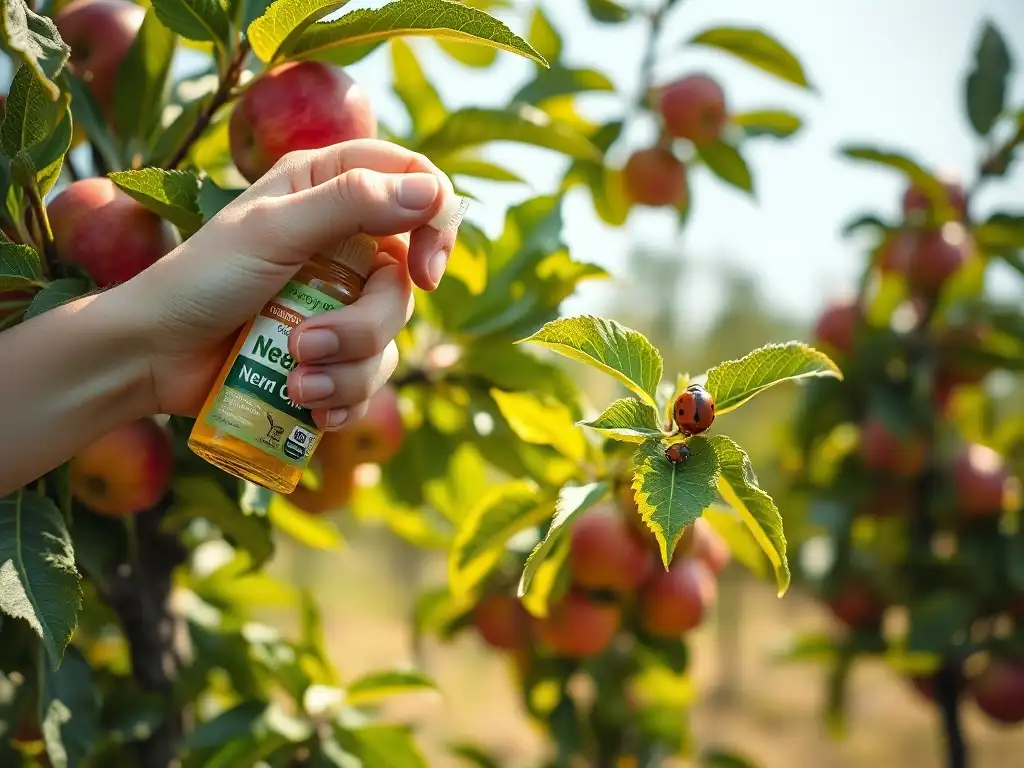
Organic fruit tree care necessitates a proactive and integrated approach to pest and disease management. Ignoring early signs of infestation can lead to significant crop loss and long-term tree health issues. This section focuses on practical, organic strategies to keep your fruit trees thriving and producing abundant, healthy fruit. Remember, prevention is key, and a healthy tree is less susceptible to pests and diseases. These Organic fruit tree care tips emphasize building a resilient ecosystem around your trees.
Identifying Common Fruit Tree Pests and Diseases
Accurate identification is the first step in effective pest control. Many pests and diseases present similar symptoms, making diagnosis crucial for selecting the appropriate organic treatment. Let's explore some common culprits:
- Aphids: These tiny, soft-bodied insects suck sap from leaves and buds, causing stunted growth and leaf curling. They often appear in large colonies. Look for distorted leaves and sticky honeydew.
- Codling Moths: The larvae of these moths bore into fruit, causing damage and premature fruit drop. Look for small holes in the fruit and evidence of larval activity inside.
- Scale Insects: These armored insects attach themselves to branches and leaves, sucking sap and hindering growth. They can be difficult to detect, appearing as small bumps on the bark or leaves.
- Powdery Mildew: This fungal disease appears as a white, powdery coating on leaves and fruit. It can hinder photosynthesis and reduce fruit quality.
- Apple Scab: Another common fungal disease, apple scab causes dark, scabby lesions on leaves and fruit, affecting both appearance and yield.
Understanding the lifecycle of these pests and diseases is vital. For example, codling moths overwinter in the soil, requiring fall cleanup to reduce the next year's population. Regular inspection, ideally weekly during the growing season, is essential for early detection and timely intervention. A magnifying glass can be helpful for identifying smaller pests. Consider keeping a journal to track pest and disease occurrences, noting dates, severity, and implemented control measures. This meticulous record-keeping will improve your long-term pest management strategy.
Natural Pest Control Methods: Beneficial Insects and Birds
Encouraging beneficial insects and birds is a cornerstone of organic pest control. These natural predators help maintain a balanced ecosystem, reducing the need for chemical interventions.
- Ladybugs: These voracious predators feed on aphids and other soft-bodied insects. Attract them by planting flowers that provide nectar and pollen.
- Lacewings: Lacewing larvae are effective aphid predators. Similar to ladybugs, providing habitat and food sources is key to attracting them.
- Birds: Birds such as chickadees, wrens, and woodpeckers consume various insects, including caterpillars and beetles. Providing nesting boxes and bird baths will encourage them to inhabit your orchard.
- Praying Mantises: These stealthy hunters are excellent predators of many common fruit tree pests. Avoid using pesticides that might harm them.
Creating a diverse and healthy habitat around your fruit trees is crucial. Plant a variety of flowering plants to attract beneficial insects and provide shelter. Avoid using broad-spectrum insecticides that could harm beneficial species along with the pests. Maintaining a clean orchard floor by removing fallen leaves and fruit can help reduce overwintering sites for many pests. The use of pheromone traps can also help monitor pest populations without harming beneficial insects.
Organic Pest Control Sprays and Solutions: Safe and Effective Options
While encouraging natural predators is ideal, sometimes supplementary organic pest control measures are necessary. Several safe and effective options exist:
- Neem Oil: A natural insecticide derived from the neem tree, neem oil disrupts the life cycle of many insects, including aphids and mites. It's effective as a preventative and curative treatment.
- Insecticidal Soap: This soap-based solution disrupts the cell membranes of soft-bodied insects, causing them to dehydrate and die. It's effective against aphids, mites, and whiteflies.
- Potassium Bicarbonate: This fungicide is effective against powdery mildew and other fungal diseases. It's less toxic than many synthetic fungicides.
- Copper Fungicide: While less toxic than some synthetic alternatives, copper fungicides should be used judiciously to prevent soil buildup and potential harm to beneficial microbes. Always follow label instructions carefully.
Remember to always follow label instructions when using any organic pest control product. Apply sprays in the early morning or evening to minimize evaporation and avoid harming beneficial insects. Rotate different organic sprays to prevent pest resistance. Regular monitoring is crucial to assess the effectiveness of your chosen method and adjust your strategy accordingly. A holistic approach combining preventative measures, natural predators, and targeted organic sprays will ensure healthy and productive fruit trees for years to come.
Preventing Pest and Disease Problems Through Proper Pruning
Proper pruning is a cornerstone of organic fruit tree care and significantly reduces the likelihood of pest and disease infestations. By removing dead, diseased, or overcrowded branches, you improve air circulation within the tree canopy. This enhanced airflow helps to dry out leaves and branches quickly, creating an inhospitable environment for many fungal diseases that thrive in damp conditions. Think of it like opening a window in a humid room – the improved ventilation drastically reduces the chance of mold growth.
Furthermore, pruning helps to shape the tree, allowing sunlight to penetrate more deeply into the interior. This increased sunlight exposure strengthens the tree's overall health and vigor, making it more resistant to pests and diseases. A weak, shaded tree is much more susceptible to attack than a healthy, well-lit one. For example, apple scab, a common fungal disease, thrives in shaded, humid conditions. Proper pruning directly combats this by creating an environment less conducive to its development.
Strategic pruning also facilitates easier access for inspection and treatment. By maintaining a well-structured tree, you can readily identify and address potential problems early on, preventing minor issues from escalating into major infestations. This proactive approach is vital in organic pest control, as it minimizes the need for harsh chemical interventions. Regular pruning allows for timely removal of infected branches, preventing the spread of disease throughout the tree and potentially to neighboring plants.
Consider it preventative maintenance, much like regularly servicing your car to prevent major breakdowns. The time invested in pruning pays significant dividends in the long run. Ignoring this crucial step often leads to more extensive and challenging problems down the line.
Organic Practices for Fruit Tree Disease Prevention
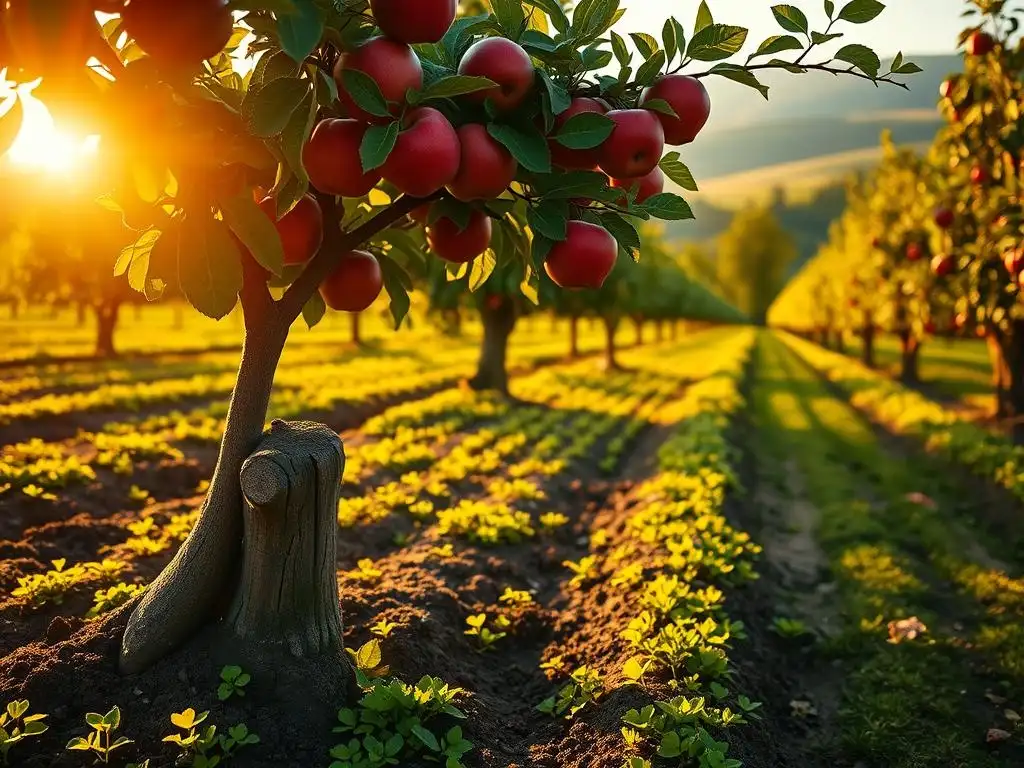
This section delves into the core principles of organic fruit tree care, focusing on proactive disease prevention rather than reactive treatments. By understanding and implementing these strategies, you can significantly reduce the risk of common fruit tree diseases, leading to healthier trees and bountiful harvests. This approach aligns perfectly with the principles of sustainable gardening and minimizes the environmental impact of pest and disease management. Remember, prevention is key when it comes to organic fruit tree care tips.
Recognizing Early Signs of Fruit Tree Diseases
Early detection is crucial for effective organic disease management. Many diseases manifest subtly initially, making prompt identification challenging but vital. Learning to recognize these early warning signs can save your trees from significant damage. Here's a breakdown of common symptoms and their implications:
- Leaf Spots: Small, discolored spots on leaves can indicate fungal infections like leaf spot or anthracnose. These spots may be brown, black, or reddish, often with a defined margin. Regular inspection of leaves, particularly after periods of rain or high humidity, is essential. Look for patterns – are spots concentrated on certain leaves or branches?
- Wilting: Sudden or progressive wilting of branches or the entire tree can signal root rot, a serious fungal disease that affects the tree's ability to absorb water and nutrients. Check the soil moisture levels; root rot often occurs in poorly drained soil.
- Cankers: Sunken, discolored areas on branches or the trunk are indicative of cankers, which are lesions caused by various fungi or bacteria. These can girdle the branch, cutting off nutrient flow and eventually leading to branch death. Inspect the bark regularly for any unusual discoloration or lesions.
- Fruit Rot: Soft, decaying spots on fruit, often accompanied by mold growth, suggest fungal infections such as brown rot or blossom blight. Harvesting promptly and removing fallen fruit can help prevent the spread of these diseases.
Early identification allows for targeted intervention, preventing the spread of disease and minimizing the need for harsh chemical treatments. A magnifying glass can be helpful for closer inspection of minute symptoms. Keep a detailed record of any observed symptoms, including dates and affected areas, to track disease progression and effectiveness of treatments. Regular monitoring, coupled with prompt action, forms the backbone of organic fruit tree disease management.
Organic Fungicides and Treatments for Common Diseases
While prevention is paramount, sometimes diseases take hold. Fortunately, several effective organic fungicides and treatments exist to combat common fruit tree ailments. These options minimize environmental impact while maintaining the health of your trees.
| Disease | Common Symptoms | Organic Treatment Options |
|---|---|---|
| Powdery Mildew | White powdery coating on leaves and fruit | Baking soda spray, neem oil, sulfur |
| Leaf Spot | Small, discolored spots on leaves | Copper fungicide (use sparingly), compost tea |
| Anthracnose | Brown or black lesions on leaves and fruit | Potassium bicarbonate spray, neem oil |
| Fire Blight | Browning and wilting of leaves and branches | Pruning infected branches, avoiding overhead watering |
| Root Rot | Wilting, yellowing leaves, poor growth | Improve drainage, compost amendments, beneficial soil fungi |
Important Considerations:
- Rotation: To prevent fungicide resistance, rotate between different organic treatments.
- Timing: Apply treatments at the appropriate stage of the disease cycle for maximum effectiveness.
- Dilution: Always follow the manufacturer's instructions carefully when diluting and applying organic fungicides.
- Observation: Monitor the tree's response to treatment and adjust accordingly.
Remember, organic treatments may not always eradicate the disease completely, but they can help manage its spread and minimize its impact on the tree's health and fruit production.
Implementing Preventative Measures: Sanitation and Hygiene
Proactive sanitation and hygiene practices are fundamental to preventing fruit tree diseases. These simple yet effective measures create an environment less hospitable to pathogens and significantly reduce the risk of infection.
- Pruning: Regular pruning removes dead, diseased, or overcrowded branches, improving air circulation and sunlight penetration. This reduces humidity, a key factor in fungal growth. Proper pruning techniques are crucial to avoid wounding the tree unnecessarily.
- Sanitation: Remove and destroy fallen leaves, fruit, and other debris around the base of the tree. These materials can harbor pathogens, leading to new infections. Dispose of infected plant material responsibly – don't compost it unless you are certain it will be fully decomposed.
- Soil Health: Maintaining healthy soil through composting and the addition of organic matter improves the tree's resistance to diseases. Healthy soil supports a thriving root system, making the tree more resilient to stress.
- Watering: Avoid overhead watering, as it promotes fungal growth. Water deeply at the base of the tree to encourage strong root development.
- Mulching: Applying a layer of organic mulch around the base of the tree helps retain moisture, suppress weeds, and regulate soil temperature. This creates a more stable and healthy environment for the tree's root system.
By diligently practicing these preventive measures, you create a strong defense against fruit tree diseases, significantly reducing the need for reactive treatments. These practices are essential for maintaining a healthy orchard and achieving a bountiful harvest using entirely organic methods. Remember that consistent attention to hygiene and sanitation is crucial for long-term success in organic fruit tree care.
Optimizing Soil Health for Organic Fruit Tree Growth
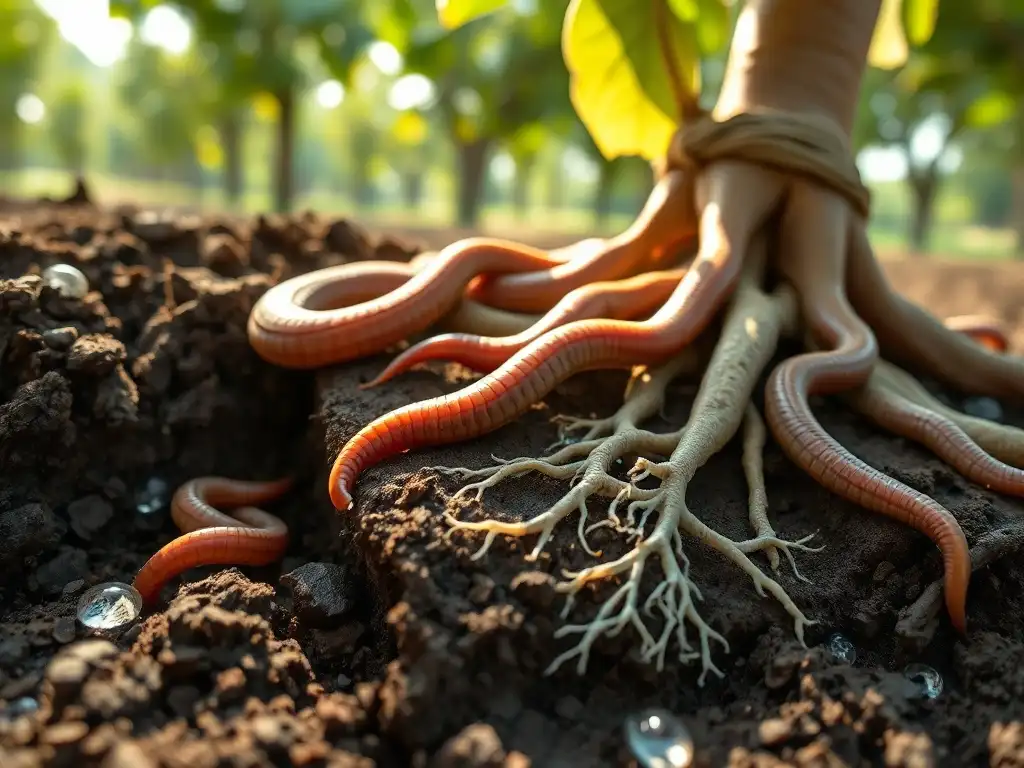
Healthy soil is the foundation of thriving organic fruit trees. Neglecting soil health directly impacts the tree's ability to absorb nutrients, resist diseases, and produce abundant, high-quality fruit. Organic fruit tree care tips often center around soil improvement, as it's a preventative measure against many problems. This section details key strategies to cultivate optimal soil conditions for your fruit trees. Remember, healthy soil equals healthy trees!
Organic Mulching Techniques for Fruit Trees
Organic mulching is a cornerstone of organic fruit tree care. It helps retain soil moisture, suppress weeds (reducing competition for nutrients), regulate soil temperature, and improve soil structure over time. Several excellent organic mulching options exist, each with its own advantages.
- Wood chips: Provide excellent weed suppression and gradually decompose, adding organic matter to the soil. Aim for a layer of 2-4 inches around the tree, keeping it a few inches away from the trunk to prevent rot.
- Straw: A lightweight mulch that's particularly beneficial in drier climates, helping retain moisture. It's also readily available and relatively inexpensive. Again, apply a 2-4 inch layer.
- Compost: Not only a mulch but also a soil amendment! Compost enriches the soil with vital nutrients and improves its structure. Use a 2-3 inch layer.
- Grass clippings: A readily available option, but use cautiously. Ensure they're free of weed seeds and pesticides. A thin layer is best to avoid matting and potential pest problems.
The key to successful mulching is consistency. Regularly replenish the mulch layer as it decomposes, maintaining the desired depth throughout the growing season. This continuous addition of organic matter is vital for long-term soil health and organic fruit tree care.
Composting for Fruit Trees: Enhancing Soil Fertility
Composting plays a crucial role in providing the essential nutrients your fruit trees need to flourish. By composting kitchen scraps, yard waste, and other organic materials, you create a rich, nutrient-dense soil amendment that improves soil structure, water retention, and microbial activity. This is a vital aspect of organic fruit tree care tips, as it provides a natural and sustainable way to fertilize your trees.
Composting for fruit trees differs slightly from composting for other plants. Fruit trees have specific nutrient requirements, so consider adding materials rich in phosphorus and potassium, in addition to nitrogen. For example, you might add:
- Bone meal: A good source of phosphorus.
- Wood ash: Contains potassium and other micronutrients. (Use cautiously, as excessive amounts can alter soil pH.)
- Aged manure: Provides a balanced mix of nutrients. Ensure it's well-aged to avoid burning the tree's roots.
Regularly incorporating compost into the soil around your fruit trees provides a slow-release source of nutrients, ensuring healthy growth and abundant fruit production throughout the year. Remember, consistent composting is a crucial element of long-term organic fruit tree care.
Soil Testing and Nutrient Management for Organic Fruit Trees
While organic mulching and composting significantly improve soil health, regular soil testing provides invaluable information to fine-tune your nutrient management strategy. Soil tests reveal the levels of essential nutrients (nitrogen, phosphorus, potassium, etc.) and the soil's pH. This information allows you to address any deficiencies or imbalances proactively.
Soil testing kits are readily available, offering simple and affordable ways to assess your soil's health. Follow the kit's instructions carefully to obtain accurate results. Once you have your results, you can amend your soil accordingly. For example:
| Nutrient Deficiency | Symptoms in Fruit Trees | Organic Amendment |
|---|---|---|
| Nitrogen (N) | Yellowing leaves, stunted growth | Compost, aged manure, cover crops |
| Phosphorus (P) | Poor flowering and fruiting, dark green leaves | Bone meal, rock phosphate |
| Potassium (K) | Weak stems, leaf scorching, poor fruit quality | Wood ash (in moderation), seaweed meal |
By regularly testing your soil and adjusting your organic amendments accordingly, you ensure your fruit trees receive the optimal nutrients for robust growth and bountiful harvests. This proactive approach is a cornerstone of effective organic fruit tree care. Remember, understanding your soil's needs is key to successful organic gardening. 🍎
Harvesting and Maintaining Your Organic Fruit Trees
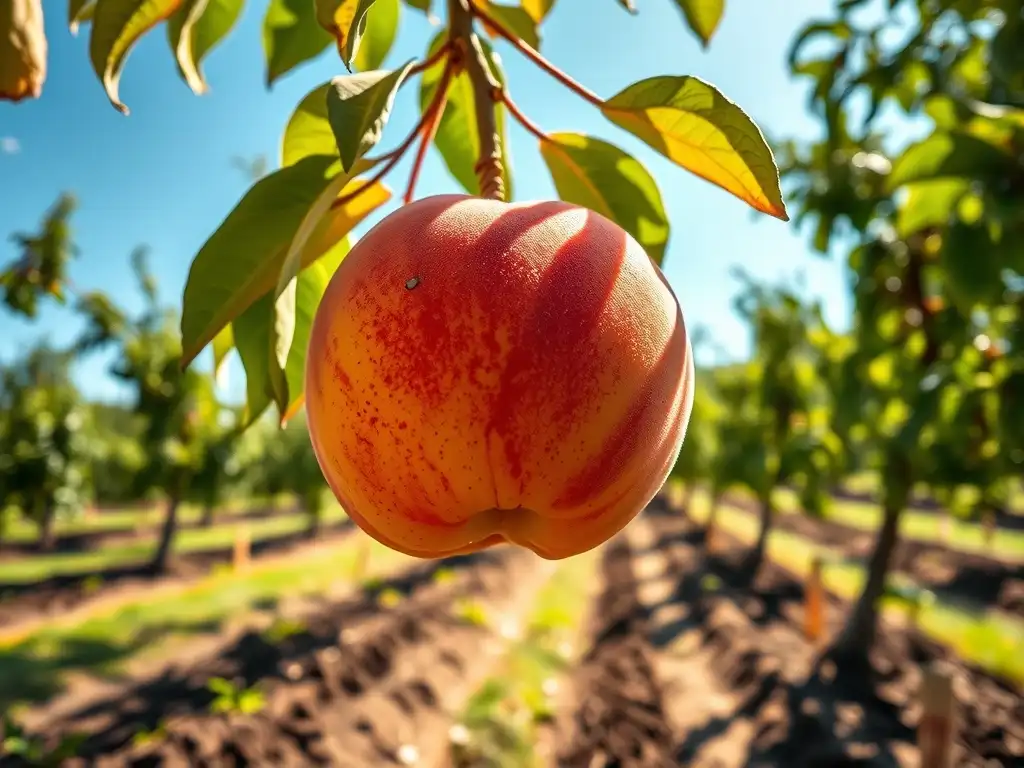
This section focuses on maximizing your harvest and ensuring the long-term health of your organic fruit trees. We'll explore best practices for harvesting, winter protection, and pruning, all while adhering to organic principles. Remember, consistent organic fruit tree care tips are key to a bountiful and sustainable yield.
Proper Harvesting Techniques for Maximum Yield
Harvesting your fruit at the optimal ripeness is crucial for both taste and maximizing your yield. Different fruits have different indicators of ripeness, and ignoring these signals can lead to reduced quality and wasted fruit. Let's look at some key considerations:
- Visual cues: Observe the color change in the fruit. For example, many apples transition from green to a deep red or yellow depending on the variety. Similarly, peaches will soften and their characteristic color will deepen. A visual inspection is often the first step.
- Feel and texture: Ripe fruits often exhibit a slight give when gently squeezed. Avoid fruits that are hard or feel bruised. This tactile assessment complements the visual cues.
- Aroma: Many fruits release a fragrant aroma as they ripen. A strong, sweet smell is often a good indicator of ripeness. This subtle cue should not be overlooked.
- Taste test (small sample): If you're unsure about the ripeness, take a small sample from a few fruits. Taste it to determine its sweetness and overall flavor. This should be done sparingly.
Table 1: Harvesting Timing for Popular Fruit Trees
| Fruit Type | Optimal Harvesting Time | Key Ripening Indicators |
|---|---|---|
| Apples | Late summer to early fall | Color change, slight give when gently pressed, sweet aroma |
| Peaches | Summer | Soft skin, vibrant color, sweet aroma |
| Plums | Late summer to early fall | Color change, easy to detach from the branch |
| Cherries | Summer | Deep color, easily detaches from the stem |
| Pears | Late summer to fall | Color change, soft texture |
Remember to use appropriate harvesting tools to avoid damaging the branches or fruit. Sharp pruners or shears are best for harvesting branches, while a gentle hand is best when picking individual fruits. Harvesting at the right time and with the right technique can significantly impact the overall health and yield of your organic fruit trees.
Winter Protection for Fruit Trees in Cold Climates
Protecting your fruit trees from harsh winter conditions is vital for their survival and future productivity. This is especially crucial in regions with freezing temperatures, heavy snowfall, or strong winds. Neglecting winter protection can lead to significant damage or even death of your trees. Here are some organic winter protection strategies:
- Mulching: Apply a thick layer of organic mulch around the base of the tree, extending several feet outward. This helps insulate the roots and protect them from freezing. Use materials like wood chips, straw, or shredded leaves.
- Tree wraps: Wrap the trunks of young trees with burlap or other breathable material to protect the bark from sunscald and frost cracking. Remove the wraps in spring.
- Windbreaks: Plant evergreens or use other physical barriers to reduce the impact of harsh winds. Windbreaks can significantly reduce damage during winter storms.
- Watering: A thorough watering before the first frost helps to hydrate the trees and prepare them for winter dormancy. This improves their resilience to cold temperatures.
Implementing these organic winter protection methods is vital for maintaining the health and vitality of your fruit trees, ensuring a bountiful harvest in the coming years. Proper preparation is key to success.
Pruning for Health and Productivity: Organic Techniques
Pruning is a crucial aspect of organic fruit tree care. It promotes healthy growth, increases fruit production, and improves the overall quality of your harvest. Organic pruning emphasizes working with the tree's natural growth patterns, rather than imposing artificial structures.
- Dormant Pruning: This is typically done in late winter or early spring, before the buds begin to swell. Dormant pruning focuses on removing dead, damaged, or diseased branches. It also helps shape the tree and improve air circulation.
- Summer Pruning: This involves removing suckers, water sprouts, and any overly vigorous growth that can shade the fruit. Summer pruning helps to concentrate the tree's energy on fruit production.
- Thinning: Thinning involves removing some of the developing fruit to prevent overcrowding and improve the size and quality of the remaining fruit. This promotes healthier, larger fruit.
- Tools: Always use sharp, clean pruning tools to minimize damage to the tree. Sterilize your tools between cuts to prevent the spread of diseases.
By implementing these organic pruning techniques, you'll not only improve the health and longevity of your trees but also significantly increase the quality and quantity of your harvest. Remember that regular, well-timed pruning is a cornerstone of organic fruit tree care and a crucial aspect of maximizing your yield. Consistent application of these organic fruit tree care tips will reward you with a healthy and productive orchard.
Long-Term Organic Fruit Tree Care Strategies
Maintaining the health and productivity of your organic fruit trees is a long-term commitment. It's not a one-season fix, but rather a continuous cycle of observation, adaptation, and nurturing. Success hinges on understanding the interconnectedness of various factors within your orchard ecosystem. This section explores key strategies for ensuring the longevity and vitality of your trees using organic methods. Effective organic fruit tree care tips are not just about immediate solutions, but about building a resilient system over time.
Monitoring and Maintaining Soil Health Over Time
Soil health is paramount for thriving organic fruit trees. Healthy soil provides essential nutrients, retains moisture, and supports beneficial microorganisms that combat disease. Regular monitoring and proactive management are crucial. This involves several key steps:
- Regular Soil Testing: Conduct soil tests at least annually, ideally in the fall after leaf drop. These tests reveal nutrient deficiencies (nitrogen, phosphorus, potassium, etc.) and pH imbalances. Adjust your soil amendments accordingly. For example, if your soil is excessively acidic (low pH), you might need to add lime. Conversely, extremely alkaline soil might benefit from sulfur.
- Composting and Mulching: Regular composting adds vital organic matter, improving soil structure, water retention, and nutrient availability. Apply a thick layer of mulch (wood chips, straw, shredded leaves) around the base of your trees (avoiding direct contact with the trunk) to suppress weeds, retain moisture, and regulate soil temperature.
- Cover Cropping: Consider planting cover crops (legumes, clover, etc.) during the off-season. These plants add nitrogen to the soil, improve soil structure, and prevent erosion. They can be tilled in or left to decompose naturally, enriching the soil. Rotating different cover crops can further enhance soil biodiversity.
- Avoiding Soil Compaction: Heavy machinery or foot traffic can compact soil, reducing aeration and root growth. Minimize disturbance around your trees as much as possible, using pathways and avoiding unnecessary walking close to the root zone.
Successful organic fruit tree care necessitates consistent soil monitoring and adaptation. The specific needs of your soil will vary depending on factors like your location, climate, and tree species. Regular observation and appropriate amendments are key to a thriving orchard.
Adapting Your Organic Practices to Changing Conditions
Organic fruit tree care requires flexibility and adaptability. Weather patterns, pest pressures, and nutrient demands can fluctuate significantly over time. Being able to adjust your approach is vital for long-term success. This adaptability encompasses several key aspects:
- Responding to Pest and Disease Outbreaks: Organic pest and disease control relies on preventative measures and targeted interventions. Regular monitoring helps identify issues early, allowing for timely action. This might involve using beneficial insects, applying organic sprays (e.g., neem oil, insecticidal soap), or adjusting pruning practices to improve air circulation and sunlight penetration. Note that some years may have heavier pest or disease pressures than others; this is normal, and shouldn't discourage you.
- Adapting to Climate Change: Climate change is altering weather patterns, leading to more extreme temperatures, droughts, and unpredictable rainfall. Water conservation techniques, such as drip irrigation or mulching, become increasingly critical. Choosing tree varieties suitable for your changing local climate is also essential for long-term resilience.
- Nutrient Management Adjustments: Soil nutrient levels can shift over time due to various factors, including nutrient depletion, leaching, and changes in soil pH. Regular soil testing helps you identify nutrient deficiencies and adjust your fertilization strategy accordingly. Composting and cover cropping remain vital components of long-term nutrient management.
Successful organic fruit tree care is a dynamic process. Regular observation, coupled with a willingness to adapt your strategies based on changing conditions, is vital for maintaining healthy and productive trees over the long term. Embrace the challenges and learn from each season.
Resources for Organic Fruit Tree Care and Support
Finding reliable information and support is crucial for successful organic fruit tree cultivation. Numerous resources are available to help you along the way:
- Local Agricultural Extension Offices: These offices often provide valuable advice tailored to your specific region and climate. They can offer guidance on appropriate tree varieties, pest and disease management, and soil conditions.
- Organic Gardening Associations and Groups: Joining local organic gardening groups or associations provides access to experienced gardeners who can share their knowledge and offer support. These communities are often a great source of practical tips and advice.
- Books and Online Resources: Many books and online resources provide detailed information on organic fruit tree care. Look for reputable sources with evidence-based practices and avoid misinformation.
- Master Gardeners: Master Gardeners are trained volunteers who often offer free advice and workshops on various gardening topics, including organic fruit tree care. They are a valuable source of local expertise.
Remember that building a thriving organic orchard takes time and dedication. By consistently monitoring your trees, adapting your practices, and utilizing available resources, you can enjoy a bountiful harvest for years to come. Embrace the journey, and remember that even experienced orchardists continue to learn and adapt their techniques throughout their careers.
Frequently Asked Questions
What are the essential organic fertilizers for fruit trees?
Organic fertilizers like compost, well-rotted manure, and seaweed extracts provide essential nutrients without harmful chemicals. Focus on balanced nutrient ratios for optimal tree health.
How do I control pests organically on my fruit trees?
Employ beneficial insects, neem oil, and kaolin clay to deter pests. Regular monitoring and prompt action are crucial for preventing infestations.
When is the best time to prune my organic fruit trees?
The best time to prune is generally during the dormant season (late winter/early spring) before new growth begins. This promotes stronger growth and better fruit production.
What are the signs of nutrient deficiencies in my organic fruit trees?
Look for yellowing leaves, stunted growth, and poor fruit production. Soil testing can help identify specific deficiencies to address with targeted organic amendments.
How can I improve the soil health for my organic fruit trees?
Improving soil health involves adding organic matter (compost, mulch), cover cropping, and avoiding tilling. Healthy soil is the foundation of strong, healthy fruit trees.
Final Reflection: Cultivating a Healthier Future, One Fruit Tree at a Time
The practices outlined in this article—from soil health to pest management—aren't just about growing bigger, juicier fruit; they're about building a more sustainable and resilient food system. Ignoring the health of our fruit trees, and the land they grow in, ultimately impacts the health of our communities and the planet. We must actively participate in creating a future where food production is both bountiful and environmentally responsible.
The shift towards organic fruit tree care is more than a trend; it's a fundamental change in our relationship with nature. It's about recognizing the interconnectedness of all living things and understanding that healthy soil, healthy trees, and healthy people are inextricably linked. As the renowned environmentalist, Wendell Berry, wisely stated: We must not only plant trees, but also plant the seeds of a new way of thinking about the world.
This extends beyond simply choosing organic practices; it requires a conscious effort to understand the ecological impact of our choices and to act accordingly.
Now, consider your own backyard, your community garden, or even the local orchard. What steps can you take today to integrate these organic fruit tree care tips into your life? Perhaps it's starting a compost bin, learning about beneficial insects, or simply choosing to buy organically grown fruit. Every small action contributes to a larger movement towards a healthier, more sustainable future. Let's cultivate that future, together, one healthy fruit tree at a time.
Unlock Your Orchard's Potential: Grow Healthier Fruit!
Thank you for learning about organic fruit tree care! We hope you found valuable information to help your trees thrive. Now it's time to put that knowledge into practice.
- Start your organic journey today: Choose one task from the article—pruning, improving soil health, or managing pests—and implement it this week. Even small steps make a big difference!
- Share your progress: Tell us about your experience with organic practices in the comments below! We love to hear about your successes and challenges.
- Explore further: Research different organic fertilizers suitable for your specific fruit tree varieties.
Ready to see the difference organic methods can make in the health and abundance of your fruit trees? What's the first organic practice you'll try?