
Cherry Storage Secrets: How to Keep Them Fresh Longer

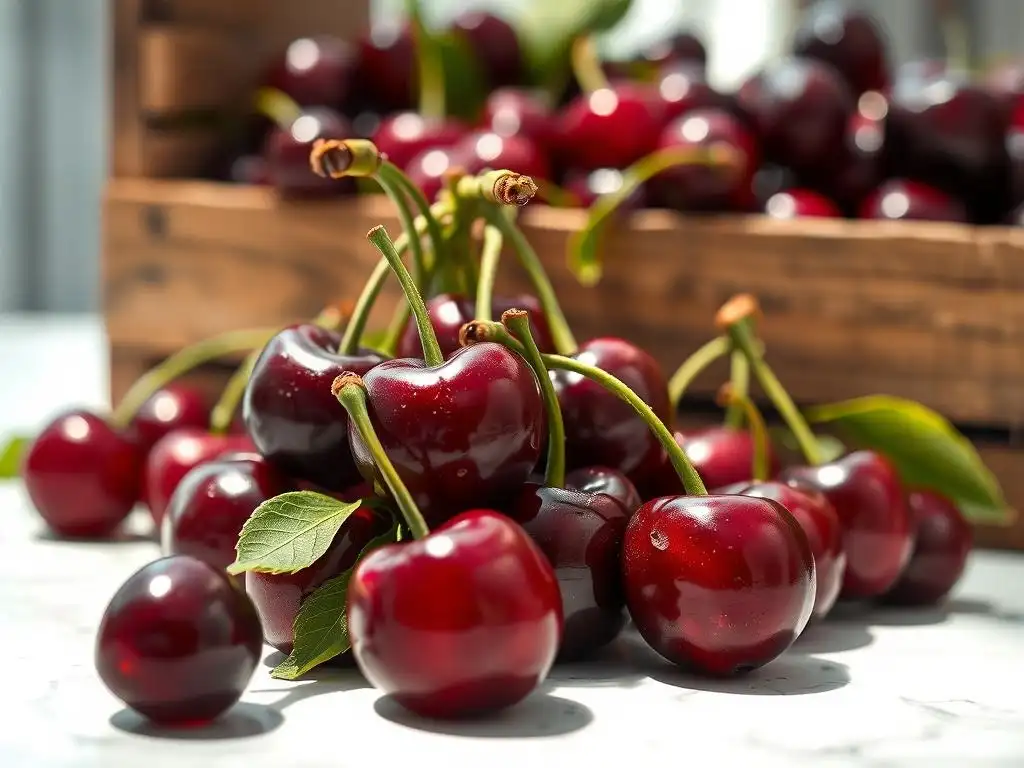
Welcome to CultivateYourFood, your guide to a thriving home garden! Ready to unlock the secrets to a bountiful harvest? We're passionate about helping you grow your own fruits, vegetables, and herbs using sustainable, organic methods. But first, let's tackle a common challenge: how long can you actually keep those freshly picked cherries fresh? Discover the surprising answers and expert tips within our "Fruit Tree Care" section, starting with our article on Cherry Storage Secrets. Let's get growing!
- How Long Can You Store Fresh Cherries?
- Proper Harvesting Techniques for Extended Cherry Freshness
- Best Practices for Storing Fresh Cherries
- Extending the Life of Cherries: Creative Storage Solutions
- Recognizing Spoiled Cherries: Signs of Deterioration
- Troubleshooting Common Cherry Storage Problems
- Frequently Asked Questions
- Final Reflection: The Enduring Sweetness of Cherries
- Unlock the Secrets to Longer-Lasting Cherries!
How Long Can You Store Fresh Cherries?
Cherries, with their juicy sweetness and vibrant color, are a delightful summer treat. But their short shelf life often means enjoying them quickly or facing the disappointment of spoilage. This article dives deep into the secrets of cherry storage, providing you with practical techniques to extend their freshness and maximize your enjoyment of this delicious fruit.
We'll explore the factors influencing how long you can store fresh cherries, the optimal storage conditions, and some helpful tips to keep your cherries plump and flavorful for as long as possible. Understanding these techniques is crucial for any home gardener or cherry enthusiast aiming to get the most out of their harvest, minimizing waste and maximizing the deliciousness of these seasonal gems. Learning how to properly store cherries isn't just about extending their lifespan; it's about savoring their peak flavor for longer.
This guide will help you answer the crucial question: "How long store fresh cherries?" and equip you with the knowledge to successfully preserve this delicate fruit.
Factors Affecting Cherry Shelf Life
Several factors significantly influence how long your fresh cherries will stay fresh. Understanding these factors allows you to optimize your storage methods and extend their shelf life considerably.
- Ripeness at Harvest: Picking cherries at the perfect ripeness is paramount. Underripe cherries will lack sweetness and may not store as well, while overripe cherries will spoil much faster. Look for cherries that are firm but slightly soft to the touch and exhibit their characteristic deep color.
- Temperature: Temperature plays a crucial role. Warm temperatures accelerate the ripening process and the growth of spoilage microorganisms. Keeping cherries cool is essential to slow down deterioration.
- Humidity: Maintaining proper humidity levels is also important. Excessive humidity can lead to mold growth, while low humidity can cause the cherries to dry out and shrivel. Finding the right balance is key.
- Handling and Storage Containers: Bruising during harvesting and handling can significantly reduce shelf life. Gentle handling and appropriate containers that prevent crushing or damage are crucial. Using breathable containers allows for proper air circulation, preventing moisture buildup.
- Variety of Cherry: Different cherry varieties have varying shelf lives. Some varieties are naturally more prone to spoilage than others. [Specific information pending on cherry variety shelf life comparison]
Optimal Storage Time for Fresh Cherries
The optimal storage time for fresh cherries varies depending on the factors mentioned above. However, under ideal conditions, you can expect the following:
| Storage Method | Expected Shelf Life (Days) | Notes |
|---|---|---|
| Refrigerator (unwashed) | 7-10 | Store in a single layer in a shallow container or on a plate. Avoid washing before refrigeration. |
| Refrigerator (washed) | 3-5 | Wash only when ready to consume. Excess moisture accelerates spoilage. |
| Freezer | 10-12 months | Wash, dry thoroughly, and freeze in a single layer on a baking sheet before transferring to a freezer bag to prevent clumping. |
Remember that these are estimates, and the actual shelf life may vary. Regularly inspect your cherries for signs of spoilage, such as mold, softness, or discoloration. Discard any cherries that show signs of deterioration to prevent spoilage from spreading. Proper storage techniques, combined with careful observation, will help you enjoy your delicious cherries for as long as possible! 🍒
Proper Harvesting Techniques for Extended Cherry Freshness
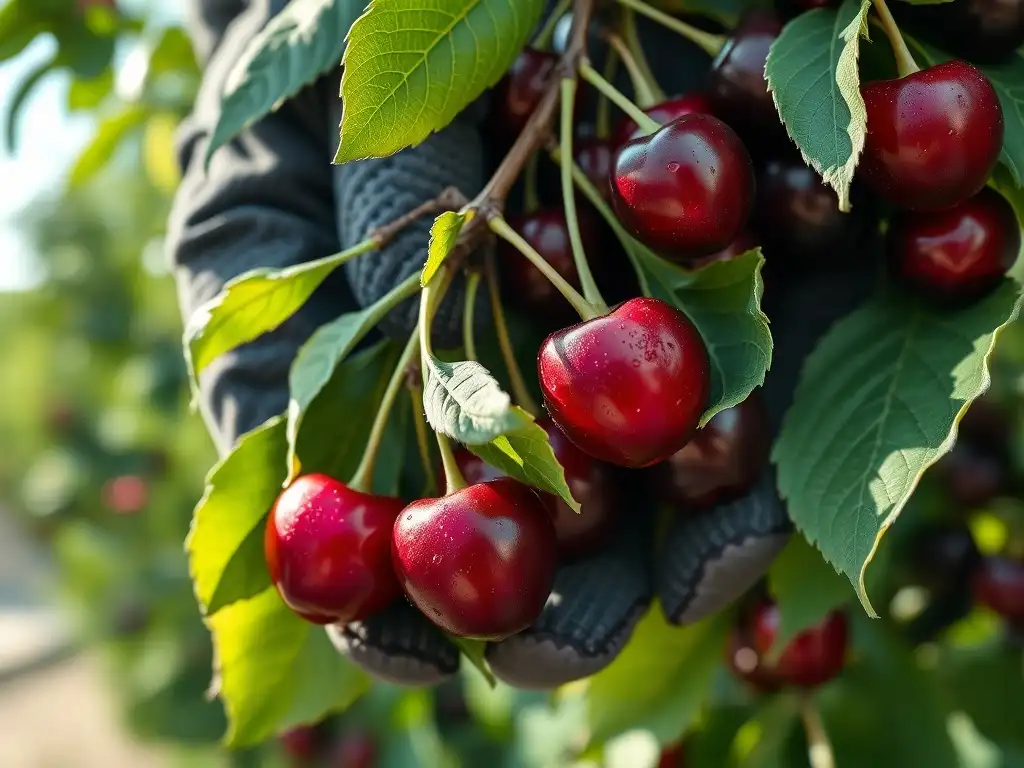
Proper harvesting is the cornerstone of extending the shelf life of your delicious homegrown cherries. Rough handling, even seemingly minor bruises, can significantly reduce their storage time and lead to rapid spoilage. This section focuses on the crucial steps to ensure your cherries stay fresh for as long as possible, starting from the moment they leave the tree. Understanding the optimal ripeness and employing gentle handling techniques are key to maximizing your cherry harvest's longevity.
Picking Cherries at the Right Ripeness
The ideal time to harvest cherries directly impacts their storage potential. Picking them too early results in tart, underdeveloped fruit that won't store well. Conversely, overripe cherries are prone to bruising and rapid decay. The sweet spot lies in picking cherries when they are fully colored and slightly soft to the touch.
Here's a helpful guide:
- Color: Look for cherries that have reached their full, vibrant color. This varies depending on the cherry variety; some are deep red, while others might be darker red or even black. Avoid cherries that are still green or pale.
- Texture: Gently squeeze the cherry. It should yield slightly to pressure, indicating ripeness. Avoid cherries that are rock-hard or excessively soft and mushy.
- Taste Test: A small taste test on a few cherries from different branches can confirm ripeness. The flavor should be sweet and juicy, indicative of optimal maturity.
Remember, consistent ripeness across the entire batch is crucial. Avoid mixing ripe cherries with unripe ones; the unripe ones will significantly reduce the overall storage time of the entire harvest. It's better to harvest in multiple sessions to ensure you're only picking cherries at their peak.
Gentle Handling During Harvesting
Once you've identified ripe cherries, gentle handling is paramount. Bruises, even microscopic ones, accelerate spoilage. Follow these best practices for careful harvesting:
- Use appropriate tools: Avoid using sharp tools that might puncture the cherries. Consider using pruning shears or your hands (with gloves to prevent transferring oils and dirt).
- Harvest in cool weather: The cooler the temperature, the less stress your cherries will experience during harvesting and transportation. Ideally, harvest in the early morning or late evening when temperatures are lower.
- Avoid dropping cherries: Any drop, no matter how small, can cause internal damage. Place the harvested cherries gently into a container.
- Choose appropriate containers: Use shallow, rigid containers lined with a soft material like a clean cloth or paper towels to absorb moisture and prevent bruising. Avoid overcrowding the containers. Overfilling leads to increased pressure and damage. Think about using multiple smaller containers rather than one large one.
Following these steps ensures minimal damage during the harvesting process, significantly improving the storage life of your precious cherries. Remember, a little care goes a long way in preserving the freshness and quality of your homegrown harvest. Careful harvesting is a significant investment in the long-term enjoyment of your cherries. 🍒
Best Practices for Storing Fresh Cherries
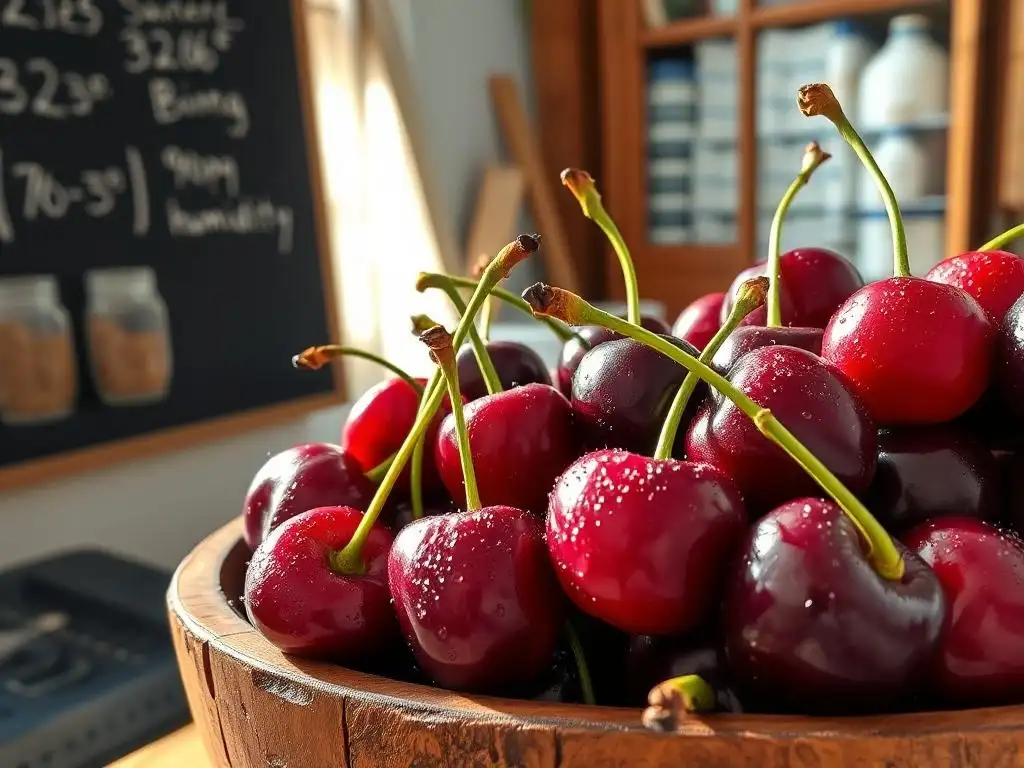
This section delves into the optimal methods for preserving the freshness and quality of your harvested cherries, answering the crucial question: "How long can you store fresh cherries?" Proper storage significantly impacts the lifespan of your delicious bounty, maximizing enjoyment and minimizing waste. Several factors influence how long your cherries remain in peak condition, including their initial ripeness, the storage method employed, and the surrounding environmental conditions. Let's explore the best strategies to keep your cherries fresh for as long as possible.
Refrigerating Cherries
Refrigeration is the most common and effective method for short-term cherry storage. However, even with refrigeration, cherries are a highly perishable fruit. To maximize their shelf life, follow these steps:
- Gentle Handling: Avoid bruising the cherries during harvesting and handling. Bruises accelerate spoilage.
- Proper Container: Store cherries in a single layer in a shallow container, ideally one with ventilation to prevent moisture buildup. Avoid airtight containers, which can trap moisture and promote mold growth. A colander or perforated container works well.
- Optimal Temperature: The ideal refrigerator temperature for cherry storage is between 32°F (0°C) and 36°F (2°C). Ensure your refrigerator is set to this range.
- Expected Shelf Life: Under ideal conditions, refrigerated cherries can last for approximately 7 to 10 days. However, this timeframe can vary depending on the factors mentioned above. Regularly inspect your cherries for signs of spoilage, such as mold, softening, or discoloration. Discard any cherries showing these signs immediately to prevent contamination of the rest.
Tip: Washing cherries before refrigeration is generally not recommended, as excess moisture can accelerate decay. Wash them just before consumption.
Freezing Cherries
Freezing is an excellent method for extending the shelf life of cherries significantly, allowing you to enjoy their flavor well beyond their fresh season. Frozen cherries can last for 10-12 months, if stored properly. Here's how to freeze cherries effectively:
- Selection: Choose firm, ripe cherries without bruises or blemishes.
- Washing and Drying: Unlike refrigeration, thoroughly wash and dry the cherries before freezing to prevent ice crystal formation.
- Freezing Methods:
- Whole Cherries: Spread the cherries in a single layer on a baking sheet lined with parchment paper. Freeze them for a couple of hours until solid. Then, transfer the frozen cherries to a freezer-safe bag, removing as much air as possible before sealing.
- Pitted Cherries: Remove the pits before freezing for easier use in recipes later. You can use a cherry pitter for this task. Follow the same freezing process as with whole cherries.
- Puree or Jam: Freezing cherries as a puree or jam is another option. This method requires cooking the cherries before freezing, which inactivates enzymes that can cause loss of quality during long-term storage.
Preserving Cherries
Preserving cherries through methods like canning or making jams and jellies extends their shelf life considerably, often for a year or more. These methods require more preparation and processing than freezing, but they offer a way to enjoy the fruits long after the harvest season. Consider these preservation techniques:
- Canning: Canning cherries involves sterilizing jars, packing them with cherries (often with added sugar and water for syrup), and processing them in a boiling water bath to destroy any harmful microorganisms. This method requires careful attention to detail to ensure safe and effective preservation.
- Jams and Jellies: Making jams and jellies involves cooking cherries with sugar and pectin to create a thick, spreadable consistency. These products are shelf-stable when properly processed and stored in airtight containers.
- Drying: Dehydrating cherries is another option for long-term preservation. Dried cherries have a concentrated flavor and can be stored for many months in an airtight container in a cool, dark place. However, drying may slightly alter the texture and flavor of the cherries.
| Method | Shelf Life (approx.) | Preparation Effort |
|---|---|---|
| Refrigeration | 7-10 days | Low |
| Freezing | 10-12 months | Medium |
| Canning | 1 year+ | High |
| Jams/Jellies | 1 year+ | High |
| Drying | Several months | Medium |
Remember to always prioritize food safety when storing and preserving your cherries. Proper handling and processing are crucial for preventing spoilage and avoiding potential health risks. 🍒
Extending the Life of Cherries: Creative Storage Solutions
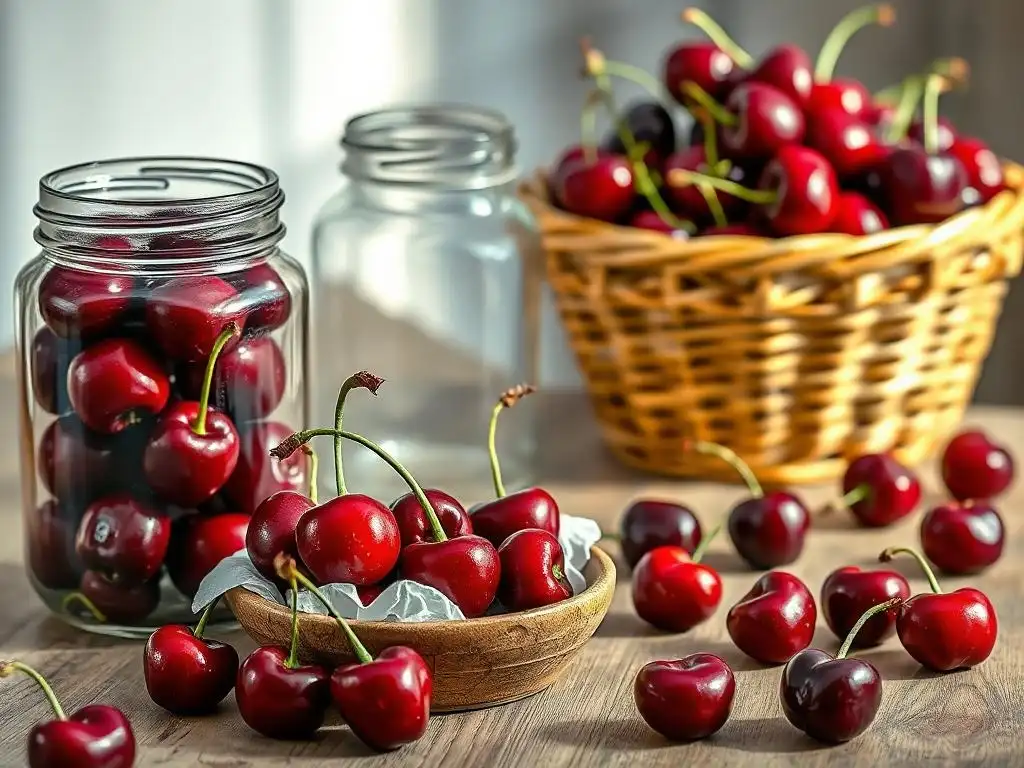
This section explores effective methods to prolong the freshness of your homegrown cherries, maximizing their lifespan and minimizing waste. We'll delve into simple yet surprisingly effective techniques to answer the question: "How long can you store fresh cherries?" The success of these methods hinges on starting with perfectly ripe, undamaged cherries. Avoid storing bruised or damaged fruit, as this will accelerate spoilage and affect the overall quality of your harvest. Remember, proper handling from the moment of picking significantly impacts storage duration.
Storing Cherries in a Paper Bag
Storing cherries in a paper bag is a surprisingly effective method, especially for short-term storage. The paper's breathability allows for proper air circulation, preventing the buildup of moisture which can lead to mold and rot. This method is ideal for cherries you plan to consume within a few days.
Unlike plastic bags, which trap moisture and accelerate spoilage, paper bags provide a more natural environment. The subtle air exchange helps to regulate humidity levels, keeping the cherries from becoming overly moist or drying out prematurely. To optimize this method, ensure the paper bag is not overly full. Overcrowding can lead to bruising and faster deterioration. A loosely filled bag allows for better airflow around each cherry.
Consider the type of paper bag. A brown paper grocery bag is perfectly suitable. Avoid using glossy or waxed paper bags, as these can trap moisture. For even better results, consider placing a few paper towels in the bottom of the bag to absorb excess moisture. This simple addition can significantly extend the shelf life of your cherries. Remember to check the cherries daily for any signs of spoilage, such as mold or softening. Discard any spoiled cherries immediately to prevent the spread of rot.
Using a Refrigerator Drawer
The refrigerator drawer offers a more controlled environment for longer-term cherry storage, extending their lifespan considerably beyond a few days. The crisper drawer maintains a consistently cool temperature and regulated humidity, ideal for preserving the delicate texture and flavor of your cherries.
However, simply tossing cherries into the crisper drawer isn't always optimal. For best results, consider using a shallow, airtight container. This prevents the cherries from bruising against each other and helps maintain a consistent level of humidity. Don't overpack the container; leave some space for air circulation. A single layer is ideal. If you're using a plastic container, ensure it's not sealed completely airtight, as this can lead to condensation and spoilage. Small vents or slightly ajar lid will improve air circulation.
Regularly check the cherries for any signs of spoilage. Remove and discard any soft or moldy cherries to prevent contamination. While refrigeration significantly extends the storage life, it doesn't guarantee indefinite freshness. Even under optimal conditions, cherries will eventually lose their firmness and flavor. The expected lifespan in the refrigerator, depending on initial quality, is typically between 7-10 days.
Remember that the colder the temperature in your refrigerator's crisper drawer, the longer your cherries will retain their freshness. Aim for a temperature close to 32°F (0°C) for optimal results. Properly storing your cherries using these methods can significantly extend their shelf life and help you enjoy your harvest for longer. 🍒
Recognizing Spoiled Cherries: Signs of Deterioration
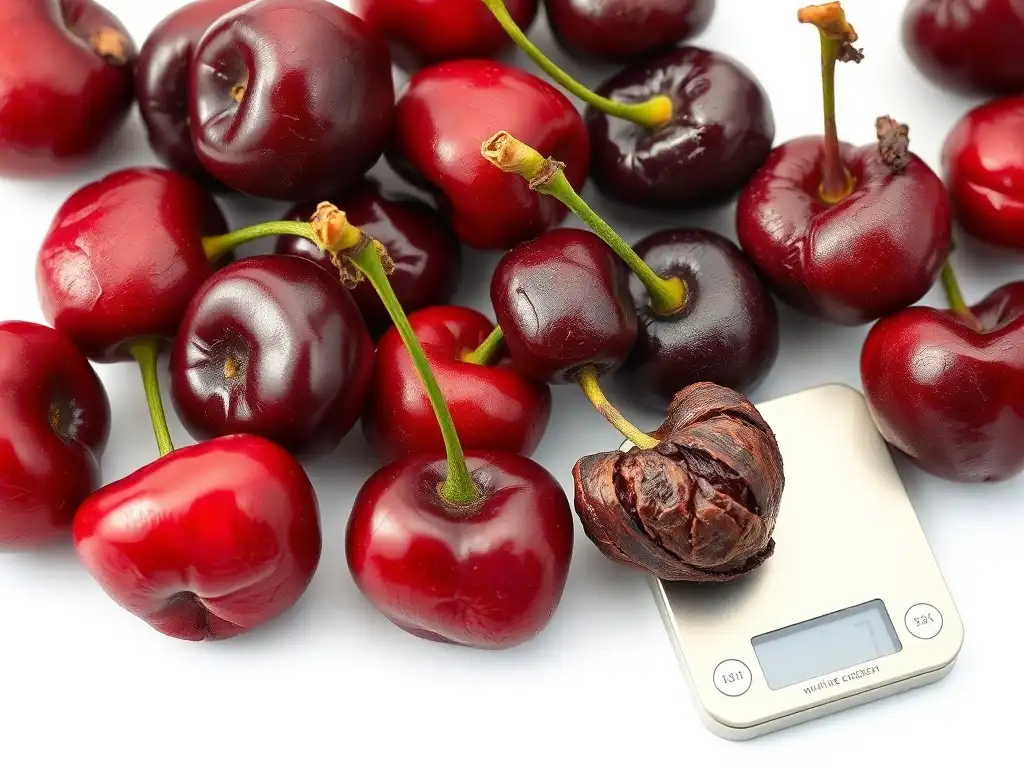
Knowing when your cherries have gone bad is crucial for preventing food waste and ensuring you only consume the freshest, most flavorful fruit. Several key indicators signal that your cherries are past their prime and should be discarded. Understanding these signs will help you maximize the shelf life of your homegrown harvest and minimize spoilage. Proper cherry storage, as discussed elsewhere in this article, significantly impacts how long they remain palatable.
Identifying Mold and Decay
The most obvious sign of spoiled cherries is the presence of mold. This typically appears as fuzzy, white, gray, green, or black patches on the skin of the fruit. Mold isn't just unsightly; it can also produce mycotoxins, which are harmful substances. Even if only a small portion of a cherry shows mold, it's best to discard the entire fruit. Mold can spread rapidly, and its presence indicates significant deterioration. The texture of a moldy cherry will also be noticeably softer and potentially slimy. Don't risk consuming moldy cherries; your health is paramount.
Beyond visible mold, decay manifests in other ways. Cherries that are significantly overripe will exhibit softening, wrinkles, and a loss of firmness. Their color may also darken considerably, becoming almost black in extreme cases. A sour or fermented smell is another strong indicator of decay, signifying the breakdown of sugars and the proliferation of bacteria. Inspect each cherry carefully; even small areas of decay can contaminate the rest. Remember, prevention through proper storage is key to avoiding this stage entirely.
Discarding Spoiled Cherries
Once you've identified spoiled cherries, proper disposal is crucial to maintaining kitchen hygiene and preventing the spread of mold or bacteria. Simply throwing them in the trash might not be enough, especially if the mold is extensive. To avoid attracting pests and ensure proper sanitation, consider these disposal methods:
- Composting: If you compost, spoiled cherries can be added to your compost pile. The high temperature and decomposition process will break down the mold and bacteria, rendering them harmless. However, ensure your compost pile reaches sufficiently high temperatures to effectively eliminate pathogens.
- Sealed Bags: For cherries with significant mold or decay, place them in a tightly sealed plastic bag before discarding them in the trash. This will prevent the spread of spores or odors. This method is especially important in warmer climates where bacterial growth is accelerated.
- Separate from other produce: Never place spoiled cherries with other fresh produce. The mold spores or bacteria can easily transfer to other fruits and vegetables, leading to further spoilage and food waste. Maintain a clean and organized storage area to minimize the risk of contamination.
Properly discarding spoiled cherries is a critical step in maintaining food safety and preventing the spread of microorganisms. Remember, prevention through careful inspection and optimal storage methods is far more effective than dealing with spoiled fruit. By diligently following these steps, you can ensure a safe and healthy kitchen environment.
Troubleshooting Common Cherry Storage Problems
This section addresses some common issues encountered when storing fresh cherries and offers practical solutions to maximize their shelf life and maintain their quality. Knowing how long you can store fresh cherries depends heavily on proper handling and storage techniques. Let's delve into some frequent problems and their solutions.
Dealing with Overripe Cherries
Overripe cherries are a common problem, especially if you've harvested a large batch or experienced a delay in processing them. The telltale signs are softening fruit, loss of firmness, and a darker, almost bruised appearance. While completely spoiled cherries should be discarded, slightly overripe ones can still be salvaged for use in various applications.
Here's how to handle them:
- Immediate Use: The best approach is to use overripe cherries immediately. They're perfect for making jams, jellies, pies, or cobblers. The slightly broken-down texture adds richness to baked goods. Consider making cherry sauce or incorporating them into smoothies or yogurt.
- Freezing: If immediate use isn't feasible, freezing is a great preservation method. Wash and dry the cherries thoroughly, removing stems. Spread them in a single layer on a baking sheet lined with parchment paper and freeze for a couple of hours until solid. Then, transfer them to a freezer-safe bag or container for long-term storage. Frozen cherries can last for up to 12 months.
- Dehydrating: Dehydrating is another excellent option for extending the life of overripe cherries. This process removes moisture, preventing spoilage and concentrating the flavor. Dehydrated cherries can be stored in an airtight container at room temperature for several months. Remember to follow the manufacturer’s instructions for your dehydrator.
Remember, preventing overripe cherries begins with careful selection and proper storage from the moment of harvest.
Preventing Cherry Browning
One of the most frustrating aspects of storing fresh cherries is browning. Exposure to air causes enzymatic browning, which affects both the appearance and flavor of the cherries. Fortunately, there are several ways to minimize or prevent this undesirable effect.
- Proper Refrigeration: Store your cherries in a single layer in a shallow container in the refrigerator. Avoid overcrowding, as this promotes moisture buildup and speeds up spoilage. The cooler temperature slows down enzymatic activity, significantly reducing browning.
- Use of Acidic Solutions: Soaking cherries in a solution of lemon juice or ascorbic acid (vitamin C) can help inhibit browning. A simple solution of 1 tablespoon of lemon juice per cup of water is effective. This works by lowering the pH, thus slowing down the enzymatic reaction responsible for browning. However, remember that this method slightly alters the flavor profile.
- Proper Packaging: Consider using airtight containers or resealable bags to minimize exposure to air. This simple step dramatically reduces the rate of browning, extending the shelf life of your cherries.
- Avoid Washing Before Storage: Washing cherries before refrigeration introduces moisture that can accelerate spoilage and browning. Wash them just before consumption.
By implementing these simple strategies, you can significantly improve your success rate in storing fresh cherries and reduce the frustration of dealing with spoilage and browning. Remember that even with the best storage practices, the shelf life of fresh cherries is limited. Enjoy them while they are at their peak freshness!
Frequently Asked Questions
How long can I store fresh cherries?
The shelf life of fresh cherries depends on their ripeness and storage conditions. Generally, fresh cherries will last for 3-5 days at room temperature and up to 2 weeks in the refrigerator.
What's the best way to store cherries to keep them fresh?
Store cherries in a single layer in a shallow container in the refrigerator. Avoid washing them until right before you eat them to prevent premature spoilage. Proper ventilation is key.
Can I freeze fresh cherries?
Yes! Freezing is a great way to preserve cherries for longer periods. Wash, pit, and dry them thoroughly before freezing on a baking sheet, then transfer to a freezer bag. They'll last for 8-12 months.
How can I tell if my cherries have gone bad?
Look for signs of mold, wrinkling, or soft spots. A sour or fermented smell also indicates spoilage. Discard any cherries showing these signs.
Are there any tips for preventing cherries from going bad quickly?
Avoid washing cherries until you're ready to eat them. Choose firm, plump cherries without bruises or blemishes when purchasing. Store them correctly in a single layer in the refrigerator for optimal freshness.
Final Reflection: The Enduring Sweetness of Cherries
The fleeting nature of fresh cherries underscores the importance of mindful consumption and preservation. We often take for granted the simple pleasures, like the juicy burst of a perfectly ripe cherry, yet these moments are precious and easily lost if we don't understand how to properly care for them. This knowledge, seemingly small, connects us to a deeper appreciation for the bounty of nature and the cyclical nature of seasons.
The art of preserving cherries, as explored in this article, is more than just a practical skill; it's a reflection of our relationship with food and its ephemeral beauty. It's about savoring the peak of flavor and extending that enjoyment, a sentiment echoed in the words of M.F.K. Fisher: First we eat. Then we do everything else.
By learning to store cherries effectively, we are not merely extending their shelf life, but also extending the pleasure and mindful appreciation of this delightful fruit.
So, the next time you find yourself faced with a basket of plump, ruby-red cherries, remember the lessons learned here. Don't let their fleeting freshness pass you by. Take the time to properly store them, to savor each bite, and to appreciate the simple act of extending the joy these little jewels of nature bring. Let the sweetness of the cherry remind you to cherish the present moment and the bounty that surrounds us.
Unlock the Secrets to Longer-Lasting Cherries!
Thank you for exploring the world of cherry preservation! We hope you feel confident in your ability to keep those juicy delights fresh for much longer. Ready to put your knowledge to the test?
- Try our recommended storage method and see how much longer your cherries remain plump and delicious. You'll notice the difference!
- Share your cherry storage successes (or challenges!) in the comments below. Let's build a community of cherry enthusiasts!
- Experiment with different storage techniques – you might discover some unique and effective methods.
So, how do you best enjoy perfectly preserved cherries?