
Choosing Fruit Trees Based on Your Available Space

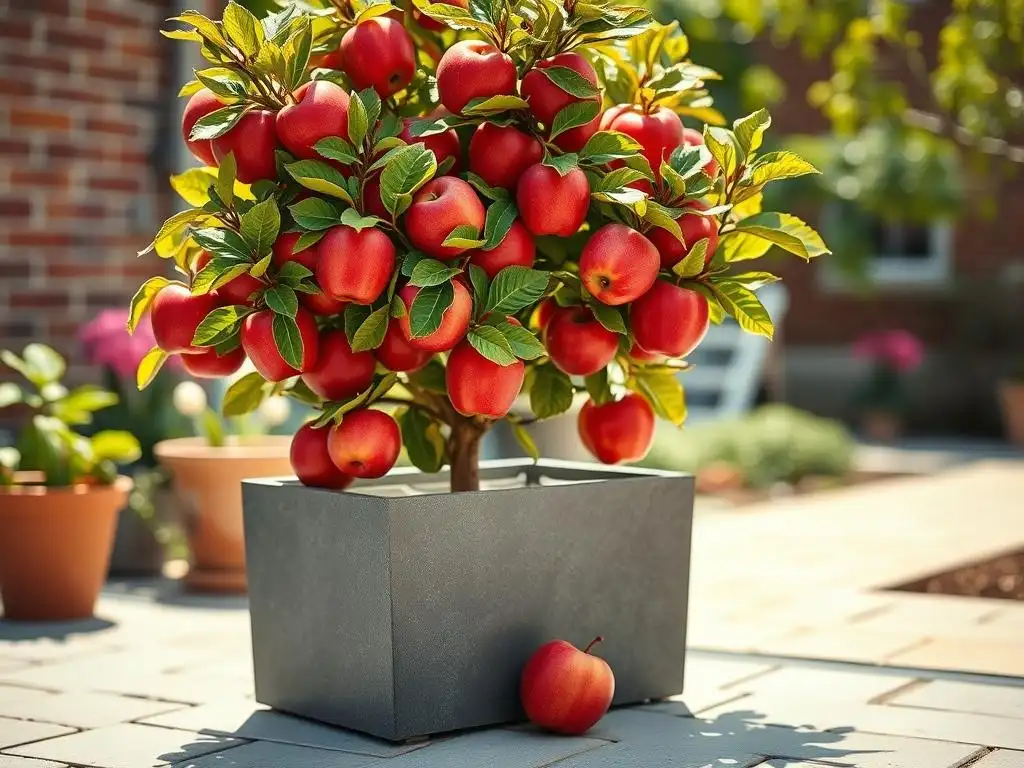
Ready to transform your backyard—or even your balcony—into a thriving orchard? At CultivateYourFood, we believe everyone can enjoy the bounty of homegrown fruit. Discover the secrets to successful fruit tree cultivation, starting with our essential guide on small space fruit tree choices. Learn how to select the perfect varieties for your available space and unlock the joy of harvesting your own delicious, organically grown fruit. Let's get growing!
- Understanding Your Space: Assessing Dimensions and Sunlight
- Small Space Fruit Tree Choices: Top Picks for Limited Gardens
- Selecting the Right Fruit Tree Variety for Your Climate
- Planting and Maintaining Your Small-Space Fruit Trees
- Harvesting and Enjoying Your Homegrown Fruit
- Frequently Asked Questions
- Final Reflection: Harvesting Abundance, Even in Small Spaces
- Unleash Your Inner Orchard: Grow the Perfect Fruit Trees!
Understanding Your Space: Assessing Dimensions and Sunlight
Choosing the right fruit tree for your home garden can be a rewarding experience, leading to fresh, delicious fruit for years to come. However, many aspiring home orchardists are discouraged by the perceived need for vast amounts of land. This article focuses on dispelling that myth, guiding you through the process of selecting productive fruit trees even if you have limited space.
We'll explore various compact varieties and techniques to maximize your harvest in even the smallest yards or containers. Successfully growing fruit trees in small spaces requires careful planning and consideration of several key factors, including the precise dimensions of your planting area, the amount of sunlight it receives, and the quality of your soil.
Let's delve into these crucial aspects to help you make informed decisions and cultivate a thriving miniature orchard. This guide will equip you with the knowledge to select the perfect small space fruit tree choices, maximizing your yield and enjoyment.
Measuring Your Yard or Garden for Fruit Tree Planting
Before you even begin browsing fruit tree varieties, accurately measuring your available space is paramount. This isn't just about the overall area; you need to consider the specific dimensions where you plan to plant. Think about potential obstructions: buildings, fences, other plants, and even utility lines.
Remember that fruit trees, even dwarf varieties, will require a certain amount of space to grow and spread their roots. A good rule of thumb is to measure not only the area's width and length but also its depth, taking into account how far roots will expand. Consider using a measuring tape and making a detailed sketch of your planting area, noting any obstacles.
This detailed plan will be invaluable when selecting appropriate tree sizes and spacing. Accurate measurements will prevent overcrowding and ensure your trees have adequate space for healthy growth and optimal fruit production. Don't forget to account for future growth – a small sapling will become significantly larger over time!
Evaluating Sunlight Exposure for Optimal Fruit Production
Sunlight is absolutely critical for fruit tree growth and fruit production. Most fruit trees need at least 6-8 hours of direct sunlight per day. To determine the sunlight exposure in your chosen planting area, observe it throughout the day, noting the amount of shade cast by buildings, trees, or other structures.
A simple way to assess sunlight is to use a sunlight tracking app or website, which can provide detailed information based on your location and the time of year. Remember that sunlight exposure can vary throughout the seasons, so consider both summer and winter conditions. Insufficient sunlight can lead to poor fruit set, smaller fruits, and weaker tree growth.
If your space receives less than the recommended amount of sunlight, consider supplemental lighting or choose sun-tolerant, low-light fruit varieties. Documenting your sunlight observations will be extremely valuable when researching suitable fruit tree cultivars. Think about the direction your garden faces – south-facing locations generally receive the most sunlight in the Northern Hemisphere.
Considering Soil Type and Drainage for Fruit Tree Health
The health and productivity of your fruit trees are significantly impacted by the soil's composition and drainage capabilities. Before planting, you should conduct a soil test to determine its pH level, nutrient content, and drainage characteristics. Poorly draining soil can lead to root rot and other diseases, while nutrient-deficient soil will result in stunted growth and reduced fruit production.
You can often obtain a soil test kit from a local garden center or agricultural extension office. Alternatively, you can send a soil sample to a laboratory for a more comprehensive analysis. Based on the results, you can amend your soil with organic matter like compost or other necessary nutrients to optimize its suitability for fruit tree growth.
Well-draining soil is crucial for healthy root development, while providing adequate nutrients ensures vigorous growth and abundant fruit production. Understanding your soil's properties is a fundamental step toward ensuring the long-term health and productivity of your small-space fruit trees. Consider the soil's texture—sandy soil drains quickly, while clay soil retains water, sometimes to the detriment of tree roots.
Small Space Fruit Tree Choices: Top Picks for Limited Gardens
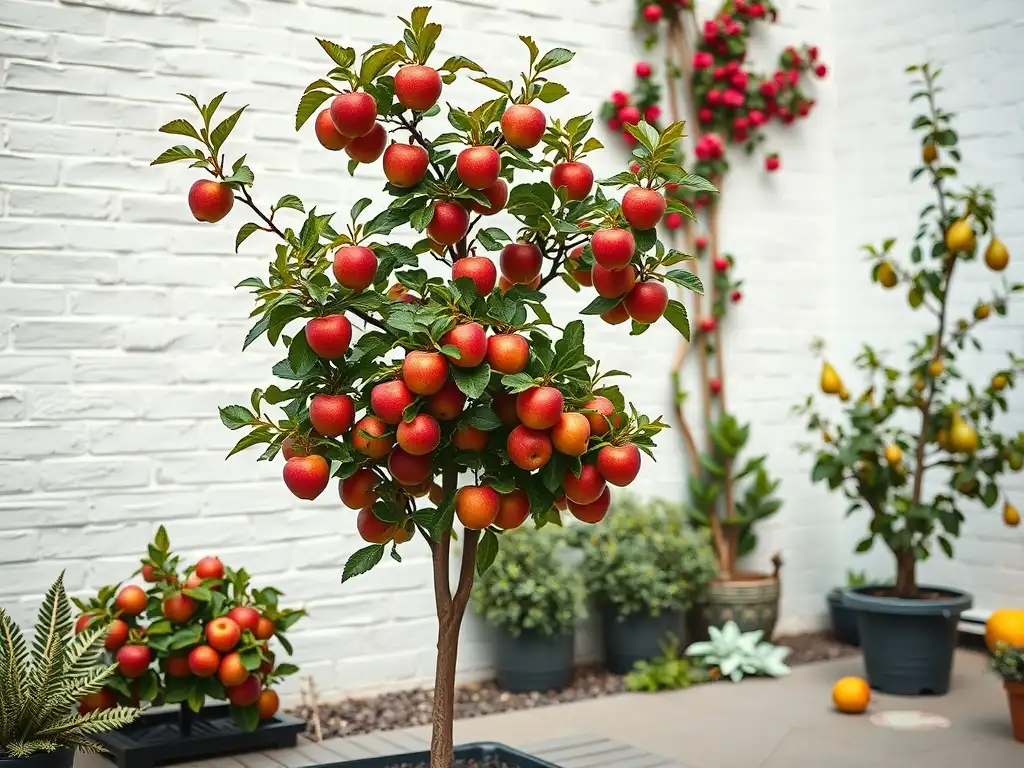
Choosing the right fruit tree for a small garden or urban setting requires careful consideration of size, yield, and growth habit. Fortunately, many varieties are perfectly suited for limited spaces, allowing you to enjoy fresh, homegrown fruit even with minimal yard space. This section explores some excellent options for maximizing fruit production in small-scale gardens, focusing on the most popular space-saving varieties.
We'll delve into the specifics of dwarf, columnar, and patio fruit trees, helping you select the perfect fit for your needs and available area. Remember, successful small space fruit tree cultivation often hinges on careful planning and selection.
Dwarf Fruit Trees: Maximizing Yield in Minimal Space
Dwarf fruit trees are a gardener's best friend when space is at a premium. These trees are bred to stay significantly smaller than their standard counterparts, typically reaching only a fraction of their full-size relatives' height. This doesn't mean a compromise on fruit production; dwarf trees often produce a bountiful harvest relative to their size. They are perfect for backyards, patios, and even large containers.
Several factors contribute to their compact size. Rootstock plays a crucial role; specific rootstock varieties are grafted onto the fruiting branch, inhibiting vigorous growth and keeping the tree smaller. This careful selection allows for manageable sizes without sacrificing fruit quality or quantity.
Here's a comparison of popular dwarf fruit tree varieties:
| Fruit Type | Average Mature Height (ft) | Approximate Yield (lbs/year) | Sun Exposure Needs |
|---|---|---|---|
| Apple (Dwarf) | 8-10 | 15-30 | Full Sun |
| Peach (Dwarf) | 6-8 | 10-20 | Full Sun |
| Pear (Dwarf) | 8-10 | 12-25 | Full Sun |
| Cherry (Dwarf) | 6-8 | 8-15 | Full Sun |
| Plum (Dwarf) | 6-8 | 10-20 | Full Sun |
Remember that even dwarf trees require adequate sunlight and proper soil conditions for optimal growth and fruiting. Regular pruning is also essential to maintain their shape and encourage healthy fruit production.
Columnar Fruit Trees: Space-Saving Vertical Gardening
Columnar fruit trees are a truly innovative solution for tiny gardens. These trees grow in a narrow, upright column, maximizing fruit production in a minimal footprint. Their unique growth habit makes them ideal for tight spaces, fences, or even lining a pathway. They are essentially a vertical orchard, perfect for maximizing yield in a small area.
Their compact nature stems from a specific genetic mutation that restricts lateral branching. This results in a tree that grows tall but remains remarkably narrow, often only 1-2 feet wide at maturity. While yields might be slightly less than some dwarf varieties, the space-saving advantage is undeniable.
Choosing the right location is crucial for columnar fruit trees. Ensure they receive at least 6-8 hours of direct sunlight daily to produce a good crop. Also, proper spacing is important to prevent overcrowding and ensure adequate air circulation, promoting healthy growth and reducing pest and disease issues. Regular pruning, focusing on maintaining the central leader and removing any stray branches, is vital for maintaining their columnar shape and preventing them from becoming overgrown.
Patio Fruit Trees: Container Gardening for Urban Spaces
For those with truly limited space, patio fruit trees offer a fantastic solution. These are typically dwarf or semi-dwarf varieties grown in large containers, providing a flexible and mobile option for growing fruit in balconies, patios, or even rooftops. The portability allows for easy relocation to optimize sunlight exposure throughout the day.
Container gardening for fruit trees requires careful attention to detail. Select a large enough pot to accommodate the tree's root system, and ensure it has adequate drainage to prevent root rot. Use a high-quality potting mix formulated for fruit trees, providing essential nutrients and good aeration. Regular watering and fertilization are crucial, as containers dry out much faster than in-ground plantings.
Choosing smaller, more compact varieties is essential for container gardening. Consider varieties specifically marketed for containers, as these are often bred for better adaptation to pot life. Regular pruning is also important to manage the tree's size and shape within the confines of the container. This method allows even the smallest urban spaces to enjoy the benefits of homegrown fruit. The ability to move the container to follow the sun throughout the day gives you excellent control over the growth environment.
Espalier Techniques: Training Trees Against Walls or Fences
Espalier is a fantastic method for growing fruit trees in small spaces. This technique involves training the tree to grow flat against a wall or fence, significantly reducing its footprint. Instead of a sprawling tree occupying several square meters, an espaliered tree can be confined to a much smaller area, even fitting comfortably against a narrow wall. This makes it an ideal solution for urban gardeners, balcony farmers, or anyone with limited garden space.
The process involves careful pruning and training of the branches, guiding them horizontally or in specific patterns along a support structure. This controlled growth maximizes sunlight exposure to the fruit, promoting better yields despite the tree's compact form. Different espalier styles exist, such as the cordon (single stem with fruiting spurs), the palmette (fan-shaped), and the U-shaped, each offering unique aesthetic appeal and practical considerations based on the available space and the type of fruit tree.
Successful espalier requires patience and dedication. Regular pruning is crucial to maintain the desired shape and prevent overcrowding. This includes removing any branches that grow out of the designated pattern, as well as thinning out fruiting spurs to ensure adequate sunlight and air circulation. The timing of pruning is also important, generally done during the dormant season (winter) to minimize stress on the tree.
Using appropriate ties and supports is vital to prevent the branches from breaking under the weight of the fruit. Choosing the right fruit tree variety is also key; some varieties are better suited to espalier than others, with certain types exhibiting a more natural tendency to grow in a two-dimensional manner. For example, apple trees, pear trees, and even some stone fruits, like plums and peaches, are frequently and successfully espaliered.
The benefits of espalier extend beyond space-saving. Because the fruit is exposed to more sunlight, it often ripens earlier and more evenly. The concentrated growth also makes harvesting easier and more efficient.
Finally, the aesthetic appeal of a well-maintained espalier can transform a plain wall or fence into a beautiful and productive feature. It’s a testament to the power of horticultural ingenuity and a perfect example of how to maximize yield in even the smallest of garden spaces. While requiring a bit more initial effort, the rewards of a thriving espaliered fruit tree are well worth the investment of time and care.
Selecting the Right Fruit Tree Variety for Your Climate
Choosing the right fruit tree variety is crucial for a successful harvest, and climate plays a significant role. Ignoring your local climate conditions can lead to poor fruit production, or even the death of your tree. This section focuses on selecting varieties that thrive in your specific environment, maximizing your chances of success in your small space fruit tree project. We'll explore how to understand hardiness zones, choose suitable varieties, and research disease resistance – all essential factors for 'small space fruit tree choices'.
Understanding Hardiness Zones and Their Impact on Fruit Tree Growth
Hardiness zones, established by the USDA, categorize regions based on their average annual minimum winter temperatures. This is paramount when selecting fruit trees because different species and cultivars have varying tolerances to cold. A tree planted outside its hardiness zone is likely to suffer from winter damage, resulting in reduced fruit yield or even death. For example, a peach tree suited for zone 7 might not survive the harsh winters of zone 4. Knowing your hardiness zone is the first step in making informed 'small space fruit tree choices'.
Before selecting any fruit tree, you absolutely must determine your USDA plant hardiness zone. This information is readily available online through various resources. Once you know your zone, you can then consult plant catalogs and nurseries to find varieties specifically rated for that zone. Don't be tempted to push the boundaries; selecting a variety slightly outside your zone increases the risk of winter kill significantly. Remember, a healthy tree is far more productive than a struggling one.
Choosing Fruit Tree Varieties Suitable for Your Local Climate
Beyond hardiness zones, other microclimatic factors influence fruit tree growth. These include:
- Sunlight: Most fruit trees need at least 6-8 hours of direct sunlight daily. Consider the orientation of your planting area and any potential shading from buildings or other trees.
- Soil Drainage: Fruit trees dislike "wet feet." Well-drained soil is essential to prevent root rot. Amend heavy clay soils with organic matter to improve drainage.
- Wind Exposure: Strong winds can damage young trees and reduce fruit set. Consider planting in a sheltered location or using windbreaks.
- Chill Hours: Many fruit trees require a specific number of "chill hours" (temperatures below 45°F) during winter dormancy to properly flower and fruit in the spring. Choosing a variety with the appropriate chill hour requirement for your area is critical. Insufficient chill hours can lead to poor flowering and fruit production.
Using this information alongside your hardiness zone allows you to narrow down your 'small space fruit tree choices' to varieties perfectly suited to your local conditions. For instance, if you live in a hot, dry climate with minimal chill hours, you might consider fig trees or certain citrus varieties instead of apples or pears.
Researching Disease Resistance in Fruit Tree Varieties
Disease resistance is a crucial factor when selecting fruit trees, especially in smaller spaces where problems can spread rapidly. Choosing disease-resistant varieties minimizes the need for chemical treatments, aligning with sustainable and organic practices. Many fruit tree varieties are bred for resistance to common diseases like fire blight, powdery mildew, and various fungal infections.
Researching disease resistance before purchasing is vital for long-term success. Look for cultivars specifically noted for their disease resistance in your region. Nurseries and online resources often provide this information. Investing in disease-resistant varieties is a proactive approach to minimize potential problems and maintain the health of your trees, even in the confined environment of your small space.
This is a key aspect of making smart 'small space fruit tree choices'. The long-term health and productivity of your trees depend on it. Choosing resistant varieties reduces the need for pesticides, keeping your fruit safe and your gardening practices environmentally friendly.
Planting and Maintaining Your Small-Space Fruit Trees
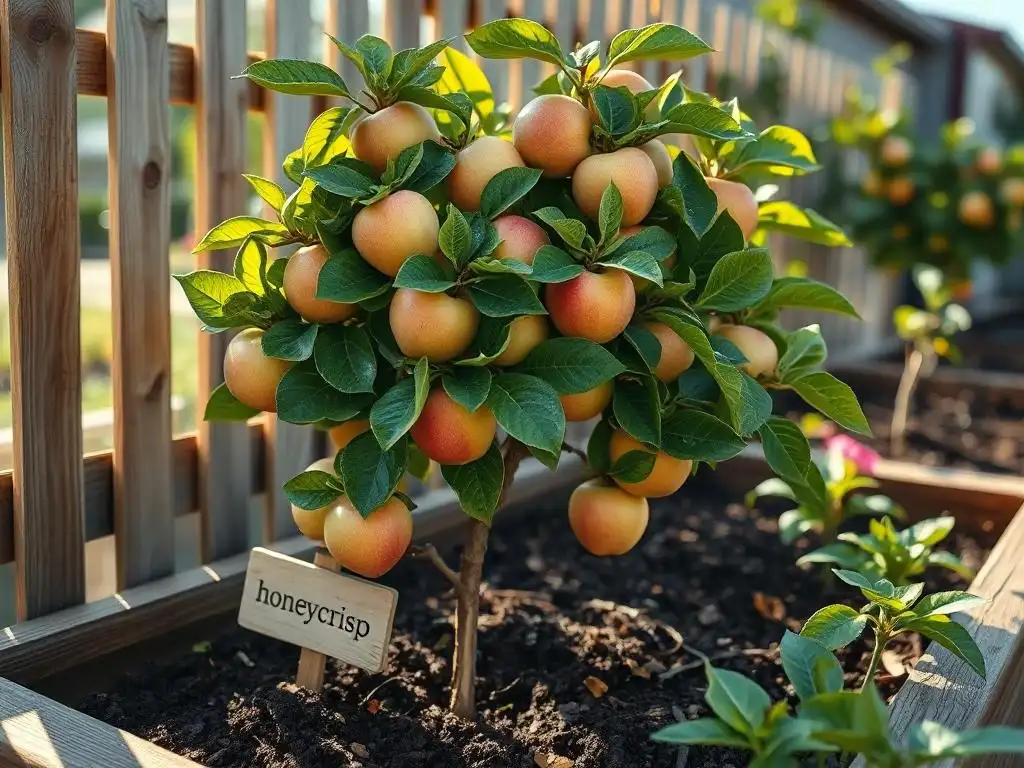
This section focuses on the practical aspects of establishing and nurturing your fruit trees, even within limited space. We'll cover soil preparation, planting techniques specific to different tree types, and the ongoing maintenance crucial for a thriving harvest. Remember, selecting the right small space fruit tree choices is only half the battle; proper care ensures a bountiful yield.
Preparing the Soil for Optimal Fruit Tree Growth in Small Spaces
The success of your small-space fruit trees hinges significantly on soil quality. Even a small area can yield impressive results with proper soil preparation. Before planting, amend your soil to improve drainage, aeration, and nutrient content. This is particularly important in containers or raised beds, where soil volume is limited.
Poor drainage can lead to root rot, a common problem for fruit trees. To assess drainage, dig a small hole and fill it with water. If the water drains slowly, you'll need to improve drainage by adding organic matter like compost or well-rotted manure. This improves soil structure, allowing for better water infiltration.
Nutrient-rich soil is essential for healthy growth and fruit production. A soil test can pinpoint deficiencies, allowing you to amend accordingly. Generally, incorporating compost improves soil fertility and provides beneficial microorganisms. Adding a balanced slow-release fertilizer before planting provides a foundational boost of nutrients. Remember to choose a fertilizer specifically formulated for fruit trees, avoiding those high in nitrogen, which can promote leafy growth at the expense of fruit production.
Proper Planting Techniques for Dwarf, Columnar, and Container Trees
Planting techniques vary slightly depending on the type of small space fruit tree choices you've selected. Dwarf trees, columnar trees, and container-grown trees each require a slightly different approach.
- Dwarf Trees: These trees offer a smaller mature size, making them ideal for small gardens. Plant them at the same depth they were in their nursery containers, ensuring the root flare (where the trunk meets the roots) is slightly above the soil line. Proper spacing is crucial; follow the recommended spacing guidelines for your specific variety.
- Columnar Trees: These trees grow vertically, minimizing their footprint. Plant them in well-drained soil, ensuring adequate spacing between trees. Their upright growth habit often requires less pruning than other types of fruit trees.
- Container Trees: Growing fruit trees in containers offers maximum flexibility. Choose a container large enough to accommodate the tree's root system, with adequate drainage holes. Use a high-quality potting mix designed for container gardening, which provides good drainage and aeration. Regular fertilization is crucial for container-grown trees as nutrients are quickly depleted.
| Tree Type | Planting Depth | Spacing | Soil Considerations |
|---|---|---|---|
| Dwarf | Same as nursery pot | Variety-specific | Well-drained, amended with compost |
| Columnar | Same as nursery pot | 2-3 feet apart | Well-drained, amended with compost |
| Container-grown | Same as nursery pot | Container size dictates | High-quality potting mix, well-draining |
Ongoing Care: Pruning, Watering, and Fertilizing Small Fruit Trees
Consistent care is vital for maintaining the health and productivity of your small-space fruit trees. This includes regular pruning, appropriate watering, and timely fertilization.
Pruning is essential for shaping the tree, removing dead or diseased branches, and encouraging fruit production. Different pruning techniques are used depending on the tree's age and type. Early spring is generally the best time for pruning. Consult resources specific to your tree variety for detailed pruning instructions. Improper pruning can stunt growth or reduce fruit yield.
Watering requirements vary depending on the climate, soil type, and tree type. Generally, aim for consistent moisture, avoiding both underwatering and overwatering. Overwatering can lead to root rot, while underwatering can stress the tree and reduce fruit production. Mulching around the base of the tree helps retain soil moisture and suppress weeds.
Fertilizing provides essential nutrients for healthy growth and fruit production. Use a balanced fertilizer specifically formulated for fruit trees, applying it according to package directions. Avoid over-fertilizing, as this can be detrimental to the tree's health. A soil test can help determine nutrient deficiencies and guide your fertilization strategy. Remember that proper soil preparation before planting lays the groundwork for healthy growth and reduces the need for excessive fertilization later on. This is crucial for sustainable fruit tree cultivation, even in small space fruit tree choices.
Pest and Disease Control for Small-Space Fruit Trees
Pest and disease control is crucial for the health and productivity of your small-space fruit trees. Because these trees are often planted in close proximity and may experience less air circulation than those in larger orchards, they can be more susceptible to infestations and diseases. Proactive measures are key to preventing problems before they arise.
One effective strategy is to choose disease-resistant varieties. Many nurseries now offer fruit tree cultivars bred for resilience against common pests and diseases prevalent in your region. For example, certain apple varieties are naturally resistant to apple scab, a fungal disease that can severely impact fruit quality. Consulting with your local nursery or agricultural extension office is invaluable in selecting the right varieties for your area's specific challenges.
Regular inspection is paramount. Weekly checks for signs of pests—like aphids, spider mites, or scale insects—and diseases—such as leaf spots, powdery mildew, or cankers—allow for early intervention. Early detection significantly increases the chances of successful treatment and prevents widespread damage. Look closely at leaves, branches, and fruit for any unusual discoloration, wilting, or insect activity. A magnifying glass can be helpful in identifying smaller pests.
Organic pest control methods are ideal for sustainable gardening practices. These methods prioritize minimizing harm to beneficial insects and the environment. Options include introducing beneficial insects like ladybugs, which prey on aphids, or using insecticidal soaps and neem oil to control pests. These natural solutions are often less toxic than chemical pesticides and are safer for your family and pets. However, it's crucial to follow application instructions carefully to avoid harming your trees.
For disease control, consider using organic fungicides like copper fungicide or baking soda solutions. These can help manage fungal diseases, but proper sanitation is equally important. Removing and disposing of fallen leaves and infected fruit prevents the spread of pathogens. Maintaining good air circulation around your trees by pruning appropriately also helps reduce the risk of fungal diseases.
Remember, prevention is always better than cure. A healthy tree is more resistant to pests and diseases. Ensure your trees receive adequate sunlight, water, and nutrients through proper fertilization and soil management. A strong, well-maintained tree is your best defense against pests and diseases. By combining careful selection, diligent monitoring, and environmentally friendly control methods, you can successfully cultivate healthy and productive fruit trees even in a limited space.
Harvesting and Enjoying Your Homegrown Fruit
This section focuses on maximizing the yield and enjoyment from your small-space fruit trees. Proper harvesting is crucial not only for enjoying delicious fruit but also for the long-term health and productivity of your trees. We'll explore the optimal timing for harvesting, best practices for picking, and effective methods for preserving your bounty. Remember, even small trees can produce a surprising amount of fruit, so planning ahead is key for "small space fruit tree choices."
Knowing When Your Fruit Trees are Ready for Harvesting
Determining ripeness varies depending on the fruit type. Some fruits, like apples and pears, will change color as they mature. Others, such as cherries and berries, might become softer or sweeter. Here's a guide to help you determine optimal harvest time:
- Visual cues: Look for characteristic color changes. For example, a ripe apple might transition from green to a deep red or yellow, depending on the variety. Similarly, plums will often soften and develop a rich, deep hue.
- Texture and firmness: Gently squeeze the fruit. Ripe fruit will usually yield slightly to gentle pressure, while unripe fruit will be firm and hard. Avoid bruising the fruit during this check.
- Taste test: The ultimate test! Pick a single fruit and taste it. This is particularly helpful for fruits that don't show obvious color changes as they ripen. If it's sweet and flavorful, it's ready.
- Timing: While visual cues are helpful, consider the typical harvest time for your specific fruit variety and climate. Local agricultural extension offices or experienced gardeners can provide valuable insights on average ripening periods in your region. This is especially important for "small space fruit tree choices" as microclimates can influence ripening times.
Proper Harvesting Techniques to Ensure Fruit Quality
Careful harvesting techniques ensure your fruit arrives undamaged and ready for consumption or preservation. Rough handling can bruise the fruit, leading to spoilage. Here are some best practices:
- Use the right tools: Employ sharp pruning shears or scissors to avoid damaging the fruit or the tree branches. For easily-picked fruits, gentle hand-picking is sufficient.
- Avoid pulling or twisting: Instead, gently cut the fruit from the branch, leaving a small stem attached. Pulling or twisting can damage the tree and reduce future yields.
- Handle with care: Place harvested fruit in a soft-lined container to prevent bruising. Avoid overcrowding the container, as this can also lead to damage.
- Inspect regularly: Regularly check your trees for ripe fruit. Harvesting frequently prevents overripe fruit from spoiling on the tree and impacting the overall quality of your harvest. This is particularly important for "small space fruit tree choices" where the yield per tree might be more concentrated.
Preserving and Storing Your Harvested Fruit
Proper preservation extends the enjoyment of your homegrown harvest. Different fruits require different preservation methods.
| Fruit Type | Preservation Methods | Storage Conditions |
|---|---|---|
| Apples & Pears | Canning, freezing, juicing, drying | Cool, dark, and dry place; refrigerated for fresh fruit |
| Berries | Freezing, jam-making, drying | Refrigerated; frozen for longer storage |
| Cherries | Canning, freezing, drying, making cherry pies | Refrigerated; frozen for longer storage |
| Stone Fruits (Plums, Peaches) | Canning, freezing, jams, preserves | Refrigerated; frozen for longer storage |
Remember, proper storage is crucial for preserving the quality and taste of your fruit. Always refrigerate or freeze fruit as soon as possible after harvesting to maintain freshness. Proper preservation techniques significantly extend the enjoyment of your homegrown harvest, even from your "small space fruit tree choices". Enjoy the fruits of your labor! 🍎🍒🍑
Frequently Asked Questions
What are some good fruit tree choices for small spaces?
Several dwarf and semi-dwarf varieties of apple, pear, cherry, and plum trees are ideal for small spaces. Consider columnar varieties for extremely limited areas. Research specific cultivars suited to your climate.
How much space do I really need for a fruit tree?
The required space depends heavily on the tree's mature size. Check the plant tag or online resources for mature height and spread estimations. Dwarf varieties often need only 6-8 feet, while larger trees may require 20 feet or more.
Can I grow fruit trees in containers?
Yes, many dwarf fruit trees thrive in large containers. Choose a pot with adequate drainage and a size appropriate to the tree's root system. Regular watering and fertilization are crucial.
What kind of soil is best for growing fruit trees in small spaces?
Well-draining soil rich in organic matter is essential. Amend heavy clay soils with compost or other organic materials to improve drainage and aeration. Consider using a potting mix specifically formulated for fruit trees if growing in containers.
How much sunlight do small fruit trees need?
Most fruit trees require at least 6-8 hours of direct sunlight daily to produce a good crop. Choose a location in your yard that receives ample sunlight, or supplement with grow lights if growing in a container indoors.
Final Reflection: Harvesting Abundance, Even in Small Spaces
The dream of homegrown fruit, once relegated to sprawling orchards, is now within reach for even the most urban gardener. The reality is that delicious, homegrown fruit isn't a luxury limited to those with acres of land; clever planning and the right tree selection can transform even the smallest balcony or backyard into a productive paradise. This article has explored the exciting possibilities of maximizing yield in limited spaces, proving that size truly doesn't matter when it comes to reaping the rewards of nature.
The impact of accessible gardening extends far beyond the simple pleasure of fresh fruit. It fosters a deeper connection with the natural world, encourages sustainable practices, and contributes to a sense of community and shared experience. The glory of gardening: hands in the dirt, head in the sun, heart with nature. To nurture a garden is to feed not just the body, but the soul.
This quote perfectly captures the transformative power of cultivating even a small patch of earth, and the profound satisfaction derived from nurturing life from seed to fruit.
Now, consider your own space. What possibilities exist? Perhaps a dwarf apple tree could grace your patio, or a compact citrus tree brighten your kitchen window. Don't let limited space limit your dreams. Take the knowledge gained from this article, research the varieties best suited to your climate and conditions, and begin your journey towards harvesting your own delicious, homegrown bounty. The rewards – both tangible and intangible – are well worth the effort.
Unleash Your Inner Orchard: Grow the Perfect Fruit Trees!
Thank you for learning about choosing the right fruit trees for your space! We hope you feel empowered to cultivate your own delicious harvest. Ready to get started?
- Begin planning your mini-orchard today! Sketch out your yard, noting sun exposure and existing structures. Consider which fruit varieties would thrive in your available space and local climate. A simple drawing or digital plan will help you visualize your future orchard.
- Share your exciting plans with our community! Post a picture of your planned orchard layout on our CultivateYourFood forum – let's inspire each other!
- Thoroughly research the specific needs of your chosen fruit tree varieties. Ensure they'll flourish in your environment by considering factors like soil type and pollination requirements. Understanding these factors will significantly increase your chances of success.
What's the first fruit tree you're dreaming of growing? Let us know in the comments below!