
Cranberry Storage: The Best Ways to Preserve These Tart Fruits

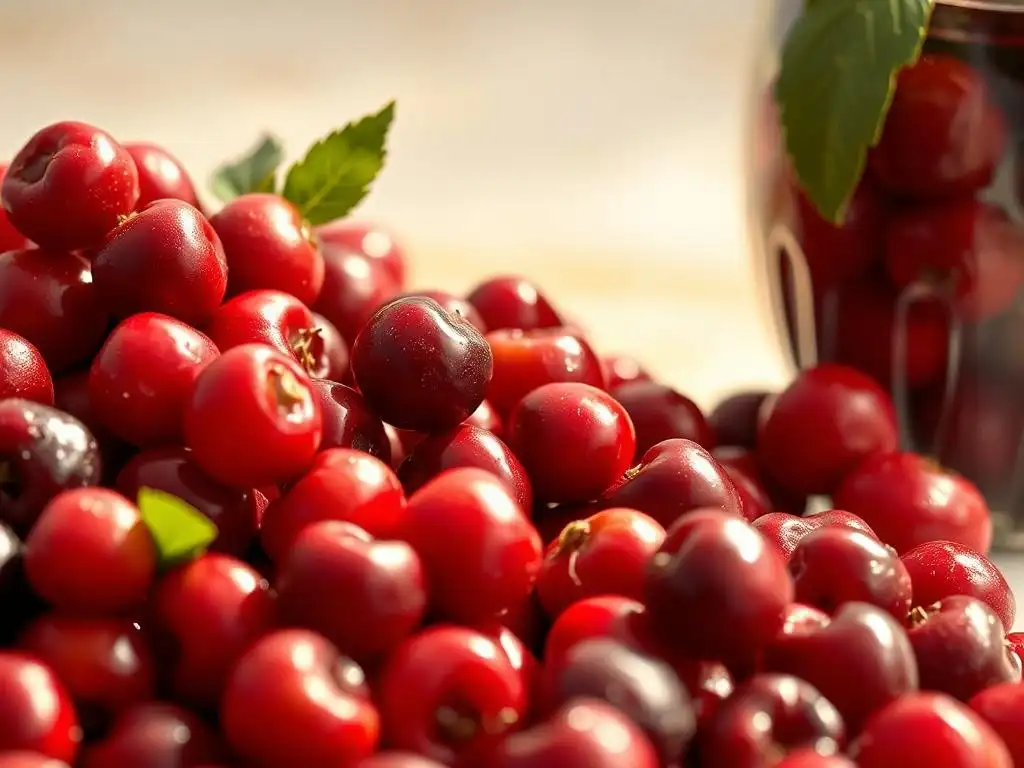
Ready to unlock the secrets to a bountiful harvest and savor the fruits (and vegetables!) of your labor? CultivateYourFood is your guide to sustainable and organic home gardening. But first, a crucial question for cranberry enthusiasts: How long do fresh cranberries actually last? Discover the best ways to preserve these tart delights and much more within our comprehensive guide to fruit tree care – your journey to a thriving garden begins now!
- How Long Can You Store Fresh Cranberries? Understanding Shelf Life
- Preserving Cranberries Beyond Fresh Storage: Methods and Techniques
- Identifying Spoiled Cranberries: Signs to Look For
- Tips for Optimal Cranberry Storage: Maximizing Freshness and Flavor
- Frequently Asked Questions
- Final Reflection: The Enduring Bounty of the Cranberry
- Unlock the Tart Delight: Keep Your Cranberries Fresh!
How Long Can You Store Fresh Cranberries? Understanding Shelf Life
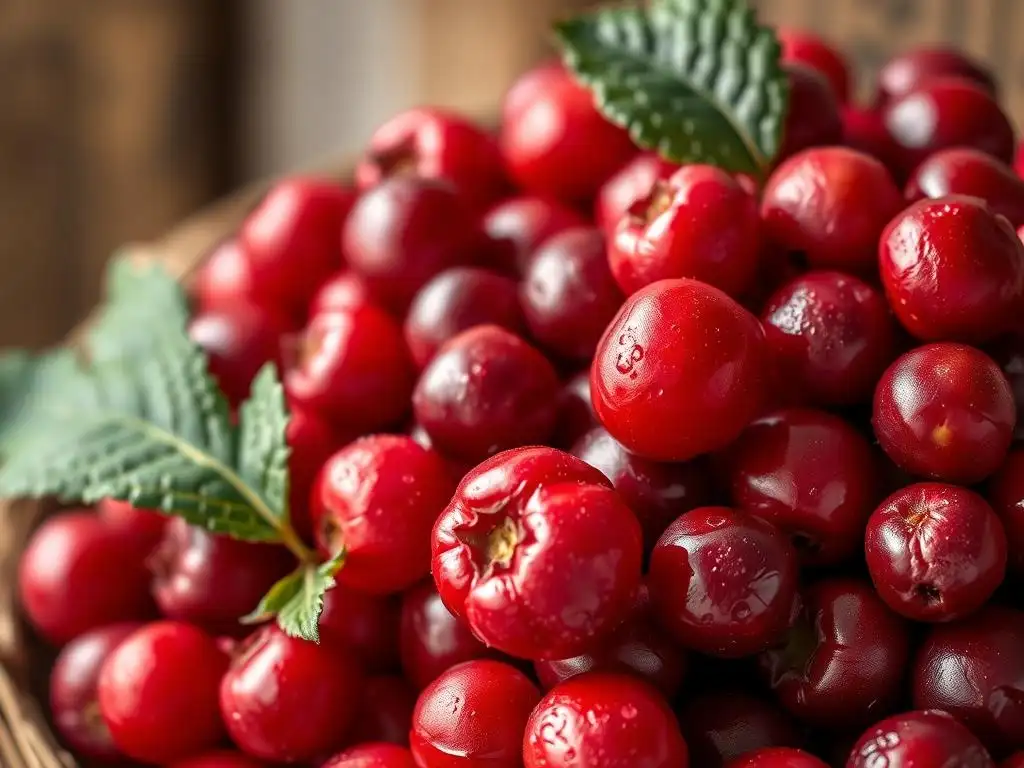
Cranberries, those vibrant red jewels of the autumn harvest, are prized for their tart flavor and remarkable nutritional benefits. But how long do these delightful berries retain their freshness and quality after picking? Understanding cranberry storage is crucial for maximizing their lifespan and preventing spoilage.
This comprehensive guide will explore various methods for preserving cranberries, from simple refrigeration techniques to long-term freezing solutions, helping you answer the crucial question: "How long can you store fresh cranberries?" We'll delve into the optimal storage conditions to ensure your cranberries remain plump, juicy, and ready to use in your favorite recipes, from sauces and jams to festive holiday dishes.
We'll also address the impact of different storage methods on the overall quality and nutritional value of your cranberries, ensuring you get the most out of your harvest. This guide is perfect for home gardeners, farmers market enthusiasts, and anyone who wants to make the most of their cranberry bounty.
Fresh Cranberry Storage: Room Temperature vs. Refrigeration
The shelf life of fresh cranberries significantly depends on storage conditions. Storing them at room temperature is generally not recommended for extended periods. While cranberries can be left at room temperature for a short time (a couple of days, perhaps) after purchase or harvesting, they are susceptible to rapid spoilage. The ideal approach is to refrigerate cranberries as soon as possible after acquiring them.
At room temperature, cranberries can begin to lose their firmness and develop mold within just a few days. The warmer the environment, the faster the deterioration. This is due to the natural enzymatic processes within the berries, which accelerate at higher temperatures. On the other hand, refrigeration significantly slows down these processes, extending their freshness.
| Storage Method | Expected Shelf Life | Notes |
|---|---|---|
| Room Temperature | 2-3 days | Berries may start to soften and lose their vibrancy. Mold risk increases. |
| Refrigeration (32-36°F) | 1-2 weeks | Cranberries will retain their firmness and flavor for longer. |
Extending Cranberry Shelf Life: Refrigeration Techniques and Tips
Proper refrigeration is key to maximizing the shelf life of your fresh cranberries. Simply placing them in a plastic bag in the refrigerator is a good starting point, but optimizing the storage environment can make a significant difference.
For optimal results, consider these tips:
- Use a breathable container: Avoid airtight containers, as they can trap moisture and promote the growth of mold. A perforated bag or a shallow container works best.
- Don't wash before storing: Washing cranberries before storing can introduce moisture and accelerate spoilage. Wash them only right before use.
- Check regularly for spoilage: Inspect your cranberries periodically for any signs of softening, discoloration, or mold. Discard any berries that show signs of spoilage to prevent contamination.
- Separate damaged berries: If some cranberries are bruised or damaged, separate them from the healthy ones to prevent the spread of spoilage.
Freezing Cranberries for Long-Term Storage: A Step-by-Step Guide
Freezing is the most effective method for long-term cranberry storage, preserving their flavor and nutritional value for several months. Here's a step-by-step guide:
- Sort and wash: Sort through your cranberries, discarding any damaged or bruised ones. Wash them thoroughly under cold running water.
- Dry thoroughly: Spread the cranberries on a clean kitchen towel or paper towel to dry completely. Excess moisture can lead to ice crystals forming during freezing.
- Freeze in single layers: Arrange the cranberries in a single layer on a baking sheet lined with parchment paper. This prevents them from sticking together.
- Flash freeze: Place the baking sheet in the freezer for a couple of hours, or until the cranberries are solid.
- Transfer to freezer bags: Once frozen, transfer the cranberries to airtight freezer bags, removing as much air as possible. Label the bags with the date.
- Store in the freezer: Store the bags in the freezer at 0°F (-18°C) or lower. Frozen cranberries can last for 12-18 months, maintaining their quality. 🎉
Remember to always prioritize food safety and handle cranberries with care to maintain their quality and prevent spoilage. 🍎
Preserving Cranberries Beyond Fresh Storage: Methods and Techniques
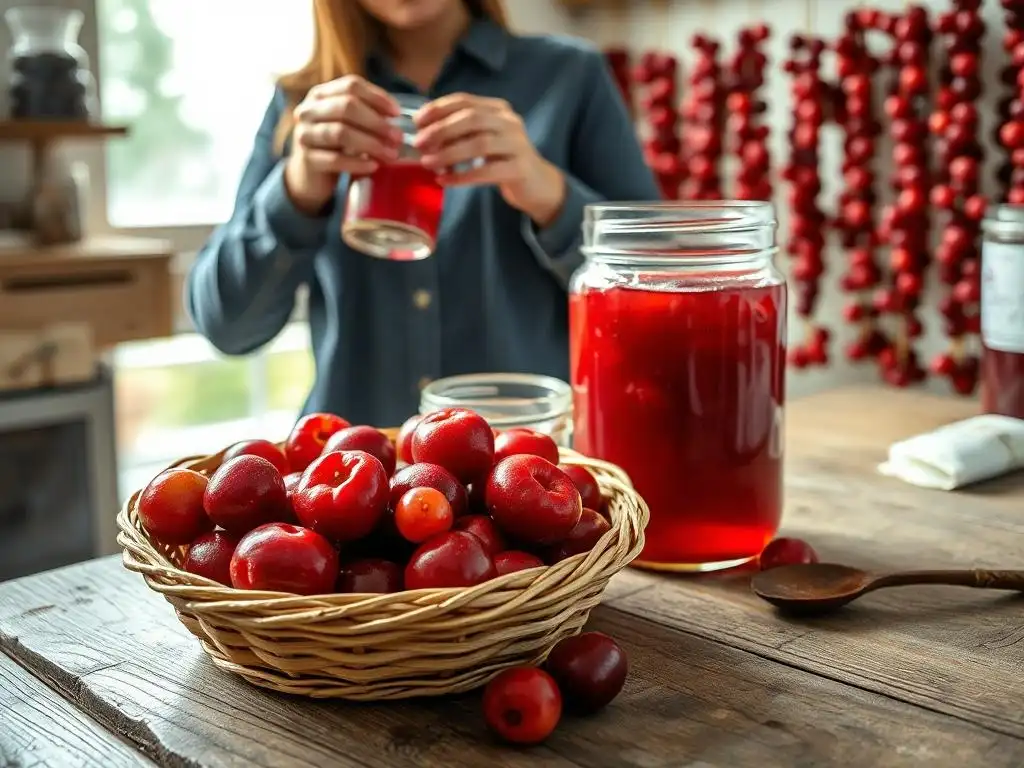
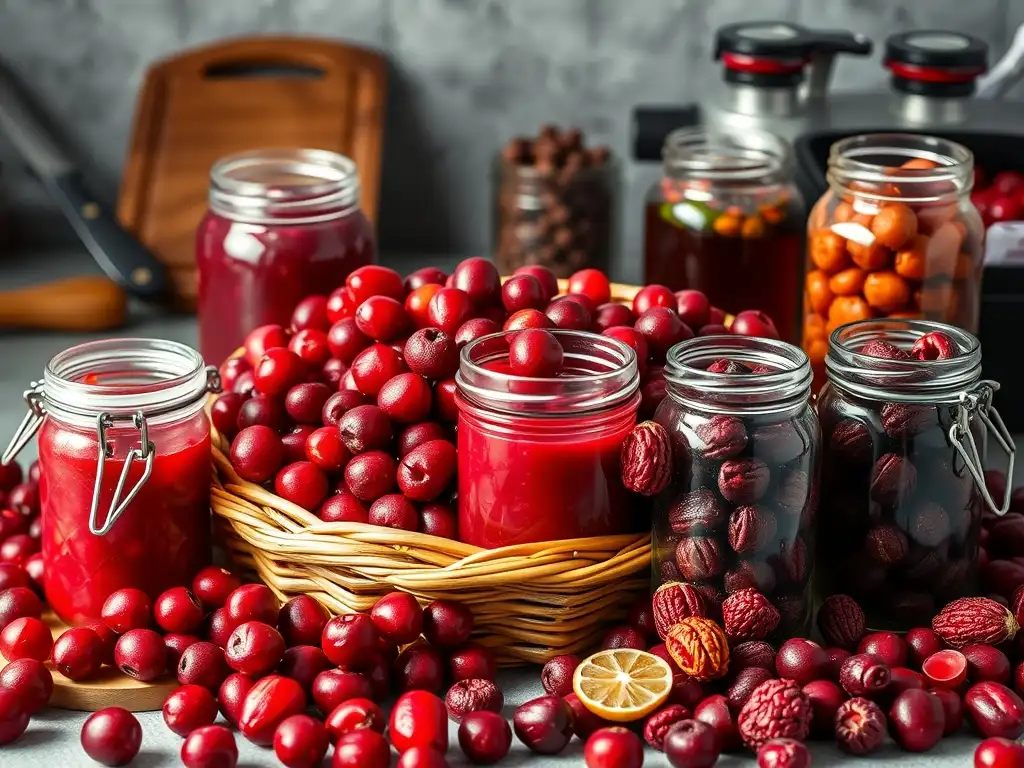
This section explores methods to extend the shelf life of cranberries beyond their typical fresh storage period, answering the question "How long store fresh cranberries?" While fresh cranberries can last for several weeks under optimal conditions, processing them into other forms significantly extends their usability and allows you to enjoy their tart flavor throughout the year. We'll examine several popular and effective preservation techniques.
Proper preservation not only prevents spoilage but also allows you to diversify your enjoyment of this superfood. The methods outlined below offer a range of options to suit different preferences and time commitments. Remember, proper sanitation and food safety practices are crucial throughout the entire process.
Making Cranberry Sauce: A Classic Preservation Method
Cranberry sauce is a quintessential holiday staple, but its versatility extends far beyond Thanksgiving. This method offers a simple way to preserve cranberries for months, even longer if properly canned. The high sugar content acts as a natural preservative, inhibiting microbial growth. Making cranberry sauce is a relatively straightforward process, requiring minimal equipment.
A basic recipe typically involves combining fresh cranberries, sugar (granulated or other types), water, and sometimes orange zest or other flavor enhancers. The mixture is simmered until the cranberries burst and thicken into a sauce. The exact ratios can vary depending on desired sweetness and consistency.
For long-term storage, the hot sauce is transferred to sterilized jars, sealed, and processed in a boiling water bath to ensure safety and extend shelf life. This method provides a delicious and convenient way to enjoy cranberries throughout the year. Properly canned cranberry sauce can last for up to a year or even longer when stored in a cool, dark pantry.
The key to successful cranberry sauce preservation lies in meticulous sterilization of jars and careful adherence to canning guidelines to prevent spoilage. Following established canning procedures is crucial for ensuring food safety. Remember to always check for proper sealing after processing.
Cranberry Relish: A Delicious and Long-Lasting Option
Cranberry relish offers a delightful alternative to traditional cranberry sauce, providing a tangier and less sweet flavor profile. Often incorporating ingredients like orange peel, ginger, and pecans, cranberry relish boasts a unique flavor combination that pairs perfectly with various dishes. Similar to cranberry sauce, the high sugar content contributes to its preservation, although the addition of other ingredients may slightly alter its shelf life.
The preparation involves finely chopping cranberries and combining them with other ingredients according to your chosen recipe. The mixture is typically cooked briefly to soften the cranberries and blend the flavors. While not requiring a boiling water bath for long-term storage like cranberry sauce, refrigeration is essential. Properly refrigerated cranberry relish can last for several weeks, offering a refreshing and flavorful accompaniment to meats, cheeses, and other dishes. Freezing is another option for longer-term preservation, extending its shelf life significantly. Remember to use airtight containers to maintain freshness and prevent freezer burn.
Dehydrating Cranberries: Creating a Healthy and Convenient Snack
Dehydrating cranberries creates a chewy, concentrated snack packed with nutrients and flavor. This method removes moisture, inhibiting microbial growth and significantly extending shelf life. Dehydrated cranberries retain their tartness while developing a more intense flavor. They are a versatile ingredient, adding a burst of flavor to trail mixes, baked goods, and even yogurt.
The process involves spreading cleaned cranberries in a single layer on dehydrator trays. The cranberries are then dehydrated at a low temperature (around 135°F or 57°C) for several hours, or until they are leathery and completely dry. Proper drying is crucial to prevent spoilage. Once dehydrated, store the cranberries in airtight containers in a cool, dark, and dry place.
Dehydrated cranberries can last for several months, providing a convenient and healthy snack. This method preserves the nutritional value of cranberries while offering a different textural experience compared to fresh or processed cranberries. Proper storage is key to maintaining their quality and preventing moisture absorption.
Candied Cranberries: A Festive and Shelf-Stable Treat
Candied cranberries offer a delightful way to preserve cranberries far beyond their typical fresh shelf life. This method involves simmering cranberries in sugar syrup, resulting in sweet, chewy treats perfect for snacking, baking, or gifting. The high sugar content acts as a preservative, inhibiting microbial growth and extending the shelf life considerably. Properly candied cranberries, stored correctly, can last for several months, even up to a year, in a cool, dry place.
The process itself is relatively straightforward. You'll need fresh cranberries, sugar (granulated or superfine works best), water, and optionally, spices like cinnamon or orange zest for added flavor complexity. The cranberries are simmered gently in a sugar syrup until they plump up and burst slightly, releasing their juices and becoming coated in a sugary glaze. This process concentrates the sweetness and creates a delightful texture.
Once cooled, the candied cranberries can be stored in airtight containers, preferably in a cool, dark place. Refrigeration isn't strictly necessary for short-term storage (under a few months), but it will extend their shelf life and help maintain their quality. Remember to check the cranberries periodically for any signs of mold or spoilage. Discard any that show signs of deterioration.
Creating candied cranberries is not only a fun activity but also a rewarding one. The result is a delicious, shelf-stable treat that captures the essence of cranberry flavor in a unique and festive way. They make excellent additions to holiday baking, yogurt parfaits, or even enjoyed on their own as a sweet and tart snack. The process itself is quite simple, making it an accessible method for preserving cranberries even for novice home preservers. Consider experimenting with different spices and citrus additions to customize the flavor profile to your liking. The possibilities are endless!
Identifying Spoiled Cranberries: Signs to Look For
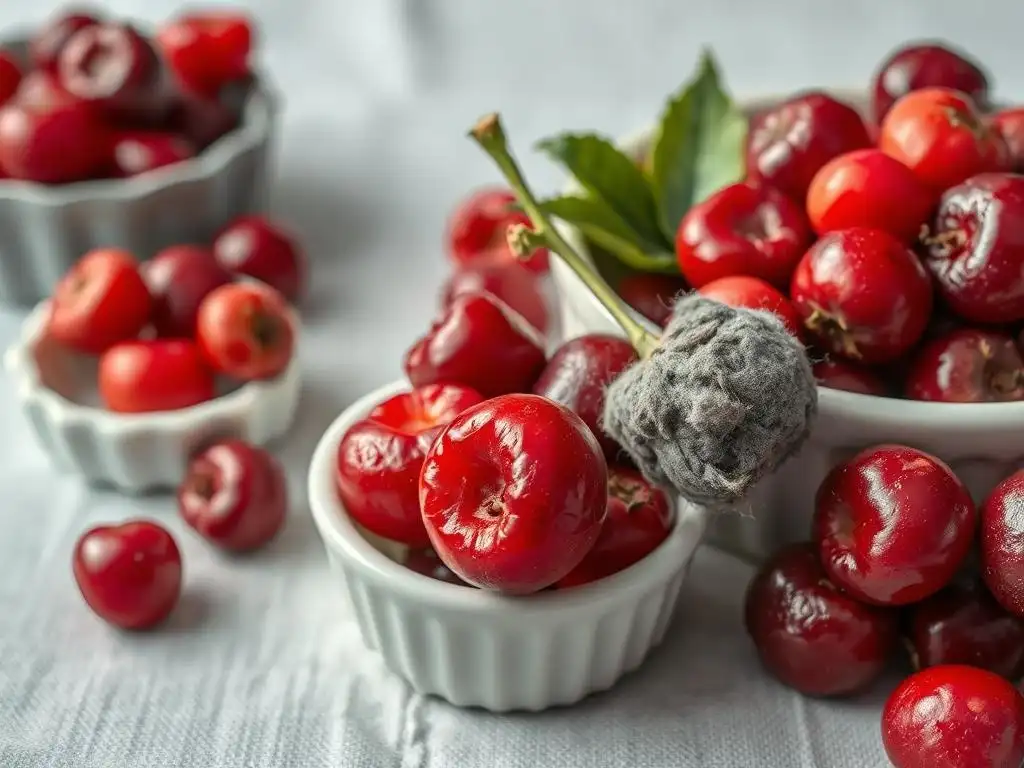
Knowing how to identify spoiled cranberries is crucial for maximizing the shelf life of your harvest and preventing food waste. While cranberries are known for their relatively long shelf life, they do eventually spoil. Recognizing the signs of spoilage allows you to use your cranberries before they become inedible and potentially harmful. This section focuses on the visual and olfactory cues that indicate your cranberries have gone bad. Understanding these signs will help you answer the question: "How long store fresh cranberries?" with greater accuracy and confidence.
Mold and Texture Changes: Indicators of Spoilage
One of the most obvious signs of cranberry spoilage is the presence of mold. Mold can appear as fuzzy patches of various colors – often green, white, or gray – on the surface of the berries. These moldy patches are not only unsightly but also indicate microbial growth, making the cranberries unsafe to consume. Discard any cranberries exhibiting any visible mold immediately.
Beyond mold, changes in texture are a key indicator of spoilage. Fresh cranberries are firm and plump. As they begin to deteriorate, they will become soft, mushy, or even wrinkled. This textural change is often accompanied by a loss of firmness, indicating internal breakdown and the beginning of decomposition. This softening is a strong signal that the cranberries are past their prime and should be avoided. A simple squeeze test can help determine firmness; spoiled cranberries will yield easily to gentle pressure.
The appearance of dark spots or discoloration, even in the absence of visible mold, can also signal spoilage. These dark areas might indicate bruising or the start of rotting, making the cranberry less palatable and potentially harboring harmful bacteria. Always carefully inspect your cranberries for any unusual discoloration before use.
Off-Odors and Unpleasant Taste: Signs of Deterioration
While visual cues are important, spoiled cranberries often give off a distinct unpleasant odor. Fresh cranberries have a slightly tart, yet pleasant aroma. A sour, fermented, or vinegary smell is a clear indication that the cranberries have begun to spoil. This off-putting odor is often a precursor to visible signs of mold or textural changes, providing an early warning system.
Similarly, a change in taste is a definitive sign of spoilage. If your cranberries taste unusually sour, bitter, or otherwise unpleasant compared to their usual tartness, they are likely spoiled. Do not hesitate to discard cranberries with an altered taste, even if they appear visually acceptable. Your sense of smell and taste are valuable tools in determining the freshness of your cranberries.
Remember, prioritizing food safety is paramount. Discarding spoiled cranberries prevents potential foodborne illnesses and ensures your culinary creations remain safe and delicious. This careful attention to detail helps you accurately answer "How long store fresh cranberries?" by identifying the point at which storage is no longer effective.
Tips for Optimal Cranberry Storage: Maximizing Freshness and Flavor
Cranberries, with their vibrant color and tart flavor, are a delightful addition to numerous dishes. However, preserving their freshness and quality after harvesting requires careful attention to storage techniques. Knowing how long to store fresh cranberries effectively hinges on understanding the optimal conditions that prevent spoilage and maintain their desirable characteristics. This section explores key strategies to extend the shelf life of your homegrown cranberries, ensuring you can enjoy their unique qualities for as long as possible. Proper storage is crucial, especially if you've invested time and effort in cultivating a bountiful cranberry harvest. Let's dive into the specifics.
Proper Container Selection for Cranberry Storage
The container you choose significantly impacts how long your cranberries remain fresh. Avoid using containers that trap moisture, as this can lead to mold and rotting. The ideal containers for cranberry storage are those that provide good air circulation while preventing physical damage to the berries.
Several options offer excellent results:
- Shallow, wide containers: These allow for better air circulation around the cranberries, minimizing moisture buildup. Think of a wide, shallow bowl or a large, flat, food-safe container.
- Breathable bags: Mesh produce bags or loosely woven fabric bags allow air to circulate while protecting the cranberries from bruising. Avoid airtight plastic bags, which trap moisture and promote spoilage.
- Paper bags: These offer similar breathability to mesh bags. Ensure the paper is food-safe and not treated with any chemicals that could affect the cranberries.
Consider the quantity of cranberries you need to store. Smaller batches can be stored in smaller containers, maximizing freshness by minimizing the space occupied by berries that may get damaged or bruised. Larger harvests may require multiple smaller containers to ensure optimal air circulation throughout.
Avoiding Moisture and Air Exposure During Storage
Moisture is the enemy of cranberry freshness. Even slight moisture accumulation can accelerate decay and the growth of mold. Similarly, prolonged exposure to air can lead to dehydration and loss of flavor. Therefore, striking a balance between air circulation and protection from excessive exposure is key to extending their shelf life.
Here's how you can minimize moisture and air exposure:
- Properly drying cranberries before storage: Before storing, gently rinse your cranberries and pat them thoroughly dry with a clean towel. This removes excess moisture and minimizes the risk of mold growth.
- Refrigeration: Store cranberries in the refrigerator, ideally in the crisper drawer, which maintains a more consistent temperature and humidity level. This significantly extends their shelf life compared to room temperature storage.
- Avoid stacking cranberries too high: If using a container, avoid stacking the cranberries too high. This restricts air circulation, increasing the chances of moisture buildup and spoilage in the lower layers. A single layer is ideal, particularly for larger quantities. For instance, if storing a large harvest, consider using multiple containers instead of one deep container.
By following these guidelines, you can significantly extend the time you can enjoy the fresh, tart flavor of your homegrown cranberries. Remember, proper storage is a crucial step in maximizing the value of your harvest and minimizing food waste. Properly stored cranberries, under ideal conditions, can last for several weeks, providing a delicious and healthy addition to your recipes throughout the season.
Frequently Asked Questions
How long can I store fresh cranberries?
Fresh cranberries, if stored properly, can last for 1-2 months in the refrigerator. Proper storage in a sealed container is key to maintaining their freshness.
What's the best way to store fresh cranberries?
Store cranberries in an airtight container in the refrigerator. Avoid washing them until you're ready to use them to prevent premature spoilage.
Can I freeze fresh cranberries?
Yes! Freezing is a great way to preserve cranberries for up to a year. Simply wash, dry, and place them in a freezer bag or airtight container.
What are the signs that my cranberries have gone bad?
Spoiled cranberries will become soft, mushy, or moldy. Discard any cranberries showing these signs of spoilage. A sour smell is also a clear indicator.
Can I store cranberries at room temperature?
It's not recommended to store cranberries at room temperature for extended periods. They'll spoil much faster. Refrigeration is crucial for optimal storage.
Final Reflection: The Enduring Bounty of the Cranberry
The vibrant red jewel of the cranberry harvest, a symbol of autumnal abundance, remains surprisingly relevant in our fast-paced modern world. Our exploration of optimal cranberry storage techniques highlights not just the practicalities of preserving this delicious fruit, but also the deeper connection we have with seasonal food and mindful consumption. Knowing how to best store cranberries allows us to savor their unique tartness and nutritional benefits for longer, reducing food waste and maximizing the enjoyment of this versatile ingredient.
The impact of seasonal eating, and the knowledge passed down through generations on how to preserve its bounty, is profoundly felt in our kitchens and on our tables. It's a reminder of a slower pace of life, a connection to the land, and a celebration of nature's gifts. We must learn to live with the earth, not just on it.
This quote, though not directly about cranberries, speaks to the larger theme of sustainable practices and mindful consumption that the proper storage of cranberries represents. Understanding how long we can store fresh cranberries allows us to appreciate the effort involved in their cultivation and to minimize waste, aligning with a more environmentally conscious lifestyle.
Now, consider your own kitchen. Think about the fruits and vegetables you purchase, and how you might extend their freshness and minimize waste. Take a moment to reflect on the simple act of preserving food, not just for its practical benefits, but for the deeper connection it fosters with the natural world and the traditions that sustain us. Embrace the knowledge gained here, and let the tart burst of a perfectly preserved cranberry remind you of the enduring bounty of the harvest and the importance of mindful consumption.
Unlock the Tart Delight: Keep Your Cranberries Fresh!
Thanks for exploring the world of cranberry preservation! You've learned how to keep these vibrant berries bursting with flavor for longer. Ready to put your knowledge into practice?
- Choose your preferred preservation method: Select one of the storage techniques discussed—freezing, refrigeration, or canning—and begin! This is the first step to enjoying delicious cranberries year-round.
- Share your cranberry experience: Tell us (and others!) about your favorite cranberry recipe or a successful storage tip. We love hearing from our community!
- Try a new cranberry recipe: Now that you're confident in storing cranberries, experiment with a new cranberry dish. What delicious creation will you make?
What's your favorite cranberry recipe, and how do you plan to keep those tart berries fresh?