
Espalier Fruit Trees in Containers: Growing Vertically on Your Patio or Balcony

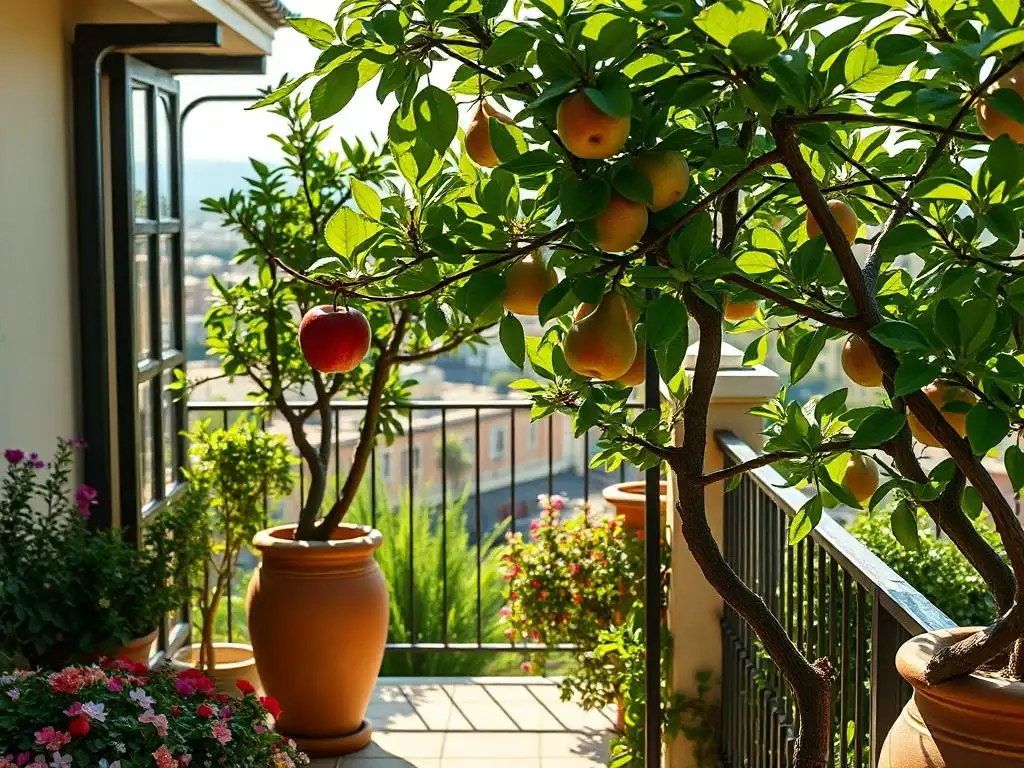
Welcome to CultivateYourFood, your guide to a thriving, sustainable garden, even in the smallest of spaces! Are you dreaming of juicy, homegrown fruit without needing a sprawling orchard? Then prepare to be amazed by the possibilities of container espalier fruit tree gardening. Our comprehensive Container Espalier Fruit Tree Guide unveils the secrets to growing vertical fruit trees, transforming your patio or balcony into a bountiful harvest haven. Discover how easy it is to cultivate your own delicious fruit – let's get growing!
- Choosing the Right Fruit Tree for Container Espalier
- Container Selection and Preparation for Espalier Fruit Trees
- Planting Your Espalier Fruit Tree in a Container
- Espalier Training Techniques for Container Fruit Trees
- Ongoing Care for Your Container Espalier Fruit Tree
- Harvesting Your Container-Grown Espalier Fruit
- Troubleshooting Common Problems with Container Espalier Fruit Trees
- Frequently Asked Questions
- Final Reflection: Reaching for the Sun, One Branch at a Time
- Unleash Your Inner Orchard: Grow Delicious Fruit, Vertically!
Choosing the Right Fruit Tree for Container Espalier
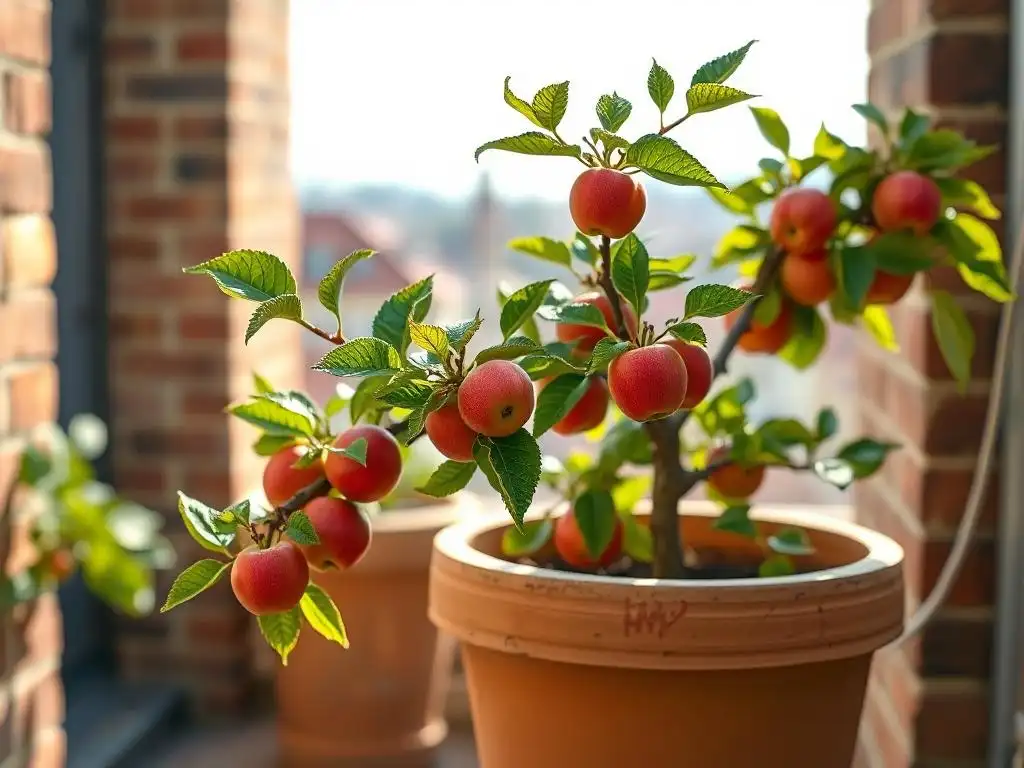
Growing fruit trees in containers using espalier techniques offers a fantastic way to enjoy fresh produce even in limited spaces like patios and balconies. This guide provides a comprehensive overview of how to successfully cultivate espalier fruit trees in containers, focusing on choosing the right tree, selecting the appropriate container, and implementing proper care techniques. We'll delve into the specifics of selecting dwarf or semi-dwarf varieties, identifying suitable species for vertical gardening, and assessing your available space and sunlight conditions to ensure a bountiful harvest.
By following these steps, you'll be well on your way to enjoying delicious, homegrown fruit, regardless of the size of your outdoor area. This guide serves as your ultimate "Container espalier fruit tree guide," empowering you to successfully grow fruit trees vertically, even in the most compact urban environments. Let's get started!
Selecting Dwarf or Semi-Dwarf Varieties for Container Growing
Choosing the right fruit tree variety is paramount to success. Dwarf and semi-dwarf varieties are ideal for container espalier because of their smaller size and manageable growth habit. These trees are specifically bred to stay smaller than standard-sized trees, making them perfect for confined spaces. Semi-dwarf varieties offer a compromise between size and fruit production; they are generally larger than dwarf varieties but still smaller than standard trees.
Consider these factors when choosing:
- Mature Size: Carefully check the mature size of the variety you select. Even dwarf varieties can still reach several feet in height and width, so ensure you have enough space in your container and on your patio.
- Root System: Dwarf varieties often have more compact root systems, which are better suited for container growing. Overly large root systems can become root-bound in containers, hindering growth and fruit production.
- Fruit Yield: While smaller, dwarf and semi-dwarf varieties still offer a respectable fruit yield, though perhaps not as prolific as their larger counterparts. This is a trade-off for space-saving.
- Chill Hours: Check the chill hours required for the variety you choose. Chill hours refer to the number of hours the tree needs to be exposed to temperatures below a certain threshold (usually around 45°F or 7°C) to properly flower and fruit. If your climate doesn't provide enough chill hours, the tree may not fruit well.
Suitable Fruit Tree Species for Vertical Gardening
Not all fruit trees are equally suited to espalier training. Certain species lend themselves better to this method due to their branching habits and growth patterns. Some excellent choices for container espalier include:
- Apples: Many dwarf and semi-dwarf apple varieties are well-suited to espalier. Look for columnar apple trees, which naturally grow in a narrow, upright shape.
- Pears: Similar to apples, dwarf and semi-dwarf pear varieties can be successfully trained as espaliers. Choose varieties known for their compact growth habits.
- Peaches and Nectarines: These stone fruits can also be grown as espaliers, though they may require more frequent pruning to maintain their shape.
- Plums: Certain plum varieties are suitable for espalier, particularly those with a more upright growth habit.
- Figs: Figs are relatively easy to train as espaliers, and their compact nature makes them well-suited for container growing.
Remember to research specific cultivars within these species to find the best fit for your climate and available space. Consider factors like disease resistance and fruit quality when making your selection.
Assessing Your Patio or Balcony Space and Sunlight Exposure
Before purchasing your fruit tree, carefully assess your available space and sunlight conditions. Espalier trees, while space-saving, still require adequate space for growth and proper air circulation to prevent disease.
- Container Size: Choose a container that is large enough to accommodate the mature root system of your chosen variety. The container should be deep enough and wide enough to provide ample room for root growth. Larger is generally better, but it will impact the weight of the container.
- Sunlight: Most fruit trees require at least 6-8 hours of direct sunlight per day to thrive. Choose a location on your patio or balcony that receives ample sunlight. Consider the direction of the sun throughout the day and choose a location that provides consistent sun exposure.
- Wind Protection: Espalier trees can be vulnerable to wind damage, especially when young. Choose a location that offers some protection from strong winds.
- Accessibility: Select a location that is easily accessible for watering, fertilizing, and pruning.
Careful planning and selection will contribute significantly to the success of your container espalier fruit tree project. Remember to consider all these factors before making your final decision. Happy gardening! 🎉
Container Selection and Preparation for Espalier Fruit Trees
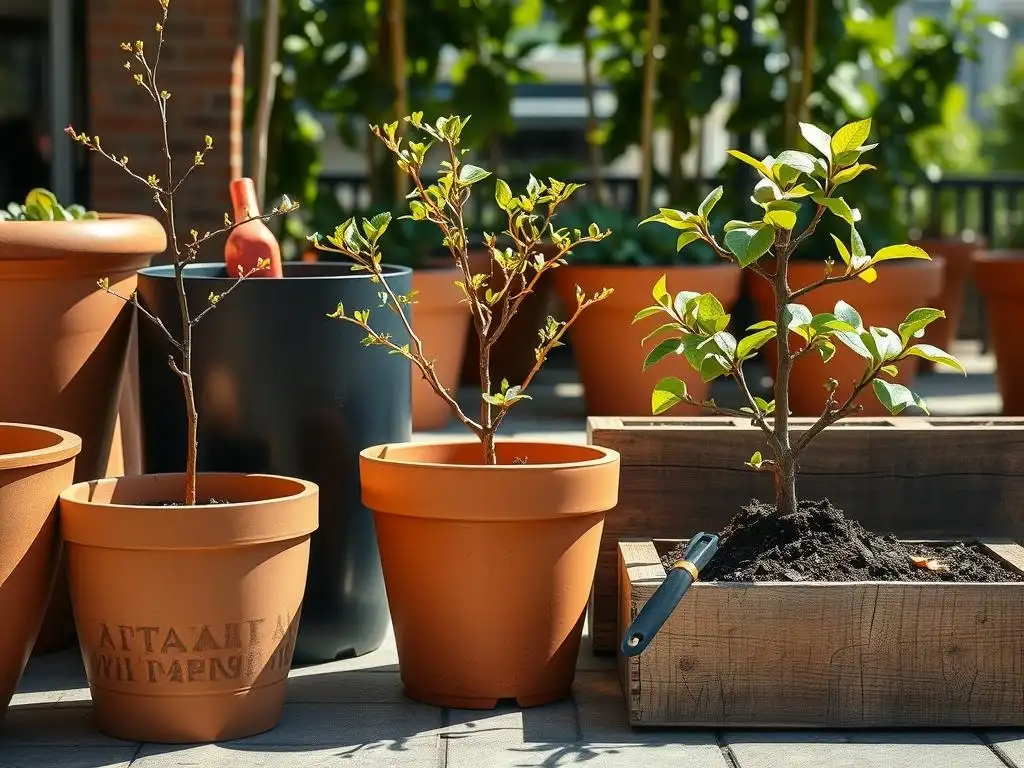
This section focuses on choosing and preparing the perfect container for your espalier fruit tree, a crucial step for successful vertical gardening. The right container ensures proper root development, drainage, and overall plant health. This guide will help you select the ideal container for your "Container espalier fruit tree" project, maximizing your chances of a bountiful harvest.
Choosing the Right Size and Material for Your Container
The size of your container directly impacts your tree's growth. A container that's too small will restrict root development, leading to stunted growth and reduced fruit production. Conversely, a container that’s too large can lead to overwatering and root rot. As a general rule, select a container with a minimum depth and width of 18-24 inches for most fruit trees. Larger trees or those expected to grow vigorously may require even larger containers.
Consider the mature size of your chosen fruit tree variety when choosing a container size. A dwarf apple tree, for instance, will require a smaller container than a standard-sized pear tree. Always refer to the specific requirements of your chosen fruit tree cultivar for optimal results.
The material of the container also plays a vital role. Plastic containers are lightweight and readily available, but they can overheat in direct sunlight, potentially damaging roots. Terracotta pots offer excellent drainage but can dry out quickly, requiring more frequent watering. Wooden containers, while aesthetically pleasing, require careful treatment to prevent rot and decay. They also tend to be more expensive.
Here's a table summarizing the pros and cons of different container materials:
| Material | Pros | Cons |
|---|---|---|
| Plastic | Lightweight, inexpensive, readily available | Can overheat, less aesthetically pleasing |
| Terracotta | Excellent drainage, breathable | Dries out quickly, can be fragile, expensive |
| Wood | Aesthetically pleasing, durable (if treated) | Requires maintenance to prevent rot, expensive |
Remember, whatever material you choose, ensure the container is sturdy enough to support the weight of the mature tree and withstand the elements.
Essential Drainage: Preventing Root Rot in Container Espalier
Proper drainage is paramount to prevent root rot, a common problem in container gardening. Root rot occurs when roots sit in consistently wet soil, leading to fungal infections and ultimately, the death of the tree. To ensure adequate drainage, choose containers with drainage holes at the bottom. If your container lacks drainage holes, you'll need to drill some yourself, ensuring they are large enough to allow for efficient water runoff.
Furthermore, avoid placing your container directly on a solid surface. Elevate the container on bricks, pebbles, or a drainage tray to prevent water from pooling at the base. This simple step significantly improves drainage and reduces the risk of root rot. Consider adding a layer of gravel or broken pottery shards to the bottom of the container before adding the soil mix. This creates an additional drainage layer and prevents the soil from clogging the drainage holes.
Regularly check the soil moisture level. Avoid overwatering, as this is a major contributor to root rot. Allow the top inch or two of soil to dry out before watering again. The frequency of watering will depend on factors like weather conditions, container material, and the type of soil mix used.
Preparing the Soil Mix for Optimal Growth: A Well-Draining Blend of Compost, Perlite, and Potting Soil
The success of your container espalier fruit tree hinges on the quality of your soil mix. You need a well-draining blend that retains enough moisture to support healthy growth but prevents waterlogging. A good soil mix typically consists of a combination of compost, perlite, and high-quality potting soil.
Compost provides essential nutrients and improves soil structure. Perlite enhances drainage and aeration, preventing compaction and ensuring oxygen reaches the roots. Potting soil forms the base of the mix, providing a foundation for the other components.
A typical recipe for a well-draining soil mix for container espalier fruit trees might be:
- 1 part high-quality compost
- 1 part perlite
- 2 parts potting soil
Adjust the proportions based on the specific needs of your tree and the characteristics of your chosen components. For example, if using a particularly heavy clay-based potting soil, you might increase the proportion of perlite to improve drainage. Always ensure the mix is well-mixed before planting your tree. Regularly amend the soil with compost throughout the growing season to maintain nutrient levels and soil health. This ensures your container espalier fruit tree thrives and produces a plentiful harvest. Remember, consistent soil monitoring and adjustments will ensure optimal growth for your "Container espalier fruit tree".
Planting Your Espalier Fruit Tree in a Container
This section provides a detailed guide on planting your espalier fruit tree successfully in a container, maximizing its growth potential while minimizing space requirements. Remember, proper planting is crucial for the long-term health and productivity of your container espalier fruit tree. This guide focuses on ensuring your tree establishes a strong root system and thrives in its new home.
Step-by-Step Planting Guide for Container Espalier
Planting your espalier fruit tree in a container requires careful attention to detail. Here's a step-by-step guide:
- Choose the Right Container: Select a large container (at least 15-20 gallons) with ample drainage holes. Larger containers retain moisture better, crucial for container gardening, but ensure good drainage to prevent root rot. Consider the mature size of your chosen fruit tree – a dwarf variety will require a smaller container than a standard size. The material of the container also matters; terracotta pots allow for better air circulation but dry out faster than plastic containers.
- Prepare the Planting Mix: Use a well-draining potting mix specifically formulated for fruit trees. Avoid using garden soil directly from your yard, as it can be too dense and retain too much water. A good mix will contain a blend of peat moss, perlite, or vermiculite to improve aeration and drainage. Adding compost will enrich the soil with essential nutrients.
- Positioning the Tree: Gently remove your espalier tree from its nursery pot, taking care not to damage the roots. Loosen any circling roots before placing it in the center of the container. Ensure the top of the root ball is level with the top of the container.
- Backfilling and Watering: Gradually fill the container with the prepared potting mix, firmly packing it around the root ball to eliminate air pockets. Water thoroughly after planting to settle the soil and ensure good contact between the roots and the soil.
- Mulching: Apply a layer of organic mulch, such as wood chips or shredded bark, around the base of the tree. Mulching helps retain moisture, suppress weeds, and regulate soil temperature. Avoid piling mulch directly against the trunk.
- Placement: Position your container in a location that receives at least 6-8 hours of direct sunlight daily. Consider the prevailing winds in your area and protect your young tree from strong gusts, which can damage its delicate branches.
Supporting Your Young Tree: Trellises and Stakes for Vertical Growth
Proper support is essential for successful espalier fruit tree cultivation in containers. The vertical growth habit of espalier requires a sturdy support system to prevent the branches from becoming overloaded and breaking.
The type of support system you choose depends on the size and variety of your tree, as well as your personal preferences. Here are some common options:
- Trellises: These offer a more structured support system. Choose a trellis made from strong, durable material such as metal or sturdy wood. Ensure the trellis is tall enough to accommodate the mature height of your tree.
- Stakes: These are useful for supporting individual branches, particularly in the early stages of growth. Use strong stakes that are long enough to reach the ground and provide adequate support. Tie the branches gently to the stakes using soft, flexible ties to avoid damaging the bark.
- Combination: A combination of a trellis and stakes often provides the best support, offering both overall structure and individual branch support.
Remember to regularly check the support system to ensure that it remains secure and adequately supports the growing tree. Adjust ties as needed to prevent girdling and ensure the branches grow evenly along the trellis. Regular inspection and adjustments will prevent damage from wind or heavy fruit loads.
Initial Watering and Care After Planting
The initial watering and care after planting are crucial for establishing your espalier fruit tree. Consistent moisture is essential during the establishment phase.
- Watering Schedule: Water deeply and regularly, especially during dry periods. Check the moisture level of the soil regularly by inserting your finger a few inches into the soil. Water when the top inch or two feels dry. Avoid overwatering, which can lead to root rot.
- Fertilization: Begin fertilizing your tree after it has established itself (approximately 6-8 weeks after planting). Use a balanced, slow-release fertilizer specifically formulated for fruit trees. Follow the manufacturer’s instructions carefully, and avoid over-fertilizing.
- Pest and Disease Monitoring: Regularly inspect your tree for signs of pests and diseases. Address any issues promptly using appropriate organic pest control methods. Early detection and treatment are crucial to prevent significant damage.
- Pruning: While pruning techniques for espalier are more involved and covered in other sections, initial pruning post-planting focuses on removing any damaged or dead branches and shaping the young tree to fit the trellis. This promotes healthy growth and encourages the desired espalier form.
Remember consistent care and attention during this initial phase will significantly impact the long-term health and productivity of your container espalier fruit tree. Happy growing! 🌳
Espalier Training Techniques for Container Fruit Trees
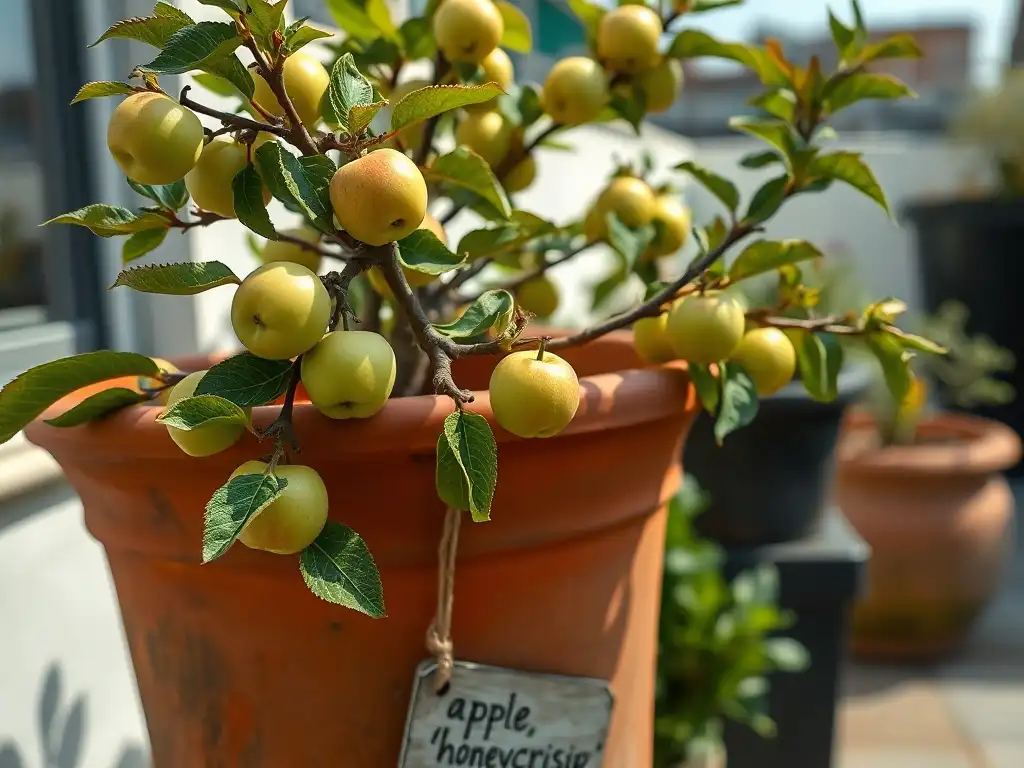
This section delves into the practical application of espalier techniques specifically for fruit trees grown in containers. Mastering these methods is crucial for maximizing fruit production while minimizing space requirements on your patio or balcony. We'll explore the fundamental training methods and the ongoing maintenance needed to achieve a thriving, productive espalier. This guide will help you become proficient in container espalier fruit tree care, transforming your small space into a bountiful orchard.
The Basics of Espalier Training: Cordon and Fan Training Methods
Espalier, a method of training fruit trees to grow flat against a support, offers significant advantages for container gardening. Two primary methods form the foundation of most espalier techniques: cordon and fan training.
Cordon training involves training the tree's branches to grow along a single stem or trunk, creating a vertical line of fruit-bearing spurs. This technique is ideal for smaller containers and narrow spaces. Think of it as a vertical line of deliciousness! Imagine a single, strong central stem with short, evenly spaced side branches extending horizontally. These side shoots bear the fruit, while the central leader continues to grow upwards.
Fan training, on the other hand, encourages the branches to spread outwards from a central point, resembling a fan. This method is suitable for larger containers and allows for more extensive fruiting. Visualize a central trunk with several main branches radiating outwards like the spokes of a wheel. Each branch is then carefully trained along a support, creating a two-dimensional fruiting surface.
Choosing between cordon and fan depends on your available space, the size of your container, and the type of fruit tree. Smaller trees like dwarf varieties are often better suited to cordon training, while larger varieties might benefit from the increased space provided by fan training.
Shaping Your Tree: Common Espalier Forms (e.g., Cordon, Fan, U-shaped)
While cordon and fan are fundamental methods, numerous variations exist, each with its unique characteristics and space requirements.
| Espalier Form | Description | Space Requirements | Suitability |
|---|---|---|---|
| Cordon | Single stem with short laterals. | Minimal | Small containers, narrow spaces, dwarf varieties |
| Double Cordon | Two stems trained vertically. | Moderate | Slightly larger containers |
| Fan | Branches radiating from a central point, like a fan. | Moderate to High | Larger containers, more mature trees |
| U-shaped | Two stems trained upwards and then bent inwards to meet. | Moderate | Medium-sized containers |
| Horizontal Cordon | Main stem trained horizontally along a support. | Moderate | Medium-sized containers |
| Belgian Fence | Multiple vertical cords interwoven for maximum density. | High | Very large containers, experienced growers |
Remember that the shaping process is ongoing. Regular pruning and adjustments are vital to maintain the desired form and optimize fruit production. Careful attention to detail during this phase will ensure your espalier thrives.
Regular Pruning and Maintenance for Optimal Fruit Production
Regular pruning is the cornerstone of successful espalier. This isn't just about shaping; it's about maximizing fruit yield and maintaining the tree's health. Pruning removes unproductive growth, encourages fruiting spurs, and prevents overcrowding.
Pruning should be done during the dormant season (late winter or early spring) before new growth begins. This allows the tree to focus its energy on fruit production rather than vegetative growth. Specific pruning techniques vary depending on the chosen espalier form, but the general principles remain consistent:
- Remove crossing or rubbing branches: These can damage each other and hinder airflow, increasing the risk of disease.
- Thin out crowded branches: Adequate spacing allows sunlight to reach all parts of the tree, promoting fruit development.
- Prune away weak or damaged branches: These detract from the tree's overall health and productivity.
- Pinch back new growth: Regular pinching encourages the development of fruiting spurs.
A well-maintained container espalier fruit tree will reward you with an abundance of delicious fruit year after year. Remember, consistent attention to detail throughout the growing season is key to success. Consistent pruning and monitoring for pests and diseases will ensure your container espalier fruit tree remains healthy and productive, providing you with a bountiful harvest for years to come. 🍎
Ongoing Care for Your Container Espalier Fruit Tree
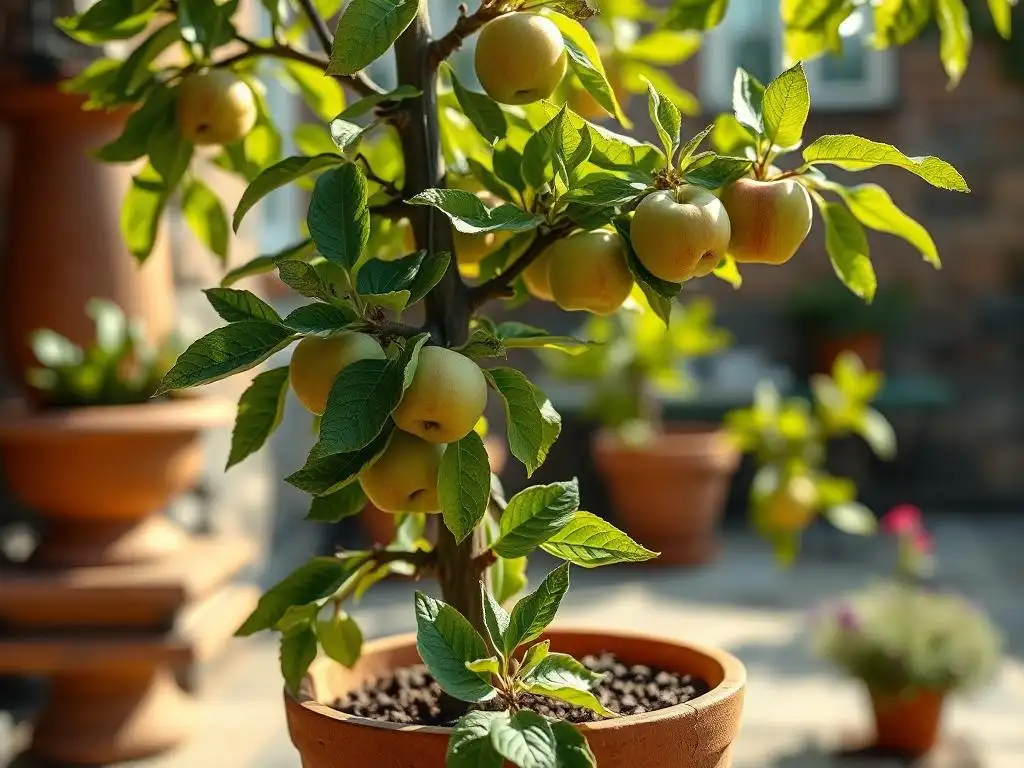
Growing an espalier fruit tree in a container requires diligent care to ensure its health and productivity. Regular attention to watering, fertilizing, pest control, and winter protection is crucial for maximizing your harvest and extending the life of your tree. This section delves into the specific needs of container-grown espalier fruit trees, providing practical guidance for optimal care throughout the year. Remember, consistent attention translates directly to a thriving and fruitful tree. This guide will help you master the art of container espalier fruit tree care, ensuring you reap the rewards of your efforts.
Watering and Fertilizing Your Container Espalier Tree
Proper watering and fertilization are cornerstones of successful container espalier fruit tree cultivation. Unlike trees planted directly in the ground, container trees rely entirely on the limited soil volume within their pots. This necessitates a more attentive approach to hydration and nutrient provision.
The frequency of watering depends on several factors: the size of the container, the type of soil, weather conditions, and the tree's growth stage. Generally, you should water deeply and thoroughly whenever the top inch of soil feels dry. Avoid letting the soil completely dry out, as this can stress the tree and negatively impact fruit production. Conversely, avoid overwatering, which can lead to root rot. Feeling the soil is the best indicator – a moisture meter can also be helpful.
Fertilization is equally crucial. Container espalier fruit trees require regular feeding to replenish nutrients depleted by growth and fruit production. Use a balanced, slow-release fertilizer specifically formulated for fruit trees. Follow the manufacturer's instructions carefully, adjusting the application rate based on the tree's size and growth stage.
Spring and early summer are ideal times for fertilization, providing the tree with the nutrients it needs for vigorous growth and abundant fruit set. Consider using organic fertilizers to align with sustainable gardening practices. Observing the tree's leaf color can indicate nutrient deficiencies; pale leaves often signal a need for additional fertilizer. Remember, a well-nourished tree is a productive tree.
Pest and Disease Control for Container-Grown Fruit Trees
Container espalier fruit trees, while aesthetically pleasing, can be more susceptible to pests and diseases than their in-ground counterparts due to their confined environment. Proactive monitoring and timely intervention are essential to prevent significant problems.
Regularly inspect your tree for signs of pests, such as aphids, spider mites, or scale insects. Early detection is key to effective control. For minor infestations, a strong spray of water can dislodge many pests. For more severe infestations, consider using organic pest control methods, such as insecticidal soap or neem oil. Always follow the manufacturer's instructions carefully and consider the safety of pollinators and beneficial insects.
Diseases, such as powdery mildew or fungal leaf spots, can also affect container espalier fruit trees. Good air circulation around the tree is crucial to prevent these issues. Avoid overcrowding and ensure the tree receives adequate sunlight. If disease does occur, promptly remove affected leaves and branches. Organic fungicides can also be used as needed, but prevention through proper care is always the best approach. Maintaining a healthy tree through proper watering and fertilization significantly enhances its natural resistance to pests and diseases, minimizing the need for interventions.
Winter Protection for Container Espalier Trees
Container espalier fruit trees are particularly vulnerable to winter damage due to their exposed root systems and limited soil volume. Providing adequate winter protection is crucial for their survival and future productivity.
The level of protection needed depends on your climate and the hardiness of your specific fruit tree variety. In colder climates, moving the container to a sheltered location, such as a garage or unheated shed, is often necessary. Wrap the container in burlap or insulating material to protect the roots from freezing temperatures. You can also use frost blankets or row covers to protect the branches from harsh winds and frost.
For milder climates, simply providing some wind protection might suffice. Remember to check the tree regularly throughout the winter to ensure that it remains adequately protected and that the soil doesn't dry out completely. Proper winter protection ensures your tree will survive the winter and thrive in the following growing season, rewarding you with a bountiful harvest.
Harvesting Your Container-Grown Espalier Fruit
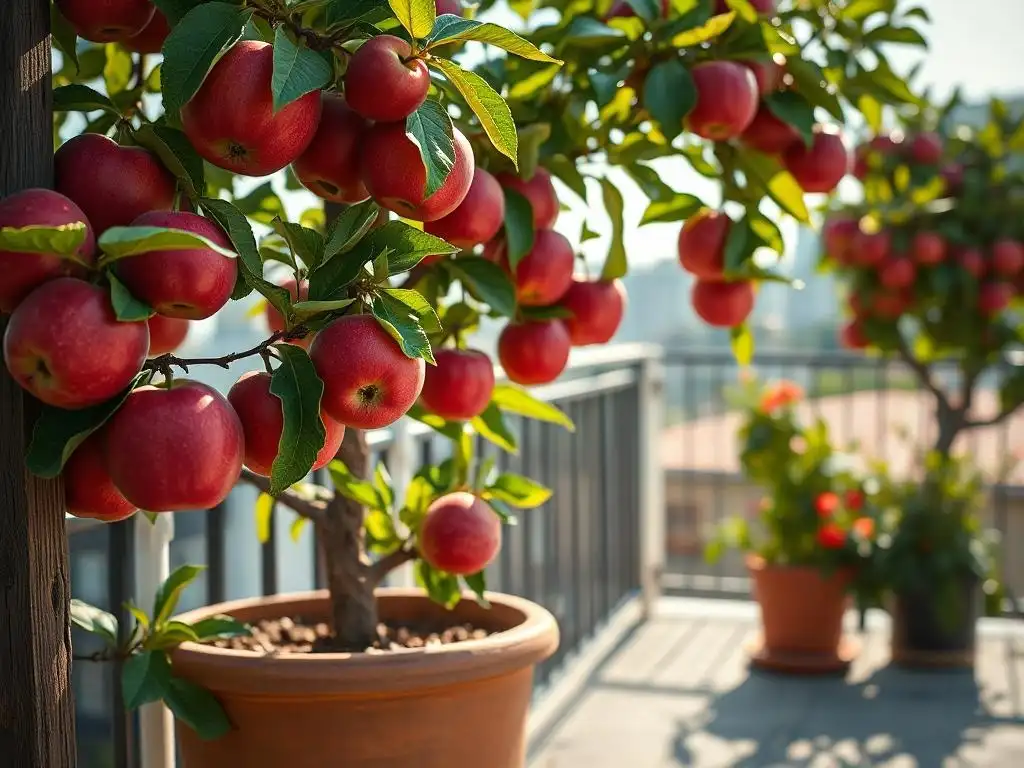
Harvesting your espalier fruit trees, especially those grown in containers, requires a gentle touch and keen observation. The smaller root system of a container-grown tree means it may produce slightly less fruit than its in-ground counterpart, making each harvest even more precious. This section details how to maximize your yield and ensure the quality of your fruit.
Remember, patience is key! A healthy, well-maintained espalier will reward you with delicious fruit for years to come. This guide will help you become a master of harvesting your container espalier fruit tree, turning you into a true expert in container espalier fruit tree guide techniques.
Recognizing When Your Fruit is Ripe
Determining ripeness varies greatly depending on the fruit type. There's no one-size-fits-all answer, but here are some general guidelines and examples:
- Apples & Pears: Look for a deep color, often more intense than when the fruit was initially green. A slight give when gently squeezed indicates ripeness. Avoid picking fruit that is hard and unyielding. Overripe fruit will be soft and may bruise easily.
- Peaches & Nectarines: These fruits will usually soften slightly when ripe, and their characteristic fragrance will become more pronounced. The skin's color will deepen, often becoming a rich yellow or red depending on the variety.
- Cherries: Ripe cherries will be plump and firm, with a rich color specific to their variety. They should easily detach from the stem when gently pulled.
- Plums & Apricots: Similar to peaches, these fruits will soften slightly as they ripen, and their color will deepen. A slightly sweet aroma is also a good indicator.
Remember to always check several fruits on the tree before harvesting to get a true sense of ripeness. A few slightly underripe fruits are better than a large batch of overripe ones! Using your senses—sight, smell, and touch—is crucial for successful harvesting. This detailed approach to recognizing ripeness is essential for any successful container espalier fruit tree guide.
Harvesting Techniques for Different Espalier Fruit Tree Varieties
The method for harvesting your fruit will depend on the specific variety and the shape of your espalier. Here are some tips:
- Use sharp, clean pruning shears or secateurs: This prevents damage to the fruit and the tree. Dirty tools can introduce diseases.
- Harvest in the morning after the dew has dried: This minimizes the risk of bruising and reduces the spread of diseases.
- Handle fruit gently: Place harvested fruit in a soft container to prevent damage during collection.
- Consider the position of the fruit on the tree: For some espalier configurations, you may need a ladder or step stool to reach higher branches. Always prioritize safety.
| Fruit Type | Harvesting Technique | Considerations |
|---|---|---|
| Apples & Pears | Gently twist the fruit from the branch. | Check for ripeness before twisting. |
| Peaches & Nectarines | Gently twist or cut with shears near the stem. | Be careful not to damage the surrounding fruit. |
| Cherries | Gently pull or snip with shears. | Harvest when fully colored and easily detach from stem. |
| Plums & Apricots | Gently twist or cut with shears near the stem. | Be mindful of the delicate skin. |
This table provides a quick reference for different harvesting techniques, essential for any comprehensive container espalier fruit tree guide.
Extending the Life of Your Harvested Fruit: Proper Storage in a Cool, Dry Place
Proper storage is essential for maximizing the shelf life of your precious harvest.
- Avoid washing fruit until just before consumption: Washing prematurely can lead to faster spoilage.
- Store fruit in a single layer in a cool, dry, and well-ventilated area: A refrigerator is ideal for most fruits, but some, like bananas, are better stored at room temperature.
- Separate bruised or damaged fruit: These can cause the rest of the fruit to spoil more quickly.
- Consider using fruit storage containers: These help to control humidity and prevent bruising.
By following these guidelines, you can significantly extend the life of your container-grown espalier fruit, enjoying the fruits of your labor for longer. This careful attention to detail is critical for any serious container espalier fruit tree guide. Proper storage ensures you get the most out of your hard work and enjoy the delicious rewards of your homegrown espalier fruits. 🍎🍐🍑🍒
Troubleshooting Common Problems with Container Espalier Fruit Trees
Growing espalier fruit trees in containers offers a unique set of challenges, but with careful attention and proactive management, you can overcome many common issues. This section focuses on identifying and addressing some of the most frequent problems encountered by container espalier enthusiasts, providing you with practical solutions to ensure a thriving and fruitful harvest. This guide will help you master the art of container espalier fruit tree cultivation, transforming your patio or balcony into a productive orchard.
Dealing with Common Pests and Diseases in Container Espalier
Containerized espalier fruit trees, while aesthetically pleasing, can be more susceptible to pests and diseases than their in-ground counterparts due to their confined root systems and proximity to other plants. Regular inspection is crucial for early detection and intervention. Common pests include aphids, spider mites, and scale insects, while diseases like powdery mildew and leaf spot can also impact your trees.
Early detection is key to successful pest and disease management. Regularly inspect your trees for signs of infestation or disease, such as discolored leaves, wilting branches, or the presence of insects. A magnifying glass can be helpful in identifying smaller pests.
Treatment options range from simple, organic methods to more intensive chemical controls. For milder infestations, a strong spray of water can dislodge aphids, while insecticidal soap or neem oil can effectively control many common pests. For diseases, consider using organic fungicides like baking soda solutions or neem oil. Always follow the product instructions carefully and consider the potential impact on beneficial insects and pollinators. More severe infestations may require stronger interventions, but organic approaches should always be prioritized whenever possible.
Remember to rotate your pest and disease control methods to prevent the development of resistance. Maintaining a healthy tree through proper watering, fertilization, and pruning will also significantly reduce susceptibility to pests and diseases. A strong, healthy tree is better equipped to fight off invaders.
Addressing Nutrient Deficiencies in Container-Grown Fruit Trees
Container-grown fruit trees, especially those trained as espaliers, have limited access to nutrients compared to trees planted directly in the ground. Nutrient deficiencies can manifest in various ways, affecting fruit production and overall tree health. Recognizing these deficiencies and addressing them promptly is essential for a successful harvest.
Nutrient deficiencies often show up as visible symptoms on the leaves. For example, yellowing leaves (chlorosis) can indicate a lack of nitrogen, iron, or magnesium. Brown or scorched leaf margins might signify potassium deficiency. Careful observation of your tree's foliage will provide valuable clues.
To avoid nutrient deficiencies, use a high-quality, balanced fertilizer specifically formulated for fruit trees. Consider using a slow-release fertilizer to provide a consistent supply of nutrients throughout the growing season. Regular soil testing can help determine your tree's specific nutrient needs and guide your fertilization strategy. This testing allows for precise adjustments, maximizing the tree's health and yield. Soil testing kits are readily available from garden centers.
Remember that over-fertilizing can be just as harmful as under-fertilizing. Always follow the fertilizer instructions carefully, and avoid applying excessive amounts of fertilizer. Over-fertilization can lead to salt buildup in the soil, harming your tree's roots. The "less is more" approach is usually best when it comes to fertilizing container-grown plants. A healthy, thriving tree is the foundation of a successful harvest.
Solving Watering Issues and Preventing Root Rot
Proper watering is crucial for the success of container espalier fruit trees. These trees are particularly vulnerable to both underwatering and overwatering, which can lead to serious problems like wilting, stunted growth, and even root rot.
Underwatering leads to wilting leaves, reduced fruit production, and overall stress on the tree. The soil in the container will feel dry to the touch, and the leaves may appear droopy or curled. Regular watering, especially during dry periods, is essential to prevent underwatering. Check the moisture level of the soil regularly, and water thoroughly when the top inch of soil feels dry.
Overwatering, on the other hand, can lead to root rot, a serious condition that can kill your tree. Root rot occurs when the roots are constantly saturated with water, preventing them from receiving enough oxygen. Symptoms include yellowing leaves, wilting, and a foul odor emanating from the soil. If root rot is suspected, it's essential to repot the tree in fresh, well-draining soil and reduce watering frequency. Ensure your container has adequate drainage holes to prevent waterlogging.
To prevent both underwatering and overwatering, use containers with drainage holes and monitor the soil moisture regularly. Avoid letting the soil completely dry out, but also avoid keeping it constantly soggy. Consider using a moisture meter to accurately assess the soil moisture level. This allows for precise watering, preventing both extremes. A well-drained potting mix is also crucial for preventing root rot and ensuring optimal soil aeration.
Frequently Asked Questions
What is espalier?
Espalier is a fruit tree training technique where branches are trained to grow flat against a support, such as a wall or trellis. This creates a two-dimensional, space-saving shape, perfect for smaller gardens or containers.
Can any fruit tree be espaliered?
While many fruit trees can be espaliered, some are better suited than others. Apples, pears, plums, and peaches are popular choices due to their branching habits. Choose dwarf or semi-dwarf varieties for containers.
What size container do I need for a container espalier fruit tree?
The size depends on the tree's mature size and root system. A minimum of 15-20 gallons is generally recommended, but larger is better. Ensure the container has adequate drainage.
How often should I prune my container espalier fruit tree?
Regular pruning is crucial for maintaining the espalier shape and promoting fruit production. Prune during late winter or early spring, before new growth begins. Refer to specific pruning guides for your chosen fruit tree.
What are the benefits of growing espalier fruit trees in containers?
Container espalier offers several advantages: space-saving design, easy mobility, and better control over soil and watering. It also allows you to easily move the tree for optimal sun exposure.
Final Reflection: Reaching for the Sun, One Branch at a Time
The art of espalier, once a symbol of aristocratic gardens, is experiencing a vibrant resurgence, proving that even in the most limited spaces, abundant harvests are within reach. This renewed interest reflects a growing desire for sustainable living, a connection to nature, and the simple joy of nurturing life, even in urban environments. The ability to cultivate your own fruit, no matter how small your plot, is empowering and deeply satisfying.
The journey of training a fruit tree to grow along a wall or trellis is a testament to patience and observation; it's a slow dance between gardener and plant. It's a process that mirrors life itself – requiring careful planning, consistent attention, and a willingness to adapt to unexpected challenges. The glory of gardening: hands in the dirt, head in the sun, heart with nature. To nurture a garden is to feed not just the body, but the soul.
This quote perfectly encapsulates the profound connection we can forge with nature through this practice, even within the confines of a container on a balcony.
Now, consider your own space. Imagine the sun warming your face as you tend to your espaliered fruit tree, the scent of blossoms filling the air, and the anticipation of the first ripe fruit. This isn't just about growing food; it's about cultivating a mindful connection with the natural world, a sense of accomplishment, and a deeper appreciation for the beauty and bounty that can flourish even in the smallest of spaces. Choose a variety, select a container, and begin your journey. The rewards – both tangible and intangible – await.
Unleash Your Inner Orchard: Grow Delicious Fruit, Vertically!
Thank you for exploring the world of espalier fruit trees! You've discovered a fantastic way to enjoy a bountiful harvest, even with limited space. Ready to begin?
- Start your vertical orchard today: Choose your favorite fruit tree—perhaps a delicious apple or a juicy pear—and select an appropriately sized container. This is the first step towards a thriving patio garden!
- Share your espalier journey: Inspire others by posting a picture of your tree and its container on social media using #CultivateYourFoodEspalier!
- Explore different espalier training techniques: Expand your vertical gardening skills and discover new ways to maximize your yield. Consider trying a different fruit variety next season, such as a vibrant plum or a sweet cherry.
What fruit will you choose to grow, and what container will best showcase your beautiful espalier tree?