
Espalier in the Winter: Protecting Your Trained Fruit Trees From the Cold

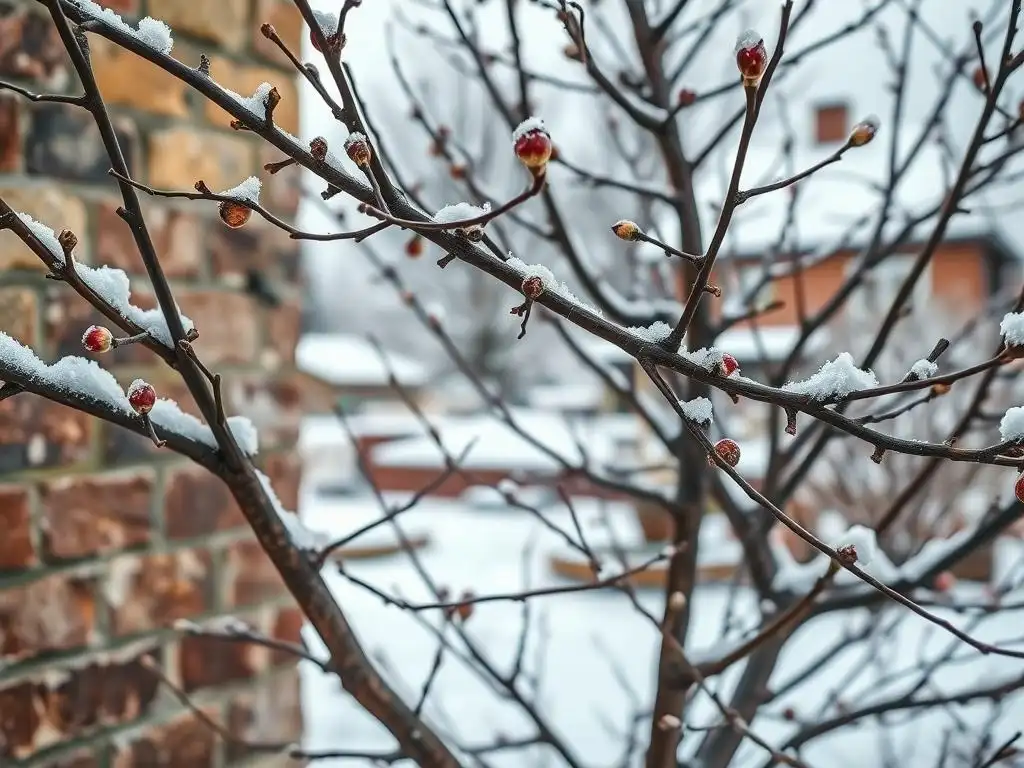
Welcome to CultivateYourFood, your guide to nurturing a thriving home garden using sustainable methods. Are you ready to unlock the secrets to a bountiful harvest, even during the harshest winter months? Then discover the essential techniques for Winter espalier fruit tree protection— ensuring your carefully trained trees survive and flourish until spring. Learn how to safeguard your investment and prepare for a spectacular yield next season. Let's cultivate success together!
- Understanding Winter Risks for Espalier Fruit Trees
-
Protecting Your Espalier Fruit Trees from Winter's Chill
- Winter Protection Techniques for Espalier: A Comprehensive Guide
- Wrapping Your Espalier Trees for Winter: Materials and Methods
- Utilizing Winter Protection Fabrics for Espalier Trees
- Building a Protective Structure for Espalier: Windbreaks and Snow Barriers
- Mulching Around the Base of Your Espalier Trees: Soil Protection and Insulation
- Maintaining Your Espalier Through Winter
- Spring Preparation for Your Protected Espalier Trees
- Espalier Winter Protection: FAQs and Troubleshooting
-
Frequently Asked Questions
- What is espalier, and why would I need to protect it in winter?
- How does the cold affect espalier fruit trees?
- What are the best materials for protecting my espalier fruit trees?
- When should I start protecting my espalier fruit trees for winter?
- How do I protect the roots of my espalier fruit trees during winter?
- Final Reflection: The Enduring Legacy of Winter's Embrace
- Ready to Shield Your Espalier from Winter's Chill?
Understanding Winter Risks for Espalier Fruit Trees
Espalier, the art of training fruit trees to grow flat against a wall or trellis, offers significant advantages for home gardeners, maximizing yield in limited spaces. However, this very design, which exposes the tree's branches to increased sunlight and wind, also presents unique challenges during winter. This article focuses on protecting your precious espalier fruit trees from the harsh realities of winter weather, ensuring a bountiful harvest the following year.
We'll explore the specific vulnerabilities of espalier trees during winter and provide practical strategies for minimizing cold damage and maximizing their chances of survival. Understanding these risks – from frost cracks to sunscald – is the first step towards successfully overwintering your espalier and enjoying its fruits for years to come.
Proper winter protection is crucial for the long-term health and productivity of your espalier fruit trees, making the extra effort well worth the reward of a thriving orchard. Let's delve into the specific threats and solutions.
Cold Damage to Espalier Fruit Trees: Frost Crack and Winter Burn
Winter temperatures can inflict significant damage on espalier fruit trees. Two common problems are frost cracks and winter burn. Frost cracks occur when fluctuating temperatures cause the bark to expand and contract, leading to splits and fissures in the trunk and branches. These cracks create entry points for diseases and pests, weakening the tree and reducing its yield.
Winter burn, on the other hand, is a physiological disorder caused by dehydration from cold, dry winds and intense sunlight. It manifests as browning and drying of the bark and leaves, often on the south- or southwest-facing sides of the tree. The thin, exposed nature of espalier trees makes them particularly susceptible to both frost cracks and winter burn. The severity of the damage depends on factors like the tree's species, its hardiness zone, and the intensity of the winter weather.
For example, young trees are more vulnerable than mature ones, and certain varieties are inherently more resistant to cold damage. Careful monitoring and proactive protection measures are crucial to mitigate these risks. 🍎 Regular inspections throughout the winter months, particularly after periods of extreme temperature fluctuations, are essential for early detection of any damage.
Assessing Your Microclimate: Identifying Vulnerable Areas
Before implementing any protection measures, it's vital to understand your specific microclimate. Not all areas of your garden experience the same winter conditions. Factors such as wind exposure, sunlight intensity, and proximity to buildings or other structures can significantly impact the temperature and humidity around your espalier trees.
Areas exposed to strong winds will experience greater water loss, increasing the risk of winter burn. Similarly, locations receiving intense sunlight during the day followed by freezing temperatures at night are particularly prone to frost cracks. ☀️🌬️ Careful observation throughout the winter, noting areas with prolonged periods of direct sunlight or strong winds, will help you identify the most vulnerable spots.
Consider using a thermometer to monitor temperature fluctuations in different areas of your garden. This detailed assessment will allow you to tailor your protection strategies to the specific needs of each tree and location. You might find that some trees need more extensive protection than others based on their location and exposure.
Identifying Espalier-Specific Winter Hazards: Wind Exposure and Sun Scald
The unique structure of espalier trees intensifies certain winter hazards. The flat, two-dimensional growth pattern exposes a larger surface area to the elements, increasing vulnerability to wind and sunscald. Strong winds can desiccate the branches, leading to winter burn. Furthermore, the intense sunlight reflected from a south-facing wall can cause sunscald, a condition where the bark is damaged by the sun's rays, especially after a period of freezing temperatures.
This damage can be severe and lead to significant tree weakness. Protecting your espalier trees from wind and sunscald requires specific strategies. Windbreaks, such as burlap screens or strategically placed evergreens, can significantly reduce wind exposure. For sunscald, applying a reflective material, like tree wrap, to the trunk and main branches can help prevent damage.
Careful consideration of these espalier-specific risks is vital for successful winter protection. Remember, prevention is key. By addressing these challenges proactively, you can safeguard your trees and ensure a healthy and productive harvest in the coming spring.
Protecting Your Espalier Fruit Trees from Winter's Chill
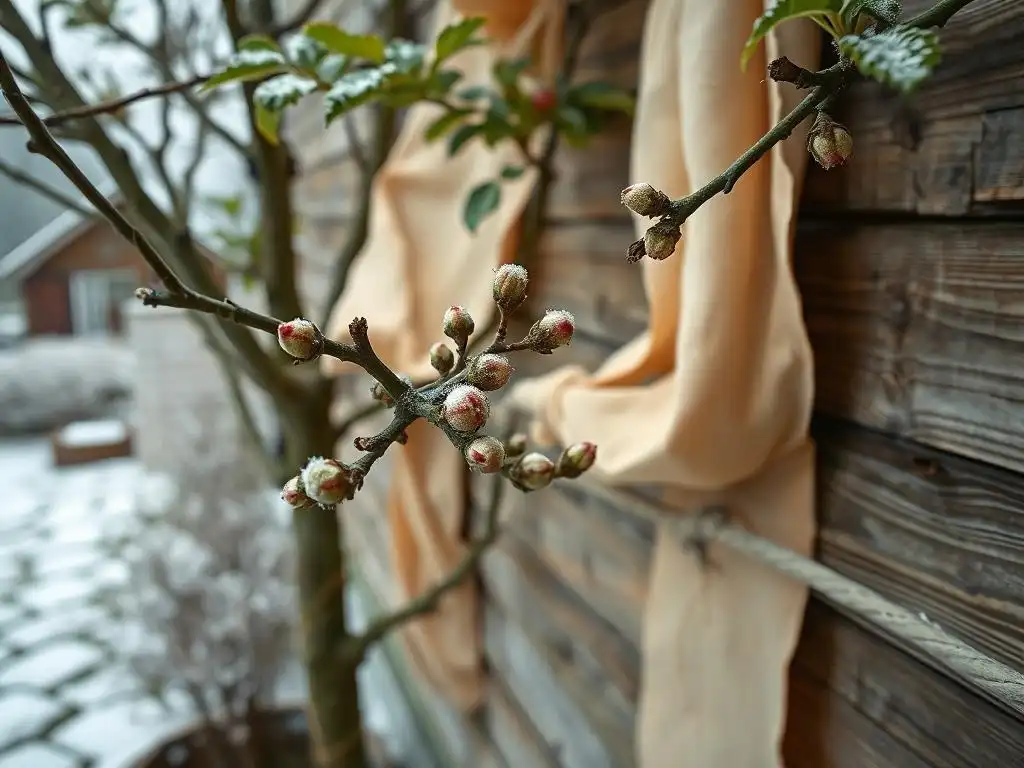
Winter can be a harsh time for espaliered fruit trees, their delicate two-dimensional structure making them particularly vulnerable to frost damage, wind burn, and desiccation. Successful overwintering requires proactive protection, safeguarding your investment and ensuring a bountiful harvest the following year. The level of protection needed depends on your specific climate zone and the hardiness of your fruit tree varieties. Even in milder climates, some level of winter protection is often beneficial for young or newly planted trees.
This section will detail effective strategies to shield your espaliered fruit trees from winter's chill, maximizing their chances of survival and thriving through the cold season. Remember, proper winter protection is a crucial aspect of successful espalier fruit tree cultivation and contributes significantly to the long-term health and productivity of your trees. This is especially important for ensuring your winter espalier fruit tree protection is effective.
Winter Protection Techniques for Espalier: A Comprehensive Guide
Protecting your espalier fruit trees effectively involves a multi-pronged approach. Simply wrapping the branches isn't always sufficient; a combination of techniques often yields the best results. The primary goals are to minimize exposure to harsh winds, reduce fluctuations in temperature, and prevent excessive moisture loss. Consider these techniques:
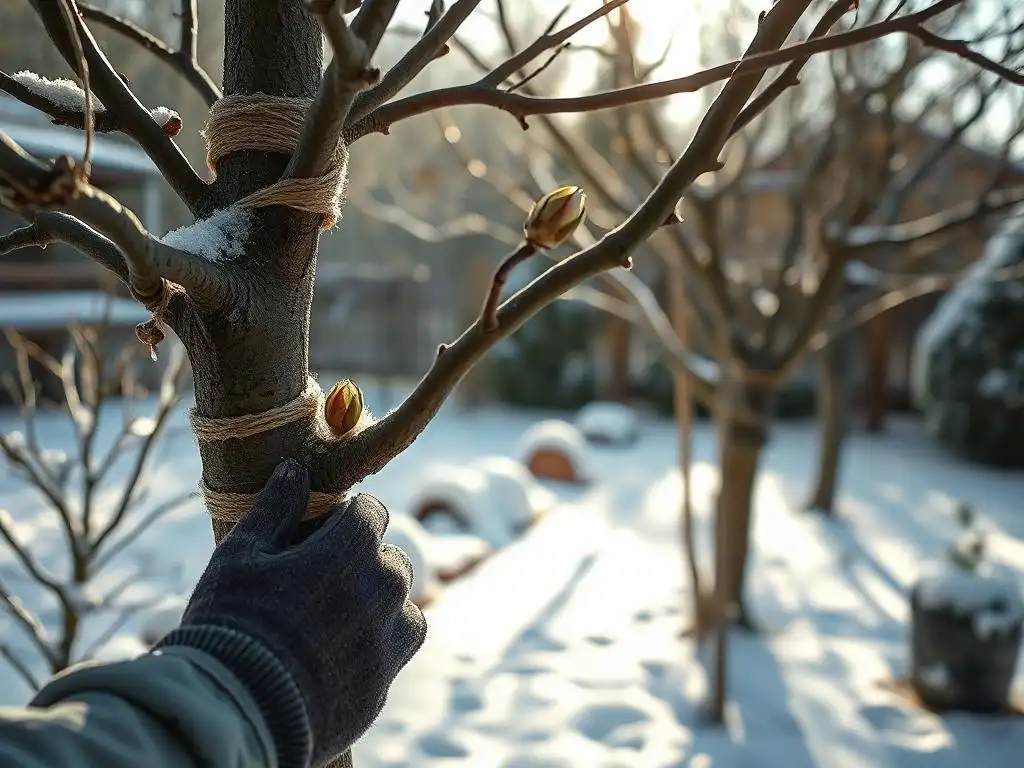
- Wrapping: This is a fundamental aspect of winter espalier fruit tree protection. Carefully wrap the branches to insulate them from freezing temperatures. (See the next section for details on materials and methods.)
- Mulching: Applying a thick layer of mulch around the base of the tree protects the roots from frost heave and insulates the soil, maintaining a more consistent root zone temperature. Use organic mulches such as straw, shredded leaves, or wood chips, applying a layer at least 4-6 inches deep.
- Windbreaks: Strong winds can desiccate the branches, leading to winter injury. Erect windbreaks using burlap, plastic sheeting (ensure adequate ventilation to prevent moisture buildup), or even strategically placed evergreens to provide a buffer against harsh winds.
- Snow Cover: In areas with significant snowfall, the natural snow cover can provide excellent insulation. However, don't rely solely on this, as snow cover can be unpredictable.
- Monitoring: Regularly check your trees throughout the winter, particularly after periods of extreme cold or heavy snow. Address any issues, such as broken branches or areas where the wrapping has come loose, promptly.
Wrapping Your Espalier Trees for Winter: Materials and Methods
Proper wrapping is a crucial element of winter espalier fruit tree protection. The goal is to create a protective barrier without restricting airflow excessively, which could lead to fungal diseases. Avoid using materials that retain too much moisture.
Here's a step-by-step guide:
- Choose your materials: Suitable options include burlap, horticultural fleece (also known as row cover), or even old stockings (for smaller trees). Avoid plastic, as it can trap moisture and damage the branches.
- Prepare the tree: Gently remove any loose bark or debris from the branches. This prevents trapping pests or diseases under the wrapping.
- Wrap the branches: Start at the base of the tree and wrap the branches individually, ensuring complete coverage. Overlap the wrapping slightly to prevent gaps. Avoid wrapping too tightly, allowing for some air circulation.
- Secure the wrapping: Tie the wrapping securely at intervals using twine or garden ties. Avoid using wire, which could damage the branches.
- Protect the base: Mulch heavily around the base of the tree after wrapping the branches.
Utilizing Winter Protection Fabrics for Espalier Trees
Winter protection fabrics offer a versatile and effective solution for safeguarding espalier fruit trees during the cold months. These fabrics, often made from breathable materials such as polypropylene, provide insulation while allowing for sufficient air circulation to prevent moisture buildup. Several types of fabrics are available, each with its own advantages and disadvantages:
| Fabric Type | Advantages | Disadvantages |
|---|---|---|
| Horticultural Fleece | Lightweight, breathable, relatively inexpensive | Can tear easily, may need replacing yearly |
| Burlap | Durable, provides good insulation | Can retain moisture if not properly ventilated |
| Row Cover | Versatile, available in various weights | Can be expensive, may require support structures |
Choosing the right fabric depends on your climate and the severity of the winter conditions. In milder climates, a lightweight horticultural fleece may suffice. However, in areas with harsh winters and strong winds, a heavier-duty fabric like burlap or row cover might be necessary. Remember to remove the wrapping in spring to prevent overheating and fungal growth. Proper use of winter protection fabrics is key to successful winter espalier fruit tree protection. 🌳
Building a Protective Structure for Espalier: Windbreaks and Snow Barriers
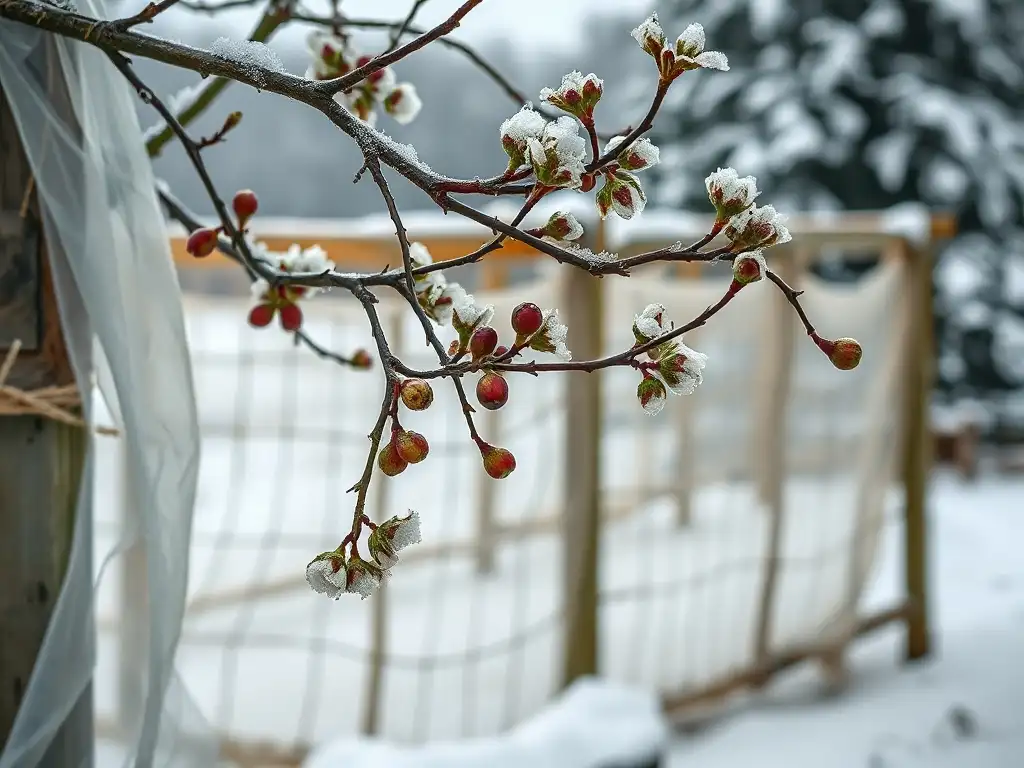
Winter winds can severely damage delicate espaliered fruit trees, especially those trained against walls which can act as funnels for icy blasts. Protecting your investment requires strategic planning and the creation of effective windbreaks. A simple yet effective solution is to erect a temporary structure around your espalier. This could be as simple as using readily available materials such as bamboo canes or sturdy stakes to create a framework.
Then, drape this framework with burlap, row cover fabric, or even old blankets. Ensure the fabric is secured tightly to prevent wind from getting underneath and causing damage. The fabric should allow for some air circulation to prevent moisture buildup, which could lead to fungal diseases. Remember to remove the structure during warmer days to prevent overheating and excessive humidity.
For particularly exposed locations, consider planting evergreen shrubs or small trees as permanent windbreaks. These act as natural barriers, breaking the force of the wind and providing additional insulation. Choose species that are native to your region and thrive in your local climate for optimal results. When selecting a location for your espalier, consider the prevailing wind direction and plan your windbreak accordingly.
Proper placement will maximize the protection offered by the barrier. Finally, consider the accumulation of snow. Heavy snowfalls can break branches, particularly on trees already stressed by the cold. In areas with significant snowfall, strategically placed snow fences can divert snow away from your precious espalier, preventing damage from weight and ice build-up.
Mulching Around the Base of Your Espalier Trees: Soil Protection and Insulation
Mulching is a crucial aspect of winter espalier fruit tree protection. A thick layer of mulch acts as an insulator, protecting the tree's roots from freezing temperatures and preventing fluctuations in soil temperature. This is especially important for young trees with less established root systems. The ideal mulch should be several inches thick—around 4-6 inches—and consist of organic materials such as shredded bark, straw, or dried leaves. Avoid using fresh grass clippings, as these can compact and prevent proper air circulation. Furthermore, they may harbor pests and diseases.
Applying the mulch in late autumn, before the ground freezes, is vital. This ensures that the soil is protected throughout the winter months. The mulch layer helps retain moisture in the soil, reducing the likelihood of desiccation, which can weaken the tree and make it more susceptible to cold damage. Additionally, a good mulch layer suppresses weeds, reducing competition for nutrients and moisture.
Consider adding a layer of compost to the mulch to provide additional nutrients to the tree as it begins to grow in the spring. This will help it recover from winter stress and promote vigorous growth. Remember to pull the mulch back slightly from the base of the trunk to prevent rot and pest infestations. This simple step can significantly improve the health and resilience of your espaliered fruit trees throughout the winter.
Maintaining Your Espalier Through Winter
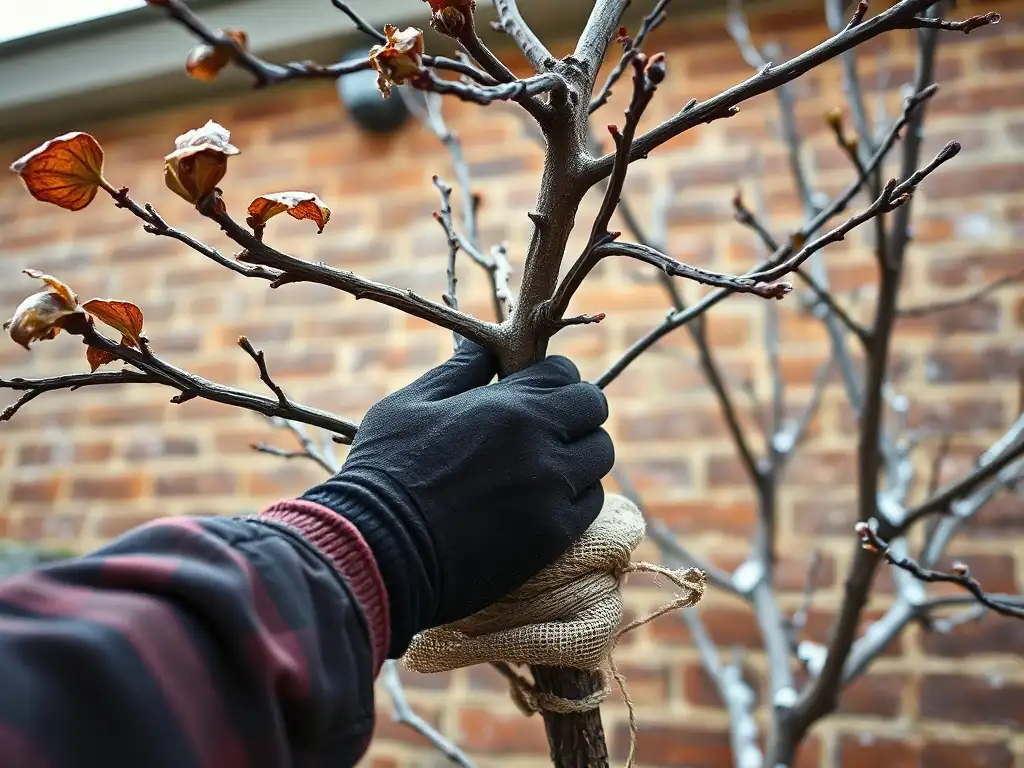
Winter is a crucial time for espalier fruit tree care, a period when seemingly dormant trees require attention to ensure a bountiful harvest in the following season. Proper maintenance during this time safeguards against winter damage and sets the stage for healthy growth and fruiting. Ignoring your espalier trees during winter can lead to reduced yields, weakened trees, and increased susceptibility to diseases. This section focuses on practical steps to protect your investment and ensure your espalier thrives.
Winter Pruning of Espalier Fruit Trees: Techniques and Timing
Winter pruning, typically performed from late December to early March (depending on your specific climate and tree variety), is essential for espalier fruit trees. Unlike other pruning techniques, winter pruning for espalier focuses on maintaining the trained shape while removing dead, diseased, or crossing branches. This process promotes air circulation, sunlight penetration, and ultimately, a healthier fruit yield.
The timing is crucial. Dormant pruning minimizes sap loss, reducing stress on the tree and the risk of disease. Here's a step-by-step approach:
- Clean your tools: Begin by sterilizing your pruning shears and saws with rubbing alcohol to prevent the spread of diseases. This is a critical step often overlooked, yet vital for the long-term health of your trees.
- Remove dead or damaged wood: Identify and remove any branches that are dead, diseased, or broken. This is easily visible during the winter dormancy period. Look for signs of canker, discoloration, or unusual fragility.
- Thin out crowded branches: Espaliers need sufficient air circulation. Remove branches that are excessively crowded, crossing, or rubbing against each other. Prioritize branches that are well-positioned for sunlight exposure and fruit production.
- Maintain the espalier shape: Carefully prune any branches that stray from the desired trained shape. This will require precision and a clear understanding of your espalier's design (e.g., U-shape, fan, etc.). Use sharp tools to create clean cuts that minimize the risk of infection.
- Apply sealant (if needed): For larger cuts, apply a tree sealant to prevent disease and encourage faster healing. However, many experts believe the tree naturally seals itself, so this step is optional.
Monitoring Your Espalier Trees During Winter: Early Detection of Problems
Regular winter inspections, even when the trees appear dormant, are vital for early problem detection. While growth is minimal, problems like pest infestations or disease can still take hold and cause significant damage before spring. Winter monitoring allows for timely intervention, preventing larger issues later in the season.
Here's what to look for:
- Evidence of rodent damage: Mice and rabbits can gnaw on the bark of young trees, causing significant damage. Look for signs of gnawing or peeling bark, especially near the base of the tree. Consider using tree guards or repellents as preventative measures.
- Signs of disease: Check for cankers, unusual discoloration, or dieback of branches. Early detection of diseases like fire blight or Cytospora canker is crucial for effective treatment.
- Physical damage: Examine the tree for damage caused by snow, ice, or strong winds. Broken branches should be pruned to prevent further damage or disease.
- Freezing injury: Assess for signs of frost cracks or splitting in the bark, particularly on the south-facing side of the tree, where temperature fluctuations are more pronounced.
Dealing with Winter Pests and Diseases Affecting Espalier Trees
While many pests are less active during winter, some can still cause problems. Furthermore, winter conditions can exacerbate existing diseases. Proactive measures are vital to prevent widespread damage in the spring.
- Sanitation: Removing fallen leaves and fruit helps reduce overwintering sites for pests and diseases. This simple act of hygiene significantly reduces the risk of infection in the coming season. Proper composting of these materials is essential for sustainable gardening.
- Dormant oil sprays: Dormant oil sprays can be applied to control certain overwintering pests and diseases. However, application timing is critical and should be carefully checked against your local climate and specific pest concerns. Always follow label instructions precisely.
- Monitoring and early intervention: Regular winter inspections, as described above, are essential for early detection and treatment. Early intervention is always more effective and less damaging to your trees than waiting for extensive damage to occur. Consult with a local arborist or extension service for advice on specific pests and diseases in your area. Remember, preventative measures are key to successful "winter espalier fruit tree protection". 🍎
Spring Preparation for Your Protected Espalier Trees
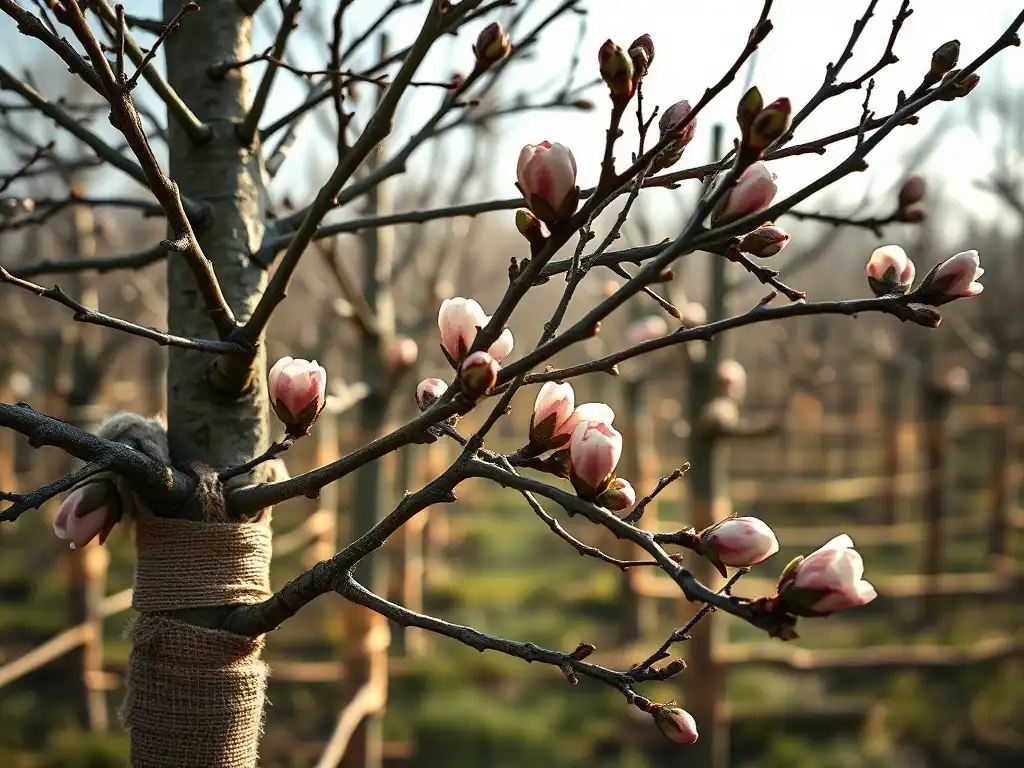
As winter's grip loosens and the first signs of spring emerge, it's time to shift your focus from protecting your espalier fruit trees from the cold to nurturing their growth and preparing them for a bountiful harvest. This transition requires careful planning and execution to avoid shocking your plants after months of winter protection. Proper spring preparation is crucial for maximizing your espalier's yield and overall health. Remember, consistent care throughout the year—including meticulous winter Winter espalier fruit tree protection—is key to successful espalier cultivation.
Removing Winter Protection from Espalier Trees: Gradual Acclimation
Removing winter protection too abruptly can expose your delicate espalier trees to sudden temperature fluctuations and potentially damage their buds and branches. A gradual acclimation process is vital. Start by slightly uncovering your trees on milder days, allowing them to receive a few hours of sunlight. This process should be done gradually over several days to a week, increasing the exposure time each day as temperatures rise.
Consider the specific microclimate of your garden. Trees in a particularly cold or windy area might require a more extended acclimation period. Observe your trees closely for signs of stress, such as wilting or leaf burn. If you notice any such signs, immediately reduce sun exposure and provide additional protection until temperatures stabilize.
Remember that the process of removing winter protection is not a one-size-fits-all approach. It's crucial to adapt this process to the specific needs of your trees and the prevailing weather conditions. Patience and observation are key to a successful transition. Think of it as gently waking your trees from their winter slumber. This careful approach ensures that your espalier trees emerge from winter healthy and ready for the growing season.
Post-Winter Inspection and Maintenance of Your Espalier
Following the removal of winter protection, a thorough inspection of your espalier trees is essential. Look for any signs of damage caused by winter weather, pests, or diseases. This includes checking for broken or damaged branches, evidence of rodent gnawing, or any fungal growth. Early detection and treatment of any problems can prevent more significant issues later in the season.
- Branch Damage: Carefully prune any broken or damaged branches, making clean cuts just above a node or lateral branch. Use sharp, sterilized pruning shears to minimize the risk of infection.
- Pest and Disease Signs: Inspect the bark and leaves for signs of pests or diseases. Look for unusual discoloration, holes, webbing, or insect activity. Take appropriate action based on your findings. Consult a local gardening expert for specific recommendations if necessary.
- Support Structure: Check the integrity of your espalier's support system. Ensure that wires, stakes, and trellises are securely in place and in good condition. Repair or replace any damaged components to maintain the structure's stability.
Regular maintenance, including winter Winter espalier fruit tree protection, is key to maintaining the health and longevity of your espalier trees. This post-winter inspection is a crucial step in ensuring a successful growing season.
Fertilizing and Watering Your Espalier After Winter
After the long winter dormancy, your espalier trees will need a boost of nutrients and moisture to support their renewed growth. The type and amount of fertilizer will depend on your specific tree type and soil conditions. A balanced, slow-release fertilizer is generally recommended. Avoid using fertilizers high in nitrogen early in the season, as this can promote excessive leaf growth at the expense of fruit production.
Watering needs will also vary based on weather conditions and soil type. Check the soil moisture regularly and water deeply when the top inch of soil feels dry. Avoid overwatering, as this can lead to root rot. Mulching around the base of your trees can help conserve moisture and suppress weeds.
Remember, the appropriate fertilization and watering techniques are crucial for the successful growth of your fruit trees. Pay close attention to your trees' response to these treatments, adjusting your approach as needed to ensure optimal health and fruit production. This careful attention will contribute significantly to your overall harvest. Consistent care, including diligent Winter espalier fruit tree protection, will reward you with a healthy and productive espalier.
Espalier Winter Protection: FAQs and Troubleshooting
This section addresses frequently asked questions and common challenges related to protecting your espalier fruit trees during the winter months. Understanding these issues proactively can significantly improve your chances of a healthy and productive harvest the following year. Successful winter espalier fruit tree protection hinges on careful planning and execution.
Common Problems and Solutions for Winter Espalier Care
One of the most common problems faced by espalier enthusiasts during winter is frost damage. Delicate new growth and buds are particularly vulnerable. Here's a breakdown of solutions:
- Problem: Sudden temperature drops can cause significant damage to blossoms and young wood. This is especially true for newly planted or young espalier trees.
- Solution: Employing a combination of protection methods is vital. This includes wrapping the tree trunk with burlap or horticultural fleece, providing windbreaks using natural barriers like evergreens or strategically placed temporary structures, and ensuring adequate soil moisture to prevent desiccation. Consider also using row covers, especially for particularly vulnerable varieties.
- Problem: Rodents, such as mice and voles, can girdle young trees during winter, causing severe damage or even death.
- Solution: Protect the base of your trees with hardware cloth or plastic tree guards. These physical barriers prevent rodents from accessing the tender bark. Regular inspection is key to early detection and prevention.
- Problem: Heavy snow accumulation can break branches, especially on older, established trees.
- Solution: Gently brush off accumulated snow to prevent damage. Consider using lightweight supports to aid branches in carrying the weight of the snow. Pruning to maintain a balanced shape can also help reduce the risk of breakage.
| Problem | Solution | Prevention |
|---|---|---|
| Frost Damage | Burlap wrapping, windbreaks, row covers, adequate soil moisture | Choose cold-hardy varieties; harden off plants |
| Rodent Damage | Hardware cloth or plastic tree guards | Regular inspection; keep area tidy |
| Snow Breakage | Gently brush snow; lightweight supports; balanced pruning | Monitor snow accumulation; structural support |
| Sun Scald (bark damage) | Wrap trunks with reflective material (such as white paint or tree wrap) | Choose a suitable location; use reflective mulch |
Remember, consistent monitoring throughout the winter is crucial for early detection and timely intervention. A proactive approach to winter espalier fruit tree protection significantly increases the likelihood of a successful harvest.
Addressing Winter Damage to Your Espalier Fruit Trees
Even with the best preventative measures, some winter damage may occur. Knowing how to assess and address this damage is essential for the long-term health of your espalier trees.
Recognizing damage early is key. Look for:
- Split or broken branches: These need to be pruned cleanly back to healthy wood, using sterilized pruning shears.
- Sun-scalded bark: This can be treated with a tree wound sealant to prevent further damage and infection.
- Signs of rodent damage: Inspect thoroughly for gnawing marks; if significant, professional advice might be needed.
- Frost cracks: These vertical splits in the bark usually need no special treatment, but monitor them for any signs of infection.
Regular inspections throughout the winter and early spring will allow you to address problems promptly, minimizing the long-term impact on your trees' health and productivity. Don't hesitate to consult with local horticultural experts for more specific guidance based on your region and tree varieties.
Long-Term Strategies for Winter Espalier Protection
Long-term planning is crucial for minimizing winter damage and ensuring the longevity of your espalier fruit trees. Consider these strategies:
- Site Selection: Choose a location that offers protection from harsh winds and excessive sun exposure. A south-facing wall may provide some warmth, but might also lead to sunscald without proper protection.
- Variety Selection: Select fruit tree varieties known for their hardiness and cold tolerance in your specific climate zone. Researching the cold hardiness ratings of different varieties is important.
- Proper Training and Pruning: Maintain a well-balanced espalier structure through regular pruning. This reduces the stress on branches and improves their ability to withstand the weight of snow and ice.
- Mulching: Applying a thick layer of mulch around the base of the tree helps to insulate the roots and maintain consistent soil moisture throughout the winter.
By implementing these long-term strategies, you can significantly reduce the risk of winter damage and ensure the continued health and productivity of your espalier fruit trees for years to come. Remember that consistent monitoring and proactive maintenance are key to the success of any espalier project. Careful planning and attention to detail will significantly enhance your chances of a bountiful harvest, year after year.
Frequently Asked Questions
What is espalier, and why would I need to protect it in winter?
Espalier is a training method for fruit trees where branches are grown flat against a wall or trellis. Winter protection is crucial because these exposed branches are more vulnerable to frost damage and harsh weather conditions.
How does the cold affect espalier fruit trees?
Extreme cold can cause branch dieback, fruit bud damage, and even complete tree death. The flat, two-dimensional growth of espalier trees makes them particularly susceptible.
What are the best materials for protecting my espalier fruit trees?
Common materials include burlap, row covers, polythene sheeting, or even straw. The choice depends on your climate and the severity of your winters.
When should I start protecting my espalier fruit trees for winter?
Begin protecting your trees before the first hard frost is predicted. The timing will vary depending on your location and the typical onset of winter weather in your region.
How do I protect the roots of my espalier fruit trees during winter?
Mulching the base of the tree with several inches of organic material, such as straw or wood chips, will insulate the roots and protect them from frost heave and extreme temperature fluctuations.
Final Reflection: The Enduring Legacy of Winter's Embrace
The art of espalier, while demanding patience and precision, offers a bountiful reward—a thriving orchard even in the harshest winter landscapes. Protecting these meticulously trained trees from the cold isn't merely a seasonal chore; it's an act of stewardship, ensuring the continuation of a horticultural tradition that spans centuries. The health of your espalier trees directly reflects the care you invest, a testament to the enduring connection between human effort and nature's resilience.
The delicate balance between protecting our espalier trees from the winter's bite and allowing them to endure the necessary dormancy underscores the profound interconnectedness of our actions and the natural world. The glory of gardening: hands in the dirt, head in the sun, heart with nature. To nurture a garden is to feed not just the body, but the soul.
This quote beautifully captures the essence of the dedication required, not just for the fruit, but for the profound satisfaction derived from nurturing life itself. The very act of protecting these trees becomes a meditative practice, a quiet reflection on the cyclical nature of life and the enduring power of human intervention in harmony with nature.
Consider the lessons learned within these pages. This winter, as you prepare your espalier trees for the cold, remember the importance of meticulous planning and diligent execution. But more than that, remember the deeper connection you forge with the natural world through this act of care. Embrace the challenge, celebrate the resilience, and reap the rewards of a bountiful harvest, knowing that your efforts have not only protected your trees but have also nurtured a deeper appreciation for the beauty and fragility of life itself.
Ready to Shield Your Espalier from Winter's Chill?
Thank you for learning about protecting your espalier fruit trees this winter! You've gained valuable knowledge to ensure a thriving harvest. Now let's put that knowledge into action.
- Prioritize winter protection: Begin immediately by assessing your trees' needs and applying appropriate winter protection methods. This crucial step ensures a healthy spring.
- Share your winterization strategies: Join our CultivateYourFood community forum and share photos of your winterized espalier, along with any helpful tips you've discovered. Let's inspire each other!
- Consider experimenting with a new winter protection technique next year – there are always new advancements to explore!
What challenges or successes will you encounter as you prepare your espalier for winter? Let's discuss!