
FastGrowing Fruit Trees: Enjoying Fruit Sooner

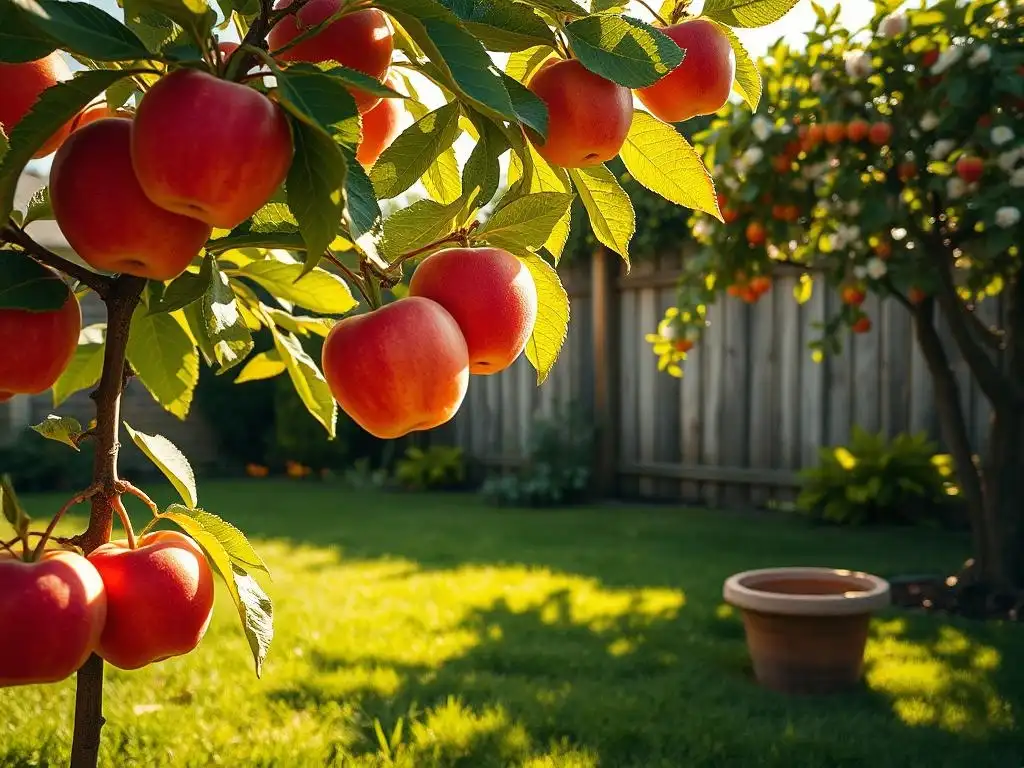
Ready to transform your backyard into a bountiful orchard? At CultivateYourFood, we empower you to grow your own delicious fruits, vegetables, and herbs organically. Discover the secrets to a thriving garden, starting with our in-depth guide on fast growing fruit trees home. Learn how you can enjoy the sweet rewards of your labor sooner than you think – and start cultivating your own food paradise today!
- Understanding Fast-Growing Fruit Trees for Your Home Orchard
- Top 5 Fast-Growing Fruit Trees for Home Gardens
-
Planting and Caring for Your Fast-Growing Fruit Trees
- Selecting the Ideal Planting Location: Sunlight and Soil Considerations
- Preparing the Soil for Optimal Growth: Essential Nutrients and Drainage
- Planting Your Sapling: Step-by-Step Guide for Success
- Watering and Fertilizing Your Fast-Growing Fruit Trees
- Pruning Techniques for Healthy Growth and Fruit Production
- Protecting Your Trees from Pests and Diseases: Organic Pest Control Methods
- Harvesting and Enjoying Your Homegrown Fruit
- Addressing Common Challenges with Fast-Growing Fruit Trees
-
Frequently Asked Questions
- What are some examples of fast-growing fruit trees suitable for home cultivation?
- How quickly can I expect to see fruit from a fast-growing fruit tree?
- What are the essential requirements for growing fast-growing fruit trees at home?
- Are fast-growing fruit trees more susceptible to diseases or pests?
- Where can I purchase fast-growing fruit trees for my home garden?
- Final Reflection: The Sweet Rewards of Patience and Planning
- Unlock Your Orchard's Potential: Grow Fruit Faster!
Understanding Fast-Growing Fruit Trees for Your Home Orchard
Cultivating your own fruit trees offers immense satisfaction – the taste of fresh, homegrown fruit is unparalleled! But the wait for the first harvest can often feel like an eternity. This article focuses on fast-growing fruit trees, allowing you to enjoy the fruits of your labor sooner rather than later.
We'll explore what constitutes a "fast-growing" fruit tree, the factors influencing their growth rate, and how to select the perfect variety for your specific region and home orchard, ultimately helping you achieve a bountiful harvest in a shorter timeframe. This guide is perfect for those looking to quickly establish a productive and sustainable home fruit garden using organic and sustainable practices, answering the common search query "Fast growing fruit trees home."
What Makes a Fruit Tree "Fast-Growing"?
The term "fast-growing" is relative when it comes to fruit trees. While some species naturally mature and bear fruit much quicker than others, several factors contribute to a tree's growth rate. Generally, a fast-growing fruit tree is considered one that reaches significant size and begins producing a substantial fruit yield within 3-5 years, compared to slower-growing varieties that may take 7-10 years or more. This faster growth isn't necessarily about reaching immense height, but rather about achieving a size capable of producing a worthwhile harvest.
Some varieties prioritize early fruiting even at the expense of ultimate size. This is a key factor to consider when choosing a tree for your home orchard, especially if space is limited. The emphasis is on achieving a balance between rapid growth and manageable size for your garden.
Factors Affecting Growth Rate: Sunlight, Soil, and Climate
Several environmental factors significantly impact how quickly your fruit tree grows and produces fruit. Understanding these elements is crucial for selecting the right tree and ensuring its success:
- Sunlight: Most fruit trees need at least 6-8 hours of direct sunlight daily. Insufficient sunlight will severely stunt growth and reduce fruit production. South-facing locations are generally ideal.
- Soil: Well-drained, fertile soil is essential. Poorly drained soil can lead to root rot, while nutrient-deficient soil will hinder growth. Regular soil testing and amendment with compost are key to ensuring optimal conditions. Consider the pH level of your soil as this can influence nutrient uptake.
- Climate: Different fruit trees thrive in different climates. Choosing a variety suited to your region's temperature, rainfall, and frost patterns is critical. Consider your local USDA Plant Hardiness Zone to ensure you select a tree that can withstand your local climate. For example, some varieties may be more resistant to cold snaps or periods of drought than others.
Choosing the Right Fast-Growing Fruit Tree Variety for Your Region
Selecting the appropriate fast-growing fruit tree variety depends heavily on your specific geographical location and growing conditions. Consider these aspects:
- Chill Hours: Many fruit trees require a specific number of "chill hours" (temperatures below 45°F) during winter dormancy to properly flower and fruit. Choosing a variety with the appropriate chill hour requirement for your region is essential. Insufficient chill hours can lead to poor flowering and fruit set.
- Disease and Pest Resistance: Opt for varieties known for their resistance to common diseases and pests prevalent in your area. This will minimize the need for chemical treatments, aligning with sustainable and organic practices.
- Pollination Requirements: Some fruit trees require cross-pollination with another compatible variety. Check the pollination requirements of your chosen variety before planting to ensure successful fruiting. You might need to plant two different varieties, carefully considering their bloom times.
By carefully considering these factors, you can select fast-growing fruit trees that will thrive in your home orchard, providing you with delicious, homegrown fruit in a shorter timeframe than traditional varieties. Remember to always prioritize soil health and sustainable practices for optimal growth and a healthy ecosystem.
Top 5 Fast-Growing Fruit Trees for Home Gardens
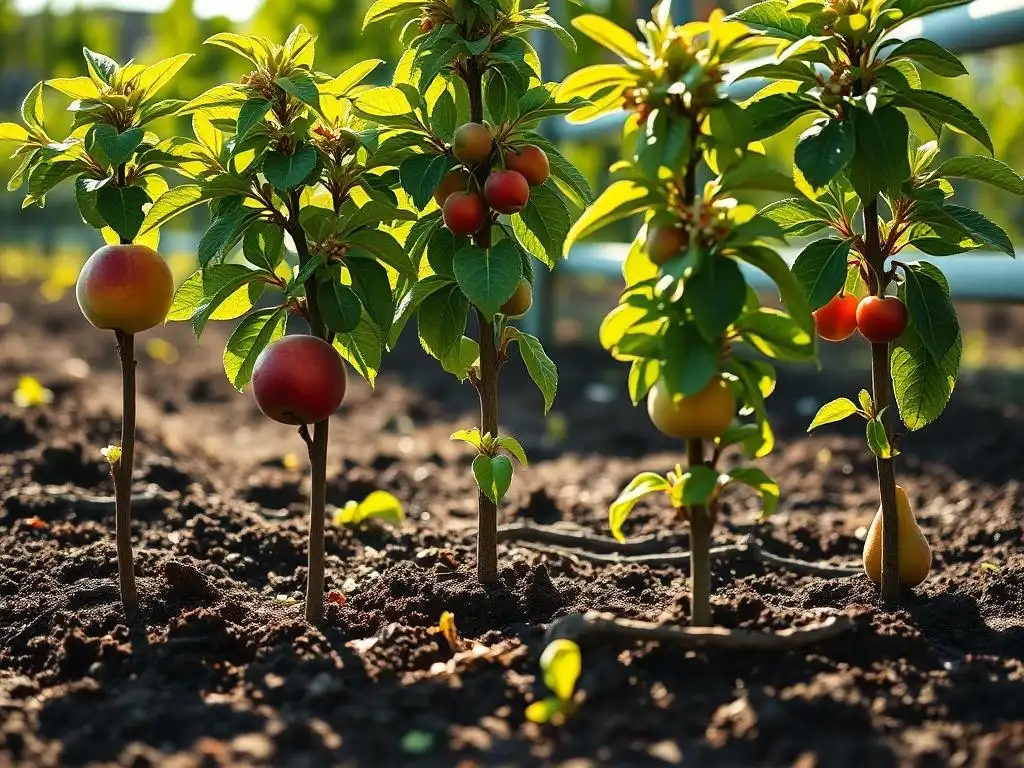
Choosing the right fruit tree for your home garden can significantly impact your harvest timeline. If you're eager to enjoy fresh, homegrown fruit quickly, selecting fast-growing varieties is key. This section highlights five excellent options ideal for the home gardener seeking a rapid return on their planting efforts. These trees, known for their relatively quick growth and early fruiting, are perfect for those impatient to taste the fruits of their labor. Consider your local climate and soil conditions when making your final selection, as even fast-growing varieties require suitable conditions to thrive.
1. Peach Trees: A Quick Harvest of Sweetness
Peach trees ( Prunus persica) are renowned for their rapid growth and early fruiting. Many varieties will bear fruit within 2-3 years of planting, offering a delightful early summer harvest. Their relatively short lifespan (15-20 years) means you'll enjoy a concentrated period of plentiful peaches. However, this also requires careful planning for future replacements.
Peach trees thrive in full sun and well-drained soil. Regular watering, especially during dry spells, is crucial for optimal growth and fruit production. Pruning is also important to maintain tree shape and encourage healthy fruiting. Regular pruning helps prevent overcrowding, improving air circulation and reducing the risk of disease. Consider using organic pest control methods to protect your developing fruit from common peach pests such as aphids and borers. A diverse planting strategy can help minimize pest infestations.
2. Apricot Trees: Early Blooming, Early Fruiting
Apricot trees ( Prunus armeniaca) are another excellent choice for a fast-growing fruit tree for the home garden. Known for their beautiful early spring blossoms and subsequent early summer fruit, they offer a quick reward for your gardening efforts. Similar to peach trees, many apricot varieties will start producing fruit within 2-3 years.
Apricot trees also prefer full sun and well-drained soil. However, they are slightly more sensitive to frost damage than peach trees, so selecting a location that offers some protection from late spring frosts is important. Proper soil drainage is critical for preventing root rot, a common problem that can severely impact the health and productivity of apricot trees. Regular fertilization using an organic fruit tree fertilizer will promote strong growth and abundant fruiting.
3. Plum Trees: Diverse Varieties for Speedy Production
Plum trees ( Prunus domestica) offer a wide variety of choices, many of which are known for their relatively fast growth and early fruiting. Depending on the specific cultivar, you can expect to see fruit within 2-4 years of planting. The diverse range of plum varieties allows you to select a type that best suits your taste preferences and local climate conditions.
Plum trees are generally quite adaptable, tolerating a range of soil types, but they still prefer well-drained soil and ample sunlight. Regular pruning is recommended to maintain tree shape and encourage fruit production. Proper pruning techniques can help prevent diseases and promote stronger, healthier branches. Consider using a mulch around the base of your trees to help retain moisture and suppress weeds. This will also help in regulating soil temperature.
While these three are excellent choices for fast-growing fruit trees at home, remember that factors like your specific climate, soil conditions, and the specific cultivar chosen will influence the actual fruiting time. Always research the specific needs of your chosen variety to optimize its growth and yield. Careful planning and consistent care will lead to a bountiful harvest of delicious homegrown fruit in no time!
4. Cherry Trees: Sweet and Tart Options for a Quick Yield
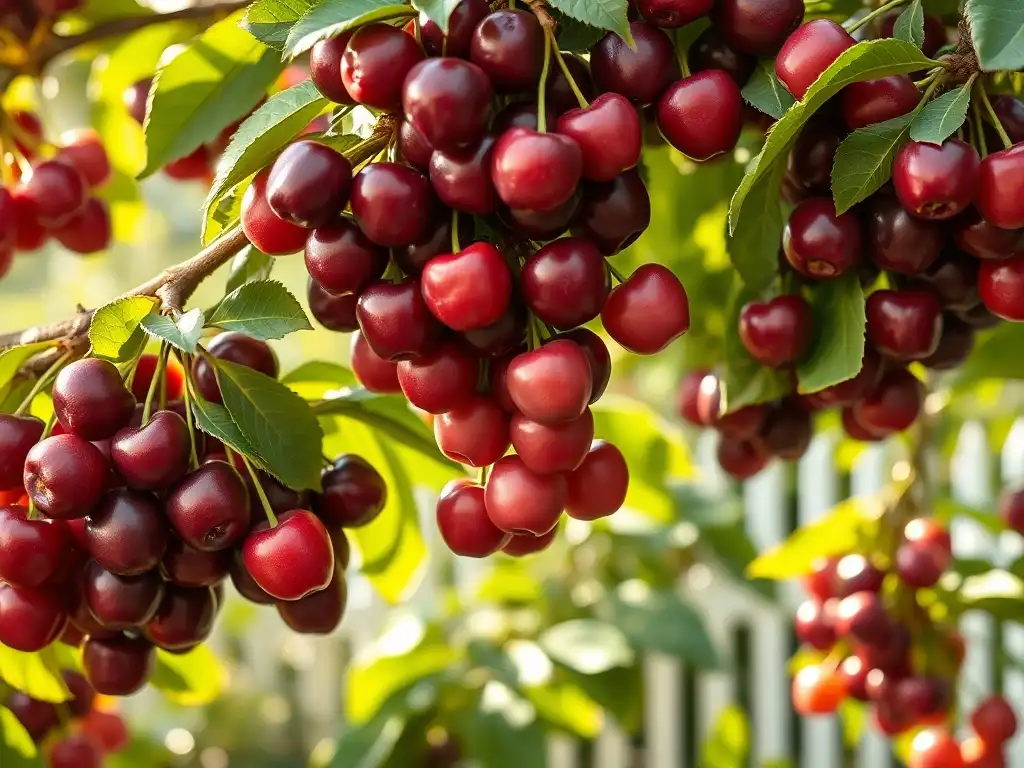
Cherry trees, known for their beautiful blossoms and delicious fruit, can also be surprisingly fast-growing, especially certain varieties. While the time to first harvest varies depending on the cultivar and growing conditions, many cherry trees can start producing fruit within 3-5 years of planting. This makes them a rewarding choice for home gardeners eager for a quick return on their efforts.
Choosing the right cherry tree is crucial for a fast yield. Dwarf or semi-dwarf varieties are generally preferred for home gardens due to their manageable size and quicker fruiting compared to standard-sized trees. These smaller trees require less space and are easier to maintain, making them ideal for smaller yards. Furthermore, selecting a self-fertile variety eliminates the need for a pollinator tree, simplifying the planting process and ensuring fruit production.
Proper planting and care are essential to maximize the growth rate and fruit production of your cherry tree. Selecting a sunny location with well-drained soil is paramount. Regular watering, especially during dry periods, is vital for healthy growth. Annual fertilization with a balanced fruit tree fertilizer helps to support robust growth and plentiful harvests.
Pruning is also important to maintain the tree's shape, improve air circulation, and prevent disease. Proper pruning techniques, learned through research or consultation with local gardening experts, can significantly improve the yield and overall health of the tree. Remember, a healthy, well-cared-for cherry tree will reward you with sweet and tart cherries sooner than a neglected one. Consider consulting local agricultural extension offices for specific recommendations on suitable cherry tree varieties for your region.
5. Fig Trees: Easy-to-Grow, Fast-Producing Fruit
Fig trees are renowned for their adaptability and rapid growth, often producing fruit within their first few years. Their relatively low maintenance requirements make them a popular choice for beginner gardeners looking for a fast-growing fruit tree option for their "fast growing fruit trees home" project. Many fig varieties are self-pollinating, meaning you only need one tree to enjoy a harvest. This simplifies planting and reduces the space needed in your garden.
One of the key factors contributing to the fast yield of fig trees is their ability to thrive in a wide range of soil types and conditions. While well-drained soil is preferred, fig trees are surprisingly tolerant of drought once established. This resilience makes them suitable for various climates and gardening experiences. However, providing consistent moisture, especially during the establishment phase, will promote faster growth and earlier fruiting.
Sunlight is another crucial factor. Fig trees need at least six hours of direct sunlight daily to flourish and produce abundant fruit. Planting in a sunny location will significantly influence the speed of growth and the quantity of figs produced. Furthermore, regular pruning helps maintain the tree's shape, encourages new growth, and promotes a more productive fruiting habit.
Pruning should ideally be done during the dormant season to remove dead or damaged branches and to shape the tree for optimal sunlight exposure. With minimal effort and the right conditions, fig trees can quickly become a productive and visually appealing addition to any home garden, fulfilling the desire for a "fast growing fruit trees home" experience. Remember to research varieties best suited to your specific climate and soil conditions for optimal results.
Planting and Caring for Your Fast-Growing Fruit Trees
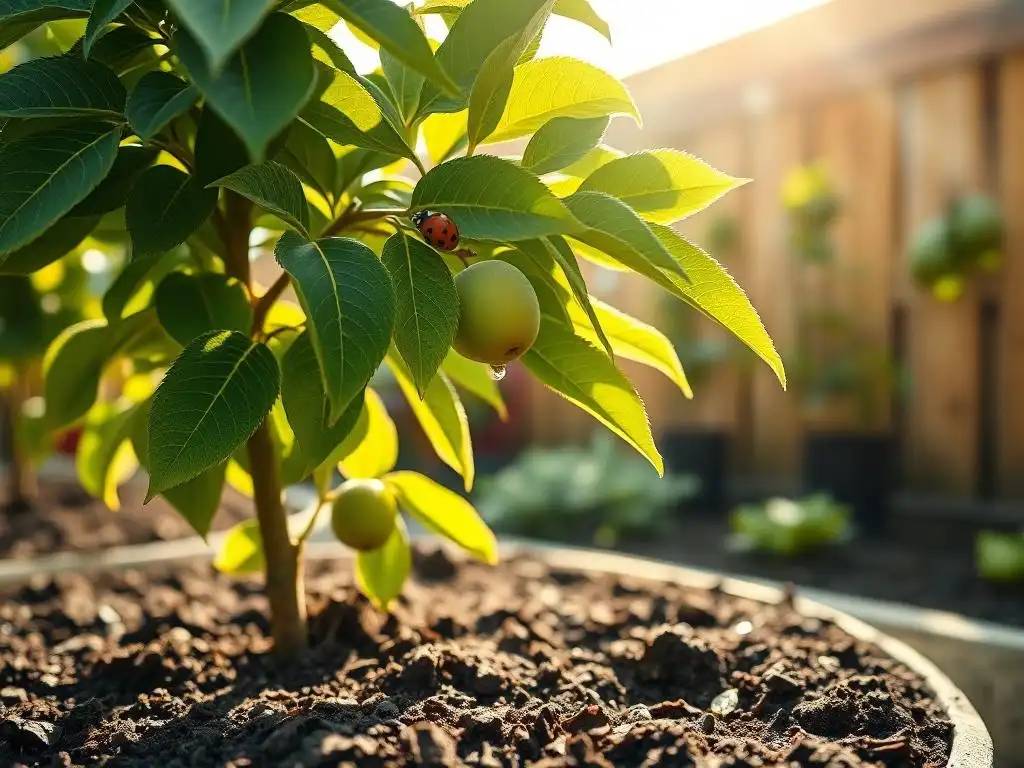
This section focuses on the practical aspects of planting and nurturing your fast-growing fruit trees at home, ensuring a bountiful harvest in minimal time. We'll cover site selection, soil preparation, and the planting process itself, providing you with the knowledge to cultivate healthy, productive trees. Remember, even with fast-growing varieties, proper care is crucial for long-term success and maximizing fruit yield. Choosing the right approach from the start will significantly impact your harvest.
Selecting the Ideal Planting Location: Sunlight and Soil Considerations
The location you choose for your fast-growing fruit tree significantly impacts its growth and fruit production. Sunlight and soil conditions are paramount. Fast-growing fruit trees, like many other plants, require ample sunlight for photosynthesis – the process that fuels their growth and fruit development. Aim for a location that receives at least 6-8 hours of direct sunlight per day. This is particularly crucial during the crucial growing season. Partial shade might suffice for certain varieties, but research your specific tree's needs.
Soil composition is equally important. Well-draining soil is essential; waterlogged soil can lead to root rot, a common problem that can kill young saplings quickly. Before planting, test your soil's pH level. Most fruit trees thrive in slightly acidic to neutral soil (pH 6.0-7.0), but again, consult the specific requirements of your chosen variety.
Amend heavy clay soils with organic matter like compost to improve drainage and aeration. Sandy soils may benefit from the addition of peat moss or other organic materials to retain moisture. Consider the mature size of your tree; ensure there's enough space around the tree for root growth and future expansion, avoiding competition with other plants or structures. Proper spacing is crucial for air circulation, preventing fungal diseases.
Preparing the Soil for Optimal Growth: Essential Nutrients and Drainage
Once you've selected your planting site, preparing the soil is key to establishing a strong root system for your fast-growing fruit tree. This involves improving both the soil's structure and its nutrient content. Amend the soil with organic compost, well-rotted manure, or other organic matter to improve drainage, aeration, and fertility. This enriches the soil with essential nutrients, providing a foundation for healthy growth.
The amount of organic matter you add will depend on your soil's existing condition. A soil test can help determine if specific nutrients are lacking. Incorporating the organic matter into the soil several weeks before planting allows it to break down and improve soil structure.
You should also consider drainage. If your soil is prone to waterlogging, creating a raised bed or amending the soil with materials like perlite or vermiculite can improve drainage. Excellent drainage prevents root rot and ensures that the roots receive adequate oxygen. Remember, proper soil preparation is an investment in the long-term health and productivity of your tree. Neglecting this step can lead to stunted growth and reduced fruit yield, negating the advantages of choosing a fast-growing variety. Invest the time to get this right.
Planting Your Sapling: Step-by-Step Guide for Success
Planting your fast-growing fruit tree sapling correctly is crucial for its establishment and future success. Here's a step-by-step guide:
- Dig the hole: Dig a hole twice as wide and as deep as the root ball of your sapling. This allows for better root expansion.
- Loosen the roots: Gently loosen the roots of the sapling to encourage outward growth. Avoid damaging the roots.
- Place the sapling: Carefully place the sapling in the hole, ensuring the top of the root ball is level with the ground.
- Backfill the hole: Gradually backfill the hole with the amended soil, ensuring there are no air pockets.
- Water thoroughly: Water the newly planted sapling deeply to settle the soil and help the roots establish contact with the soil.
- Mulch: Apply a layer of organic mulch around the base of the tree, keeping it a few inches away from the trunk. This helps retain moisture, suppress weeds, and regulate soil temperature.
- Stake (if necessary): If your sapling is tall and slender, stake it to prevent wind damage. Use tree guards to protect the bark from damage by animals.
- Regular watering: Water regularly, especially during dry periods, but avoid overwatering. Monitor the soil moisture and adjust your watering schedule accordingly. Consistent watering is key to successful establishment.
Following these steps carefully will maximize your chances of a thriving, productive fast-growing fruit tree in your home garden. Remember that patience and consistent care are key to enjoying the fruits of your labor (literally!). 🌳🍎
Watering and Fertilizing Your Fast-Growing Fruit Trees
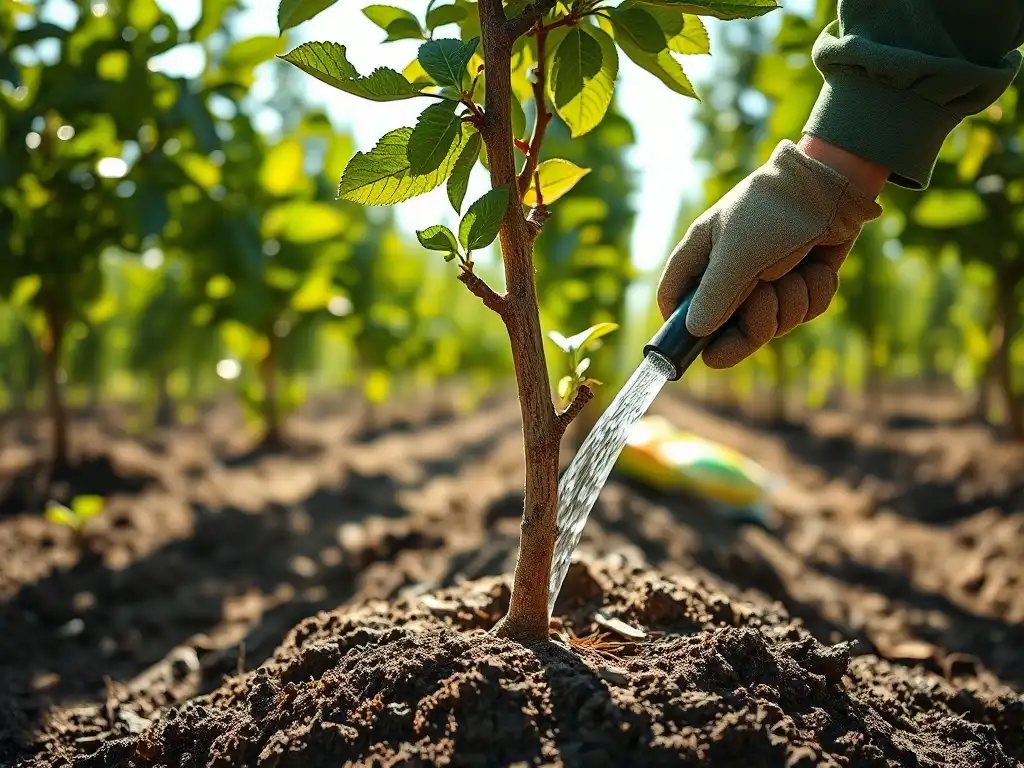
Fast-growing fruit trees, while offering the reward of quicker harvests, often require more diligent care, especially concerning watering and fertilization. Their rapid growth demands a consistent supply of moisture and nutrients to support their development and fruit production. Neglecting either aspect can lead to stunted growth, reduced yields, and increased susceptibility to pests and diseases.
Proper watering techniques are crucial. Avoid both underwatering and overwatering. Overwatering can lead to root rot, a serious condition that can kill your tree. Underwatering, on the other hand, results in stressed trees that produce less fruit and are more vulnerable to pests. The best approach is to water deeply and less frequently, allowing the soil to dry slightly between waterings.
The frequency will vary depending on your climate, soil type, and the specific tree variety. Consider using a soil moisture meter to monitor soil conditions and avoid guesswork. Mulching around the base of your tree helps retain soil moisture, reducing the frequency of watering. This is especially important during hot, dry periods. Remember that young trees generally require more frequent watering than established ones.
Fertilizing your fast-growing fruit trees is equally important to ensure optimal growth and fruit production. Young trees benefit from a balanced fertilizer high in nitrogen to promote vigorous vegetative growth. As the tree matures and starts producing fruit, switch to a fertilizer with a higher phosphorus and potassium content to support flowering and fruit development. Always follow the instructions on the fertilizer packaging carefully, avoiding over-fertilization, which can damage the roots and harm the tree.
Organic fertilizers, such as compost and manure, are excellent choices for sustainable fruit tree cultivation, providing slow-release nutrients that benefit both the tree and the soil. Regular soil testing can help determine the specific nutrient needs of your trees and guide your fertilization strategy. Remember that over-fertilizing can be just as detrimental as under-fertilizing.
Pruning Techniques for Healthy Growth and Fruit Production
Pruning is a fundamental aspect of caring for fast-growing fruit trees. It helps maintain their shape, encourages healthy growth, and maximizes fruit production. Proper pruning techniques remove dead, damaged, or diseased branches, improving air circulation and sunlight penetration within the tree canopy. This minimizes the risk of fungal diseases and pests. Moreover, strategic pruning directs the tree's energy towards fruit production rather than excessive vegetative growth.
Different pruning techniques are employed depending on the tree's age and growth habit. Young trees often benefit from shaping pruning to establish a strong central leader and a well-balanced framework. This involves selectively removing branches to create an open structure that allows for good air circulation and sunlight penetration. Mature trees require maintenance pruning to remove dead or crossing branches, and to thin out the canopy to improve light penetration and fruit quality.
This can also involve removing some fruiting wood to prevent overcropping and ensure larger, higher-quality fruit. The timing of pruning is also crucial. Most fruit trees are pruned during their dormant season, typically in late winter or early spring, before new growth begins. However, some summer pruning may be necessary to remove water sprouts or suckers.
Always use sharp, clean pruning tools to prevent the spread of diseases. Improper pruning can lead to significant damage and reduce fruit yield. Consider consulting with a local arborist or experienced gardener for advice on the best pruning techniques for your specific tree species.
Protecting Your Trees from Pests and Diseases: Organic Pest Control Methods
Fast-growing fruit trees, due to their rapid growth, can sometimes be more susceptible to pests and diseases. Protecting your trees requires a proactive approach that combines preventative measures with timely intervention. Organic pest control methods are particularly valuable for cultivating healthy, sustainable fruit. These methods prioritize the health of the tree and the environment, avoiding harmful chemical pesticides.
Preventative measures are crucial. Maintaining good tree health through proper watering, fertilization, and pruning significantly reduces the risk of pest and disease infestations. Regular inspection of your trees is also vital. Early detection of pests or diseases allows for timely intervention, minimizing damage and preventing widespread infestation.
Organic pest control methods include using beneficial insects, such as ladybugs and lacewings, to control pest populations. These natural predators help keep pest numbers in check without resorting to harmful chemicals. Another effective organic method involves using insecticidal soaps or neem oil to control specific pests. These natural products are less harmful to beneficial insects and the environment compared to synthetic pesticides.
Mulching around the base of the tree can also help to deter some pests and improve soil health. Creating a healthy, balanced ecosystem in your orchard will help naturally reduce the need for chemical interventions. In cases of severe infestations, seeking advice from a local agricultural extension office or experienced organic gardener can help determine the best course of action. Remember that prevention is key, and a healthy tree is much less susceptible to pest and disease problems.
Harvesting and Enjoying Your Homegrown Fruit
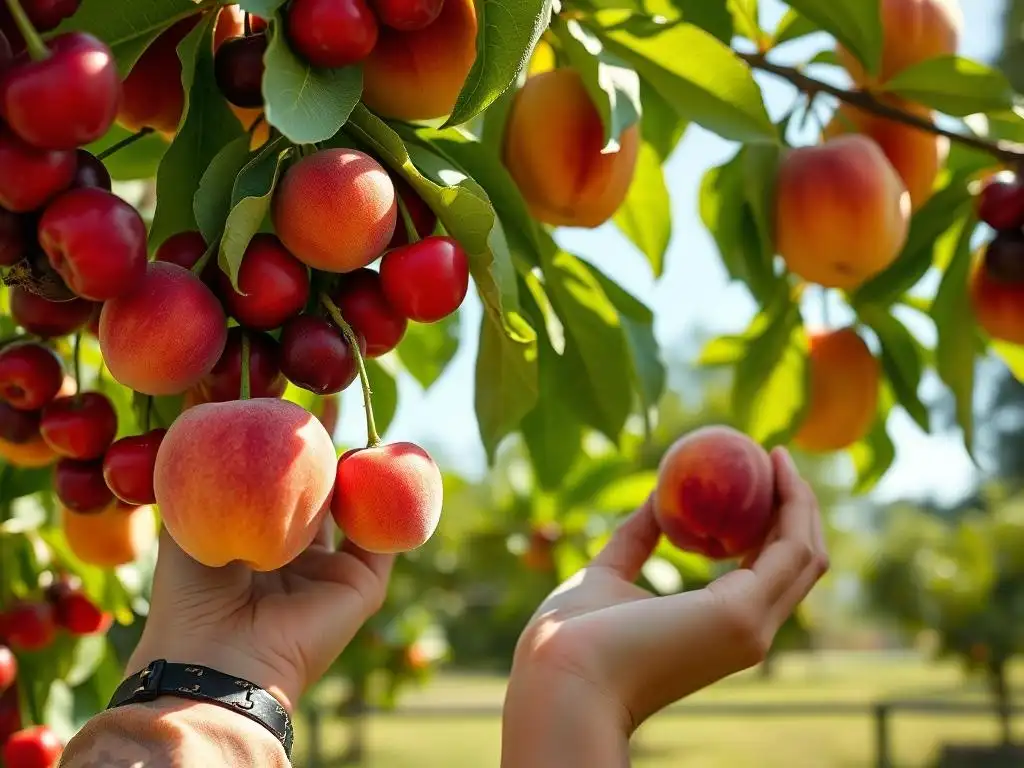
This section focuses on maximizing the yield and enjoyment of your fast-growing fruit trees. Proper harvesting techniques and preservation methods are crucial for enjoying the fruits of your labor—literally! Understanding the nuances of ripeness and employing effective storage strategies ensures you savor your homegrown bounty for months to come. Remember, patience and attention to detail are key to successful harvests, even with fast-growing varieties.
Recognizing the Signs of Ripe Fruit: Color, Texture, and Taste
Determining the optimal harvest time is critical for achieving the best flavor and quality. While the speed of growth is a significant advantage of fast-growing fruit trees, it doesn't negate the importance of careful observation. Ripe fruit will exhibit distinct characteristics depending on the variety.
For example, many stone fruits like peaches and plums will show a vibrant color change, often from green to a deep red or yellow, depending on the cultivar. The fruit will also give slightly to gentle pressure, indicating ripeness. A fragrant aroma often accompanies ripeness in these fruits.
Conversely, some fruits like apples and pears may not undergo such dramatic color changes. Instead, look for a slight softening of the skin and a change in fragrance. Gently twisting the fruit from the branch; if it comes off easily, it is likely ready. Taste testing a single fruit from a branch can be invaluable in determining overall ripeness.
Here's a helpful table summarizing key indicators for different fruit types:
| Fruit Type | Color Change | Texture Change | Taste/Aroma Change |
|---|---|---|---|
| Peaches | Green to deep red/yellow | Softens slightly | Sweet, fragrant |
| Plums | Green to deep red/purple/blue | Softens slightly | Sweet, slightly tart |
| Apples | Subtle color change (may vary) | Softens slightly | Sweet, tangy, aromatic |
| Pears | Subtle color change (may vary) | Softens, slightly yielding | Sweet, sometimes perfumed |
| Berries (e.g., raspberries, blueberries) | Color deepens, becomes vibrant | Slightly soft, plump | Sweet, juicy |
Remember, the ideal ripeness can vary slightly depending on the specific cultivar and growing conditions. Experimentation and observation are essential in learning the cues specific to your trees.
Proper Harvesting Techniques to Preserve Quality
Harvesting your fruit correctly is crucial for maintaining its quality and extending its shelf life. Rough handling can bruise the fruit, leading to rapid spoilage. Gentle techniques are vital, especially for delicate berries.
For fruits that grow on branches, use pruning shears or a sharp knife to make clean cuts, avoiding tearing or damaging the stem. Always harvest in the early morning after the dew has dried to minimize bruising and bacterial contamination. Harvesting during cooler periods also helps preserve freshness.
For fruits that grow on the ground, like strawberries, carefully collect them, avoiding crushing them. Use a shallow container to minimize damage during collection.
When harvesting larger quantities, consider using harvesting bags or baskets lined with soft material to prevent bruising. Avoid overfilling containers, as this can also cause damage.
Following these gentle harvesting techniques will help ensure you enjoy the fruits of your labor for a longer duration. This is especially important when dealing with the short harvest windows of some fast-growing varieties. Proper handling directly translates to a better taste experience and longer storage potential.
Storing and Preserving Your Harvest: Jams, Jellies, and Freezing
Once harvested, proper storage and preservation methods are essential for maximizing the enjoyment of your homegrown fruit. Different fruits have different storage requirements. Some, like berries, are highly perishable and require immediate attention. Others, like apples and pears, can be stored for longer periods under the right conditions.
Freezing is an excellent method for preserving the flavor and nutrients of almost any fruit. Wash, dry, and sort the fruit before freezing. You can freeze whole berries or slice larger fruits. Blanching (briefly boiling) some fruits before freezing helps maintain their color and texture.
Making jams and jellies is a traditional method of preserving fruit. It requires some culinary skill and equipment, but the result is a delicious and long-lasting product. Jams typically use crushed fruit with added sugar and pectin, while jellies use strained fruit juice. Proper sterilization of jars is vital for preventing spoilage.
Here's a quick overview of common preservation methods:
- Refrigeration: Best for short-term storage (a few days to a week) for most fruits.
- Freezing: Excellent for long-term storage (several months) for most fruits.
- Canning (Jams/Jellies): Allows for long-term storage (a year or more) with proper sterilization.
- Drying: Suitable for certain fruits like apples and pears, resulting in a longer shelf life.
By employing these methods, you can effectively extend the enjoyment of your fast-growing fruit trees' harvest throughout the year, savoring the taste of homegrown goodness long after the harvest season ends. This ensures you get the most out of your efforts and the advantages of fast-growing fruit trees.
Addressing Common Challenges with Fast-Growing Fruit Trees
Fast-growing fruit trees, while offering the exciting prospect of a quicker harvest, often present unique challenges. Understanding these potential hurdles is crucial for successful home cultivation. This section focuses on proactively addressing these issues, ensuring a healthy and productive orchard in your backyard. Remember, even with fast-growing varieties, patience and consistent care are key to achieving abundant harvests. The desire for "fast growing fruit trees home" needs to be balanced with a realistic understanding of potential problems.
Dealing with Common Pests and Diseases in Fast-Growing Fruit Trees
Fast-growing fruit trees can be particularly susceptible to certain pests and diseases due to their rapid growth and sometimes less robust structure. Early detection and swift action are crucial. Common culprits include aphids, spider mites, powdery mildew, and various fungal infections.
Aphids, for example, are tiny insects that suck sap from leaves, causing stunted growth and leaf curling. Regular inspection, especially on young, tender growth, is essential. Natural pest control methods, such as introducing ladybugs (natural aphid predators) or using insecticidal soap, are generally preferred for organic gardening. Severe infestations might require stronger interventions, but always prioritize environmentally friendly options first.
Spider mites, another common pest, create fine webbing on leaves and cause stippling and discoloration. High humidity can discourage them. Regularly misting the plants and using neem oil can effectively manage infestations.
Powdery mildew, a fungal disease, presents as a white, powdery coating on leaves and stems. Good air circulation is key to prevention; avoid overcrowding plants. Natural remedies such as baking soda solutions can be effective. Always ensure proper sanitation by removing and disposing of infected leaves promptly.
Fungal diseases, like various fruit rots, can affect the fruit itself, leading to premature dropping and spoilage. Proper sanitation, including removing fallen fruit, is crucial to prevent the spread. Rotating crops can also help break the disease cycle. Choosing disease-resistant varieties when selecting your "fast growing fruit trees home" is a proactive strategy.
Troubleshooting Common Problems: Leaf Drop, Blossom Drop, and Fruit Rot
Beyond pests and diseases, several other issues can plague fast-growing fruit trees. Leaf drop, blossom drop, and fruit rot are common concerns that can significantly impact yield. Let's delve into the possible causes and solutions.
Leaf drop can stem from various factors, including stress from drought, nutrient deficiencies, or disease. Regular watering, especially during dry periods, is essential. Soil testing to identify nutrient deficiencies allows for targeted fertilization. Addressing any underlying diseases is also crucial.
Blossom drop, the premature falling of flowers, can be attributed to several factors, including insufficient pollination, temperature fluctuations, or nutrient imbalances. Ensuring adequate pollination through hand-pollination or attracting pollinators like bees can help. Maintaining consistent soil moisture and nutrient levels is also important.
Fruit rot, as mentioned previously, is often a fungal issue. Proper sanitation, including promptly removing fallen fruit, is crucial. Ensuring good air circulation around the fruit helps prevent moisture build-up, which encourages fungal growth. Consider using organic fungicides as a last resort.
Resources for Further Learning about Fast Growing Fruit Trees Home Gardening
For those eager to delve deeper into the world of fast-growing fruit trees for home gardening, several resources are readily available. Local agricultural extension offices often provide valuable information tailored to your specific region and climate. Numerous books and online articles offer comprehensive guides on fruit tree cultivation, covering various aspects from planting to harvesting and pest control.
Joining local gardening clubs or online forums connects you with experienced gardeners who can share their knowledge and experiences. Remember, continuous learning is essential for successful fruit tree cultivation, turning your "fast growing fruit trees home" project into a bountiful success. This dedicated approach to learning will help you avoid common pitfalls and maximize your harvest.
Frequently Asked Questions
What are some examples of fast-growing fruit trees suitable for home cultivation?
Many options exist! Dwarf varieties of apple, pear, and cherry trees are excellent choices for smaller spaces, while fig and plum trees are also known for their rapid growth. Consider your climate and space when selecting a tree.
How quickly can I expect to see fruit from a fast-growing fruit tree?
This depends on the variety and growing conditions, but many fast-growing trees can produce fruit within 2-5 years of planting. Some may even yield a small harvest in their first year.
What are the essential requirements for growing fast-growing fruit trees at home?
Sufficient sunlight (at least 6-8 hours daily) is crucial. Well-drained soil rich in organic matter is also essential, as is regular watering, especially during dry periods. Consider the tree's mature size to avoid overcrowding.
Are fast-growing fruit trees more susceptible to diseases or pests?
While some fast-growing varieties might be slightly more vulnerable, proper preventive care and timely treatment can mitigate this. Choose disease-resistant cultivars and practice good garden hygiene.
Where can I purchase fast-growing fruit trees for my home garden?
Many local nurseries and online retailers sell fast-growing fruit tree varieties. Check reviews and choose a reputable supplier to ensure you receive healthy, high-quality trees. Consider purchasing from a local source to support your community.
Final Reflection: The Sweet Rewards of Patience and Planning
The desire for instant gratification is a powerful force, yet the joy of nurturing a fast-growing fruit tree transcends the immediate. Planting a tree is an act of hope, a commitment to the future, and a testament to our connection with the natural world. The quick yield of these trees offers a unique opportunity to experience the fruits of our labor sooner than expected, making the process all the more rewarding.
The impact of homegrown fruit extends far beyond the simple pleasure of a juicy peach or crisp apple. It fosters a deeper appreciation for the origins of our food, connects us to the rhythms of nature, and can even become a source of community and shared bounty. The glory of gardening: hands in the dirt, head in the sun, heart with nature. To nurture a garden is to feed not just the body, but the soul.
This quote perfectly encapsulates the profound satisfaction derived from cultivating fast-growing fruit trees, a process that nourishes both our physical and emotional well-being.
Now, consider your own space. Imagine the vibrant colors of ripening fruit against the backdrop of your home. Picture the delight of sharing the harvest with loved ones. This isn't just about fast-growing trees; it's about cultivating a connection with the earth, fostering patience, and reaping the sweet rewards of your efforts. Take the time to research the best varieties for your climate, prepare your soil, and plant your own piece of paradise. The journey may be short, but the memories and the delicious fruit will last a lifetime.
Unlock Your Orchard's Potential: Grow Fruit Faster!
Thank you for exploring the world of fast-growing fruit trees! We hope you're feeling inspired and ready to harvest your own delicious fruit sooner than expected. Let's turn that inspiration into action:
- Prioritize your planting: Carefully select the best fruit tree varieties for your climate and available space, considering factors like sunlight, soil type, and chill hours. Order your saplings today! This crucial step ensures a faster harvest.
- Prepare your planting location: Begin preparing your soil now. Healthy soil is vital for strong growth; focus on aeration, drainage, and nutrient enrichment.
- Share your progress!: Tell us (and your friends!) which varieties you've chosen and your planting schedule. We'd love to hear about your journey!
What challenges and rewards do you anticipate as you begin growing fruit faster?