
Fruit Tree Rootstock Guide: Understanding Impact on Tree Size and Health

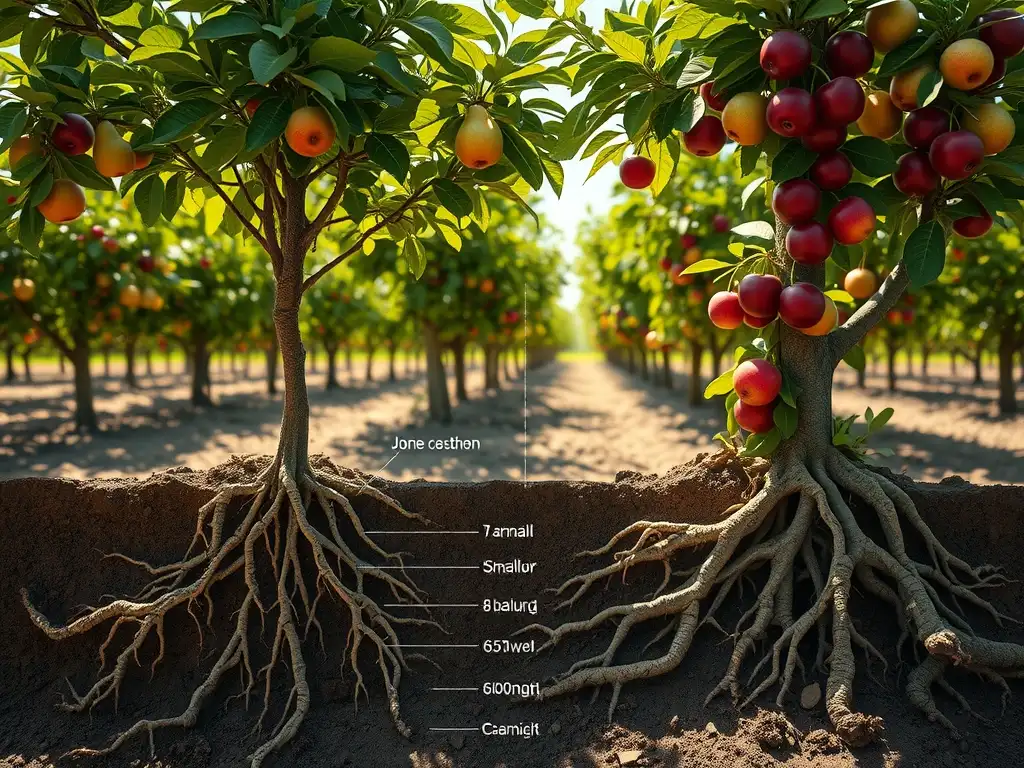
Welcome to CultivateYourFood, your guide to a thriving home garden! Ready to unlock the secrets to bountiful harvests? We believe everyone can grow their own delicious fruits, vegetables, and herbs – sustainably and organically. Our expert advice covers everything from planting to pest control, and today we're diving deep into the crucial topic of fruit tree rootstocks. Discover how choosing the right rootstock can dramatically impact your tree's size, health, and ultimately, your yield. Let's get started – your journey to a fruitful garden begins now!
- Understanding Fruit Tree Rootstocks: A Comprehensive Guide for Home Growers
- Selecting the Best Fruit Tree Rootstock for Your Garden
- Rootstock Influence on Fruit Tree Health and Disease Resistance
- Popular Fruit Tree Rootstocks: A Detailed Overview
- Best Fruit Tree Rootstock Guide: Matching Rootstock to Tree Variety
- Maintaining Healthy Fruit Trees: Post-Planting Care
-
Frequently Asked Questions
- What is a rootstock, and why is it important for fruit tree growth?
- How does rootstock affect the size of my fruit tree?
- What are some factors to consider when selecting a rootstock?
- Are there specific rootstocks recommended for certain fruit types?
- Where can I find more information on choosing the best rootstock for my needs?
- Final Reflection: Cultivating a Bountiful Future, One Rootstock at a Time
- Unlock Your Orchard's Potential: Take Charge of Your Fruit Trees!
Understanding Fruit Tree Rootstocks: A Comprehensive Guide for Home Growers
Growing your own fruit trees at home offers immense satisfaction, from the anticipation of blossoming flowers to the joy of harvesting ripe, homegrown fruit. However, choosing the right tree is crucial for success. While the fruit variety itself is important, understanding the underlying rootstock is equally vital.
This comprehensive guide will delve into the world of fruit tree rootstocks, explaining their impact on tree size, health, and overall yield, ultimately helping you choose the best rootstock for your garden and desired outcome. This guide aims to be the definitive resource for home growers seeking to maximize their fruit tree success, making it the best fruit tree rootstock guide available.
We'll cover everything from the basics of what rootstocks are to the specific factors influencing your choice, ultimately empowering you to make informed decisions for a thriving orchard. This information is key to achieving optimal growth, disease resistance, and fruit production – essential components of sustainable and organic home fruit cultivation.
What are Fruit Tree Rootstocks and Why are They Important?
Fruit tree rootstocks are the root systems onto which a desired fruit variety (the scion) is grafted. Think of it like the foundation of a house – the scion provides the fruit, while the rootstock provides the crucial support system. The rootstock significantly influences various aspects of the mature tree, including:
- Tree Size: Different rootstocks are dwarfing, semi-dwarfing, or standard. Dwarfing rootstocks produce smaller trees, ideal for smaller gardens or containers. Semi-dwarfing rootstocks create medium-sized trees, offering a balance between size and yield. Standard rootstocks result in large, full-sized trees.
- Fruit Production: While the scion dictates the fruit type, the rootstock influences the timing and abundance of the harvest. Some rootstocks promote earlier fruiting, while others may increase overall yield.
- Disease Resistance: Certain rootstocks offer increased resistance to specific soilborne diseases, pests, and environmental stressors, leading to healthier trees and reduced maintenance.
- Cold Hardiness: Rootstock selection can impact the tree's ability to withstand cold temperatures, a critical factor in colder climates.
- Soil Adaptability: Some rootstocks are better suited to specific soil types, such as sandy, clay, or well-drained soils. Choosing a rootstock compatible with your soil is essential for optimal tree health.
Understanding these factors is paramount to selecting the right rootstock for your specific needs and growing conditions. Ignoring this crucial aspect can lead to disappointing results, including smaller yields, disease susceptibility, and ultimately, tree failure.
Choosing the Right Rootstock: Key Factors to Consider
Selecting the appropriate rootstock involves careful consideration of several key factors:
- Available Space: The most obvious factor is the space you have available in your garden. Dwarfing rootstocks are ideal for smaller yards or container gardening, while standard rootstocks require significantly more space.
- Soil Type and Drainage: Assess your soil's composition and drainage capabilities. Some rootstocks thrive in well-drained sandy loam, while others tolerate heavier clay soils. Poor drainage can lead to root rot and other problems.
- Climate: Your local climate, including temperature extremes and rainfall, will influence your rootstock choice. Consider cold hardiness if you live in a colder region.
- Desired Tree Size and Yield: Balance your desired tree size with potential yield. Smaller trees may produce less fruit but are easier to manage. Larger trees might produce more but require more space and maintenance.
- Disease and Pest Pressure: Research common diseases and pests in your area and select a rootstock with resistance to these specific threats.
Careful consideration of these factors ensures a successful outcome, resulting in healthy, productive fruit trees that thrive in your specific environment. Proper planning minimizes risks and maximizes the chances of a bountiful harvest.
The Impact of Rootstock on Tree Size and Maturity
The rootstock's influence on the final size and maturity of the fruit tree is substantial. Dwarfing rootstocks significantly restrict the tree's growth, resulting in smaller, more manageable trees that often bear fruit earlier than standard rootstocks. These compact trees are perfect for smaller spaces and easier harvesting. Semi-dwarfing rootstocks offer a compromise, producing medium-sized trees with a good balance between size, yield, and manageability. Standard rootstocks, on the other hand, produce large trees that require ample space and may take longer to bear fruit. The following table summarizes the typical mature sizes associated with different rootstock types:
| Rootstock Type | Approximate Mature Height | Advantages | Disadvantages |
|---|---|---|---|
| Dwarfing | 6-8 feet | Compact size, early fruiting, easy harvest | Lower overall yield, more frequent pruning |
| Semi-dwarfing | 10-15 feet | Moderate size, good yield, manageable | Requires more space than dwarfing rootstocks |
| Standard | 20-30 feet+ | High yield, impressive size | Requires significant space, difficult harvest |
Understanding these variations is crucial in selecting the rootstock that best suits your garden's space and your personal preferences. Remember that these are approximations, and actual sizes can vary depending on the specific rootstock and growing conditions.
Selecting the Best Fruit Tree Rootstock for Your Garden
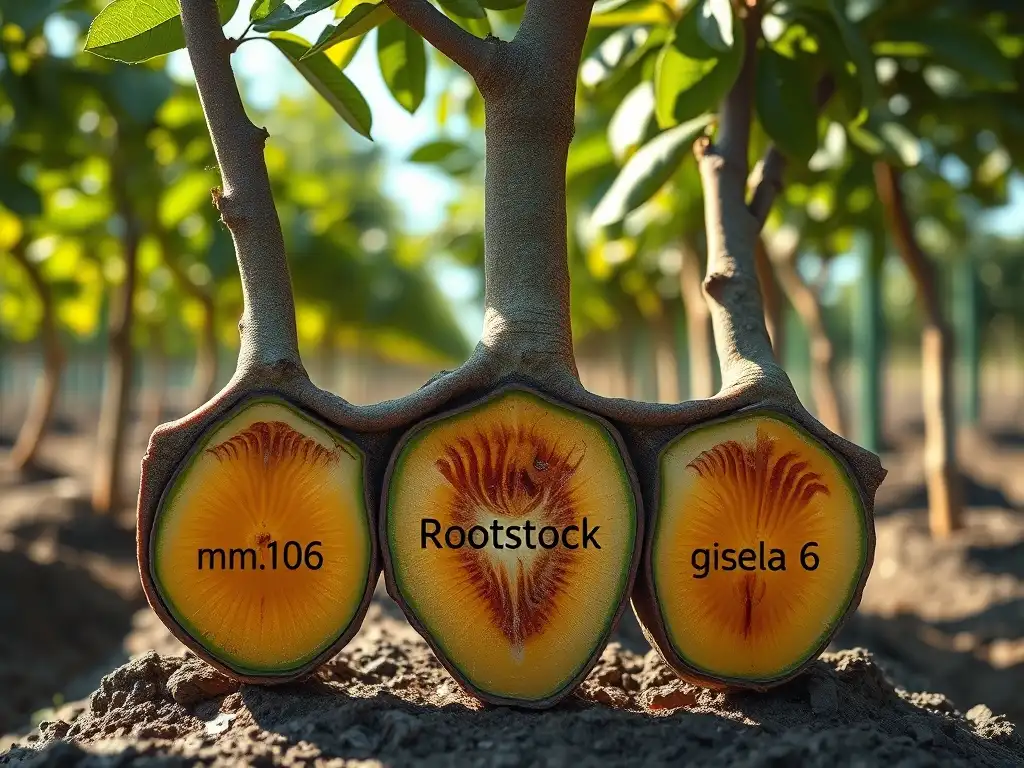
Choosing the right fruit tree rootstock is crucial for successful fruit production. The rootstock significantly impacts the tree's size, yield, and overall health. This section delves into the key considerations when selecting a rootstock, focusing on the most common types available. Understanding the characteristics of each type will enable you to make an informed decision that best suits your garden space and gardening goals. This guide will help you achieve the best fruit tree growth and harvest, ultimately making you a more successful home cultivator.
Dwarfing Rootstocks: Ideal for Small Spaces
Dwarfing rootstocks dramatically reduce the mature size of fruit trees, making them perfect for smaller gardens, patios, or even large containers. These rootstocks restrict the tree's growth, resulting in smaller, more manageable trees. This characteristic is a significant advantage for urban gardeners or those with limited space.
Several benefits accompany the reduced size. Harvesting becomes easier, as fruits are within easier reach. Pest and disease management is also simplified due to the tree's smaller stature. However, it's crucial to understand that dwarfing rootstocks often result in slightly reduced yields compared to larger trees. The trade-off is a smaller tree with manageable size in exchange for potentially less fruit.
Consider these popular dwarfing rootstocks:
| Rootstock Name | Fruit Tree Compatibility | Mature Tree Height (approx.) | Yield Characteristics |
|---|---|---|---|
| M.9 | Apple | 6-8 feet | Moderate, early bearing |
| M.27 | Apple | 4-6 feet | High, but shorter lifespan |
| Budagovsky 4 (B.4) | Pear | 6-8 feet | Moderate, reliable |
| Colt | Cherry, Plum | 6-8 feet | Moderate to high |
Choosing the right dwarfing rootstock requires careful consideration of your specific fruit tree type and available space. Remember to check the rootstock's compatibility with your chosen tree variety before purchasing.
Semi-Dwarfing Rootstocks: A Balance of Size and Yield
Semi-dwarfing rootstocks offer a compromise between the compact size of dwarfing rootstocks and the larger size of standard rootstocks. They produce trees that are smaller than standard trees but larger than dwarf trees, offering a balance between manageable size and a reasonable yield. This makes them a popular choice for many home gardeners.
Semi-dwarf trees are easier to manage than standard trees, requiring less pruning and making harvesting more accessible. They are also less susceptible to wind damage than their taller counterparts. Yields are generally higher than dwarf trees, offering a good compromise between size and fruit production.
Examples of semi-dwarfing rootstocks include:
- MM.106 (Apple): Produces trees that reach approximately 10-15 feet in height. Known for good disease resistance and consistent yield.
- Gisela 5 (Cherry): Results in trees around 12-15 feet tall. Offers excellent vigor and fruit quality.
- Pixy (Pear): Produces trees reaching approximately 10-12 feet tall. Known for its compact size and high yields.
The choice between a dwarfing and semi-dwarfing rootstock often depends on the available space and the gardener's preference for management versus yield.
Standard Rootstocks: For Larger Gardens and Ample Space
Standard rootstocks produce trees that reach their full, mature size. These trees are the largest of the three types, requiring considerable space to grow and develop fully. While they demand more space and management, standard rootstocks generally offer the highest yields. They are ideal for larger gardens or orchards where ample space is available.
Standard rootstocks are a good option for those who prioritize high yields over ease of management and space conservation. However, the larger size requires more pruning, spraying, and harvesting effort. They may also be more susceptible to wind damage.
The selection of standard rootstocks varies significantly depending on the fruit type. For example, a standard rootstock for apple trees will differ from that of a pear or cherry tree. It's essential to research the specific rootstock recommendations for your selected fruit tree variety. The increased height also means that harvesting may require ladders or other specialized equipment, something to consider when making your selection. Careful planning and consideration of your garden's layout are vital when using standard rootstocks.
Rootstock Influence on Fruit Tree Health and Disease Resistance
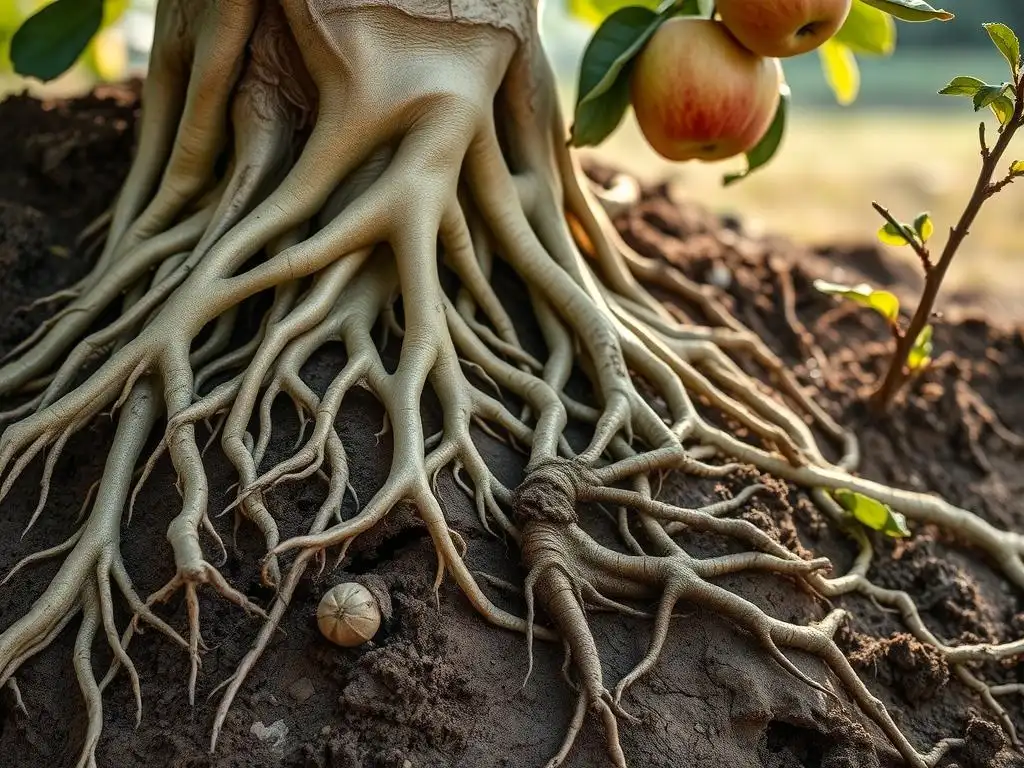
Understanding the impact of rootstock on fruit tree health is crucial for successful cultivation. The rootstock, the base of the grafted tree, significantly influences the tree's susceptibility to various diseases and pests. Choosing the right rootstock can be the difference between a thriving orchard and a struggling one. This section delves into the specifics of disease resistance and rootstock selection, empowering you to make informed decisions for your homegrown fruit trees.
Disease Resistance and Rootstock Selection
Different rootstocks exhibit varying degrees of resistance to specific diseases. For instance, certain rootstocks provide excellent resistance to fire blight, a devastating bacterial disease affecting apples and pears. Conversely, some rootstocks are more susceptible to root rot, a fungal disease that can severely compromise a tree's health and longevity. The selection process should consider the prevalent diseases in your region. Consulting with local agricultural extension services or experienced arborists can provide invaluable insights into the most common diseases affecting fruit trees in your area.
This information is critical for long-term tree health. Investing time in research upfront can save you significant time and effort later on in managing potential issues. Regular inspection of your trees for signs of disease remains important regardless of rootstock selection, but a resistant rootstock offers a significant advantage in mitigating risk.
Consider this example: If you're planting apples in an area known for fire blight, selecting a rootstock known for its fire blight resistance is paramount. This proactive approach significantly reduces the likelihood of infection and the need for extensive disease management strategies.
Adaptability to Soil Conditions and Climate
Rootstock selection isn't solely about disease resistance; it also plays a crucial role in adapting your fruit tree to specific soil conditions and climate. Some rootstocks thrive in well-drained soils, while others tolerate heavier, clay-based soils. Similarly, certain rootstocks are better suited to specific climatic conditions, such as drought tolerance or cold hardiness.
Consider the following table illustrating the adaptability of different rootstocks:
| Rootstock Type | Soil Tolerance | Drought Tolerance | Cold Hardiness |
|---|---|---|---|
| MM.106 (Apple) | Good drainage preferred | Moderate | Good |
| M.9 (Apple) | Well-drained, fertile soils | Poor | Moderate |
| Nemaguard (Peach) | Tolerates various soil types | Good | Moderate |
| Citation (Peach) | Well-drained soils | Good | Good |
Matching the rootstock to your site conditions is vital for optimal tree performance. Poor rootstock selection can lead to stunted growth, reduced fruit production, and increased susceptibility to stress-related diseases. Understanding your soil type (through a soil test) and local climate is essential before making a rootstock decision. Choosing a rootstock that aligns with these conditions maximizes the chances of a healthy and productive tree.
Rootstock's Role in Nutrient Uptake and Overall Tree Vigor
The rootstock profoundly influences the tree's ability to absorb nutrients from the soil. Different rootstocks have varying capacities for nutrient uptake, impacting the overall vigor and productivity of the grafted tree. A vigorous rootstock can provide a strong foundation for the fruiting portion of the tree, leading to increased fruit yield and size. However, excessively vigorous rootstocks can sometimes lead to overly large trees that are difficult to manage.
Conversely, less vigorous rootstocks can result in smaller, more manageable trees, suitable for smaller gardens or spaces with limited resources. The decision on the level of vigor desired depends on your individual needs and the space available. Understanding this balance is key to selecting the best rootstock for your specific needs and goals. Careful consideration of these factors contributes to successful fruit tree cultivation and ensures long-term success in your home orchard. Remember, selecting the right rootstock is an investment in the health and productivity of your fruit trees for years to come.
Popular Fruit Tree Rootstocks: A Detailed Overview
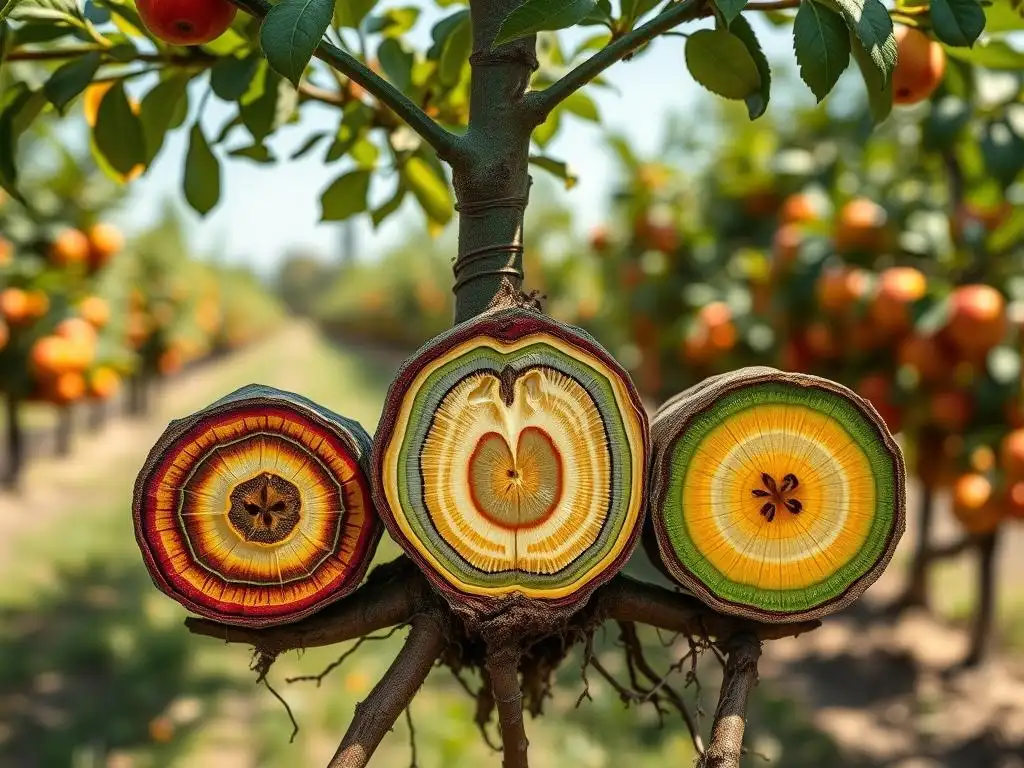
Choosing the right rootstock is crucial for successful fruit tree cultivation. The rootstock significantly impacts the tree's size, yield, and overall health. This section delves into popular rootstocks for apple, pear, and cherry trees, providing you with the knowledge to select the best option for your garden and growing conditions.
Understanding the nuances of rootstock selection can be the difference between a bountiful harvest and a disappointing outcome. This guide aims to help you become a more informed fruit tree grower, ultimately leading to a more successful and enjoyable gardening experience. This is your definitive guide to finding the best fruit tree rootstock for your needs.
Apple Rootstocks: A Variety to Suit Every Need
Apple trees boast a wide array of rootstocks, each influencing the mature size, vigor, and fruit production of the tree. Selecting the appropriate rootstock depends on several factors, including available space, soil type, and desired tree size. Let's explore some common apple rootstocks:
- Malling series (e.g., MM106, MM111): These are widely used, offering a good balance between tree size and productivity. MM106 produces semi-dwarf trees, suitable for smaller gardens, while MM111 results in slightly larger, more vigorous trees. They are known for their disease resistance and adaptability to various soil conditions.
- Semi-dwarfing rootstocks (e.g., G.41, G.30): These produce trees smaller than standard rootstocks but larger than dwarfing rootstocks. They provide a good compromise between tree size and fruit yield, making them a popular choice for home gardeners with moderate space.
- Dwarfing rootstocks (e.g., M.9, M.26): These produce very small trees, ideal for limited spaces or intensive orchard systems. However, they often require more support and may be less vigorous and long-lived than larger rootstocks. They also tend to be more prone to certain diseases.
| Rootstock Type | Mature Tree Size | Vigor | Fruit Yield | Disease Resistance | Suitability |
|---|---|---|---|---|---|
| Malling Series (e.g., MM106) | Semi-dwarf | Moderate | Good | Good | Smaller gardens, moderate space |
| Semi-dwarfing (e.g., G.41) | Smaller than standard | Moderate-high | Good | Moderate | Moderate space, home gardens |
| Dwarfing (e.g., M.9) | Very small | Low | Good (early) | Variable | Limited space, intensive systems |
Choosing the right apple rootstock is paramount for achieving a successful and rewarding harvest. Careful consideration of your garden space, soil conditions, and desired tree size will guide you towards the perfect match. Remember to consult with local nurseries for specific recommendations based on your region's climate and soil.
Pear Rootstocks: Selecting the Right One for Your Pears
Pear rootstocks, like apple rootstocks, significantly influence the tree's size, growth habit, and productivity. The selection process involves considering factors like soil drainage, desired tree size, and disease resistance. Here are some key pear rootstocks:
- Quince A (C): This rootstock produces dwarf trees, well-suited for smaller gardens. However, it's susceptible to fire blight and performs best in well-drained soils. It's crucial to ensure proper soil conditions to avoid tree failure.
- Quince C: A slightly more vigorous quince rootstock compared to Quince A. It offers better fire blight resistance but still requires well-drained soil.
- OHxF 333: This rootstock produces semi-dwarf trees, offering a balance between tree size and vigor. It's known for its adaptability and good disease resistance, making it a popular choice for home growers.
Proper soil preparation is essential for pear trees, especially those grafted onto quince rootstocks. Ensure the soil is well-drained to prevent root rot and other soil-borne diseases.
The selection of the best pear rootstock hinges on a careful assessment of your specific needs and growing conditions. Consider your space limitations, soil type, and desired tree size. Consultation with local experts can provide valuable insights and recommendations tailored to your region.
Cherry Rootstocks: Considerations for Cherry Tree Growth
Cherry trees, particularly sweet cherries, exhibit varying responses to different rootstocks. The rootstock's influence extends to the tree's size, productivity, and susceptibility to diseases like root rot and crown gall. Some common cherry rootstocks include:
- Colt: A popular rootstock known for its dwarfing effect and good productivity. It's adaptable to various soil types but can be susceptible to certain diseases.
- Gisela 5: This rootstock produces semi-dwarf trees, balancing size and vigor. It's known for its good fruit production and disease resistance.
- Mahaleb: This rootstock produces vigorous, large trees. It's highly adaptable but can be prone to root rot in poorly drained soils. Proper soil drainage is absolutely essential when using Mahaleb rootstock.
The choice of cherry rootstock should prioritize disease resistance and suitability for your soil conditions. Additionally, consider the mature size of the tree to ensure it fits comfortably within your garden space. Consult local resources for specific recommendations on the best rootstocks for your area. Careful planning ensures a thriving cherry tree and a plentiful harvest! 🍒
Best Fruit Tree Rootstock Guide: Matching Rootstock to Tree Variety
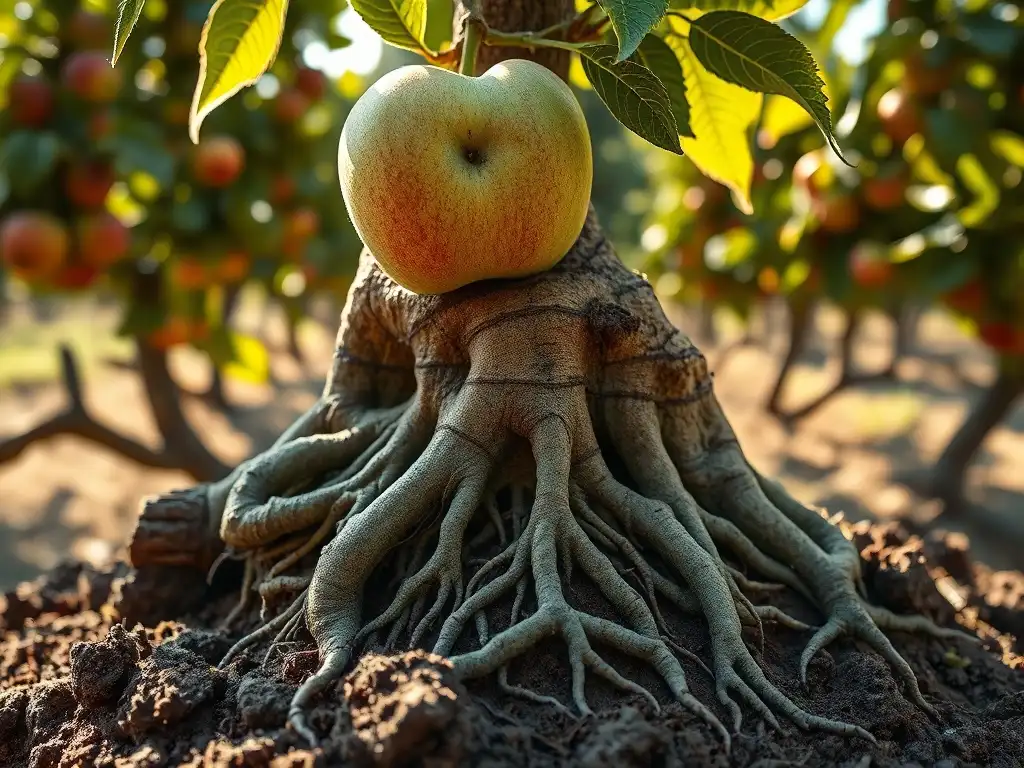
Choosing the right rootstock is crucial for successful fruit tree cultivation. The rootstock significantly impacts the tree's size, yield, hardiness, and overall health. This section delves into the intricacies of rootstock selection, ensuring you make informed choices for your home orchard. A well-matched rootstock and scion (the grafted variety of fruit tree) is the cornerstone of a thriving, productive fruit tree.
Ignoring this aspect can lead to stunted growth, poor fruit production, and even tree failure. This guide will help you navigate the complexities of selecting the best rootstock for your specific needs and desired fruit tree characteristics. We'll explore compatibility, grafting techniques, and troubleshooting common incompatibility issues.
Compatibility Between Rootstock and Scion
Understanding the compatibility between rootstock and scion is paramount. Not all rootstocks work well with all fruit tree varieties. Incompatible pairings can lead to poor growth, reduced yields, and even tree death. This incompatibility often manifests as a weak union at the graft point, resulting in a tree prone to breaking or diseases. For example, a dwarfing rootstock might not be suitable for a vigorous scion variety, potentially leading to stress and reduced fruit production. Conversely, a vigorous rootstock paired with a semi-dwarf scion might result in an overly large tree that's difficult to manage.
The success of the union relies on several factors including the genetic similarity of the rootstock and scion, the timing of grafting, and the skill of the grafting process. Choosing compatible rootstock is essential for long-term health and productivity. Detailed compatibility charts are available from reputable nurseries and agricultural extension services. These charts typically list specific rootstock varieties and their compatibility with various fruit tree scions (e.g., apple, pear, cherry).
Consider the following table illustrating a simplified example of compatibility:
| Rootstock Type | Apple Variety (Scion) | Pear Variety (Scion) | Compatibility Rating | Notes |
|---|---|---|---|---|
| MM.106 (Dwarfing) | Excellent | Poor | ⭐⭐⭐ | Suitable for small spaces, needs support |
| M.9 (Dwarfing) | Good | Incompatible | ⭐⭐ | Requires staking, prone to root suckers |
| M.26 (Semi-dwarfing) | Very Good | Fair | ⭐⭐⭐⭐ | Good balance of size and yield |
| Malling 26 (Semi-dwarfing) | Excellent | Good | ⭐⭐⭐⭐ | Good balance of size and yield |
| Seedling (Standard) | Excellent | Excellent | ⭐⭐⭐⭐⭐ | Large tree, less management needed, but takes longer to yield |
Remember, this is a simplified example. Always consult specific compatibility charts for your chosen fruit tree variety and region.
Grafting Techniques for Successful Rootstock Selection
Grafting is the primary method used to unite the rootstock and scion. Several grafting techniques exist, each with its advantages and disadvantages. The choice of technique depends on factors such as the rootstock and scion diameter, the time of year, and the grower's experience. Successful grafting requires precision and attention to detail.
Common grafting techniques include:
- Whip and Tongue Grafting: Suitable for rootstocks and scions of similar diameter.
- Cleft Grafting: Used when the scion is smaller than the rootstock.
- Bark Grafting: Best for grafting onto larger rootstocks.
- Bud Grafting (T-budding): A common technique for propagating fruit trees.
Proper grafting ensures a strong union between the rootstock and scion, minimizing the risk of incompatibility issues. Using sharp, clean tools is essential to prevent disease transmission and ensure a successful graft. Additionally, proper aftercare, including protecting the graft union from damage and providing adequate moisture, is critical for graft success. Poor grafting technique is a common cause of rootstock/scion incompatibility issues.
Avoiding Incompatibility Issues: A Practical Guide
Even with careful rootstock selection and proper grafting, incompatibility issues can sometimes arise. Understanding the potential problems and taking preventative measures is crucial for success. Regular monitoring of the graft union is essential. Look for signs of poor growth, such as swelling, cracking, or discoloration at the graft union. These symptoms could indicate incompatibility. Early detection allows for timely intervention, potentially saving the tree.
Here are some practical tips to minimize incompatibility problems:
- Source rootstocks and scions from reputable nurseries: This ensures quality material and accurate labeling.
- Select rootstocks appropriate for your climate and soil conditions: Certain rootstocks are better suited to specific environments.
- Practice proper grafting techniques: This ensures a strong and healthy union between the rootstock and scion.
- Provide adequate aftercare: This includes watering, fertilization, and pest and disease control.
- Monitor the graft union regularly: This allows for early detection of any incompatibility issues.
By following these guidelines and carefully considering the compatibility of your chosen rootstock and scion, you can significantly increase the chances of establishing healthy, productive fruit trees in your home orchard. Remember that patience and attention to detail are key to success in fruit tree cultivation. Careful rootstock selection is an investment in the long-term health and productivity of your trees. 🍎
Maintaining Healthy Fruit Trees: Post-Planting Care
Successfully planting your fruit tree is only half the battle. Proper post-planting care, tailored to the specific rootstock, is crucial for ensuring a healthy and productive tree. This section focuses on the essential practices that maximize your chances of success, regardless of the rootstock you've chosen. Understanding these techniques is key to achieving the best results from your best fruit tree rootstock guide research.
Proper Watering and Fertilization Techniques
Consistent watering is paramount, especially during the crucial first year. Young trees, regardless of rootstock, are highly susceptible to drought stress. Overwatering, however, can also be detrimental, leading to root rot. The optimal watering schedule depends heavily on factors like climate, soil type, and the time of year. A good rule of thumb is to water deeply and less frequently, allowing the soil to dry slightly between waterings. Avoid shallow, frequent watering, which encourages shallow root systems.
Fertilization plays a vital role in supporting healthy growth and fruit production. The type and amount of fertilizer will depend on your soil's nutrient levels and the specific needs of your fruit tree variety and rootstock. A soil test is highly recommended before applying any fertilizer to determine existing nutrient levels. Generally, a balanced, slow-release fertilizer is preferred to avoid burning the roots.
Avoid over-fertilizing, which can lead to excessive vegetative growth at the expense of fruit production. A good practice is to follow the fertilizer recommendations provided by your nursery or a local agricultural extension office. Remember to always apply fertilizer according to package instructions.
Pruning for Optimal Growth and Fruit Production
Pruning is essential for maintaining the health and productivity of your fruit tree. It helps shape the tree, remove dead or diseased branches, and improve air circulation, reducing the risk of fungal diseases. The pruning techniques will vary depending on the age of the tree and the type of rootstock. For young trees, focus on establishing a strong central leader and removing competing branches. For mature trees, focus on removing dead, damaged, or crossing branches, and thinning out the canopy to improve light penetration and fruit production. The timing of pruning is also crucial; generally, late winter or early spring is the best time to prune most fruit trees, before new growth begins. The specific pruning needs can vary depending on the rootstock, so consulting a best fruit tree rootstock guide for your specific variety is essential. Proper pruning is a key component of long-term fruit tree health management.
Pest and Disease Management Strategies for Rootstock-Influenced Trees
Different rootstocks can influence a tree's susceptibility to certain pests and diseases. Some rootstocks may provide increased resistance to specific problems, while others might make the tree more vulnerable. Regular monitoring for signs of pests and diseases is crucial. Early detection allows for prompt intervention, preventing widespread damage.
Common pests include aphids, scale insects, and spider mites. Disease problems can include fungal diseases like powdery mildew and fire blight. Integrated pest management (IPM) strategies are recommended, prioritizing preventative measures such as proper pruning and sanitation. Organic pest control methods, such as introducing beneficial insects or using insecticidal soaps, are often preferred over chemical pesticides. When chemical control is necessary, select products specifically labeled for your fruit tree type and always follow the instructions carefully. Remember to always identify the pest or disease accurately before selecting a control method. A thorough understanding of your rootstock's vulnerabilities is essential for effective pest and disease management. Consulting local agricultural experts or a comprehensive best fruit tree rootstock guide can prove invaluable in this process. 🍎
Frequently Asked Questions
What is a rootstock, and why is it important for fruit tree growth?
A rootstock is the root system onto which a desirable fruit tree variety is grafted. Choosing the right rootstock is crucial because it significantly impacts the tree's size, vigor, and overall health, influencing fruit production and lifespan.
How does rootstock affect the size of my fruit tree?
Different rootstocks are selected for their dwarfing or semi-dwarfing effects. A dwarfing rootstock will result in a smaller, more manageable tree, while a standard rootstock will produce a larger tree. This is important for space considerations.
What are some factors to consider when selecting a rootstock?
Consider your available space, the soil type, and the desired tree size when selecting a rootstock. Also, research rootstocks known for disease resistance and compatibility with your chosen fruit variety.
Are there specific rootstocks recommended for certain fruit types?
Yes, absolutely. Rootstock choices are fruit-specific. For example, certain rootstocks are better suited for apples than for cherries, due to differences in compatibility and disease resistance. Research rootstocks recommended for your specific fruit tree.
Where can I find more information on choosing the best rootstock for my needs?
Consult reputable sources like your local nursery, agricultural extension offices, or websites specializing in fruit tree cultivation, such as CultivateYourFood. Thorough research will ensure you select the optimal rootstock for your specific circumstances.
Final Reflection: Cultivating a Bountiful Future, One Rootstock at a Time
Understanding the right fruit tree rootstock is not merely a horticultural detail; it's the foundation upon which successful harvests and thriving orchards are built. The choices we make regarding root systems directly impact the size, health, and longevity of our fruit trees, influencing everything from yield to disease resistance. This knowledge, once considered niche, is becoming increasingly crucial in a world facing challenges of climate change and resource scarcity.
The impact of rootstock selection extends far beyond the individual gardener's plot; it shapes the landscape of commercial agriculture and influences the availability and affordability of fresh, healthy fruit for everyone. The roots of all things are unseen.
This ancient proverb speaks to the often-overlooked importance of the foundation, a truth that resonates deeply when considering the critical role of rootstocks in fruit tree cultivation. Understanding this fundamental aspect of fruit tree growth allows us to cultivate not only healthier trees, but also a more sustainable and resilient food system.
Now, consider your own garden, your own potential to cultivate a thriving ecosystem. What kind of fruit trees do you dream of growing? What kind of legacy do you want to leave behind? This guide provides the knowledge; the action rests with you. Choose wisely, plant thoughtfully, and nurture your trees with the understanding that each carefully selected rootstock is a step towards a more bountiful and sustainable future. Let's cultivate together, one root at a time.
Unlock Your Orchard's Potential: Take Charge of Your Fruit Trees!
Congratulations on mastering the art of selecting fruit tree rootstocks! You're now equipped to build a thriving orchard. Let's put your new knowledge into practice.
- Choosing the Right Rootstock: Use the guide's insights to select a rootstock perfectly suited to your available space, soil type, and desired tree size. This is crucial for success!
- Share Your Expertise: Inspire fellow gardeners! Share this article with friends and family who dream of growing their own delicious fruit.
- Join Our Community Forum: Connect with fellow fruit enthusiasts to exchange experiences and receive expert advice on rootstock selection and tree care. Ask questions, celebrate your successes, and learn from others' experiences!
Ready to transform your gardening dreams into a bountiful harvest? What's your next step in improving your fruit tree selection?