
Fruit Trees That Benefit from Companion Plants

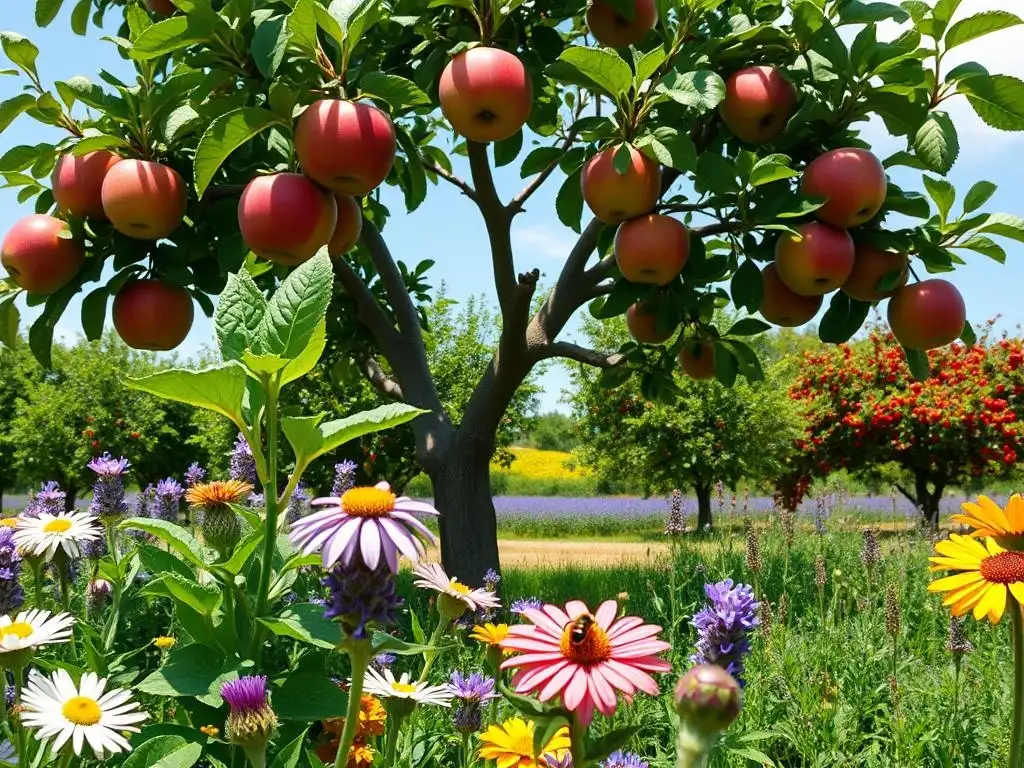
Ready to unlock the secrets to a bountiful harvest? At CultivateYourFood, we empower you to grow your own delicious fruits, vegetables, and herbs organically. Discover the incredible impact of companion planting with our in-depth guide on the Best companion plants for fruit trees. Learn how strategic planting can boost yields, improve plant health, and create a thriving, sustainable garden—naturally. Let's cultivate a greener, more fruitful future, together!
- Understanding the Benefits of Companion Planting for Fruit Trees
-
Best Companion Plants for Common Fruit Trees
- Apple Tree Companion Plants: Optimal Choices for Apple Tree Health
- Cherry Tree Companion Plants: Enhancing Growth and Yield
- Peach Tree Companion Plants: Boosting Productivity and Flavor
- Pear Tree Companion Plants: Protecting Against Pests and Diseases
- Plum Tree Companion Plants: Improving Fruit Quality and Size
- Choosing the Right Companion Plants for Your Specific Needs
- Successful Companion Planting Techniques for Fruit Trees
- Harvesting and Maintaining Your Fruit Tree and Companion Plant System
- Frequently Asked Questions
- Final Reflection: The Symbiotic Dance of Orchard Success
- Unlock Your Orchard's Potential: Grow Healthier, Happier Fruit Trees!
Understanding the Benefits of Companion Planting for Fruit Trees
Companion planting, the art of strategically placing plants together to enhance their mutual growth and health, offers significant advantages for fruit tree cultivation. This practice, deeply rooted in sustainable and organic gardening principles, leverages the synergistic relationships between different plant species to boost yields, improve resilience, and reduce the need for chemical interventions.
For fruit tree growers, understanding and implementing companion planting is key to maximizing the health and productivity of their orchards, whether large or small. This article explores the "best companion plants fruit trees" by examining specific examples and highlighting the multifaceted benefits this technique provides, focusing on increased pollination, enhanced soil health, and natural pest and disease control.
Choosing the right companions can significantly impact the overall success of your fruit tree cultivation, leading to healthier, more productive trees and a bountiful harvest. Let's delve into the specifics of how companion planting can transform your fruit tree gardening experience.
Enhancing Pollination with Beneficial Companion Plants for Fruit Trees
Effective pollination is crucial for fruit set and yield. While some fruit trees are self-pollinating, many require cross-pollination from another tree of the same species or a compatible cultivar. Companion plants can significantly boost pollination success by attracting beneficial insects like bees and butterflies.
For instance, planting flowering herbs like rosemary, thyme, and lavender near your fruit trees provides a rich nectar source, attracting pollinators that will simultaneously visit the blossoms of your fruit trees. The vibrant colors and fragrant blooms of these herbs also increase the attractiveness of the area to pollinators. Furthermore, the diversity of flowering plants creates a more robust and resilient pollinator ecosystem, increasing the chances of successful pollination even during periods of low pollinator activity.
Careful selection of companion plants with overlapping bloom times can further maximize the effectiveness of this strategy. Consider planting a mix of early, mid, and late-blooming companions to ensure a continuous supply of nectar and pollen throughout the crucial pollination period. This approach, coupled with providing clean water sources for pollinators, can dramatically improve fruit production.
Improving Soil Health and Nutrient Availability for Fruit Tree Growth
Healthy soil is the foundation of thriving fruit trees. Companion planting contributes significantly to soil improvement by increasing organic matter and enhancing nutrient cycling. Leguminous plants, such as clover or beans, are excellent companions as they fix nitrogen from the atmosphere into the soil, enriching it with a crucial nutrient for fruit tree growth.
Their presence reduces the need for nitrogen fertilizers, minimizing environmental impact and promoting sustainable practices. Furthermore, plants with deep root systems, like comfrey, help improve soil aeration and drainage, creating a more conducive environment for fruit tree root development. The decomposition of companion plant material adds organic matter to the soil, improving its structure, water retention capacity, and overall fertility.
This natural approach to soil enrichment avoids the potential negative impacts associated with chemical fertilizers and ensures that the soil remains healthy and productive for years to come. Regular mulching with companion plant materials further enhances soil health and moisture retention.
Natural Pest and Disease Control with Companion Plants for Fruit Trees
Companion planting offers a powerful approach to natural pest and disease control, reducing reliance on harmful chemical pesticides. Certain plants repel or attract beneficial insects that prey on common fruit tree pests. For example, planting marigolds near fruit trees can deter nematodes and other soil-borne pests.
Similarly, herbs like mint and basil can repel aphids and other insects that damage fruit tree leaves and buds. The strong scents of these plants can disrupt the olfactory cues that pests use to locate their host plants. Moreover, some companion plants attract beneficial insects like ladybugs and lacewings, which are natural predators of many fruit tree pests.
This integrated pest management approach promotes a balanced ecosystem around your fruit trees, reducing pest pressure and minimizing the need for chemical interventions. The presence of diverse plant life creates a more complex habitat, making it more challenging for pests to establish large populations. This strategy contributes to a healthier and more sustainable fruit tree orchard.
Attracting Beneficial Insects to Your Orchard
Companion planting isn't just about repelling pests; it's also about attracting beneficial insects that actively help your fruit trees thrive. Many insects, like ladybugs, lacewings, and parasitic wasps, are natural predators of common fruit tree pests such as aphids, scale insects, and caterpillars. By strategically planting companion plants that attract these beneficial insects, you can create a natural pest control system within your orchard, reducing or eliminating the need for harmful chemical pesticides. This approach aligns perfectly with the sustainable and organic practices championed by CultivateYourFood.
For instance, planting flowering herbs like dill, fennel, and yarrow near your fruit trees provides a haven for beneficial insects. These plants offer nectar and pollen, vital food sources for these predators. The diverse floral offerings also ensure a continuous supply of food throughout the growing season, keeping the beneficial insect population robust and ready to combat any pest outbreaks. This is a crucial aspect of integrated pest management (IPM), a holistic approach that minimizes environmental impact while maximizing crop yield.
The effectiveness of attracting beneficial insects through companion planting is directly related to the diversity of your plantings. A monoculture, where only one type of plant is grown, is far less attractive to beneficial insects than a diverse planting scheme. A diverse array of companion plants provides a broader range of food sources and habitats, increasing the likelihood of attracting a wider variety of beneficial insects with diverse dietary needs.
Consider including plants with different flowering times to ensure a continuous supply of food throughout the growing season, maximizing the impact of your companion planting strategy. This approach is far more resilient and effective than relying on a single solution. Remember, a healthy ecosystem is a key component of successful fruit tree cultivation.
Best Companion Plants for Common Fruit Trees
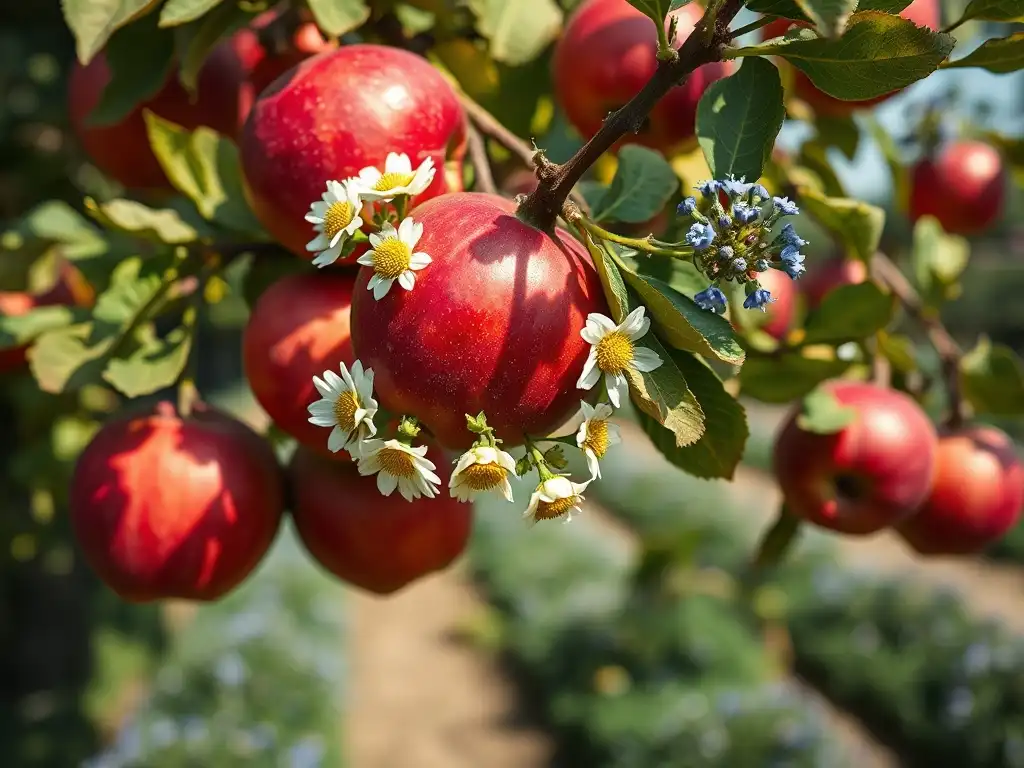
This section delves into the specifics of companion planting for popular fruit trees, focusing on the "best companion plants fruit trees" to enhance their growth, yield, and overall health. Understanding the symbiotic relationships between plants can significantly improve your harvest and reduce the need for chemical interventions, aligning perfectly with sustainable and organic gardening practices. We'll explore optimal choices for apple, cherry, and peach trees, offering concrete examples and practical advice.
Apple Tree Companion Plants: Optimal Choices for Apple Tree Health
Apple trees, prone to certain pests and diseases, benefit greatly from strategic companion planting. The right companions can deter pests, attract beneficial insects, and improve soil health.
Several herbs are excellent choices. Rosemary, for example, repels the codling moth, a notorious apple pest. Its strong aroma disrupts the moth's life cycle, reducing damage to fruit. Planting rosemary around the base of your apple tree, or even interspersing it amongst the branches (if space allows), provides a natural deterrent.
Another powerful ally is chamomile. Known for its calming properties for humans, chamomile also attracts beneficial insects like ladybugs and lacewings. These predators feed on aphids and other pests that can infest apple trees, leading to a healthier, more productive tree. Consider planting chamomile as a border around your apple trees or incorporating it into your overall garden design.
Finally, yarrow is a valuable addition to an apple tree's companion plant strategy. Yarrow improves soil drainage and aeration, essential for apple tree root health. It also attracts beneficial insects, contributing to pest control.
Here's a table summarizing the benefits:
| Companion Plant | Benefit | Method of Planting |
|---|---|---|
| Rosemary | Repels codling moth | Around base, interspersed |
| Chamomile | Attracts beneficial insects (ladybugs, lacewings) | Border, interspersed |
| Yarrow | Improves soil drainage and aeration, attracts beneficial insects | Around base, amongst other plants |
Remember, proper spacing is crucial. Overcrowding can negate the benefits. Observe your trees and adjust your companion planting strategy as needed.
Cherry Tree Companion Plants: Enhancing Growth and Yield
Cherry trees, while relatively hardy, can still be susceptible to certain pests and diseases. Strategic companion planting can enhance their growth and yield, offering a more robust and productive tree.
One excellent choice is garlic. Its pungent aroma repels many common cherry tree pests, including aphids and borers. Planting garlic around the base of the tree creates a protective barrier. Consider planting several cloves around the drip line of the tree for optimal protection.
Another beneficial companion is sage. Sage is known for its ability to deter various insects, and its aromatic leaves contribute to a healthy environment around the cherry tree. Planting sage near the cherry tree can help deter pests and improve the overall health of the tree.
Finally, thyme not only adds a culinary delight to your garden but also contributes to pest control around your cherry tree. Thyme's strong aroma can repel some insects and contribute to a healthier ecosystem.
Further Considerations for Cherry Tree Companions
Avoid planting cherry trees near walnut trees. Walnut trees exude a chemical that can inhibit the growth of cherry trees.
Peach Tree Companion Plants: Boosting Productivity and Flavor
Peach trees thrive with the right companions. These plants can improve soil health, deter pests, and even enhance the flavor of the fruit.
Marigolds are a classic companion plant for many fruits and vegetables, and peaches are no exception. Their vibrant flowers attract beneficial insects and their roots help suppress nematodes, microscopic worms that can damage roots. Planting marigolds around the base of the peach tree is a simple yet effective strategy.
Borage is another excellent choice. Its attractive blue flowers attract pollinators, ensuring better fruit set. Additionally, borage is a nitrogen-fixing plant, enriching the soil and providing nutrients to the peach tree. Scatter borage seeds around the base of the tree.
Finally, mint can help deter pests like aphids and other insects that can damage peach trees. However, exercise caution as mint can be invasive. Consider planting it in containers to control its spread. It is crucial to monitor the growth of mint to prevent it from overwhelming the peach tree.
This detailed guide provides a starting point for improving your fruit tree health using companion planting. Remember to always research the specific needs of your chosen varieties and local climate conditions for optimal results. Experimentation and observation are key to perfecting your companion planting strategy and achieving the best possible harvest of your fruit trees.
Pear Tree Companion Plants: Protecting Against Pests and Diseases
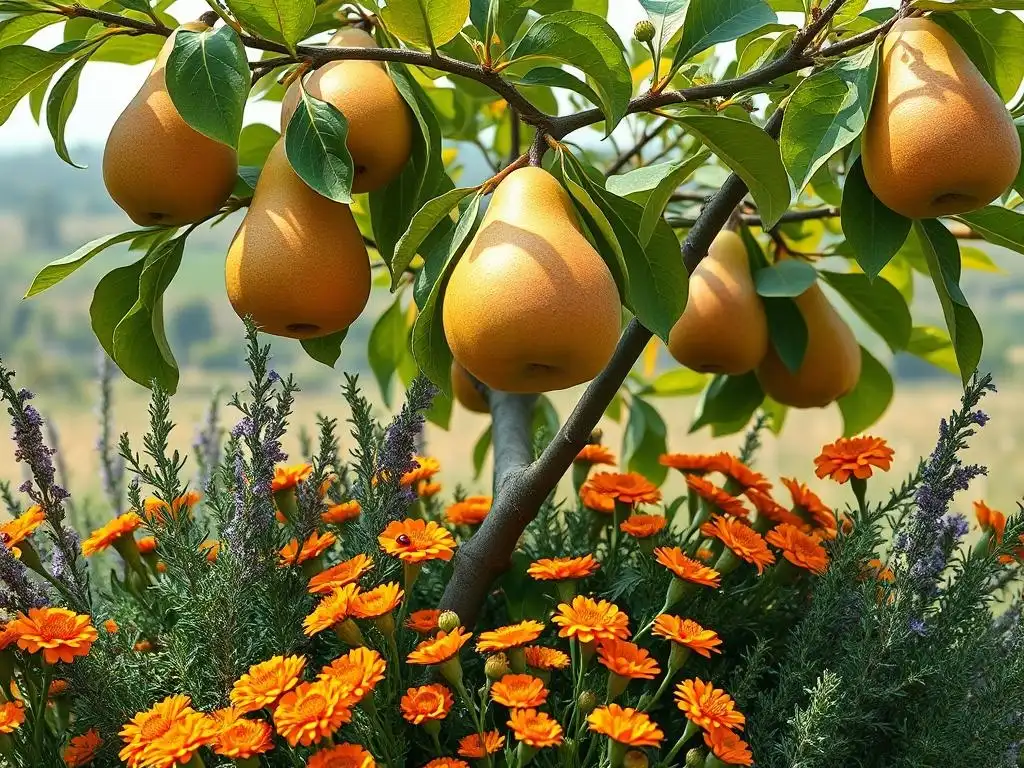
Pear trees, while relatively hardy, are susceptible to a variety of pests and diseases. Strategic companion planting can significantly reduce the need for chemical interventions, aligning with the sustainable practices championed by CultivateYourFood. Certain plants act as natural deterrents, confusing pests or attracting beneficial insects that prey on pear tree enemies.
For example, planting rosemary near pear trees can help repel pear leaf blister mites, a common pest that causes unsightly blemishes on leaves and reduces fruit production. The strong scent of rosemary disrupts the mites' life cycle, making it harder for them to locate and infest the pear tree. Similarly, planting chives nearby can deter aphids, another significant pest of pear trees. These small insects suck the sap from leaves, weakening the tree and reducing its yield. Chives' pungent aroma acts as a natural repellent, keeping aphid populations down.
Beyond repelling pests, certain companion plants can also bolster the pear tree's overall health and resilience to disease. Planting marigolds near pear trees can improve soil health and deter nematodes, microscopic worms that can damage the tree's roots. Marigolds release compounds into the soil that are toxic to nematodes, creating a healthier root environment for the pear tree to thrive in.
This contributes to a stronger, more disease-resistant tree. Careful selection of companion plants offers a holistic and environmentally friendly approach to pear tree pest and disease management. Remember to space plants appropriately to avoid overcrowding and competition for resources.
Plum Tree Companion Plants: Improving Fruit Quality and Size
Plum trees benefit greatly from companion planting, leading to improved fruit quality and increased yields. The right companion plants can enhance pollination, improve soil fertility, and deter pests, contributing to healthier, more productive trees.
Consider planting herbs like thyme or oregano near your plum trees. These aromatic herbs attract beneficial insects like ladybugs and lacewings, which are natural predators of common plum tree pests such as aphids and plum curculio. These beneficial insects help control pest populations without the need for harmful pesticides, promoting a balanced ecosystem within your orchard.
Furthermore, planting nitrogen-fixing plants like clover or alfalfa in the vicinity of plum trees can significantly improve soil fertility. These plants enrich the soil with nitrogen, a crucial nutrient for plum tree growth and fruit production. Improved soil health translates to larger, more flavorful plums. The increased nutrient availability also enhances the tree's overall vigor and resistance to diseases.
Beyond pest control and soil improvement, certain companion plants can enhance pollination. Planting flowers that attract bees, such as borage or sunflowers, can increase the number of pollinators visiting your plum trees, leading to better fruit set and ultimately a larger harvest. Remember to choose companion plants that complement the plum tree's growth habits and avoid overcrowding. A well-planned companion planting strategy can significantly boost the productivity and health of your plum trees, resulting in a bountiful harvest of high-quality fruit. This natural approach aligns perfectly with the sustainable gardening principles of CultivateYourFood.
Choosing the Right Companion Plants for Your Specific Needs
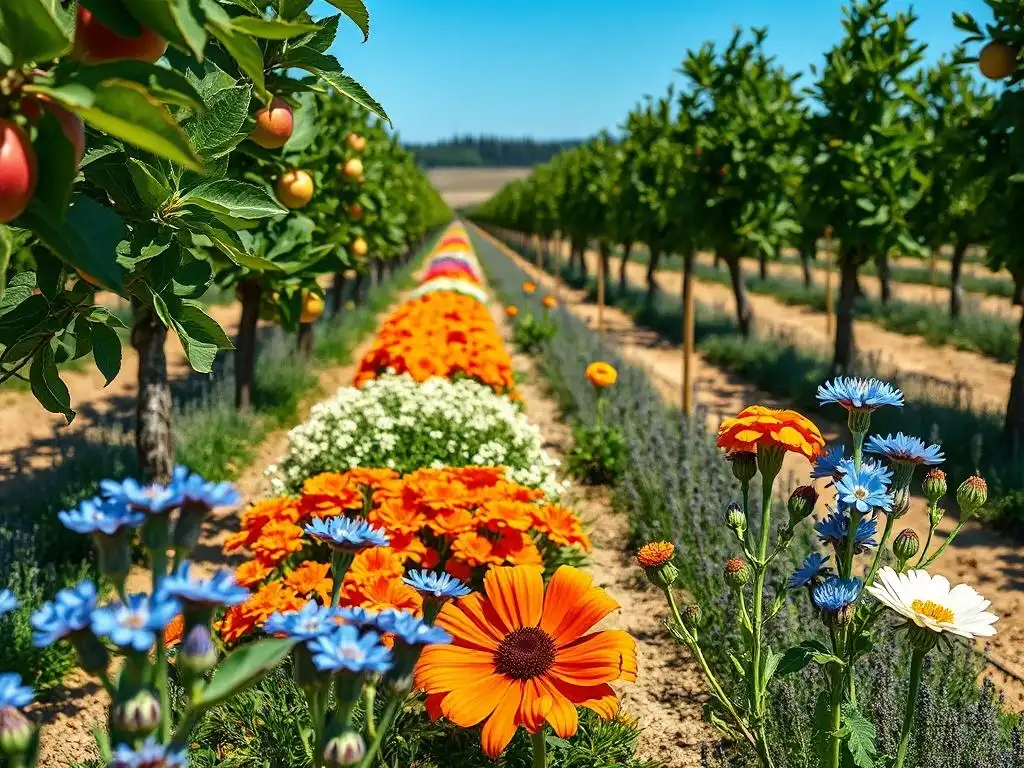
This section delves into the crucial aspect of selecting the best companion plants for your fruit trees, ensuring a thriving and productive orchard. The effectiveness of companion planting hinges on careful consideration of several factors, moving beyond simply choosing plants known to be generally beneficial. A successful strategy requires a nuanced understanding of your specific circumstances. Let's explore key considerations.
Considering Your Local Climate and Soil Conditions for Companion Planting
Climate and soil are fundamental to successful companion planting. Ignoring these factors can lead to competition for resources, hindering the growth of both your fruit trees and companion plants. For instance, a drought-tolerant companion plant like rosemary might thrive alongside your fruit trees in a hot, dry climate, while a moisture-loving plant like borage could struggle. Conversely, in a humid climate, selecting well-draining companions is vital to prevent fungal diseases.
Soil type also plays a crucial role. Nitrogen-fixing plants, such as clover or alfalfa, are excellent companions for many fruit trees because they enrich the soil with nitrogen, a vital nutrient. However, these plants may not be suitable for all soil types. For example, poorly draining clay soils might not be ideal for clover.
Understanding your soil's pH is equally important; some companion plants prefer acidic conditions, while others thrive in alkaline soil. A soil test can provide invaluable information to guide your selection process. This detailed approach to soil analysis is crucial for maximizing the benefits of companion planting and securing a bountiful harvest.
Selecting Companion Plants Based on Your Fruit Tree's Maturity Stage
The age and growth stage of your fruit tree significantly influence the choice of suitable companions. Young, establishing trees benefit from companions that don't compete aggressively for resources. Fast-growing, shallow-rooted herbs like chamomile or calendula can be excellent choices during this phase, improving soil health without overshadowing the young tree.
Mature trees, however, can tolerate more robust companions. Taller plants can provide shade, protecting the tree from harsh sun and reducing water evaporation. Consider nitrogen-fixing plants like beans or peas to supplement the tree's nutrient needs. However, avoid planting companions that have similar water or nutrient requirements, as this can lead to competition and reduced yields. Understanding the needs of your fruit tree at each stage of its lifecycle is crucial in making informed decisions about companion planting.
Integrating Companion Plants into Your Existing Orchard Design
Integrating companion plants into an existing orchard requires careful planning and consideration of spatial arrangement. Avoid overcrowding, as this can lead to competition and disease. Consider the mature size of both your fruit trees and companion plants to ensure adequate spacing. A well-planned layout maximizes the benefits of companion planting while minimizing potential drawbacks.
Think strategically about plant placement. For example, taller plants can be placed to the north or west of the fruit trees to offer protection from strong winds or harsh sunlight. Shorter herbs can be interplanted around the base of the tree, improving soil health and deterring pests.
Regular observation and adjustment may be necessary to ensure that the companion plants continue to provide benefits without becoming problematic. This iterative approach to orchard management is key to achieving long-term success with companion planting. Careful planning and observation, combined with a deep understanding of your specific orchard's needs, will yield the best results.
Successful Companion Planting Techniques for Fruit Trees
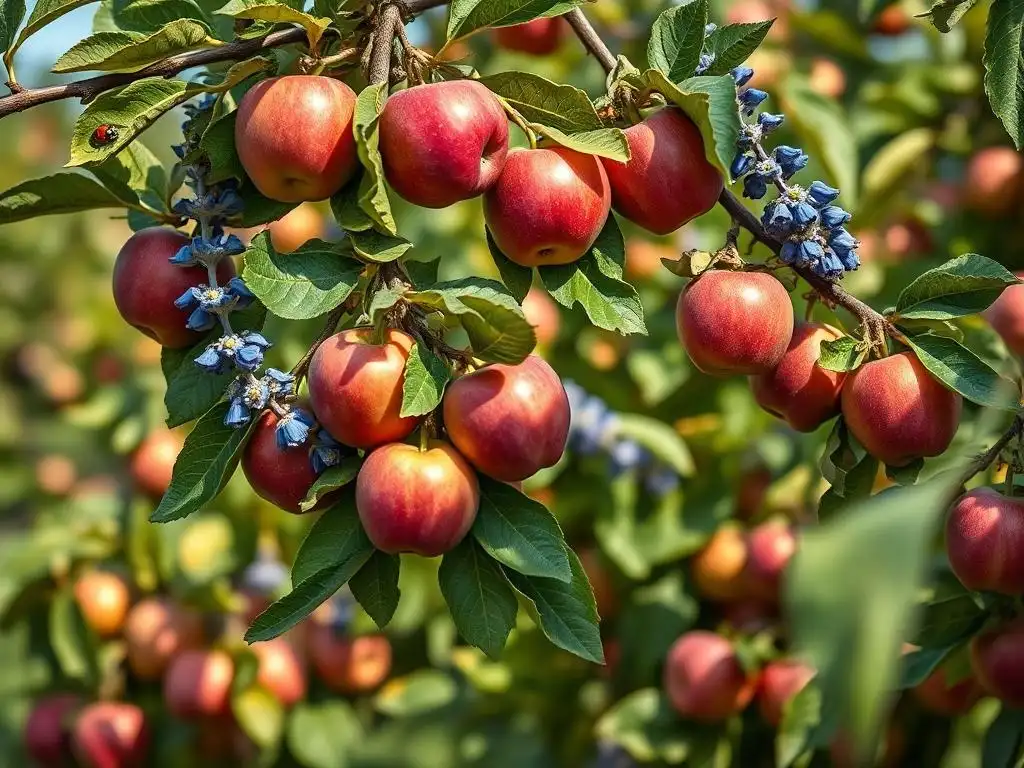
This section delves into the practical application of companion planting for your fruit trees, focusing on maximizing benefits and minimizing potential drawbacks. Successfully integrating companion plants requires careful planning and ongoing maintenance. Remember, the "best companion plants fruit trees" are those that specifically address your individual needs and local conditions.
Proper Spacing and Placement of Companion Plants Around Fruit Trees
Effective companion planting isn't just about choosing the right plants; it's about strategically placing them. Overcrowding can lead to competition for resources like water and nutrients, negating the benefits of companion planting. Conversely, insufficient spacing may not provide adequate protection or support.
Consider the mature size of both your fruit trees and companion plants. For example, a sprawling bush like rosemary, often suggested as a companion for apple trees due to its pest-repelling properties, should be placed several feet away from the trunk to avoid shading and potential root competition. Smaller, low-growing herbs like thyme or chamomile can be planted closer, even within the drip line (the area under the tree's canopy where water drips from the leaves), provided they don't hinder air circulation.
Here's a basic guideline for spacing:
| Companion Plant Type | Recommended Distance from Fruit Tree Trunk | Rationale |
|---|---|---|
| Small Herbs (thyme, oregano) | 1-2 feet | Allows for close proximity without significant competition. |
| Medium-sized Shrubs (rosemary, lavender) | 3-5 feet | Provides ample space for both plants to thrive. |
| Tall Plants (sunflowers, marigolds) | 5-8 feet or more | Prevents shading and root competition. |
Remember to adjust these distances based on the specific varieties and growth habits of your chosen plants. Always prioritize air circulation around the fruit tree to prevent fungal diseases.
Maintaining a Healthy Balance Between Fruit Trees and Companion Plants
The relationship between fruit trees and companion plants is a dynamic one. Regular monitoring and adjustments are crucial to maintain a healthy balance. Competition for resources is a constant risk, especially during periods of drought or nutrient deficiency.
Overly aggressive companion plants can outcompete the fruit tree for water and nutrients. This is particularly true for fast-growing nitrogen-fixing plants, which can sometimes deplete the soil of other essential nutrients needed by the fruit tree. Regular soil testing can help identify nutrient imbalances. Amend the soil with compost or other organic matter as needed to ensure both the fruit trees and companion plants receive adequate nutrients.
Furthermore, some companion plants, while beneficial in certain aspects, may inadvertently attract pests that also target the fruit tree. Careful observation is key to identifying and addressing such imbalances promptly. For instance, while marigolds are often cited as beneficial companion plants, they can also attract aphids, which might then migrate to your fruit tree.
Regular weeding around both the fruit tree and companion plants is crucial to prevent weed competition for resources. Consider using mulch to suppress weeds and conserve soil moisture.
Monitoring and Managing Your Companion Planting System for Optimal Results
Monitoring your companion planting system is essential for long-term success. Regularly inspect your fruit trees and companion plants for signs of stress, disease, or pest infestations. Early detection allows for prompt intervention, minimizing potential damage.
Keep a detailed journal or log to track the performance of your companion planting system. Note the types of plants used, their planting dates, spacing, any observed benefits (e.g., reduced pest pressure, improved fruit yield), and any challenges encountered (e.g., competition for resources, pest infestations). This information will be invaluable in refining your approach in subsequent years.
Consider rotating your companion plants annually. This helps prevent the build-up of pests or diseases associated with specific plant species. Also, rotating crops can help improve soil health and prevent nutrient depletion.
Remember, successful companion planting is an iterative process. Don't be afraid to experiment and adjust your approach based on your observations and experiences. The best companion plants for your fruit trees may vary depending on your specific climate, soil conditions, and the types of fruit trees you're growing. Observe, adapt, and enjoy the rewards of a thriving, healthy orchard! 🍎🌳
Harvesting and Maintaining Your Fruit Tree and Companion Plant System
This section details the practical aspects of harvesting and maintaining a thriving fruit tree and companion plant system. Successfully integrating companion plants requires a nuanced approach to harvesting and ongoing care, maximizing the benefits for both the fruit tree and its supporting cast.
Harvesting Fruit from Trees with Companion Plants
Harvesting fruit from trees surrounded by companion plants requires careful consideration. The presence of companion plants shouldn't impede access to your fruit. Strategic planting is key. For example, low-growing herbs like thyme or chamomile can be planted beneath the tree's drip line, providing benefits without obstructing fruit picking. Taller companion plants should be positioned strategically to avoid overcrowding the tree's canopy.
Consider the timing of both the fruit harvest and the companion plant's growth cycle. Some companion plants might flower or produce seeds simultaneously with your fruit harvest. This can be beneficial, attracting pollinators and providing additional yield, but you'll need to plan accordingly to avoid interfering with the picking process. Careful observation throughout the growing season is crucial for optimizing the harvest. Plan your harvest schedule around both the fruit's ripeness and the companion plants' growth stages.
Remember to always harvest gently, avoiding damage to both the fruit and the surrounding companion plants. Use appropriate harvesting tools and techniques to minimize disruption to the ecosystem you've created. This sustainable approach ensures the longevity and productivity of your fruit tree and companion plant system. A well-maintained system will reward you with abundant harvests for years to come. The timing of your harvest will depend on the specific fruit variety and climate. Consult a local gardening guide for best results.
Pruning and Maintaining Both Fruit Trees and Companion Plants
Maintaining a healthy fruit tree and companion plant system requires regular pruning and care for both components. Pruning your fruit tree encourages strong growth, maximizes fruit production, and improves air circulation, reducing the risk of fungal diseases. However, pruning needs to be done carefully to avoid harming the companion plants.
Pruning should be carried out during the dormant season (late winter or early spring) for most fruit trees. Use sharp, clean pruning shears to make precise cuts. Remove dead, diseased, or crossing branches. Thin out the canopy to improve sunlight penetration and air circulation. This helps prevent diseases and promotes healthy fruit development. Consider the placement of your companion plants when pruning. Avoid damaging them with pruning shears or by removing branches that provide shade or support.
Companion plants also require regular maintenance. This includes weeding, watering, and fertilizing as needed. Regular weeding prevents competition for resources between the fruit tree and the companion plants. Watering should be done consistently, particularly during dry periods. Fertilizing can provide essential nutrients for healthy growth, but avoid over-fertilizing, which can harm the fruit tree or companion plants. A balanced approach will ensure both components thrive. Remember to research the specific needs of each companion plant species you've chosen to ensure optimal growth.
Dealing with Pests and Diseases Despite Companion Planting
While companion planting can help deter some pests and diseases, it's not a foolproof method. Regular monitoring is crucial to detect any problems early. Early detection and intervention are key to minimizing damage.
Some companion plants are known to repel specific pests. For example, marigolds are often planted near tomatoes to deter nematodes. However, the effectiveness of companion planting against pests can vary depending on several factors, including the specific pest, the type of companion plant, and environmental conditions. Don't solely rely on companion plants for pest control; incorporate other sustainable pest management practices as needed.
If you notice signs of pest infestation or disease, take prompt action. Start by identifying the pest or disease and then research appropriate control methods. Consider using organic pest control methods, such as insecticidal soap or neem oil, to minimize the impact on the environment and beneficial insects. Always follow the instructions on the product label carefully. Regular monitoring and proactive management are crucial for maintaining a healthy and productive fruit tree and companion plant system. Remember that a diverse and balanced ecosystem is better equipped to withstand pest pressures.
Frequently Asked Questions
What are companion plants, and why are they beneficial for fruit trees?
Companion plants are plants that, when grown near each other, positively impact each other's growth. For fruit trees, this can mean improved pest control, increased pollination, or enhanced nutrient uptake from the soil.
Which companion plants are best for fruit trees?
Many plants work well! Marigolds deter pests, while basil and mint attract beneficial insects. Legumes like beans improve soil nitrogen. The best choices depend on your specific fruit tree and local climate.
How close should companion plants be planted to fruit trees?
The ideal distance varies depending on the size of both the tree and the companion plant. Generally, planting them within a few feet of the tree's drip line is a good starting point. However, avoid overcrowding.
Do companion plants require special care?
Companion plants generally have similar care requirements to the fruit trees themselves. Ensure they receive adequate sunlight and water. Regular weeding and monitoring for pests and diseases are also important.
Can companion planting completely eliminate the need for pesticides?
While companion planting can significantly reduce pest problems, it may not eliminate the need for pesticides entirely. Integrated pest management strategies, combining companion planting with other methods, are often the most effective approach.
Final Reflection: The Symbiotic Dance of Orchard Success
The art of companion planting isn't just a gardening trend; it's a pathway to healthier, more productive fruit trees, a critical element in ensuring sustainable food systems for the future. Ignoring the power of beneficial plant partnerships means missing out on a wealth of natural pest control, improved soil health, and ultimately, a more abundant harvest. This is not just about maximizing yield; it's about creating thriving, resilient ecosystems in our own backyards.
The impact of companion planting extends far beyond the individual orchard. It speaks to a broader shift in our relationship with nature, a move away from chemical interventions towards a more holistic and sustainable approach to agriculture. The earth laughs in flowers.
- Ralph Waldo Emerson. This quote beautifully encapsulates the joy and abundance that can be achieved through understanding and working with nature, rather than against it. The knowledge shared in this article is a small step towards a larger movement of ecological awareness and responsible land stewardship.
Consider the possibilities: imagine your own orchard, buzzing with beneficial insects, its soil rich and alive, its fruit trees laden with healthy, delicious produce. This isn't a distant dream; it's a reality you can cultivate. Take the information presented here, experiment with different companion plant combinations, and observe the results. Share your experiences, learn from others, and contribute to a growing community of gardeners dedicated to creating thriving, sustainable food systems. The future of our orchards, and indeed our planet, depends on it.
Unlock Your Orchard's Potential: Grow Healthier, Happier Fruit Trees!
Thank you for exploring the world of companion planting with us! You've learned how strategically placed plants can significantly improve the health and fruit yield of your trees. Ready to put this knowledge into practice?
- Prioritize planting your chosen companion plants this season. This is the most crucial step towards a thriving orchard. Carefully consider placement to maximize beneficial interactions between plants.
- Share your planting plans and successes on our CultivateYourFood forum. Connect with other gardeners and learn from their experiences.
- Experiment with different companion plant combinations and record your results – you might discover a uniquely effective pairing!
What improvements are you most excited to see from your companion planting this year?