
Grafting Fruit Trees: A Beginner's Guide to Combining Varieties

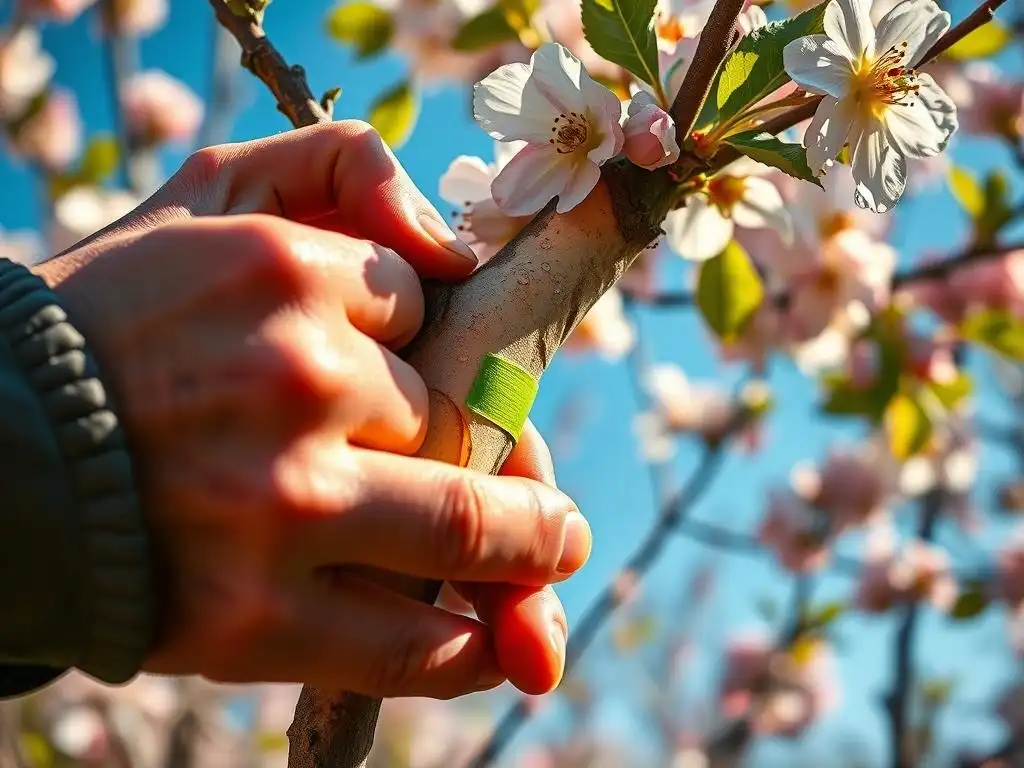
Welcome to CultivateYourFood, your guide to a thriving, sustainable home garden! Ready to unlock the secrets of bountiful harvests? Our comprehensive guide to grafting fruit trees will empower even complete beginners to combine their favorite varieties, creating a unique and productive orchard in your own backyard. Discover the surprisingly simple techniques and reap the rewards of your efforts – learn more and start grafting today!
Understanding the Basics of Grafting
Grafting fruit trees is a horticultural technique offering incredible benefits for home growers. It allows you to combine the desirable characteristics of different fruit varieties onto a single tree, maximizing space and yield in your garden. This beginner's guide will walk you through the process, equipping you with the knowledge and skills to successfully graft your own fruit trees using sustainable and organic practices.
Whether you dream of a single tree bearing multiple apple varieties or want to improve the hardiness of your existing trees, grafting offers a fascinating and rewarding path to a more diverse and productive orchard. This guide focuses on providing practical, step-by-step instructions tailored for those new to grafting, emphasizing the importance of selecting appropriate rootstock and scion wood, and utilizing readily available tools and materials.
We'll cover everything from choosing the right varieties to the aftercare needed for successful grafting, ultimately empowering you to cultivate a thriving and diverse fruit garden. Let's delve into the specifics!
What is Grafting and Why Graft Fruit Trees?
Grafting is the process of joining two plant parts, typically a scion (a cutting from a desired variety) and a rootstock (an established root system), to create a single, unified plant. The scion provides the fruiting characteristics – the type of fruit, its size, taste, and color – while the rootstock influences the tree's overall size, vigor, disease resistance, and even its adaptation to specific soil conditions. Think of it like a biological fusion, combining the best qualities of two different plants.
Why bother with grafting? The advantages are numerous:
- Increased Fruit Variety: Grow multiple fruit varieties on a single tree, saving space and resources in your garden. Imagine a single apple tree producing Granny Smith, Fuji, and Honeycrisp apples! 🍎🍏
- Improved Hardiness and Disease Resistance: By grafting a desirable fruit variety onto a rootstock known for its disease resistance or cold hardiness, you significantly improve the overall resilience of your tree.
- Faster Fruit Production: Certain rootstocks can accelerate the time it takes for a grafted tree to bear fruit compared to growing from seed.
- Propagation of Rare or Difficult-to-Propagate Varieties: Grafting allows you to easily propagate rare or difficult-to-grow varieties, preserving valuable genetic material.
- Control Over Tree Size: Rootstock selection allows for control over the mature size of the tree, making it suitable for smaller gardens or specific spaces.
Selecting Rootstock and Scion for Desired Fruit Characteristics
Choosing the right rootstock and scion is paramount to successful grafting. The rootstock provides the foundation, influencing the tree's size, vigor, and disease resistance. The scion, on the other hand, determines the type of fruit the tree will produce. Careful consideration of these factors is crucial:
- Rootstock Compatibility: Not all rootstocks are compatible with all scions. Research compatibility charts specific to your chosen fruit species (apple, pear, cherry, etc.) to ensure successful union. Incompatibility can lead to graft failure.
- Rootstock Vigor: Consider the desired size of your mature tree. Vigorous rootstocks produce larger trees, while dwarfing rootstocks result in smaller, more manageable trees, ideal for smaller gardens.
- Scion Wood Selection: Choose healthy, disease-free scion wood from a mature, high-yielding tree with desirable fruit characteristics. The wood should be from the current year's growth, ideally collected during the dormant season. Properly stored scion wood is crucial for successful grafting.
- Desired Fruit Qualities: Select scion wood from a variety known for its desirable fruit qualities such as taste, size, color, and storage life. Consider the climate and your specific needs when making your selection.
Essential Tools and Materials for Successful Grafting
Having the right tools and materials is essential for a successful grafting process. While some techniques require specialized tools, many beginner-friendly methods use readily available materials:
| Tool/Material | Description | Importance |
|---|---|---|
| Sharp Grafting Knife | A very sharp knife is crucial for clean cuts. | Clean cuts are essential for proper callus formation and graft union. |
| Grafting Tape/Rubber Bands | To secure the graft union and prevent drying. | Prevents the scion from detaching and protects the graft from environmental stress. |
| Grafting Sealant (Optional) | Protects the graft union from disease and moisture loss. | Improves the chances of successful healing and reduces infection risk. |
| Rootstock and Scion Wood | Healthy, disease-free rootstock and scion wood are paramount. | The foundation for a successful graft. |
| Pruning Shears (Optional) | For preparing the rootstock and scion wood. | Helps to create clean, precise cuts. |
Remember to sanitize your tools before and after use to prevent the spread of disease. With the right tools, materials, and a little patience, you'll be well on your way to grafting your own fruit trees!
Step-by-Step Grafting Guide
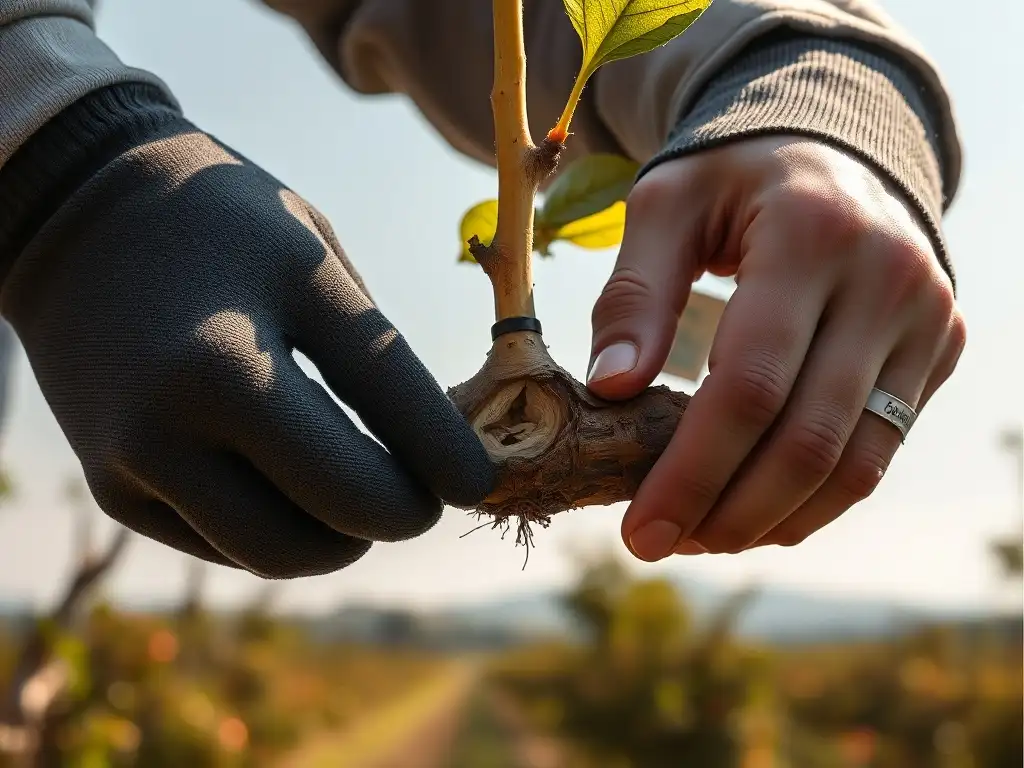
This section provides a detailed, step-by-step guide to grafting fruit trees, perfect for beginners looking to expand their fruit variety. We'll focus on the whip and tongue technique, a popular method for its relative simplicity and high success rate. Remember, success in grafting fruit trees hinges on meticulous preparation and clean technique. Even minor errors can significantly impact the graft's ability to take. Patience and attention to detail are key.
Preparing the Rootstock: Cleaning and Site Selection
Before beginning the grafting process, selecting and preparing the rootstock is crucial. The rootstock provides the foundation for your grafted tree, influencing its size, hardiness, and disease resistance. Choosing a healthy, vigorous rootstock is paramount for a successful graft.
First, ensure your rootstock is disease-free. Inspect it carefully for any signs of pests or diseases. Any damaged or diseased areas should be pruned away before proceeding. Cleanliness is paramount throughout the entire grafting process to prevent infection.
Next, select the grafting site. This is typically done on a rootstock that is approximately ½ to ¾ inch in diameter. A smooth, straight section is ideal. The area should be free from knots or blemishes that could interfere with the graft union. Avoid areas with bark damage or signs of previous injury. Remember, a clean, healthy graft union is essential for successful grafting.
The timing of rootstock preparation is also important. Generally, the best time for grafting is during the dormant season (late winter or early spring) when the sap flow is minimal. This allows the graft union to heal effectively. Specific timing will vary depending on your climate and the type of fruit tree.
Finally, carefully clean the selected area on the rootstock using a sharp knife or grafting tool. Remove any dirt or debris to ensure a clean surface for the graft. This will help promote a strong union between the scion and rootstock.
Preparing the Scion: Selecting and Cutting the Scion Wood
The scion is the cutting from your desired fruit tree variety that you'll be grafting onto the rootstock. Selecting and preparing the scion wood properly is just as critical as preparing the rootstock.
Choose scion wood from a healthy, mature tree that bears the fruit characteristics you desire. The wood should be from the previous year's growth, displaying plump, well-formed buds. Avoid using scion wood that is too thick or too thin; aim for a diameter similar to that of the rootstock. The selected wood should be free from disease or injury.
Once you've selected your scion wood, cut it into sections, each containing at least three buds. The cut should be clean and precise, creating a smooth, flat surface. Sharp, clean tools are essential to prevent crushing or damaging the wood. Using a dull knife will lead to ragged cuts, increasing the chance of infection and hindering successful grafting.
Remember to keep the cut scion wood moist until you are ready to make the graft. Wrapping the scions in a damp cloth or storing them in a plastic bag in the refrigerator can help prevent desiccation. Dehydration of the scion wood will drastically decrease the chances of successful grafting. Proper handling and storage of your scion wood are crucial for success.
Whip and Tongue Grafting Technique
The whip and tongue grafting technique is a common and reliable method for beginners. This method involves creating a sloping cut on both the scion and rootstock, then interlocking them to create a strong union.
- Making the Cuts: On both the scion and the rootstock, make a long, sloping cut (approximately 1-1.5 inches long) at a 30-degree angle.
- Creating the Tongue: On each sloping cut, make a smaller, perpendicular cut about halfway down, creating a "tongue". This tongue will interlock with the tongue on the other piece, ensuring a tight fit.
- Joining the Scion and Rootstock: Carefully fit the tongue of the scion into the tongue of the rootstock, ensuring that the cambium layers (the thin layer of actively growing tissue just under the bark) are in close contact. This cambium layer is crucial for successful graft union, as it's where the healing process occurs.
- Securing the Graft: Wrap the graft union tightly with grafting tape, ensuring that all surfaces are in contact. The tape helps to hold the scion and rootstock together while the graft heals. Avoid wrapping too tightly, as this can constrict the growth of the scion.
- Protecting the Graft: After wrapping, cover the graft with grafting wax or sealant to prevent moisture loss and protect it from disease. This prevents desiccation and protects the graft from environmental damage.
Remember, practice makes perfect. Don't be discouraged if your first few attempts aren't successful. With patience and attention to detail, you'll master the art of grafting fruit trees and enjoy a wider variety of delicious homegrown fruit. Careful preparation and precise technique are the key factors in achieving a high success rate in grafting fruit trees for beginners.
Wedge Grafting Technique
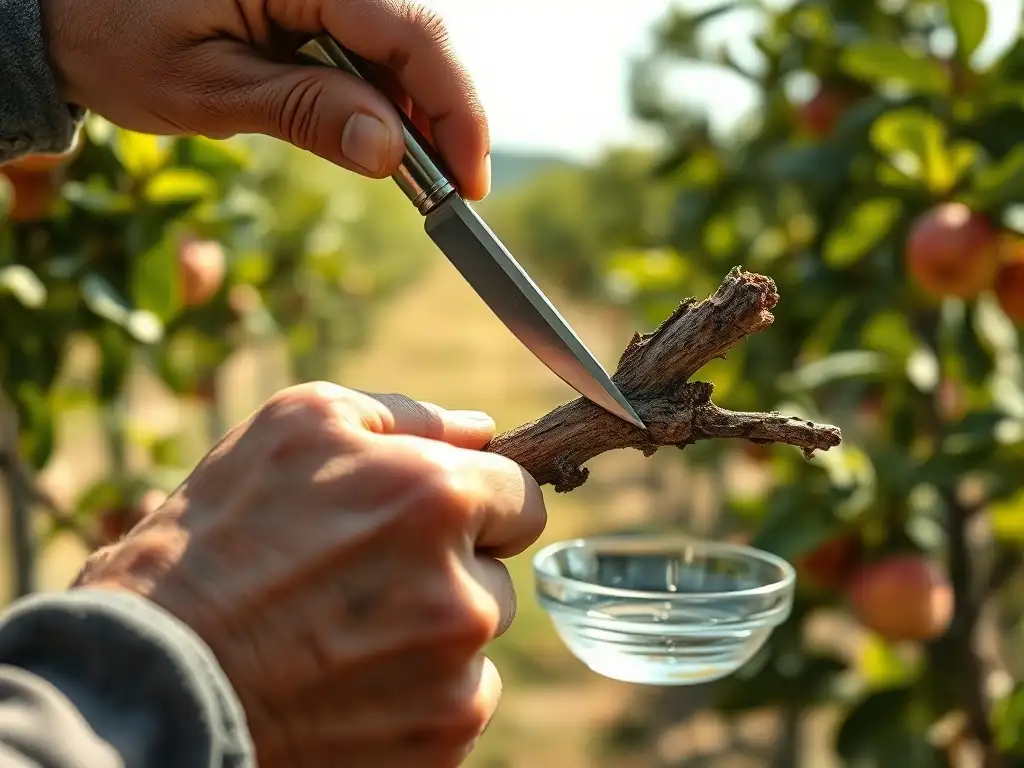
Wedge grafting, a popular choice for beginners, involves inserting a scion (the cutting from the desired variety) into a cleft in the rootstock (the established tree). This method is relatively straightforward and effective, particularly for smaller rootstocks. The success rate hinges on precise cuts and a tight fit between the scion and rootstock. Before you begin, ensure your tools are meticulously sharp and clean – a sanitized knife is crucial to prevent disease transmission.
First, select a healthy rootstock, ideally dormant but not frozen. The rootstock should be approximately pencil-thick. Make a clean, vertical cut about 1-2 inches deep using a sharp grafting knife. Next, prepare your scion wood. Choose a piece of healthy, dormant wood from the desired fruit tree variety, ideally with several buds. The scion should be about 4-6 inches long. Create a wedge-shaped cut at the base of the scion, tapering it to a sharp point. The wedge should fit snugly into the cleft of the rootstock.
Carefully insert the scion wedge into the rootstock cleft, ensuring that the cambium layers (the thin, actively growing layer just beneath the bark) of the scion and rootstock make good contact. This contact is essential for successful grafting, as it allows for the fusion of tissues. If the fit isn't tight, you might need to adjust the wedge slightly.
If you have multiple buds on your scion, try to align at least one bud with the outside of the rootstock. A poorly aligned bud could reduce the likelihood of successful growth. This alignment ensures the new growth will face outwards, not inwards, preventing overcrowding.
Securing the Graft Union: Wrapping and Protection
Once the scion is firmly in place, the graft union must be secured to promote proper healing. Improper securing can lead to the graft failing to take, resulting in the scion drying out or becoming dislodged. A variety of methods can be used, depending on the size of the rootstock and the type of graft. For wedge grafting, grafting tape or specialized grafting sealant is typically used.
Grafting tape, available at most garden centers, provides gentle support and prevents the graft union from drying out. Wrap the tape tightly around the graft union, ensuring complete coverage. Avoid wrapping too tightly, which can constrict growth. The tape should be removed after a few months, once the graft union has healed sufficiently. Alternatively, grafting sealant, a waterproof paste, can be applied to further protect the union from moisture loss and infection. This is particularly helpful in wet or humid climates.
Remember, the goal is to create a secure, air-tight seal around the graft union. This prevents the entry of pathogens and ensures that the scion receives the moisture and nutrients it needs to knit with the rootstock. A properly secured graft union is a key element in ensuring the success of the grafting process. Paying close attention to detail at this stage is crucial for the overall success of your grafting project. Many experienced grafters use both grafting tape and sealant for ultimate protection.
Post-Grafting Care: Watering, Protection, and Monitoring
Following the grafting process, providing proper post-grafting care is essential for the success of your fruit tree grafting. This involves consistent watering, protection from environmental stressors, and regular monitoring for signs of success or failure. Consistent moisture is crucial for the graft union to heal and for the scion to establish itself.
Water the grafted area regularly, especially during dry periods. Avoid overwatering, which can lead to root rot. You should aim for moist, but not soggy, soil. Protecting the graft from extreme weather conditions is also vital. Harsh sunlight, strong winds, and frost can all damage the delicate graft union, potentially jeopardizing the success of the graft. Consider providing shade during the hottest part of the day and protection from strong winds. In colder climates, wrapping the grafted area with burlap or other protective material can help prevent frost damage.
Regularly monitor the graft union for signs of growth. The appearance of new leaves or shoots indicates successful grafting. However, if the scion appears to be drying out, wilting, or showing signs of disease, you may need to take corrective action, such as re-wrapping or applying additional grafting sealant. Careful observation and timely intervention can significantly improve the chances of a successful graft. Remember that patience is key; it may take several weeks or even months for the graft to fully heal and begin producing new growth. 🌱
Troubleshooting Grafting Problems
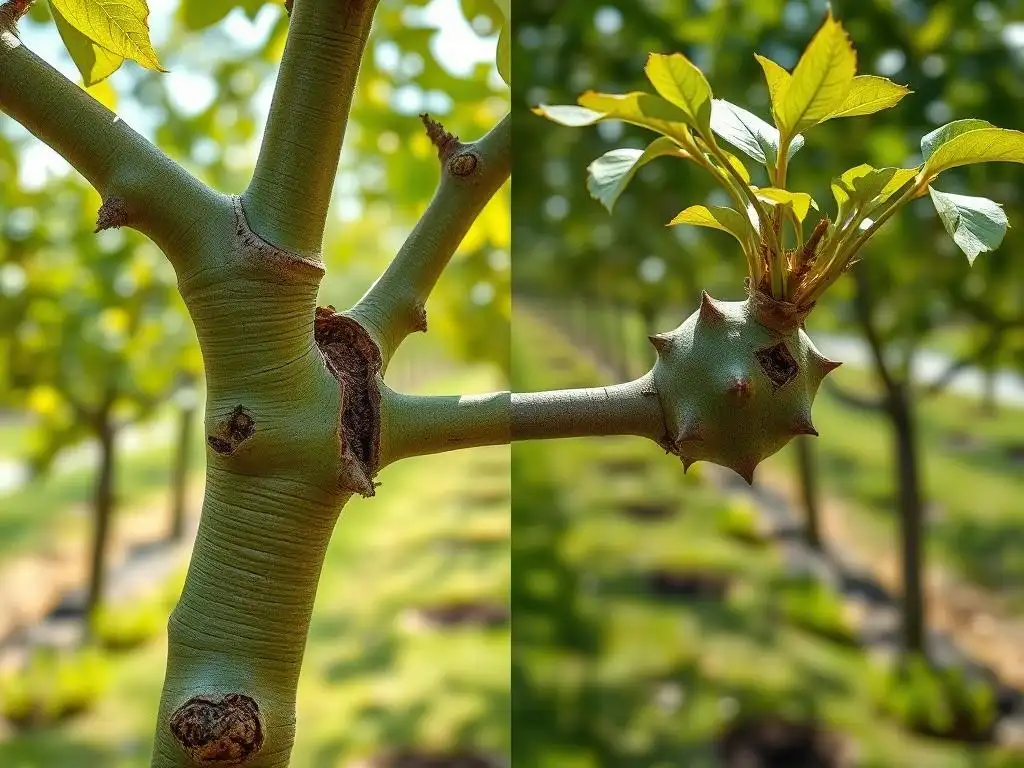
Grafting fruit trees, while rewarding, isn't always a guaranteed success. Understanding potential problems and how to address them is crucial for beginners. Even experienced grafters encounter setbacks occasionally. This section details common issues and provides practical solutions to improve your grafting success rate. Remember, patience and observation are key to successful grafting.
Identifying and Addressing Graft Failure
Graft failure can manifest in several ways. Sometimes, the scion (the upper part of the graft) simply won't take. This can be due to several factors: incompatible rootstock and scion combinations, improper grafting technique (resulting in poor cambium contact), insufficient moisture during the healing process, or damage from pests or diseases.
Visual inspection is crucial. A failed graft might show signs of wilting, discoloration, or even dieback of the scion. The union between the scion and rootstock might appear weak or show signs of decay.
- Incompatible rootstock and scion: Always choose compatible varieties. Research beforehand to ensure a successful union. Using the wrong rootstock can lead to graft incompatibility and failure. For example, grafting a sweet cherry scion onto a sour cherry rootstock might result in a weak union.
- Improper grafting technique: Precise technique is paramount. Insufficient cambium contact between the scion and rootstock prevents proper healing and nutrient transfer, leading to graft failure. Practice makes perfect; consider starting with easier grafting methods like whip and tongue or cleft grafting before attempting more complex techniques.
- Insufficient moisture: The graft union needs adequate moisture to heal. During dry periods, regular watering is essential to prevent desiccation and ensure successful grafting. Mulching around the base of the tree can also help retain soil moisture.
- Pest and disease damage: Infestations of pests or diseases can weaken the graft union, leading to failure. Regular monitoring and timely application of appropriate organic pest and disease control measures are vital.
Here's a table summarizing common causes of graft failure and their remedies:
| Problem | Cause | Remedy |
|---|---|---|
| Scion wilting/dieback | Insufficient cambium contact, drying out | Ensure proper cambium contact, provide adequate moisture, mulch the base |
| Weak union | Incompatible rootstock/scion, poor technique | Choose compatible varieties, improve grafting technique |
| Decay at graft union | Disease | Apply organic fungicides, remove affected parts |
| Scion fails to grow | Poor grafting technique, environmental stress | Improve technique, protect from extreme weather conditions |
Managing Diseases and Pests After Grafting
Once the graft has taken and the scion begins to grow, it’s crucial to protect it from pests and diseases. Young grafts are particularly vulnerable. Regular monitoring is essential to detect any problems early.
- Common Pests: Aphids, scale insects, and borers can damage young shoots and weaken the graft union. Regularly inspect the tree for signs of infestation. Organic pest control methods such as insecticidal soap or neem oil can be effective. For borers, you may need to carefully remove affected areas, ensuring the graft union remains intact.
- Common Diseases: Fungal diseases like canker and fire blight can severely affect grafted trees. Proper sanitation practices, including removing infected branches and fallen leaves, can help prevent disease spread. Organic fungicides can be used as a preventative measure or to treat existing infections. Ensure good air circulation around the tree by pruning to prevent fungal growth.
Remember, proactive pest and disease management is far more effective than reactive treatment. Regular inspections and preventative measures will help ensure the long-term health and productivity of your grafted fruit tree.
Harvesting Fruit from Your Grafted Tree
The time it takes to harvest fruit from your grafted tree depends on the variety grafted and the rootstock used. Some varieties may fruit within a year or two, while others may take longer. Patience is a virtue! Once the fruit begins to ripen, careful harvesting techniques are crucial to avoid damage.
- Timing: The optimal harvest time varies depending on the specific fruit variety. Overripe fruit will be less flavorful and may be more susceptible to pests and diseases. Underripe fruit will lack flavor and sweetness. Knowing the characteristics of your grafted variety is essential for harvesting at the peak of ripeness.
- Harvesting Techniques: Handle fruit gently to avoid bruising. Use appropriate tools, such as pruning shears or a fruit picker, to remove fruit from the tree. Harvesting in the early morning or late evening, when temperatures are cooler, can help prevent damage. Avoid harvesting during rain or high humidity.
- Post-Harvest Handling: Proper post-harvest handling is crucial for maintaining fruit quality. Handle the fruit gently, store it at appropriate temperatures, and avoid bruising or damage. Proper storage can extend the shelf life of your harvested fruit.
Harvesting the fruits of your labor (literally!) is the most rewarding part of grafting fruit trees. Enjoy the delicious fruits of your success! 🎉
Advanced Grafting Techniques (Optional)
This section explores more advanced grafting techniques suitable for experienced gardeners. While the techniques described previously are excellent for beginners, mastering these methods can significantly broaden your grafting capabilities and allow you to tackle more challenging grafting projects. Remember, successful grafting requires patience, precision, and a good understanding of plant physiology. Improper technique can lead to graft failure, so proceed with caution and practice on less valuable plant material before attempting these on your prized fruit trees. These advanced techniques are particularly useful for grafting onto larger, more established trees.
Cleft Grafting
Cleft grafting is a technique used to graft scions onto larger rootstocks, typically those with a diameter of 1-3 inches. It's particularly useful for repairing damaged trees or incorporating a new variety into an existing tree. The process involves splitting the rootstock and inserting the scion wood.
This method is relatively straightforward but demands accuracy in aligning the cambium layers for successful union. Here's a step-by-step breakdown:
- Prepare the Rootstock: Select a healthy rootstock with a diameter appropriate for the scion. Make a clean, vertical cut 2-3 inches deep using a sharp grafting knife. Use a grafting chisel to carefully widen the split slightly if needed, ensuring a clean, straight cut.
- Prepare the Scion: Select a healthy scion with at least two well-developed buds. Cut the base of the scion into a wedge shape, creating a sharp point that fits snugly within the split in the rootstock. The wedge should be approximately 1-1.5 inches long. Aim for a perfect fit to maximize cambium contact.
- Insert the Scion: Carefully insert the scion wedge into the split of the rootstock, ensuring the cambium layers of the scion and rootstock are in close contact. For larger rootstocks, you might be able to accommodate two scions, one on each side of the split.
- Secure the Graft: Use grafting tape or rubber bands to firmly secure the graft union, preventing movement and protecting the wound from desiccation. Avoid binding too tightly, as this can restrict growth.
- Protect the Graft: Apply grafting sealant to the exposed surfaces of the rootstock and scion to prevent infection and moisture loss.
The success rate of cleft grafting depends heavily on proper cambium alignment. Even a slight misalignment can significantly reduce the chances of a successful union. Careful preparation and precision are key. Remember to monitor the graft regularly for signs of growth or failure.
Bark Grafting
Bark grafting is another technique suitable for larger rootstocks, typically those with a diameter of 2 inches or more. This method is best performed in late winter or early spring when the bark is easily separated from the wood.
The advantage of bark grafting is that it allows for the grafting of larger scions compared to other methods. This can be advantageous when working with more mature wood or when trying to establish a variety quickly.
The process involves making a slit in the bark of the rootstock and inserting the scion wood. This method is slightly more challenging than cleft grafting and requires a good understanding of bark structure and cambium layers. The success rate depends on the proper alignment of cambium tissues and the appropriate timing of the grafting process. Detailed instructions and diagrams are readily available in advanced grafting guides.
Approach Grafting
Approach grafting is a unique technique where the scion and rootstock are joined while both are still attached to their own root systems. This allows for a gradual union before the scion is severed from its own roots. It’s a more complex method, often used for joining difficult-to-graft species or for situations where a rootstock might be too delicate for other techniques.
The process involves making matching cuts on both the scion and rootstock, bringing the cut surfaces together and securing them tightly. After a few months, when a strong union has formed, the scion is severed from its original root system, allowing it to rely entirely on the rootstock. This method requires patience and careful monitoring to ensure a successful union. It is generally considered an advanced technique best attempted after mastering simpler grafting methods. The success rate is highly dependent on the timing of the procedure and the alignment of the cambium layers.
Frequently Asked Questions
What is grafting, and why would I graft fruit trees?
Grafting is a horticultural technique where you join two plant parts together, resulting in a single plant. It's used to combine desirable traits, like a disease-resistant rootstock with a fruit-bearing scion, for a better, stronger tree.
What tools do I need for grafting fruit trees?
You'll need a sharp grafting knife, grafting tape or sealant, and potentially a grafting tool (depending on the method). Cleanliness is crucial, so ensure your tools are sterilized.
When is the best time of year to graft fruit trees?
The ideal time for grafting is during the dormant season, typically late winter or early spring, before new growth begins. This allows the graft to heal properly before active growth commences.
What are some common grafting methods for beginners?
The whip and tongue graft and the cleft graft are popular beginner-friendly methods. These techniques are relatively easy to learn and perform successfully.
How do I care for my grafted fruit tree after grafting?
After grafting, protect the graft union from the elements and pests with grafting tape or sealant. Provide consistent watering and monitor for signs of success, such as new growth.
Final Reflection: The Enduring Legacy of the Graft
The art of grafting fruit trees, once a niche skill, is experiencing a resurgence as home gardeners seek greater control over their harvests and a deeper connection with their food. This renewed interest speaks to a growing desire for self-sufficiency and a deeper appreciation for the natural world, highlighting the enduring power of traditional horticultural practices in a modern context.
The act of grafting, of skillfully uniting two distinct varieties, mirrors the interconnectedness of our own lives and communities. It's a testament to the potential for growth and collaboration, even in the face of apparent differences. The tree which moves some to tears of joy is the same tree which moves others to indifference.
– Kahlil Gibran. This quote speaks to the personal and subjective nature of our connection to nature, and how a simple act like grafting can foster a deeper appreciation for the beauty and complexity of the natural world. The knowledge and skill involved in successful grafting are not just about producing fruit; they represent a deeper engagement with the life cycle and the potential for nurturing growth.
Now, consider your own garden, your own aspirations. Perhaps you've been inspired to try your hand at grafting, to experiment with different varieties, and to witness the miracle of two plants becoming one. Or maybe this exploration has sparked a broader interest in sustainable living and connecting more deeply with the natural world. Regardless, I encourage you to embrace the spirit of the graft – to find the connections, to nurture the growth, and to cultivate a richer, more fulfilling life.
Unlock Your Orchard's Potential: Graft Your Way to a Bountiful Harvest!
Ready to transform your fruit trees and enjoy a more abundant harvest? We're excited to help you unlock the possibilities of grafting! This technique allows you to combine your favorite varieties, creating unique and productive trees.
- Try grafting your first tree this weekend! Gather your supplies, select compatible scion and rootstock varieties, and follow the steps outlined in our article. This is your chance to create a truly unique and productive tree.
- Share your experience! We encourage you to join our CultivateYourFood community forum and share your grafting journey with us. We'd love to see your progress and learn from your tips and tricks!
- Expand your grafting skills! There's a world of advanced techniques to explore, opening up even more possibilities in fruit tree cultivation.
What exciting fruit varieties are you planning to graft? Share your plans in the comments below!