
Grafting Fruit Trees: Tips for Ensuring a Successful Graft Union

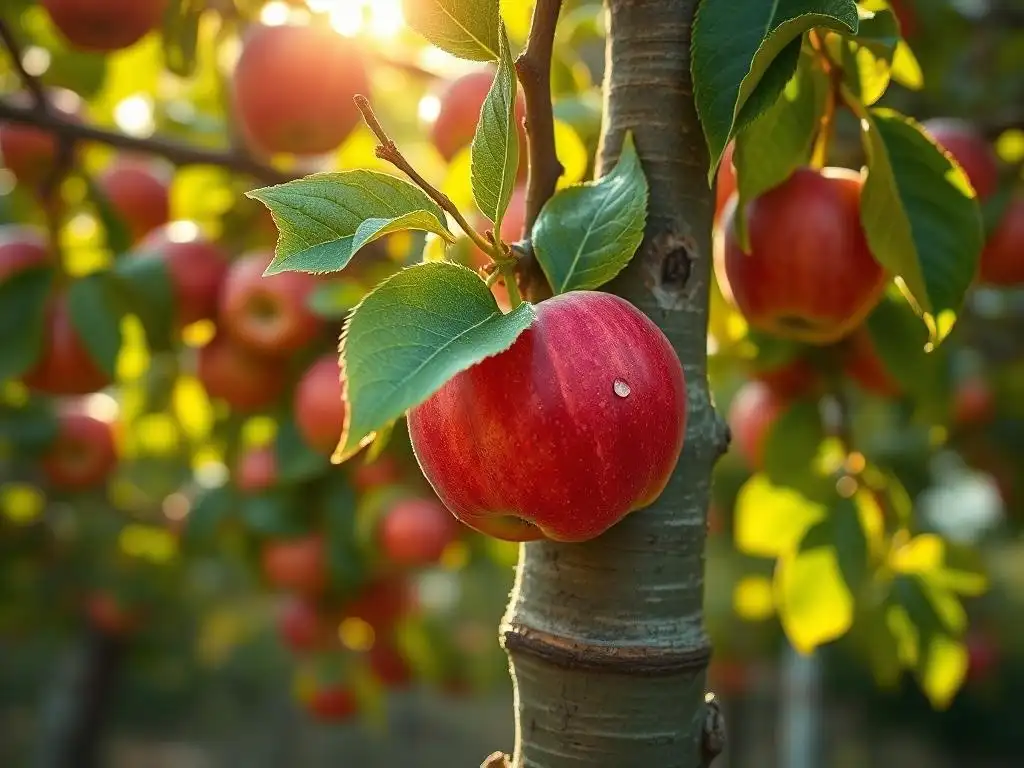
Ready to unlock the secrets of a bountiful harvest from your own backyard? CultivateYourFood is your guide to sustainable and organic home gardening. Learn how to cultivate thriving fruits, vegetables, and herbs, from seed to table. This season, master the art of successful fruit tree grafting—a technique that can transform your orchard and ensure a vibrant yield for years to come. Discover the essential tips and tricks to achieve a strong graft union and reap the rewards of your efforts. Let's get growing!
- Understanding the Basics of Fruit Tree Grafting for Beginners
- Step-by-Step Guide to Successful Fruit Tree Grafting Techniques
- Post-Grafting Care for a Healthy and Successful Graft Union
- Troubleshooting Common Problems in Fruit Tree Grafting
- Advanced Techniques for Successful Fruit Tree Grafting
- Maintaining Your Successfully Grafted Fruit Tree
- Frequently Asked Questions
- Final Reflection: The Enduring Legacy of a Successful Graft
- Ready to Grow Your Own Fruit Paradise?
Understanding the Basics of Fruit Tree Grafting for Beginners
Fruit tree grafting, a horticultural technique dating back centuries, allows you to combine the desirable characteristics of two different trees. This process involves joining a scion (a cutting from a desirable tree, providing the fruit) onto a rootstock (an established tree providing the root system). Successfully grafting fruit trees opens up a world of possibilities, from growing multiple fruit varieties on a single tree to improving the hardiness or disease resistance of your existing orchard.
This comprehensive guide will equip you with the knowledge and skills necessary to achieve a successful graft union, leading to abundant harvests of delicious, homegrown fruit. We'll explore the crucial steps, from selecting the right scion and rootstock to mastering the grafting technique itself, ultimately increasing your chances of a thriving, fruitful outcome.
This article focuses on achieving successful fruit tree grafting, providing practical advice for beginners and seasoned gardeners alike. Let's delve into the essential aspects to ensure your grafting efforts yield positive results.
Choosing the Right Scion and Rootstock for Successful Grafting
Selecting compatible scion and rootstock is paramount for a successful graft. The scion provides the desired fruit variety, while the rootstock influences the tree's size, vigor, and disease resistance. Careful consideration of these factors is crucial. Incompatible combinations can result in graft failure or a weak, unproductive tree. For instance, a dwarfing rootstock will result in a smaller tree, ideal for smaller gardens, whereas a vigorous rootstock will produce a larger tree.
Consider these factors when making your selections:
- Compatibility: Ensure the scion and rootstock are compatible. This information is often available from nurseries or online resources. Many grafting guides provide compatibility charts.
- Desired Fruit Characteristics: Choose a scion from a tree known for producing high-quality fruit with desirable characteristics like taste, size, and disease resistance.
- Rootstock Vigor: Select a rootstock that suits your garden space and desired tree size. Dwarfing rootstocks are excellent for smaller areas, while vigorous rootstocks are suitable for larger spaces.
- Disease Resistance: Choose a rootstock known for its resistance to common fruit tree diseases prevalent in your region. This can significantly reduce the risk of disease affecting your grafted tree.
- Climate Considerations: Ensure both the scion and rootstock are well-suited to your local climate and soil conditions.
Selecting the Ideal Time for Grafting Your Fruit Trees
Timing is everything in grafting. The success rate hinges heavily on the physiological state of both the scion and the rootstock. The ideal time for grafting generally coincides with the period when the sap is flowing actively, yet the wood isn't excessively soft or brittle. This usually occurs during the late winter or early spring, before the trees begin active growth. The exact timing varies depending on your geographical location and the specific fruit tree species.
Here's a general guideline:
- Dormant Season Grafting: This method is commonly used for many fruit trees and involves grafting when the trees are dormant, typically in late winter or early spring.
- Spring Grafting: This method takes advantage of the increased sap flow in spring, but requires careful monitoring of weather conditions.
- Summer Grafting: This method is sometimes employed for specific fruit tree varieties and requires a high level of skill. Success rates are often lower compared to dormant season grafting.
Always consult resources specific to your location and the fruit tree species you're working with for the most accurate timing information. Observing the budding and flowering of the trees in your area can also serve as a helpful indicator.
Essential Tools and Materials for a Successful Fruit Tree Graft
Having the right tools and materials is crucial for a clean and precise graft. Using sharp, clean tools minimizes the risk of infection and ensures a good union between the scion and rootstock. Improper tools can lead to ragged cuts, increasing the chances of graft failure.
Here's a list of essential tools and materials:
| Tool/Material | Description | Importance |
|---|---|---|
| Sharp Grafting Knife | Essential for making clean, precise cuts. | Clean cuts are vital for successful union. |
| Grafting Tape | Secures the graft union, preventing desiccation and providing support. | Prevents drying out and provides support for the union. |
| Grafting Sealant | Protects the graft union from disease and moisture loss. | Protects against infection and moisture loss. |
| Scion Wood | Cuttings from a desirable fruit tree variety. | Provides the fruit-bearing part of the grafted tree. |
| Rootstock | An established tree providing the root system. | Provides the root system for the grafted tree. |
| Disinfectant Solution | For sterilizing tools to prevent the spread of disease. | Preventing the spread of disease is critical for the health of both the scion and rootstock. |
| Pruning Shears | For preparing the rootstock and scion. | Necessary for creating appropriate cuts and preparing the grafting site. |
Remember, meticulous preparation and attention to detail are key to successful fruit tree grafting. By following these guidelines and practicing proper techniques, you can increase your chances of creating thriving, productive fruit trees in your own backyard. Careful selection, precise cuts, and proper aftercare are crucial steps in ensuring a successful outcome.
Step-by-Step Guide to Successful Fruit Tree Grafting Techniques
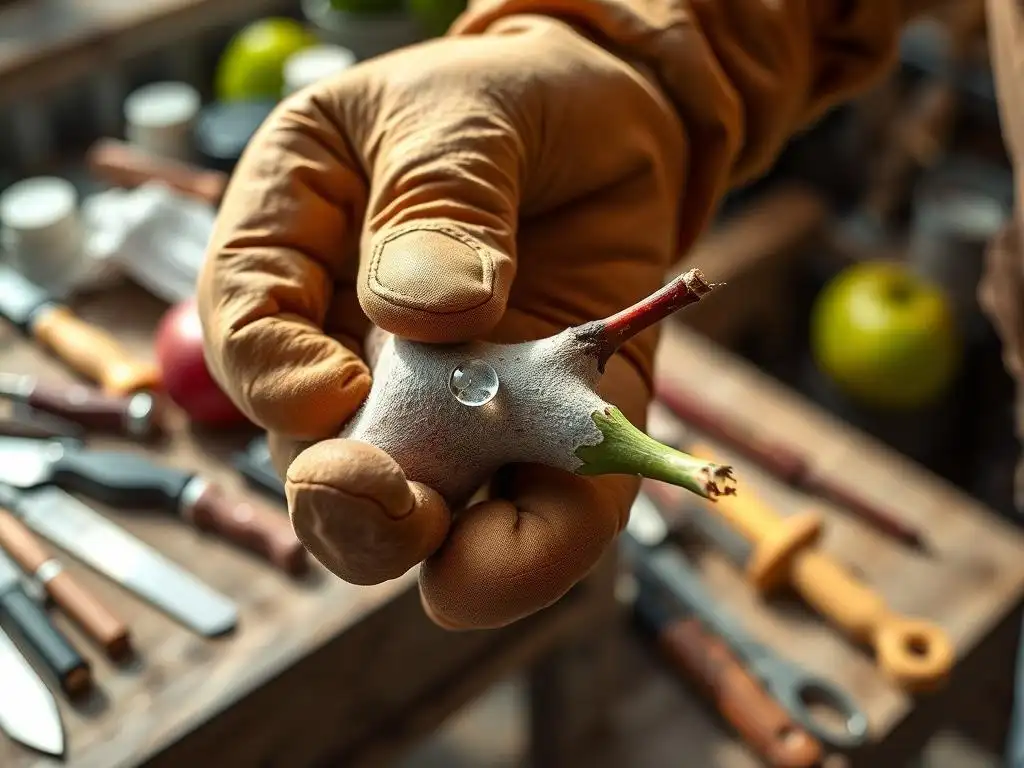
This section provides a detailed, step-by-step guide to achieving successful fruit tree grafting, focusing on techniques proven to maximize the chances of a strong and productive graft union. Mastering these techniques is crucial for successful fruit tree grafting, leading to a bountiful harvest of diverse fruits from your home orchard. We'll cover essential preparation and two common grafting methods: the whip and tongue graft, and the cleft graft. Remember, sanitation is paramount throughout the entire process to prevent disease.
Preparing the Scion and Rootstock for Optimal Graft Union
Before beginning any grafting procedure, meticulous preparation of both the scion (the cutting from the desired variety) and the rootstock (the established tree providing the root system) is critical for a successful fruit tree grafting. This stage significantly impacts the graft union's strength and the overall success of the procedure.
The timing is crucial; generally, grafting is best done during the dormant season, late winter or early spring, when the sap flow is minimal. This allows for better healing and reduces the risk of the graft rejecting. Select healthy, disease-free scion wood from the previous year's growth. These should be pencil-thick, exhibiting strong buds. The rootstock should be equally vigorous and free from disease. Properly prepared scion and rootstock materials are the foundation of a successful fruit tree grafting.
Several steps ensure optimal preparation:
- Scion Selection: Choose mature, healthy scion wood with dormant buds. Avoid using wood that shows any signs of disease or damage. Aim for pieces about 6-8 inches long with several buds.
- Rootstock Preparation: Select a rootstock of appropriate size and vigour. The diameter should be comparable to the scion wood. Clean the area where the graft will be made thoroughly.
- Cutting Tools: Sharp, clean tools are essential. Dull tools can crush the cambium layer, hindering the union. Disinfect your tools with rubbing alcohol between each cut to prevent the spread of disease.
- Scion Preparation: Cut the scion at a precise angle, usually 30-45 degrees, creating a smooth, clean surface. For the whip and tongue graft, create a small tongue on the scion.
- Rootstock Preparation: Make a matching cut on the rootstock, ensuring the cambium layers of the scion and rootstock align perfectly. This alignment is key for successful grafting. Precise cuts are crucial for a strong graft union. The success rate dramatically improves with precise cuts.
Further Considerations for Preparation
Consider the compatibility of the scion and rootstock. Not all fruit tree varieties are compatible. Research appropriate pairings before starting. Proper storage of the scion wood before grafting can also improve success rates. Keep the scion wood moist and cool until ready for use.
Performing the Whip and Tongue Graft: A Detailed Tutorial
The whip and tongue graft is a popular method for grafting fruit trees of similar diameter. Its accuracy ensures a close fit between the scion and rootstock, maximizing the contact area for successful union. This method is especially effective for smaller diameter branches.
- Make the initial cuts: On both the scion and rootstock, make angled cuts of roughly the same length (about 1 inch) at a 30-45 degree angle.
- Create the tongue: Make a small, vertical cut (about half the length of the angled cut) down the center of each angled cut. This creates the "tongue."
- Interlock the scion and rootstock: Carefully interlock the tongues of the scion and rootstock, ensuring the cambium layers are in close contact.
- Secure the graft: Wrap the graft union tightly with grafting tape, ensuring complete coverage. Avoid using too much pressure, as this can damage the tissues.
- Seal the graft: Apply grafting sealant to the exposed cut surfaces to protect them from pathogens and moisture loss.
The whip and tongue graft, when executed correctly, provides excellent contact between the scion and rootstock, leading to a robust and successful graft union. Practice is key for mastering this technique. The precision involved directly correlates to the success rate of the graft.
Performing the Cleft Graft: A Step-by-Step Guide
The cleft graft is a versatile technique suitable for grafting scions onto larger rootstocks. This method is ideal when the rootstock is significantly larger in diameter than the scion. It’s a simpler method than the whip and tongue graft but requires a slightly larger rootstock.
- Prepare the rootstock: Make a vertical split in the rootstock using a grafting chisel or knife. The split should be about 1-2 inches deep.
- Prepare the scion: Cut the base of the scion into a wedge shape, ensuring a snug fit within the rootstock cleft. The wedge should be slightly tapered for better insertion.
- Insert the scion: Carefully insert the prepared scion into the cleft, ensuring the cambium layers of the scion and rootstock make contact. Two scions can often be inserted into a single cleft.
- Secure the graft: Use grafting tape or rubber bands to secure the scion firmly in place, preventing it from moving.
- Seal the graft: Apply grafting sealant to the exposed cut surfaces to protect the graft from drying out and infection.
The cleft graft, though simpler, requires careful attention to cambium alignment for a successful union. The success rate depends heavily on the precise insertion of the scion and proper sealing to prevent disease and desiccation. The larger diameter of the rootstock allows for more flexibility in scion placement.
Securing the Graft Union with Proper Wrapping and Protection
Securing the graft union is crucial for a successful fruit tree grafting. A poorly secured graft is vulnerable to disease, pests, and desiccation, ultimately leading to graft failure. The wrapping material needs to be flexible enough to allow for the expansion of the cambium layer as the graft heals, yet strong enough to hold the scion and rootstock firmly in place.
Different materials offer varying degrees of effectiveness and ease of use. For example, grafting tape, specifically designed for this purpose, is widely available and provides excellent support. It's important to choose a tape that is biodegradable or easily removable to avoid strangling the growing tissues as the graft heals.
The process of wrapping begins immediately after the graft is made. Carefully wrap the graft union, ensuring complete coverage without excessive pressure. The wrapping should start below the bottom cut of the scion and extend a few inches above the top cut. Overlapping the tape slightly ensures no gaps are left exposed. Too much tension can constrict the union, hindering growth, while insufficient tension may allow the graft to shift. Practice makes perfect; you'll develop a feel for the right tension with experience. Consider using a combination of grafting tape and a protective covering, especially in harsh climates.
Proper wrapping is only half the battle. Protection from the elements is equally crucial, especially in the early stages of healing. Harsh sunlight, strong winds, and fluctuating temperatures can all damage the delicate graft union. A protective sleeve, often made of plastic or biodegradable material, can significantly enhance the chances of success.
These sleeves create a microclimate around the graft, shielding it from environmental stressors. Ensure the sleeve is large enough to accommodate the graft union without constricting it and that it's properly secured to prevent it from slipping off. Regular inspection is vital to ensure the sleeve remains intact and doesn't cause any damage.
Remember to remove the wrapping and protective sleeve once the graft union is well-established and callus tissue has formed, usually after several months, to prevent girdling. The exact timeframe will depend on the tree species, climate, and the success of the graft. Failing to remove the wrapping can lead to constricted growth and ultimately, the failure of the graft.
Post-Grafting Care for a Healthy and Successful Graft Union
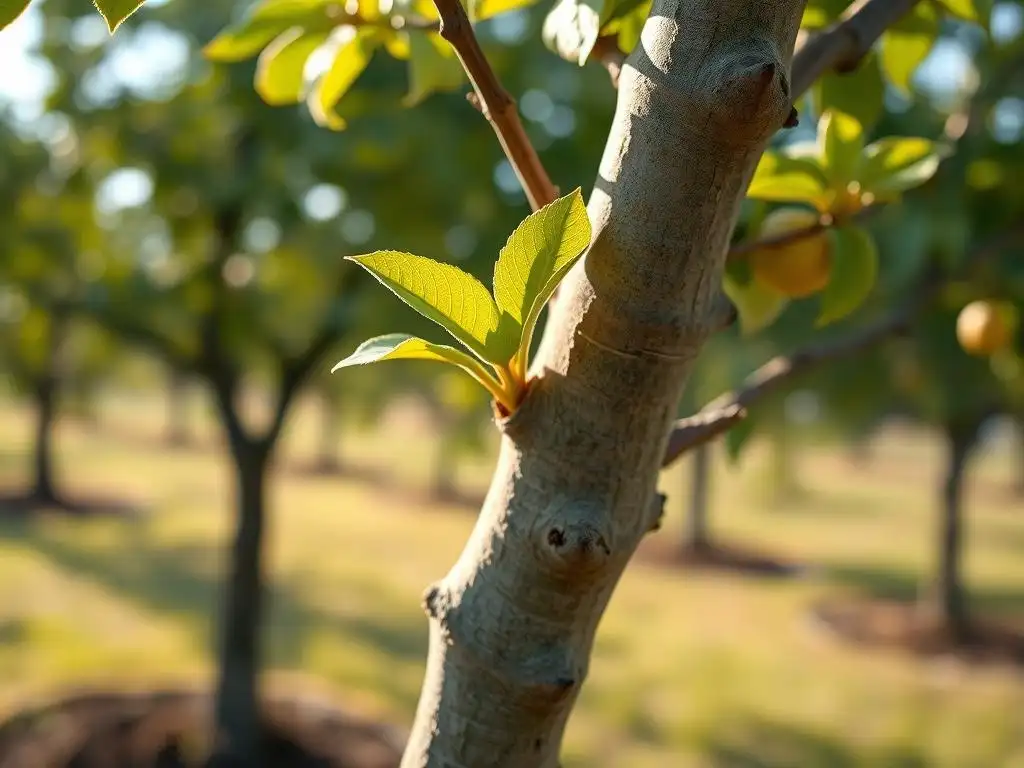
Successful fruit tree grafting requires diligent post-grafting care to ensure a strong and healthy union. Neglecting this crucial step can lead to graft failure, rendering your efforts fruitless (pun intended!). This section details the essential steps to nurture your grafted tree and maximize your chances of a bountiful harvest. Remember, patience and attention to detail are key components in achieving successful fruit tree grafting.
Providing Adequate Watering and Moisture for the Graft
Water is essential for the healing process of the graft union. Insufficient moisture can lead to desiccation, hindering the cambium layers' ability to fuse. Overwatering, however, can lead to root rot and fungal diseases. The goal is to maintain consistently moist, but not waterlogged, soil.
The frequency of watering depends heavily on factors like climate, soil type, and the time of year. In hot, dry climates, you might need to water daily, especially during the crucial first few weeks after grafting. In cooler, more humid areas, watering every other day or even less frequently might suffice. Always check the soil moisture before watering; stick your finger a couple of inches into the soil. If it feels dry, it's time to water.
Consider using a mulch layer around the base of the tree (but not directly touching the graft union). Mulch helps retain soil moisture, reducing the frequency of watering and suppressing weeds that compete for water and nutrients. Organic mulches like straw, wood chips, or shredded leaves are ideal for promoting soil health. This technique significantly contributes to successful fruit tree grafting by ensuring consistent hydration.
Protecting the Graft from Pests and Diseases
Newly grafted trees are particularly vulnerable to pests and diseases. The graft union, being a wound, is an entry point for pathogens and insects. Protecting this vulnerable area is paramount for successful fruit tree grafting.
Several strategies can be employed:
- Physical barriers: Using grafting tape or plastic wrap to cover the graft union helps prevent desiccation and protects it from physical damage and pests. Remove this wrapping once the graft union shows signs of healing.
- Insect control: Regularly inspect the tree for signs of insect infestation. Aphids, scale insects, and borers are common pests that can weaken the tree and compromise the graft. Use organic pest control methods such as insecticidal soap or neem oil if necessary. Early detection and intervention are crucial.
- Disease prevention: Maintaining good sanitation practices, such as removing fallen leaves and debris, helps prevent the spread of fungal diseases. Avoid overhead watering, which can promote fungal growth. If signs of disease appear, consult a local agricultural extension office for advice on organic disease management. Careful monitoring is a key aspect of successful fruit tree grafting.
Monitoring the Graft Union for Signs of Success or Failure
Monitoring the graft union is essential to determine the success or failure of your grafting efforts. Regular inspection allows for early intervention if problems arise.
Signs of a successful graft include:
- Leaf growth: New leaf growth emerging from the scion (the grafted branch) indicates that the graft has taken. This is a clear sign of a successful union.
- Swelling: A slight swelling at the graft union indicates the cambium layers are fusing.
- Firm union: The scion and rootstock should become firmly attached, forming a solid, unified structure.
Signs of a failed graft include:
- No leaf growth: The absence of leaf growth from the scion after several weeks suggests the graft has failed.
- Wilting or dying scion: If the scion begins to wilt or die, the graft has likely failed.
- Loose union: If the scion and rootstock are not firmly attached, the graft has likely failed.
Careful observation and prompt action based on these indicators are vital for successful fruit tree grafting. Remember, even with careful attention, not all grafts will succeed. However, by following these post-grafting care guidelines, you significantly increase your chances of a successful and fruitful outcome. 🍎
Troubleshooting Common Problems in Fruit Tree Grafting
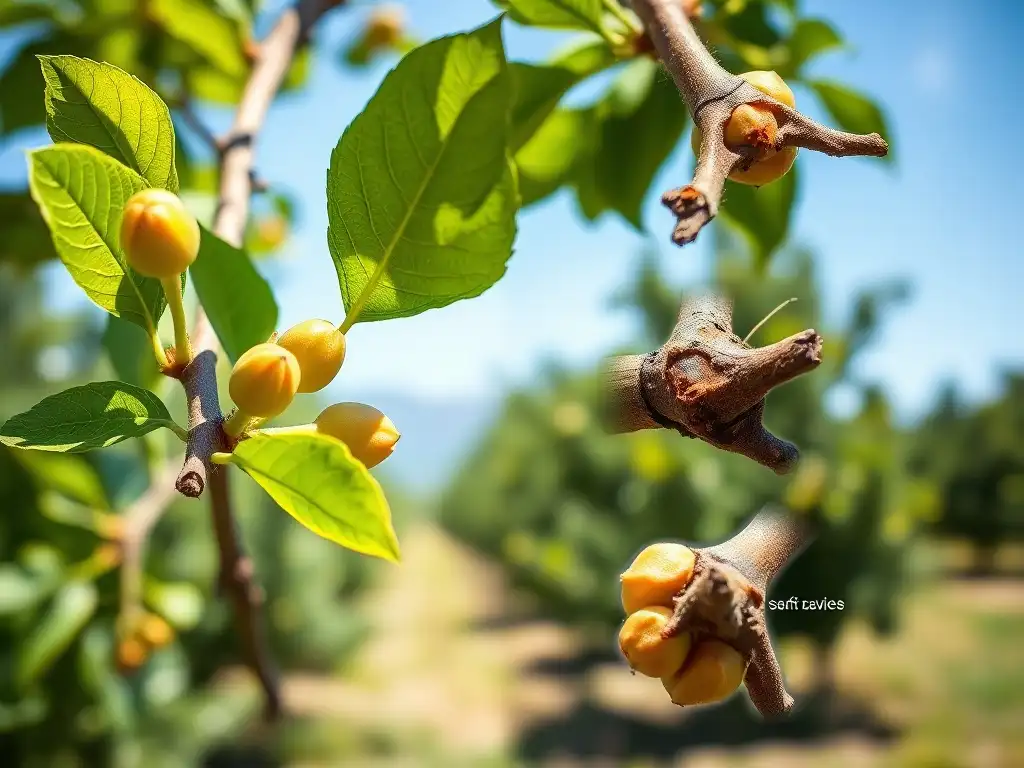
This section focuses on identifying and resolving issues that can hinder the success of your fruit tree grafting efforts. Achieving successful fruit tree grafting requires attention to detail and a proactive approach to troubleshooting. Let's examine some common problems and their solutions. Mastering these techniques will significantly improve your chances of a thriving, fruitful graft union.
Identifying and Addressing Common Grafting Mistakes
Many grafting failures stem from easily avoidable mistakes. Improper preparation of the scion and rootstock is a frequent culprit. The cut surfaces must be clean, precise, and perfectly aligned for optimal cambium contact – the crucial layer for successful union.
- Mistake: Rough or uneven cuts on the scion or rootstock.
- Solution: Practice makes perfect! Use a very sharp grafting knife and make clean, smooth cuts. Consider using a grafting template for consistent results. A slightly angled cut often provides a larger surface area for cambium contact.
- Mistake: Poor alignment of the cambium layers.
- Solution: Carefully align the cambium layers of the scion and rootstock before securing the graft. Visualize the cambium as a thin, greenish layer just beneath the bark. Misalignment significantly reduces the chances of successful grafting.
- Mistake: Insufficient wrapping or improper wrapping technique.
- Solution: Use grafting tape or other suitable material to securely bind the graft union, preventing movement and promoting healing. Wrap tightly but not too tightly to avoid constricting the growth. Ensure the wrap is waterproof to prevent desiccation.
- Mistake: Exposure to extreme weather conditions.
- Solution: Protect the grafted union from harsh sunlight, wind, and extreme temperatures. Consider using a grafting sleeve or shade cloth during critical stages of healing.
| Mistake | Solution | Impact on Success Rate |
|---|---|---|
| Poor cambium alignment | Precise cuts and careful alignment are essential. | Significantly reduces |
| Insufficient wrapping | Secure wrapping prevents movement and desiccation. | Reduces greatly |
| Using dull grafting tools | Sharp tools are crucial for clean cuts. | Significantly reduces |
| Incorrect grafting technique | Practice and proper technique are essential for successful fruit tree grafting. | Greatly reduces |
Remember, even with meticulous attention to detail, some grafts may not take. This is a common occurrence, even for experienced grafters. Don't be discouraged! Analyze what went wrong, learn from your mistakes, and try again.
Recognizing Signs of Graft Failure and Taking Corrective Action
Early detection of graft failure is crucial for minimizing losses. While some failure is inevitable, prompt identification allows for timely intervention. Several visual cues indicate potential problems:
- Wilting or discoloration of the scion: This suggests insufficient water uptake or damage to the vascular system. Check for proper wrapping and ensure adequate moisture.
- Lack of growth from the scion: The scion should show signs of growth within a few weeks. Absence of growth indicates failure.
- Separation at the graft union: A visible gap between the scion and rootstock signals a failed union.
- Dieback of the scion: The scion might die back, indicating a complete grafting failure.
If you observe any of these signs, carefully examine the graft union. If the union appears weak or separated, it's likely that the graft has failed. In some cases, you might be able to re-graft, depending on the extent of the damage. If the rootstock is healthy, it can often support another grafting attempt. However, if the rootstock is also showing signs of stress, it may be best to remove it and start anew. Proper timing and choice of scion and rootstock variety are crucial for successful re-grafting.
Tips for Improving Your Grafting Success Rate Over Time
Consistent success in fruit tree grafting is achieved through continuous learning and practice. Here are some tips to enhance your skills and increase your success rate over time:
- Practice different grafting techniques: Experiment with different methods (whip and tongue, cleft graft, etc.) to find what works best for you and your specific fruit trees.
- Select the right scion and rootstock: Choose compatible varieties and ensure the scion is healthy and vigorous.
- Maintain detailed records: Keep a log of your grafting attempts, noting the date, technique, scion and rootstock varieties, and the outcome. This helps you track your progress and identify areas for improvement.
- Seek guidance from experienced grafters: Join local gardening groups or online forums to connect with others and learn from their experiences. The collective knowledge of a community can significantly enhance your skills.
- Use high-quality tools: Invest in sharp, clean grafting knives and other necessary tools. Dull tools increase the risk of damaging the scion and rootstock.
- Patience is key: Grafting requires patience and time. Don't be discouraged by initial failures. Each attempt provides valuable learning experiences. The more you practice, the better your results will become. Successful fruit tree grafting is a skill honed over time, not an overnight accomplishment.
By carefully following these recommendations and persistently addressing challenges, you'll significantly increase your chances of achieving successful fruit tree grafting and enjoying the bounty of your own homegrown fruit. 🍎
Advanced Techniques for Successful Fruit Tree Grafting
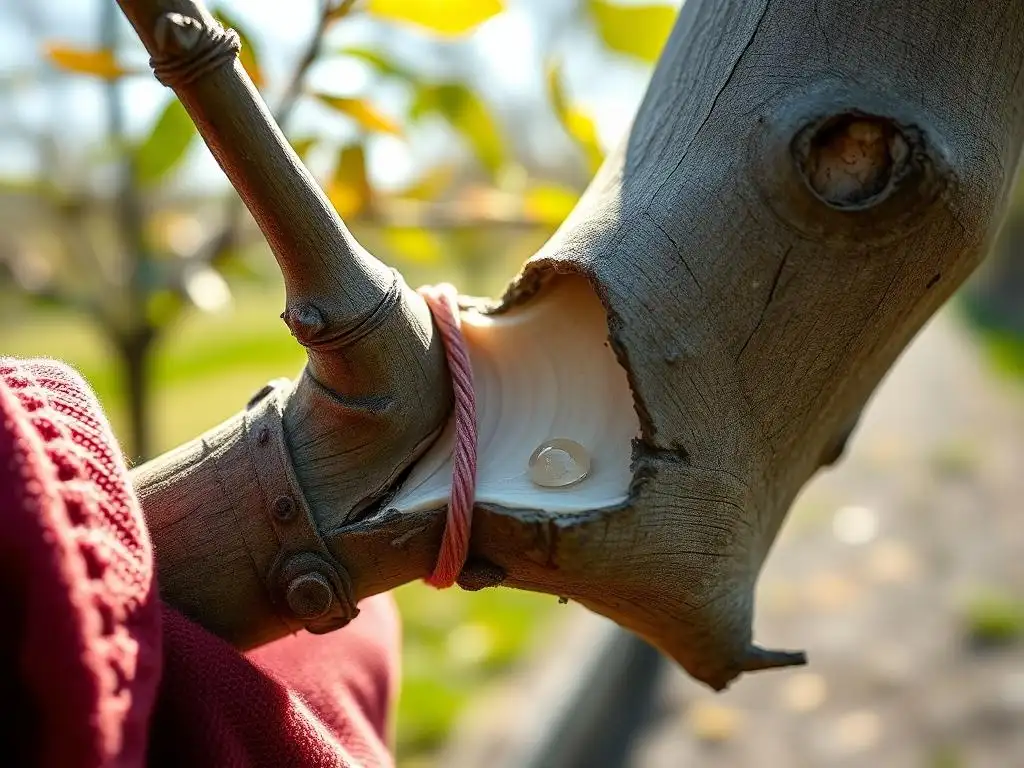
This section delves into more sophisticated grafting methods, moving beyond the basics to achieve superior results in fruit tree propagation. Mastering these techniques significantly increases your chances of a successful graft union, leading to healthier, more productive trees. We'll explore specialized methods and considerations for different fruit species, emphasizing the importance of precision and timing for optimal outcomes in your successful fruit tree grafting endeavors.
Mastering More Complex Grafting Methods for Specific Fruit Trees
Certain fruit trees present unique challenges for grafting due to their bark characteristics, growth habits, or cambium layer sensitivity. For instance, some stone fruits like plums and cherries can be notoriously difficult to graft using simpler techniques like whip and tongue. For these, more advanced methods offer a higher probability of success. Consider the following:
- Inarching: This method involves grafting a scion onto a rootstock while both are still growing in the ground. It's particularly useful for difficult-to-graft species or when you need to repair damaged trees. The process requires patience and careful monitoring of the union's progress. Success hinges on ensuring proper alignment of the cambium layers and preventing desiccation.
- Approach Grafting: Similar to inarching, but the rootstock and scion are brought together above ground, allowing for easier manipulation and observation. This technique provides a more controlled environment and is often preferred for delicate or smaller scions.
- Cleft Grafting (for larger rootstocks): While cleft grafting is a relatively common technique, mastering its application on larger rootstocks requires precision. Making the correct sized cleft, inserting the scion precisely, and sealing the graft effectively are all crucial steps. Failure to achieve perfect alignment and proper sealing often results in graft failure.
Utilizing Advanced Grafting Techniques for Improved Success Rates
Beyond specific grafting methods, certain advanced techniques can drastically improve the success rate of any grafting attempt. These focus on maximizing the chances of cambium contact and preventing infection:
- Precise Cambium Alignment: The absolute key to successful grafting is ensuring perfect contact between the cambium layers of the scion and the rootstock. Even a slight misalignment can dramatically reduce the chances of a successful union. Using a sharp knife and magnifying glass can aid in precise alignment.
- Proper Graft Sealants: Employing high-quality graft sealants is critical to prevent desiccation and infection. These sealants protect the graft union from the elements and pathogens, enhancing the chances of successful healing. Different sealants are available, each with its own properties; choosing the right one based on climate and tree species is important.
- Environmental Control: The environment plays a crucial role in the success of grafting. Protecting the graft from harsh weather conditions, such as extreme temperatures and direct sunlight, is essential. Shading the graft and providing adequate moisture during the healing phase can significantly improve success rates. This is especially important during the initial critical weeks following the grafting process.
- Grafting Timing: Timing is everything in grafting. The ideal time to graft varies depending on the species and your climate but generally occurs during the dormant season or early spring. Understanding the specific dormancy period of your fruit trees is crucial for maximizing success.
Grafting Variations for Apple, Pear, and Cherry Trees
While the general principles of grafting apply across various fruit trees, there are nuances specific to each species. For example:
| Fruit Tree | Grafting Method Considerations | Success Rate Influencing Factors |
|---|---|---|
| Apple | Whip and tongue, cleft grafting, bark grafting are common; consider rootstock compatibility. | Proper timing, precise cambium alignment, appropriate sealant, rootstock selection |
| Pear | Similar to apple, but more sensitive to desiccation; consider using a more protective sealant. | Maintaining graft moisture, selecting a compatible rootstock, careful handling |
| Cherry | More challenging; often requires more advanced methods like approach grafting or inarching. | Careful cambium alignment, proper sealing, protection from disease and pests |
🍎 Successfully grafting these trees requires meticulous attention to detail and a thorough understanding of each species' unique requirements. Remember, even with advanced techniques, patience and observation are key to achieving a successful fruit tree grafting outcome. Consistent monitoring and appropriate aftercare are essential for the long-term success of your grafted trees.
Maintaining Your Successfully Grafted Fruit Tree
Maintaining the health and productivity of your successfully grafted fruit tree requires consistent effort and attention. A strong graft union is only the first step; long-term care is crucial for a bountiful harvest and the longevity of your tree. This section details the essential ongoing practices for ensuring your grafted tree thrives and yields delicious fruit for years to come.
Ongoing Care and Maintenance Practices for Healthy Growth
Successful fruit tree grafting is only half the battle; consistent care is essential for a thriving tree. Regular watering is paramount, especially during dry spells. Deep, infrequent watering encourages strong root development, crucial for a healthy, robust tree. Avoid frequent, shallow watering, which can lead to weak root systems and susceptibility to drought stress. Aim for watering deeply enough to moisten the soil to a depth of at least 12 inches. The frequency will depend on your climate and soil type; monitor soil moisture regularly.
Nutrient management is equally critical. A soil test before planting can help determine your soil's nutrient deficiencies. Amend the soil with compost or other organic matter to improve soil structure and fertility. Regular fertilization, using a balanced fruit tree fertilizer according to package directions, provides the necessary nutrients for healthy growth and fruit production. Over-fertilizing can be harmful, so follow instructions carefully.
Pest and disease management is another essential aspect of ongoing care. Regularly inspect your tree for signs of pests or diseases. Early detection and prompt treatment can prevent widespread damage. Employ integrated pest management (IPM) strategies, prioritizing preventative measures and using organic pest control methods whenever possible. This might include introducing beneficial insects, using insecticidal soaps, or employing other natural pest control techniques. Note that the specific needs will vary depending on your region and the type of fruit tree.
Finally, protecting your tree from extreme weather conditions is vital. Young grafted trees are particularly vulnerable. Consider using tree guards to protect the trunk from sunscald and rodent damage. During harsh winters, provide protection from freezing temperatures if necessary, depending on your climate and tree variety. Mulching around the base of the tree helps retain moisture, regulate soil temperature, and suppress weeds.
Harvesting Fruit from Your Successfully Grafted Tree
Harvesting fruit from your successfully grafted tree is a rewarding experience, the culmination of your efforts in grafting and subsequent tree care. The timing of the harvest depends heavily on the specific fruit variety and your local climate. Generally, fruit will reach its peak flavor and sweetness when fully ripe. Signs of ripeness vary depending on the fruit; for example, stone fruits like peaches and plums often soften and change color as they ripen, while apples may require a taste test to determine optimal ripeness.
Harvesting techniques also vary depending on the fruit type. Gently twist or cut the fruit from the branch, ensuring you don't damage the tree. Avoid bruising the fruit during harvest and handle it carefully to prevent damage. Once harvested, store the fruit properly to maintain its quality and extend its shelf life. This may involve refrigeration, controlled atmosphere storage, or other preservation methods depending on the fruit type. Proper harvesting and storage are crucial for maximizing the enjoyment of the fruits of your labor (pun intended! ).
Pruning Grafted Fruit Trees
Pruning is a crucial aspect of maintaining the health and productivity of your grafted fruit tree. Regular pruning promotes strong framework development, improves air circulation, and enhances fruit production. The optimal time to prune depends on the specific type of fruit tree, but generally, dormant pruning (during the winter months when the tree is leafless) is recommended for most fruit trees. This allows for easier identification of branches and minimizes the risk of disease transmission.
Pruning techniques for grafted trees are similar to those for non-grafted trees, focusing on removing dead, damaged, or diseased branches, as well as those that are crossing or rubbing against each other. Thinning the canopy to improve light penetration is also important. However, pay special attention to the graft union itself, ensuring that it remains unobstructed and healthy. Avoid pruning too close to the graft union, as this could damage the union and compromise the tree’s health.
The correct pruning techniques will ensure the long-term success of your grafted fruit tree and maximize its fruit yield. Remember to use sharp, clean pruning tools to minimize the risk of disease. Proper pruning is a key element in successful fruit tree grafting and ongoing maintenance.
Frequently Asked Questions
What is fruit tree grafting, and why is it beneficial?
Fruit tree grafting is a horticultural technique where you join the scion (a cutting from a desirable fruit tree) to the rootstock (the root system of another tree). This allows you to combine desirable traits, such as disease resistance from the rootstock and high-quality fruit from the scion, resulting in a superior tree.
When is the best time of year to graft fruit trees?
The optimal time for grafting varies depending on your climate and the specific fruit tree. Generally, dormant season (late winter/early spring) before bud break is ideal, allowing the graft union to heal before new growth begins.
What are some essential tools and materials needed for successful grafting?
You'll need a sharp grafting knife, grafting tape or sealant, and clean, compatible scion and rootstock wood. Properly sterilized tools are crucial to prevent disease transmission.
How can I ensure a successful graft union?
The key to a successful graft is precise alignment of the cambium layers (the actively growing tissue) of the scion and rootstock. Careful preparation and secure wrapping of the graft union are also vital.
What are some common mistakes to avoid when grafting fruit trees?
Avoid using incompatible scion and rootstock combinations, as they won't unite. Also, ensure the graft union is protected from the elements and pests. Improper wrapping can also lead to failure.
Final Reflection: The Enduring Legacy of a Successful Graft
The art of grafting fruit trees, once a niche skill, is experiencing a resurgence as more people seek self-sufficiency and connect with the natural world. This renewed interest highlights not only a practical need for sustainable food production but also a deeper yearning for connection with the land and the cyclical nature of life. The successful union of two distinct plants, a testament to patience and horticultural skill, mirrors the potential for growth and harmony in our own lives.
The impact of successful grafting extends beyond the bountiful harvest it yields; it represents a powerful metaphor for collaboration and resilience. The delicate process of uniting scion and rootstock, ensuring their compatibility and fostering their growth, speaks to the interconnectedness of all things. The best time to plant a tree was 20 years ago. The second best time is today.
This proverb perfectly encapsulates the enduring value of grafting, reminding us that even a seemingly small act of cultivation can bear fruit for generations to come. It's a lesson in patience, perseverance, and the rewarding nature of nurturing life.
Consider the lessons learned within these pages. Reflect on the meticulous preparation, the precise technique, and the unwavering patience required for a successful graft. Apply this same dedication and care to your own endeavors, nurturing your passions and fostering connections with the world around you. The rewards, like the sweet fruit of a thriving grafted tree, will be far sweeter than you can imagine. Let the enduring legacy of a successful graft inspire you to cultivate your own potential and contribute to a more fruitful future.
Ready to Grow Your Own Fruit Paradise?
Thank you for learning about the art of grafting fruit trees! You've gained valuable knowledge to significantly improve your harvests and create a thriving orchard. Ready to put your new skills into practice?
- Try grafting your own fruit tree this season! Choose a variety you enjoy and give it a try. Even a small, successful graft is a rewarding achievement.
- Share your grafting experiences (and any questions!) in the comments below. We love hearing from our community!
- Consider documenting your grafting journey with photos—it's a rewarding way to track your progress and inspire others.
What fruit variety will you graft first? Let's discuss!