
Homemade Fruit Tree Pest Control Recipes: Simple and Effective Solutions

Welcome to CultivateYourFood, your guide to a thriving, sustainable garden! Are you ready to unlock the secrets to bountiful harvests, free from harmful chemicals? We'll show you how, starting with our in-depth guide on organic fruit tree pest control. Discover simple, effective homemade recipes that will keep your fruit trees healthy and your produce delicious. Learn more and start cultivating your own food paradise today!
- Understanding Common Fruit Tree Pests and Organic Solutions
- DIY Organic Fruit Tree Pest Control Recipes
- Preventing Fruit Tree Pests: Proactive Organic Methods
- Advanced Organic Fruit Tree Pest Control Techniques
- Choosing the Right Organic Pest Control Method for Your Fruit Trees
- Maintaining a Healthy Orchard: Long-Term Organic Pest Management
-
Frequently Asked Questions
- What are some common pests that affect fruit trees?
- Are chemical pesticides necessary for organic fruit tree pest control?
- How can I prevent pests from infesting my fruit trees?
- What are some effective homemade pest control recipes?
- Where can I learn more about organic fruit tree pest control techniques?
- Final Reflection: Nurturing Nature's Bounty: A Sustainable Approach to Pest Control
- Unleash Your Inner Gardener: Protect Your Fruit Trees Naturally!
Understanding Common Fruit Tree Pests and Organic Solutions
Cultivating your own fruit trees offers immense satisfaction – the taste of homegrown fruit is unparalleled! However, the journey isn't always smooth sailing. Fruit trees, like any plants, are susceptible to a variety of pests that can significantly impact their health and yield. This article delves into the world of organic fruit tree pest control, providing you with simple, effective, and environmentally friendly recipes to combat these common adversaries.
We'll explore the most prevalent pests, the dangers of chemical pesticides, and the numerous benefits of choosing a sustainable approach to protecting your precious fruit trees. By embracing organic methods, you'll not only safeguard your trees and the quality of your harvest but also protect your family's health and the environment. This guide empowers you to become a proactive and responsible fruit tree guardian, ensuring abundant harvests year after year.
Identifying Common Fruit Tree Pests: Aphids, Spider Mites, and More
Fruit trees are susceptible to a wide range of pests, each with its own unique characteristics and damage patterns. Let's examine some of the most common culprits:
- Aphids: These tiny, pear-shaped insects cluster on young shoots and leaves, sucking sap and causing stunted growth and leaf curling. They often secrete a sticky substance called honeydew, which can attract other pests like ants and lead to sooty mold.
- Spider Mites: These microscopic arachnids are difficult to see with the naked eye but their presence is revealed by stippled leaves and fine webbing. Heavy infestations can cause leaf yellowing and defoliation.
- Scale Insects: These armored pests attach themselves to branches and leaves, sucking sap and hindering growth. They are often difficult to remove and can be persistent.
- Codling Moths: The larvae of codling moths bore into developing fruit, causing damage and rendering the fruit unmarketable.
- Leaf Miners: These insects tunnel within the leaves, creating visible serpentine trails. While not always fatal, they can weaken the tree and affect its aesthetic appeal.
Understanding the specific pest affecting your trees is the first crucial step towards effective control. Careful observation and identification are key to choosing the most appropriate organic treatment. Accurate identification often requires magnification; a simple magnifying glass can be invaluable.
The Dangers of Chemical Pesticides on Fruit Trees and Your Health
While chemical pesticides might offer quick fixes, they come with substantial drawbacks. The indiscriminate nature of many chemical pesticides can harm beneficial insects like pollinators (bees! ), beneficial predatory insects that naturally control pest populations, and even earthworms crucial for soil health. Furthermore, pesticide residues can persist on the fruit, potentially entering your food chain and posing health risks to you and your family.
Long-term exposure to certain pesticides has been linked to various health problems. The environmental impact is also significant, with potential harm to water sources and wildlife. Choosing organic pest control minimizes these risks, fostering a healthier ecosystem around your fruit trees and protecting your family's well-being.
Why Choose Organic Fruit Tree Pest Control? Benefits and Advantages
Opting for organic pest control offers a multitude of benefits, impacting both your trees and the environment positively:
- Environmental Protection: Organic methods avoid the harmful effects of chemical pesticides on beneficial insects, soil organisms, and water sources. This contributes to a healthier ecosystem in your garden.
- Healthier Fruit: Organic pest control ensures your fruit is free from harmful chemical residues, resulting in a safer and healthier product for consumption.
- Improved Soil Health: Many organic methods, such as composting and the use of beneficial nematodes, enhance soil health, leading to stronger and more resilient trees.
- Cost-Effectiveness: While initial investment might seem higher for some organic solutions, the long-term cost savings can be substantial by avoiding repeated chemical treatments and maintaining healthy trees.
- Sustainable Practices: Organic pest control aligns with sustainable gardening practices, promoting biodiversity and reducing your environmental footprint.
The long-term advantages of organic fruit tree pest control far outweigh the short-term convenience of chemical solutions. It's an investment in the health of your trees, your family, and the planet. 🌳
DIY Organic Fruit Tree Pest Control Recipes
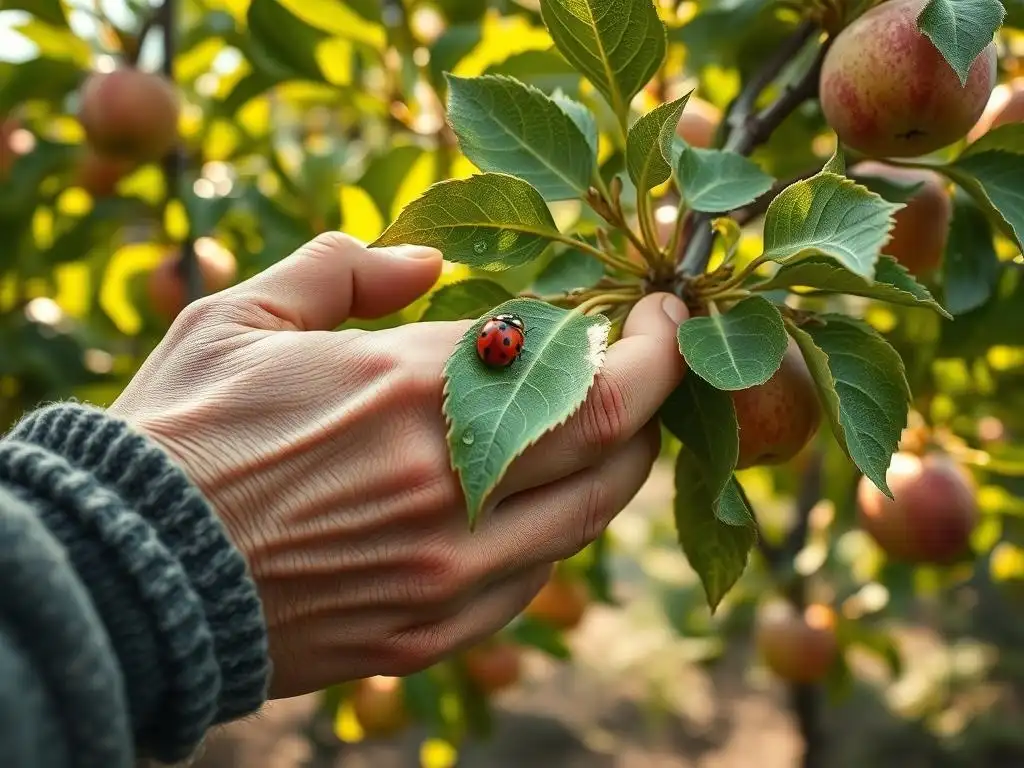
This section details several homemade recipes for effective and environmentally friendly organic fruit tree pest control. These recipes utilize readily available ingredients, minimizing the impact on beneficial insects and the environment while protecting your valuable fruit trees. Remember to always test any new spray on a small area of the tree first to check for adverse reactions before applying it to the entire tree. Consistent application and monitoring are key to successful organic pest management. Choosing the right recipe depends on the specific pest you're targeting.
Neem Oil Spray: A Versatile Solution for Many Pests
Neem oil is derived from the neem tree and boasts potent insecticidal and fungicidal properties. It's a broad-spectrum solution effective against a variety of common fruit tree pests, including aphids, mealybugs, mites, and certain caterpillars. Its effectiveness stems from disrupting the pests' life cycles, impacting feeding, mating, and egg-laying. While generally safe, always follow label instructions and consider the potential impact on beneficial insects. The key to success with neem oil lies in proper application and timing.
Making a Neem Oil Spray for Fruit Trees
Creating a neem oil spray for your fruit trees is straightforward. You will need:
- 1 tablespoon of neem oil (cold-pressed is preferred)
- 1 teaspoon of liquid dish soap (a mild, unscented soap is best)
- 1 quart of water
Instructions:
- Combine the neem oil and dish soap in a container. The dish soap acts as an emulsifier, helping the oil mix with the water.
- Add the water and mix thoroughly, either by shaking vigorously or using a whisk.
- Pour the mixture into a spray bottle.
Applying Neem Oil Spray Effectively
Timing is crucial for optimal efficacy. Apply the neem oil spray in the early morning or evening when temperatures are cooler to minimize evaporation and avoid scorching the leaves. Thoroughly coat all parts of the plant, paying close attention to the undersides of leaves where many pests hide. Repeat applications every 7-10 days, or as needed, to maintain control.
Remember to always wear protective gloves and clothing when applying any pesticide, even organic ones. Monitor your trees regularly after application to assess the effectiveness of the treatment and adjust your approach accordingly. Consistent monitoring is a crucial part of organic fruit tree pest control.
Insecticidal Soap Recipe for Soft-bodied Insects
Insecticidal soap is another excellent organic option, particularly effective against soft-bodied insects like aphids, spider mites, whiteflies, and mealybugs. It works by disrupting the pests' cell membranes, leading to dehydration and death. Unlike neem oil, insecticidal soap is a contact insecticide, meaning it must directly contact the pest to be effective. It's generally less harmful to beneficial insects than broad-spectrum insecticides.
Ingredients and Preparation of Insecticidal Soap
This recipe provides a simple and effective insecticidal soap:
- 1 tablespoon of liquid potassium soap (available at most garden centers) or 1 tablespoon of pure castile soap (ensure it's unscented and undiluted)
- 1 quart of water
Instructions:
- Combine the soap and water in a spray bottle.
- Shake well to ensure the soap is thoroughly dissolved.
Application Tips for Insecticidal Soap
Apply the insecticidal soap spray directly to the affected areas of the plant, ensuring thorough coverage. Focus on the undersides of leaves where many soft-bodied insects tend to congregate. Reapply every 3-5 days, or more frequently if necessary, especially after rain. Always test a small area of the plant first to ensure the soap doesn't damage the foliage.
Remember that insecticidal soap is a contact killer, so thorough coverage is essential for maximum effectiveness. Proper application and consistent monitoring are crucial components of a successful organic pest management strategy for your fruit trees. Regular inspection of your trees will allow you to catch infestations early and prevent major damage.
Garlic and Pepper Spray: Repelling Pests Naturally
Garlic and pepper spray is a potent, yet gentle, solution for many common fruit tree pests. This organic pest control method leverages the pungent odors of garlic and peppers to deter insects and other unwanted visitors. The active compounds in these ingredients disrupt the pests' olfactory senses, making it difficult for them to locate your precious fruit trees. This method is particularly effective against aphids, spider mites, and other soft-bodied insects.
Unlike harsh chemical pesticides, garlic and pepper spray poses minimal risk to beneficial insects like ladybugs and pollinators, contributing to a healthier ecosystem in your garden. The recipe is easily customizable, allowing you to adjust the strength based on the severity of the infestation. Remember, consistency is key; regular application is crucial for optimal results.
Creating a Powerful Garlic and Pepper Spray
To create a highly effective garlic and pepper spray, you'll need a few simple ingredients. Start by finely chopping 2-3 large cloves of garlic and 1-2 fresh, hot peppers (such as jalapeños or serranos). Remember to wear gloves while handling the peppers to avoid skin irritation. Combine the chopped garlic and peppers in a blender with 1 quart of water. Blend until a smooth mixture is achieved.
Then, strain the mixture through a cheesecloth or fine-mesh sieve to remove the solid particles. This ensures a smoother application and prevents clogging your spray bottle. Finally, add 1 tablespoon of liquid dish soap to the strained mixture. The soap acts as a surfactant, helping the spray adhere to the leaves and stems of your fruit trees. Store the mixture in a tightly sealed container and shake well before each use.
Using Garlic and Pepper Spray for Effective Pest Control
Applying the garlic and pepper spray is straightforward. Use a spray bottle to thoroughly coat the leaves, stems, and branches of your affected fruit trees. Focus on the areas where you've observed the highest concentration of pests. Early morning or late evening applications are ideal, as they minimize evaporation and maximize the contact time of the spray with the pests. Avoid spraying during peak sunlight hours, as this can scorch the leaves.
Regular application is vital for long-term pest control. Aim for a weekly application during periods of heavy infestation, and reduce the frequency to every two weeks once the pest population is under control. Always test a small area of your tree before applying the spray to the entire tree to ensure it doesn't cause any adverse reactions. Remember to observe your trees for any changes and adjust your application strategy accordingly.
Diatomaceous Earth (DE): A Natural Insecticide
Diatomaceous earth (DE) is a naturally occurring sedimentary rock composed of fossilized diatoms. This fine, white powder is a remarkably effective insecticide for a wide range of fruit tree pests. DE's sharp edges cut through the exoskeletons of insects, causing dehydration and ultimately death. It's particularly effective against crawling insects like ants, slugs, and caterpillars.
Unlike chemical pesticides, DE is non-toxic to mammals, birds, and beneficial insects when used correctly. It's a safe and environmentally friendly option for organic fruit tree pest control. Moreover, DE is relatively inexpensive and readily available at most garden centers and online retailers. This makes it a cost-effective and sustainable solution for home gardeners.
Applying Diatomaceous Earth to Fruit Trees
Applying DE to your fruit trees is simple. Choose a calm day to avoid windy conditions that might disperse the powder. Sprinkle the DE directly onto the affected areas of your trees, focusing on the lower branches and the ground around the base of the tree. You can also mix DE with water to create a spray, but the powder application is generally more effective for crawling insects. Ensure the DE makes good contact with the pests.
Reapply after rain or watering, as DE can be washed away. For optimal results, apply DE regularly, especially during periods of high pest activity. Consistent application is crucial for maintaining control over the pest population. Remember to wear a dust mask during application to prevent inhalation of the fine powder.
Safety Precautions when Using Diatomaceous Earth
While DE is generally considered safe, some precautions are necessary. Always use food-grade diatomaceous earth for application on fruit trees. Avoid inhaling the dust, as it can irritate the lungs. Wear a dust mask during application. Avoid contact with eyes and skin.
Wash thoroughly with soap and water after handling. Store DE in a sealed container in a cool, dry place. Keep out of reach of children and pets. While DE is generally safe for beneficial insects, excessive application could potentially affect some beneficial species. Monitor your garden closely after application to assess the impact on beneficial insects and adjust application as needed.
Preventing Fruit Tree Pests: Proactive Organic Methods
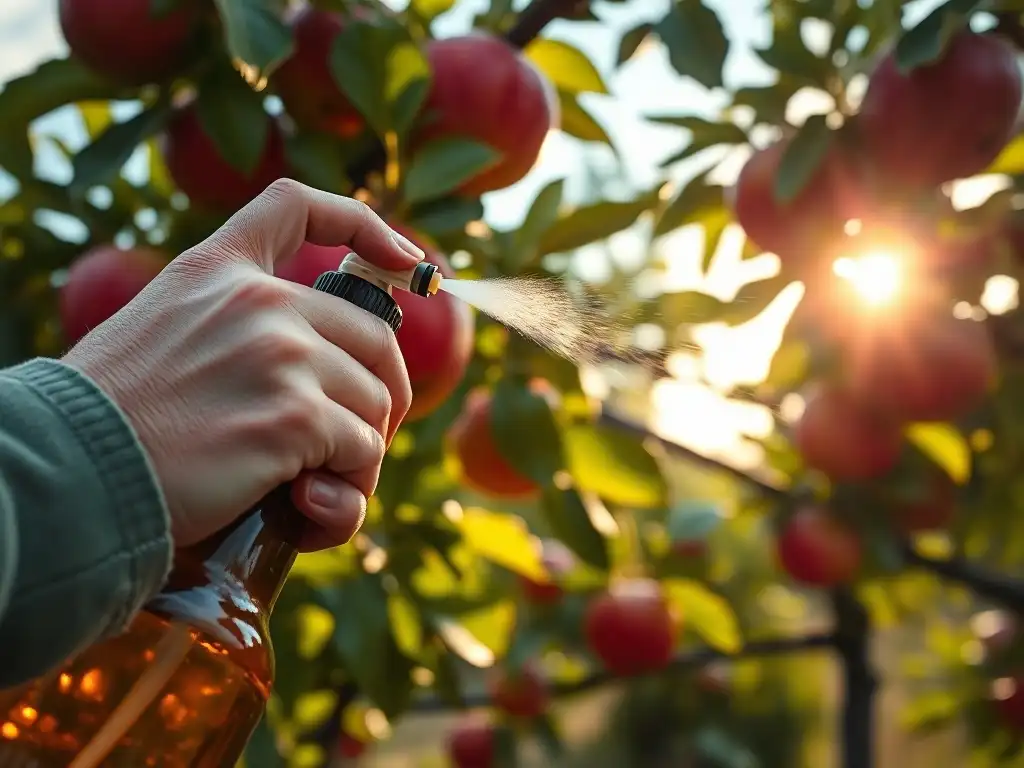
Effective organic fruit tree pest control begins with prevention. A healthy tree is far less susceptible to infestations. This proactive approach minimizes the need for reactive treatments, aligning perfectly with sustainable gardening practices. By focusing on preventative measures, you're not only protecting your trees but also contributing to a healthier environment. Let's explore some key preventative strategies.
Maintaining Tree Health: Proper Watering and Fertilization
Healthy trees are naturally more resistant to pests. Proper watering is crucial; underwatering stresses the tree, making it more vulnerable. Overwatering, however, can lead to root rot, another weakness. Aim for consistent moisture, adjusting watering frequency based on weather conditions and soil type. A good rule of thumb is to water deeply and less frequently, encouraging deep root growth.
Fertilization plays a vital role. Use organic fertilizers, rich in nitrogen, phosphorus, and potassium, to provide the essential nutrients your fruit trees need for robust growth. Avoid over-fertilizing, as this can lead to lush growth that is actually weaker and more susceptible to pests. Conduct a soil test to determine your soil's nutrient levels and tailor your fertilization plan accordingly. Regular soil testing is a key component of organic fruit tree pest control, ensuring your trees receive precisely what they need. Remember to apply fertilizer according to package instructions, avoiding direct contact with the tree trunk.
Pruning Techniques to Improve Air Circulation and Sunlight
Pruning is a cornerstone of organic fruit tree pest control. Proper pruning improves air circulation within the tree canopy, reducing humidity which can encourage fungal diseases and pest proliferation. Good air circulation helps to dry leaves quickly after rain or watering, preventing the development of fungal diseases that often attract pests. Furthermore, pruning allows sunlight to penetrate the tree's interior, deterring shade-loving pests and promoting strong, healthy growth.
When pruning, remove dead, diseased, or crossing branches. Aim to maintain an open structure that allows for good airflow and sunlight penetration. The timing of pruning depends on the tree species, so research the specific needs of your fruit trees. Regular pruning, done correctly, significantly reduces the likelihood of pest infestations, minimizing the need for harsh chemical interventions. This is an essential aspect of effective, long-term organic fruit tree pest control.
Attracting Beneficial Insects: Ladybugs, Lacewings, and Praying Mantises
Introducing beneficial insects into your orchard is a powerful natural pest control method. These insects prey on many common fruit tree pests, providing a biological control mechanism. Ladybugs, for example, are voracious eaters of aphids, while lacewings and praying mantises are effective predators of a wide range of insects.
To attract these helpful insects, plant flowers that provide nectar and pollen. Dill, fennel, yarrow, and cilantro are excellent choices. Avoid using broad-spectrum insecticides, as these will kill beneficial insects along with the pests. Providing habitat for these beneficial insects, such as leaving some leaf litter or creating small rock piles, can further enhance their presence in your orchard. By fostering a diverse ecosystem, you create a natural balance that keeps pest populations under control, thereby promoting healthy fruit tree growth using organic methods. This natural approach is key to sustainable and effective organic fruit tree pest control.
Using Physical Barriers to Protect Your Trees: Netting and Row Covers
Physical barriers offer a proactive and effective method of organic fruit tree pest control. These barriers prevent pests from accessing your trees in the first place, eliminating the need for chemical interventions. Two highly effective methods are netting and row covers.
Netting is particularly useful for protecting fruit from birds and larger insects like certain moths whose larvae can damage fruit. The type of netting you choose will depend on the size of the pest you’re trying to exclude. Fine mesh netting is ideal for smaller insects, while coarser netting can deter birds and larger creatures. Proper installation is key; ensure the netting is securely fastened to prevent pests from finding entry points. Regular inspection is also important to ensure the netting remains intact and effective. Consider using netting over individual branches or the entire tree, depending on the scale of the infestation threat and the size of your tree. For smaller trees, a simple netting enclosure might suffice. Larger trees might require more complex support structures to maintain the netting's effectiveness. Remember, proper ventilation is still crucial to avoid creating a humid environment that encourages other problems like fungal diseases.
Row covers, on the other hand, are typically used to protect young saplings or smaller fruit trees from a broader range of pests, including crawling insects and some flying ones. They create a physical barrier, preventing pests from reaching the leaves and fruit. Row covers are generally made from lightweight, breathable fabric. These covers should be placed over the tree carefully, ensuring complete coverage without smothering the plant.
Proper ventilation is crucial to prevent overheating and moisture buildup, which can lead to fungal diseases. Regularly inspect the row cover for tears or holes, repairing them promptly to maintain its effectiveness. Remember to remove the row cover during periods of intense heat to avoid damaging the tree.
The use of row covers is particularly beneficial in the early stages of a tree's growth when it is most vulnerable to pests and diseases. The choice between netting and row covers depends on the specific pests you're targeting and the size and maturity of your fruit trees. A combination of both might even be the most effective strategy in some cases.
Advanced Organic Fruit Tree Pest Control Techniques
This section delves into more advanced, yet still entirely organic, methods for controlling pests in your fruit trees. These techniques require a bit more knowledge and effort than simpler solutions, but they offer highly effective and sustainable pest management. Remember, consistent monitoring is crucial for early detection and preventing major infestations, regardless of the method used. Successful organic fruit tree pest control relies on a proactive and integrated approach.
Bacillus thuringiensis (Bt): A Bio-pesticide for Specific Pests
Bacillus thuringiensis (Bt) is a naturally occurring bacterium that produces toxins lethal to certain insect larvae, making it a powerful bio-pesticide for organic fruit tree pest control. It's highly specific, meaning it targets particular pests without harming beneficial insects like ladybugs or bees. This selectivity is a significant advantage over broad-spectrum chemical pesticides.
Several different strains of Bt are available, each effective against specific insect orders. For example, Bt kurstaki is highly effective against lepidopteran larvae (butterflies and moths), which include many common fruit tree pests like codling moths and leafrollers. Bt aizawai targets some dipteran larvae (flies), while Bt israelensis is specifically used against mosquitoes and black flies. It's crucial to select the appropriate Bt strain based on the identified pest.
The application method is relatively straightforward. Bt is usually available as a powder or liquid concentrate, and it needs to be mixed with water according to the product instructions. Thorough coverage of the foliage is essential for optimal effectiveness. Repeated applications might be necessary, especially during peak pest activity, depending on the specific pest lifecycle and weather conditions. Remember that Bt is most effective against young larvae, so early detection is key for maximizing its impact. Optimal application timing requires understanding the specific pest's life cycle.
Composting Tea as a Natural Pest Deterrent
Composting tea, a liquid extract from composted material, is a surprisingly effective natural pest deterrent and soil amendment. It's rich in beneficial microbes that improve soil health and plant vigor, making your fruit trees more resilient to pests and diseases. The microbes in the tea outcompete harmful pathogens and some pests, leading to a healthier ecosystem around the tree's root system.
Creating composting tea involves steeping composted material in water for a period of time. The resulting liquid is then diluted and applied to the soil around the base of the tree, avoiding direct contact with the fruit. The application method can vary, from simple watering to more sophisticated foliar sprays. The frequency of application depends on the specific needs of your trees and the observed pest activity. This method is best viewed as a preventative measure and part of a broader organic fruit tree pest control strategy; it won't eliminate existing infestations.
The composition of your compost significantly impacts the effectiveness of the tea. A well-balanced compost, rich in diverse microorganisms, will produce a more potent and beneficial tea. Regular soil testing can help ensure you're providing your trees with the necessary nutrients and a healthy microbial environment. This holistic approach strengthens the tree's natural defenses, making it less susceptible to pests. Remember that consistent application is key to observing long-term benefits.
Monitoring and Early Detection of Pests: Prevention is Key
Proactive monitoring is paramount for effective organic fruit tree pest control. Regular inspections are crucial for early detection, allowing you to intervene before infestations become widespread and difficult to manage. Early detection significantly reduces the need for more aggressive control measures. This preventative approach is the cornerstone of successful organic gardening.
Regular visual inspections are essential. Look for signs of pest damage, such as leaf holes, chewed fruit, webbing, or the presence of the pests themselves. Pay close attention to the undersides of leaves and to the developing fruit. A magnifying glass can be helpful for identifying smaller pests or their eggs. Keeping detailed records of your observations can help track pest populations and identify potential problems.
Consider using sticky traps to monitor flying insects. These traps can provide valuable information on pest activity and help determine the timing and intensity of necessary interventions. They can also help in identifying the specific pests present. Remember that integrating multiple monitoring techniques provides a more comprehensive picture of the pest situation. This comprehensive approach allows for a targeted and effective response, minimizing disruption to the ecosystem and maximizing the health of your fruit trees. By combining diligent monitoring with appropriate organic control methods, you can cultivate healthy and productive fruit trees without resorting to harmful chemicals.
When to Call in Professional Help for Severe Infestations
Even with diligent application of homemade organic pest control recipes, some fruit tree infestations can reach a level requiring professional intervention. Knowing when to seek expert help is crucial to prevent irreversible damage to your trees and ensure the long-term health of your orchard. Several indicators signal the need for professional assistance.
Firstly, a widespread and rapidly spreading infestation that shows no sign of slowing down despite your best efforts indicates a potentially serious problem. This might involve a massive aphid colony covering entire branches, a severe scale insect infestation significantly impacting tree vigor, or a widespread fungal infection causing extensive leaf drop or fruit rot. In these situations, the scale of the problem often exceeds the capacity of DIY solutions.
Secondly, identification difficulties can necessitate professional help. Some pests are incredibly difficult to identify, and misidentification can lead to ineffective treatment. A professional arborist or entomologist possesses the expertise to accurately diagnose the pest or disease, ensuring the correct treatment strategy is employed. This is particularly crucial when dealing with less common or newly emerging pests, where knowledge of specific vulnerabilities and effective control methods is essential.
Professional help can also be invaluable when dealing with pests resistant to common organic treatments. Certain pests have developed resistance to specific organic pesticides, making standard DIY approaches less effective. A professional can utilize more advanced, targeted treatments or integrated pest management (IPM) strategies to combat these resistant populations.
Finally, consider the size and type of your fruit trees. Very large or mature trees might require specialized equipment and expertise to effectively treat widespread infestations. Professional arborists have the tools and knowledge to reach high branches and apply treatments efficiently and safely, ensuring thorough coverage and minimizing environmental impact. Similarly, if you're dealing with particularly valuable or rare fruit tree varieties, the risk of irreversible damage necessitates professional intervention to minimize potential losses.
Delaying professional help in these circumstances can lead to significant financial losses and the potential loss of irreplaceable trees. Therefore, while DIY organic pest control is a valuable tool, recognizing the limitations and knowing when to seek professional help is a crucial aspect of successful organic fruit tree management. Remember, proactive management is always better than reactive crisis management.
Choosing the Right Organic Pest Control Method for Your Fruit Trees
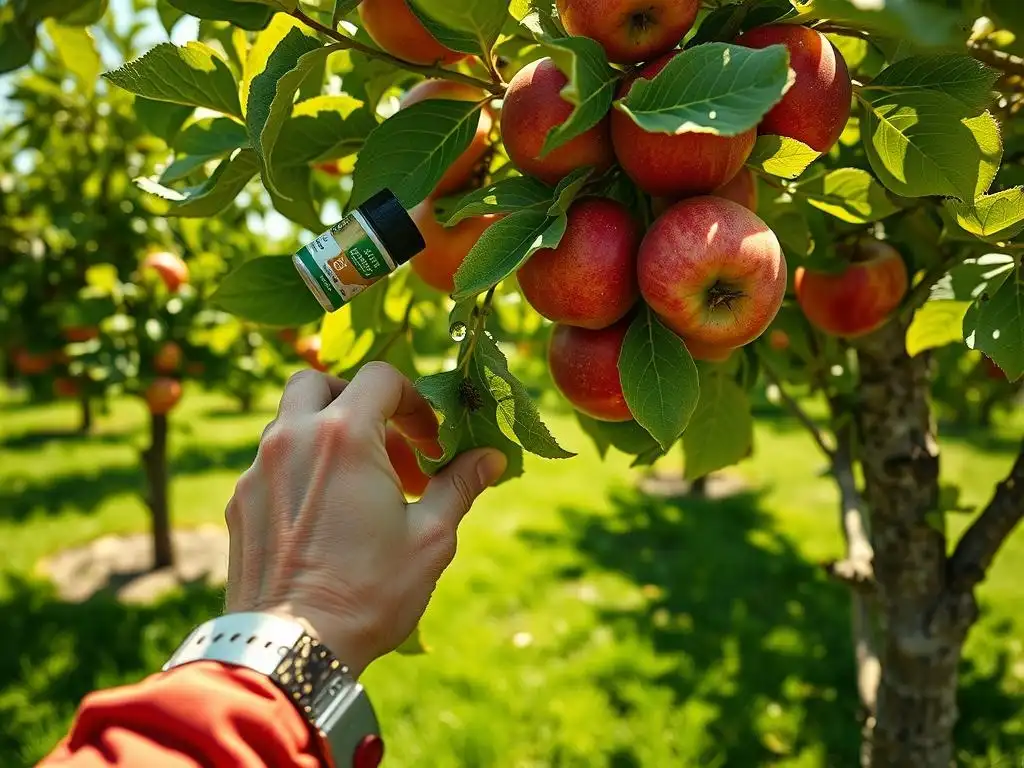
Effective organic fruit tree pest control requires a nuanced approach. Choosing the right method depends on several factors, and a one-size-fits-all solution rarely works. Understanding the specific needs of your trees and the nature of the infestation is crucial for success. Ignoring this crucial first step can lead to wasted time and resources, and potentially further damage to your fruit trees. We'll explore how to make informed decisions to protect your harvest organically.
Considering the Type of Pest Infestation
Identifying the specific pest is paramount. Different pests require different control strategies. For example, aphids, a common sucking insect, respond well to insecticidal soaps, while caterpillars, chewing insects, may require Bacillus thuringiensis (Bt), a naturally occurring bacterium toxic to caterpillars. Scale insects, on the other hand, might need a more targeted approach involving horticultural oil or manual removal.
A careful inspection of your trees is essential. Look for:
- Visible insects: Observe their size, color, and behavior. Are they chewing leaves, sucking sap, or boring into the wood?
- Damage to leaves and fruit: Holes in leaves, discoloration, wilting, or deformed fruit can all indicate specific pest activity.
- Presence of webbing or nests: These can be a clear sign of certain pests like spider mites or caterpillars.
- Sticky residue (honeydew): This sugary substance is often left behind by sap-sucking insects like aphids and scale.
Accurate identification can be aided by consulting local agricultural extension offices or online resources specializing in organic pest control. Remember, a misidentification can lead to ineffective treatment. Accurate identification is the cornerstone of successful organic fruit tree pest control.
Selecting the Appropriate Homemade Recipe
Once you've identified the pest, you can choose a homemade recipe tailored to its specific characteristics. The effectiveness of each recipe varies depending on the severity of the infestation and the specific pest. It's important to note that homemade remedies are often preventative or effective against light infestations. For severe infestations, professional intervention may be necessary.
Here's a simplified guide to match common pests with suitable homemade solutions:
| Pest Type | Potential Homemade Recipe | Notes |
|---|---|---|
| Aphids | Insecticidal soap (diluted dish soap and water) | Reapply every few days until the infestation is gone. |
| Caterpillars | Bacillus thuringiensis (Bt) spray | Follow product instructions carefully. |
| Spider mites | Neem oil spray | Effective against a wide range of pests. |
| Powdery mildew | Baking soda and water spray | May need to be applied multiple times. |
| Ants (as vectors) | Cinnamon, peppermint oil, or diatomaceous earth barrier | Prevent ants from carrying aphids to your fruit trees. 🐜 |
Remember to always test any homemade recipe on a small area of the tree first to check for adverse reactions before applying it broadly.
Evaluating the Severity of the Infestation
Before implementing any organic fruit tree pest control method, assess the extent of the infestation. A small infestation might respond well to a simple homemade solution, while a severe infestation may require a more comprehensive approach. Ignoring the severity can lead to ineffective treatment and potentially irreversible damage to your trees.
Consider these factors when evaluating the severity:
- Percentage of affected leaves and fruit: Is a small portion of the tree affected, or is the infestation widespread?
- Rate of spread: Is the infestation rapidly expanding, or is it relatively stable?
- Overall health of the tree: Is the tree showing signs of stress beyond the pest infestation (e.g., wilting, leaf drop)?
For minor infestations, a well-targeted homemade remedy might suffice. However, for significant infestations, a combination of methods—including manual removal, cultural practices (like pruning), and carefully chosen organic pesticides—might be necessary. In cases of severe infestation, consulting with a local arborist specializing in organic fruit tree care is highly recommended. Early detection and prompt action are vital for successful organic fruit tree pest control.
Maintaining a Healthy Orchard: Long-Term Organic Pest Management
This section focuses on establishing a proactive, preventative approach to organic fruit tree pest control, moving beyond reactive treatments. A healthy orchard is less susceptible to pest infestations. We'll explore strategies to bolster your trees' natural defenses and minimize the need for frequent interventions. Implementing these long-term strategies is crucial for successful organic fruit tree pest control.
Regular Inspection and Monitoring of Your Trees
Regular monitoring is the cornerstone of effective organic pest management. Early detection allows for swift, targeted intervention, often preventing a minor problem from escalating into a major infestation. Aim for weekly inspections, particularly during peak growing seasons (spring and summer). Your checks should include:
- Visual examination of leaves, branches, and fruit: Look for signs of chewing, discoloration, unusual growths (galls), webbing, or the presence of insects themselves. A magnifying glass can be invaluable for identifying smaller pests.
- Checking the soil around the base of the trees: Look for signs of soilborne pests or diseases.
- Monitoring for unusual bird or animal activity: While some birds are beneficial, others can damage fruit. Similarly, excessive rodent activity might indicate a problem.
Maintaining detailed records of your observations is crucial. Note the date, the specific pest or disease observed (if identified), the affected area of the tree, and any actions taken. This data will help you track pest activity over time, predict potential problems, and fine-tune your organic fruit tree pest control strategies. For example, a sudden increase in aphid populations in early June might indicate a need for preventative measures the following year. This data-driven approach is key to long-term success in organic gardening.
Adjusting Your Approach Based on Seasonal Changes
Pest pressure varies significantly throughout the year. A successful organic fruit tree pest control strategy must adapt to these seasonal shifts. Different pests are active at different times, and the effectiveness of certain control methods can also be influenced by temperature and weather conditions.
- Spring: Focus on preventing early infestations. This may involve applying preventative sprays (such as neem oil) before pests become established, or deploying beneficial insects like ladybugs to control aphids.
- Summer: Monitor for a wider range of pests, including those that attack fruits directly. Regular harvesting of ripe fruit can reduce the attractiveness of the tree to pests. Consider using physical barriers like netting to protect fruit from birds or insects.
- Autumn: Clean up fallen leaves and fruit to remove overwintering sites for pests and diseases. Prune affected branches and dispose of them properly. This proactive approach reduces the pest population for the next season.
- Winter: Dormancy allows for more extensive pruning and soil management practices. This is a good time to apply dormant oil sprays to control overwintering pests.
Combining Different Organic Pest Control Methods for Maximum Effectiveness
Relying on a single method for organic fruit tree pest control is rarely sufficient. A truly effective strategy integrates several approaches, creating a multi-layered defense against pests. This integrated pest management (IPM) approach minimizes the risk of resistance developing and maximizes the effectiveness of your efforts.
| Method | Description | Effectiveness | Timing |
|---|---|---|---|
| Cultural Controls | Pruning, sanitation, proper fertilization, selecting pest-resistant varieties | High (preventative) | Year-round, particularly in autumn |
| Biological Controls | Introducing beneficial insects (ladybugs, lacewings), using nematodes | Moderate to High | Spring and Summer |
| Mechanical Controls | Physical barriers (nets), handpicking pests, trapping | Moderate | As needed, throughout the growing season |
| Botanical Pesticides | Using plant-derived pesticides (neem oil, insecticidal soaps) | Moderate | As needed, when pest activity is high |
By combining these strategies, you create a robust and sustainable system for organic fruit tree pest control, ensuring a healthy and productive orchard year after year. Remember that consistent monitoring and adaptation are key to long-term success. The best approach will always be tailored to your specific orchard and the challenges it faces. 🍎
Frequently Asked Questions
What are some common pests that affect fruit trees?
Common fruit tree pests include aphids, scale insects, spider mites, borers, and codling moths. These pests can damage fruit, leaves, and branches, impacting yield and tree health.
Are chemical pesticides necessary for organic fruit tree pest control?
No, chemical pesticides are not necessary for effective organic pest control. Many natural and homemade remedies can effectively manage most common fruit tree pests.
How can I prevent pests from infesting my fruit trees?
Prevention is key! Regular tree inspection, proper pruning, mulching, and maintaining tree health through proper watering and fertilization can significantly reduce pest infestations.
What are some effective homemade pest control recipes?
Several effective recipes exist, including neem oil sprays, insecticidal soap solutions, and diatomaceous earth. These provide natural pest control with minimal environmental impact.
Where can I learn more about organic fruit tree pest control techniques?
Explore resources like the CultivateYourFood website for detailed information on various organic pest control methods, including recipes and preventative measures for a healthy and thriving orchard.
Final Reflection: Nurturing Nature's Bounty: A Sustainable Approach to Pest Control
The quest for effective and environmentally friendly pest control for fruit trees is more urgent than ever. The widespread use of harmful chemicals threatens not only the health of our ecosystems but also the quality of the food we consume. This article has highlighted the power of simple, homemade recipes to combat common fruit tree pests, proving that sustainable solutions are not only possible but also highly effective.
The shift towards organic gardening practices reflects a growing awareness of our interconnectedness with the natural world. We are increasingly recognizing the importance of preserving biodiversity and protecting the delicate balance of our ecosystems. This movement extends beyond simply growing healthier food; it's about fostering a deeper respect for the environment and our role in its preservation. The earth laughs in flowers.
– Ralph Waldo Emerson. This quote beautifully encapsulates the joy and responsibility we have in nurturing our gardens and protecting the life within them.
Now, consider your own backyard, orchard, or even a single potted fruit tree. What steps can you take today to embrace a more sustainable approach to pest control? Experiment with the recipes outlined in this article, observe the results, and share your experiences with others. By working together, we can create a future where healthy, thriving fruit trees flourish alongside a vibrant and balanced ecosystem. Let's cultivate a world where nature's bounty is protected, not poisoned.
Unleash Your Inner Gardener: Protect Your Fruit Trees Naturally!
Thank you for learning about natural pest control for your fruit trees! You now have the knowledge to cultivate healthier, more abundant harvests. Ready to put your new skills to the test?
- Create your own effective pest control spray: Choose a recipe from the article and make a batch today. You'll be amazed at the results!
- Share your successes (and challenges!) with fellow gardeners: Let's build a supportive community of natural pest control enthusiasts. Share your experiences in the comments below!
- Track your progress: Keep a journal or take photos to record which methods work best for different pests in your orchard. This will be an invaluable resource for future growing seasons.
What unexpected kitchen ingredient will become your secret weapon against those pesky fruit tree pests?