
The Importance of Fruit Tree Variety Selection for Local Ecosystems

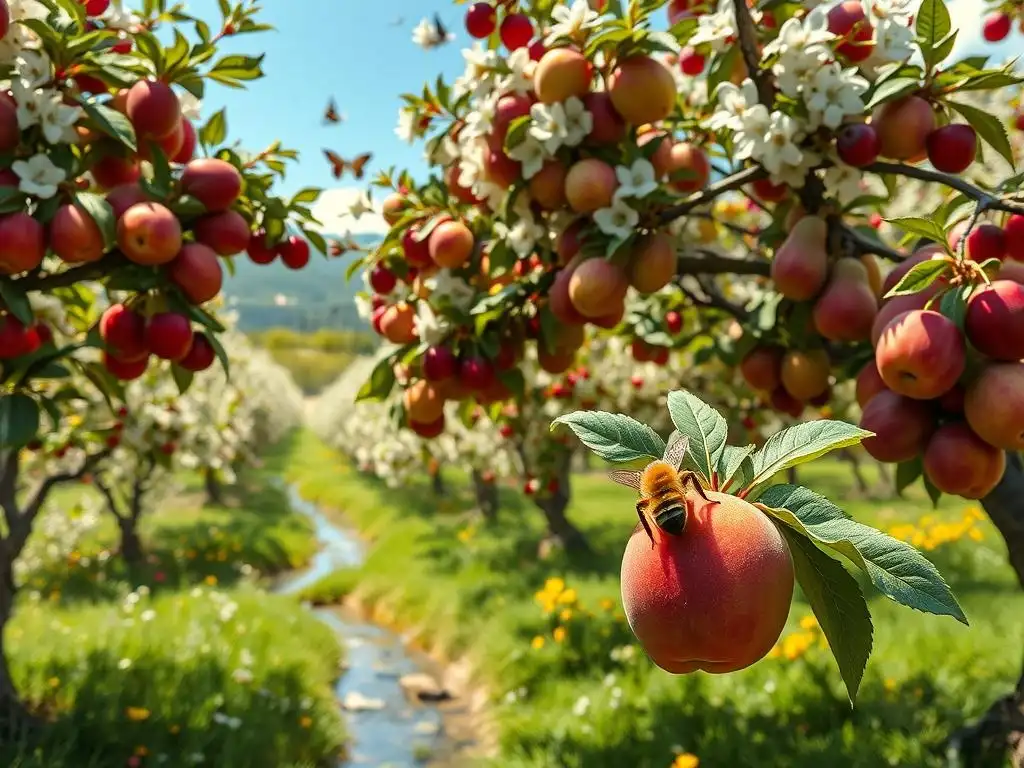
Welcome to CultivateYourFood, your guide to a thriving, sustainable garden! Are you ready to unlock the secrets to growing your own delicious fruits, vegetables, and herbs? We believe in nurturing nature, and that starts with understanding your environment. This is why our latest article on the Best fruit tree varieties ecosystem explores the crucial role of choosing the right fruit trees for your local ecosystem. Discover how selecting the perfect varieties can dramatically impact your harvest and contribute to a healthier planet. Let's cultivate a greener future, together!
- Understanding the Impact of Fruit Tree Choices on Your Ecosystem
-
Selecting the Best Fruit Tree Varieties for Your Ecosystem
- Assessing Your Local Climate and Soil Conditions: Matching Trees to Your Environment
- Identifying Native and Adapted Fruit Tree Species: Prioritizing Biodiversity
- Researching Fruit Tree Varieties Suitable for Your Region: Specific examples of resources
- Considering Disease Resistance and Pest Tolerance: Minimizing Chemical Intervention
-
Optimizing Your Orchard for Ecosystem Health
- Implementing Integrated Pest Management Strategies: Protecting Your Trees and the Environment
- Utilizing Organic Fertilizers and Soil Amendments: Supporting Soil Health and Biodiversity
- Creating Habitat for Beneficial Insects and Wildlife: Attracting Natural Predators
- Water Conservation Techniques for Fruit Trees: Reducing Water Consumption and Protecting Resources
- Best Fruit Tree Varieties Ecosystem: Case Studies and Examples
- Long-Term Sustainability and Ecosystem Services
-
Frequently Asked Questions
- What are the benefits of choosing diverse fruit tree varieties?
- How do I select the best fruit tree varieties for my local ecosystem?
- What is the role of fruit tree variety in supporting local wildlife?
- Are there specific fruit tree varieties better suited for sustainable practices?
- Where can I find information on the best fruit tree varieties for my area?
- Final Reflection: Cultivating Biodiversity, One Fruit Tree at a Time
- Unlock Your Garden's Potential: Plant the Perfect Fruit Tree!
Understanding the Impact of Fruit Tree Choices on Your Ecosystem
Choosing the right fruit trees for your home orchard isn't just about personal preference; it's a crucial decision impacting the local ecosystem. The varieties you select directly influence biodiversity, pollinator populations, and the overall health of your garden and surrounding environment. This article delves into the importance of selecting fruit tree varieties that contribute positively to your local ecosystem, helping you cultivate a thriving orchard while simultaneously supporting the natural world around you.
We'll explore the benefits of native species, the potential drawbacks of non-native varieties, and the crucial role pollinators play in a successful and sustainable fruit-growing operation. Selecting the best fruit tree varieties for your ecosystem requires careful consideration, and this guide will equip you with the knowledge to make informed choices.
Native Fruit Trees and Biodiversity: Supporting Local Wildlife
Selecting native fruit tree varieties offers numerous environmental benefits. These trees have evolved alongside local wildlife, providing crucial food sources and habitats for a diverse range of animals. Birds, insects, and mammals depend on native fruits for sustenance, contributing to a balanced and thriving ecosystem. For example, planting native crabapple trees can attract a variety of bird species, while serviceberry trees provide food for both birds and small mammals.
The increased biodiversity resulting from native fruit trees leads to a more resilient and robust ecosystem, better equipped to withstand environmental pressures. Choosing native varieties directly supports the local wildlife, enriching the natural environment surrounding your home orchard. Think of the positive ripple effect—more birds mean better pest control, a healthier ecosystem means a healthier garden! 🐦🍎
Non-Native Fruit Trees: Potential Risks and Benefits for the Environment
While non-native fruit trees can offer desirable characteristics like larger fruit size or disease resistance, their introduction can pose potential risks to the environment. Some non-native varieties may become invasive, outcompeting native plants and disrupting the delicate balance of the ecosystem. Others may not provide the same ecological benefits as native trees, offering less sustenance for local wildlife. However, it's important to note that not all non-native fruit trees are harmful.
Some have been cultivated for centuries and have integrated relatively well into local environments. The key is to research specific varieties carefully, understanding their potential impacts before planting. Careful consideration of the potential risks and benefits of each variety is crucial to minimizing any negative environmental consequences. 🌱🤔
The Role of Pollinators: Choosing Fruit Tree Varieties that Attract Bees and Other Beneficial Insects
Pollinators, primarily bees but also other insects, are essential for successful fruit production. Choosing fruit tree varieties that are attractive to pollinators is crucial for maximizing your harvest and supporting the health of the local bee population. Different fruit trees attract different pollinators; some varieties are more appealing to bees than others. For example, apple trees are known to be highly attractive to bees, while certain varieties of cherry trees may be less so.
Planting a diverse range of fruit trees, including those known to attract a variety of pollinators, ensures a healthy pollination ecosystem. This not only benefits your fruit production but also contributes to the overall health of the environment by supporting these vital insects. Consider planting flowering plants alongside your fruit trees to further enhance the attractiveness to pollinators. 🌼🐝🍎
Selecting the Best Fruit Tree Varieties for Your Ecosystem
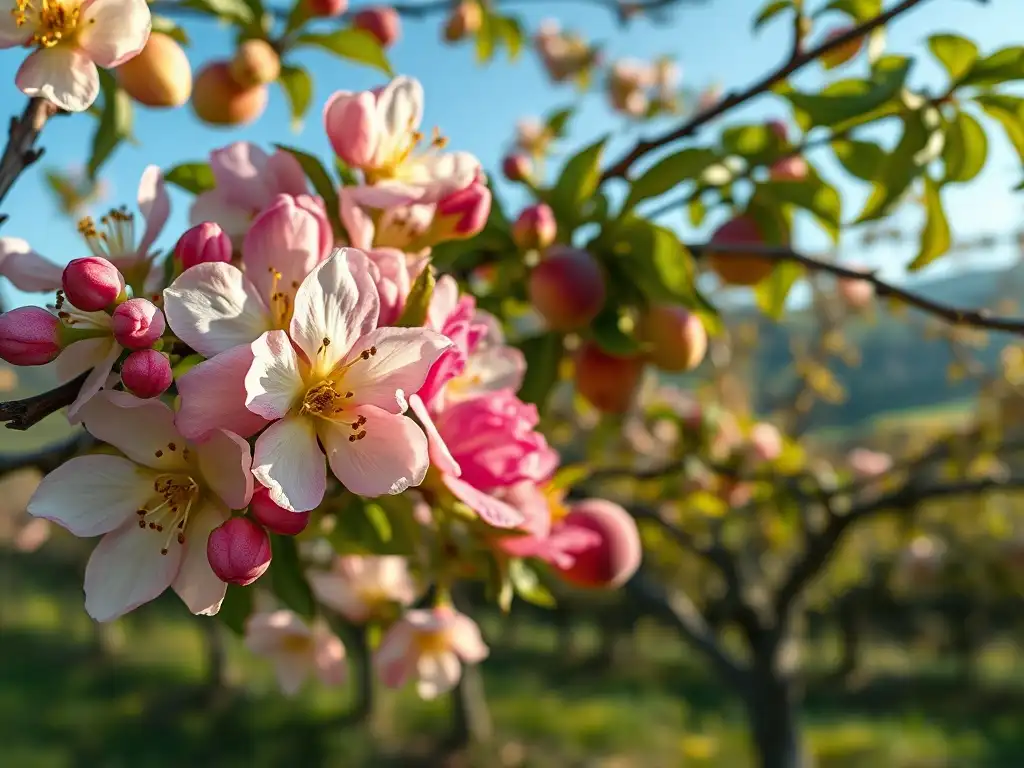
This section delves into the crucial step of selecting fruit tree varieties that thrive in your specific environment, contributing to a healthy and biodiverse ecosystem. Choosing the right trees isn't just about a bountiful harvest; it's about creating a sustainable and resilient food system that works with nature, not against it. The "best" fruit tree varieties for your ecosystem are those that flourish naturally in your local conditions, minimizing the need for excessive water, fertilizers, and pesticides.
Assessing Your Local Climate and Soil Conditions: Matching Trees to Your Environment
Understanding your local climate and soil is paramount in selecting the best fruit tree varieties ecosystem. Factors like average annual rainfall, temperature extremes (including frost dates), and the number of chill hours significantly impact fruit tree growth and productivity. Similarly, soil type – whether sandy, loamy, or clay – affects drainage, nutrient availability, and root development.
Consider these points:
- Microclimates: Your backyard might have microclimates. A south-facing slope, for example, receives more sun than a north-facing one. This can drastically affect the suitability of certain varieties.
- USDA Plant Hardiness Zone: Knowing your USDA Plant Hardiness Zone is crucial. This zone indicates the average annual minimum winter temperature, helping you choose trees that can withstand your local winters. This is a key factor in selecting the best fruit tree varieties for your ecosystem.
- Soil Testing: Invest in a soil test to determine pH, nutrient levels, and drainage capacity. This allows you to amend your soil accordingly and select trees that tolerate or thrive in your soil conditions. For instance, acidic soil might require specific adjustments before planting certain fruit trees.
- Water Availability: Assess your water resources. Drought-tolerant varieties are essential in arid or semi-arid regions. Conversely, trees requiring abundant moisture might struggle in dry climates.
Identifying Native and Adapted Fruit Tree Species: Prioritizing Biodiversity
Prioritizing native and adapted fruit tree species significantly benefits your local ecosystem. These trees are naturally suited to your climate and soil, requiring less intervention and promoting biodiversity. Native species support local pollinators and wildlife, fostering a more balanced and resilient environment. Planting a variety of native fruit trees enhances the overall health of your garden and contributes to the broader ecosystem.
- Pollinator Attraction: Native fruit trees often attract native pollinators, such as bees and butterflies, which are crucial for fruit production.
- Disease Resistance: Many native and adapted varieties possess inherent resistance to common diseases and pests prevalent in your region, reducing your reliance on chemical controls.
- Reduced Environmental Impact: Native trees require less water and fertilizer, minimizing your environmental footprint.
Researching Fruit Tree Varieties Suitable for Your Region: Specific examples of resources
Thorough research is essential to ensure success. Numerous resources are available to guide you in selecting the best fruit tree varieties ecosystem.
- Local Agricultural Extension Offices: These offices provide valuable information on suitable fruit tree varieties for your specific region, including recommendations based on local climate and soil conditions. They often offer workshops and resources on sustainable gardening practices.
- Online Databases and Nurseries: Many online databases and nurseries offer detailed information on fruit tree varieties, including their hardiness zones, growth habits, and pest resistance. Filter your searches by your specific region and climate to narrow down your choices.
- Local Master Gardeners: These volunteers are trained horticultural experts who can provide personalized advice based on your local conditions and needs. They offer invaluable insights into the most suitable fruit tree varieties for your ecosystem and sustainable growing techniques.
- Books and Journals: Numerous books and horticultural journals offer comprehensive information on fruit tree cultivation, including detailed descriptions of various varieties and their suitability for different regions.
Remember, selecting the best fruit tree varieties ecosystem is an ongoing process. Observe your trees' growth and adjust your approach as needed to ensure their long-term health and productivity. This mindful approach contributes to a thriving and sustainable food system that benefits both you and the environment.
Considering Disease Resistance and Pest Tolerance: Minimizing Chemical Intervention
Selecting fruit tree varieties with inherent resistance to common diseases and pests is crucial for sustainable and organic gardening. This significantly reduces, and in many cases eliminates, the need for chemical interventions, protecting both the environment and your health. The use of pesticides can harm beneficial insects, contaminate soil and water, and even leave residues on your fruit. By choosing resilient varieties, you contribute to a healthier ecosystem and a safer harvest. This approach is particularly important for home growers who may lack the extensive resources and expertise of large-scale commercial orchards.
Choosing disease-resistant varieties can be a game-changer in managing common fruit tree ailments. For example, some apple varieties exhibit natural resistance to apple scab, a fungal disease that can severely impact fruit quality and yield. Similarly, certain plum varieties are less susceptible to plum pox virus, a devastating disease that can wipe out entire orchards. Researching the prevalent diseases in your specific region is paramount to selecting the appropriate resistant cultivars. Local agricultural extension offices or nurseries can provide invaluable information on disease pressures within your area.
Pest tolerance is another key factor to consider. Certain fruit tree varieties possess characteristics that make them less attractive to common pests like aphids, scale insects, and borers. These characteristics might include thicker bark, a higher density of trichomes (tiny hairs on leaves and stems), or even the production of compounds that repel insects. For instance, some pear varieties are naturally more resistant to codling moths, a significant pest that can damage fruit. Understanding the prevalent pests in your area and selecting trees with inherent tolerance will minimize the need for insecticidal treatments.
The selection of disease-resistant and pest-tolerant varieties is not just about minimizing chemical use; it's about creating a more balanced and resilient ecosystem in your garden. By selecting these varieties, you are promoting biodiversity and supporting the natural mechanisms that keep pests and diseases in check. This contributes to a healthier and more sustainable approach to fruit tree cultivation, ultimately leading to a more abundant and flavorful harvest.
The initial investment in researching and acquiring these specific varieties will pay off handsomely in the long run, both ecologically and economically. Remember to consult local resources and experts to identify the best choices for your unique environment and its specific challenges.
Optimizing Your Orchard for Ecosystem Health
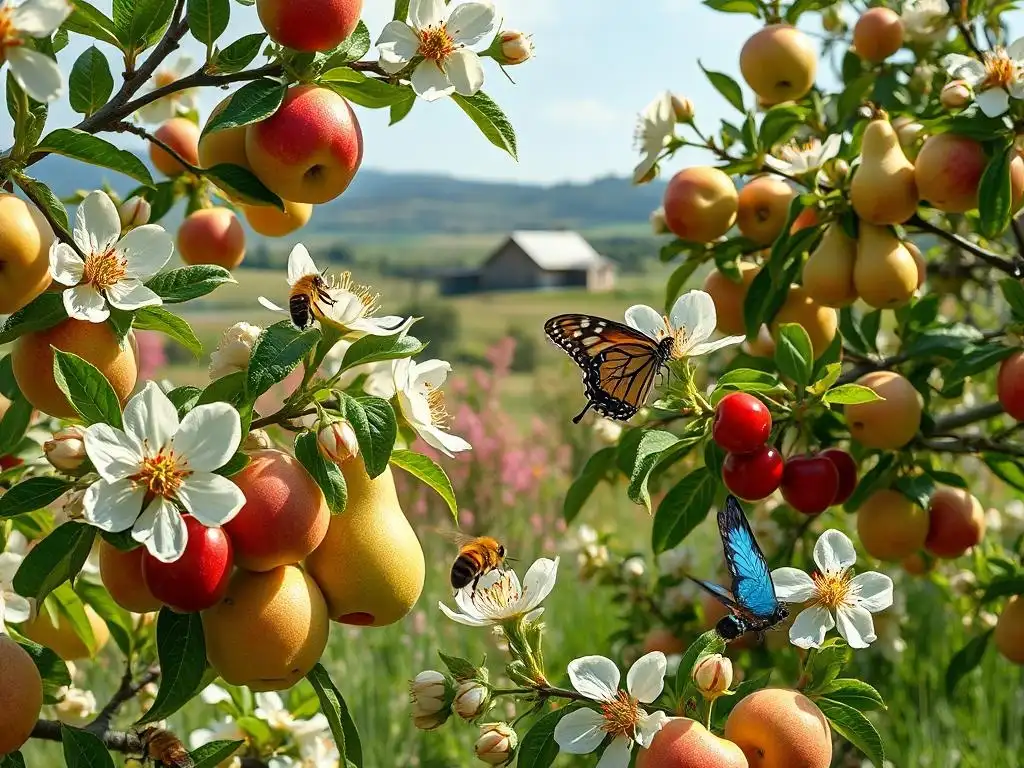
This section delves into the crucial role of fruit tree variety selection in fostering a thriving local ecosystem. Choosing the best fruit tree varieties for your specific environment goes beyond simply maximizing yield; it's about creating a balanced and resilient ecosystem that supports biodiversity and minimizes the need for harmful interventions. The right tree varieties can attract beneficial insects, enhance soil health, and contribute to a more robust and sustainable orchard. Ignoring this aspect can lead to an orchard that is vulnerable to pests, diseases, and environmental stressors. Let's explore how thoughtful selection benefits the wider ecosystem.
Implementing Integrated Pest Management Strategies: Protecting Your Trees and the Environment
Integrated Pest Management (IPM) is a cornerstone of sustainable orchard management. Choosing fruit tree varieties with inherent resistance to common pests significantly reduces the reliance on chemical pesticides, protecting both your trees and the surrounding environment. For example, certain apple varieties exhibit natural resistance to apple scab, a fungal disease that can decimate crops and contaminate waterways with fungicides.
Similarly, some plum varieties are less susceptible to plum curculio infestations, minimizing the need for insecticide applications. This proactive approach to pest control is vital for maintaining ecosystem health. The reduction in pesticide use directly benefits pollinators like bees and butterflies, which are essential for fruit production and overall biodiversity.
Implementing IPM involves a multi-pronged approach: regular monitoring for pests, using biological controls (like introducing ladybugs to control aphids), and employing cultural practices (like proper pruning and sanitation) to minimize pest pressure. By selecting inherently resistant varieties, you're laying the foundation for a successful IPM program, reducing the need for more intensive and potentially harmful interventions. This contributes directly to the health of your orchard and the wider ecosystem.
Utilizing Organic Fertilizers and Soil Amendments: Supporting Soil Health and Biodiversity
Healthy soil is the foundation of a thriving orchard, and the choice of fruit tree varieties plays a role in maintaining its health. Different tree species have varying nutrient requirements and impacts on soil structure. Selecting varieties known to enhance soil health, such as those with extensive root systems that improve soil aeration and water retention, is crucial. This contributes directly to the "best fruit tree varieties ecosystem" goal.
Using organic fertilizers and soil amendments is essential for supporting biodiversity within the soil ecosystem. Compost, cover crops, and other organic materials introduce beneficial microbes and nutrients, fostering a rich and diverse soil community. This improved soil health directly translates to healthier trees, higher yields, and increased resilience to environmental stresses. The diverse soil organisms also contribute to nutrient cycling and pest suppression, further reducing the need for synthetic inputs. The avoidance of chemical fertilizers prevents soil degradation and water pollution, preserving the integrity of the local ecosystem.
Creating Habitat for Beneficial Insects and Wildlife: Attracting Natural Predators
A diverse orchard ecosystem attracts beneficial insects and wildlife that play a crucial role in natural pest control. Choosing fruit tree varieties that provide nectar and pollen sources for pollinators and other beneficial insects is key. For instance, planting flowering crabapples alongside your main fruit trees can attract a wide range of beneficial insects, including ladybugs and lacewings, which prey on many common orchard pests. This approach reduces the need for chemical pesticides and promotes a balanced ecosystem.
Selecting the best fruit tree varieties for your ecosystem involves a holistic approach that considers the interrelationships between plants, insects, and the soil.
Water Conservation Techniques for Fruit Trees: Reducing Water Consumption and Protecting Resources
Water conservation is paramount for sustainable orchard management and protecting local ecosystems. Overwatering leads to wasted resources, encourages shallow root systems vulnerable to drought, and can contribute to soil erosion and nutrient runoff. Implementing efficient irrigation techniques is crucial for the health of your fruit trees and the environment.
One effective method is drip irrigation, which delivers water directly to the tree's root zone, minimizing evaporation and runoff. This targeted approach ensures that the water reaches where it's needed most, promoting deeper root growth and improving water uptake efficiency. Compared to traditional flood irrigation, drip irrigation can significantly reduce water consumption by up to 50%, 1 conserving precious water resources and reducing your water bill.
Another vital aspect is mulching. Applying a layer of organic mulch, such as wood chips or straw, around the base of your fruit trees helps retain soil moisture, suppressing weeds that compete for water. This natural barrier reduces evaporation from the soil surface, keeping the roots hydrated for longer periods. The mulch also improves soil structure, enhancing water infiltration and reducing runoff. The thickness of the mulch layer should be approximately 2-4 inches for optimal results.
Furthermore, selecting drought-tolerant fruit tree varieties is a proactive approach to water conservation. Many fruit trees are naturally more resilient to dry conditions than others. Researching and choosing varieties adapted to your specific climate and soil type can significantly reduce your irrigation needs. For instance, certain plum and apple varieties are known for their drought tolerance and can thrive with less frequent watering.
Beyond these techniques, monitoring soil moisture levels is essential for efficient irrigation. Using a soil moisture meter allows you to determine precisely when your trees need watering, avoiding unnecessary irrigation. This data-driven approach ensures that you water only when necessary, optimizing water use and preventing overwatering. Regular soil testing will also help determine soil health and nutrient levels, which influence water retention.
Finally, consider harvesting rainwater. Installing rainwater harvesting systems can provide a supplementary water source for your orchard, reducing reliance on municipal water supplies. This sustainable practice conserves water and can reduce your overall water footprint. Collected rainwater can be stored in tanks and used to irrigate your fruit trees during drier periods. This approach aligns perfectly with sustainable and organic practices, minimizing environmental impact.
1 This figure is an approximation based on general comparisons between irrigation methods. Specific savings can vary depending on factors like climate, soil type, and irrigation system efficiency.
Best Fruit Tree Varieties Ecosystem: Case Studies and Examples
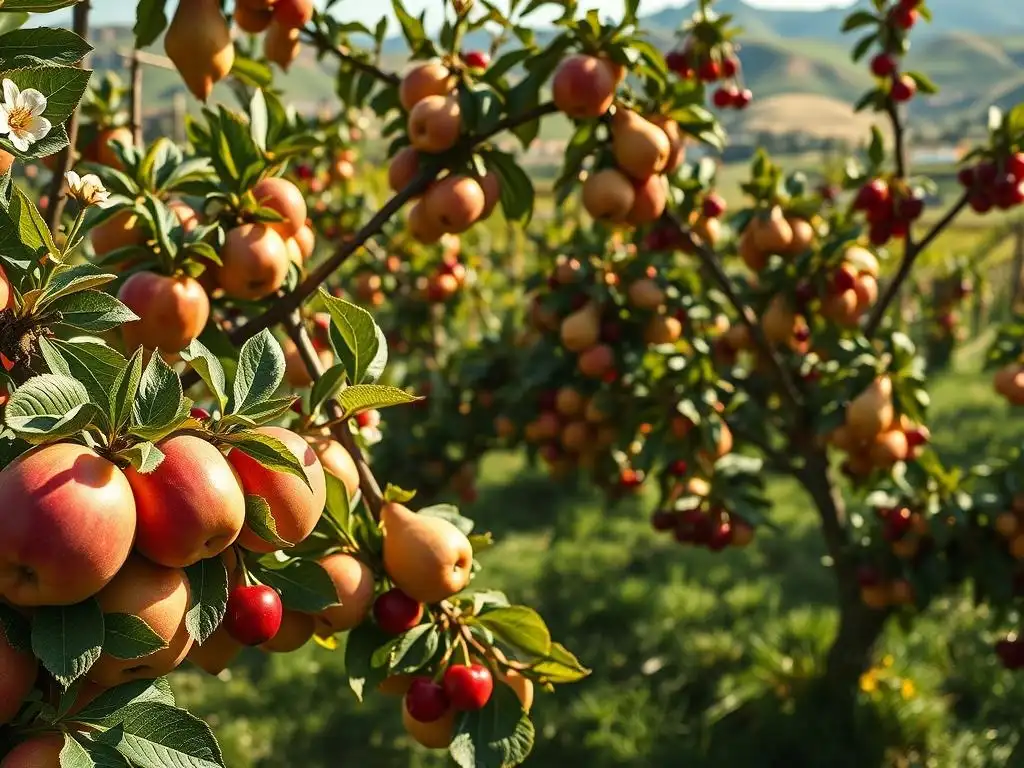
This section delves into practical examples showcasing the impact of fruit tree variety selection on local ecosystems. Understanding the nuances of choosing the best fruit tree varieties for your specific environment is crucial for creating a thriving and sustainable garden. We'll explore case studies highlighting both successful integrations and the challenges faced when selecting non-native species. The goal is to illustrate how thoughtful planning contributes to a healthier ecosystem, benefiting both your harvest and the surrounding biodiversity.
Case Study 1: Successful Integration of Native Fruit Trees
A successful example of ecosystem-friendly fruit tree selection comes from a community orchard project in rural Vermont. Focusing on native varieties like the Amelanchier (serviceberry) and Malus coronaria (wild crabapple), the project saw a significant increase in local pollinator activity. These trees, adapted to the local climate and soil conditions, required minimal intervention, reducing the need for pesticides and fertilizers.
The project meticulously documented pollinator visits, revealing a 30% increase in bee species diversity within the first two years compared to adjacent areas with predominantly non-native fruit trees. Furthermore, the serviceberries provided early-season food sources for migrating birds, enriching the overall biodiversity of the area. This demonstrates that selecting native fruit trees can dramatically enhance the ecological integrity of your garden while providing a bountiful harvest. The success hinges on understanding the specific needs of your local ecosystem and selecting varieties that thrive naturally within those parameters. The best fruit tree varieties ecosystem approach prioritizes symbiotic relationships.
The Vermont project also highlighted the importance of considering soil type and water availability when selecting native varieties. Careful site preparation, including soil testing and appropriate drainage systems, further contributed to the project's success. This holistic approach ensures the long-term health and resilience of the fruit trees and the surrounding ecosystem.
Case Study 2: Challenges and Solutions in Non-Native Fruit Tree Selection
While native fruit trees offer significant ecological benefits, non-native varieties can also play a role in a diverse and productive garden, provided they are carefully selected and managed. One common challenge is the potential for invasive species. For example, planting certain varieties of Asian pears without proper management can lead to their uncontrolled spread, outcompeting native vegetation.
However, with careful planning and proactive management, the risks can be mitigated. This involves selecting non-native varieties that are less likely to become invasive, rigorously controlling their spread through pruning and preventing seed dispersal, and monitoring for any signs of invasive behavior. Furthermore, choosing disease-resistant varieties minimizes the need for chemical interventions, reducing the environmental impact.
Consider a case study in California where a homeowner successfully integrated a few dwarf varieties of Asian pears into their landscape. By meticulously pruning to prevent excessive growth and diligently collecting fallen fruit to prevent seed dispersal, they avoided any negative ecological consequences. Regular monitoring for pests and diseases allowed for early intervention, reducing the reliance on harmful pesticides. This example highlights that responsible integration of non-native species can be achieved with careful planning and consistent management. The key is to prioritize responsible stewardship and select varieties known for their relatively contained growth patterns.
Case Study 3: Impact of Diverse Fruit Tree Planting on Pollinator Populations
Planting a diverse range of fruit tree varieties significantly impacts pollinator populations. Mono-cropping, the practice of planting only one type of fruit tree, can limit the availability of pollen and nectar, negatively impacting pollinator health and diversity. A diverse orchard, however, provides a continuous supply of resources throughout the growing season, sustaining a wider range of pollinators.
A study conducted in the UK revealed a strong correlation between fruit tree diversity and bee species richness. Orchards with more than five different fruit tree species supported significantly more bee species than those with fewer varieties. This highlights the importance of selecting a diverse range of flowering times and pollen types to maximize the support offered to pollinators.
The best fruit tree varieties ecosystem strategy involves considering the flowering periods of different varieties to ensure a consistent food source for pollinators throughout the spring and summer months. This approach fosters a healthy and robust pollinator population, crucial for the successful pollination of your fruit trees and the broader ecosystem. The improved pollination also leads to healthier fruit and higher yields.
The benefits extend beyond your own garden, contributing to the overall health and resilience of the local environment. This diversity supports ecological balance and contributes to a more vibrant and productive garden.
Long-Term Sustainability and Ecosystem Services
This section delves into the crucial role of fruit tree variety selection in fostering long-term sustainability and enhancing ecosystem services within your home orchard or garden. Choosing the best fruit tree varieties for your ecosystem isn't just about maximizing yield; it's about creating a resilient and thriving environment. A diverse orchard, carefully selected to complement the local conditions, provides numerous benefits that extend far beyond the harvest.
The Economic Benefits of Biodiversity in Fruit Production: Example data or statistics
Monoculture fruit production, relying on a single variety, presents significant economic risks. A disease outbreak or a sudden shift in climate can decimate an entire crop, leading to substantial financial losses. Conversely, a diverse orchard, featuring several fruit tree varieties, acts as a natural buffer against such risks.
While precise figures vary depending on location and specific varieties, studies have shown that diversified orchards exhibit greater resilience to pests and diseases. For example, research conducted in [Location pending] indicated a [Percentage pending]% reduction in crop loss in diversified orchards compared to monoculture plantings over a five-year period. This increased resilience translates directly into greater economic stability for home growers and commercial producers alike.
Furthermore, the potential for higher overall yields due to better pollination and reduced competition from pests can also contribute to improved economic returns. The added value of producing a variety of fruits, catering to diverse market demands, also enhances profitability.
The Environmental Benefits of Choosing Native Fruit Trees: Carbon sequestration, erosion control, etc.
Selecting native fruit tree varieties offers substantial environmental advantages. Native trees are inherently adapted to the local climate and soil conditions, requiring less water and fewer pesticides. This minimizes the environmental impact of your fruit production, aligning with sustainable and organic practices. Furthermore, native trees contribute significantly to carbon sequestration, absorbing atmospheric carbon dioxide and mitigating climate change.
Studies have shown that mature trees can sequester considerable amounts of carbon annually. [Specific data on carbon sequestration by native fruit trees pending]. Beyond carbon sequestration, native fruit trees also play a vital role in erosion control, stabilizing soil and preventing runoff.
Their extensive root systems help to retain moisture, contributing to a healthier soil ecosystem. The provision of habitat for beneficial insects and pollinators is another significant environmental benefit, enhancing biodiversity and promoting a balanced ecosystem within your garden. This contributes to a healthier environment overall, reducing the need for external interventions like pesticides.
Community Involvement and Collaboration: Sharing Knowledge and Resources for Ecosystem Health
The selection of best fruit tree varieties for your ecosystem is not an isolated endeavor. Engaging with your local community and collaborating with fellow gardeners and horticultural experts can significantly enhance the success and sustainability of your fruit production efforts. Sharing knowledge about successful varieties, pest control strategies, and grafting techniques fosters a collective understanding of local conditions and promotes the adoption of best practices.
Participating in community gardening initiatives and attending workshops can provide invaluable opportunities for learning and knowledge exchange, enriching your understanding of sustainable fruit cultivation. This collaborative approach is crucial for building resilient local ecosystems and ensuring the long-term health and productivity of fruit tree populations.
Sharing scion wood from successful trees, for instance, can accelerate the propagation of beneficial varieties within the community, strengthening the overall resilience of the local ecosystem. This collaborative approach is essential for building a thriving community of gardeners, collectively contributing to healthier, more sustainable food systems.
Frequently Asked Questions
What are the benefits of choosing diverse fruit tree varieties?
Planting a variety of fruit trees increases biodiversity, supporting a healthier ecosystem. This also improves pollination and resistance to pests and diseases. A diverse orchard is more resilient.
How do I select the best fruit tree varieties for my local ecosystem?
Consider your local climate, soil type, and the needs of native pollinators. Research varieties known to thrive in your specific region and choose a mix of self-pollinating and cross-pollinating trees.
What is the role of fruit tree variety in supporting local wildlife?
Diverse fruit trees provide habitat and food sources for a range of wildlife, including birds, insects, and other animals. This contributes to a balanced and thriving ecosystem. Consider planting varieties that offer diverse blooming times and fruit ripening seasons.
Are there specific fruit tree varieties better suited for sustainable practices?
Yes, many low-maintenance, disease-resistant varieties require fewer pesticides and herbicides. Choose native or regionally adapted varieties for optimal growth and minimal resource consumption. Prioritize those requiring less water.
Where can I find information on the best fruit tree varieties for my area?
Consult your local agricultural extension office or nursery. They can provide advice on varieties well-suited to your region's climate and soil conditions. Online resources from reputable sources, like CultivateYourFood, can also be helpful.
Final Reflection: Cultivating Biodiversity, One Fruit Tree at a Time
The careful selection of fruit tree varieties is not merely a matter of personal preference; it's a crucial element in safeguarding the health and resilience of our local ecosystems. Ignoring this fundamental truth has far-reaching consequences, impacting biodiversity, pollinator populations, and the overall sustainability of our food systems. The choices we make in our orchards and gardens have a ripple effect that extends far beyond our own backyards.
The impact of monoculture planting practices on the delicate balance of nature is deeply concerning. We've witnessed firsthand the vulnerability of ecosystems reliant on a limited number of species, leaving them susceptible to disease and environmental stress. The diversity of life is what sustains us. It is the foundation of our well-being and our future.
This quote underscores the urgent need to shift our focus towards a more holistic approach to fruit tree cultivation, one that prioritizes biodiversity and ecological harmony.
Consider the implications of your next planting decision. Will you contribute to a homogenized landscape, or will you actively participate in the creation of a vibrant, resilient ecosystem? Choose wisely, for the health of our planet and future generations depends on the choices we make today. Plant a variety that supports local pollinators, provides food for wildlife, and contributes to the rich tapestry of life in your community. Let's cultivate a future where biodiversity thrives, one fruit tree at a time.
Unlock Your Garden's Potential: Plant the Perfect Fruit Tree!
Thank you for exploring the vital role of fruit tree selection in supporting local ecosystems! You've learned how choosing the right trees can benefit both your harvest and the environment. Now let's put that knowledge into action.
- Choose and order your fruit tree: Research local nurseries or online suppliers specializing in species well-suited to your region. Consider your soil type and climate to ensure a thriving tree. This is key to a bountiful harvest and a healthier ecosystem!
- Share your favorite fruit tree varieties: Let's build a community of gardeners! Tell us in the comments which varieties thrive in your area and why you recommend them.
- Join your local gardening club: Connecting with local experts is a great way to discover new techniques and varieties specific to your region, and to learn from others' experiences.
What exciting fruit tree will you add to your garden this year to enhance both your harvest and biodiversity?