
The Importance of Proper Air Circulation for Healthy Fruit Trees

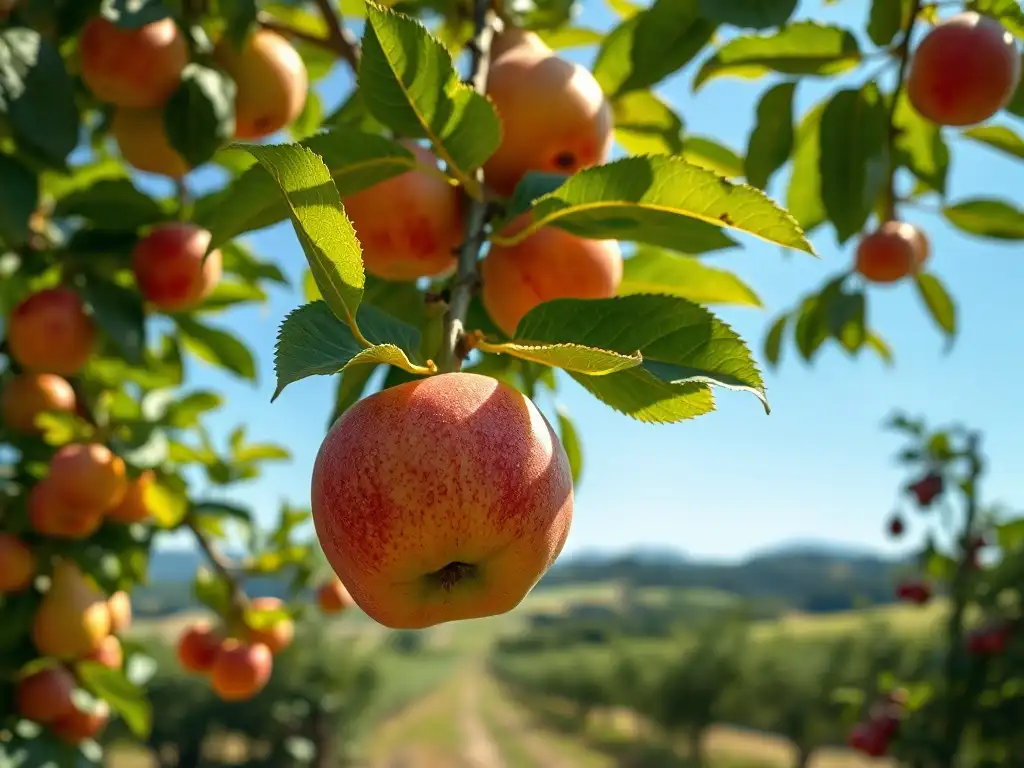
Welcome to CultivateYourFood, your guide to a thriving home garden! Ready to unlock the secrets to bountiful harvests? We believe everyone can cultivate their own delicious fruits, vegetables, and herbs, organically and sustainably. But did you know that proper air circulation is the key to unlocking the full potential of your fruit trees? Learn how strategic air flow impacts fruit tree health and yields in our latest article on Fruit Tree Air Circulation Benefits – and discover how to cultivate the garden of your dreams.
- Understanding Fruit Tree Air Circulation Benefits
- Assessing Your Orchard's Air Circulation: Identifying Potential Issues
- Improving Air Circulation in Your Fruit Tree Orchard
- Maintaining Optimal Air Circulation for Long-Term Fruit Tree Health
-
Frequently Asked Questions
- What are the benefits of good air circulation for my fruit trees?
- How can I improve air circulation around my fruit trees?
- What are the signs of poor air circulation in my fruit tree orchard?
- Will improving air circulation help my fruit trees produce more fruit?
- Are there any specific pruning techniques to enhance air circulation?
- Final Reflection: Breathing Life into Our Orchards
- Breathe New Life into Your Orchard: Actionable Steps for Healthy Trees
Understanding Fruit Tree Air Circulation Benefits
Proper air circulation is paramount for the health and productivity of your fruit trees. Neglecting airflow can lead to a cascade of problems, from devastating fungal diseases to reduced fruit yield and increased pest infestations. This article will delve into the crucial role of air circulation in maintaining healthy and thriving fruit trees, focusing on how improved airflow directly contributes to disease prevention, enhanced photosynthesis, and pest control – ultimately leading to a more bountiful and sustainable harvest.
Understanding these "Fruit tree air circulation benefits" is key to successful organic fruit cultivation. We'll explore practical strategies you can implement to optimize airflow around your trees, ensuring they receive the optimal conditions for growth and fruit production. Ignoring this vital aspect of fruit tree care can significantly impact your yield and the overall health of your orchard, so let's dive into the specifics.
How Airflow Prevents Fungal Diseases in Fruit Trees
Fungal diseases are a significant threat to fruit trees, often leading to significant crop loss and even tree death. Many fungal pathogens thrive in humid, stagnant air conditions. Good air circulation acts as a natural defense mechanism by:
- Reducing humidity: Air movement helps to dry leaves and branches quickly, preventing the build-up of moisture that fungi need to germinate and spread. This is especially crucial after rainfall or periods of high humidity.
- Dispersing spores: Strong winds can help disperse fungal spores, preventing their concentration on leaves and fruit. This reduces the likelihood of infection.
- Improving leaf drying: Rapid drying of leaves after rain or dew significantly reduces the time fungi have to colonize the plant tissue. This is a key factor in preventing many common fruit tree diseases.
Consider this: a study by [Specific study data pending] showed a significant reduction in apple scab (a common fungal disease) in orchards with improved air circulation compared to those with poor airflow. The difference was attributed primarily to the faster drying of leaves and reduced humidity levels. This highlights the vital role of air circulation in disease prevention.
Improved Sunlight Penetration and Photosynthesis via Air Circulation
Adequate air circulation is not just about disease prevention; it also plays a crucial role in maximizing the photosynthetic potential of your fruit trees. This is because:
- Increased sunlight penetration: Good airflow helps to move leaves and branches, allowing sunlight to penetrate deeper into the canopy. This ensures that all leaves, not just those on the outer edges, receive sufficient light for photosynthesis.
- Enhanced CO2 exchange: Air movement facilitates the exchange of carbon dioxide (CO 2 ) and oxygen (O 2 ) between the leaves and the atmosphere. This is essential for efficient photosynthesis, which directly impacts fruit production.
- Improved leaf development: Trees with better air circulation often exhibit healthier, more vibrant leaves. This leads to increased photosynthetic capacity and, consequently, greater fruit yield.
Think of it like this: a dense, poorly ventilated canopy will shade many of its lower leaves, hindering their ability to photosynthesize efficiently. This reduces the overall productivity of the tree. By improving air circulation, you ensure that all leaves are able to contribute to the tree's energy production.
Reducing Humidity Levels to Minimize Pests and Diseases
High humidity is a breeding ground for many pests and diseases, not just fungal ones. Air circulation helps to mitigate this risk by:
- Discouraging pest infestations: Many insects and mites prefer humid environments. Good air circulation helps to create a less hospitable environment for these pests, reducing the likelihood of infestations.
- Preventing bacterial and viral diseases: Some bacterial and viral diseases are spread more easily in humid conditions. Air circulation can help to minimize the spread of these pathogens.
- Promoting faster drying after rain: This reduces the ideal conditions for various pathogens to thrive and spread.
For example, aphids, a common fruit tree pest, thrive in humid conditions. Improved air circulation can help to reduce aphid populations by making their environment less favorable. This, coupled with the reduction in fungal diseases, contributes to a healthier and more productive orchard. 🌳
Enhanced Fruit Development and Quality Through Better Airflow
Proper air circulation plays a pivotal role in the development and quality of fruit produced by your trees. Stagnant air, often found in overcrowded orchards or gardens with poor spacing, creates a microclimate conducive to fungal diseases and pest infestations. These conditions can significantly impact fruit size, color, and overall taste. Conversely, good airflow helps prevent the build-up of moisture on leaves and fruit, reducing the risk of fungal infections like powdery mildew and apple scab. This is crucial because these diseases can not only deform fruit but also render it inedible.
Adequate airflow also contributes to improved photosynthesis. Leaves need access to carbon dioxide and sunlight for optimal photosynthesis, the process by which plants create energy. Good air circulation ensures a constant supply of fresh CO2, maximizing the tree's energy production. This increased energy fuels fruit development, resulting in larger, more flavorful fruits. Think of it like this: a well-ventilated room allows for better breathing and overall well-being, similarly, a well-ventilated tree thrives and produces better fruit.
Furthermore, the improved air movement around the fruit itself helps in the development of richer colors and improved sugar content. Sunlight is essential for ripening, and adequate airflow prevents the shading effect of dense foliage. This allows sunlight to reach all sides of the fruit evenly, promoting the production of pigments responsible for the vibrant colors we associate with ripe, delicious fruit. The improved sunlight exposure also contributes to a higher sugar concentration, resulting in sweeter and more flavorful fruits.
This is particularly important for commercially grown fruits, where appearance and taste are key factors in market value. Even for home gardeners, the difference in taste and appearance between fruit grown with good air circulation and fruit grown in stagnant air is often noticeable. The impact of good airflow on fruit quality is undeniable.
Assessing Your Orchard's Air Circulation: Identifying Potential Issues
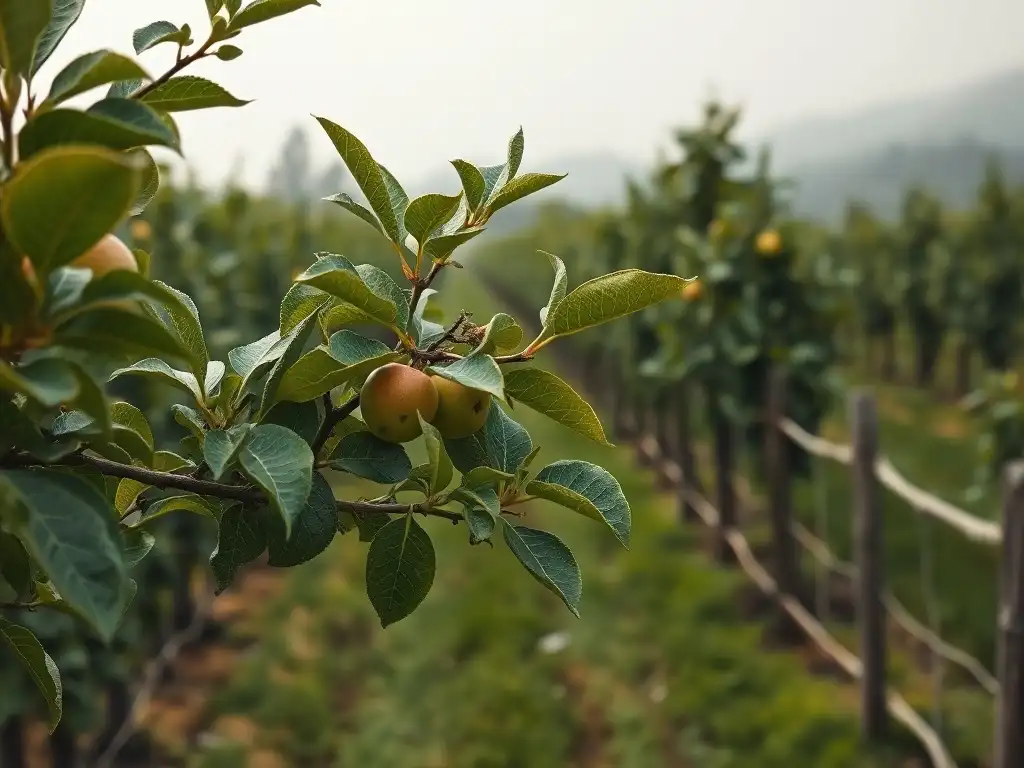
Proper air circulation is paramount for the health and productivity of your fruit trees. Insufficient airflow can lead to a cascade of problems, impacting everything from fruit quality to disease susceptibility. Understanding how to assess your orchard's air circulation is the first step towards creating a thriving environment for your fruit trees. This involves a holistic evaluation of several key factors, from the layout of your orchard to the individual characteristics of your trees. Optimizing air circulation directly translates to improved fruit tree air circulation benefits, leading to healthier, more robust trees and higher yields.
Evaluating Tree Spacing and Orchard Layout for Optimal Airflow
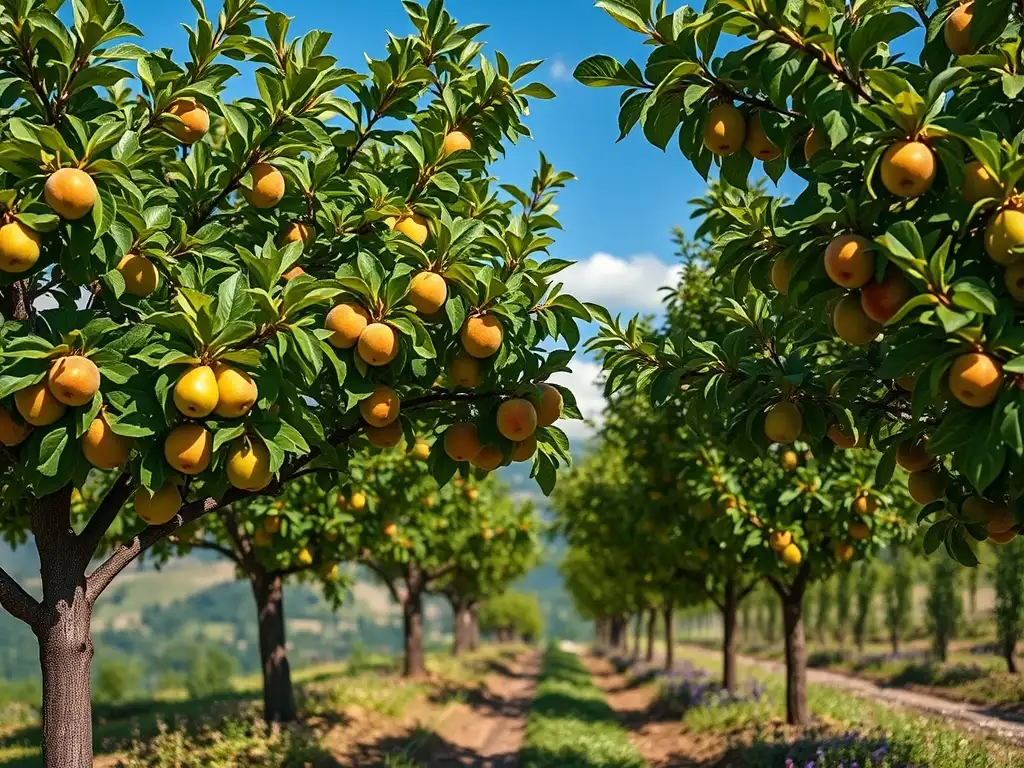
The spacing between your fruit trees is crucial for effective air circulation. Crowded orchards create stagnant air pockets, fostering the development of fungal diseases and pest infestations. Ideal spacing varies depending on the mature size of the specific fruit tree variety. For example, apple trees typically require more space than dwarf cherry trees. Consult resources specific to your chosen varieties for recommended spacing guidelines. Consider the mature canopy size – a larger canopy needs more space.
A well-designed orchard layout also contributes to better air circulation. Avoid planting trees in dense blocks; instead, consider incorporating windbreaks strategically to direct airflow through the orchard, while ensuring that the windbreaks don't create excessive shade or completely block the breeze. A thoughtful layout can significantly enhance fruit tree air circulation benefits.
Here's a table summarizing ideal spacing for some common fruit trees (These are average values; always consult specific variety recommendations):
| Fruit Tree Type | Minimum Spacing (feet) | Notes |
|---|---|---|
| Apple (Standard) | 20-30 | Depends on rootstock and variety |
| Apple (Dwarf) | 10-15 | Requires less space than standard trees |
| Peach | 15-20 | Relatively smaller canopy than apple trees |
| Cherry (Standard) | 20-25 | Similar spacing requirements to apple trees |
| Pear (Standard) | 15-20 | Can vary depending on the specific variety |
Recognizing Signs of Poor Air Circulation in Your Fruit Trees
Poor air circulation manifests in several ways, often subtly at first. Early detection is key to mitigating potential problems. Be vigilant for these warning signs:
- Increased incidence of fungal diseases: Fungal pathogens thrive in humid, stagnant air. Look for signs like powdery mildew (a white, powdery coating on leaves), leaf spots, and fruit rot. These are strong indicators of poor air circulation.
- Pest infestations: Many pests prefer humid microclimates. Observe for higher than normal populations of aphids, mites, or other insects. Increased pest pressure is a telltale sign of inadequate airflow.
- Smaller fruit size and reduced yield: Poor air circulation can directly impact fruit development, leading to smaller, less flavorful fruits and a lower overall yield.
- Yellowing or browning leaves: Leaves may exhibit discoloration due to lack of oxygen or increased susceptibility to disease. This is often accompanied by premature leaf drop.
- Dieback of branches: In severe cases, poor air circulation can lead to dieback of branches, potentially harming the overall health and structure of the tree.
Identifying Areas with Stagnant Air and High Humidity
Identifying specific areas within your orchard experiencing stagnant air and high humidity is crucial for targeted intervention. These areas are typically found:
- In the center of dense plantings: Closely spaced trees create pockets of stagnant air, hindering airflow and increasing humidity. This is especially problematic in orchards with a lack of windbreaks or improper layout.
- Low-lying areas: Air tends to settle in low-lying areas of the orchard, leading to the accumulation of moisture and reduced air circulation. Proper drainage is essential in these areas.
- Near dense ground cover: While ground cover can be beneficial, excessively dense vegetation can impede airflow, hindering fruit tree air circulation benefits and creating humid microclimates near the tree base. Maintaining appropriate spacing and pruning ground cover is vital.
- Areas sheltered from prevailing winds: Areas shielded from wind by structures or natural barriers can experience reduced airflow. Consider strategic pruning or placement of windbreaks to improve airflow in these areas. Careful orchard design minimizes these stagnant areas.
By carefully assessing these factors, you can proactively address potential issues and create an orchard environment that promotes healthy growth and abundant harvests for your fruit trees. 🍎🌳
Improving Air Circulation in Your Fruit Tree Orchard
Proper air circulation is paramount for the health and productivity of your fruit trees. Insufficient airflow can create a breeding ground for fungal diseases and pests, significantly impacting fruit quality and yield. Understanding and implementing strategies to improve air circulation is a crucial aspect of organic and sustainable fruit tree cultivation. This section delves into practical techniques to optimize airflow around your fruit trees, leading to a healthier and more bountiful harvest. The benefits of good fruit tree air circulation are numerous, ranging from disease prevention to improved fruit development.
Strategic Pruning Techniques to Enhance Airflow Around Fruit Trees
Pruning is not just about shaping your trees; it's a vital tool for managing air circulation. Overcrowded branches restrict airflow, creating humid microclimates perfect for fungal growth. Strategic pruning opens up the canopy, allowing for better penetration of sunlight and wind. This leads to a drier environment, less susceptible to diseases like powdery mildew and apple scab.
Consider these key pruning strategies to maximize airflow:
- Thinning: Remove branches that are crossing, rubbing, or growing inward, creating a more open structure. Focus on removing smaller branches to avoid drastic cuts that could shock the tree.
- Heading: Shortening the length of branches encourages branching lower down, leading to a more open canopy. This technique is especially beneficial for young trees still developing their structure.
- Water Sprout Removal: These vigorous, upright shoots compete with fruit-bearing branches for resources and obstruct airflow. Regularly remove them to maintain an open canopy.
The timing of pruning is also crucial. Late winter or early spring, before bud break, is generally the ideal time for most fruit tree species. This allows the tree to heal before the growing season begins. Remember to sterilize your pruning tools between cuts to prevent the spread of diseases. Proper pruning, therefore, contributes significantly to the overall fruit tree air circulation benefits.
Implementing Windbreaks to Direct Air Circulation Effectively
While proper air circulation is essential, strong winds can damage branches and fruit. Strategic windbreaks can help manage wind speed and direction, creating a more controlled airflow around your orchard. Windbreaks don't completely block the wind; instead, they reduce its velocity and direct it upwards and over the tree canopy.
Effective windbreaks can be created using various methods:
- Natural Barriers: Planting rows of taller shrubs or trees along the perimeter of your orchard can act as natural windbreaks. Evergreen species offer protection year-round.
- Artificial Barriers: Fences, hedges, or even strategically placed large rocks can provide a degree of wind protection.
- Strategic Planting: Planting shorter fruit trees in front of taller ones can create a layered windbreak effect.
Choosing the right windbreak material and location is crucial. Consider prevailing wind directions and the height of your fruit trees when designing your windbreak system. Remember that the ideal windbreak allows for sufficient air movement while mitigating strong gusts, thus indirectly promoting better fruit tree air circulation benefits.
Utilizing Air Circulation Tools and Techniques for Improved Fruit Tree Health
Beyond pruning and windbreaks, several other techniques can enhance airflow around your fruit trees. These methods can be particularly helpful in dense orchards or areas with naturally poor air circulation.
- Spacing: Ensure adequate spacing between trees during planting. Overcrowding severely restricts airflow and increases the risk of disease.
- Training: Proper training systems, like espalier or cordon training, can help manage tree shape and improve air penetration.
- Ground Cover Management: Avoid dense ground cover that can trap moisture and reduce airflow. Opt for low-growing, well-spaced ground cover plants instead.
While less common, some growers utilize specialized fans or air circulation systems in high-value orchards to improve airflow, particularly in humid climates. However, these methods are generally more costly and require considerable investment. The most effective and sustainable approach remains a combination of careful pruning, strategic windbreaks, and proper orchard management. These holistic practices offer substantial, long-term fruit tree air circulation benefits.
Maintaining Optimal Air Circulation for Long-Term Fruit Tree Health
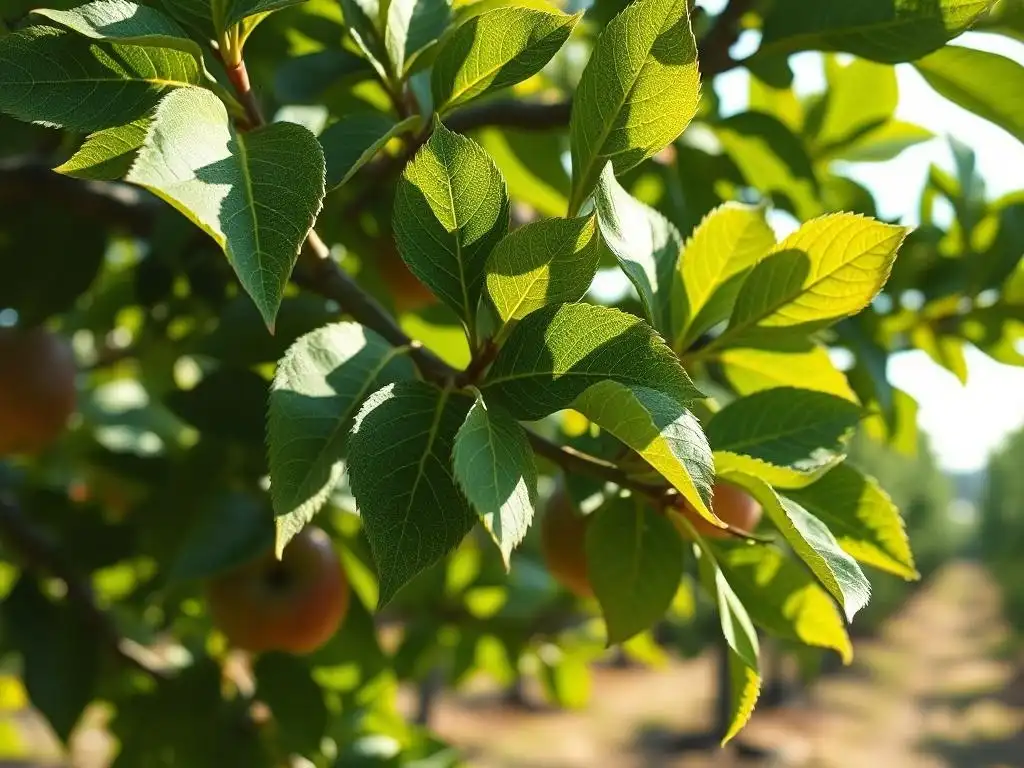
Proper air circulation is paramount for the long-term health and productivity of your fruit trees. Insufficient airflow creates a microclimate conducive to fungal diseases, pest infestations, and reduced fruit quality. Think of it as providing your trees with a healthy "breath" – essential for vigorous growth and abundant harvests.
The benefits of good fruit tree air circulation extend beyond simply preventing disease; it also influences fruit development, size, and overall tree vigor. Neglecting air circulation can lead to significant yield reductions and increased susceptibility to various problems, ultimately impacting the sustainability of your orchard. Let's delve into specific strategies to ensure your trees receive the airflow they need to thrive.
Regular Orchard Maintenance for Consistent Airflow
Maintaining consistent airflow around your fruit trees requires proactive orchard management. This involves several key practices that, when implemented effectively, create an environment less hospitable to disease and pests. Pruning is crucial; it removes dead or overlapping branches, preventing the dense canopy that traps humidity and restricts air movement. Aim for an open, vase-shaped structure that allows for maximum sunlight penetration and airflow. Think of it as creating a "wind tunnel" effect around each tree.
Another important aspect is proper tree spacing. Planting trees too close together creates competition for resources and restricts airflow. Consult planting guides specific to your fruit tree varieties to determine the ideal spacing for optimal growth and air circulation. Remember that mature trees will require considerably more space than young saplings. Finally, regular weeding around the base of the trees is essential. Weeds not only compete for nutrients and water but also contribute to a humid microclimate that encourages disease. Consistent weeding promotes better airflow at the base of the tree, preventing fungal growth and other problems.
Monitoring for Signs of Disease and Pest Infestations
Regular monitoring is critical for early detection of problems. Many diseases and pests thrive in poorly ventilated conditions. Identifying these issues early can significantly reduce the damage and prevent widespread infestation. Look for signs like:
- Fungal growth: Noticeable mold or mildew on leaves, branches, or fruit.
- Insect activity: The presence of aphids, mites, scale, or borers.
- Leaf discoloration: Yellowing, browning, or spotting of leaves.
- Fruit deformities: Unusual shapes or blemishes on the fruit.
Keep a detailed record of your observations, noting the specific problems encountered, their location within the orchard, and the time of year they appear. This information is invaluable for tracking trends and adjusting your management strategies accordingly. Early intervention, often involving pruning, targeted treatments, or cultural practices, is far more effective than dealing with widespread infestations. Remember, prevention is always better than cure, and consistent monitoring is key to preventing larger problems.
Adapting Air Circulation Strategies Based on Seasonal Changes
Air circulation needs vary throughout the year. During the dormant season, pruning is a key focus to improve future airflow. However, during the growing season, other strategies might be necessary. For instance, in particularly humid periods, you might consider using fans to increase airflow, especially if you've noticed increased signs of disease or pest activity. This is particularly useful in enclosed areas or during periods of prolonged still weather.
The impact of wind also changes seasonally. Strong winds during the growing season can damage blossoms and fruit, so windbreaks might be necessary. Conversely, during the dormant season, strong winds can be beneficial, helping to dry out the trees and reduce the risk of fungal diseases.
Understanding these seasonal variations and adapting your management strategies accordingly is vital for maintaining optimal fruit tree health and productivity. Remember to consider microclimates within your orchard – some areas might require more attention than others depending on their exposure to sun, wind, and humidity. Regular assessment and adaptation are key to ensuring consistent airflow and long-term orchard success.
Frequently Asked Questions
What are the benefits of good air circulation for my fruit trees?
Good air circulation helps prevent fungal diseases and pest infestations by keeping leaves dry and reducing humidity. It also promotes stronger growth and better fruit production.
How can I improve air circulation around my fruit trees?
Proper spacing between trees is crucial. Pruning to open up the canopy and removing dead or diseased branches also significantly improves airflow.
What are the signs of poor air circulation in my fruit tree orchard?
Look for signs of fungal diseases, like powdery mildew or leaf spots. Overly dense canopies and poor fruit development can also indicate poor air circulation.
Will improving air circulation help my fruit trees produce more fruit?
Yes, absolutely! Better air circulation leads to healthier trees, which in turn produce more abundant and higher-quality fruit.
Are there any specific pruning techniques to enhance air circulation?
Yes, thinning out branches rather than heading cuts is recommended. This means removing entire branches back to their origin, rather than simply shortening them. This opens up the tree's interior for better airflow.
Final Reflection: Breathing Life into Our Orchards
The health and productivity of our fruit trees are inextricably linked to the quality of air circulating around them; neglecting this fundamental aspect can lead to devastating losses and compromised harvests. This isn't just about a few bruised apples; it's about the long-term viability of our orchards and the sustainability of our food systems. Proper air circulation is not a luxury, but a necessity for thriving fruit trees.
The impact of understanding air circulation extends far beyond the individual grower. It touches upon broader ecological considerations, influencing the overall health of our ecosystems and the resilience of our agricultural practices. The earth provides enough to satisfy every man's needs but not every man's greed.
- Mahatma Gandhi. This quote highlights the importance of sustainable practices, and ensuring proper air circulation is a crucial step towards responsible fruit cultivation. We must move beyond simply maximizing yield and consider the long-term health of our trees and the environment they inhabit.
Consider the information presented in this article. Think about your own fruit trees, or even the trees in your local park. Are they receiving the airflow they need? Take a moment to assess their environment, and consider what small changes you can make to improve air circulation. By understanding and implementing these simple yet powerful techniques, you can contribute to healthier trees, more abundant harvests, and a more sustainable future for all. Let's breathe new life into our orchards, one well-ventilated tree at a time.
Breathe New Life into Your Orchard: Actionable Steps for Healthy Trees
Thank you for learning about the vital role of air circulation in maintaining healthy fruit trees! This knowledge will significantly improve your harvest. Let's put it into practice:
- Prioritize Airflow: Carefully evaluate your orchard's layout. If your trees are too close together, plan a pruning session to increase air circulation. This is a crucial step for improving the health of your trees.
- Collaborate and Share: Discuss your pruning plans with fellow gardeners. A fresh perspective can highlight areas for improvement, and sharing knowledge benefits everyone.
- Refine Your Technique: Research specific pruning techniques for your tree varieties. Understanding the unique needs of each type of tree will maximize the benefits of improved air circulation.
Ready to see the difference good airflow makes in your orchard this season?