
The Importance of Regular Inspections for Early Detection of Fruit Tree Problems

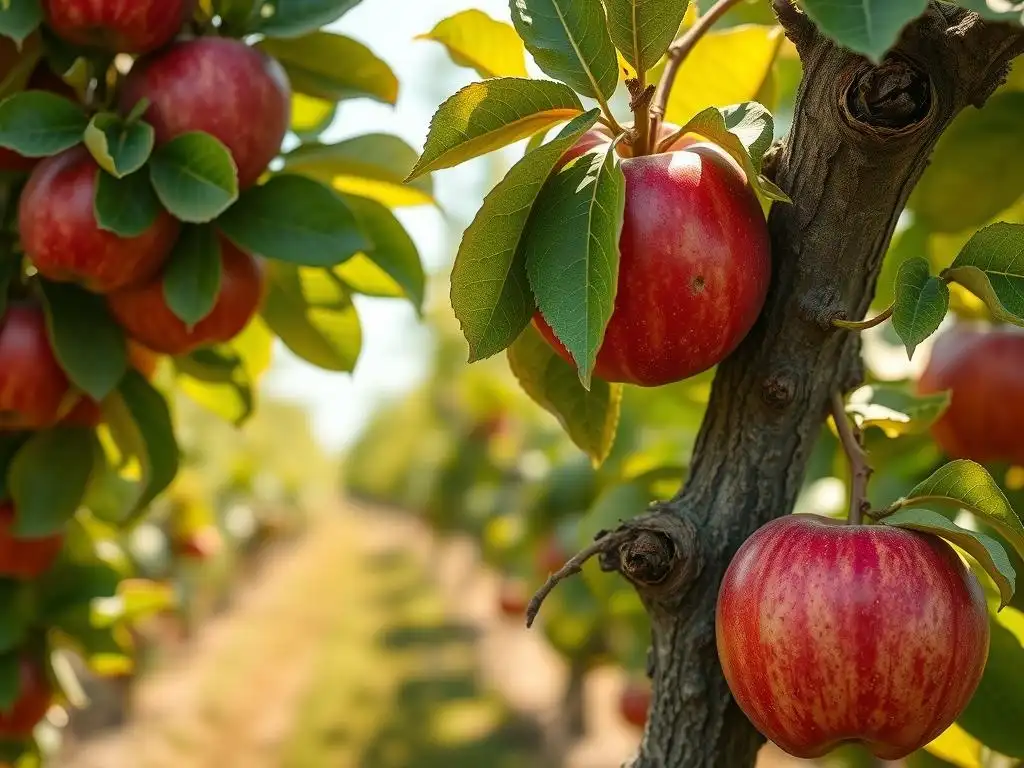
Ready to unlock the secrets to a thriving home orchard? At CultivateYourFood, we empower you to grow your own delicious fruits, vegetables, and herbs organically. But even the most dedicated gardener faces challenges. This is why understanding fruit tree pest early detection is crucial. Learn how proactive monitoring can save your harvest and keep your trees healthy – discover the essential techniques in our comprehensive guide on Fruit Tree Care. Let's get started!
- Recognizing Early Signs of Fruit Tree Pests and Diseases: A Visual Guide
- The Benefits of Early Detection in Fruit Tree Pest and Disease Management
- Implementing a Regular Inspection Schedule for Fruit Tree Health
- Effective Strategies for Early Detection of Fruit Tree Problems
- Resources and Further Information on Fruit Tree Pest and Disease Management
-
Frequently Asked Questions
- How often should I inspect my fruit trees for pests?
- What are some early signs of fruit tree pests?
- What should I do if I find evidence of pests on my fruit trees?
- Are there any preventative measures I can take to avoid fruit tree pests?
- Where can I find more information on identifying fruit tree pests?
- Final Reflection: Cultivating Healthier Futures Through Early Detection
- Ready to Revitalize Your Orchard?
Recognizing Early Signs of Fruit Tree Pests and Diseases: A Visual Guide
Regular inspection is crucial for successful fruit tree cultivation. Early detection of pests and diseases is key to preventing significant damage and ensuring a bountiful harvest. Ignoring minor issues can lead to widespread infestation or infection, resulting in reduced yield, weakened trees, and even the potential loss of the entire tree.
This guide will equip you with the knowledge and techniques necessary to identify common fruit tree problems at their earliest stages, allowing for timely and effective intervention using sustainable and organic methods. We’ll explore visual identification techniques and the importance of utilizing tools to aid in early diagnosis, empowering you to proactively safeguard your fruit trees and maintain their health and productivity.
This proactive approach is vital for maintaining the overall health of your orchard and achieving a successful, sustainable harvest, all while minimizing the need for harsh chemical interventions. Early detection of fruit tree problems is the cornerstone of organic and sustainable fruit tree pest control.
Identifying Common Fruit Tree Pests: Aphids, Spider Mites, and Scale Insects
Aphids, spider mites, and scale insects are among the most prevalent pests affecting fruit trees. Early detection is critical as these tiny creatures can quickly multiply and cause significant damage.
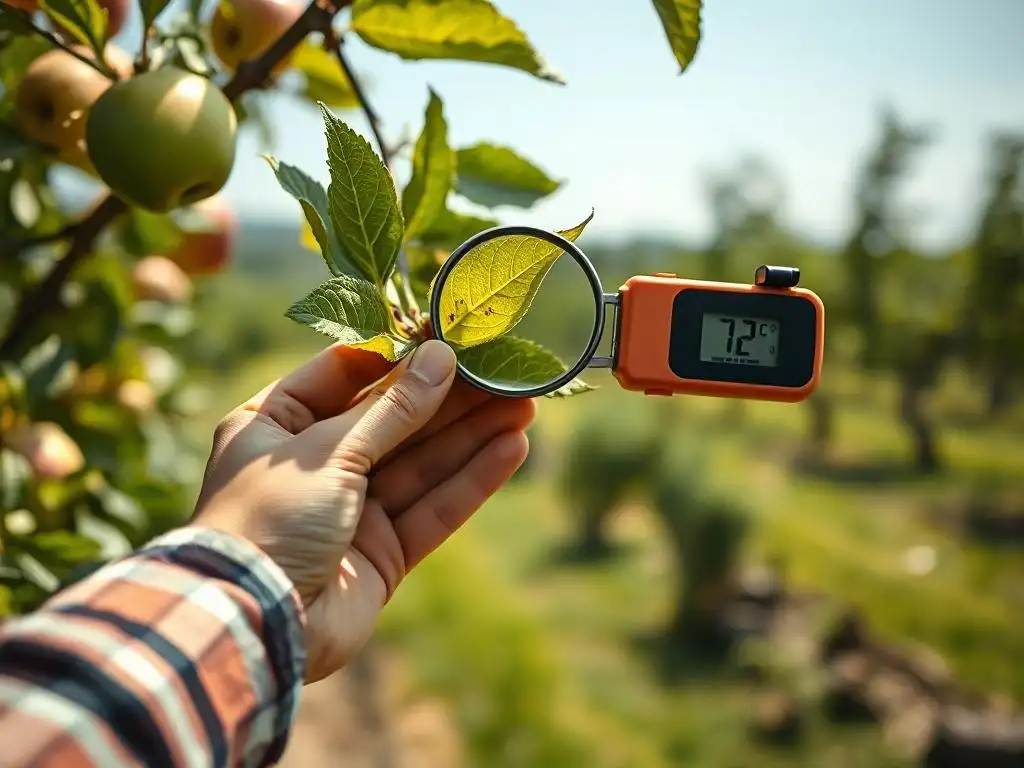
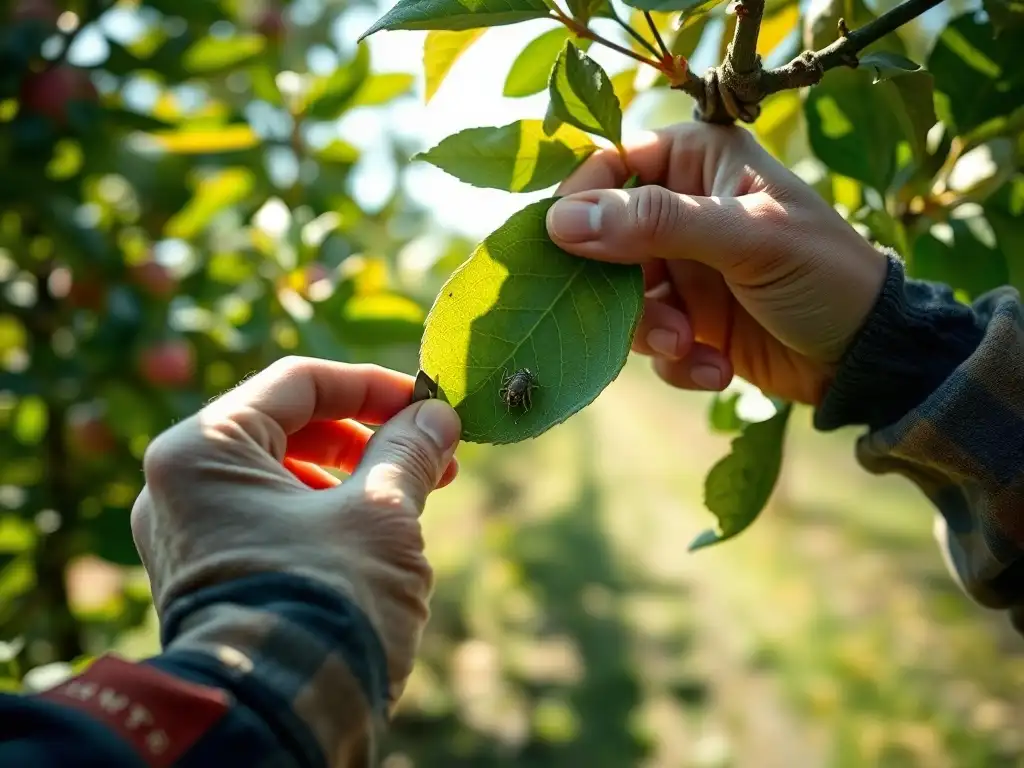
- Aphids: These small, pear-shaped insects typically cluster on the undersides of leaves and tender shoots. Look for signs of leaf curling, distorted growth, and sticky honeydew (a sugary substance excreted by aphids). A magnifying glass can help in their identification. Early infestation may manifest as minor leaf discoloration or slight curling.
- Spider Mites: These microscopic pests are difficult to see with the naked eye, but their presence is often revealed by fine webbing on leaves and stippling (tiny yellow or white spots) on the leaf surfaces. Infested leaves may appear bronzed or speckled. Severe infestations can lead to leaf drop.
- Scale Insects: These insects are characterized by their hard, protective shell. They attach themselves to branches, twigs, and sometimes fruit, appearing as small bumps. They can cause stunted growth, yellowing leaves, and reduced fruit production. A careful examination of the bark and branches is necessary.
Early detection is key. Regularly inspecting your trees, particularly during the growing season, can help you identify these pests before they cause significant damage. Remember that early intervention, even with simple methods like strong water sprays, can be highly effective.
Spotting Early Signs of Fruit Tree Diseases: Leaf Spot, Powdery Mildew, and Canker
Fruit tree diseases can significantly impact the health and productivity of your trees. Recognizing the early symptoms is essential for preventing widespread infection.
- Leaf Spot: This fungal disease manifests as small, dark spots on leaves. These spots may be circular or irregular in shape and can be accompanied by yellow halos. Over time, the spots can enlarge, causing leaf discoloration and premature leaf drop. Regularly inspecting the leaves, especially the undersides, is critical for early detection.
- Powdery Mildew: This fungal disease is characterized by a white, powdery coating on leaves, stems, and fruit. It can initially appear as small patches but can quickly spread, affecting the overall health of the tree and reducing fruit quality. Early signs are often subtle and require close examination.
- Canker: This disease causes sunken, discolored areas on the bark of branches and trunks. Cancers can weaken the tree, making it more susceptible to other problems. Early detection involves regularly examining the bark for any unusual discoloration or lesions. Careful observation is crucial, as cankers can start small and gradually expand.
Early identification and treatment are essential to prevent these diseases from spreading and causing significant damage. Implementing preventative measures, such as ensuring good air circulation and avoiding overhead watering, can also be beneficial.
Using Visual Aids and Magnifying Tools for Accurate Identification
Accurate identification of fruit tree problems is crucial for effective treatment. While visual inspection is the first step, utilizing visual aids and magnifying tools can significantly enhance your ability to detect and identify pests and diseases at their earliest stages.
| Tool | Purpose | Benefits |
|---|---|---|
| Magnifying Glass | Close examination of insects, mites, and disease symptoms on leaves and bark. | Allows for detailed observation of small pests and early disease signs. |
| Hand Lens (higher power) | More detailed examination of microscopic pests and disease structures. | Enables more precise identification of specific pests and diseases. |
| Field Guides/Pictures | Visual comparison of observed symptoms with known pests and diseases. | Provides a reliable reference for accurate identification, even for novice growers. |
Using a combination of these tools and resources will significantly improve your ability to conduct thorough inspections, leading to timely intervention and better overall fruit tree health. Remember, a proactive approach to monitoring your fruit trees is essential for maintaining their vigor and ensuring a healthy harvest. 🍎🌳
The Benefits of Early Detection in Fruit Tree Pest and Disease Management
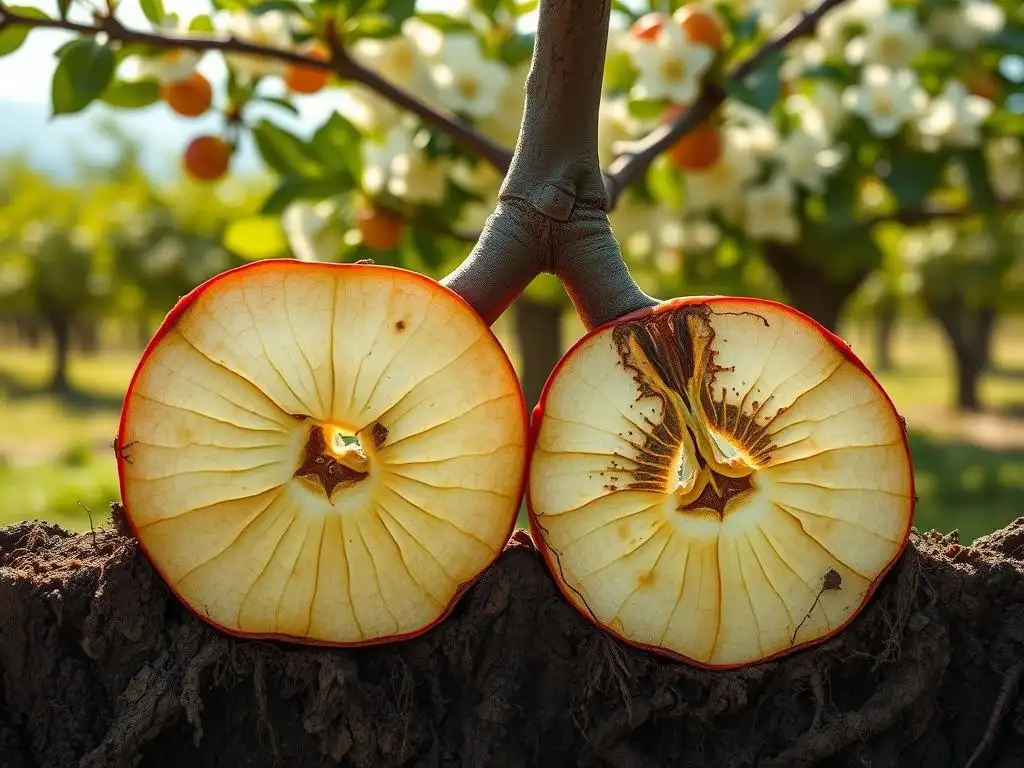
Early detection of fruit tree pests and diseases is paramount for successful orchard management and achieving a bountiful harvest. Proactive monitoring significantly reduces the impact of infestations and diseases, leading to healthier trees and higher yields. Ignoring early signs can result in widespread damage, necessitating more drastic (and often less sustainable) interventions. This section will explore the key advantages of prioritizing early detection in your fruit tree care routine. Effective "fruit tree pest early detection" strategies form the cornerstone of sustainable orchard management.
Preventing Major Outbreaks and Reducing Crop Loss
Early detection allows for swift action, preventing minor problems from escalating into major outbreaks. A single aphid infestation, if left unchecked, can rapidly multiply, leading to significant crop loss. Similarly, a small fungal infection can spread throughout the tree if not addressed promptly. Consider this example: a single apple scab lesion, identified early, might only require removal of the affected leaf.
However, if left untreated, the scab can spread, infecting a large portion of the fruit, rendering much of the harvest unmarketable. The economic impact of unchecked infestations can be substantial, impacting both yield and profitability. Implementing regular inspection routines, even weekly during peak growing seasons, is crucial for minimizing the risk of widespread damage and maximizing your harvest. This proactive approach is far more effective and cost-efficient than reactive measures taken after a significant infestation has already taken hold.
Minimizing the Need for Chemical Pesticides and Promoting Organic Practices
Early detection significantly reduces the reliance on chemical pesticides. When pests or diseases are identified early, targeted interventions, such as hand-picking infected leaves or using natural pest control methods (like introducing beneficial insects), are often sufficient. This approach aligns perfectly with organic farming practices, promoting a healthier ecosystem within your orchard.
The overuse of chemical pesticides can harm beneficial insects, disrupt the soil microbiome, and even contaminate the fruit itself. By prioritizing early detection and employing integrated pest management (IPM) strategies, you can maintain a healthy balance within your orchard, minimizing the need for potentially harmful chemicals.
Data suggests that orchards employing IPM strategies experience significantly lower pesticide usage and maintain comparable, if not higher, yields compared to those relying heavily on chemical intervention. For example, a study conducted by [Specific information pending: Insert citation of a relevant study showing reduced pesticide usage with early detection] demonstrated a [Specific percentage] reduction in pesticide use in orchards implementing effective early detection protocols.
Protecting the Overall Health and Longevity of Your Fruit Trees
Regular inspections are not only about managing immediate threats; they are also crucial for the long-term health and vitality of your fruit trees. Early detection of diseases like root rot or canker can allow for timely treatment, preventing irreversible damage. Similarly, identifying nutrient deficiencies early on allows for corrective measures, ensuring the tree remains strong and productive for years to come. A tree weakened by disease or pest infestation is more susceptible to further problems, potentially shortening its lifespan. Investing time in regular inspections is an investment in the long-term health and productivity of your orchard.
A healthy tree is a productive tree, yielding higher quality fruits over an extended period. This preventative approach is a cornerstone of sustainable fruit tree management, ensuring both immediate and long-term success. Think of it as a preventative health check-up for your trees – catching small issues before they become major problems. 🍎🌳
Implementing a Regular Inspection Schedule for Fruit Tree Health
Regular inspections are crucial for effective fruit tree pest early detection. Early identification allows for swift intervention, minimizing damage and maximizing yield. Ignoring early signs can lead to widespread infestations, requiring more aggressive (and often less sustainable) treatments. A proactive approach, prioritizing preventative measures, is far more effective than reactive damage control. This section details how to establish a robust inspection schedule and the techniques to employ for optimal results.
Establishing a Routine Inspection Calendar: Frequency and Timing
The frequency of your fruit tree inspections should depend on several factors, including the tree's age, the type of fruit tree, and the prevalence of pests and diseases in your region. Generally, a weekly inspection during the growing season (spring and summer) is recommended. This allows for early detection of even minor issues before they escalate. However, during periods of rapid growth or after periods of inclement weather, more frequent checks – even daily – may be beneficial.
Consider these factors when designing your inspection calendar:
- Seasonality: Spring and summer demand more frequent inspections due to increased pest activity and rapid growth. Autumn and winter inspections focus on structural integrity and disease identification.
- Tree Age: Young, newly planted trees require more attention as they are more vulnerable to pests and diseases.
- Local Climate: Extreme weather conditions, such as heavy rainfall or prolonged heatwaves, can impact tree health and increase pest susceptibility. Adjust your inspection frequency accordingly.
- Pest History: If you've experienced specific pest problems in previous years, increase inspection frequency during those vulnerable periods.
Here's a sample inspection schedule:
| Month | Frequency | Focus |
|---|---|---|
| March-April | Weekly | Bud break, early signs of disease |
| May-August | 2-3 times/week | Active growth, pest and disease monitoring |
| September | Weekly | Fruit development, late-season pests |
| October-Feb | Monthly | Structural integrity, winter damage |
Remember to record your observations in a journal or digital document. This creates a valuable historical record, helping you identify patterns and trends in pest and disease occurrences.
Tips for Effective Fruit Tree Inspection: What to Look For and Where
Effective fruit tree inspection involves a systematic approach, carefully examining various parts of the tree. Don't just glance; take your time and scrutinize each area. Look for any signs of abnormality – even subtle changes can indicate a problem.
- Leaves: Examine leaves for discoloration, holes, wilting, unusual spots, or presence of insects or webs. Check both the upper and lower surfaces.
- Branches: Inspect branches for cracks, cankers (sunken, discolored areas), unusual growths, or insect borings.
- Trunk and Base: Check the trunk and base for signs of damage, insect activity, or fungal growth. Look for girdling (damage encircling the trunk).
- Fruit: Examine the fruit for blemishes, discoloration, damage, or unusual growth. Look for signs of insect infestation or disease.
- Soil: Assess the soil around the tree for signs of compaction, drainage problems, or unusual activity. Observe for pest trails or damaged roots.
Remember that early detection is key. A small infestation addressed early is far easier to manage than a large-scale outbreak.
Utilizing Different Inspection Techniques: Visual Inspection, Touch and Smell
While visual inspection is the primary method, combining it with other senses can enhance the detection process. Fruit tree pest early detection isn't solely visual; it's multi-sensory.
- Visual Inspection: This involves carefully observing the tree for any signs of abnormality, as detailed above. Use a magnifying glass to examine smaller details, such as insect eggs or mites.
- Touch: Gently touch leaves and branches to feel for unusual textures. For example, you might feel the bumpy texture of scale insects or the webbing of spider mites.
- Smell: Certain diseases and pests have distinct odors. For example, some fungal infections produce a musty or sour smell.
By combining these techniques, you'll significantly improve your ability to detect problems early, giving you the best chance to protect your fruit trees and enjoy a bountiful harvest. Remember, consistent and thorough inspections are the cornerstone of successful fruit tree pest early detection and management. 🍎
Effective Strategies for Early Detection of Fruit Tree Problems
This section focuses on proactive measures and techniques for early detection of fruit tree problems, significantly improving the chances of successful intervention and minimizing long-term damage. Early detection is crucial for effective "fruit tree pest early detection" and management, allowing for less drastic measures and healthier yields. Ignoring early warning signs can lead to widespread infestations or diseases, requiring more extensive and costly treatments.
Utilizing Preventive Measures to Minimize Pest and Disease Risk
Prevention is always the best strategy. By implementing proactive measures, you can significantly reduce the likelihood of pest and disease outbreaks. This approach minimizes the need for harsh chemical interventions and promotes a healthier ecosystem within your orchard. Here's how:
- Sanitation: Regularly cleaning up fallen leaves, fruit, and branches removes potential breeding grounds for pests and diseases. Dispose of this debris properly, ideally by composting at a safe distance from your trees. This simple act can dramatically reduce overwintering pests and fungal spores.
- Proper Pruning: Pruning promotes air circulation and sunlight penetration, which helps to prevent fungal diseases. Remove dead, diseased, or overcrowded branches to improve the overall health and vigor of your trees. Proper pruning techniques also make it easier to visually inspect your trees for any signs of problems.
- Soil Health: Healthy soil is the foundation of healthy trees. Regular soil testing and amending with organic matter improves nutrient availability and encourages beneficial soil microbes that can help to suppress pests and diseases. Consider adding compost or other organic materials to enrich the soil.
- Choosing Disease-Resistant Varieties: Selecting fruit tree varieties known for their resistance to common pests and diseases in your region is a crucial preventive measure. Research local recommendations for disease-resistant cultivars before planting.
- Proper Watering: Consistent, deep watering helps trees develop strong root systems, making them more resilient to stress and less susceptible to pests and diseases. Avoid overwatering, which can lead to root rot.
Implementing Integrated Pest Management (IPM) Strategies
Integrated Pest Management (IPM) is a holistic approach to pest and disease control that emphasizes prevention, monitoring, and the use of least-toxic methods. The goal is to keep pest populations below economically damaging levels while minimizing environmental impact. Key components of an effective IPM strategy include:
- Regular Monitoring: Regularly inspect your trees for signs of pests and diseases, paying close attention to leaves, branches, fruit, and the soil around the base of the tree. Early detection is paramount for successful IPM. Use magnifying glasses to inspect for tiny insects or signs of disease.
- Thresholds: Understand the economic thresholds for various pests and diseases in your region. This refers to the point at which the damage caused by pests or diseases justifies intervention. For minor infestations, natural controls may suffice.
- Biological Control: Utilize beneficial insects, such as ladybugs and lacewings, to control pest populations. These natural predators can significantly reduce the need for chemical pesticides.
- Cultural Controls: These are non-chemical methods such as sanitation, pruning, and proper watering that help to prevent pest and disease problems.
- Chemical Control (Last Resort): Chemical pesticides should be used only as a last resort, when other methods have failed to control pest populations below the economic threshold. Always choose the least toxic option and follow label instructions carefully.
Monitoring Weather Conditions and Their Impact on Fruit Tree Health
Weather conditions play a significant role in the development of pests and diseases. Monitoring weather patterns can help you anticipate potential problems and take proactive steps to mitigate their impact.
- Temperature Fluctuations: Extreme temperature changes can stress trees, making them more susceptible to pests and diseases. Protect young trees from frost damage with appropriate covers.
- Rainfall: Excessive rainfall can lead to fungal diseases, while drought conditions can weaken trees and make them more vulnerable to pests. Adjust watering practices based on rainfall amounts.
- Humidity: High humidity favors the development of many fungal diseases. Ensure good air circulation around trees to reduce humidity levels.
- Wind: Strong winds can spread pests and diseases. Consider windbreaks to protect your orchard.
By carefully monitoring weather conditions and their potential impact on your fruit trees, you can proactively adjust your management strategies to minimize risks and maximize the health and productivity of your orchard. This proactive approach is a key component of effective "fruit tree pest early detection" and contributes significantly to successful fruit tree cultivation.
Resources and Further Information on Fruit Tree Pest and Disease Management
This section provides valuable resources to help you effectively manage fruit tree pests and diseases, furthering your understanding of fruit tree pest early detection and proactive care. Early identification is key to successful treatment and preventing widespread damage. Remember, a healthy tree is a productive tree!
Recommended Books and Online Resources for Fruit Tree Care
Investing in reliable resources is crucial for successful fruit tree cultivation. Many excellent books and online resources offer in-depth information on fruit tree care, encompassing everything from planting and pruning to pest and disease management. These resources can significantly enhance your ability to perform effective fruit tree pest early detection.
Here's a breakdown of resource types and what to look for:
- Books: Look for books specifically focused on fruit tree cultivation in your region. Regional variations in climate and common pests mean that a guide relevant to your area will be most beneficial. Consider books with detailed photographs and illustrations to aid in identification of pests and diseases. Pay close attention to those that emphasize organic and sustainable practices, aligning with the CultivateYourFood ethos.
- Online Resources: Reputable university extension websites and gardening forums offer a wealth of information. Search for articles and guides on specific pests and diseases affecting your fruit trees. Many offer detailed images and videos to assist in identification. Be discerning about the sources you use – prioritize information from established institutions and experienced growers.
Below is a sample table outlining some key areas of focus you should find in your research materials:
| Resource Type | Key Information to Look For | Example Search Terms |
|---|---|---|
| Books | Regional pest and disease guides, organic pest control methods | "[Your Region] fruit tree pests," "organic fruit tree care" |
| University Extension Sites | Detailed pest and disease identification guides, treatment advice | "[Your State/University] fruit tree diseases," "integrated pest management" |
| Gardening Forums/Websites | Experienced growers' advice, pest and disease identification assistance | "[Fruit Tree Type] pest identification," "[Fruit Tree Type] disease treatment" |
Remember to always cross-reference information from multiple sources to ensure accuracy and reliability.
Local Agricultural Extension Offices and Experts for Support and Guidance
Your local agricultural extension office is an invaluable resource for fruit tree pest early detection and overall tree health. These offices often employ experts in horticulture and pest management who can provide personalized advice based on your specific location and the challenges you face.
Don't hesitate to contact them if you:
- Suspect a pest or disease infestation.
- Need help identifying an unknown pest or disease.
- Require advice on organic pest control methods.
- Want to learn more about sustainable fruit tree cultivation practices.
They can offer:
- On-site inspections of your fruit trees.
- Recommendations for appropriate treatments.
- Access to local resources and workshops.
- Guidance on best practices for fruit tree care.
Engaging with local experts provides a crucial element in proactive pest management, allowing for swift intervention and limiting potential damage. Building a relationship with your local agricultural extension office is a vital step in becoming a successful fruit tree grower.
Organic Pest Control Options for Fruit Tree Protection
Organic pest control methods are crucial for maintaining the health of your fruit trees while respecting the environment. These methods prioritize the use of natural substances and techniques to manage pests and diseases, minimizing the use of harmful chemicals. Effective fruit tree pest early detection is even more critical when using organic methods, as early intervention is key to their success.
Here are some common organic pest control options:
- Beneficial Insects: Introducing beneficial insects, such as ladybugs and lacewings, can help control populations of harmful pests naturally. These insects prey on common fruit tree pests, reducing the need for chemical intervention.
- Neem Oil: Neem oil is a natural insecticide derived from the neem tree. It's effective against a wide range of pests and is relatively safe for beneficial insects and pollinators.
- Insecticidal Soap: Insecticidal soap is a contact insecticide that disrupts the cell membranes of insects, causing them to dehydrate and die. It's effective against soft-bodied insects and is generally safe for use on fruit trees.
- Cultural Practices: Proper pruning, sanitation, and soil management can significantly reduce pest and disease pressure. Maintaining a healthy tree makes it more resilient to infestations.
- Biological Controls: Utilizing beneficial nematodes or bacteria can help target specific pests in the soil and on the tree itself.
Remember to always carefully follow the instructions on any organic pest control product you use and to choose products specifically labeled for use on fruit trees. Prioritize preventative measures, such as regular inspections and sanitation, to minimize the need for intervention. The goal is healthy, thriving trees, and organic methods can be a vital part of achieving this.
Frequently Asked Questions
How often should I inspect my fruit trees for pests?
You should inspect your fruit trees at least once a week, paying close attention to leaves, branches, and fruit. More frequent checks are recommended during peak pest seasons.
What are some early signs of fruit tree pests?
Look for unusual leaf discoloration, holes in leaves, wilting branches, droppings, webs, or presence of insects themselves. Early detection is crucial for effective treatment.
What should I do if I find evidence of pests on my fruit trees?
Identify the specific pest if possible. Then, implement appropriate control measures, ranging from physical removal to using organic pest control methods. Early intervention is key.
Are there any preventative measures I can take to avoid fruit tree pests?
Yes! Maintaining tree health through proper watering, fertilization, and pruning is crucial. Consider using beneficial insects and companion planting to deter pests.
Where can I find more information on identifying fruit tree pests?
Consult reliable resources like your local agricultural extension office, reputable gardening websites (like CultivateYourFood!), and entomology guides. Accurate identification is vital for effective treatment.
Final Reflection: Cultivating Healthier Futures Through Early Detection
The timely identification of fruit tree problems is not merely a horticultural practice; it's a crucial step in ensuring the long-term health and productivity of our orchards and, ultimately, our food security. Ignoring the subtle signs of disease or pest infestation can lead to devastating consequences, impacting both yield and the overall well-being of the trees. This necessitates a proactive approach, prioritizing regular inspections as the cornerstone of effective orchard management.
The impact of early detection extends far beyond the individual orchard. It influences the broader agricultural landscape, shaping sustainable practices and contributing to the resilience of our food systems. The cumulative effect of neglecting preventative measures can lead to widespread outbreaks, necessitating more drastic and often environmentally damaging interventions. As the renowned botanist, Luther Burbank, once said, The greatest discovery of all time is that a person can change his future by merely changing his attitude.
This applies equally to our approach to fruit tree care; a change in attitude towards proactive inspection can dramatically alter the future health of our orchards.
Now, consider your own fruit trees, or even the public green spaces in your community. What steps can you take today to implement a more vigilant inspection regime? Take the time to observe your trees closely, learn to recognize the early warning signs, and empower yourself with the knowledge to protect these vital resources. By embracing a proactive approach, you not only contribute to the health of your trees but also become a steward of a more sustainable and resilient future for all.
Ready to Revitalize Your Orchard?
Thank you for learning about the importance of regular fruit tree inspections! You're now equipped to prevent major problems and ensure a bountiful harvest. Let's put that knowledge into practice.
- Schedule your first inspection now: Gather your gardening gloves and notebook, and thoroughly examine your trees. Note any unusual leaf coloration, signs of insect infestation, or damaged branches.
- Share your observations (and photos!) with fellow gardeners in our online forum – you might find solutions to common problems, or even inspire others!
- Consider creating a visual inspection journal; tracking your tree's health over time will help you notice subtle changes and address problems early.
What challenges might you uncover during your next fruit tree inspection?